Author: Mei Ling Tan

  • Elon Musk Faces Skeptics As Tesla Gets Ready To Unveil ‘Optimus’ Robot

    Elon Musk Faces Skeptics As Tesla Gets Ready To Unveil ‘Optimus’ Robot

    Tesla Chief Executive Elon Musk blamed overreliance on factory robots for sending the electric carmaker to “production hell” four years ago, saying humans were better at certain jobs.

    My, how times have changed.

    Musk’s Texas company now is floating ambitious plans to deploy thousands of humanoid robots, known as Tesla Bot or Optimus, within its factories, expanding eventually to millions around the world, according to job postings. Buzz is building within the company as Tesla is having more internal meetings on robots, a person familiar with the matter said.

    Longer term, Musk said at a TED Talk robots could be used in homes, making dinner, mowing the lawn and caring for the elderly people, and even becoming a “buddy” or a “catgirl” sex partner.

    The robot business eventually may be worth more than Tesla’s car revenue, according to Musk, who is now touting a vision for the company that goes well beyond making self-driving electric vehicles.

    At its “AI Day” on Sept. 30, Tesla will unveil a prototype from its project Optimus, an allusion to the powerful and benevolent leader of the Autobots in the Transformers series. Production could start next year, Musk said.

    Tesla faces skepticism that it can show technological advances that would justify the expense of “general purpose” robots in factories, homes and elsewhere, according to robotics experts, investors and analysts interviewed by Reuters.

    Tesla already employs hundreds of robots designed for specific jobs for production of its cars.

    Humanoid robots have been in development for decades by Honda Motor Co and Hyundai Motor Co’s Boston Dynamics unit. Like self-driving cars, the robots have trouble with unpredictable situations.

    “Self-driving cars weren’t really proved to be as easy as anyone thought. And it’s the same way with humanoid robots to some extent,” the lead of NASA’s Dexterous Robotics Team, Shaun Azimi said.

    “If something unexpected happens, being flexible and robust to those kinds of changes is very difficult.”

    At an “Autonomy” event in 2019, Musk promised 1 million robotaxis by 2020 but has yet to deliver such a car.

    Musk’s robots may be able to demonstrate basic capabilities at the event, but it would be hard for them to impress public expectations of robots that are as capable as humans, experts say.

    To succeed, Tesla will need to show robots doing multiple, unscripted actions, said Nancy Cooke, a professor in human systems engineering at Arizona State University. Such proof could boost Tesla stock, which is down 25% from its 2021 peak.

    “If he just gets the robot to walk around, or he gets the robots to dance, that’s already been done. That’s not that impressive,” she said.

    Tesla did not respond to Reuters’ request for comments, but Musk in the past proved skeptics wrong, jump-starting the electric car market and building a rocket company, SpaceX, although some product launches were behind schedule.

    Initially, Optimus will perform boring or dangerous jobs, including moving parts around its factories, according to Musk.

    Musk acknowledged that humanoid robots do not have enough intelligence to navigate the real world without being explicitly instructed.

    But he said Tesla can leverage its expertise in AI and key components to develop and produce smart, yet less expensive, humanoid robots at scale.

    He tweeted on Monday that its Autopilot team is also working on its Optimus robot, when asked about fixes of what it calls Full Self-Driving beta – a test version of its new automated driving software.

    Tesla is on hiring spree for people to work on humanoid bi-pedal robots, with about 20 job postings on “Tesla Bot” including jobs for designing key robot parts like “actuators”.

    “The code you will write will at term run in millions of humanoid robots across the world, and will therefore be held to high quality standards,” one of the job postings said.

    Tesla has over 2 million vehicles on the road.

    Jonathan Hurst, chief technology officer at Agility Robotics, a humanoid robot firm founded in 2015 said the technology “is right now starting to turn the corner.”

    “Certainly, an important measure of success is do they make money from it,” he told Reuters, referring to Tesla’s humanoid robot efforts.

    Analysts see more pageant than product. “It’s all part of distracting people and giving them the next shiny object to chase after,” Guidehouse Insights analyst Sam Abuelsamid said.

    “Investors are not excited about Optimus,” said Gene Munster, managing partner at venture capital firm Loup Ventures, which holds Tesla stocks. “It’s just such a low probability that it works at scale,” he said, saying it is “infinitely harder than self-driving cars.”

    And then there is Musk’s own experience with robots in the factory.

    During the 2018 production hell, Musk specifically noted the problems of the “fluff bot,” an assembly robot that failed to perform simple tasks that human hands can do – picking up pieces of “fluff” and placing them on batteries.

    He said the cost of having technicians maintain the complicated robot far exceeded that of hiring someone to do the assembly.

    The fluff bot is “a funny example but drives home the point that autonomy often doesn’t generalize well, and so handling soft fluffy material that isn’t as predictable as a rigid part was causing a huge problem,” Aaron Johnson, a mechanical engineering professor at Carnegie Mellon University, said.

    “Human hands are way better at doing that,” Musk said.
  • Grab sees no big layoffs despite weak market

    Grab sees no big layoffs despite weak market

    Grab , Southeast Asia’s biggest ride-hailing and food delivery firm, does not envisage having to undertake mass layoffs as some rivals have done, and is selectively hiring, while reining in its financial service ambitions.

    Chief Operating Officer Alex Hungate said that earlier in the year, Grab had been worried about a global recession and was “very careful and judicious about any hiring”, and as a result, it had not got to the “desperate” point of a hiring freeze or mass layoffs.

    “Around mid-year, we did some kind of specific reorganisations, but I know other companies have been doing mass layoffs, so we don’t see ourselves in that category,” Hungate, 56, told Reuters in his first interview since joining Singapore-based Grab Holdings Ltd in January.

    The company was hiring for roles in data science, mapping technology and other specialised areas though every hire was a much bigger decision than it used to be, he said.

    “You want to make sure that we’re conserving capital. The hurdle for making a hire has definitely been raised.”

    Decade-old Grab, a household name in Southeast Asia, had about 8,800 staff at the end of 2021. Like its rivals, it has benefited from a boom in food services during the COVID-19 pandemic, while ride-hailing suffered.

    As economies open up, food delivery demand is softening while ride-hailing has yet to recover fully. Tech valuations have also fallen dramatically and inflation, slower growth and rising interest rates have emerged as risks.

    In recent weeks, Southeast Asia’s largest e-commerce firm Shopee cut jobs in various countries and shut some overseas operations after parent Sea reported widening losses and scrapped its annual e-commerce forecast.

    Hungate, a veteran of the financial services, logistics and food sectors, has spearheaded a push away from low-margin business lines as Grab races to turn profitable.

    Second-quarter loss narrowed to $572 million from $801 million a year earlier. But last month, it cut its gross merchandise volume outlook for the year, blaming a strong dollar and ebbing food delivery demand.

    Last month, Grab said it was shutting dozens of so-called dark stores – distribution hubs for on-demand groceries and slowing the roll-out of its “cloud kitchen” centralised facilities for deliveries.

    “The other area where we’ve really tightened our strategic intent is in financial services where we were growing payments, wallets and non-bank financial lending quite significantly off-platform and on our platform,” said Hungate.

    Grab reorganised its fintech unit this year to focus on more lucrative areas and Reuters reported on the exit of some senior executives.

    Grab is now mainly focussing on selling its lending products and insurance on its platform to merchants and drivers who often repay from their income streams on the platform.

    “As we make this shift, the business mix will move towards higher margins,” said Hungate.

    Grab, which operates in 480 cities in eight countries, has more than five million registered drivers and more than two million merchants on its platform.

    It caught global attention in 2018 when it acquired Uber’s Southeast Asian business after a costly five-year battle.

    Grab is betting on growing financial services by offering banking and other products with partner Singapore Telecommunications in key markets.

    It listed on the Nasdaq in December after a record $40 billion merger with a blank-check company.

    Hungate said it was “good timing” for the company to look again at how it spends money, given the increased scrutiny of finances and the need to respond to shareholders.

    “Maybe we were lucky in a sense that the discipline of being a public company came at just the right time,” he said, adding that Grab’s $7.7 billion cash liquidity meant it was one of the best capitalised industry players in Southeast Asia.

    Grab’s shares have tumbled about 60% this year to give it a market value of $10.6 billion.

    Reuters reported last month that Grab’s Indonesian rival GoTo was seeking to raise about $1 billion through a convertible bond issue.

    Hungate said Grab would provide details of its progress towards profitability and other metrics at its first investor day on Tuesday.

  • Aldi Australia backs Global Plastics Treaty

    Aldi Australia backs Global Plastics Treaty

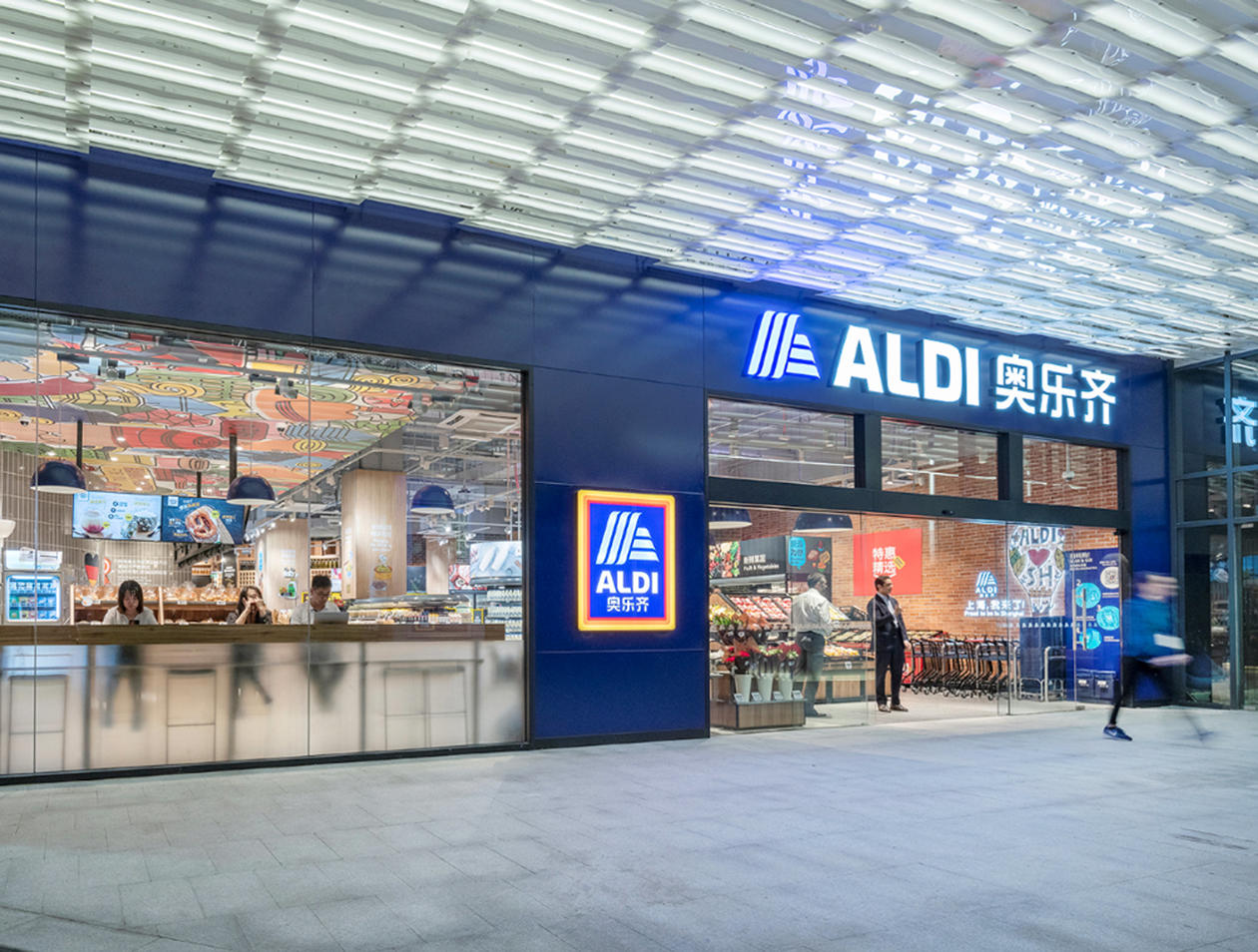
    ALDI Australia has joined over 80 global businesses in endorsing the call for a global plastics treaty to end plastic pollution.

    The Business Coalition for a Global Plastics Treaty, which also includes financial institutions, and non-governmental organizations, is pushing for the development of a legal UN treaty to end plastic pollution, calling for “an ambitious and effective global agreement to accelerate progress towards a circular economy in which plastic never becomes waste or pollution.”

    Aldi joins Ikea, Walmart, and the below companies in the coalition.

    ALDI Australia says this cements its commitment to sustainable business operations.

    “As one of Australia’s largest grocery retailers, we understand the important role we play in reducing our use of plastic and introducing more sustainable packaging within our own supply chains at a local and business level,” said ALDI Australia’s Director Corporate Responsibility, Daniel Baker.

    “The plastics crisis doesn’t stop at our shores or even our oceans. This is a global challenge that needs a cohesive response and having a United Nations treaty with businesses worldwide is essential to help solve this global crisis together.”

  • McDonald’s China launches its first zero-carbon restaurant

    McDonald’s China launches its first zero-carbon restaurant

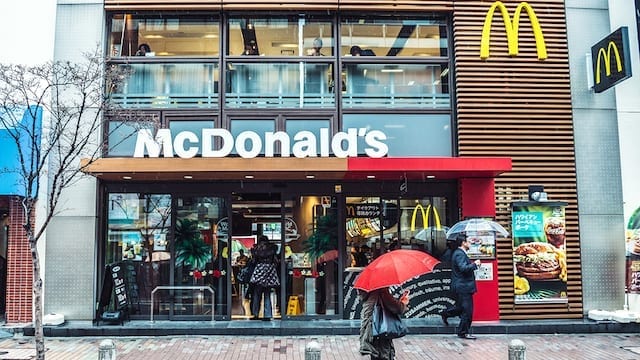
    Leading fast-food chain McDonald’s China opened the company’s first zero carbon restaurant in the Shougang Park in Beijing recently part of its upcoming move to open more new green outlets in the country.

    The McDonald’s Shougang Park restaurant is designed and constructed in line with LEED (Leadership in Energy and Environmental Design) net zero carbon and net zero energy certification standards.

    For a building to be net-zero it must remove as much carbon dioxide from the atmosphere as it emits throughout its lifespan, both in the form of embodied carbon and operational carbon associated with construction, occupation, and eventual demolition.

    Powered by on-site solar panels of over 2,000 square meters, the new restaurant is a milestone for the company’s China unit to achieve net zero carbon emission in the country by 2050. There are about 5000 McDonald restaurants in China.

    “With the scaling up of our business, we are determined to take up more social responsibilities to feed and foster our communities,” said Phyllis Cheung, CEO of McDonald’s China.

    “We will continue to drive high speed and sustainable growth by creating a future where people and the planet will thrive. We will focus on opening more green restaurants and embed green experience throughout consumer journey.”

    McDonald’s China will offer a series of green experience activities to consumers nationwide to advocate low carbon lifestyle, which includes the sealing sticker on the paper bags turning into green colors, or discounted Filet-O-Fish, which uses 100 percent Marine Stewardship Council certified codfish.

    Collaborating with Amap, McDonald’s will provide a cup of free coca cola to the customers who use Amap navigation app and arrive at McDonald’s restaurants by bike or on foot from Sep 20 to Oct 4.

    About 1,600 LEED certified McDonald’s green restaurants will change the color of their location icon on McDonald’s app, enabling over 200 million registered members to find their nearest green restaurant easily.

  • Yonyou Rolls Out the Next-Gen Cloud ERP

    Yonyou Rolls Out the Next-Gen Cloud ERP

    With more and more organizations realizing the benefits of digital transformation, enterprise management software solutions and cloud service providers, Yonyou is also quickly expanding its digital ecosystem amid increasing business partnerships within various public and private sectors.

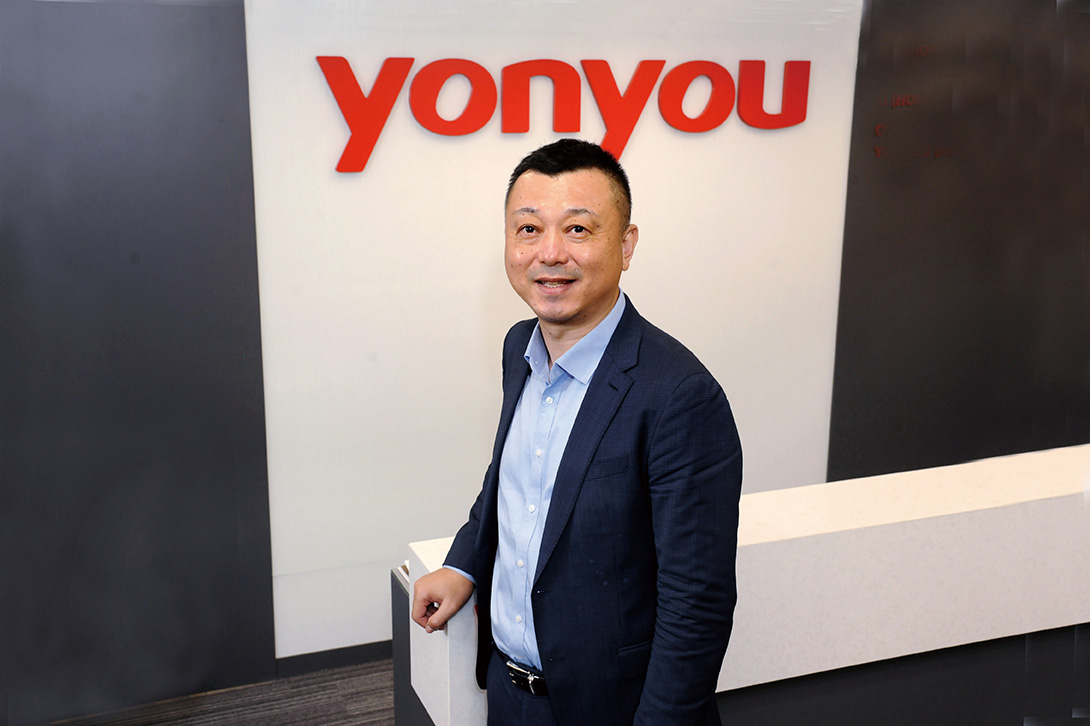
    Telecom Review Asia interviews Bowen Guo, general manager, Overseas Business Unit of Yonyou Network Technology Co., Ltd. and Yonyou (Hong Kong) Co., Ltd. on the vital role of high-quality and secure cloud services to maximize its business capabilities, especially amid its global expansion.

    Yonyou has been recognized by Gartner as one of the global top 10 ERP providers and is ranked by the International Data Corporation as the largest enterprise management software provider in China. Yonyou has over 230 branches and 10,000 ecosystem partners worldwide, providing best practices for cross-border enterprises.

    And to further strengthen its capabilities, the company is leveraging cloud-native technology. Yonyou sees the need for strong technical support and high global accessibility, such as what Huawei Cloud delivers.

    Secure and High-Quality Cloud Technologies

    As the largest B2B SaaS vendor in China, Yonyou is quickly building up a thriving digital ecosystem, prompting the need for more secure and high-quality services. And to provide secure technologies and support, the company continues to partner with Huawei Cloud for its strong technical support and high global accessibility.

    Guo stresses that the Huawei Cloud focuses on the IaaS and PaaS layers, while Yonyou focuses on the SaaS layer. And Huawei cloud mostly deals with the bottom layer or underlying technologies, thereby delivering high-quality services to Yonyou to help them serve their customers.

    As Guo explains, “Huawei cloud mainly focuses on the IaaS and PaaS layers. IaaS means the infrastructure, and I think Huawei is a leading player in providing a wide range of cloud infrastructure. It offers diversified infrastructure products, including cloud infrastructures, databases, middleware and security technologies. I think they can provide all-rounded businesses and technologies in these domains, and Huawei plans to develop the operating systems further. Thus, I believe that is also one of their advantages with the all-rounded infrastructure of Huawei cloud. Yonyou is actually growing with Huawei cloud.”

    As the ecosystem partner of Huawei, Yonyou is also maximizing the resources shared by Huawei Cloud, including customer resources and partner resources, as well as technological advantages in this domain.

    Yonyou’s New Product Lines 

    Yonyou has also launched its latest business innovation platform, the Yonyou BIP, or business innovation platform. The company boasts that this is its next-gen cloud ERP product for overseas users.

    Yonyou BIP is the company’s new generation cloud product platform. BIP consists of two business lines: the first one is YonBIP, which mainly aims at larger-sized customers; and the second is YonSuite, which primarily serves small and medium-sized customers. With these new product offerings, the company is working with Huawei to provide personalized and customized services to its customers.

    “So Yonyou BIP is our new generation cloud product platform. It follows the 1+3+X architecture. 1 indicates the technological platform, and 3 indicates the application in 3 domains, including human resources, financial services and supply chain. And X actually indicates our ecosystem, and it includes more than 10,000 ecosystem partners who work together with Yonyou to provide services to customers,” Guo.

    Guo stresses that their latest product developments allow for the acceleration of digital transformation of their partners and customers.

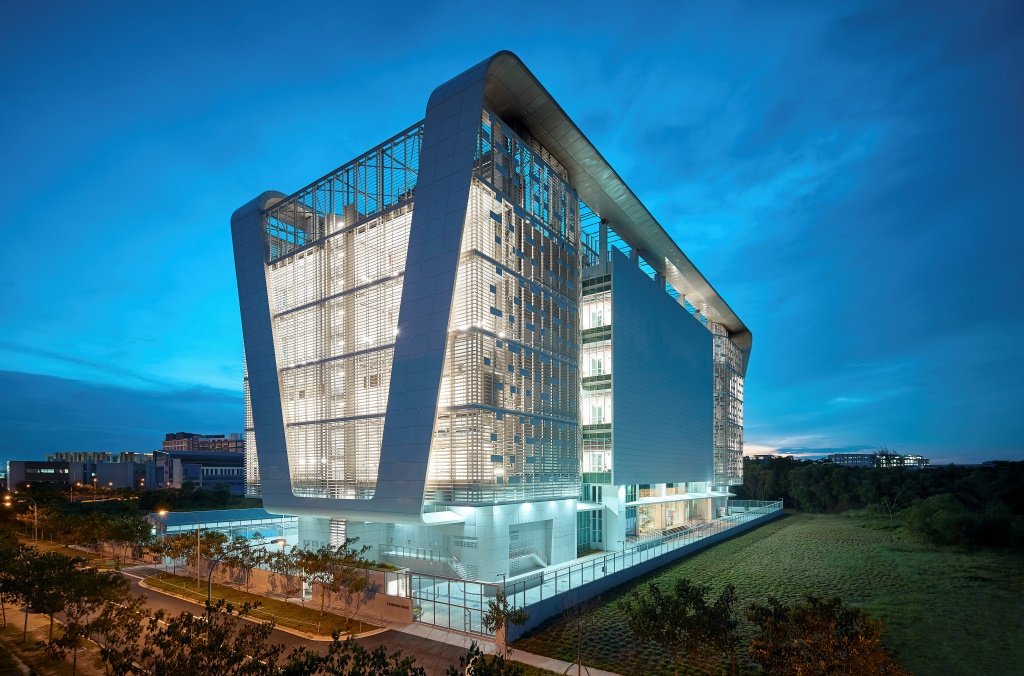
    Furthermore, Yonyou has also built a new data center in Singapore to support the business development of Yonyou BIP and help the company respond to some issues or challenges in Southeast Asia.

    Guo explains, “And now, we can provide better, localized cloud services to serve our customer segments in this region better. And then, we can better link or work with our ISV partners. These ISV partners can provide better-localized services. So, in addition to globalization, we must focus on localization. So, with the joint collaboration with the ISV partners, we can better comply with the local accounting rules or the human resources policies like the labor laws in the regions.”

    With 11 certifications from worldwide security authorities such as ISO 27001, EAL3+ and CSA STAR, Yonyou has largely enhanced data security and strengthened data storage capability by data deployment overseas. And Yonyou says that this, with the help of Huawei Cloud, will deliver reliable and secure cloud service to global customers.

  • Telin and Zenlayer to Deliver On-Demand Subsea Cable Services to Indo-Pacific

    Telin and Zenlayer to Deliver On-Demand Subsea Cable Services to Indo-Pacific

    PT Telekomunikasi Indonesia International (Telin), the largest telecommunications company in Southeast Asia, and Zenlayer, a massively distributed edge cloud service provider, signed a memorandum of understanding for joint development of a digital connectivity platform that provides on-demand subsea cable services.

    The joint development will combine the strong capabilities of both parties. As Telin continues to invest heavily in global subsea cable services, especially in the Indo-Pacific, Zenlayer’s platform will further digitize the service delivery for carriers, hyperscalers and global enterprises.

    “The fast-growing internet economy in the Indo-Pacific area has made the need for connectivity stronger than ever before. Here at Telin, we’re committed to optimizing our global infrastructure and enhancing our products and solutions to meet the rising market demands,” said Budi Satria Dharma Purba, CEO of Telin. “Zenlayer’s massive global scale and advanced technology to build on-demand, easy-to-use edge cloud platform makes them a perfect partner for our digital transformation. We look forward to helping more businesses connect into Southeast Asia and local companies expand globally.”

    “We are thrilled to power Telin’s digital transformation with our technology,” added Joe Zhu, CEO and founder of Zenlayer. “Through deep product integrations, we will bring a full suite of on-demand cloud networking services to mutual customers and take their user experience to an entire new level.”

    The partnership is a new milestone in the long-lasting relationship between the two companies. Since 2017, Telin and Zenlayer have had collaborations over edge data center and cloud networking services. Earlier this year, MDI Ventures, the investment arm of Telkom Indonesia, led the C+ round of investment in Zenlayer, further solidifying the latter’s position as the number one edge cloud service provider in the region.

    A leader in edge cloud, Zenlayer has the most robust infrastructure presence in the world’s fastest growing economic regions. The company has a strong commitment to Southeast Asia, with 62 edge nodes and extensive partnerships built in the region. It has helped numerous global businesses tap into the massive potential of the area with its high-performance compute and networking services.

  • Samsung launches a duo of rugged devices in the US

    Samsung launches a duo of rugged devices in the US

    Samsung introduced two rugged devices a few months ago, the Galaxy XCover6 smartphone and the Galaxy Tab Active4 Pro tablet, but they were not available in the United States at launch. Today, the South Korean giant announced both devices are now available for purchase in the US.

    These products have their own niche target, which seems large enough to convince Samsung to continue expand its offering of rugged phones and tablets. Since we previously reported about the Galaxy XCover6 and Galaxy Tab Active4 Pro, here is a short recap in case you need a reminder.

    If you’re looking for a durable smartphone, the Galaxy XCover6 definitely delivers. It’s Samsung’s most advanced rugged phone, but don’t expect the same level of power as the company’s top-tier lineups. It’s safe to say that the Galaxy XCover6 is a standard mid-range phone in a very solid, durable body.

    Under the hood, the Galaxy XCover6 packs a 2.4GHz octa-core Qualcomm Snapdragon 778G 5G processor, paired with 6GB RAM and 128GB internal storage. It’s a fairly standard specs list for an above average mid-tier phone, so the Galaxy XCover6 might appeal to other types of customers too.

    The massive 6.6-inch PLS LCD display supports FHD+ resolution and features Corning Gorilla Glass Victus+, the latest type of panel protection in the industry. The latter should provide enough scratch and damage resistance to save your phone from being destroyed in some extreme cases.

    According to Samsung, the phone is MIL-STD-810H compliant to withstand extreme altitudes, temperatures, vibration and humidity. The Galaxy XCover6 can also withstand drops of up to 1.5m and is IP68 rated for dust and water resistance.

    Long gone are the days when every rugged phone looked like a brick. The Galaxy XCover6 isn’t the thinnest phone on the market, but it’s pretty sleep at just 9.9mm. However, this is a pretty heavy device, at least in comparison with Samsung’s flagships.

    The XCover6 weighs in at 235g, whereas the Galaxy S21 is much lighter at 167g. On the bright side, in case of extreme conditions, your Galaxy XCover6 is more prone to survive rather than the much more expensive Galaxy S21, so each has its strengths and weaknesses.
    When it comes to camera, let’s say the Galaxy XCover6 is pretty decent. The phone sports a dual camera setup (50MP+8MP) and a 13-megapixel selfie snapper. A 4,000 mAh keeps the lights up, which should provide enough juice for a few days of average usage.

    Moving on to the Galaxy Tab Active4 Pro, this feels like the tablet version of the Galaxy XCover6, at least on paper. Obviously, the tablet is going to have a larger display and battery, but much of the other specs will be the same.

    For starters, the tablet is powered by the same Qualcomm Snapdragon 778G 5G CPU and has the same memory configuration, 6GB RAM and 128GB storage. However, the Galaxy Tab Active4 Pro is also available in a cheaper 64GB version if you can’t afford the 128GB model.

    As far as the display goes, the Galaxy Tab Active4 Pro’s 10.1-inch TFT LCD display with FHD resolution is protected with Corning Gorilla Glass 5, a slightly weaker type of glass than the one protecting the Galaxy XCover6.

    On the back, the rugged tablet features a 13-megapixel main camera, while in the front there’s a secondary 8-megapixel sensor. The large 7,600 mAh battery benefits from 15W fast charging, but that’s about all we know so far about its capabilities.

    Samsung Galaxy Tab Active4 Pro shares the same rugged features as the Galaxy XCover6, including MIL-STD-810H compliance and IP68 rating. However, since the Galaxy Tab Active4 Pro features Corning Gorilla Glass 5 instead of Victus+, it can “only” withstand drops of up to 1m, or 1.2m when using the included protective cover.

    If you haven’t guessed yet based on the name of the chipset powering these rugged devices, then we can confirm that they support 5G. Also, they ship with Android 12 out of the box and can be purchased in the US through Samsung’s Business store, Amazon Business, and Samsung’s tier one and two IT channel partners.

    Pricing for the Samsung Galaxy Tab Active4 Pro begins at $649, while the Galaxy XCover6 Pro does not have a price yet, but we do know it will be available in the US on October 20, through select carrier.

  • Berluti makes its Vietnam debut

    Berluti makes its Vietnam debut

    LVMH-owned Parisian shoemaker Berluti has expanded its footprint into Vietnam, opening its first store in Hanoi in partnership with local partner S&S Group.

    Located in the heart of Hoan Kiem district across from the famous Metropole Hotel, the Berluti Vietnam boutique follows the brand’s signature simple design dominated by wood and leather elements.

    After passing through the stripe pattern glass facade, customers are welcomed with a leather wall highlighting the brand’s ‘art of patina’ and a designed chandelier inspired by Vietnam’s tiered ‘rice ladder fields’.

    The store offers a full selection of Berluti’s men’s accessories, including shoes and leather goods.

    Founded in 1895 by Alessandro Berluti, the brand is known for its elegant craftsmanship and deep understanding of producing men’s footwear and accessories. Berluti has more than 60 boutiques across several markets, including South Korea, Mainland China, Hong Kong, Singapore and Japan.

  • Foodpanda starts delivering Lego kitsets in Asia in quickcommerce move

    Foodpanda starts delivering Lego kitsets in Asia in quickcommerce move

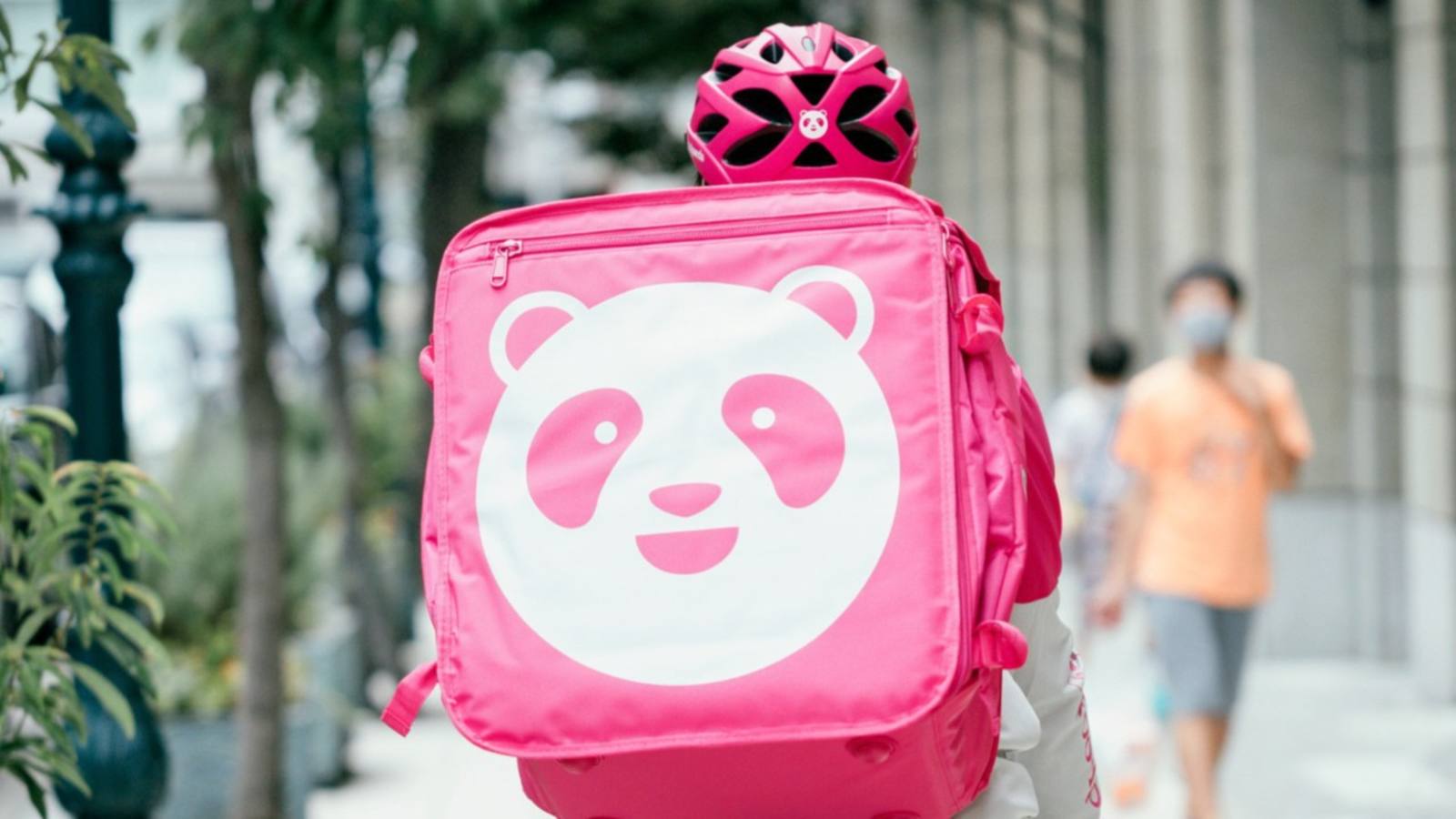
    Singapore-based e-commerce platform Foodpanda has partnered with the toy giant Lego to expand the region’s q-commerce marketplace.

    Lego says the partnership signifies the company’s entry into the q-commerce sector, which enables users to purchase Lego sets and have them delivered to their doorstep within 30 minutes.

    Customers in Malaysia and Singapore can buy Lego products through Foodpanda in the initial phase, with other markets likely to follow.

    “Entering the quick commerce market will make it more convenient for our customers to get Lego products and bring new opportunities for people to build and play together whenever and wherever they feel like,” said U-Fong Chua, SEA e-commerce head at Lego.

    With its own custom in-app storefront in Singapore, the Lego store will be highlighted on Foodpanda shops. At the same time, buyers in Malaysia can purchase Lego sets at a few Pandamart Cloud locations in Klang Valley and Seremban.

    Foodpanda stated that it had reached the milestone of digitalising 50,000 merchants around Asia, including supermarket chains, quick-service restaurants, drug stores, and fashion retailers. Through this agreement, Foodpand has opportunities for non-grocery categories to better meet the needs of customers for their everyday needs.

  • Electricity company Trungnam Group plans $500-mln bond issuance

    Electricity company Trungnam Group plans $500-mln bond issuance

    Energy developer Trungnam Group plans to issue US$500 million worth of bonds in the next three years to fund a number of projects until 2030.

    It is planning onshore and near-shore wind power plants that will almost triple its renewable energy capacity by 2026 from the current 1.6 gigawatts of mostly wind and solar energy, its management said.

    It will also bid for a 1,500-megawatt liquefied natural gas power project in the central province of Ninh Thuan next year.

    One of Vietnam’s largest renewable energy developers is mulling setting up a pilot green hydrogen plant with a capacity of 120-200 megawatts by 2025.

    Trungnam became the first private company to build a 500-kilovolt transmission grid in Ninh Thuan, and planned to donate it to the country, but the lack of legal provisions to support the transfer of a private asset to the government has put the deal on hold.

  • Asia Coffee-Vietnam market tepid ahead of new crop season, low supplies in Indonesia

    Asia Coffee-Vietnam market tepid ahead of new crop season, low supplies in Indonesia

    Coffee trading remained subdued in Vietnam this week due to a lack of beans, with traders awaiting the new crop season that starts next month.

  • UBS Partners With a US Investment Network

    UBS Partners With a US Investment Network

    UBS is teaming up with a network of alternative investment firms in the US that manages more than $300 billion in institutional assets.

    The US National Association of Investment Companies (NAIC), the nation’s largest network of diversely owned alternative investment firms, has signed up UBS as a partner. UBS will become a platinum sponsor of the Washington-domiciled NAIC to support its inclusive investing offering.

    Founded in 1971, the association counts more than 170 alternative investment firms that collectively manage more than $300 billion in institutional assets. NAIC member firms invest in more than 1028 portfolio companies worldwide, according to the association. As part of the sponsorship, UBS will support and participate in the NAIC’s virtual and in-person events and programs with NAIC member firms, partners, and investment plan and institutional decision makers.

    At UBS, we’re focused on driving more capital and investment to support diversity, equity, and inclusion, said Tom Naratil, president of UBS Americas and co-president of global wealth management at the firm. UBS and NAIC seek to build long-standing relationships with member firms, including high-performing diverse-owned alternative investment managers, the statement added.

    NAIC will introduce UBS to its member firms through virtual and in-person roadshows that will support UBS’ recently launched Inclusive Investing offering.

    Naratil will soon be ending his long career at the bank, retiring from UBS on October 3, when Iqbal Khan will take over as sole head of UBS’ flagship Global Wealth Management unit.

  • Rising Inflation and the Risk of Recession

    Rising Inflation and the Risk of Recession

    While various stimulus packages got the global economy through the short-term challenges of COVID-19, they were always going to cause difficulties in the medium term. Inflation has risen and recessions look likely, so how can investors respond effectively?

    The global economic system appeared to cope with the COVID-19 pandemic and its associated lockdowns. Individual policymakers took different approaches to their economies, each of which had different impacts at a micro level and there were winners and losers throughout the process, but, broadly speaking, the wind kept filling the economic sails and countries kept moving forward.

    Inflationary Risk

    Keeping economies buoyant was economically and politically expedient in the short term, but it carried a significant medium-term inflationary risk. The complications created by the events in Ukraine have piled further pressure onto an already fragile structure and as we approach the final quarter of 2022, many countries face levels of inflation not seen since the 1990s.

    There is a very real threat of a global recession in 2023. Traditionally, economic policymakers have used interest rates to bring down inflation, raising them to make it more attractive to hold money in the bank or invest in government bonds rather than keep spending.

    Interest rates have been at historically low levels for the best part of a decade, so there is plenty of scope for them to rise and this is likely to have a significant impact on investment decisions.

    Why is Inflation Important?

    The aim of investment is to either create or preserve wealth, which means that during periods of high inflation, investors need to ensure that their portfolios work harder to stop value from being eroded. The challenge is that inflation impacts different asset classes in different ways.

    Inflation has been very tightly controlled in the developed markets over the last couple of decades, so there is relatively little experience of dealing with it in the markets. Understanding how individual asset classes have responded to periods of high inflation can offer a good gauge for what might be expected to happen during what is set to be a very challenging couple of years.

    How Should Investors React?

    At the same time though, even if it doesn’t evolve into a full-blown recession, smaller companies struggle with cash flow during a downturn no matter how innovative their idea and flexible their setup. In many ways though, it is in the difficult times that ideas are tested, teams are forged and world-beating companies are built.

    This makes investment during challenging times all the more important and can make the potential returns all the more tantalizing.

    Making losses More Manageable

    Most investors have experience with the 60/40 (equity/bond) portfolios but this asset allocation is struggling in 2022. As of August 2022, a balanced portfolio is down close to -15 percent in dollar. When the markets become challenging, it is no secret that diversifying an investment portfolio tends to help spread the risk and potentially make losses more manageable.

    Asset managers such as the team at Petiole Asset Management tend to have access and for many years expertise in a wide array of asset classes in the private markets which can give them a broader view of potential investment opportunities to improve the risk-return profile of their whole portfolio.

    Change, Flexibility and Transparency

    The investment space has obviously changed significantly over the last 15 years, with new digital tools that offer a level of transparency and of reporting that would have been inconceivable a generation ago. These tools enable investors of all sizes to be far more inventive and flexible in their approach to their private asset portfolios.

    In a lot of ways, investing is like sailing a yacht: with a little practice, most people can quite happily take a boat around a calm bay on a clear day with a light wind and get something positive from the experience. If conditions change though, the skies darken and the wind picks up, then the inexperienced can quickly find themselves in trouble.

    And it doesn’t take years of experience to see that going into the financial markets is likely to be very challenging for at least the next year.

  • Vietnam crypto trading second highest in ASEAN

    Vietnam crypto trading second highest in ASEAN

    Vietnam is the second biggest cryptocurrency market in ASEAN behind Thailand with a transaction value exceeding $100 million a year, a new report has found.

    It was followed by Singapore, the Philippines, and Indonesia, according to a report by cryptocurrency data provider Chainalysis.

    Vietnam, along with Thailand and the Philippines, also record high web traffic to non-fungible token marketplaces, which could be explained by the large number of blockchain gamers, it added.

    An estimated 25% of Filipinos and 23% of Vietnamese have played a play-to-earn game, and at one point, players based in the Philippines made up 40% of Vietnam-based Axie Infinity’s playerbase.

    In an earlier report, Chainalysis said that this is the second year that Vietnam ranks highest in its cryptocurrency adoption index.

  • DHL allots €500m to boost contract logistics in India

    DHL allots €500m to boost contract logistics in India

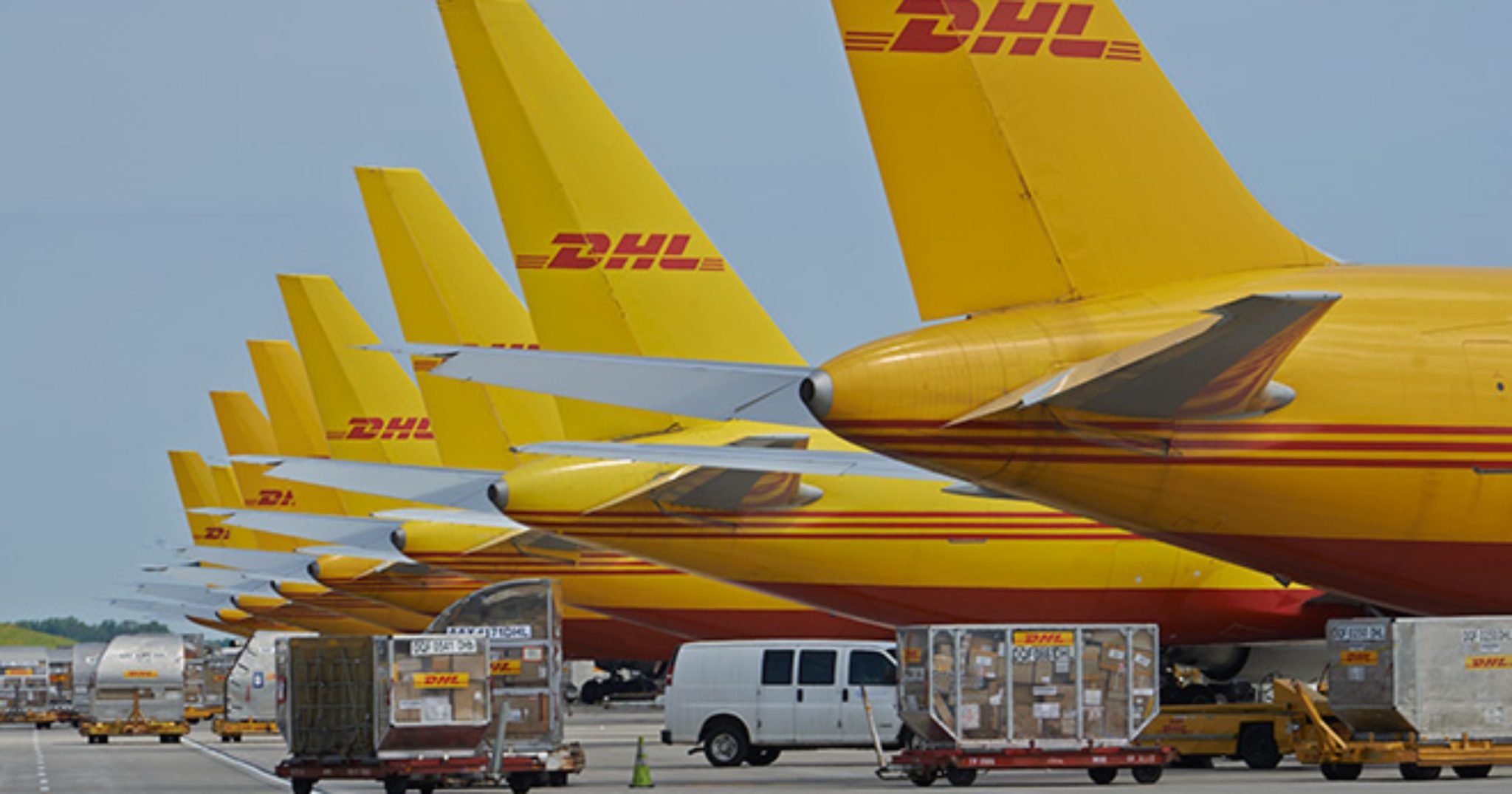
    DHL Supply Chain (DHL) plans to invest €500 million in India over the next five years as it looks to grow its warehousing capacity, workforce and sustainability initiatives in the country.

    The company plans to own and operate large multi-client sites in India, adding 12 million square feet of warehousing space, to cater to growing sectors like e-commerce, retail, consumer, life sciences, technology, engineering and manufacturing as well as automotive.

    These warehouses will feature tech solutions like assisted picking robots, indoor robotic transport, intelligent process automation, wearable devices, voice picking, inventory management robots and algorithmic optimization..

    DHL will add 12 million square feet of capacity across wholly owned sites in key cities like Bangalore, Chennai, Kolkata, Mumbai, National Capital Region (NCR) and Pune. The company said multi-client sites are also being built in fast-growing state capitals and tier 2 cities like Ambala, Baddi, Cochin, Coimbatore, Guwahati, Sanand, Hyderabad, Jaipur, Indore, Lucknow, Bhubaneshwar, Hosur, and Visakhapatnam.

    DHL Supply Chain India will also open two new business support centers (BSC) in Bangalore and Pune within the next 12-18 months to support customer demand. The company runs three BSCs in Mumbai, Gurgaon and Chennai, providing 24/7 value-added services.

    “Asia Pacific currently accounts for about 15 percent of DHL Supply Chain’s global revenue but is among the fastest growing regions, with India being a key contributor to this growth. The Indian logistics market, worth over US$200 billion now, is expected to grow at about 10% per year in the next five years to reach around US$330 billion. We take a long-term view in India with businesses here having reasons to be optimistic,” said Terry Ryan, CEO, DHL Supply Chain Asia Pacific.