Author: Mei Ling Tan

  • Byredo launches Hong Kong flagship store

    Byredo launches Hong Kong flagship store

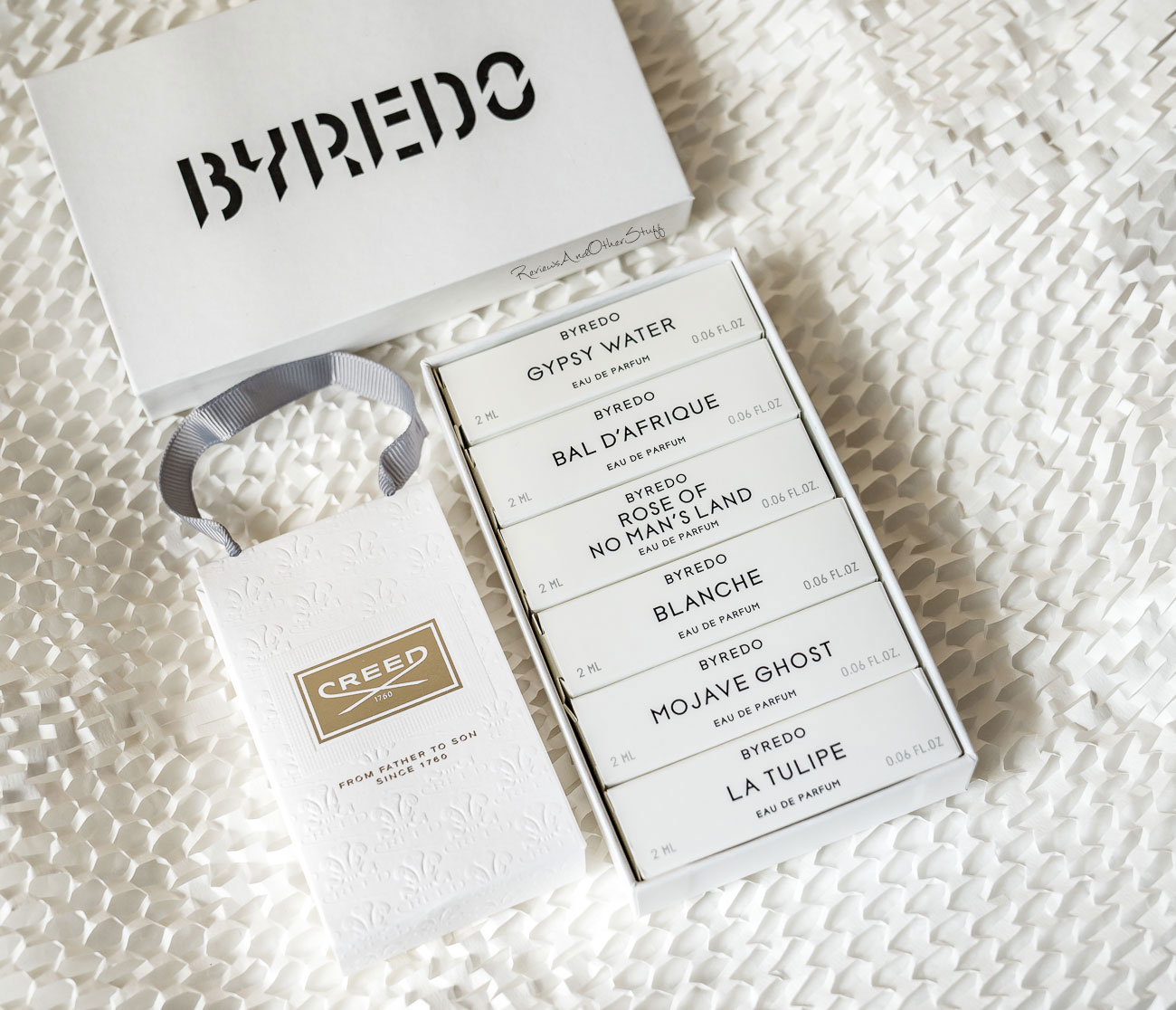
    Fragrance company Byredo is focusing on its Asian expansion, opening its first flagship store in Hong Kong.  With the goal of “transforming memories and emotions into things and experiences,” Ben Gorham founded the European luxury brand Byredo in Stockholm in 2006. The retailer now has a presence in more than 40 countries and offices in key markets including China, Korea, the US and the UK. Source: Byredo Located on Causeway Bay’s Fashion Walk, the store features a dark grey b

    Located on Causeway Bay’s Fashion Walk, the store features a dark grey brick exterior and furniture like “a lacquered mechanical table, galvanised metal cabinets, cowskin daybed, douglas fir bag shelf, and counter”. All were designed by Halleroed – a Swedish design agency – in partnership with Byredo.

    The store offers a range of perfumes, body care, home fragrances and accessories, which focus on craftsmanship and quality. The Hong Kong flagship will also provide delivery services and customisation services for bespoke products.

    Byredo first entered Hong Kong in 2015, opening retail counters in the Lane Crawford department store. The brand was acquired by Puig in May with its two founders Ben Gorham and Manzanita Capital remaining shareholders.

    Gorham continues to provide leadership while Capital remains dedicated to the long-term expansion and vision of the brand.

  • Yoshitsu opens physical store in Hong Kong

    Yoshitsu opens physical store in Hong Kong

    Yoshitsu, a retailer and wholesaler of Japanese beauty and health products, as well as sundry products and other products in Japan, today announced the grand opening of its physical retail store (the “Store”) in Hong Kong on August 30, 2022. The Store is located at No. 118, 1/F, Nina Tower 1, No. 8 Yeung Uk Road, Tsuen Wan, New Territories, Hong Kong, an iconic shopping destination. The opening hours are from 11 a.m. to 8 p.m. on Monday – Thursday, and 12 p.m. to 9 p.m. on Friday – Sunday.

    The opening of the Store is a part of the Company’s long-term expansion plan to expand its footprint in Hong Kong. The Store features an extensive product assortment, including cosmetics, skincare, fragrances, cosmetic applicators and body care products. Customers will not only have a large selection of exclusive Japanese brands, but also receive personalized beauty assistance with finding new and trending products.

    Mr. Mei Kanayama, the Principal Executive Officer of Yoshitsu Co., Ltd, commented, “We are thrilled to bring our new store closer to more of our customers in Hong Kong. Providing a remarkable customer experience is the top priority for our business, and we will try to bring the best shopping experience to every customer. To celebrate its grand opening, the new store in Hong Kong will offer 5% off from the opening day to September 15, 2022. We are planning to have two more new stores open in Hong Kong in the remainder of 2022 and are excited to bring the beauty experience we offer to more new customers. We believe that our expansion strategy is in line with our goal to increase market share and achieve long-term growth.”

  • Japanese fashion label Enfold launches in South Korea

    Japanese fashion label Enfold launches in South Korea

    South Korean luxury fashion and lifestyle brand operator, Shinsegae International, is bringing Japanese up-market fashion label Enfold to the country, opening the brand’s first independent overseas store.  Enfold’s first South Korean store, scheduled to open on September 14, will occupy a 35sqm space on the fourth level of Shinsegae Department Store in Gangnam. The interior design will feature the key motif of the cylinder shape. “By bending the cylinder into various shapes, it can be

    “By bending the cylinder into various shapes, it can be used to represent people lying down, tilting their head, and standing still,” the company said. “It expresses the world view of Enfold that changes.”

    Found by Mizuki Ueda in Spring 2012, Enfold means to embrace. The brand plays with the concept of offering comfortable and elegant style to hide the form of the body, curating a lasting wardrobe rather than following seasonal trends. The brand has more than 10 stores in its home market.

    The launch is part of Enfold’s plan to expand its influence in overseas markets, after rolling out several pop-up stores in the US, London, Hong Kong, and Paris during the past few years.

    Enfold will join Shinsegae International’s portfolio of more than 40 high-end brands, including Celine, Chloe, and Banana Republic. The South Korean retailer has a network of more than 860 stores nationwide ranging from fashion, and beauty to lifestyle brands.

    Enfold is owned by Baroque Japan, which operates more than 20 fashion brands, including Moussy, Sly, Lilidia, and Shel’tter.

  • SoftBank Plans $35 Million Bet On India’s GoMechanic

    SoftBank Plans $35 Million Bet On India’s GoMechanic

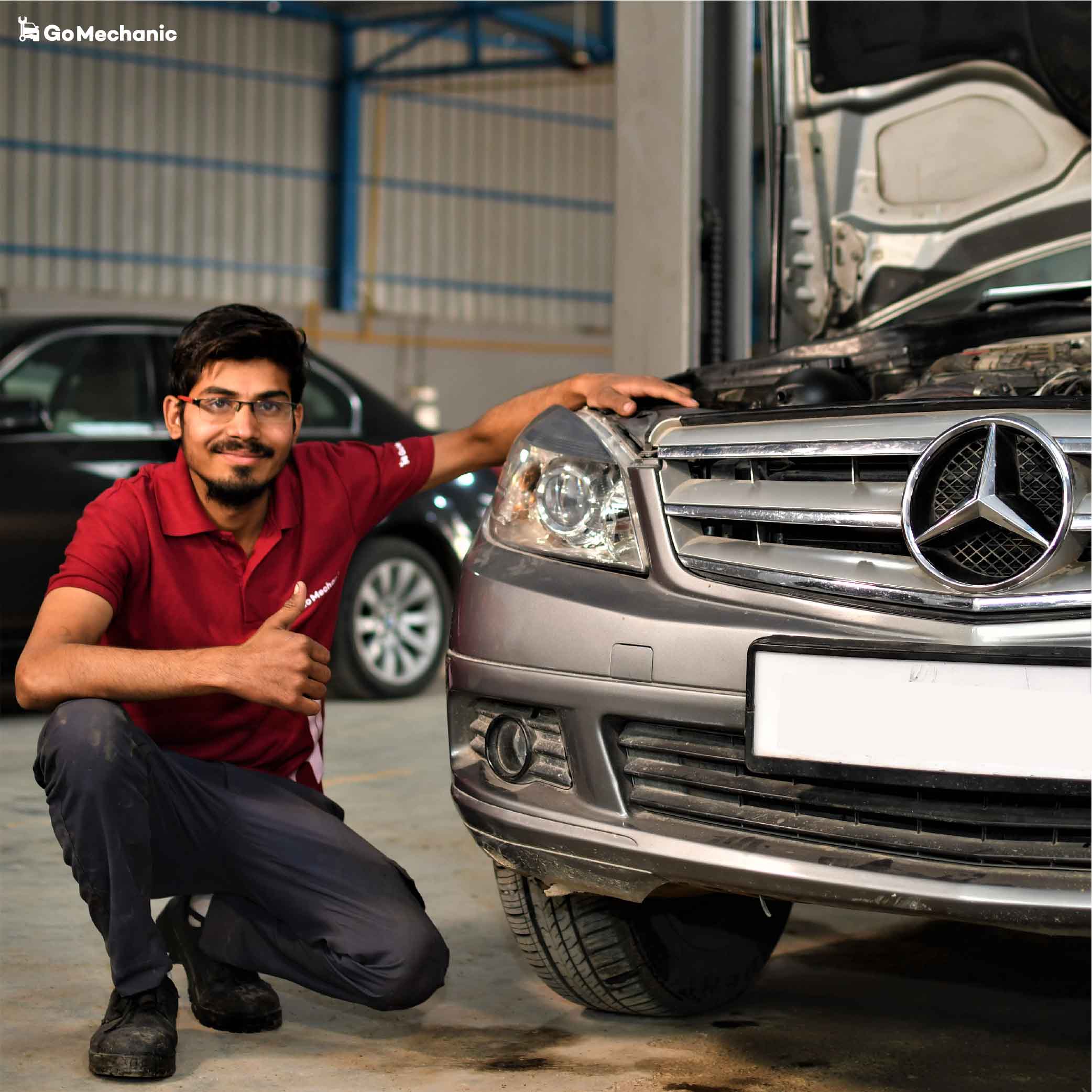
    SoftBank Group is in talks to invest $35 million in Indian car service and repair firm GoMechanic, in what would be one of the Japanese investor’s smallest bets in India by its Vision Fund, which typically signs bigger cheques, two sources told Reuters.

    SoftBank has for years been a prominent backer of Indian startups, investing close to $4 billion last year alone, according to data from Venture Intelligence. Its big-ticket investments include digital payments firm Paytm and online education firm Unacademy.

    But investment industry executives say SoftBank has started taking a more measured approach to its investments after a global tech rout. Last month, its boss Masayoshi Son said SoftBank would invest much less this year than in 2021, following a record $26.2 billion quarterly loss at its Vision Fund on falling tech valuations.

    Vision Fund’s early-stage talks with GoMechanic are being held around a valuation of $600-700 million, with Malaysian sovereign fund Khazanah and existing investor Tiger Global also planning to invest in the $100 million funding round, said the two sources familiar with the matter, who declined to be named as the talks are private.

    GoMechanic and SoftBank declined to comment, while Khazanah and Tiger Global did not respond to requests for comment. Bloomberg News has previously reported Khazanah’s interest in the funding round.

    Founded in 2016, GoMechanic has serviced and repaired more than two million cars in India through its service centers, and says it costs 40% less than automakers’ own offerings.

    SoftBank has been in discussions with GoMechanic for more than nine months and was initially uncomfortable with the Indian firm’s valuation request of $1 billion, said the first source.

    GoMechanic was valued at $300 million last year, and currently has a gross annual revenue of around $40 million, the person added.

    In May, two sources told Reuters that SoftBank’s Son had started telling executives to invest smaller sums at earlier stages and spend more time on due diligence.

    SoftBank executives began focusing in early 2022 on early-stage investments, with deals around $50 million or less, a change in strategy from before when it typically did larger late-stage deals, the sources added.

    SoftBank’s second Vision Fund of $40 billion is smaller than its first $100 billion vehicle. It announced in August it would limit the second fund to managing its current portfolio of investments.

  • Sunscreen maker Ego admits misleading consumers over SP50 claim

    Sunscreen maker Ego admits misleading consumers over SP50 claim

    Australian skincare company Ego Pharmaceuticals has admitted making unsupported claims about the SPF (sun protection factor) on two of its sunscreens – Ego Sunsense Ultra SPF 50+ and Ego Sunsense Sensitive Invisible SPF 50+.

    The company supplies products into the New Zealand market via a wholesale distributor and has pleaded guilty to two charges under Section 12A of the Fair Trading Act.

    “If you can’t back it up, don’t say it,” observed the New Zealand Commerce Commission, which prosecuted the company.

    “Section 12A of the Fair Trading Act 1986 prohibits the making of unsubstantiated representations and came into effect in June 2014.

    The law prohibits a trader from making an unsubstantiated representation about goods or services. A representation is unsubstantiated if the trader does not, when the representation is made, have reasonable grounds for making it, said the commission.

    Vanessa Horne, GM of fair trading at the Commerce Commission, said Ego had accepted that between February 2019 and June 2020, it did not have any reasonable basis to make the SPF claims on the sunscreen products.

    “We opened an investigation into Ego following Consumer NZ’s testing in 2019 and a subsequent complaint filed with the commission,” she explained.

    “In 2019 and 2020, Ego claimed that both products provided ‘very high’ protection for consumers and were ‘SPF50+’ under an Australian and New Zealand Standard for sunscreen products.”

    Horne said that while Ego had grounds for those claims when first launched, the accumulation of test results between 2017 and 2019 said otherwise.

    The two sunscreen products have not been distributed in New Zealand since December 2019, and the company issued a withdrawal notice for the products in 2020.

    The case against the company is now before the court, and the commission said it cannot comment further on the matter. Sentencing is scheduled for October 26.

    A new mandatory safety standard for sunscreen supplied in New Zealand will be implemented this month. The commission said any businesses that import, manufacture and/or supply sunscreen products into the country must meet the new standard requirements.

  • Tech workers left hanging as Shopee rescinds job offers

    Tech workers left hanging as Shopee rescinds job offers

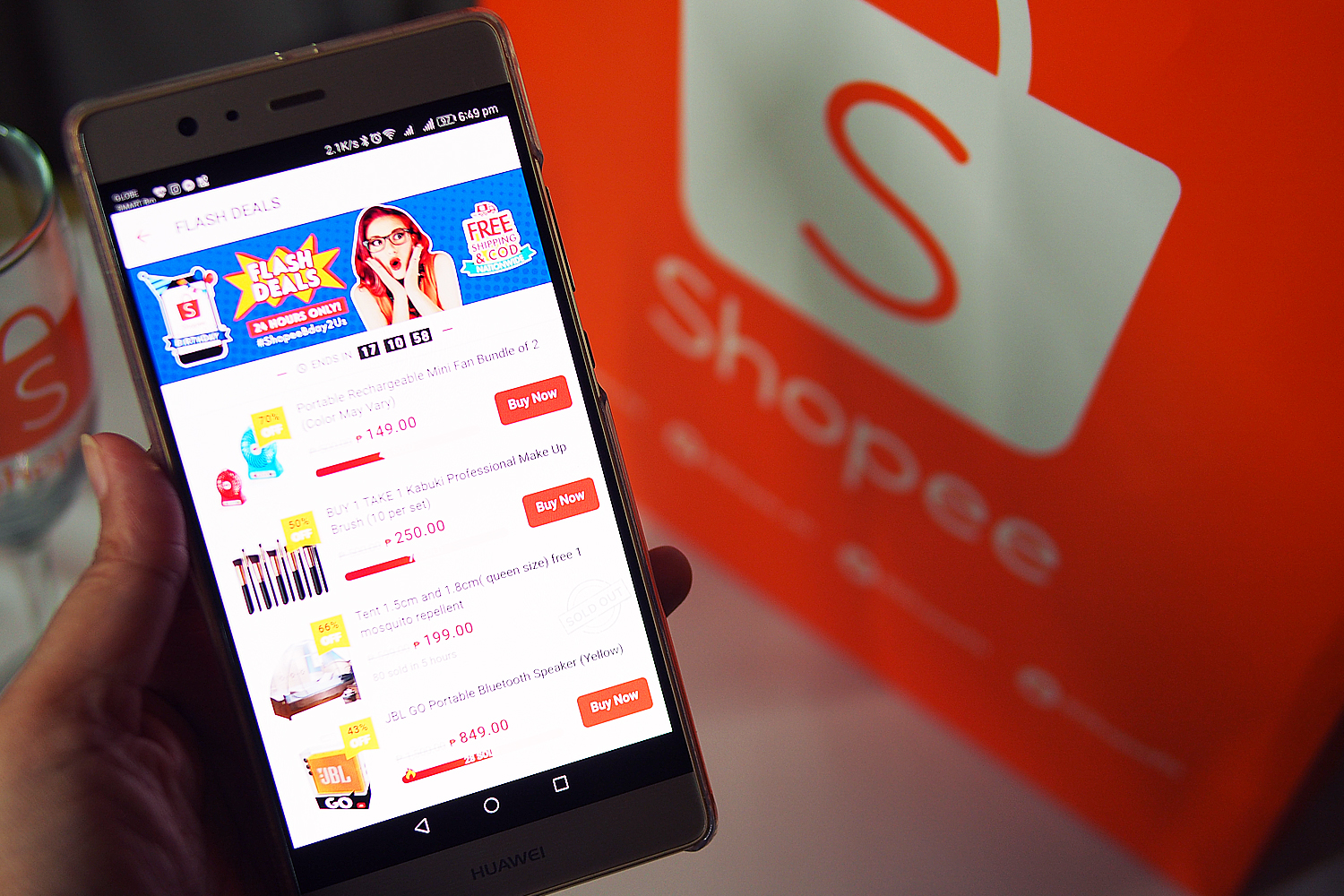
    Southeast Asia’s largest e-commerce firm Shopee has rescinded dozens of job offers in the past two weeks, sources said, a move that began shortly after parent company Sea Ltd reported widening losses and sharply slower revenue growth.

    Four people interviewed by Reuters who have participated in a WeChat group of some 60 people that was set up to discuss Shopee’s withdrawal of offers said their offers were pulled just days before they were due to begin work.

    One 27-year-old engineer who asked that only his first name Wang be used said his call came a week after arriving in Singapore, having quit a job in Shanghai with TikTok owner Bytedance.

    “I thought it was a scam call … until I realised it was a widespread rescinding of offers by Shopee,” said Wang, who had by then paid an advance to rent a house.

    Singapore-based Sea said it had recently cancelled some offers at Shopee but declined to say how many.

    “Due to adjustments to hiring plans on some tech teams, a number of roles at Shopee are no longer available. We are working closely to support those affected,” a company representative said.

    The move follows other recent job cuts at Sea. Staff at Booyah!, a gaming livestream app, which is part of Sea’s gaming unit Garena, were told they would be let go and the app would no longer be updated, separate sources have told Reuters, adding that projects at Sea’s development unit were also shut down.

    Earlier this year, media reports also said Shopee had shed headcount in Southeast Asia, Mexico and Latin America. Shopee declined to comment on those reports.

    Pessimistic Tone

    As recently as March, Sea said it would continue to invest in Shopee, which competes with Alibaba Group Holding’s Southeast Asian arm Lazada, and that growth for the unit remained at the top of its mind.

    But last month, Sea withdrew its e-commerce forecast for the year. Founder and CEO Forrest Li noted an increasingly uncertain market environment and stressed the need to prioritise profitability and efficiency. Sea reported a net loss of $931 million in the second quarter, more than double the loss it made in the same period a year earlier.

    “Their tone has never been more pessimistic,” said Ke Yan, lead analyst at Singapore-based DZT Research, who added that Sea’s strategy of using Garena’s cash flow to compensate for Shopee’s cash burn was unsustainable.

    Sea’s handling of the layoffs was “ugly and embarrassing” and likely to hurt its reputation, he said.

    Sea saw its market value soar to more than $200 billion last October as its Garena unit surged in popularity during the pandemic but its shares have tumbled since then and are now worth just $27 billion.

    Singapore’s Ministry of Manpower said relevant authorities were aware of complaints about Shopee and it was in touch with the company to find out more, but it also said in such situations the parties should work out an amicable solution in good faith.

    The four people interviewed by Reuters said that as compensation Shopee has offered a month’s salary and in cases where people have flown from abroad, it will reimburse the cost of flight tickets and temporary accommodation.

    While the potential for legal action has been discussed in the WeChat Group, those left hanging by Shopee are most concerned with finding new work.

    “The cost of taking legal action is too high. I just want to move on and find a new job,” said one of the four people interviewed by Reuters who declined to be identified.

    For his part, Wang wants to continue his job search in Singapore.

    “The cost of returning to China is too huge, it is very hard to find a new job given the economic situation there,” he said.

  • Desigual plans 60 stores in Mainland China

    Desigual plans 60 stores in Mainland China

    Spanish fashion label Desigual says it plans to open 60 stores in Mainland China, including flagships in Shanghai and Beijing.

    The launch will be via a joint venture with E-Shine, also a local partner of listed fashion company Septwolves Industrial.

    Desigual aims to reach an annual turnover of US$40 million five years from now, with half coming from online and the remainder from sales through physical stores. The company said its primary focus will be Chinese digital channels.

    “This collaboration is in line with our strategy of continuing to develop our business in the Asian market, growing China as well as Japan, which is our main market outside of Europe, as well as in other significant markets such as South Korea,” said Alberto Ojinaga, MD at Desigual.

    “Our goal is for sales made through the digital channel and those coming from geographies outside of Europe to represent 60 per cent of turnover by next year. Right now this percentage stands at 49 per cent.”

    The move is part of the fashion company’s strategy to secure more market shares in Asia, which constitutes 6.5 per cent of its international business. Desigual entered China in 2014 via Tmall launch.

    “Knowledge of consumer habits and preferences in the Chinese market is key to success,” Ojinaga added. “Our objective is to achieve even greater growth in the digital environment and to reach out to new customers with products designed for them and suited to the characteristics of the market.”

  • Celcom Partners With Allo to Boost Connectivity Solutions

    Celcom Partners With Allo to Boost Connectivity Solutions

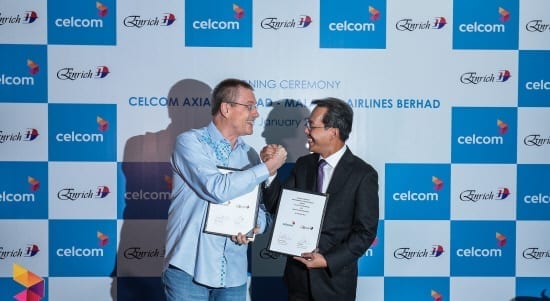
    Celcom has announced that it has signed a partnership deal with Allo aimed at improving telco-related services and connectivity solutions.

    Among the areas that they seek to focus on are fiberization, network resiliency, connectivity, information and communications technology (ICT), internet of things (IoT), 5G and smart solutions.

    In a statement, Celcom said the partnership will enable a faster fiber infrastructure rollout by Allo while facilitating the rapid deployment of high-speed broadband in targeted industrial areas, network base stations and fiberization of Celcom-selected sites.

    The collaboration between Malaysia’s major telecom provider and Allo, a wholly owned subsidiary of Tenaga Nasional Berhad (TNB), will also seek to speed up the progress of smart cities through digital connectivity by both parties.

    “The development of a good digital ecosystem requires the cooperation between various sectors, including public and private sectors, towards achieving the nation’s aspirations that have been outlined in the government’s plans for the benefit of the people. Today’s initiative should be continued because the cooperation between companies will of course bring results that have high impacts to the people and the nation,” said Dato Sri Haji Mohammad Mentek.

    TNB President and CEO Dato’ Indera Ir. Baharin Din said TNB, through Allo, is fully committed to undertaking efforts that benefit the nation’s economic recovery and supports the Government’s initiatives to make lives better and brighter for Malaysians.

    “By leveraging on over 25,000km of TNB’s fiber optic infrastructure, Allo has peninsula-wide coverage to support a rapid and cost-effective deployment of high-speed broadband connectivity services. We believe the digital economy sector is crucial to the future development of Malaysia’s economy by supporting the growth of the nation’s GDP. Our role as the catalyst for the nation’s economy is closely related to the implementation of a modern, reliable, and extensive connectivity network as underlined in the MoU between Allo and Celcom today. Through a reliable connectivity ecosystem that is offered by Allo and Celcom, it can be a driving force for comprehensive value creation across the industry, the development of smart cities, and the ability to transform the socio-economic landscape in Malaysia,” he said.

    Commenting on the collaboration, Datuk Idham Nawawi, chief executive officer of Celcom Axiata Berhad said that Celcom and Allo’s strategic partnership will leverage the strengths of both organizations towards the acceleration of digitalization across Malaysian Homes and Enterprises as well as      significantly boost network operational efficiency.

    “The opportunity to provide high quality and affordable fibre connectivity to homes across the nation is immense, and through this partnership, both parties can play a much larger role and make significant impacts towards digitising Malaysian societies. The strength of Celcom with the widest mobile network and the potential reach of Allo’s fibre via TNB’s infrastructure opens this partnership to a world of new opportunities,” Idham said.

    The collaboration is also expected to boost efforts from Allo and Celcom to drive connectivity and digitalization across industries with technology solutions and services such as ICT cybersecurity solutions, cloud, data centers and managed services, as well as IoT smart city solutions.

  • Ford India Makes Final Settlement Offer To Chennai Factory Workers

    Ford India Makes Final Settlement Offer To Chennai Factory Workers

    Ford India has made the ‘final’ settlement offer to the workers of its Chennai plant, offering a deadline of September 23, 2022 to accept it. The American carmaker, who announced its plan to stop manufacturing vehicles in India last year, has continuously been in failed negotiations with the Chennai Ford Employees Union (CFEU) regarding the severance package for the factory employees. Now, Ford has presented its final severance package to the Chennai car factory Union and the company has said that it will be valid from September 5, 2022, to September 23, 2022.

    In its official statement, Ford India said, “The Company has always cared for its employees and has taken steps to help them to the extent possible. Unfortunately, the Company’s attempts to negotiate a fair severance package have not yielded results because of the Union’s unreasonable demands (of an average of 215 equivalent days of wages per completed year of service). Union also failed to recognize that no company which has decided to stop production because of significant accumulated losses and no sustainable path forward can meet such demands.”

    Alternatively, Ford has been trying to find a suitable buyer for the plant, however, as that hasn’t happened yet, the carmaker has decided to roll out the final severance settlement offer to employees. Ford India says that on average, the settlement is equivalent to 130 days of gross wages per completed year of service. The severance packages will range from a minimum amount of Rs. 33 lakh to a maximum cap of Rs. 85 lakh, which is a cumulative average severance of Rs. 41 lakh per employee.

    Ford says, “The final severance settlement offer translates to an average of about 4.6 years or 56-month salary for each employee (from a minimum of 3.5 years i.e., 43 months to a maximum of 8 years i.e., 100 months), thus assuring employees with adequate financial cushion and adequate time to decide their next action. The Company strongly encourages employees to accept and sign-up for the final severance settlement offer, valid from September 5, 2022, to September 23, 2022, for their own and their family’s future. Further, employees who take the final severance settlement offer will be paid wages until September 30, 2022.”

    Post the deadline, Ford says that if the Company were to retrench employees and pay the statutory compensation, the employees will only be entitled to severance pay of 15 days of every completed year of service.

    Earlier in August 2022, Ford India signed a Unit Transfer Agreement (UTA) with Tata Passenger Electric Mobility Limited (TPEML) for the acquisition of the former’s manufacturing plant in Sanand, Gujarat. The agreement includes entire land and buildings, the vehicle manufacturing facility as well as the machinery and equipment inside. It also includes the transfer of all eligible employees of Ford India working at the Sanand plant to Tata Motors. The Indian auto giant acquired the facility from Ford for a sum of Rs. 725.7 crore exclusive of taxes, the company said in a statement. Both companies signed a tripartite MoU on May 30, 2022.

  • Brisbane coffee brand Aromas Coffee Roasters sold

    Brisbane coffee brand Aromas Coffee Roasters sold

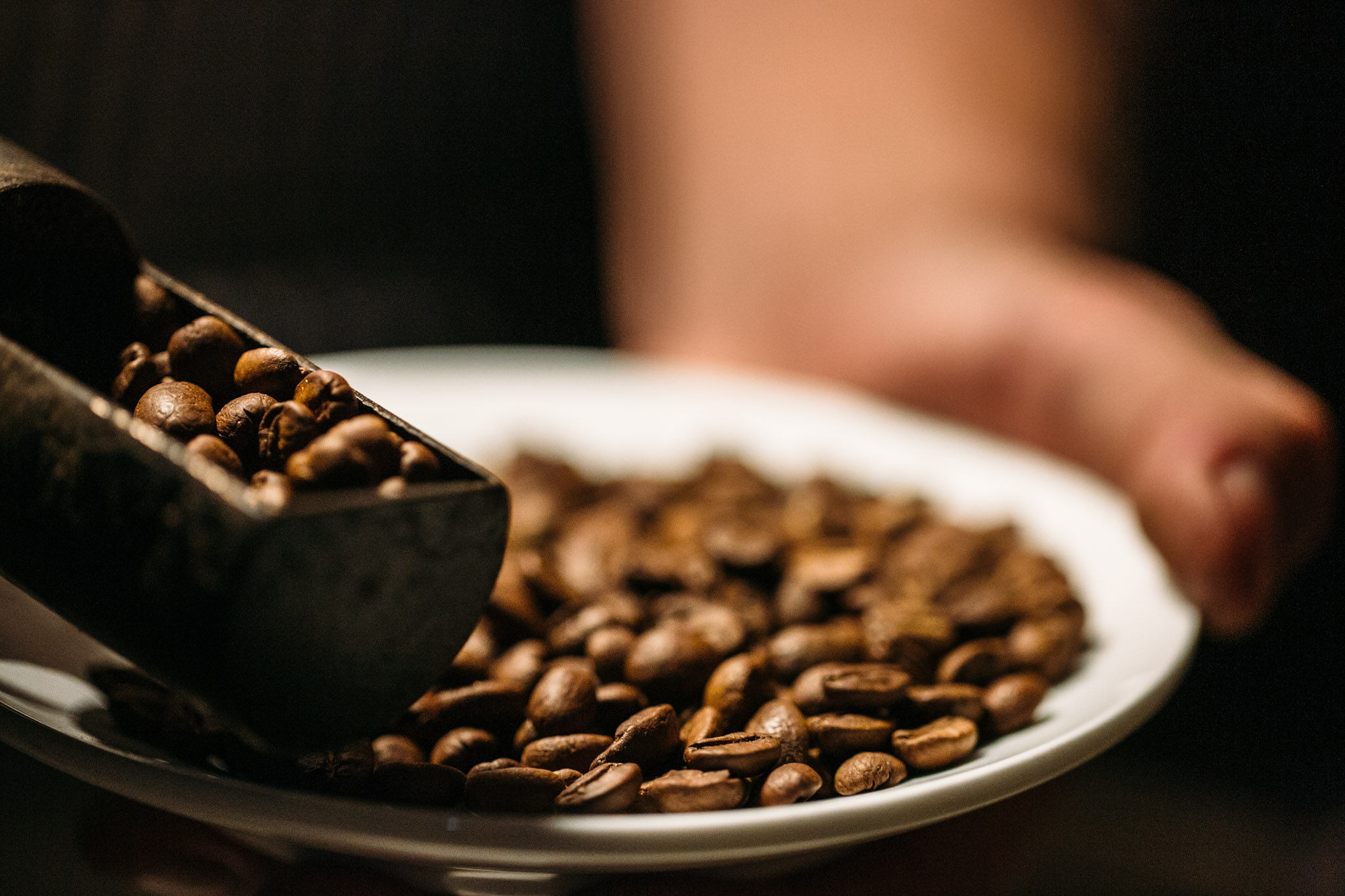
    Queensland-based Aromas Coffee Roasters has been acquired by local Indigenous-owned company SupplyAus Holdings for an undisclosed sum.

    Aromas Coffee Roasters boasts a 47-year history, serving more than 300 locations in the state, while SupplyAus was co-founded by Adam Williams, a Wiradjuri man, and Shane Andrews, a descendant of the Mununjali people in 2018.

    SupplyAus CEO, Adam Williams, told Business News Australia, that this was a “major step to inspire other Indigenous entrepreneurs to have a go”.

    “Buying a legacy brand like Aromas shows Indigenous kids and young people that even the biggest brands are within our reach.”

    With the acquisition, the company plans to integrate some of Aromas Coffee’s operations with its own coffee portfolio – Dhuwa Coffee, which is sold in 900 Woolworths stores.

    “That’s something we are good at with the rest of our brands, so to be able to roll that through with Aromas is something we are looking forward to.”

    Alongside, the company is currently exploring opportunities to invest in indigenous employment with the rollout of its own Aromas Cafe and also grow the brand internationally.

    SupplyAus now owns and operates a range of brands, including Bunji Workwear, SupplyAus Medical, Jingeri Office National and Aromas Coffee Roasters.

  • Menswear startup raises $2.3 mln

    Menswear startup raises $2.3 mln

    Coolmate, a Vietnamese menswear brand sold online, has raised $2.3 million from GSR Ventures and Do Ventures as an addition to its series A round.

    This brings the round’s total size to $4.3 million. Coolmate said the funding will be used to “accelerate the completion of the supply chain” for its products, upgrade its operating system, and employ more manpower.

    In May, Coolmate had raised $2 million in a round led by Access Ventures with participation from Do Ventures, CyberAgent Capital and DSG Consumer Partners.

    The funding marks GSR Ventures’ first investment in Vietnam. The U.S.-based venture firm has backed some unicorns including Didi, Ele.me, and Xiaohongshu.

    “We are impressed by how [co-founder and CEO] Nhu Pham and the Coolmate team are leveraging technology to transform the traditional retail industry and delight consumers with high-quality yet affordable products,” Asian tech-focused platform Tech in Asia quoted GSR Ventures Managing Director Allen Zhu.

    Founded in 2019, the startup operates no physical store to date. It reportedly gets 10,000 orders a day now compared to 2,000 in the first year of operation.

    It claimed revenues of $6 million last year, and expects to collect $19 million this year.

  • Gasoline prices fall marginally, diesel surges

    Gasoline prices fall marginally, diesel surges

    Vietnam’s gasoline prices fell 1.56-1.74% on Monday while diesel prices surged 6%.

    A liter of RON 95 now costs VND24,230 ($1.03), down 1.74%. That of biofuel E5 RON 92 costs VND23,350, down 1.56%.

    Monday’s was the seventh consecutive downward adjustment made to gasoline prices, bringing prices down by 25.4-26.3% since this year’s peak on July 21.

    Meanwhile, diesel surged 6% to VND25,180 a liter, marking the first time it surpassed gasoline prices.

    Prices were hiked 9.7% in the two most recent adjustments but were 16.3% lower than this year’s peak.

    On the global market, gasoline has decreased by around 2% while diesel prices surged 9.3%, according to data from the Ministry of Industry and Trade and Ministry of Finance.

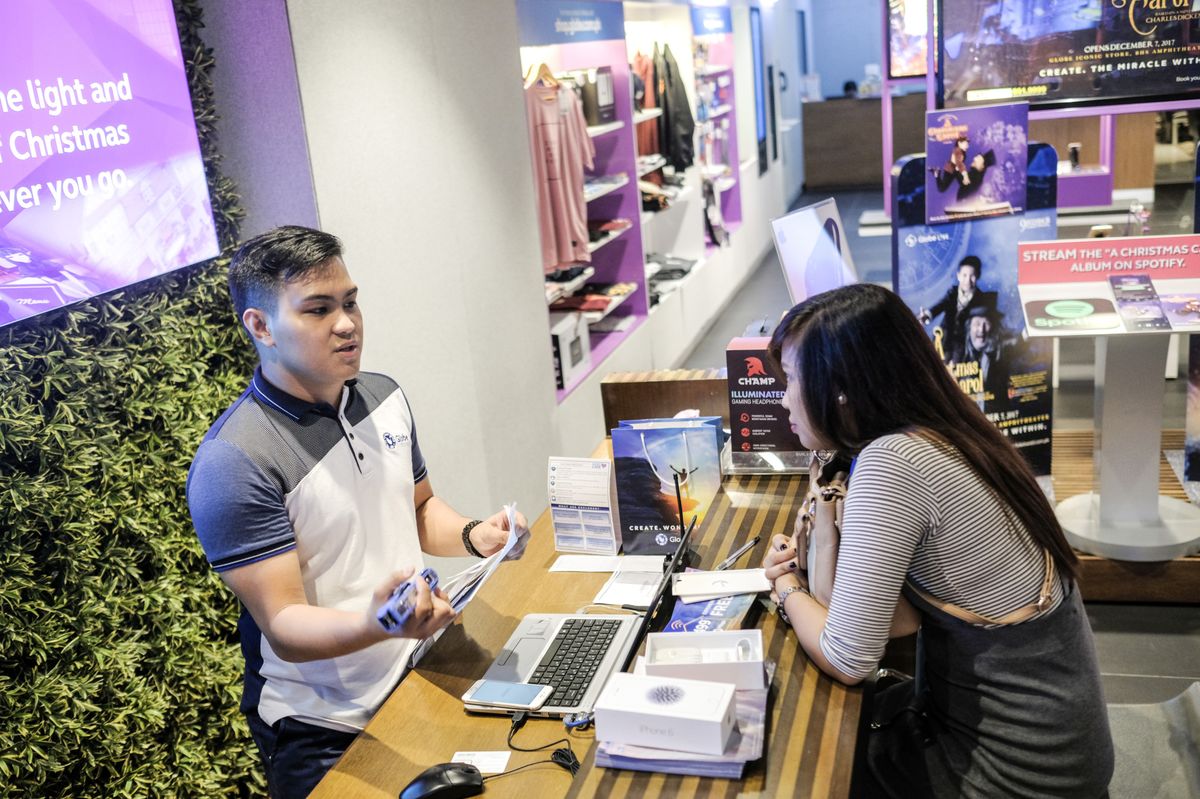
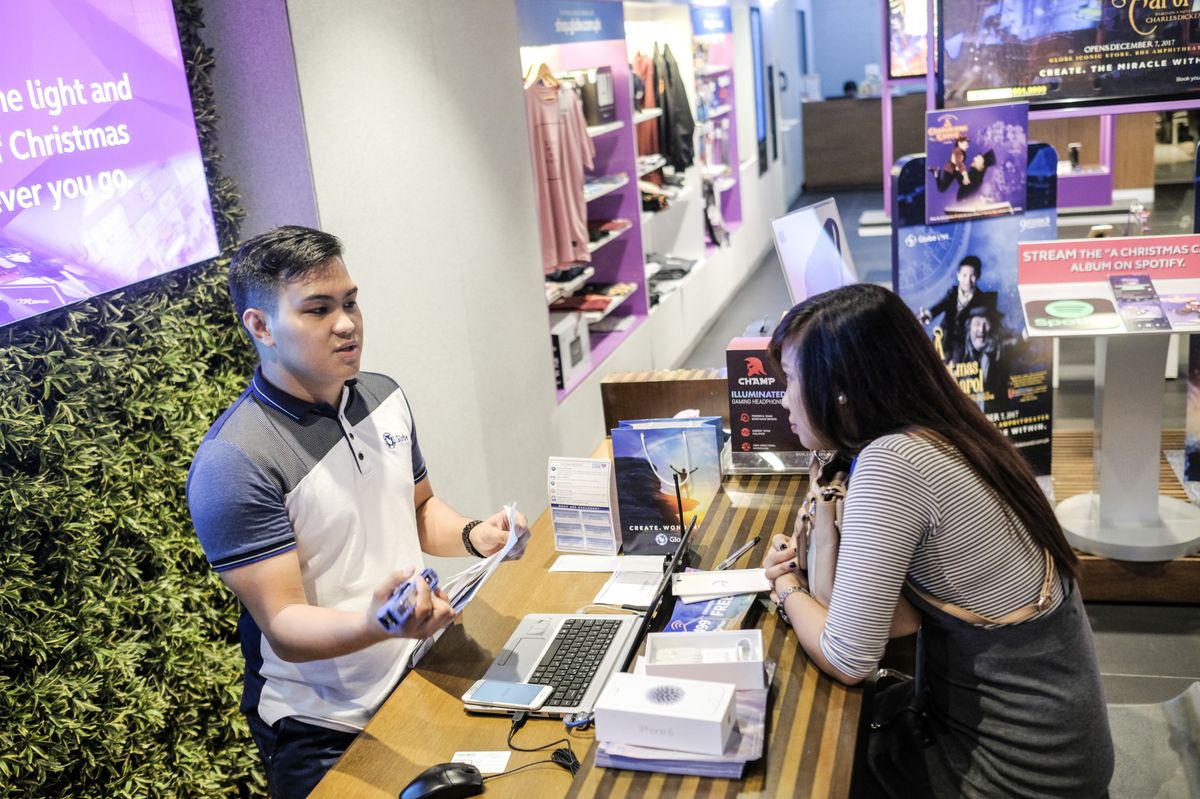
  • Globe Deploys 933 5G Sites in 1st Half 2022

    Globe Deploys 933 5G Sites in 1st Half 2022

    Globe Telecom has announced that it has built 933 base stations in the first half of 2022 as part of its continued 5G rollout across the Philippines.

    Globe’s 5G network outdoor coverage has reached nearly 97% of the National Capital Region and 86% of key cities in Visayas and Mindanao.

    “Globe has been ramping up its rollout amid rising demand for 5G connectivity. The drive to build more and faster is fueled by our desire to deliver more improvements in our customer service experience that are consistent and reliable,” said Joel Agustin, SVP and head of network planning and engineering at Globe.

    As of end-June 2022, Globe has logged approximately 2.7 million devices on its 5G network.

    The telco giant is also accelerating its 5G roaming rollout to more countries in Asia, the Middle East and Europe to enable the connectivity experience for travelers and overseas Filipino workers.

    For data-related upgrades and expansion, Globe has already spent P50.5 billion out of its P89 billion capital expenditure allocation for 2022. The majority of the amount was used to build its fiber assets further, put up more cell sites, upgrade towers to 4G LTE and roll out 5G technology and in-building solutions.

  • M1 Launches Cloud Gaming Service Zolaz

    M1 Launches Cloud Gaming Service Zolaz

    M1 has announced that it is launching Zolaz, a cloud gaming subscription service that allows customers to play anywhere, anytime and on any device.

    Zolaz caters to both mid-core and casual gamers with an “all-you-can-play” on-demand gaming experience. Subscribers will gain instant and unlimited access to over 400 high-quality PC and console titles, including those by AAA publishersSimilar to Netflix and Spotify’s click-and-play models, games are streamed directly to users’ preferred devices without the need to wait for download and installation. A single account can be shared with up to four other profiles.

    Games in the catalog include the BAFTA Games Award-nominated first-person shooter, Metro Exodus; the action RPG co-op shooter from the Warhammer world, Warhammer: Chaosbane; and the popular party game, Overcooked. Individual high scores and game history can also be stored directly in the cloud, freeing up device data storage.

    “Cloud gaming has always been a possibility, but its potential has so far depended on network speeds, data tariffs and latency. M1’s True 5G network resolves this with its high speed and low latency so that graphically intensive games can now be seamlessly played on-the-go and without need for expensive hardware,” said Manjot Singh Mann, chief executive officer, M1. “M1 is on track to roll-out nationwide 5G outdoor coverage by the end of this year. Zolaz is part of our 5G ambitions to develop and launch 5G commercial use cases across consumer, enterprise and government sectors.”

  • Capital A progressing with AirAsia aviation, Super App New York listing plan

    Capital A progressing with AirAsia aviation, Super App New York listing plan

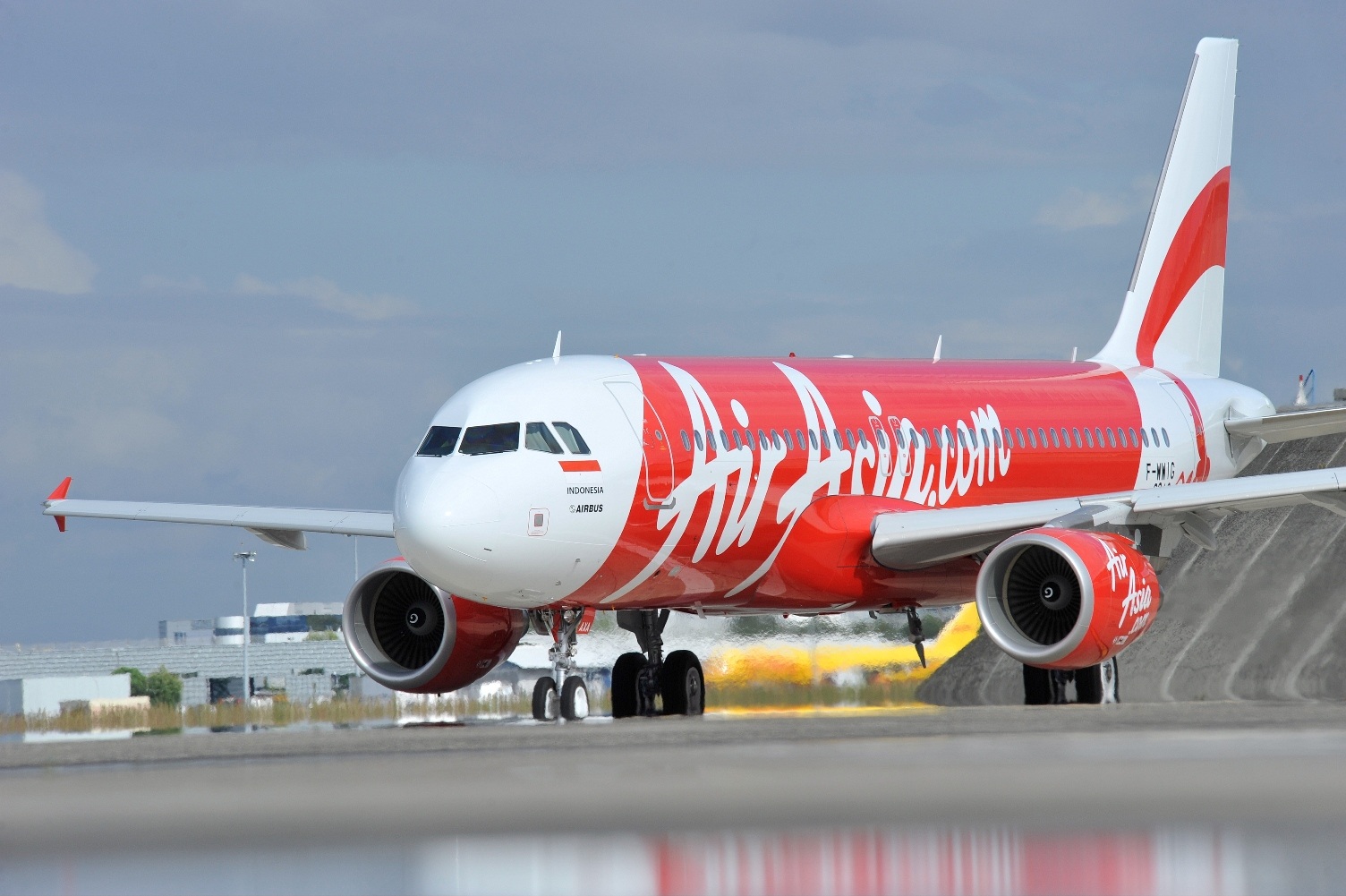
    Capital A Bhd is progressing with plans for the listing of AirAsia Aviation Group Ltd and AirAsia Super App in New York.

    Chief executive officer (CEO) Tony Fernandes said the company, formerly AirAsia Group Bhd, would probably make the announcement next year.

    “We’re planning the listing of AirAsia Aviation, which is private now, and Super App, that’s progressing but we’ll make announcements in due course,” he told reporters at an recent event.

    AirAsia Aviation comprises AirAsia Malaysia, AirAsia Philippines, AirAsia Thailand and AirAsia Indonesia.

    Capital A held the event at the Silangit International Airport, North Sumatra, Indonesia in conjunction with the inaugural Jakarta-Silangit flight operated by AirAsia Indonesia since Sept 1, 2022.

    Meanwhile, Fernandes said the company would replace its Airbus A320, the narrow-body aircraft fleet, with a more fuel-efficient A321 on the back of the resumption of aircraft delivery in 2024.

    He said 2023 is a year of getting back to its pre-COVID-19 level and regrowing in 2024 with A321, adding that aircraft deliveries up to 2029 have already been financed.

    “Our first goal is to get all our 205 planes flying. We’ve 110 flying now, and by the end of the year, 160 and probably in the first quarter of 2023 all of them,” he said.

    Fernandes said AirAsia expects to carry nearly 40 million passengers this year, about half of the numbers carried in 2019.

    He said the airline’s North Asia market would recover next year as countries loosen travel restrictions with China might gradually open by the middle of next year.

    “Japan is still semi-open, South Korea looks gonna be open soon, and Taiwan is still closed, etc. I think by next year, we begin to recover North Asia as well,” he said. – Bernama