Author: Mei Ling Tan

  • China Broadband Communications Rebrands as CBC Tech

    China Broadband Communications Rebrands as CBC Tech

    Effective September 1, China Broadband Communications rebrands as CBC Tech to reflect the company’s vision to become a next-generation network-as-a-service (NaaS) provider. CBC Tech will focus on providing elevated customer experiences and technological innovations to enable global enterprises to grow in China, as well as empowering Chinese companies that plan to penetrate overseas markets.

    This rebranding marks a significant milestone for the company as it veers away from providing traditional telecom operator services. As a NaaS provider, CBC Tech will embrace cloud-native networks and security-as-a-service solutions to help enterprises advance. CBC Tech will also continue to strengthen R&D capabilities, enhance the eNet network to meet customers’ changing network and security needs and provide customers with an excellent digital experience.

    “Upgrading the CBC brand to CBC Tech aims to reshape the company’s vision, mission and culture to better integrate telecommunications and technology advantages in the transformation process, complete with an innovation roadmap. This transformation will be made through continual investment in people, technology and processes,” said Richard Fung, co-founder and CEO of CBC Tech. “CBC Tech will spare no effort to focus on business development and provide the best employee and customer experience. Our goal is to expand eNet network coverage to 50 markets outside of China in the next one to one and a half years.”

  • LVMH to launch Stella beauty Maison with Stella McCartney

    LVMH to launch Stella beauty Maison with Stella McCartney

    Following a successful partnership with LVMH which began in 2019, Stella McCartney has collaborated with the LVMH Beauty division to develop her new skincare line, STELLA by Stella McCartney.

    After pioneering the conscious luxury fashion industry, Stella’s ambition is to offer an alternative to luxury skincare, an Alter-Care™.  A new approach that supports caring for ourselves and Mother Earth in perfect harmony.  Rooted in nature, with Stella’s vegan and cruelty-free principles at its heart, this ‘conscious luxury’ skincare line is natural, effective, and responsible.

    “I am delighted that Stella McCartney, after pioneering a sustainable and responsible luxury fashion, is now partnering with LVMH, committed to change the codes of cosmetics, the packaging and the ingredients. The launch of STELLA by Stella McCartney perfectly resonates with the Group’s longstanding commitment toward sustainability and we are proud to support it”, said Antoine Arnault, Image & Environment, LVMH.

    “We set out with an idea, and because we didn’t want to compromise – on outstanding results, the origin of our ingredients, and, of course, ensuring we minimised our impact on Mother Earth – we kept on trying.  We worked hard for almost three years with LVMH constantly evolving and aiming for what I felt was possible: rooted in nature, truly effective and responsible skincare. It’s a game changer and I want to share it with everyone.  I believe the consumer needs to know there’s another way, that they have a choice.”  said Stella McCartney.

    Based on Stella’s personal philosophy of using ‘only what you need’, the range consists of three essential products: Reset Cleanser, Alter-Care Serum and Restore Cream. The line-up is a culmination of three years’ worth of innovation and exploration with LVMH Recherche, the Group’s Beauty R&D unit. Offering impressive, clinically-proven results, this new range has been formulated to work in harmony with the skin, supporting its key functions of regeneration and protection.

    Each stage of the product lifecycle has been challenged to minimise its impact – from the ingredients to the packaging, to operations all the way through to consumer usage.  All product formulas are made with at least 99% natural-origin ingredients, and each is available in a unique eco-conscious refill.

    The line has a uniquely beautiful scent, ‘High Cliff’, created in collaboration with renowned perfumer Francis Kurkdjian, Founder and Artistic Director of Maison Francis Kurkdjian and Perfume Creation Director of Parfums Christian Dior.

    All the products will be available on www.stellamccartneybeauty.com and through a selection of UK retailers and boutiques including: the Stella McCartney UK flagship store on Old Bond Street from early September and Space NK from mid-September.

    Stella McCartney has chosen to support the conservation NGO Wetlands International, committing to donate 1% of the net sales of STELLA skincare.

  • Invest Hong Kong highlights e-commerce advantages for growing businesses

    Invest Hong Kong highlights e-commerce advantages for growing businesses

    Hong Kong has been great place to set up an eCommerce business long before the demand for online shopping increased due to the pandemic.

    E-Commerce sales in Hong Kong are expected to grow at an annual growth rate of 8.3% between 2021 and 2024.

    The Hong Kong e-Commerce market has been rapidly growing in the past five years and is expected to grow even more.

    This growth is attributable to the favourable economic environment and advanced technological infrastructure, increasing consumer confidence in online transactions.

    This article outlines the many reasons Hong Kong is a great palace for e-Commerce businesses and why the business-friendly environment in Hong Kong makes such businesses thrive.

    What is an e-Commerce Business?

    E-commerce businesses are those that operate completely online.

    The business model operates by trading goods online through the internet.

    There is no physical store that customers can visit, so there is a huge focus on digital marketing to gain an edge over your competitors.

    You can sell almost anything through an e-Commerce business, such as books, clothes, groceries, furniture or even provide professional services such as legal and accountancy advice.

    Through e-Commerce, business owners no longer have to worry about the costs of maintaining a physical store and simply focus on managing orders and shipping the products to the customer.

    1. Leading eCommerce Market & Business Growth Potential

    Hong Kong has a thriving online market where the market volume for eCommerce businesses stands at nearly US 11 million by 2025.

    This highlights the level of potential growth in eCommerce businesses in Hong Kong. Compared to other countries, Hong Kong is one of the best markets to run an eCommerce business.

    Moreover, if you open up an e-Commerce business in Hong Kong, there is significant potential for your business to rapidly grow as you are not just limited to trading in Hong Kong.

    You can easily carry out your business activities in Mainland China and beyond.

    This is a huge opportunity to grow your business as China currently represents almost X% of the entire global eCommerce market.

    2. Technology Driven / Advanced Technology Infrastructure 

    Hong Kong is one of the world’s leading digital cities where computers, smartphones, and internet usage are consistently higher than anywhere else in the world.

    Hong Kong has been facing a rapid increase in internet usage as nearly 5.9 million people aged ten and above had smartphones in 2019.

    Alongside personal use of technology, businesses are also heavily dependent on technology.

    nother government study highlighted that nearly 38% of companies in Hong Kong had their websites.

    As most businesses and consumers are familiar with technology and use the internet to complete their day to day activities, they are more reliant on doing things online, especially shopping.

    This can be by ordering groceries, clothing, office equipment, school supplies and home furniture.

    This increased demand and reliance on using technology provides a great market for e-Commerce businesses.

    3. Favourable Tax System

    If you are running an offshore eCommerce business, Hong Kong is the best option for you as you can relieve a huge financial burden in terms of taxes.

    Being a highly popular low-tax jurisdiction, Hong Kong has been interesting for many entrepreneurs looking to set up an eCommerce company.

    Incorporating your eCommerce as a company in Hong Kong will allow you to benefit from the following tax requirements:

    • Corporate income tax of only 8.25% for the first HKD 2 million
    • No capital gains tax
    • No tax on dividends
    • No sales tax or value-added tax
    • No tax on any profits derived from outside Hong Kong

    According to the international tax standard set by the Organisation for Economic Co-operation and Development, Hong Kong is a ‘’white list’ country.

    All white list countries have implemented the internationally agreed tax standard, which ensures transparency and security when running your eCommerce business.

    4. Innovative Digital Banking

    Hong Kong is one of the world’s financial hubs, has more than 70 of the world’s leading international banks present in the country.

    Moreover, Hong Kong banks can easily approve applications relating to e-Commerce businesses.

    While you can always open a local bank account, there are more convenient alternative fintech platforms in Hong Kong which you can use as a business bank account.

    Consumers are also increasingly opting for more innovative digital banking means when shopping online such as paying through digital wallets and mobile banking applications.

    Merchant Solutions highlights that more and more consumers prefer to shop on their mobile phones due to the ease that comes with online banking.

    This trend is expected to grow, and e-Commerce businesses that take advantage of this and offer digital wallets that their customers use will gain popularity and continue to grow.

    This is a huge benefit as it is expected that nearly one-third of all e-Commerce purchases in Hong Kong will be digital wallet transactions within the next five years.

    Hong Kong is a country that is already taking the lead with digital banking and offering innovative alternative banking solutions which increase the demand and preference for online transactions and purchasing from e-Commerce businesses.

    5. Strong Logistic Infrastructure

    Hong Kong has a strong logistic infrastructure set up to meet the increasing demand for online transactions.

    The surge in e-Commerce businesses can only be successful if logistics support such businesses.

    Hong Kong can meet such demands as it currently ranks high in the World Bank’s global ranking of logistics capabilities and quality.

    Moreover, Hong Kong has a well-developed transportation system and infrastructure, ensuring that shipments can be easily made when orders are made from an e-Commerce business.

    These seamless supply chains have allowed Hong Kong to develop a great reputation within the eCommerce industry.

    6. Easy Company Formation

    The process of incorporating a company for your e-Commerce business in Hong Kong is extremely simple, easy and affordable.

    All you need to do is gather the necessary documents and make an online application.

    As long as you complete your application correctly, you should be able to incorporate your company in no time!

    7. Easy Investment Opportunities 

    Due to Hong Kong’s strong business reputation due to its transparent regulations and tax system, investors are more confident to invest in e-Commerce businesses incorporated within the country.

    Having easy access to such investment opportunities is a major reason why e-Commerce businesses thrive in Hong Kong.

    Funding your business, especially in its early stages, is one of the hardest struggles for businesses.

    Hong Kong provides a great business-friendly environment that gives investors the confidence that they will get a return on their investment.

  • Retail sales in Hong Kong rebound after two months of decline

    Retail sales in Hong Kong rebound after two months of decline

    Hong Kong’s retail sales jumped 11.7% in April from a year earlier, ending two consecutive months of declines, with the rebound helped by a receding COVID pandemic and the disbursement of government’s consumption vouchers.

    The retail sector has been under pressure particularly after the financial hub imposed stringent restrictions to curb the coronavirus, although the government expects the sector to pick up as cases decline and measures are eased.

    Retail sales in April jumped 11.7% from a year earlier to HK$30.2 billion ($3.85 billion), official data released on Wednesday showed. That followed a 13.8% drop in March.

    “The retail sector should continue to recover provided that the local epidemic situation remains stable,” a government spokesman said, adding that a consumption voucher scheme and other government measures would lend more support.

    In volume terms, retail sales in April rose 8.1% from a year earlier, compared with a 16.8% decline in March.

    For the January to April period, the value of retail sales fell 3.1% from the year-ago period while volume dropped 6.1%.

    At the beginning of this year, Hong Kong implemented its strictest anti-virus measures. The Omicron variant triggered a dramatic spike in infections, with businesses hit hard by widespread closures.

    The city’s economy contracted 4% in the first quarter from the same period a year earlier, ending four quarters of recovery.

    The unemployment rate rose to 5.4% in the February-April quarter, the highest since the April-June quarter in 2021.

    The government has revised down Hong Kong’s 2022 economic growth forecast to 1% to 2%, from an earlier 2% to 3.5%.

    Sales of jewellery, watches, clocks and valuable gifts, which before the pandemic relied heavily on tourists from the mainland, rose 13.9% in April following a revised 35.9% drop in March, the data showed. The border with mainland China remains largely closed due to COVID.

    Clothing, footwear and related products increased 1.6% in April against a revised 41.4% drop in March.

    Tourist arrivals in April fell 17.8% from a year earlier to 4,692. That compared with a 73% plunge in March.

    Online retail sales were a bright spot, surging 34.8% year-on-year in April in value terms after a revised 31.2% growth in March.

    Hong Kong eased COVID restrictions further in May as cases eased, reopening beaches and swimming pools, and extending hours for bars, while restaurants are allowed to serve eight people per table, up from four.

  • Coles expands parental leave program

    Coles expands parental leave program

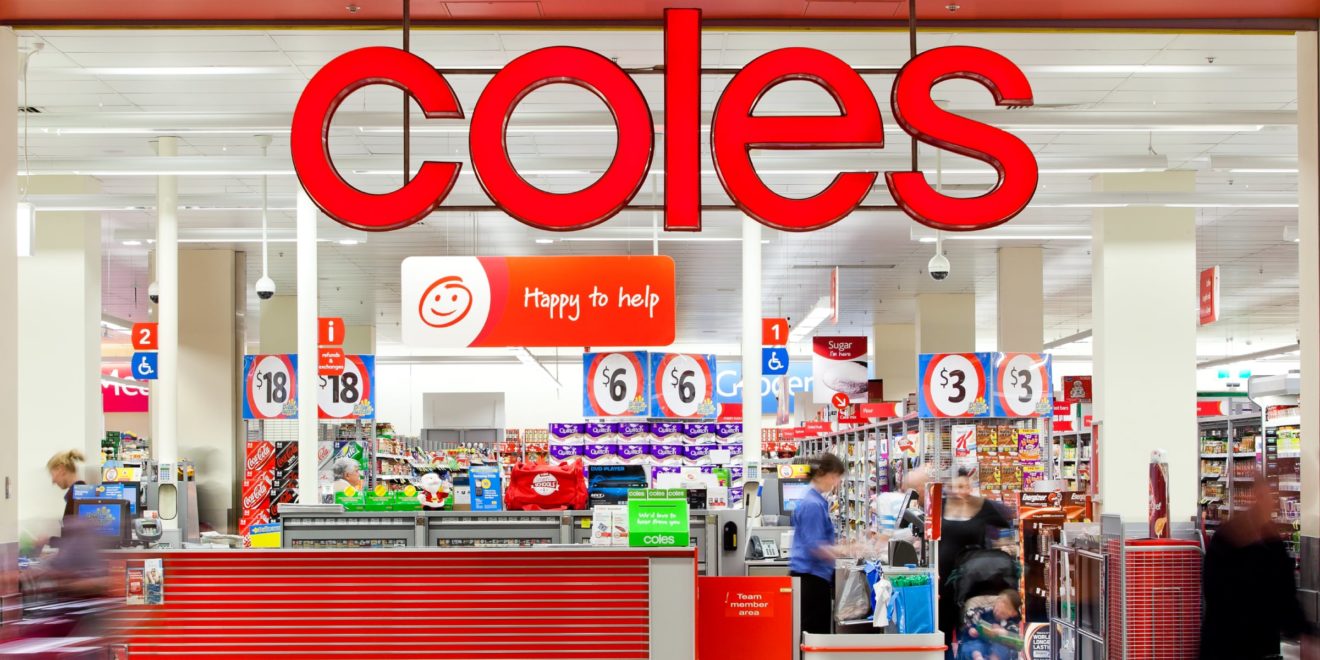
    Coles is expanding the support available for current and new team members across its network who are preparing for parenthood or adjusting to being a new parent.

    The supermarket giant has removed the 12-month service eligibility period for team members to apply for parental leave, meaning primary and secondary carers can now access paid parental leave benefits without having to wait.

    Coles has also increased the paid parental leave for secondary carers from two weeks to four weeks, with access to the leave able to be taken up to 24 months after the birth, adoption, or surrogacy birth of a child. Coles will also offer flexibility of how the leave is taken, such as single days, multiple days, or blocks of days.

    Kris Webb, Chief of People and Culture at Coles, said they want to make Coles a great place to work for all team members, which means supporting them through significant life moments such as planning to welcome a new addition to their family.

    “For people who are having a child and wanting to work for Coles, we don’t want them to feel they need to wait to receive primary carers leave, because we know that this is not always possible. No one should feel they need to hold off having a family because of their job.

    “We also are pleased to be extending our secondary carers leave because we know how important it is for primary carers to have the support of their partners during these important times of their lives.  This policy applies to team members who work in our stores, our distribution centres and our store support centre, so it’s really expansive and we hope will make a big difference to our team members planning to grow their families.”

    Coles is also formalising its policy for having paid parental leave extended to primary carers who suffer a pregnancy loss (stillbirth) through birth, adoption, or surrogacy.

  • Huawei Launches Tech Seminar to Inspire Next-Gen Leaders

    Huawei Launches Tech Seminar to Inspire Next-Gen Leaders

    Leading global ICT provider, Huawei today hosts the 11th edition of the Seeds for the Future Program in Singapore. For the first time in conjunction with the program, Huawei also debuted the Tech to Build Your Career seminar at Singapore University of Technology and Design (SUTD), which participants learn about the future of tech careers and foster entrepreneurship.

    The seminar is a key component of the Seeds for the Future Accelerator camp starting from August 29 to September 2 in Singapore. Seeds for the Future is the global flagship CSR project run by Huawei since 2008. Aiming to inspire the next generation of leaders through technological innovation and cross-cultural exchange, the program has attracted over 12,000 students from 137 countries and regions to attend over the last 14 years. As of 2022, Huawei has trained a total of 203 participants in Singapore under the Seeds for the Future Program.

    Huawei Asia Pacific Seeds for the Future Program 2022 was first kicked off in Bangkok on August 19. During the 9-day digital boot camp, 120 outstanding students from 16 countries across the Asia-Pacific region enjoyed a cross-cultural digital journey in Thailand. 33 out of 120 were selected for the Acceleration Camp. During their stay in Singapore, they will be guided by entrepreneurial leaders from various tech sectors, which will inspire them to consider the practicability and realization of their ideas.

    “As part of Huawei’s Seeds for the Future Program, the Tech to Build Your Career seminar will connect the next-gen leaders from other ASEAN countries with top talents in Singapore and bring together great minds across the ecosystem to discuss, share and inspire ideas of innovation,” said Charles Cheng, managing director of Huawei International, “We believe that our collective effort will contribute to a more sustainable and progressive Singapore, and help the nation build a world-class talent pool in the long-term.”

    The Tech to Build Your Career seminar began with opening remarks from Prof. Low Hong Yee, head of pillar – designate, associate professor & director of the Digital Manufacturing and Design Centre, SUTD. In her speech, she identified potential opportunities and risks that the new era posed, while addressing how the students could prepare for the upcoming challenges and bring their ideas from ideation to realization.

    Culminated by a panel discussion, the session covered an array of topics, from entrepreneurship in the digital future to community creation in the digital era. It brought together a group of distinguished home-grown entrepreneurs including Zack Yang, chief operating officer and co-founder of FOMO Pay, Elroy Cheo, co-founder of ARC Community and Vivian Lim, co-founder and CEO of The Idea Co, lead curator and license holder for TEDx Singapore.

    The panelists shared their personal experiences on finding the right career path for themselves and how technology has played an important role in their self-discovery journey, regardless of future developments and application of blockchain technology or tech-enhanced community building. They also provided future outlooks into what the technology industry would look like and provided industry insights on which fields they predict will be suitable for young talents to pursue.

    The seminar closed with Tech4Good presentations, where participants were invited to present their solutions and ideas. Tech4Good is a competition designed to help young adults learn about the latest trends in digitalization and explore how digital technologies can address common social issues. Upon completion of the presentations, participants were given additional feedback and suggestions on how to strengthen their ideas.

    The winning team of the Huawei Asia Pacific Seeds for the Future Tech4Good Competition will be announced at the Awards Ceremony of its Seeds for the Future Accelerator Camp in September. The winning team, as one of the top 10 finalists, will continue their journey for Huawei Seeds for the Future Tech4Good Global Competition next January.

  • M1 Debuts 5G Offshore Coverage for Singapore’s Southern Coast

    M1 Debuts 5G Offshore Coverage for Singapore’s Southern Coast

    M1 Limited has announced that it will undertake an ambitious multi-year project that aims to provide ubiquitous 5G standalone (SA) offshore coverage for the southern coast of Singapore, including the surrounding waters of the southern islands.

    Extending 5G offshore coverage enhances connectivity in the larger maritime ecosystem and unlocks new use cases and applications. This is an important step in the maritime industry’s digital transformation efforts and its goal of becoming the next engine of growth for Singapore.

    In collaboration with, and with co-funding from, the Maritime and Port Authority of Singapore (MPA) and the Infocomm Media Development Authority (IMDA), M1 will provide a 5G standalone (SA) network to trial, develop and deploy new maritime 5G use cases under the IMDA Innovation and Ecosystem Testbed Programme and the MPA Innovation Lab – making this the world’s first public and largest maritime testbed at sea.

    The potential 5G use cases are targeted at enhancing the efficiency and safety of maritime operations and management. The use of 5G connectivity includes telemedicine to enable crew welfare at sea, delivery drones, maritime surveillance, and autonomous vessels as well as remotely controlled task-based robots, such as ship inspection and autonomous fire-fighting robots, that are used for more dangerous and labor-intensive tasks.

    “The launch of M1’s 5G standalone network provides low-latency, responsive, secured and high-throughput mobile connectivity to ensure more precise and reliable communications between the ships and the port. 5G has the capability to resolve long-standing pain points, and it will become the natural technology of choice for the maritime industry. As the first country to extend 5G standalone coverage to sea for maritime operations, M1 is excited to partner  MPA and IMDA to co-develop 5G solutions that will not only transform the industry but benefit the whole of Singapore’s maritime economy,” said Manjot Singh Mann, CEO of M1.

  • Sustainable Jewellery in Asia: A Growing Consumer Appetite?

    Sustainable Jewellery in Asia: A Growing Consumer Appetite?

    As the most populous continent in the world, home to over 4.7 billion people, as well as some of the fastest growing economies, the environmental impact of Asia is enormous. And while it is commonly believed that the western world is more environmentally-friendly and sustainability-conscious, recent surveys have found that Asia Pacific consumers care equally about the environment and healthy living, if not more. One specific area of concern for customers is in the fashion world: sustainable jewellery.

    What is sustainable jewellery and why is it so important in Asia?

    Sustainable and ethical jewellery includes all jewellery that is made keeping sustainability and ethics in consideration. In other words, it’s not harming the planet or its inhabitants. This awareness, part of the slow fashion movement, includes evaluating the impact of all the processes involved, such as sourcing or mining materials, as well as designing, producing and delivering the products.

    Environmental issues of traditional jewellery

    The traditional jewellery industry caused an uproar in recent years due to both its environmental impact on Earth as well as societal and human harm. The reason it can be considered even worse than fast fashion in some ways is because of the mining of gems and metals. Lots has been spoken and written about blood diamonds or conflict diamonds, those that are mined in war zones and used to fund insurgencies and finance illegal activities. It is estimated by Amnesty that 3.7 million people have died in civil war fuelled by these unethically produced diamonds.

    Another factor to consider in sustainable purchasing is the environmental concerns related with mining, which accounts for 95% of the jewellery industry’s carbon footprint. Mining a single carat of diamond releases more than 125 pounds of carbon, and gold and silver mining is not far behind in terms of pollution. Mining also uses a lot of water while contaminating water supply and soil with chemical waste such as cyanide, mercury and sulphuric acid.

    While sustainable fashion practices such as recycling or refashioning old clothes or passing precious heirloom jewellery down generations have long histories in Asian countries like India and China, the focus on ethically produced, eco-friendly jewellery is more recent. In fact, searches for terms such as ‘sustainable jewellery’ and ‘ethical jewellery’ in countries such as India, Thailand, Vietnam, and Indonesia outperform searches in western countries.

    Eco-friendly buying trends amongst Asian consumers

    Buying trends are changing across the world, but specifically in Asia, there is a concern towards not just environmental but also health-related, social, and corporate governance issues. Based on recent research, the most important elements to consumers include healthy ingredients, natural, additive/chemical free, organic, sustainable packaging, sustainability symbols and local sourcing. This increased awareness led to all-round eco-friendly purchases, penetrating all aspects of shopping, not just fashion and jewellery.

    There is a drive amongst consumers in Asia to shop organic or locally grown products, especially produce, both for their health benefits and also to reduce the impact on the environment that importing exacerbates. With the carbon footprint of meat products being more widely known, more people are becoming vegetarian and vegan, with the plant-based market expected to increase 200% by 2025. In the beauty industry, individuals, especially millennials and Gen Z are opting more and more for products that are vegan or cruelty-free in order to align with their values.

    The internet has made gaining access to information a lot easier, and with this transparency and knowledge, people are trying to make informed decisions. However, this is just the beginning and there is a long way to go. Despite wanting to invest in brands that are ‘doing good’, it’s hard for consumers to trust marketing completely as there isn’t always enough information or they don’t believe the company’s sustainability or ethics claims.

    When 16,000 consumers in Asia were surveyed on their consumption habits, it was found that they didn’t buy sustainable goods because there was low availability (10% of participants) or it was expensive (16% of participants).

    For eco-friendly and ethically sourced jewellery, there are ways to find out if the brand really does practice what they preach. First, look out for certifications such as Fair Trade, The Kimberly Process and Fairmined; these accreditations are usually a good indication of ethical practices. It’s also a good idea to check how the materials are sourced – recycled metals and gems have the lowest environmental impact, whereas mined diamonds in war-torn zones where workers face forced labour have the worst overall effects.

    Conclusion

    We live in a world where eco-conscious living and a healthy planet is of utmost importance to today’s generation. Consumers everywhere, but particularly Asia, have started to take matters in their own hands and are voting with their dollars. Green purchasing is one way, but an important method, of contributing to creating a better world. Purchasing sustainable jewellery is the perfect avenue to exercise this awareness and care, and we will surely see a dramatic rise in this market in the upcoming years.

  • Indonesia’s GoTo posts net loss, warns of volatile market

    Indonesia’s GoTo posts net loss, warns of volatile market

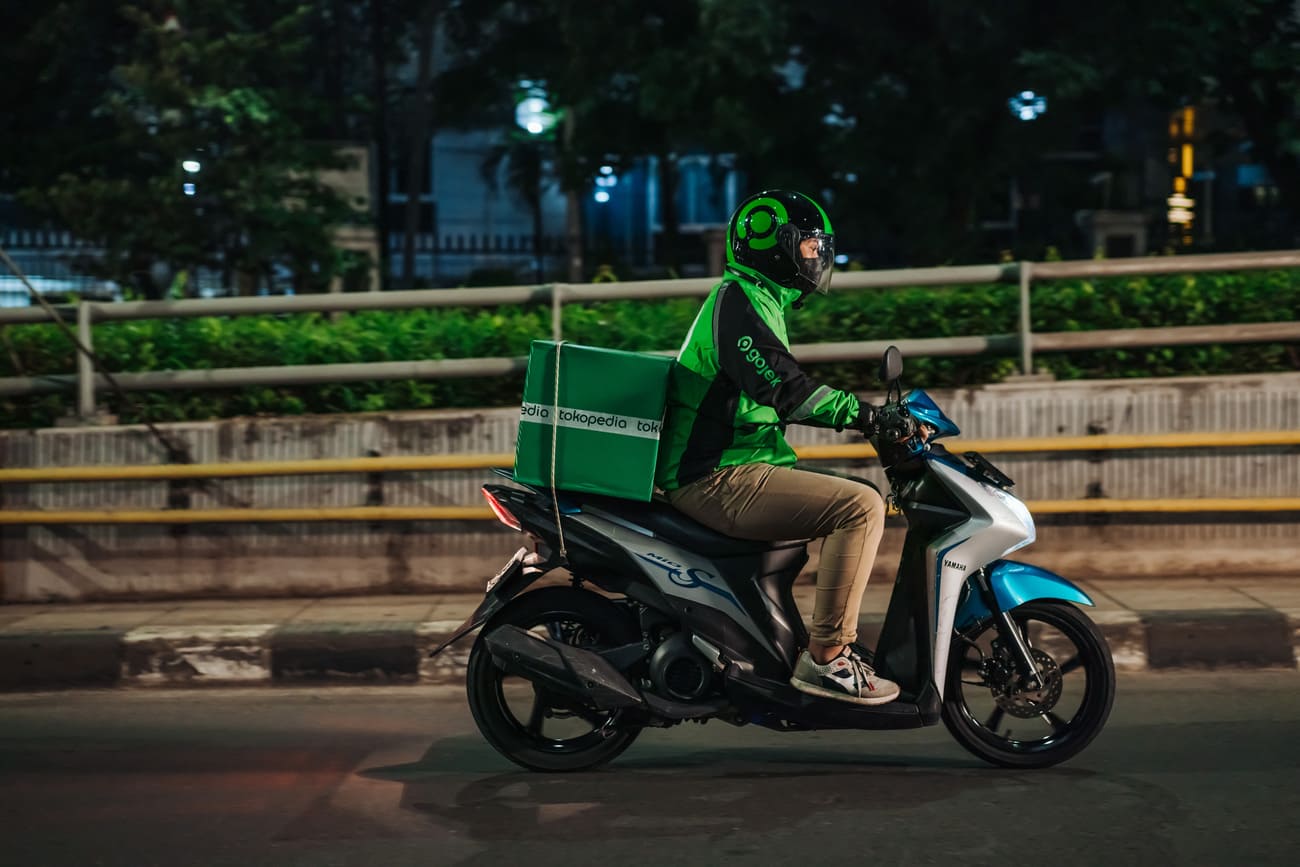
    PT GoTo Gojek Tokopedia – whose businesses straddle e-commerce, on-demand apps and finance – saw its losses between January and June more than double from the same period the previous year.

    “2022 has been a volatile year in our market and the macro conditions driving this may persist for some time,” CEO Andre Soelistyo said in a webcast on their latest results.

    “We will remain watchful on how geopolitical tension, rising fuel cost, inflation and high interest rates will unfold,” he added.

    GoTo, which went public earlier this year, posted a net revenue of 3.4 trillion rupiah for the first half. It set a gross revenue guidance of 5.7 trillion to 6 trillion rupiah for its July – September period.

    GoTo debuted on April 11 after raising $1.1 billion in an initial public offering by selling around 4% of its shares at 338 rupiah per piece.

    Shares of GoTo closed at 324 rupiah per share on Tuesday, up 1.25% from its opening price. The financial results were made public after market closed.

    GoTo is seeking to raise about $1 billion through a convertible bond issue. The deal is expected to be launched in the fourth quarter.

  • Gas stations run out of fuel in southern Vietnam

    Gas stations run out of fuel in southern Vietnam

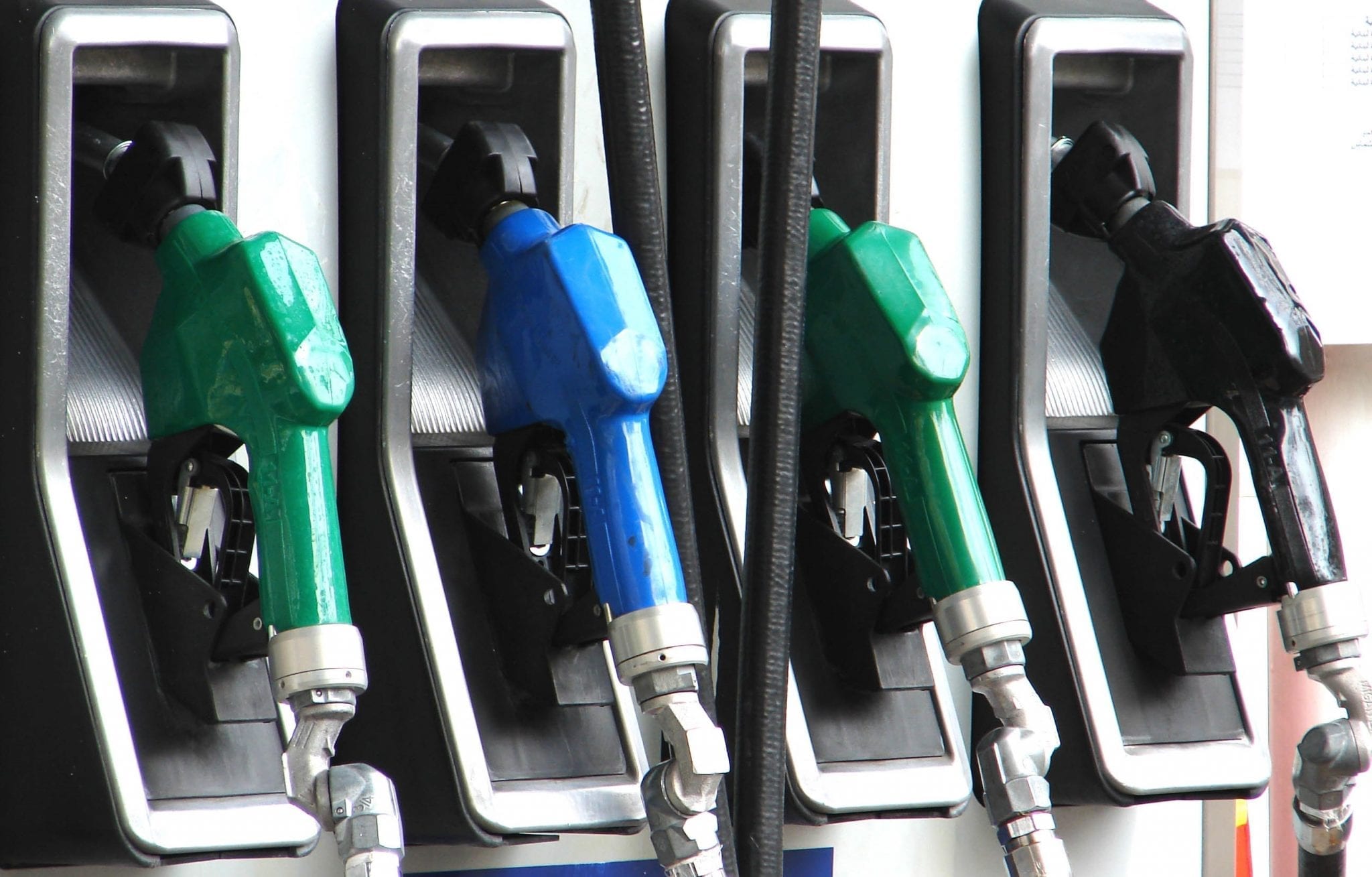
    Gas stations in several southern localities have run out of supplies of petrol, diesel and other fuels and have stopped doing business.

    In Tinh Bien District, An Giang Province, six gas stations that get their supplies from Ho Chi Minh City-based Dai Dong Duong Petroleum JSC have stopped selling since Monday.

    A Dai Dong Duong representative said that they have not been able to buy fuel from distributors for the last five days.

    He attributed the supply shortage to seven fuel distributors who had their import license revoked for 1-2 months mid-August for violating safety and stockpiling regulations.

    Also, distributors are giving supply priority to companies in their own system on learning that market prices are going up.

    Huynh Van Thanh, owner of the Thanh Loi station in An Giang’s Cho Moi District, said his station had been out of diesel for two days as of Tuesday, but the distributor would not supply the fuel until Sep. 6.

    As for gasoline, his station has not bought enough to meet demand for fear of making losses.

    Thanh said that the station is given a discount of VND210 for each liter of gasoline and is allowed to buy a maximum of 3,000 liters at a time, which means a total profit of VND630,000 ($27).

    Meanwhile, the cost of renting a tank truck is VND900,000, which means the station has lost VND270,000 even before it has started selling. Then there is the cost of electricity and staff salaries. Every day the gas station loses VND1.5-2 million, he said.

    According to the An Giang Market Management Department, as of Monday, 19 petrol stations across the province had closed while 36 had announced they were running out of fuel, accounting for nearly 10% of gas stations in the province.

    The department said the stations were running out of fuel because it was difficult to get them from distributors

    A similar situation has been reported in the Mekong Delta province of Dong Thap.

    Nguyen Huu Dung, director of the province’s Industry-Trade Department, said Tuesday that in the past week, 10 petrol stations have asked to temporarily close for “personal reasons.”

    He said it is possible that they want to stop selling to avoid losses.

    “The department received an application from a station to suspend operation for three months because they were losing VND350 dong for every liter of gasoline,” he added.

    Also in the Mekong Delta, the Market Management Department of An Giang Province said two of 132 stations have halted operations while two others announced they’ve run out of gasoline.

    A representative of the Chau Thanh Petroleum Trading Service Co., Ltd in Tien Giang, which supplies fuel to 114 stations in the province, said it holy has enough in stock to distribute in three days.

    The reserves of this firm were running out and supply from its distributor, the Military Petroleum Company Region 4 based in HCMC was deficient, the rep said.

    In HCMC and neighboring Dong Nai Province, many dealers said that the amount of imported gasoline has dropped as increasing prices of oil and gas are making importers and distributors worry about suffering losses.

    The Vietnam Petroleum Association had proposed Monday that the Ministry of Industry and Trade regulate the price of gasoline on Sep. 1, instead of waiting until Sep. 5, given the strong fluctuations in global fuel prices.

    Nguyen Minh Duc with the legal department of the Vietnam Chamber of Commerce and Industry (VCCI), said the current regulation of waiting for ten days to make changes in gasoline prices does not still cannot allow local businesses to keep pace with price fluctuations in the international market.

    That leads to the situation wherein gas stations run out of stock before each price adjustment, he said.

  • The Coffee House owner reports loss of $12 mln

    The Coffee House owner reports loss of $12 mln

    Seedcom Joint Stock Company, owner of The Coffee House and delivery company AhaMove, reported a loss of VND287 billion (US$11.96 million) for the first half, a 11% rise year-on-year.

    Seedcom CEO Nguyen Hoanh Tien said that the losses stemmed from two reasons, the first being the intensified investment and expansion into the B2B segment with omni-channel sales management solution Haravan, specialized F&B sales solution iPOS and a new unit to distribute consumer goods, CPG.

    Depreciation in the retail segment, the result of store development in recent years, was the other reason, he said.

    “By the second half of this year the financial results will certainly be better when business results are more positive.”

    The company’s chairman, Dinh Anh Huan, said Seedcom seeks to grow by 500% in 2022-25 and begin generating profits next year.

    Established in 2014, Seedcom also owns Giao Hang Nhanh (delivery), Juno, Hnoss (fashion), and Kingfoodmart (supermarket).

  • China Mobile Partners With ZTE to Unveil World’s First 5G NTN Field Trial

    China Mobile Partners With ZTE to Unveil World’s First 5G NTN Field Trial

    ZTE Corporation has announced its collaboration with China Mobile Research Institute, China Transport Telecommunications & Information Group, the Beijing Branch of China Mobile and other partners to showcase what it calls the world’s first 5G NTN (Non-Terrestrial Network) field trial at the 5G-Advanced Industry Development Summit in Beijing.

    The company said in its press release that this brings achievement breakthroughs in two aspects, ultra-long distances as far as 36,000 km and direct connection between mobile phones, that are enabled by two innovations including dynamic compensation of big latency and RF data conversion between the satellite and terrestrial.

    The trial was end-to-end and demonstrated services such as short messages and voice services, both with satisfactory performances. The trial included a comprehensive set of tests of the direct connection between the mobile phone and the satellite, which supports a network with ubiquitous connectivity, more use cases, highly integrated industry chains and low O&M costs.

    The trial was based on the 3GPP R17 and on a network architecture using high-orbit satellites for transparent forwarding to implement end-to-end link interconnection among terminals, satellites, terrestrial gateways, base stations, core networks and servers.

    The L-band satellite and terrestrial gateways, located between the NTN terminal and the base station, were responsible for air-interface message transmission. The terrestrial gateways were interconnected with the 5G NTN base station. The terminal was connected to the terrestrial core network and service platform through the satellite, gateways and NTN base station in turn to implement end-to-end service interconnection.

    During this trial, communication cases such as synchronization, broadcasting, accessing and data transmission, and services such as short text messages and voice messages were successfully tested. The latency of 64-byte ping is about 4s. The performance met the expectations, indicating the solution is very likely feasible. In the future, there will be emergency communication service pilot projects in Beijing, Yunnan and other provinces.

    Together with the terrestrial network, the 5G non-terrestrial network (5G NTN) forms an integrated ubiquitous network with a variety of use cases, highly integrated industry chains and low O&M costs. It uses satellite communication for powerful coverage to meet people’s demands for better accessibility of the mobile internet around the world and provide emergency, marine, remote areas and IoT communication services, facilitating the comprehensive development of CHBN (Customer, Home, Business, New).

    The satellite telecommunication network can reuse the cellular network and significantly reduce terminal cost. In addition, the number of cellular network base stations and centralized deployment can significantly reduce deployment and O&M costs.

    In this new stage of 5G-Advanced, this end-to-end 5G NTN field trial’s success helps build a solid foundation for a direct phone-to-satellite communication business model. This service provides users with more reliable and consistent experiences and connects space, air, ground and sea, forming an integrated ubiquitous network.

  • Onetime airline Pan Am reimagined in South Korea as a lifestyle brand

    Onetime airline Pan Am reimagined in South Korea as a lifestyle brand

    South Korean fashion retailer, SJ Group, has brought the famous American airline brand Pan Am into the country as a lifestyle brand, opening its first store inside the Shinsegae Starfield Coex Mall.  Featuring Pan Am’s signature blue and white, the Starfield Coex store is home to a selection of Pan Am-branded fashion apparel and accessories, ranging from bucket hats, travel bags, and phone cases to toys. The first Pan Am retail store also introduced The Pan Am AW2022 Collection, which the

    Featuring Pan Am’s signature blue and white, the Starfield Coex store is home to a selection of Pan Am-branded fashion apparel and accessories, ranging from bucket hats, travel bags, and phone cases to toys. The first Pan Am retail store also introduced The Pan Am AW2022 Collection, which the brand described as “designed for both fashion and functionality”.

    The launch of the Pan Am lifestyle brand’s first store will be followed by the opening of its first flagship location in Seongsu-dong, which is known as ‘The Brooklyn of Seoul’ with hip cafes and restaurants. Set to open its doors to the public on September 2, the 330sqm store will present a series of content collaborations with local artists and labels, such as Nuri Yeon, Playmobil, and Arc.N.Book.

    SJ Group aims to further increase Pan Am’s physical presence in the country with plans to open 13 stores in the country, including those in Daejeon Shinsegae Art & Science department store, Hyundai Department Store Pangyo branch, and Lotte Department Store Busan main branch.

    SJ currently has a portfolio of five brands, including Kangol, Helen Kaminski, LCDC and Le Conte Des Contes.

    Founded in 1927, Pan Am, an abbreviation for Pan American World Airways, was the largest international air carrier and unofficial flag carrier of the US during the 20th Century. An American drama series created by writer Jack Orman was named after the airline in 2011. The brand was also featured in the famous movie ‘Catch Me If You Can’ with Leonardo DiCaprio as a con artist disguising himself as a pilot of Pan Am.

  • Bangladesh to import rice from Vietnam and India to replenish reserves

    Bangladesh to import rice from Vietnam and India to replenish reserves

    Bangladesh is finalizing deals with Vietnam and India to import a total of 330,000 tonnes of rice as it races to replenish reserves and cool domestic prices, two officials with direct knowledge of the matter said on Monday.

    Soaring prices of the staple grain for the country’s 165 million people pose a problem for the government, which plans to expand cut-price rice sales to help people hard-hit by high costs.

    The south Asian country will buy 100,000 tonnes of parboiled rice from an Indian public sector firm and 200,000 tonnes of parboiled rice and 30,000 tonnes of white rice from Vietnam, the government officials said.

    The price for the parboiled rice from Vietnam will be $521 a tonne and white rice $494 a tonne, said the officials, speaking on condition of anonymity because the deals have not been made public.

    The price for rice from neighboring India will be $443.50 per tonne via seaports and $428.50 per tonne via railways, the officials said. All the prices included freight, insurance and unloading costs, they said.

    “Preparations are underway to sign the deals soon,” one of the officials said, adding the rice would be delivered within two to three months after the signing.

    The Bangladesh government is also holding talks with Myanmar to import rice, the officials said, putting aside a rift over the Rohingya refugee crisis.

    Bangladesh this week slashed import duty on rice to 15% from 25%, cutting it for the second time since July in a bid to boost private imports.Its private rice import plan, however, faces a setback with only 36,000 tonnes bought since July, after the government allowed private traders to import nearly 1 million tonnes of the staple grain after slashing duty to 25.0% from 62.5%.

    The government will begin selling rice at a cheaper rate for 5 million poor families and expand such sales from September, in an effort to rein in surging domestic prices, which saw yet another uptick after it hiked domestic oil prices early this month.

    Bangladesh, traditionally the world’s third-biggest rice producer with around 35 million tonnes annually, uses almost all its production to feed its people. It still often requires imports to cope with shortages caused by floods or droughts.

  • Booming foreign investment to push Vietnam up value chain

    Booming foreign investment to push Vietnam up value chain

    “Vietnam has repeatedly proven its ability to climb up the value chain over the years, to the point where the country has grown into a key manufacturing hub for tech products within the electronics space,” CEO of HSBC Vietnam, Tim Evans said.

    Apple is reportedly in talks to make watches and the MacBook in Vietnam for the first time, with its suppliers having started test production of the former in the north.

    Foxconn, a key Apple supplier, this month leased 50.5 hectares of land in Bac Giang Province and plans to build a $300-million factory there and employ 30,000 workers.

    South Korean conglomerate Lotte is seeking to expand in Vietnam, arguably its third most important market behind its home nation and Japan, and completely pull out of China.

    Over the last decade Samsung, Intel and many other multinationals have made significant investments in Vietnam and consider it an important base for their production.

    The country’s ectronics exports climbed to a record US$108 billion in 2021, equivalent to 32% of total exports, against less than $1 billion in 2000.

    “Vietnam has effectively turned itself into a rising star in global supply chains, gaining substantial global market share in sectors ranging from textiles and footwear to furniture and consumer electronics,” Evans said.

    This has come about because of its strategic location, competitive labor and production costs, and political, currency and social stability, have helped it become an attractive investment destination, he added.

    Vietnam attracted $31.15 billion worth of foreign direct investment last year, up 9.2% from 2020 despite Covid-19.

    Multinationals are moving part of their production from China to Vietnam since the risk of the latter facing punitive tariffs in future is low, according to analysts.

    The foreign direct investment flow from China to Vietnam reached $1.88 billion in 2020, up 245% from 2017, according to data from the United Nations Conference on Trade and Development, Thai lender Kasikorn – Kbank said.

    Michael Kokalari, chief economist of investment fund VinaCapital, said Vietnam still has a large number of workers who can move from the farm to the factory since over 40% of its workforce is still employed in agriculture.

    “I don’t see any other country in the world as a serious competitor to Vietnam in the assembly of high-tech products, which explains why Vietnam’s FDI inflows have remained so consistent.”

    But much remains to be done for Vietnam to take advantage of the increasing foreign investment.

    World Bank data shows its non-tariff trade costs are higher than for its ASEAN peers, with transport congestion costing as much as 21% of GDP in 2016, much higher than the global average of 12%.

    “Upgrading and modernising existing infrastructure will empower Vietnam to reduce the barriers to trade and strengthen its ability to attract additional FDI,” Evans said.

    Improving labor skills is another necessity as the demand for highly skilled workers is rising given the high level of technology and automation at foreign-invested manufacturers, he added.

    Kokalari said factors such as wages, workforce quality and infrastructure are more important than government policies in attracting FDI.

    More FDI means more opportunities for local firms to develop their capabilities to produce inputs the FDI factories require, he pointed out.

    “FDI brings not only money into a country, but also creates spillover benefits that help foster that country’s industrial sector.”