Author: Mei Ling Tan

  • Tencent Cloud Teams Up With Acclivis to Bring Cloud and ICT Offerings in SE Asia, Mainland China and HK

    Tencent Cloud Teams Up With Acclivis to Bring Cloud and ICT Offerings in SE Asia, Mainland China and HK

    Tencent Cloud and technology services provider Acclivis Technologies and Solutions announced that they have signed a strategic partnership to bring private, public and hybrid cloud and ICT solutions to enterprises in Southeast Asia, mainland China and Hong Kong.

    Tapping Acclivis’ presence in Singapore, Malaysia, Indonesia, Thailand, Philippines and Hong Kong as well as Tencent Cloud’s expertise and experience in China, the collaboration primes both parties to be the go-to partners for Southeast Asian enterprises who want to access China as well as Chinese enterprises keen to expand in Southeast Asia.

    The combined platform will offer Tencent Cloud’s cloud computing services and industry solutions available for verticals including financial services, entertainment, gaming, media and entertainment, retail and more.

    Additionally, the collaboration also provides a one-stop ICT platform featuring the internet services, managed services and IT end-user support provided by Acclivis to address the diverse and interconnected needs of every enterprise’s digital transformation journey.

    This full-suite ICT platform will allow enterprises to enjoy a better customer experience through simplified IT management using AI and machine learning, and also reap cost savings from the synergies expected from the partnership.

    Further highlighting Tencent Cloud’s commitment to bringing only the best cloud solutions to every part of the world, Tencent Cloud said it is pleased to team up with Acclivis to serve Southeast Asian enterprises who want to expand their reach to China.

    Kenneth Siow, regional director for Southeast Asia and general manager of Singapore, Malaysia and Indonesia, Tencent Cloud International, said, “Enterprises all over Southeast Asia have clamored for cloud technology that would help them easily connect their businesses to China. We are pleased to enter this new agreement with Acclivis to help businesses and organizations expand their global footprints, whether they are from Southeast Asia or China.”

    Meanwhile, Marcus Cheng, CEO of Acclivis Technologies and Solutions, added, “Acclivis’ mission is to provide reliable and comprehensive ICT solutions to help organizations realize the power of digital transformation. Leveraging on our deep roots in Southeast Asia, our internet connectivity and managed services capabilities, and Tencent Cloud’s years of experience in providing cloud services to various industries, our new partnership will put us ahead of the curve to access greater opportunities in Southeast Asia and China.”
  • SmarTone to Terminate 2G Services on October 14

    SmarTone to Terminate 2G Services on October 14

    SmarTone said that it would terminate its 2G services on October 14. This comes after Hong Kong’s Office of the Communications Authority announced the Communications Authority’s decision to grant prior consent to the application by SmarTone to discontinue its 2G services.

    In a press release, the company said that in response to the massive growth of mobile data usage in recent years and the decreasing market demand for 2G services, spectrum resources currently deployed for 2G network will be reallocated efficiently to drive 5G network development, bringing more innovative services and a better network experience to its customers.

    SmarTone said that in entering the 5G era, the need for and usage of mobile data and digitalized services are growing. The number of SmarTone customers upgraded to 5G has been increasing. As of April 2022, the number of SmarTone customers using 2G handsets or devices only accounts for less than 0.1% of its customer base.

    To fully appropriate the existing spectrum resources utilized by the 2G network (i.e. the 900 MHz and 1800 MHz bands of spectrum), the spectrum will be reallocated on October14 to better provide more advanced mobile services to customers using SmarTone’s 4G and 5G networks. SmarTone’s existing 2G network will continue as normal until October 14.

    Norman Tam, Deputy Chief Executive Officer of SmarTone, said, “The value of ‘Building Network with Heart’ has always been at the core of SmarTone’s development, and we will continue to adapt to the ever-changing needs of our customers to deliver the best possible user experience in 5G and beyond.”

    To facilitate a smooth migration from 2G to more advanced mobile networks, SmarTone has been facilitating the affected customers to upgrade their 2G handsets or devices to options that have supported a higher generation mobile network since early 2021.

    SmarTone is also working with a few enterprise customers who are still using 2G devices to ensure their smooth transition to 4G/5G services. SmarTone will continue to assist the affected customers in their upgrade of handsets or devices for the enjoyment of its 4G/5G services, and endeavor to offer proper arrangements to those who do not intend to upgrade from 2G.

  • Cathay Pacific resumes freight service from WTB

    Cathay Pacific resumes freight service from WTB

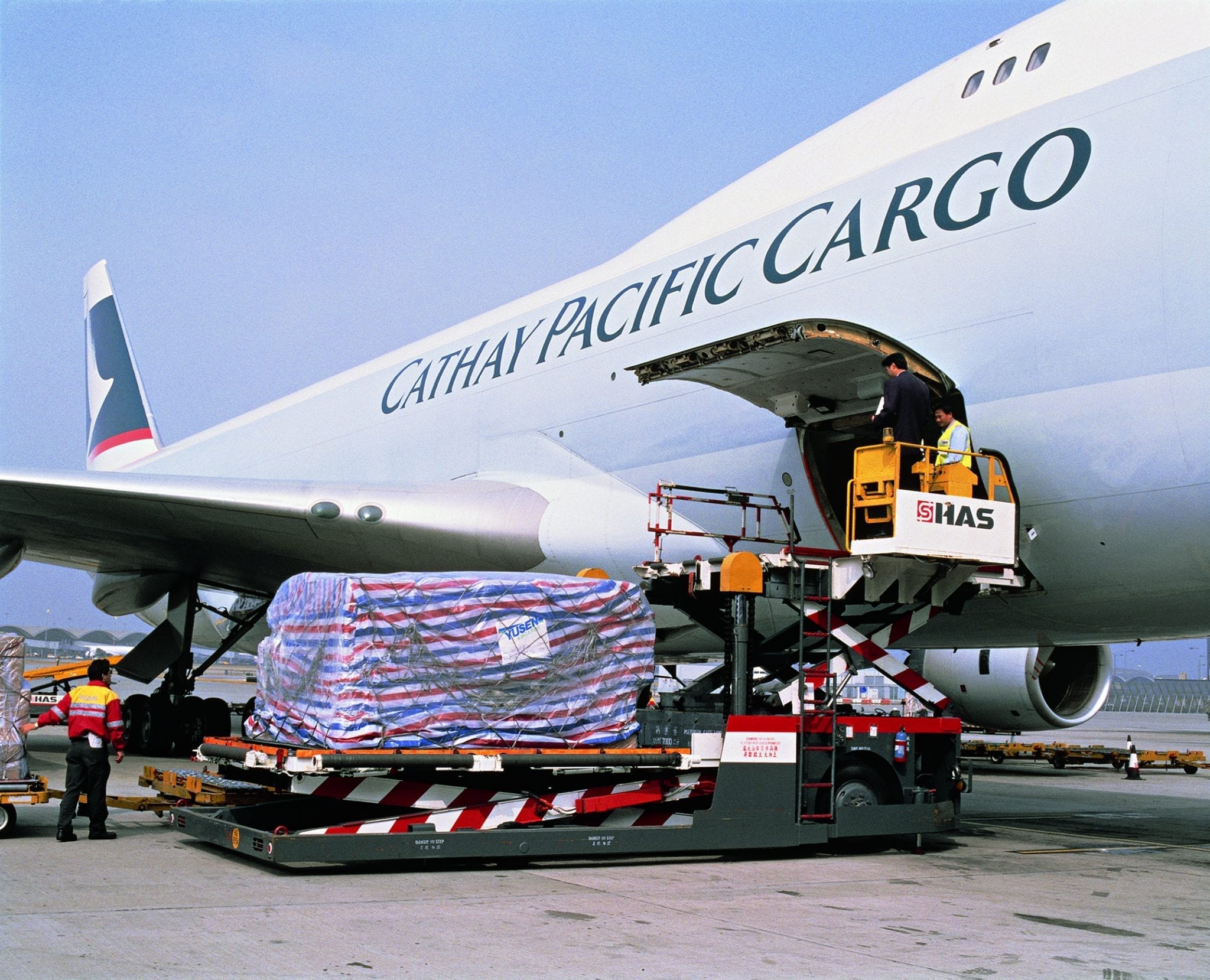
    Cathay Pacific Cargo has resumed its weekly Boeing 747 freighter service from Toowoomba Wellcamp Airport (WTB) in Queensland, Australia to Hong Kong (HKG).

    The carrier said in a LinkedIn post on 4 August the new service will support local producers and exporters of chilled meats, vegetables and more to reach the Hong Kong market and beyond.

    Toowoomba Wellcamp Airport said the freighter service will serve as a gateway for oversize cargo, chilled meat, horticulture-fruit/vegetables, seafood, oil and gas, mining equipment and artwork.

    The airport operates its international air cargo terminal in conjunction with Menzies Aviation.

  • DB Schenker offers charter flights to Latin America

    DB Schenker offers charter flights to Latin America

    Starting this week DB Schenker will offer additional charter capacities across the Atlantic. The new route starts from the Netherlands and reaches Brazil after two stopovers in the US. In South America, direct connections to Argentina and Chile are available. The weekly freight charter flight provides 50 tonnes of capacity and expands DB Schenker’s growing intercontinental flight network.

    Every Sunday night, the flight leaves Amsterdam (AMS) and stops in New York City (JFK) and Miami (MIA) on Monday before reaching Viracopos (VCP) near São Paulo on the same day. On Tuesdays, a direct connection can be made to Buenos Aires (EZP), and Santiago de Chile (SCL) can be reached on Wednesdays. An airline partner will be operating the new transatlantic route with Boeing 767 freighter jets. The charter flight’s stopover in Miami allows access to numerous further destinations in the operating carrier’s portfolio.

    The first bookings include a diverse range of goods, including many automotive parts. DB Schenker said emperature-controlled cargo and dangerous goods can also be transported upon request. Within Europe, the flights seamlessly connect to the forwarder’s land transportation network.

  • AirAsia and Malaysia Airports Resolve Their Legal Disputes

    AirAsia and Malaysia Airports Resolve Their Legal Disputes

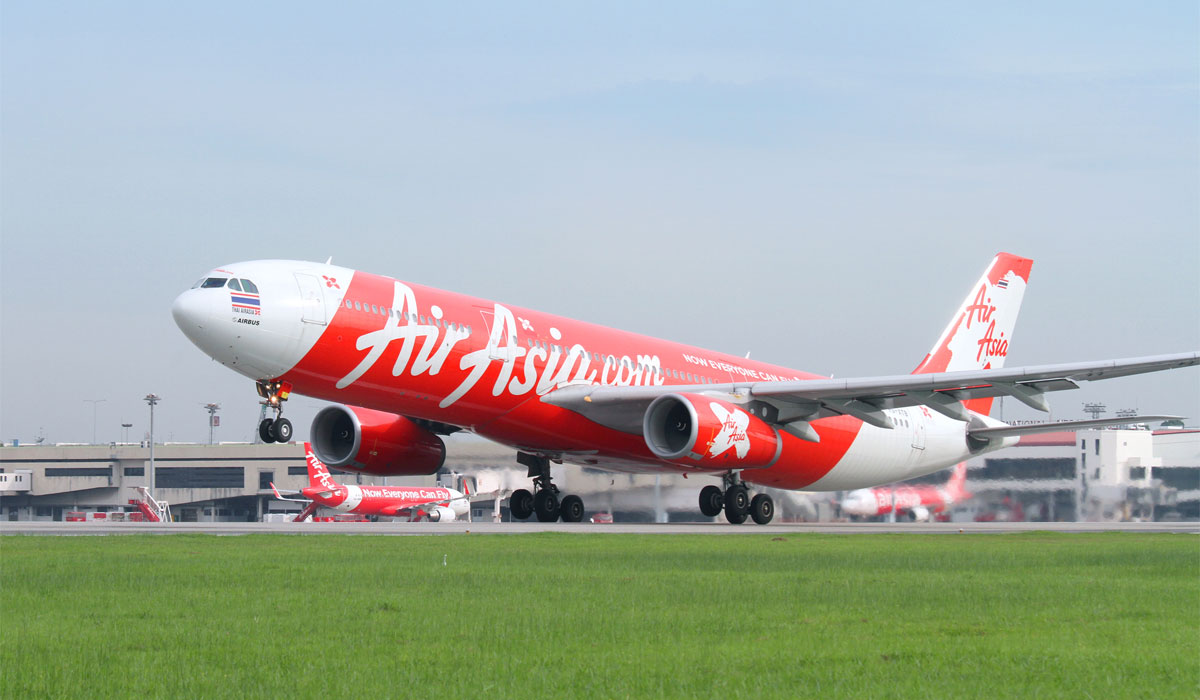
    In an attempt to revive air travel in the country, AirAsia and Malaysia Airports Holdings have decided to end all of their legal disputes. The two parties released a joint statement a few days ago saying that they have found “common ground to reach an amicable outcome” for their multiple disputes and plan to work together for the recovery of the industry.

    On August 10th, Capital A Berhad (the holding company of AirAsia Aviation Group Limited) and Malaysia Airports Holdings announced that they have mutually agreed to end all of their legal disputes for the sake of the country’s travel and tourism industry.

    Malaysia Airports Holdings Berhad (MAHB) Managing Director, Dato’ Iskandar Mizal Mahmood said,

    “We are pleased to confirm that all parties are dropping proceedings. There are no longer any legal proceedings or material litigation from MAHB against AirAsia Berhad/AirAsia X Berhad.”

    Capital A CEO Tony Fernandes was also happy with the decision and added,

    “As the world recovers from the pandemic, and substantial losses in the aviation sector in particular, it is integral that all stakeholders work together to stimulate the air travel revival. As two major players driving the aviation ecosystem, it is more important than ever that MAHB and our Malaysian based airlines AirAsia Berhad and AirAsia X Berhad, show solidarity in making Malaysia’s aviation industry competitive and attractive again.”

    The parties involved are believed to have put their differences aside for the benefit and success of all the aviation stakeholders, such as airlines, airports, and passengers, and to stimulate Malaysia’s tourism and economic growth.

    According to ch-aviation, one of the lawsuits was filed by the airport group for outstanding Passenger Service Charge payments amounting to MYR41.55 million ringgit (USD9.1 million) against AirAsia and AirAsia X.

    But the airline group contested that the airport operator had revised the fees in 2016, breaching a contract between the two sides.

    Another dispute involved the two LCCs filing a case against Malaysia Airports alleging losses and damages sustained between 2014 and 2018 due to negligence, multiple disruptions, and poor conditions at KLIA2, the second terminal at Kuala Lumpur airport where these airlines operate

    Spending time and resources on court cases is never an easy decision, more so in the wake of the pandemic, which crushed the airline industry in the last two years. But there have been green shoots lately as various stakeholders commit to bringing the industry back to good health.

    Tourism Malaysia is encouraging various programs and events such as the ‘World Top Gourmet Awards 2022’ and other similar initiatives to bring back tourist revenue and strengthen the economy. For that, there must be a cordial relationship between the country’s major airline group and airports.

    With the disputes ending, the hope is that AirAsia’s main hub at Kuala Lumpur International Airport will work seamlessly and be more affordable for millions of passengers each year.

  • Thailand’s Central Retail Turns Around Bottom Line With Solid Fourth Quarter

    Thailand’s Central Retail Turns Around Bottom Line With Solid Fourth Quarter

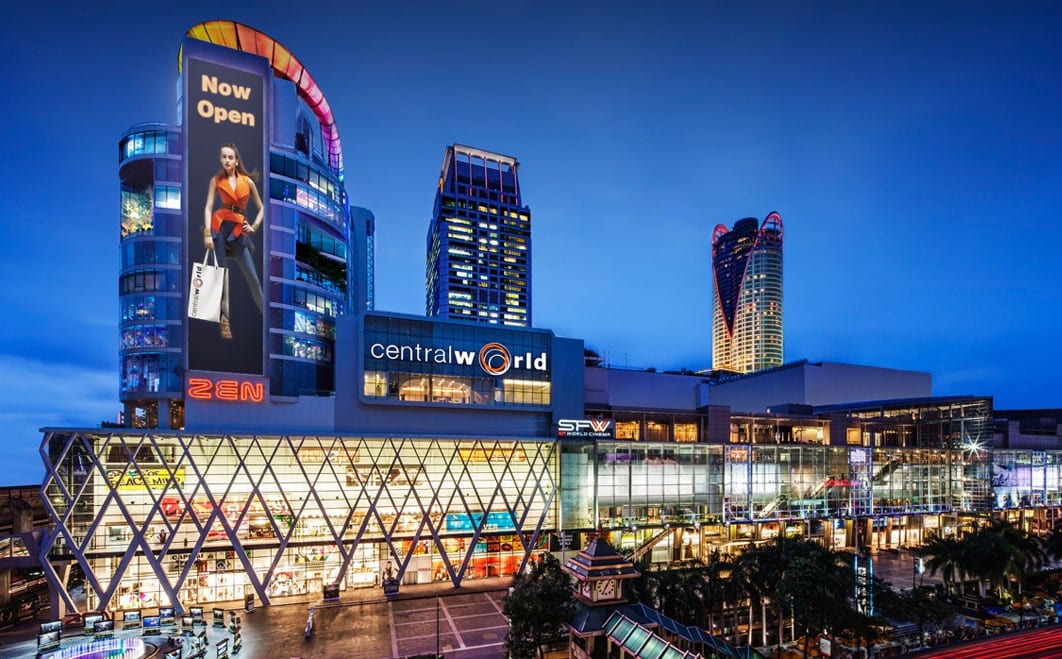
    The listed retail arm of Thai conglomerate Central Group says revenue rose by 15 percent year-on-year to 58.77 billion Thai baht ($1.8 billion) and EBITDA was up 42 per cent to 8.03 billion baht in its latest quarter.

    Net profit for the company – which operates La Rinascente department stores in Italy and the Central and Robinson’s store networks in Thailand – soared 124 percent to 2.5 billion baht.

    The group did not break down the performance of its various business units, which also includes retail chains selling groceries, sportswear, stationery, and electronics across Thailand and Vietnam.

    Last year, Central Retail renovated three flagship Rinascente stores in Milan, Florence and Rome while the country was in a Covid-related lockdowns with the work completed before Italy reopened its international borders in mid-2021.

    “The spending power from domestic customers along with the return of European tourists boosted sales growth in the fourth quarter, matching 99 percent of sales during the pre-pandemic era,” the company said in a statement.

    Full-year sales in Italy grew by 30 percent year on year, driving a fourfold increase in EBITDA.

    Group-wide full-year sales reached close to $6 billion with net profit of $8.5 million.

    Central Retail chief executive Yol Phokasub said the company had endured “rigorous-resilience tests” last year due to the impact of Covid-19 on trading and was ready to focus on growth in the year ahead.

    Central Retail is one of several subsidiaries of Central Group, which last December agreed to pay $5.37 billion for the Selfridges department store business in the UK in partnership with Austrian real estate company Signa Group.

    Earlier this month, sister subsidiary Central Pattana, the Group’s property business, revealed plans to invest $3.7 billion over the next five years to build or upgrade shopping centres, hotels and office facilities in Thailand and Vietnam, including Central-branded malls which house its fashion-led department stores.

  • Snapchat+ hits 1 million subscribers, announces new exclusive features

    Snapchat+ hits 1 million subscribers, announces new exclusive features

    Launched less than two months ago, Snap’s premium service has already amassed 1 million subscribers, the company announced today. Snapchat+ is available for $3.99/month and offers exclusive features that aren’t otherwise available.

    When it launched Snapchat+ back in June, Snap promised to add new features for premium users quite often. Today, the social network revealed a new batch of Snapchat+ features are now available for the service’s subscribers.

    First off, Snapchat+ subscribers are getting “Priority Story Replies,” meaning their replies will be more visible to Snap Stars. “Post View Emoji” is another new feature coming to the premium side of the service today. It allows paying customers to pick an emoji they want friends to see after they view their Snaps. Basically, it acts as a signature to sign-off you Snaps.

    Another interesting new premium feature coming to Snapchat+ is the ability to customize further Bitmoji backgrounds with “special backgrounds” like gleaming gold and a beach paradise. Last but not least, Snapchat+ subscribers are getting new icons for the app to put on their home screens.

    If you want to subscribe to Snapchat+, keep in mind that the service is only available in the United States, Canada, the United Kingdom, France, Germany, Australia, New Zealand, Saudi Arabia, United Arab Emirates, India, Kuwait, Qatar, Oman, Bahrain, Egypt, Israel, Sweden, Denmark, Norway, Netherlands, Switzerland, Ireland, Belgium, Finland, and Austria.

  • Suzuki Ciaz, Hyundai Elantra are worst selling cars in July

    Suzuki Ciaz, Hyundai Elantra are worst selling cars in July

    The Suzuki Ciaz was the worst selling car in Vietnam last month, and the Hyundai Elantra made it to the list for the first time.

    In July only four Ciaz sedans were sold, down from eight in June. Elantra sold seven, but dealers said they expect to start selling a newer model in Q3.

    Toyota Land Cruiser made it to the third spot with eight units, down from 19 in June. But supply was scarce since they are imported from Japan.

    Two other Toyota cars also appeared on the list: the Alphard MPV (10 units) and the Prado SUV (19).

    Other worst selling cars in July included the Ford Explorer SUV (11), Suzuki Swift hatchback (14) and Honda Brio (14).

    Auto sales resumed in July with 30,254 units sold, up 20% from June, showing signs of recovery.

  • Amazon to invest in Japanese beauty retailer Istyle

    Amazon to invest in Japanese beauty retailer Istyle

    Amazon.com will invest in istyle, the company behind the @cosme review and retail site, gaining access to the Japanese beauty product vendor’s trove of user reviews.

    Under the agreement announced Monday, istyle will issue 2.5 billion yen ($18.7 million) in convertible bonds as well as 11.5 billion yen in warrants to Amazon on Sept. 6. If these convertible bonds and warrants are turned into stock, Amazon would become the top shareholder with a 36.95% stake.

    Amazon will open a dedicated page, tentatively named @cosme Shopping, on its site, where istyle will provide the latest on beauty products to the e-retailer’s members and sell cosmetics from a wide range of brands.

    Istyle has been pushing to merge online and offline sales, setting up a brick-and-mortar store in Tokyo’s Harajusku district. Going forward, Amazon and istyle could collaborate in operating stores using digital tech. The partnership could boost Amazon’s presence in the cosmetic market, where drugs stores and department stores are also formidable players.

    Istyle will also issue convertible bonds to investors including leading trading house Mitsui & Co.

    Mitsui plans to position the cosmetics business as one of its key growth fields and wants “to broaden access to istyle’s customers and manufacturers,” according to a spokesperson. It intends to leverage its sales network to offer Japanese-made cosmetics in overseas markets.

  • Yum China applies to add primary listing in Hong Kong

    Yum China applies to add primary listing in Hong Kong

    YUM China Holdings said on Monday (Aug 15) it has applied for a primary listing in Hong Kong, as the company looks to circumvent a risk of delisting from the New York Stock Exchange amid tight regulatory scrutiny on Chinese companies.

    The move comes on the heels of an audit dispute between China and the United States, which is threatening to kick out hundreds of Chinese companies listed in New York.

    E-commerce giant Alibaba Group Holdings had also said last month it would convert its Hong Kong secondary listing into a dual primary listing.

    Five US-listed Chinese state-owned firms, including oil giant Sinopec, last week said they would voluntarily delist from the NYSE, after the Securities and Exchange Commission flagged more than 270 companies, including Yum China, for failing to meet US auditing standards.

    Yum China, which runs the KFC and Taco Bell chains in China, said the conversion from its current secondary listing status to primary listing is expected to be completed in October, subject to shareholder approval.

    The company will become dual primary listed on the NYSE and the Hong Kong Stock Exchange, it added.

  • GS Retail to exit beauty market, closing all Lalavla stores

    GS Retail to exit beauty market, closing all Lalavla stores

    CJ Olive Young looks set to solidify its front-runner position in the health and beauty store market, with GS Retail’s announcement that it will shut all of its Lalavla stores.

    Lalavla, GS Retail’s health and beauty store brand, will shut down all of its branches by the end of November.

    The brand’s online shopping mall will only take orders until Sept. 1 and will take customer inquiries about refunds or exchanges until Sept. 30.

    In 2005, GS Retail formed Watsons Korea — a joint venture with A.S. Watson, a Hong Kong-based health and beauty product retailer — to operate Watsons stores. It acquired the remaining 50 percent stake A.S. Watson held in the joint venture in 2017, becoming the sole owner and changing the health and beauty store’s name to Lalavla.

    Lalavla had as many as 200 branches in 2018, but the number quickly decreased to 34 branches this year as cosmetics sales decreased during the pandemic.

    The brand’s sales fell 37.5 percent on year to 25.1 billion won ($19.2 million) in the second quarter of 2020. Operating loss was 4.8 billion won, compared to a loss of 4.2 billion won the previous year. GS Retail hasn’t been providing sales figures for the brand since the third quarter that year, only reports the combined sales of Lalavla, its e-commerce division and subsidiaries.

    Once GS Retail shuts down all its Lalavla branches, the company said it will focus more on its convenience store and delivery business. It has been offering deliveries from its GS Fresh Mall branches to customers in Seoul, Gangwon and Chungcheong, since May.

    CJ Olive Young is expected to become the clear leader in the local health and beauty store market. The company has 59.1 percent of the market as of the first quarter, with 1,265 branches.

    Lotte Shopping decided to shut down all its individual LOHBs branches, the company’s health and beauty store brand, in November last year. It now only designates a small section at its Lotte Mart branches for cosmetics and health supplies, called LOHBs+.

  • Pronto launches ‘Stranger Things’ cafe

    Pronto launches ‘Stranger Things’ cafe

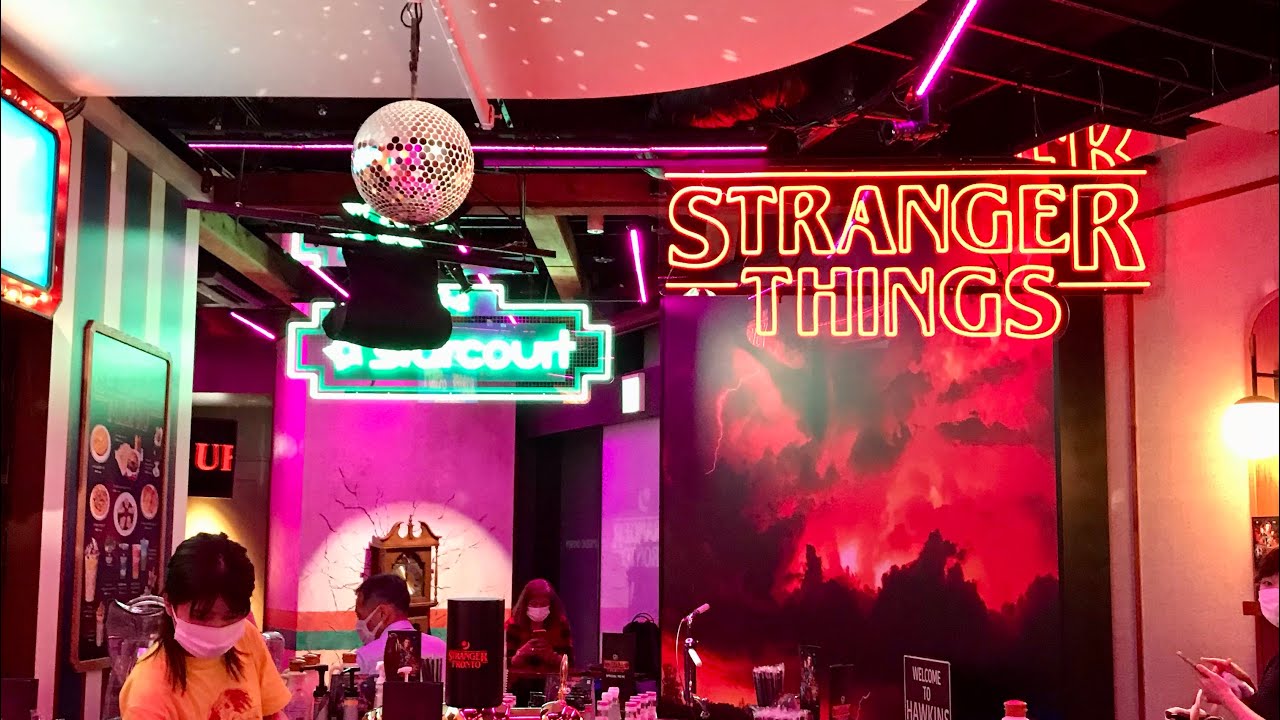
    Stranger Things may not be as popular as Spy X Family in Japan, but it has enough of a following to deserve a cafe! From July 6 to September 9, Japanese cafe Pronto’s Shibuya Fukuras branch will get a Stranger Things makeover called “Stranger Pronto”. The collaboration coincides with the recent release of the later half of Season 4 of the world-famous Netflix series. The cafe will be decorated in a Stranger Things theme and include a completely Stranger Things-themed menu, photo spots, artwork, and more.

    Menu items are based on characters from Stranger Things Seasons 1 through 4, including main character Eleven’s first burger (and of course, her favorite waffles), a roast beef pasta plated to look like the infamous Demogorgon monster, and Nancy’s Halloween Party mocktail. There’s even a cream soda made to look like the Upside Down (not pictured above but on the full menu).

    Some art they’ll have on display includes trick art of a Demogorgon coming out of a door, the famous Christmas light wall at the Byers’ house, the fiery road to Hawkins (possible spoiler), and the Surfer Boy Pizza van.

    There are markedly more references to Season 4 than the earlier seasons–likely due to its recent release–so it may be better to pay a visit after you’ve watched it all. The Shibuya Fukuras branch is open year-round, but if you want to visit the Upside Down, you’ll need to stop by between July 6 and September 9. We promise you’ll make it out alive!

  • Secoo files for bankruptcy for the second time

    Secoo files for bankruptcy for the second time

    Secoo, once China’s top online luxury goods retailer, has filed a bankruptcy petition for the second time this year, showing how difficult it is for some companies to survive amid waning domestic consumption power in the country.

    Beijing Siku Shangmao Co, the corporate entity of the Nasdaq-listed company, filed a bankruptcy case with the First Intermediate People’s Court of Beijing Municipality, according to public records database Tianyancha on Wednesday.

    In January, after several domestic media outlets reported that Secoo had filed for bankruptcy in Beijing, the company retracted a petition to wind up, according to a notice on China’s bankruptcy disclosure platform.

    Founded in 2008 by Chinese entrepreneur Richard Li Rixue, the retailer quickly gained backing from private equity firms. It grew from a second-hand handbag shop into China’s largest luxury goods exchange for individuals, with a 2017 initial public offering on Nasdaq raising US$140 million.

    Its stock fell to US$0.27 in New York trading on Wednesday, compared to a high of US$14.6 four years ago. Since late last year, Secoo’s shares have been trading below US$1.

    On December 17, 2021, the firm received a delisting warning after its closing bid price for 30 consecutive business days fell below US$1 per share, Nasdaq’s minimum bid price requirement.

    Under an initial 180-day grace period, which ended on June 15, Nasdaq said the company would be officially delisted if its closing bid price was not above US$1 per share for at least 10 consecutive business days.

    On June 17, the company said Nasdaq had granted it a second 180-day grace period, until December 12, 2022, to comply with the minimum bid price requirement.

    Analysts attributed the company’s problems to several factors. While it caught the early wave of luxury e-commerce business in China, it also made several business decisions that deviated from its original mission.

    For example, it invested heavily in live streaming, with a 7,000-square-metre facility and dedicated team, and also vowed to disrupt the luxury resale sector with a blockchain-empowered authentication service.

    Adding to Secoo’s internal missteps, demand for luxury goods has softened, with China’s total national retail sales only rising 3.1 per cent year on year in June.

  • Canoo Outsource Production Of Electric Vans For Walmart

    Canoo Outsource Production Of Electric Vans For Walmart

    Canoo has outsourced the production of its electric vans which it has been developing for Walmart. It announced this in its Q2 financial results filing. Its CEO Tony Aquila announced that it didn’t have the immediate capability to manufacture the vans itself so in the meanwhile an unspecific contractor till the end of the year. Originally, it said it will be shifting production facility in Bentonville where Walmart is also situated. Canoo has an order of 4,500 electric vans from the retail giant.

    Walmart also has an option of ordering up to 10,000 cars. Canoo already had a contract manufacturing deal with Dutch company VDL Nedcar but it backed out of the deal in late 2021 as it believed it could start production of the LifeStyle car.

    Aquila says that deliveries to Walmart are on track to begin in the first quarter of 2023. Canoo’s success is predicated on the completion of this agreement.

    “We have entered into an agreement with Walmart Inc. for the purchase of electric vehicles and expect that, at least initially, Walmart Inc. will be our largest customer. If we are unable to maintain this relationship, or if Walmart purchases significantly fewer vehicles than we currently anticipate or none at all, our business, prospects, financial condition, results of operations, and cash flows could be materially and adversely affected,” said Tony Aquila.

    Canoo is burning through its cash reserves quite rapidly. It has posted a net loss of $164.4 million for this quarter. It posted $289.8 million in the first half of the year.

  • Chobani Australia unveils oat yoghurt range

    Chobani Australia unveils oat yoghurt range

    Chobani Australia has extended its non-dairy offering, adding a range of oat yoghurts to its suite of products.

    According to a company statement, Chobani Australia recognised the growing ‘flexitarian’ market, and was motivated to provide these consumers with a greater variety of plant-based food options.

    The company also saw this as an opportunity to diversify the dairy-free yoghurt category, “currently dominated by high fat, strong tasting coconut yoghurt options,” the statement reads.

    The new oat yoghurt range follows Chobani’s entry into the dairy alternative market in 2021, when it launched its oat milk.

    There are two sizes (150g and 500g) and five flavours in the new range: Strawberry, Mango, Blueberry, Vanilla and Natural.

    The range is available in all Woolworths and Coles outlets, and soon to be in independent retailers.