Author: Mei Ling Tan

  • Innovative logistics models in great demand

    Innovative logistics models in great demand

    Hardy Diec, Managing Director of FedEx Express Indochina, predicts greater demand for innovative logistics models to enhance online to offline customer experience and support swift pivot businesses.

    What’s the status quo with the logistics industry?

    Supply chains have never been more important. More than that, reliability and accuracy in these supply chains have now become even more paramount. During this pandemic, the logistics industry has proven to be vital, whether in delivering critical healthcare shipments including vaccines and medicine, or delivering huge volumes of e-commerce shipments to end consumers.

    The pandemic has shifted consumer behavior greatly. The boom in e-commerce will continue to be a powerful engine of the global economy. We’re witnessing how essential supply chains are to business survival, success and growth – they are not just an opportunity to reduce cost.

    Businesses are rethinking their supply chains, moving to a “just in case” approach for inventory management to counter unplanned scenarios. Being able to receive products and critical components either by 10:30 a.m. or noon from overseas suppliers means businesses can now improve their competitiveness in the marketplace. In turn, it is driving demand for early-in-the-day delivery of time-sensitive shipments services like FedEx International Priority Express (IPE).

    Demand for cross-border e-commerce is expected to grow even post-pandemic in Vietnam and the region. Vietnam’s e-commerce market is forecast to grow by a staggering 300 percent, from $13 billion in 2021 to $39 billion in 2025, with more consumers shopping online. There will be greater demand for innovative logistics models for a seamless online to offline customer experience and to support the swift pivots businesses are taking to sell online, in step with customer demand.

    What solutions does FedEx provide, given the above insights?

    Firstly, investing in our air network enables us to move quickly to changes in supply chains. When we saw high demand for express air cargo, we were able to add six new flights, starting in August 2021, to enhance connectivity to Europe and the U.S. for customers in Asia Pacific -including Vietnam businesses – adding nearly 2,700 tons in capacity every week.

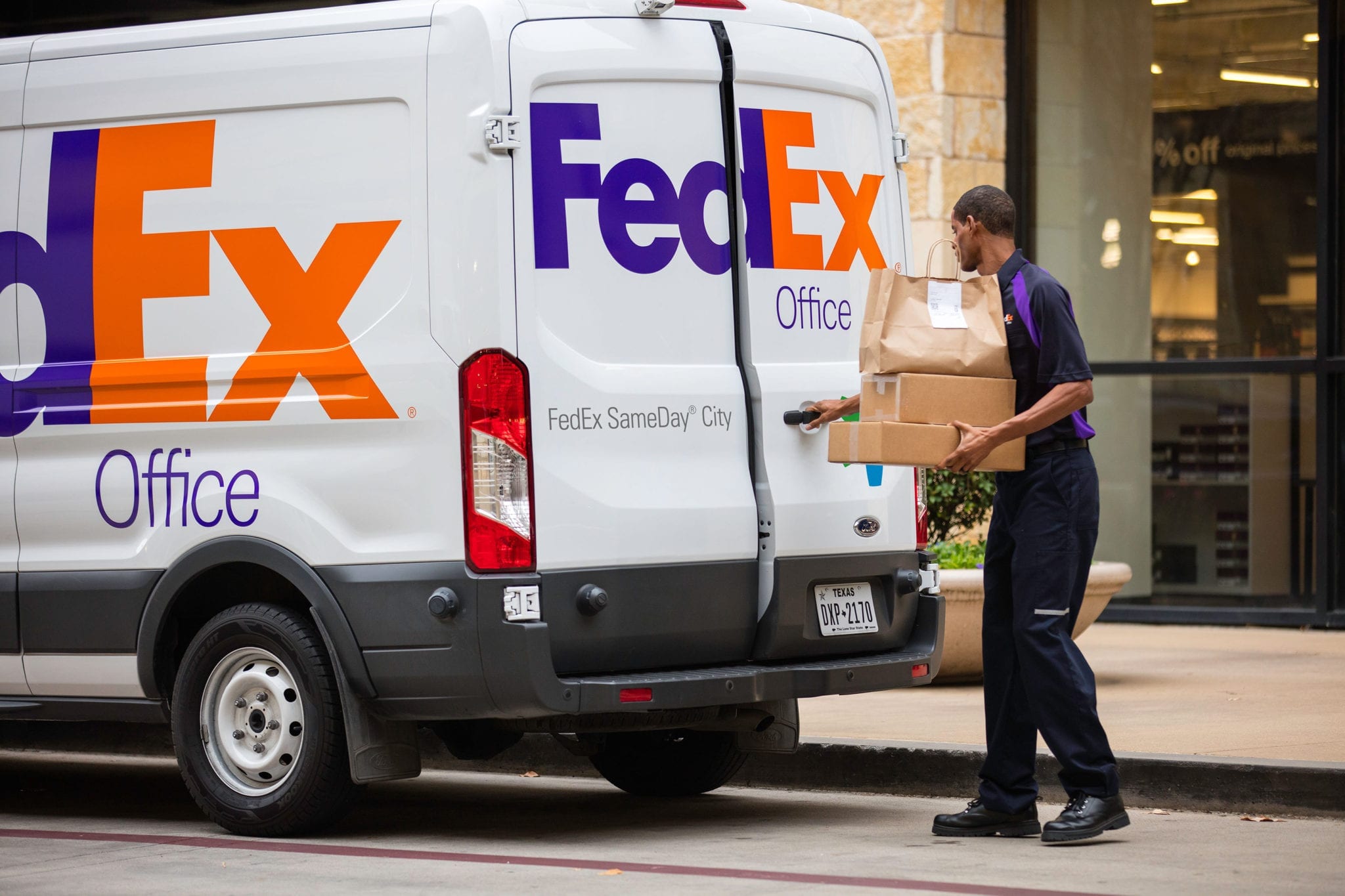
    To cater to different e-commerce shipping needs, we’re offering businesses in Vietnam more options using different modes of transport through our air, sea and road networks. This includes connecting regional and domestic cities through our FedEx Asia Road Network (ARN) – spanning more than 7,000 km – delivering to eight major locations: Hanoi, Guangzhou, Bangkok, Da Nang, Ho Chi Minh City, Penang, Kuala Lumpur and Singapore.

    We continue to enhance our regional and global network to enhance connectivity with other competitive markets for our customers to access and we are building solutions that will empower Vietnamese businesses to participate in cross-border trade particularly in the dynamic e-commerce marketplace.

    What advice do you have for business owners in Vietnam? What are the opportunities at the moment?

    Firstly, take advantage of free-trade agreements such as the Comprehensive and Progressive Agreement for Trans-Pacific Partnership (CPTPP), the Vietnam – EU (EVFTA), and the Regional Comprehensive Economic Partnership (RCEP), the world’s largest free trade agreement, which can boost investment access and freer trade with these trading partners. These FTAs enable Vietnam businesses to take advantage of reduced tariffs and at the same time attract companies to relocate or expand manufacturing in Vietnam and export to partners. Improved trading access will offer greater opportunities to grow cross-border trade for Vietnam.

    E-commerce and digitalization are key opportunities for Vietnam businesses particularly for small and medium-sized enterprises (SMEs) to spur growth. Vietnam has more than 870,000 enterprises, with SMEs accounting for more than 98 percent. While SMEs have been some of the hardest hit during the pandemic, by shifting to online business models and digitalization they have also been the community who stand to benefit the most and stay ahead and boost competitiveness.

    A key factor to winning in e-commerce, identified in our FedEx whitepaper “E-commerce Megatrends to watch” is making online shopping a more “connected” experience across platforms. This requires a smooth end-to-end shopping experience from the moment they enter the website or social channels all the way to fulfillment and finally delivery.

    To help Vietnam’s businesses, including SMEs, deliver a seamless e-commerce experience from online to offline, we’ve teamed up with more than 20 e-commerce platforms and marketplaces. Enabling customers and e-tailers to select our range of shipping capabilities and easily generate FedEx shipping labels or use additional specialized FedEx features without leaving those e-commerce platforms has become our priority.

    Moreover, we’re using digital solutions to make shipping smarter and easier. Our goal in digitization is to give greater control and visibility for businesses to manage e-commerce shipments. For instance, FedEx Delivery Manager International allows e-tailers to offer their customers the freedom to customize their delivery preferences. In addition, we improving easy-to-use online tools like FedEx ship manager, manager, online billing (FedEx Billing Online); FedEx electronic trade documents, helping both e-tailers and consumers save time when preparing shipments and stay competitive.

    What is the FedEx vision for the future?

    Trade, while being an important driver of Vietnam’s remarkable economic growth over the past two decades, is carbon-intensive – accounting for one-third of the country’s total greenhouse gas emissions. Addressing climate challenge is a very real need today, and an important and collective effort which will impact the future of the country and the health of our communities.

    That’s why we’re using our expertise in logistics to build more sustainable transportation solutions. In fact, we’re working our way toward delivering a more sustainable future including our goal of carbon neutral operations by 2040, which will outpace the targets set by the Paris Climate Agreement by a decade. To achieve this ambitious goal, we’re investing US$2 billion into three key areas that matter the most – vehicle electrification, sustainable energy, and carbon sequestration.

    At the same time, we’re looking to innovative technologies and Artificial Intelligence, including robotics and unmanned vehicles – to reduce road transportation costs and help tackle traffic congestion in cities. For instance, we’re testing zero-emissions autonomous delivery vehicle in China through collaboration with Neolix and battery powered robotics Roxo™, the SameDay Bot® to explore new ways of delivering to our customers’ door-step more sustainably. We will continue to look at ways to connect the world responsibly and resourcefully.

    As one of the world’s largest transportation providers, what role does FedEx play in terms of social responsibility?

    Using our network to deliver for good is what we do and who we are. Not only are we connecting trade and moving the world forward every day, but one of our most important roles is delivering critical aid. Since the start of the pandemic, we have transported more than 14,000 Covid-19 humanitarian aid shipments throughout the world including moving vaccines and test kits to support Vietnam’s fight against Covid-19. Most recently, we delivered 76 tons of critical medical aid for Ukrainian refugees to Poland via a FedEx humanitarian relief flight in March.

    Fostering future entrepreneurs in Vietnam is important to us because we see small business as a driver to creating new jobs, support their families and contribute to thriving communities. For more than a decade, we’ve been inspiring the next generation of leaders in Vietnam through the FedEx/Junior Achievement International Trade Challenge (FedEx/JA ITC) program. FedEx was founded by an entrepreneur with an innovative business idea, which is why we believe in giving resources to people with great ideas that have the potential to change the world for the better.

    Moreover, we support improving healthcare access for remote areas in Vietnam. Through the FedEx delivery heartbeats outreach clinic program, in collaboration with VinaCapital Foundation (VCF), we are bringing free specialty healthcare and medical treatment for congenital heart disease to children in rural areas of the country. We’re proud that our efforts are improving the lives of more than 200,000 children. To add, in May, we’re teaming up with Orbis to train eye care professionals across Vietnam on ways to prevent the worsening of vision loss due to glaucoma in our new virtual Flying Eye Hospital project. By combining online and practical training, we will enable more skilled eye care professionals to offer access to quality eye care for patients particularly in rural areas.

    Through collective efforts we will continue to deliver positive changes to help local communities, businesses and economies prosper.
  • Menswear startup raises $2 mln in Series A round

    Menswear startup raises $2 mln in Series A round

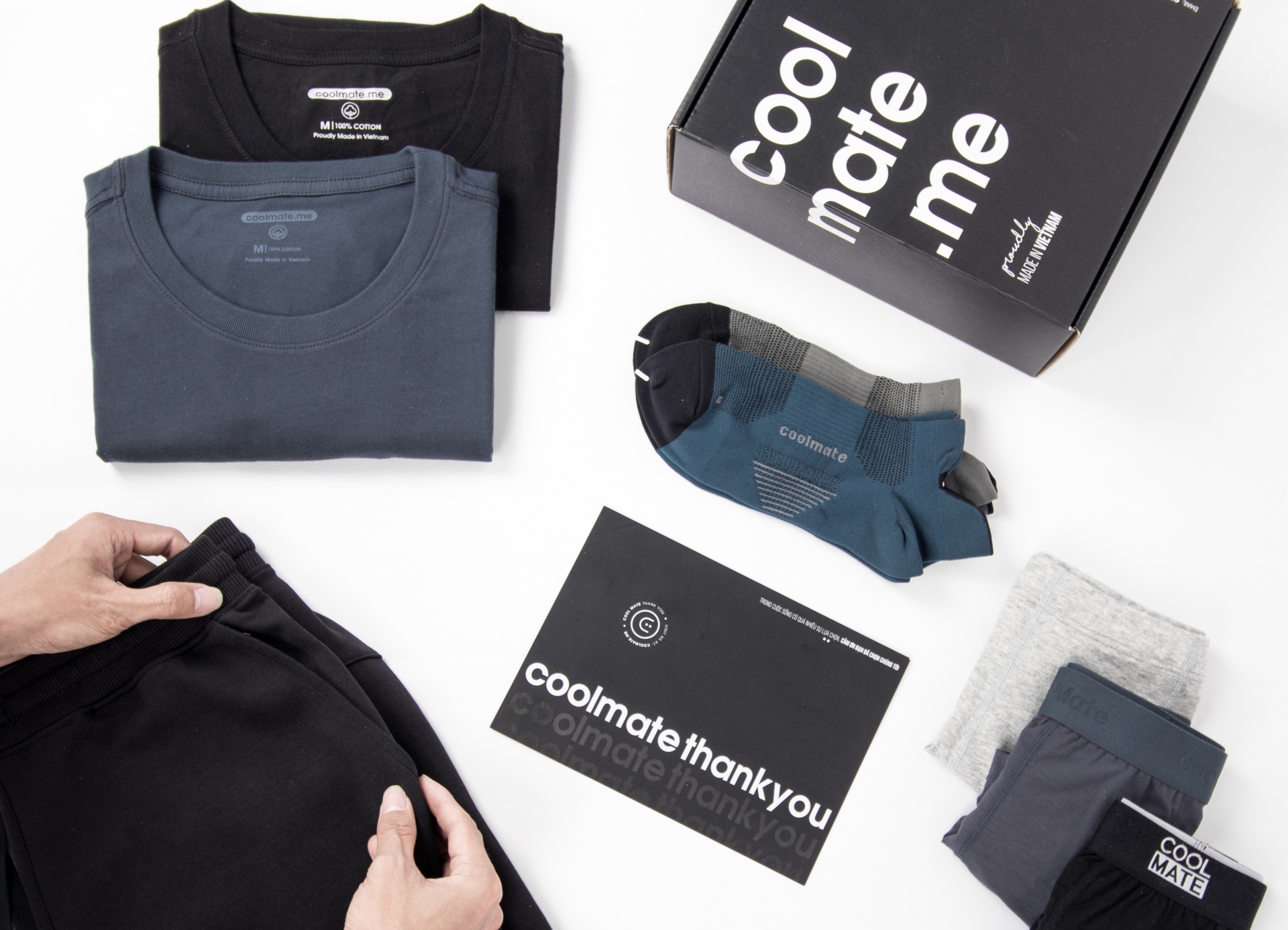
    Coolmate, a Vietnamese menswear brand that is sold online, has raised US$2 million in a Series A funding round from a group of investors.

    The round was led by Access Ventures and included Do Ventures, CyberAgent Capital and DSG Consumer Partners.

    Coolmate intends to use the money to fund research into new products, upgrade its operating system and hire more human resources, its co-founder and CEO, Pham Chi Nhu, said.

    Founded in 2019, the startup has no physical store up to date. It reportedly gets 10,000 orders a day now compared to 2,000 in the first year of operation.

    It expects to achieve $19 million in revenues this year.

  • Gold down to 5-week low

    Gold down to 5-week low

    Gold prices fell to their lowest in five weeks Monday afternoon as they tracked a global fall.

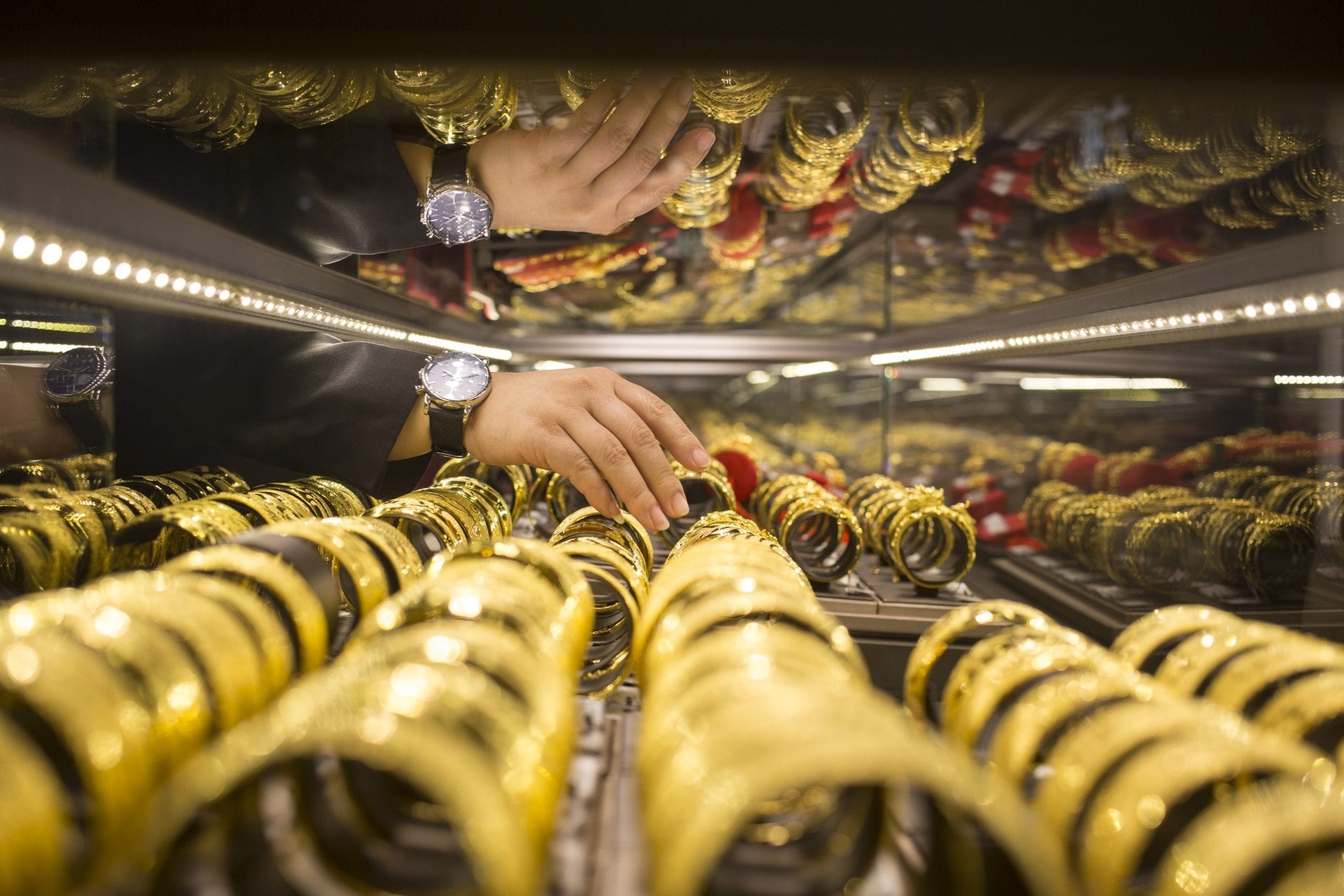
    Saigon Jewelry Company (SJC) sold bullion at VND69.25 million per tael Monday, down 0.39 percent from Sunday. A tael equals 37.5 grams or 1.2 ounces.

    DOJI sold at VND68.9 million, down 1.01 percent.

    It meant prices had fallen by 6.76 percent, or VND5.2 million a tael, since scaling a historic peak in March. Global spot gold dropped by 1 percent to $1,793.12 per ounce Monday afternoon, but then bounced back to above $1,825 by Tuesday morning.

    Gold prices in Vietnam are 27 percent higher than global rates. Tran Minh Toi, a gold seller in HCMC’s District 8, said prices fell on higher U.S. dollar and bond yields.

    It is unlikely that prices will return to the previous peak of VND74.4 million in the medium term unless the conflict in Ukraine escalates, he said.

  • Owndays launches premium concept store in Singapore

    Owndays launches premium concept store in Singapore

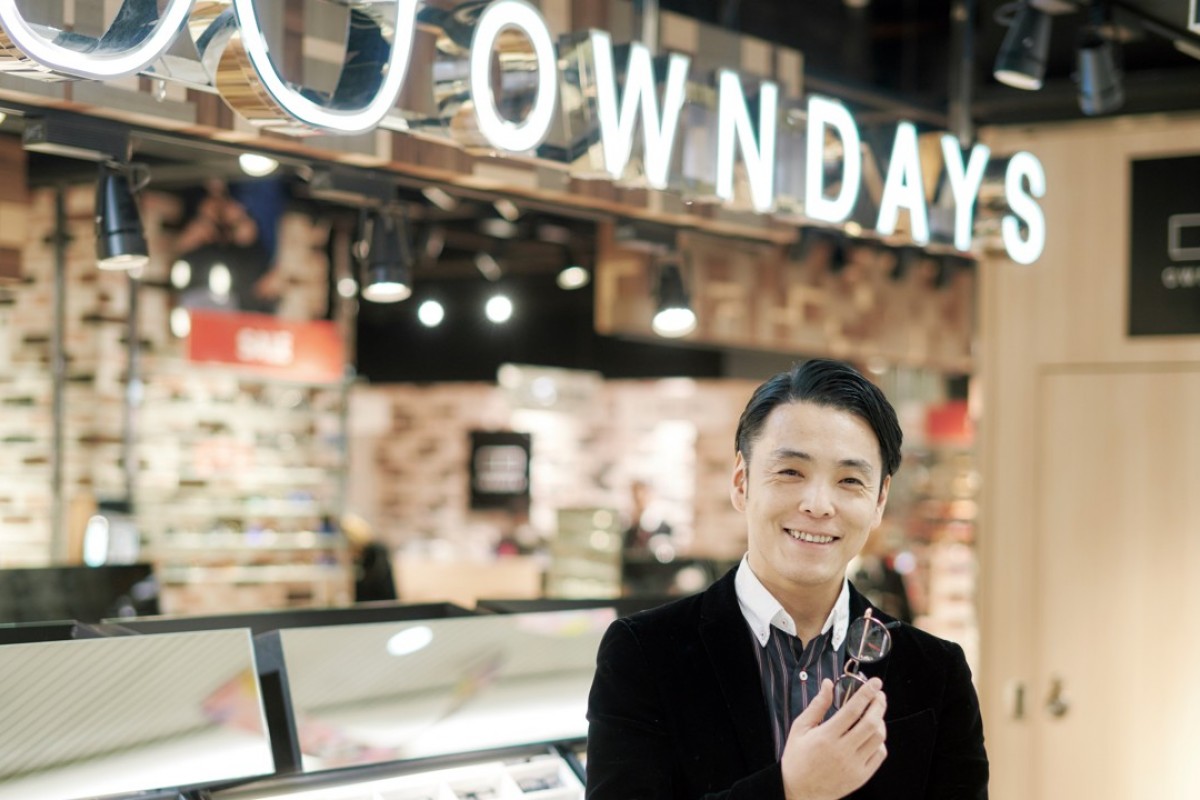
    Japanese fast fashion eyewear brand, OWNDAYS, is pleased to announce the opening of a new store at Takashimaya S.C., Ngee Ann City. This will be the brand’s second premium concept store in the world and its 33rd store in Singapore. The new store will open to public on 20 May 2022 and will house a collection of made-in-Japan eyewear and premium ophthalmic lenses curated exclusively for its premium concept stores.

    The Takashimaya S.C. store mirrors the concept of “Japanese Luxury” originally introduced at its first premium concept store at Marina Bay Sands, offering a premium eyewear shopping experience topped with Japanese hospitality and an extended product offering. Drawing inspiration from Ryoanji Temple, an UNESCO World Heritage Site and a popular attraction in Kyoto, Japan known for its famous rock garden, the new store features a distinct Japanese-styled aesthetics that pays homage to the origins of the brand while incorporating a touch of luxury.

    The main retail floor is flanked by a dry landscape complete with rock arrangements, gravel, moss and shrubs to achieve the Zen Garden interior. Beige wood elements are also heavily featured in the store interior to emphasise a sense of traditional Japanese-ness.

    Také Umiyama, Managing Director/COO of OWNDAYS INC. said, “The Takashimaya S.C. store reflects the core value of OWNDAYS, which is to constantly evolve and innovate in order to deliver quality eyewear to consumers at the best value. With a store that is located right in the heart of Orchard Road, it allows us to make well-designed, good quality eyewear more accessible to our customers. Besides, the new store is a space where we hope local consumers could enjoy a complete Japanese experience without having to physically travel to Japan. We welcome customers to visit the store even when they are not looking to purchase any spectacles and just to feel transported to Japan.”


  • The enormous cost of McDonald’s Russian exit

    The enormous cost of McDonald’s Russian exit

    McDonald’s became the symbol of glasnost in action 30 years ago when it opened its first restaurant in Moscow. But after temporarily shutting down more than 800 restaurants following the invasion of Ukraine, McDonald’s has decided to leave Russia altogether.

    The burger chain will sell its Russia business, saying the “humanitarian crisis caused by the war in Ukraine, and the precipitating unpredictable operating environment, have led McDonald’s to conclude that continued ownership of the business in Russia is no longer tenable, nor is it consistent with McDonald’s values.”
    In March, shortly after the war began, McDonald’s followed other Western companies and temporarily shut down its restaurants in Russia.
    Once the sale is finalized, the Russian restaurants will be “de-Arched,” meaning the locations will no longer be allowed to use the McDonald’s name, logo or menu. McDonald’s said its employees will still be paid until the transaction closes and that “employees have future employment with any potential buyer.”
    CEO Chris Kempczinski said he’s proud of the more than 60,000 workers employed in Russia and said the decision was “extremely difficult.”
    “However, we have a commitment to our global community and must remain steadfast in our values. And our commitment to our values means that we can no longer keep the Arches shining there,” he said.
    The decision brings to a remarkable end McDonald’s three-decade relationship with Russia. McDonald’s opened the doors of its first restaurant in Moscow on January 31, 1990. More than 30,000 were served and the Pushkin Square location had to stay open hours later than planned because of the crowds.
    Its arrival in Moscow was about more than just Big Macs and fries, noted Darra Goldstein, a Russia expert at Williams College. It was the most prominent example of Soviet Union President Mikhail Gorbechev’s attempt to open up his crumbling country to the outside world.
    “There was a really visible crack in the Iron Curtain,” she previously said. “It was very symbolic about the changes that were taking place.” About two years later, the Soviet Union would collapse.
    McDonald’s exit “represents a new isolationism in Russia, which must now look inward for investment and consumer brand development,” said Neil Saunders, managing director of GlobalData said in a note Monday. He added that other Western brands take “principled stance on the concepts of freedom and democracy” and revisit their businesses in Russia.
    McDonald’s will take a significant write-off from exiting Russia — between $1.2 billion to $1.4 billion. Shares were barely changed in early trading.
    “The fact that McDonald’s owns most of its restaurants in Russia means there is an asset rich business to sell,” said Saunders. “However, given the circumstances of the sale, the financial challenges faced by potential Russian buyers, and the fact that McDonald’s will not license its brand name or identity, it is unlikely the sale price will be anywhere near the pre-invasion book value of the business.”
    In its most recent earnings report, McDonald’s said closing its restaurants in Russia had cost it $127 million last quarter. Nearly $27 million came from staff costs, payments for leases and supplies. The other $100 million was from food and other items it will have to dump.
    McDonald’s had 847 restaurants in Russia at the close of last year, according to an investor document. Together with another 108 in Ukraine, they accounted for 9% of the company’s revenue in 2021.
  • Renault Group Signs Agreement To Sell Russia Operations, Avtovaz Stake

    Renault Group Signs Agreement To Sell Russia Operations, Avtovaz Stake

    Renault has announced that it has signed an agreement to sell its entire 100 percent stake in Renault Russia along with its controlling stake in Russian firm Avtovaz. The company said that Renault Russia would be turned over to Moscow City entity while its entire stake in Avtovaz would be turned over to NAMI (Russia’s Central Research and Development Automobile and Engine Institute).

    “The closing of these transactions is not subject to any conditions, and all required approvals have been obtained,” the company said in a statement.

    “Today, we have taken a difficult but necessary decision; and we are making a responsible choice towards our 45,000 employees in Russia, while preserving the Group’s performance and our ability to return to the country in the future, in a different context. I am confident in the Renault Group’s ability to further accelerate its transformation and exceed its mid-term targets,” said Luca de Meo, CEO Renault Group.

    While Renault has given away its entire stake in its Russian operations, the company has retained the option to buy back its 67.69 percent stake in Avtovaz. The company says that the buyback is exercisable at certain times over the next 6 years.

    Renault said that in line with its decision from March 23, the company would record a non-cash adjustment charge amounting to the accounting value of its entire Russian operation including assets, equipment, and goodwill in its financial results for the first half of 2022. The company’s Russian operations would then be deconsolidated in the Group’s consolidated financial statements for the period ending June 30.

    The entirety of Renault’s Russian operations was valued at 2,195 million euros as on December 31, 2021.

  • HSBC Veteran Taking Over at Quintet

    HSBC Veteran Taking Over at Quintet

    A change of leadership is underway at Luxembourg-based private bank Quintet after the previous CEO’s surprise exit. Luxembourg-based Quintet Private Bank is appointing Briton Chris Allen as CEO effective July 1, the firm said in a statement released by the firm on Monday. Allen, who most recently headed private banking in Europe, the Middle East, and Africa at HSBC, spanning a 15-year career there, is replacing Jakob Stott.

    Stott, who joined Quintet in 2019 has stepped down as CEO and will leave the company after a short transition period, although no mention was made of any future roles. Stott was appointed by ex-UBS manager Juerg Zeltner, who died in 2020, and relaunched the former KBL Group as Quintet.

    During his tenure, Stott merged Quintets EU-based subsidiaries and strengthened core operations at the firm where he presided over a rise in total client assets from, around €72 million ($75 million) at the end of 2018 to nearly €100 billion by the end of last year.

    The banking group which is controlled by the ruling family of the Emirate of Qatar had entered the Swiss market with the ambition of becoming a major voice in the local wealth management industry. But just 16 months after opening following the acquisition of Bank am Bellevue, it closed shop and referred its clients to a competitor.

    After reaching an agreement with the Ticino-based private bank PKB at the end of last year on the sale of its remaining client assets, Quintet is expected to disappear from the Swiss scene by the fall at the latest.

    The private banks under Quintet’s umbrella include the following:

    • Brown Shipley (UK)
    • InsingerGilissen(Netherlands)
    • Merck Finck (Germany)
    • Puilaetco (Belgium)
    • Quintet Danmark (Denmark)
    • Quintet Luxembourg (Luxembourg)
  • Amazon Australia invites dogs into the workspace

    Amazon Australia invites dogs into the workspace

    Amazon Australia will now permit employees to bring their pooches to work at its Sydney, Melbourne, Perth and Canberra offices. The global Dogs at Work (DAW) program currently has 8000 registered pooches. Having dogs at the workplace is shown to reduce stress levels, increase interaction between employees and boost morale.

    Independent research commissioned by Amazon Australia found that 23% of Australians welcomed a dog into their family during the pandemic while seven out of 10 dog owners want to take their pets to work.

    One in two owners feels anxious to leave their pets at home while more than 57% think their dogs will struggle when they return back to the office.

    Senior human resources business partner Laura Nemaz said the DAW program is already proving a ‘massive hit’ with employees.

    “Dogs add to our dynamic and collaborative workplace and we’ve found they are an unexpected mechanism for connection.”

    The most popular dog breeds among Amazon Australia employees are Labradors and King Charles Cavaliers. Other breeds that have been registered include Samoyeds, Dachshunds, Miniature Schnauzers, Border Collies, French Bulldogs, Vizslas, and Boston Terriers.

    In order to participate in this workplace benefit, dogs must be registered. Employees need to provide the dog’s name and breed, registration form, microchip, and vaccination certificates.

    Once registered, DAW pooches will each receive a ‘Woof Pack’ that includes a branded bag, a doggy mat for them to lie down, a water bowl and a key chain along with treats at each reception.

    Dogs will also have their own designated lift from the loading dock of the facility in order to not impact the other residents/tenants of the building.

  • Zilingo on the brink as loan recalled, financial advisor appointed

    Zilingo on the brink as loan recalled, financial advisor appointed

    Creditors of Zilingo Pte have decided to recall all of their loan, prompting the company’s board to appoint an independent financial adviser for options for the troubled Singapore-based fashion tech startup.

    “Due to Zilingo’s failure to fulfill prior obligations under the loan agreement, the company’s lenders have made the decision to accelerate the repayment of the entire loan,” Zilingo’s board said in a statement on Friday. “Further, the board has appointed an independent financial adviser to explore options for the company.”

    The development underscores a deepening crisis at Zilingo after Chief Executive Officer Ankiti Bose, 30, was suspended from her duties on March 31 while the firm’s board investigates the startup’s accounting practices. Kroll Inc. has been appointed to carry out the probe.

    Bose, who denies any wrongdoing, said in a statement to Bloomberg News that no debt repayments were missed when she was still the CEO.

    “The first event of default notification was after my suspension,” she said, adding that the creditors recalled debt on May 11. “There were several means of curing the event of default. However, it seems that the interim leadership possibly did not act on them.”

    The investigation into allegations against Bose is close to being completed, according to the board’s statement.

  • Fitbit co-founder reveals the future of Fitbit smartwatches

    Fitbit co-founder reveals the future of Fitbit smartwatches

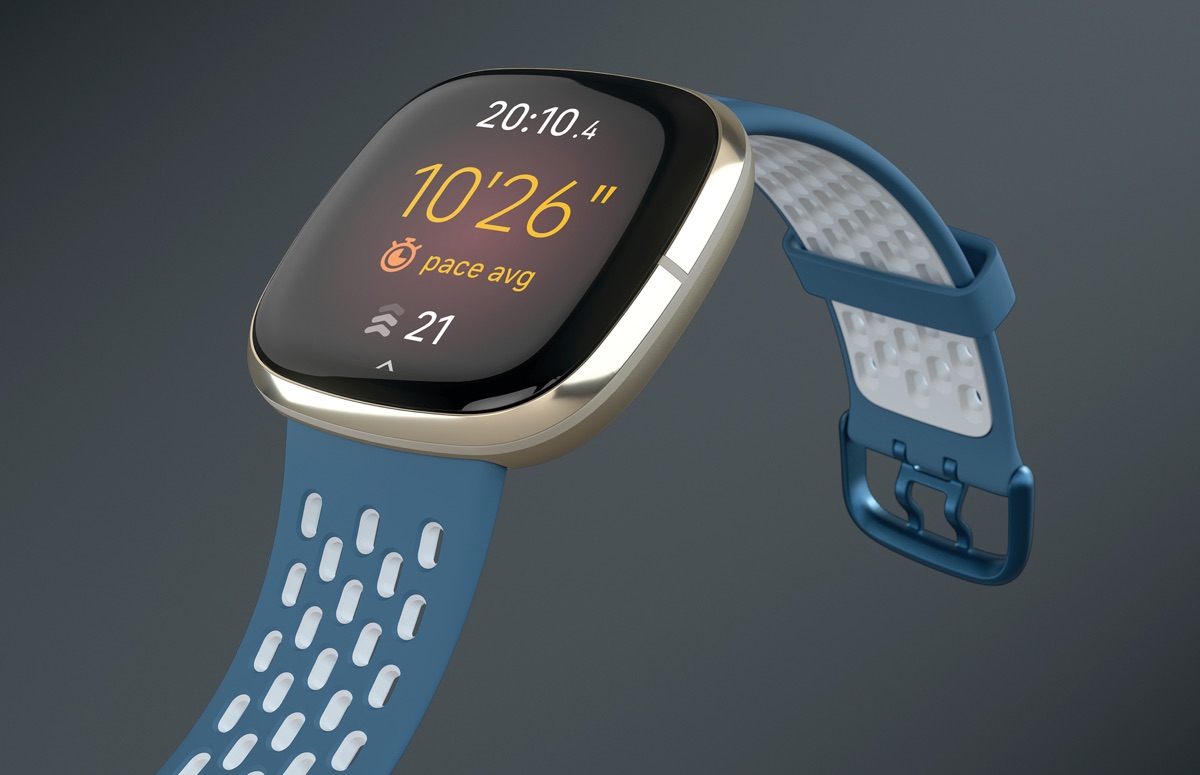
    During Google I/O 2022, Big G announced the Pixel Watch, its long-awaited, first-ever smartwatch. But, although the new wearable bears the Google branding, it has a lot in common with Fitbit smartwatches. The search giant acquired Fitbit in 2019, and we can safely say that the Pixel Watch will be the first Wear OS device with Fitbit integration.

    So, considering that Google is launching its own watch now, we can’t help but wonder what will happen to Fitbit smartwatches. Well, according to Fitbit Co-Founder and the head of Google’s wearables division, James Park, Google releasing a smartwatch doesn’t mean that Fitbit watches are getting the ax.

    Park stated that Google’s Pixel Watch was designed for users who want LTE and, at the same time, all the advanced health and fitness features the tech industry can currently offer. In other words, the Pixel Watch is targeted at users that prefer the Apple Watch or the Samsung Galaxy Watch experience.

    Park further stated that, according to him, there will always be people for whom LTE and the other stuff that watches, such as the Apple Watch Series 7 and the Samsung Galaxy Watch 4, offer are completely unnecessary. According to him, such people will always prefer the tracker with the most advanced health capabilities and reliably long battery life, implying that Fitbit smartwatches will continue to be designed for hardcore fitness enthusiasts.

    In this regard, Park said, “The great thing about combining Pixel and Fitbit is that we’re able to collectively offer these different devices. People can pick and choose what’s best for them.”

    During the interview, James Park also revealed if the Fitbit app will replace Google Fit or vice versa now that Google has its own smartwatch. Park stated that for now, both apps will continue to exist as is, since they are each used by a pretty hefty amount of users, and that both groups like their chosen apps for a variety of reasons. Google doesn’t want to mess with the experience with either one subset of users for the time being.

  • Apple iPhone gets stuck inside Qantas aircraft, earns frequent flyer miles

    Apple iPhone gets stuck inside Qantas aircraft, earns frequent flyer miles

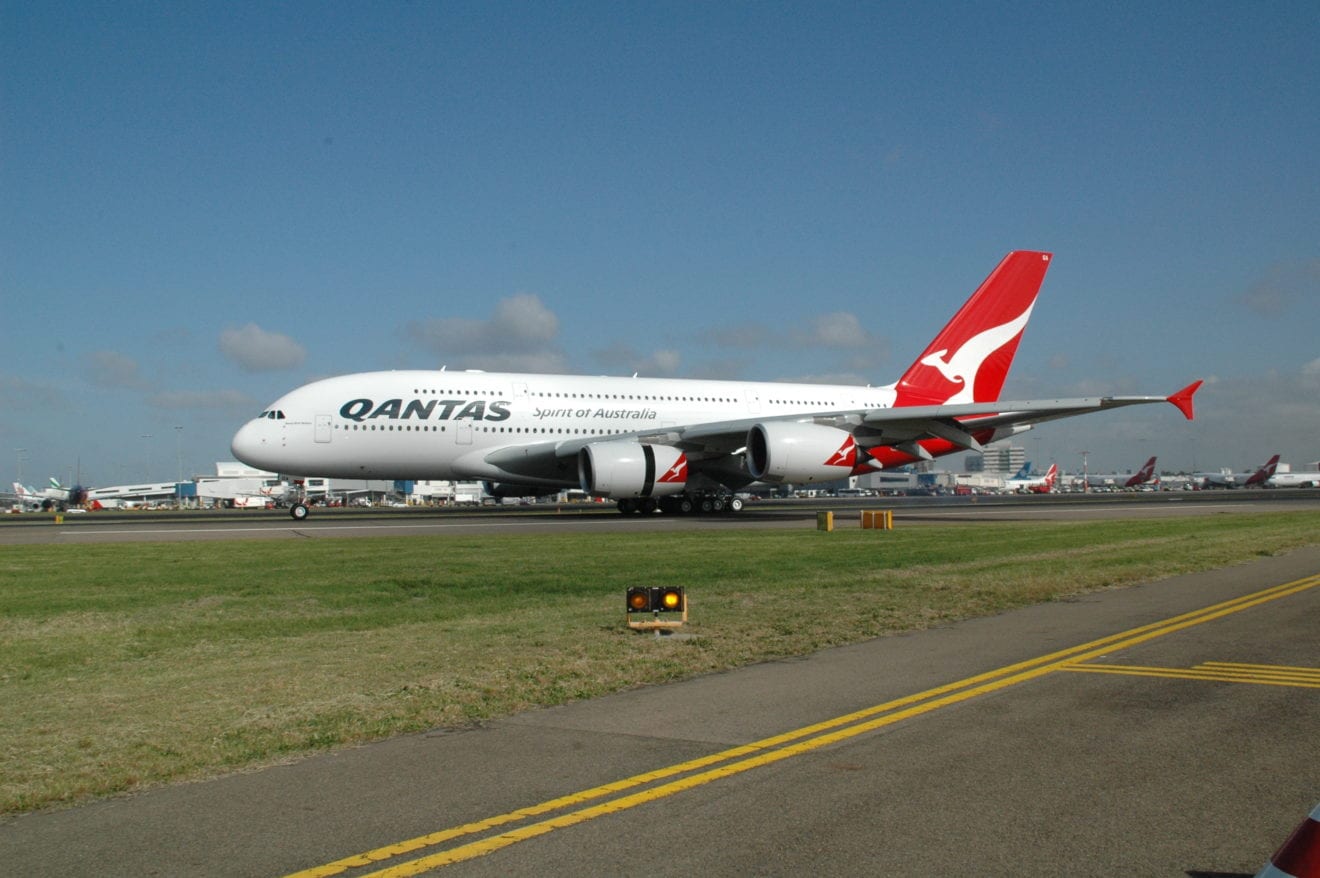
    An iPhone was lost by its owner on a Qantas flight and the handset ended up stuck on the plane during several international flights. The action started on May 6th as detailed in an online forum called the Australian Frequent Flyer Community. That is when a member of the community using the handle “Rugby” asked for a phone number for Qantas’ lounge.
    He needed the number because his wife had apparently left her iPhone on a Qantas plane. Rugby wrote that thanks to the “Find My” app, he knew that the handset had boarded the plane with his wife, flying from Sydney to Auckland. It then flew back to Sydney, went from Sydney to Honolulu to Sydney, and then flew from Sydney to Auckland to Sydney again.
    Meanwhile, the Rugby family was able to follow the phone’s travels and there must have been enough battery life for the phone to continue sending out signals. The device was believed to be stuck in the seat that Mrs. Rugby had been sitting in during the original flight. You would have thought that this would have led Qantas to do whatever was needed to extricate the phone from the chair.
    That’s because the airline always makes announcements warning passengers that a phone stuck in a chair could catch on fire. Indeed, back in 2016 an iPhone stuck in a business class seat on a Qantas flight from L.A. to New York caught fire after the lithium battery inside the phone was crushed. The passenger tried to use the recliner to free the device and it ended up bending the battery and engulfing the phone in flames.
    Luckily, the onboard crew was able to put out the fire using fire extinguishers and Qantas decided to redesign the seats on its planes. You would have thought that the airline would have put forth a more serious effort to find and/or free Mrs. Rugby’s Apple iPhone considering the mid-flight fire that took place only a few years back. One person monitoring the thread suggested that the Rugby’s send an email to Qantas to let them know of the potential threat to the airplane.
    Another member of the community had a good point about how poorly Qantas is cleaning its planes between flights if it couldn’t find the phone. Also, the airline’s security checks between flights are also lacking.
    After the phone made three roundtrips and landed in Sydney for the third time, a member of the forum assisted Qantas with the retrieval of the phone. It wasn’t known whether this person was a passenger who had been following the forum or a Qantas employee who is a member of the forum. Regardless, the Rugby’s received a call from a Qantas employee who said that they had the phone and would be taking it to international baggage services.
    Mr. Rugby was in Auckland when he heard from Qantas that they had his partner’s iPhone. He picked up the well-traveled device the following week when he returned to Sydney. By the way, leaving your phone on a plane is not an isolated situation. A member of a forum called One Mile At A Time who goes by the name of “JD,” wrote, “Flew MEX-FRA first class (747) a couple of years ago. When I woke up I could not find my iPhone anywhere.”
    He continued. “After a perfect in flight, it was like an out of body experience… I couldn’t find it, the flight attendants couldn’t find it and the other poor passengers in first class were like “get over it”. I was so embarrassed but once everyone deplaned, mechanics came on board and finally was (sic) able to find it… we almost missed our connecting flight but was elated to have my iPhone back for our month long vacation in Europe.”
  • Twitter tests “Liked by Author” label for tweeted responses

    Twitter tests “Liked by Author” label for tweeted responses

    Elon Musk might have put his acquisition of Twitter on hold temporarily, but that hasn’t stopped the social media platform from continuing to make changes to spruce up the app. People discovered a new label on the Android Twitter app that surfaces when the author of a tweet “likes” a response to his message. TechCrunch says that it was told by Twitter that the company is testing different labels.
    Once the author of a tweet “likes” a reply sent in response to that tweet, the reply receives a badge that shows a heart followed by the words “the Author.” It indicates that the person responsible for the original tweet liked the reply. The badge can be viewed by the person who posted the response and others viewing the original message and the replies. It isn’t clear whether this will be a global response but so far there have been reports that the “Liked by Author” label has been seen in multiple countries.
    The label is similar to the “Liked by Creator” badge that shows up on TikTok when a subscriber who created a video on the app likes a comment that someone posted about it. The new label would allow Twitter subscribers to brag when their tweet has been “liked” by a celebrity. And if there is one thing that Twitter is full of, it is celebrity users.
    The company has been playing musical chairs with employees in the wake of Musk’s $44 billion bid for the social media site. And now Musk is concerned that he is overpaying for Twitter; with the number of users possibly lower than what the company has previously acknowledged, even the richest man in the world needs to make sure that he isn’t overpaying for his purchase.
  • Macau Competing with Vegas as Global Gaming Capital

    Macau Competing with Vegas as Global Gaming Capital

    In the West, when someone thinks about flashy casinos and an exciting roulette table, their mind likely goes to Las Vegas. Images of the brightly lit Strip fill their mind, along with stills from movies like Rain Man and The Hangover.

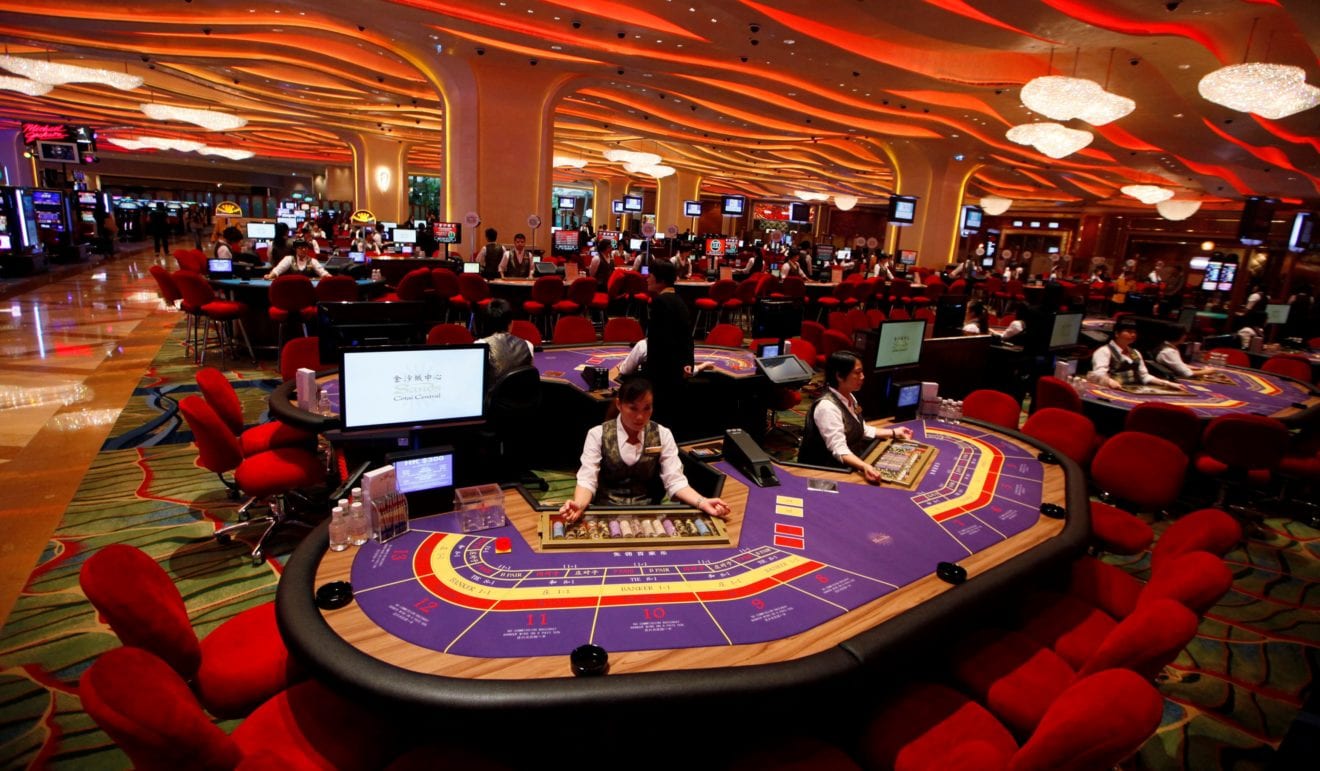
    However, farther East, the average person is more likely to think of Macau when casinos are brought up. The region is the most densely populated area in the world, with well over half a million residents in an area of less than thirteen square miles. And life in Macau focuses on the biggest, most lucrative, and luxurious casino-resorts in the world that line Cotai.

    While Vegas and Macau don’t often directly compete, as they’re located on opposite sides of the world, online gaming worldwide has changed the industry. Today, casino bonuses are available from brands like Caesars, BetMGM and DraftKings. The availability of online deals has greatly shifted the atmosphere in Vegas, though Macau looks a bit more resilient to virtual casinos.

    In fact, in terms of direct comparison, Macau’s gaming industry is the world’s most robust. Before we dive into the statistics, let’s cover a bit about each region’s history and focus.

    Distant Origins, Different Focuses

    Vegas and Macau, though each catering to casino-goers, each deliver a unique experience. Vegas got its start in the 1960s and 70s as a hideout for Los Angeles bigwigs looking to have a little fun; MGM remains a major presence from its early days as Metro Goldwyn Meyer, a film studio that still runs today and which contributed greatly to the area’s wealth.

    Macau, on the other hand, got its start as a trading post allocated to the Portuguese from the Ming Dynasty back in 1557. Since then, it’s become a multicultural hub that retains the early architectural collaborations between locals and Portuguese traders. Back in this time period, Vegas remained the territory of Paiute tribes.

    Today, these distinct origins can still be felt. Vegas remains an all-out entertainment stopover, of which casino gaming is only one facet. There are also big-name musical residencies, spectacles from groups like Cirque de Soleil, and plenty of sports action from the Big Four leagues.

    Meanwhile, Macau has kept its focus on heritage and gaming. The Historic Centre of Macau is a UNESCO World Heritage Site, with countless museums highlighting the area’s history. In other words, it’s not just a gaming stopover, but also a cultural adventure.

    Are the Tides Shifting?

    There’s one huge caveat that makes Macau a heavy hitter in the gaming industry: it’s the only region in China that allows traditional casino gaming. While Vegas is North America’s gaming capital, there are countless other counties and localities that play home to big-name casinos, such as Atlantic City in New Jersey.

    In 2021, 7.7 million visitors flocked to Macau, which included a 30% increase from 2020. However, back in 2019, Macau welcomed closer to 40 million. In 2021, Vegas saw over 32 million visitors back onto the Strip, though this number was closer to 42 million back in 2019. Clearly, in terms of tourists, each region handles a similar number of tourists in an average year.

    However, Macau posted 43.7% growth between 2020 and 2021, raking in close to $30 billion last year. Meanwhile, Vegas posted just over $13 billion in 2021 for gaming revenue statewide, according to Nevada state sources. Keep in mind that Macau’s numbers include revenue from restaurants and hotels; the government tax revenue stood at only $4.22 billion in 2021.

    Historically, Macau has been the global capital for gaming in terms of revenue. Back in 2014, for context, Macau raked in almost $30 billion in revenue, while Vegas posted just over $6 billion. Are the tides shifting—or are expanded Vegas entertainment opportunities, such as bundled casino-resort plans, muddying the revenue waters?

    The World’s Largest Casino-Resort & Most Expensive Hotel

    Though Macau has a much smaller area than Vegas, the region is home to some of the world’s biggest and most impressive casinos. Though Vegas also isn’t short on incredible designs from leading architects and gold-star luxury experiences, Macau’s skyline looks noticeably different.

    The Venetian Macao, for example, is the largest casino-resort in the world. Its casino spans over 550,000 square feet, while its extravagant design and grounds blow its Vegas inspiration out of the water. Nearby sits the City of Dreams, a joint casino-resort-shopping center that was designed by the Zaha Hadid architectural firm.

    The structure is supported by a mesh exoskeleton, which makes it one of Cotai’s most visually striking designs. Meanwhile, the 13 is the most expensive hotel ever built. Each villa includes a private elevator lobby, while guests are treated to complimentary transportation in a Rolls-Royce.


    Jeju & Philippines Expanding Gaming Options

    Clearly, Macau is Asia’s premier gaming destination, with no expense spared when it comes to creating an all-out entertainment experience. Though not quite as varied as the Strip in terms of showbiz, Macau has replaced flash with class—but is it enough to keep the region ahead of Vegas in terms of revenue in the coming years?

    One huge change for Macau has been the growth of Jeju Island, a gaming destination located just offshore from South Korea. In the third quarter of 2021 alone, Jeju Dream Tower raked in $10 million in revenue, hinting that the region is becoming more popular for traveling gamers.

    Meanwhile, the Philippines also has a strong gaming market that regularly attracts visitors from around the world. Last year, the country brought in $2.2 billion in revenue from casinos nationwide. In fact, the Philippine gaming industry has been the subject of top brands from both Macau and Vegas.

    For example, the City of Dreams project mentioned above has since expanded into Manila. The location is now the country’s top-rated casino-resort. So far, Vegas brands have yet to touch down in the island nation, though it seems inevitable. For both of the world’s gaming capitals, expanding into new regions like the Philippines will be integral for expanding their brands. However, with Macau geographically and culturally nearer to the country, it looks like Vegas is one step behind.


  • Marketing Value Across Language Barriers: The Worth of Translation in a Commodified Economy

    Marketing Value Across Language Barriers: The Worth of Translation in a Commodified Economy

    In this fast-paced and commodified economy, it just seems that you can put a price tag on almost anything. But there are certain things that you can’t mass produce and expect the same results every single time. An example of this is translations.

    Even if we can’t commodify translations, it can’t be denied the significant role of marketing translations for retail goods, especially when it comes to luxury items. Unlike conventional retail products, luxury items have a different value system that makes them worth more.

    But we come across a problem in not commodifying translations: how do we guarantee their quality, especially when communication is crucial in globally marketing luxury items?

    Today, we will examine this issue and take a hard look at how we as a society perceive value and meaning not only in translations but in certain commodities, like luxury items.

    If you want to learn more about what we discovered through our interview with a leading language expert and owner of a marketing translation agency regarding this issue and the unique relationship between the language industry and the retail sector, keep on reading!

    Tomedes’ Pursuit of Meaning: Insights from 15 Years of Globally Marketing Brands

    In writing this piece, we were fortunate enough to talk with Ofer Tirosh, the CEO and founder of Tomedes, a marketing translation services agency trusted by thousands of international brands from small and medium enterprises to Fortune 500 companies in promoting them in any market across the globe.

    We interviewed Ofer not just because of his experience in managing marketing projects for retail and luxury brands but because of his interesting perspective on some issues in the language industry. For example, his point of view on machine translations and their application in preserving dying languages for future linguists and anthropology researchers to review and study.

    Before we get into the nitty-gritty details of our discussion on commodifying translations, we first had to go back to the basics and have him define what marketing translations are?

    According to Ofer, based on his experience in handling marketing projects for 15 years, unlike other forms of translations, they’re not just hiring native translators but also SEO and marketing specialists knowledgeable of the target market the brand is trying to enter. The translation has a crucial role: to ensure that their branding is relatable to the target customers through various mediums, from hard copy materials to social media campaigns.

    For him, the brand’s messaging and meaning are vital because, in his line of work, the context of any marketing can get “lost in translation” and could lose its pervasiveness to its audience. Marketing is all about making the audience aware of a brand and catching their attention that would compel them to buy its products and services.

    The Similarities and Differences of Luxury Brands and Translations

    During our discussion, we asked Ofer about his opinion if there were any shared similarities between luxury brands ( a commodity) and translations (a non-commodity).

    “If there was one similarity between luxury brands and translations, it would be the meaning in their product. For luxury brands, the value of their product comes from what it means for their customers to purchase their brand. As for the final product of translations, the meaning of the text is crucial as it connects and affects its target audience,” Ofer explained.

    The differences between luxury goods and translations come from one can be replicated and mass-produced as it’s tangible while the other can’t be duplicated because of different factors.

    For example, in marketing translations, Ofer explained that even though they were to translate the same marketing message across different countries, they would have to adjust the wording to fit the cultural preferences of their target audience.

    What Makes a Commodity a Luxury Item?

    Let’s get a bit philosophical for a bit. If we were to take a step back from how our society functions and our roles, there is no meaning to what we do. There’s only meaning when it comes down to how we perceive it to have meaning. This is essentially at the core of Existentialist philosophy.

    If we were to examine why some commodity goods are considered luxury items while others aren’t, it all comes down to how they have branded themselves and the psychology of the consumer. There has been significant research showing that some customers feel like their self-esteem increases or they have a sense of belongingness if they purchase a specific luxury item that they emotionally connect to.

    Many global luxury items heavily rely on the marketing translation agency to ensure that they maintain or enhance their emotional branding with their international customer. In this situation, it’s not just the commodity’s quality that becomes a factor in being deemed a luxury item but comes down to the relationship these brands have developed with their audience.

    What Makes Translation a Non-Commodity?

    Besides being an intangible commodity until you see the finished product, the translation process can’t be replicated for all projects. We asked Ofer what factors would make marketing translations and other types of translation impossible to commodify.

    “In managing a remote-first marketing translation agency, I’ve worked with several translators over the years. Because each person is different, the consistency in the quality of translations can vary from person to person. For this reason, we utilize advanced technology and have a clear work management system to ensure that we’re providing the best translations,” he explained.

    Another factor why translations can’t be commodified is that “meaning” is malleable. One word could mean something for one culture, and in another culture, even if they use the same language, it could have an entirely new context.

    The Issue of the Subjective Nature of Value

    In our conversation regarding the role of a marketing translation agency, Ofer brought up the issue of the subjectiveness of value and why it can be challenging for any business to market themselves, whether it’s their first time or they’ve been doing it for years.

    “For commodity brands, it’s easier because it’s tangible. For non-commodity brands, like translations, geared toward service-oriented purchases, it can be a little harder to sell the value of your brand,” Ofer explained.

    He continued, “But with our situation at Tomedes, what worked for us was the brand trust that we developed through the years with our long-time business clients. It’s also by how we deliver through with our brand promise in ensuring that their needs are our top priority.”

    In the Age of Machines, Can We Finally Commodify Translations?

    But we wondered if mass production is the problem, why translations cannot be commodified, and why can’t automated translations be a solution for any marketing translation agency seeking to have their multilingual marketing content be uniform?

    Ofer explained that although they use advanced translation technology in their operations, they have native translators managing the process because the current technology isn’t a hundred percent accurate.

    “When it comes to marketing translations, every word should move the customer through its meaning, which is why human expertise is needed for translation because machines can mimic but can’t create it,” He said.

    Marketing Translations’ Importance in Promoting a Brand Value Worldwide

    By now, we’ve hammered home how crucial marketing translations are in communicating to global customers about a brand’s value, especially for luxury brands.

    So let’s try to answer the why part. Why does this matter in promoting brand value worldwide?

    Throughout our talk with Ofer regarding the translation industry,  retail sector, and the intersection where these two meet through marketing, he said that before he begins to go through a marketing project, he first asks the client what they envision the multilingual content to be for their audience.

    “It always starts with their brand’s story. It’s either their origin or their aspirations for the future of their company. I guess that’s how life is for us humans. We try to make sense of the world through stories. Once you understand that core need for connection through story building, you can successfully build a better relationship with your customers,” Ofer explained.

    Should We Bother Commodifying Translations in the First Place?

    When I asked Ofer about it, he replied with a question: “Would that make much of a difference to my marketing translation agency  if we commodify it?”

    It could be because it would make all translations follow a specific price point and be uniform in their quality.

    But then again, if we were to go back on the definition of value, it is meaningless on its own but valuable to someone because they have placed value into it. You can’t really put a specific price tag on translations because it’s an act of human connection, which we can observe through how global consumers can relate with one another through a brand that they emotionally connect to.


  • Google introduces Emergency SOS feature for Wear OS

    Google introduces Emergency SOS feature for Wear OS

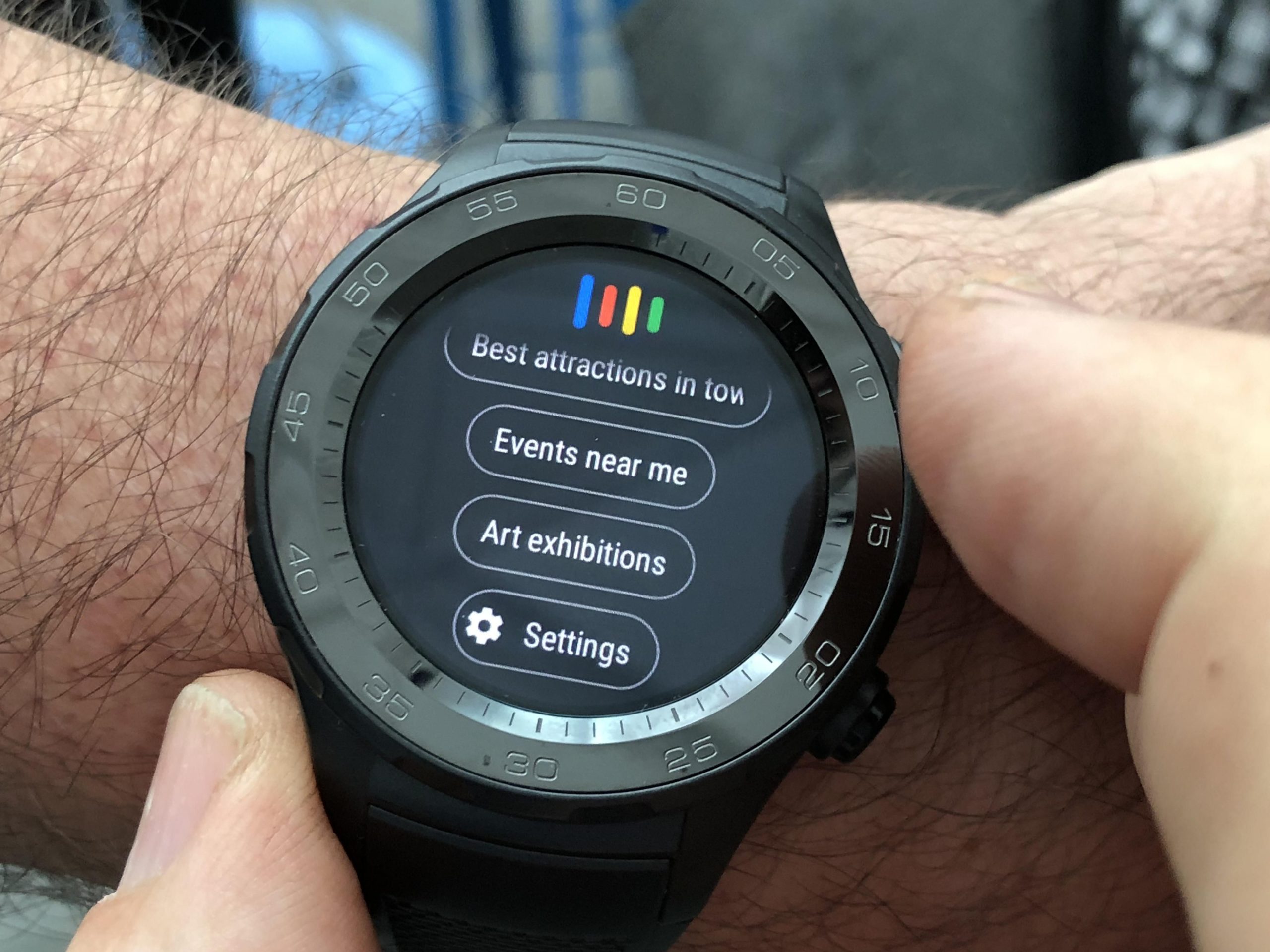
    Google will soon begin rolling out an Emergency SOS feature on Wear OS. It is going to work similarly to the one found on Android smartphones and will enable users to easily contact their relatives or the public authorities directly via their smartwatch in the case of an emergency.

    Amidst the slew of exciting hardware announcements that took place during the I/O 2022 keynote event, it is easy to see how some less flashy software tweaks could stay under the radar. Nevertheless, even if an Emergency SOS feature for Wear OS is not particularly thrilling, it is still no less important than that Pixel everyone is talking about.

    Emergency SOS in Android is by no means a new concept. Virtually every smartphone has their equivalent of such an option. The novelty lies in the fact that this feature will now be available for wearables with Wear OS as well. On Android phones, the user must press the power button 5 consecutive times to activate Emergency SOS. It’s not clear how the feature could be triggered in Wear OS, but a similar shortcut, with a voice command as an alternative method, sounds likely.

    Emergency SOS for Wear OS will function similarly to the one for Android. In order to enable it the user must begin by filling in the necessary contact details. Only once this has been done will they have the option to activate Emergency SOS. It is important to note that, as this is ultimately a smartwatch feature, in order for it to be used, the wearable must be linked with a smartphone with cellular connectivity, if the wearable does not support LTE.

    Turning Emergency SOS on will prompt users to select whom they would like to contact (either a particular contact or the emergency services directly). They will easily be able to cancel the call via a big red button on the main watch screen, and additional options will be provided once the call has ended.

    For the time being, it is unclear when exactly this feature will make its debut. Apple has already implemented a similar option in the Apple Watch. Based on Google’s track record, it could take a while before Emergency SOS makes its way to Wear OS. At the very least, we know it is coming.