Retail News CRM

Author: Mei Ling Tan

  • Unlocking Retail Growth: How Payment Data Transforms Customer Engagement Strategy

    Unlocking Retail Growth: How Payment Data Transforms Customer Engagement Strategy

    In the evolving retail environment, merchants are faced with an abundance of platforms and technologies to engage with customers. This, according to Mastercard’s SVP of consumer acquisition and engagement, Johann Suchon, has given rise to a new challenge: discerning where to allocate resources for tangible growth.

    The Changing Retail Ecosystem

    With an increasingly fragmented and competitive retail landscape, brands have numerous opportunities to connect with customers through both digital and physical channels. Navigating the optimal combination of platforms, technologies, and marketing tools, however, has become a complex task. The modern retail ecosystem is far more intricate than in the past, and retailers now face the challenge of identifying the most effective tools, along with those that best facilitate the management of their offers.

    Suchon asserts that retailers must begin influencing customer purchasing decisions early in the buying journey. Payments are evolving beyond a simple transactional function, morphing into a strategic engagement channel. Through payment data, brands can significantly influence customer behavior – a capacity that far exceeds what could be achieved by leveraging solely their first-party data.

    The Transformation of Loyalty Programs

    According to Suchon, loyalty programs are currently undergoing one of their most significant transformations. The key competitive edge lies not just in acquiring customers, but also in reaching the appropriate consumers with meaningful offers. Traditional loyalty programs, which typically offer uniform benefits to members, are becoming less effective as customers increasingly demand personalized experiences.

    By enriching their data with payment information, retailers can target offers much more accurately. Retailers who have previously invested in loyalty programs are in a strong position to transition, as their first-party data can be used to tailor communications and offers more effectively than brands without loyalty programs.

    The use of payment data also presents a broader view of customer behavior, allowing retailers to gain insights into spending patterns across various industries, thus identifying opportunities that may have otherwise been missed.

    Emerging retail trends also suggest a significant shift in cross-border spending in Asia-Pacific, with approximately 70% of transactions originating from local consumers. For retailers targeting inbound tourism, this offers a substantial opportunity to connect travelers with relevant offers before and during their visit.

    Questions & Answers

    What is the current challenge for retailers in term of customer engagement?
    The current challenge for retailers is discerning where to allocate resources for tangible growth amidst an abundance of platforms and technologies.

    How can payment data be utilized in the retail sector?
    Payment data can significantly influence customer behavior and offers a broader view of customer behavior, allowing retailers to gain insights into spending patterns across various industries, thus identifying opportunities that may have otherwise been missed.

    What is the future trend in loyalty programs in the retail sector?
    Loyalty programs are currently undergoing significant transformations, with a shift towards personalized experiences. By enriching their data with payment information, retailers can target offers much more accurately. This trend is likely to continue and evolve in the future.

  • Ikea Fuels Indian Expansion with $2.2B Investment by 2030

    Ikea Fuels Indian Expansion with $2.2B Investment by 2030

    Swedish furniture giant, Ikea, anticipates a substantial increase in its investment in India, aiming to reach a total of US$2.2 billion by 2030 as part of its aggressive expansion strategy.

    Doubling Investments

    Patrik Antoni, the CEO of Ikea India, revealed that the company has already surpassed the initial commitment of $1.1 billion made in 2013 post the approval to establish single-brand retail outlets in India. He added, “We will likely double this investment in future. By 2030, we should have at least accomplished that.”

    The additional investment is set to be utilized to facilitate the expansion of Ikea’s physical store footprint and develop mixed-use retail centers. Further, it will support increased local sourcing, renewable energy ventures, and advanced technology capabilities.

    Future Expansion Plans

    The upcoming major projects include the inauguration of a large-format store in Noida next year, with another planned in Gurgaon for 2028. In tandem with its retail growth, Ikea also plans to enhance local manufacturing to bolster domestic sales and exports. Antoni concluded by stating, “We plan to produce more and also increase our exports. Thus, we hope to do a lot more.”

    Questions & Answers

    What is Ikea’s investment plan for India by 2030?
    Ikea plans to more than double its investment in India to reach US$2.2 billion by 2030.

    What will the additional investment be used for?
    The additional investment will be used to expand Ikea’s physical store network, develop mixed-use retail centers, increase local sourcing, fund renewable energy projects, and enhance technology capabilities.

    What are Ikea’s future expansion plans in India?
    The company plans to open a large-format store in Noida next year, followed by another in Gurgaon in 2028. It also plans to increase local manufacturing to support domestic sales and exports.

  • Every Half Brews Fresh Success: Scores $8M Series A Funding for Rapid Vietnamese Coffee Expansion

    Every Half Brews Fresh Success: Scores $8M Series A Funding for Rapid Vietnamese Coffee Expansion

    Vietnamese coffee brand, Every Half, has recently raised a total of US$8 million in a Series A funding round. The considerable investment comes courtesy of existing investors Openspace Capital and DSG Consumer Partners.

    The new capital will be used to facilitate comprehensive expansion across Vietnam, as well as deepening the company’s investment into its vertically integrated supply chain. Plans are also in place to increase the reach of its packaged coffee business.

    Diversifying the Coffee Sector

    Every Half is well on its way to extending its business operations beyond traditional cafes. The company is actively investing in coffee farming, proprietary fermentation technology, e-commerce, and business-to-business distribution.

    As of now, Every Half manages 36 stores in numerous locations including Ho Chi Minh City, Hanoi, Danang, and Hoi An. The company is projected to almost triple its revenue this year. In addition to this, it has expanded its range of consumer products. From selling roasted coffee beans and brewing equipment online to exporting to markets such as Singapore, Thailand, and Taiwan.

    The latest funding round builds on previous investments from Openspace and DSG Consumer Partners. This follows an undisclosed seed round in 2024 topped by a $3 million pre-Series A funding round last year.

    Every Half was established in 2021 by ex-The Coffee House executives Vo Duy Phu and Tran Le Minh Truc. The company’s primary aim is to promote Vietnamese-grown specialty coffee through a wide-ranging business model that covers sourcing, processing, roasting, and retail.

    In 2024, when Openspace made its initial investment, it expressed support for Every Half’s ambition to transform Vietnamese coffee from a mere commodity export into a globally recognized premium brand. This highlighted the founders’ extensive experience in coffee sourcing, product development, and retail.

    DSG Consumer Partners echoed this sentiment, emphasizing the firm’s focus on specialty coffee, sustainable sourcing, and brand building as essential drivers of its long-term growth potential.

    Questions & Answers

    What is the primary focus of Every Half?
    Every Half aims to transform Vietnamese-grown specialty coffee into a globally recognised premium brand.

    How does the company intend to use the funds from the recent Series A funding round?
    The brand plans to use the funds to facilitate expansion all over Vietnam and to deepen their investment in their vertically integrated supply chain.

    What are some of the additional business avenues Every Half is exploring?
    Every Half is diversifying with investments in coffee farming, proprietary fermentation technology, e-commerce, and business-to-business distribution.

  • Chloé Debuts First Luxury Boutique in Vietnam, Enriching Ho Chi Minh Citys Shopping Landscape

    Chloé Debuts First Luxury Boutique in Vietnam, Enriching Ho Chi Minh Citys Shopping Landscape

    Chloé, an esteemed French luxury fashion house, has recently established its first store in Vietnam, nestled within a bustling shopping complex in the heart of Ho Chi Minh City. The brand, recognized for its romantic, free-spirited and distinctly feminine aesthetic, was a pioneer in the luxury ready-to-wear sector since its conception in 1952 by Gaby Aghion. Today, Chloé is part of the impressive portfolio of the Swiss luxury conglomerate Richemont.

    First Footprints in Vietnam

    In mid-June, Chloé made its debut in the Vietnamese market, facilitated through an exclusive distribution agreement with Duy Anh Fashion and Cosmetics (DAFC). Situated on the first floor of the Saigon Centre, the new boutique sports the brand’s signature Parisian elegance juxtaposed with its free-spirited femininity. The store offers a carefully curated selection of Chloé’s iconic products, including leather goods, footwear, and ready-to-wear collections.

    In Vietnam, DAFC is recognized as a leading luxury retail distributor, controlling more than 70% of the high-end fashion and cosmetics market. The company manages the distribution of products from over 60 international luxury fashion and cosmetic brands, operating more than 50 stores throughout the country.

    Questions & Answers

    What is Chloé known for?
    Chloé is renowned for its romantic, free-spirited, and feminine aesthetic, and is a pioneer in the luxury ready-to-wear fashion sector.

    Where is Chloé’s first Vietnam store located?
    Chloé’s first Vietnam store is located on the first floor of the Saigon Centre, a prominent shopping complex in Ho Chi Minh City.

    Who is the distributor for Chloé in Vietnam?
    Duy Anh Fashion and Cosmetics (DAFC) is the exclusive distributor for Chloé in Vietnam.

  • Izipizi Makes Stylish Strides in Japan with Debut of First Direct-to-Consumer Store

    Izipizi Makes Stylish Strides in Japan with Debut of First Direct-to-Consumer Store

    French eyewear retailer Izipizi has expanded its operations to Japan, launching its initial directly managed brick-and-mortar shop. This marks the company’s first in-person venture in the Japanese market. The store is strategically situated on Cat Street, which falls in the busy axis between the Shibuya and Harajuku districts of Tokyo.

    Establishing Presence in a Fashion Hub

    Cat Street was selected due to its repute as a central hub for fashion, design, and lifestyle – factors that align with Izipizi’s brand image. This new store supplements the brand’s already established presence in Japan, which has been upheld by a network of chosen retail partners distributing its products since 2012.

    The newly opened boutique showcases a variety of the brand’s eyewear collections. This includes the ‘Sun’, ‘Reading’, ‘Kids’, ‘Active’, and ‘Screen’ ranges. Furthermore, it stocks models that have been specifically designed to cater to the Japanese market, featuring light-tinted and photochromic lenses.

    Izipizi’s Expansion Goals

    This launch signifies Izipizi’s robust presence in Japan and further underscores the company’s ambitions for growth in this market. The French brand, which started its journey in Paris in 2010 under the name See Concept, rebranded to Izipizi in 2017. It focuses on non-prescription, ready-to-wear eyewear.

    Questions & Answers

    What is the significance of the location of Izipizi’s first directly operated store in Japan?
    The store is strategically located on Cat Street, between Shibuya and Harajuku districts, which are known as a fashion, design, and lifestyle hub in Tokyo.

    What types of eyewear does the new Izipizi store stock?
    The store stocks a variety of collections from the brand, including ‘Sun’, ‘Reading’, ‘Kids’, ‘Active’, and ‘Screen’, along with models that have been specifically developed for the Japanese market.

    What is Izipizi’s origin and speciality?
    Izipizi was founded in Paris in 2010 as See Concept. It was later rebranded to Izipizi in 2017. The brand specializes in non-prescription, ready-to-wear eyewear.

  • Stripe and Advent Propose $53 Billion Deal to Acquire PayPal: A Giant Leap in Payments Industry

    Stripe and Advent Propose $53 Billion Deal to Acquire PayPal: A Giant Leap in Payments Industry

    In significant financial news, payment giant PayPal Holdings Inc has reportedly received a joint acquisition bid from payments provider Stripe and private equity powerhouse Advent International. The offer, which values PayPal at a staggering $53 billion USD, was allegedly initiated earlier this month.

    The proposed offer places PayPal’s share value at $60.50, marking an impressive increase of around 28% on PayPal’s closing share price last Tuesday. This proposal leverages approximately $50 billion in committed financing from banking institutions, according to insiders.

    Under the proposed agreement, Stripe and Advent International would retain co-ownership of PayPal, with each party securing an equal share. This arrangement ensures that PayPal would continue operating as a unified entity instead of facing potential fragmentation.

    However, it’s important to note that these discussions remain in the early stages, and there is no assurance that this preliminary approach will actualize into an official transaction. The individuals providing the information have chosen to remain anonymous due to the confidential nature of these ongoing negotiations. Official representatives from Advent, PayPal, and Stripe have yet to issue public comments on the subject.

    PayPal’s first-quarter performance reported a promising 7% increase in revenue, amounting to around $8.35 billion. This figure comfortably surpasses analysts’ predicted average of $8.05 billion. Furthermore, on a currency-neutral basis, total payment volumes experienced an 8% rise over the past year, totaling about $464 billion.

    Questions & Answers

    What is the proposed offer for PayPal’s shares?
    The joint acquisition bid by Stripe and Advent International is proposing a value of $60.50 per PayPal share.

    How is the proposed acquisition to be financed?
    The proposed acquisition is backed by approximately $50 billion in committed financing from banking institutions.

    What were PayPal’s first-quarter performance figures?
    PayPal reported a 7% increase in revenue in the first quarter, amounting to $8.35 billion. On a currency-neutral basis, total payment volumes saw an 8% rise over the past year, reaching approximately $464 billion.

  • End of an Era: Singapores Iconic Carnivore Brazilian Buffet to Close Doors After Two Decades

    End of an Era: Singapores Iconic Carnivore Brazilian Buffet to Close Doors After Two Decades

    After two decades of operation, the well-known Singapore buffet restaurant, Carnivore Brazilian Churrascaria, has announced its impending closure at the end of September. The establishment, situated at Riverside View in Robertson Quay, shared the news via social media on Tuesday, expressing gratitude to its patrons for their unwavering support.

    A Farewell to a Beloved Dining Spot

    “We now approach the moment to carve our final slice,” the restaurant shared in its statement. “Over the past 20 years, we’re grateful for the warm acceptance of our passadores and for the opportunity to be a part of your lives.”

    Since its inception in 2005, Carnivore Brazilian Churrascaria has won the hearts of many, gaining popularity for its unique serving style. The restaurant was celebrated for its rotisserie-grilled meats, flawlessly carved at the table by trained servers, known as passadores.

    A Journey Across Iconic Singaporean Locations

    Throughout its tenure, the restaurant has graced six different locations in Singapore. After the closure of its flagship outlet at Chijmes in October 2023, the restaurant relocated to its current locale in Robertson Quay.

    The restaurant’s journey has led it to operate in some of the city’s most renowned locales. From its origins at VivoCity, incredible vistas of Marina Bay Sands, the verdant allure of Dempsey, to lively weekends at The Grandstand, and its unforgettable chapter at Chijmes, the restaurant’s presence has been felt across the city. “Being part of your celebrations has been an absolute honor,” the restaurant added in its farewell message.

    Questions & Answers

    When will Carnivore Brazilian Churrascaria close?
    The restaurant will close at the end of September.

    What is the restaurant known for?
    Carnivore Brazilian Churrascaria is known for its rotisserie-grilled meats served by roaming passadores, trained servers who carve the meats at the table.

    How long has the restaurant been in operation?
    The restaurant has been in operation for 20 years.

  • China’s Midea Doubles AC Production to Quench Heatwave-Driven Demand in Europe

    China’s Midea Doubles AC Production to Quench Heatwave-Driven Demand in Europe

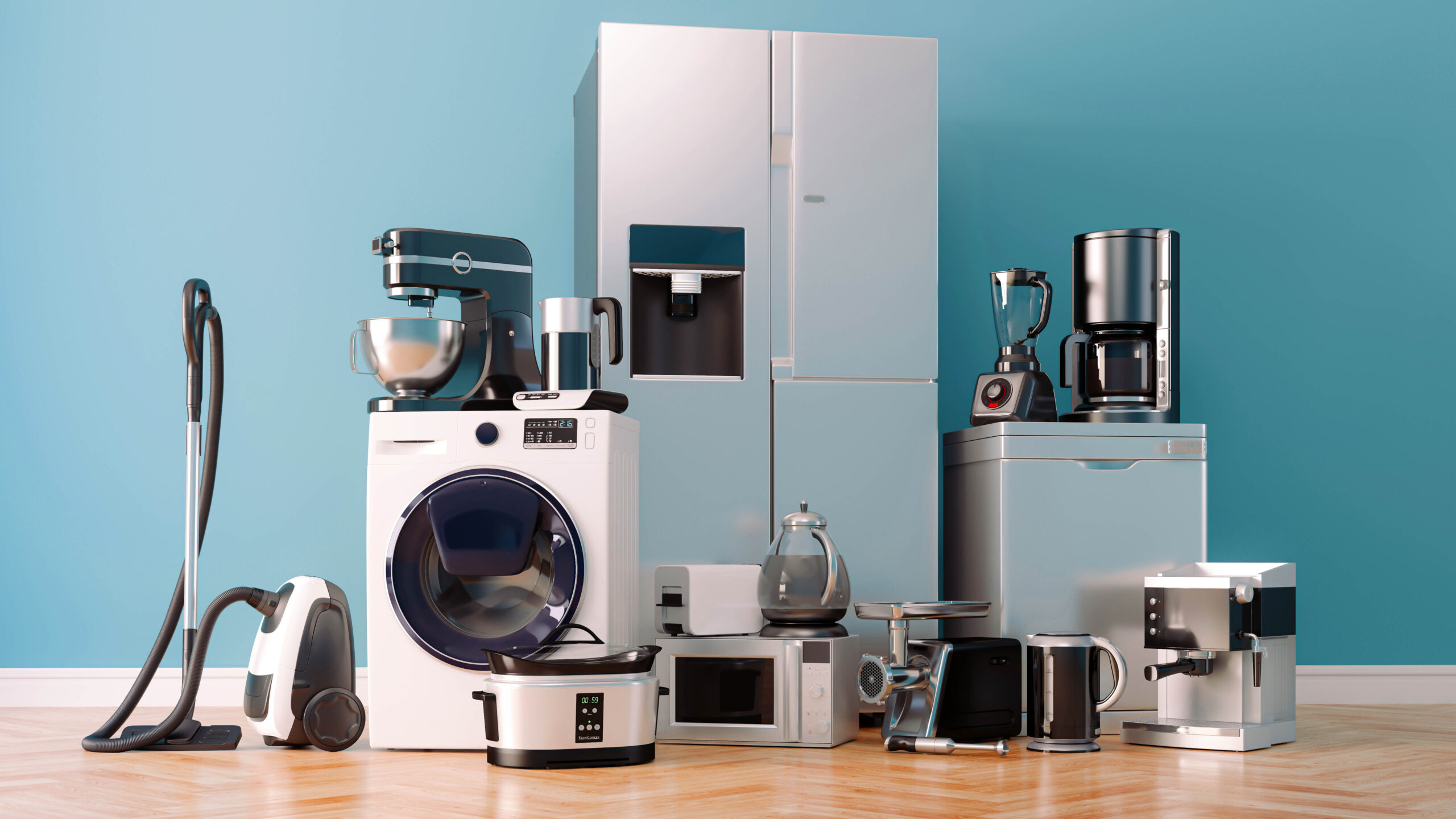
    Midea, the Chinese home appliance heavyweight, recently revealed that it accelerated its production operations to deliver 20,000 air conditioning units to France in a span of seven days. This was in response to the escalating demand spurred by the severe heatwave that is engulfing Europe.

    In 2020, Midea led China’s air conditioning sector in terms of market share. It was able to double its production capacity to 6,000 portable units each day by initiating a fresh production line on July 7. As a result, the company managed to finish manufacturing all 20,000 units in just three and a half days. Midea prioritized the French order by designating additional labor and production capacity, even while its factories were operating at full tilt to satisfy local demand.

    Increased Demand for Chinese Home Appliances in Europe

    The ongoing heatwave in Europe has sparked a significant surge in demand for Chinese-made home appliances. Midea Group reported that sales of a portable split air conditioner, specifically designed for the European market, have exceeded 200,000 units this year, marking a twofold increase from the previous year. Furthermore, this particular model has sold out in Germany, France, the Netherlands, and the United Kingdom.

    Official data disclosed that more than 10,000 extra deaths were reported in European countries during the extraordinary heatwave that swarmed the western part of the continent in late June. The majority of these, over 9,000, were among individuals aged 65 and above.

    Surge in Online Sales of Air Conditioners and Fans

    Alibaba, the e-commerce juggernaut, has reported three-figure growth in sales of air conditioners and fans on its overseas platforms. On AliExpress, Alibaba’s international retail platform, warehouse inventory of a 2.35-kilowatt Midea air conditioner, which was released in Germany in June, was entirely sold out by Thursday.

    The trend was significantly evident in southern Europe as well. In Spain, fan sales skyrocketed by 94% between June 17 and 23 compared to the same period in May. Meanwhile, Italy witnessed a 100% month-on-month surge in sales of cooling appliances and sun-protection apparel in June.

    The rush by European consumers was also mirrored on Alibaba.com, the company’s business-to-business platform, displaying urgent procurement by local merchants. In June, air conditioner orders in Spain almost doubled from a year earlier. Simultaneously, wholesale fan orders saw a staggering increase of 378% in Sweden and 114% in Belgium.

    Questions & Answers

    What has been Midea’s response to the increased demand for air conditioners in Europe?
    Midea has ramped up production and shipped 20,000 air conditioners to France in just seven days to meet the increased demand due to the intense heatwave.

    What is the sales trend of the portable split air conditioner designed for Europe?
    Sales of the portable split air conditioner, specifically designed for the European market, have exceeded 200,000 units this year, marking a twofold increase from the previous year.

    How has the demand for cooling appliances and sun-protection apparel changed in Italy?
    In Italy, there has been a 100% month-on-month increase in sales of cooling appliances and sun-protection apparel in June due to the heatwave.

  • DBS, Singapores Largest Lender, Hits Record Market Value of $155B – A Milestone for Citys Stock Market

    DBS, Singapores Largest Lender, Hits Record Market Value of $155B – A Milestone for Citys Stock Market

    DBS Group, Singapore’s dominant bank, has reached a new milestone with its market value surpassing SGD200 billion (US$154.8 billion) as of Monday. This achievement marks a key moment for DBS, known for being the largest bank in Singapore in terms of asset size, and underscores the strength of the city-state’s stock market. The bank’s shares climbed almost 0.5%, closing at SGD70.79, following their peak at SGD70.80 in the session. To date, the bank’s gains this year total approximately 26%.

    Anticipation of Q2 Results Fuels Rally

    DBS’ increase in market valuation comes ahead of its second-quarter results announcement, scheduled for August 6th. The bank’s net profit for the first quarter had seen a 1% increase to reach SGD2.93 billion, largely driven by record income and robust wealth management fees. Experts believe that the share price surge is likely due to the improving clarity of earnings and a more favorable interest rate outlook. Future growth is anticipated if the banks present an optimistic outlook during their results release.

    Analyst Jayden Vantarakis, the head of Asean equity research at Macquarie Capital, stated, “We are entering an environment where we believe Singdollar rates will be supportive of improving net interest income alongside continued strength in non-interest income.”

    Singapore Banks Propel Straits Times Index

    The collective rally of DBS, OCBC, and UOB, the top three Singapore banks by market value, has boosted the Straits Times Index to all-time highs. Together, these banks make up over half of the index’s total weight.

    According to Vantarakis, the strengthening of the U.S. dollar, due to high U.S. interest rates, will have a positive influence on Singapore dollar rates. Moderate rate increases, he suggests, will encourage wealth inflows and improved asset quality.

    Vantarakis also anticipates a possible further re-rating of the sector, supported by growth in both net interest and non-interest income. He maintains that the Singapore dollar will remain a preferred currency due to the broad strength of the U.S. dollar.

    Lastly, Thilan Wickramasinghe, head of Singapore research and regional head of financials at Maybank Securities, added that the banks are well-positioned to gain from robust credit growth and wealth management fees. He also indicated that ongoing uncertainty in certain regional markets and conflicts in the Middle East, have likely directed safe-haven liquidity towards Singapore banks over the past week.

    Questions & Answers

    What factors have contributed to DBS’ market value surge?
    The bank’s rising market value has been attributed to a combination of an upcoming second-quarter results announcement, improving clarity of earnings, and a more favorable interest rate outlook.

    How have the top three Singapore banks impacted the Straits Times Index?
    The collective rally of DBS, OCBC, and UOB, which constitute over half of the Straits Times Index’s total weight, has propelled the index to all-time highs.

    What is the potential future outlook for the sector?
    There is a potential for further re-rating of the sector supported by growth in both net interest income and non-interest income. Moreover, the Singapore dollar is expected to remain a preferred currency due to the broad strength of the U.S. dollar.

  • Vicca Ng Steps into COO Role at Hextar Retail: Driving Expansion and Strategic Partnerships

    Vicca Ng Steps into COO Role at Hextar Retail: Driving Expansion and Strategic Partnerships

    Vicca Ng has been appointed as the Chief Operating Officer (COO) of Hextar Retail, a Malaysian retail conglomerate. Ng’s new role takes effect immediately and she will continue to supervise the group’s retail operations, in addition to serving as an executive director.

    Vicca Ng’s Role in Hextar Retail

    Ng has been instrumental in the expansion of Hextar Retail. She has successfully managed the brand’s growth, fostered strategic partnerships, and developed retail operations across a growing portfolio. Her background encompasses business expansion, retail operations, and commercial development. In her new role as COO and Executive Director, Hextar Retail looks forward to Ng’s continued leadership as the company evolves and expands.

    Hextar Retail, initially established in 1988 as Classic Scenic Berhad, was rebranded in 2024. The company is a subsidiary of the larger Malaysian conglomerate, the Hextar Group. The Hextar Retail portfolio covers a range of sectors, including lifestyle, apparel, food and beverage, as well as convenience retail sectors.

    Questions & Answers

    What is the new role of Vicca Ng in Hextar Retail?
    Vicca Ng has been appointed as the Chief Operating Officer and will function as an Executive Director. She will supervise the group’s retail operations.

    What role has Vicca Ng played in the expansion of Hextar Retail?
    Ng has been instrumental in the company’s expansion, overseeing brand growth, fostering strategic partnerships, and developing retail operations across the growing portfolio.

    What sectors does Hextar Retail’s portfolio cover?
    Hextar Retail’s portfolio spans a wide range of sectors, including lifestyle, apparel, food and beverage, and convenience retail sectors.

  • Chairman Tang Steps Down as Shein Gears Up for Hong Kong IPO

    Chairman Tang Steps Down as Shein Gears Up for Hong Kong IPO

    Donald Tang, executive chairman of Shein, the global fast-fashion retailer, is preparing to step down as the company nears its public offering, according to sources with first-hand knowledge of the situation. Tang has been the public face of the company for the past three years, acting as a Western representative for Shein’s founder and CEO, Sky Xu.

    Tang’s Role and the Company’s Leadership Transition

    Tang, a Chinese American billionaire with a background in banking, has worked closely with Xu, interacting with politicians, regulators, and investors globally and representing the e-commerce giant at conferences and public events.

    As Tang steps down, CEO Sky Xu is set to assume the role of chairman and will spearhead the investor roadshow before Shein’s listing on the Hong Kong stock exchange. The company’s hearing with the exchange is scheduled for this Thursday.

    Tang will maintain a close relationship with the company’s leadership as a senior adviser for the foreseeable future, a source revealed. Despite his considerable contributions, Tang’s name will not appear in Shein’s public filing among the company’s top leadership, the sources noted.

    Previous Public Offering Attempts and Regulatory Challenges

    Initially, Tang aimed to list the company in New York and even relocated to Washington, D.C., to lobby politicians. However, as controversies surrounding Shein’s use of the ‘de minimis’ customs duty waiver grew, he voiced his support for removing the waiver in July 2023.

    Tang has also defended Shein against allegations linking its supply chain in China to forced labor, an issue strongly denied by Beijing. Shein maintains a zero-tolerance policy towards forced labor.

    Following the unsuccessful New York IPO attempt, Shein turned to London for a potential listing. Despite receiving approval from Britain’s Financial Conduct Authority, the plan fell through due to the China Securities Regulatory Commission withholding its approval. As a result, the company decided on a Hong Kong listing.

    Questions & Answers

    What has been Donald Tang’s role at Shein?
    Donald Tang has acted as the Western representative of Shein, liaising with global politicians, regulators, and investors, and representing the company at public events.

    Who will take over the role of chairman once Tang steps down?
    The current CEO of Shein, Sky Xu, will assume the role of chairman as Tang steps down.

    What were the challenges faced by Shein in their previous attempts at an IPO?
    Shein initially planned for an IPO in New York but faced criticism over its use of the ‘de minimis’ customs duty waiver. The company then pivoted to London, but the IPO was halted due to the China Securities Regulatory Commission withholding its approval. This led Shein to opt for a listing in Hong Kong.

  • Five Guys Burgers Set for Beijing Expansion Amid Uptick in US Fast-Food Foothold in China

    Five Guys Burgers Set for Beijing Expansion Amid Uptick in US Fast-Food Foothold in China

    Next month, the renowned American burger establishment, Five Guys, is all set to launch in Beijing. This event signifies the continued expansion of U.S. restaurant brands in China, undeterred by the escalating competition in the market.

    Five Guys plans to establish three eateries in Beijing’s shopping centers, strategically located in areas favored by the younger demographics. The brand’s entry into Mainland China came about in 2021, facilitated through a collaboration with local franchise operator, JumboFive. The inaugural restaurant, located at Shanghai’s Printemps Mall on Huaihai Middle Road, attracted considerable consumer attention. The brand reported that customers started lining up from as early as 2 am, enduring waits of over three hours on the opening day.

    The rapid expansion of Five Guys in China aligns with a larger trend noticed among American fast-food companies. These organizations are seeking growth opportunities in China as the prospects in the U.S. become more saturated. Domino’s Pizza China serves as a representative example, recently extending its franchise network to encompass 1550 stores. The pizza chain added a net of 235 new outlets in the first half of the year, concurrently reporting a surge in sales during the second quarter.

    In an akin move, Yum China recently decided to purchase the Pizza Hut business in mainland China from U.S.-based Yum Brands. The deal, worth US$1.2 billion in cash, aims to tap into the potential of Pizza Hut as the country’s largest casual dining restaurant brand. Last year, Pizza Hut generated a substantial revenue of $2.3 billion and an operating profit of $183 million.

    Questions & Answers

    What is Five Guys’ plan for expansion in Beijing?
    Five Guys plans to open three restaurants in Beijing, targeting shopping malls frequented by young consumers.

    How was Five Guys’ entry into Mainland China facilitated?
    Five Guys entered Mainland China in 2021 through a collaboration with the local franchise operator, JumboFive.

    What are some other examples of American fast-food chains expanding in China?
    Additional examples include Domino’s Pizza China, which expanded its network to 1550 stores recently, and Yum China, which acquired the Pizza Hut business in mainland China.

  • China Targets $9 Trillion Retail Sales in Unprecedented Consumption-Driven Five-Year Plan

    China Targets $9 Trillion Retail Sales in Unprecedented Consumption-Driven Five-Year Plan

    China has unveiled its inaugural five-year scheme centered on consumption, where it anticipates annual retail sales to reach approximately 60 trillion yuan (US$9 trillion) by 2030. This indicates a deceleration in year-on-year growth to roughly 3.7 per cent, compared to the estimated 5 per cent noted between 2021 to 2025.

    Encouraging Household Consumption and Spending

    In addition to scaling retail sales, China also committed to enhancing household incomes and significantly augmenting the share of household consumption in the economy, which presently stands around 40 per cent. The yearly target for retail sales growth mirrors a declining impetus in goods consumption, prompting policymakers to shift the focus towards bolstering household expenditure as a key growth propeller.

    China’s State Council approved and unveiled the plan on Monday, with a pronounced focus on service consumption. Target sectors encompass elderly care, childcare, healthcare, culture, tourism, sports, and education. The State Council anticipates that, by 2030, the consumer market will expand further, the household consumption rate will increase considerably, and the economic growth’s reliance on consumption will be solidified further.

    The new blueprint also advocates for substantial tourism-related spending, broadening of visa-free entry to additional countries, and increasing direct international flights to Europe, the US, and countries involved in the Belt and Road Initiative.

    Addressing Consumption Imbalances and Enhancing Services

    While China’s services expenditure has outpaced goods consumption growth in recent years, it remains significantly behind developed economies. In 2025, per capita services consumption amounted to 46.1 per cent of total consumption, markedly lower than the approximately 70 per cent observed in the US.

    To redress the deepening imbalance between robust industrial output – buoyed by exports – and tepid domestic consumption, some government economists have advocated for long-overdue income and welfare reforms.

    The plan also aims to make China’s social security system more streamlined and sustainable, providing individuals with greater spending confidence and stability.

    The five-year plan underscores the need to strengthen household spending power via higher wages, increased property income, enhanced social security, and improved public services. Commitments have also been made to eliminate “unreasonable restrictive measures” in areas like car purchases, housing, and approvals for entertainment events.

    Fiscal and financial policy is expected to place heightened emphasis on direct benefits to consumers, spending related to livelihood, and consumption-related infrastructure.

    Questions & Answers

    What is China’s anticipated annual retail sales by 2030?
    China aims for annual retail sales to reach approximately 60 trillion yuan (US$9 trillion) by 2030.

    What sectors does China’s inaugural five-year scheme on consumption target?
    The industries of focus encompass elderly care, childcare, healthcare, culture, tourism, sports and education.

    What measures does China’s consumption plan propose to strengthen household spending power?
    The plan proposes measures such as increasing wages, enhancing property income, improving social security, and boosting public services. It also promises to remove restrictive measures in areas like car purchases, housing, and approvals for entertainment events.

  • China Dethrones US as Vietnam’s Top Seafood Consumer: A 40% YoY Increase

    China Dethrones US as Vietnam’s Top Seafood Consumer: A 40% YoY Increase

    In the first half of 2026, China became Vietnam’s largest seafood market, surpassing the United States. This shift resulted from an importation of Vietnamese seafood valued at nearly $1.4 billion, a 40% year-on-year increase. This accounted for almost a quarter of the $5.7 billion worth of Vietnamese seafood exports, a rise of 11.4%, as per the Ministry of Agriculture and Environment. Comparatively, the value of the U.S.’s imports was $898 million, while Japan, in third place, had $788 million worth of imports.

    Factors in Market Shift

    The rise in shipping costs has elevated China’s attractiveness due to its geographical closeness, according to Nam Viet Jsc, a seafood exporter. Furthermore, Le Hang, the Deputy General Secretary of the Vietnam Association of Seafood Exporters and Producers, noted that as the U.S. and Europe increased non-tariff barriers, many businesses turned towards China. She highlighted the U.S.’s requirement for businesses to provide extra admissibility certificates with a complex application process, particularly impacting tuna products. Additionally, shrimp exports faced high anti-dumping duties.

    Another contributing factor was the frontloading of shipments to the U.S., which led to significant inventories for importers in the country. This occurred during a period when consumers were restricting their spending and leaning towards lower-priced products.

    Adaptability and Future Outlook

    Hang stated that the growth in the first half was a reflection of the rebound in global demand and the adaptability of Vietnamese businesses, who adjusted their markets and product structures. Shrimp was the top export, valued at $2.3 billion (a 13.6% increase) and constituted over 40% of the total value. The demand from mainland China and Hong Kong primarily drove the growth. Moreover, exports of Pangasius, a white-flesh fish, increased by 12.1% to reach $1.1 billion, owing to Vietnam’s competitive pricing and the consistent demand in many markets.

    However, Hang predicts an uncertain future for exports in the second half of the year due to potential U.S. protectionist measures and trade barriers, ranging from regulations associated with “forced labor” to imposition of quotas on products. She emphasizes that in this rapidly evolving trade landscape, businesses must stay updated, adjust export plans, diversify markets, and increase the proportion of deeply processed products to manage risks and sustain growth.

    Questions & Answers

    What factors have contributed to China becoming Vietnam’s top seafood market?
    Shipping costs and non-tariff barriers in the U.S. and Europe have caused businesses to favor China. Additionally, China’s proximity to Vietnam makes it an attractive option.

    What was the largest exported seafood product from Vietnam?
    Shrimp was the top exported product, making up over 40% of the total export value and experiencing a 13.6% increase.

    What challenges do Vietnamese businesses face in the second half of 2026?
    They face potential U.S. protectionist measures and trade barriers, ranging from regulations related to “forced labor” to the application of quotas on products.

  • Vietnam’s Auto Market Zooms Ahead: 15% Hike in Sales with Hybrids and Imports in the Lead

    Vietnam’s Auto Market Zooms Ahead: 15% Hike in Sales with Hybrids and Imports in the Lead

    The Vietnamese auto market has witnessed a significant growth of 15% in sales during the first half of 2026, as compared to the same period last year. A substantial portion of this growth can be attributed to the robust sales of imported and hybrid vehicles. Cumulative sales during this period amounted to 149,761 vehicles, which presents an increase of 4% from the previous month with total sales reaching 31,104 vehicles, as per a report by the Vietnam Automobile Manufacturers’ Association (VAMA).

    The Uneven Recovery of the Auto Market

    Despite the substantial growth, the auto market recovery in Vietnam appears to be inconsistent. When compared to June 2025, the sales for June 2026 reflect a decrease of approximately 2.7%. The first half of the year marked the sales of over 100,000 passenger cars, around 38,000 commercial vehicles, and nearly 10,865 hybrid vehicles, which witnessed a remarkable growth of 83% year-on-year.

    The surge in the sales of hybrid vehicles suggests a growing preference for fuel-efficient and environmentally friendly vehicles. VAMA reported the sale of 2,347 hybrid vehicles in June alone, marking an increase of 41% from the previous month and nearly double the sales in June 2025, making hybrid vehicles the most rapidly growing sector in the auto market.

    Competitive Landscape and Market Growth Prospects

    Among the brands under VAMA, Toyota secured the leading position with the sale of 6,494 vehicles in June, accounting for nearly 27% of the total sales. They were followed by Mitsubishi with 3,158 units sold, and then Ford with 2,741 units. Kia and Mazda, both distributed by THACO, sold 2,675 and 2,361 vehicles respectively, making it to the top five best-selling brands of June.

    The competition has been intensifying in the market, as reflected by the narrowing gap in sales among the leading brands. It spans across various segments including B-segment sedans, urban SUVs, MPVs, and pickup trucks.

    Industry experts anticipate that the positive performance in the first half of 2026 will lay a strong foundation for greater growth in the second half. Several automakers are planning to introduce new models, expand their hybrid and electric vehicle lineups, and implement promotional programs to boost demand.

    Given the competitive auto loan interest rates, stable supply of vehicles, and a diverse product range, Vietnam’s automotive market is likely to sustain its growth momentum for the rest of 2026. SUVs, MPVs, and hybrid vehicles are expected to continue to drive overall market sales.

    Questions & Answers

    What is the growth rate of sales in the Vietnamese auto market in the first half of 2026?
    The Vietnamese auto market recorded a growth rate of 15% in sales in the first half of 2026.

    Which are the top-performing vehicle brands in June 2026?
    Toyota, Mitsubishi, Ford, Kia, and Mazda were the top-performing vehicle brands in June 2026.

    What type of vehicles are expected to drive overall market sales for the rest of 2026?
    SUVs, MPVs, and hybrid vehicles are expected to be the key drivers of overall market sales for the rest of 2026.