Author: Mei Ling Tan

  • Backlinks: More or Better?

    Backlinks: More or Better?

    Backlinks: More or Better?

    The topic of link mass has been raised more than once by marketing specialists. The quality of link mass directly affects the ranking of your site in search engines and if you want to achieve success and development in business, then you need to take care of the quality of your backlinks and link mass in general. Optimizers are very careful about the link-building process because most of the success depends on it. Today let’s break down what backlinks are and why their quality is important for SEO optimization.

    What Is the Phenomenon of Backlinking?

    Let’s start with the most significant thing. Remember, backlinks are the most important factor for ranking sites and in SEO analysis. Whether a startup or an experienced merchant, you should pay attention to the backlinks in the first place and constantly monitor the quality. A couple of years ago, Google confirmed that for them the content and backlinks are two key factors that allow them to evaluate the resource and to further promote it. By analyzing the link mass, search engines build a ranking of sites that are more often seen by users.  Essentially, these are links that direct users to your site from other relevant websites.

    Another important point to pay attention to is that in link-building more doesn’t mean better. A couple of years ago, Google’s algorithm included as one of the key factors the presence of backlinks and their number. The more backlinks led to a site, the more trustworthy it was. Now everything has been turned upside down and the number no longer plays a role. You can have a billion links from low-quality resources, but you will not notice any increase in audience and popularity. We recommend you read more about ​​how to get high quality backlinks.

    The Importance of High-Quality Backlinks

    Despite the fact, that algorithms are constantly being changed and modified, backlinks quality remains the top priority for SEO optimization.  If in the early days of online marketing, the search engine took into account only the quantity of backlinks, without paying attention to their quality. However, today the situation looks exactly the opposite. It is quality that matters, not quantity. Read this blog to know more. Backlinks still play a vital role in the promotion and development of different resources. And all the studies that have been conducted on this subject show that in competitive niches (and this is almost all commercial ones) in the top positions appear sites that have better-built backlinks from reputable sources.
  • KFC China draws wrath over Pop Mart frenzy that ‘wastes food’

    KFC China draws wrath over Pop Mart frenzy that ‘wastes food’

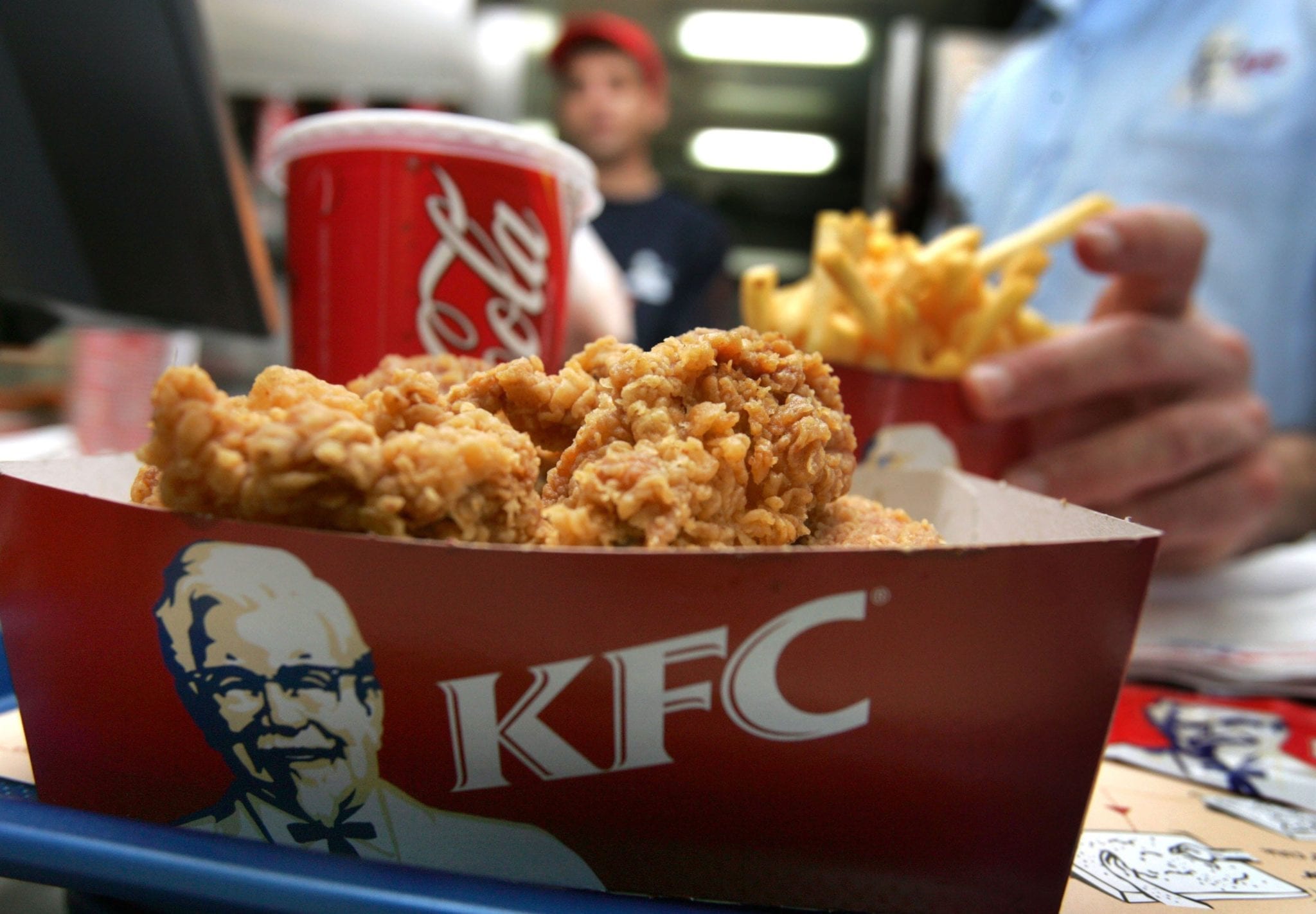
    KFC is under scrutiny in China over the popularity of an anniversary promotion that allowed customers to collect limited-edition toys with their meals.

    The fried chicken chain partnered with Chinese toymaker Pop Mart to give away Dimoo toy dolls with select KFC orders in celebration of the brand’s 35th anniversary of its first restaurant in China. The giveaway prompted a frenzy to collect the dolls, with at least one customer spending $1,649 to buy 106 meals, according to a statement from The China Consumers Association.

    Some would-be collectors hired helpers to buy meals and find toys for them, in some cases throwing away the food they were required to buy, the group said.

    “KFC, as a food operator, uses the limited-edition blind box sales method to induce and condone consumers’ irrational and excessive purchase of food packages,” the organization wrote, which is “contrary to public order, good customs and the spirit of the law.”

    KFC’s parent company Yum! Brands did not immediately respond to Insider’s request for comment.

    China has taken legal steps in recent years to curb food waste from promotions, including a major campaign in 2020 banning influencers from posting “wasteful binge eating” videos on social media.

    Spending sprees around limited-edition fast-food items aren’t exclusive to China. In 2021, McDonald’s included limited-edition Pokemon cards in some Happy Meals in the US, and fans quickly began buying up 50 to 100 cards at once to keep or resell, prompting some locations to begin limiting order sizes.

    Fan excitement over McDonald’s “Rick and Morty”inspired Szechuan sauce was even more extreme, with some dedicated customers buying sauce packets online for hundreds of dollars, or even purchasing photos of the packets.

  • Corona introduces its first non-alcoholic beer, infused with Vitamin D

    Corona introduces its first non-alcoholic beer, infused with Vitamin D

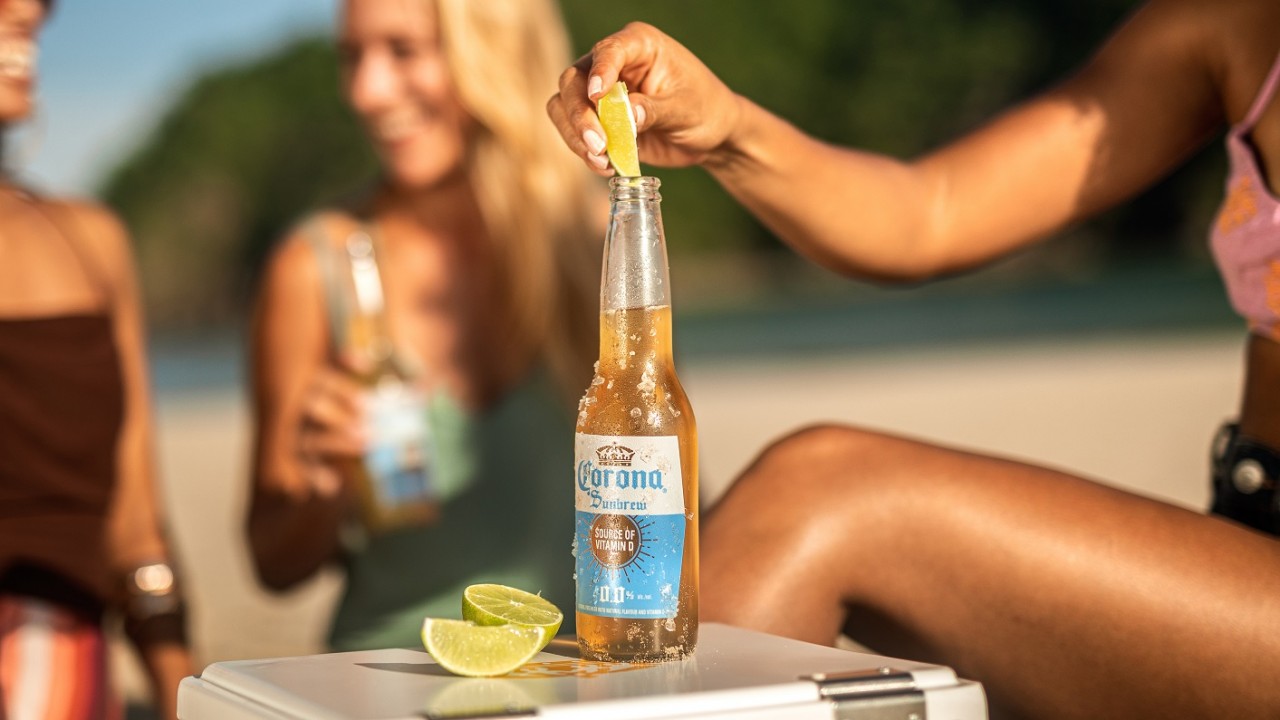
    Today, global beer brand Corona is proud to announce the worldwide launch of Corona Sunbrew 0.0%. This innovative, first-of-its-kind, non-alcoholic beer contains 30 percent of the daily value of vitamin D per 330 mL serving in Canada. As the newest member of the Corona family, a brand that celebrates getting outside and enjoying life in the sun, Corona Sunbrew 0.0% allows consumers to have “Sunshine, Anytime” every season.

    “As a brand that was born on the beach, Corona embraces the outdoors in everything we do, because we believe that outside is where people best disconnect and relax. The feeling of the sun is one of the things that people love most about the outdoors and the Corona brand is always innovating to remind them of that feeling,” said Felipe Ambra, Global Vice President for Corona. “Now, we’re excited to offer consumers Corona Sunbrew 0.0%, the first non-alcoholic beer with vitamin D, reinforcing our desire to help people reconnect to nature, anytime.”

    According to IWSR, the global no/low alcohol category total volume is forecasted to grow by 31% by 2024. Corona Sunbrew 0.0% provides consumers looking for a non-alcoholic beer with a unique new option. Corona Sunbrew 0.0% contains 30 percent of the daily value of vitamin D in Canada and 60 calories per 330 ML serving.

    Corona Sunbrew 0.0% maintains Corona’s essence; it was developed from Corona Extra by extracting the alcohol and then blending the non-alcoholic beer with vitamin D and natural flavours to reach the final recipe. This launch also demonstrates AB InBev’s continued commitment to smart drinking to help reduce and prevent the harmful use of alcohol across the world.

    “After numerous and rigorous trials, Corona Sunbrew 0.0% proudly showcases our ability to find solutions, gaps, and opportunities for growth as a brand,” said Brad Weaver, Global Vice President of Innovation Research & Development for ABInBev. “The journey was not easy as vitamin D is sensitive to oxygen and light, and not easily soluble in water. But thanks to our ongoing investment in innovation and research and development, our team was able to create the only non-alcoholic beer with vitamin D, providing a unique opportunity in the market.”

    Corona Sunbrew 0.0% will be available to consumers in a few distinct phases. The global brand will first launch Corona Sunbrew 0.0% in Canada, precisely at the time of year where most Canadians experience limited sunlight, making it an ideal market to launch an innovation from a brand synonymous with the beach and celebrations outdoors. Later this year, Corona will extend the non-alcoholic product offering in the UK followed by key markets across the rest of Europe, South America, and Asia.

    Creative Agency DAVID Miami collaborated closely with Corona on the development of Corona Sunbrew 0.0% from its very inception, more than two years ago. As an ongoing brand partner, DAVID proactively presented the idea for Corona to develop a beverage containing vitamin D.

    “Each detail of the project is special. From the product ideation to the final campaign. It’s not every day that we have the chance to present a product idea and have an innovative client like Corona buy, develop and take it to the next level. A true collaborative effort,” says Pancho Cassis, Global Chief Creative Officer at DAVID.

    To help support the launch of Corona Sunbrew 0.0%, Corona will unveil a new creative campaign capturing the enjoyment of “Sunshine, Anytime.” A compilation of scenes filmed on a pristine beach in Costa Rica presents the pleasure of outdoor living and the boundless positive energy of the sun. The new Corona Sunbrew 0.0% campaign taps into the feeling of being carefree and relaxed. The 360-degree integrated marketing campaign, created by DAVID Miami and Director Juan Cabral, inspires consumers to enjoy the Corona lifestyle, which is best experienced with sunshine.

  • The FTC’s attempts at splitting up Meta are continuing

    The FTC’s attempts at splitting up Meta are continuing

    The Federal Trade Commission (FTC) has been trying to break up Meta for quite some time now, due to alleged anti-competitive practices the company did: pretty much, the act of buying rising possible competitors Instagram and WhatsApp has been considered as anticompetitive by the FTC. It had filed a lawsuit last year, and the “amended and more detailed” version of it was now allowed to proceed.

    The documentation provided by CNN’s Brian Fung shows that the social media giant has again tried to dismiss the case; however, the judge didn’t agree with its argument and allowed the case to move forward.

    This lawsuit was initially filed back in December of 2020, and it indeed accused the social media giant of anti-competitive practices. According to the complaint, Facebook violated antitrust regulations with the purchase of Instagram and WhatsApp (which have been rising rivals to it) in an attempt to eliminate possible competition.

    Back in June, the complaint was dismissed by a federal court, and the main reason for this decision was the lack of evidence that Facebook is indeed a monopoly in its market. Despite the dismissal though, the FTC went ahead with a 3-2 vote to refile the complaint.

    As many of you may have probably heard so far, many regulators (not only in the United States but in Europe as well) have been scrutinizing tech giants for at least a couple of years now. The reason: supposed anti-competitive practices. And it’s not only Facebook but Google, as well as Apple, that have been under the radar of antitrust entities.

    Many of these antitrust regulations, research, proposals, or lawsuits are continuing for years. In some of the cases, tech giants have been found to behave in an anti-competitive manner, and of course, fined by commissions quite heavily.

    One of the more recent cases was involving Google vs the EU court, and the Mountain View tech giant ended up having to pay a fine of $2.8 billion. In this particular case, the fine was due to the fact Google had paid phone makers to have Google Search pre-installed on Android phones.

    Additionally, back in July, Google was ruled to stand trial for recording and disseminating private conversations of people who accidentally activated Google Assistant.

    On the other hand, both Apple and Google are currently being investigated for their alleged monopoly by a UK watchdog. In this case, we are talking about the mobile operating systems Android and iOS; for which the two companies have been alleged to hold a monopolistic position on the global market.

    Facebook is one of the big tech companies that US regulators are looking to split up, but it is not the only one. The effort to empower healthy competition (at least, according to the US regulators) could end up affecting all four big companies (Apple, Google, Facebook, and Amazon), and any of these might have to go against similar complaints that we have reported on above. This means that technically, US regulators might try to split up Amazon, Google, and Apple.

    Back in June last year, five bills were introduced aimed at these four tech giants, because of their domination in online shopping, search dominance, and entertainment. Basically, anti-trust practices. All of this comes to say that these tech companies have been having quite a hard time with regulators across the globe for their alleged monopolies over the mobile (or generally the tech) market.

    In summary, the tech giants are facing scrutiny all over the world. Australia and India have also aimed laws at reducing their monopolistic power.

  • Adidas Japan to launch brand centre in Harajuku

    Adidas Japan to launch brand centre in Harajuku

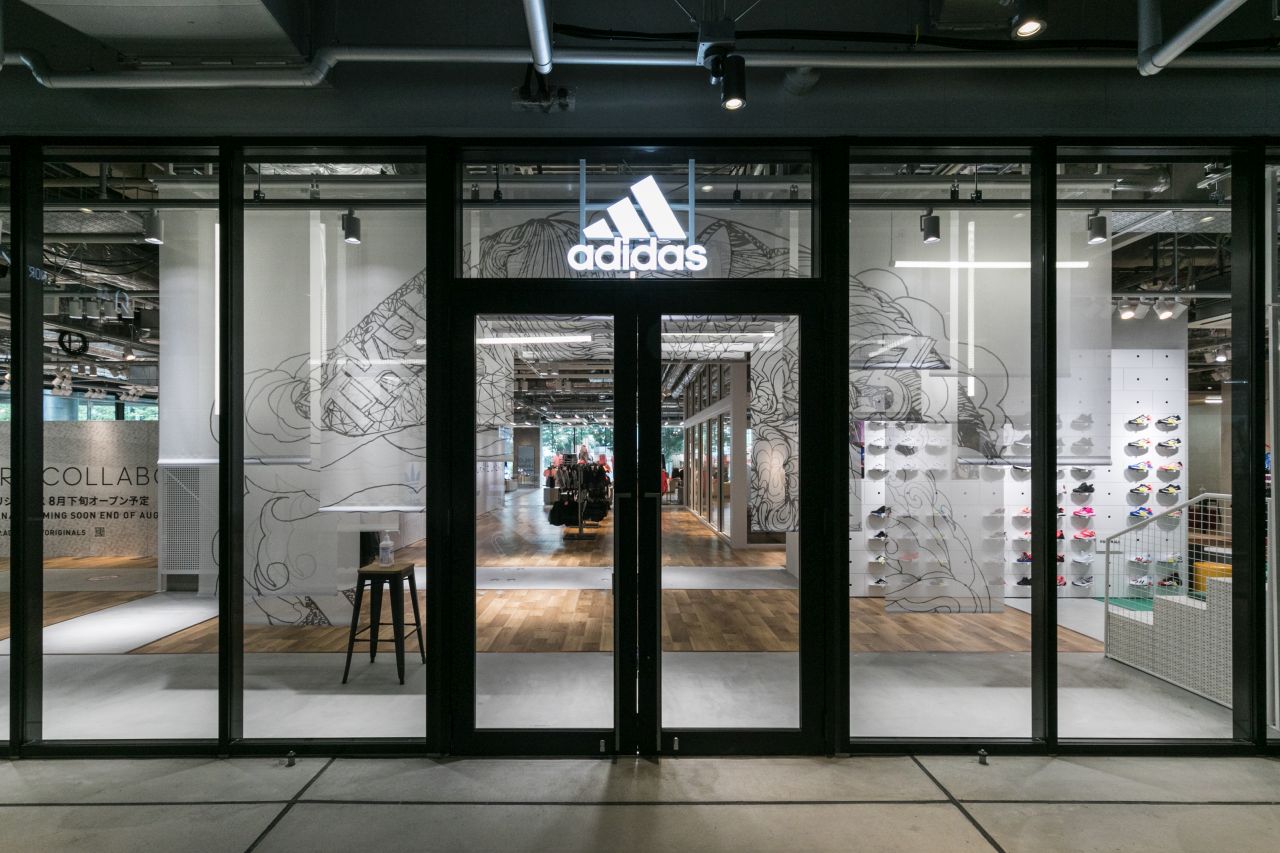
    The largest Adidas store to date on Japanese soil extends over two floors and a surface area of 1,000 square meters. In addition to countless products for a wide range of sporting activities, the new Adidas Brand Center, which is located just a few minutes’ walk from Shibuya Station, also offers an exclusive “Tokyo Collection”. This was designed especially for the new store and is exclusively available here.

    The “Digital Footwear Wall” offers space for up to 45 different shoe models and can be filled with matching campaign images as required. The store was designed in cooperation with a number of Japanese artists, whose works partly also decorate the salesrooms. In addition, characteristic design elements can be found throughout the store, which serves as references to the metropolis of Tokyo.

    On the occasion of the opening of the Brand Center at the end of July, visitors had the opportunity to purchase limited-edition T-shirts created in cooperation with the store’s artists and designers. According to Adidas, the store will continue to be used as a regular venue for events featuring local artists even after the opening-period.

    The Tokyo store also includes a special area dedicated to sustainability, offering Adidas Parley and Primeblue products and communicating information about the sustainability efforts of the Herzogenaurach-based sporting goods manufacturer. In partnership with the non-profit organization Parley, Adidas collects plastic waste before it can be discharged into the sea and uses it to produce high-quality sportswear. “Partnering with Parley on a shared mission to use 100% recycled polyester in our products by 2024, we created Primeblue. A high-performance recycled material made in part with Parley Ocean Plastic,” says the statement on the Adidas website.

  • Apple Glasses could also correct your vision, new patent shows

    Apple Glasses could also correct your vision, new patent shows

    There aren’t many new products to gather the attention and hype that the Apple Glasses AR/VR headset has managed to accumulate in the past few months. Apple’s rumored wearable often occupies headlines and leaks about its features are flying left and right.

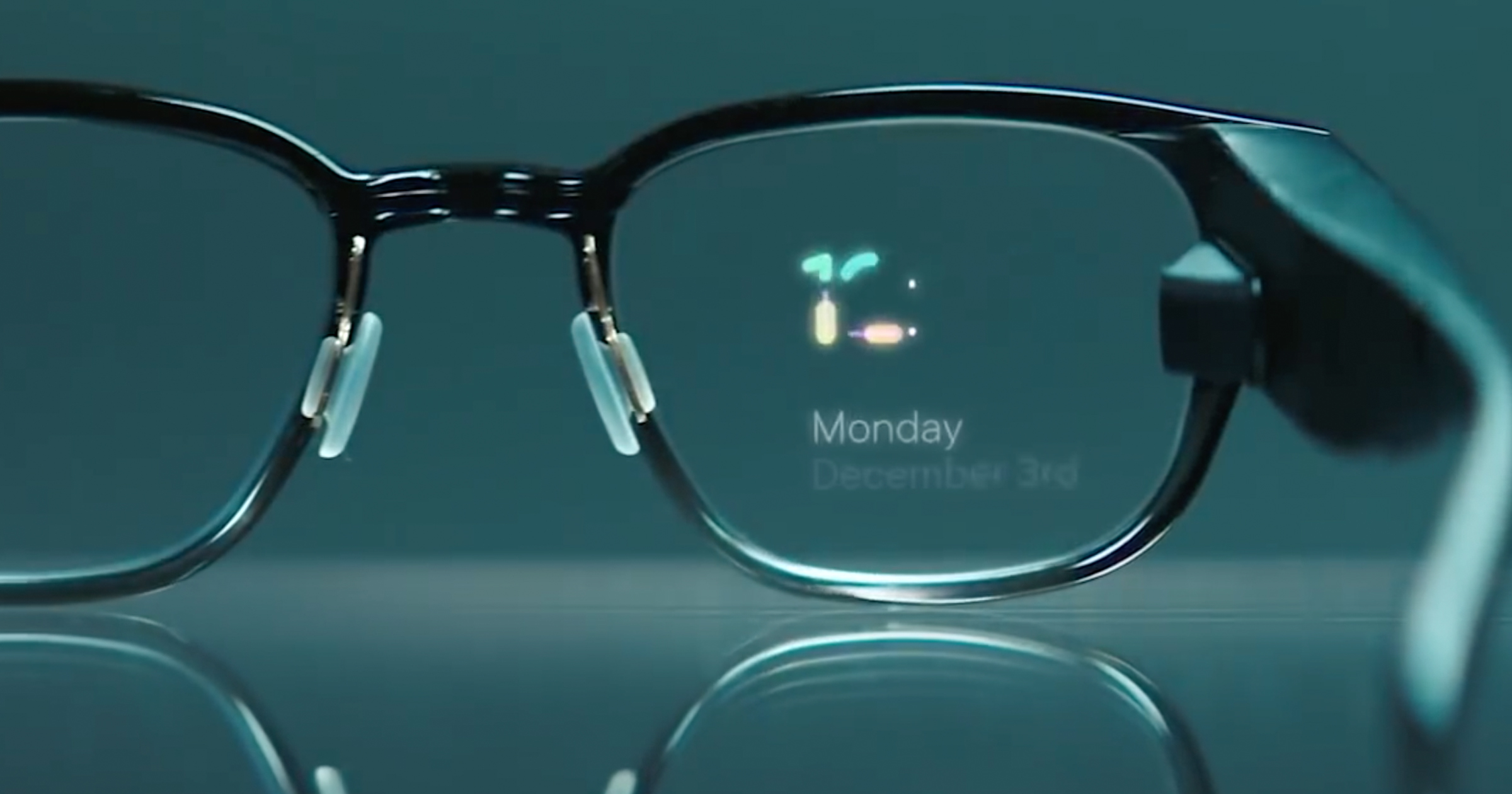
    The latest Apple Glasses rumored feature could benefit people with prescription glasses. According to a new patent, granted to Apple on Thursday, the new Apple Glasses might feature a system of lenses that adjust to match the user’s prescription.

    The patent in question is titled “Tunable and foveated lens systems,” and describes a clever system of lenses that can be manipulated to act as a regular pair of glasses. The difference is that the system adjusts the position of the lenses automatically, and any person – with or without prescription glasses – could use it without any problems.
    This can be achieved by using a stack of liquid crystal lenses – the liquid material inside can change its optical properties when a current passes through it. Apple says in the patent documents that such a system can also help people with various vision problems, such as presbyopia (inability to focus at a certain distance).

    The clever system manages to circumvent one big obstacle that lies before smart glasses technology – users with regular prescription glasses. Using another pair of smart glasses on top of your prescription glasses is far from comfortable, and manufacturers normally would have to offer different models with different dioptric parameters to suit every consumer out there. Using this futuristic adjustable lens system could not only make smart glasses much more comfortable and approachable but help advance vision-correction technology.

    Bear in mind, though, that Apple (and every other big tech company) files for hundreds of patents every year. Seeing this cool feature on paper doesn’t mean that the actual product will have it onboard. Let’s quickly browse through all Apple Glasses patents that we’ve unearthed so far. One of the latest and most futuristic patents so far was the “Direct retinal projector.” As the name suggests, Apple is looking for ways to project the image directly onto the user’s retina.

    Another cool patent from last year describes Apple Glasses adjusting to ambient lighting, decreasing the ambient light in order to boost the brightness of the projected image.  Much less high-tech was the patent filing describing how Apple Glasses could be used to unlock other gadgets nearby – most wearable devices already have such functionality.

    The rumored self-cleaning feature of the Apple Glasses is far more interesting. The patent involved describes a way to “shake” the device free of dust using vibration.

    Finally, another patent filing showed how Apple Glass might detect sound and direct you to its origin. That might turn out to be a very useful feature for a device you wear on your head and look (kinda) through it.

    • Plastic or metal frames
    • Two 8K resolution displays
    • 120Hz refresh rate
    • Wi-Fi 6E connectivity
    • LiDAR in the frame
    • Gesture and voice controls
    • UI called Starboard
    • Adjustable lenses
    • Price: $499
    • Release date: 2025

    A major Apple Glass leak revealed a $499 price, and also suggested an announcement date sometime in Q3/Q4 2021, which is clearly not happening. According to tech analyst and insider Ming-Chi Kuo, Apple Glasses won’t be ready until 2025.

  • iPhone 14 Pro rumored to replace notch with dual pill and hole cutouts

    iPhone 14 Pro rumored to replace notch with dual pill and hole cutouts

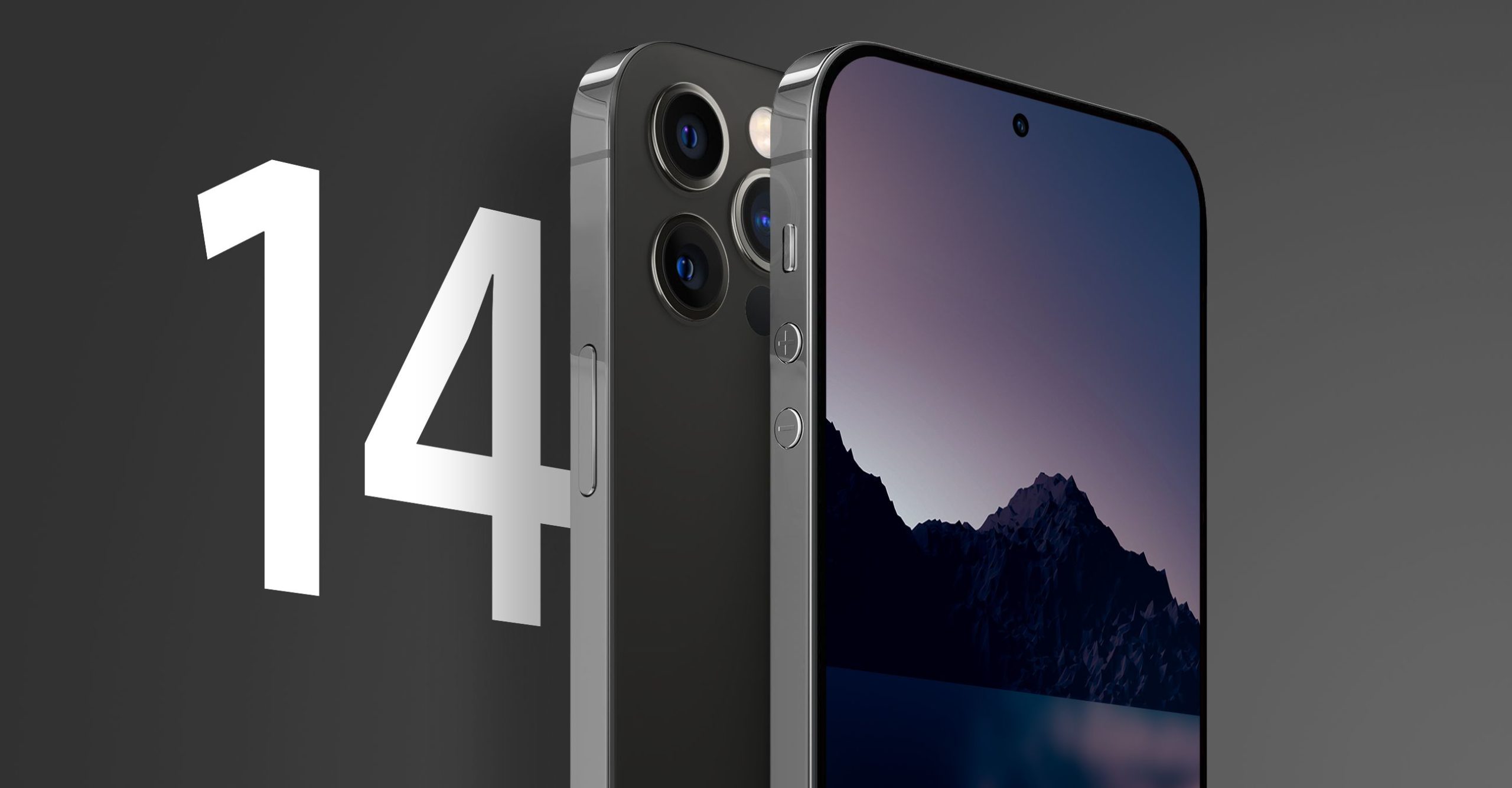
    It can now be said with a fair amount of certainty that Apple’s next premium iPhones – the iPhone 14 Pro and iPhone 14 Pro Max – will ditch the notch that debuted on 2017’s iPhone X in favor of a hole-punch cutout.

    That’s only part of the mystery solved, as, unlike Android flagships, the iPhone also features a complex Face ID system that requires a lot of modules and sensors. Display Supply Chain Consultants’ CEO Ross Young, who has an impressive track record when it comes to leaks, seems to know how Apple plans on going about it.

    In September of last year, Twitter leaker ShrimpApplePro, who tweets from the handle @VNchocoTaco, shared a concept image visualizing what the screen could look like from behind. Young also believes that that’s what the front of the Pro models will look like, meaning a pill-shaped cutout on the center-left will house the front camera and the infrared camera, and the circular hole will have the dot projector.

    If that sounds like a lot of holes, keep in mind that they will still take up less screen estate than the notch. Assuming the leak is legit, it puts to rest a recent rumor that claimed Apple would place the Face ID hardware beneath the display.

    ShrimpApplePro, the leaker who first talked about the design, had also said if Apple managed to put the Face ID system under the screen, it would do the same with the camera. Young thinks that we shouldn’t expect to see an iPhone with an under-display camera until at least 2024, which is not bad news at all, given that the handful of Android phones that feature the tech has failed to impress.

    iPhone 14 Pro’s screen design will not simply be a cross between the Galaxy S10 Plus, which has two hole-punch cameras, and Huawei models with a pill-shaped cutout, but will rather be unlike anything we have seen, or so implies Young.

    This year’s lineup will reportedly consist of two standard models – 6.1-inches iPhone 14 and 6.7-inches iPhone 14 Max- and two Pros – 6.1-inches iPhone 14 Pro and 6.7-inches iPhone 14 Pro Max. The Pro models will reportedly replace the current versions’ 12MP main camera with a 48MP main camera. The series will likely be powered by the slightly more powerful A16 Bionic chip.

    Given how relatively rare it is for Apple to introduce design changes and new camera sensors, it’s safe to assume most fans will love the new phones and make them one of the top smartphones of 2022.

  • Apple releases minor iOS, iPadOS updates along with second beta of iOS and iPad 15.3

    Apple releases minor iOS, iPadOS updates along with second beta of iOS and iPad 15.3

    Not every iOS update is chock full of features. Today, Apple released iOS 15.2.1 and iPadOS 15.2.1 to fix a couple of minor issues. The update fixes a bug that caused Messages not to load photos sent via an iCloud link. It also exterminates a bug that prevented third-party CarPlay apps from responding to inputs.

    To update your iPhone or iPad go to Settings > General > Software Update. If you’re a member of the Apple Beta Software Program, you will also receive a link to download and install the second betas of iOS 15.3 and iPadOS 15.3. It’s been three weeks since the first beta versions of iOS 15.3 and iPadOS 15.3 were released, and about a month since iOS and iPadOS 15.2 were dropped by Apple.

    Thus far, it isn’t clear what we might expect from the upcoming iOS 15.3 update although there are some new features that are expected from Apple such as the ability to put Digital IDs in the Wallet app. States (in alphabetical order) that have agreed to offer this include: Arizona, Georgia, Connecticut, Iowa, Kentucky, Maryland, Oklahoma, and Utah. Florida is reportedly in talks to be included.

    Apple first discussed putting Digital IDs inside the Wallet app back at WWDC seven months ago. This feature was not found in both beta 1 and beta 2 of iOS 15.3 and iPad OS 15.3

    Another feature that could come to iPadOS 15.3 is called Universal Control. This allows iPad and Mac users to control their devices using the same keyboard and mouse. It is now scheduled to be released this spring following a delay.

    Apple originally called for a fall 2021 release of Universal Control but had to push back the release date. With that in mind, we might not see this surface on a stable release until iPadOS 15.4 is pushed out by Apple.

    This update is too minor to join the Apple Beta Software Program for, but anytime you don’t want to wait to try out an upcoming iOS feature, you can enter the program and receive beta updates OTA. Remember though, most beta updates are not stable and you could find that your most important iOS capabilities are incapacitated. Or, you might find that the beta update has your device drinking battery juice like Andy Capp consumes ale.

    If you can’t wait for the stable update to be disseminated, you can quit the beta program and install a backup that you created in iTunes before entering the beta program. You’re still going to lose the data created since you made the backup. Another option is to factory reset your device which is one thing that this writer compares to the sound of scratching nails on a blackboard.

    Or, you can join the beta program, install the beta software, and simply quit the beta program when the next stable build of the software is released to the public. For example, let’s say you must have (for some reason) iOS 15.3 while it is still being tested. So you go to the Apple Beta Software site and install iOS 15.3 beta 2. And you sit through beta 4 and by beta 5 the battery life of two hours and twenty minutes (just an exaggeration because we don’t know what the battery life will be on beta 4 and beta 5 or even if there will be a beta 4 and beta 5) is driving you batty.

    As we said, if you have a fairly recent backup to load, things might not be so bad. But if you forgot to create a backup and don’t feel like performing a factory reset, you can stay in the beta program until the next public version of iOS is available which in this scenario would be iOS 15.4.

    If that is your game plan, you can quit the beta program and install iOS 15.4 by going to Settings > General >Profiles & Device Management. Select iOS 15 & iPadOS 15 Beta Software Profile, and tap on Remove Profile. Once that is complete, you would update to the next stable release (iOS 15.4 in this example).

  • Spotify is going to shut down its own original podcast studio

    Spotify is going to shut down its own original podcast studio

    As many of you may probably know, Spotify has been investing in the ever-growing podcast industry in recent years. Despite that, the music streaming service has decided to shut down its in-house podcast Studio 4.

    It seems that Spotify has now told employees that work at Studio 4 that it will be closed after January 21. Original shows, such as Dissect and Chapo: Kingpin on Trial, were produced in Studio 4. Well, luckily this isn’t the only podcast studio that the company owns; however, it was the first in-house studio that it created before its major studio acquisitions.

    Some of the employees working at Studio 4 have been reassigned to other positions, while some unfortunate ones were laid off with the option to apply for another job at the company. So far, Spotify hasn’t given a reason as to why it is closing Studio 4, but a reported internal note stated this was done to help the company progress faster. Additionally, another reason for the closure given by Spotify in the internal note was to “facilitate more effective collaboration” across the organization.

    Reportedly, the affected employees were quite surprised and some of them found the news quite upsetting.

    For the moment, it is unclear what will happen to the Spotify shows that were produced at Studio 4, but not all of them may be abandoned. For example, Dissect Podcast will not be canceled and will continue as usual on Spotify, according to the show’s official Twitter account.

    Spotify’s presence in the podcast market has been steadily growing, and last year, the company introduced paid podcast subscriptions. Recently, it also acquired a firm that possessed the technology to easily transform broadcast audio to podcasts, in an attempt to enrich the podcast experience to its users.

  • Maxis to power Ranhill’s voice and cloud connectivity

    Maxis to power Ranhill’s voice and cloud connectivity

    Maxis has been selected by integrated water supply company Ranhill SAJ Sdn Bhd (Ranhill) as their voice and cloud connectivity provider. Maxis will leverage its extensive portfolio of converged solution offerings and capabilities to support Ranhill’s digitalization journey focusing on greater operational efficiency and customer service excellence.

    With its industry-leading next-generation enterprise-grade network, Maxis will be connecting 77 of Ranhill’s sites across Johor including their headquarters and water treatment plants through its SD-WAN. Higher bandwidth and a resilient network will also enhance Ranhill’s workforce management capabilities with the latest applications. They will then have real-time visibility of their data and be able to make decisions to increase the productivity and efficiency of their 2,000 employees.

    “We are pleased to be selected by Ranhill as their connectivity, voice, and cloud solutions provider. Through our unique capabilities and experience, we are able to offer Ranhill a fully managed service portfolio from onboarding right up to 24/7 support with greater cost-effectiveness and flexibility.  As their partner, we want to ensure that their connectivity needs are met so that they can operate efficiently and have the peace of mind of being well prepared for their digital transformation journey and to Always Be Ahead in a changing world,” said Paul McManus, chief enterprise business officer, Maxis.

    “Selecting Maxis as our service provider and partner is an integral step to realizing our vision of becoming a world-class water utility company. By connecting all our sites with the latest technology from Maxis, we will be better equipped to support the people of Johor through efficient management of quality water supply. We now have the necessary infrastructure and platform to unlock the benefits of digitalization as part of our ongoing effort to further enhance customer experience,” said Nor Ifuan Md Nor, chief executive officer, Ranhill SAJ.

    Maxis’ managed SD-WAN services runs on Cisco Meraki technology, and enables operational tasks such as configuration, management, and maintenance to be significantly simplified. There are significant benefits of SD-WAN as enterprises look to become more agile through automation and intelligence. They will have access to a converged connectivity solution that is flexible, scalable, and cost-effective. The built-in security in SD-WAN also enables end-to-end secure communications and the implementation of security policies across the network.

    “Connectivity has always been important but even more so today, as more customers are using multi-cloud environments, and this continues to increase. Together with Maxis, Cisco is proud to be providing Ranhill with secure and optimized access to business-critical resources. This partnership speaks volumes on how we are able to come together to deliver a solution to Ranhill that will allow secure and optimal access to workloads.

    Through this collaboration, customers can securely connect to the cloud with the signature simplicity they have come to expect from Cisco Meraki,” said Vicki Batka, vice president of Asia Pacific, Japan & China partner sales, Cisco.

    Future Opportunities in the Pipeline

    In addition to boosting Ranhill’s fixed and wireless connectivity, Maxis is also able to address their voice communications needs. Prior to this deployment, Ranhill had various challenges in getting high quality voice services, particularly at their rural sites. With Maxis’ voice solutions now extended to the underserved areas of Ranhill, their customers and employees gain access to seamless voice services.

    Maxis and Ranhill are also exploring collaboration in the future for initiatives related to Internet of Things (IoT), cloud services, and cybersecurity. This will be part of Ranhill’s next phase of digitalisation in their organisation.

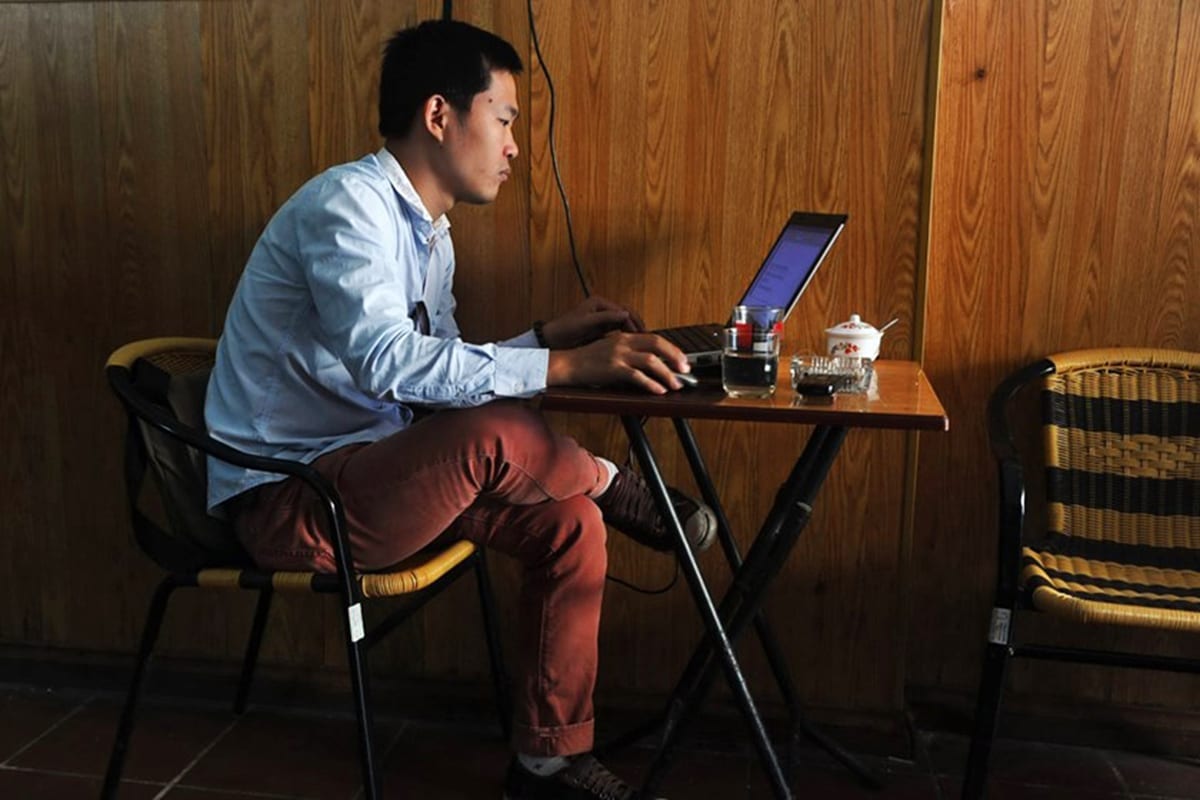
  • Vietnam set to become Asia startup hub

    Vietnam set to become Asia startup hub

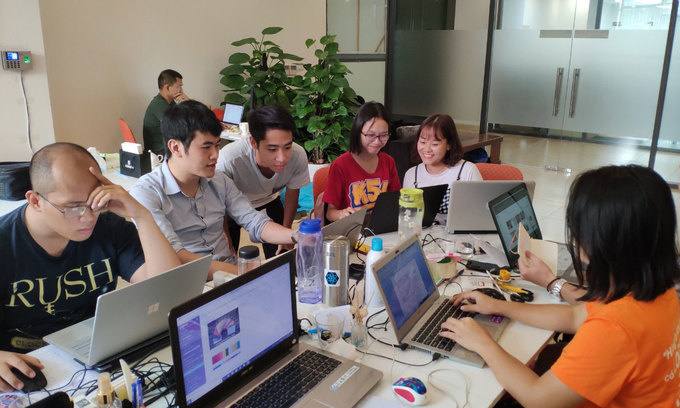
    Vietnam could be Asia’s next startup hub after local companies saw a funding surge over 40 times in the last five years, a venture capitalist said.

    Venture funding for startups in Vietnam reached $2.1 billion last year, up from just $48 million in 2017, Binh Tran, co-founder of Ascend Vietnam Ventures said.

    The sector is now attracting top-tier Silicon Valley venture capitalists, including Goodwater Capital LLC, Accel Partners LP and Altos Ventures Management Inc, he added.

    “Vietnam saw a tremendous amount of maturity and growth early on, which will help it become a very important hub for the region,” he said.

    The country is forecast to have the second-largest digital economy in Southeast Asia by 2030, according to a report by Google, Temasek Holdings Pte and Bain & Co.

  • Revolut Expands as a Bank

    Revolut Expands as a Bank

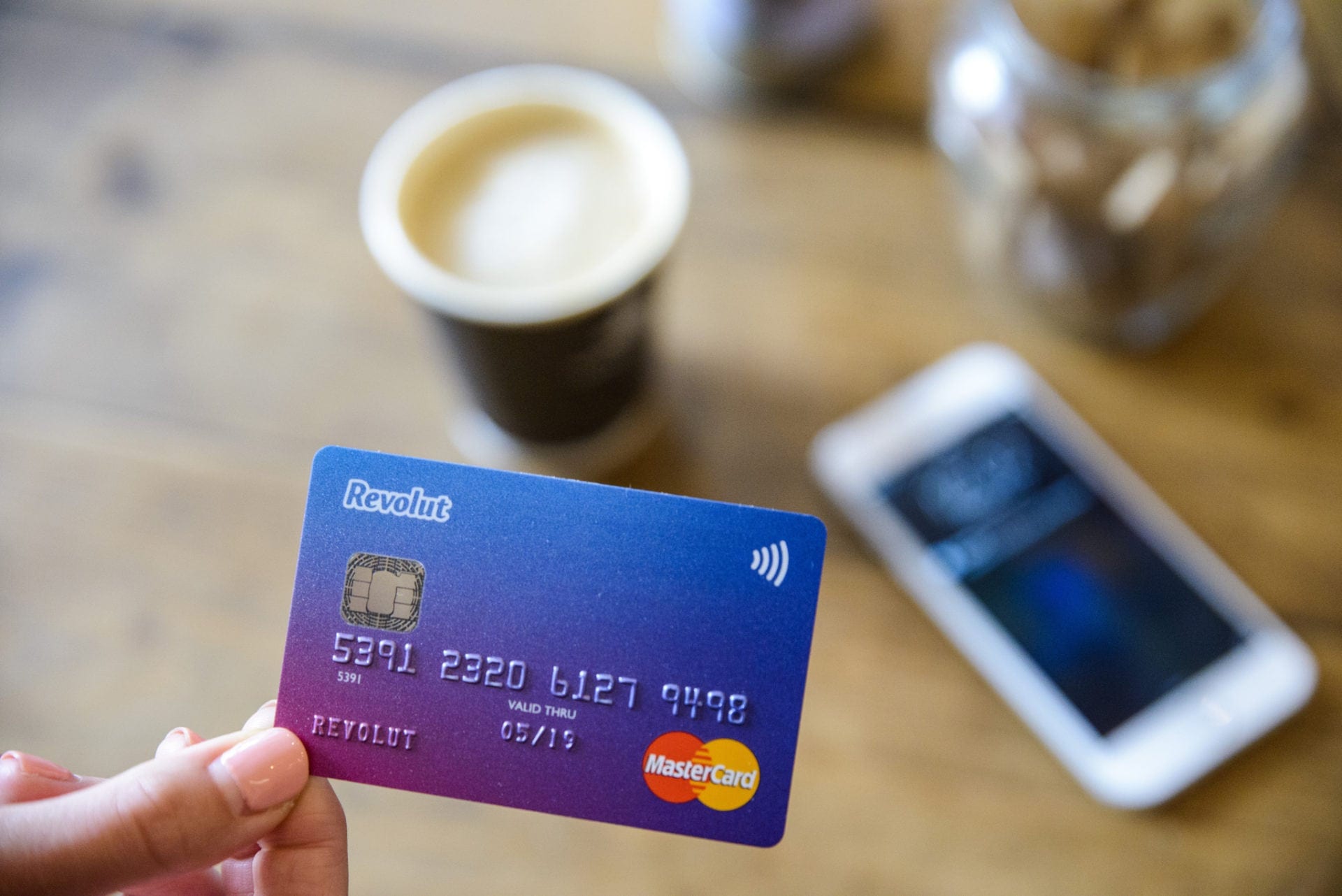
    Europe’s most valuable fintech has already amassed 18 million app users worldwide. Some of those are about to become bank customers.

    The London-headquartered neobank is launching as a bank in ten additional European markets, lifting the number of countries it operates in to 28, it said in a statement. The challenger bank can now protect client deposits up to 100,000 euros in Belgium, Denmark, Finland, Germany, Iceland, Lichtenstein, Luxembourg, Netherlands, Spain, and Sweden, using its European specialized banking license.

    In a few clicks clients from these countries will be able to upgrade to Revolut Bank from within the app, it said.

    Deposits will be secured by the Lithuanian State company deposit and investment insurance, it added.

    Over the past few years, Revolut’s rapid level of growth has added pressure on Swiss banks to boost their digital services. Since its inception in 2015 the company has attracted more than 18 million customers globally, it says on its website.

  • Crypto Bank Raises Money for Foreign Expansion

    Crypto Bank Raises Money for Foreign Expansion

    Seba is raising nearly $120 million, in a bid to fuel its expansion outside of Switzerland. Zug-based Seba raised 110 million Swiss francs ($118 million) from a host of new and existing investors, it said in a statement on Wednesday. The round was significantly oversubscribed, with demand far exceeding the initial funding target, the fledgling bank said. It didn’t disclose a valuation of itself, as rivals have done.

    Seba said it will use the funds to keep hiring and to expand into new markets. Investors in this round included Altive, Ordway Selections, Summer Capital, DeFi Technologies, Alameda Research, and Julius Baer.

    This comes just days after rival Sygnum raised $90 million in Asia-focused fundraising. The two banks were both granted licenses in Switzerland 28 months ago.

  • The Uber Apple Watch app is now discontinued

    The Uber Apple Watch app is now discontinued

    It appears that Uber has ended support for its Apple Watch app. Many users noticed that they no longer have the ability to use Uber’s Apple Watch app to order a ride.

    When a user opens Uber’s Apple Watch app, the app displays a message that Uber no longer supports this app and suggests users use the mobile app instead.

    Confusingly, although Uber’s Apple Watch app doesn’t work anymore, it is still available in the App Store and can still be downloaded and installed. Uber also didn’t reflect the change on its support site. The support site still says that users can use Uber’s Apple Watch app to order a ride.

    In 2015, Uber launched its app for the Apple Watch, which always had a few limitations compared to the iPhone version. Uber’s Apple Watch app didn’t support uberPOOL for sharing a ride with someone headed in the same direction as you. Uber’s Apple Watch app also lacked the fare splitting option and the ETA sharing feature through which you can share your trip details with friends or family. You also couldn’t use your Apple Watch to contact the Uber driver.

    It appears that users were unhappy with the way Uber’s Apple Watch app worked. Users on Reddit have complained about the little information the Apple Watch version offered. A Reddit user also mentioned having “bad experiences” with Uber drivers owing to the inability to select a destination via their Apple watch when ordering an Uber.

    Uber is not the first to end support for its Apple Watch version of the app. Back in 2018, Uber’s competitor Lyft pulled out its Apple Watch app from the app store and ended its support.

    Around 2020, Uber also silently ended the support for its wearOS version of the app. Users then had reported the inability to log into the app. Many users had also complained about having various problems with the wearOS version. Some users even had said that Uber’s wearOS app never really worked for them. It is possible that due to the numerous issues the Uber wearOS app had, many users preferred using the mobile version instead. And if this is the case, there is no surprise why Uber decided to stop supporting the WearOS app.

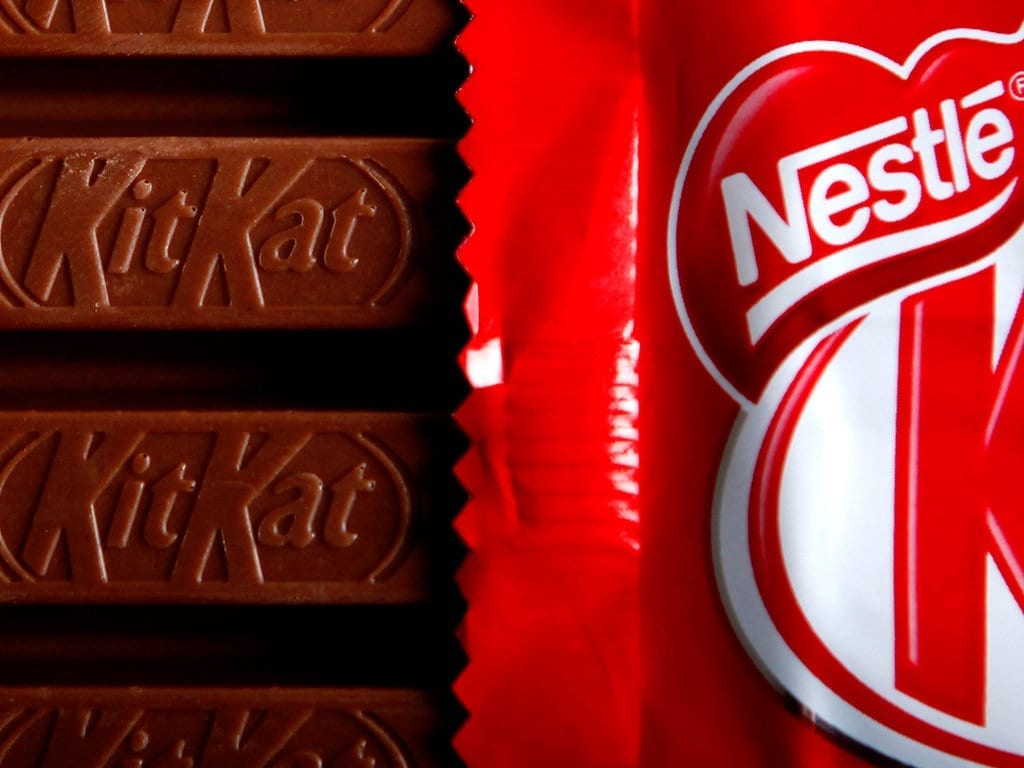
  • KitKat collaborates with Byron Bay Cookies

    KitKat collaborates with Byron Bay Cookies

    KitKat has teamed up with Byron Bay cookies to create every dessert lover’s dream. Chocolate and cookies are two of the best sweet snacks in existence. We don’t make the rules.

    And clearly, KitKat is onto the same thing as us because they’ve launched two new flavors inspired by everyone’s favorite café treat, the Byron Bay cookie. It’s every cookie and chocolate lover’s dream.

    Dubbed the “sweet treat collab of the summer”, there are two flavors to choose from – KitKat inspired by Byron Bay Cookies – Milk Choc Chunk and KitKat inspired by Byron Bay Cookies – Triple Choc.

    For cookie lovers, the Milk Choc Chunk will be right up your street. With crisp wafer fingers covered in white chocolate, topped with cookie pieces on a milk chocolate base. For those wanting an extra hit of chocolate, the Triple Choc option has you sorted with milk chocolate-covered chocolate wafer fingers topped with crunchy cookie pieces.

    Upon announcing the launch, Nestlé’s head of marketing – confectionery, Joyce Tan said: “We’re so excited to introduce KitKat brand’s first Australian collaboration to the market, and thrilled that it’s with the iconic and beloved local cookie maker Byron Bay Cookies.

    “We know Aussies will love these tasty additions to the KitKat range, and each bite is sure to transport them to their own beachside Byron Bay break!”

    Meanwhile, Byron Bay Cookie company director, Bill Quayle said: “We are thrilled to be partnering with a global brand like KitKat to create such a delicious collaboration.”

    Both creations are available in a 170g block, selling for $5.00. The Milk Choc Chunk option is also available in a 45g bar ($2.00), and the Triple Choc in a 65g bar ($2.50).

    You can find the new creations in supermarkets and convenience retailers nationally, as well as online, in-store, and within a hamper from KitKat Chocolatory.