Author: Mei Ling Tan

  • YouTube Music, Premium launches annual subscription

    YouTube Music, Premium launches annual subscription

    Google has long been offering YouTube Premium and YouTube Music monthly account memberships, where users can subscribe and pay every month for access to millions of songs and videos for ad-free viewing and downloading.

    As of today, YouTube is officially rolling out a new subscription option to users across the board of both these paid YouTube services. In addition to monthly subscriptions, YouTube Premium and YouTube Music will now also offer subscriptions on a yearly basis, which will end up saving long-term users a good bit of money in the long run.

    So, how much money will the new annual subscription actually save you, compared to a monthly plan? Turns out, as part of the initial launch hype, Google is offering a limited-time discounted price, which will last for 6 days before it expires.

    Only until January 13, new users can benefit from an annual YouTube Premium plan priced at $107.99. Compared to the $11.99-per-month regular price, it offers a savings total of $3 per month, adding up to $36 of savings over 12 months.

    The YouTube Music yearly plan is slightly cheaper, coming in at $89.99 each year, or $2.50 less per month than the monthly subscription (for annual savings of $30).

    After the offer expires on January 13, we expect users can still enjoy decent rates for the yearly plan, but they will more than likely be less cost-effective than the current prices.

    Keep in mind that if you’re already subscribed to a monthly YouTube Premium/Music plan, though, you can’t just switch to the yearly subscription. You’d have to completely cancel your current plan, and then re-sign up to the new one. It’s definitely a slightly more time-consuming process, but still definitely worth considering.

    It should be noted that the yearly subscription plan is currently only available in the United States, Canada, Mexico, Brazil, Russia, Turkey, Germany, Thailand, India, and Japan.
  • After update, Google Maps disappears from Android Auto

    After update, Google Maps disappears from Android Auto

    Google Maps helps users get from point “A” to point “B” using the most environmental-friendly and fastest route. And once you get to “B,” the app helps you find a place to eat, a place to sleep, things to see, and more. In other words, many travelers depend on the app and use it almost every day to help them make their daily commute without running into traffic jams, accidents, and speed traps.

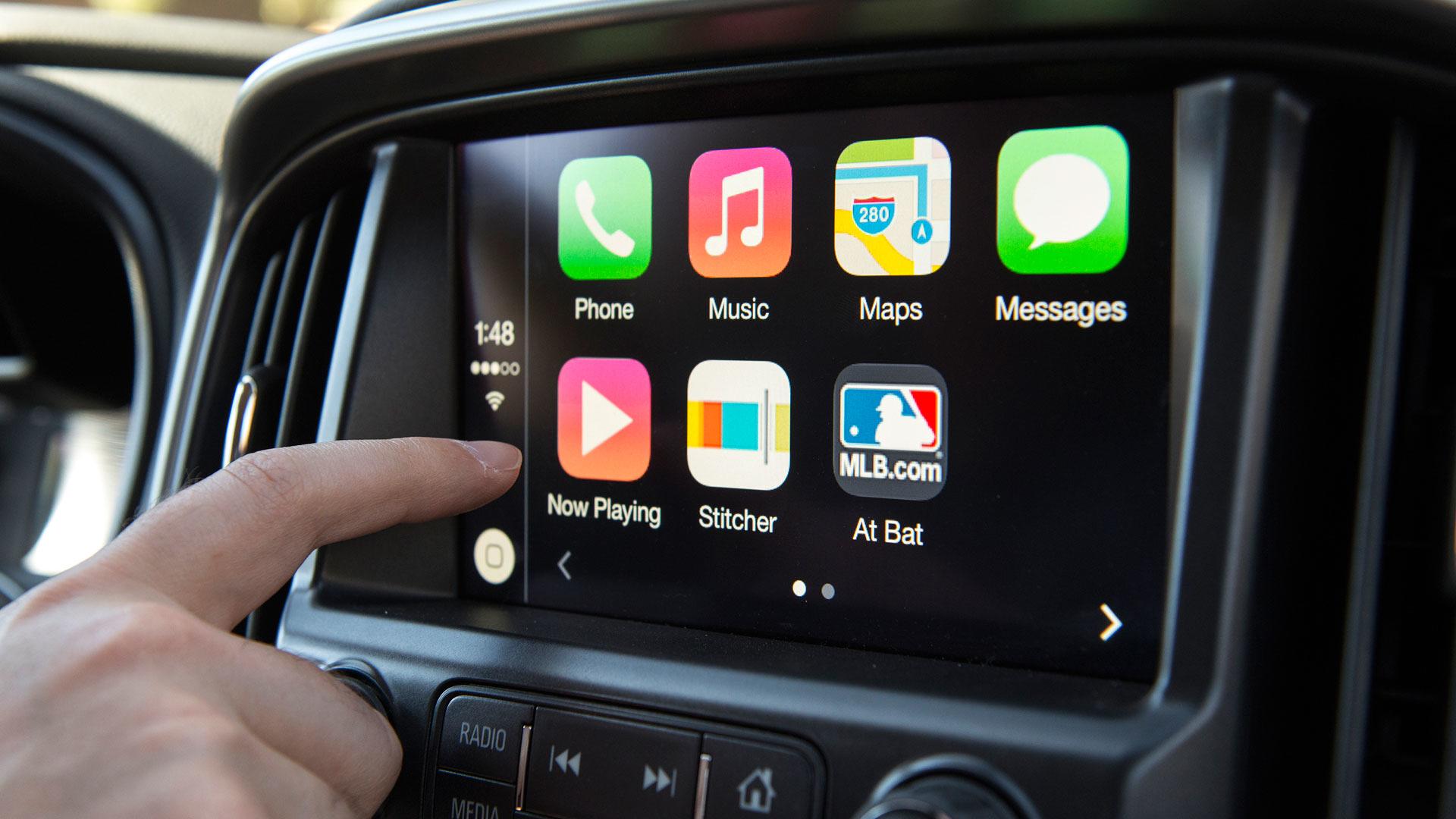
    According to several posts made on Google’s support forums, after the latest update to Android Auto 7.2, Google Maps just upped and disappeared. The app still shows up on the user’s handset and can still be accessed as long as the car is not connected to the phone. Outside of an Android Auto community specialist, Google has yet to acknowledge that this problem exists and with that in mind, the search giant has yet to issue a workaround.

    There is a solution, however, users with this problem can switch to another navigation and mapping app like Waze. Also owned by Google, Waze uses crowdsourced data to help it deliver the fastest and safest routes for users to follow. Unlike Google Maps, Waze concentrates on navigation although it can still lead you to gas stations and restaurants. Or, if using Google Maps is a must, just run the app through your phone instead of using Android Auto.

    One user who posted on Google’s forum said that prior to the latest Android Auto update, everything worked perfectly on his 2018 Audi Q7 and his Samsung S21 Ultra. Once he installed the update, Android Auto no longer appeared as an app on his phone home screen and could not be reinstalled. The Q7 display no longer includes Maps; after using his voice to call for the Google Maps app, he is told that “This application is not available on your device.”

    While he can navigate using Google Maps on his Galaxy S21 Ultra, his car no longer displays maps and the turn-by-turn directions can not be heard from his car’s speaker. After talking with Samsung, the man says that he was told that the issue is not with his Galaxy S handset, but with Android Auto.

    In his post, he notes that he tried uninstalling and reinstalling updates, rebooting the phone, and re-setup Android Auto on his car, all to no avail. A subsequent post was sent in by a person with a similar story who uses a Galaxy S20 Ultra running Android 12. This person also lost Google Maps on Android Auto.

    The aforementioned community specialist with the Android Auto team responded by saying, “Thanks for reporting this issue. We have reached out to you via email to collect more information. Please share the required details.” So at this point, we have to assume that Google is not totally familiar with the issue.

    If you are affected by this bug,, you should simply use Google Maps on your handset, or switch to Waze on Android Auto. Either way, you will need to wait for Google to make the necessary repair through an OTA software update.

    Speaking of updates, Android Auto 7.2, the one that caused Google Maps to disappear, was released at the beginning of this year with no changelist.

    Have any of you found that Google Maps has disappeared from your Android Auto screen after installing the 7.2 update? If so, which one of our suggestions are you using? Did you decide to simply turn to your phone to run Google Maps, or are you continuing to use Android Auto and have switched to Waze. Let us know by dropping your comment in the box below.

  • Vietnam to begin 6G technology research and development

    Vietnam to begin 6G technology research and development

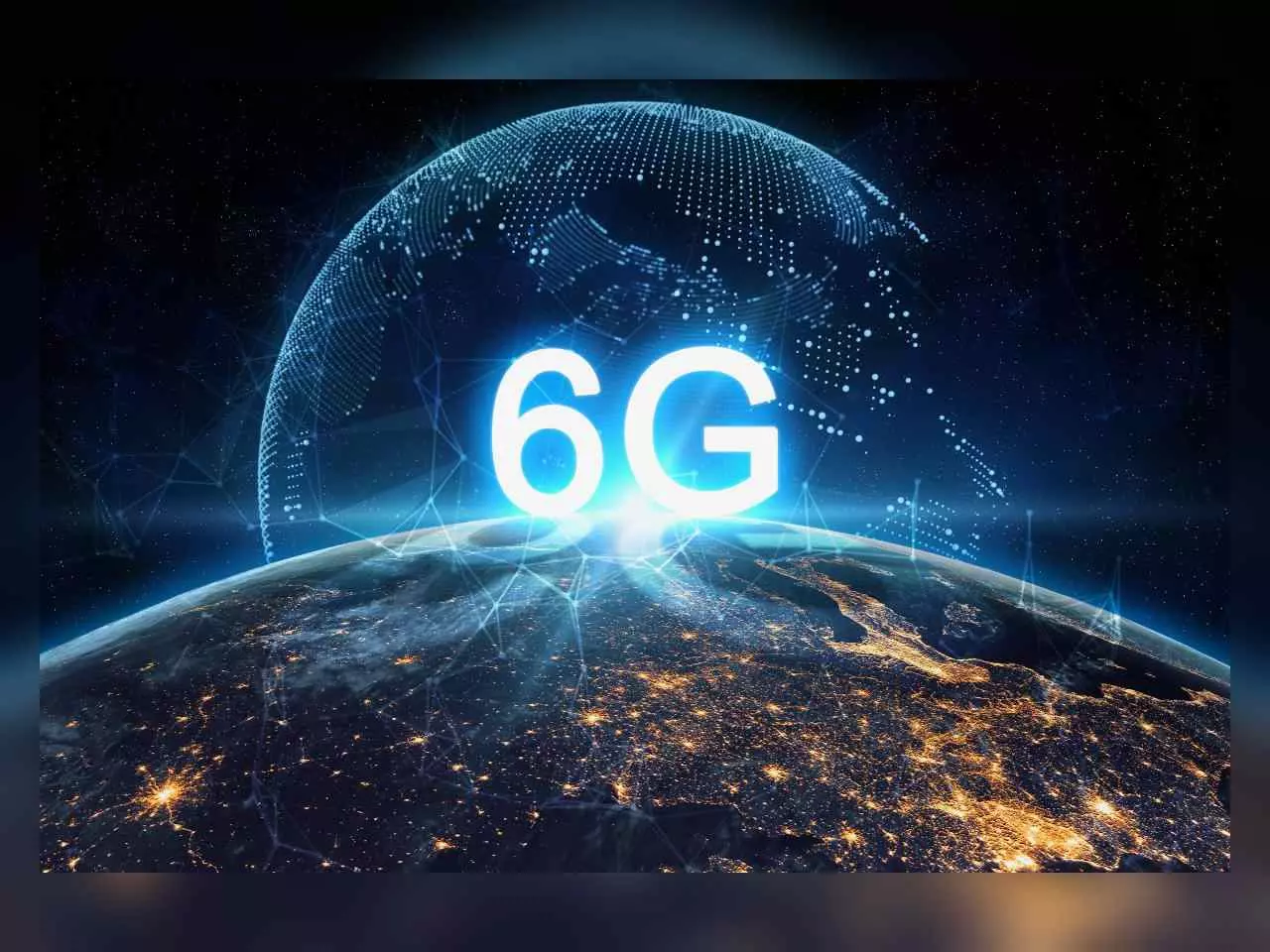
    Vietnam will start researching 6G wireless networks in 2022, says Information and Communications Minister Nguyen Manh Hung. Addressing a 2021 telecom review conference last weekend, Hung said Vietnam’s telecom industry should “be in the top group in terms of deploying 5G and developing 6G networks in the world.”

    He said Vietnam will carry out 6G research this year alongside nationwide deployment of the 5G network. According to the ministry Department of Telecommunications, a steering committee for 6G research development has been formed. Vietnam is one of the world’s first ten countries to set up this committee.

    Hung also set a target of 6G frequencies being licensed by 2028 before moving on to its commercial rollout.

    “Telecom networks must quickly transition to cloud-based and software-based architectures, so that the network becomes intelligent and flexible, and can be software-configured into numerous specialized sub-networks. Open RAN will be used as a technology for 5G, 6G development,” he said.

    Vietnamese companies should target to successfully research and manufacture 5G and 6G equipment, transmission equipment, and terminal equipment, he added.

    A representative of the department said that Vietnam will commercialize 5G this year and aim to have 25 percent of the population using the technology by 2025. He said 4G services currently cover 99.8 percent of the country.

    Three major telecom providers VNPT, MobiFone, and Viettel have been commercially trialing 5G services in 16 provinces and cities.

    6G technology is the next step after 5G that is being researched in a few countries including the U.S. and China.

    In theory, 6G could reach speeds of one terabit per second, it has been reported.

    The 6G network is expected to lay the groundwork for an “intelligent era” in which AI and robots become commonplace. However, no technical standards or frequencies for 6G have been agreed upon as yet.

  • Netflix’s price increase won’t affect T-Mobile customers

    Netflix’s price increase won’t affect T-Mobile customers

    As many of you probably know already, Netflix has raised prices of all plans in the United States and Canada. Starting this month, old and new Netflix subscribers will have to pay up to $2 more each month to benefit from the company’s streaming service.

    There are a few exceptions though, and if you’re a T-Mobile customer, we’re happy to report that the price hike won’t affect you. Assuming you already have Netflix included in your T-Mobile plan, the new pricing structure shouldn’t worry you at all. T-Mobile has just confirmed that “your Netflix is still on us,” which means that the Netflix benefit included in your plan remains on the carrier.

    If you’ve upgraded your Netflix on Us (to Standard or Premium), you will see Netflix’s price change reflected on your T-Mobile bill starting as their changes go into effect. However, if you wish to change your T-Mobile plan to start getting Netflix on Us, you can certainly do that in My T-Mobile.

    We previously reported that prices for all Netflix plans in the United States will increase from $1 to $2 per month. The new monthly price for the standard plan is now $15.50, exactly $1.5 more than last month. Also, the 4K Premium plan is now priced at $20 from $18. Finally, the basic plan will be $1 more expensive, so subscribers will now have to pay $10 per month.

  • Oppo’s first ever Android tablet leaks once again

    Oppo’s first ever Android tablet leaks once again

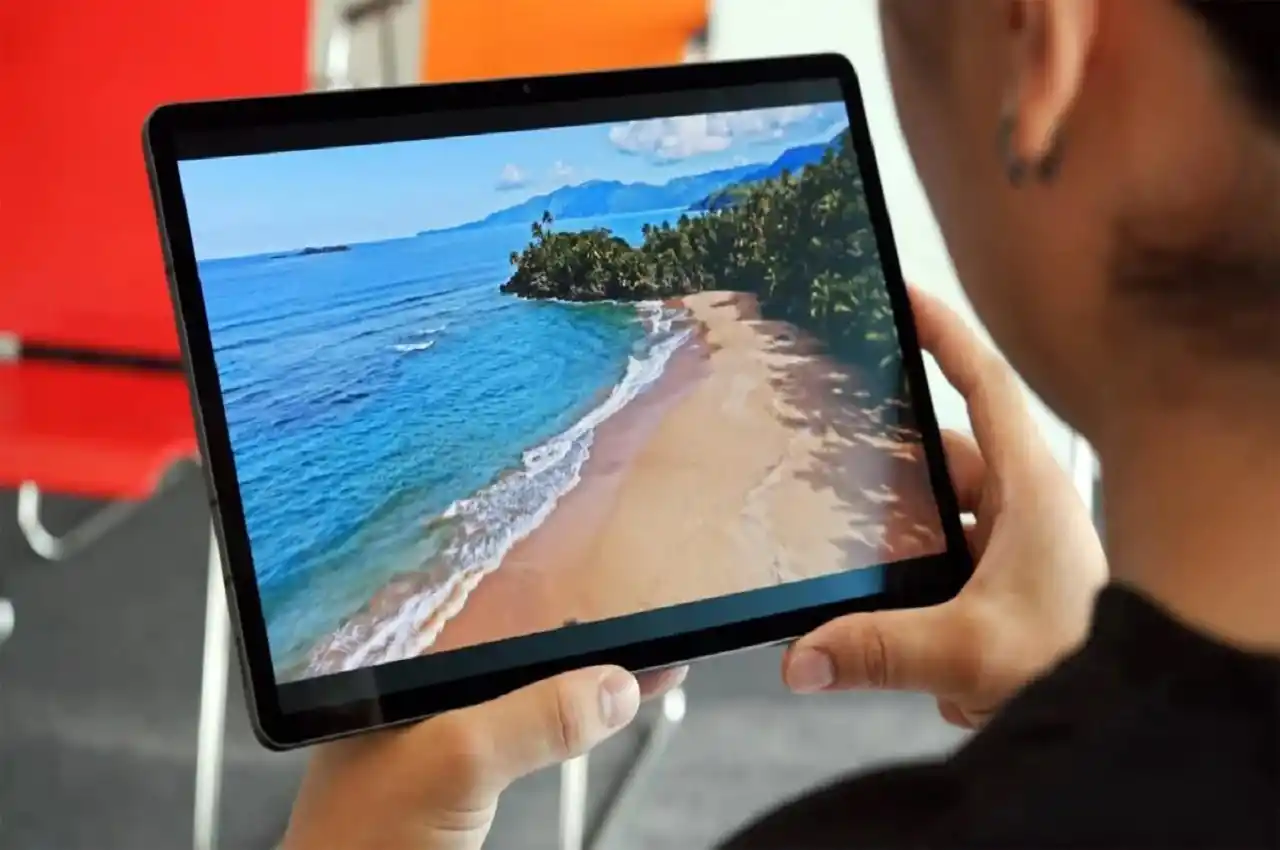
    Following rumors about OnePlus’ first Android tablet, sister company Oppo seems to have similar plans. Although nothing official has been announced yet, Oppo’s tablet has been recently spotted on Geekbench benchmark database.

    The listing uncovered by MySmartPrice reveals some of the tablet’s features like processor, memory and operating system, but the rest of the specs sheet remains a mystery. Apparently, Oppo has decided to pack a very powerful Qualcomm Snapdragon 870 processor inside its upcoming tablet.

    Tablets typically come in more than one version, so depending on the amount of memory/storage and type of connectivity, we might have more than one Oppo tablets, but we do know that at least one model will come with 6GB RAM.

    Unfortunately, the listing reveals the tablet runs Android 11, a real downside for such a powerful tablet. We’re really hoping Oppo will have a change of heart and ship its first ever tablet with Android 12 instead of an older version.

    The new Geekbench listing adds new information to a previous rumor that claims Oppo’s tablet will feature an LCD display with 120Hz refresh rate. The same report mentions a 13-megapixel main camera and a secondary 8-megapixel selfie snapper. Oppo’s Android tablet is expected to be initially launched in China, followed by a release in India in the first half of the year.

  • Vietnam grocery platform Mio secures US$8 million in Series A funds

    Vietnam grocery platform Mio secures US$8 million in Series A funds

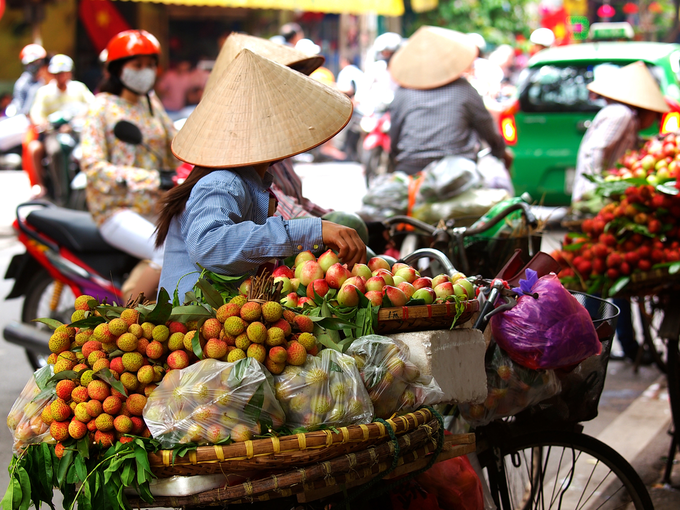
    Mio, a Vietnam-based social commerce startup, has raised US$8 million in a series A funding round led by Jungle Ventures. Patamar Capital, angel investor Oliver Jung, and existing investors such as Golden Gate Ventures, Venturra Discovery, Hustle Fund, iSeed SEA, and DoorDash executive Gokul Rajaram also participated in the round.

    The investment boosts Mio’s total funding raised to US$9.1 million.

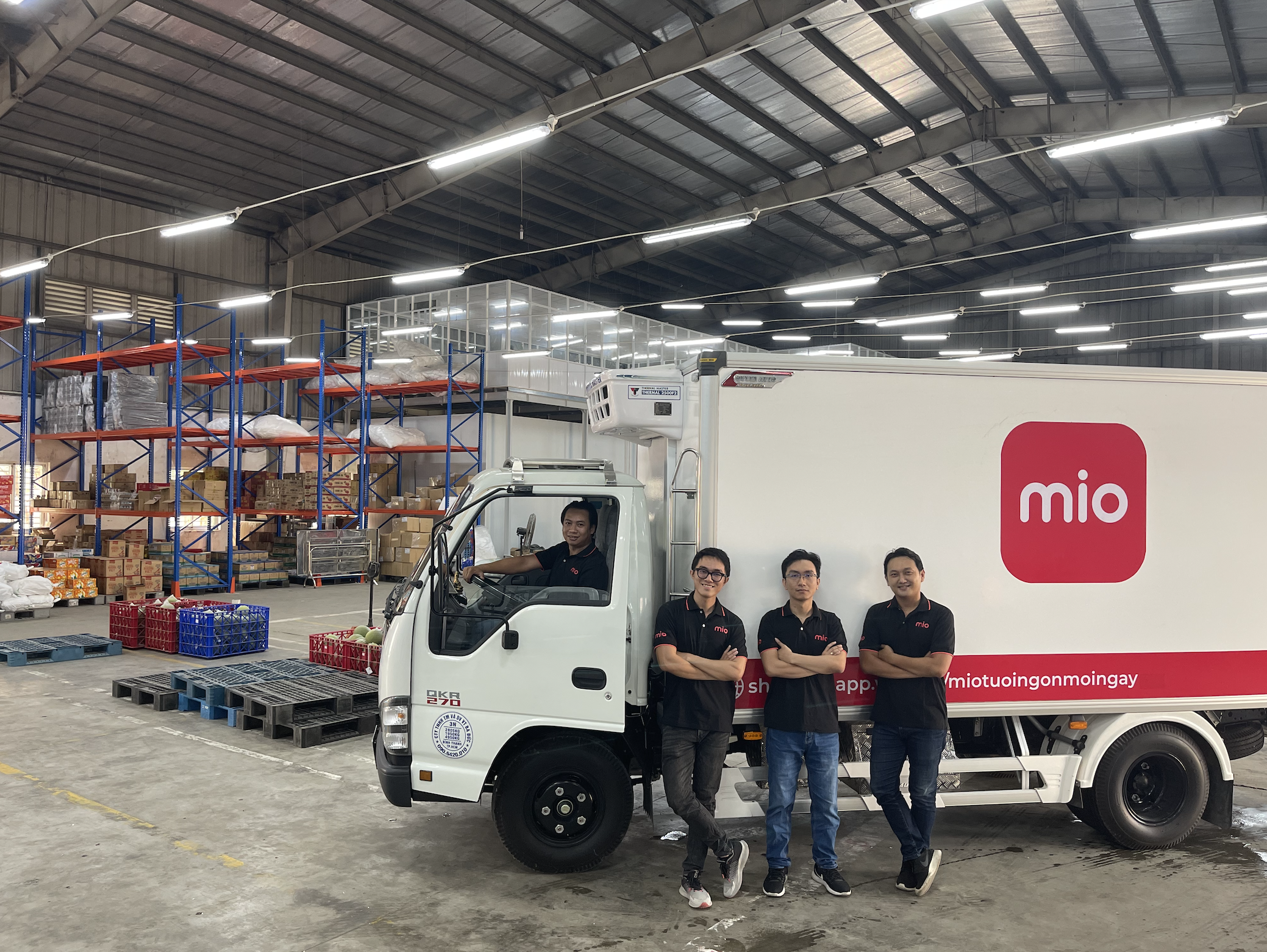
    Founded in June 2020, Mio uses a network of resellers to sell fresh produce such as fruit, vegetables, and meat. The company was set up by former IDG Ventures associate Trung Huynh, Scommerce co-founder An Pham, ex-DigiPay executive Tu Le, and former Uber Vietnam operations lead Long Pham.

    Around a year after its inception, when the company raised a US$1 million seed round, it had 150 active resellers. Today, that number has grown by 10x to 1,500. Mio’s gross merchandise value (GMV) has also increased by more than 50x in the last 12 months.

    Huynh credits the company’s growth to its referral programs, which offer a fee to resellers who can onboard other people to the platform. Existing resellers also get additional bonuses if the individual they refer performs well. In a statement, Mio said that each reseller can earn up to US$400 from these referral bonuses as well as from the 10% commission they get for every order they facilitate.

    “We spend very little in marketing. We don’t use digital marketing or billboards – we focus on the referral,” Huynh told Tech in Asia.

    Mio has around 240 employees, an increase of 5x since May last year. Around 50% of its headcount consists of its operational taskforce who work in the company’s warehouses and fulfillment centers.

    Mio plans to use the fresh funding to put up more fulfillment centers and tap into new cities in Vietnam. It currently covers Ho Chi Minh and its satellite cities, such as Binh Duong, Dong Nai, and Long An, which are located in the southern region of the country. This year, it plans to enter the northern region, where the country’s capital city of Hanoi is located.

    “Hanoi has similarities with Ho Chi Minh, and it also has several satellite cities. We aim to be present in 10 cities by the end of 2022,” Huynh noted.

    The company also wants to improve its logistics and supply chain, which Huynh said is important for Mio in the long run. That’s why the company prefers to control fulfillment centers and the delivery process itself. Today, its delivery courier can handle almost 80% of the company’s total transactions.

    “During the time when the order is spiked, or there is a special event, we cooperate with third-party logistics,” Huynh said.

    The company currently sells more than 10,000 products every day, and it targets to fulfill 100,000 orders per day by the end of 2022.

    Huynh revealed that he sees interest from businesses in the hotel, restaurant, and cafe sector that want to source fresh produce from his company in bulk due to the attractive prices. With the pressure to increase GMVs after raising a significant amount of funding, Huynh finds the offers tempting.

    However, he consistently rejects such requests to keep the company focused on using its reseller network and reaching customers nationwide.

    Mio has expanded its offerings to FMCG products due to requests from its customers. However, these offerings only occupy around 10% of Mio’s total stock keeping units. Huynh explained that while FMCG products are easier for fulfillment – as they typically have a longer shelf life than other categories – they bring lower margins.

    “Majority of our GMV still comes from fresh produce, so it will still be our focus,” Huynh added.

  • Starbucks expands delivery services in China with Meituan tie-up

    Starbucks expands delivery services in China with Meituan tie-up

    Starbucks said on Tuesday it has entered into a partnership with China’s Meituan that will allow its Chinese customers to order coffee delivery via the super app’s platform.

    The move will expand the U.S. coffee chain’s delivery footprint in China, which has since 2018 used Alibaba Group’s Ele.me as its exclusive delivery partner.

    The two companies will also launch a service that will allow Meituan users to make private bookings for a tasting of coffees and learn to make them at Starbucks stores, it said.

    Starbucks has 5,360 stores in more than 200 Chinese cities, making it the second-largest market only after the United States, according to the company’s most recent earnings report.

    The company also said it would utilize Meituan’s “superstore” feature under the partnership which will see each of its stores have its own unique page on Meituan’s platforms by the end of this year, from which customers can book food delivery services or check local events.

  • First Adidas Brand Centre launches in Singapore, brand’s largest there yet

    First Adidas Brand Centre launches in Singapore, brand’s largest there yet

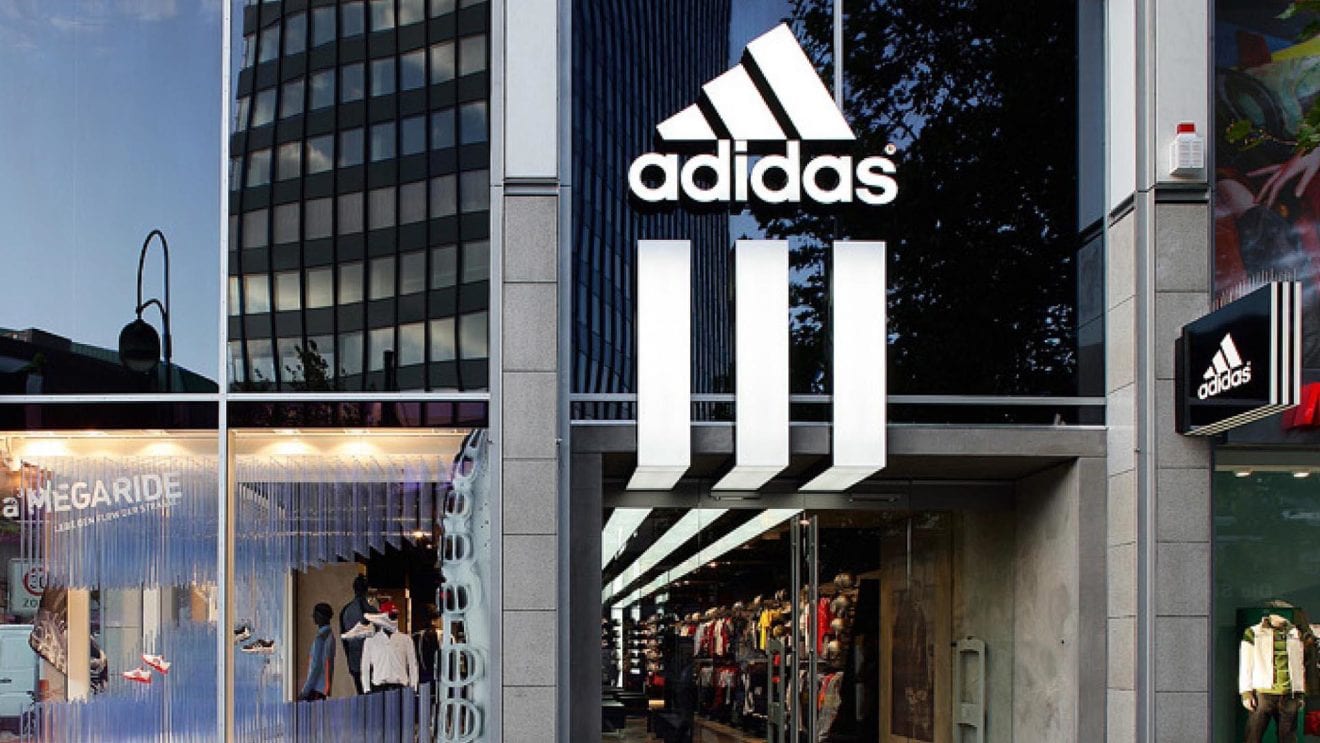
    Sportswear brand Adidas launched its first Singapore brand center, named Homeground, in Knightsbridge along Orchard Road. Occupying three floors, it claims to be the largest mono-brand retail sports destination in the country. It offers the largest array of Adidas performance and Originals apparel, footwear, as well as accessories in Singapore.

    Adidas claims that the design of the brand center is “deeply rooted in Singapore identity” and “celebrates its diversity as a multicultural country”. Created in partnership with numerous local designers, the design takes inspiration from iconic everyday Singapore scenes. For example, a wall-mounted mural that takes the form of an Adidas shoe is actually a collage of locally-inspired elements weaved together in a wall-mounted mural.

    In addition, the brand center’s sustainability wall is inspired by the coastline of the Singapore River and is made with layers of crafted reclaimed wood.

    The “Local Delights” section features vibrant artwork that is inspired by traditional cakes and snacks such as Tutu Kueh, Ang Ku Kueh, Kueh Bahulu, Muruku, and the colorful Kueh Lapis cake.

    There’s also an anamorphic ceiling installation in the MakerLab, where 180 pieces of stainless-steel trefoils come together to form an intricate ceiling artwork that is both a trefoil and the coastline of Singapore at the same time.

    Besides enjoying first-in-region launches and Singapore exclusives at the Homeground store, shoppers can look forward to the Singapore Key City Tee, a local-themed graphic print t-shirt.

    In line with the brand center’s launch, Adidas will be rolling out the “Bring it to Me” service over the next few months, which will be exclusive to the brand centre.

    Shoppers can have the products delivered to them as they continue browsing the other items at the store by scanning the footwear via the Adidas app or QR code to indicate their preferred sizes.

    For more information, you can check out the Adidas Homeground website, Adidas Singapore’s Instagram, and Facebook pages.

  • Cognac sales jump 31 per cent as drinkers go upmarket

    Cognac sales jump 31 per cent as drinkers go upmarket

    Cognac sales surged by nearly a third last year as American and Chinese drinkers guzzled old vintages, in the latest sign premium drinks makers are putting the pandemic behind them.

    Sales of the brandy, produced in the Cognac region of France, rose by almost 31 percent in value to €3.6 billion (US$4.1 billion), industry group BNIC said on Monday.

    Volumes were up 16 percent to 223.2 million bottles.

    “This growth reflects a real recovery of cognac, as well as new consumption habits,” BNIC said in a statement, noting sales had also risen compared with 2019, before the pandemic struck.

    The outlook should remain positive in the coming months for all destinations, BNIC added.

    The news comes after France’s champagne industry said last month it expected record sales in 2021, and follows strong results from several spirits companies.

    Cognac sales to its largest market, the United States, climbed 11 percent, with 115 million bottles shipped in 2021.

    Sales to China, its second-biggest, leapt 56 percent with 34 million bottles shipped, while European sales were up 8 percent to reach 37.1 million bottles.

    In late November, spirits group Remy Cointreau raised its full-year profit forecast after a better-than-expected first half, driven by strong demand for its premium cognac in China, the United States, and Europe.

    Pernod Ricard, which owns Martell cognac, also pointed to a jump in sales in China.

    The 2021 harvest, at 867,312 hectolitres, was within the 10-year average and should support further growth for the sector, BNIC said.

  • Apple To Expand CarKey With Hyundai Partnership

    Apple To Expand CarKey With Hyundai Partnership

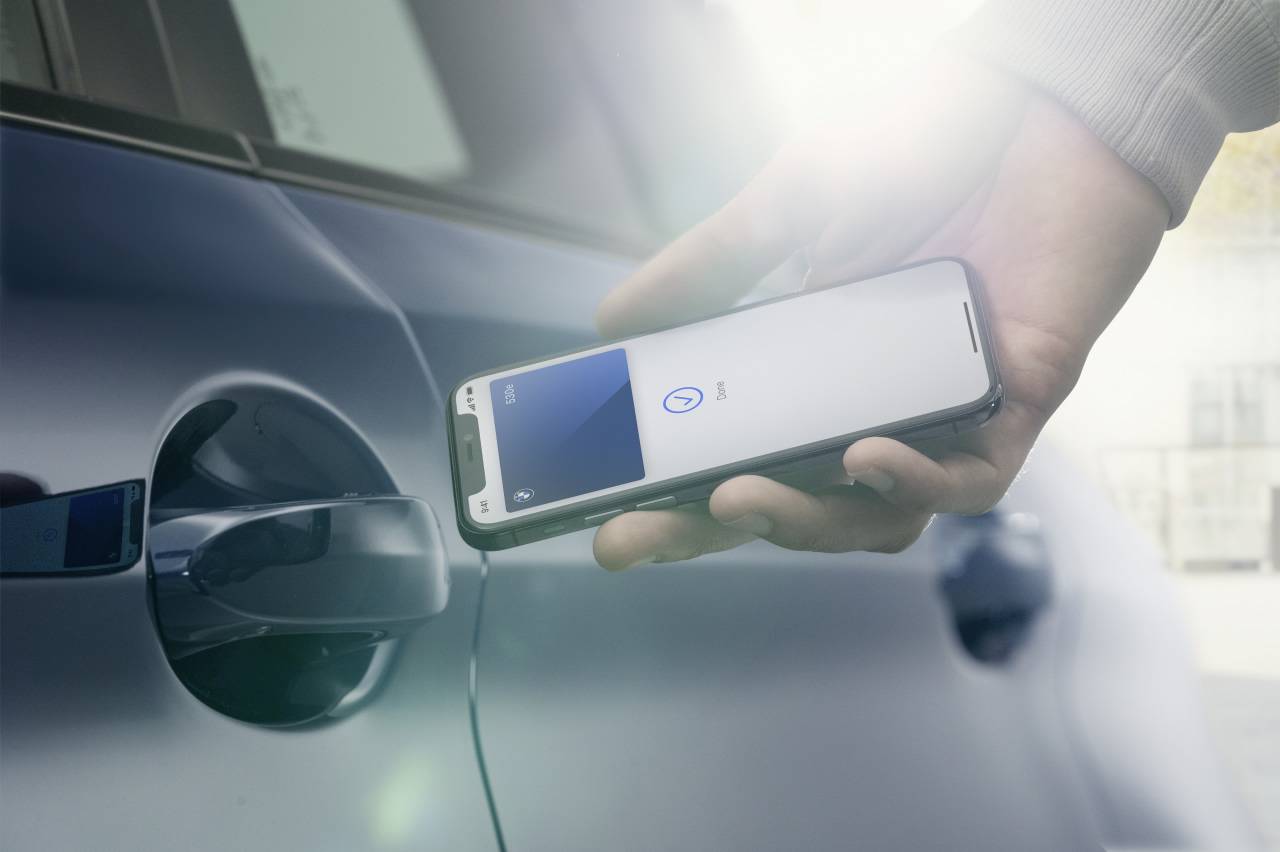
    Apple is preparing to expand its CarKey feature which was first announced at WWDC 2020. The feature, two years into its unveil, has been relegated to select BMW models in limited countries but now according to famed Apple watcher Mark Gurman, the feature could be coming to Hyundai vehicles and cars from its premium luxury brand Genesis. The feature is expected to roll out by summer 2022, and likely will be announced at Apple’s 2022 WWDC conference which could happen in June.

    This is interesting as Apple and Hyundai have become strange bedfellows after Hyundai revealed that it was in talks with the Cupertino-based gadget maker for the manufacturing of the Apple Car project which has been in limbo for a long time. Apple is said to have pulled back from any engagement after Hyundai made unsolicited disclosures.

    But this expansion of CarKey is crucial as Google has made more headway with Android Auto and a similar feature that was announced last year at Google I/O. On top of this Google has also managed to onboard several key manufacturers for Android Automotive – like Volvo and Ford – which is its operating system for the car infotainment system. Google of course is also the pioneer of self-driving technology as Waymo spawned out of its skunkworks Google X unit and has since been the flag bearer of autonomous cars.

    Google, Apple’s prime rival in the modern computing rival has had the leg up on the in-car experience and Apple has to make moves to catch up. Luckily, Apple has been building towards an expanded CarKey rollout as codebase leaks in iOS 15 have also suggested the same, though this could happen with iOS 16 which is around the corner.

  • Telenor Group exits Wave Money

    Telenor Group exits Wave Money

    Telenor Group and Yoma Strategic have entered into an agreement to sell Telenor Group’s 51% share of Digital Money Myanmar Limited (“Wave Money”) for USD 53 million to Yoma MFS Holdings Pte. Ltd, a subsidiary of Yoma Strategic.

    This subsidiary is to be funded by a consortium of investors led by Yoma Strategic which remains subject to completion and final funding. When the transaction is concluded, Yoma Strategic will become the largest and controlling shareholder of Wave Money, ensuring that the company continue operations and further extend its leading role in Myanmar’s fintech sector.

    Wave Money is a leading provider of money transfer and digital payment solutions in Myanmar. The company was launched in November 2016 as a joint venture between Yoma Bank and Telenor Group, after the fintech pioneer was awarded a license to become the first non-bank institution to work under Myanmar’s new Mobile Financial Services Regulation.

    In 2020, Wave Money processed a total of US$ 8.7 billion in remittance and payments, which represented around 12% of Myanmar’s GDP. The company runs a network of more than 45,000 active agents or “Wave Shops” in urban and rural areas across 295 out of the 330 townships nationwide. The business has seen a significant recovery in volumes since June 2021 with the trend expected to continue.

    “This acquisition reinforces Yoma Strategic’s desire to build a strong financial and technology ecosystem in the country over the long term. The digitization in the economy, in particular in financial services, has been remarkable for Myanmar. We are pleased that Wave Money has positively transformed the way of life of people in Myanmar, bringing financial inclusion to the mass,” says Melvyn Pun, CEO, Yoma Strategic.

    “Telenor is proud to have been part of Wave Money’s journey to empower the people of Myanmar with country-wide access to financial services. We have worked in partnership with Yoma Strategic to ensure that anyone from anywhere can digitally send and receive money, make contactless and secure payments in-stores or online using the market-leading mobile Wallet App of Wave Money. We are confident that Yoma have the commitment and vision to take Wave Money forward to the next level of driving financial inclusion”, says Lars Erik Tellmann, head of financial services in Telenor Group.

    The agreement between Yoma Strategic and Telenor Group completes the divestment process announced in June 2020. The transaction is subject to various conditions to be completed, among them regulatory approval from the Myanmar Central Bank.

  • Value-added tax to be cut to 8 pct from February

    Value-added tax to be cut to 8 pct from February

    A draft government decree reduces value-added tax on many products and services from the current 10 percent to 8 percent from Feb. 1.

    The decree on tax reduction to foster economic recovery approved by the National Assembly will also make expenses on pandemic prevention deductible.

    The VAT cut will lead to a loss of some VND49.4 trillion (over $2.1 billion) in revenues, according to the Ministry of Finance.

    The deductible expenses will lead to a loss of VND2 trillion.

    The lower VAT rate will not apply to telecommunications, information technology, financial activities, banking, securities, insurance, real estate, metal, and prefabricated metal products, mining (excluding coal), coke, refined petroleum, chemicals, and chemical products, and goods and services subject to excise tax.

  • Unilever says GSK consumer arm ‘strong strategic fit’ for business

    Unilever says GSK consumer arm ‘strong strategic fit’ for business

    Dove soap maker Unilever signaled on Monday it would pursue a deal for GlaxoSmithKline’s consumer health business, calling it a “strong strategic fit” after its 50-billion-pound approach ($68.4 billion) was rejected.

    The update comes after GSK confirmed over the weekend that it had rejected the Unilever offer for its consumer healthcare business, which is home to brands such as Sensodyne toothpaste and Emergen-C vitamin supplement.

    “The acquisition would create scale and a growth platform for the combined portfolio in the U.S., China and India, with further opportunities in other emerging markets,” Unilever said, pointing to synergies in the oral care and vitamin supplements business.

    Unilever held talks with banks about additional financing for a potential sweetened offer for GSK’s consumer products division, Bloomberg News reported on Sunday, citing people familiar with the matter.

    Unilever, which is set to announce an initiative later this month to strengthen its business, said on Monday it was committed to “strict financial discipline” for any acquisitions.

  • Asia Commercial Bank has new CEO

    Asia Commercial Bank has new CEO

    Deputy CEO of Asia Commercial Bank (ACB) Tu Tien Phat became its CEO Friday, replacing Do Minh Toan who led the bank for more than nine years.

    Before his appointment as CEO for the 2022-2025 term, Phat was ACB’s Deputy CEO cum head of retail banking since 2015.

    Phat, born in 1974, has an MBA degree and more than 25 years of experience in banking and finance.

    Asia Commercial Joint Stock Bank said reported flat profits of VND2.6 trillion ($114.09 million) for Q3, 2021, as operating expenses and provision for bad debts rose sharply.

    The bank’s total assets rose by 8 percent to VND479.3 trillion.

  • In one country, the Apple Tax appears to be crushed for certain apps

    In one country, the Apple Tax appears to be crushed for certain apps

    Sundar Pichai and  Mark Zuckerberg, the CEOs of Google and Facebook respectively, allegedly signed off a secret and illegal ad deal according to BuzzFeed. As a result, Facebook was given “information, speed, and other advantages” during auctions for ad space run by Google. Yesterday, unredacted court documents revealed the involvement of the two CEOs in the deal.

    The documents are from a complaint originated by Texas and other states in December 2020 that accused Google of committing “false, deceptive, or misleading acts” while running its buy-and-sell auction system for digital ads. The complaint states that Google teamed up with Facebook in 2018 that Google called “Jedi Blue,” a name that riffs on the Star Wars movie franchise.

    Facebook unnerved Google by promoting a method called “header bidding” that was a threat to Google. With “header bidding,” publishers offer inventory to multiple ad exchanges before calling their ad servers. By hiking demand for limited inventory, publishers make more money.

    According to the complaint that was released on Friday, “Google understood the severity of the threat to its position if Facebook were to enter the market and support header bidding. To diffuse this threat, Google made overtures to Facebook.” The deal was made at the highest level of both companies and the complaint notes that “Google CEO Sundar Pichai also personally signed off on the terms of the deal.”

    The complaint also revealed that Facebook CEO Zuckerberg wanted to meet with the company’s COO Sheryl Sandberg before making a decision. While employees’ names were redacted in the court documents, their titles weren’t.

    Both Google and Facebook are under pressure for using anti-competitive methods. Google says that the lawsuit isn’t accurate, and company spokesperson Peter Schottenfels said, “We sign hundreds of agreements every year that don’t require CEO approval, and this was no different. And contrary to AG Paxton’s claims, the fact of this agreement was never a secret — it was well-publicized. It simply enables FAN [Facebook Audience Network] and the advertisers it represents to participate in Open Bidding, just like over 25 other partners do.”

    Facebook’s corporate parent Meta agreed with Google that the deal between the two tech giants did not call for Facebook to receive any particular advantages that other companies were not being given. “Meta’s non-exclusive bidding agreement with Google and the similar agreements we have with other bidding platforms, have helped to increase competition for ad placements,” said Meta spokesperson Stephen Peters. “These business relationships enable Meta to deliver more value to advertisers while fairly compensating publishers, resulting in better outcomes for all.”

    As you might have expected, Google is planning to ask a judge to toss the case. Both Google and Facebook have been under fire from lawmakers for antitrust issues. Last summer, bills were introduced in Congress with lawmakers worried that firms like Google, Facebook, Amazon, and Apple were using their dominance in businesses like online shopping, search, and entertainment in order to crush their competition.

    Additionally, Congress is concerned that these firms are making acquisitions that never should have received approval from antitrust regulatory agencies. As a result, there has been a call in Washington D.C. to force tech giants to break up into smaller companies.

    Last year, the filing fees imposed on transactions valued at over $1 billion rose while the same fees for transactions valued at less than $500,000 would decrease. The idea is to give tech giants the incentive to purchase smaller firms instead of larger ones. In addition, the higher fees are expected to generate $135 million for antitrust enforcement agencies in its first year.