Author: Mei Ling Tan

  • Tobacco giant pursues green growth

    Tobacco giant pursues green growth

    The circular economy model helps production and business activities develop sustainably and creates added value ​​in the community, said a representative of British American Tobacco (BAT).

    Vietnam has been integrating more and more deeply into the global economy through free trade agreements that include provisions on sustainable development and oblige all parties to comply with emissions standards.

    These constraints are also consistent with the contents mentioned in the United Nations 17 Sustainable Development Goals for the period 2015-2030 that Vietnam and its businesses are pursuing.

    These include eradicating hunger, ensuring food security and improving nutrition, developing sustainable agriculture, ensuring sustainable production and consumption patterns, and promoting long-term, inclusive and sustainable economic growth as well as productive and good work for all.

    Currently, 90 percent of tobacco plantations in Gia Lai is invested in by businesses following the cooperation model with the participation of enterprises, farmers, authorities and scientists. Vietnam Tobacco Corporation (Vinataba) is working with joint venture partners like British American Tobacco (BAT) to support farmers through seed investment (creation of new varieties with high yields), investment in fertilizers, agricultural mechanization (from gardening to irrigation), and organizing technical training for farmers to show them how to tend to their crops for the best quality and highest productivity.

    Besides, the Vinataba-BAT joint venture is interested in conserving biodiversity, saving irrigation water, protecting forests, and committing to not using natural forest firewood, while improving soil fertility, managing energy, and reducing water pollution in their plantations.

    After more than 15 years of developing tobacco plantations in Vietnam, BAT has helped to provide incomes 30 percent higher than the investment norm, and now over 90 percent of farmers are attached to the industry since its inception.

    In 2020, after 10 years of implementation, the use of BAT’s new hybrid varieties reached 54 percent. Meanwhile, the implementation of mechanization had helped save more than 20 percent of costs and labor for farmers.

    Pham Hung Anh Tuan, head of operations, BAT East Asia, said the application of circular economy principles needs to be adapted across the entire value chain, thereby providing opportunities for innovations and reducing overall environmental impact.

    “Effective application of sustainability has helped BAT on a global scale to be continuously recognized on Dow Jones Sustainability Index and continuously recognized as a Diversity Leader by Financial Times,” said Tuan.

    In addition to these efforts to develop sustainable growing areas, the BAT-Vinataba tobacco joint venture factory in Bien Hoa (Dong Nai) has implemented a range of initiatives focused on sustainable production and consumption, such as reducing water use (2 percent per year) and collecting rainwater to use instead of source water, production wastewater being reused instead of being discharged into the environment.

    Along with meeting the environmental A standard, the wastewater system at the BAT-Vinataba factory has been used for deodorizing and other water-saving activities. Kitchen waste, leaves, tobacco dust, sewage sludge, etc. are collected and transferred to the fertilizer production company.

    Up to now, BAT’s factories in Vietnam have completely switched to using biomass in the combustion boilers, contributing to increasing the rate of renewable energy use in Vietnam by the end of the third quarter of 2021 by 26 percent, doubling the plan set out for the year.

    A total 100 percent of lighting systems in factories have switched to LEDs, saving more than 40 percent of lighting energy compared to using conventional light bulbs.

    Thanks to the activities, 2021 was the third year that BAT was honored on the list of the 100 Most Sustainable Companies (CSI) in Vietnam organized by VCCI-VBCSD.

    Towards 2025, BAT in Vietnam will continue to make efforts to achieve its sustainable development goals. BAT aims to eliminate all unnecessary single-use plastics in packaging, achieving an average recycling rate of 30 percent for all plastic packaging. All plastic packaging products will be recyclable, reused, or biodegradable so they are environmentally friendly. A total 100 percent of BAT plants, including in Vietnam, will have zero landfill waste and 95 percent of waste will be recycled.

    As a member of the CSI organizing committee, Nguyen Quang Vinh, general secretary of Vietnam Chamber of Commerce and Industry, shared more about the Sustainable Business Index, developed by the VCCI and leading domestic and international experts to provide the community with an effective management tool and a measure to evaluate the level of sustainable development regarding aspects of the economy, society and environmental protection of enterprises.

    “We acknowledge BAT’s contributions to the sustainable development of Vietnam over the years in terms of environment, society and corporate governance,” said Vinh.

  • Netflix fails to reach its growth forecast, stocks suddenly plummet

    Netflix fails to reach its growth forecast, stocks suddenly plummet

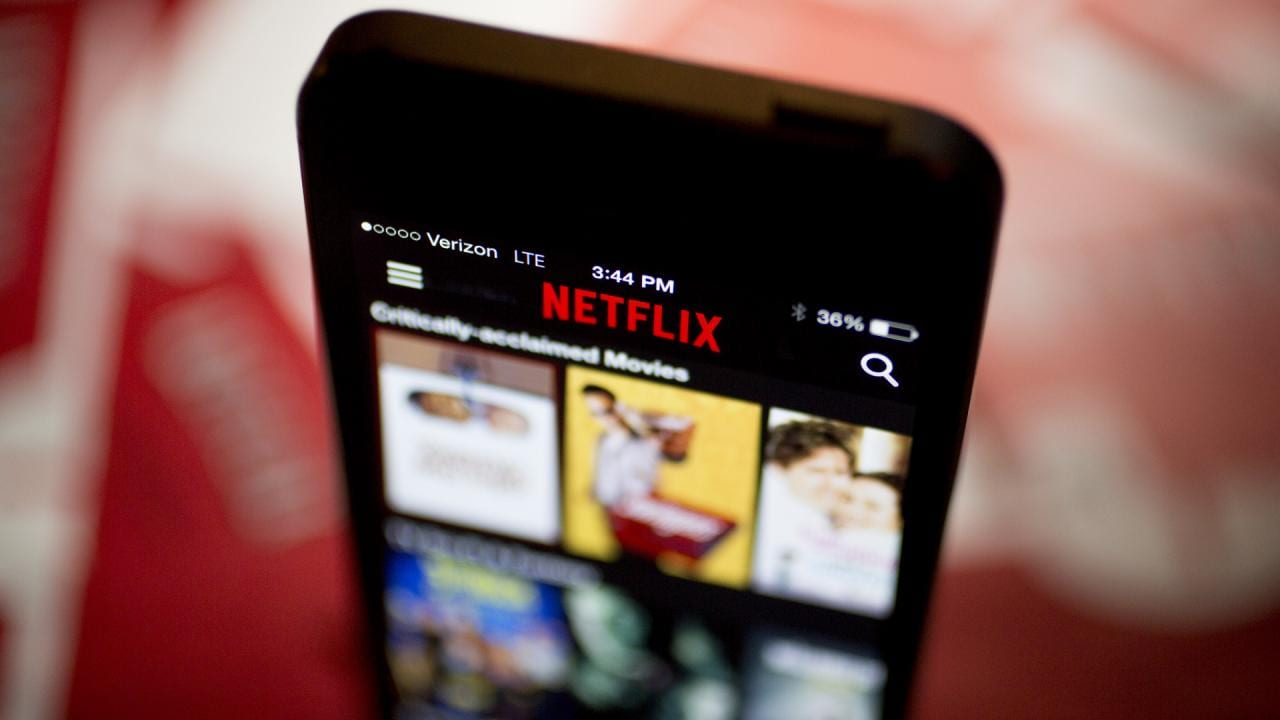
    Netflix investors haven’t been happy with the company and its recently announced 2021 final quarter report. Netflix has failed to meet its forecast for subscriber count for the last quarter of 2021, and this has caused its stocks to plummet by a staggering 20%

    It seems that even before the report was released, investors were worried about the fact that the movie-streaming platform isn’t growing as much and as fast as it should. Unfortunately for Netflix, its report of subscriber additions was lower than what was projected by the company itself, and this is having a negative impact on its investors and its own stock.

    Its stock plummeted nearly 20% in response to the report, and this is the lowest the stock had dropped since June of 2020. Now, let’s check the numbers.

    Netflix’s forecast for subscriber additions was that it would report 222.06 million paid subscribers by the end of last year. However, the company reported that it ended the fourth quarter with 221.84 paid subscriber additions… well, the difference here is not major by any means, but it seems to have caused investors to worry.

    The issue that investors are reportedly having with Netflix is its inability to find new ways to keep growing. The company’s own estimate shows that the next quarter will most likely have a low subscriber growth as well, which is not particularly encouraging news.

    According to its new estimate, Netflix expects to add 2.5 million subscribers in the first quarter of this year. This estimation is down from the 4 million that the company achieved during the same period last year.

    However, with all this being said, there are still many people coming to Netflix and paying for the movie streaming service. Netflix experienced revenue growth of 16% year-on-year, and paid memberships rose by 9% from last year. These numbers pretty much mean that Netflix is still growing, although a bit slower, but still, regularly.

    The company noted that although subscriber retention and engagement levels are remaining healthy, the acquisition growth has not yet accelerated to what it was before the pandemic. Additionally, the company added that the slower subscriber growth could be due to factors including the pandemic and macro-economic hardships that several parts of the world are currently undergoing.

    In the report, Netflix did not say much about its recent price hike in the US. Instead of commenting on it, the company pointed to its recent Play Something feature as one example of how it adds additional value for its subscribers. Additionally, the company seems to have also brushed off discussions and investors’ concerns about its rising rivals before the investor call.

    Netflix stated that the added competition could be affecting the company’s growth, but despite the growing competition, it is still continuing to grow in every country and region where new streaming alternatives have launched. The company underlined that the greatest opportunity in entertainment right now is to transition from linear (basically the traditional way to watch TV programs) to streaming. Basically, with under 10% of total TV screen time in the US, which is Netflix’s biggest market, the company has loads of room to grow and improve.

    However, it seems Netflix’s biggest concern is that its growth and signups are slowing down in pace even during a quarter in which it launched two of its most-viewed films, Red Notice and Don’t Look Up. The company will definitely need ways to justify the lack of acceleration in its subscriber growth or find ways to account for it to keep its investors calm.

  • TikTok is testing paid subscriptions to allow creators to charge for their content

    TikTok is testing paid subscriptions to allow creators to charge for their content

    A TikTok spokesperson said that TikTok is testing paid subscriptions. This new feature would allow TikTok creators to charge followers with a subscription to their content.

    TikTok’s spokesperson didn’t provide specific information about the testing and how this new feature may work. The spokesperson also didn’t provide any information about pricing or possible subscription plans.

    Currently, TikTok has a few monetization features in place to enable its creators to earn more. Fans can send money to creators via their profiles, and viewers can purchase virtual gifts using the app and then send them to creators, which they can exchange for real money.

    TikTok said, “We’re always thinking about new ways to bring value to our community and enrich the TikTok experience.”

    The Information report comes right after Instagram revealed that it had begun testing a similar subscription feature. As previously reported, Instagram’s subscription feature is currently available only to ten content creators, but Instagram said that this number would increase in time. The prices of Instagram’s subscriptions may vary from $0.99 to $99.99 per month, and creators will be able to select the prices of the subscriptions themselves. Subscribers will have access to exclusive Instagram Stories as well as Instagram Live, which is a real-time video stream.

  • Instagram will try to hide “potentially harmful” content

    Instagram will try to hide “potentially harmful” content

    In the vast cyber jungle we call The Internet there are potential threats lurking in every dark corner, every thick bush. Now, dramatic preludes aside, there is a lot of bad content around the web – such as the pornography that spam bots were peddling on Instagram.

    The popular social network has been constantly testing new methods to filter potentially harmful content, and even halted the development of Instagram Kids, following recent backlash. Now the company has shared another slew of changes on its official blog, aimed to limit the visibility of potentially harmful content.

    Here’s a breakdown of all the changes:

    • Instagram will continue to remove content that goes against its Community Guideline, but now posts that may contain bullying or hate speech, or that may encourage violence, will be shown further down in Feed and Stories.
    • Instagram will down-rank potentially upsetting posts in your Feed based on your history of reporting content.
    • These changes only impact individual posts, not accounts overall. Instagram will also note the violators why their posts have been removed.

    Instagram already has algorithms in place to flag harmful content but now the company is targeting borderline posts and potential gray zones. “To understand if something may break our rules, we’ll look at things like if a caption is similar to a caption that previously broke our rules,” Instagram wrote in an update.

    The second bullet point in the changelog means that Instagram will try to predict the posts you’re likely to report and preemptively down-rank them in your Feed.

    It’s also worth noting that up until now Instagram algorithms have tried to hide harmful content from parts of the app visible to the public users, such as Explore. With the aforementioned changes in place, these posts will also be down-ranked for users following the account posting such content. The changes are already in effect, so be careful what you post, guys and girls!

  • How Subway keeps it fresh

    How Subway keeps it fresh

    For the longest time, we’ve been hearing the same tagline from Subway: Eat Fresh! Since its inception in 1965, it’s what the brand wants us to associate with when consuming their footlong subs: only the freshest and the healthiest ingredients are used to make them. And it works! After all, we can’t help but cave into the enticing idea that we can eat fast food that’s at the same time, good for our bodies too. The customization factor is the cherry on top.

    It’s the reason why over the decades, the total number of Subway outlets very quickly exceeded that of McDonald’s: a sure sign that this “healthy fast food” concept is a hit with everyone around the globe.

    Of course, the infamous entrance of Jared Fogle and his heavily marketed 200-pound weight-loss story by solely eating at Subway only served to cement the brand as a prominent leader in this growing trend. And when I say trend, it literally paved the way for household favorites such as the iconic Chipotle burrito bowl and Chick-Fil-A’s grilled chicken wrap.

    So yeah, Subway’s marketing has been a phenomenal success, to say the least.

    Now, why am I rambling on about the sub-making food chain’s marketing tactics/brand angle? Well, that’s because the brand recently had a massive overhaul, bringing in dozens of changes and even a new slogan to boot.

    However, this has not come without intense public dissent, which you’ll read about in just a bit. But for now, let’s dive a little more into Subway’s new “Eat Fresh Refresh” campaign.

    Just last month, Subway announced that it was going to be making pivotal changes to its brand with its campaign launch, simply titled “Eat Fresh Refresh”.

    Extending its all-familiar tagline this time, the “Refresh” part stems from having a complete relaunch of its menu items and ingredients (yes, even their secret seasoning), coupled with a revamped mobile app alongside physical dining experience.

    Some of these new ingredients include sliced ham and turkey, hickory-smoked bacon, and will you believe it, parmesan vinaigrette.

    They’re even debuting never-seen-before sandwiches, such as the Turkey Cali Fresh, Steak Cali Fresh, and All-American Club. Talk about big changes!

    According to Subway CMO Carrie Walsh, this entire revamp has been been in progress for the past two years, but the main objective is that they want to give the customers something robust and exciting for a change.

    It’s one of their largest campaigns to date. Roping in renowned agencies such as Dentsumcgarrybowen and Proof Advertising, the large investment will mostly be channeled to creating and boosting a wide range of unique creatives across all social media platforms.

    So what are some of the things that come with this campaign?

    First up, Subway has recruited big names such as Serena Williams, Megan Rapinoe, Tom Brady, and Stephen Curry to help promote their new brand direction.

    Mainly focused on sports-related celebrities, their goal is to spread the word that these celebrities too, can enjoy the new Subway food menu items while staying fit at all times.

    The promotional video above features the celebrity athletes sharing animatedly about the new sandwiches launch, alongside going in-depth about the quality of ingredients that they’ve upped since the campaign.

    This one is still in the works, but essentially, the app will feature a new dashboard, improved ordering flow, and even show real-time out-of-stock items.

    In addition, Subway will be even extending nationwide delivery to select areas, with orders that can be made straight from the app.

    Probably the part everyone is most excited for: as a celebratory gesture for the launch of “Eat Fresh Refresh”, Subway is giving out 50 free Turkey Calis in every participating outlet, which basically adds up to a total of a million free subs.

    Sadly, the campaign has been met with mixed to negative reviews since its launch, with many claiming that they’re just not seeing the actual changes.

    An in-depth review by the Washington Post claims that in their trips to the physical stores since the campaign launched, they’ve been sorely disappointed by the lack of difference in everything, from the menu to service.

    For example, even though Angus beef is one of the advertised new ingredients, it will not actually appear on the menu until the latter half of the year.

    That’s quite a let-down, considering that the menu items are part of the core changes in this campaign.

    Moreover, food preparation was a hot mess, with many of the workers simply not knowing how to create the new subs and creating a lot of unnecessary waiting time.

    And this isn’t just exclusive to the Washington Post. A quick YouTube search reveals a number of reviews that signal their obvious discontent/confusion at this new change.

    I have to confess that prior to reading about this campaign, I’ve not noticed any prominent differences in the food nor the eating experience in my visits to my local Subway. So the question has to be asked: Is this campaign a hit or miss? New delicious-sounding food items. Upgraded mobile app experience. A-list celebrity endorsements. And one million free subs? Come on, that’s impressive.

    Even the campaign objective sounds wholesome and genuine: giving better and tastier ingredients to the customers to keep things exciting. But that’s the thing: campaigns don’t just have to sound good, they have to actually be good.

    If we take a step back and access the campaign, there’s one thing that stands out like a sore thumb: most of the changes haven’t actually been implemented. And it’s not because they’re doing something strategic on purpose — the timing is just simply bad.

    If you announce that you will have new food on the items, they should be available when people order them.

    If you say that service will be completely revamped, at the very least get your staff familiar with the changes before the launch.

    If you say that you have a better app for people to use, it should be ready by the time they download it.

    Otherwise, people are just going to be extremely disappointed/kept waiting for your brand’s campaign.

    And I’m not saying that “Eat Fresh Refresh” is bad — if anything, it has what it takes to be an excellent campaign. But the learning point here is: good timing is extremely essential for any effective campaign.

    A few days of difference can make the difference between success or failure in any campaign.

    Hopefully, Subway will be able to recover from this initial setback and give its customers the changes they’ve all been waiting for.

    Do let me know if you have come across similar campaigns such as this one — I’d love to read more about them!

  • Shopify and JD to create world’s largest cross-border e-commerce market

    Shopify and JD to create world’s largest cross-border e-commerce market

    For entrepreneurs, there are many exciting moments in the journey to celebrate: first product, first sale to a happy customer (who isn’t a family member), first marketing campaign. But entrepreneurship is a daily effort—to build a brand, to expand the business, to attract even more customers. That’s why we’re so passionate about making it easier for independent brands to succeed, and now that success doesn’t have to be limited to their town or even country. Commerce is global, and we’re giving merchants, of any size, the tools to show up wherever their customers are.

    With a population of 1.4 billion, China is home to the world’s largest ecommerce market, estimated to be worth $3.3 trillion by 2025*—that’s more than five times larger than the US ecommerce market**. In fact, over half (52%) of all retail sales in China in 2021 were predicted to come from ecommerce alone***. Despite this enormous potential, China has often remained inaccessible to independent businesses and upstart entrepreneurs abroad. Regulatory and logistical barriers, as well as complexities related to pricing, duties, and translations, can be daunting to deal with for all but the largest of brands.

    A partnership between Shopify and JD.com means that we’re unlocking the world’s largest ecommerce market for merchants by giving them access to one of China’s leading ecommerce marketplaces. By letting merchants easily list their products on JD’s cross-border ecommerce platform JD Worldwide, this new sales channel opens access to JD’s 550 million active customers in China who are shopping for authentic, high-quality products from brands all over the world.

    “Altuzarra is excited to leverage the Shopify and JD.com partnership,” said Shira Sue Carmi,  CEO of Altuzarra, the namesake label of fashion designer Joseph Altuzarra. “Given Joseph’s Chinese heritage and the great momentum we are seeing with our business overall, we see tremendous opportunity for Altuzarra in mainland China and are thrilled to be able to explore it easily and seamlessly through Shopify’s new JD Marketplace channel.”

    Compared to the 12 months typically required for foreign brands to begin selling in China, JD’s streamlined channel, JD Marketplace, will allow Shopify merchants in the US to get started in as quickly as three to four weeks. To support merchants in their effort to begin selling into China, the channel will provide:

    • Expedited onboarding to help merchants sell quickly
    • Logistics that handle end-to-end fulfillment from JD’s US warehouses directly to consumers in China, leveraging JD.com’s China-US cargo flights, 1,300+ warehouses and 200,000+ delivery personnel in China
    • Smart price conversion to local currency based on foreign exchange rates, typical category pricing, as well as VAT and Consumption Tax
    • Intelligent translation of product names and descriptions

    “Bringing together two world-class commerce platforms—Shopify and JD.com—is a major step in solving cross-border commerce for merchants,” said Aaron Brown, Vice President at Shopify. “The future of commerce is commerce everywhere—and that starts by removing barriers to entry to one of the most important ecommerce markets in the world.”

    “JD.com is thrilled to partner with Shopify,” said Daniel Tan, President of JD Worldwide. “We believe that the partnership will unlock the huge potential of the Chinese market for brands outside of China. At the same time, it will increase cross-border commerce by leveraging our global supply chain abilities, simplifying what has traditionally been a very complicated process.”

    The JD Marketplace sales channel is part of a larger strategic partnership between Shopify and JD.com that aims to help solve cross-border commerce challenges across product sourcing, selling, and logistics for merchants in the US and China. The sales channel will be available to Shopify’s US merchants starting today, January 18.

  • Snapchat announces changes to protect teens from strangers, drugs

    Snapchat announces changes to protect teens from strangers, drugs

    It’s a jungle out there, and in the 21st century, it’s a cyber jungle we’re talking about. According to research done by Pew Research Center back in 2018, “95% of teens have access to a smartphone, and 45% say they are online almost constantly.”

    The most popular platforms among teenagers are YouTube, Instagram, and Snapchat, and the companies behind these services are constantly launching new features in order to protect the youth.

    Instagram, for example, introduced a slew of features back in December last year that let parents set time limits, and urge teens to “take a break.” And now it’s time for Snapchat to follow suit. The company announced on its official blog a couple of changes aimed to protect teens from strangers, potential harassment, and drugs. A new feature has been added to Quick Add –
    Snapchat will no longer show users aged 13-17 as friend suggestions to other people unless they have a certain number of friends in common.

    “We recently added a new safeguard to Quick Add, our friend suggestion feature, to further protect 13 to 17-year-olds. In order to be discoverable in Quick Add by someone else, users under 18 will need to have a certain number of friends in common with that person — further ensuring it is a friend they know in real life,” reads part of the official announcement.

    Another sensitive topic when it comes to minors is drugs. Eight teens lost their lives after overdosing on drugs allegedly bought on Snapchat during the past two years, and the company faced heavy criticism and demand to up its drug-fighting game.

    In the latest update, Snapchat shared the progress it made with its drug-detecting algorithms, and also introduced two new partners to the Heads Up portal – Community Anti-Drug Coalitions of America (CADCA), and Truth Initiative.

    “88% of drug-related content we uncover is now proactively detected by our machine learning and artificial intelligence technology, with the remainder reported by our community. This is an increase of 33% since our previous update. When we find drug dealing activity, we promptly ban the account, use technology to block the offender from creating new accounts on Snapchat, and in some cases proactively refer the account to law enforcement for investigation,” wrote the company.

    Snapchat is also working on new parental control features that will allow parents to monitor their children’s activity on the app. These tools have been in the making since last Fall, and according to Snapchat, they will be rolling out in the coming months.

    “In the coming months, we will be sharing more details about the new parental tools we are developing, with the goal of giving parents more insight into who their teens are talking to on Snapchat, while still respecting their privacy.”

    Snapchat started the year with a slew of new features – including Bitmoji reactions, Poll Stickers, Chat Reply, and an improved Calling interface, although they are all related to the user experience on the platform. It’s nice to see that the company is also trying to make the popular chatting app a safer place for teens.

  • Google announces the end of YouTube Originals

    Google announces the end of YouTube Originals

    If we roll back the time to 2016, we will witness one of Google’s many initiatives—to create a new service that would one day stand toe to toe and compete with the likes of Netflix. Well, here we are, in 2022, and it seems this endeavor proved too ambitious even for Google.

    Of course, we are talking about YouTube Originals—a program that was created to provide, as the name suggests, original content in a longer-video format. Alas, YouTube’s Chief Business Officer, Robert Kyncl, shared that the program will be coming to a close. He also announced that Susanne Daniels, YouTube’s global head of original content, will be leaving Google on March 1, 2022.

    YouTube Originals started with a logical first step. It gathered well-known creators that had made a name for themselves on the platform and invited them to take part in said new form factor.

    Later on, however, other content with more budget behind its production started to pop up, such as the now-popular Cobra Kai show. Unfortunately for Google, though, after ending the second season, the show was then taken by none other than Netflix itself, the main competitor of YouTube Originals.

    Thankfully, Kyncl shared that Google will respect the commitments it has already made to certain fund programs, like YouTube Kids Funds and Black Voices. He also mentioned that they will honor already contracted shows that are in progress, as well as the creators associated with them. Kyncl also assured said creators that they will be contacted directly soon.

    Google has a long track record of starting things and then deciding to abandon them out of the blue. With that said, this is not the case with YouTube Originals. The program lasted for about seven years, and the search giant gave it a try. Also, despite rumored new upcoming shows, there were obvious signs that it was all coming to a close.

  • Former SpaceX Engineers Are Making Electric & Self-Driving Railway Vehicles

    Former SpaceX Engineers Are Making Electric & Self-Driving Railway Vehicles

    Tesla is not the only company that’s run by Elon Musk. In fact, Musk used some of the money he made with SpaceX to invest in Tesla to eventually gain control of the electric car maker. And SpaceX has also been categorized by Musk as some of the most important work he is doing in his life. But as it happens some of his former SpaceX engineers have quit and formed a startup that’s looking to reinvent the railway industry.

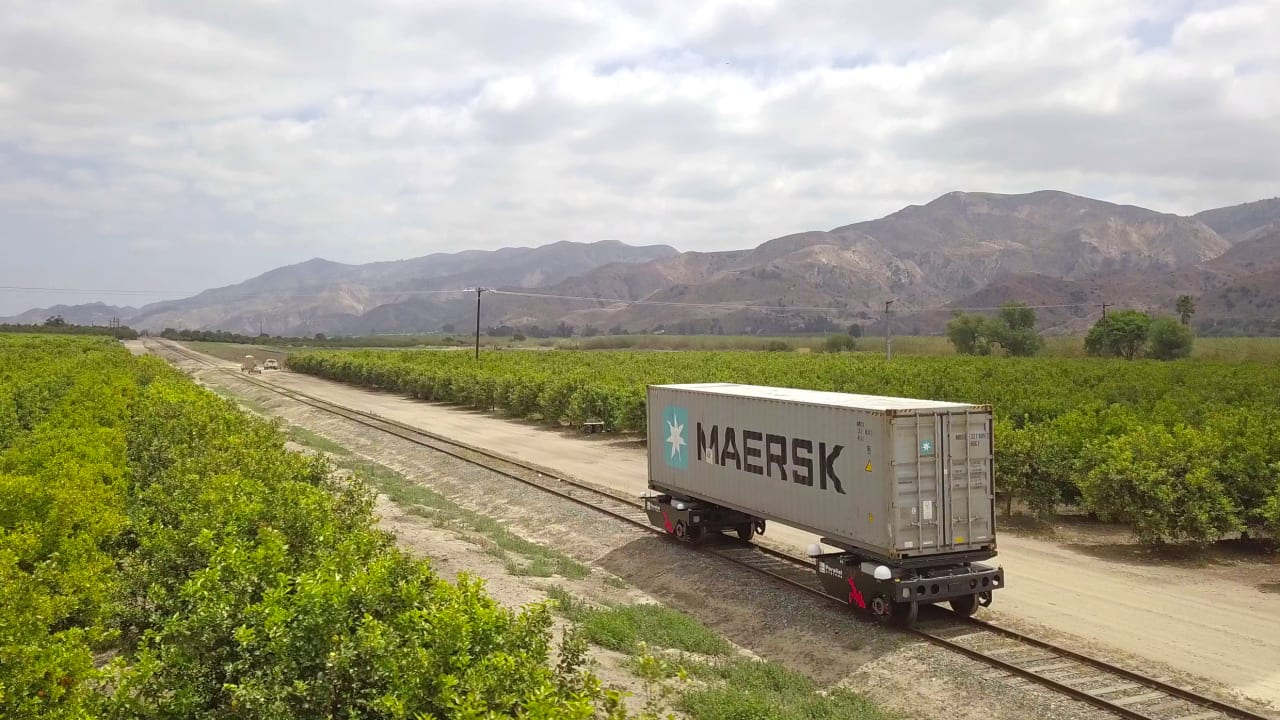
    Parallel Systems, founded by former SpaceX engineer, Matt Soule who partnered with a bunch of his former SpaceX colleagues, intends to disrupt the railway industry with electric powertrains and autonomous vehicle technology that’s taking over the consumer automotive space. The company has received $50 million in a Series A funding round and only recently came out of stealth

    Their idea is to create a small autonomous electric-powered rail vehicle. The idea is for a cargo vehicle that enables one to drop the cargo on a Parallel Systems vehicle and have it move without the need for the entire train to be unloaded. Each container can do individually move 800 km or band together to be even more efficient.

    This would allow smaller railroads to be reopened and new ones to be built to deliver cargo closer to customers and take some market away from trucks. These vehicles in question can also take in an impressive payload of 128,000 pounds which is twice the capacity of a semi-truck. So far though, their prototype vehicle can only do 80 km.

  • Investing in Space Has Long-Term Potential

    Investing in Space Has Long-Term Potential

    We choose to go to the Moon in this decade and do the other things, not because they are easy, but because they are hard, exclaimed John Fitzgerald Kennedy in 1962.

    Today, despite the hardships and challenges, there are myriad private operators striking out to conquer New Space, Space 2.0. Pioneering companies are emerging in sectors as diverse as communications satellites, Earth observation by satellite imagery, and in-space manufacturing.

    Once the prerogative of national governments, space has indeed tipped into the private sector with the creation of numerous innovative start-ups and an acceleration in IPOs around the world. This radical transformation in the space ecosystem heralds a technological and economic revolution focusing on strategic issues and creating unprecedented investment opportunities.

    This boom is being helped along by reusable space assets and the plummeting cost of access to space. Satellites, once outsized and clunky, are now being replaced by mass-produced nanosatellites whose production costs are as much as one thousand times less than they were.

    The communications satellite industry is expected to grow by an estimated plus 9.2 percent per year between now and 20271. And the in-space garment industry is expected to grow by an estimated plus 7.5 percent per year between now and 20262.

    The other revolution going on is space data, the 21st century’s black gold, with exponential large-scale marketing. Space data is and will continue to be used in all sectors, from communications to precision agriculture, with operators like MAXAR TECHNOLOGIES, whose satellite images are used for mapping ports, airports, and sensitive sites and to aggregate multiple sources to detect changes using artificial intelligence.

    In the long term, this new private space industry seems to have prodigious potential. Currently valued at some $400 billion3, the space market is expected to swell to $2.7 trillion by 20454, creating a growth driver for the global economy.

    We believe that in the long term, exploration and use of the space ecosystem will benefit all of Earth’s inhabitants. It is this conviction of La Financière de l’Echiquier that launched Echiquier Space in 2021, the very first investment fund dedicated to space and its ecosystem.

    This solution invests in innovative and lasting space operators who are looking for ways to minimize the resources used, leverage the properties of hydrogen as a propulsion source, and adopt policies for managing space debris. Such resource optimization will, we believe, meet humanity’s most pressing challenges, from climate change to biodiversity protection to bridging the digital divide.

    Space 2.0 is designing new worlds, and we believe it will help improve living conditions on Earth by constantly pushing the boundaries on our planet.

  • Baidu’s JiDu Teases Level 4 Self Driving Car

    Baidu’s JiDu Teases Level 4 Self Driving Car

    Self-driving cars were invented by Google and the Google of China, Baidu, isn’t behind its American counterpart. It has created a new brand called JiDU which has announced plans for launching a self-driving car by 2023. They are calling it the robocar which will be fully unveiled at the Beijing auto show in April.

    “JiDU has completed the visual and functional design of the Robocar concept car, which will make its debut in April as planned. Let’s set off towards an infinitely possible future together,” said Yiping Xia, CEO of JiDu.

    In the teaser, one can easily see that the car is riddled with sensors that come out of its hood, almost like small turrets and they are retractable and hidden by flaps. The car also seems to have frameless doors that open outward.

    The robocar maker has also revealed that it has specifically designed a new logo called the Pixel J which it claims is the first logo that has been designed specifically for an autonomous vehicle.

    In China, autonomous cars are taking off as are robotaxi services. Already there is the Xpeng P5 which boasts some serious autonomous capabilities as it has become the world’s first production car with a LiDAR and has some advanced autonomous capabilities.

    Apart from JiDu, Baidu also has the Apollo robotaxis which leverages the QNX operating system.

  • AirAsia Experiences Turbulent Stock Market

    AirAsia Experiences Turbulent Stock Market

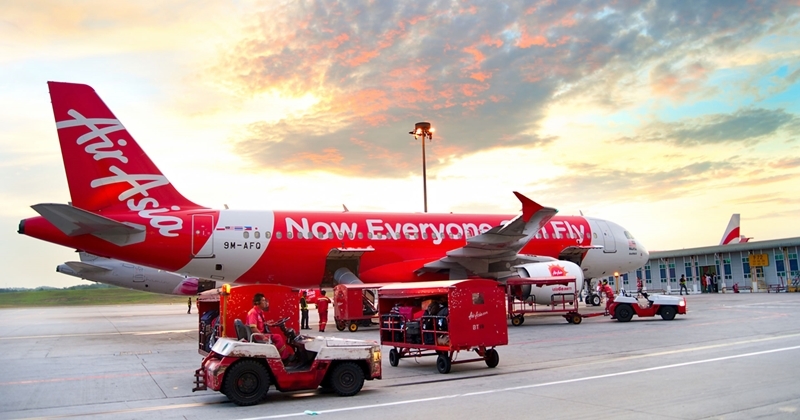
    AirAsia Group has announced that stock exchange operator Bursa Malaysia dismissed its application to extend a relief period that prevented it from being classified as a Practice Note 17 (PN17) company, a status that relates to companies that are in financial distress.

    Companies classed as PN17 must submit to the stock exchange a proposal to restructure and revive the company in order to maintain listing status. In a disclosure to the exchange on January 13, the AirAsia (AK, Kuala Lumpur Int’l) parent confirmed that, according to Bursa regulations, with the expiry of the relief period it is now “required to reassess its condition.”

    The PN17 financial distress criteria had been triggered in July 2020 after independent auditors from Ernst & Young highlighted in the group’s annual results that net loss and liabilities at the end of 2019 significantly exceeded assets, flagging material uncertainties that cast doubt on its ability to continue as a going concern.

    In light of the pandemic, Bursa Malaysia gave the group 18 months to take steps to address the issue, and when the relief period expired on January 7, AirAsia filed an appeal to prolong it. This has now been rejected, risking delisting from the exchange.

    The following day, on January 14, Bursa Malaysia issued a statement saying that short selling for AirAsia stock had been suspended for the rest of the day as “the last done price of the approved securities dropped more than 15 sen [cents] from the reference price.” Trading will be reactivated at 0830L (0030Z) on the next trading day, Monday, January 17.

    Meanwhile, in Jakarta, the Indonesia Stock Exchange (IDX) again suspended trading in Indonesia AirAsia (QZ, Jakarta Soekarno-Hatta) on January 12. Trading had only resumed on January 3, nearly two-and-a-half years after its shares were suspended due to its failure to meet the 7.5% threshold for free-floating equity.

    This time, the IDX cited unusual market activity the previous day when the stock closed at 24.4% up. In fact, the bourse said, Indonesia AirAsia’s shares jumped in value by 185% from IDR184 rupiah (USD0.0129) on January 3 to IDR525 (USD0.0367) at the close of trading on January 11. The exchange appealed to investors to pay attention to the performance of listed companies and their disclosures of information before making investment decisions.

    In a statement, Indonesia AirAsia clarified: “There is no material information that has not been submitted by the company to the public; and there is no information about the company circulating as rumours or in the mass media.”

  • Tencent’s WeTv to grow new content partnership in Southeast Asia

    Tencent’s WeTv to grow new content partnership in Southeast Asia

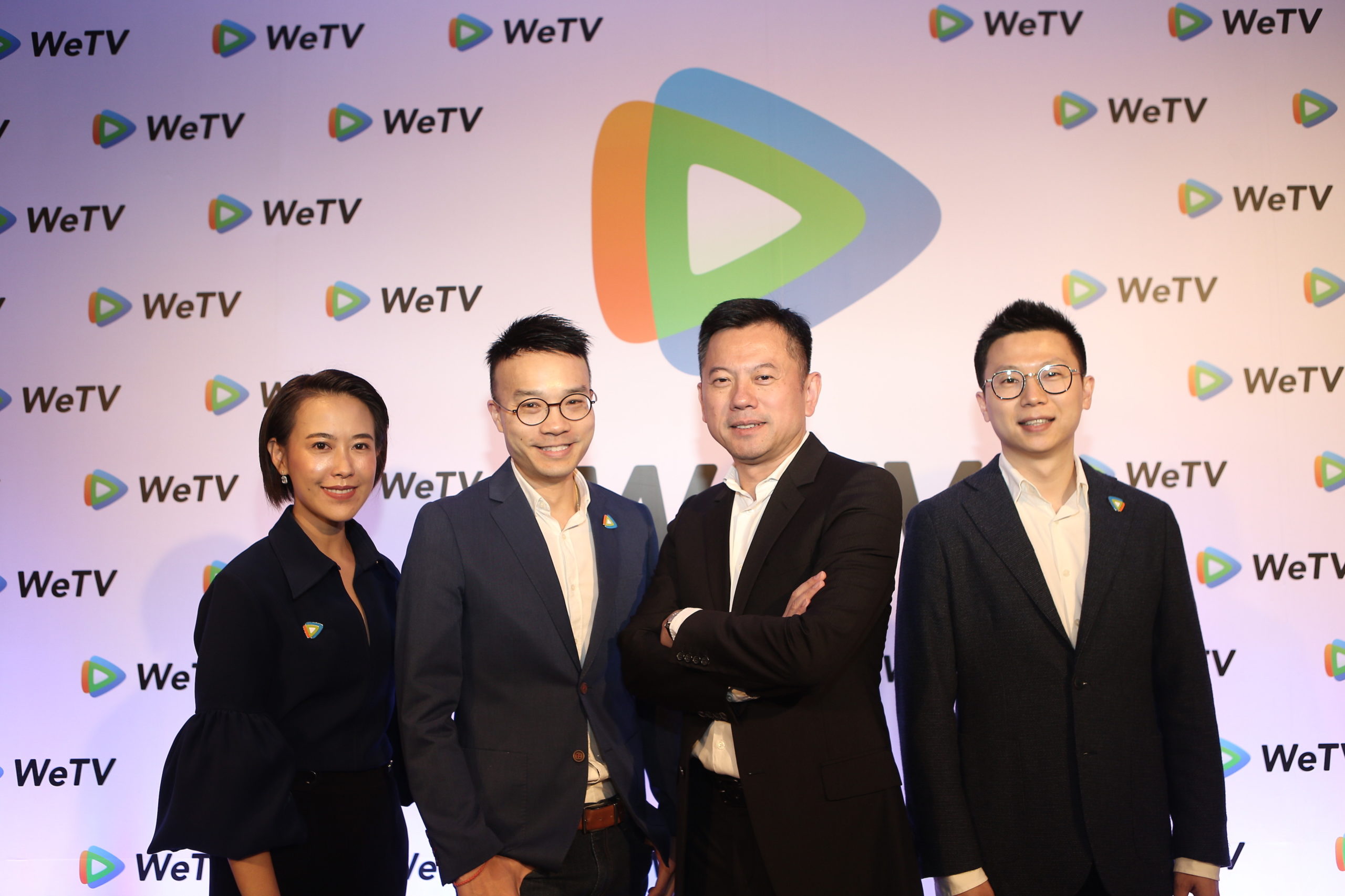
    WeTV, Southeast Asia’s leading video-on-demand (VOD) and over-the-top platform (OTT), has announced plans to aggressively ramp up its presence in Southeast Asia in 2022 and is welcoming local brands and advertisers in the region to join forces in reaching out to WeTV viewers.

    WeTV is a global video streaming platform launched by Tencent Video, one of the largest online video platforms in China. Curated for international viewers, it is one of the largest digital video streaming destinations in several Asian markets, including Indonesia, Malaysia, Singapore and Thailand. It is available on multiple platforms including mobile, desktop, tablets, and Smart TV and in 2022, it is set to introduce a list of titles geared towards further engaging viewers in the region. To date, WeTV has attained remarkable achievements in Southeast Asia, with plans to break new barriers with a slew of over 40 locally produced WeTV Originals projects in their 2022 pipeline.

    WeTV has been reaping the benefits of its long-term strategy to produce top-quality original content specifically for Southeast Asian viewers. In 2021, WeTV Originals in Thailand were nominated for 6 awards at the 26th Asian Entertainment Awards, the largest television awards in Asia. This has proven to be a powerful springboard for homegrown talents to achieve fame internationally and for artists to be recognized for brand sponsorships. Along these lines, 2022 will see the continued release of WeTV Originals that were produced locally in Indonesia, Malaysia, Thailand and the Philippines.

    In 2021, WeTV achieved a significant milestone of over 60 million downloads globally – a 31% growth as compared to 2020. Additionally, the number of WeTV’s monthly active users (MAU) has been growing exponentially year on year. From 2020 to 2021, WeTV saw a 67% spike in MAU, and an impressive leap of 95% in WeTV VIP users. These demonstrate WeTV’s success in delivering a first-class entertainment experience across an extensive range of genres to its viewers. Renowned international brands and agencies across multiple industries have also tapped WeTV for the purpose of reaching out to their target audiences. These include:

    • Telecommunications: 3BB, Advanced Info Service (AIS) Thailand, DITO Telecommunity, Globe Telecom, Maxis, PT Telkom Indonesia, Smart Communications
    • Agencies: GroupM, Interpublic Group (IPG), Omnicom Media Group (OMG)
    • Brands: Unilever, P&G, TikTok, Apple, Samsung, LG, OPPO, VIVO Huawei and Xiaomi

    “Since our launch in 2019, WeTV has always sought to support the local creative sector, by offering attractive and customizable advertising and brand solutions to our partners,” said Jeff Han, WeTV director and vice president of Tencent Video. “The past four years have been a ride, and we remain committed to growing not only our global presence but also helping local productions go international. With guaranteed high-quality content and an extensive range of platform offerings to meet the needs of every partner, WeTV aims to become the go-to digital content platform for our partners in the region.”

  • Hong Kong fund to sell Japan, South Korea Burger King business

    Hong Kong fund to sell Japan, South Korea Burger King business

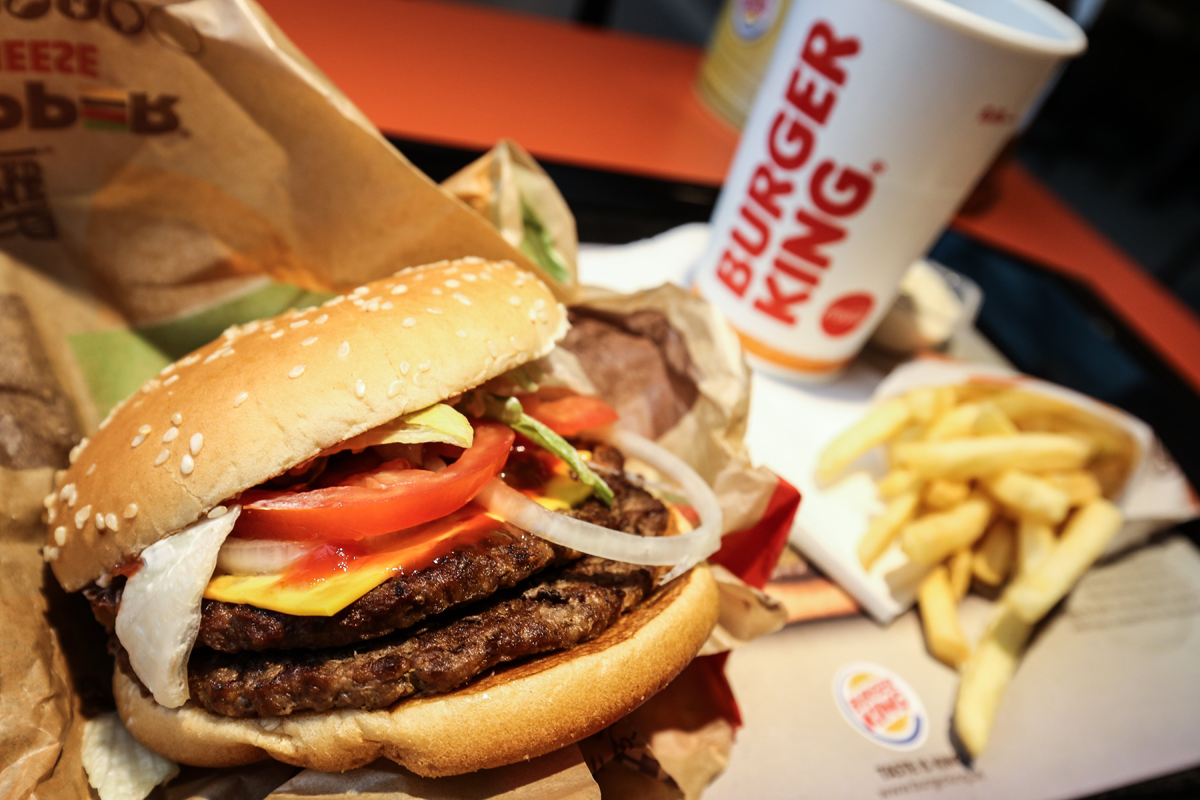
    Private equity firm Affinity Equity Partners is this week launching the sale of its Burger King fast-food businesses in South Korea and Japan, in a deal that could fetch more than US$1 billion, a person with knowledge of the matter told Reuters.

    Hong Kong-based Affinity has appointed Goldman Sachs to run the sale, which is targeting both private equity investors and strategic buyers, said the person, who declined to be identified as the information is confidential.

    The bank declined to comment.

    Affinity bought full control of Burger King South Korea in 2016 for about US$170 million and a year later acquired the American fast-food brand’s Japan franchise.

    The South Korean business reported 680 billion won (US$572 million) in revenue in 2021, with adjusted earnings before interest, taxes, depreciation, and amortisation (EBITDA) at 80 billion won, said the person, adding its adjusted EBITDA in 2022 is expected to reach 100 billion won.

    Burger King Japan’s adjusted EBITDA in 2021 was 700 million yen (US$6 million), the person said.

    Global fast-food chains such as McDonald’s and Yum! Brands are trading at 20 to 30 times their EBITDA, Refinitiv Eikon data showed. Burger King India is trading at about 25 times of its EBITDA.

    Affinity and Burger King Japan did not immediately respond to a request for comment.

    An official at BKR Corporation, the operator of Burger King in South Korea, declined to comment.

    The Nikkei business daily first reported the sale on Monday (Jan 17).

    It comes as the consumer and retail sector faces tremendous challenges and disruption caused by the coronavirus pandemic.

    In South Korea, businesses have adapted by relying more on deliveries, which has prompted exponential growth for its food delivery apps.

    Burger King Korea said on Monday the number of monthly active users on its mobile app in December exceeded 1.4 million, the highest since the app was launched in May 2016.

    Since Affinity’s acquisition, Burger King has been in an expansion mode in South Korea and Japan.

    Burger King runs 440 outlets in South Korea, more than its rival McDonald’s.

    The Japan franchise said on Monday it would open three new outlets in January, bringing the total there to 149, with plans to open more “aggressively” in 2022.

  • Reliance joins calls for India to tighten marketplace rules

    Reliance joins calls for India to tighten marketplace rules

    Vedanta Chairman Anil Agarwal on Tuesday said India is on the path of encouraging ease of doing business and stressed that the government is production-minded and not revenue-minded.

    In a tweet, Agarwal said trust, talent, and technology are the cornerstones of development.

    ”We fully agree with PM Shri Narendra Modi Ji at #DavosAgenda that it’s the best time to invest in India. It is a great opportunity for entrepreneurs to identify partners and investors to collaborate with them, as general consciousness is that they’d like to work with local entrepreneurs,” he tweeted.

    He also tweeted, ”#India is definitely on the path of encouraging ease of doing business. Govt. is production minded and not revenue minded.” Citing India’s commitment to deep economic reforms and the ease of doing business, Modi on Monday asserted that this is the best time to invest in the country as policy-making is focused on the needs for the next 25 years for a ‘clean and green’ as well as ‘sustainable and reliable’ growth period.

    In his special address to the World Economic Forum’s online Davos Agenda 2022 summit, Modi underlined a host of reform measures undertaken by his government to stress that it has worked to reduce the administration’s interference in business by deregulating many sectors and to clear the way for free trade agreements with different countries.

    India was once associated with ‘License Raj’, he had noted highlighting the measures, including the reduction of corporate tax to boost business and doing away with over 25,000 compliance requirements.

    He also mentioned new challenges, including cryptocurrencies, facing the world and said they call for countries to respond together as measures by any one country may be inadequate.