Author: Mei Ling Tan

  • Hanoi plans motorbike ban after 2025

    Hanoi plans motorbike ban after 2025

    Hanoi plans to ban motorbikes in core districts after 2025, five years earlier than an earlier plan, in order to reduce traffic congestion and emissions.

    The ban will apply to all districts within the third ring road and on three major roads: Truong Sa, Hoang Sa and National Highway 5, according to a plan being prepared by the city administration.

    After 2030 the ban will expand to all districts within the fourth ring road.

    The plan is set to be voted upon on Tuesday.

    The capital has around 5.6 million motorbikes and 600,000 automobiles.

    Poor public transportation development has driven the use of personal vehicles in Vietnam as a whole and in its major cities, in particular.

    Currently, in Hanoi, the public bus system plies 140 routes, meeting an estimated 31 percent of total demand.

  • ARAI Developing Fast Chargers For Electric Vehicles

    ARAI Developing Fast Chargers For Electric Vehicles

    The Automotive Research Association of India (ARAI) is developing fast chargers for electric vehicles to address the issue of charging infrastructure, Union Minister of Heavy Industries Mahendra Nath Pandey said on Saturday. As reported by PTI, the Minister said that the Automotive research and development body has already developed a prototype of the product while replying to a query at a press conference on the sidelines of the ‘Round Table To Promote Electric Mobility’ event organised by the Ministry of Heavy Industries.

    When asked about the challenges related to the usage of electric vehicles, he said, “This issue is being talked about that it consumes more time (to charge an e-vehicle battery). ARAI has been directed to work on it. In fact, they have developed a prototype of a fast charger and the product is expected to be ready by December 2022.”

    He also informed that the ARAI has been asked to complete the project by October 2022, so that it can be made available to the customers by December. The fast chargers will address the issue of charging infrastructure and boost demand for battery-driven vehicles. The minister also said that research is still underway and specific charging time of electric two-wheeler, three-wheeler and four-wheeler e-vehicle can be determined only after its completion.

    He further mentioned that his ministry is also in talks with the Ministry of Petroleum and Natural Gas for EV chargers installation at 22,000 petrol pumps across India. The charging stations would be installed at an interval of 25 km on highways and within a radius of 3 km in cities.

    Transport ministers of various states, other government and industry officials attended the ‘Round Table To Promote Electric Mobility’ event to deliberate ways for promoting EVs in the country.

  • Alibaba overhauls e-commerce businesses, appoints new CFO

    Alibaba overhauls e-commerce businesses, appoints new CFO

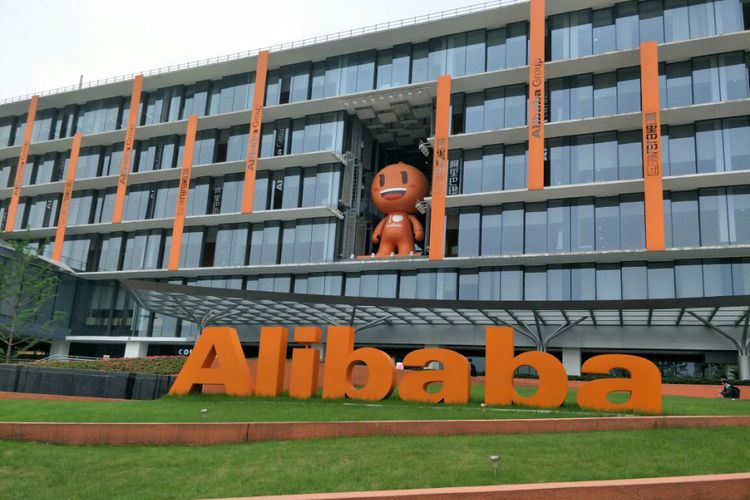
    Alibaba said it would form two new units to house its main e-commerce businesses – international digital commerce and China digital commerce, in a bid to become more agile and accelerate growth.

    The international digital commerce unit will house Alibaba’s overseas consumer-facing and wholesale businesses and include AliExpress, Alibaba.com and Lazada. The unit will be headed by Jiang Fan, who had been president of the Taobao and Tmall marketplaces.

    Alibaba will house its domestic commerce businesses in the China digital commerce unit, which will be led by Trudy Dai, a founding member of Alibaba, it said.

    The company’s deputy chief financial officer, Toby Xu, will succeed Maggie Wu as its chief financial officer from April; his appointment was described as part of the company’s leadership succession plan.

    Xu joined Alibaba from PWC three years ago and was appointed deputy CFO in July 2019.

    Wu, who helped lead three Alibaba-related company public listings as CFO, will continue to serve as an executive director on Alibaba’s board.

    The e-commerce giant’s Hong Kong-listed shares slid 8 percent in early morning trade, tracking Friday declines made in the United States. US-listed shares of Chinese firms tumbled on concerns about stricter regulatory scrutiny at home in the wake of plans by Didi Global Inc to delist from the New York Stock Exchange.

    Last month, Alibaba slashed its forecast for annual revenue growth to its slowest pace since its 2014 stock market debut and saw sales at its banner event, online shopping festival Singles Day, grow at their slowest rate ever despite record sales.

  • Facebook opens its first pop-up store in Hong Kong

    Facebook opens its first pop-up store in Hong Kong

    Facebook has opened doors to its first pop-up store in Hong Kong to educate consumers on how to personalize their Facebook experience and unlock exciting possibilities while maintaining their online privacy and safety. From December 3 to 7, Preface Coffee & Wine in Central, the F&B and lifestyle concept space, will be transformed into a temporary “Facebook home” to showcase the true benefits of technology and demonstrate the different ways users can personalize their Facebook – the way they want it – through digital experience and AR filters.

    Inspired by the way people customize their homes, Facebook last week launched “Your Profile, Your  Home” a digital consumer experience to educate people on Facebook settings that enable personalization, and to reinforce Facebook’s commitment to protecting the privacy and safety of users.

    Along with Preface Coding, Facebook has transformed Preface Coffee & Wine (Central) into a pop-up store that showcases the app’s privacy control and settings. With the tagline “What makes a perfect home?”, the pop-up store is set to be the newest Instagrammable spot in Central. Renowned local celebrity Alfred Hui attended the kick-off event to demonstrate the customizable settings.

    From December 3 to 7, anyone can visit the “Your Profile, Your Home” pop-up store and play with two fun and interactive AR filters developed by Preface Coding, including photo-taking with an avatar of Alfred Hui. Visitors can also immerse themselves in the “Your Profile, Your Home” digital experience, in which they’ll have tools to build and design their very own home as they explore the exciting possibilities of personalization on Facebook. Visitors can test their knowledge of Facebook’s new privacy settings with an on-site quiz; the first 10 winners of each day will receive Alfred Hui’s autographed gift.

    In November, Meta, also formerly known as Facebook said it plans to remove its detailed targeting options from January 2022 onwards. With this move, advertisers will not be able to target users who have interacted with content related to health causes, sexual orientation, religious practices, political beliefs and social issues, among others.

    While this move limits the way Meta’s targeting tools can be abused, VP of product marketing, Graham Mudd said the company is aware that this change may negatively impact some businesses and organizations. “We have heard concerns from experts that targeting options such as these could be used in ways that lead to negative experiences for people in underrepresented groups,” he explained. He added, “It is important to note that the interest targeting options we are removing are not based on people’s physical characteristics or personal attributes, but instead on things like people’s interactions with content on our platform.”

    According to Mudd, this decision was not simple and required a balance of competing interests where there was advocacy in both directions. While some of Meta’s advertising partners have expressed concerns about these targeting options going away because of its ability to help generate positive societal change, others understand the decision to remove them. He added, “Even after we update our targeting options, people may still see ad content they aren’t interested in, which is why we are also working to expand the control that allows people to choose to see fewer ads about certain types of content. Today, people can opt to see fewer ads related to politics, parenting, alcohol, and pets. Early next year, we will be giving people control of more types of ad content, including gambling and weight loss, among others.”

    Meanwhile, Meta said it will maintain its commitment to helping small businesses, non-profits, and advocacy groups reach their audiences. Meta will be working to expand the control that allows users to choose to see fewer ads about certain types of content, said Mudd. Today, users are able to opt to see fewer ads related to topics such as politics, parenting, alcohol and pets. Early next year, Meta aims to give users control on more types ad content which includes gambling and weight-loss, among others.

  • Dyson splits with Malaysia supplier, stoking concern over migrant worker treatment

    Dyson splits with Malaysia supplier, stoking concern over migrant worker treatment

    A transient drive right by the border from Dyson’s contemporary headquarters in Singapore is the boomtown constructed round its enterprise: a Malaysian industrial declare dominated by its finest supplier, ATA IMS Bhd (ATAI.KL).

    ATA, one amongst Malaysia’s high electronics manufacturing companies and products suppliers, rode Dyson’s success in excessive-close vacuum cleaners and air purifiers, supplying parts for a firm that got right here to story for 80% of its income.

    Ten contemporary and former workers, and a former ATA govt, tell the expansion got right here at an unseen mark: its mostly migrant workforce worked up to 15 hours a day, had been repeatedly requested to skip relaxation days to support up with set aside a query to, and had been coached to cowl correct working and dwelling prerequisites from labour inspectors and Dyson.

    In interviews over the final two months, the workers furthermore tell ATA, which analysts tell is Dyson’s finest global contract producer, employed hundreds of foreigners without work permits.

    After questions from Reuters on Nov. 18, Dyson final month stated it might perchance perhaps well pull its enterprise from ATA in six months, citing a up to date fair audit on prerequisites for workers and allegations by an unidentified whistleblower.

    ATA stated in a observation it turned into as soon as audited by the To blame Industry Alliance (RBA), a physique broadly engaged by electronics corporations to behavior factory audits. RBA hires third-social gathering auditors for the inspections. It declined to comment.

    On Nov. 29, ATA stated it had viewed the summary of Dyson’s audit, which stumbled on sad dwelling prerequisites, considerations of retaliation and unpaid allowances, among varied components. It described the findings as “non-conclusive” and stated it turned into as soon as reviewing them. Reuters has no longer viewed the audit.

    ATA declined to comment, and referred Reuters to its most recent public statements.

    Dyson stated on Tuesday it wouldn’t comment as a result of accusations associated to ATA.

    Malaysia on Wednesday stated it might perchance perchance perhaps well mark ATA over complaints it had received by the labour department. It did no longer tell what the charges or complaints had been about or whether or not they associated to the workers’ accusations about its Dyson factories.

    The country’s human resources minister, M. Saravanan, stated compelled labour allegations at Malaysian corporations had been hurting international traders’ confidence in merchandise manufactured there. He had earlier stated the federal government turned into as soon as investigating Dyson’s resolution to interrupt up with ATA.

    After Dyson’s hurry, ATA shares dropped 60%. Some analysts accept as true with raised doubts about ATA’s skill to attract contemporary customers, and on Nov. 29 a observation from the firm forecast income declines and mark cuts.

    With Dyson’s departure, six workers and shopkeepers interviewed within the Johor Bahru industrial declare stated they feared they might perchance perhaps lose their livelihoods.

    “There’s now not one of these thing as a screech of a job right here anymore,” stated one off-responsibility ATA employee, carrying his royal-blue factory work shirt on a up to date Sunday. Love others, he requested now to now not be diagnosed for dismay of reprisal.

    ATA officially employs round 8,000 workers, although four ATA workers and the former govt estimated its workers had been as excessive as 17,000 unless lately, including these without permits. Most of 17,000 had been from Bangladesh and Nepal, according to the workers and govt.

    ATA’s factories are concentrated in adjoining industrial parks in suburban Johor Bahru, a 30-minute drive to Singapore, the put Dyson is headquartered.

    ATA posted document income of 4.2 billion ringgit ($991.74 million) for the fiscal 300 and sixty five days that resulted in March. Dyson, owned by British billionaire James Dyson, accounted for nearly $800 million of that.

    Analysts tell the increased scrutiny of Malaysia might perchance perhaps well expand production charges and deter traders. The United States has banned six Malaysian corporations within the final two years over accusations of compelled labour.

    “Cost will definitely hurry up because of loads extra care must be taken into story, no longer fine on recruitment but furthermore employee accommodation. The ramifications are vastly increased charges for labour,” stated Vincent Khoo, head of Malaysia compare at brokerage UOB Kay Hian.

    Malaysia, which makes every little thing from iPhone parts to semiconductors, is reliant on electrical and electronics manufacturing in disclose for exports and economic tell. Between January and October 2021, such merchandise accounted for 36% of total exports.

    Foreigners manufacture up about 10% – 1.48 million – of Malaysia’s workforce, according to government info, although that percentage is increased within the manufacturing sector. The federal government and labour teams estimate hundreds and hundreds extra undocumented migrants.


  • New feature reveals whether your Android phone spots the latest version of the Google Play Store

    New feature reveals whether your Android phone spots the latest version of the Google Play Store

    It could just be that this writer is in the minority, but yours truly always preferred calling the Android app storefront the Android Market instead of the Google Play Store. The change was made in March 2012 as Google sought to unify the Android Market and Google in one brand. Just two years before the name switch, the Android Market contained just 30,000 apps, up from 10,000 in September 2010 and 16,000 in December 2010.

    Perhaps you remember the original Android Market icon which was a white shopping bag with the green Android bug on the front. When Google changed the name to the Play Store it created a new icon that resembles the triangular play icon found on many apps including Google’s own YouTube and YouTube Music.

    19 months later, the Android Market was home to half a million apps and Android was on its way to becoming the most popular mobile operating system on the planet. At last count, there are over 2.5 million apps in the Google Play Store.

    Coming to the Google Play Store via a server-side update is a new quick and easy way to make sure that your Android phone is running the latest version of the Play Store. Simply open the app and tap on the profile picture on the right side of the search bar at the top of the screen. From there, tap on Settings > About and when you scroll down toward the bottom of the display, you’ll see the words “Update Play Store” in green text.

    Tap on that link and if your version of the Play Store is the most recent available, you’ll get a message that says “Google Play Store is up to date.” If you need to update the app, you will be given that opportunity. While not all Android or even Pixel users have received this update, we see it (as you can tell from the image that we’ve included with this article) on our ancient Pixel 2 XL running Android 11.

    Before adding this feature, tapping on the version number from the About screen would check to see if your Android phone was sitting on an update for the Play Store. The problem is that unless you knew about this, there would be no reason for you or anyone to tap on the version number on the About screen. We should point out that the newly added link has been placed right underneath the Play Store version number.

    By July 2013, the Play Store hit one million apps overtaking the 900,000 listed in the App Store for the first time. As of last month, approximately 71% of smartphones used worldwide run Android with 29% powered by iOS. Despite this huge advantage, the revenue of the Play Store always falls well short of the amount spent on iOS.

    One theory is that in developing economies like India, the world’s second-largest smartphone market, lower-priced Android models are in demand. And in regions like India, many Android phone buyers are not financially equipped to spend much money on apps. Or to look at it another way, those able to afford to buy a new iPhone are most likely able to spend money on the purchase of iOS apps from the App Store.

    Because this is a server-side update, Android users don’t have to worry about manually updating the Google Play App. Just keep an eye out for the new link and eventually, you should find it in the Play Store app on your Android phone. In case you were wondering, the version of the Play Store on our Pixel 2 XL, which does include the new feature, is 28.2.10-21.

  • Ola S1 Electric Scooter Deliveries To Begin From December 15

    Ola S1 Electric Scooter Deliveries To Begin From December 15

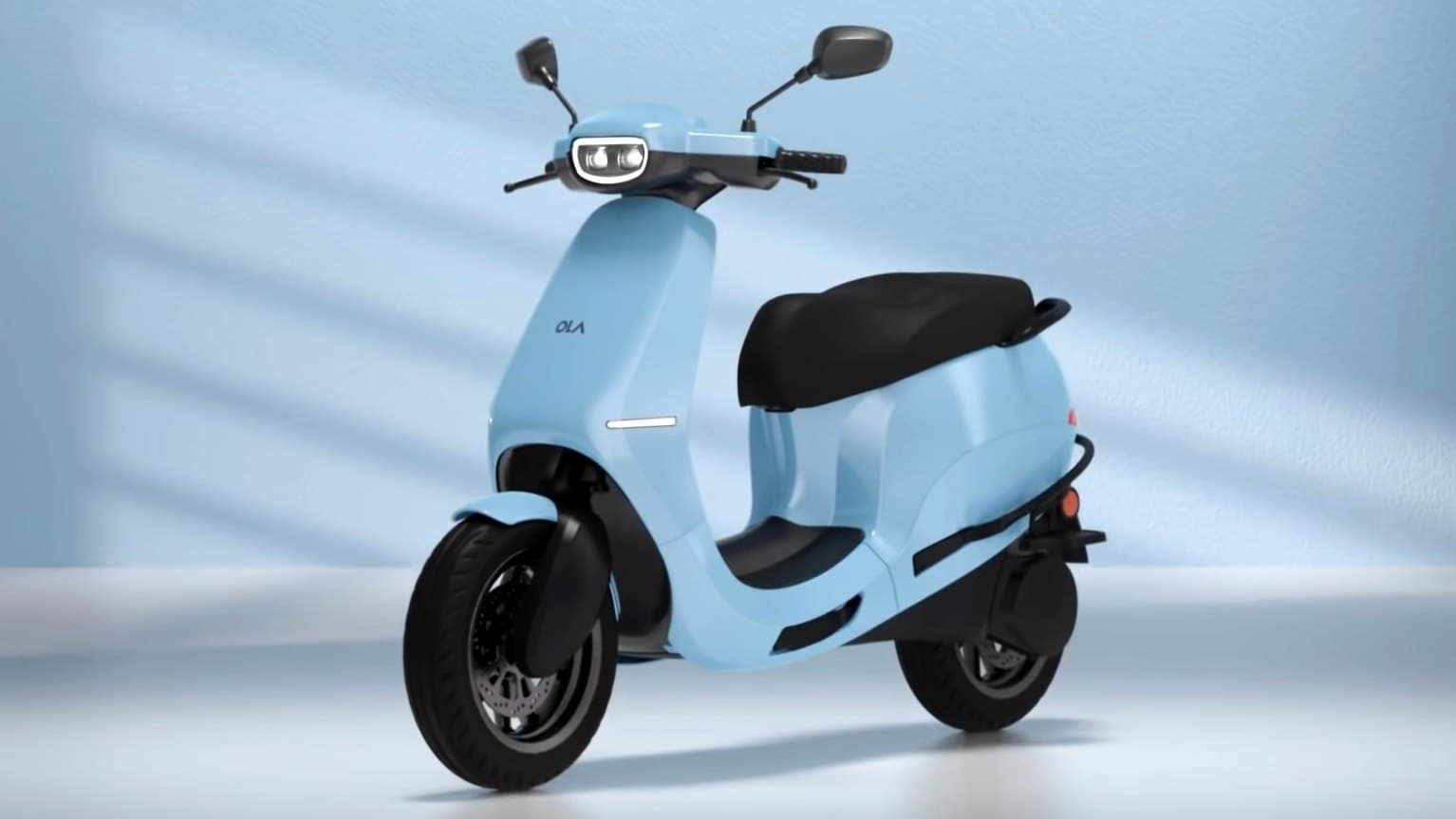
    Ola Electric will finally commence deliveries for its long-awaited S1 range of electric scooters from December 15, 2021. The company’s Co-Founder and CEO, Bhavish Aggarwal, recently announced the delivery date through his social media account. Aggarwal in his tweet said, “Scooters are getting ready.

    Production ramped up and all geared to begin deliveries from 15th Dec. Thank you for your patience!” Ola was expected to begin deliveries from October this year, however, the company has been postponing the delivery date sighting various challenges. Now, the company finally has an official launch date for the scooter, which should come as a big relief for customers.

    After opening the first purchase window for the electric scooter, Ola had announced selling scooters worth ₹ 1,100 crore. The company was expected to open the second purchase window on November 1, however, due to delays in deliveries, it was pushed to December 16. Recently, the company again pushed the purchase window to sometime in late January 2022. Last month, the company also began to invite based test rides for the electric scooters, in four cities – Delhi, Kolkata, Ahmedabad, and Bengaluru. It was later expanded to over 1000 cities and towns.

    The Ola S1 is priced at ₹ 85,099, going up to ₹ 1.10 lakh (all prices, ex-showroom Delhi after FAME II subsidies). The prices could further go down at the time of delivery, depending on state subsidies on EVs across the country. The base model Ola S1 will come with a top speed of 90 kmph and a range of up to 121 km on a single charge. The S1 Pro, on the other hand, will offer a top speed of around 115 kmph and a range of up to 181 km.

    Ola Electric is building the S1 and S1 Pro electric scooters, with an all-women work crew, at its Futurefactory in Krishnagiri, Tamil Nadu. The factory, which is spread over 500 acres, will have a production capacity of 10 million vehicles per year when fully completed. Ola says that it will be the largest, most advanced two-wheeler factory in the world, and it has already completed phase 1 construction.

  • Apple warns of weak demand for iPhone 13 lineup

    Apple warns of weak demand for iPhone 13 lineup

    Apple has told its parts suppliers to demand the iPhone 13 lineup has slowed, Bloomberg News reported on Wednesday, a move that signals a declining interest among consumers for the usually coveted latest upgrades.

    The company had cut production of iPhone 13 by as many as 10 million units, down from a target of 90 million, due to a global chip shortage, but now it has informed vendors even those numbers look unlikely, the report said.

    Apple’s shares fell over 3%, dragging down those of iPhone component and semiconductor suppliers Qualcomm, Skyworks, Europe’s ASML, and Infineon.

    The holiday season is Apple’s biggest quarter and typically so, for its most important product, the iPhones, which start at $699 and go as high as $1,600.

    Analysts had expected demand to remain steady for new products but lowered shipping estimates as supply-chain issues burdened the company as well as many retailers who faced inventory shortages.

    Consumers, who splurged on new phones and laptops during the peak of the pandemic as they stayed indoors, are now spending more on vacations and outdoor activities.

    “As lockdowns eased, spending returned on these experiential activities, so maybe less for the new iPhone. We believe that (iPhone) demand is likely to be pushed out in 2022,” Counterpoint Research analyst Tarun Pathak said.

    IDC analyst Ryan Reith believed it is not so much as demand for smartphones was drying up, but U.S. consumer spending was slowing due to the pandemic.

    Apple Chief Executive Officer Tim Cook warned in October that the impact of supply constraints, which cost the company $6 billion in sales in the fourth quarter, will be worse during the holiday quarter even as demand for the new lineup was robust.

  • M1 grows enterprise digital services and regional expansion with acquisition

    M1 grows enterprise digital services and regional expansion with acquisition

    M1 announced that it has signed an agreement to acquire up to 70% stake in Glocomp Systems (M) Sdn Bhd (Glocomp), as well as its affiliated companies, Global Computing Solutions Sdn Bhd (GCS) and GCIS Sdn Bhd (GCIS). All three companies are Malaysia-based digital solutions providers. The remaining 30% stake will continue to be held by its founders.

    M1, through its wholly-owned subsidiary based in Malaysia, AsiaPac Technology (M) Sdn Bhd, will pay a total purchase consideration of up to SGD$36 million. As part of this transaction, GCS and GCIS will be restructured as wholly-owned subsidiaries of Glocomp and managed by a unified management team. The founders of Glocomp, including – Joseph Giam, Managing Director; Alex Liew, Executive Director; Chan Tze Ming, Executive Director; and Chan Yue Mun, Executive Director will continue to play active roles as senior management of Glocomp.

    Glocomp has been operating for more than 24 years in the industry and is one of the region’s pioneer Information and Communications Technology (ICT) solution providers, with a comprehensive portfolio of solutions. Glocomp’s strong competencies in the areas of computing and information management, IP communications, security and privacy, automation and analytics, chart the path to strategically position the company to meet the growing demand in digital services. The company’s excellent track record, broad coverage across multiple industry verticals and close collaboration with key technology and channel partners, provide Glocomp with the robust foundation needed to be competitive in the enterprise digital solution market.

    The investment into Glocomp marks M1’s continued expansion of its cloud and managed services business, following the acquisition of AsiaPac Technology Pte Ltd (AsiaPac) in 2018. This transaction is the initial strategic expansion into other regional markets starting with Malaysia. The Glocomp acquisition is a natural extension of M1’s cloud services business and provides strong synergies with AsiaPac’s hybrid multi-cloud competencies and established partnerships. Glocomp also adds new capabilities and talent resources to M1 with certified competencies in cybersecurity, enterprise systems and multi-cloud infrastructure.

    M1, a subsidiary of Keppel Corporation, is a key pillar of Keppel Group’s connectivity business. By building upon its enterprise capabilities, M1 aims to strengthen innovation to enhance Keppel’s suite of connectivity offerings for sustainable urbanization. Additionally, this investment into Glocomp will not only provide recurring revenue contribution to the Group, but also generates overseas revenue for M1.

    “The addition of Glocomp to our portfolio marks another milestone for M1 as we continue to strengthen our enterprise digital service capabilities while accelerating growth in the region. We are thrilled to have Glocomp, a pioneer in the ICT industry with over two decades of experience, to be part of our growing team. Importantly, Glocomp’s expertise in the ICT sphere helps M1 to advance Keppel Vision 2030 and continuously create value for enterprises through innovative technology and digital solutions,” said Mr. Manjot Singh Mann, Chief Executive Officer, M1.

    “Glocomp has established itself as one of the premier enterprise solutions providers in Malaysia and remains committed to developing in-country ICT talent capital while fostering regional investment in the country. We are excited to be part of M1, leveraging its competencies in connectivity and cloud infrastructure and look forward to driving strong synergies with M1 as well as enhancing our overall suite of offerings. This opportunity will equip Glocomp with the necessary support to expedite growth in the region, and strengthen our position in the ICT sector with major global technology partnerships,” commented Mr. Joseph Giam, Managing Director, Glocomp.

  • Messenger to start testing bill splitting feature in the US

    Messenger to start testing bill splitting feature in the US

    Recapping everything that’s been released from the beginning of the year, Messenger revealed a couple of surprises that haven’t yet been implemented. One of these surprises is a sneak peek at the bill splitting feature that Messenger will be testing in the United States.

    Starting next week, Messenger users in the US will be able to test Split Payments, a free way to share the cost of bills and expenses. If you’re selected for the testing sample, you can find the Split Payments feature by clicking the “Get Started” button in a group chat or the Payments Hub in Messenger.

    Any bill can be split evenly, but Messenger users can also modify the contribution amount for each individual in the chat, with or without themselves included. All requests will be sent and viewable in the group chat thread after entering a personalized message and confirming Facebook Pay details.

    Messenger doesn’t say when Split Payments will be available for everyone, but if we were to guess, they will probably be ready for prime time early next year.

  • Ford Aims To Be World’s Second Largest Electric Vehicle Maker Within Two Years

    Ford Aims To Be World’s Second Largest Electric Vehicle Maker Within Two Years

    Ford Motor expects to be the world’s second-largest electric vehicle manufacturer within two years, with an annual production capacity of nearly 600,000, a top company executive said Friday.

    The automaker’s optimism stems from the increasing demand for its next new EV, the Ford F-150 Lightning pickup, with retail reservations approaching 200,000, Lisa Drake, chief operating officer of Ford North America, said.

    Reuters reported on Wednesday that Ford likely would be vying with Stellantis for third place in the EV race by 2025, behind Tesla and the Volkswagen Group, based on production forecast data provided by AutoForecast Solutions.

    Speaking at an investor conference, Drake said Ford is working to vertically integrate more EV components, including power electronics and e-drives, at existing facilities that build parts for combustion vehicles – a modern take on founder Henry Ford’s pioneering work in building many of his own components.

    “We haven’t used ‘vertical integration in this industry in a long time,” Drake said, but “you’re going to hear it a lot more” as Ford and other automakers transition from combustion to electric vehicles.

    She said Ford working with five global battery suppliers to manufacture and help develop battery cells for its future EVs, aiming to build 240 gigawatt-hours of production capacity globally by 2030. Those suppliers include SK On, LG Energy Solution, CATL, BYD, and Panasonic.

    Ford expects to reduce EV battery cell cost to $80 per kilowatt-hour at the pack level “well before the end of the decade,” Drake said.

    The automaker is looking at different cell chemistries, including cobalt-free lithium iron phosphate, and cell-to-pack structural batteries to help reduce costs.

    Ford and BMW are working with Colorado-based startup Solid Power on developing solid-state batteries, which Drake said should be commercialized “well before the end of the decade.”

  • Intel to meet this month with TSMC to avoid a fight with Apple

    Intel to meet this month with TSMC to avoid a fight with Apple

    It appears as though TSMC is back on track and is aiming to start mass production of chips using the 3nm process node starting in the second half of 2022. As a result, there is still a good chance that the Apple A16 Bionic chipset will be built with the 3nm process although earlier talk centered on the use of the 4nm process for the component. The difference is the number of transistors inside each chip which drives performance and energy efficiency.

    Intel plans on paying a visit to TSMC soon, and not just to personally give them holiday greetings. Intel is one of the foundry’s largest customers (along with Apple, AMD, NVIDIA, MediaTek, and Qualcomm) and they want assurance that TSMC will have enough capacity to make 3nm chips in the quantity that Intel needs.

    Intel is not a fabless company like Apple is, for example. That means that while Apple designs its own chips, it does not own equipment and fabrication facilities to manufacture them. While Intel does own its own foundry, it cannot produce cutting-edge chips as TSMC can. In January there was a report that TSMC was prepared to offer Intel capacity at 4nm while testing at 5nm.

    High-level Intel executives plan to travel to Taiwan in the middle of this month to meet with TSMC. On the agenda is the amount of 3nm capacity that Intel needs. While the American chip giant might have to outsource some of its production through TSMC, it also has indicated a desire to upgrade its own production capabilities.

    The meeting is being held so that Intel can “avoid fighting with Apple.” Reportedly, Apple has already worked out a deal with TSMC for all of the latter’s initial 3nm production capacity. This means that Intel most likely would not have access to TSMC’s 3nm capacity until 2023 at the earliest.

    Assuming that there is some urgency on Intel’s part (their executives aren’t flying to Taiwan for a vacation), it will be interesting to see whether Intel’s meeting with TSMC is productive. TSMC is the world’s largest independent foundry and last year it generated revenue of $45.51 billion which produced net profits of $17.60 billion. The company is valued at $565 billion.

    Now that Apple has created its own high-powered chips for the Mac that replace Intel processors, the company relies on TSMC even more. The Apple M1 chip contains 16 billion transistors which are one billion more than the number found in the A15 Bionic. The latter is used on the iPhone 13 series.

    Earlier this year, Apple introduced the M1 Pro, a 5nm chip that features 33.7 billion transistors, and the 5nm M1 Max with 57 billion transistors. Both are manufactured by TSMC.

    Apple is also rumored to be replacing Qualcomm’s 5G modem chip with one it will design itself.

    The new 5G modem chip will be built by TSMC using its 4nm process node, and it should debut in the 2023 iPhone 15 series. While Apple undoubtedly feels as though it now has no worries about obtaining enough chips in the future, it might have not considered how all roads lead to TSMC. And late yesterday we passed along a report from Fox News that noted how some experts fear that China might look to take back Taiwan to create a unified China.

    In such a scenario, the Chinese Communist Party (CCP) could create some serious global chaos by taking control of TSMC. China itself has realized that it needs to boost the chip production on the mainland. While the U.S. has also come to this conclusion about itself, it is trying to increase American production by having TSMC build a foundry in Arizona that could eventually grow to be a huge fabrication facility.

  • Vietravel Airlines to resume domestic flights

    Vietravel Airlines to resume domestic flights

    Vietravel Airlines will reopen domestic flight ticket sales next Monday to tap year-end travel demands, after remaining grounded for about three months owing to pandemic restrictions.

    The carrier, which belongs to leading tourism company Vietravel, announced it will reopen ticket sales from 9 a.m. Monday, with the first flight taking off next Thursday.

    The flights will depart to and from Hanoi, Ho Chi Minh City, and beach tourist hotspots such as Da Nang, Nha Trang, Phu Quoc and Quy Nhon.

    The company said it will gradually increase its flight frequency from now to the end of the month to meet higher travel demand during the year-end peak season, including the upcoming Tet (Lunar New Year) holiday two months from now.

    Vietravel Airlines was launched at the end of Dec. 2020 and was one of the airlines that allowed to operate amid the turbulence created by the pandemic.

    After about half a year of operation, the carrier had to reduce its frequency and also closed operations since late August due to Covid-19 resurgence. It resumed business on Oct. 18.

    According to the new restructuring plan, Vietravel plans to operate as a holding company instead of engaging in operating activity itself.

    The company has invested additional capital in the carrier this year, raising its total investment from VND700 billion (over $30 million) to VND1.3 trillion (over $56 million) for the 2021-2025 period.

    The Civil Aviation Authority of Vietnam has said that domestic carriers will increase flight frequency in the coming time.

    Budget carrier Vietjet Air has increased its frequency to six flights a day on each of the Hanoi-HCMC, Hanoi-Da Nang, and Da Nang-HCMC routes.

    Another budget carrier, Bamboo Airways, will increase its frequency to 4-5 daily flights on the Hanoi-HCMC route from mid-December.

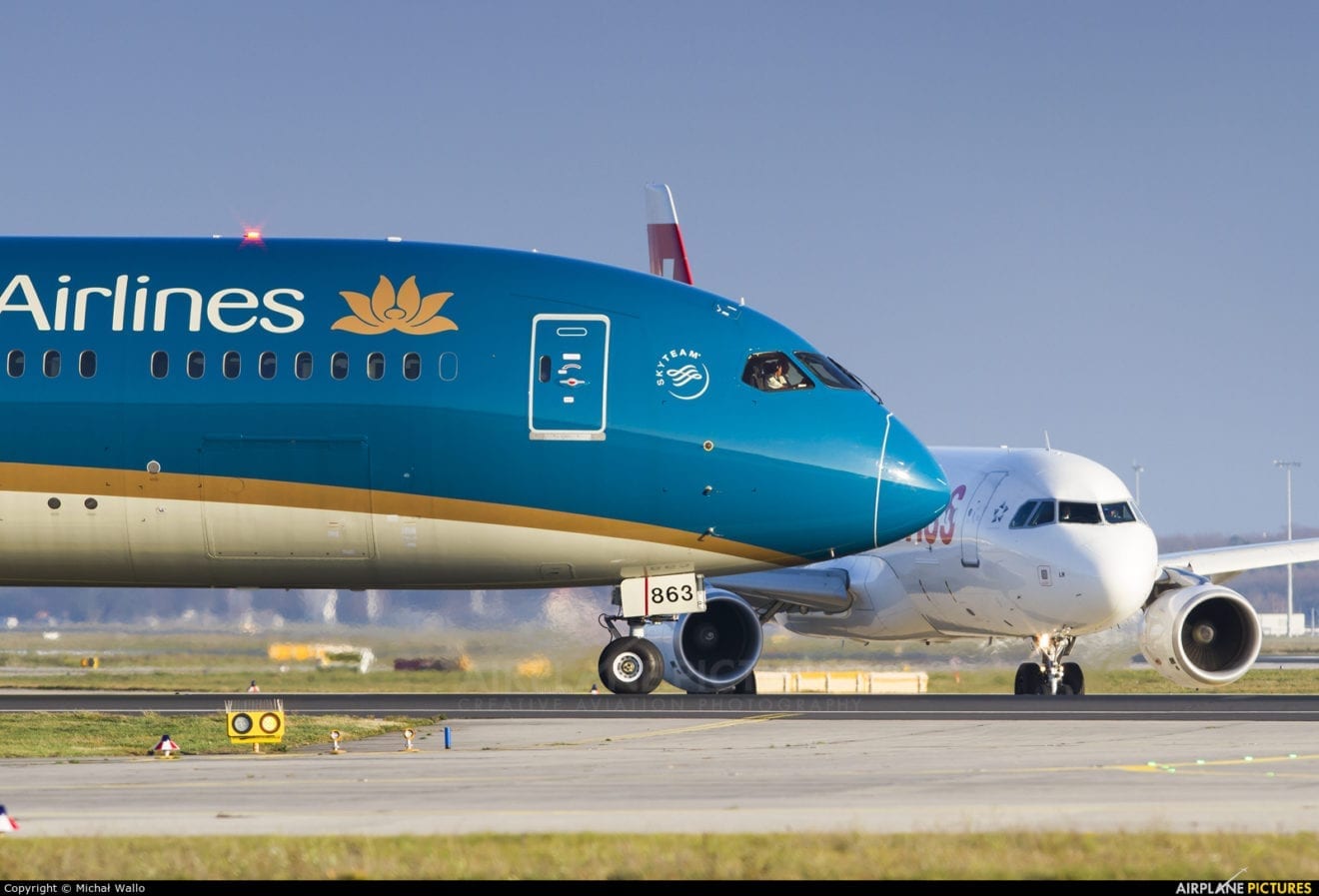
    National flag carrier Vietnam Airlines will operate about 140 flights per day on nearly 40 domestic routes. On the Hanoi – HCMC route, Vietnam Airlines operates five flights per day and its affiliate Pacific Airlines flies two flights per day. From Dec. 15, each airline will increase frequency on this route with one more flight per day.

  • Steel exports surge 130 pct as global demand shoots up

    Steel exports surge 130 pct as global demand shoots up

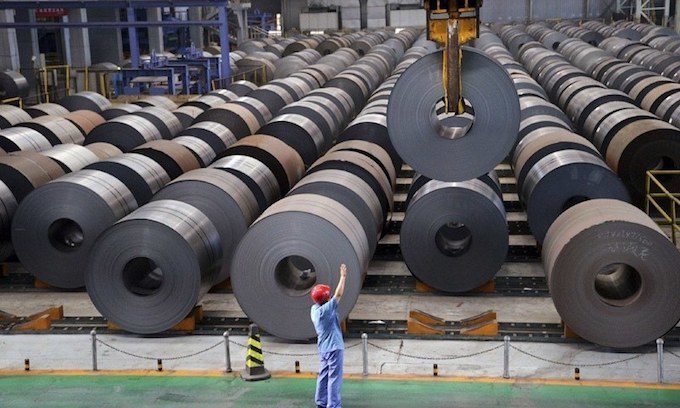
    Steel exports rose by nearly 130 percent in the first 11 months of this year to US$10.8 billion, according to the Vietnam Steel Association.

    Hoa Phat exported 914,000 tons of finished construction steel products, a year-on-year rise of 90 percent. It plans to export over one million tons, double the volume it shipped last year.

    The association expected exports to be robust this month due to rising global demand and a temporary shortage in China.

    Vietcombank Securities Company explained that China is gradually reducing its steel exports.

    The association said Vietnam has a production capacity of around 24 million tons a year, and output this year is expected to reach 21.2 million tons, enough to fully meet domestic and export needs.

  • Vietcombank Remittance Company bags two int’l awards

    Vietcombank Remittance Company bags two int’l awards

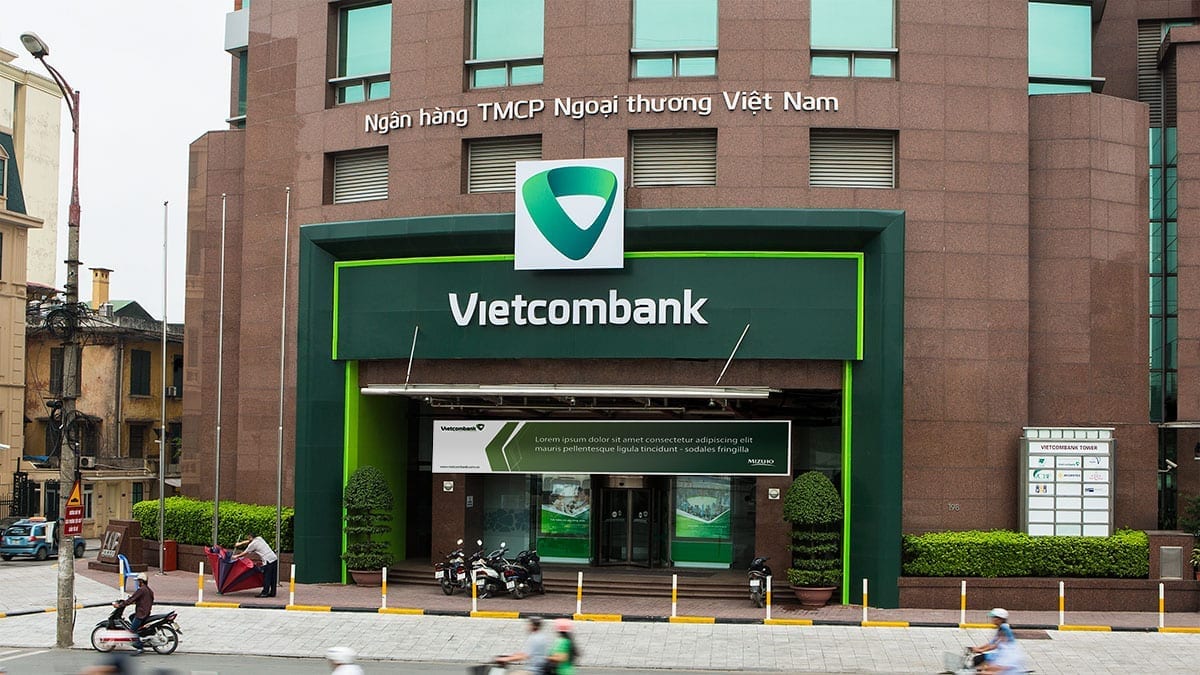
    Vietcombank Remittance Company was awarded the “Excellence Money Transfer Company” and “Best Home Payment Service Provider” titles by U.K.-based Global Banking and Finance Review magazine.

    Global Brands Magazine (GBM) is a prestigious U.K. online publication and forum for top brands of the global business community. The winners are selected based on commitments and efforts in the pursuit of outstanding values including: innovation, quality, increasing brand awareness, technology application, risk management, customer service, that promote the dynamic business environment of the remittance industry in Vietnam.

    To meet the above criteria, Vietcombank Remittance Company (VCBR) has remarkably improved its operational procedures, diversified its products, and enhanced its customer experience.

    Dao Minh Tuan, deputy CEO of Vietcombank, chairman of the VCBR Board of Directors, said the two awards obtained from GBM magazine are a significant affirmation and recognition of VCBR’s efforts and achievements in providing the best market service.

    “To record such great achievements, thanks to the steadfast effort of the entire VCBR team, in providing the best service experience, building solid trust with customers and partners. However, VCBR will encourage further innovation in its business operation to work toward the goal of becoming the number one remittance company in Vietnam,” he added.

    VCBR was established in 2017 with the task of facilitating remittances from abroad to Vietnam, supporting the ecosystem of Vietcombank’s products and services.

    Vietcombank has set its vision and strategic objectives toward 2025: Maintaining its position as the No. 1 retail bank in Vietnam and becoming one of the 100 largest banks in Asia; one of the 300 largest banking and financial groups in the world and finally one of the 1,000 largest listed companies in the world.

    The Covid-19 pandemic has had a dire impact on the global economy in the last two years. A huge number of companies have been forced into bankruptcy, and the unemployment rate has reached a record. The pandemic also had a serious impact on money transfer and remittance activities.

    In Vietnam, remittance companies constantly had to narrow the scope and scale of their operations. Under the circumstances, VCBR has proactively adapted to the chaos along with encouraging innovation, ensuring safe business performance, profitability and high efficiency.

    According to Nguyen Hoang Minh, Deputy Director of State Bank of Vietnam Ho Chi Minh Branch, the flow of remittance to Ho Chi Minh city By the end of November is about $6.2 billion, which has already surpassed the volume of 2020 at $6.1 billion. VCBR has achieved striking growth in terms of volumes with a forecast of an over 60 percent increase compared to 2020, ranking among the top 2 remittance companies in Vietnam.