Author: Mei Ling Tan

  • Siemens Gamesa signs $400 mln wind gear agreement with Vietnam’s BCG Energy

    Siemens Gamesa signs $400 mln wind gear agreement with Vietnam’s BCG Energy

    Siemens Gamesa Renewable Energy has signed a preliminary agreement to supply wind turbine gear worth up to $400 million to Vietnam’s BCG Energy, Vietnam’s government said on Monday.

    The memorandum of understanding is part of the Vietnamese firm’s move to develop wind turbines with a capacity of over 500 megawatts, the Ministry of Industry and Trade said in a statement, adding the deal was signed on the sidelines of the United Nations COP26 summit.

  • ZIM buys 7 ships in move from charters to owning vessels

    ZIM buys 7 ships in move from charters to owning vessels

    In a clear move away from chartering to owning ships, Israeli carrier ZIM Integrated Shipping Services announced the acquisition of seven secondhand vessels – five 4,250 TEU vessels and two 1,100 TEU vessels – for a consideration of approximately $320 million.

    “Since going public our focus has been to allocate capital to strengthen our commercial prospects and create long-term shareholder value,” Eli Glickman, ZIM President & CEO, said. “With the opportunistic acquisition of these much-needed vessels, we have drawn on our strong cash position and our agile approach to maintain and expand our operating fleet to meet growing customer demand, while remaining committed to delivering industry superior profitability.”

    Glickman said ZIM will continue to complement the primary strategy of chartering in the vast majority of vessels by selectively acquiring second-hand tonnage.

    ZIM had earlier this month announced the launch of Ship4wd, a digital freight forwarding platform to offer end-to-end shipping solutions.

    NYSE-listed ZIM had reported a revenue of $4.1 billion for the first half of 2021, an increase of over 150 percent from $1.6 billion in the corresponding period of 2020. Net income had zoomed to $1.5 billion from $13 million.

    For the second quarter, ZIM had reported a revenue of $2.4 billion and net income of $888 million. ZIM carried 921,000 TEUs in the second quarter of 2021, a year-over-year increase of 44 percent. Average freight rate ($/TEU) more than doubled in Q2 to $2,341 from $1,071. For the first half of the year, the average freight rate ($/TEU) nearly doubled to $2,145 from 1,081.

    “Our outlook for the remainder of 2021 and into 2022 is very positive and we are excited about our strategy to further enhance our position as an innovative digital leader of seaborne transportation and logistics services,” Glickman had said while announcing the results.

    ZIM is expecting second-half 2021 results to exceed first-half results.

  • Valentino names new CEO for Southeast Asia, Australia

    Valentino names new CEO for Southeast Asia, Australia

    Valentino has named Alessandra Andreani their new CEO for Southeast Asia and Australia. Andreani will be based in Singapore, and will report to Marco Giacometti, Valentino’s chief commercial officer. The news was reported by WWD.

    In her new role, Andreani will working on growing Valentino’s presence throughout Singapore, Malaysia, Australia, and Thailand. She takes over the duties of Mika Bailey, who was general manager of Southeast Asia and Australia.

    Andreani’s resume includes stints at Prada, Marc Jacobs, and Loewe. She is just one of many hires under new Valentino CEO Jacopo Venturini who has also appointed Mitchell Bacha CEO of Greater China and Laurent Bergamo as CEO of Americas.

    While most of Valentino’s growth has been driven by China, the U.S., and the Middle East, Southeast Asia and Australia are considered new target markets for growth. E-commerce is also now pivotal to Valentino’s growth as it is for most luxury brands.

  • Maserati And Hiroshi Fujiwara Launch Limited-Edition Capsule Collection of Streetwear Fashion

    Maserati And Hiroshi Fujiwara Launch Limited-Edition Capsule Collection of Streetwear Fashion

    Italian automaker Maserati and Fragment founder Hiroshi Fujiwara, one of the most influential designers in streetwear fashion collaborated for the first time earlier this year for the global launch in Tokyo of Maserati meets Fragment. The collaborators have come together once again for the launch of the Fragment meets Maserati, a limited-edition capsule collection of streetwear staples co-created by Fujiwara and Maserati.

    The collection comprises two styles of hoodies, oversized t-shirts and a baseball cap emblazoned with the signifiers of these two iconic brands. The Capsule Collection brings together Fujiwara’s rebellious style and Maserati striking design. The Fragment meets Maserati capsule collection is available worldwide at Maserati Stores and on Hypebeast’s e-commerce platform.

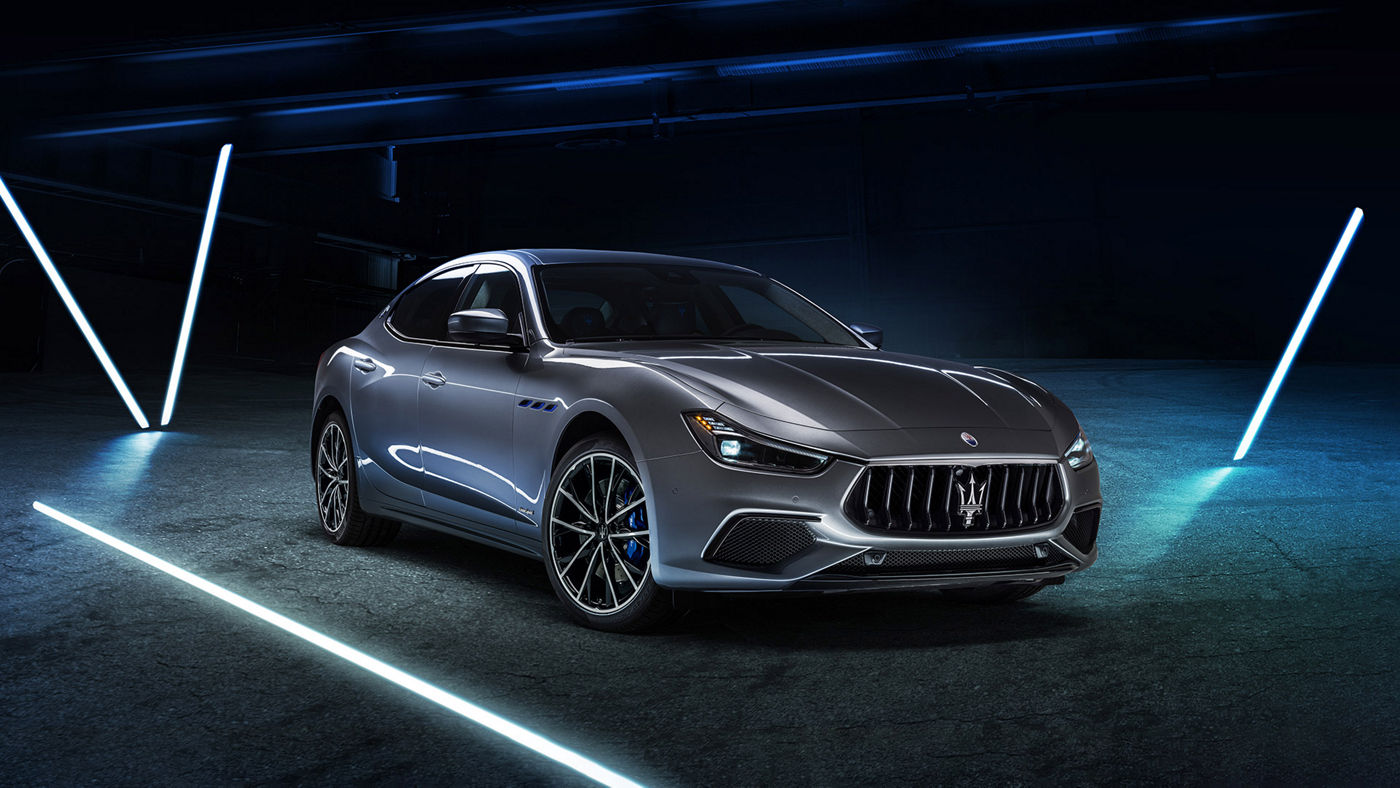
    Earlier this year, the Italian carmaker and the streetwear designer collaborated to bring the Maserati Ghibli Operanera and the Ghibli Operabianca special-edition cars. These special edition models were limited to only 175 units globally and are meant to symbolise “the deconstruction of convention, a rebirth of hope and unmistakable statements of intent.”

    Sprucing up the Ghibli were elements like the premium leather and Alcantara interiors with contrasting silver inserts. The seatbelts were done up in dark blue, while the grille and trident logo were tricked out. Both versions also got the 20-inch Uranus matte black alloy wheels and a badge with the Fragment logo on the C-pillar.

  • Hermes reopens it’s Shanghai flagship

    Hermes reopens it’s Shanghai flagship

    On 29th October 2021, Hermès is delighted to open the doors of its newly renovated store in the prestigious Plaza 66 in Shanghai. Spanning over two floors and 656 m2, the vision for this store evokes the richness of the local culture and Hermès’ connection with the city of Shanghai, creating an engaging backdrop for discovering the 16 métiers of the house.

    The new design is established with the store’s powerful façade, which now features a long window carved into its impressive stone surface to allow more natural light to filter through. The transparency of the storefront below is also improved thanks to the generous addition of windows set in a deep-green tinted glass that mingles invitingly with the mineral hues of the stone tiles.

    Transformed by the Parisian architecture agency RDAI, the interiors feature a fluid, curved layout, drawn in response to the existing volumes of the space. Distinctive architectural gestures, like the sculptural lines carved into the soaring ceilings and the rounded walls, enhance the customer path from one side of the open-plan area to the other. Throughout the store, a richly evocative colour palette of deep blue-green, burgundy, and caramel, alternating between matte and lacquer surfaces with added accents of plush velvet, are employed in an impactful way to create a sense of intimacy for each métier. Three-dimensional custom designed carpets with superimposed geometric forms in vivid, saturated colour give structure and individuality to each universe.

    From the main street side entrance, guests are greeted with an animated display of women’s silk and a generous offer of fashion accessories. On the other side of the mall, there is a wider selection of women’s silk and accessories, perfume and beauty. These two entrances include mirroring features that are hallmarks of the house: the Hermès ex-libris underfoot and the iconic “Grecques” globe lighting overhead. The hand-assembled inlaid stonework reflects the house’s savoir-faire: based on the rue du Faubourg Saint-Honoré motif, the pattern disperses before merging again on the other side of the store. The surrounding terrazzo flooring is flecked with preserved pieces of stone from the existing interior façade. Intimate corner spaces and salons on the ground floor are dedicated to the jewellery and watches, as well as the perfume and beauty métiers – fitted out in saturated blue-green tones that contrast with the hand-painted walls and cherrywood cabinetry.

    A new, sweeping staircase serves as an architectural feature and an eye-catching exploration of form that undulates. Above the stairs floats a commissioned work by Chinese artist Xiaojing Yan. The delicate sculpture, almost 2m in height, is a cloud-like vision of a horse at full gallop, crafted from over 10,000 glass pearls suspended by threads. The ascent from the first to the second floor follows a gradient, hand-painted frescoed wall that carries on through to the men’s universe and home collections on the second floor. Natural light from the new window bathes the space in a lustrous warmth and a communal table encourages guests to linger for a coffee. Arriving from the mall through a third entrance here, the line of sight travels past the home and equestrian

    collections, the leather goods, enveloped in warm and glossy tones of red and deep burgundy, through to the spacious women’s universe. Elegantly clad fitting and VIP rooms, as well as numerous lounge areas furnished with deep leather sofas and armchairs, create an inviting ambience throughout the space.

    In the tradition of establishing a distinct identity for each Hermès locale, a collection of carefully selected artwork, contemporary photography, carré prints, and works from the Émile Hermès collection seamlessly blends the past and present.

    This new Hermès store offers local customers and new visitors an utterly bespoke retail experi- ence, set in an engaging and welcoming environment. It binds the culturally vibrant essence of Shanghai with the Parisian house’s contemporary creative spirit and fine craftsmanship.

    Since 1837, Hermès has remained faithful to its artisan model and its humanist values. The freedom to create, the constant search for beautiful materials, the transmission of savoir-faire of excellence, and the aesthetic of functionality all forge the singularity of Hermès, a house of objects created to last. An independent, family owned company, Hermès is dedicated to keeping the majority of its production in France through its 51 workshops and production sites and to developing its network more than 300 stores in 45 countries. The group employs almost 17,000 people worldwide, including nearly 10,600 in France, among whom more than 5,600 are craftsmen*. Axel Dumas, a sixth-generation family member, has been Hermès CEO since 2013.

    Founded in 2008, the Fondation d’entreprise Hermès supports projects in the areas of artistic creation, training and the transmission of savoir-faire, biodiversity, and the preservation of the environment.

  • Taxi firms eye fare hikes amid rising fuel prices

    Taxi firms eye fare hikes amid rising fuel prices

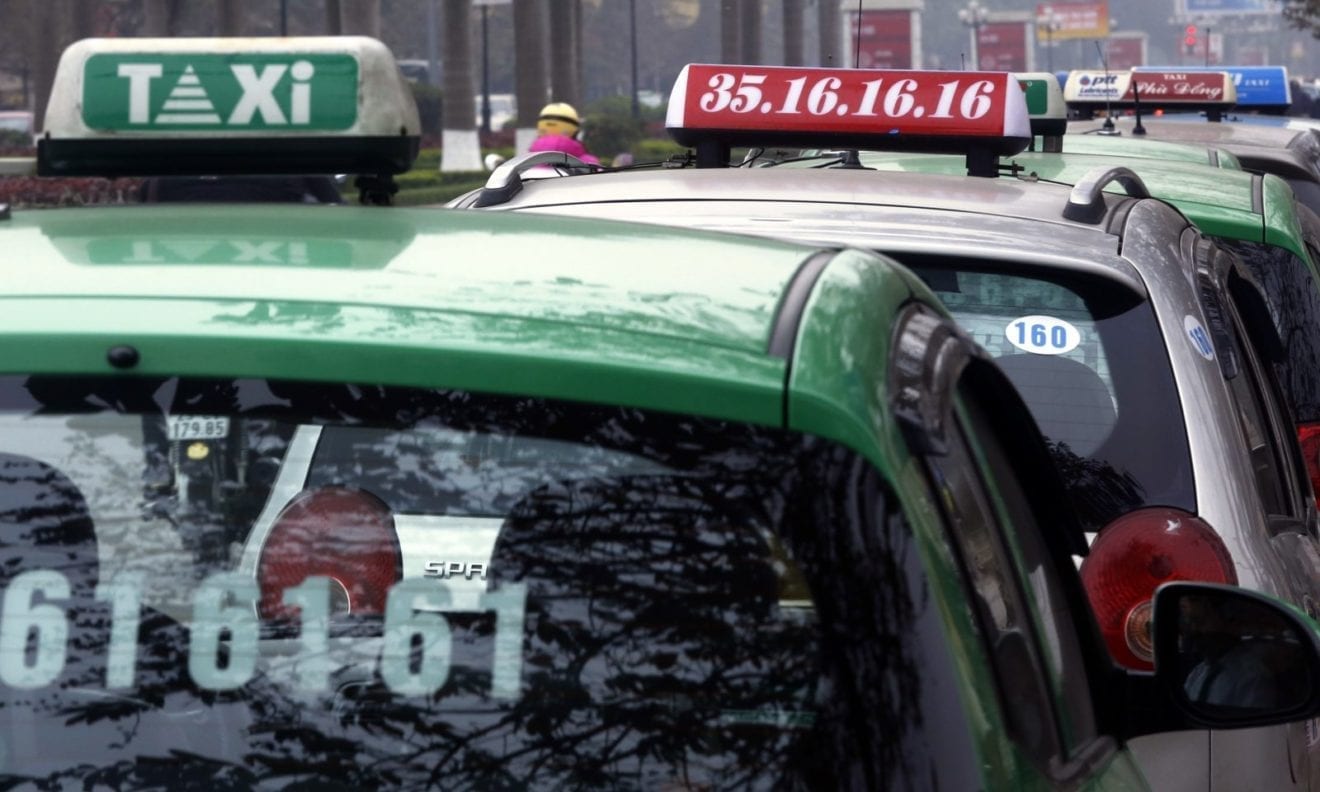
    The opinion is divided among taxi companies about increasing fares after the recent fuel price hikes, with some wanting to do so and others fearing this will lose them, customers.

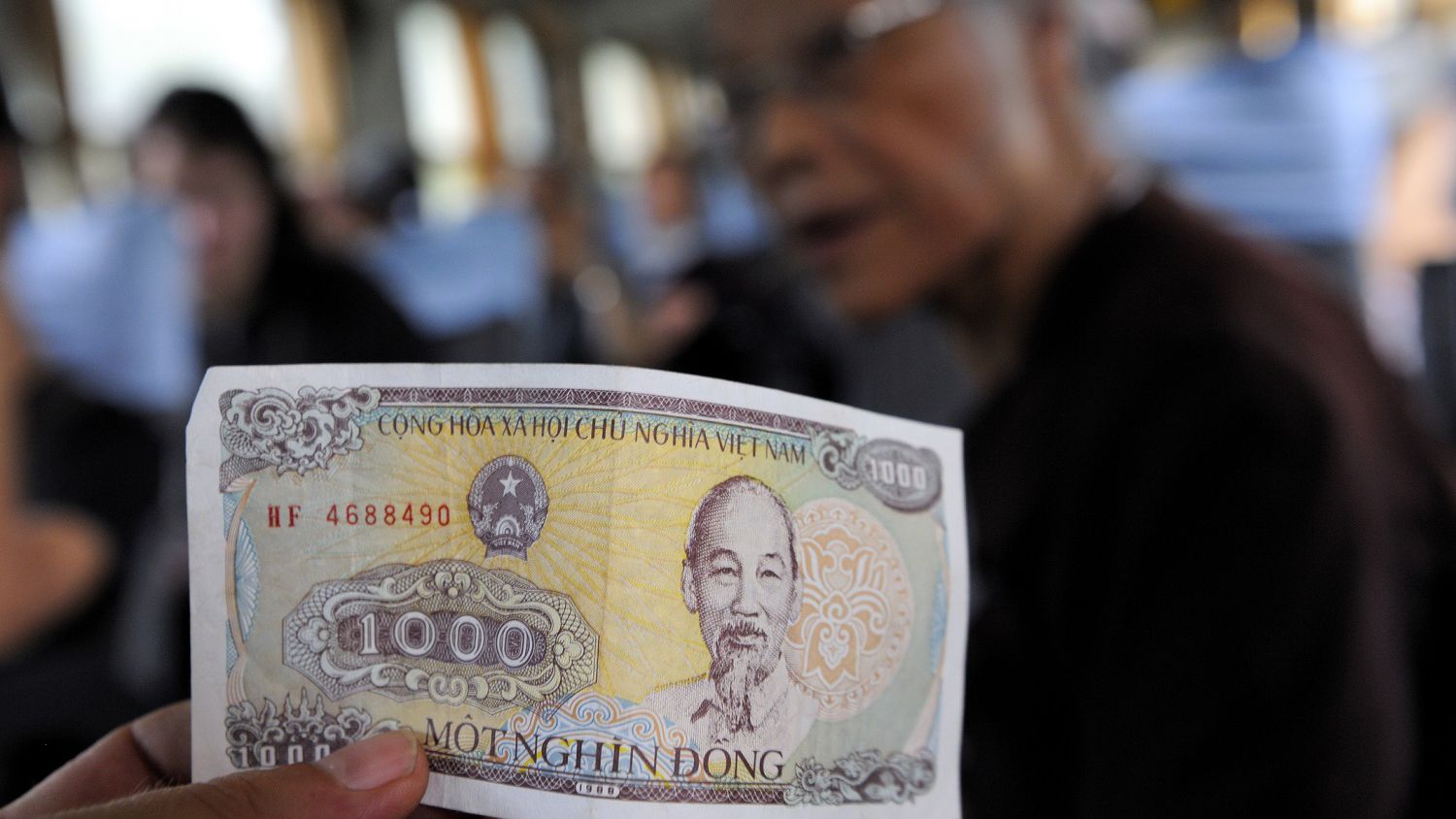
    After four hikes in recent months, the latest on Oct. 26, the price of E5 RON 92 petrol currently stands at VND23,110 ($1) per liter, VND4,600 higher than in late May.

    The price of RON 95 has reached a seven-year high of VND24,330, nearly VND5,000 up since May.

    According to Ho Quoc Huy, chairman of Mai Linh Group, fuel accounts for 35-40 percent of costs, and so when fuel prices increase by VND5,000 per liter, taxi fares should rise by VND500-600 per kilometer.

    Mai Linh and 70 other taxi firms in Hanoi have been discussing fare-related issues in the last two days, with many warnings they cannot keep fares unchanged, he said.

    If companies do hike fares, they would do so by only VND200-300 to retain customers, many of whom themselves face financial difficulties amid Covid-19, he said.

    Ta Long Hy, President of the HCMC Taxi Association, said: “If taxi fares increase, many people will not use taxi services because their purses are no longer full of money.”

  • Inflation rate lowest in five years

    Inflation rate lowest in five years

    Vietnam’s inflation rate in the first 10 months was 1.81 percent, the lowest since 2016.

    In October alone, inflation fell 0.2 percent from September, as lifted restrictions in localities help boost goods transport and reduce stockpiling demand, General Statistics Office reported.

    Demand for electricity and water also fell as the country transitioned from summer to fall while decreasing rents also contributed to lower inflation, it added.

    Gold prices fell 0.21 percent from September as global rates dropped.

    Vietnam targets to keep inflation rise under 4 percent this year.

  • Vietnamese carrier announces first Vietnam-UK direct flights

    Vietnamese carrier announces first Vietnam-UK direct flights

    Bamboo Airways announced the launch of the first Vietnam-U.K. direct flight routes Sunday in the presence of PM Pham Minh Chinh, in the U.K. for the COP26 meet.

    The airline also confirmed that local firm APG UK will be its representative in the U.K.

    Bamboo Airways chairman Trinh Van Quyet said that the direct flights could commence as early as this year when the resumption of commercial flights between the two countries is allowed.

    The airline said it expects to operate six round trips a week between Hanoi, Ho Chi Minh City, and London; and increase frequency based on demand.

    Bamboo Airways’s direct flights would help cut travel time between Vietnam and the U.K. to around 12 hours, seven hours quicker than flights that require transit.

    The flights are expected to drop off and take passengers at Heathrow Airport’s Terminal 2, connecting Vietnam’s Noi Bai and Tan Son Nhat airports with the U.K.’s largest airport. The Boeing 787-9 Dreamliner will be used for flights on the Vietnam-U.K. routes, the airline said.

    Nguyen Hoang Long, Vietnamese ambassador to the U.K., said opening direct flights between the two countries would boost commerce and people-to-people exchanges and would be particularly beneficial for the Vietnamese community in the U.K.

    APG UK, a passenger and cargo representation company, will support the airline with sales, marketing, and customer support as also issues related to aviation policies and procedures.

    There are currently over 100,000 Vietnamese studying and living in the U.K., and around 60 percent of them are in London. In 2019 alone, the number of tourists from the U.K. traveling to Vietnam reached 315,000, a 105 percent increase from the same period in 2018, according to the General Statistics Office. Among European countries, the U.K. has the second-highest number of visitors to Vietnam, the office added.

  • Singaporean logistics unicorn eyes Vietnam as key expansion market

    Singaporean logistics unicorn eyes Vietnam as key expansion market

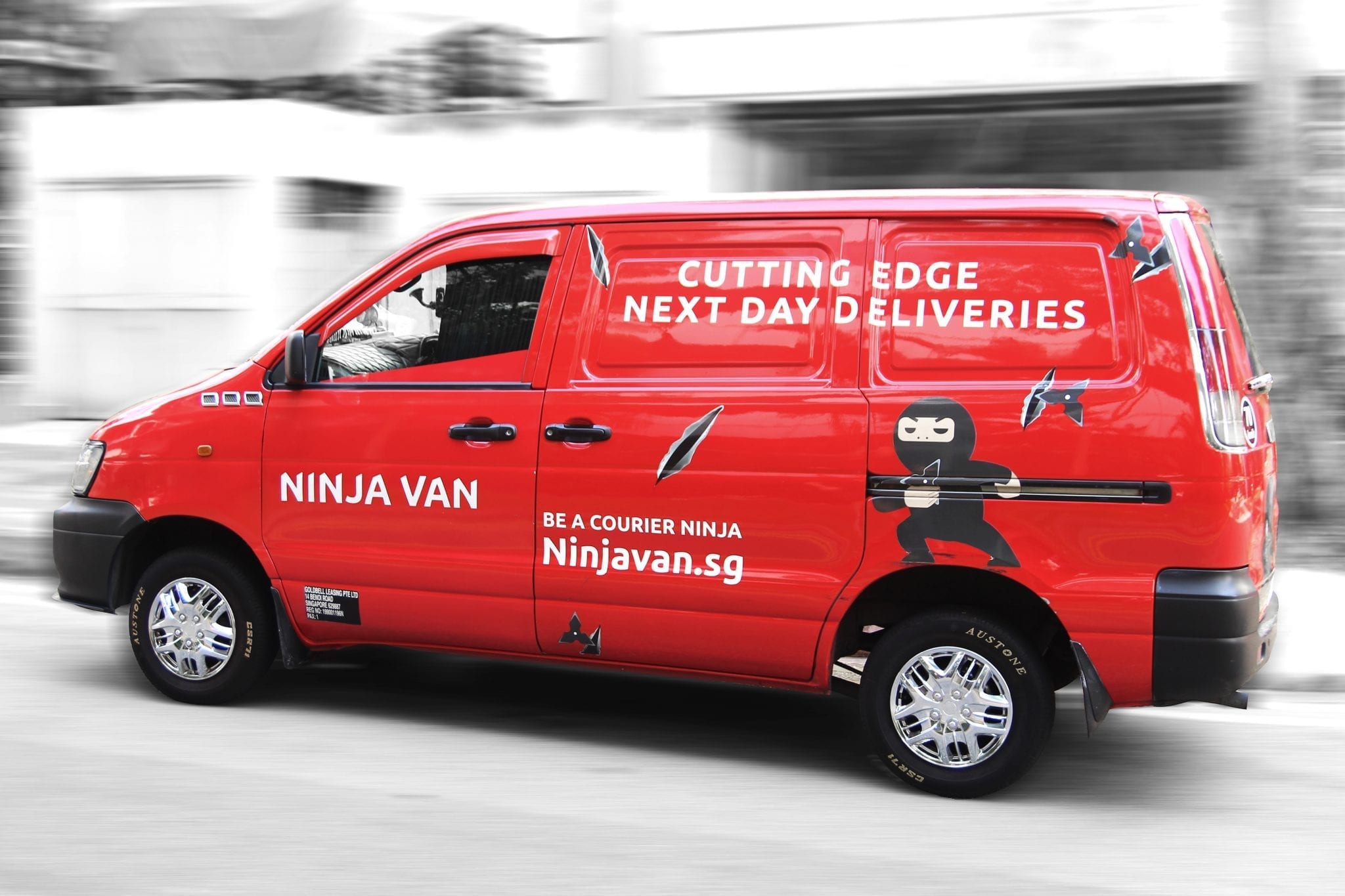
    Ninja Van, a Singaporean logistics startup and new ASEAN unicorn, is set to drive a broad strategy in Vietnam to benefit from the country’s strong e-logistics market growth.

    After successfully raising $578 million in Series E funding, Ninja Van has officially become an ASEAN “unicorn,”.Dzung Phan, president of Ninja Van, said while revealing the startup’s expansion plans for Vietnam and his assessment of its e-logistics market.

    Why did Ninja Van choose Vietnam as a key investment market?

    We believe Vietnam is ready for a new phase of growth in e-logistics. According to Agility, Vietnam ranks 8th among the top world’s fastest-growing logistics markets and 3rd among ASEAN in 2021. Vietnam E-commerce Association (VECOM) also stated the number of postal parcels sent through express delivery services shot up by 47 percent last year.

    Also, e-logistics is strongly driven by the rapid growth of e-commerce. Vietnam’s e-commerce market expanded an average of 30 percent per annum during the period 2016-2019, from $4 billion (2015) to $11.5 billion (2019). According to VECOM, the market will grow at 29 percent annually in 2020-2025, to reach $52 billion (2025).

    The strong potential of Vietnam’s e-logistics market is a good foundation for our ambitious plan. A market with 600,000 sellers and 49.3 million buyers across e-commerce platforms and social networks will generate significant demand for logistics.

    Leading a new unicorn in the e-logistics industry, how do you assess its competitive advantage in Vietnam?

    The domestic e-logistics market is competitive with several “deep pocket” players. The market comprises three main segments: local shipping companies, international shipping companies, and e-commerce platforms with their own in-house shipping ecosystems.

    Domestic enterprises only account for 20 percent of the logistics market share; the remaining 80 percent belongs to international firms with strengths in capital, technology, and experience. Local firms may be backed by international groups, including GHTK by Kerry and AhaMove by Temasek.

    Although the e-logistics market is vibrant, its growth potential is not fully invested in. A survey showed that 60 percent of sellers and 80 percent of buyers are not satisfied with the current quality of express delivery services. Buyers are frustrated by late delivery or the inability to track the flow, while sellers expect more parcels to be delivered.

    Is pricing a major competitive edge in the current e-logistics market?

    Except for the inhouse shipping units of e-commerce platforms, domestic and international players are using price competitiveness to acquire customers quickly. Whenever there is a “newcomer”, delivery costs will drop significantly to maintain the market share and retain customers. Notable discounts were given at the entry of J&T in 2018 and Best in 2020.

    The average shipping price in the Vietnam market fell continuously by 15-20 percent per year from 2017 to 2020. The trend has a negative impact on smaller domestic players, for example, GNN in 2017 suffered a sharp drop in revenue that led to its liquidation. Even international players without strong financial support cannot survive this market, with DHL e-commerce ceasing operations in Vietnam during 2021.

    How does Ninja Van improve the customer experience? Ninja Van focuses on providing a quality and authentic service experience to customers, rather than on pricing alone. Parcel tracking and recovery services for lost or damaged parcels need to be improved.

    Given a tech-enabled personalization of the customer experience, Ninja Van’s nationwide personal delivery service on the Grab app has stepped up during the Covid-19 pandemic. Additionally, we are strengthening our partnership with e-commerce giants including Shopee, Lazada, Tiki, and Sendo.

    With more than 300,000 orders per day, Ninja Van is among the top three partners on all major platforms in Vietnam. These collaborations brought Ninja Van into the top growth 15 companies in the Asia-Pacific region in 2021 as reported by Financial Times.

    To gain trust, we do all possible to help our customers succeed, such as ensuring timely pickup, prompt delivery without loss. In addition, we understand that our partners are working at a large scale, so we do our utmost to optimize our cost structure and provide an attractive rate.

    As a result, we became the most active provider by offering various value-added services, such as return pickup to Lazada, bulky and super bulky delivery for Tiki, or installation services for Shopee.

    With an additional $578 million in Series E, what is the level of ambition in terms of your expansion strategy?

    – Ninja Van is committed to driving a broad strategy in Vietnam in particular and in ASEAN in general. This strategy will cover all three sectors: operations, technical systems, ecosystems for small and retail customers.

    Specifically, Ninja Van will increase its coverage in 63 cities and provinces to reach 100 percent of the Vietnamese population. We will also prepare an automatic sorting system with a capacity of two million packages at five major cities to increase delivery speed.

    We will build and improve web and mobile application platforms to enhance customer experience. We seek to enable both sellers and buyers to track parcels and make inquiries in real-time.

    Notably, we will broaden our cross-border delivery with two new services: Ninja Direct, which helps Vietnamese sellers look for better sourcing with better rates in multiple countries; and Ninja Crossborder, which helps Vietnamese manufacturers reach out to buyers all over the world.

    Moreover, we will complete business activities for the fourth quarter of 2021. For example, based on our big data analytics, we have opened training courses to detect anomalies and outliers to provide timely resolutions for all customers. In 2020, we created 40 different training modules for our shippers and warehouse staff to avoid recalcitrant buyer behavior on COD free delivery services.

    Ninja Van will launch a promotional campaign in Vietnam “Giao thong suot, Nhan ven nguyen” (Smooth delivery, Parcel intact) to support sellers in the fourth quarter. With all staff vaccinated against Covid-19, Ninja Van will maintain its service delivery price during the pandemic to support hard-hit customers.

  • Apple’s Talks With Chinese Battery Makers CATL And BYD

    Apple’s Talks With Chinese Battery Makers CATL And BYD

    Apple Inc’s talks with China’s CATL and BYD over battery supplies for its planned electric vehicle have been mostly stalled after they refused to set up teams and build U.S. plants that would solely cater to the tech giant, three people with knowledge of the discussions said.

    The firms informed Apple sometime in the past two months that they were not able to meet its requirements, the people said. But the U.S. company has not given up hope of resuming talks with either CATL or BYD, according to one source.

    Chinese battery makers are more advanced than rivals in the development of lithium iron phosphate (LFP) batteries which are cheaper to produce and sources have previously said Apple favors this battery technology.

    CATL, the world’s No.1 maker of batteries for EVs, has been reluctant to build a U.S. factory due to political tensions between Washington and Beijing as well as cost concerns, said one of the people with direct knowledge of the talks.

    The Chinese firm has also found it impossible to set up a separate product development team exclusively working with Apple due to difficulties in finding sufficient personnel, the person added.

    BYD, which has an iron-phosphate battery plant in Lancaster, California, declined to build a new factory and team that would solely focus on supplying Apple, said two of the sources.

    The stalled discussions have meant that Apple has been considering Japanese battery makers and it sent a group of people to Japan this month, they added.

    Panasonic Corp is one of the companies that Apple is considering, said one of the people.

    The sources declined to be identified as the talks were confidential. Apple, BYD and Panasonic declined to comment.

    CATL said in a statement to Reuters that it denied “the relevant information”.

    “We are evaluating the opportunity and possibility of manufacture localization in North America,” the statement said, adding that it has a dedicated professional team exclusively for each customer.

    Sources said last year Apple was aiming to launch an electric car by 2024. Apple has not publicly disclosed its plans. The stall in discussions comes at a time when U.S. President Joe Biden is seeking to make the United States a powerhouse in electric cars, setting a goal of having half of all new vehicles sold in 2030 electric.

    Any delays in securing battery supplies could further impede EV development for Apple which last month lost the head of its car project, Doug Field, after he decided to return to Ford Motor Co.

    Tesla Inc, which has been making some of its Model 3 and Model Y cars in China with LFP batteries from CATL, said this week it intended to use that battery chemistry outside China as well.

    CATL and BYD use a type of battery pack technology to improve the performance of LFP batteries. Without that, LFP batteries usually offer much shorter driving ranges and lower energy density than the more expensive lithium batteries that use cobalt and nickel.

  • Citi’s Victor Alexiev to Take on New Global Role

    Citi’s Victor Alexiev to Take on New Global Role

    He will lead a global team of former entrepreneurs, innovation strategists, product managers and venture builders to accelerate the development of new solutions at Citi’s internal incubation program.

    Citi has announced the appointment of Singapore-based Victor Alexiev as head of D10X for its Institutional Clients Group (ICG), effective immediately, the firm announced on Friday.

    Alexiev joined Citi in 2018 as the Asia head of D10X, which was launched in 2016 under Citi Ventures, and is focused on the exploration of new strategic opportunities for growth and value creation for the bank. His initial remit was focused on Citi’s markets and securities services business and in 2020, it was expanded to include all of Citi Ventures’ ICG-relevant programs and strategic partnerships across Asia.

    He will relocate next summer for the new role, which reports to Valla Vakili, global head of venture innovation for Citi Ventures. He will also have a matrix reporting line to Gulru Atak, managing director, ICG business development, innovation.

    Under his leadership, the D10X team in Asia has launched three products to market, with a combined obtainable market value of over $500 million, Citi said. One of the projects includes a fully automated securities lending solution for asset aggregators in partnership with fintech Sharegain.

    The D10X team in Asia has also supported industry initiatives such as the development of a blueprint for securities tokenization led by the Asia Securities Industry & Financial Markets Association (ASIFMA), and has also been actively involved in the continuous development of the entrepreneurial ecosystems in Asia.

  • Vietjet, Rolls Royce ink $400-mln engine deal

    Vietjet, Rolls Royce ink $400-mln engine deal

    Budget airline Vietjet has signed a $400-million agreement with British company Rolls Royce for aircraft engines for its wide-body fleet and engine servicing.

    The signing ceremony on Sunday was witnessed by Prime Minister Pham Minh Chinh, who is in the U.K. for the 26th United Nations Climate Change Conference, according to a statement from the airline.

    Rolls Royce Civil Aerospace’s chief customer officer, Ewen McDonald, said the company’s Trent 700 engine has the lowest lifetime fuel burn on its aircraft type, and has logged more than 60 million hours in service since its launch in 1995.

    It is the only engine specifically designed for Vietjet’s wide-body aircraft, he said without naming the model.

    The carrier’s managing director, Dinh Viet Phuong, said the new engines would improve flight range and quality and boost Vietjet aircraft’s technical reliability and operational efficiency.

    Vietjet has a fleet of 90 single-aisle aircraft.

    Rolls-Royce has more than 400 airline and leasing customers and 160 armed forces and navies.

    Vietjet, which began flying in 2011, also signed a $20-million reinsurance agreement with brokers Gallagher Co. and Willis Towers Watson Co. for its entire fleet, according to a separate statement it put out.

  • Twitter brings Super Follows to everyone with an iPhone

    Twitter brings Super Follows to everyone with an iPhone

    Twitter announced it has begun testing a new monetization feature aimed at Twitter iOS users in early September. The so-called Super Follows feature is meant to allow Twitter users with more than 10,000 followers to earn a monthly revenue by offering an extra level of content and interaction as a monthly subscription.

    Initially, Super Follows was only available to select users in the US and Canada, all Twitter users on iOS will have access to the new feature. As mentioned earlier, if you’re a Twitter user with more than 10k followers and you live in the United States, you can apply to become a “super followed” content creator.

    There are three types of monthly subscriptions content creators can choose to offer to their followers: $2.99, $4.99, and $9.99. You don’t have to be in the United States to “super follow” someone, but you must have an iPhone to be able to use the feature.

    According to Twitter, content creators can earn up to 97% of the revenue from Super Follows subscriptions, as the company won’t take more than 3% share until you exceed $50,000 in lifetime earnings. After that point, Twitter’s share will increase up to 20% of future earnings.

  • StanChart Inks Buy-Now-Pay-Later Deal in Indonesia

    StanChart Inks Buy-Now-Pay-Later Deal in Indonesia

    The bank’s branch in Indonesia has announced a partnership to offer Buy Now, Pay Later (BNPL) loans to the mass market segment via digital channels.

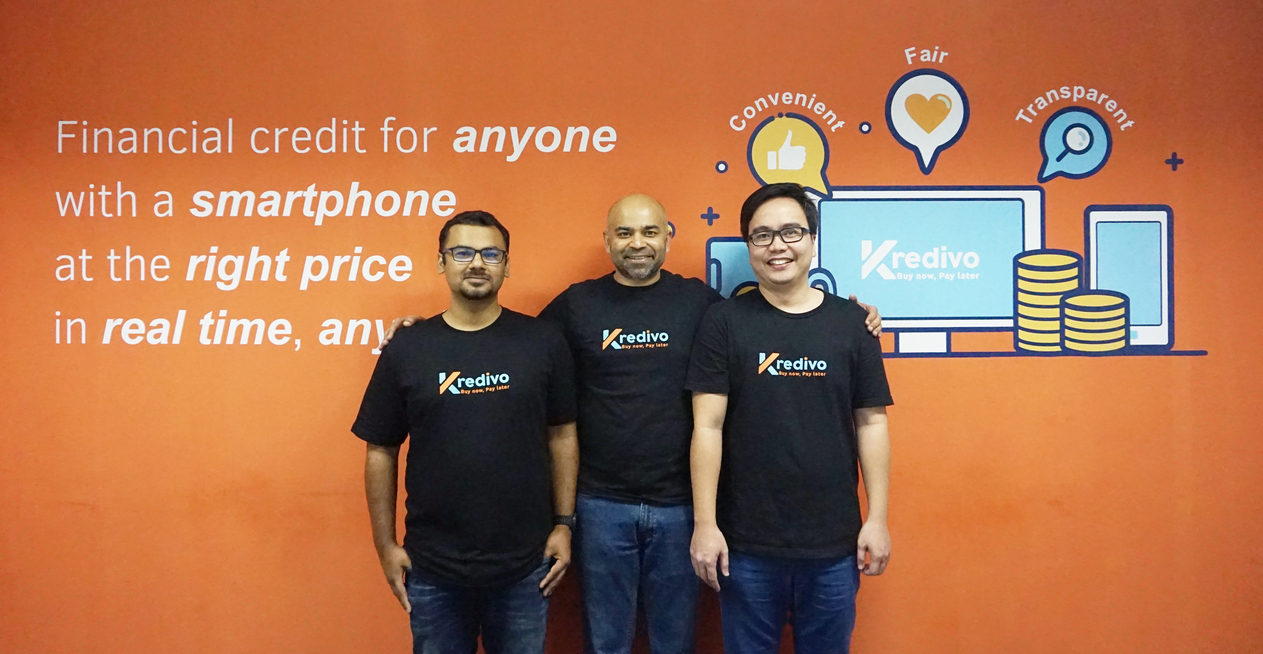
    Standard Chartered will offer small-ticket loans to customers in Indonesia via its partnership with Kredivo – one of the country’s largest and fastest-growing digital credit platforms, the bank announced on Thursday.

    While Standard Chartered already enjoys a strong position in the retail affluent segment, we are strengthening and expanding our distribution channels to serve mass-market customers more efficiently,» Jeffrey Tan, Standard Chartered head of Consumer, Private and Business Banking (CPBB), Indonesia, said,

    Customers can enjoy a fully digital onboarding and credit application process, with no face-to-face verification requirement, via Kredivo’s coverage of retailers and AI-driven credit scoring capabilities.

    The bank hopes to ride on the accelerating adoption of digital financial services in Southeast Asia’s most populous nation, as well as improving market sentiment and retail sales as vaccination and pandemic-related metrics continue to improve, leading to higher demand for loans.

    This announcement follows Standard Chartered’s recent partnership with BNPL platform Atome to deliver a wide range of financial services to consumers and merchants across key markets in Asia.

    Kredivo has also been expanding of late – in August, the company launched in Vietnam through a joint venture with Phoenix Holding, a family investment company based in the country. FinAccel, Kredivo’s parent company also announced plans to go public via a $2.5 billion SPAC merger. The firm had raised US$90 million in 2019 during a Series C funding round to double down on its Southeast Asian expansion plans.

  • Uber, Carrefour Expand Partnership To Speed Up Deliveries In Paris

    Uber, Carrefour Expand Partnership To Speed Up Deliveries In Paris

    U.S.-based ride-hailing app owner Uber Technologies and Europe’s largest retailer Carrefour are to launch a new rapid grocery delivery service in Paris, extending their 18-month partnership, the two companies said on Tuesday.

    Carrefour Sprint will offer a 15-minute grocery delivery service to Parisians exclusively via the Uber Eats mobile app from nine “dark stores” – shops closed to customers where workers prepare orders for delivery – operated by Carrefour’s partner Cajoo.

    Earlier this year, the French retailer agreed to take a minority stake in the newly founded start-up Cajoo, which operates “dark stores” across the country.

    Established retailers and food deliverers face intense competition from a crop of newer, well-funded start-ups running networks of “dark stores” that can dispatch groceries ordered on a smartphone app to the doorstep within minutes.

    “Over the past 18 months people have increasingly come to expect quick and reliable delivery … in Europe alone we’ve seen a triple-digit increase in demand for grocery delivery,” Eve Henrikson, Regional General Manager, Uber Delivery EMEA, said in a statement.

    Uber and Carrefour are already offering 30-minute deliveries in France from Carrefour’s almost 2,000 shops available on Uber’s app under a deal agreed last year.

    Both companies have also separately struck deals to speed up delivery with other market players like Britain’s Deliveroo and France’s supermarket chain Casino.

    Uber and Carrefour plan to expand the 15-minute service to other major French cities such as Lyon, Bordeaux, Toulouse, Lille and Montpellier in coming weeks, they said.