Author: Mei Ling Tan

  • Citi Names Regaional Co-Heads of BCMA

    Citi Names Regaional Co-Heads of BCMA

    They will replace David Biller, who will be relocating to Europe at the end of the year to take on a broader role as co-head of industrials for EMEA, Asia and Japan.

    Citi has appointed Matthew Nimtz and Jonathan Quek as co-heads of Asean banking, capital markets and advisory (BCMA), effective immediately, according to an internal memo.

    Nimtz and Quek are long-time Citi veterans and have worked together in Singapore for the past 10 years, Citi said. Nimtz leads the ASEAN M&A franchise, while Quek is co-head of real estate investment banking, Asia, as well as head of investment banking, Singapore.

    The pair will report to Jan Metzger for BCMA and Amol Gupte for ASEAN.  They will also maintain their existing roles in M&A (reporting to Colin Banfield) and real estate (reporting to Tom Flexner), respectively. Asean corporate banking country heads will report into Nimtz and Quek, in addition to their current reporting lines into Kaleem Rizvi for corporate banking and the respective CCOs, According to an internal memo.

    Matt and Jon’s leadership will be instrumental in continuing the strong momentum in the increasingly important Asean market, Citi said.

    We are running at record levels for capital raising and advisory for clients across Asean. This is a mix of balance sheet strengthening and financing to support growth. There is a massive transformation happening across all industries in Asean and with a global network, this has helped sharpen our dialogue with clients as they increasingly want a global perspective, said the memo.

  • Global hike pushes Vietnam fuel price to 7-year high

    Global hike pushes Vietnam fuel price to 7-year high

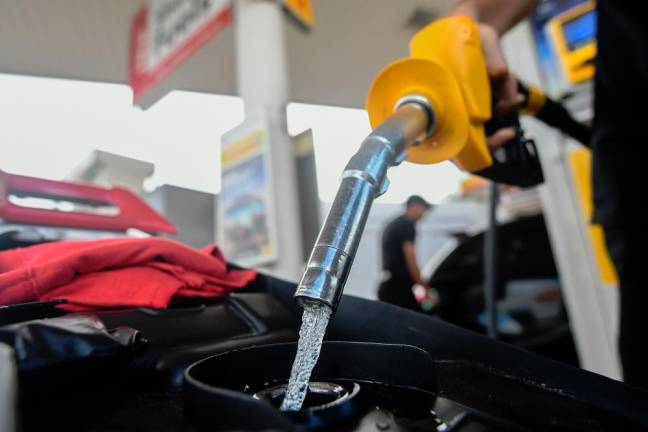
    Fuel prices in Vietnam have surged by over 52 percent to a seven-year high, with global rates shooting up as demand rises in economies reopening.

    The government has hiked fuel prices up by 40.23–52.59 percent this year with the latest increase Tuesday bringing the popular fuel RON 95 to VND24,330 ($1.07) per liter, the highest since September 2014.

    Global prices have also been rising. Brent futures rose 0.5 percent, to settle at $86.40 a barrel Tuesday, while U.S. West Texas Intermediate (WTI) crude ended 1.1 percent higher at $84.65.

    Those were the highest closing prices for both global benchmarks since October 2014.

    A global supply shortage and strong demand in the U.S., the world’s biggest consumer, is said to be the reason behind the increase.

    Gasoline and distillate consumption in the U.S. is back in line with five-year averages after more than a year of depressed demand.

    While China’s red-hot power and coal markets have cooled somewhat after government intervention, energy prices remain elevated worldwide as temperatures fall with the onset of the northern winter.

    Since last month, Vietnam has pushed up fuel prices four times, but the combined increase this year is still lower than that of global rates thanks to the fuel price stabilization fund, the Ministry of Industry and Trade and the Ministry of Finance said in a joint statement Tuesday.

    They noted that global rates have increased 59.08–76.03 percent this year.

    However, the price stabilization fund, set up to offset fluctuations in global fuel prices, is seeing shortages.

    As of Tuesday, state-owned fuel distributor Petrolimex had a negative VND262 billion balance in its stabilization fund. At state-owned PVOil, the negative balance was VND697 billion as of Oct. 11.

    By the end of August, 15 of 35 fuel companies in the country reported a combined negative balance of VND1.47 trillion.

    Together with the remaining sum from the other 20 companies, the total balance of the fund stands at VND600 billion now.

    Experts have said further price hikes in the future can deplete the balance. The fund’s balance had fallen to a negative VND620 billion in mid-2019.

    The high fuel prices have raised concerns of rising inflation.

    Ngo Bich Lam, former head of the General Statistics Office, said that a 10 percent increase in fuel prices will lower GDP by around 0.5 percent and pump up the Consumer Price Index (CPI), which measures inflation, by 0.36 percentage points.

    This shows the strong impact of fuel price fluctuations on the economy, he said.

    Some people have mentioned the possibility of lowering fuel tax to offset the increase. Tax and fees account for over 60 percent of fuel prices.

    At VND4,000 per liter or 16.4 percent of the current price, environmental tax is one of the biggest boosters of fuel prices.

    The Ministry of Industry and Trade and the Ministry of Finance are considering lowering fuel taxes, including environmental tax, to keep domestic prices stabile, Le Viet Nga, deputy head of the domestic markets under the trade ministry, had said at a press briefing last month.

    A fuel distributor in Hanoi who did not want to be named said that the government could lower taxes for biofuel E5 RON 92 by VND1,000 per liter from the current VND3,800.

    This 26 percent discount will reduce the impacts of the price hike on businesses and citizens at a time the economy is only beginning to recover, he said, adding that it would also boost consumption of biofuel, which is cheaper than RON 95.

    Vietnam imported $2.93 billion worth of fuel in the first nine months, up 15.3 percent year-on-year, according to Vietnam Customs.
  • Auto registration fee to be halved again

    Auto registration fee to be halved again

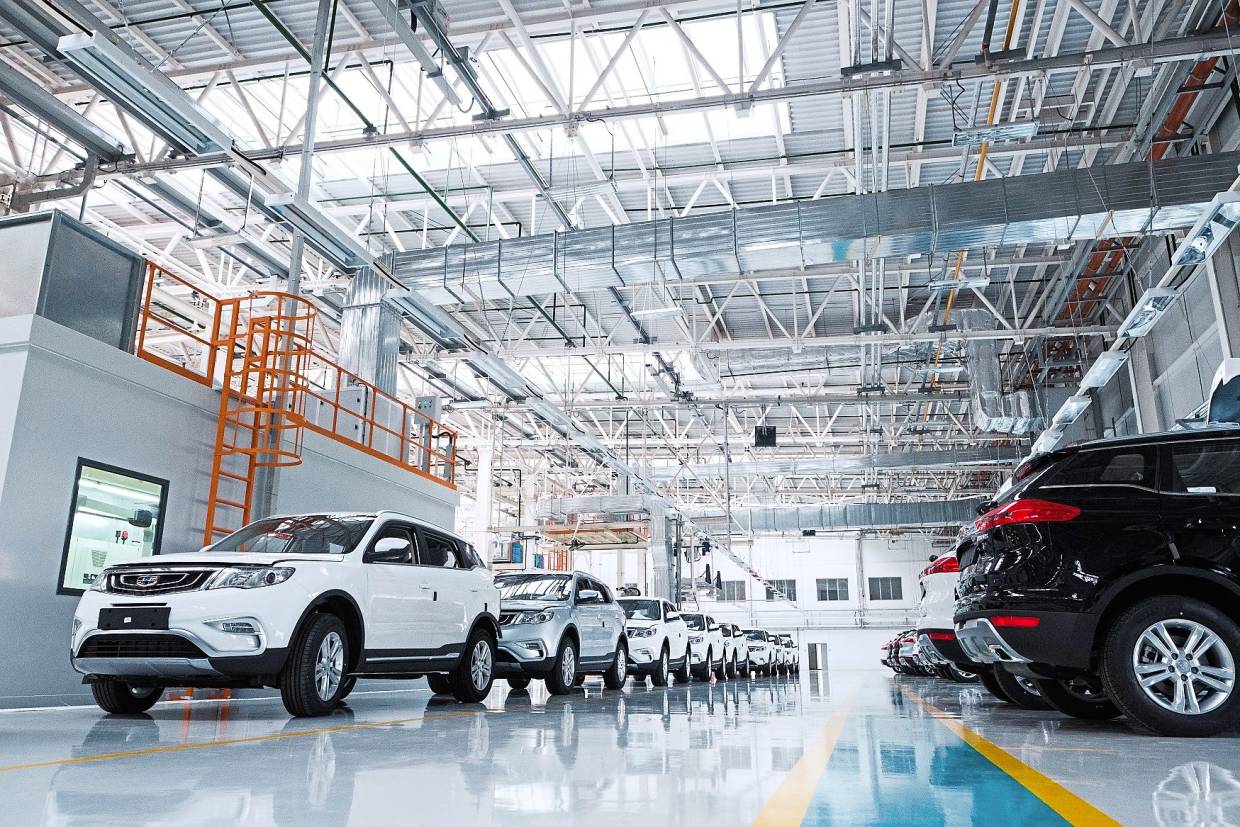
    The Ministry of Finance has said the registration fee for locally manufactured automobiles will be halved for six months until May 15 next year.

    If the government issues the decree for the purpose after Nov. 15, the fee cut would apply from Dec. 1 to May 31, it said, explaining the reduction is meant to stimulate demand and help boost investment and revive supply chains in the auto industry.

    When the fee was similarly cut in the second half of last year, it helped increase auto sales and tax collection increased by VND14.11 trillion ($613.48 million).

    Over 102,900 automobiles produced in the country were registered in the first half of last year, and the number doubled in the second half when the fee was halved.

    Some neighboring countries like Indonesia and Malaysia have also offered preferential treatment to their domestic automobile industry amid the Covid outbreaks, it added.

    Eleven foreign automobile firms that do not manufacture in Vietnam, including Audi, Volkswagen, Subaru, Volvo, Jeep, and Porsche, recently called on the government to apply the registration fee cut also to imported vehicles.

    The Vietnam Automobile Manufacturers Association had also called on the ministry for similar cuts for both local products and imports, but the ministry rejected it as not appropriate.

    The association said its members sold 170,073 vehicles in the first nine months of this year, a year-on-year decrease of 1 percent. The numbers do not include sales of Audi, Jaguar-Land Rover, Subaru, Volkswagen, Volvo and some others who did not reveal their numbers.

    According to the General Statistics Office, Vietnam imported 112,000 complete built-up vehicles in the nine-month period, up 67.9 percent.

  • Vietnam Airlines stock trading restricted to afternoon session

    Vietnam Airlines stock trading restricted to afternoon session

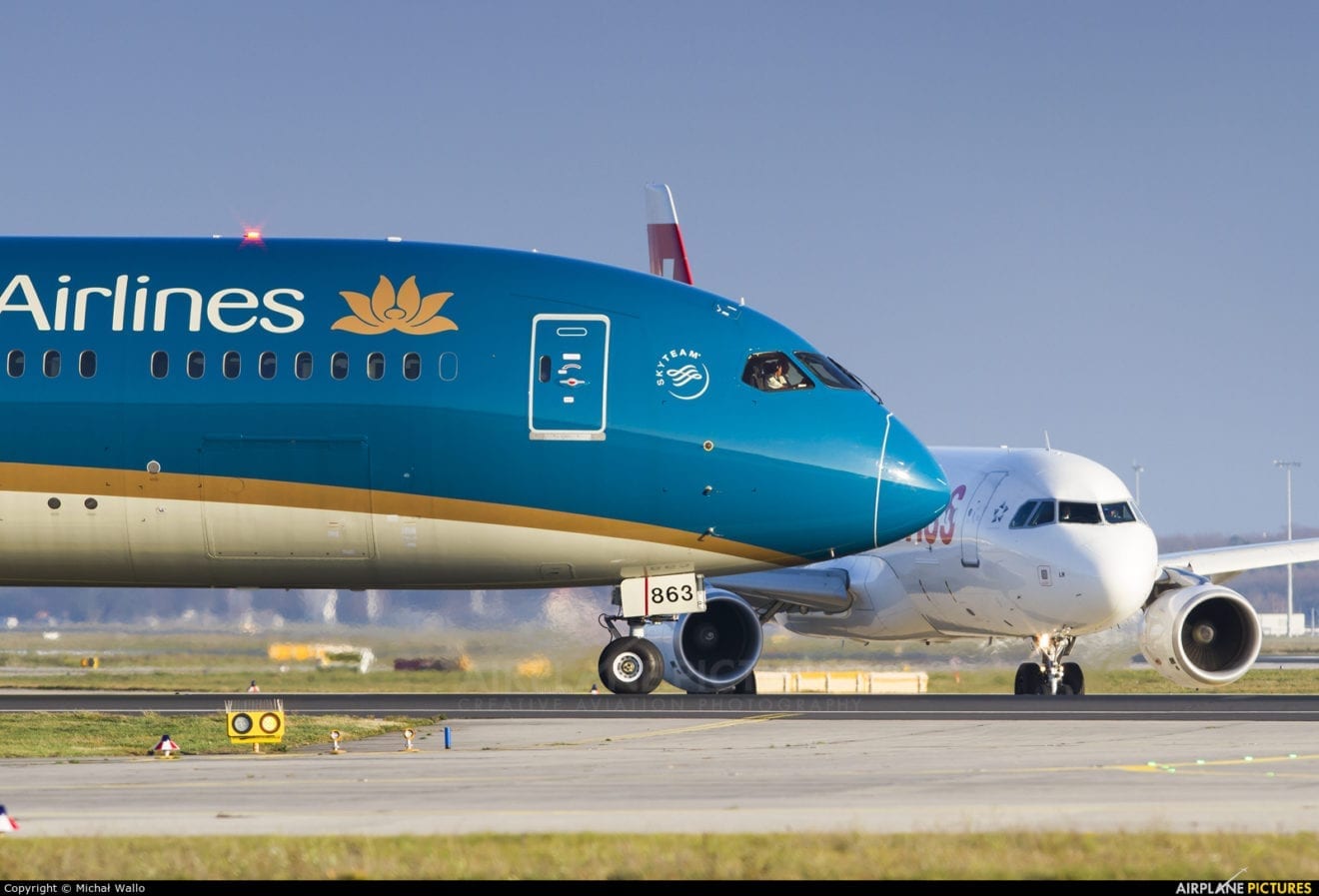
    Trading in Vietnam Airlines’ stock will be restricted to the afternoon session from Nov. 3 aftermarket regulators deemed the carrier’s financial situation “risky”.

    The main bourse Ho Chi Minh Stock Exchange will consider lifting the restriction depending on its evolving financial situation.

    The airline reported a loss of VND8.46 trillion for the first half of this year.

    Its accumulated losses as of Jun. 30 were VND17.81 trillion, or more than its charter capital then.

    In reviewing the company’s half-yearly financial statement, auditors Deloitte Vietnam said it has doubts about the airline’s ability to “continue as a going concern.”

    The company’s recovery is dependent on financial support from the government, rolling over of loans by banks and the Covid-19 pandemic, it said.

    Last month Vietnam Airlines said it had issued nearly 800 million shares to increase its charter capital by VND8 trillion to VND22.14 trillion.

  • Chipmaker Infineon Plans 50% investment Boost

    Chipmaker Infineon Plans 50% investment Boost

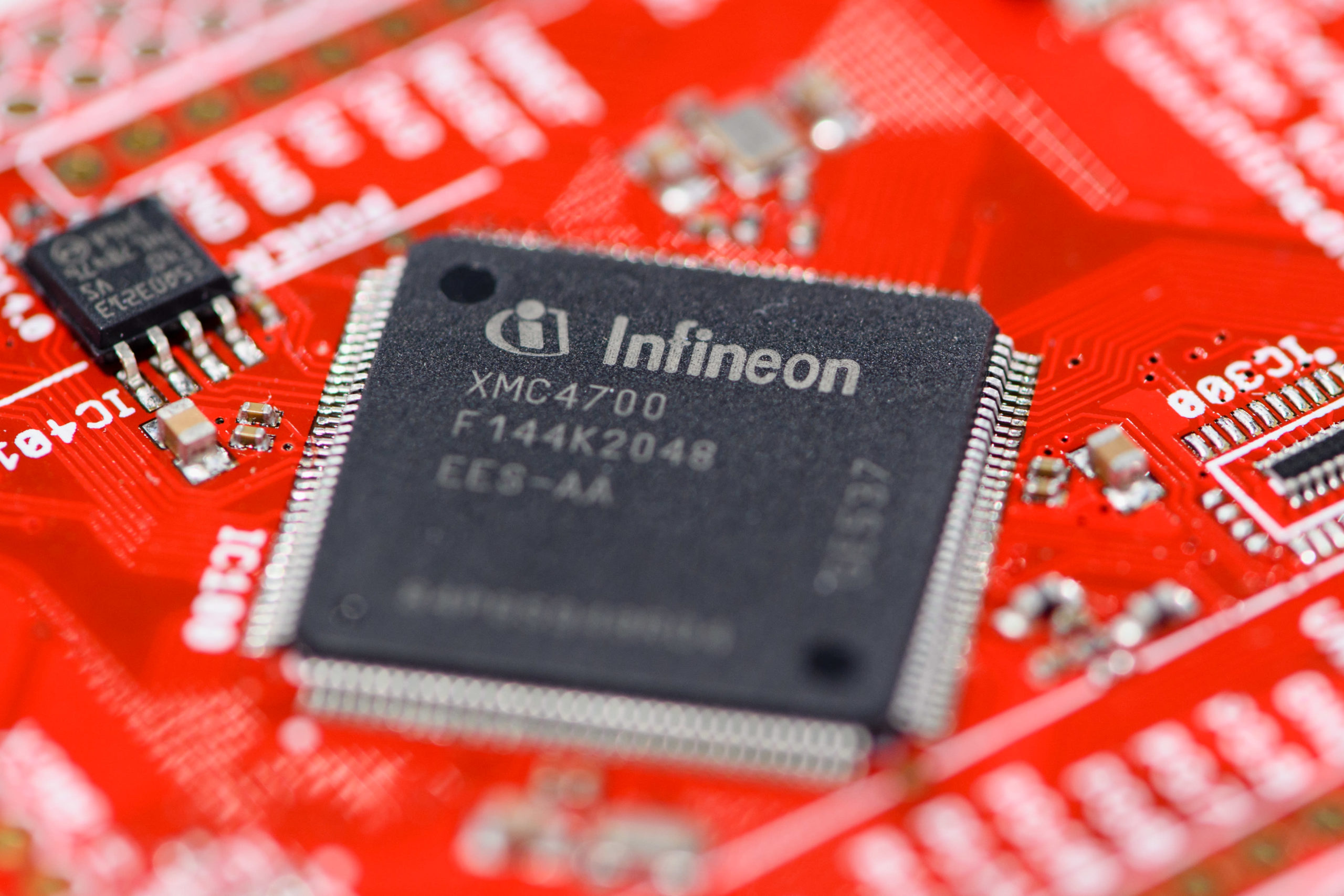
    German chipmaker Infineon Technologies said on Tuesday it plans a 50% hike in investments next year, boosting its shares as it looks to benefit from soaring demand and a global shortage in semiconductors. Infineon said it would invest around 2.4 billion euros ($2.8 billion) in 2022, up from about 1.6 billion euros this year.

    The leading supplier of chips to the auto industry forecast revenue would grow by a mid-teens percentage next year, with a segment result margin – a measure of operational profitability – of around 20%, up from a 2021 target for 18%.

    “The main part of the sales growth will come from capacity building, but also a decent part from higher prices, some of which we will pass on to customers,” Schneider said.

    Infineon opened a 1.6 billion euro plant in Austria last month, boosting its ability to supply power chips for cars, data centres and renewable power.

    The company has blamed a lack of investment in new capacity by its manufacturing partners for tightness in semiconductor markets as demand rebounded after coronavirus lockdowns, disrupting chip supplies, especially in the car industry.

    Contract chipmakers have invested chiefly in the production of higher-margin processors used in devices like smartphones, leaving existing plants unable to meet demand for the older chips used in cars.

    Infineon opened a 1.6 billion euro plant in Austria last month, boosting its ability to supply power chips for cars, data centres and renewable power.

    The Munich-based firm could decide to build another factory soon, assuming the rapid adoption of electric vehicles continues to take up capacity in its existing plants, Stifel analyst Juergen Wagner predicted.

    Schneider said he expected the shortage of chips to drag on well into 2022, welcoming European efforts to increase semiconductor production capacity.

    Infineon confirmed guidance for 2021 revenues of 11 billion euros.

  • Porsche Taycan Electric Sports Car India Launch Date Announced

    Porsche Taycan Electric Sports Car India Launch Date Announced

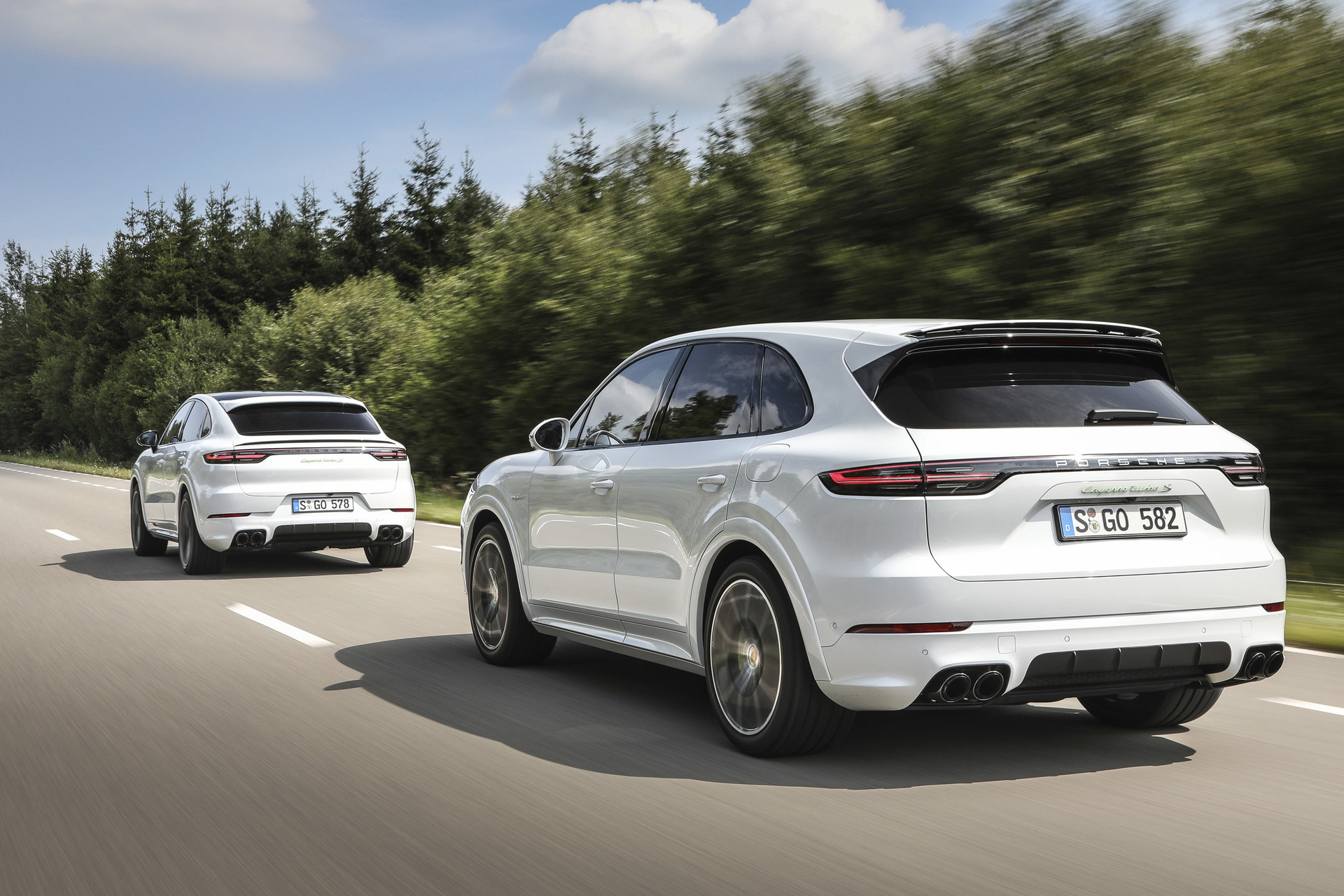
    The long wait for the Porsche Taycan in India is over and the company is all set to launch the all-electric sports car in the country in November. The company will launch the car on November 12, along with the new Macan. We have been awaiting the arrival of the Taycan in the country and we can’t wait to see it in the flesh soon.

    Globally, the Taycan has had phenomenal success. The company has already sold 28,640 units of the electric sports car in the first 9 months of 2021 and that’s a big deal. With India on the map too, sales will definitely get a boost, considering that a lot of people have been awaiting the launch of this car in the country.

    The Porsche Taycan sports two permanently excited synchronous electric motors that can churn out a maximum of 600 bhp and will a range of over 500 km thanks to its high voltage lithium-ion batteries. The electric car will get 800-volt chargers with fast charging capability, which can offer a 400 km range in 15 minutes of charge time. It can go from 0-100 kmph in under 3.5 seconds.

  • Samsung reports record third quarter revenue despite global chip shortage

    Samsung reports record third quarter revenue despite global chip shortage

    Samsung had a record third-quarter revenue as it reported the U.S. Dollar equivalent of $63.1 billion for the period. That works out to a 10% increase for the top line while operating profit for the quarter came to $13.5 billion (or 26% higher than the operating profit reported during the previous quarter). $22.6 billion in revenue during the quarter came from Sammy’s semiconductor business.

    Samsung was able to navigate its chip business through the global chip shortage “by flexibly operating its product mix.” Samsung’s mobile business also played a huge role in the company’s record-breaking third-quarter. Thanks to strong sales of its flagship phones including foldable like the Galaxy Z Fold 3 and the Galaxy Z Flip 3, Samsung generated $24.2 billion in revenue during the period from July through September.

    Demand for semiconductors improved thanks to strong sales of computers; the latter benefited from the increased number of people working at home because of the pandemic.

    The company’s profits were impacted by the larger marketing outlays it made for its foldable line. Strong demand for Samsung’s phones also led its display business to deliver $7.5 billion in revenue. Earnings for the display segment were helped by strong demand for small to medium OLED panels. Demand for larger-sized displays was sluggish.

    Samsung is optimistic about Q4 and 2022 results, but cannot estimate results for the chip business because of the supply issues in that market. For the fourth quarter, the company expects to report higher earnings “due to expanded supply of SoCs and related products for launches of new 5G smartphones in 2022.”

    The company expects that the Galaxy S22 series will be its first flagship series of the new year with the Galaxy S22, Galaxy S22+, and the Galaxy S22 Ultra kicking off 2022 in January. Meanwhile, investors were happy with the report as the shares soared 2.28% on Wednesday (or $1.45 USD) to $61.22.

  • Google unveils the developer preview of Android 12L

    Google unveils the developer preview of Android 12L

    The last time there was a dedicated tablet version of Android, it was 2011 and Android 3.0 Honeycomb was running tablets such as the Motorola XOOM. But once Android 4.0 Ice Cream Sandwich was released in October 2011, the days of having a dedicated operating system for Android slates were over. That is, until now.

    You might recall that there was talk about Google releasing Android 12.1 later this year for foldable phones that open to show off large tablet-sized screens. But today, Google introduced the first developer preview of Android 12L (“L” for larger screens) and what was at first thought to be Android 12.1 turns out to actually be Android 12L; the first developer preview of the operating system has been released.

    This build of Android is designed for tablet-sized glass. As Google points out in its release today, “There are over a quarter billion large screen devices running Android across tablets, foldables, and ChromeOS devices. In just the last 12 months we’ve seen nearly 100 million new Android tablet activations—a 20% YoY growth, while ChromeOS, now the fastest growing desktop platform, grew by 92%.”

    Google adds, “We’ve also seen Foldable devices on the rise, with year on year growth of over 265%! All told, there are over 250 million active large screen devices running Android. With all of the momentum, we’re continuing to invest in making Android an even better OS on these devices, for users and developers.”

    One of the hot new features for Android L is a taskbar at the bottom of the screen that can automatically switch to ‘favorite apps.’ And to enter split-screen mode, all you need to do is drag an icon from the taskbar onto either the left or right half of the display. In split-screen mode, the two sides of the display are separated by a divider that can be resized. While the icons on the dock are square, the corners of the app windows are rounded.

    What killed Honeycomb? Some believe that a lack of Android apps created specifically for tablets was the problem; Google failed to inspire third-party developers by creating apps for Android tablets. But if Google can create its own apps for Android 12L, it might inspire third-party developers to spend the time and money on the creation of third-party tablet apps for Android.

    Google says that it expects to release Android 12L “early next year, in time for the next wave of Android 12 tablets and foldable. We’re also offering the features to our OEM partners to bring to their existing large screen devices,” Google says.

    So what’s in Android 12L? Google writes “In 12L we’ve refined the UI to make Android more beautiful and easier to use on screens larger than 600sp — across notifications, quick settings, lock screen, overview, home screen, and more.” According to Google’s Android 12L Timeline, four beta releases of Android 12L will take place in December, January, and February followed by a final release of the operating system in March 2022.

    While Google has talked about eventually releasing Android 12L for regular-sized handsets, right now it’s a no-go because “most of the new features won’t be visible on smaller screens.” The Alphabet subsidiary adds, “Today we’re bringing you a developer preview of 12L, our upcoming feature drop that makes Android 12 even better on large screens. With the preview, you can try the new large screen features, optimize your apps, and let us know your feedback.”

    “In 12L we’ve refined the UI on large screens across notifications, quick settings, lock screen, overview, home screen, and more.” Google continues, “For example, on screens above 600dp, the notification shade, lock screen, and other system surfaces use a new two-column layout to take advantage of the screen area. System apps are also optimized.

  • Singapore Expands Travel Lane Scheme to Switzerland

    Singapore Expands Travel Lane Scheme to Switzerland

    Singapore will be adding two countries to the Vaccinated Travel Lane (VTL) scheme, under which travelers will only need to take a Covid-19 swab test after arrival and before departure in Singapore.

    Vaccinated travelers from Switzerland and Australia will be able to enter Singapore without serving stay-home notices from November 8, the Civil Aviation Authority of Singapore (CAAS) announced on Tuesday evening.

    All Singapore Airlines flights from Switzerland to Singapore will be offered under the VTL program from November 8, with flight SQ345 operating daily between the two financial centers.

    The Alpine nation is among Singapore’s top investment and trading partners, and there are around 1,000 Swiss companies and around 3,000 Swiss expatriates in the city-state, CAAS noted.

    Switzerland’s borders are open to all travellers from Singapore. Australia plans to open its borders to skilled workers and international students by year’s end, authorities said on Wednesday.

    We are in discussions with other partners, including our regional neighbors, to reopen safely to each other, and restore our close connectivity, S. Iswaran, Transport Minister, said.

    The VTL scheme currently includes Germany, Brunei, Canada, Denmark, France, Italy, the Netherlands, Spain, the United Kingdom and the United States, with South Korea to be added on November 15.

    With the announcement of the new VTLs, Singapore will also be expanding its daily quota of VTL arrivals from 3,000 to 4,000,

  • Airbus names new general director for Vietnam

    Airbus names new general director for Vietnam

    Aircraft maker Airbus has appointed Hoang Tri Mai as its new general director for Vietnam.

    Mai will oversee all Airbus operations in Vietnam, including supporting business activities and managing relationships of the firm with the Vietnamese government, the group announced Monday.

    Mai, a Hanoian, was earlier the country director for Rolls Royce in Vietnam, Laos, Cambodia and the Philippines.

    She will work at the Hanoi office, replacing Jean-Michel Caldagues who will retire at the end of this year after 21 years of service for Airbus.

    Anand Stanley, president of Airbus Asia-Pacific, said Vietnam is a key market for Airbus across all business sectors and has important industry partnerships in the country.

  • Electric Vehicle Battery Startup ONE Backed By BMW

    Electric Vehicle Battery Startup ONE Backed By BMW

    Michigan-based Our Next Energy, which is developing an advanced battery for electric vehicles, has raised $25 million from investors ranging from German automaker BMW to a clean technology venture firm headed by Microsoft co-founder Bill Gates, the young company said on Monday.

    Investors in ONE’s Series A round include BMW iVentures, Detroit-based Assembly Ventures and Chicago-based Volta Energy Technologies, which is partnered with Argonne National Laboratories. Another investor is Singapore-based electronics manufacturer Flex Ltd, which is also a strategic partner with ONE.

    The round was led by Breakthrough Energy Ventures, the investment arm of Breakthrough Energy, founded by Gates in 2015 to support and fund innovations to counter climate change. Among the Kirkland, Washington company’s investments: Battery recycler Redwood Materials, electric aircraft maker ZeroAvia and solid-state battery developer QuantumScape.

    ONE, a year-old startup that only recently emerged from stealth mode, is working on a dual battery that combines a structural cell-to-pack design that uses cobalt- and nickel-free cathodes, with a second, high-energy pack that can recharge the first, potentially doubling vehicle range to 750 miles.

    ONE founder and chief executive Mujeeb Ijaz, a battery systems engineer with more than 30 years’ experience at Ford Motor Co, Apple Inc and A123 Systems, said of the financial backers, “We wanted to surround ourselves with people who are in this for the long term. They can help our company grow, and they are also magnets for other technology.”

    The new investment will help fund research and development, ranging from battery software and power electronics to artificial intelligence and machine learning, Ijaz said.

    “We plan to go from raw materials all the way to (battery) cell manufacturing,” he said, adding that ONE may seek additional funding and partners next year to help the company scale-up manufacturing.

  • Elon Musk Shares Secret About CyberTruck Mirrors

    Elon Musk Shares Secret About CyberTruck Mirrors

    When the CyberTruck was unveiled for the first time in 2019 it had these cameras which doubled as side-view mirrors. But at the time many believed that the regulators aren’t going to allow Tesla to pull off this stunt. So more recently, the car was indeed seen with mirrors. But these mirrors ruin the seamless symmetry and the cyberpunk futurism of the car. Now, in a tweet, Elon Musk has revealed that the mirror is required by the law but they have been designed in such a way that they can be removed easily by the owners.

    The side-view mirrors are a requirement of the US Federal Motor Vehicle Safety Standard referred to as Rear Visibility. The side mirrors assure that the driver has a good view of obstacles around the sides and the rear of the truck.

    Tesla strived to remove the mirrors altogether as modern cars also come with blindspot detection cameras as well as rearview cameras which help in reversing. Tesla has always future-proofed its cars with advanced hardware and constant software updates and if and when the regulation is changed Tesla has added the ability for its owners to remove the mirror as the cameras are already baked in.

    Tesla’s vehicles also come with advanced autonomous capability and the Cybertruck will be the first car it releases that will come with a new generation of self-driving chips and cameras. In other words, these cars by the time they come out in 2022 will have the latest hardware and software and an old-school solution like side-view mirrors will be hugely redundant.

  • WhatsApp now lets users transfer chat history from iPhone to Pixel, other Android devices

    WhatsApp now lets users transfer chat history from iPhone to Pixel, other Android devices

    If you switched from an iPhone to a Samsung Galaxy device in the last couple of months, then you shouldn’t have had any issues transferring your WhatsApp chat history from one phone to another. However, this specific feature is limited to Samsung Galaxy devices, or at least it was until recently.

    Google announced that it has finally managed to bring the same feature to Pixel and all other Android 12 smartphones. Starting today, iPhone users can safely transfer their chat history and memories from their WhatsApp account to Android.

    If order to successfully bring your WhatsApp chat history from an iPhone to a compatible Android device, you’ll need a USB-C to Lightning cable. After connecting the two phones, you will be prompted to scan a QR code with your iPhone to open WhatsApp and move all your conversations, media and any other memories to your new Android device.

    As mentioned earlier, this feature is already available on Samsung Galaxy devices, and now it’s fully supported on all Pixel phones. Google also confirmed that the transfer capability it will become available on new smartphones that launch with Android 12 too.

  • Hong Kong’s Retykle opens in Singapore

    Hong Kong’s Retykle opens in Singapore

    Hong Kong kidswear resale platform, Retykle, is set to expand its presence into Singapore, marking the brand’s first foray into an international market.

    The Singapore launch follows Retykle’s latest round of seed funding earlier this year, which will support the retailer’s expansion plan in Singapore and Australia. Shoppers in Singapore now can sell and purchase pre-loved children’s designer clothing, gear and toys, and drop off their outgrown clothes at a physical store.

    “With its growing appetite for eco-conscious fashion and lifestyle choices, Singapore was a natural second market for Retykle,” said founder Sarah Garner. “We are looking forward to empowering parents to conveniently reduce children’s fashion waste by transforming the way they shop.”

    Retykle houses more than 2500 childrenswear brands, including Bonpoint, Jacadi, Petit Bateau, Stella McCartney, Ralph Lauren and Burberry, as well as a selection of maternity wear.

    Since its launch in 2016, more than 150,000 products have been recycled through Retykle. Innately focused on sustainability, Retykle was certified carbon neutral last year and plans to continue to be certified neutral or positive in future years.

  • PayPal says it is not pursuing Pinterest acquisition

    PayPal says it is not pursuing Pinterest acquisition

    PayPal is not pursuing an acquisition of Pinterest at this time, the online payments provider said on Sunday, responding to market rumors.

    Earlier in the week, it was reported that the payments behemoth had offered to buy digital pinboard site Pinterest for US$45 billion, or about $70 per share, mostly in stock.

    Pinterest did not immediately respond to a Reuters request for comment outside of business hours.