Author: Mei Ling Tan

  • Deutsche Bank Hires Ex-Bank of Singapore MD

    Deutsche Bank Hires Ex-Bank of Singapore MD

    A former managing director from Bank of Singapore has joined Deutsche Bank’s wealth unit in Singapore.

    Deutsche Bank Wealth Management hired Faye Lee as a managing director, according to a statement, tasked with covering ultra-high net worth clients in Southeast Asia.

    Based in Singapore, she joins a team led by Southeast Asia head Shang-Wei Chow and reports to group head of Southeast Asia Terence Leong.

    Lee has over 17 years of wealth management experience, most recently with Bank of Singapore where she was a managing director. Previously, she also worked for ING Asia Private Bank, prior to OCBC’s acquisition in 2009, Citi and HSBC.

  • AirAsia Group reorganises airline units; eyes Cambodia airline venture

    AirAsia Group reorganises airline units; eyes Cambodia airline venture

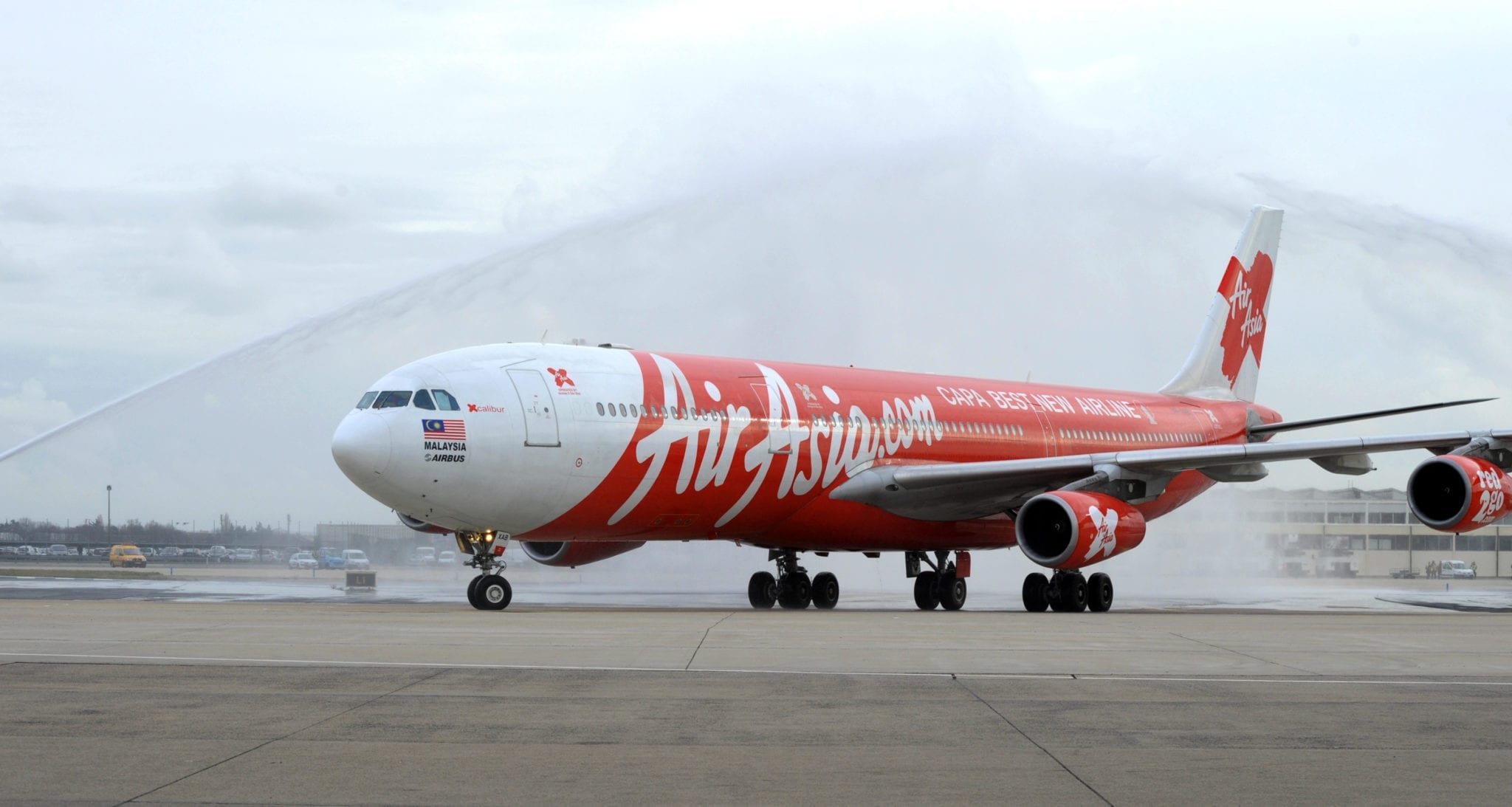
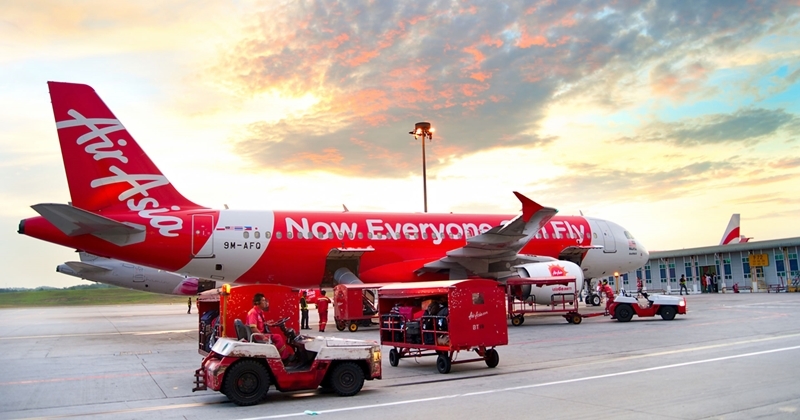
    AirAsia Group has formed a new holding company for its four airline units, in a group-wide business reorganization to better distinguish its airline and digital ventures.

    The group says its four airlines — in Malaysia, Philippines, Thailand and Indonesia — will now come under the AirAsia Aviation Limited holding company.

    Current group president for airlines Bo Lingam will helm the company as its chief executive.

    AirAsia Aviation will be one of the eight “digital portfolio companies” in the group’s stable — the other companies include cargo and logistics venture Teleport, MRO unit Asia Digital Engineering, as well as its AirAsia “Super App”.

    AirAsia Group chief Tony Fernandes said in August that “a split” between the group’s core airline business and its digital ventures is inevitable “at some point”.

    The group doubled down on its digital offerings amid the coronavirus crisis, which has pummelled its airline business. It first launched AirAsia Digital in September 2020, comprising five portfolio companies in areas such as payment services, logistics, food and travel.

    In the latest announcement, Lingam says the “structural change” will help “facilitate strong projected growth” across the group’s offerings.

    “The AirAsia Aviation Limited entity holds our existing airline investments and paves the way for new airline ventures to be formed in due course,” he says.

    Lingam hinted at Cambodia as one potential market for such a venture. He says: “We will continue to review new markets to operate from in the future, like Cambodia for example, when we can connect [Southeast Asia] once again with the best value fares and lifestyle offerings.”

    AirAsia in November 2020 said it was “actively exploring” opportunities for a local airline presence in the Indochina region, though it did not elaborate further.

    Separately, AirAsia Aviation has also set up a consulting division, which Lingam says is “tasked at reviewing new airline partnerships and franchise opportunities”.

    He remains hopeful of an imminent recovery, helped by a ramp-up in vaccinations in its key operating markets. For instance, Malaysia, where the group is based, has recently eased interstate travel restrictions.

    “Pleasing progress is also underway in our other airlines in Thailand, Indonesia and the Philippines as services are resuming in line with accelerated vaccination rates and the easing of travel restrictions in our key markets,” he adds.

  • Fruit exports to South Korea surge

    Fruit exports to South Korea surge

    Vietnam exported $107.25 million worth of fruit and vegetables to South Korea in the first eight months of this year, up 3.47 percent year-on-year.

    The export value of vegetables and fruit to this market reached $11.1 million in August, up 13.66 percent over the same period last year, according to the General Department of Vietnam Customs.

    Six kinds of Vietnamese fruit have been exported to the Asian market including: coconuts, pineapples, white and red dragon fruit, mangoes and bananas.

  • StanChart Enters BNPL Space With Atome Investment

    StanChart Enters BNPL Space With Atome Investment

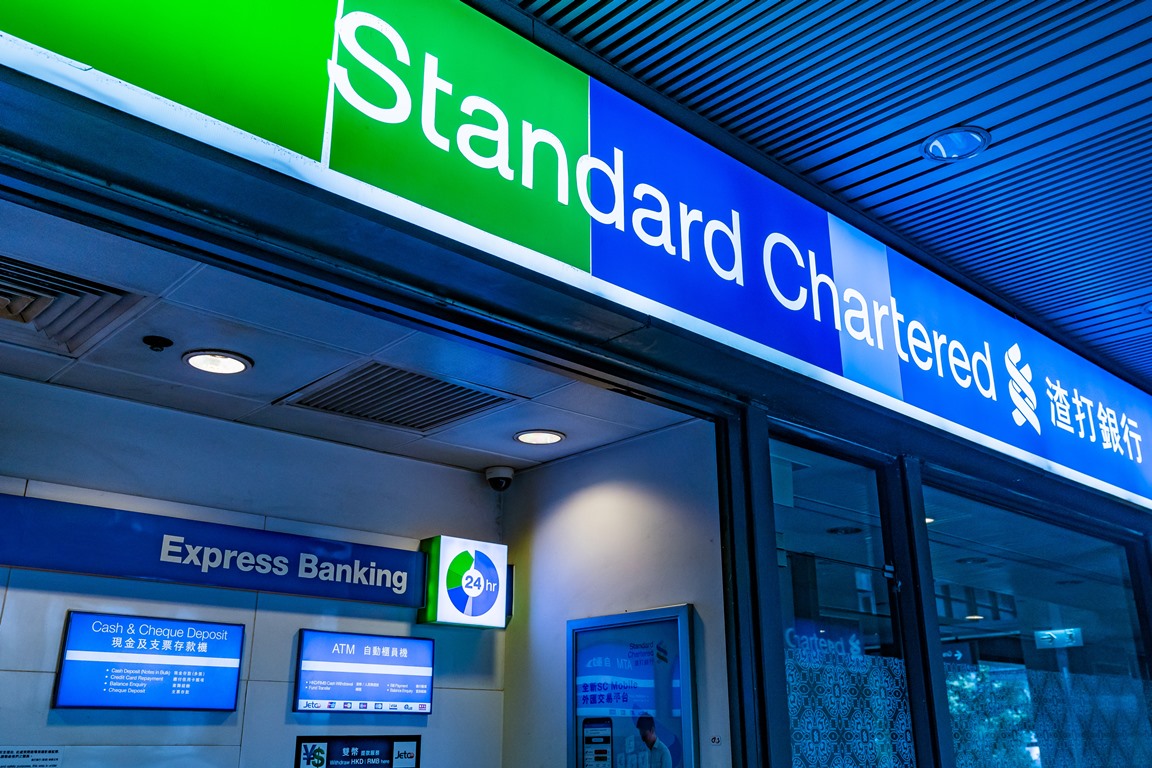
    The bank has entered a 10-year multi-product strategic partnership with Buy Now Pay Later (BNPL) brand Atome to deliver a wide range of financial services to consumers and merchants across key markets in Asia.

    The partnership, which aims to deliver mobile-first financial services for consumers across Asia, includes a planned $500 million financing to support Atome Financial to expand its regional ecosystem of merchants and customers.

    The partnership will initially include BNPL services, targeting to roll out in Indonesia, Malaysia, Singapore and Vietnam in the next few months, and later expand to include digital lending products, according to an announcement on Wednesday.

  • Luxury giant LVMH’s third-quarter sales up by 20 per cent

    Luxury giant LVMH’s third-quarter sales up by 20 per cent

    Sales at French luxury group LVMH’s fashion and leather goods division rose strongly in the third quarter even though overall revenue growth in Asia and the United States eased from their stellar first-half performance.

    LVMH, whose luxury products span Moët & Chandon champagne and Bulgari timepieces, said on Tuesday the popularity of its star labels Louis Vuitton and Dior helped its fashion and leather goods division, which accounts for nearly half of group sales, to report 24per cent growth.

    Revenues for this business at the end of the quarter were 38per cent above their pre-pandemic, 2019 level, the same rate as in the first half.

    The luxury goods industry has bounced back strongly from the health crisis, even if international travel, a key growth driver in pre-pandemic times, has not fully resumed.

    LVMH chief financial officer Jean-Jacques Guiony said revenue growth in Asia had been under pressure in August due to anti-coronavirus restrictions being partially re-imposed in some countries but said the group had not noticed a change in consumer behavior in China.

    A call by China’s President Xi Jinping in August for “common prosperity” and wealth redistribution had prompted investors’ to worry that Beijing might promote measures aimed at reducing the country’s wealth gap, curbing high-end consumption in the world’s largest luxury market.

    “We don’t see any reason that this could be detrimental to the upper-middle class that is the bulk of our customer base,” Guiony said.

    Luca Solca, analyst at Bernstein, was positive on the strong revenue performance at the fashion and leather goods business.

    “We believe this should comes as a relief to investors, especially after the August wobble in the sector and doubts on Chinese demand trends and even if other divisions reduce their growth versus 2019 in the third quarter.”

    The company’s performance showed a marked improvement in Europe in the third quarter, even without deep-pocketed visitors from Asia, as local travel resumed over the summer.

    LVMH recorded 28 percent revenue growth in the United States, compared with a 60 percent rise in the first half of the year, and 12 percent in Asia, excluding Japan, compared with 70 percent in the first six months of the year.

    Guiony said the group had no supply chain issues given its manufacturing is largely based in Europe and also brushed off concerns about rising shipping costs, noting that the group has sufficient margins to cope.

    Overall Like-for-like sales, stripping out the effect of foreign exchange fluctuations, rose by 20 percent to 15.51 billion euros (US$17.90 billion) in the three months to September.

    Growth was roughly in line with an analyst consensus forecast for a 21 percent rise.

    Guiony said the company would continue to focus on broadening the appeal of its blockbuster acquisition, US jeweler Tiffany, by refocusing its product assortment and ongoing marketing efforts.

    LVMH has been rebranding the jeweler with an eye to attracting younger consumers, projecting a campaign starring Beyonce and Jay-Z on digital billboards in New York City’s Times Square and creating a buzz on social media with K-pop star Rose.

  • Scotch & Soda plans new stores in capital cities

    Scotch & Soda plans new stores in capital cities

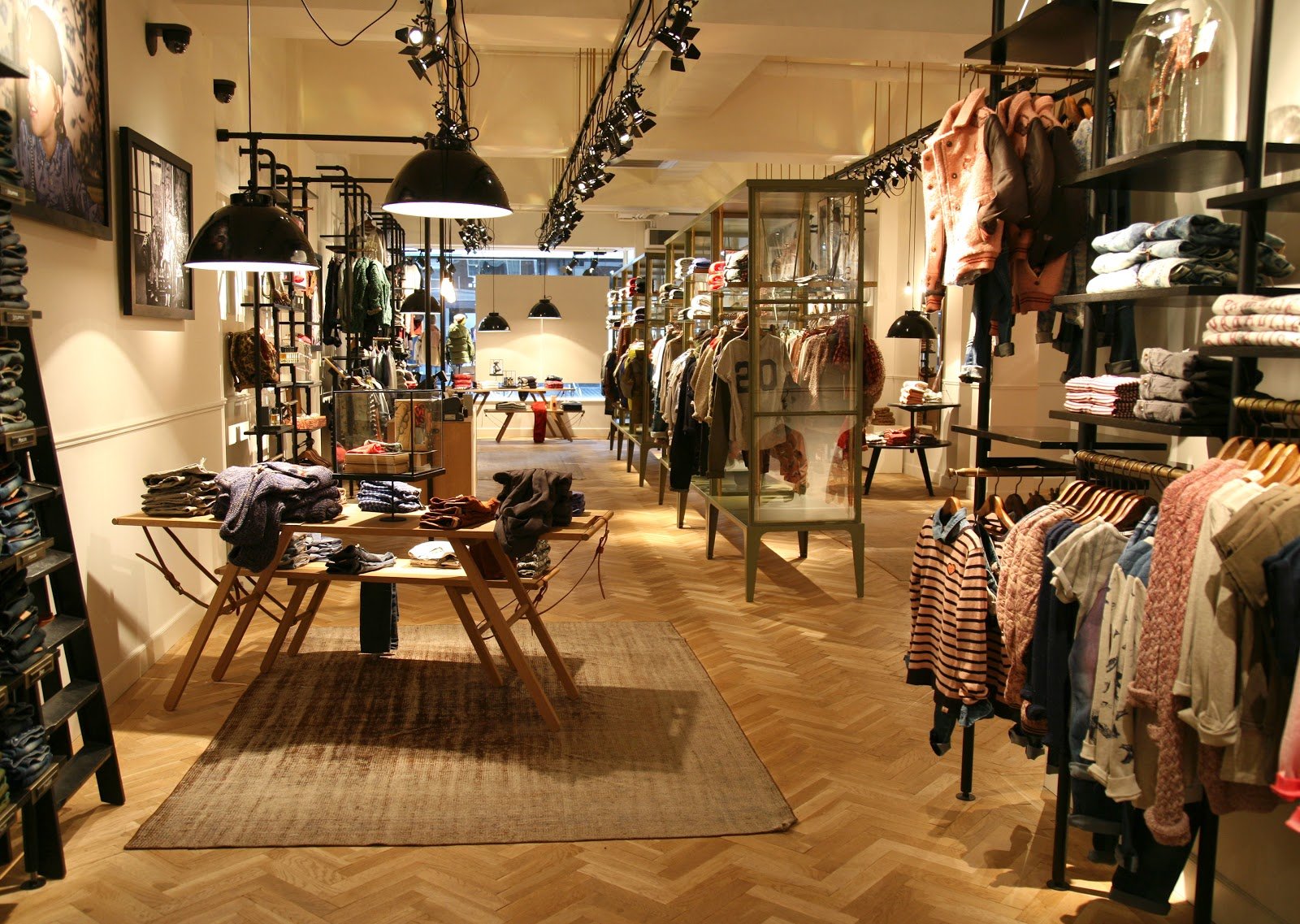
    Originally a wholesale brand, Amsterdam-based Scotch & Soda is pursuing a broad-based physical expansion that spans across Europe, Asia-Pacific, North America and the Middle East. Scotch & Soda, in March this year, debuted a new brand identity and logo, which will be present in its new locations.

    Ahead of the upcoming holiday season, Scotch & Soda is also expanding its lifestyle categories, including by introducing three new styles of bags and pursuing a deeper presence in fragrance with home, travel sizes and gift sets. Notably, the brand is prioritizing its own channels for the new bags, with those styles available exclusively online, as well as at franchise and directly operated stores, for the first season.

    The company is also opening its first digital store on Tmall in China, which comes after it launched in the country in July. Scotch & Soda has plans to open stores in “key Chinese cities” in the near future, and CEO Frederick Lukoff sees the country as one of the critical markets for the brand.

    “We are very proud to announce that Scotch & Soda is accelerating its growth strategy. It is indeed a very exciting time for our company despite the challenges caused by the COVID-19 pandemic in the retail industry,” Lukoff said. “We are pursuing the expansion of our retail network at a global level, strengthening our footprint in markets where we are already present, as well as entering key markets such as China, that we see as full of potential to reach new customers and introduce them to our brand.”

    When Scotch & Soda was acquired by private equity firm Sun Capital Partners in 2011, it was far more of a wholesale brand. The company had approximately 30 company-owned and franchised retail stores, in comparison to 7,000 partnership accounts. Scotch & Soda still boasts some 7,000 wholesale doors, but it now has 235 freestanding stores globally.

    By expanding its own fleet of stores, Scotch & Soda is taking a similar strategy to many other wholesale brands looking to make higher margins by selling more DTC. Well-known retailers like Nike and Adidas are pivoting a higher percentage of sales to the model, while cutting back on wholesale partners, to drive future growth.

  • McDonald’s showcases its China headquarters flagship

    McDonald’s showcases its China headquarters flagship

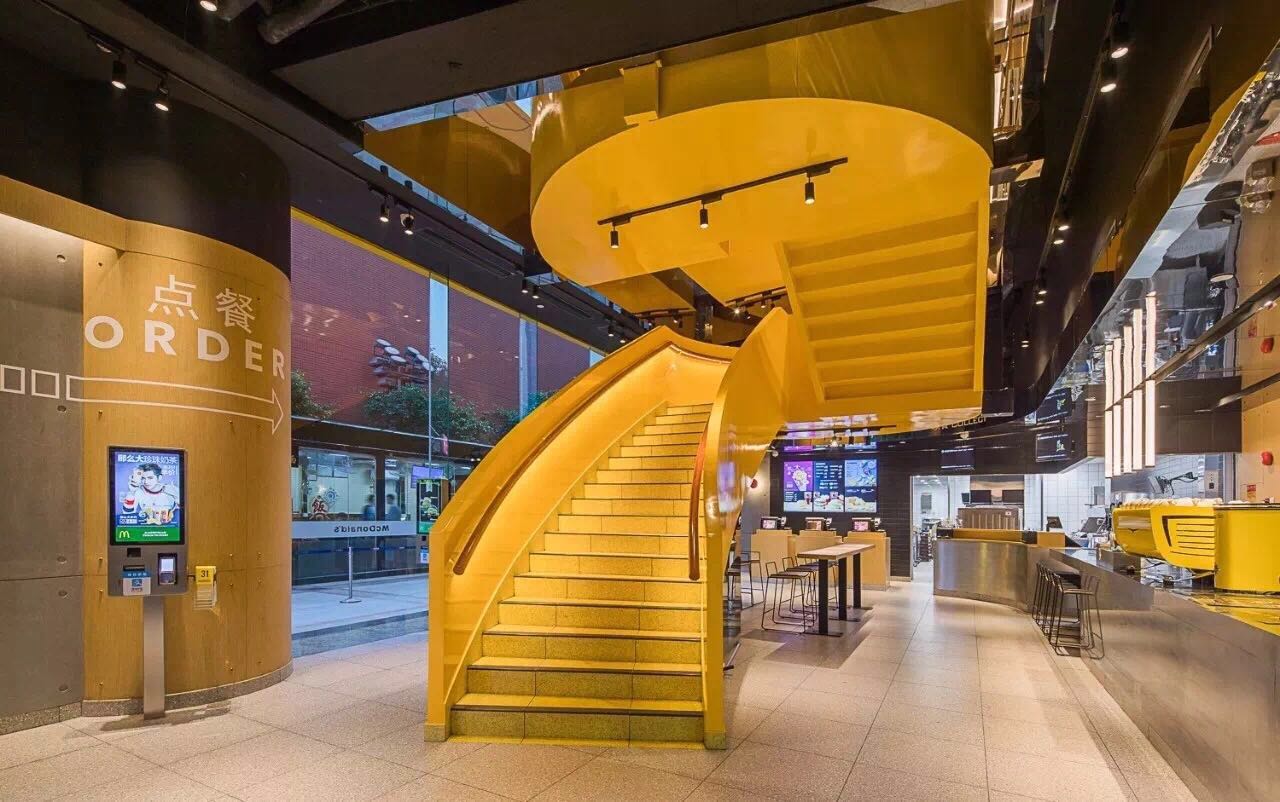
    31 years ago, McDonald’s opened its first store in China on the 8th of October. 31 years later, the fast-food industry giant announced the opening of a new China headquarters building in Shanghai’s West Bund. It will be home to the company’s over 600 HQ-based employees.

    Zhang Jiayin, McDonald’s China CEO, compares the move of the headquarters to a new journey. The cube-shaped building contains more futuristic elements of McDonald’s: an intensive-style innovation lab, the seventh Hamburger University, and the largest McDonald’s flagship store, which represent the company’s commitment to the Chinese market.

    “The Chinese market will be one of the most important markets in the world, and we will witness more here,” said Zhang Jiayin.

    The flagship store, which opened the same day as the new building was officially launched, is also the company’s first cube-style flagship restaurant in East China and McDonald’s China’s first LEED platinum-certified flagship restaurant. Another highlight is its various cross-over attempts with the CITIC Press Group, including the children’s bookstore and mini-theater.

    The third floor of the building contains McDonald’s in-house training institution, the Hamburger University, which will launch its first class next Monday.

    “The reason why we chose Shanghai is that it is a highland of talents, where you can find the best talents in the country and even the world,” noted Zhang. This year, McDonald’s China has planned over 130 university recruiting events across the country, to support the rapid development of its business. At present in McDonald’s China, employees born from 1995 account for more than 60%, and employees born from 2000 are close to 43%.

    Apart from talented people, the company chose Shanghai for its headquarters as it is a giant test field for cutting-edge concepts, be it light meals or plant-based meat. “It is a base camp radiating the entire market in China. We will continue to develop, continue to expand in scale with brand differentiation, and serve more consumers,” added Zhang.

  • Billionaire Alibaba founder Jack Ma reappears in Hong Kong

    Billionaire Alibaba founder Jack Ma reappears in Hong Kong

    Alibaba Group founder Jack Ma, largely out of public view since a regulatory clampdown started on his business empire late last year, is currently in Hong Kong and has met business associates in recent days.

    The Chinese billionaire has been keeping a low profile since delivering a speech in October last year in Shanghai criticizing China’s financial regulators. That triggered a chain of events that resulted in the shelving of his Ant Group’s mega IPO.

    While Ma made a limited number of public appearances in mainland China after that, as speculation swirled about his whereabouts, one of the sources said the visit marked his first trip to the Asian financial hub since last October.

    Alibaba did not immediately respond to requests for comment outside of its regular business hours. Comments from Ma typically come via the company.

    Ma, once China’s most famous and outspoken entrepreneur, met at least “a few” business associates over meals last week, said the people.

    Ma, who is mostly based in the eastern Chinese city of Hangzhou, where his business empire is headquartered, owns at least one luxury house in the former British colony that also houses some of his companies’ offshore business operations.

    The former English teacher disappeared from public view for three months before surfacing in January, speaking to a group of teachers by video. That eased concern about his unusual absence from the limelight and sent Alibaba shares surging.

    In May, Ma made a rare visit to Alibaba’s Hangzhou campus during the firm’s annual “Ali Day” staff and family event, company sources have said.

    On Sept. 1, photographs of Ma visiting several agricultural greenhouses in the eastern Zhejiang province, home to both Alibaba and its fintech affiliate Ant, went viral on Chinese social media.

    The next day, Alibaba said it would invest 100 billion yuan ($15.5 billion) by 2025 in support of “common prosperity”, becoming the latest corporate giant to pledge support for the wealth-sharing initiative driven by President Xi Jinping.

    Alibaba and its tech rivals have been the target of a wide-ranging regulatory crackdown on issues ranging from monopolistic behavior to consumer rights. The e-commerce behemoth was fined a record $2.75 billion in April over monopoly violations.

    Earlier this year, regulators also imposed a sweeping restructuring on Ant, whose botched $37 billion initial public offering in Hong Kong and on Shanghai’s Nasdaq-style STAR Market would have been the world’s largest.

  • Pam Pam Buns brings authentic Thai food to Australian supermarkets

    Pam Pam Buns brings authentic Thai food to Australian supermarkets

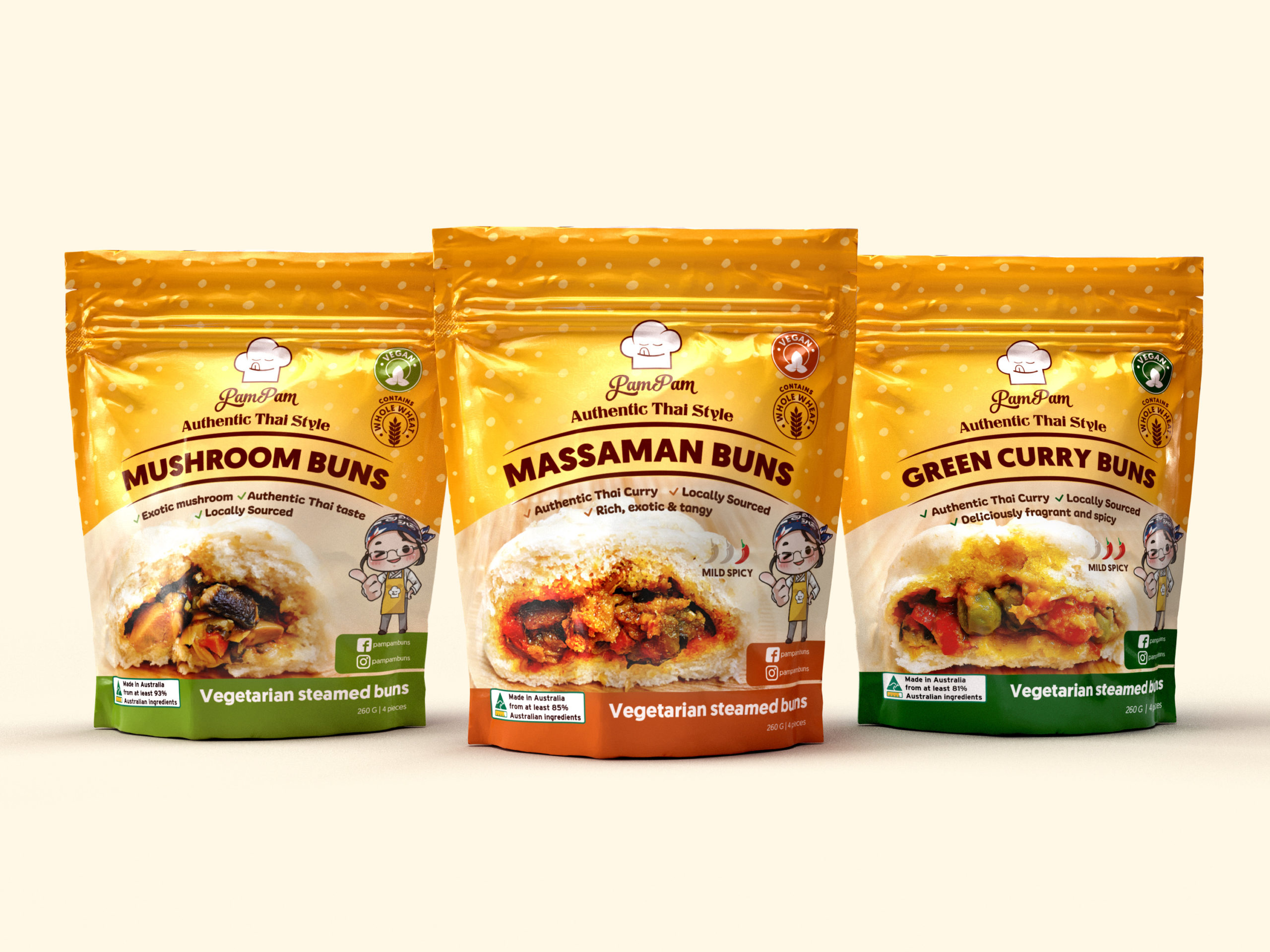
    An Australian manufacturer of authentic Thai plant-based products, Pam Pam Buns, is releasing a new range of frozen ready meals in October. The meals (RRP $8) are Thai Pork Basil with Rice, Thai Mushroom Noodle, Pork Spring Roll, Pork and Mushroom Dumpling.

    “The new range is our first step to becoming a Thai food company that produces a variety of plant-based meals that are just as delicious as meat-based dishes,” founder Pimarada (Pamela) Watcharadechmontri says.

    Ms Watcharadechmontri, a Thailand-born entrepreneur, founded Pam Pam Buns in 2015.

    She harnessed her love of vegetarian food and Thai heritage by selling her steamed buns to family, friends and local market stalls. Following a wave of positive ‘nice buns’ feedback, she made the bold decision to set up her own factory in Riverstone in North West Sydney.

    Since its launch, Pam Pam Buns has seen exponential growth for its range of delicious Thai buns. After landing its first in-store placement in 2019, Pam Pam Buns has steadily hit the shelves across a selection of major retailers and recently expanded interstate to Victoria, Queensland, Western Australia, South Australia, and Tasmania.

    The brand is currently available online and in more than 170 stores, including select Woolworths Metro, Coles Local, Harris Farm Markets, QE Food Stores, IGA, and FoodWorks across Australia.

    “We partly owe our success to our loyal community of fans, who we treat like our friends and family,” Ms Watcharadechmontri says.

    “They buy, taste and feedback on every single one of our products and we listen. Their excitement for our new product range is what feeds our ambition to continue our business growth.”

    The new product expansion will join the recently released plant-based Thai Massaman, Panang and Green curry pouches and Pam Pam’s bun range in the freezer section.

  • Cebu Pacific announces P1 fare promo for all local, international destinations

    Cebu Pacific announces P1 fare promo for all local, international destinations

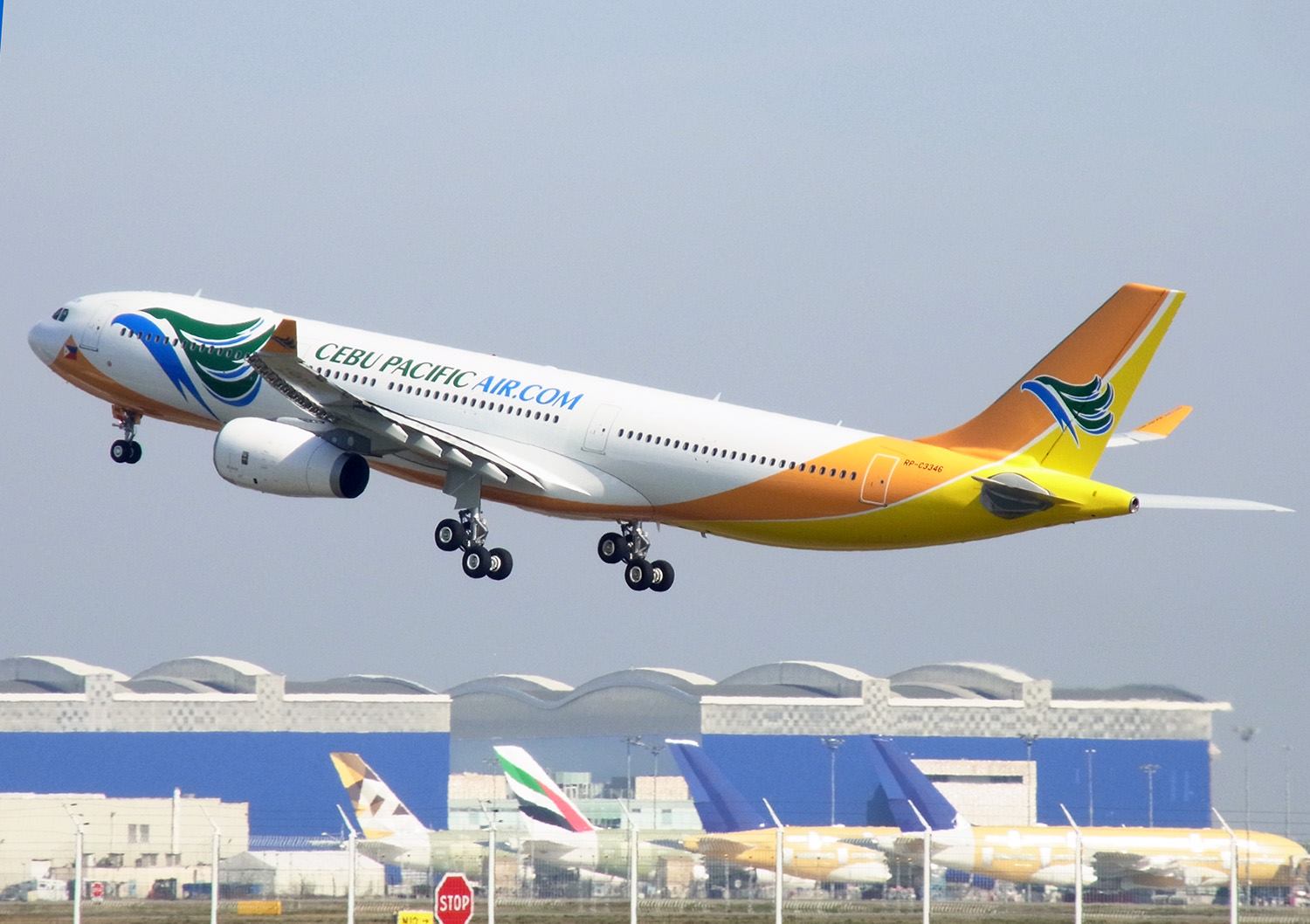
    Budget carrier Cebu Pacific on Monday announced its first five-day P1 fare promo for all its domestic and international destinations.

    In an advisory, Cebu Pacific said the P1 fare started on October 10 and will be available until Thursday, October 14, 2021, covering flights from June 1, 2022 to August 31, 2022.

    “As we enter the last quarter of the year, we are happy to have seen some positive developments in the travel industry,” Cebu Pacific Vice President for Marketing and Customer Experience Candice Iyog said.

    “More and more people are gaining confidence to travel again, and we are happy to keep supporting our sector’s recovery through our trademark low fares,” she added.

    The flights will cover local destinations such as Boracay, Bohol, Coron, Siargao, and other international destinations such as Tokyo and Osaka.

  • Ride-hailing services back on the road in HCMC

    Ride-hailing services back on the road in HCMC

    Ride-hailing firms have resumed their services in HCMC at a significantly lower scale than pre-pandemic times.

    Vietnam-based Be Group, which runs the eponymous ride-hailing app, has reopened its ride-hailing taxi service in Ho Chi Minh City with just 10 percent of its original fleet strength using 50 percent of its capacity.

    The Be Group said its car-hailing service beCar has begun operating in HCMC again on Tuesday, with drivers being given several financial incentives.

    Drivers who are online to receive a pick-up for a total of 48 hours will receive a support package worth VND1 million ($43.91).

    The GrabCar service has been functioning since Oct. 7 with a limited number of drivers as decided by the municipal transport department.

    GrabCar’s four-seaters can only carry one passenger per ride and a seven-seater can only carry two.

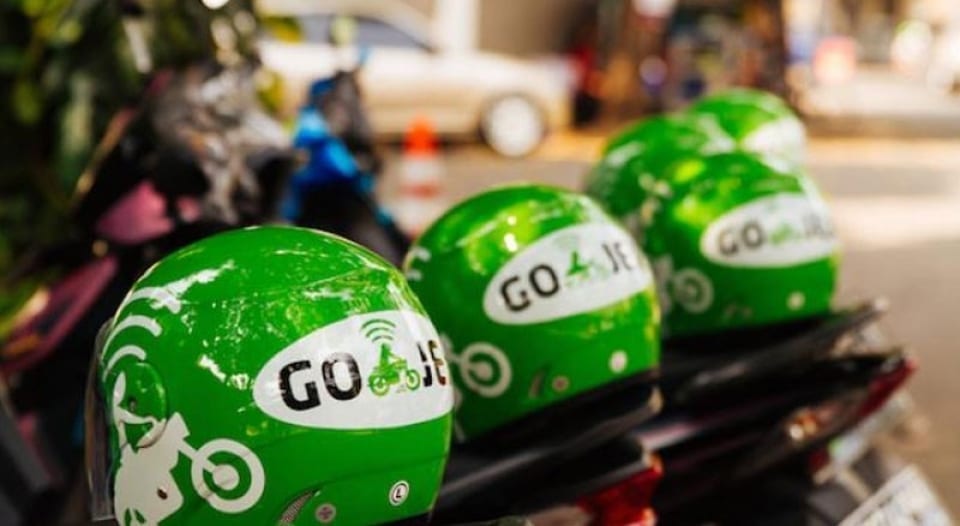
    Meanwhile, Gojek’s four-wheel ride-hailing service GoCar is operating on a trial basis since Tuesday. In the first stage of implementation, GoCar will serve customers who have participated in surveys and registered to experience the service.

    The service had been launched on Aug. 19 to provide free transportation for frontline medical workers to participate in epidemic prevention work.

    From Oct. 1, operators of tech-platforms operating vehicles with less than nine seats have been permitted. They can only use 10 percent of their registered number of vehicles.

  • September auto sales plunge

    September auto sales plunge

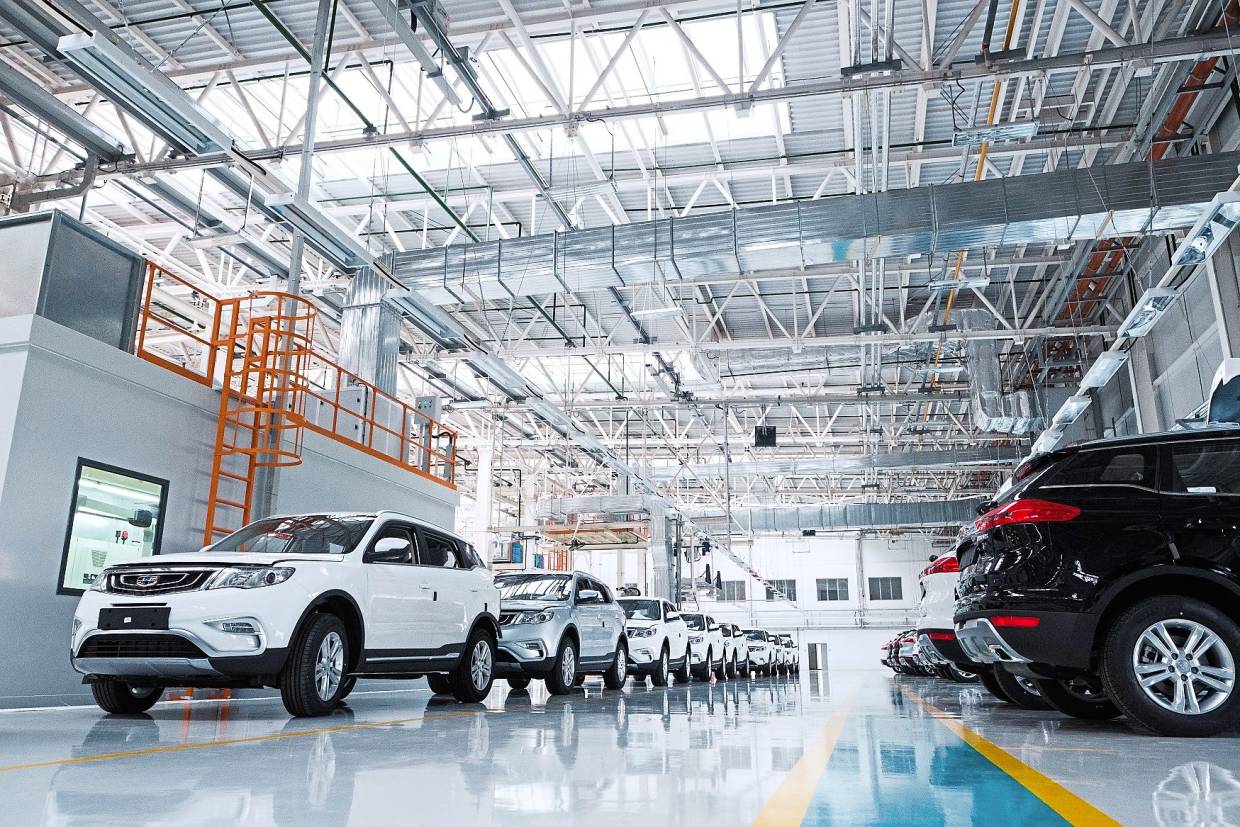
    Auto sales in Vietnam plunged 50 percent year-on-year to 13,537 units in September as Covid-19-triggered social distancing forced dealers to close.

    This is the second monthly lowest figure this year behind August with 8,884 units sold, according to Vietnam Automobile Manufacturers Association (VAMA).

    In the first nine months, sales rose 5 percent year-on-year, compared to 40 percent in the first half, showing a decline in sales in the third quarter when strict social distancing measures were imposed in Ho Chi Minh City and Hanoi.

    Truong Hai Auto Corporation (Thaco) led in sales in the first nine months with 65,764 units sold, up 10 percent year-on-year.

    The remaining four companies in the top five saw sales decline.

    Toyota came in second with 38,055 units sold, down 7 percent.

    It was followed by Mitsubishi, Ford and Honda.

    The hatchback VinFast Fadil was the best-selling car in September, followed by the sedan Hyundai Accent and SUV Kia Seltos.

  • AirAsia to reopen all Malaysian routes, push for overseas flights

    AirAsia to reopen all Malaysian routes, push for overseas flights

    AirAsia sees brighter skies ahead after Malaysia lifted interstate travel restrictions, with the low-cost carrier also pushing to restart international flights to Thailand, Sri Lanka and the Maldives as early as next week, its president told Nikkei Asia.

    Bo Lingam, AirAsia Group’s president for airline operations, said in an interview Monday that the company is “very relieved” with the government’s decision to reopen domestic borders as it will benefit both the carrier and its workforce.

    The airline aims to go big on domestic travel by reaching a pre-pandemic capacity of 39 local routes and 169 daily flights by late November, according to Bo.

    “We will open all domestic destinations that we were flying pre-COVID by the end of next month, involving over 45 aircraft,” he said.

    The comments came after the federal government on Monday allowed interstate travel nationwide. The airline was hit hard by the coronavirus pandemic, with hundreds of its employees retrenched and aircraft idled after domestic and international borders were closed and travel limited.

    The government of Prime Minister Ismail Sabri fully reopened state borders in the Southeast Asian country for the first time this year, allowing millions of residents to travel for business and leisure. Fully vaccinated Malaysians can also head overseas without police approval.

    Air travel is indispensable in Malaysia as the country’s states are spread across the Malay Peninsula as well as the island of Borneo to the east across the South China Sea.

    “The resumption of domestic service will be extremely good financially, for the airline as we would be able to pay pending bills from our suppliers who have been very nice to us to date,” Bo said.

    He added that the carrier is also looking to begin commercial international flights to Thailand, Sri Lanka and the Maldives as soon as next week.

    “We have applied for permissions in these countries and expect to receive them next week, after which we can sell tickets and fly passengers,” he said.

    AirAsia’s share price jumped almost 10% on Monday, settling at 1.28 ringgit — the highest since February 2020 and outpacing the Bursa Malaysia index’s gain of almost 1%. On Tuesday, the airline’s shares fell 3% to 1.25 ringgit at midday.

    The airline’s net loss in 2020 ballooned to 5.1 billion ringgit ($1.2 billion) from red ink of 315.8 million ringgit in 2019. Revenue also plunged from 11.9 billion ringgit in 2019 to 3.1 billion ringgit last year.

    For the first half of 2021, the airline reported a net loss of 1.3 billion ringgit from 1.8 billion ringgit net profit during the same period of last year. Revenue, meanwhile, tumbled to 686.8 million ringgit from 2.5 billion ringgit.

    AirAsia was recently granted a federal government-guaranteed 500 million ringgit loan under a framework introduced to assist companies directly affected by the pandemic. The loan was part of the 2 billion ringgit fundraising exercise mooted by the airline’s founder Tony Fernandes last year.

    The airline carried 19 million domestic passengers in 2019 but that plunged to 6.3 million last year. It has flown less than 1 million passengers between January and October this year as controls on movement were strengthened to curb the third and fourth waves of coronavirus infections.

    Bo also said the airline would reinstate some 300 employees currently on furlough to operate the domestic flights. Since last year, the airline has reduced head count by not renewing contract workers, retrenchments and furloughs.

    “We would exhaust employees under furlough first, then look at rehiring those we had laid off as the capacity grows,” he said.

    Experts say that while the return of interstate travel is undoubtedly a plus for AirAsia and competitors including Malaysia Airlines, it is far from a panacea.

    Brendan Sobie, an independent analyst at Sobie Aviation, believes domestic passenger traffic could approach pre-pandemic levels by the end of this year, though heavy competition and overcapacity — similar to the industry situation before the pandemic — will weigh on further growth for the carrier.

    “All airlines in Malaysia were unprofitable in 2019 and while domestic demand may now recover, many of the issues from prior to the pandemic have not been resolved, making a return to profitability difficult,” he said.

    Shukor Yusof, an aviation consultant at Endau Analytics said the surge in domestic travel demand would help AirAsia, though “it won’t be anywhere enough to fix its battered bottom line.”

    While Shukor said the Malaysian travel resumption itself is not an indication of a revival for the airline industry in Southeast Asia, he does view AirAsia as the carrier with the best long-term potential for post-pandemic growth.

    “It’s a critical stage as key countries for tourism — Indonesia, Thailand, the Philippines — are still struggling to control the virus and there’s little coordination amongst ASEAN members to find a solution to allow intraregional air travel,” he said.

    According to Sobie, Malaysian carriers need a recovery in both international and domestic travel to heal financially.

    “There is now light at the end of the tunnel and the overall sentiment is more positive but the road to recovery will be long and filled with twists and turns,” he said. “The darkest days should be behind AirAsia but the outlook remains relatively challenging.”
  • Chip shortage forces Apple to cut production of the 5G iPhone 13 series in 2021

    Chip shortage forces Apple to cut production of the 5G iPhone 13 series in 2021

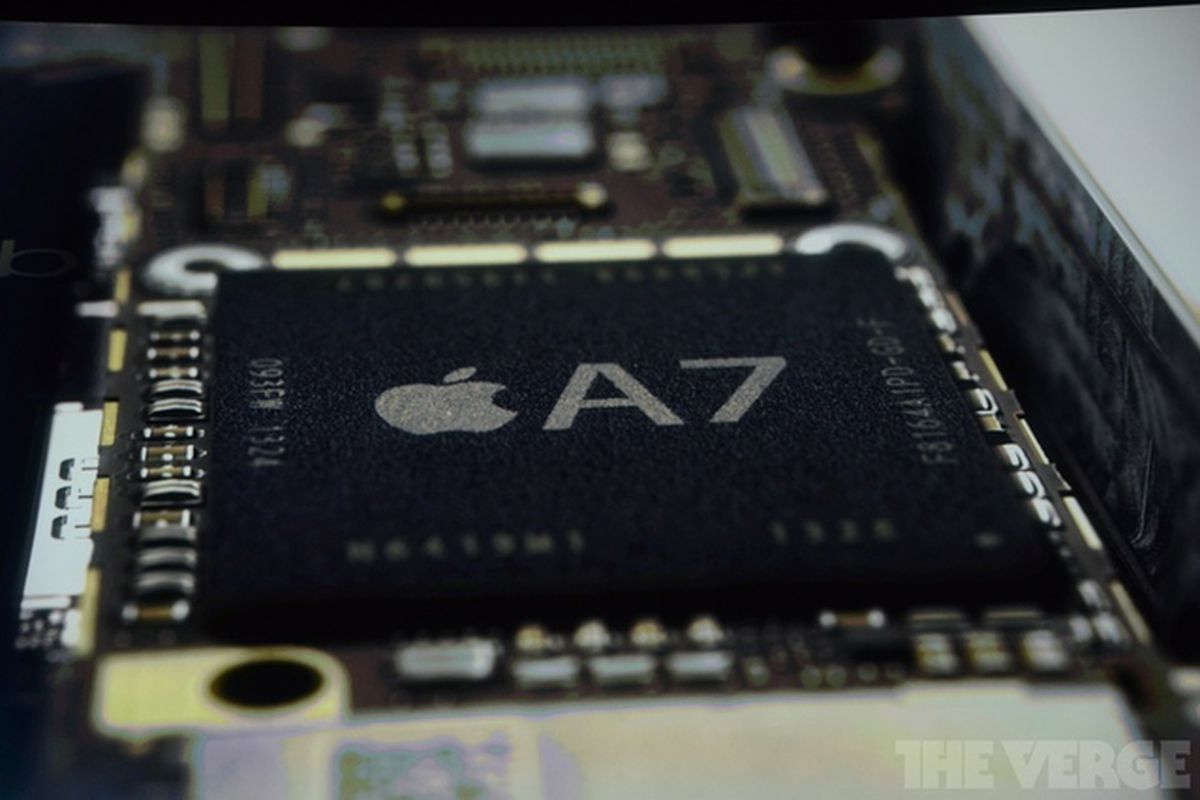
    The chip shortage is now having an impact on Apple’s iPhone 13 series. Those knowledgeable about what is going on inside Apple’s camp say that the company will cut its production targets for this year by as many as 10 million units reducing the number of handsets made this year to 80 million from the original target of 90 million. Both Broadcom and Texas Instruments are the chipmakers who aren’t able to deliver the number of components they promised to Apple according to anonymous sources.

    Texas Instruments supplies Apple with chips for its displays and one chip that has become hard to find powers the OLED panels on iPhone models. Broadcom produces wireless components for the iPhone. Lead times in the chip industry, which measures how long it takes a manufacturer ordering chips to receive them, is at a record-setting 21.7 weeks compared to nearly 12 weeks at the same time last year.

    Broadcom is fabless which means that it relies on independent foundries like TSMC to manufacture its semiconductors. While Texas Instruments does make some chips itself, it also relies on TSMC to produce some of its chip designs. This means that both must scramble to get their semiconductors made by TSMC and since Apple is the end-user of these components, Apple is the company that is getting the brunt of the shortage.

    Apple already has been able to sidestep price hikes of as high as 20% instituted by TSMC. As the latter’s largest customer, Apple was able to get away with only a 3% price increase while also avoiding getting hit by the shortage. But even Apple now can’t escape what is happening around the world.

    Once again, what brought on the shortage were car manufacturers who early last year figured that their new car business was dead meat in the wake of the pandemic. So they cut back on ordering chips and when demand for new cars turned out to be much better than expected, automakers backed up their trucks to take as many chips as they could buy. This shortage could continue next year and might not run its course for some time.

    New orders for the iPhone 13 series made through Apple’s website will not be delivered until November in some cases and if you want to pick up your new handset at an Apple Store, you’re out of luck. The phones are “currently unavailable” for Apple Store pick up. And today’s report says that Apple’s carrier partners are also seeing delays in receiving new iPhone shipments.

    What is at stake here is Apple’s fiscal first-quarter of 2022, which is known as the holiday quarter since it includes Chanukah and Christmas. The company is expected to take in $120 billion in revenue during this year’s holiday quarter, up 7% from last year’s fiscal first-quarter revenue. Interestingly, a decade ago the $120 billion would be more than a complete year’s worth of revenue for Apple.

    Both the U.S. and China would love to become self-sufficient when it comes to semiconductors. The U.S. has made this rather tough for China by not allowing a Dutch company named ASML from shipping a $150 million machine called extreme ultraviolet (EUV) lithography machine to China’s top foundry, SMIC. The EUV machine is used to print circuit designs on wafers that are eventually cut into individual chips.

    With billions of transistors used on semiconductors like the A15 Bionic (which has 15 billion transistors stuffed inside it), etching circuit patterns require a machine that can etch an extremely thin line on the wafer and that is what the EUV machine does. ASML is working on its next-generation EUV that it says will allow foundries to build more powerful and energy-efficient chips over the next decade.

  • Jaguar Land Rover Trials World-First Digital Supply Chain For Leather

    Jaguar Land Rover Trials World-First Digital Supply Chain For Leather

    Jaguar Land Rover has trialed the use of secure blockchain technology to ensure full transparency within a sustainable leather supply chain. In a world-first, Jaguar Land Rover partnered with supply chain traceability provider Circular, leading UK leather manufacturer Bridge of Weir Leather Company and the University of Nottingham to trial the use of traceability technology in the leather supply chain. As well as tracking compliance, the digital process enabled Jaguar Land Rover to assess the carbon footprint of its leather supply network, working with UK-based Bridge of Weir Leather Company to trace its lowest carbon leather from farm to the finished article – all part of Jaguar Land Rover’s commitment to reducing the environmental and ethical impact of its products across their lifecycle.

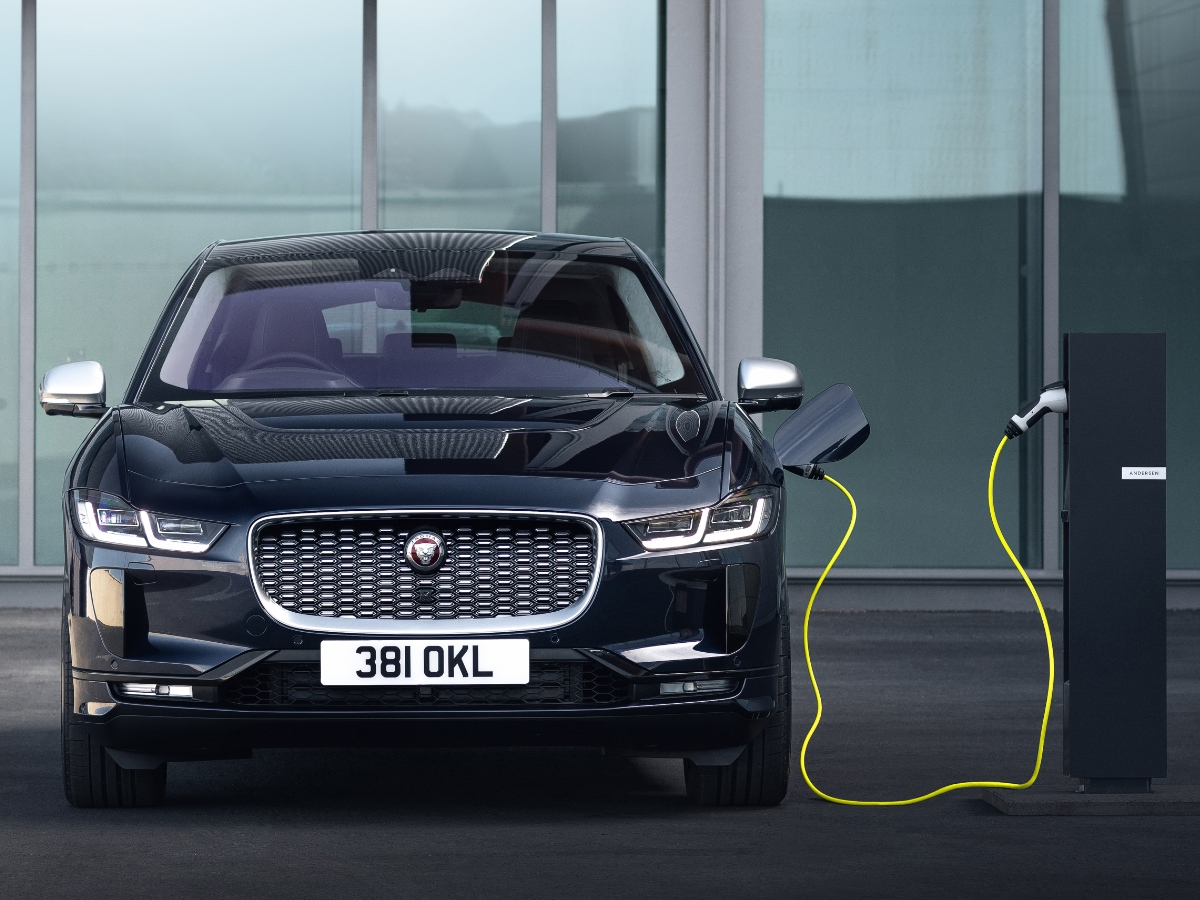
    Jaguar Land Rover is committed to offering customers more sustainable and responsible material choices for their vehicle interiors, such as the premium natural fibre Eucalyptus textile interior available on Range Rover Evoque, and Kvadrat – a refined high-quality wool blend textile that’s paired with a suede cloth made from 53 recycled plastic bottles per vehicle – available on Evoque, Range Rover Velar and Jaguar’s all-electric I-Pace

    As part of the Innovate UK-funded research, a ‘digital twin’ of the raw material was created, allowing its progress to be tracked through the leather supply chain simultaneously in the real world and digitally. A combination of GPS data, biometrics and QR codes was used to digitally verify the movement of leather at every step of the process using blockchain technology.

    Defining the verification process has created a repeatable blueprint for tracing a single piece of leather at every stage. It can be used across Jaguar Land Rover’s global supply chain and by other industries that rely on leather, such as fashion and footwear.

    The project is part of Jaguar Land Rover’s Reimagine strategy: a sustainability-rich combination of modern luxury, unique customer experiences, and positive societal impact.

    Reimagine aims to achieve net zero carbon emissions across its supply chain, products and operations by 2039. Jaguar Land Rover will work with industry experts to improve sustainability, reduce emissions and collaborate on next-generation technology, data and software development leadership.

    Dave Owen, Jaguar Land Rover Executive Director of Supply Chain, said: “We are currently restructuring our supply chain as part of Reimagine, with a focus on transparency and sustainability. The outcome from this world-first trial will allow us to further improve the sustainability of the leather supply chain around the globe, ensuring the complete traceability of raw materials from origin to vehicle.

    Through InMotion, its venture capital and mobility services arm, Jaguar Land Rover previously announced an investment in Circulor, allowing the company to source premium materials with greater transparency as to the provenance, welfare, and compliance of suppliers throughout its networks.

    The technology could be deployed to trace other commodities. Circulor is already using blockchain to improve the traceability of minerals used for electric vehicle batteries. Blockchain technology is impossible to modify or tamper with, giving customers greater confidence that the sustainable supply chain is authentic, and all materials have been sustainably sourced.