Author: Mei Ling Tan

  • Paris Baguette arrives in Indonesia

    Paris Baguette arrives in Indonesia

    Erajaya Food & Nourishment (“EFN”) and Paris Baguette of Singapore (“PB”), officially entered into a joint venture partnership through the signing of a Joint Venture Agreement represented by Ms. Gabrielle Halim from EFN and Mr. Jin-Soo Hur from PB.

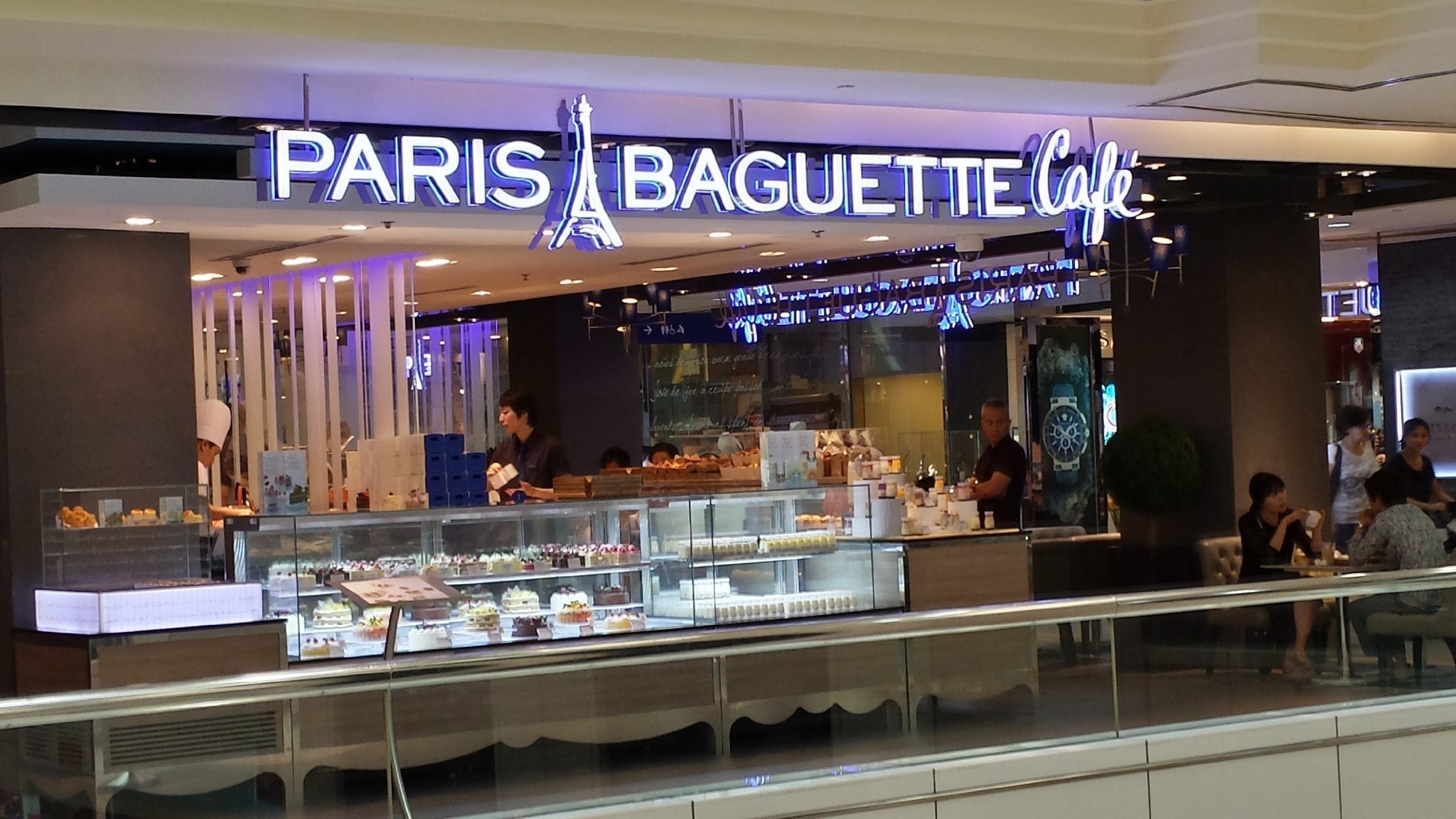
    Through this partnership, Paris Baguette, the well-loved fast-casual bakery from South Korea, known for its quality, delicious and innovative array of pastries, breads and cakes, officially enters the Indonesian market. The highly-anticipated debut would make Indonesia the fourth country in South East Asia that Paris Baguette would call home.

    Paris Baguette’s entry into the Indonesian market promises to break through the country’s F&B clutter, by offering elevated culinary concepts and a plethora of delicacies, crafted using premium ingredients, guaranteed to satisfy the most discerning taste.

    Gabrielle Halim, CEO of Erajaya Food & Nourishment, stated, “We are honoured to partner with Paris Baguette to expand its footprint in Indonesia. Their commitment to innovation and quality is in line with our vision to become a leading F&B player in Indonesia. We are certain the food lovers in Indonesia will welcome and enjoy Paris Baguette’s fresh concept and unique offerings when we open our first stores shortly.”

    “We are delighted to partner with Erajaya Food & Nourishment, who shares our vision of making the world a happier place through innovative products and by leading with integrity. Together with our partner, we will bring the high-quality treats that we love from Paris Baguette to Indonesia. Our expansion into Indonesia is a part of our globalization strategy.” said Hana Lee, Vice President of Paris Baguette SEA, SPC Group.

  • Tesco opens checkout-free store in London

    Tesco opens checkout-free store in London

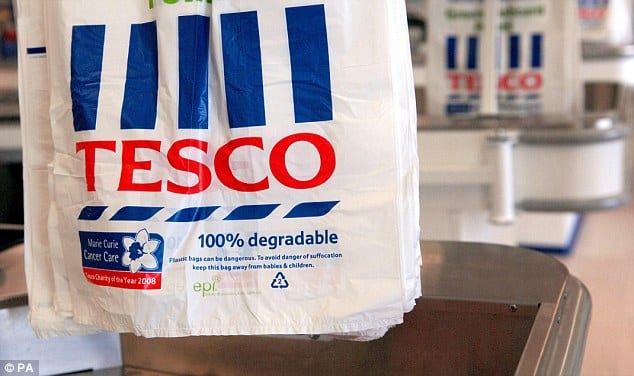
    Tesco has become the latest retailer to open a checkout-free store in the UK. Replacing traditional tills with high-tech cameras, weight sensors, and a mobile app, the supermarket giant is launching its first high street store trial, called GetGo, in London on Tuesday.

    Tesco said it was aiming to “improve the shopping experience” and save customers’ time.

    The firm – which is one of the UK’s largest employers – stressed that the move away from cashiers will not reduce the number of staff in stores, with the High Holborn site continuing to employ 22 workers, which it said is in line with other convenience stores.

    It comes after Aldi opened its own till-free shop last month in Greenwich, with Amazon having launched its first Amazon Go grocery shop seven months prior in Ealing, before expanding to five more sites in the capital.

    Morrisons, Lidl, and the Co-op have also trialed checkout-free technology in their stores.

    Sainsbury’s, however, became the first UK supermarket to open a checkout-free store in April 2019, also in Holborn. But it abandoned the project five months later, saying: “Take-up was not as we had expected and it’s clear that not all our customers are ready for a totally till-free store.”

    Tesco is reported to have been testing its “frictionless” technology at a trial site within the supermarket group’s headquarters in Welwyn Garden City since 2019.

    The retailer said the technology had now been lifted from the trial site after a lengthy period of testing and improvements.

    To shop in the new store, shoppers will need to use the Tesco app, which will be scanned as they enter the building. They will then pick up the items they wish to buy and walk straight out of the store, receiving a receipt and being charged for the products once they have left.

  • Furniture companies seek reopening autonomy

    Furniture companies seek reopening autonomy

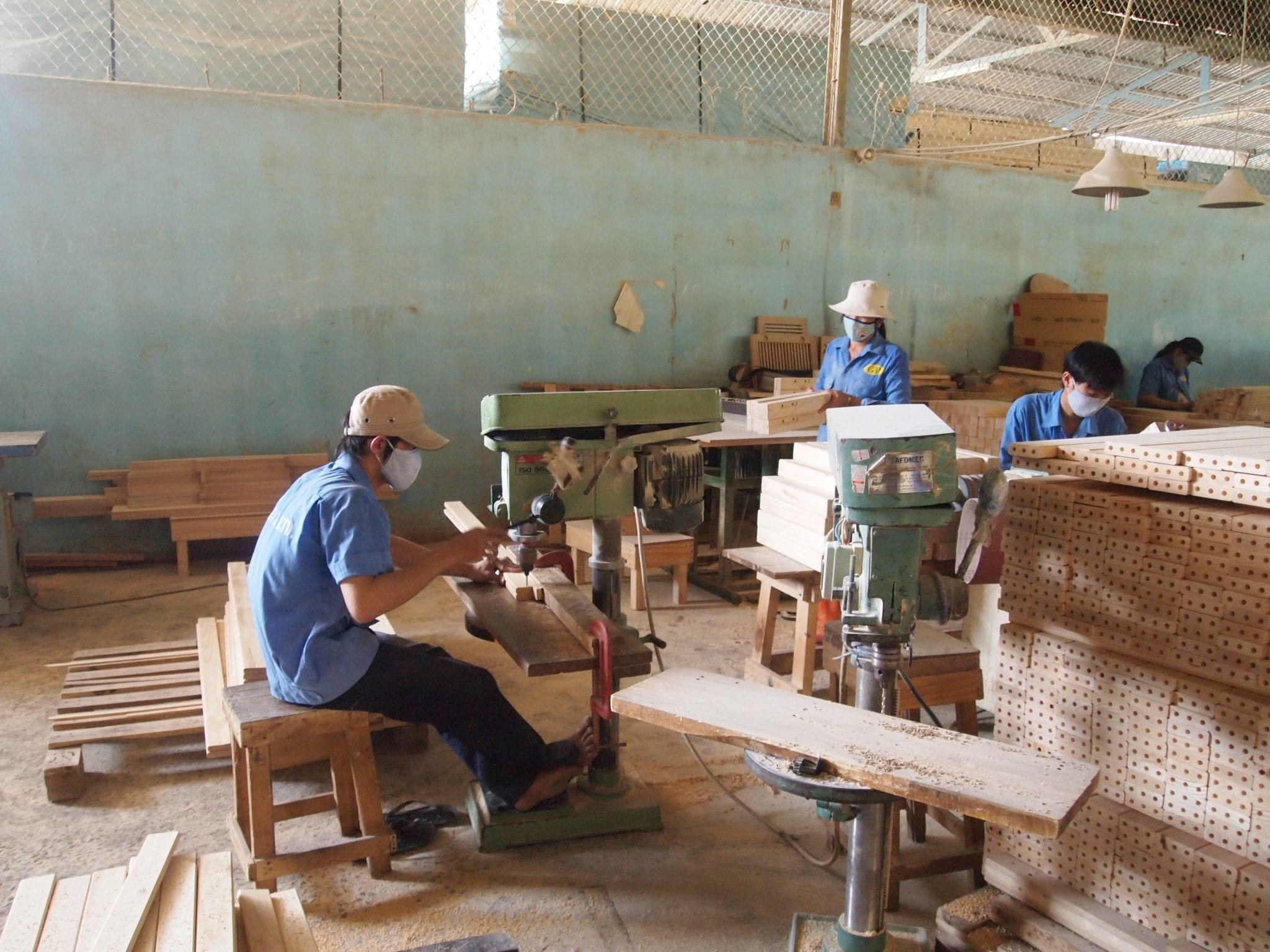
    Furniture companies in Binh Duong are proposing more autonomy in imposing Covid-19 measures as they reopen after months of social distancing.

    Members of Binh Duong Furniture Association said due to the limited number of government workers, their proposals to resume production have faced delays.

    There are about 50 staff working as industrial park managers in the province, though there are around 3,900 companies.

    Apart from these parks, there are over 50,000 companies in the province.

    Deputy Director of Binh Duong Department of Industry and Trade Nguyen Thanh Toan said the province is set to issue guidelines for companies to reopen with safety measures.

    The province is currently letting companies test their own workers. It allows the combination of samples from three workers in one test to reduce costs.

  • Mercedes dealer reports record loss in Q3

    Mercedes dealer reports record loss in Q3

    Hang Xanh Motors Service JSC (Haxaco), a major Mercedes-Benz dealer in Vietnam, reported a record loss, more than VND33 billion ($1.4 million) in Q3, due to social distancing orders.

    Revenue in Q3 was VND700 billion, down 59 percent compared to the same period last year.

    Social distancing measures applied in Hanoi, Ho Chi Minh City and other localities in this quarter have seriously affected Haxaco and the automobile industry. The company’s two branches in HCMC had to temporarily close in Q3 while another in Hanoi was closed until Sept. 12.

    “This has caused a decline in our sales and services during this period,” the company noted.

    Between January and September, the auto dealer’s revenue was VND3.4 trillion, down 9 percent over the same period, equivalent to 35 percent of this year’s business plan.

    However, profit dropped by 45 percent to VND44 billion.

    Despite the revenue decline, the company retains a positive forecast for the last quarter of this year. It has thoroughly prepared to resume operations in the new normalcy, with all employees fully vaccinated to ensure operational safety.

    Previously, in the annual meeting at the beginning of the year, the company set a business plan for 2021 with a net profit of VND126 billion.

  • Vietnam set to keep public debt under control

    Vietnam set to keep public debt under control

    Vietnam is set to keep its public debt under control this year at 43.7 percent of GDP, against the cap of 60 percent.

    This amounts to around VND3,700 trillion ($162.58 billion), according to a government report recently submitted to the National Assembly.

    Last year, public debt was 55.3 percent against a threshold of 65 percent.

    The government is set to pay VND365.93 trillion in debt this year. It said debt duties so far have been paid fully and on time.

    But the complicated Covid-19 situation is set to cause challenges to achieve growth targets this year.

    GDP expanded by only 1.42 percent in the first nine months, while a lower-than-expected growth rate for the year could cause a negative impact on budget overspending and public debt safety indicators.

    Issues in negotiation, signing and disbursement of Official Development Assistance loans due to Covid-19 and other knots in policies and differences between domestic and foreign administrative procedures are set to put more burden on mobilizing money domestically.

  • Vietnamese apathetic over iPhone 13 mini

    Vietnamese apathetic over iPhone 13 mini

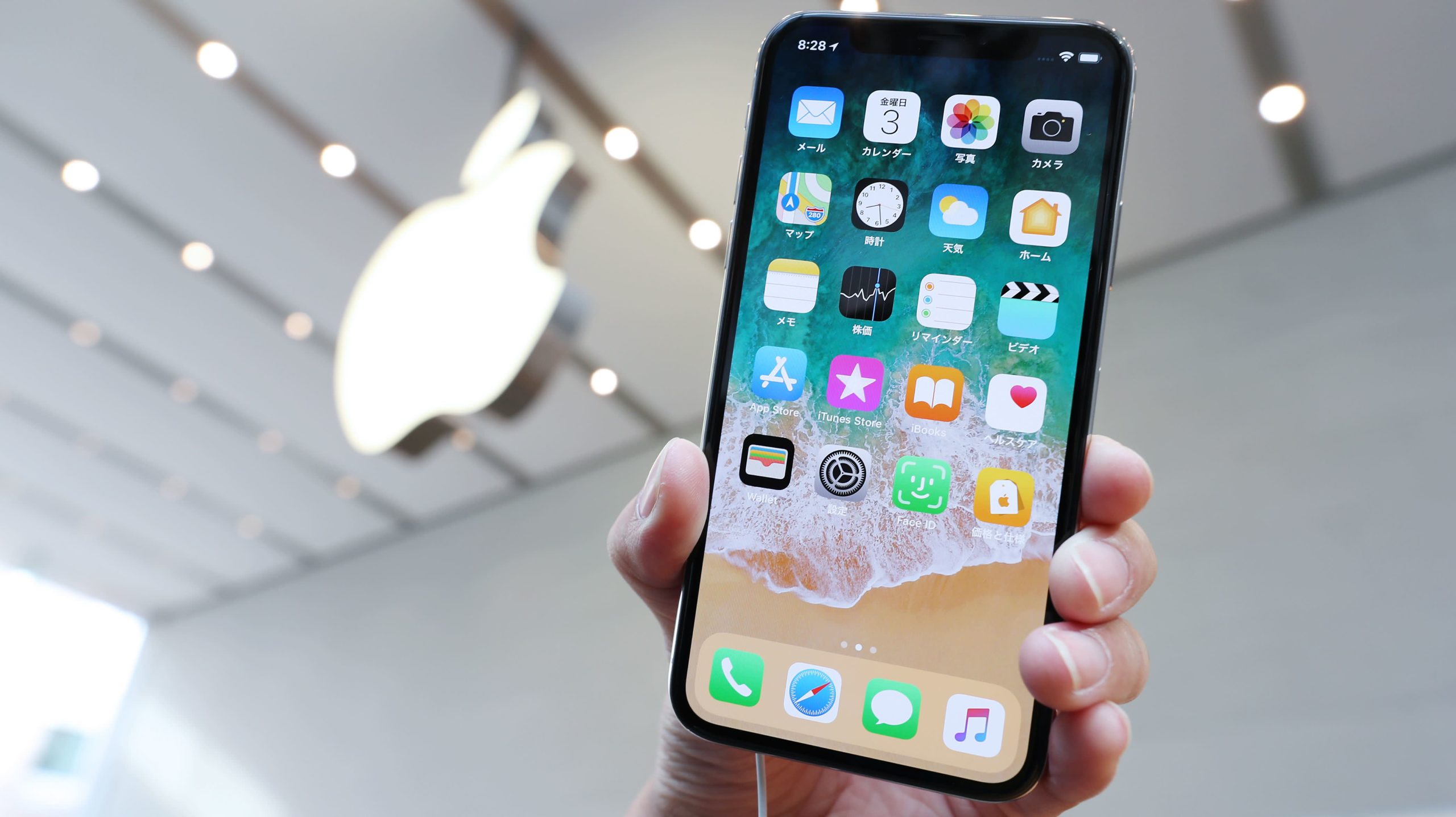
    iPhone 13 mini seems to be the least favorite model of the latest Apple smartphone lineup, accounting for only 5 percent of total pre-orders in Vietnam.

    The most favored is iPhone 13 Pro Max with 70 percent pre-orders, followed by iPhone 13 and iPhone 13 Pro, each 12.5 percent, according to data from retail chains.

    But the iPhone 13 mini, the smallest and cheapest of the lineup, is set to see shortages due to a lack of supply.

    For retail chain CellPhoneS, only 2 percent of its iPhone 13 imports are mini.

    “We might only meet 50 percent of customer demand,” said spokesperson Nguyen Lac Huy.

    The unofficial market, where buyers pick up the phone in Singapore and Hong Kong and bring them back to Vietnam, does not seem to have a lot of supply for iPhone 13 mini either.

    “We only imported a small number as there is almost no demand from customers,” said a smartphone vendor in downtown Hanoi.

    Last year, the iPhone 12 mini was also the least favorite. Many stores had to repeatedly lower prices to get rid of their inventory.

    Industry insiders say Vietnamese prefer the most expensive iPhones.

    The four models of the iPhone 13 line is set to be officially delivered to Vietnam starting Oct. 22.

  • UBS Asset Management Appoints Australasia Country Head

    UBS Asset Management Appoints Australasia Country Head

    UBS Asset Management has named a new country head for Australia and New Zealand.

    Alison Telfer has been named to the role, according to a report by the Australian Financial Review.

    She has 20 years of asset management experience, most recently with Blackrock where she was its chief operating officer, general counsel, and head of public policy for Australasia.

    Telfer’s strategic mindset coupled with her extensive Asia Pacific asset management experience will be valuable in helping her position UBS Asset Management for the future, said UBS Australasia joint-country head Nick Hughes.

  • China’s retail sales record double-digit growth

    China’s retail sales record double-digit growth

    China released economic data for July that showed slower-than-expected growth as the world’s second-largest economy battled floods and a resurgence of Covid-19.

    The slowdown was particularly apparent in individual Chinese consumer spending, despite authorities’ efforts to build up consumption as a driver of economic growth.

    The data showed consumers cut back on spending across the board, whether it was on big-ticket items like cars or lower-cost products like cosmetics that can be bought through online e-commerce platforms.

    Retail sales rose by 8.5% in July from a year ago, lower than the forecast 11.5%, according to analysts polled by Reuters. Auto-related sales, the largest component of retail sales by value, was the only category to decline in July, down 1.8% year-on-year.

    The cosmetics sector was one of the slowest-growing categories, and sales grew just 2.8% in July from a year ago, versus growth of 13.5% in June.

    Online sales of physical consumer goods rose by 4.4% in July, far below an average of about 21% for the past five years, according to CNBC calculations of official data.

    Bruce Pang, head of macro and strategy research at China Renaissance, attributed the sharp drop in online sales to massive shopping promotions in June, which were followed by logistics disruptions amid Covid-19 travel restrictions, floods and typhoons in July.

    E-commerce giants Alibaba and JD.com handled a record $136.51 billion of sales during the June 18 shopping event, known as “618.” China’s other major shopping festival of the year falls on Nov. 11.

    Outside of consumption, China’s manufacturing sector also grew more slowly than expected.

    Industrial production grew by 6.4%, also below expectations of a 7.8% year-on-year increase in July, according to the Reuters poll.

    Fixed asset investment for the first seven months of the year rose by 10.3%, below the forecast of 11.3% year-on-year growth for the January to July period, according to Reuters.

    The National Bureau of Statistics noted “the impact of multiple factors including the growing external uncertainties and the domestic COVID-19 epidemic and flooding situation,” according to a release. The bureau added that the “economic recovery is still unstable and uneven.”

    On consumption, the bureau’s spokesman Fu Linghui said during a press conference that Chinese willingness to spend is increasing since spending per capita grew faster than that of disposable income in the first half of the year — up 17.4% and 12%, respectively.

    The country added 1.24 million new urban jobs in July, on track to reach Beijing’s target of creating more than 11 million new urban jobs this year.

    However, the unemployment rate in cities ticked higher to 5.1% in July, up from 5% the prior month. The unemployment rate for those 16- to 24-years-old remained far higher, rising to 16.2% from 15.4% in June.

    Economists have cut their China GDP forecasts given the latest wave of travel restrictions and residential community lockdowns in the wake of the spread in the last two months of the highly contagious Delta variant within the country.

    Goldman Sachs expects 8.3% growth this year, down from 8.6% previously, according to an Aug. 8 note.
    Nomura predicts 8.2% GDP growth for the year, down from 8.9%, according to an Aug. 3 note.

    The official growth target is lower, at over 6%.

    Although the number of new Covid cases is low compared with other countries, the economic impact could be greater since China has taken a “zero tolerance” approach. Last week, authorities shut a terminal of the world’s third-busiest port after one worker was infected.
  • Name change for AirAsia Group

    Name change for AirAsia Group

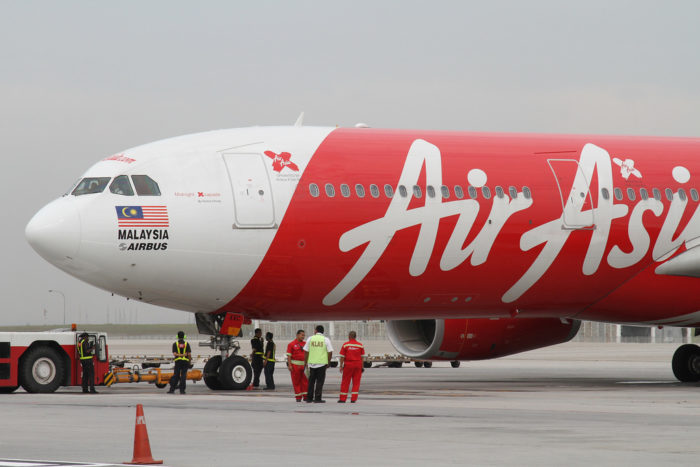
    As AirAsia’s holding company for the airline group has been officially renamed AirAsia Aviation Limited, a move that illustrates the ongoing transformation into a digital travel and lifestyle services group,

    Bo Lingam, who was formerly president (airlines) for the AirAsia Group, takes over as Group CEO of AirAsia Aviation Limited, overseeing the four airlines (AirAsia Malaysia, AirAsia Philippines, AirAsia Thailand, and AirAsia Indonesia).

    AirAsia Group Berhad (AAGB) is the investment holding company for the eight digital portfolio companies that leverage data and technology. AAGB’s portfolio includes AirAsia Aviation, the AirAsia Super App, cargo and logistics venture Teleport, BigPay financial services, the edutech arm AirAsia Academy, engineering company Asia Digital Engineering, ground services division GTR and the restaurant chain and food group called Santan.

    Group CEO of AirAsia Aviation Limited Bo Lingam said: “We have spent the past 18 months reviewing every aspect of the operation to ensure that our airlines will return stronger than ever before. In Malaysia, we already see huge pent-up demand for air travel since the government’s recent announcement of the resumption of interstate travel on 11 October. We are operating over 60 daily flights to 16 key leisure destinations, and more frequencies and routes will continue to be added in response to significant consumer demand.

    “Progress is also underway in our other airlines in Thailand, Indonesia, and the Philippines as services are resuming in line with accelerated vaccination rates and the easing of travel restrictions in our key markets.”

  • Carousell snaps up sneaker marketplace Ox Street

    Carousell snaps up sneaker marketplace Ox Street

    Online marketplace Carousell has acquired Ox Street, a Singapore-based marketplace for authenticated sneakers and streetwear, the company announced on Monday. It did not disclose the deal value.

    Founded in 2019, Ox Street is focused on making the second-hand sneaker purchase experience more seamless for Southeast Asian youth by inspecting and authenticating the sneakers before they reach buyers.

    Post-acquisition, Ox Street will continue to operate as its own brand, retaining its name, platform, and team.

    “We initially started a conversation with Carousell on partnering up to provide authentication as a service for sneakers, but as discussions progressed, we found so much common ground in how we see the future, that we decided it would be much more powerful for Ox Street to fully join the Carousell group,” said Gijs Verheijke, founder and chief executive of Ox Street.

    “Our focus markets align nearly one to one, and in these markets, Carousell was actually the first, and remains the largest marketplace for sneakers and streetwear.”

    Data portal VentureCap Insights shows that Verheijke owns 90 percent of the company, with the remainder held by an entity, Aito Ventures. The company recorded US$18,975 in revenue in 2019, with a US$206,931 loss.

    Carousell chief executive Quek Siu Rui said that he sees “immense opportunity” in Ox Street’s authentication capabilities. He is optimistic about the “brand love they have created among their dedicated community of sneakerheads and fashion enthusiasts, especially among Gen Z”.

    The deal comes weeks after Carousell raised US$100 million in a round led by South Korean private equity firm STIC, valuing the company at US$1.1 billion. It is said to be considering a public listing in the US through a merger with a special-purpose acquisition company. Previous regulatory filings indicate that Carousell aims to provide its investors with an exit by 2024, at a valuation of at least US$1.13 billion.

  • Baileys launches Apple Pie liqueur in Australia

    Baileys launches Apple Pie liqueur in Australia

    Baileys Apple Pie Liqueur has finally dropped in Australia and it’s here for a good time, not a long time.

    We first heard about this incredible flavor over a year ago – but it was only available in the US. We’re delighted that it’s now hitting Aussie shores!

    From mid-October, you will be able to get your hands on a bottle of this limited-edition treat just in time for the festive months.

    Combining the best parts of the traditional apple pie that we know and love, this new drink offers the familiar velvety qualities of Baileys Original Irish cream and vanilla ice cream, plus a kick of Christmassy warmth with the hint of cinnamon and spices.

    Deliciously versatile, this liqueur can be paired with vanilla ice cream, mixed into your favorite apple-inspired baked goods or simply poured over ice for a festive fix. The possibilities are endless!

  • Google adds “continuous scrolling” feature to its iOS and Android Search apps

    Google adds “continuous scrolling” feature to its iOS and Android Search apps

    Toward the end of last week, Google released a blog post about the latest changes it was making to the Google Search app. Results will be more “seamless and intuitive” thanks to continuous scrolling, a new feature that has just been added to the app. Now, when you have reached the bottom of the search results on your phone’s display, the next group of results will automatically load.

    As Google points out, even if you often find the result that you’re looking for in one of the first few responses that appear on the display, most people who want to search for more responses will browse up to four pages of results. Thanks to the update, this will be done automatically allowing users to view more pages before having to tap the button that reads “See more.”

    For example, Google uses the timely question, “What can I do with pumpkins?,” as an example of a query that a user might want to see several pages of results for. Google says that “you may want to consider more results and inspiration before deciding how to move forward. Scrolling through a wider range of results may show you tons of options you hadn’t considered, like no-carve pumpkin decor ideas for Halloween, pumpkin seed recipes that make your pumpkin worth carving and more ideas for how to make the most out of your gourd.”

    The continuous scrolling feature started rolling out last Thursday for most English searches on mobile. On our iPhone running iOS 15, the feature worked like a charm continuing to automatically load the next page full of results. Eventually, as we previously noted, we did run into the “See more” option.

  • Internal memo reveals Instagram’s concern about losing its teenage users

    Internal memo reveals Instagram’s concern about losing its teenage users

    A year ago, Instagram was so concerned about losing teen users that it decided to spend a huge percentage of its marketing budget to reach teenagers. This report was published in The New York Times and was based on anonymous sources and internal documents. One company memo said, “If we lose the teen foothold in the U.S. we lose the pipeline.”

    Facebook, which bought Instagram for a reported $1 billion back in 2012, garnered some negative media coverage earlier this month when a former product engineer named Frances Haugen leaked documents to The Wall Street Journal. The documents revealed that Facebook’s own researchers discovered that Instagram is “harmful for a sizable percentage” of its young users, specifically teenage girls who can get depressed, anxious, and develop body-image issues from using the app.

    Haugen also testified before Congress and said that the products offered by Facebook “harm children, stoke division and weaken our democracy.” Besides Instagram and Facebook, the latter also owns messaging apps WhatsApp and Facebook Messenger. Instagram has competition in the teen market from Snapchat.

    Facebook says that the media and the public are taking Facebook’s internal research out of context. It says that the report actually showed that teens benefited from using Instagram. The company said that its researchers were told by teenagers that they use the app “when they are struggling with the kinds of hard moments and issues teenagers have always faced.”

    Starting in 2018, most of the spending earmarked for Instagram’s annual worldwide marketing budget was focused on messaging directed at teens. The budget for this year is $390 million. A Facebook spokesman said, “. “While it’s not true that we focus our entire marketing budget towards teens, we’ve said many times that teens are one of our most important communities because they spot and set early trends. It shouldn’t come as a surprise that they are a part of our marketing strategy.”

    The Times was told by marketers that focusing on a specific age group to the extent done by Facebook is not usual. And the newspaper’s report noted that Facebook also focused some of its advertising on parents and young adults.

    In March, it was discovered that Facebook was developing a version of Instagram for those children under 13 who are not allowed on the Instagram site. Instagram Kids wouldn’t be designed like the adult version of the app as it would be free of ads and parents would have control. The 1998 Children’s Online Privacy Protection Act restricts companies from collecting or storing personal data on anyone under 13.

    Last month, half a year after the initial report about Instagram Kids leaked, Instagram announced that it was halting work on the site. Despite pausing the development of the kid-friendly version of Instagram, Facebook still believes that it “is the right thing to do.” Additionally, the company said that it will continue to work on opt-in parental supervision for teens. It also wants the app to flash a “Take a Break” warning to remind users that it is time to move on to something else.

    Instagram Kids would also have allowed parents to limit the amount of time their kids used the app, oversee who they were following on the app, and who was following them.

    An unnamed source told it that Facebook managers explained to workers that it is doing all that it can to prevent underage users to sign up for an Instagram account, but these kids find a way to open such an account anyway. The Instagram Kids platform would have been aimed at children 10 to 12 years of age, would have required parental permission to join, and the app would include only “age-appropriate content and features.”

  • Ducati Resumes Factory Tours At Borgo Panigale

    Ducati Resumes Factory Tours At Borgo Panigale

    Guided tours inside the Ducati Factory have resumed from October 2021, after having been discontinued due to the coronavirus pandemic. The Ducati Museum re-opened with pandemic safety regulations in place in May 2021, but the factory had not been open for tours, until now. Visitors during the factory tour will have the opportunity to walk through the production lines, observing what goes inside the factory where Ducati motorcycles are created. The tours are guided and can be booked on Mondays and Fridays of each week.

    Three separate morning tour slots are open, as well as three-afternoon slots. Online booking is on the dedicated platform for both factory tours and Museum visits. In order to ensure the safety and health protection of visitors and workers, access to the facility will be possible by reservation only during the hours indicated with a limited number of entries. The presentation of a valid EU Digital COVID Certificate is mandatory, with the exception of children under 12 years and people unfit for a vaccination with a medical certificate, Ducati announced in a press statement.

    The ticket for the Ducati Museum tour is 17 Euros (around ₹ 1,840), while a combined Museum and Factory tour ticket is for 32 Euros (approximately ₹ 2,785), and will be a day-long tour. For high school students, Ducati is also opening its interactive Physics in Motion laboratory (Fisica in Moto) ba

  • Vietnam remains magnet for EU investment despite Covid

    Vietnam remains magnet for EU investment despite Covid

    EU investments in Vietnam rose by $483 million year-on-year in the first nine months of this year to $22 billion despite the Covid-19 pandemic.

    In a recent report to the National Assembly, the Government said trade with European countries too increased sharply since the EU- Vietnam Free Trade Agreement (EVFTA) took effect in August last year.

    Investment by 26 out of 27 EU member countries increased in the year-to-date, and includes major names such as Shell Group (the Netherlands), Total Elf Fina (France – Belgium), Daimler Chrysler (Germany), Siemens, and Alcatel Comvik (Sweden).

    The Netherlands is the largest investor with nearly $10.4 billion in 382 projects. It is followed by France with $3.62 billion and Germany with $2.25 billion.

    European investment is forecast to keep increasing in the medium and long terms, mainly in high-tech industries.

    To attract EU investment, many provinces and cities are acquiring lands around industrial zones, building infrastructure and creating a skilled workforce in agriculture, manufacturing and logistics and simplifying administrative procedures.

    Trade between the EU and Vietnam has also prospered in the year since EVFTA took effect despite the hurdles caused by Covid.

    This year, it has risen by nearly 12 percent year-on-year to $54.6 billion, with Vietnam’s exports being worth $38.5 billion.

    Vietnam’s main exports have been phones and components, computers, other electronic products and components, shoes, textiles, garments, machinery, equipment and appliances, tools and spare parts, and iron and steel products.

    Vietnam is still struggling to comply with the stringent sustainability and other technical standards of the EU market. Besides, protectionism and use of trade remedies and non-tariff barriers is increasing in the bloc.