Author: Mei Ling Tan

  • Tesla Q3 2021 Results Out; Meets Expectations After Sublime Quarter

    Tesla Q3 2021 Results Out; Meets Expectations After Sublime Quarter

    Tesla has delivered the goods in its Q3 2021 earning report with it reporting revenues of $13.76 billion which is slightly below the lofty expectations of the analysts at Wall Street which expected revenues of $14 billion.

    “The third quarter of 2021 was a record quarter in many respects. We achieved our best-ever net income, operating profit, and gross profit. Additionally, we reached an operating margin of 14.6%, exceeding our medium-term guidance of “operating margin in low-teens,” said the electric car maker in its announcement.

    Notably, Tesla’s automotive gross margins improved by 30 percent in this quarter despite cost pressure from the supply chain as the world continues to suffer from a global semiconductor crisis. Tesla’s engineers were swift to rewrite code for new parts which helped the company navigate the crisis well.

    But despite these improving margins, Tesla’s cash in hand actually went down due to debt repayment.

    “Quarter-end cash and cash equivalents decreased to $16.1B in Q3, driven mainly by net debt and finance lease repayments of $1.5B, partially offset by the free cash flow of $1.3B. Our total debt excluding vehicle and energy product financing has fallen to just $2.1B at the end of Q3,” said the company in its shareholder letter.

    This quarter Tesla has started sales of the Model S Plaid which has been a success, apart from it opening its Berlin Gigafactory which has started rolling out Tesla Model Y units. Earlier in the year, the Model 3 became the best-selling executive sedan in the world, but Tesla estimates, the Model Y will overtake its sales at some point.

  • 5 Eco-Friendly Bulk Packaging Options For Your Business

    5 Eco-Friendly Bulk Packaging Options For Your Business

    As a business owner, the way you treat the environment can have serious consequences in the future. For instance, careless waste disposal can contaminate the water, air, and soil. In turn, this can affect the health of humans, animals, and plants. That’s why businesses need to be environmentally conscious to reduce their effect on different ecosystems. One way businesses could help save the environment is by choosing eco-friendly packaging options for their products.

    If you also want to protect the environment by choosing the correct packaging option for your products, read on to learn some eco-friendly bulk packaging options for your business.

    What Is Eco-Friendly Packaging?

    Eco-friendly packaging is any form of environment friendly packaging made of recyclable or reusable materials. In other words, any packaging is considered eco-friendly if it’s made of recyclable materials. In addition, these materials should be safe and sustainable for the environment. However, to ensure you get the right packaging that can take you closer toward becoming more environment friendly, you must work with experienced industrial bulk bag suppliers to provide you with eco-friendly bulk packaging options.

    What Are The Best Eco-friendly Packaging Options For Your Business

    Though plastic is the common packaging option adopted by most businesses, it can seriously affect the environment. Plastic can take several decades to disintegrate, and therefore, it’s one of the world’s major pollutants. The good news is that businesses can avoid plastic packaging by adopting other available eco-friendly packaging options. Here are some options you could adopt for your business:

    1. Biodegradable Plastic

    Biodegradable plastic is one popular eco-friendly packaging option these days. They work like plastic, but unlike non-biodegradable plastic which can take centuries to break down, biodegradable plastic can melt in sunlight. This type of packaging degrades faster because it’s made of plant byproducts rather than petroleum. Though biodegradable plastic can attract a higher cost than its cheaper cousin, it can significantly reduce your business’ carbon footprint.

    1. Mushroom Packaging

    Mushroom packaging is another eco-friendly packaging option you should consider for your business. These packages are made from agricultural waste products and mushrooms and are used for packaging small items.

    When manufacturing mushroom packaging, agricultural waste materials are disinfected, then fused together by a matrix of mushroom roots. After which, this compound is then molded to the desired shape and size and left to dry. Because these packages are made from agricultural products, they take the least possible time to break down. So if one of your business goals is to become more conscious about the environment, then mushroom packaging could be your best bet.

    1. Natural Fabrics

    In some cases, some items might not require much protection, especially if they’re not fragile. That’s where natural packaging comes in. Natural fabric packaging is a type of packaging that can protect non-fragile items from scratches and bumps.

    Natural fabric packaging comes in different types. For instance, they could be made from organic materials such as hemp, palm leaves, recycled cotton, and tapioca. All these types are made from materials that can take less than three months to decompose, which helps preserve the environment. Apart from taking a shorter time to break down, natural fabric packaging is cost effective, especially when purchased in bulk.

    1. Recyclable Paper And Cardboard

    Another best way to help save the environment is the use of recyclable paper and cardboard packaging, which is one of the most adopted packaging options by businesses that want to reduce their use of plastics. One benefit of this packaging option is that it’s recyclable. This means that customers can send them back to you after receiving their products or they could use it for their own purposes. In addition, when these materials find their way into the ocean and other bodies of water, they won’t cause much damage to the ecosystem, compared to non-biodegradable plastics.

    1. Starch-Based Packing Peanuts

    If you want to protect your fragile products while still helping the environment, starch-based packing peanuts is another ideal option. This type of packing peanut is made from agricultural waste materials that can easily dissolve in water. As such, many companies have turned to starch-based packaging option instead of conventional Styrofoam packing peanuts that takes ages to decompose.

    How Can You Choose The Best Packaging Supplier For Your Business?

    Partnering with the right packaging supplier is essential not only for the success of your business but also in taking the right steps toward turning into a more environment-conscious enterprise. So when choosing your bulk packaging options, you’ll want to partner with a supplier who can provide you with quality services. With that said, here are some critical factors to consider when finding the right packaging supplier for your business:

    • Experience

    Experience should be your top of your list when choosing your packaging supplier. It’s the only way to ensure you meet your business packaging needs. Consequently, the supplier you choose should be experienced to customize your packaging according to your business needs. Before contracting any packaging supplier, it’d be a good idea to research and find out about their experience and the number of years they’ve been in the industry.

    • Quality Of Packaging

    The quality of the packaging is another crucial factor you need to consider when finding your supplier. Note that even if your products are of high quality, packing them in substandard materials could discourage your customers.

    So if you want to improve customer experience and satisfaction, be sure to pack your products with high-quality packaging. This can be possible by working with a supplier that produces high-quality packaging.

    • Packaging Prices

    Pricing is another critical factor you must consider when choosing your packaging supplier. So it’s vital to get quotes from different suppliers, then create a shortlist of the suppliers who made the cut to help you make the right decision.

    Though different suppliers will quote different packaging prices, be sure you negotiated prices with them, since high prices don’t always mean high quality in business. On the other hand, a low price isn’t always an indication of the best deal in the market. Finally, you must be certain you’re getting the best value for your money.


    • Delivery Times


    Last but not least, you must consider the time it takes for your supplier to deliver your order. Any delays could have a huge impact on your business. As such, make sure you’re partnering with a supplier who can deliver your packaging on time. This ensures you don’t take on unnecessary financial loss or, worse still, lose customers to your competitors.


    Takeaway


    Today, businesses play a significant role in helping preserve the environment through the ways they do businesses, including their choice of packaging. Most have avoided plastics by adopting eco-friendly packaging options. As discussed here, some eco-friendly packaging options include biodegradable plastic, mushroom packaging, natural fabrics, recyclable paper and cardboard, and starch-based packing peanuts. Choose the perfect fit for your business, and start saving the planet.


  • Alibaba makes Taobao app more user-friendly for elderly shoppers

    Alibaba makes Taobao app more user-friendly for elderly shoppers

    Alibaba Group’s online marketplace Taobao this week rolled out a new version of the shopping app that’s more accessible for senior users.

    Piloted ahead of China’s 11.11 Global Shopping Festival, Taobao’s “senior mode” features larger text and icons, simplified navigation and voice-assisted technology, which allows senior citizens to search for products using voice commands.

    The homepage highlights games that have been popular among elderly users, including the Baba Farm program where users tend virtual crops to unlock discounts for agricultural produce.

    “In the future, we will explore new ways to make online shopping easier for seniors, such as functions that allow their children to help them browse and select products,” said Shao Xi, the project manager overseeing the new service.

    China has the world’s largest elderly population. Per China’s latest census published in May this year, the country had more than 264 million people aged 60 or over in 2020 – making up 18.7% of the population.

    Alibaba’s digital tools became an integral part of everyday life for seniors during the coronavirus pandemic. Orders made by users over the age of 51 increased by 125% on delivery platform Ele. me last year, while Alipay’s elder-oriented “care version” recorded a 6.6-times jump in visits year-on-year in the first half of 2020.

    Covid-19 concerns may now be fading in China, but elderly users remain a priority across the Alibaba ecosystem. Last month, Ele.me introduced an elder-friendly mode within its app featuring a simple homepage with large fonts and buttons to make ordering food and grocery easy.

    This isn’t the first time that Alibaba has enhanced its platforms and services for the silver market, which was estimated to be worth RMB3.79 trillion (US$588 billion) in 2020 by the China National Committee on Ageing.

    In 2018, Alibaba launched the “Taobao for Elders” channel to make account registration and app navigation more accessible to seniors. It includes a peer-to-peer chat function allowing family members and friends to easily share products and consult each other, as well as a “pay-for-me” option to pay for another’s purchases.

    Within the Taobao app, senior users can find how-to guides and training programs for everything from online shopping and payments to ride-hailing and booking online doctor’s appointments, as well as a dedicated customer service hotline.

    Improved accessibility features benefit a range of people. In 2018, Taobao debuted an advanced artificial intelligence that reads text written on images, improving the shopping experience for blind and partially sighted users. The shopping platform estimates that roughly 300,000 visually impaired shoppers use the AI tool to browse 2 million products each day

  • Haidilao slows rollout as Covid-19 curbs consumer appetite

    Haidilao slows rollout as Covid-19 curbs consumer appetite

    China’s biggest hot pot chain Haidilao is slowing its rollout of new restaurants and increasing diversification of its fare, tempering its rapid expansion during the coronavirus pandemic to cope with a subsequent slump in consumer spending.

    Haidilao, which became so popular in recent years that it appeased customers in hours-long queues for its soups by providing free manicures, snacks and shoe shines, is at the forefront of reckoning in China’s restaurant industry post-pandemic.

    The chain has seen falling table turnover rates and profits as consumers dine out less and new stores cannibalize business at older locations.

    “We will open stores based on market demand, and compared to before, will appropriately slow down our opening pace,” the company said in a written response’ questions about its strategy.

    China’s catering industry shrank 4.5% in August, before recovering for growth of 3.1% last month. Analysts said it will likely remain volatile for some time amid the country’s broader patchy economic recovery.

    “This year, fresh waves of the epidemic happened repeatedly, and passenger flow in commercial areas is volatile, affecting the recovery of core business indicators,” Tianfeng Securities wrote in a research note last month.

    Haidilao was initially undeterred by the pandemic, embarking on an expansion drive in early 2020 that has doubled its outlets since then to almost 1,600 currently. It did so by snapping up sites left behind by vacating weaker players, often helped by deep discounts offered by landlords.

    But that expansion pushed Haidilao’s table turnover rate down to 3.0 – or three sets of customers per day on average – in the first half of this year, from 4.8 in 2019.

    Xiabu Xiabu, another Hong Kong-listed Chinese hot pot chain, has said it plans to shut 200 of its 1,010 stores after losing 50 million yuan ($7.76 million) in the first half of 2021.

    Haidilao’s share price has fallen to around HK$30 from a record high of HK$86 in February.

    “The company will need to create demand going forward, which is more challenging than fulfilling demand,” China Renaissance analysts wrote in an August note.

    DELIVERY AND DRINKS

    To turn its fortunes around, Haidilao has opened more than 10 outlets specializing in fast food such as noodles and dumplings, moving beyond the hot pot, the signature dish of southwestern Sichuan province where the company was founded 27 years ago.

    However, with a maximum of just five stores each and an average spending per guest of 10 to 20 yuan – versus 107.3 yuan for the Haidilao restaurants – the sub-brands contributed just 0.5% to the first-half revenue.

    Haidilao last month closed a potato noodle restaurant less than a year after opening it in the central city of Zhengzhou, without publicly citing a reason.

    In other diversification attempts, the company has opened bars in three of its Beijing restaurants and is promoting its delivery service, a unit where revenue initially rose during the pandemic.

    However, delivery revenue dropped from 409.6 million yuan, or 4.2% of total revenue, in the first half of 2020 to 345.7 yuan, or 1.7% of total revenue, in the first half of 2021.

    “(Eating) hot pot has a strong social feature so people are less likely to order hot pot at home,” said Zhu Danpeng, an independent food industry analyst.

    Haidilao opened a store on Alibaba’s marketplace Tmall several months ago to sell items including lipsticks inspired by its soup bases with names such as “capsicum rouge” and “summer tomato”.

    Zhu said Haidilao’s multi-brands strategy was the right move but the company did not have a lot of room for growth: “Haidilao has reached a certain phase with its development, as a man has reached his middle age.”

  • ​​Eco-startup Zero Co crashes crowdfunding servers as shares go on sale

    ​​Eco-startup Zero Co crashes crowdfunding servers as shares go on sale

    Eco-startup ZeroCo broke Australia’s record with the largest crowdfunding in Australia’s history, raising $ 5 million in the recorded time of 6 hours.

    Unprecedented heavy traffic – 2500 out of 3082 investors are pre-registered Crowdsourcing funding platform Birchal. Five minutes after the raise, Zero Co successfully raised $ 1 million, the fastest raise in the country. In less than 50 minutes, the emerging startup was the fastest in Australia, raising $ 3 million.

    Mike Smith, the founder of Zero, said:

    “We want to grow this business by expanding our product range, expanding our business, launching globally and eliminating disposable plastics from all kitchens, laundry, and bathrooms. I am. “

    Prior to the Crown Funding campaign, the company also secured a $ 6 million investment from global investment firm SquarePeg.

  • Mekong Delta fruit prices surge as travel restrictions ease

    Mekong Delta fruit prices surge as travel restrictions ease

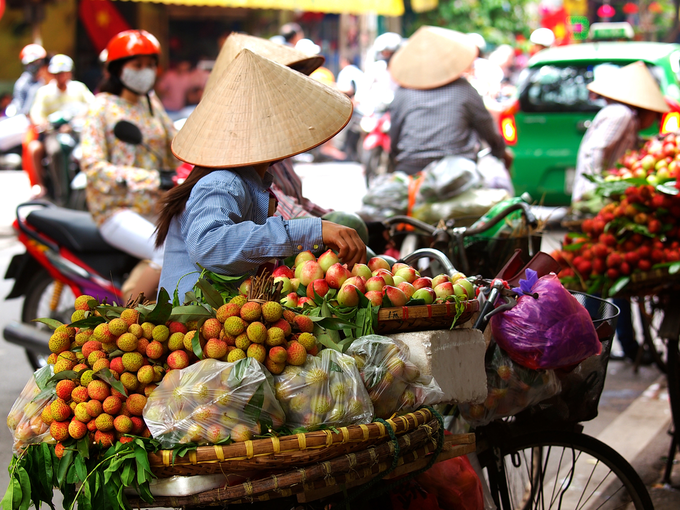
    Jackfruit, longan, and lemon cultivated in the Mekong Delta are fetching two to four times the prices that prevailed when Covid-19 related transport restrictions were in force before Oct. 1.

    Lemons bought directly at gardens are priced VND7,000-8,000 ($0.31-0.35) per kilogram these days, while they were selling for just VND2,000 per kilogram earlier.

    Prices of Thai jackfruit have also surged to VND19,000-30,000 per kilogram. These prices are four times more than the previous four months when travel was restricted.

    Similarly, longan prices have doubled to VND12,000-14,000 per kilogram.

    “Farmers hope to a lot of longan and make a profit when Chau Thanh District (Dong Thap Province) harvests the fruit in about a month,” said Nguyen Van Thuan, a farmer from the district.

    In July, fruit from the Mekong Delta, Vietnam’s agriculture hub, was sold poorly at lower prices as wholesales markets across HCMC close due to Covid-19.

    Mekong Delta contributes 90 percent of the country’s rice exports, 65 percent of seafood exports, and 70 percent of fruit exports.

  • One Mount develops comprehensive technology ecosystem

    One Mount develops comprehensive technology ecosystem

    One Mount provides solutions covering the entire financial services, distribution, real estate, and retail-sector value chain.

    Approved in June 2020, the National Digital Transformation Program aims to turn Vietnam into a country with digital technology competitiveness comparable to those of developed nations. This sets favorable conditions for Vietnam to actively capitalize on opportunities brought on by today’s technological revolution.

    According to experts, Vietnam has unlocked great potential for digital enterprises to thrive across the country. Technology has been the key factor leading to the explosion of innovative startups in the field of information technology.

    One Mount, with its comprehensive technology capabilities, was named at the Top 10 Vietnam ICT Companies 2021 event as a great example of the new breed of companies providing a suite of technological solutions and offerings for businesses and consumers across multiple life stages.

    Launched in the fall of 2019, One Mount had to navigate a global pandemic in its first two years of operation. This has brought it both challenges and opportunities as it sought to affirm the value of its technology business, which has contributed to the country’s technology and economic goals, even during this challenging period.

    After two years, One Mount has pioneered the deployment of technology solutions that help businesses digitalize their operations and solve bottlenecks in many traditional sectors.

    Leveraging its multi-faceted and modern technology offerings, One Mount is focused on optimizing benefits for value chains across a spectrum of industries and audiences including small to medium enterprises, end-consumers across distribution, retail and real estate, to name a few.

    In the distribution sector, VinShop has established itself as one of the country’s largest consumer goods distributors, which has helped to digitalize more than 80,000 small groceries. Taking advantage of technological advancements to provide maximum support for users, One Mount has connected businesses, manufacturers, and consumers within its ecosystem, allowing goods to reach customers quickly while ensuring stable prices.

    Besides improving the income of thousands of small groceries, VinShop also helps ensure the supply of essential goods while helping consumers feel confident about the quality of products.

    One Mount has developed a lifestyle super app with VinID, a loyalty platform serving millions of users on a monthly basis. VinID recently refined its point tiering system and is rolling out a more dedicated personalization engine, bringing users a more curated experience for their favorite products and brands.

    Meanwhile, OneHousing and OneHousing Pro Agent has established itself as the number one distributor and supplier of Masterise Homes projects in Hanoi. In addition to its premium services, the myHome application integrated with VinID has attracted ten thousand of homeowners and households during its beta launch.

    With more products and premium services on the horizon, OneHousing is expected to transform the real estate landscape in Vietnam by providing a complete one-stop shop experience for home buying, selling and living.

    To realize this early success and fulfill its grand vision, One Mount has formed landmark strategic partnerships with reputable industry leaders like TechcomBank and Google.

    The former has bolstered the vision of bringing financial solutions to more people and underserved areas across Vietnam while the latter helped develop powerful technology infrastructure and AI capabilities via Google Cloud offerings.

    One Mount commits to supporting Vietnam’s digital transformation strategy.

    Recently, One Mount’s potential was affirmed by VINASA when the latter included it among its Top 10 Vietnam ICT Companies 2021. One Mount nabbed a spot in three different categories: Top 10 Companies Providing Digital Transformation Platforms, Top 10 Fintech Companies, and Top 10 Logistics and E-Commerce Companies.

    One Mount was selected by HR Asia Magazine as one of its Best Companies to Work For in Asia 2021 in recognition of its outstanding HR practices, attractive benefits, policies, and engaging work environment.

    With a large technological ecosystem, One Mount provides solutions and services along the entire value chain in the financial services, distribution, real estate, and retail sectors through its three core business units: VinShop, VinID, OneHousing.

  • Volvo’s OTA Update Optimises EV Range With New App

    Volvo’s OTA Update Optimises EV Range With New App

    Swedish automaker Volvo has started to deploy an OTA update which also comes with a new app called “Range Assistant” which optimizes the range of its electric cars. It features a smart battery management tool that has a preconditioning timer, and the assistant app itself. This update is also coming to Volvo’s subsidiary Polestar which exclusively makes electric vehicles.

    “Through in-house development of software and over-the-air updates, we can constantly improve our cars and make sure that your electric Volvo stays fresh. The Range Assistant app is a great example of how quick development and deployment of new features can improve the Volvo customer experience every day,” said Sanela Ibrovic, the head of connected car experience at Volvo.

    The app gives the driver an accurate indication of the estimated range remaining on a trip and offers real-time energy consumption data which helps the driver also understand the factors that impact range. The range optimizer app right now is being launched in a beta stage which can also automatically adjust the climate control system.

    Volvo drivers could see increased range improvements from smart battery management and regeneration performance and a smarter timer to precondition the EV battery. Currently, the first car to receive the update is the Volvo XC40 Recharge and this update will also come to the C40 Recharge.

    The update will also come to the Polestar branded cars which will also get the Range Assistant app which includes a new eco climate mode that enhances efficiency and reduces demand on the battery from the climate system.

    The battery preconditioning system is also now linked to the Google Maps app which is embedded in the car as it is based on Android Automotive enabling the driver to know where public charging stations are, destinations, or waypoints – allowing them to optimize for the fastest possible charge times on the road.

  • Cambodia’s exports to Vietnam quadruple

    Cambodia’s exports to Vietnam quadruple

    Cambodia’s exports to Vietnam nearly quadrupled to $3.7 billion in the first nine months of this year, according to statistics from the General Department of Vietnam Customs.

    Cambodia increased its exports of vegetables and fruits by 61 percent, cashew by 595 percent, soybeans by 549 percent, and rubber by 391 percent.

    Exports of wood products, fabric, scrap, and other goods grew by 5-300 percent.

    Trade between Cambodia and Vietnam increased by 90.9 percent year-on-year in the first nine months of this year to US$7.2 billion.

    According to the Cambodian Ministry of Agriculture, Forestry and Fisheries, the country exported agricultural products to 90 countries and territories though Vietnam (64.11 percent), Thailand (21.49 percent) and China (9.69 percent) accounted for most of it with all others accounting for only 4.71 percent.

  • VN-Index slips in narrow band

    VN-Index slips in narrow band

    Vietnam’s benchmark VN-Index fell 0.01 percent to 1,395.33 points Tuesday, continuing along with a narrow band near the 1,400-range resistance.

    Last-minute selling pressure pulled the index down by 0.2 point. It has been fluctuating within a three-point margin for the past six sessions, after surging to the 1,390-range on Oct. 11.

    Trading value on the Ho Chi Minh Stock Exchange (HoSE), on which the index is based, fell 14 percent to VND20.34 trillion ($899 million).

    The VN30 basket, comprising the 30 largest capped stocks, saw 17 tickers in the red, led by STB of Ho Chi Minh City-based lender Sacombank with a 2.6 percent drop.

    GAS of state-owned Petrovietnam Gas dropped 1.7 percent after hitting a new peak Monday.

    VRE of retail real estate arm Vincom Retail fell 1.6 percent to the lowest in over a week.

    MSN of conglomerate Masan Group lost 1.4 percent, while HPG of steelmaker Hoa Phat Group fell 1.2 percent.

    Foreign investors were net sellers to the tune of VND470 billion, with the strongest pressure on HPG and VHM of real estate giant Vinhomes.

    The HNX-Index for stocks on the Hanoi Stock Exchange, home to mid and small caps, rose 0.55 percent while the UPCoM-Index for the Unlisted Public Companies Market gained 0.23 percent.

  • Renault India Announces Special Offers Across Range For The Festive Season

    Renault India Announces Special Offers Across Range For The Festive Season

    Renault India has announced special offers across its product range right in time for the festive season. These offers include maximum benefits of up to ₹ 1.30 lakh on select variants across the line-up. The company said that the offers can be availed while purchasing a new Renault vehicle during the festive period. The company has introduced the new RXT (O) variant on the Renault Kiger as part of the special offers as well, which is priced from ₹ 7.37 lakh onwards. (ex-showroom).

    The offers also arrive as part of Renault India’s 10th-anniversary celebrations. The automaker will be offering loyalty benefits of up to ₹ 1.10 lakh, which will be over and above the festive offers and benefits. Furthermore, the brand has rolled out 10 unique loyalty rewards to mark its 10 years in India. Other offers include gift vouchers worth ₹ 49,999, which are up for grabs every day.

    The entry-level Renault Kwid comes with benefits up to ₹ 40,000 along with special loyalty benefits of up to ₹   65,000. Customers also get an additional ₹ 10,000 cash offer on select 2020 made cars, and an exchange bonus of ₹ 10,000 under the relive scrappage program.

    The new Renault Kiger, on the other hand, comes with a special loyalty benefit of up to ₹ 95,000, along with a corporate discount of up to ₹ 10,000 or a special offer for rural customers. The popular-selling Renault Triber comes with benefits of up to ₹ 60,000, special loyalty benefits of up to ₹ 75,000, and a ₹ 10,000 bonus under the relive scrappage program. The Renault Duster gets maximum benefits of up to ₹ 1.30 lakh along with special loyalty benefits of up to ₹ 1.10 lakh and ₹ 10,000 worth of exchange benefits under the relive program. All models across the line-up get the buy now, pay in 2022 offer as well.

    More recently, Renault also announced that the Kiger subcompact SUV is the most fuel-efficient offering in its class with an ARAI-certified figure of 20.5 kmpl. This is for the 1.0-liter turbocharged petrol version of the car that packs 99 bhp and 160 Nm of peak torque. The motor is paired with a 5-speed manual and CVT options.

  • Thai AirAsia Parent Seeks to Raise $540 Million in Fresh Capital

    Thai AirAsia Parent Seeks to Raise $540 Million in Fresh Capital

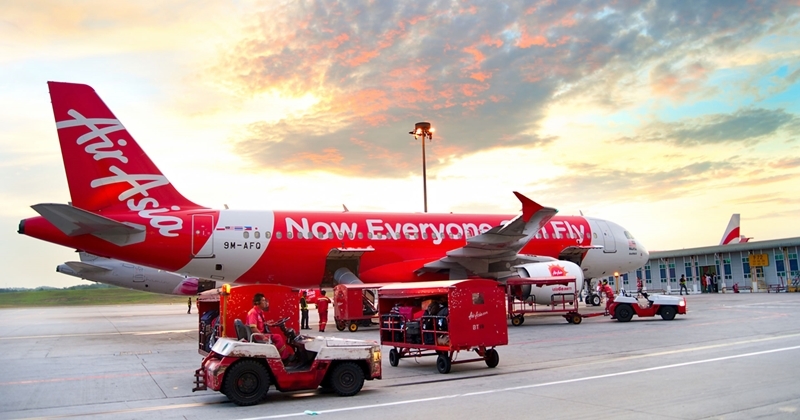
    Asia Aviation Pcl, the operator of Thailand’s biggest budget carrier Thai AirAsia Co., plans to raise as much as 17.9 billion baht ($535 million) from new loans, share sales and convertible debt offerings as it attempts to restock coffers depleted by the worst crisis in aviation history.

    A revised financial restructuring plan for the company has been put forward and Asia Aviation is consulting with new investors, shareholders and creditors, Asia Aviation said in an exchange filing late Tuesday.

    The holding company joins a plethora of airlines globally trying to repair their balance sheets after Covid-19 all but put a stop to international air travel in early 2020. While climbing vaccination rates are seeing travel spring back in some parts of the world, in Asia it’s nowhere near pre-pandemic levels. Thai Airways International Pcl and Nok Airlines Pcl are also pursuing financial restructurings.

    Asia Aviation Chief Executive Officer Santisuk Klongchaiya said the fresh funds should allow the airline to increase flights amid an expected recovery in tourism and travel.

    Thailand’s capital Bangkok has administered at least two doses of Covid vaccine to 71% of its adult population, paving the way for the city to welcome back inoculated visitors without mandatory quarantine from Nov. 1., officials said Wednesday.

    Asia Aviation plans to raise a total of 8.8 billion baht from a private share sale to Malaysia’s AirAsia Group Bhd. and an individual investor. That will comprise around 4.5 billion of new shares to AirAsia to raise 7.8 billion baht and another sale to a group of investors led by Pitharn Ongkosit, the chief executive officer of KCE Electronics Pcl, to raise 1 billion baht.

    The company will also raise 2.2 billion baht from sales of convertible bonds and 3 billion baht from a rights offering. Around 3.9 billion baht will come from loans.

    Asia Aviation, which owns a 55% stake in Thai AirAsia, will use most of the proceeds to acquire the shares of Thai AirAsia it doesn’t already control. Other funds will be used to repay debt.

  • Amazon, Ikea commit to using zero-carbon shipping fuels by 2040

    Amazon, Ikea commit to using zero-carbon shipping fuels by 2040

    Nine big companies including Amazon, Ikea and Unilever have signed up to a pledge to only move cargo on ships using zero-carbon fuel by 2040.

    They hope the “aggressive” target will push the heavily polluting shipping industry to decarbonize faster.

    Cargo shipping produces one billion tonnes of climate pollution each year – as much as the country of Germany.

    But critics say shipping firms are not doing enough to meet Paris Agreement goals on emissions.

    The Aspen Institute – the non-governmental Organization coordinating the campaign – expects other retailers and manufacturers that rely on maritime shipping to sign up.

    “Maritime shipping, like all sectors of the global economy, needs to decarbonize rapidly if we are to solve the climate crisis, and multinational companies will be key actors in catalyzing a clean energy transition,” said president Dan Porterfield.

    “We urge other cargo owners, value chain actors, and governments to join forces with us.”

    The companies pledging zero-carbon shipping by 2040 are:

    • Amazon
    • Brooks Running
    • Frog Bikes
    • Ikea
    • Inditex (owner of Zara)
    • Michelin
    • Patagonia
    • Tchibo
    • Unilever

    With about 90% of world trade moving by sea, maritime shipping accounts for 3% of all global emissions. That could rise to 10% by 2050 if the industry continues to rely on carbon-intensive fuels, experts say.

    The shipping industry also produces 10-to-15% of the world’s manufactured sulfur oxide and nitrous oxide emissions, which can cause respiratory illness.

  • 5G innovations and policy-making key to digital evolution in the Asia Pacific

    5G innovations and policy-making key to digital evolution in the Asia Pacific

    In conjunction with Huawei’s 12th Global Mobile Broadband Forum (MBBF), Telecom Review Asia Pacific interviews Daisy Zhu, vice president of Huawei Wireless Marketing to learn about the direction of 5G evolution and key trends that shape the development of the wireless industry in the Asia Pacific region.

    We are in the dawn of a new digital age where 5G represents a milestone in the advancement of mobile communications. In just over 5 years since the ITU released its vision for 5G, there are now 176 commercial 5G networks around the world, deployed over 1.5 million base stations to more than 500 million 5G users. Recognized as a key driver for the digital economy, 5G has a transformative impact on lives and societies where it is deployed.

    In the consumer market, where average 5G download speeds are now 10 times faster than 4G and HD video buffer times reduced from 3 seconds to just half a second, Daisy Zhu, vice president of Huawei Wireless Marketing cited notable network growth as 5G offers enhanced user experiences on more immersive OTT content and applications. The use of artificial intelligence (AI) and virtual reality (VR) to create better-simulated experiences is, in turn,also fuelling new economic activities such as live streaming.

    Across industries, the road to commercial 5G adoption has been fraught with difficulties, but countries have made significant strides. Since it has been commercialized 2 years ago, 5G now supports industrial digitalization through more than 10,000 scenarios in over 20 industries worldwide.

    Sharing China’s success in 5G deployment, Zhu said, “In China, 5G is on a fast development track to accelerate the digital transformation of verticals such as coal-mining, steel manufacturing, port operation, and new media. Across these industries, 5G-based digital applications have helped yield improved quality and increased production efficiency while reducing costs to positively impact various sectors.”

    Innovation that balances performance, coverage, and energy consumption

    Of the 176 countries where 5G has been rolled out, about 80%-90% have adopted high bandwidth, large capacity TDD, which when combined with Massive MIMO, can boost peak to deliver the promise of 10 Gbps real-time, immersive experiences. Massive MIMO can also deliver better energy efficiency per bit, compared to conventional antenna units, to help mobile network operators reduce their carbon footprint and meet their carbon neutrality objectives.

    Even though network traffic is projected to multiply hundredfold in a fully connected digital world, the World Economic Forum estimates that digital technology can reduce 15% of global carbon emissions by 2030. As a global ICT leader, Huawei dives into innovative ways to help mobile network operators build green, low carbon networks to address higher energy consumptions led by a global ramp up in data traffic.

    Zhu highlighted Huawei’s MetaAAU, a technological breakthrough in Massive MIMO coverage and energy efficiency launched during the MBBF 2021. Designed to strike an optimal balance between performance, coverage, and energy consumption, Huawei’s MetaAAU uses ultra-massive antenna arrays to significantly increase antenna gains and yield improved output or transmit power of an antenna unit. Without compromising on coverage, the MetaAAU reduces power consumption by about 30% compared with traditional AAU modules.

    Huawei’s C-RAN solution is another green network architecture that helps network operators reduce electricity consumption. Featuring a centralized BBU, C-RAN simplifies site construction as equipment rooms are no longer needed at base stations. As a result, air-conditioning can be decommissioned to significantly reduce on-site energy consumption by up to half.

    Evolving into digital service providers

    As innovations such as 5G, IoT, and cloud take centre stage in a digital era, network operators are challenged to first undergo digital transformation.

    To capture new growth, Zhu opined that “network operators must move away from the traditional model of selling connectivity to adopting a multi-dimensional role as content providers, cloud service providers, and system integrators”.

    South Korea’s network operators, for instance, create unique content so that they do not have to rely solely on OTT providers for content. As system integrators, network operators are tasked to help verticals integrate applications on the cloud to fully digitalize. Since SMEs form the backbone of the economy in the Asia Pacific, Zhu stressed that network operators should tailor solutions to address the needs of SMEs.

    To support greater, more diversified, and more stringent demands from both the consumer and enterprise markets, Huawei proposes the “1+N” 5G target network as the one fundamental network to provide continuous and large bandwidth coverage for “N” types of capabilities.

    In the case of the consumer market, a “1+N” network provides continuous large bandwidth coverage to deliver seamless roaming experiences to subscribers. In the Asia Pacific, where manufacturing is a dominant industry, smart factories require 20ms latency and 99.99% reliability to support real-time decision-making powered by AI. Precision-positioning is another use case in smart factories that is best founded on a “1+N” network infrastructure so that high-performing capabilities can be localized to perform more sophisticated functions as needed to keep operational costs as low as possible.

    Policy-making recommendations in the Asia Pacific

    With global DOU expected to reach about 700G by 2030, Zhu highlighted the importance of licensing the 6GHz band as the next golden band – also the last available midband spectrum after the C-Band.

    Home to over half of the world’s population, Asia Pacific will witness an exponential surge in data consumption. Echoing GSMA’s recommendation, Zhu proposed that governments allocate 2GHz of 6 GHz mid-band spectrum so that network operators have adequate access to spectrum to meet the ever-increasing demand for data. In China, for instance, the entire 1.2 GHz in the 6 GHz band has been allocated – comprising 500 MHz for Wi-Fi and 700 MHz for IMT connection.

    “Compared to the mmWave spectrum band, the 6 GHz band has been tested and found more suited to power 5G as it can coexist with fixed satellite systems without causing any interference,” said Zhu.

    An enabler for the digital transformation of industries and sectors, 5G has the potential to boost the world’s GDP by $2.2 trillion. In the new digital society, IoT and NB-IoT will also power up to 100 billion connections by 2030. Zhu called on all ecosystem stakeholders to embrace digitalization to ride on the 5G wave.

    To advance 5G deployment, favorable industry policies are also critical. In Thailand, regulators ensure that spectrum auctions are reasonably priced so that network operators can invest in constructing 5G infrastructure for eventual rollout. Introducing spectrum instalments is another initiative that will not overly burden network operators.

    Finally, network operators can be discouraged from leaving purchased spectrum bands unutilized to jack up prices. To counter such practices, regulators can mandate network operators to improve network coverage quantitively in a given timeframe.

    Essentially, spectrum is a scarce resource. Proper spectrum management and sound policy-making will ensure equitable spectrum access for 5G to develop and mature, in turn spurring economic recovery, growth and resiliency in the region.


  • Hong Kong and Macau Announce Wealth Connect Bank List

    Hong Kong and Macau Announce Wealth Connect Bank List

    China’s two special administrative regions announced their list of eligible banks to participate in the cross-border wealth management scheme.

    In Hong Kong, HSBC, Standard Chartered, Citi and more were amongst those on the list of 19 approved banks, according to an announcement yesterday from the city’s central bank.

    Three banks – Bank of East Asia, DBS and Dah Sing Bank – were only allowed to sell products via the southbound route.

    Considering that it will be the first time for retail investors to conduct cross-boundary investments, we will closely monitor the operation of the cross-boundary Wealth Management Connect and step up investor education and investor protection work together with the industry, said Hong Kong Monetary Authority chief executive Eddie Yue Wai-man in a statement.

    Concurrently, Macau’s central bank also announced its list of seven lenders approved for the cross-border scheme earlier this week.

    Bank of China, Bank of Communications, China Construction Bank, China Guangfa Bank, CMB Wing Lung Bank, ICBC and Luso International Banking were approved to launch services in the Wealth Connect program as of yesterday, according to the Monetary Authority of Macau. z