Author: Mei Ling Tan

  • Techcombank profits soar

    Techcombank profits soar

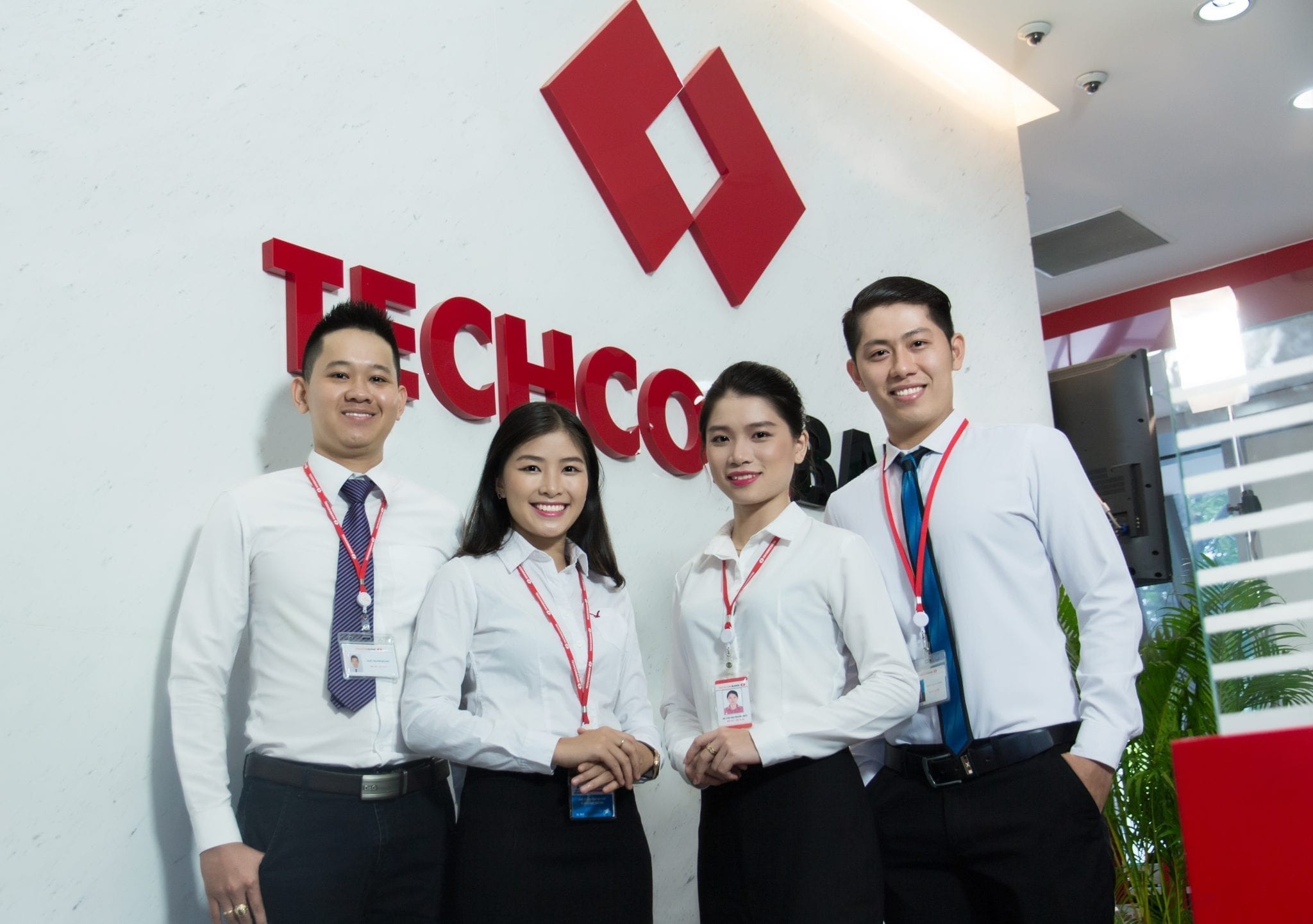
    Vietnam’s top private lender, Techcombank, reported a 59.6 percent rise in pre-tax profits for the first nine months of 2021 to VND17.1 trillion ($737.1 million).

    Loans outstanding were up nearly 16 percent for the year at VND321 trillion.

    The bank’s bad debt ratio was 0.57 percent, higher than at the beginning of the year but still much lower than the average industry rate.

    Its current account and saving account (CASA) ratio grew by 49 percent, among the highest in the industry, thanks to a six-fold rise in margin deposit.

    Provisions for bad debts were down 9 percent.

    In the third quarter alone, pre-tax profit climbed by 40 percent year-on-year to VND5.56 trillion, mostly from interest income, service fees and securities investment.

  • Collins Foods strengthens foothold in the Netherlands with KFC

    Collins Foods strengthens foothold in the Netherlands with KFC

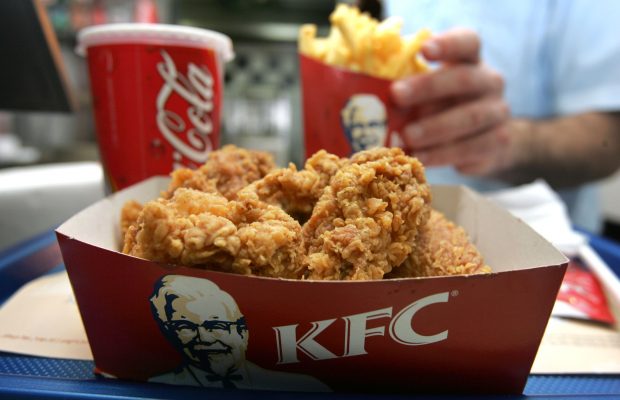
    Collins Foods Netherlands B.V. has entered into a share purchase agreement with RDK Holding B.V. and MDK Holding B.V. to acquire nine KFC restaurants in the Netherlands.

    The sellers are the second-largest KFC franchisee in the Netherlands after Collins Foods’ 35 restaurants.

    Once completed, this acquisition will increase the Collins Foods KFC network in the Netherlands to 44 restaurants, or 55% of this market.

    Last week, Collins Foods announced the signing of a Corporate Franchise Agreement (CFA), entered into with a subsidiary of Yum! Brands Inc. (Yum!) for KFC Netherlands. That agreement will allow Collins Foods to fully leverage its experience and operational capabilities for the benefit of both Collins Foods and the KFC brand in the Netherlands.

    This latest acquisition complements the overall direction of the CFA. As existing restaurants, the nine restaurants to be acquired will not count towards the CFA’s target of up to 130 net new KFC restaurants over the next 10 years.

    However, the acquisition provides further scale for Collins Foods in the Netherlands and supports the rollout of new restaurants under the CFA by streamlining the Netherlands’ franchisee structure and enabling access to additional development trade zones for Collins Foods.

    The acquisition consideration of €10.25 million is subject to various adjustments to be made at completion and will be funded from Collins Foods’ existing debt facilities. Completion is expected to be in or around December 2021, and is subject to satisfaction of various conditions precedent including obtaining all relevant government permits to operate the restaurants, and obtaining the consent of Yum! Restaurants International Ltd. and Co. KG as a franchisor of the KFC restaurants.

    The acquisition price was based on pre-COVID revenue of €15.9 million and EBITDA of €1.8 million during the calendar year 2019. Having successfully integrated the eight restaurants acquired in late second half of FY21, Collins Foods is confident of implementing a similar integration for the sellers’ restaurants.

    Commenting on the acquisition, Collins Foods’ Managing Director & CEO Drew O’Malley said: “Today’s acquisition marks another exciting step forward for Collins Foods’ European growth strategy.

    The restaurants we are acquiring are from one of Netherlands’ top KFC operators. It provides us with an opportunity to bring an additional quality network of restaurants into our European business and adds further capability to our team and increased scale to our operations in the Netherlands.

    The acquisition of these nine restaurants increases our presence to 44 KFC restaurants in the Netherlands and going forward, facilitates further growth opportunities.

  • Alibaba promises sustainability focus in this year’s 11.11 consumer fest

    Alibaba promises sustainability focus in this year’s 11.11 consumer fest

    “Over the last 12 years, 11.11 has showcased the tremendous consumption power of Chinese consumers and pushed boundaries for the global retail sector,” said Chris Tung, Chief Marketing Officer of Alibaba Group. “This year’s Festival marks a new chapter for 11.11. We believe we must leverage the power of 11.11 to encourage sustainable development and promote inclusiveness to consumers, merchants and partners across our ecosystem.”

    This year marks the largest Festival to date, with a record 290,000 brands participating. Tmall is offering more than 14 million deals to over 900 million consumers in China. The Festival will once again have two sales windows – the first will be from November 1 to 3, and the second will be on November 11, on the day of the main event.

    Livestreaming will be a key consumer engagement mechanism for brands and merchants to build awareness and drive sales. Starting on October 20 throughout the Festival, Taobao Live will feature 700 leading KOLs, celebrities and brand representatives in livestream sessions. In addition, Taobao will roll out a new feature for users to share their “shopping cart” items with friends and family, creating a more social shopping experience.

    “Green” Lifestyle, Eco-Friendly Consumption Top Priority This 11.11

    Tmall is taking action to promote “green” lifestyles this 11.11 by featuring a dedicated vertical to showcase energy-efficient and low-impact products, as well as issuing RMB100 million worth of “green” vouchers to incentivize shopping decisions that contribute to an environmentally friendly lifestyle.

    Alibaba’s logistics arm Cainiao Network will introduce package recycling across 10,000 Cainiao Post Stations in 20 cities to reduce the Festival’s carbon footprint beginning on November 1, the first day of the first 11.11 sales period.

    With increased use of green technology, Alibaba expects to further reduce the carbon emission per order during this year’s 11.11.

    Doing Good While Shopping

    Supporting vulnerable populations is also a key theme this year. Ahead of this year’s 11.11, the Taobao app introduced an option for “senior mode,” a new feature designed to make the user interface more accessible for senior citizens. It offers voice-assisted technology, simplified navigation, larger font size and icons. The app homepage also offers games for elderly users to unlock special discounts for groceries, making the experience more engaging for the silver generation.

    Consumers are encouraged to share their “Goods for Good” purchases with their friends and family, and Alibaba will make a RMB1 donation for every successful social media share.

    Launched in 2006, Alibaba’s “Goods for Good” program enables merchants to donate a portion of their sales to charitable organizations of their choice, while consumers can support their favorite charitable causes through their purchases. The donations from this year’s Festival will provide support to three major beneficiary groups: elderly citizens living in solitude, “left-behind children” in remote areas and low-income workers.
  • PayPal preparing US$45 billion bid for Pinterest

    PayPal preparing US$45 billion bid for Pinterest

    PayPal has made an offer to buy digital pinboard site Pinterest for US$45-billion, people familiar with the matter said on Wednesday, a combination that could herald more tie-ups between fintech and social media companies in e-ecommerce.

    The per-share price would represent a 26% premium to Pinterest’s closing price of $55.58 on Tuesday.

    PayPal plans to finance the acquisition mostly through stock, the sources said.

    The payments behemoth was among the big winners of the pandemic as more people used its services to shop online and pay bills to avoid stepping out. The pandemic boost over the past 12 months have driven up its shares by about 36%, giving it a market capitalization of nearly $320-billion.

    PayPal’s shares were down about 3.5% on Wednesday, while Pinterest was up over 10% at $61.55. Pinterest’s shares, which had jumped over 13% earlier in the day forcing trading to be halted briefly, have shed about 16% of their value this year.

    San Jose, California-based PayPal, and Pinterest did not immediately respond to requests for comment. The sources requested anonymity as the discussions are confidential.

    News of the potential deal comes less than a week after Pinterest co-founder Evan Sharp announced plans to leave the company to join LoveFrom, a firm led by Jony Ive, the designer of many iconic Apple products.

    Sharp founded the San Francisco, California-based online scrapbook and photo-sharing platform along with Ben Silbermann, who is the company’s CEO, and Paul Sciarra, who left in 2012.

    Over the past few years, PayPal has displayed growing ambitions to increase its footprint in online shopping through a series of acquisitions, including a $4-billion deal to buy online coupon finder Honey Science in 2019, a $2.7-billion deal to buy Japanese buy-now-pay-later firm Paidy in September this year, and a deal to buy return-service provider Happy Returns in May.

  • Yum China opens Digital R&D Center to craft digital strategy

    Yum China opens Digital R&D Center to craft digital strategy

    Yum China Holdings announced the opening of its Digital R&D Center with three sites in Shanghai, Nanjing, and Xi’an. The inauguration of the Digital R&D Center represents an important milestone for the Company’s strategy to build a dynamic digital ecosystem comprised of 1) the Digital R&D Center, 2) joint venturing, and 3) third party collaboration, to provide a solid foundation for Yum China to further develop its brands and businesses, accelerate expansion and capture market opportunities.

    The Digital R&D Center will consolidate and expand dedicated resources to develop new solutions and services using technologies in big data, artificial intelligence (AI), middle office and digital SaaS to drive end-to-end digitalization. The Digital R&D Center will bolster Yum China’s in-house digital capabilities across various functions, such as:

    • Consumer-facing: to improve Super Apps, mini programs and membership programs to provide higher quality service and customer experience.
    • Store operations: to upgrade systems and tools for more efficient operations and decision making, such as our digital tools for restaurant general managers, “Pocket Manager” and “Super Brain.”
    • Smart delivery: to further optimize delivery order queuing, trade zones, and rider routing.
    • Supply chain management: to enhance food safety and streamline operations from farm to fork.

    “Digitalization is one of the key enablers behind Yum China’s resiliency and long-term development as we move toward our next milestone of 20,000 stores,” said Joey Wat, CEO of Yum China. “The Digital R&D Center is an important part of our investment strategy as we apply cutting-edge technologies to digitally transform stores and drive operational excellence.”

    “Evolving consumer behavior, such as increased off-premise dining, and the Company’s accelerated development, place more demand on our R&D capabilities,” said Leila Zhang, Chief Technology Officer of Yum China. “We believe the establishment of the Digital R&D Center will significantly strengthen Yum China’s internal digital capabilities and support sustainable business growth by using advanced technology for real life applications.”

    As a pioneer of digitalization in the restaurant industry in China, Yum China launched a digital program several years ago. With the establishment of the Digital R&D Center, the Company will have more dedicated resources in its restaurant operations for building topnotch digital infrastructure. The Company will continue to cooperate with external partners such as scientific research institutions and other industry leaders to implement leading edge technology.

    Yum China has earmarked $1-1.5 billion of investment over the next five years in digital and technology. As an integral part of this initiative, the Company plans to invest approximately $100-200 million and to employ up to 500 staff in the Digital R&D Center to support the company’s growth over the next five years. The Digital R&D Center in Shanghai, Xi’an and Nanjing will be able to tap into the large talent pool at the top universities in these cities. With additional resources, the Company will further enhance our digital capabilities, as well as accelerate innovations and implementation.

    This press release contains “forward-looking statements” within the meaning of Section 27A of the Securities Act of 1933 and Section 21E of the Securities Exchange Act of 1934. We intend all forward-looking statements to be covered by the safe harbor provisions of the Private Securities Litigation Reform Act of 1995. Forward-looking statements generally can be identified by the fact that they do not relate strictly to historical or current facts and by the use of forward-looking words such as “expect,” “expectation,” “believe,” “anticipate,” “may,” “could,” “intend,” “belief,” “aim,” “plan,” “estimate,” “target,” “predict,” “project,” “likely,” “will,” “continue,” “should,” “forecast,” “outlook,” “look forward to” or similar terminology.

    These statements are based on current estimates and assumptions made by us in light of our experience and perception of historical trends, current conditions and expected future developments, as well as other factors that we believe are appropriate and reasonable under the circumstances, but there can be no assurance that such estimates and assumptions will prove to be correct. Forward-looking statements are not guarantees of performance and are inherently subject to known and unknown risks and uncertainties that are difficult to predict and could cause our actual results or events to differ materially from those indicated by those statements. We cannot assure you that any of our expectations, estimates or assumptions will be achieved.

    The forward-looking statements included in this press release are only made as of the date of this press release, and we disclaim any obligation to publicly update any forward-looking statement to reflect subsequent events or circumstances, except as required by law. All forward-looking statements should be evaluated with the understanding of their inherent uncertainty. You should consult our filings with the Securities and Exchange Commission (including the information set forth under the captions “Risk Factors” and “Management’s Discussion and Analysis of Financial Condition and Results of Operations ” in our Annual Report on Form 10-K and subsequent Quarterly Reports on Form 10-Q) for additional detail about factors that could affect our financial and other results.

  • Deutsche Bank Adds Greater China Wealth Vet from HSBC

    Deutsche Bank Adds Greater China Wealth Vet from HSBC

    Deutsche Bank has hired a former HSBC executive as a managing director in its wealth management unit.

    Tse Yi-Mun joins Deutsche Bank Wealth Management as a managing director and group head for North Asia, according to a statement.

    Based in Singapore, she reports to North Asia head of wealth management Kanas Chan.

    Tse has 23 years of private banking experience, most recently with HSBC Private Banking where she was its market head for Hong Kong. Previously, she also worked for DBS and ABN AMRO covering the Greater China market.

  • Vietnam eyes nine new rail routes by 2030

    Vietnam eyes nine new rail routes by 2030

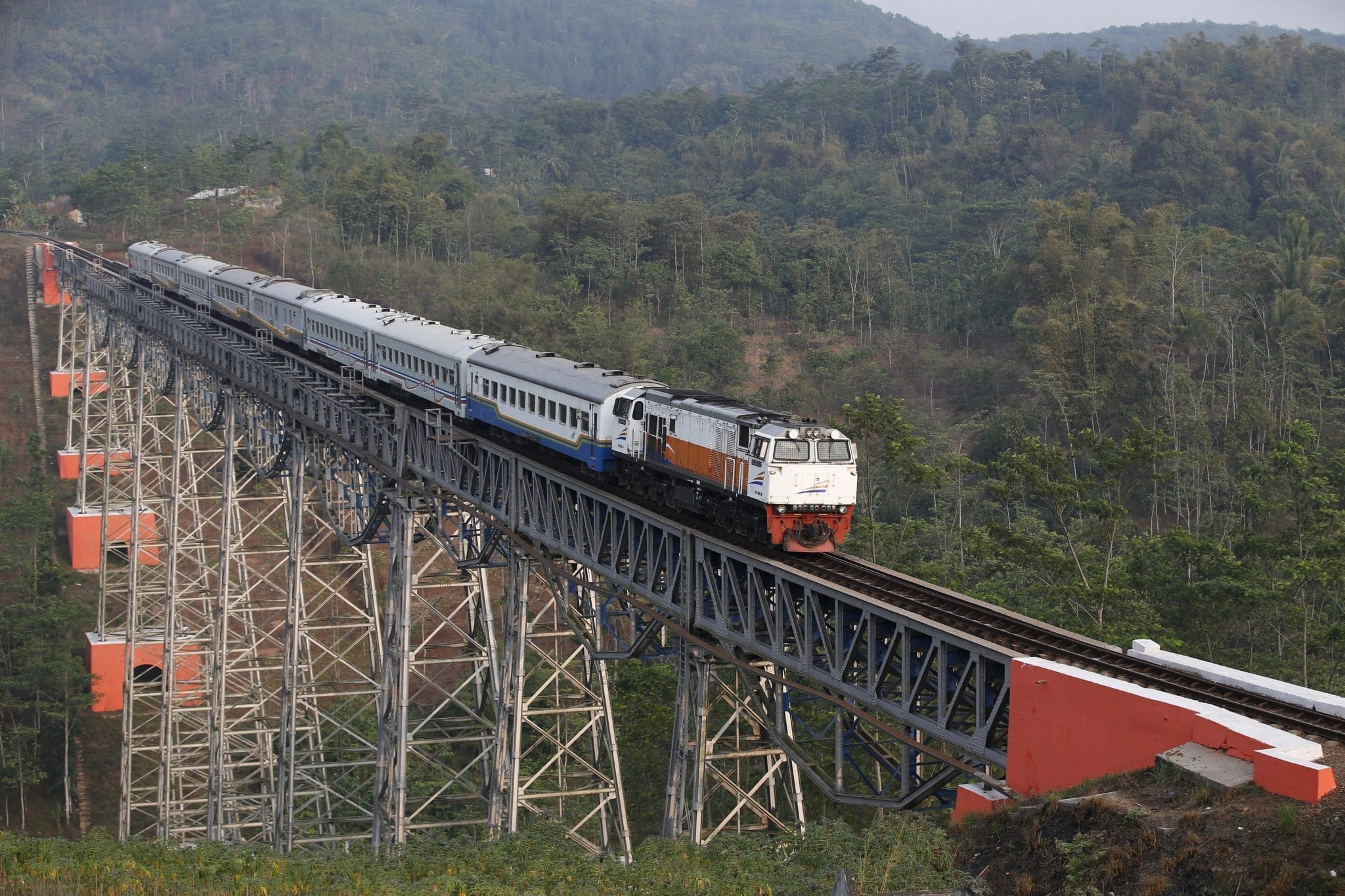
    Vietnam plans to have nine new railway routes, running 2,362 kilometers, by 2030 as it seeks to upgrade its outdated transport network.

    The total capital needed for these projects accumulates to VND240 trillion ($10.3 million), set to come from state coffers and private investors.

    The biggest route would run from Hanoi to Ho Chi Minh City, covering 1,545 kilometers, according to the government’s approved plan for the 2021-2030 period.

    The Ministry of Transport has proposed that two sections be prioritized on this route: from Hanoi to the central city of Vinh and HCMC to the central town of Nha Trang.

    There will be three routes in the north, connecting Hanoi with tourist hotspot Ha Long and with port city Hai Phong. Another route will run along the eastern boundary of the capital.

    One route is planned for the central region, connecting Vung Ang Port in Ha Tinh Province with the Laos border.

    There will be four routes in the south, with one connecting Bien Hoa town in Dong Nai Province with Vung Tau Province. Two routes will connect HCMC with Can Tho City and the Cambodia border. The remaining route would connect HCMC’s Thu Thiem Station with Long Thanh International Airport in Dong Nai.

    The railway sector targets to transport 11.8 million tons of goods a year by 2030, or 0.27 percent of total goods transported.

    It eyes to carry 460 million passengers or 4.4 percent.

    By 2050, the country is set to have 25 rail routes covering 6,354 kilometers. It now has seven routes covering 2,440 kilometers.

    Vietnam’s railway network has not received major upgrades for decades and has lost its competitiveness to roads and aviation, which are preferred for speed and convenience.

  • Prospective Suitors Ready for Citi’s Asia Retail Sale Deadline

    Prospective Suitors Ready for Citi’s Asia Retail Sale Deadline

    Binding bids for Citigroup’s retail assets across Asia are due within the coming week with interest drawn from both fellow global banks and local players.

    Binding bids for Indonesia, the Philippines, Taiwan, and Thailand are due on Friday, according to a «Bloomberg» report citing unnamed sources, with offers for India due next week. Deliberations are ongoing and potential buyers could decide not to proceed with their offers.

    This is part of Citi’s ongoing plans to unload its retail assets in 13 markets across Asia and Europe, the Middle East, and Africa with its Australian unit sold to NAB in August.

    A sale of Citi’s Taiwan retail assets could raise about $2 billion to $4 billion, according to the report, depending on which assets are included.

    In April, Taiwan’s government said it would monitor and prevent Citi from transferring high net worth clients to its units in Hong Kong and Singapore.

    Banks planning to make bids include DBS, Standard Chartered, Cathay Financial Holding Co, and Fubon Financial Holding Co., the report added.

    Citi’s Thailand assets is valued at over $2 billion with Bangkok Bank planning to make an offer.

    Mitsubishi UFJ-owned Bank of Ayudhya is also weighing a bid.

    The Indonesia unit is valued at as much as $1 billion with DBS planning to make an offer.

    UOB and Malayan Banking are also making considerations on bidding.

    The Philippines unit is also valued at as much as $1 billion with BDO Unibank, Metropolitan Bank & Trust Co, Bank of the Philippine Islands and Union Bank of the Philippines all making considerations on extending an offer.

    Valued at about $2 billion, Citi’s India consumer assets are expected to attract a bid from Kotak Mahindra Bank.

    HDFC Bank and ICICI Bank are also weighing bids.

  • Vietnam Airlines to resume all domestic flights

    Vietnam Airlines to resume all domestic flights

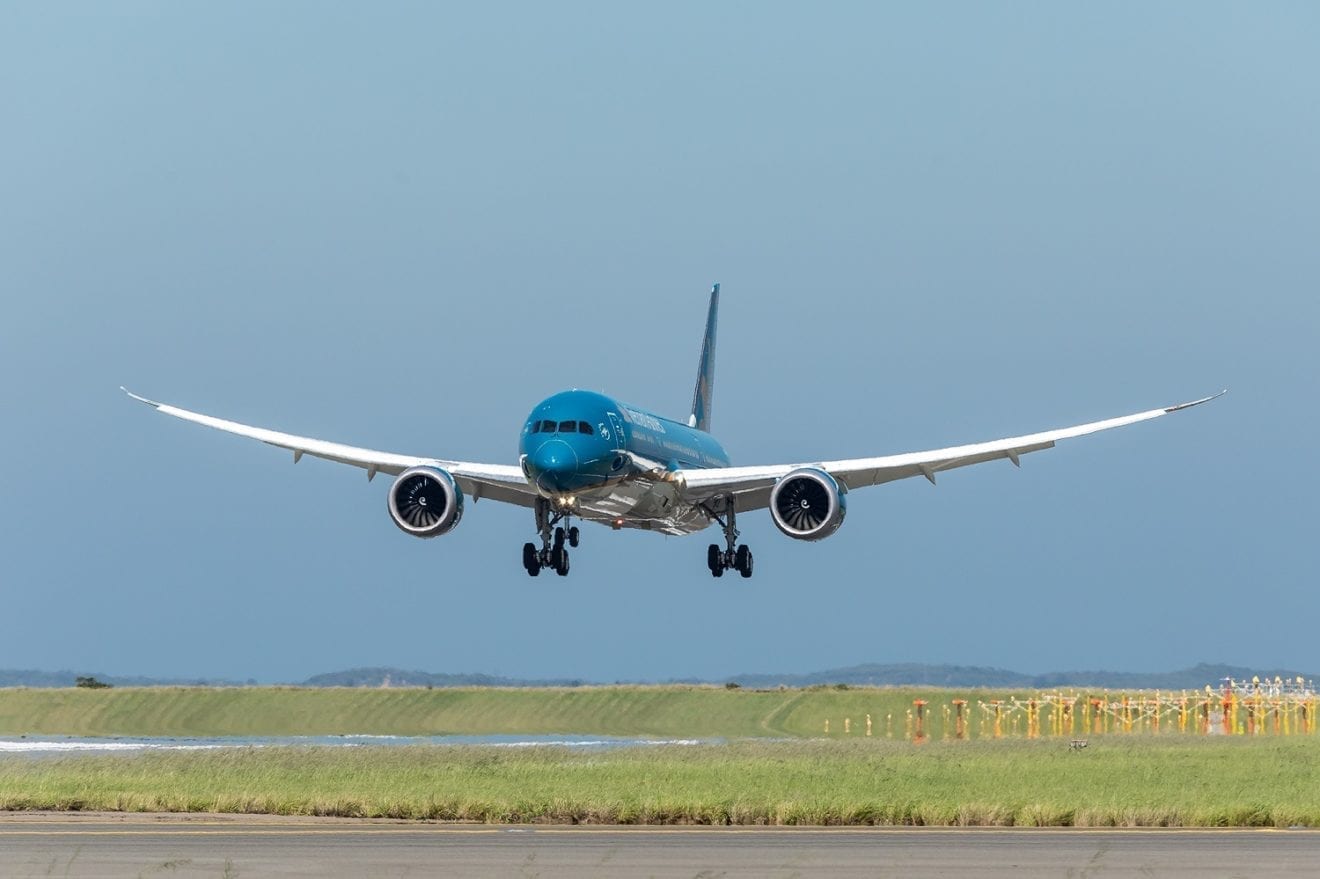
    Vietnam Airlines is set to gradually resume flying on 40 routes, or nearly its entire domestic network, by next month, prioritizing Hanoi, HCMC and Da Nang.

    Several flights are set to be resumed to the southern archipelago Con Dao Island, the central highlands province of Buon Ma Thuot and the northern province of Dien Bien from Thursday to Nov. 30.

    The group, which comprises low-cost carrier Pacific Airlines and Vietnam Air Services Company (VASCO), will start conducting 90 routes a day from Thursday and will increase the figure to 120 from the end of this month.

    There will be three flights a day between Hanoi, HCMC, and Da Nang City. For the other locations, the group will try to have at least one route a day, which could rise to two depending on demand.

    Passengers can fly if they have been fully vaccinated for at least 14 days, or to have recovered from Covid-19, or to test negative within 72 hours.

    Vietnam Airlines Group started resuming its domestic flights on Oct. 10. As of Tuesday, it had conducted around 150 flights carrying nearly 12,000 passengers on 16 flight routes.

  • UBS Strengthens Australasian Equities and Research Unit

    UBS Strengthens Australasian Equities and Research Unit

    UBS has hired four new executives and promoted two others for its equities and research team in Australia and New Zealand. John Storey joins as a banks analyst from J.P. Morgan in South Africa and Richard Schellbach joins from Citi in London as an equity strategist, according to UBS.

    Storey and Schellbach were hired to replace Jonathan Mott who left to join startup bank Barrenjoey Capital Partners and Pieter Stoltz, current head of quantitative strategies at fund manager Eley Griffiths, respectively.

    In the global markets division, UBS also hired Tom Tepaa, who joins the block trading desk from Goldman Sachs in Singapore, and David Nicholson who joins the Australian equity sales team from Citi in Boston.

    In addition to new hires, UBS has also announced two promotions for its New Zealand business.

    Thomas Buchanan will relocate from Hong Kong to become New Zealand head of distribution and Will Becker was named New Zealand head of sales trading for global markets.

    The latest hires follow the exodus from UBS’ investment banking unit dubbed bloody Monday after a flurry of executives left to join Barrenjoey Capital Partners in March.

    After the poaching spree, UBS Australasia co-chief executive Anthony Sweetman vowed to offer top dollar to rebuild the team, boasting that the bank was consistently the higher payer in the industry in an interview and that this would not change for the regional market.

  • Ripple and Tranglo Expand Partnership

    Ripple and Tranglo Expand Partnership

    Its growing cooperation follows Ripple’s acquisition of a 40 percent stake in Tranglo to scale the footprint of RippleNet in APAC and beyond.

    Tranglo has launched its first live On-Demand Liquidity (ODL) service on RippleNet to enable instant and low-cost cross-border payments in the Philippines, with plans to introduce more ODL corridors in the months to come, Ripple said in a statement on Thursday.

    Tranglo has also established multiple fiat connections with existing RippleNet customers, including BKK Forex, DeeMoney and Siam Commercial Bank, which will allow it to process multiple currencies in Asia Pacific, including Philippines Peso and Thai Baht.

    Founded in Malaysia in 2008, Tranglo operates a cross-border payment hub that provides smart services for mobile airtime top-ups, as well as foreign remittance and business payments.

    The strong traction with Tranglo in the past 6 months alone is testament to how we’re executing well on our shared mission to transform the cross-border payments experience in Asia Pacific, a region which is often tricky to navigate, Brooks Entwistle, RippleNet managing director in APAC and MENA, said in the statement.

    Ripple noted that APAC is one of the fastest-growing regions for RippleNet, with transactions growing 130 percent year-over-year.

  • Singapore Banks Joins China’s Wealth Management Connect

    Singapore Banks Joins China’s Wealth Management Connect

    DBS and OCBC have announced partnerships as part of the cross-border wealth management scheme between Hong Kong and China.

    DBS Bank (Hong Kong) will be working with the Postal Savings Bank of China (PSBC), while OCBC Wing Hang Bank, OCBC’s Hong Kong subsidiary has tied up with China’s Ping An Bank to provide wealth-management services in the Greater Bay Area under the Wealth Management Connect scheme.

    The link, which was announced in September, residents of special administrative regions Hong Kong and Macau will be allowed to buy investment products from the remaining nine Greater Bay Area cities, and vice-versa.

    A total of 300 billion yuan ($46.5 billion) has been set as the aggregate quota for the two-way channel – 150 billion yuan each – with a limit of 1 million yuan per individual investor.

    DBS Hong Kong is the group’s largest franchise outside Singapore, while PSBC is one of the largest state-owned banks in China, targeting agriculture, rural areas and farmers, urban and rural residents, as well as small and medium-sized enterprises.

    Greater China is the second-largest market for OCBC after Singapore, while Ping An is among the top banks in China.

    However, DBS is currently only allowed to sell products via the southbound route, while OCBC can provide two-way services under the scheme.

  • Microsoft’s LinkedIn to exit China amid censorship woes

    Microsoft’s LinkedIn to exit China amid censorship woes

    Microsoft’s professional social network, LinkedIn is exiting China by the end of the year. LinkedIn attributed its decision to harsher internet censorship imposed by the Chinese government.

    “While we’ve found success in helping Chinese members find jobs and economic opportunity, we have not found that same level of success in the more social aspects of sharing and staying informed. We’re also facing a significantly more challenging operating environment and greater compliance requirements in China,” LinkedIn released in a statement.

    LinkedIn has amassed over 54 million users in China, its second-largest market after the US. Launched in China in 2014, LinkedIn is the only major foreign social media platform operating in China. To adhere to the Chinese government’s requirements on Internet platforms, LinkedIn has a localized version in China. Previously, LinkedIn had expressed that “While we strongly support freedom of expression, we took this approach in order to create value for our members in China and around the world.”

    With the sunset of the localized version of LinkedIn, a new jobs-only China-specific site, called InJobs, will be launched.

    “Our new strategy for China is to put our focus on helping China-based professionals find jobs in China and Chinese companies find quality candidates. Later this year, we will launch InJobs, a new, standalone jobs application for China. InJobs will not include a social feed or the ability to share posts or articles. We will also continue to work with Chinese businesses to help them create economic opportunity.”

    This decision is made following a series of events. In March 2021, LinkedIn paused new member sign-ups in China to ensure that the platform was compliant with the Chinese government. In recent weeks, LinkedIn had been in the spotlight for blacklisting the accounts of three US journalists who had written content that was labelled prohibited by the Chinese government.

  • Xiaomi CEO Says It Will Be Mass Producing Its EV By 2024

    Xiaomi CEO Says It Will Be Mass Producing Its EV By 2024

    Xiaomi’s CEO Lei Jun has revealed that the world’s third-largest smartphone maker is ahead of schedule for making its foray into the automotive sector and will start mass-producing its EVs in the first half of 2024. These comments were made at an investor event. But then the Chinese billionaire tweeted his thoughts as well. “Xiaomi EV is ahead of schedule. Aiming for mass production in 2024 H1,” he said on the social media platform. His executives also went to Chinese social media platforms to confirm the news. Zang Ziyuan who is a director for marketing at Xiaomi also posted this news on his verified Weibo account.

    In March, Xiaomi had announced that it would be investing $10 billion in the new electric car division over the next 10 years. The company finished the registration of its electric car business in August and already it has ramped up hiring for the unit – though it hasn’t revealed whether it is going to make the car or will partner with someone.

    Its close partner for the manufacturing of smartphones, Foxconn, has already announced its own electric car venture, and considering manufacturing isn’t Xiaomi’s forte, this would be a partnership that’s likely to happen.

  • Land Rover Range Rover Teased Ahead Of Debut

    Land Rover Range Rover Teased Ahead Of Debut

    The Land Rover Range Rover is no ordinary SUV and the arrival of the new-generation model is always special. It’s one of the oldest brands in the full-size luxury SUV segment and the next-generation model will rival the likes of the Mercedes-Maybach GLS and BMW X7 and other premium SUVs like the Aston Martin DBX, Porsche Cayenne, and even the Lamborghini Urus gave its pricing. Land Rover has released the first teaser of the 2022 Range Rover which is a new-generation model and is all set to make its official debut on October 26, 2021.

    Now the teaser image doesn’t give us much insight of the design but we get a sense that the overall silhouette has been retained. That said, expect to see some significant updates made to the front end and even at the rear. The bronze color SUV in the teaser image also gives us an idea that Land Rover might introduce some new body colors on the new Range Rover. Then, it is also expected to be an all-new model by transitioning to Jaguar Land Rover’s new MLA platform. Then, the 2022 Range Rover will be offered with a variety of powertrain options which will include plug-in hybrid (PHEV) as well, and of course in both configurations. The latter is probably scheduled to arrive later in the model’s life cycle. And finally, expect a performance version as well with the 4.4-liter, twin-turbo V8 engine sourced from BMW.

    Switching to the new platform should bring some significant updates as well like more room on the inside where a potential increase in the vehicle’s size is expected. Land Rover’s latest Pivi Pro infotainment system is one of the safest guesses on the inside, given its flagship status and some variants are also rumored to get rear-wheel steering offering tighter turning radius at lower speeds and better agility at higher speeds