Author: Mei Ling Tan

  • UOB Targets Doubling of Digital Retail Customers by 2026

    UOB Targets Doubling of Digital Retail Customers by 2026

    The bank said it would invest up to $500 million in digital innovation initiatives to reach its goal of serving more than 7 million customers in Asean.

    With digital banking now the preferred choice among UOB customers, the bank is «doubling down» on its data-driven model to create hyper-personalized digital experiences for its customers.

    The bank will be combining TMRW, its digital bank that launched in 2019 and is available in Thailand and Indonesia, with its mobile app «Mighty» on to one platform: UOB TMRW, the bank said in an announcement on Wednesday.

    By harnessing the best of TMRW and UOB Mighty in one platform, we can tap economies of scale to accelerate innovation especially in the area of hyper-personalised digital banking experiences and speed to market, Wee Ee Cheong, UOB deputy chairman and CEO, said.

    Upon the successful completion of its beta pilot currently underway among UOB employees, the platform will be launched for all UOB customers in Singapore later this year, the announcement said.

    UOB TMRW will be progressively rolled out across its key Asean markets, with the next markets expected to launch in the next 18 months.

    In this next phase, we are making it our goal to explore how technology can enable us to make the digital banking of tomorrow smarter and even more intuitive for our customers, Kevin Lam, head of TMRW and group digital banking, said.


  • China Intensfies Crypto Ban

    China Intensfies Crypto Ban

    China is ramping up its cryptocurrency prohibition efforts again with a directive issued by ten institutions last Friday covering a range of activities including offshore transactions and hiring.

    All crypto transactions in China are banned, according to authorities in a statement that highlighted examples such as Tether, Bitcoin and Ether.

    Banned crypto-related activities extend to services provided by offshore exchanges to domestic residents.

    The statement was issued by the People’s Bank of China alongside nine other institutions that included the supreme court, the police and the internet and securities watchdogs.

    The nation’s top economic planning agency asking local officials to investigate abnormal power usage, call in loans and eliminate preferential tax treatment to accelerate the shutdown of mining operations.

    In addition, crypto platforms will also be forbidden to hire locally for roles like marketing, tech and payment, limiting their ability to serve Chinese customers.

    The latest efforts are part of an ongoing crackdown that traces back to September 2017 when authorities first banned initial coin offerings in China.

  • Binance Halts Crypto Trading for Singapore Users

    Binance Halts Crypto Trading for Singapore Users

    Binance announced a new round of curbs for its Singapore business, restricting crypto trading for users in the city-state.

    Users in Singapore will no longer be able to deposit fiat money, trade or purchase crypto via Binance.com from October 26, according to a statement.

    Advisers were also told to cease all related trades, withdraw fiat assets and redeem tokens by the deadline.

    We will be restricting Singapore users in respect of the regulated payments services in line with our commitment to compliance, said Binance. Our aim is to create a sustainable ecosystem around blockchain technology and digital assets, and we hope that such efforts will help the industry grow in the local market in the long-run.

    While the Monetary Authority of Singapore has issued warnings about potential breaches of the Payment Services Act at Binance.com, which is operated by Binance, it is currently reviewing a license application from Binance.sg, which is operated by Binance Asia Services (BAS).

    Binance.sg is viewed by some users as the lighter version of Binance.com with a smaller offering and significantly less liquidity.

  • Brussels Urges Volkswagen To Compensate All EU Dieselgate

    Brussels Urges Volkswagen To Compensate All EU Dieselgate

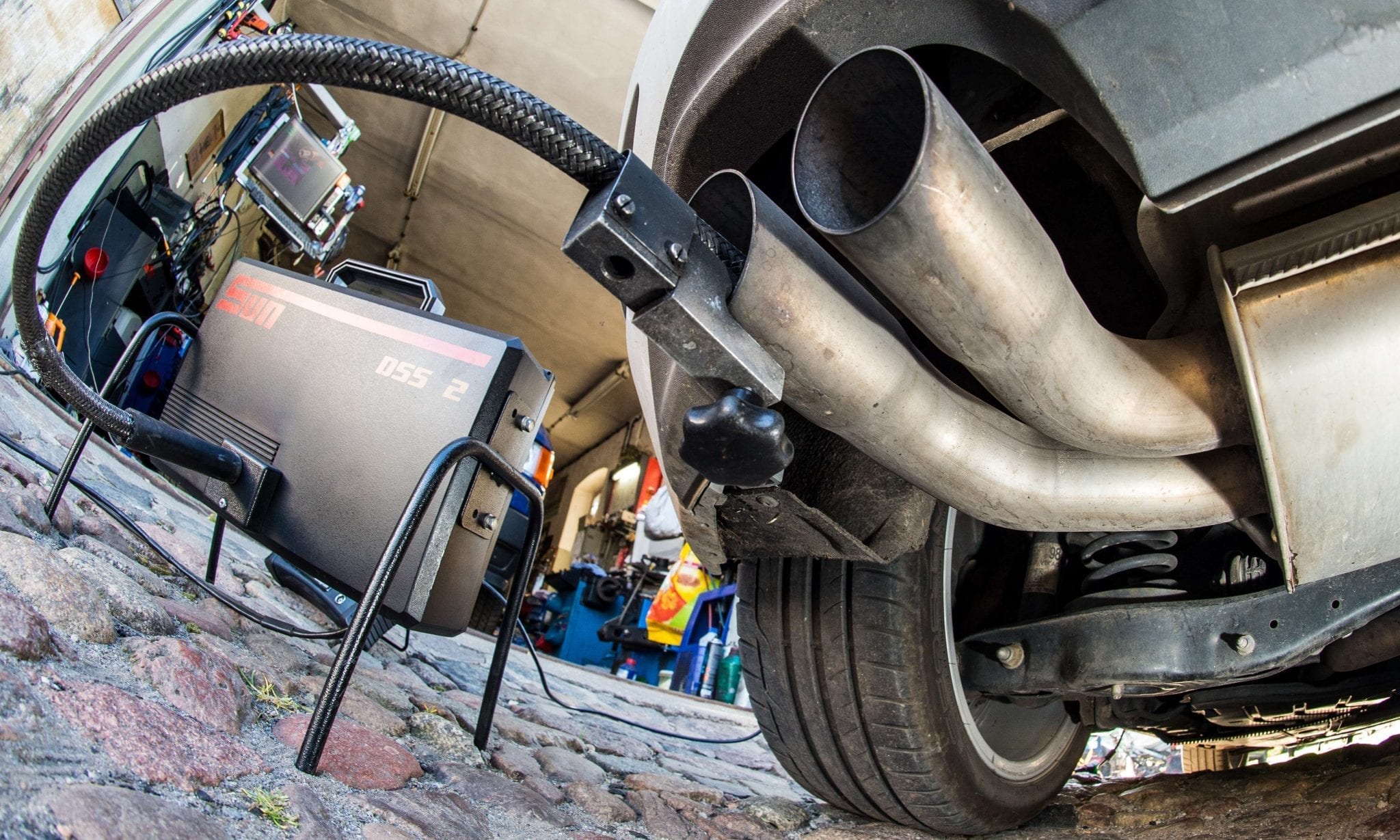
    Brussels on Tuesday called on Volkswagen to pay out all European consumers – and not just German ones – affected by the “Dieselgate” scandal in which the automaker tampered with vehicle emissions to cheat pollution tests.

    EU Justice Commissioner Didier Reynders said in a statement that VW “is not willing to work with consumer organisations to find appropriate solutions for consumers,” noting that it so far is only making payouts to German and US purchasers of its affected vehicles.

    “All consumers need to be compensated,” Reynders said.

  • Instagram is pausing work on Instagram Kids following recent backlash

    Instagram is pausing work on Instagram Kids following recent backlash

    Following recent reporting from The Wall Street Journal that suggested Facebook had ignored internal research about the negative impact Instagram was having on teenage girls, development of Instagram Kids is being halted.

    Nevertheless, Instagram still believes that launching a version of its platform that targets younger users “is the right thing to do” and will now switch to working with parents, experts, and policymakers to demonstrate the need for Instagram Kids.

    The Facebook-owned platform also plans to continue building opt-in parental supervision tools for teenagers. Recent ideas include a “Take a Break” warning and encouraging users to view other topics.

    Instagram head Adam Mosseri clarified that its so-called Instagram Kids platform was never meant for young children. It instead targeted kids aged 10-12 because they often have phones but lie about their age in order to gain access to social media.

    The final version would have required parental permission to join and would be filled with “age-appropriate content and features.” Mosseri says ads weren’t going to be included either.

    The version of Instagram Kids that was in the works would have allowed parents to supervise the time their children spend on the app, as well as oversee who they follow, who can follow them, and messages.

    It’ll remain to be seen whether Instagram can convince the public that a version of Instagram for kids is needed. But what’s clear is that the social media platform isn’t giving up on its efforts just yet.

  • New Chinese regulations force some Apple suppliers to halt or cut production

    New Chinese regulations force some Apple suppliers to halt or cut production

    Some of Apple’s iPhone contract manufacturers in China have had to shut down for a few days because of new regulations related to the use of energy in the country. This doesn’t sound like good news for Apple especially when it has backorders of iPhone 13 units to fill. The good news is that not all of Apple’s suppliers are affected and those that are have cut back on their jobs for other companies instead of Apple.

    Still, factories churning out parts like speakers and motherboards will have to shut down for a few days. Because of a shortage of coal, tougher standards related to emissions, and strong demand from manufacturers, coal prices have surged hitting records and forcing users to ration energy. Analysts studying China’s economy say that the reduction in production due to the power shortage is resulting in a drag on the country’s economic growth.

    The energy shortage has affected factories in China’s key industrial regions and besides Apple, Tesla suppliers have also had to stop their assembly lines. 15 companies in the country have had production interrupted by the new regulations, and over 30 such firms listed on the Taiwan Stock Exchange have had to stop production to comply with new limits on the use of power.

    Nomura Securities says, “The power-supply shock in the world’s second-biggest economy and the biggest manufacturer will ripple through and impact global markets.” China says that it aims to start bringing down carbon emissions following a peak in 2030, dropping down to net-zero by 2060.

    The company that makes motherboards for the iPhone, Unimicron Technology Group, closed three of its subsidiaries starting at noon on September 26 to midnight on September 30. A spokesperson for Unimicron attributed the shutdown to the firm’s effort to “comply with the local government’s electricity limiting policy.” The spokesperson added that production lost by the shutdown will be made up with products sourced from its other facilities.

    Concraft Holding makes speakers for the iPhone and during the five-day period during which it will be shut down to conserve energy, it will use inventory to meet demand. As for Foxconn, Apple’s largest assembler of iPhone handsets, sources unnamed by Reuters said that the impact on the manufacturer has been limited to the production of non-
    Apple products like notebook computers. In addition, Foxconn moved some scheduled production to October and made the necessary adjustments with its staff.

    Outside of those changes, Foxconn states that it hasn’t seen any impact at any other production centers throughout China. The Chinese government wants to see to see the growth in electricity use come in lower than GDP. But in the first half of this year, electricity use rose 16.2% compared to GDP growth of 12.7% during the same time period.
    Eson Precision Industry Co, a Foxconn affiliate, has suspended production from Sunday to Friday and the world’s top foundry, TSMC, says that there will be no impact from the power shortage on the company’s business. Another Taiwan-based chipmaker, United Microelectronics, who counts Qualcomm among its customers, also said that it has experienced no impact from the new power regulations in China. UMC said that its “Hejian fab in Suzhou is currently running at full capacity utilization of 80,000 plus wafers per month.”

    Larry Hu, chief China economist at Macquarie Group, says, “This is largely a self-inflicted supply shock. It’s clear by now that Beijing is willing to sacrifice higher growth this year in exchange for structural reforms in some areas.”

  • Airlines want minimum fares, no one else does

    Airlines want minimum fares, no one else does

    While economists fear having lower limits for airfares will distort competition, some airlines worry safety is at stake.

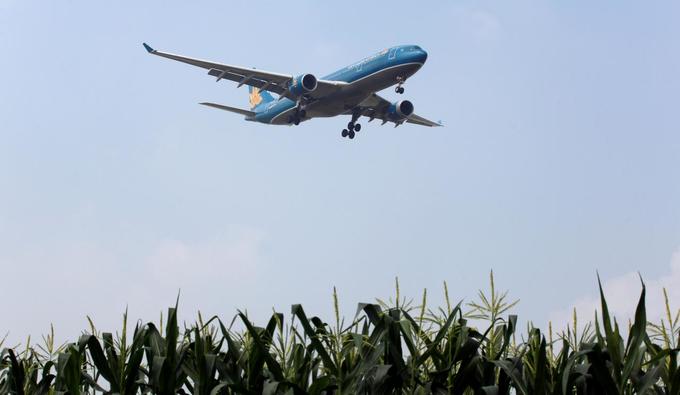
    If fares do not makeup even the fuel costs of a flight, aviation safety would be affected, Dang Ngoc Hoa, chairman of Vietnam Airlines, said at a meeting held on Monday to get feedback from economists on proposed minimum fares.

    The Civil Aviation Administration of Vietnam (CAAV) has proposed minimum fares of VND320,000-VND750,000 ($14.06 – $32.95) for domestic flights between November 1 and October 31 next year to help airlines overcome the difficulties caused by the Covid-19 pandemic.

    Too low prices would weaken all airlines, Hoa said. Many countries like China and India have floor prices for air tickets, he pointed out.

    He said amid the pandemic fares are very low at just 40 percent of those in 2018-19, and 250 airplanes are parked in airports, some of which are running out of parking space.

    But despite the low fares, airlines have to keep operating to maintain parking space, minimum cash flows and planes, he said.

    During the first Covid outbreak in March 2020, there were three flights a day in total, while during the fourth wave starting in April 2021, especially July-August, “there were no flights”, he said.

    All carriers have been hit and most airlines are facing losses, he said.

    Vietnam Airlines made a loss of VND7 trillion ($301.7 million) in the first half of the year, while private airlines reported losses of a trillion dong, he added. But despite his impassioned argument, economists at the meeting said minimum fares are not acceptable.

    Can Van Luc, chief economist of BIDV, said floor prices could cause confusion and be unfair to both state-owned and private enterprises, and even violate the Law on Prices and the Law on Enterprises.

    Nguyen Sy Dung, former deputy head of the Office of the National Assembly, said: “it is unfair to impose a floor price on air tickets”. If minimum fares are applied, a three-star airline must sell at the same price as a five-star airline, and no customer would spend money to travel in the former, he pointed out.

    “We might kill an airline through price policy. It’s unacceptable”.

    In a recent communication to the Ministry of Transport, three airlines agreed to apply floor prices airfares while two others disagreed.

    The Department of Transport admitted that since costs and services are not comparable, it would be difficult to determine common minimum fares applicable to all airlines.

  • Hotels become quarantine facilities to survive Covid

    Hotels become quarantine facilities to survive Covid

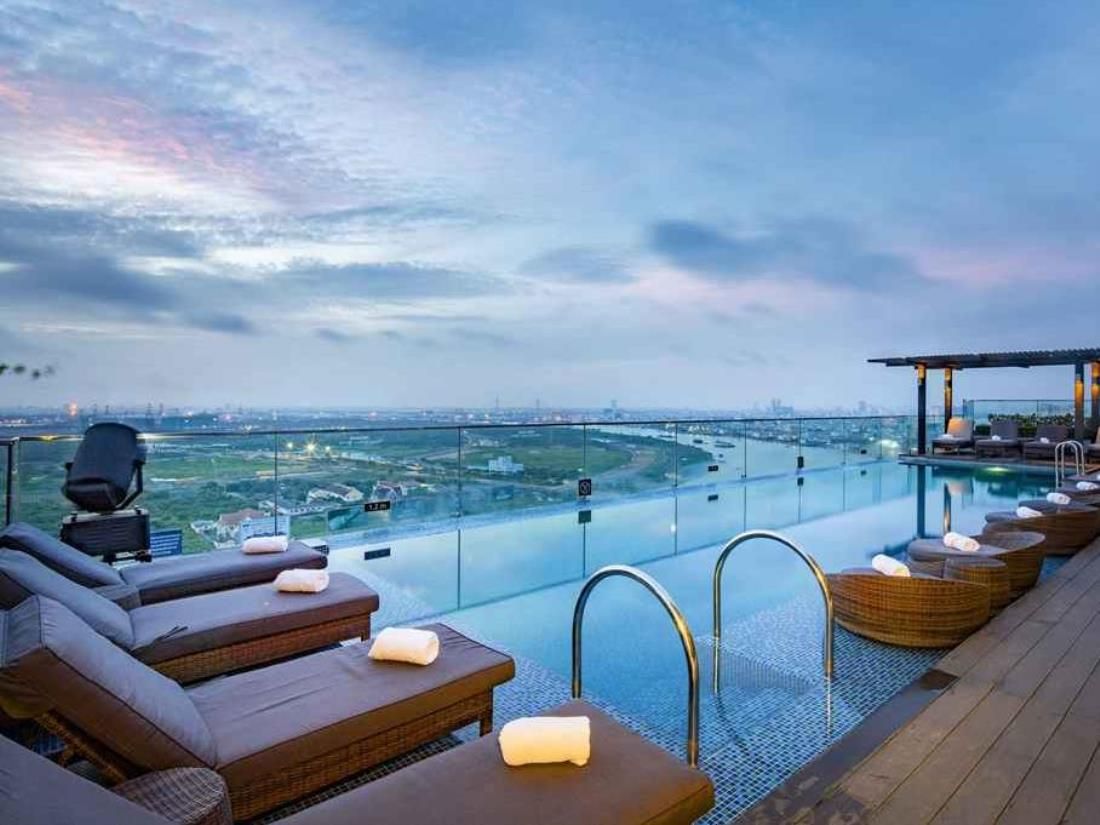
    Some 10 percent of hotels in big cities are used exclusively for quarantining Covid-19 patients and those who were in close contact with patients, according to Savills.

    They include 25 in HCMC with more than 3,000 rooms, mostly in Districts 1 and Tan Binh, 20 with 1,600 rooms in Hanoi and 34 with 3,000 rooms in Da Nang.

    The fourth wave of the Covid pandemic led to the lowest occupancy rates in a decade and a drop in room rents.

    Average occupancy rates at 3-5-star hotels in Hanoi regularly topped 74 percent in the decade before the pandemic.

    In 2020, it fell to 30 percent, and the average room rent to $81 from $113.

    In the first half of this year, they declined further to 25 percent and $72.

    In HCMC, the rate this year has been only 18 percent due to stringent social distancing regulations, and the rent fell to $69.

    The switch as medical isolation areas has thrown all of them a lifeline.

  • Alibaba joins Ninja Van’s US$578 million funding round

    Alibaba joins Ninja Van’s US$578 million funding round

    Logistics provider Ninja Van added Alibaba as a new investor as it raised $578 million in a late stage funding round, the Singapore-based firm said on Sunday.

    Existing investors to participate in the round included Europe’s GeoPost/DPDgroup, B Capital Group and Monk’s Hill Ventures.

    The funds will be allocated towards infrastructure and technology systems that “will support a sustainable long-term cost structure,” Ninja Van, launched in 2014, said in a statement.

  • Starbucks giving 2 million reusable cups away across Asia Pacific

    Starbucks giving 2 million reusable cups away across Asia Pacific

    Starbucks is giving away 2 million reusable cups across the Asia Pacific on Tuesday as part of its global commitment to reduce the waste footprint by 50 percent by 2030.

    The initiative, starting Tuesday, coincides with the coffee chain’s 50th anniversary. Starbucks’ new campaign aims to encourage its customers to use reusable cups when buying beverages and shift away from single-use plastics.

    The Starbucks limited-edition 50th anniversary cups will be first rolled out across selected Asia Pacific markets before expanding across the region in the coming months. The coffee chain said on September 28 alone, it expects to reach more than 2 million customers across the Asia Pacific region.

    “As we mark our anniversary milestone, this reusable cup is our gift to customers and our invitation to join Starbucks on our journey to becoming a resource-positive-company,” said Sara Trilling, president at Starbucks Asia Pacific.

    “This step is only one part of many more to come. Together with our customers, we’re constantly innovating new ways to scale more sustainable solutions across the region.”

    The offer will be available at participating stores, as well as select Mobile Order & Pay and delivery channels, across Cambodia, Hong Kong, Indonesia, Korea, Malaysia, Singapore and Taiwan, with an India offer on October 2.

    Customers are encouraged to bring back their cups when they next visit Starbucks to enjoy benefits and redeem additional offers.

  • Messina moves into Hong Kong selling Gelato

    Messina moves into Hong Kong selling Gelato

    Hong Kong restaurant group Black Sheep is taking Australian gelato brand Messina to the ‘dessert-obsessed’ Hong Kong community.

    Messina’s first Hong Kong store will be located on historic Pottinger Street. The launch also marks Black Sheep Restaurant’s first collaboration in more than five years.

    “We are passionate about gelato and consider ourselves connoisseurs, but knowing good gelato and being able to make it on a large scale are two different things,” said Syed Asim Hussain, co-founder of Black Sheep Restaurant.

    “When we think someone else can do it better than we can, that is when we look for a partner.

    “We were blown away by not only Messina’s gelato but also by their work ethos, which is very much in line with our own. The amount of pride and detail that they achieve at every level is really inspirational.”

    Founded in 2002, Messina is known for its assortment of freshly-churned gelatos available in an array of signature flavours and rotating specials. Currently, Messina operates 22 stores across NSW, VIC and ACT.

  • Vietnam’s carmaker VinFast eyes more countries for its European strategy

    Vietnam’s carmaker VinFast eyes more countries for its European strategy

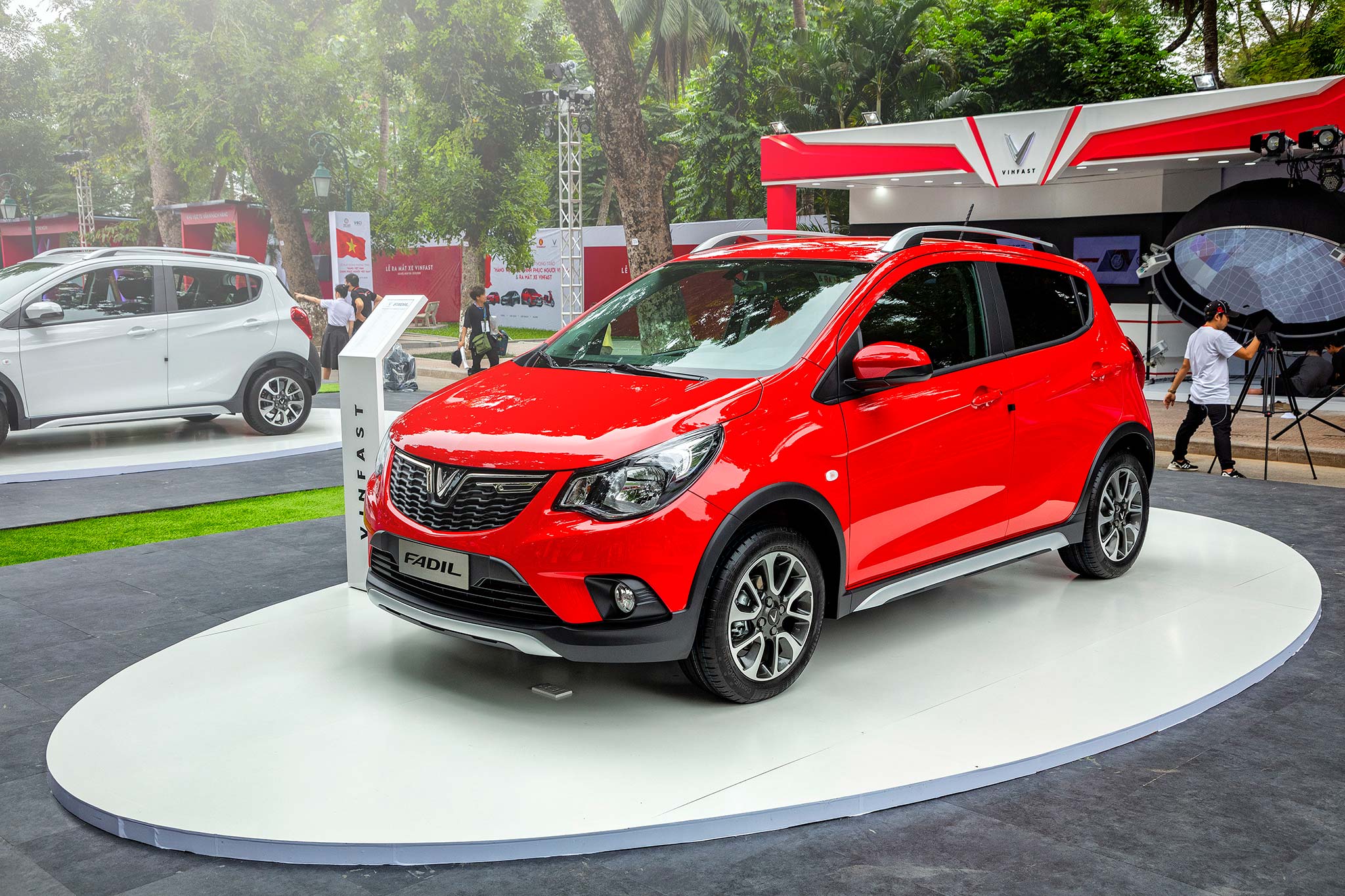
    Vietnamese carmaker VinFast could add other markets in 2023 to expand its European strategy beyond a planned debut in Germany, France and the Netherlands next year.

    The company, a unit of Vingroup Jsc, Vietnam’s largest conglomerate which some have called “Vietnam’s answer to Tesla,” will debut in Europe next year with two battery-electric SUVs models, the midsized VF e35 and the seven-seater VF e36, both designed by Italy’s Pininfarina.

    The two models launch in Vietnam, North America and Europe around mid-2022, after an unveiling planned later this year.

    VinFast became Vietnam’s first fully-fledged domestic car manufacturer when its first gasoline-powered models built under its own badge hit the streets in 2019.

    VinFast’s B2B Sales Vice President Emiel Hendriksen said on Thursday it was also looking at Italy, Scandinavia, Switzerland and Austria for a second step in its European strategy.

    “We’re considering those countries for 2023,” he said during a presentation at Pininfarina headquarters in Turin.

    VinFast will initially rely on a direct distribution model in Germany, France and the Netherlands, based on property showrooms, but could later consider an agency model for sales in other countries, Hendriksen said.

    The company sold about 30,000 vehicles domestically last year and had set a target of selling 15,000 electric vehicles in 2022, although its representatives did not provide detailed forecasts for the European market on Thursday.

    Earlier this year sources said parent Vingroup JSC was considering an U.S. initial public offering (IPO) of its car unit that could value VinFast at about $60 billion, though an initial second-quarter deadline for the deal mentioned by one of the sources was delayed.

    VinFast Europe CEO Bich Tran said any IPO decision was up to the company’s headquarters in Vietnam.

    “Our European plans are independent from any IPO. We’re carrying on with our plans, everything in Europe is moving as planned,” she said.

  • Huawei CFO Freed After U.S. Deal

    Huawei CFO Freed After U.S. Deal

    Huawei’s chief financial officer Meng Wanzhou has been released by Canadian courts and flew home to China last week after reaching an agreement with U.S. prosecutors to end their bank fraud case against her.

    Last Friday, Meng, who is also the elder daughter of Huawei founder Ren Zhengfei, and the U.S. Justice Department reached a deferred prosecution agreement.

    Meng has taken responsibility for her principal role in perpetrating a scheme to defraud a global financial institution,» according to a report citing Brooklyn-based acting U.S. attorney Nicole Boeckmann.

    The current agreement only pertains to Meng and the U.S. Justice Department said it is preparing for trial against Huawei.

    For the financial sector, one issue that remains unresolved is the legitimacy of Meng’s claim that HSBC had knowledge of Huawei’s relationship with Skycom – a Hong Kong-registered entity and alleged business partner that violated U.S. trade sanctions – and, in fact, knowingly placed the firm within Washington’s radar before misleading Canadian authorities on the matter.

    China has been accused of engaging in hostage diplomacy as a response to Meng’s 2018 arrest with the over 1,000-day jailing of two Canadians – businessman Michael Spavor and ex-diplomat Michael Kovrig.

    Beijing has repeatedly denied that the detainment of Spavor and Kovrig was retaliation for Meng’s arrest.

    Within hours of the news of Meng’s deal with the U.S., the two were released from Chinese jails and on their way back home to Canada.

  • Volvo Cars To Go Leather-Free In All Pure Electric

    Volvo Cars To Go Leather-Free In All Pure Electric

    Volvo Cars is taking an ethical stand for animal welfare in its fully electric cars. Starting with the new C40 Recharge, all-new fully electric Volvo models will be completely leather-free. In the coming years, Volvo Cars will launch a completely new family of pure electric cars. By 2030 it aims to offer only fully electric cars – all of them leather-free.

    As part of its ambitions to go completely leather-free, Volvo Cars is working actively to find high-quality and sustainable sources for many materials currently used in the wider car industry. By 2025, the company is aiming for 25 percent of the material in new Volvo cars to consist of recycled and bio-based content, as it looks to become a fully circular business by 2040. As part of its climate action plans, it also aims for all its immediate suppliers, including material suppliers, to use 100 percent renewable energy by 2025.

    Volvo Cars has created a new interior material – Nordico. It will consist of textiles made from recycled material such as PET bottles, bio-attributed material from sustainable forests in Sweden and Finland, and corks recycled from the wine industry.

    The company’s move towards leather-free interiors is also driven by a concern about the negative environmental impacts of cattle farming, including deforestation. Livestock is estimated to be responsible for around 14% of global greenhouse gas emissions from human activity, with the majority coming from cattle farming.

    Instead of leather interior options, Volvo Cars will offer its customers alternatives such as high-quality sustainable materials made from bio-based and recycled sources.

    For example, Nordico, a new interior material created by Volvo Cars, will consist of textiles made from recycled material such as PET bottles, bio-attributed material from sustainable forests in Sweden and Finland, and corks recycled from the wine industry – setting a new standard for premium interior design. This material will make its debut in the next generation of Volvo models.

    Instead of leather interior options, Volvo Cars will offer its customers alternatives such as high-quality sustainable materials made from bio-based and recycled sources.

    Volvo Cars will also continue to offer wool blend options from suppliers that are certified to source responsibly, as the company looks to ensure full traceability and animal welfare in its wool supply chain. Volvo Cars is also looking to reduce the use of residual products from livestock production commonly used within or in the production of plastics, rubber, lubricants and adhesives, either as part of the material or as a process chemical in the material’s production or treatment.

    The company takes this step because it believes that while going leather-free is a step in the right direction, doing so alone does not make a car interior vegan.

    By aiming to actively replace these materials as much as possible, Volvo Cars takes a strong and ethical position to do what it can to help stop animal harm, by contributing to a reduced demand for these materials containing animal products.

  • Tesla Shanghai’s Jan-Sept 2021 Production To Reach 300,000 Units Despite Chip Shortage

    Tesla Shanghai’s Jan-Sept 2021 Production To Reach 300,000 Units Despite Chip Shortage

    Tesla’s Shanghai factory is expected to produce 300,000 cars in the first nine months of the year, capped by a delivery rush in the end of the July-September quarter, despite a global semiconductor shortage, two sources said. The factory makes the electric Model 3 sedans and Model Y sport-utility vehicles for domestic and international markets, including Germany and Japan.

    Around 240,000 vehicles were shipped from the factory in the first eight months, including many for export, according to data from the China Passenger Car Association. Tesla has not announced details on the factory’s production.An official in the area where Tesla’s factory is located said it is expected to produce 450,000 vehicles this year, including 66,100 for export.

    The sources requested anonymity, as they were not allowed to speak to media. Tesla did not immediately respond to a request for comment.

    In August, an official in the area where Tesla’s factory is located said it is expected to produce 450,000 vehicles this year, including 66,100 for export.

    Tesla is hiring managers for legal and external relations teams in China as it faces public scrutiny in the country over data security and customer service complaints.