Author: Mei Ling Tan

  • Vietnamese Seafood export falls in August

    Vietnamese Seafood export falls in August

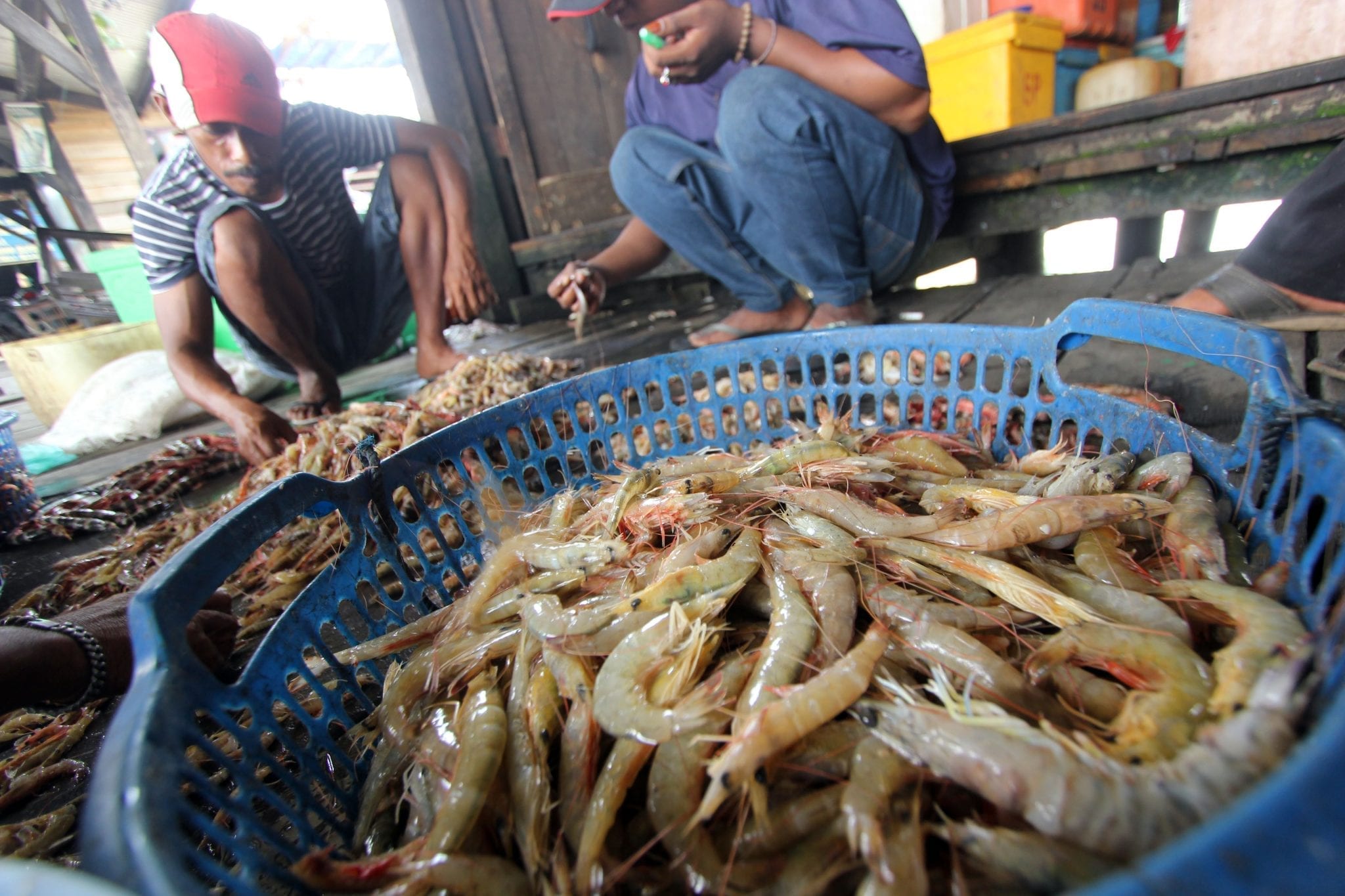
    Vietnam’s seafood export turnovers stood at $520 million in August, down 36 percent against the same month last year due to Covid-19 outbreaks.

    Last month, only 30-40 percent of seafood enterprises in the south ensured the stay-at-work mode, mobilizing 40-40 percent of employees to work, eat and sleep at factories, so their production capacity dropped 50-60 percent, said the Vietnam Association of Seafood Exporters & Processors (VASEP).

    Meanwhile, material supply chains were broken or met with difficulty in transport. Seafood firms saw higher input costs and freight ones, and some exporters failed to deliver goods on time, losing clients to their foreign rivals.

    However, seafood export turnovers in the first eight months of this year rose 6 percent on-year to $5.5 billion.

    The VASEP forecast seafood export turnovers will decrease at least 20 percent on-year to $660 million in September, because the pandemic is still progressing complexly in the South, while vaccination among workers in industrial parks and export processing zones is limited.

    Some southern provinces, including Soc Trang, Cau Mau, Bac Lieu and Kien Giang, which are major prawn producers and exporters, have contained the pandemic fairly well, so they are expected to export more prawns and shrimps in the remaining months of this year.

    Major catfish producing and exporting provinces are still being hit hard by the pandemic, with over half of factories having to close down, so tra fish export is unlikely to bounce back in September.

    HCMC and localities in the Mekong Delta, home to many squid, octopus, tuna processing plants, are still experiencing complex Covid-19 situations, so their seafood production and export are predicted to continue to be sluggish this month.

    In the fourth quarter, when most of seafood processing workers will have been vaccinated against Covid-19, seafood export can recover slightly, reaching turnovers of $8.5-8.6 billion, the VASEP forecast.
  • Binance Halts Singapore Products

    Binance Halts Singapore Products

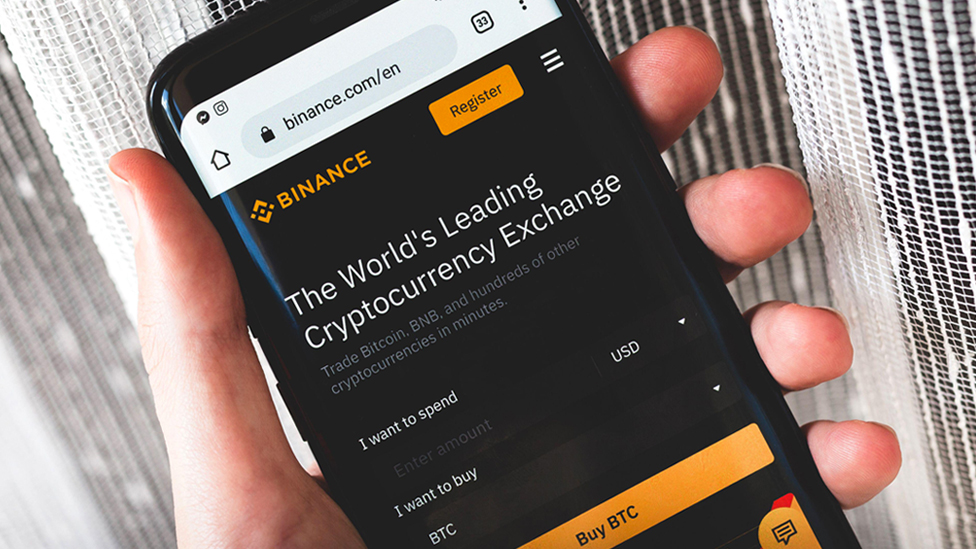
    Cryptocurrency exchange Binance has responded to a warning by Singapore’s regulator by removing some of its offerings in the city-state.

    Binance will cease Singapore dollar trading pairs and payment options, according to a blog post over the weekend, alongside the removal of its app from Singapore’s online stores.

    The halt will begin as of Friday and users have been advised to complete all related peer-to-peer trades and remove related trade ads by Thursday to avoid disputes.

    Consumer protection is important to all of us, Binance.com said in a statement. We are ready to assist regulators from around the world and together find the optimal way to set a fair playing field.

    The latest move only relates to Binance.com with no services changes on Binance.sg, Binance’s Singapore entity, according to a spokesperson.

    Binance Asia Services, which operates Binance.sg, recently submitted a license application to the Monetary Authority of Singapore. It is currently exempt from holding a license for the provision of digital payment token services until the review of its license application is completed.

  • German Decision On Tesla Subsidies Expected By End Of Year

    German Decision On Tesla Subsidies Expected By End Of Year

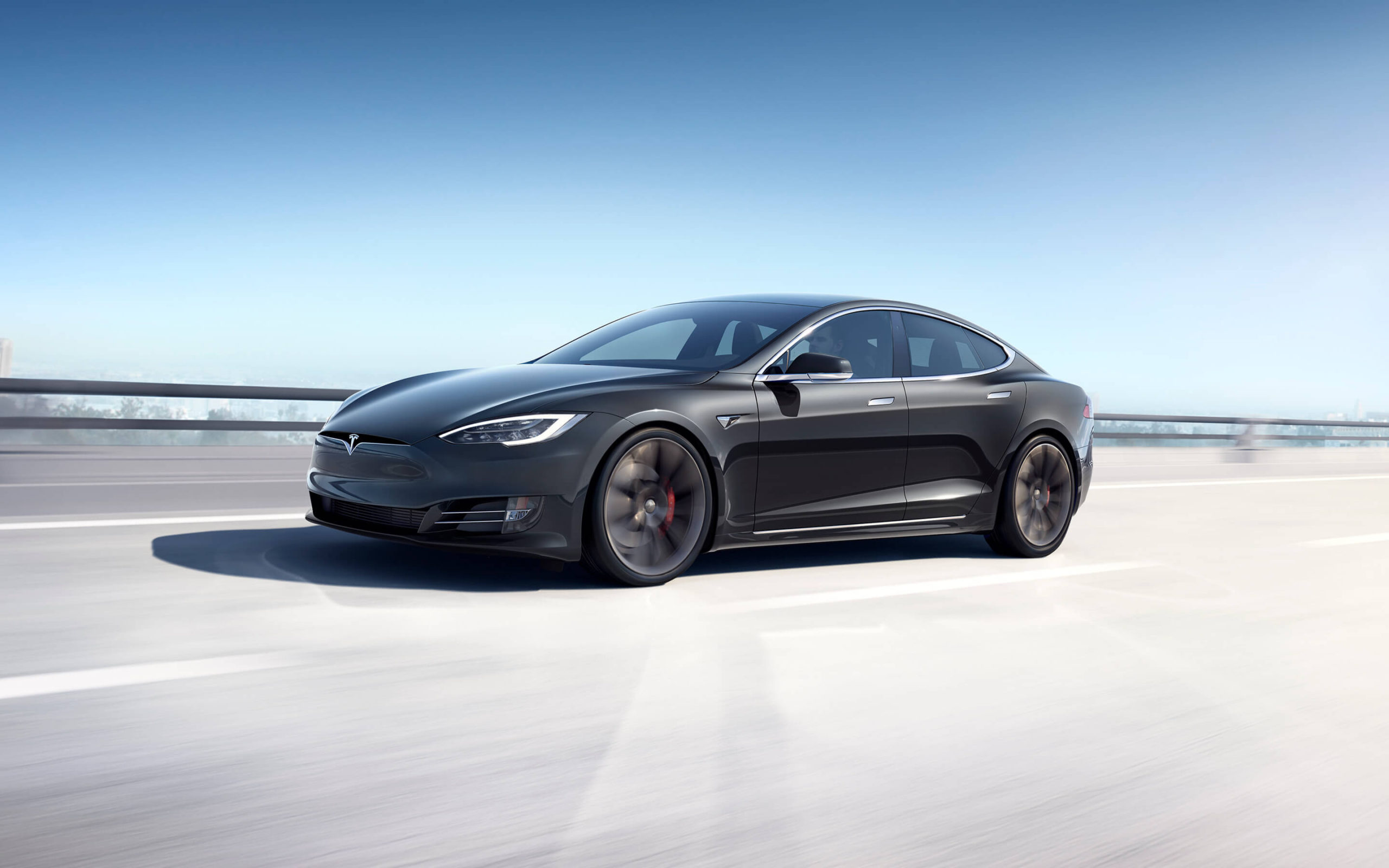
    Germany will probably decide by the end of the year how much state aid U.S. electric vehicle maker Tesla will receive for its planned battery cell factory near Berlin, an economy ministry spokesperson said on Sunday. The European Union in January approved a plan that includes giving state aid to Tesla, BMW and others to support the production of electric vehicle batteries and help the bloc to reduce imports from industry leader China.

    The EU’s approval of the 2.9 billion euro ($3.45 billion) European Battery Innovation project, which includes more than 40 companies, follows the launch in 2017 of the European Battery Alliance to support the industry during the shift away from fossil fuels.

    The European Union in January approved a plan that includes giving state aid to Tesla, BMW and others to support the production of electric vehicle batteries.

    Tesla plans to invest 5 billion euros in its battery cell factory at Gruenheide near Berlin to complement its nearly finished electric car factory at the same location, according to estimates from the German economy ministry.

    The unusually high investment volume means that the U.S. car manufacturer can count on German state subsidies of 1.14 billion euros, Tagesspiegel newspaper reported on Sunday.

    This chimes with a February report by Business Insider, which said Tesla stands to receive at least 1 billion euros in public funding from Germany for setting up its battery cell factory near Berlin.

    The economy ministry spokesperson said there was no final sum yet because talks with the carmaker and the European Commission are ongoing, adding that a final decision is likely before the end of the year.

    Tesla Chief Executive Elon Musk last month said he hoped the first cars at its planned gigafactory in Gruenheide could be built in October or soon afterward.

    Tesla CEO Elon Musk last month said he hoped the first cars at its planned gigafactory in Gruenheide could be built in October or soon afterward.

    Tesla has pushed back the expected opening of the gigafactory to late 2021, blaming German bureaucratic hurdles. The plant has also faced local resistance because of environmental concerns.

    Economy Minister Peter Altmaer last Thursday said that carmaker Opel will receive a 437 million euro government grant for its battery cell factory in Kaiserslautern as part of the wider European initiative to create a homegrown battery industry.

  • Airasia Staff 100 vaccinated and ready to fly

    Airasia Staff 100 vaccinated and ready to fly

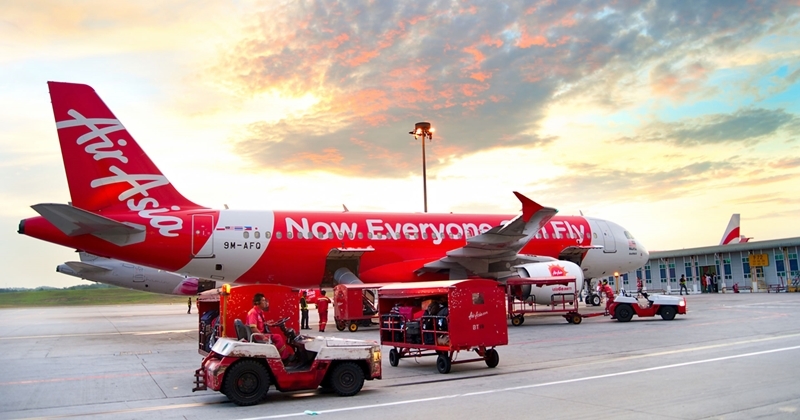
    AirAsia Group is ready to fly with its operating crew and frontline staff 100 percent vaccinated. And that is just part of the story with the airline group having a host of contactless safety and hygiene measures in place to ensure the highest standards are maintained ahead of a resumption of air travel.

    Group CEO Tony Fernandes said “we are ready to fly and as part of our strict safety policy we are mandating that all of our operating crew and frontline staff serving guests, including pilots, cabin crew, and airport staff are fully vaccinated to return to work.

    “We’ve always been about the people and it doesn’t just stop with our own Allstars (employees). With stringent health and hygiene protocols and robust standard operating procedures, guests can be assured of a 360-degree peace of mind when traveling with us again.

    “The acceleration of vaccines in all of our key markets is setting us up for a strong return to the skies. More than 50 percent of the adult population in Malaysia is now fully vaccinated, and Malaysia is tracking to have at least 80 percent of its population vaccinated by the end of 2021. We are also seeing promising progress in Singapore, Korea, and the Philippines.

    “More than 50 countries in the world have begun to welcome vaccinated travelers again. As ASEAN accelerates the vaccination effort, we are hopeful that countries will soon ease travel restrictions for vaccinated travelers for both domestic and international travel and will resume plans for travel bubbles.

    “Thanks to vaccines being aggressively rolled out in all of our key markets, better testing and education, the end is in sight and I’m hopeful we will be able to return to the skies in the near future. Importantly, we are fully prepared and ready for take-off,” Mr. Fernandes said.

    The AirAsia Group was one of the first airlines worldwide to achieve the top 7/7 rating for being Covid-19 ready by Airlineratings.com.

    All of the airlines in the Group are IOSA accredited which is the global benchmark for upholding the highest safety standards says the AirAsia Group.

    AirAsia says it has used downtime in flying to implement robust procedures and innovations to make flying even safer and more hygienic than ever.

    A new check-in feature enables guests to verify any required medical documents in real-time online before heading to the airport and the airline Group is in the process of rolling out biometric facial recognition technology at key ports commencing with klia2 in the near future.

    AirAsia will soon have its check-in system integrated with the Malaysian government’s MySejahtera digital health app to enable a seamless and hassle-free check-in procedure.

    “With all the uncertainties Covid-19 has provided, one thing I am sure of is that we will return to the skies soon with a more robust and viable business model which isn’t solely reliant on airfares alone as our digital transformation to become the ASEAN super app of choice is now fast becoming a reality,” added Tan Sri Tony.

  • Germany’s Metro chain withdrawing from Japan

    Germany’s Metro chain withdrawing from Japan

    Metro aims to cease the operative business by the end of October 2021, whereby all 10 stores and the delivery business will be closed. The company has thoroughly analysed alternative options but sees no path to profitable growth and a leading wholesale position in the Japanese market. The exit of METRO Japan business will lead to one-off costs in Q4 2020/21 and one-time free cash flow gains through asset sales over the next 2 years. The recurring annual impact is positive on both P&L and cash flow. METRO Japan will make every effort to assist its employees through the transition in a fair manner and act fully in line with employer practice standards.

    “In each market it is operating in, METRO aims to achieve a leading market position as food wholesaler. METRO Japan has been under pressure for quite some time. We finally made the decision that we do not see the opportunity to achieve the necessary scale in Japan and thus to reach our profitability targets and sustainable growth in sales. Hence, we have concluded that METRO Japan is not a strategic fit for the company’s long-term objectives,” explains Dr Steffen Greubel, CEO of METRO AG. “On behalf of our Management Board I want to extend my sincere appreciation to our Japanese colleagues for their diligent work, enduring passion and commitment in serving our customer over the past 20 years.”

    With 10 wholesale stores all situated in the Greater Tokyo area, METRO Japan has been serving predominantly professional customers in the hospitality sector for the last 20 years. However, an unfavorable market position coupled with increasingly competitive landscape limited the company’s growth potential and weighted on profitability. METRO Japan has undertaken numerous attempts such as adjusting store formats, improving the assortment and expanding the delivery business to reposition the business. These attempts didn’t show reasonable results due to lack of scale and highly competitive market characteristics.

    METRO Japan will cease its business operations by October 2021, while the real estate portfolio in Japan will be sold. The portfolio includes 6 owned land plots with stores and 3 locations with long-term leases. As the result of this transaction, METRO expects a recurring uplift of approx. €15 million in FCF1 and up to €5 million in EBITDA. The company expects a negative one-off impact of between €30 million and €50 million on EBITDA in Q4 FY20/21. Overall, the proceeds from selling the real estate are expected to clearly surpass the one-off cash-outs for the wind-down, making the transaction cash-positive.

    The Japanese operations of Classic Fine Foods (CFF), the foodservice distribution specialist of METRO, are not affected by this decision, CFF will continue to operate in Japan.

  • Apple set to open newest China store in Changsha

    Apple set to open newest China store in Changsha

    Apple today previewed Apple Changsha, the first Apple Store in Hunan province. Situated in the heart of the provincial capital city, Apple Changsha’s location provides easy access for customers across central China.

    “We are thrilled to be opening in Changsha, a community filled with creativity and profound cultural heritage,” said Deirdre O’Brien, Apple’s senior vice president of Retail + People. “So many of our team members already call Hunan province home, and they are ready to welcome and support their neighborhood at Apple Changsha.”

    The new store is located in the popular Changsha IFS shopping mall and faces the bustling Huangxing Road, one of the top urban attractions in the city. Visitors entering the store from outside will encounter the uniquely designed double-height façade, which features a completely new gradient frit and mirrored coating treatment that blurs the transition from top to bottom and shifts in appearance during different times of day or seasons. The all-new glass façade was sustainably manufactured in Tianjin, China, and is the first Apple Store in the world to utilize this façade technique.

    From the interior mall entrance, customers will immediately come across the Forum and the freestanding video wall, home to Today at Apple sessions. Led by Apple Creative Pros, free daily sessions provide creative inspiration, teach practical skills, and help customers learn how to go further with their Apple products. To celebrate the grand opening, Creative Pros will host the exclusively tailored Today at Apple session “Art Walk: Discover the Colors of Changsha” beginning September 5, giving customers an opportunity to explore the city and capture its vibrant colors on iPad Pro. Visitors are able to register for the session today at apple.com.cn/today/event/art-walk-discover-the-colors-of-changsha.

    Surrounding the Forum are display tables and avenues, where customers can explore curated Apple products and accessories or receive personal technical support from Geniuses. Throughout the store, customers can get shopping help from Apple Specialists and learn more about monthly financing options, Apple’s trade-in program, or try the newly launched Apple Pickup service.

    The new store includes nearly 100 highly trained retail team members, who collectively speak many languages including Chinese, English, Japanese, Korean, and French.

    Apple Changsha opens Saturday, September 4, at 10 a.m. CST in China. The store will open with the same health measures for both retail team members and visitors as seen in all Apple Store locations across China, including a mask requirement, temperature checks, and social distancing.

  • India’s online retailer Cars24 enters Australia

    India’s online retailer Cars24 enters Australia

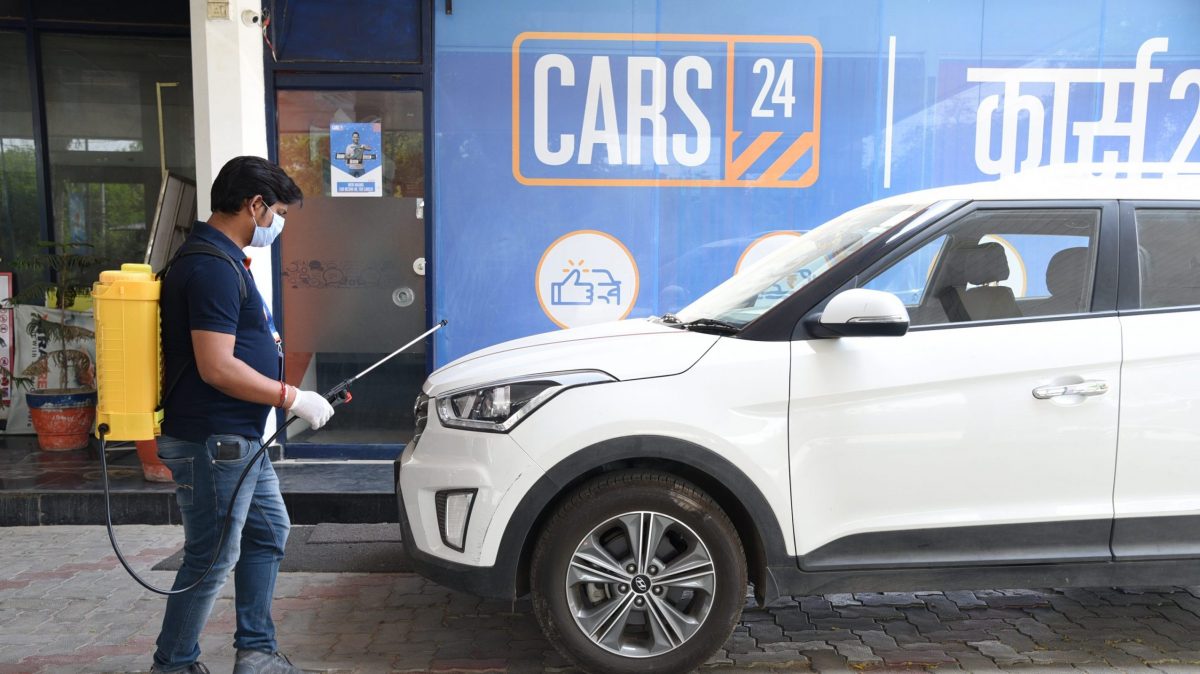
    A $1 billion online car seller has just launched in Australia, with the retailer confident the US and UK trend of buying a car online will take off across the country.

    Indian start-up CARS24 now allows Australians to buy used cars from home in under five minutes, with the car then delivered to their door.

    CARS24 Australia CEO Olga Rudenko said she believed Australians would jump on the “new way of buying used cars” very quickly.

    “Being able to order a car in under five minutes with all the financing taken care of and the ability to return within seven days at no cost is an absolute no-brainer,” she said.

    “We buy everything online these days. Groceries, clothes, appliances. Why? It’s super easy – buy when it’s right for you, no need to leave home. You trust that you’ll have a good experience, with customer reviews and return policies if things don’t work out.”

    CARS24 owns every car it sells and works to ensure quality control from sourcing through to delivery and warranty.

    The retailer also offers seven-day returns with 100 percent money-back guarantee while each car also comes with a six-month unlimited warranty and free at-home delivery – making it as easy and convenient as any other online purchase.

    Melbourne’s 20-year-old Nathaniel Chanter was one of the first Australians to use the service, buying a $23,000 Jeep he’d never seen before.

    Mr Chanter said he was “a little bit nervous” buying the car when he realized he couldn’t even look at the car first, but loved his purchase and thought he’d got it for a very good price.

    “I’d definitely do it again,” he said.

    Publisher of Drive.com.au James Ward said he thought times were changing when it came to buying cars.

    “It’s a funny thing. The old adage of going to the dealer on a Saturday morning and taking it for a run around the block… I think those days have changed,” he said.

    Mr Ward said while every buyer should do their own research, he thought test-driving was becoming less important.

    “It’s very hard to produce a bad car these days. So you’re basically buying a solid prospect, regardless of test driving or not.”

  • MAS Orders Binance Halt

    MAS Orders Binance Halt

    The Monetary Authority of Singapore has ordered crypto giant Binance to halt its services in the city-state over a potential breach of local payment rules.

    Binance must stop offering services in Singapore, according to a report citing a MAS statement, over a potential breach of the Payment Services Act.

    According to the regulator, Binance provided payment services to and solicited business from Singapore residents without an appropriate license.

    In response, Binance said its Singapore operations are conducted via Binance Asia Services (BAS) which is a separate legal entity from Binance.com.

    BAS operates Binance.sg, does not offer any products or services via Binance.com, and has its own local executive and management team.

    BAS has submitted a license application and is currently exempt from holding one for digital payment token services, MAS said, adding that the application remains under review and is subject to the firm demonstrating that it is able to meet requirements.

    On the other hand, Binance didn’t apply for a license under local law and the regulator has added the crypto firm to its investor alert list.

    MAS has been engaging BAS and expects an immediate it to begin an orderly suspension of its facilitation of transfers of digital payment token assets between BAS and Binance, the regulator added.

  • BNP Paribas in Talks to Form China Wealth Management JV

    BNP Paribas in Talks to Form China Wealth Management JV

    BNP Paribas’ asset management arm is reportedly in talks with a Chinese «big four» bank to form a wealth management joint venture in the mainland.

    BNP Paribas is in talks with Agricultural Bank of China’s (AgBank) wealth unit to form a wealth management joint venture, according to a report citing unnamed sources.

    BNP Paribas is expected to hold majority stakes in the joint venture.

    BNP Paribas joins the likes of Blackrock, Goldman Sachs and other global financial institutions seeking to tap into China’s $19 trillion wealth management market.

    French rival Amundi had initially discussed venture plans with AgBank but ultimately chose Bank of China as its partner.

    AgBank and other major state banks face political pressure to form wealth management joint ventures, the report added, indicating China’s willingness to open up.

    Within mainland China, BNP Paribas Asset Management already owns a Chinese mutual fund venture.

  • Dragon fruit suffers pandemic troubles

    Dragon fruit suffers pandemic troubles

    The Covid-19 pandemic has made it difficult for Vietnamese dragon fruits, in season now, to be exported.

    China, which accounts for some 80 percent of Vietnam’s total dragon fruit exports, has restricted the flow of goods at some border gates as part of its pandemic safety precautions.

    Meanwhile, for markets like the European Union, the U.S. and some Asian countries, the pandemic has caused an increase in logistics cost, and traders are facing fiercer competition from Taiwan, Thailand and Malaysia.

    To expand markets for its dragon fruit, Vietnam is seeking ways to penetrate new markets, including Australia and Japan.

    Ta Duc Minh, the commercial counselor at the Vietnamese embassy in Japan, said Vietnamese farmers and firms should ensure synchronous cycles from cultivation, harvest and preservation to transport and export to maintain the freshness and taste of dragon fruits.

    They should also intensify the application of advanced post-harvest technology to ensure product quality, he said.

    Phu proposed the central province of Binh Thuan and the southern province of Long An, the two country’s largest dragon fruit producers, should speed up processing and export of dried fruit as well as other products made from dragon fruits like wine and syrup.

    Binh Thuan has 33,750 hectares of dragon fruits with an average annual output of 650,000 tons. It currently has 240 dragon fruit collecting, semi-processing and packaging facilities, and six processing facilities that make different products with the fruit.

    According to the Long An Department of Industry and Trade, the province produces some 330,000 tons of dragon fruit each year.

  • UBS Takes Stake in AI Advisor Platform

    UBS Takes Stake in AI Advisor Platform

    UBS is taking a stake in an artificial intelligence platform that matches institutional clients with investment experts.

    UBS has invested $5 million in Lynk in its latest funding round, taking the technology company’s total funding to $35 million, Lynk said in a press release Wednesday. Lynk says it has a network of more than 840,000 global experts. Its proprietary technology is driven by an AI data engine that indexes individuals based on their experience and expertise to match users with subject matter experts on its platform.

    Lynk was founded by Peggy Choi in 2015. The firm has eight offices, including New York, Hong Kong, Singapore, Mumbai, Shanghai and Toronto.

    UBS announced a global alliance with Lynk in May for its institutional investor clients and subscribed to the platform in 2020. The collaboration is run via UBS Investment Bank’s principal investment team.

  • Twitter launches Super Follows and Safety Mode

    Twitter launches Super Follows and Safety Mode

    After a few months in beta, Twitter announced that it’s making Super Follows available to select users in the United States. Super Follows allows Twitter users to earn monthly revenue by sharing subscriber-only content with their followers on the social network.

    Those interested can set a monthly subscription of $2.99, $4.99, or $9.99 a month to monetize bonus content for their followers on Twitter. Creators can interact with their Super Followers by looking for the Super Followers badge. The public badges will be highlighted under their Super Followers name whenever they reply to a creator’s tweet.

    For the time being, Super Follows is only available to a small group within the United States. However, those interested can apply to join the waitlist to set up a Super Follows subscription by swiping open the sidebar on the Home timeline, tapping on Monetization, then selecting Super Follows.

    It’s important to mention that you need to have 10,000 or more followers, be at least 18 years old, and have tweeted 25 times within the last 30 days to be eligible for the waitlist. Obviously, you need to be in the United States too.

    Currently, users in the United States and Canada on iOS can Super Follow select accounts, but Twitter says it will be rolling out the option to people using iOS globally in the next few weeks.

    Additionally, Twitter announced that starting today, it’s rolling out Safety Mode, a new feature that promises to reduce disruptive interactions. Safety Mode is only pushed out to a small group of Twitter users on iOS, Android, and desktop, which have English-language settings enabled.

    Safety Mode is meant to temporarily block accounts for seven days for using potentially harmful language or sending repetitive and uninvited replies or mentions. Those who get the feature must enable it from the Settings so that Twitter’s systems can assess any potential negative engagement.

    Those who are found guilty of using harmful language in their tweets will be auto blocked, which means they’ll be temporarily unable to follow your account, see your tweets, or send you Direct Messages.

  • Shrimp processing giant posts large revenue increase

    Shrimp processing giant posts large revenue increase

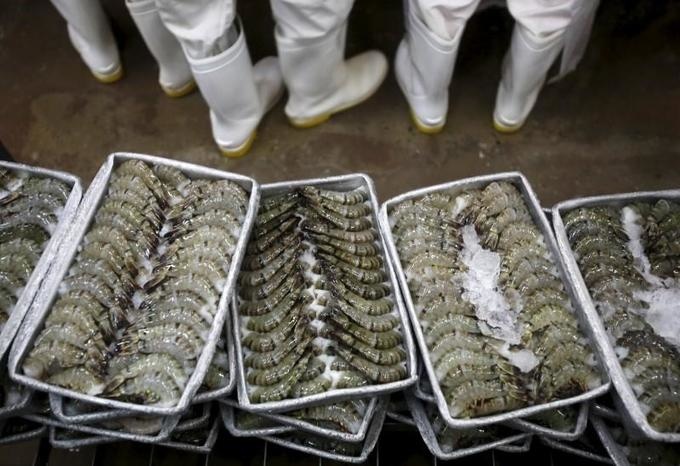
    Minh Phu Seafood, one of the country’s biggest shrimp processors, reported a 9 percent rise in revenues to over VND6.1 trillion ($269 million) in the first half of the year.

    The HCMC company said however the pandemic is causing disruption in sales, especially in North America, its biggest market.

    Its net profit rose nearly 20 percent to VND276 billion.

    It received a VND336-billion import tariff refund after the U.S. in February withdrew an accusation that one of its subsidiaries, Mseafood, had violated anti-dumping regulations.

    The company had to deposit the sum while it disputed the case.

  • Tesla’s China Output Was Halted For Days In August Due To Chip Shortage

    Tesla’s China Output Was Halted For Days In August Due To Chip Shortage

    Tesla temporarily halted some operations at its Shanghai factory last month as the global shortage of semiconductors hit the electric car maker, Bloomberg News reported on Thursday, citing people familiar with the matter.

    Part of a production line at the China plant was halted for about four days in August because of a lack of key chips, the report said.

    Shortages with the availability of electronic control units caused output delays mainly for Tesla’s Model Y sports utility vehicle crossover, according to the report.

    Production at the Chinese factory is now back to normal.

    Tesla did not immediately respond to a query on the report.

    Last month, world’s largest automaker Toyota Motor Corp said it would slash global production for September by 40% from its previous plan following car makers worldwide in cutting production due to the months-long chip shortage.

  • Chinese EV Maker Nio Cut Sales Forecast Due To Chip Supply Shortage

    Chinese EV Maker Nio Cut Sales Forecast Due To Chip Supply Shortage

    Chinese electric vehicle (EV) maker Nio Inc on Wednesday cut its delivery forecast for the third quarter this year due to uncertain and volatile semiconductor supplies. Nio cut its delivery forecast for the third quarter to around 22,500 to 23,500 vehicles from a previous 23,000-25,000 vehicles. It delivered 5,880 electric sports-utility vehicles last month, up 48% from a year earlier.

    Li Auto Inc, which sells extended-range electric vehicles, said it sold 9,433 vehicles last month, up 248% from a year earlier. It targets 10,000 units monthly sales in September. Xpeng Inc sold 7,214 cars in August, up 172% year-on-year. Its chief executive He Xiaopeng said it expects monthly deliveries to reach 15,000 units in the final quarter this year.

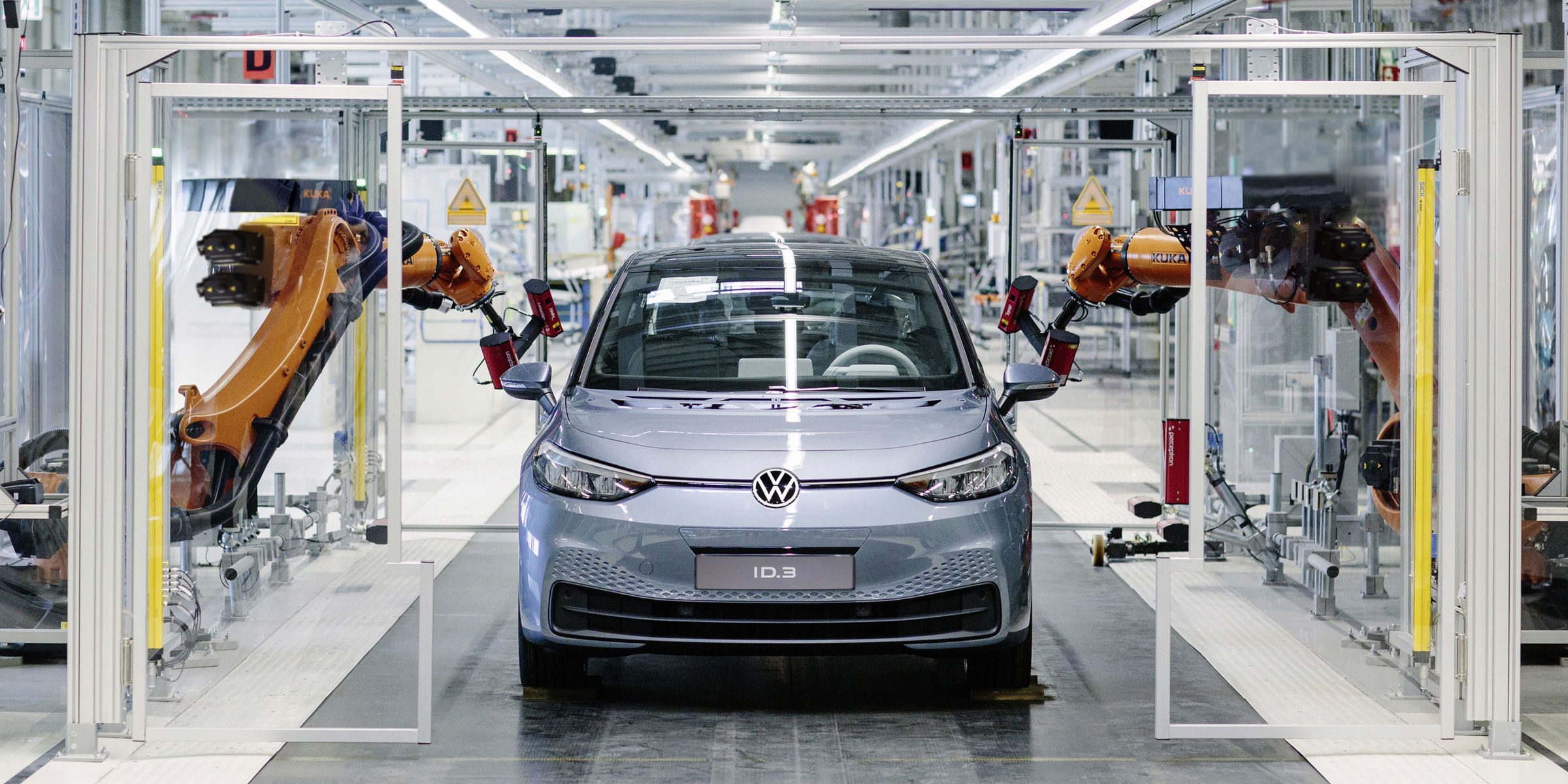
    A prolonged global chip shortage has caught major automakers including Ford Motor, Honda Motor, General Motors, and Volkswagen off guard, forcing many to idle or curtail production. The shortage was unlikely to resolve soon as the pandemic rages on in many parts of the world, China’s top auto industry body said last month. U.S. listed shares of Nio were down 4.3% at $37.63 in premarket trading, while Xpeng fell more than 2%. Li Auto, Nio, and Xpeng are three leading Chinese EV startups that compete with U.S. electric car maker Tesla Inc and local companies including Geely and Great Wall Motor.

    Separately, Tesla had sold 32,968 China-made vehicles in July, including 24,347 for export, according to data from the China Passenger Car Association last month. However, local sales of China-made Tesla vehicles had plunged 69% month-over-month to 8,621 cars in July. The company makes electric Model 3 sedans and Model Y sport-utility vehicles in a Shanghai plant. China sales, which account for nearly a third of its total sales, is closely watched as a sign of the automaker’s health in its second-biggest market, where it has invested heavily.