Author: Mei Ling Tan

  • AusPost secures record revenue

    AusPost secures record revenue

    Australia Post has announced its group revenue of $7.499 million, a new record up seven percent, and a profit before tax of $53.6 million. The Group credits its revenue was boosted by further eCommerce growth during COVID-19.

    Growth in e-commerce has been a strong driver behind Australia’s Post 2020 financial result that was released on Thursday, August 27.

    While total revenue grew by more than $500 million during the period, boosted by a boom in e-commerce, growing losses in the letters business and increased network costs resulted in a profit before tax result up only $13 million compared to FY19.

    Australia Post’s parcel and services revenue at $5.503 million was up 15 percent, adding $729 million to the full-year result, highlighting that 73 percent of total revenue is now generated from highly competitive markets.

    Domestic Australia Post branded parcels rose 25 percent to $2,456 million. In the second half of the year parcel revenues were boosted by the continued growth of eCommerce as consumer demand grew as families adapted to lockdown restrictions and more businesses went online as their physical stores hibernated.

    Costs increased over the period by $477 million including higher operational network costs to support growth in parcels and AP Global, additional processing facilities and chartered air freight to meet customer demands, as well as personal protective equipment for workers.

    Australia Post Group Chief Executive Officer and Managing Director Christine Holgate said the result highlighted the critical need for temporary regulatory relief announced by the Federal Government in April this year, as the business quickly adapts to changes in consumer behavior accelerated by COVID-19.

    “We understand the important role our Posties and Post Offices play in serving Australia.  Protecting their roles, whilst meeting new community and business expectations, is critical as our business adapts to significant market changes,” Christine stated.

    “And while the growth in eCommerce has been a strong driver behind this year’s financial result, we have had to make changes to ensure our workforce and network can operate as efficiently and safely as possible.”

    Christine said the pandemic has also severely impacted the Group’s ability to deliver across the country on time.

    “We had to make temporary changes, including new parcel pop-up facilities and chartering planes for air freight, to continue to serve the country during what has been a very uncertain year,” she said.

    Letter revenues were $2.0 billion for the period, down $220 million or 10 percent for the full year.

    “Although traditional services such as letters, passports and Billpay fell in the period, due to travel restrictions and as businesses switched to digital communications, parcel revenues grew and have become their most important income source.  Over-the-counter parcel transactions have increased as people looked to send care packages and parcels to stay connected with loved ones through the COVID-19 crisis.”

    Christine said international business has been impacted by global conditions, due to a significant fall in air freight capacity to and from Australia, as well as many countries closing their borders in the second half of the financial year.

    “Although international letters and packets volumes were down 16 percent year on year, the strong performance of AP Global, our cross-border eCommerce business, saw revenue grow by $146 million to $225 million, ensuring our total international portfolio remained strong,” she said.

    Christine highlighted that domestically, the Group’s focus on investment in growing capacity in the parcels network has “served us well”.

    Australia Post opened the largest parcel processing facility in the Southern Hemisphere opening last October in Brisbane.

    “This facility, along with 16 temporary smaller sites, has ensured we were able to support small and large businesses in connecting them with their customers, proudly contributing $2.4 billion in eCommerce economic activity in the fourth quarter,” she said.

    “Of course, this result would not have been possible without the continued hard work and dedication of our people – particularly our posties, delivery drivers, parcel and mail processors, contact center and both corporate and licensed Post Offices teams. They continued to show up for work each and every day through uncertain times and worked hard to ensure the community had sustained access to essential goods and services.”

    The 2020 Annual Report will be tabled in Federal Parliament in October 2020.

  • Another Vietnamese noodles product recalled in Europe

    Another Vietnamese noodles product recalled in Europe

    An instant noodles product of Thien Huong has been recalled in Norway due to the presence of a banned substance, the second such incident in Europe this month.

    The “dried noodles with chicken – and beef spices” of Ho Chi Minh City-based Thien Huong has been found to contain ethylene oxide, which is banned from food products in the country.

    Vietnamese authorities have ordered Thien Huong to provide relevant samples to examine the claim.

    A spokesperson for Thien Huong said Monday the recalled product is sold exclusively in Norway and not in Vietnam.

    It has been sold for four months in “small” volume, the spokesperson said, adding there is no ethylene oxide in any part of the production.

    Thien Huong exports to the E.U., the U.S., Africa, Japan and South Korea.

    On Aug. 20, the Food Safety Authority of Ireland (FSAI) announced batches of Hao Hao and Good branded noodles were being recalled after they were also found to contain ethylene oxide.

    Kajiwara Junichi, general director of Acecook Vietnam that produced the products, said the firm has abided by all the rules in Vietnam and in all the countries that it exports noodles to.

    The firm has contacted its suppliers who have asserted they do not use ethylene oxide during production, he said, stressing Acecook Vietnam does not allow the use of ethylene oxide in any production process.

  • Vietcombank gets new chairman

    Vietcombank gets new chairman

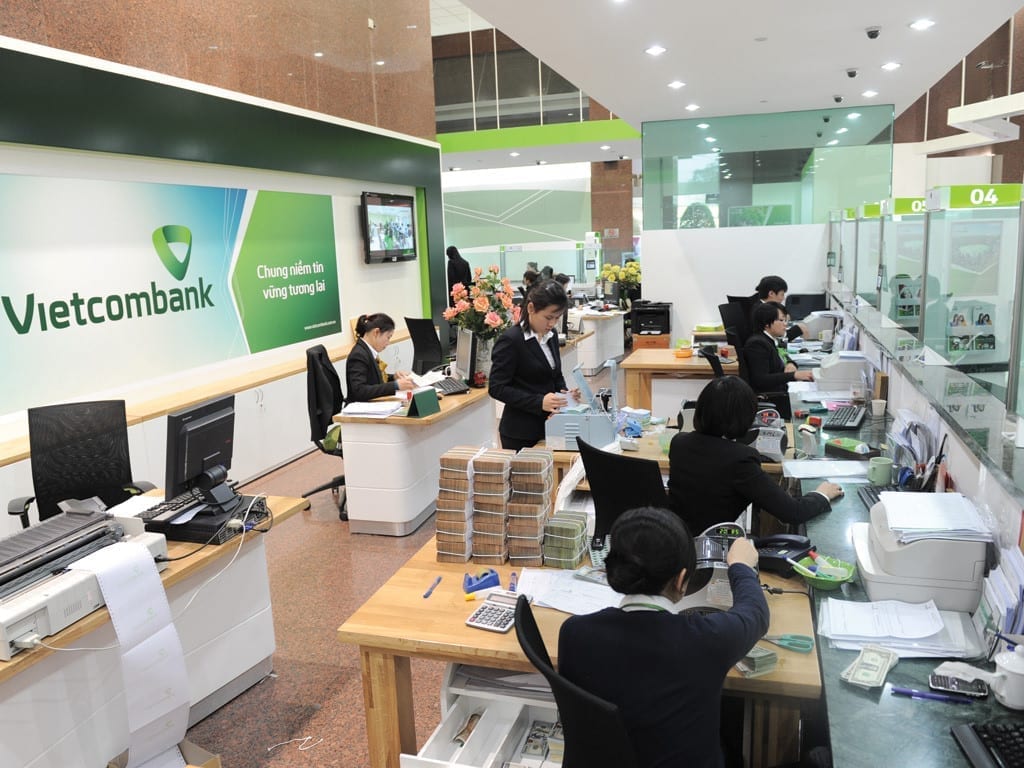
    Vietnam’s biggest state-owned lender, Vietcombank, has named Pham Quang Dung as its new chairman until 2023.

    Dung, 48, has been its CEO and a member of the board since 2014.

    Nguyen Thanh Tung, deputy director, temporarily takes over as CEO until a new person is appointed.

    Dung has 27 years’ experience in the financial and banking industry.

    He joined Vietcombank in 1994, and has served in various positions including deputy director of a financial division in Hong Kong and deputy director of the bank.

    The previous chairman of the bank, Nghiem Xuan Thanh, was appointed the Secretary of the Party Committee of Hau Giang Province in early July.

    Vietcombank is 74.8 percent owned by the government, 15 percent by Japan’s Mizuho Corporate Bank and the rest by other shareholders.

  • Indonesia fintech startup Kredivo launches in Vietnam

    Indonesia fintech startup Kredivo launches in Vietnam

    Indonesian fintech platform Kredivo has announced a Vietnam launch through a joint venture, seeking to offer “buy now, pay later” services.

    It has partnered with Phoenix Holdings, a company with a diversified portfolio in consumer, financial services, retail and technology sectors, to form Kerdivo Vietnam JSC, according to a statement from the Indonesian company.

    “The launch of Kredivo in Vietnam, our first market outside Indonesia, is another key achievement and milestone for the business this year,” said its COO Valery Crottaz.

    This is because the country has low penetration of credit cards and a rapidly growing middle class, together with the fast-growing e-commerce market, he said.

    Kredivo will offer “buy now, pay later” services amid rising demand for consumer loans and a large ratio of cash used in purchases.

    It plans to reach Thailand and the Philippines next year. The company also wants to list in the U.S. by the first quarter of 2022.

    Vietnam’s fintech industry is seeing rising competition from both domestic and foreign players.

    Startup Infina had recently raised $2 million in seed funding from five global venture capitalists, while in June, Mfast raised $1.5 million in its Pre-Series A funding from a group of investors.

  • Coca Cola Australia ways into first alcoholic beverage

    Coca Cola Australia ways into first alcoholic beverage

    Coca-Cola Australia has launched a drink unlike any other it has produced before.

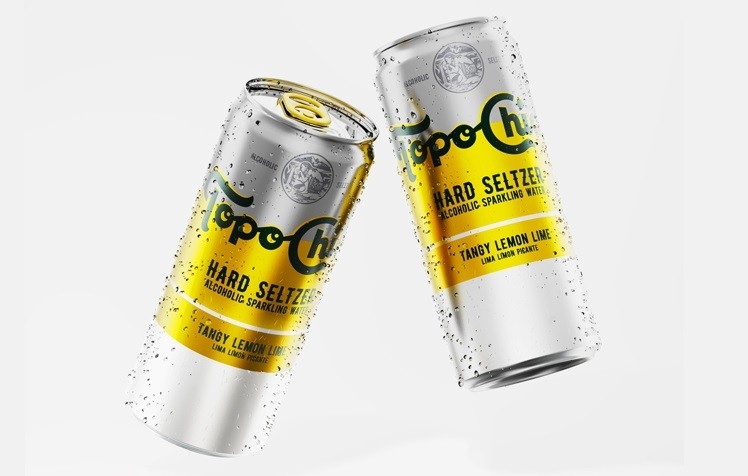
    For the first time, the company will enter the alcohol market with its Topo Chico Hard Seltzer which blends sparkling water with alcohol and natural flavor.

    The hard seltzer category has seen huge growth over the last 12 months and the soft drink giant also wanted to jump on the bandwagon.

    Coca-Cola South Pacific vice president Robert Priest said their beverage will have a great appeal to those drinkers looking for something new and refreshing to enjoy.

    “We have a fantastic product in Topo Chico Hard Seltzer which is backed by fans in Latin America and Europe and we’re confident Australians will love the light, refreshing taste,” Mr. Priest said.

    He said the company is “very good at finding drinks” and finding a new direction, and understanding what people want to drink as well.

    The hard seltzer category has blown up in recent time with the IRI predicting sales in Australia could be as high as $300 million by 2025.

    The publication explained its appeal comes from its reported health and wellness profile and how it usually contains less than 100 calories and generally has a lower ABV at around 4-5 percent.

    Seltzer water is carbonated water, and a replacement for soda and other sugary drinks that can increase the chances of conditions such as obesity and type 2 diabetes.

    The new alcoholic beverage will be available in three flavors: Tangy Lemon Lime, Pineapple Twist, and Strawberry Guava — with each can containing 4.7 percent alcohol by volume (ABV) and under 104 calories.

    Its description reads that its also gluten-free with no artificial sweeteners.

    Dietitian Leanne Elliston said at the end of the day consumers need to be made aware it’s still alcohol.

    “There is absolutely no nutritional value in hard seltzers and as such, they do not contribute to a healthy diet whatsoever,” she said.

    “It would be a concern if younger Australians thought it was a healthier way to drink.

  • Suzuki Expects 60% Drop In September Production Due To Chip Shortage

    Suzuki Expects 60% Drop In September Production Due To Chip Shortage

    India’s top carmaker Maruti Suzuki said on Tuesday that the global chip shortage will hurt production at its plants in the states of Haryana and Gujarat in September. Total production volume across both locations could be around 40% of normal output, it said in a regulatory filing.

    Top Indian carmakers, like their global peers, have been hit by semiconductor supply chain disruptions during the pandemic, which drove up demand for chips used in electronics like computers as people worked from home, and hit output at many automakers.

    Tata Motors and Mahindra and Mahindra Ltd have already warned of the impact from rising commodity prices and a global shortage of semiconductors, combined with pandemic uncertainty.

    In July, Tata Motors said it expected the chip supply crunch in the second quarter to be greater than in the first, likely resulting in wholesale volumes for its Jaguar Land Rover to be about 50% lower than planned.

    Analysts earlier said Maruti was better positioned than rivals as it was not dependent on a single vendor for chips.

    However, Maruti Chairman RC Bhargava has indicated the semiconductor crisis was not over and that it is difficult to predict what happens next.

  • Inside Blue Bottle Coffee’s trendy new Osaka store

    Inside Blue Bottle Coffee’s trendy new Osaka store

    lue Bottle Coffee, the Nestle-owned American coffee chain, has entered Osaka with a trendy look designed by Tokyo-based studio, I In.

    Customers entering the store are welcomed by an open space filled with the essence of warm wood and bright light through floor-to-ceiling glass windows. In contrast with the wooden floor, the barista’s drip station is made of hairline polished stainless steel, resembling a stage.

    “I thought it would be great if the store could make the series of things that the barista makes and give to customers the most shining, so I lit up the area of ​​the drip station where the barista stands and made it shine like a stage,” said Yohei Terui, founding partner at I In, who is also in charge of designing the store.

    Throughout the cafe, special blue glass, inspired by Blue Bottle’s signature colour, is used to highlight the brand’s message. A coffee-coloured spherical glass chandelier is installed throughout the atrium at the staircase area leading to the second floor.

    Different from the ground floor, the upper floor is dominated by white-coloured materials. Centrestage is a special area stimulating the five senses of visitors. Customers sitting in this area will encounter a sensory experience where music and images, created in collaboration with Panoramatiks, ‘fall’ from the ceiling.

    “It is not just a concept, but a place that really stimulates the five senses of humans,” the design studio described.

  • Ikea expands Buy Back & Resell program as it eyes 2030 circularity goal

    Ikea expands Buy Back & Resell program as it eyes 2030 circularity goal

    Global furniture and homewares retailer Ikea has expanded its Buy Back & Resell concept into the US with a three-week trial in the Pennsylvania city of Conshohocken in suburban Philadelphia.

    Ikea piloted the concept in the UK in 2019 before launching two permanent stores in its home market Sweden last year. In Australia, a 10-day campaign last year saw more than 18,000 products returned to stores, but the initiative has not been introduced as a permanent feature yet.

    After the Ikea Conshohocken Ikea US said in a statement that it plans to roll the service out to additional select markets across the country, with the ultimate goal of making Buy Back & Resell a permanent service at all Ikea US stores in the future, without specifying a timeframe. The pilot began this week and ends on September 19.

    However the company earlier said the return and reuse strategy would help it meet its goal of becoming a circular business by 2030.

    Perhaps addressing one of the challenges of maintaining a service where it commits to buying back furniture, the company said it was offering “Ikea Family members the opportunity to sell back their gently used” furniture in exchange for store credit. It only covers fully assembled and functional Ikea furniture which the retailer hopes will provide a sustainable and affordable option for customers, especially those on tight budgets. The condition, age and functionality of products returned will be reviewed and any recalled products – along with particular categories of products such as chests of drawers – will not be accepted.

    “At Ikea, we are passionate about making sustainable living easy and affordable for the many, and want to be part of a future that’s better for both people and the planet,” says Jennifer Keesson, country sustainability manager at Ikea US. “We hope the Buy Back & Resell service inspires our customers to live a more sustainable life at home while giving their used furniture another life and a second home.”

    The company did not say what it would do with furniture returned that it believed could not be resold – consumers may have the perception that the company would recycle it on their behalf.

    Through its franchise partner Ingka Group, Ikea has 52 stores in the US.

    Ikea Australia sustainability manager Mellisa Hamilton said the success of last year’s trial proved “overwhelming demand” for the service.

    “Moving forward, we’re looking at ways to refine the service to be able to meet demand and continue to increase consumer awareness to promote and enable circularity both within our business and our customer’s life at home.”

  • Covid impact sees Vietnam retail sales drop

    Covid impact sees Vietnam retail sales drop

    Vietnam retail sales plunged 33.7 percent year-on-year in August as the country faced stricter restrictions due to the ongoing Covid-19 pandemic.

    According to the General Statistics Office, August’s retail sales plunged 10.5 percent compared to July. In the first eight months of this year, revenue from retail trade and service declined 4.7 percent year on year, reaching US$133.43 billion.

    The Covid-19 situation in the country has seen varying degrees of lockdown in Vietnam’s major cities including Hanoi and HCMC since June.

    In HCMC, retail revenue is estimated to reach US$1.5 billion, falling 15.9 percent month on month. The e-commerce sector, which had been expected to flourish as demand soared, recorded negative growth due to the restriction of delivery services under the Prime Minister’s Directive No.16.

    Restaurants – including online ordering with delivery or pickup – have been banned from trading for nearly two months in Ho Chi Minh City.

  • Vietnam stops selling domestic flight tickets

    Vietnam stops selling domestic flight tickets

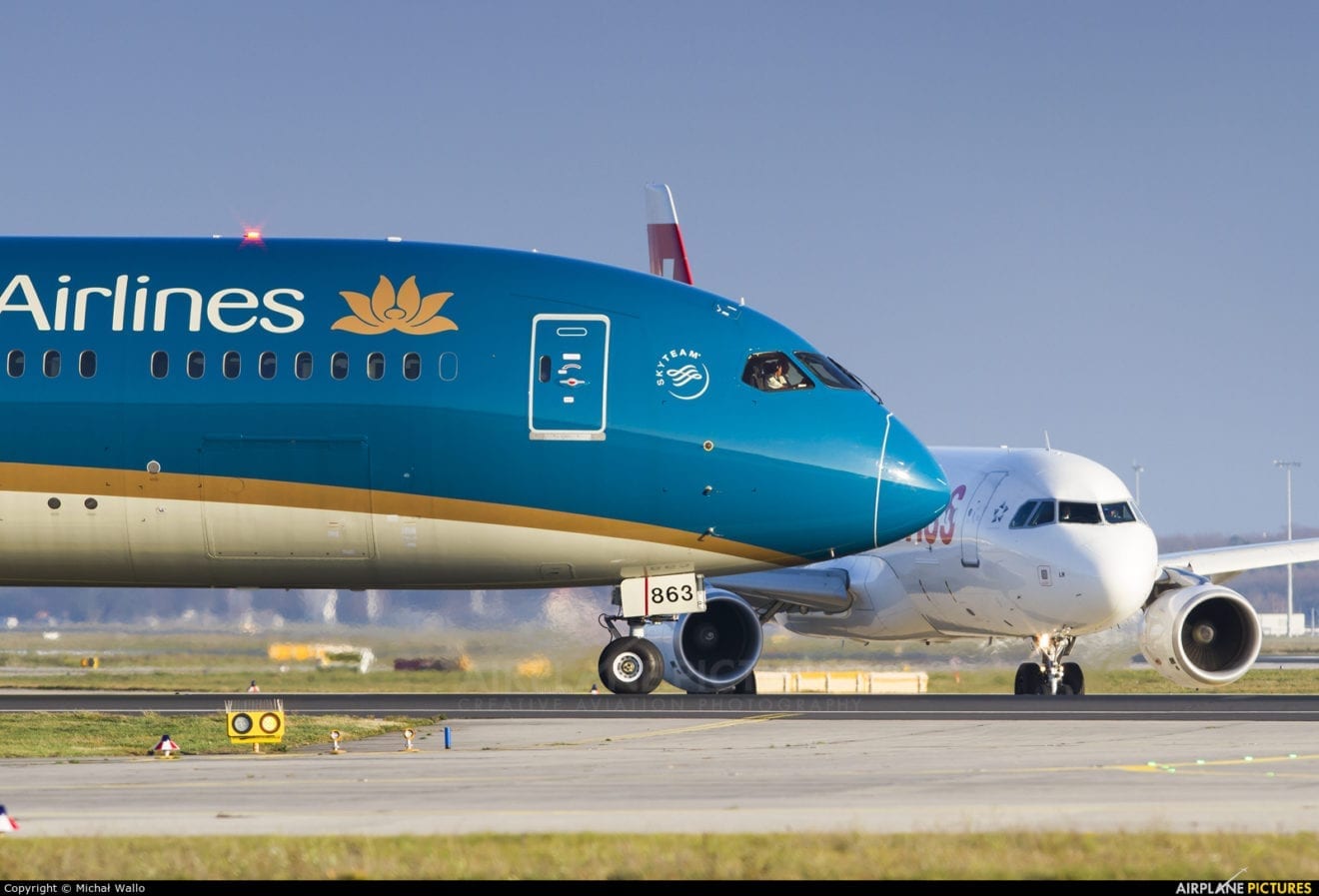
    The Civil Aviation Authority of Vietnam (CAAV) on Monday requested airlines to stop selling tickets for domestic flights until further notice.

    Airlines would need to refund tickets for customers who’ve already purchased theirs from July 21, the CAAV added.

    The number of flights from cities and localities under Covid-19 social distancing orders as dictated by Directive 16 would be limited as well, it said.

    Since July, the CAAV has requested airlines to limit the number of flights from socially distancing localities to Hanoi amid concerning coronavirus threats. The Hanoi-HCMC flight route, an important one, has been limited to two flights a day at maximum.

    Domestic flight passengers must present effective negative coronavirus test papers.

    Vietnam closed its borders and canceled all international flights in March last year, and has since allowed only certain categories of visitors with strict Covid-19 quarantine requirements.

    The country has recorded 445,292 local Covid-19 cases since the fourth coronavirus wave hit Vietnam in late April.

  • UBS Replaces Veteran Intermediaries Head

    UBS Replaces Veteran Intermediaries Head

    The Swiss wealth manager is replacing the head of its business with financial intermediaries, after a 40-year veteran of the bank retires.

    Zurich-based UBS is appointing Thomas Frauenlob as the head of its business with other financial institutions such as independent asset managers, effective October 1, according to a memo seen by finews.com. The Swiss banker replaces Stefano Veri, who has overseen the so-called FIM business globally since 2015 and is retiring.

    Veri is uniquely heavyweight: he is a 40-year veteran of UBS’ private bank and part of a cadre of elite managing directors. A UBS spokesman confirmed the Ticino native’s retirement. Late last year, Veri was forced to postpone a push in Miami with intermediaries which is led by Mariana Gregori, who is responsible for international business.

    Frauenlob, Veri’s successor, is a former equities banker who moved into the wealth arm in 2016 when he was tasked with UBS’ business with Switzerland’s wealthy and family offices. The role was reduced to family office responsibilities in a restructuring 20 months ago. Frauenlob will be replaced by Josef «Joe» Stadler in this role, a spokesman said.

    In the wider FIM team, Andreas Moser last September replaced Severin Rupp in overseeing institutional intermediaries. Rupp defected to Vontobel, where he runs business with external asset managers.

    UBS’ remaining FIM management team besides Gregori is Claudio Scarfone for Switzerland, Beat Bachmann for Europe, and Hugo Kattendijke for Asia-Pacific.

    Frauenlob, who moves to the FIM business on Wednesday before taking over fully in October, will report to Anton Simonet, UBS head of wealth management in Switzerland as well as the FIM business, and to Iqbal Khan, who co-runs the wider wealth management unit together with Tom Naratil.

  • Shiseido to sell beauty brands BareMinerals, Buxom, Laura Mercier

    Shiseido to sell beauty brands BareMinerals, Buxom, Laura Mercier

    Shiseido Americas is selling cosmetics brands, BareMinerals, Buxom, and Laura Mercier to AI Beauty Holdings Ltd, a newly-formed affiliate of private equity investment firm, Advent International. The terms of the deal were not disclosed.

    Upon completion of the transaction, Pascal Houdayer, the former chief executive of NAOS (Bioderma, Esthederm, Etat Pur) will serve as CEO of the standalone business.

    Launched in 1995, BareMinerals is a leader in mineral-based cosmetics; Buxom, created in 2007, is a colour cosmetics brand ranked among the top five US brands across various lip categories. Prestige makeup brand Laura Mercier was founded in 1996.

    “We are strong believers in the BareMinerals, Buxom, and Laura Mercier brands,” said Tricia Glynn, a managing director at Advent. “They are clear leaders in prestige beauty and are widely recognised for their quality, authenticity, and innovation, with differentiated products and devoted customers.”

  • Japan’s retail sales extend gains but Covid-19 challenges persist

    Japan’s retail sales extend gains but Covid-19 challenges persist

    Japan’s retail sales rose for a fifth straight month in July, beating expectations as the consumer sector continued its recovery, although a coronavirus resurgence has cast doubts over the spending outlook.

    A surge in Delta variant cases this month forced the government to widen state of emergency restrictions, which are now threatening to hurt consumer spending and derail a fragile economic recovery.

    Retail sales advanced 2.4% in July from the same month a year earlier, government data showed on Monday, slightly faster than economists’ median forecast for a 2.1% rise in a Reuters poll. It followed a 0.1% increase in June.

    “The recent strength in retail sales is unlikely to last,” Marcel Thieliant, Senior Japan Economist at Capital Economics, said in a note.

    “The severe Delta wave now hitting the country coupled with an ever-expanding list of prefectures under states of emergency resulted in a renewed weakening in consumption this quarter,” Thieliant said.

    The better-than-expected rise in retail sales in July came as authorities struggled to get a defiant public to heed stay-at-home restrictions in major cities like Tokyo, which hosted the Olympics during the month.

    The trade ministry data found strong demand for a variety of items such as cars, clothing, general merchandise, and food while fuel was helped by higher petrol prices.

    Small retail establishments like convenience stores and drug stores saw the biggest sales growth from a year earlier.

    However, growth was also flattered by the comparison with last year’s steep slide, when consumer demand was hurt by the coronavirus pandemic.

    Compared with the previous month, retail sales gained a seasonally adjusted 1.1% as consumption continued the surprising growth seen in the second quarter, helped by the Tokyo Olympics.

    The world’s third-largest economy grew at a better-than-expected rate in the April-June quarter, thanks largely to private consumption, which makes up more than half of the country’s gross domestic product.

    But rebounding consumer activity poses a challenge to policymakers as the more contagious Delta variant of COVID-19 upends the nation’s healthcare system, with state of emergency curbs now covering nearly 80% of Japan’s population.

    “People’s mobility has been decreasing, and consumption may peak out in August,” said Atsushi Takeda, chief economist at Itochu Economic Research Institute, noting that the downward trend could drag until September.

  • Oil Falls In Biggest Weekly Decline In Months On Demand Worries

    Oil Falls In Biggest Weekly Decline In Months On Demand Worries

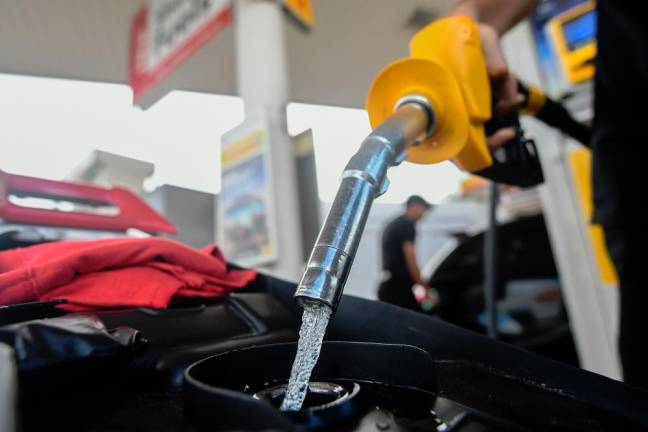
    Oil prices fell about 1% lower on Friday, posting to their steepest weekly losses in months, on worries that travel restrictions to curb the spread of the Delta variant of COVID-19 will derail the global recovery in energy demand. Crude futures also came under pressure as the dollar strengthened after monthly U.S. job growth came in higher than expected. A stronger dollar makes greenback-denominated oil more expensive for buyers in other currencies.

    Brent crude oil futures settled down 59 cents, or 0.8%, at $70.70, while U.S. West Texas Intermediate (WTI) crude futures fell 81, or 1.2%, to settle at $68.28 a barrel.

    For the week, global benchmark Brent shed more than 6%, its largest week of losses in four months, and WTI tumbled nearly 7% in its biggest weekly decline in nine months.

    “The price action we see now is really a function of the macro picture,” said Howie Lee, an economist at Singapore bank OCBC. “The Delta variant is now really starting to hit home and you see risk aversion in many markets, not just oil.”

    Growth in the rig count has slowed in recent months as drillers continue to focus on capital discipline.

    U.S. President Joe Biden said that COVID-19 cases in the United States, which have climbed to a six-month high, will go up before they come down and that the new Delta variant is taking a needless toll on the country.

    Japan is poised to expand emergency restrictions to more regions of the country, while China, the world’s second-largest oil consumer, has imposed curbs in some cities and canceled flights.

    “Increased travel restrictions in China have come under the microscope of traders and could become a key oil price mover as this month proceeds,” said Jim Ritterbusch, president of Ritterbusch and Associates LLC in Galena, Illinois.

    U.S. oil rigs rose two to 387 this week, energy services firm Baker Hughes Co said. Growth in the rig count has slowed in recent months as drillers continue to focus on capital discipline.

  • Singapore’s Shopee disrupts the Brazil’s e-commerce sector

    Singapore’s Shopee disrupts the Brazil’s e-commerce sector

    Shopee took just two years to become Brazil’s most downloaded shopping app, winning users to its low-cost marketplace with its game-changing approach to e-commerce: in-app mini-games offering coupons to winning users.

    The Singapore-based company has combined online shopping with the gaming nous of its separate mobile game arm Garena – creator of “Free Fire”, Brazil’s most downloaded title for eight consecutive quarters – to generate sales analysts estimated at almost a third of local champion Magazine Luiza.

    Back home, Shopee only needed five years to become Southeast Asia’s most-visited e-commerce website, overtaking the likes of Lazada, backed by China’s Alibaba Group Holding, and Tokopedia, backed by Japan’s SoftBank Group.

    “Shopee has a track record in Southeast Asia of coming into the market late, looking at how others have solved existing problems and then building a system to leapfrog those issues,” said analyst Jianggan Li at advisory firm Momentum Works.<

    Shopee’s early surge highlights the space left for foreign entrants to grow in a sector once dominated by regional firms like Magazine Luiza and Argentina’s MercadoLibre.

    To be sure, the startup’s timing was fortuitous, launching in Brazil just as the COVID-19 pandemic drove consumers away from physical stores, pushing up 2020 e-commerce sales by 44% to $42 billion, showed data from Brazilian payments company EBANX.

    Shopee – akin to Alibaba’s AliExpress, carrying Chinese-made knick-knacks – emerged as Brazil’s top app by downloads and time spent in use, showed data from analytics platform App Annie.

    Yet, in pursuit of growth, Shopee is still losing money, propped up by Sea’s profitable gaming division. In the second quarter of this year, Garena posted adjusted earnings before interest, tax, depreciation and amortization (EBITDA) of $740.9 million even as the e-commerce arm lost $579.8 million.

    “Money being generated by one side of the business, which is a cash cow, is being reinvested aggressively in Brazilian e-commerce – with success,” said Itau BBA analyst Thiago Macruz.

    Sea’s Brazil foray is just one element of its global ambition. Investment arm Sea Capital is also considering putting money into startups in Latin America and beyond, said a person with knowledge of the matter, who was not authorized to speak with media and so declined to be identified.

    The firm has also taken Shopee to Chile, Colombia and Mexico where, unlike Brazil, it has no locally based staff and so has partnered social media influencers to increase brand awareness, said two people familiar with the matter.

    Sea, whose shareholders include Chinese gaming leader Tencent Holdings, declined to comment.

    The firm has disclosed little data about Shopee Brazil, but Itau BBA analysts estimated the value of goods and services sold on the platform last year hit 12 billion reais ($2.27 billion).

    The average price on its marketplace is 40 reais, other estimates showed, less than a third that of e-commerce leader MercadoLibre, which often carries higher-value branded products.

    Sea’s biggest challenge for Shopee Brazil is delivery in such a vast country. It reduced its reliance on the local postal system this year in favor of private carriers, but is still competing against rivals with proprietary delivery services.

    Shopee aims to have one main logistics partner per country in the region, a company source said.<

    The company itself expects e-commerce growth in the region to spawn more delivery partnerships, as happened in Southeast Asia, Sea executives told analysts on a call this month.

    On the same call, Group Chief Corporate Officer Yanjun Wang called Brazil “a good market for continued investment.”

    Competition in Latin America’s largest economy stepped up this month when Shopee’s nearest rival in terms of product offering, AliExpress, opened up its marketplace to domestic sellers charging a single-digit commission. AliExpress had been in Brazil for 11 years; Shopee did similarly after its first year.

    Small-business owner Luciana Carvalho began selling plastic packaging products on Shopee in February, attracted by the free shipping and 6% commission – compared with MercadoLibre’s 17%.

    “It’s easy to sign up, calculate your commission, get your delivery tags, your receipts. It makes us invest more in the platform,” she said.

    In a move toward profitability, Shopee has since raised commission to 18% – as much as twice marketplaces can charge in some Southeast Asian countries, indicating Latin America’s potential profit margins. Carvalho continues to use Shopee, though she prefers MercadoLibre for its “unbeatable” delivery.

    To further improve profitability, Goldman Sachs analysts said Shopee could start selling higher-ticket items, as it has in Southeast Asia. Momentum Works’ Li expects Shopee to add financial services to its Brazil app as it has in Indonesia.

    “I wouldn’t be surprised,” if they reached number one, said Li, “Given what they have done in Singapore, Indonesia and Malaysia, Thailand.”