Author: Mei Ling Tan

  • Kia Workers Accept Wage Deal Without Strike For The First Time In A Decade

    Kia Workers Accept Wage Deal Without Strike For The First Time In A Decade

    Workers’ Union at Kia Motors has voted to accept the company’s wage proposals without a strike for the first time in 10 years. According to a report from IANS, the carmaker said that 68 percent of 26,945 workers have voted in favor of the wage, which includes an increase of 75,000 won ($64.30) in monthly basic pay, two months of wages in performance-based pay, and cash bonuses worth 5.8 million won. The report also mentioned that over 1,600 out of the 28,604-member union abstained.

    The company has rejected the Union’s demand to extend the retirement age from current 60 to 65, however, the company reinstated fired workers.

    The automaker and the workers’ Union reached a tentative wage deal early this week without staging a strike amid the ongoing COVID-19 pandemic. This is the first time that Kia will sign a wage deal without industrial actions. They will sign the wage agreement on Monday.

    Last month, Hyundai Motor Company and its union signed this year’s wage deal without strikes for the third consecutive year.

  • Central Group takes control of Bangkok’s Mega Bangna parent

    Central Group takes control of Bangkok’s Mega Bangna parent

    When Vietnamese Prime Minister Nguyen Xuan Phuc visited Thailand in August, a red carpet was rolled out for him at Central Group’s Central Ladprao, a shopping complex in downtown Bangkok.

    The premier had been invited to attend the opening ceremony of a Vietnamese trade fair. He was greeted by members of Central Group’s founding Chirathivat family, including Chief Executive Tos Chirathivat, who reminded his guest that he wanted to invest more in Vietnam, the group’s biggest market outside Thailand.

    Tos introduced the premier to his youngest son, who had just graduated from a U.S. university and will join the family business in the group’s online operations.

    “He doesn’t know anything about retail,” Tos, laughing, said. “But the young generation, they know a lot about digital technology.”

    International expansion and e-commerce are two challenges that Tos, a grandson of group founder Tiang Chirathivat, has been tackling as the traditional retail business faces slowing growth.

    Like many other family businesses in Thailand, the Chirathivats are ethnic Chinese.

    Founder Tiang emigrated from Hainan Island to Bangkok in 1925. While many other Chinese immigrants chose to start businesses in the city’s Chinatown, he set up his first shop in the Thonburi district on the outskirts of Bangkok and across the Chao Phraya River from the city center.

    His shop was close to a large temple built by the royal family, so Tiang sold refreshments and provided a boat parking service for visitors.

    He moved across the Chao Phraya River to a location near the grand Oriental Hotel (now the Mandarin Oriental), where he opened a store with his eldest son, Samrit, in 1947. In 1956, the family opened Thailand’s first department store in Chinatown.

    Today, the 70-year-old group has become a dominant player in Thailand’s retail sector, with more than 60 department stores and shopping malls. It also operates hotels and restaurants, with a total of 5,000 outlets.

    In 2016, annual sales amounted to 332.7 billion baht ($9.98 billion), up 17% from a year earlier, confirming its status as the largest retailer in Thailand. Its closest rival is The Mall Group, which operates such major Bangkok shopping malls as Siam Paragon and Emporium, with estimated annual revenue of 50 billion baht. Central Group is also larger than other major regional peers, such as the retail operations of SM Investments in the Philippines.

    The Chirathivat family is the third-richest family in Thailand, with an estimated worth of $12.3 billion, according to Forbes.

    Central’s growth has been supported by an expanding economy, a rising middle class and demand for new goods and services. It built malls and stores in competitive locations offering a wide range of products. But Thailand’s population is starting to age at a more rapid rate than neighboring countries, while they are spending more abroad. This is causing domestic demand to stagnate as competition intensifies and becomes more diversified.

    “There are so many things that are happening now that affect department stores,” which account for about 40% of group revenue, Tos said in a recent interview. “The retail market is so much bigger than just department stores,” referring to various forms of retail operations from malls to discount stores and specialty stores.

    The 52-year-old Tos said it is “pretty simple” for him to grasp industry trends given his long experience in the family business. “I’m good at looking at the big picture, investing and expert at finding money.”

    Tos, the youngest of Samrit’s eight children, studied finance at Columbia University in New York and initially wanted to be an investment banker. He worked for a year at Citibank in Thailand. But he decided to return to the family business and launched a hypermarket chain, Big C, in 1994.

    He also oversaw an expansion into rural areas, which now account for around half of the group’s retail sales, although a similar venture in China proved less successful.

    Because of his largely successful track record in leading the group’s diversification, the board of directors strongly backed the appointment of Tos as chief executive in 2013, although he said he was reluctant to take up the post because he was already “personally satisfied” with retail. “He had outstanding talent and everyone in the family knew that,” one family member said.

    He has since then spearheaded an international expansion drive by buying several European department stores, including Italy’s La Rinascente and Germany’s KaDeWe, as well as the local arm of Big C in Vietnam. International operations now account for roughly 30% of group revenue.

    ONLINE AMBITIONS

    But Tos expresses less confidence about his ability to keep up with online operations, in contrast to his deep knowledge about traditional brick-and-mortar businesses.

    “Digital and e-commerce is the only unknown for me, but it is also the future,” he admitted. “I’m not sure in terms of execution and how to bring in growth. But you can see everywhere now that if it works, the value is incredible and crazy.”

    Pressure is mounting. Although Southeast Asia’s e-commerce market is still relatively small with no dominant player, like Alibaba Group Holding in China or Amazon in the West, the market is growing rapidly. Amazon recently entered Singapore, while Alibaba has invested in Lazada, the largest e-retailer in Southeast Asia, and is planning to build a large logistics center in Thailand.

    Tos has responded by bringing in outside experts to help. Last year, the group started recruiting non-family executives into top management posts that resulted in a team dominated by outsiders for the first time. The new team, which reports directly to Tos, is aimed at strengthening the group’s shift to online operations.

    Nicolo Galante, an Italian and former McKinsey consultant who has revamped online operations and created new marketing channels for European retailers, became the group’s chief operating officer. He is initiating reforms by adding online shopping channels for each retail business from department stores to sports specialty outlets and attracting talent to new posts, such as chief technology officer.

    “In the next two to three years, the picture of e-commerce in Thailand will change dramatically,” Galante said. Unlike Europe, where the traditional retailers found themselves far behind Amazon by the time they decided to shift online, the developing e-commerce market in Southeast Asia means that “we are not yet late,” he said. “We have the unique opportunity to write the history for ourselves. But it is going to happen very fast and very soon.”

    Former bankers have also joined the group to provide financial expertise essential for supporting e-commerce. Yol Phokasub, former head of Siam Commercial Bank, was appointed to the newly created post of president. Prasarn Trairatvorakul, a former Bank of Thailand governor, is serving as a senior advisor.

    “Central has been aggressively adopting experts and foreigners as executives under Tos,” said Natenapha Wailerdsak, a lecturer at Thammasat Business School. This is a positive move, she said, since relying heavily on insiders could “restrict the businesses from expanding beyond the abilities of its family members.”

    FAMILY DOMINANCE

    Nonetheless, Central is often seen as one of the most family-dominated conglomerates in Thailand compared with other groups, such as Charoen Pokphand Group, the agribusiness-to-retail-to-telecoms empire led by Dhanin Chearavanont.

    Family members fill all of Central’s 15-member board of directors and seven-seat executive committee. Most of its group companies are private, with a few exceptions like development unit Central Pattana.

    In contrast, most of CP’s major assets are listed and its management includes non-family executives who head core listed subsidiaries such as Charoen Pokphand Foods and 7-Eleven operator CP All.

    “My grandfather and father, we wanted all the family members to be in the company if they wished,” Tos said. “But CP, they say they don’t want family members in the group. They are more aggressive and want the best professional people to run the business.”

    Dhanin said in his autobiography last year that just before he became president of CP Group when he was 30, he asked his relatives, including his older sisters and the wives of his brothers, to leave the company and he replaced them with young professionals.

    He also forbade hiring the children of family members for CP core businesses. “Bringing a son on board could also jeopardize the company’s future,” Dhanin said. “Not only would the company lose valuable [outsider] executives [who feel they will not be able to get a promotion], it would have trouble ensuring a smooth transition from one leadership to the next.”

    The Chirathivats share “a different philosophy,” Tos said. The group has a “stricter” management selection process that requires at least 75% approval from the family-dominant board. “They must have a trust in you, think that you are capable and good for the family,” he explained.

    The extensive Chirathivat family provides plenty of potential candidates. Founder Tiang had 26 children with three wives that resulted in roughly 220 Chirathivat offspring, of which 51 are involved in the business.

    To keep the family bonds strong and avoid disputes, Samrit Chirathivat, the founder’s son who built the foundation of the retail business, insisted that the family should live together. He built a house in Bangkok’s central Sala Daeng district that housed nearly 50 Chirathivats across three generations.

    “We were brought up together and interacted with each other a lot,” said Suthiphand Chirathivat, another of the founder’s sons and a group executive. The children worked in the group’s shops as clerks during school holidays.

    Although the central Chirathivat residence is now old and too small to hold many family members, some of them still live together in three main compounds in Bangkok.

    Family members also keep in touch through an online messaging group. Every year on July 10, the anniversary of the founder’s death, the family gathers at a temple near where the group had its first shop.

    A family council headed by Suthichai Chirathivat, another son of the founder who was the group’s first CEO and current chairman of the board, discusses issues such as marriage, education and the family budget that is financed by income from unlisted group companies. “We provide funds for those that aren’t involved in the business, too,” said Suthiphand Chirathivat.

    Central Group has put in place a succession plan to avoid internal disputes, which includes family and outside candidates. “The more pressing challenge for the Central Group when it comes to top management is how to transform it from a tightly family-dominated group to a more open and professional one,” said Pavida Pananond, associate professor at Thammasat Business School. “They need to address the strategic need to become a more regional and global player in retail.”

    Tos certainly recognizes that. “The company is growing faster than our babies,” he said. “To keep growing, we will need outsiders to take care of the group.”


  • Ferrari Boss Has No Fears Over Electric Future

    Ferrari Boss Has No Fears Over Electric Future

    Ferrari, the sports car maker synonymous with roaring petrol engines, welcomes the shift to electric powertrains and is confident of retaining its lead in the market for high-performance cars, its chairman said on Monday.

    The European Union last month proposed an effective ban on the sale of new petrol and diesel cars from 2035 as part of its measures to combat global warming, posing a challenge to automakers that have made powerful engines a key selling point.

    But Ferrari Chairman and acting CEO John Elkann told analysts on Monday the company known for its ‘Prancing Horse’ logo saw the change in technology as an opportunity.

    “We see the regulation as welcome,” Elkann said, as Ferrari stuck to its main 2021 targets after reporting second-quarter core profits just ahead of expectations.

    “The opportunity set by electrification, electronics, and other technologies that are coming available will allow us to make even more distinct and unique products,” he said.

    Elkann, the scion of Italy’s Agnelli family which controls Ferrari through its investment company Exor, was speaking weeks before new CEO – technology industry veteran Benedetto Vigna – takes the helm on Sept. 1.

    One of Vigna’s tasks could be to forge new partnerships, along the lines of Ferrari’s existing tie-up with Britain’s Yasa, now part of Daimler, to help with the shift to an electric era, Elkann said.

  • Ireland recalls Vietnam’s Hao Hao noodles over food safety concerns

    Ireland recalls Vietnam’s Hao Hao noodles over food safety concerns

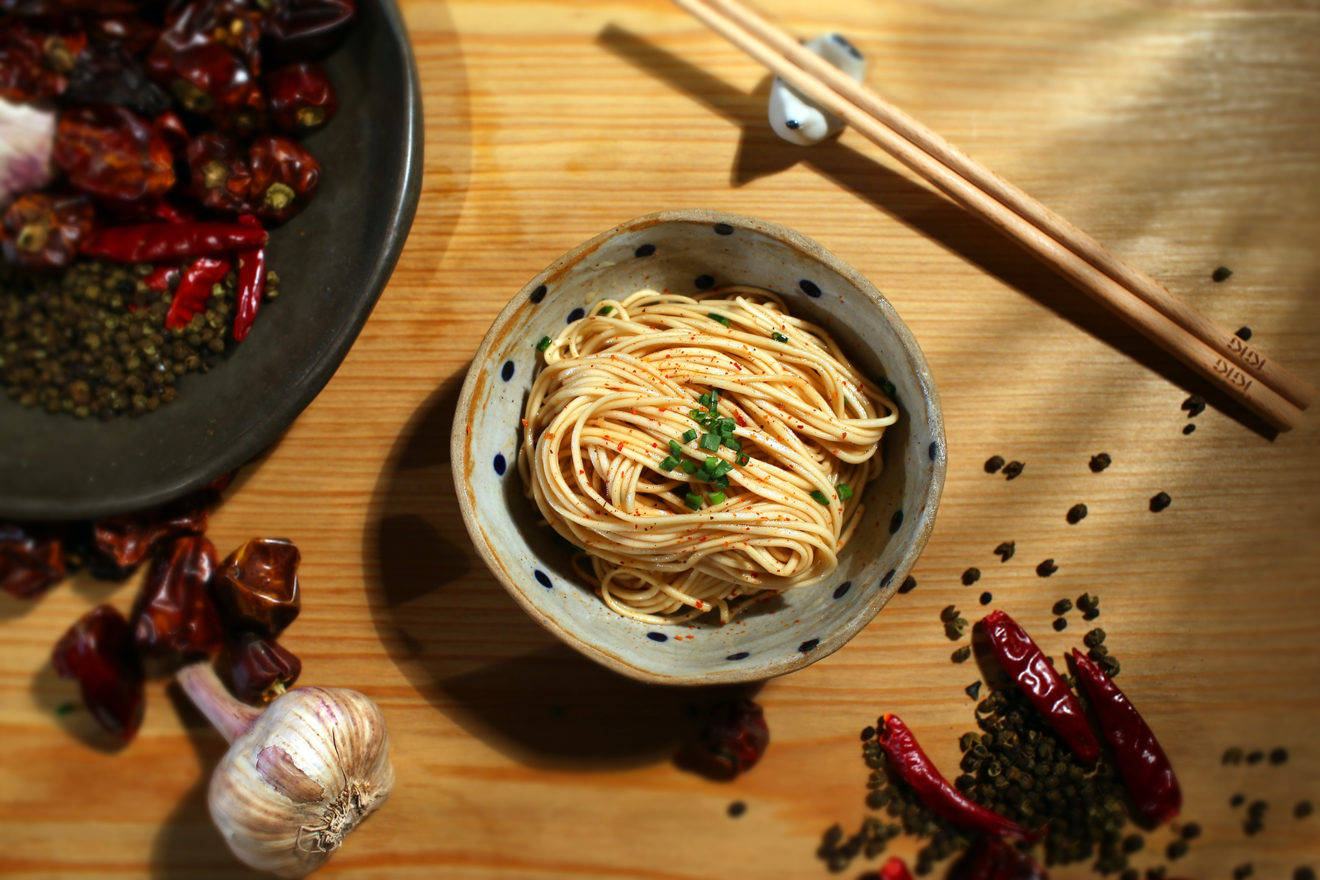
    The Food Safety Authority of Ireland has recalled some batches of Acecook Vietnam’s Hao Hao and ‘Good’ branded noodles for containing banned substances.

    On Aug. 20, the Food Safety Authority of Ireland (FSAI) announced that batches of Hao Hao and Good noodles are being recalled owing to the presence of ethylene oxide – an illegal pesticide.

    Ethylene oxide is not authorized for use in foods in the European Union (EU), of which Ireland is a member.

    There are three products in the FSAI’s recall list, two of which are from Acecook Vietnam, a shipment of Hao Hao spicy and sour shrimp noodles with an expiry date of Sept. 24, 2022 and Good noodles with an expiration date until Nov. 10, 2022.

    Besides, China’s Yato seafood noodles, with an expiration date of Nov. 30, 2022, were also revoked by Ireland.

    According to the FSAI, the consumption of products contaminated with ethylene oxide does not pose an acute hazard to the user, but could lead to other long-term health problems. Therefore, the agency recommends minimizing exposure to this substance.

    The Ministry of Industry and Trade (MoIT) on Saturday morning said it had sent a request to Acecook Vietnam JSC to promptly report on its production processes and procedures, and explain the difference between products consumed domestically and those exported.

    In addition, the MoIT is also reviewing the entire list of products distributed by Acecook Vietnam countrywide, checking and clarifying production processes and identifying violations.

    An Acecook representative said: “We are conducting a meeting and will have an official announcement for consumers soon.”

    Vietnam presently has approximately 50 companies producing instant noodles, including both domestic and foreign. Currently, instant pho and instant noodles made in Vietnam are present in more than 40 markets.

  • Vietnam Airlines aims to start first US route in October

    Vietnam Airlines aims to start first US route in October

    Vietnam Airlines is planning to operate regular flights between Vietnam and the U.S. starting October, seeking to fulfill a dream of nearly two decades.

    The state-owned carrier will use either Boeing 787 or Airbus SE A350 aircraft for its inaugural U.S. route from Ho Chi Minh City to San Francisco with one refueling stop, CEO Le Hong Ha said.

    Since last year, the airline has been operating irregular charter flights to repatriate Vietnamese from the U.S. during the Covid-19 pandemic.

    The airline will rely on transporting cargo to offset initial low passenger demand, Ha said.

    Vietnam Airlines has been the worst-Covid-19-hit carrier in Vietnam. It has recorded a loss of about VND7 trillion ($306.65 million) in the first half this year, Ha commented.

    The airline in 2003 was ordered by the Ministry of Transport to begin direct services to the U.S. by 2005. However, concerns about profitability kept the airline from realizing the goal.

    Other Vietnamese airlines like budget carrier Vietjet and startup Bamboo Airways have all voiced interest in flying directly to the U.S.

    Bamboo Airways in May acquired slots to operate regular direct flights from HCMC to San Francisco and Los Angeles starting Sep. 1. But it is unclear whether flights would commence given the current severity of Covid-19 in Vietnam.

    In the first seven months of this year, Vietnamese carriers served 13.7 million passengers, down 32 percent year-on-year, according to General Statistics Office

  • UOB Shuffles Board

    UOB Shuffles Board

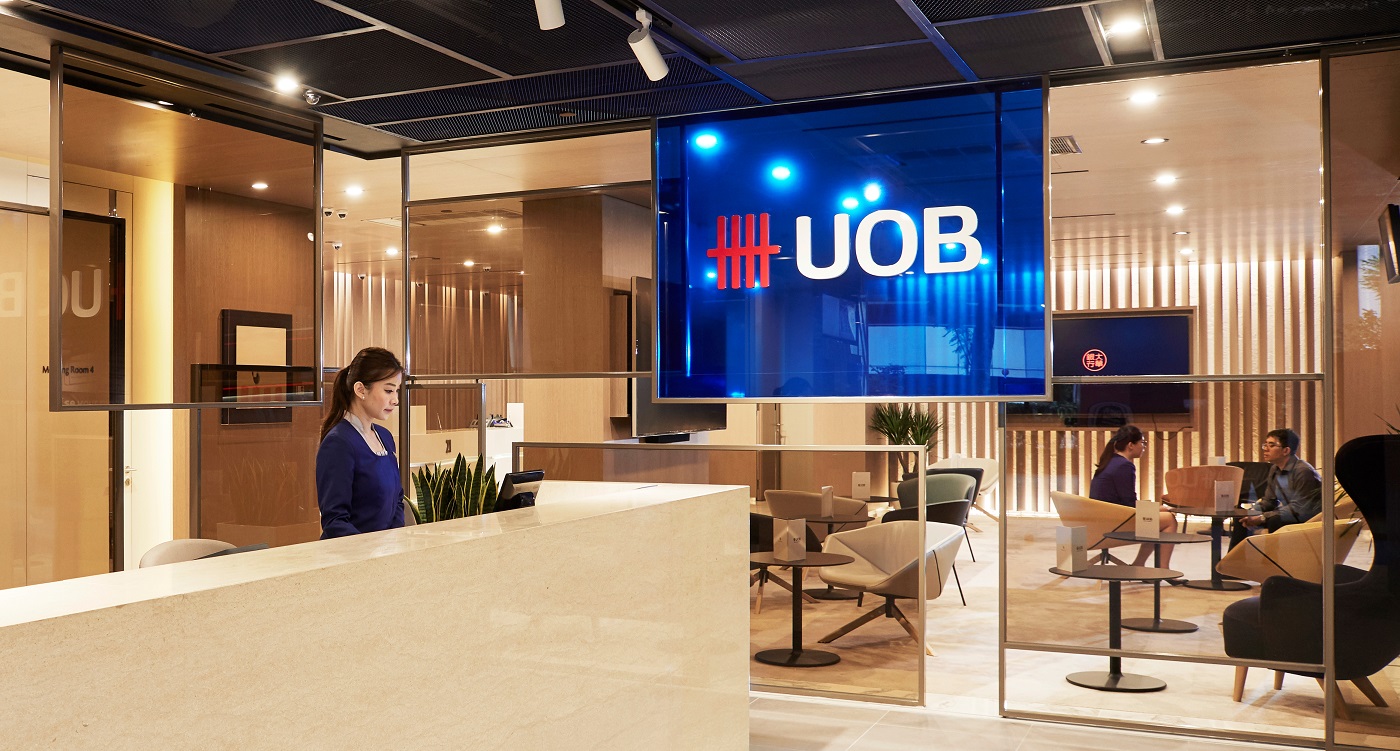
    UOB has announced changes to its board, including the addition of a 40-year banking veteran as its new independent director.

    Tracey Woon joins UOB as an independent director as well as a member of its audit committee and board risk management committee, according to a statement, effective September 1.

    Woon, 65, is currently a director at Singapore Press Holdings, a member of the Securities Industry Council and the Listings Advisory Committee of the Singapore Exchange amongst other roles.

    Woon is a 40-year banking veteran in the region and was previously UBS’ APAC global wealth management vice-chair from 2016 until her retirement in 2020 and Citibank’s ASEAN corporate and investment banking vice-chair and UBS’ APAC global wealth management vice-chair.

    Other changes to UOB’s board include the addition of Dinh Ba Thanh and the exit of James Koh, 75, who will step down effective August 31 after nine years as an independent director since 2012.

    Thanh, 64, is the founder and chief executive of Vietnam’s largest integrated media tech group DatVietVAC Group Holdings, which was established in 1993 as the country’s first privately-owned advertising and media company. Thanh currently also serves on the board of trustees at the Asia Business Council and is also a member of the World Economic Forum.

    The appointment of the two new directors will further enhance the diversity of the board,» said UOB chairman Wong Kan Seng. In guiding the group in its regional strategy, the board will benefit from Tracey’s extensive background in banking across the region and Thanh’s insights in transforming his business into a successful media entertainment technology company in Vietnam.

  • Cookie Dough range can be baked or eaten raw

    Cookie Dough range can be baked or eaten raw

    Snacking on raw cookie dough is a lot like watching reality TV: You know it’s bad for you, you know other people will judge you if you admit to it, but it just feels so good. Well, if you’re someone who likes munching on break-and-bake cookie dough while bingeing Love Is Blind (that sounds AMAZING right now), I have great news for you. Pillsbury has been swapping out its traditional cookie dough recipe for dough that you can safely eat raw!

    We first spotted this news on the Instagram @Candyhunting, who posted a photo of some new packaging that boasted Pillsbury Chocolate Chunk & Chip cookie dough was safe to eat raw or baked.

    This content is imported from Instagram. You may be able to find the same content in another format, or you may be able to find more information, at their web site.

    Not only that, Candyhunting said that this would soon be the case for ALL Pillsbury cookie dough thanks to using “heat-treated flour and pasteurized eggs to kill off possible foodborne pathogens.”

    That might sound way too good to be true, but it is, in fact, true! Pillsbury confirmed to Delish that it is transitioning all its refrigerated cookie doughs to be safe to eat raw or baked by the end of summer 2020. Not only that, but also all of its refrigerated brownie dough will be safe to eat raw or baked too!

    They also clarified that this recipe will just be tweaked to use ingredients to make it safe to be eaten raw—it will still taste like the classic cookies you know and love.

    If you follow the world of food closely though, you might know that it can take a while for products to be swapped in though, so for now and always, you should be checking to make sure you see the “safe to eat raw” seal on packaging before going to town. If you see that though, well, fire up The Bachelor and get to snacking!

  • UBS Poaches Middle East Team From Rival

    UBS Poaches Middle East Team From Rival

    The Swiss wealth giant nabbed five wealth managers from Credit Suisse in the United Arab Emirates.

    Zurich-based UBS is expanding in the Middle East by hiring Georges El Khoury, currently country head in the U.A.E. for Credit Suisse. El Khoury will report to Ali Janoudi, an influential UBS group managing director who oversees the Middle East and Africa private bank, and to Niels Zilkens, the Dubai head.

    The region is both a boon for private banks as well as – reportedly – a source of huge staffing tension. The U.S. outlet five weeks ago published a blistering report about Credit Suisse’s Middle East boss Bruno Daher.

    El Khoury is walking from Credit Suisse to UBS with four staff including Raoul Rahme, another managing director, and Iyad Tamim Jundi, Abdullatif Karami, and Sarika Chandwani.

    A Credit Suisse spokesman said the bank had promoted Saad Osseiran as head of wealth management in the U.A.E. and in Oman, and Fahad Al-Ebrahim as market leader for Kuwait as a result of the team leaving.

  • BWX takes controlling stake in Go-To Skincare, as profit soars

    BWX takes controlling stake in Go-To Skincare, as profit soars

    ASX-listed company BWX has snapped up a controlling stake in beauty entrepreneur and young rich lister Zoë Foster Blake’s business Go-To Skincare in an $89 million deal.

    BWX scooped up 50.1 percent of Go-To with the deal valuing the business, which sells its range of moisturizers, face masks and bubble bath online and through Mecca stores, at $177 million.

    Ms Foster Blake started Go-To in 2014 and the business has boomed during the coronavirus pandemic, recording revenue of $38 million last year as consumers treated themselves with skincare products. She owns a stake in the business.

    She started her career writing a beauty column at Cosmopolitan. Ms Foster Blake is the author of several books including The Wrong Girl and No One Likes A Fart and headed up Australia’s most recent tourism campaign with her husband, comedian Hamish Blake.

    Ms Foster Blake drew on her beauty expertise to found Go-To and garnered a loyal customer base through savvy use of her extensive social media following.

    The peach packaged brand has expanded to include Gro-To, plant-based skincare for babies and Bro-To, which is marketed to boys and men and has expanded internationally into the United States.

    Go-To will remain a standalone brand with Ms Foster Blake as strategic shareholder, chief creative officer and board director of Go-To and the company’s other co-founders will also remain in the partnership.

    Ms Foster Blake said two Australian beauty companies coming together to cement Australia’s reputation in the sector was “very exciting” and would accelerate Go-To’s growth internationally.

    “When we embarked on this process we wanted a compatible-like minded partner who as culturally aligned, shared our values on sustainability, inclusivity and quality, really ‘got’ our brands, and who could assist in unlocking Go-To’s international potential,” she said. “BWX immediately made sense. They live and breathe skincare and have a proven track record globally.”

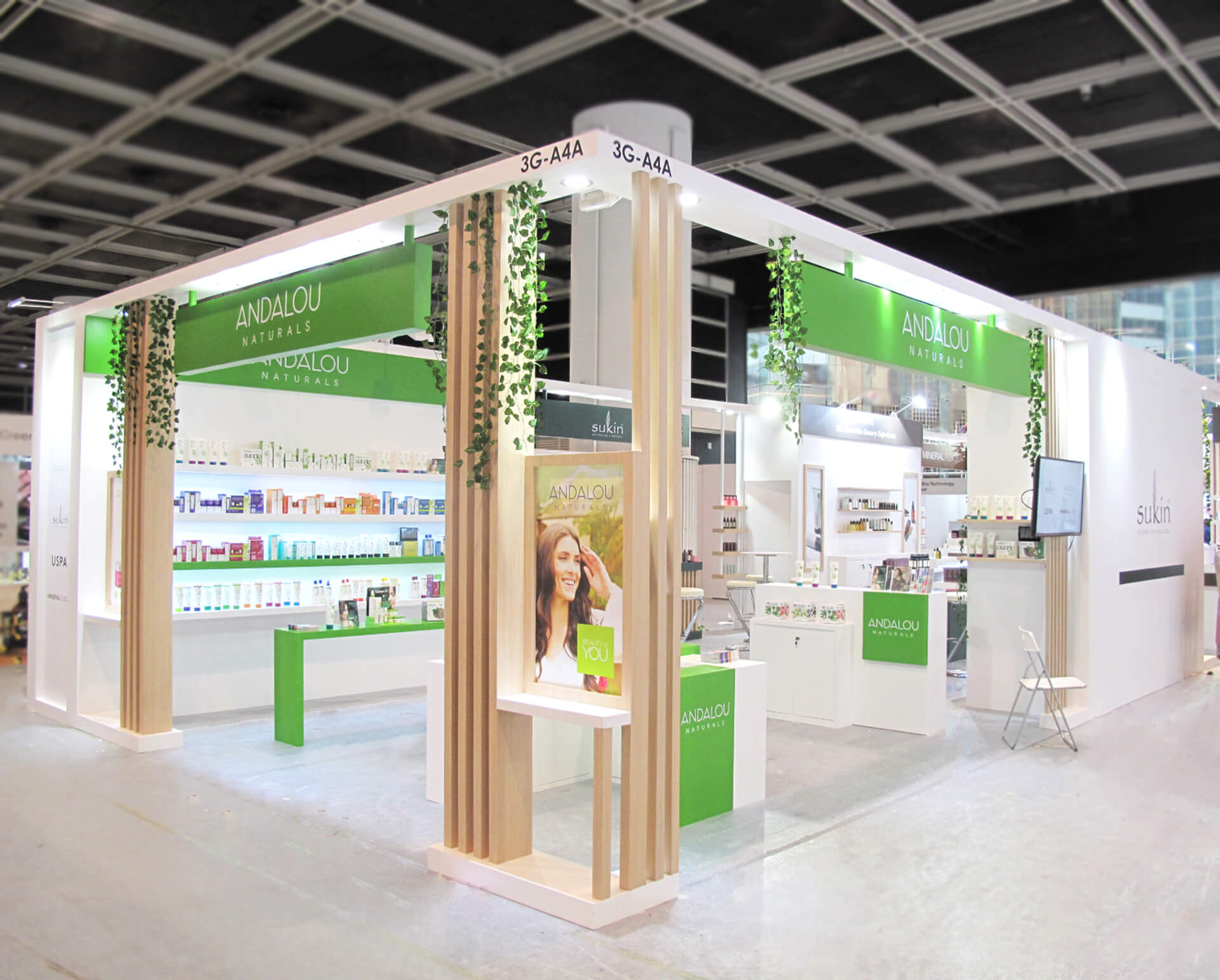
    BWX already owns the Sukin, Andalou Naturals, Mineral Fusion, and Nourished Life brands and in its full-year results on Friday reported a 61 percent lift in net profit to $23.7 million for the year and a 3 percent increase in revenue to $194.1 million.

    BWX chief executive Dave Fenlon said Go-To was an authentic brand with a loyal customer following and an exciting growth outlook.

    “Zoë is a proven brand-builder and innovator,” he said.

    “This partnership will provide BWX with an opportunity to accelerate our international growth strategy, increase our sales via the direct-to-consumer channel, while also providing access to a potential new growth customer demographic and exposure to a premium brand which complements our existing portfolio.”

  • Melbourne baker brings back in-store kitchen at revitalised flagship

    Melbourne baker brings back in-store kitchen at revitalised flagship

    Baker Bleu has had a busy few years. After outgrowing its original 60-square-metre home in Elsternwick, which opened in 2016, and moving to a grand 400-square-metre space in Caulfield North in 2018, owners Mike and Mia Russell have just announced they’re upsizing – again.

    The pair is opening a new location in Hawksburn Village in Prahran, just off Malvern Road, in May.

    Just as exciting is who they’ve recruited to join the team. Carlton Wine Room head chef John Paul Twomey is leaving his current role to head up product and recipe development for Baker Bleu. He’s a veteran chef who spent a decade working for Andrew McConnell, including five years as head development chef.

    Baker Bleu, one of Melbourne’s best bakeries, is known for its long-fermented sourdough with beautiful caramel-hued crusts. And its dinner rolls, in 2019 he wrote, “To deny yourself the Baker Bleu dinner roll with good butter is to miss a moment of pure joy”.

    The new location will serve as both a pastry-production space (with controlled-temperature rooms and proofing cabinets “to allow for more control when creating sourdough croissants”) and a retail shopfront.

    The already exceptional offering will expand to include filled ficelles, granola pots, grab-and-go drinks and Market Lane filter coffee.

  • Alphabet Owned Wing Has Over 100,000 Drone Deliveries In Two Years

    Alphabet Owned Wing Has Over 100,000 Drone Deliveries In Two Years

    Alphabet-owned Wing has said that it will hit a landmark of 100,000 drone deliveries over the weekend. This news comes after two years of the launch of service in the Australian city of Logan which only has 300,000 people. This is happening at a time where there are reports stating that Amazon’s plans of drone deliveries are collapsing. Wing has said that it will be entering new markets in the coming months.

    “I think we’ll expand quite a bit. I think we’ll launch new services in Australia, Finland and the United States in the next six months. The capabilities of the technology are probably ahead of the regulatory permissions right now,” said Jonathan Bass, the comms head at Wing.

    Of all the deliveries more than half were completed in Logan itself in the last eight months. In the first week of August customers have placed orders for over 4,500 deliveries that works out to be one order every 30 seconds during its delivery window. Over 10,000 cups of coffee have been ordered, alongside 1,700 children’s snack packs, 1,200 hot chooks, 2,700 sushi rolls, and 1,000 loaves of bread.

    These drones have a range of 9.6 kms as they are limited by the capacity of their batteries and larger batteries are not possible because that will inhibit their ability to fly. This means the short trips are ideal for food delivery which happens in a package that resembles a McDonalds happy meal. Batteries add weight but apart from that, even parcels add weight, so these drones cannot carry anything more than 1.36 kg. But the system works well with fragile objects like eggs which don’t break.

    The drones cruise at a height of 100 to 150 feet in the air and lower down to about 23 feet when they reach the destination. There is a tether that lowers the package to the ground which is unhooked. No person is required to receive the package, something that Amazon’s solution needed.

  • Tesla Updates Mobile App With New User Interface & Features

    Tesla Updates Mobile App With New User Interface & Features

    Tesla has released version 4 of its mobile app which receives a massive overhaul of the user interface and adds a ton of new features. Users can unlock their vehicles using the app and remotely also manage the climate control system of the car apart from many other connected car functions. Version 4 is clearly the most comprehensive update to the app.

    Via the app users can also access the after-sales experience and book the car for servicing and repairs. It also lets users know the charge levels of the car remotely which is quite critical.

    Here are the new features that Tesla lists in its official release notes:

    — Refreshed vehicle and energy homepage
    — Streamlined Summon experience
    — Enhanced phone key support – vehicle no longer needs to be selected
    — Send commands to vehicle immediately upon opening app
    — Use Go Off-Grid to seamlessly disconnect your home from the Grid with Powerwall
    — Shop the Tesla catalog and view and manage your orders (available in select countries)
    — View Supercharging history and ability to pay outstanding Supercharging or service balance (available in select countries)

    Tesla is one of the first automotive companies to push over the air updates and has its own app.

    Tesla has also added support for widgets on iOS which was introduced in iOS 14 last year. Tesla has also added the supercharger billing experience in the app which comes at a time when the manufacturer is opening up the network to third-party vehicles.

    This update comes at a time when Elon Musk has said that it is close to rolling out its full self-driving software to users who opted for the package. Musk estimates after the release of the next beta, in 4 weeks the software update should be rolled out to users.

  • SHB sells consumer finance unit to Thai lender

    SHB sells consumer finance unit to Thai lender

    The Saigon-Hanoi Commercial Joint Stock Bank will sell a 50 percent stake in its consumer finance division, SHB Finance, to Thailand’s Bank of Ayudhya.

    Vietnam’s fifth-largest bank said in a statement it would sell the remaining 50 percent to Bank of Ayudhya after three years.

    Bank of Ayudhya said in a stock market filing that the deal is worth VND3.59 trillion ($157.75 million), adding: “The acquisition will enable the bank to capture growth outside of Thailand.”

    Japan’s Mitsubishi UFJ Financial Group holds a 76.9 percent stake in the lender, Thailand’s fifth-largest by assets.

    After more than three years since inception, SHB Finance has a presence in 46 provinces and cities and almost 300,000 borrowers.

    Another private lender, VPBank, sold a 49 percent stake in its consumer finance unit, FE Credit, in April to Japan’s Sumitomo Mitsui Finance Group for $1.4 billion.

    Other Vietnamese lenders like VietinBank and MSB are also looking to sell their consumer finance operations.

  • Macau retail sales surge after Covid-19 lockdown

    Macau retail sales surge after Covid-19 lockdown

    The value of Macao’s retail sales for the second quarter of 2021 totaled 20.70 billion patacas (about 2.58 billion U.S. dollars), up 200 percent year on year, the special administrative region’s statistic department said on Tuesday.

    The latest report from the Statistics and Census Service (DSEC) showed that among the major retail trade activities, sales values of watches, clocks and jewelry, leather goods, and communication equipment witnessed a notable year-on-year growth of 957.9 percent, 504.0 percent, and 460.4 percent respectively, whereas sales value of supermarkets dropped by 11.3 percent.

    As regards the sales volume index, the indices of watches, clocks and jewelry, leather goods, and communication equipment registered a significant rise, while the index of supermarkets decreased.

    For the first half-year of 2021, the value of retail sales reached 39.46 billion patacas, an uplift of 118.4 percent year on year. Besides, the sales volume index jumped by 130.4 percent.

    The value of retail sales in the second quarter of 2021 rose by 10.3 percent as compared with the revised figure of 18.76 billion patacas in the first quarter. Sales values of department stores and watches, clocks, and jewelry increased markedly, whereas sales values of communication equipment declined.

    Moreover, the sales volume index grew by 9.9 percent quarter on quarter.

    In respect of retailers’ comments, 40.9 percent of the retailers expected the sales volume to stay stable year on year in the third quarter of 2021, 42.9 percent anticipated a decrease, and 16.2 percent forecast an increase. Meanwhile, 78.0 percent of the retailers predicted that the retail prices would remain steady year on year in the third quarter, 15.3 percent foresaw a decrease and 6.7 percent expected an increase.

    As compared with the second quarter of 2021, about 44.7 percent of the retailers envisaged sluggish business in the third quarter, whereas retailers expecting stable performance and those anticipating a favorable outlook together accounted for 55.3 percent of the total.

  • Starbucks appoints its new China CEO

    Starbucks appoints its new China CEO

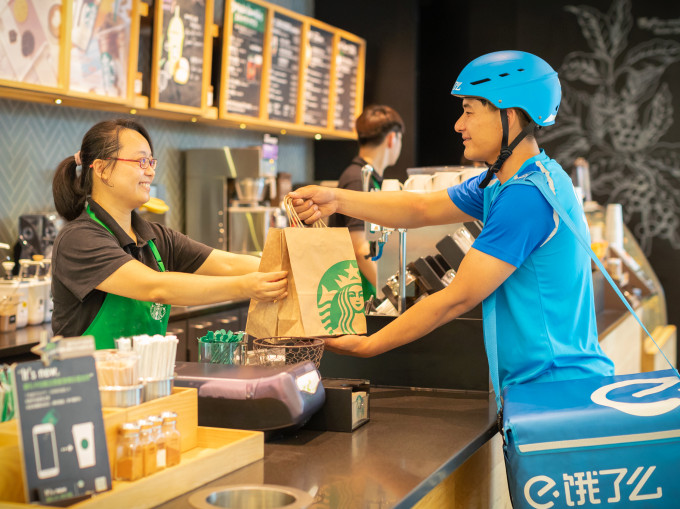
    Starbucks Coffee Company announced the promotion of Belinda Wong from president to chief executive officer of Starbucks China. Wong has been instrumental in Starbucks unprecedented growth in China—from 400 stores in 2011 to over 2,300 stores today—by leading on the foundational values of Starbucks mission and driving meaningful innovation for Starbucks partners (employees) and local customers in China. In this role, Wong will oversee Starbucks plans to double its scale to operate 5,000 stores in China by 2021. Wong will continue to report to John Culver, group president, Starbucks Global Retail.

    “Over the past five years, Belinda’s vision, experience and push for innovation has elevated Starbucks in the hearts and minds of the Chinese people and created a strong foundation for Starbucks growth in China,” says John Culver, group president, Starbucks Global Retail. “Belinda embodies our mission and values as a company, and her promotion will help further propel Starbucks efforts in building the partner and customer experience for the China market over the long-term.”

    “It is a privilege and honor to be appointed to lead Starbucks business in China during this important time,” adds Wong. “There continue to be tremendous opportunities for Starbucks in China and I look forward to further elevating the mission and values of our company through growth and innovation for our Chinese partners and customers.”

    Wong joined Starbucks in January 2000 and has held a number of leadership roles across the Starbucks China and Asia Pacific region. In her elevated role, Wong will focus on the overall long-term growth strategy and lead the innovation pipeline for Starbucks China. She will be responsible for key areas, including the vast digital and e-commerce opportunities across the market and overseeing the opening of Starbucks first international Starbucks Roastery in Shanghai in 2017.

    As president of Starbucks China, Wong led the evolution of the Starbucks Experience in China with the opening of four unique flagship stores which put the coffee passion and craftsmanship of baristas at the forefront of the customer experience. Over the past five years, Starbucks also launched several initiatives to elevate the Starbucks partner experience, reflecting the company’s foundational belief in the importance of investing in partners’ futures to support their growth and professional aspirations. Partner initiatives include a housing allowance subsidy for full-time baristas and shift supervisors, ongoing training and development opportunities through the Starbucks China University program and the company’s first-ever Partner Family Forums which showcased Starbucks deep culture and values to parents of Starbucks partners so they could learn about the company.

    In September 2016, Wong was among 50 recipients to receive the Magnolia Award by the Shanghai Municipal Government in appreciation of her outstanding contributions and support of Shanghai’s development. Wong was also listed as one of the 50 people shaping the future of the U.S. and China relationship by Foreign Policy, and the Top 100 Chinese Business Women by Forbes China in 2015. Since 2012, Wong has been ranked one of the top 25 on Fortune China’s prestigious annual list of China’s most influential businesswomen.

    Leo Tsoi, who most recently has served as Starbucks China’s vice president of Store Development and Design, has also been promoted to the role of chief operating officer of Starbucks China. As COO, Tsoi will continue to scale and deepen Starbucks store footprint, transform the infrastructure in the market, implement key operational systems, and evolve the Food business to elevate the customer experience in China. As VP, Store Development and Design, Tsoi and his team accelerated Starbucks store growth to 550 new stores, including flagship stores, high profile coffee-forward stores, 75 Reserve bars and more than 380 Pour Over bars for Starbucks customers.

    Since joining the company in 2012, Tsoi has led several key areas of the business as chief marketing officer and VP, North China, to firmly define Starbucks coffee leadership position in the market.

    Both Wong and Tsoi’s roles are effective immediately.