Author: Mei Ling Tan

  • AirAsia Group loses appeal in airport case

    AirAsia Group loses appeal in airport case

    The Court of Appeal of Malaysia has dismissed attempts from AirAsia (AK, Kuala Lumpur Int’l) and AirAsia X (D7, Kuala Lumpur Int’l) to set aside a High Court ruling in favour summarily – without a full trial – of Malaysia Airports Holdings over outstanding passenger service charge (PSC) payments, Malaysia’s Daily Express and The Edge Markets reported.

    A three-member bench unanimously confirmed on March 3 that the High Court was correct in granting the state-run airport operator a summary judgement for a total of MYR41.55 million ringgit (USD9.95 million) against the two low-cost carriers, comprising the outstanding charges, late payment fees, and costs.

    The airlines had lodged three appeals each in an effort to strike out the rulings, and so the appeals court ordered them to pay additional costs of MYR10,000 (USD2,400) per appeal, totalling MYR60,000 (USD14,400).

    Malaysia Airports’ claim against AirAsia and its long-haul affiliate is for alleged unpaid passenger service facilities charges at the rate the Malaysian Aviation Commission (Mavcom) regulator set in 2016 and amended in 2017 and 2018.

    According to the plaintiff, the defendants had signed a contract on these fees and other conditions for the use of Kuala Lumpur Int’l Airport, rules that were also revised in 2017. The two carriers deny having accepted the terms of the contracts, however, claiming they had raised objections to the plaintiff but had been ignored.

    The Capital A (formerly AirAsia Group) airlines have argued that the rate for the charges in the current regulations is a ceiling rate, not a fixed rate, and that the amount payable was to have been negotiated between the parties.

    “We are of the opinion, and we agree with the findings of the learned High Court judge, that AirAsia’s actual dispute is not one between two aviation service providers but between AirAsia and [Mavcom] itself, because it is the commission that had prescribed the applicable PSC rate, and [Malaysia Airports] collects the same. Specifically, AirAsia’s actual dispute is against the decision of the commission to equalise the PSC rates” between Kuala Lumpur Int’l terminals one and two, the appeals court ruling said. “Accordingly, AirAsia should have addressed its PSC dispute by judicial review against the commission’s statutory decision to increase the rate.”

    AirAsia X has also been the target of a Malaysia Airports Holdings lawsuit initiated in October 2020 to demand payment of MYR78.16 million (USD18.7 million) in alleged lapsed charges related to the long-haul low-cost carrier’s debt restructuring scheme. Malaysia Airports is a secured creditor of AirAsia X, it has argued, so it should have been excluded from the carrier’s debt reshuffle. Nevertheless, the airline obtained court approval in December 2021 to restructure the debt.

  • Vietnam gold prices keep rising

    Vietnam gold prices keep rising

    Gold prices scaled another new peak in Vietnam Monday morning as global rates climbed amid the continuing Russia-Ukraine crisis.

    Saigon Jewelry Company sold bullion at VND72.87 million per tael of 37.5 grams or 1.2 ounces, up 5.15 percent from Saturday.

    DOJI sold at VND71 million, and PNJ at VND71.1 million, all new highs.

    Some sellers expected prices to keep rising as long as the conflict continued.

    “Some people are holding on to gold and waiting for prices to rise even further,” Tran Minh To, a spokesperson for a jewelry store in HCMC’s District 8, said.

    Globally spot gold gained 1.5 percent to $1,998.37 per ounce Monday morning as the fighting entered its 11th day with both sides calling on the other to lay down arms.

    Vietnam was Southeast Asia’s largest gold bullion and coin market last year and among the top 10 globally.

    The demand in the country exceeded 31.1 metric tons compared to 28.7 tons in Thailand and 19.8 tons in Indonesia, according to the World Gold Council.

    Gold continued to be the top asset class for 72 percent of Vietnamese investors, the WGC said citing a study of 2,000 investors last year.

  • Grab to increase all service fares

    Grab to increase all service fares

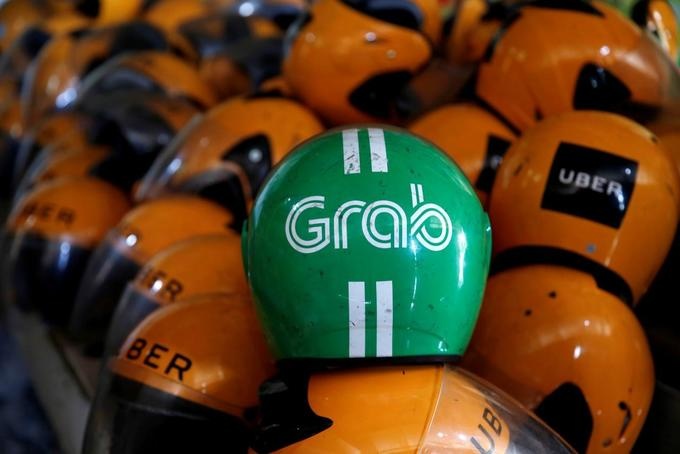
    Ride-hailing giant Grab will raise all fares from March 10, the first tech-based transport firm to do so amid record-high gasoline prices.

    GrabCar’s first two-kilometer fare will be raised by VND2,000 ($0.09) to VND29,000 for four-seater and VND34,000 for seven-seater vehicles in Hanoi and Ho Chi Minh City.

    That of each subsequent kilometer will be VND10,000, up VND500.

    GrabCar fares in other cities and provinces will also be increased by VND2,000-2,500 for the first two kilometers, and VND600 for each subsequent kilometer.

    For its bike ride-hailing and delivery services, the giant’s fares will go up to VND12,500-13,500 for the first two kilometers and VND4,300 for each subsequent kilometer.

    The tech-based transport firm cited surging gasoline prices as a reason for the adjustment.

    Gasoline prices in Vietnam hit the all time high of VND26,830 per liter for popular RON 95 and VND26,070 per liter for biofuel E5 RON 92 last Tuesday, after authorities adjusted them upward for the sixth time in less than three months.

    The last time Grab increased its fares was at the end of 2020, after authorities raised value-added tax for tech-based transport services from 3 percent to 10 percent.

    Taxi firms expect to increase their fares if gasoline prices stay at the current all-time high.

  • The Short Shift: 67% of Australian Workers Unable to Secure Desired Shifts Today

    The Short Shift: 67% of Australian Workers Unable to Secure Desired Shifts Today

    Lack of technology options limiting retail workplace flexibility, forcing 62% of employees to work at multiple businesses to get the number of shifts they need

    Research by Humanforce, a provider of intelligent workforce management solutions, has shown that in spite of a talent shortage across many key industries today, 67% of Australian part-time and casual workers including retail sector employees are still unable to secure the shifts that they desire each week.

    This is leading to over 62% of part-time or casual retail employees seeking work at multiple businesses to get the number of shifts they need.

    “Many Australian retailers have faced worker shortages due to closed borders and Omicron isolation requirements, creating operational and customer service challenges. While there may be an assumption that there is an overabundance of retail work today, new research shows that there is a disconnect with the local flexible workforce who are not able to secure work when they want it each week,” says Bruce Mackenzie, Founder & Managing Director at Humanforce.

    A key workplace challenge for part-time or casual retail employees was the lack of workplace flexibility, with 61% of workers stating that they had experienced multiple instances of being unable to swap shifts with a co-worker over the last twelve months.

    For workers that need to swap shifts, 30% reported they had to find someone to cover their shift themselves, with 63% having to call or text message managers and fellow workers to swap shifts.

    Only 18% of respondents currently work for employees that automate shift-swapping via online or mobile apps – with a further 44% of people saying that such a system would be important in their workplace in the future.

    “A lack of technology in the retail workplace is limiting the flexible working options of many part-time and casual employees. Advanced workplace management solutions can help facilitate a flexible work environment for employees, through automating shift management, onboarding, training, leave management and more,” said Mackenzie.

    “People undertaking flexible work want to be able to fulfill their employment obligations around other important life commitments. They are attracted to flexible work and in a tight labour market, businesses need to position themselves as an employer of choice by having systems in place that can make the lives of their workers easier.”

    About Humanforce

    The intelligent platform for your shift-based workforce.

    Almost every shift has its no-shows, late arrivals, and special requests, but you’ve also got to stay up to date with the big shifts in how people work – everything from new employee expectations to new technologies, new regulations and more. Humanforce brings a whole new approach to managing your teams by simplifying the process, giving you complete visibility and allowing you to stay ahead of the curve. That’s why thousands of businesses of all sizes – from hotels to hospitals, resources to recreation, stadiums to shops and more – use Humanforce to get ready for the next shift. www.humanforce.com


  • UBS Discloses Russian Exposure

    UBS Discloses Russian Exposure

    Switzerland’s biggest bank warns about ongoing effects on markets and the global economy from measures caused by Russia’s attack on Ukraine.

    Out of UBS’ total emerging market exposure of $20.9 billion at the end of last year, $634 million was attributable to exposure in Russia, the bank said in its annual report for 2021 Monday.

    This amount, which has been reduced since, does not include assets totaling $51 million held in the bank’s Russian subsidiary. Nor does it account for unexpected increases in exposures due to settlement risk on certain open transactions with Russian banks and non-bank counterparties or Russian underlying due to sanctions, it said. As of March 3, the bank identified a «small number» of global wealth management clients subject to the recently introduced sanctions, who had outstanding loans below $10 million.

    As of the same date, UBS’ market risk exposure to Russia was limited while direct country risk exposures to Ukraine and Belarus as of December 31 were insignificant. Furthermore, the bank does not hold any material reliance on Ukrainian or Belarusian collateral within its Lombard portfolio, it said.

  • Panasonic Plans New Massive Battery Plant In U.S. To Supply Tesla – NHK

    Panasonic Plans New Massive Battery Plant In U.S. To Supply Tesla – NHK

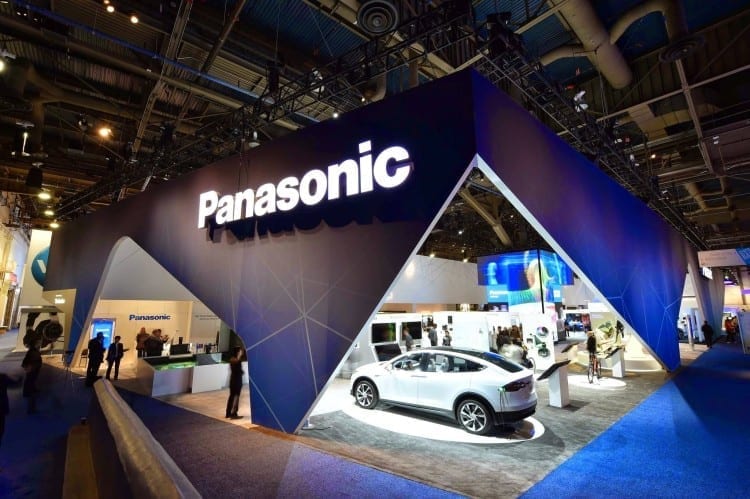
    Japan’s Panasonic Corp is looking to purchase land in the United States for a mega-factory to make a new type of electric vehicle (EV) battery for Tesla Inc, public broadcaster NHK reported on Friday. Panasonic is looking at building the factory, to cost several billion dollars, in either Oklahoma or Kansas close to Texas, where Tesla is preparing a new EV plant, NHK reported. NHK gave no timeline for Panasonic’s U.S. project. NHK did not cite the source of its information. Panasonic said the reported plan was not something it announced.

    A long-time supplier for Tesla, Panasonic has said it plans to begin mass-producing the new type of lithium-ion battery for Tesla before the end of March 2024 with two new production lines at its western Japanese plant in Wakayama.

    The 4680 format (46 millimetres wide and 80 millimetres tall) battery is about five times bigger than those currently supplied to Tesla, meaning the U.S. car maker will be able to lower production costs and improve vehicle range.

    Panasonic’s relationship with Tesla stretches back more than a decade when Tesla signed an agreement that made the Japanese company its key battery supplier.

    Since then, Tesla has ramped up production and diversified its supply chain to other firms, including Chinese manufacturers of cheaper lithium iron phosphate (LFP) powerpacks such as Contemporary Amperex Technology Co (CATL).

    South Korea LG Energy Solution Ltd also plans to make 4680 batteries, sources told Reuters last year.

    Shares of Panasonic were down 3% in morning trade in Tokyo compared with a 2.5% decline for the broader Nikkei 225 index.

  • Tesla’s Long-Delayed German Gigafactory Gets Conditional Green Light

    Tesla’s Long-Delayed German Gigafactory Gets Conditional Green Light

    Tesla Inc received a conditional go-ahead for its German gigafactory near Berlin on Friday, the state of Brandenburg said, ending months of delay for the 5 billion euro ($5.5 billion) landmark plant. The gigafactory, which is crucial to Tesla Chief Executive Elon Musk’s ambitions to vanquish European market leader Volkswagen, was initially supposed to open last summer. Germany’s largest automaker has the upper hand in Europe, with a 25% share of electric vehicle (EV) sales to Tesla’s 13%.

    First Counsellor of the Oder-Spree district Sascha Gehm, Brandenburg Economy Minister Joerg Steinbach, Brandenburg State Premier Dietmar Woidke, Brandenburg Environment Minister Axel Vogel, and Gruenheide Mayor Arne Christiani attend a news conference following a court hearing on the Tesla car plant, in Potsdam, Germany

    Brandenburg state premier Dietmar Woidke told a news briefing that the development marked “a big step into the future”, adding that the Tesla plant would be a major industrial and technological driver for Germany and the region.

    Around 2,600 of the plant’s expected 12,000 workers have been hired so far, unions said last month, and Tesla is in talks with numerous parts suppliers in the region to source as much as possible locally, lowering waiting times and costs.

    Underlining the intense competition facing Tesla, Volkswagen said on Friday it would spend about 2 billion euros on a new factory near its Wolfsburg headquarters to make the Trinity, the first of a new generation of electric vehicles for the German carmaker, with construction due to start next year.

    Friday’s 536-page conditional building permit for Tesla does not mean the U.S.-based EV pioneer can start production right away. It must first prove that it fulfils numerous conditions, including in water use and air pollution control.

    Only then will Tesla get its long-awaited operating permit and actually start rolling out the 500,000 battery-powered vehicles it wants to produce each year at the new plant, located in the small community of Gruenheide.

    Another hurdle to secure the site’s water supply emerged late on Friday, when a Frankfurt Oder administrative court sided with environmental groups who had challenged a licence given to a local water utility to supply the Tesla site.

    But the court said the procedural errors made in the licencing decision could be remedied by the water utility, leaving open the door for the water supply arrangement to be salvaged.

    Kickstarting production in Germany would mean Tesla can deliver its Model Y cars to European customers faster and more cheaply, after meeting orders in Europe from its Shanghai factory in recent months as it awaited approval for the site.

    Tesla plans to show that it meets the imposed conditions within the next two weeks, Brandenburg’s environment minister Axel Vogel said, while objections can be filed over the next month.

    Tesla’s next challenge will be to scale up production as quickly as possible, which Musk said at a fair on-site in October would take longer than building the factory.

    Local environmental groups have long feared that the plant will negatively impact local habitat. Numerous public consultations, focusing primarily on that aspect, delayed the process, with Musk expressing irritation on multiple occasions over German bureaucracy.

    The factory, which Tesla has begun constructing under pre-approval permits, will also include a battery plant capable of generating more than 50 gigawatt hours (GWh) per year – outstripping European competitors.

    Batteries for cars produced on-site will initially come from China, Musk said, but he intends to reach volume production at the German battery plant by the end of next year.

  • Disney officially introduces its cheap, ad-supported plan

    Disney officially introduces its cheap, ad-supported plan

    It’s been less than a day since reports about a possible Disney+ ad-supported plan emerged, and the US streaming service made it official. Although it’s not yet available, at least we now know Disney+ will eventually introduce a cheaper, ad-supported subscription this year.

    In a statement published today, Disney+ announced plans to expand its offerings by launching a subscription supported by ads in addition to its option without ads, beginning in the United States in late 2022, with plans to expand globally in 2023.

    Unfortunately, Disney left out a crucial piece of information from the announcement: price. The company promised to provide more details, including launch date and pricing at a later date, so we’ll just have to wait until it figures it out.

    The reason behind the addition of such a cheap ad-supported plan is to gain more customers. Today’s announcement mentions that the plan is meant to allow Disney+ to “achieve its long-term target of 230-260 million subscribers by FY24.”

  • Vietnam to cap coal exports at two mln tons in 2022

    Vietnam to cap coal exports at two mln tons in 2022

    Vietnam will cap its coal exports at 2.03 million tons this year, according to the Ministry of Industry and Trade.
    That represents a 22.5 percent increase from last year’s 1.55 million tons. But Vietnam also imported a lot of coal and its net exports were 50,000 tons.

    The ministry said coal exporters must first ensure there is adequate supply for domestic use.

    There are two coal exporters, Vietnam National Coal and Mineral Industries Group and Dong Bac Corporation, both state-owned.

    On the global market, coal prices reached a 14-year high of US$401 per ton Wednesday, driven by the effect of the Russia-Ukraine conflict on supply.

  • TWG holding V3 Group to launch Hong Kong IPO

    TWG holding V3 Group to launch Hong Kong IPO

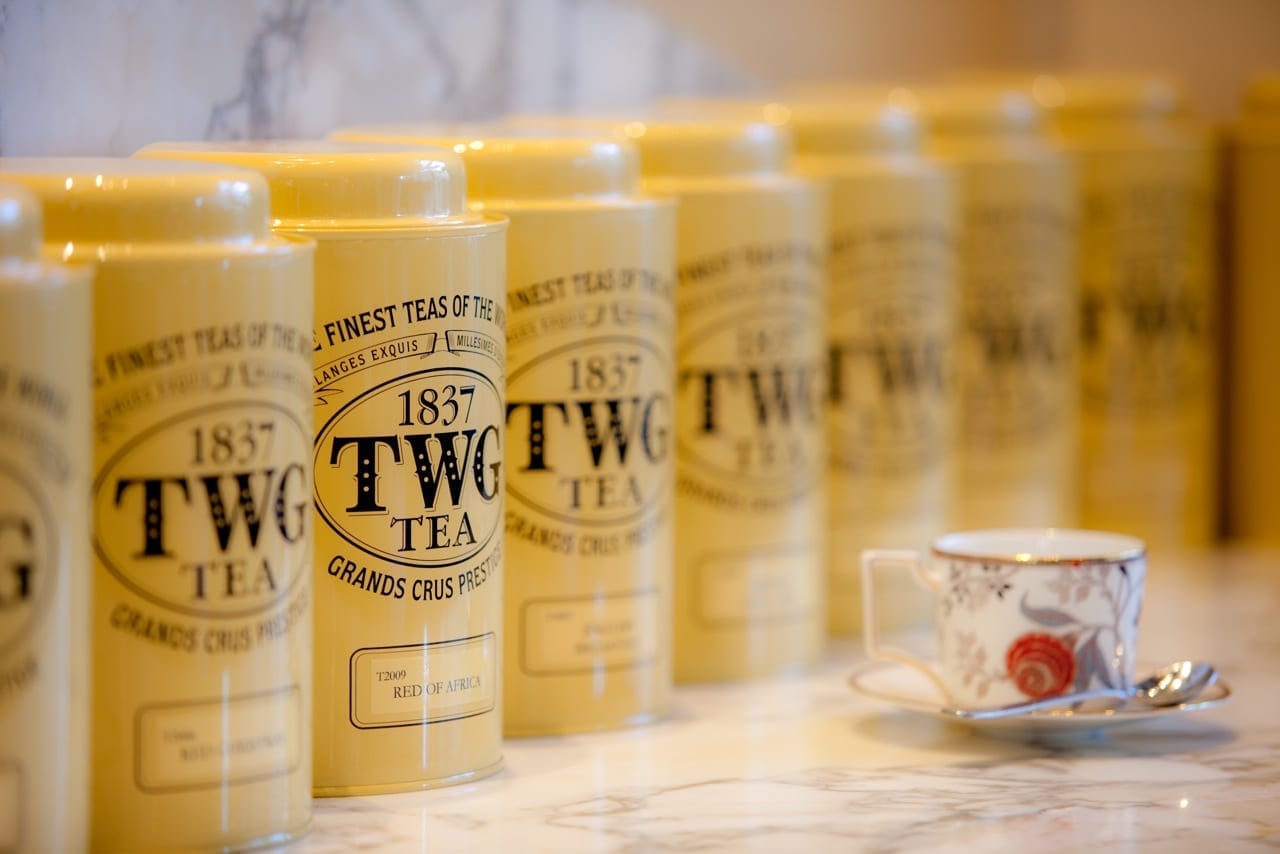
    V3 Group, which owns brands such as Osim and TWG Tea, has filed for an initial public offering (IPO) on the main board of Hong Kong’s stock exchange.

    V3 Brands Asia, an investment holding company wholly owned by V3 Group – made an application to the Hong Kong Exchange for a global offering on Monday (Feb 28).

    The application proof redacted pricing details, the size of the offering, and the number of shares up for grabs.

    Osim listed on the Singapore Exchange in 2000, but delisted in 2016 when its founder, Mr Ron Sim, took the company private.

    Mr Sim lamented then that the stock had not been fairly valued due to a lack of financial depth and liquidity in the Singapore market.

    In 2018, he shelved plans for V3’s Hong Kong listing, letting its application lapse, amid intense volatility and weakness in the global stock market.

    Monday’s application to the Hong Kong bourse comes after the lifestyle products group posted a surge in profit for the nine months ended Sept 30 last year. Profit after tax for the period stood at $72.7 million, 2.5 times the $28.7 million recorded in the year-ago period. Revenue rose 32.8 percent to $332.8 million, from $250.6 million previously.

    For the full year ended Dec 31, 2020, revenue was 15.6 percent higher year on year at $377.8 million, from $326.9 million in the financial year 2019. Profit after tax stood at $43.4 million, 58.9 percent higher than $27.3 million in the year-ago period.

    V3’s higher revenue during the two years ended Dec 31, 2020, and nine months ended Sept 30, 2021, was attributed to higher sales due to increased consumer demand for lifestyle and wellness products, targeted marketing and sales activities, and the success of blockbuster products.

    V3 owns the Osim brand, known for its massage chairs and relaxation products, luxury tea brand TWG Tea, nutritional supplement retailer ONI Global and Futuristic – a Singapore-headquartered manufacturer of store fixtures.

    Mr Sim opened his first store in Singapore in 1983 and later in Hong Kong in 1986. The company also expanded to Taiwan and Malaysia before officially launching the Osim brand name in 1993 and entering China.

  • Zalora label arrives in India in a partnership with Myntra

    Zalora label arrives in India in a partnership with Myntra

    On 1st March, India’s fashion e-commerce platform, Myntra, announced its partnership with Zalora, Southeast Asia’s online fashion destination catering largely to the South East Asian markets, including, Singapore, Malaysia, Hong Kong, Taiwan, Philippines and Indonesia. As a house of brands with numerous private labels, Zalora offers an ever-expanding range of popular fashion trends and collections, with a firm focus on catering to evolving consumer needs and preferences.

    The announcement marks the arrival of the first brand from the Southeast Asia region to be brought to consumers in India with a wide range of in-house collections under one umbrella. The brand caters to the fashion-conscious urban value seekers, under the aegis of, Origin, Zalora Basics, Active, Occasion Wear and Work, at an average price point of INR 2500 (US$ 30.3). To begin with, Zalora will be offering approximately 5,000 options on Myntra from its portfolio of in-house brands. Its top selling products include, stylish basics, structured formal dresses, and timeless printed tops for women and suave shirts and sharp T-shirts for men.

    The first of its kind association with Myntra, a leading fashion and lifestyle e-commerce major in the country with a huge base of fashion-forward customers will set Zalora up for a strong start and enable it to establish its footprint in the burgeoning Indian fashion market, and build brand salience with the millions of fashion enthusiasts in the country. As the preferred platform for international brands to foray and scale in India, Myntra, is offering a dedicated brand store for Zalora on Myntra-Mall, its in-app mall to enable leading brands to showcase their offerings and efficiently assist consumers in brand and product discovery.

    Speaking on the launch, Sharon Pais, Chief Business Officer, Myntra said, “Myntra continues to be at the helm of enabling sought-after international brands to reach fashion-conscious consumers in India. Through our partnership with Zalora, we further our commitment to bring the best of global fashion within easy access of our shoppers. Zalora is a leader in the Southeast Asian markets and brings with it trendy and fashionable merchandise. Through this partnership, we continue to cater to the growing base of fashion and trend seekers in India.”

    On their partnership with Myntra, ZALORA Group’s CEO, Ms Gunjan Soni shared, “ZALORA’s commitment to connect more people to the limitless world of fashion went beyond the shores of Southeast Asia and reached the vibrant and exciting fashion consumers of India. We are super proud of our own label for its quality and as it offers a variety of styles, including our special collections made from sustainable materials – simply put there’s something for everyone from the Zalora label. More importantly, joining hands with Myntra reflects the evolving retail and e-commerce opportunity in Asia. ZALORA and Myntra are two e-commerce platforms that significantly impacted how people shop fashion in this part of the world, pushing the boundaries through innovation and cooperation.”

  • Amazon to close physical bookstores

    Amazon to close physical bookstores

    Amazon is closing most of its physical stores, the company announced today, with all 68 of its Amazon Books, Amazon 4-Star, and Amazon Pop Up locations across the US and the UK set to close while the company refocuses on its grocery and fashion stores.

    Amazon Books was one of the primarily online storefront’s first physical retail experiences when the first location opened in Seattle in 2015. Amazon has since expanded to 24 bookstores across the US, all of which are now slated to be closed down.

    The company would go on to expand its retail efforts with Amazon 4-Star in 2018, with a more generally focused store that sold products with a four-star or higher rating curated from Amazon’s digital storefront, along with — of course — Amazon’s own first-party products (including Echo, Kindle, and Fire TV devices).

    Amazon Pop Up stores, on the other hand, were smaller, more focused mall experiences that offered to rotate themed products (March is a printer collaboration with Brother, for example).

    All of Amazon’s retail locations, however, helped serve as a physical contact point to return Amazon products, in addition to offering lower prices and perks to Amazon Prime subscribers.

    The news isn’t entirely shocking: Amazon’s retail ambitions have largely felt like small-scale trials compared to the massive scale of its online operations. And, the company’s physical locations have performed far worse than its digital storefront in recent years.

    Amazon isn’t exiting brick-and-mortar stores entirely. The company will continue to operate its Amazon Fresh and Whole Foods grocery stores, as well as its Amazon Go convenience stores. Amazon’s experimental “Amazon Style” clothing store is also sticking around, too.

    Amazon has yet to say when exactly it’ll be closing up its physical shops, although Reuters reports that timing will vary from store to store.

  • HTC shares details about first flagship phone in more than 3 years

    HTC shares details about first flagship phone in more than 3 years

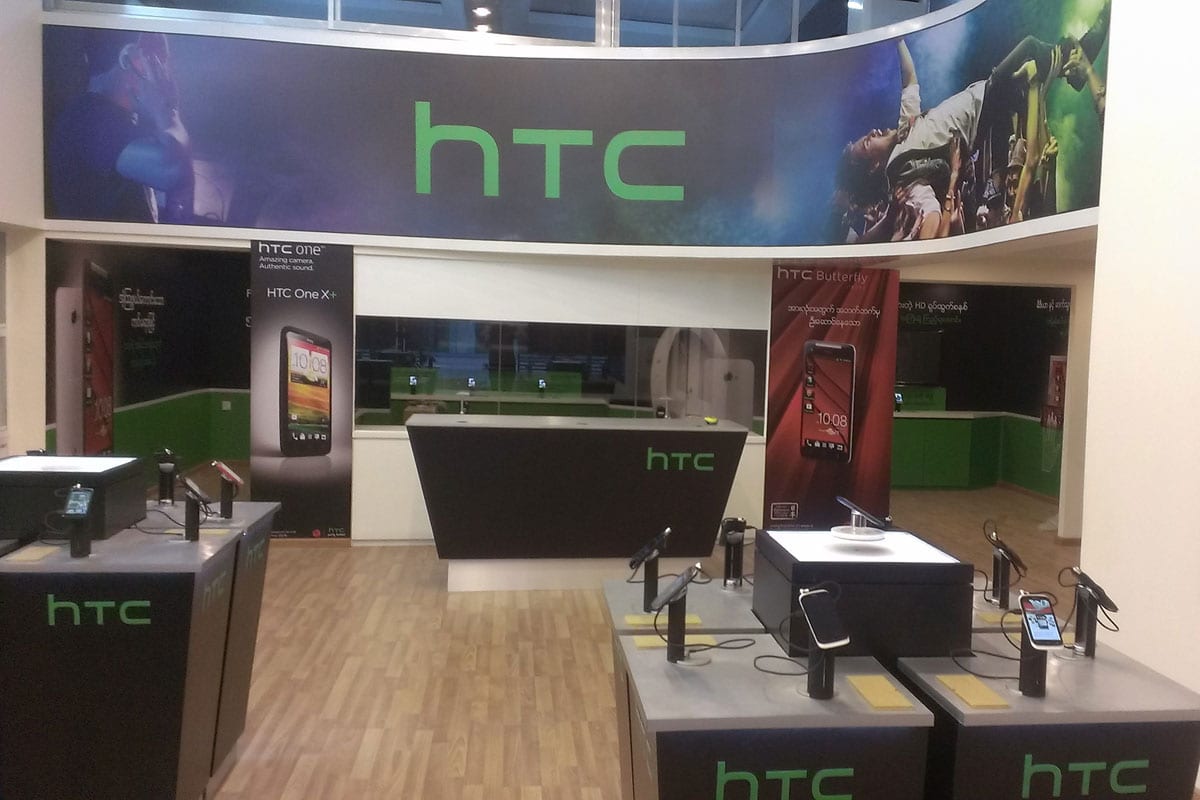
    Around a decade back, HTC was one of the biggest smartphone makers in the world but has almost sunk into oblivion in recent times. The company never announced a retreat from the market, and even though it scaled back operations after selling a chunk of its business to Google in 2018, it still quietly sells affordable phones in select markets. The Taiwanese manufacturer has now revealed plans to release a flagship smartphone in April.

    Vice President of HTC’s Asia-Pacific Region, Charles Huang said during the ongoing Mobile World Congress (MWC) that the company will introduce a high-end smartphone next month.

    The company last released a flagship smartphone, the Exodus 1, in 2018. It was a blockchain-focused handset and was powered by Qualcomm’s premium Snapdragon 845 chip. HTC, which was the first to make both an Android device and a Windows Mobile handset, has been in the red since 2015 and has shifted focus to virtual reality headsets and accessories.

    During MWC, the company announced Viverse, which is its version of the metaverse and will make use of the in-house Vive VR headsets. It comes as no surprise that HTC is planning on integrating some metaverse features into the phone. It looks like the company wants to target consumers who would like to use their phone for augmented reality and virtual reality applications.

    Other details are still under wraps, but more information will likely be coming soon. Whether it will help HTC turn things around and give a tough time to the best phones of 2022 remains to be seen.

  • First cargo airline gets aviation authority green light

    First cargo airline gets aviation authority green light

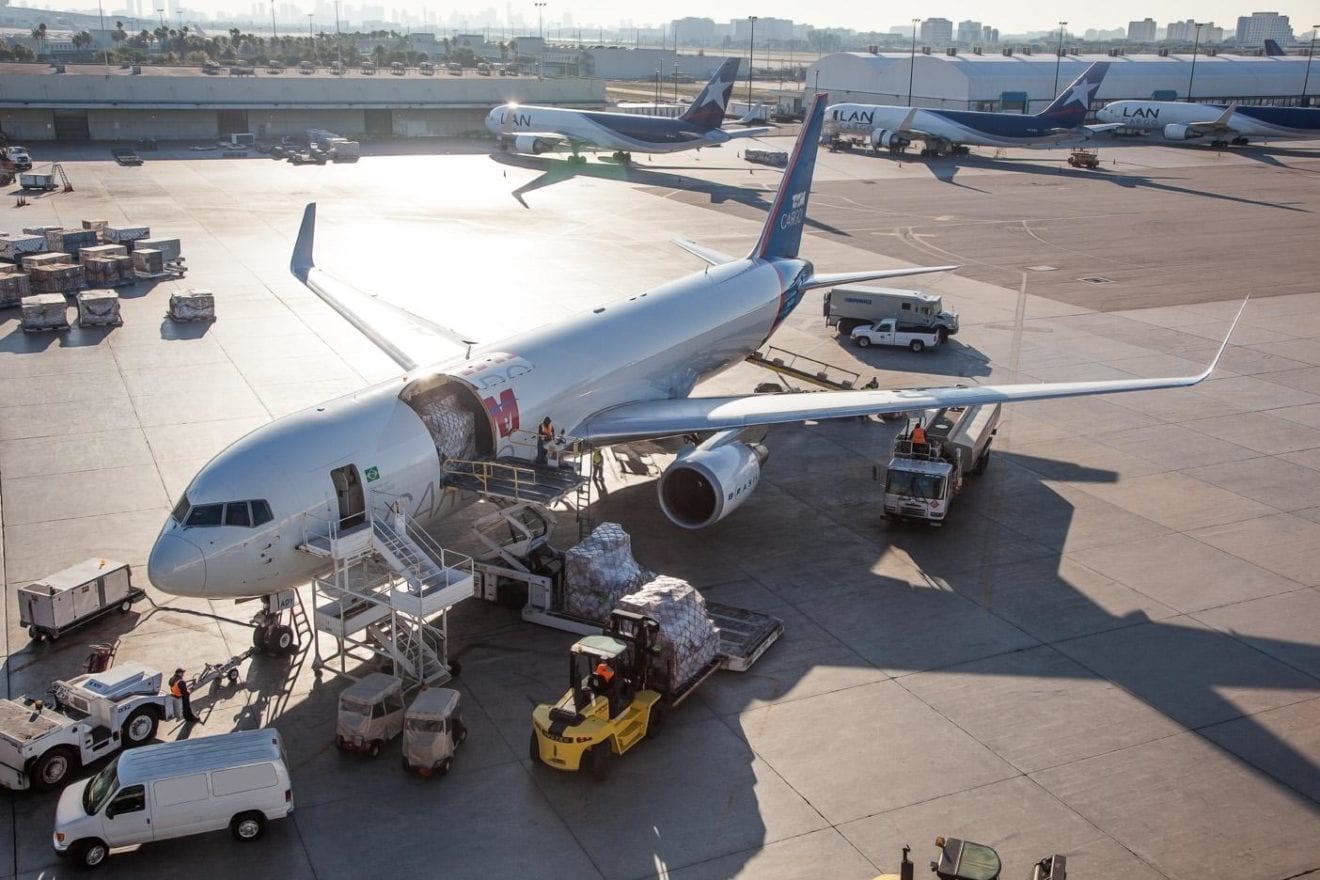
    The Civil Aviation Authority of Vietnam has recommended that the Ministry of Transport should issue an air transport license to Vietnam’s first proposed cargo carrier, IPP Air Cargo.

    It said the airline meets all requirements, including 100 percent funded ownership by Vietnamese entities.

    IPP Air Cargo has a charter capital of VND300 billion ($13.13 million), with Imex Pan Pacific Group holding a 70-percent stake and the family of Johnathan Hanh Nguyen, the company chairman, the rest.

    Nguyen had mooted the establishment of the airline last year, but the CAAV said it was not considering applications amid the Covid-19 outbreak.

    With Vietnam now resuming international flights, IPP Air Cargo is set to become its first full-fledged cargo airline.

    After the air transport license, the company has to get other permits to fly, including the aircraft operator certificate.

    IPP Air Cargo plans to start with five freighters (Boeing 737 or 777 or equivalent) and double the number in the fifth year.

    It targets revenues of $71 million in the first year of operation.

  • Vietnam gold prices surge to new peak

    Vietnam gold prices surge to new peak

    Vietnam gold prices rose to another new peak Wednesday, continuing its climbing trend in recent weeks as the Russia-Ukraine tension remains high.

    The state-owned Saigon Jewelry Company (SJC) sold its gold at VND67.4 million ($2,951.61) per tael Wednesday, up 1.35 percent from Tuesday. A tael equals 37.5 grams or 1.2 ounces.

    Phu Nhuan Jewelry raised its gold up by 1.05 percent also to VND67.4 million.

    Global rates slipped marginally to $1,941.46 per ounce Wednesday from the one-year high Tuesday as investors continued to seek the safe-haven assets as U.S. and Europe put more sanctions on Russia for attacking Ukraine.

    Vietnam was Southeast Asia’s largest gold bullion and coin market last year and among the top 10 globally.

    The demand in the country exceeded 31.1 metric tons compared to 28.7 tons in Thailand and 19.8 tons in Indonesia, according to the World Gold Council.

    Gold continued to be the top asset class for 72 percent of Vietnamese investors, the WGC said citing a study of 2,000 investors last year.