Author: Mei Ling Tan

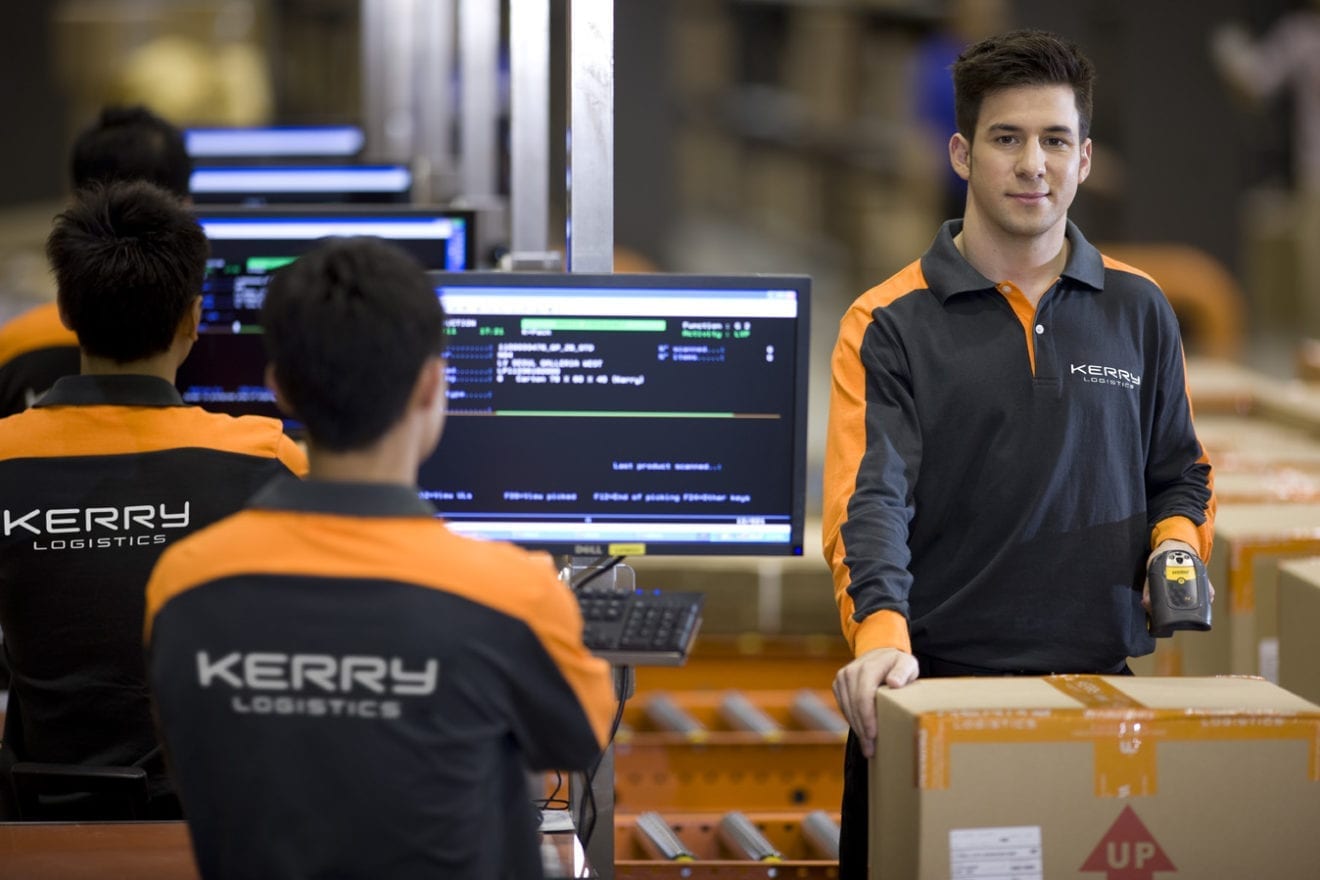
  • Kerry Logistics Network posts 30% growth in revenue core net profit increased by 33%

    Kerry Logistics Network posts 30% growth in revenue core net profit increased by 33%

    William MA, Group Managing Director of KLN Group, said, “The COVID-19 pandemic has brought unprecedented challenges to everything from global public health to people’s livelihoods. The stop-and-go momentum of the global economy has caused severe disruption to the global supply chain. With human mobility severely curtailed, the role of logistics has become ever more paramount. Every link in the supply chain from sourcing and manufacturing to the distribution of finished products must still be maintained. Even as the pandemic forced millions of corporate employees around the world to work from home, our teams have been working tirelessly on the frontline, maintaining 24/7 services across some 150 international hubs to support various industries and sustain people’s daily lives. In 2020, thanks to the collective efforts of our colleagues and business partners, KLN Group achieved record growth in both revenue and core net profit, clearly demonstrating the Group’s resilience and capability to evolve through the pandemic.”

    IL Growth Sustained

    KLN Group’s IL division recorded a normalised segment profit growth of 8% in 2020, mainly driven by the strong performance in Hong Kong and Taiwan.

    In Hong Kong, the IL division grew by 10% in 2020, benefitting from the rise in demand for home-delivered daily necessities, electronic goods and pharmaceutical logistics. The Hong Kong warehouse business contracted in 2020 compared with 2019 mainly due to the disposal of two warehouses in 2019 1H.

    In Mainland China, the segment profit for the IL division bounced back in 2020 2H, offsetting the 37% drop in 2020 1H. This was due to the resumption of manufacturing activities, recovery of local consumption and the rapid growth of the e-commerce market in Mainland China.

    In Taiwan, the IL business expanded by 19% year-on-year in segment profit, capitalising on the growth of semi-conductors and electronics manufacturing, the increasing demand in pharmaceutical logistics as well as the rise in e-commerce business. The robust performance of Science Park Logistics’ bonded operations was another driver for its growth.

    In Asia, the IL business sustained despite severe lockdowns across the region, driven by the switch from consumer goods business to the essential supply sectors. The Group expanded its express business to the Philippines through the establishment of a joint venture company in 2021 Q1 in which the Group has a 51% interest.

    IFF Thrived

    The IFF division was the powerhouse of KLN Group’s business in 2020, accounting for 28% of the total segment profit, with its segment profit for the full year increasing by 64% year-on-year compared to a 40% growth in 2020 1H. The growth was mainly driven by a high global demand for pandemic-related goods as well as production and exports from Mainland China. It created the favourable conditions for the Group to capture opportunities from the unprecedented volatile global freight market, in terms of rates, capacity and equipment availability.

    Kerry Apex recorded an increase in volume of 17%, strengthening its Trans-Pacific market position. It was the number one NVOCC from Thailand, Vietnam, Indonesia and Malaysia to the US, the number two NVOCC from Asia to the US for 2020.

    Facility Portfolio Updates

    In Mainland China, the 340,000-sq-ft chemical logistics centre in Cangzhou commenced operation in 2021 Q1. Construction of the 827,000-sq-ft logistics centre in Qingdao is expected to complete in 2021 Q2. The 1,043,000-sq-ft logistics centre in Guangzhou, the 305,000-sq-ft chemical logistics facility in Zhangjiagang, the 

    644,000-sq-ft hub and logistics centre in Zhuhai and the 545,000-sq-ft bonded logistics centre in Hainan are expected to complete construction in 2022.

    Proposed Strategic Investment from S.F. Holding

    On 10 February 2021, a Joint Announcement was made amongst S.F. Holding (acting through its wholly-owned subsidiary), the Company and Kerry Properties Limited, a Controlling Shareholder and substantial shareholder of the Company. Pursuant to the Joint Announcement, S.F. Holding will make a voluntary conditional cash offer to shareholders to acquire a controlling stake in the equity interest of the Company. The proposed transaction is subject to satisfaction of certain pre-conditions. These pre-conditions include certain inter-conditional special deals, including the disposals of certain Hong Kong warehouses and the Company’s Taiwan businesses, being entered by the Company with Kerry Holdings Limited, the substantial shareholder of the Company. If the proposed transaction does not proceed, these special deals also will not proceed.

    William Ma concluded, “Scale and technological advances are crucial for any company in this industry to retain its competitiveness over its peers and drive changes in the global logistics arena. To this end, the proposed strategic cooperation with S.F. Holding will scale up KLN Group, extending its reach and enhancing its R&D capabilities. The Group’s performance in 2020 stands as testament to the capability in devising creative and efficient logistics solutions, which were in high demand when the global supply and logistics infrastructure suffered damage. KLN Group is prepared to seize any opportunity that may arise, as well as to enhance its value for stakeholders.”


  • “Memory” feature for Google Assistant is being tested

    “Memory” feature for Google Assistant is being tested

    Some new features are being created by Google for the latter’s Assistant virtual helper. While the original version of Assistant was designed to work with voice commands, eventually smart display-styled visuals were included and now Google wants Assistant to take advantage of the smartphone’s form factor to help improve the virtual assistant. Google is reportedly working on a feature for Assistant called “Memory.”

    Memory is “an easy, quick way to save and find everything in one place” says Google and the tech giant gave four examples of what this feature brings to the table. Any screen content can be saved to “Memory” including links to original sources. Additionally, real-world stuff such as objects, posters, and handwritten notes can be saved to Memories along with thoughts and reminders. And all of this information can be found over and over again in the same place offering smart search and organization.

    Google says that “Memory can save: articles, books, contacts, events, flights, hotels, images, movies, music, notes, photos, places, playlists, products, recipes, reminders, restaurants, screenshots, shipments, TV shows, videos, and websites. You store things using a verbal Google Assistant command or home screen shortcut. Memory will be smart about preserving the surrounding context. For example, it can include screenshots, URLs, and location.”

    Afterward, everything is viewable in a new “Memory” feed that is found alongside Snapshot. There are special cards that surface when you save content from Google Docs, Sheets, Slides, Drawing, Forms, Sites, and other uploaded Drive files.

    As Google notes, “Memory is an easy, quick way to save and find everything in one place.” Saved in reverse chronological order, Google will display cards with “older memories” and memories from “today.” Swiping inward from either bottom corner will open Assistant. And thanks to a shortcut, Memory is always just a tap away.

  • Qualcomm supports SoftBank’s fastest-ever 5G mmWave in Japan

    Qualcomm supports SoftBank’s fastest-ever 5G mmWave in Japan

    Qualcomm Technologies, Inc. announced that SoftBank Corp. has launched its 5G millimeter (mmWave) service in Japan – using devices based on Qualcomm® Snapdragon™ 5G Mobile Platforms and Modem-RF Systems. 5G mmWave allows Japanese users to enjoy the fastest possible multi-Gigabit download speeds in the country. Along with the launch, SoftBank is making the “Pocket WiFi 5G A004ZT” 5G mmWave mobile hotspot available for sale. All initial 5G mmWave-compatible mobile devices in SoftBank’s portfolio, including soon-to-be announced 5G smartphones, are expected to be powered by Qualcomm Technologies’ 5G mmWave products.

    The deployment of 5G mmWave is critical to unleashing the full potential of 5G and addressing the massive increase in mobile data demand. 5G mmWave allows leading operators such as SoftBank to take advantage of the large amount of spectrum resources available in higher bands, enabling them to deliver the world’s fastest multi-gigabit cellular speeds and low latency connectivity.

    5G mmWave is also a cost-effective way for mobile operators to increase the network capacity needed to meet the increasing demand for data in dense urban, fixed wireless access and enterprise environments – with savings up to 35% in total cost of ownership compared to sole use of sub-6 GHz bands.

    “5G mmWave is critical for mobile operators to stay competitive and to realize the full potential of 5G to transform many industries,” said Francesco Grilli, vice president, product management, Qualcomm Technologies, Inc. “Japan is at the forefront in deploying the most advanced 5G technologies such as mmWave, and we are honored by working with SoftBank to bring the fastest mobile experiences to Japanese consumers and businesses.”

    “SoftBank is pleased to collaborate with Qualcomm Technologies and use its leading 5G mmWave technology to offer world-class 5G service to our subscribers,” said Keigo Sugano, senior vice president, head of product division, SoftBank Corp. “We look forward to continuing our long-standing collaboration with Qualcomm Technologies to support Japan’s growth and leadership using the most advanced wireless innovations.”

    This announcement follows SoftBank’s commercial launch of 5G Sub-6 GHz service with smartphones powered by Snapdragon 5G Mobile Platforms in March 2020. The commercial launch of 5G mmWave significantly strengthens SoftBank’s 5G network capabilities, with more mmWave capable mobile devices to be launched going forward.

  • Australia’s News Corp signs content deal with Facebook

    Australia’s News Corp signs content deal with Facebook

    Rupert Murdoch’s News Corp and Facebook Inc in Australia have agreed on a content-supply deal, easing the tension between media companies and the social media giant involving a new world-first law that seeks payment from social media companies for content displayed on their platforms.

    Through this deal, News Corp becomes the first major media outlet to strike a contract with Facebook under the new laws. The terms of the agreement have not been disclosed.

    Last month Facebook had banned all news content from their platform in opposition to the law. However, it lifted the ban after the Australian government made some amendments.

    “The agreement with Facebook is a landmark in transforming the terms of trade for journalism, and will have a material and meaningful impact on our Australian news businesses,” News Corp CEO Robert Thomson said in a statement.

    Meanwhile, Facebook’s head of news partnerships in Australia, Andrew Hunter, said the deal meant Facebook’s 17 million users in the country “will gain access to premium news articles and breaking news video from News Corp’s network of national, metropolitan, rural and suburban newsrooms”.

    News Corp was among media companies calling for the Australian government to make Facebook and Alphabet Inc’s Google pay for the media links that drive viewers, and advertising dollars, to their platforms. News Corp owns about two-thirds of Australian metropolitan newspapers.

    Google had signed a deal with News Corp and other media outlets before the law was implemented. According to news reports, free-to-air television broadcaster and newspaper publisher Seven West Media had also said it signed a letter of intent for a deal.

    The development is being keenly observed by media companies across the globe and the implementation of the Australia’s law could follow suite in other countries to get payment from digital platforms for news.

  • Rapido, Zypp Electric Join Hands For Electric Bike Taxi Service

    Rapido, Zypp Electric Join Hands For Electric Bike Taxi Service

    Indian bike taxi platform Rapido, has joined hands with Zypp Electric to provide electric bike taxi service to its customers. Called Rapido EV, the new electric bike taxi is intended to reduce carbon footprint and encourage customers to use environment-friendly two-wheelers. More than 100 riders and electric two-wheelers will be onboarded on to the Rapido platform from Zypp as part of Rapido’s captain fleet. The service will be a pilot run for three months starting from March 2021 and will be tested for its demand and veracity in the Delhi-NCR area. Rapido is looking to on-board more such EV partners to further expand this business model across its Tier I market in the country, according to a press statement from the company.

    Announcing the launch of Rapido EV, Aravind Sanka, Co-Founder, Rapido, said, “While India is the largest two-wheeler market, only 1% of it is electric. With the launch of Rapido EV rides, we want to give a unique experience to our users along with contributing positively to the environment and reduce our carbon footprint. The recent World Air Quality report by Swiss technology company IQAir ranked Delhi as the world’s most polluted capital among 106 countries and we hope that this move helps contribute to the betterment of the air quality in the city.”

    On the partnership with Rapido, Akash Gupta, Co-Founder, Zypp Electric, said, “We at Zypp are becoming the de-facto EV layer when it comes to goods and people movement. The partnership with Rapido is part of highly focused EV utilization project where we wish to ensure that every segment is able to switch to EVs comfortably. With our robust battery-swapping network which will be tested with bike taxi services with Rapido, we’re here to bolster the EV proposition together with this partnership and would love to scale this nationally making people get pollution-free taxi rides too.”

    Rapido EV Rides will be available under the Ride section on the app and will be priced at the Rapido Ride rate with a minimal convenience fee. Customers have to download the app, log in to their account and book a Rapido Ride, through their iOS/Android phones. Rapido is a bike taxi service spread across all of India from Tier I to Tier III cities. The app allows customers to book bike taxis conveniently with very less wait time.

    Zypp Electric offers dedicated electric vehicles for delivery of essentials, goods, medicines and food packages. The company was started in 2017 to make last mile delivery carbon-free for local merchants to e-commerce giants. The company currently has more than 1,000 Zypp pilots (delivery executives) using IoT enabled electric scotoers for delivery services.

  • Skoda To Invest 2.5 Billion Euros Over Next 5 Years On Future Technologies And EVs

    Skoda To Invest 2.5 Billion Euros Over Next 5 Years On Future Technologies And EVs

    Czech carmaker Skoda Auto, part of the Volkswagen Group, said on Wednesday it would invest around 2.5 billion euros over the next five years on future technologies, with more than half going to electric vehicle investment. The Czech Republic’s largest exporter is hoping for a rebound in 2021 from a global car sales drop but faces uncertainty over the coronavirus pandemic and a semiconductor shortage rattling the industry.

    “This year is likely to be another big challenge,” finance director Klaus-Dieter Schuermann said. “We expect Skoda Auto’s group performance to improve, with sales revenue significantly above the level of last year.”

    Skoda reported on Wednesday a 54.5% drop in 2020 operating to 756 million euros ($894 million). Sales revenue dropped 13.8% to 17.1 billion euros.

    Global deliveries remained above 1 million cars for a seventh straight year despite a 19% drop after production outages at the outset of the pandemic and a fall in China, its biggest single market.

    Chief Executive Thomas Shaefer said the car company was managing the semiconductor shortage “but it will follow us for a while” and the impact was not visible yet.

    Skoda’s core market in Europe would be electric in the future, Shaefer said, although it was still not time to completely switch away from traditional models, which include the launch last year of a new generation of its flagship Octavia model. It has also started production of the all-electric Enyaq iV model.

    Skoda plans investments of 1.4 billion euros into electromobility development as part of its five-year investment plan. Investments will also go into digitalization activities and plant modernization.

  • Royal Enfield Joins Hands With Knox

    Royal Enfield Joins Hands With Knox

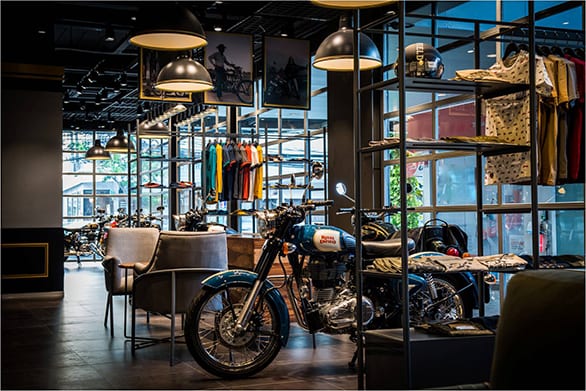
    Royal Enfield has joined hands with Knox, experts and innovators of protective apparel and body armour to co-create a range of high-protection riding gear. As part of the collaboration, the two brands have also introduced CE certified external knee guards called Conqueror. The latest launch of riding gear is part of Royal Enfield’s long term collaboration, with the vision of providing high-quality riding gear and accessories. The range offers versatile and accessible riding gear that meets global safety norms that can be used for multiple riding needs and in varied conditions.

    Commenting on the collaboration with Knox, Puneet Sood, Head – Apparel Business at Royal Enfield said, “At Royal Enfield, ensuring a ‘safe’ and a ‘pure riding experience’ for our riders is at the centre of our product strategy. With this partnership, we aim to foster our commitment to provide our customers with products that meet global safety norms. The intent is to offer relevant and accessible products for riders and motorcycling enthusiasts. The partnership started with using Knox armours for our new range of riding gear including jackets, gloves and riding trousers. The co-created knee-guard is a byproduct of years of our motorcycling experience, our understanding of a rider’s needs, different riding conditions, terrains etc. and Knox’s technical expertise and experience in designing and manufacturing innovative body armours and apparel for motorcycling.

    “Our motorcycles are used for both leisure riding as well as a means of not only commute. Rider safety is equally important in both cases. We understood that the acceptance of a riding trouser is low in India and there was a need for a product that provides protection and can be worn over regular denims or trousers be it for a commute to office, a weekend ride or a trip to the Himalayas. In line with our vision to increase awareness around road safety and safe riding practices, we will continue to offer versatile consumer centric products. Our alliance with Knox is a testimony of our dedication to provide a ‘pure motorcycling’ experience to everyone in love with the motorcycling way of life.”

    Speaking about the collaboration Margaret Travell, the Commercial Director at Knox said, “We are committed to the design of high performance body armour systems that really work for riders. We began this association 2 years ago by equipping Royal Enfield apparel with Knox armour and gloves with Micro-lock armour with the famous Scaphoid Protection System. One year later, we began the next development – to build a standalone Knee guard, tough enough to tackle some of the toughest environments on Earth. It had to be relevant to Royal Enfield riders in India and beyond, so needed to be easy to put on and remove and also capable of being worn on its own for those who prefer not to wear armoured trousers. The knee guard is not only tough and durable enough to be CE approved to the highest Level 2 standard, it is also supremely flexible and comfortable enough to wear all day long in any environment you ride in. We’re excited to see people using them on their own riding adventures.”

    Extending this partnership further, the two brands have now co-created CE certified level 2 external knee guards built with Knox’s microlock protection. Royal Enfield’s new riding jacket line-up that was introduced last year includes select styles that come equipped with Knox’s CE Level 1 Flexiform and CE Level 2 MICRO-LOCK armours for shoulder and elbow.

    Along with the knee guard, Royal Enfield has also introduced a range of new riding gloves for varied riding needs. The range has 14 gloves of which 9 are CE certified. The range has been developed with best-in-class features such as knuckle protection, palm protection, padding, cuff adjusters, screen friendly finger tips, accordion stretch panels, and constructed with high quality abrasion resistance leather, Polyester Air mesh and waterproof membrane among others. The new range of gloves will suit the varied needs of the riders, from riding in the city to extreme weather conditions. Further, selective gloves also come with Knox knuckle protectors and Knox scaphoid protection system.

    The Conqueror CE Level 2 certified knee guards are priced at ₹ 3,950, while prices for the range of CE certified gloves begin at ₹ 2,250, going up to ₹ 4,500. The riding jacket range with Knox armours range from the Streetwind V2, priced at ₹ 4,950, the Windfarer, priced at ₹ 6,950, and the CE Certified Explorer V3, priced at ₹ 8,950.

  • Crude oil exports plunge as resource depletes

    Crude oil exports plunge as resource depletes

    Vietnam’s crude oil export is plunging, partly because of depleting resources. An industrialist says the situation can only improve after new fields come online in several years.

    Crude exports volume from January 1 to February 15 this year fell nearly 50 percent year-on-year to 354,700 tonnes, according to Vietnam Customs.

    Most of Vietnam’s oil and gas fields have been harnessed for over 20 years ago and run their course, said Hoang Ngoc Trung, deputy director of Petrovietnam Exploration Production Corporation Ltd.

    In the last five years, crude oil prices have been falling, which has affected investment in searching for new fields, he told the Tuoi Tre newspaper.

    The corporation’s output was 3.8 million tonnes last year, down marginally from 2019, and the figure is set to fall another 10 percent this year.

    However, Vietnam’s crude oil prices remain higher than the global average.

    The global average price of Brent crude oil last year was $41.8 per barrel, but Vietnam sold them for $43.7, 4.5 percent higher.

    In the first two months, Brent crude was $58.53 per barrel, compared to $59.94 percent in Vietnam.

    Trung said exploitation volume is set to recover in the next two or three years with several new fields such as Dai Hung and White Lion coming online.

  • Vietnam Airlines on threshold of regular direct flights to US

    Vietnam Airlines on threshold of regular direct flights to US

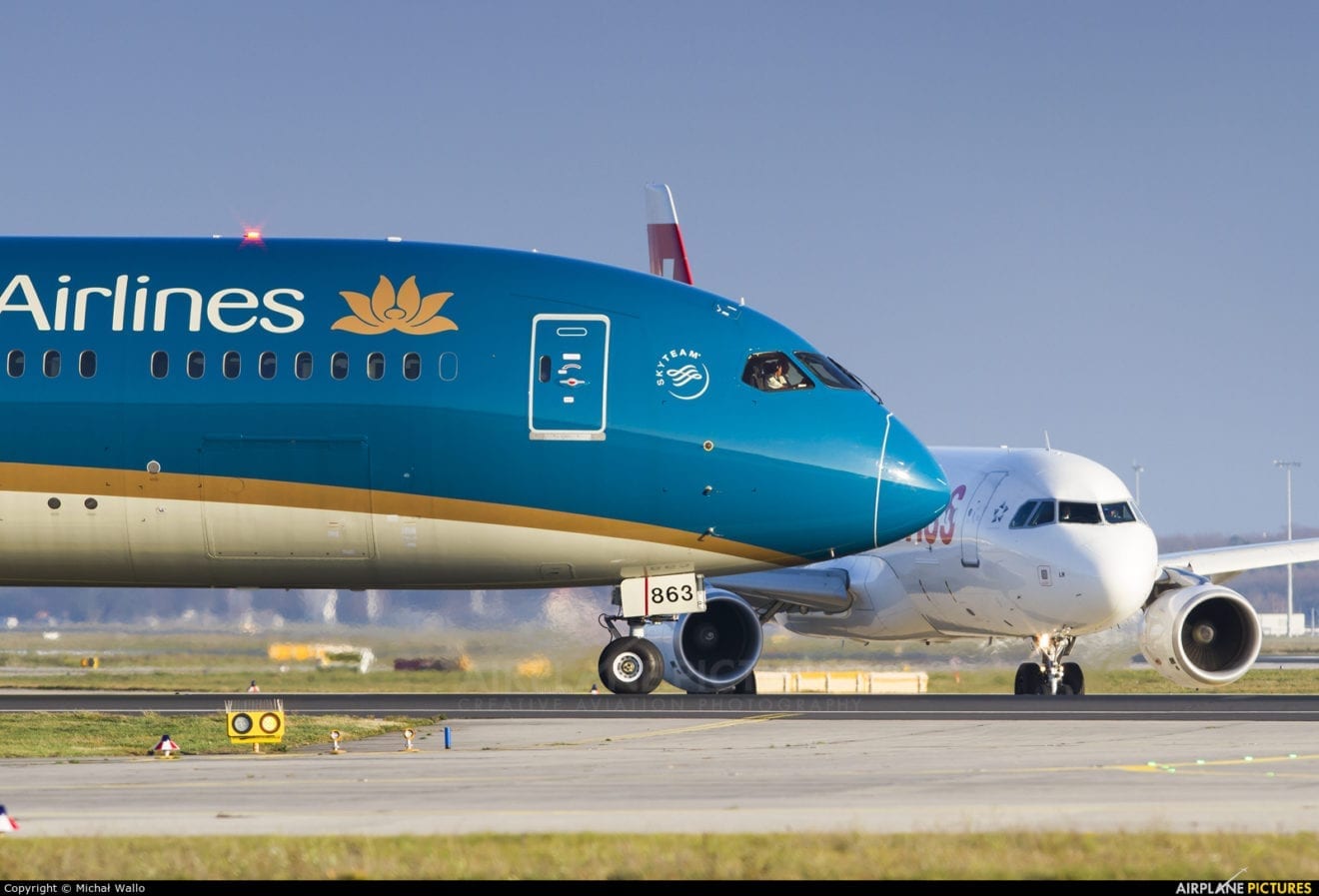
    Vietnam Airlines is awaiting approval from the U.S. government to launch regular direct flights to the country to serve repatriation needs of the Vietnamese community.

    A representative of the national flag carrier told VnExpress that a large number of Vietnamese citizens living in the U.S. wish to return home, but the carrier has already operated all repatriation flights permitted by the U.S. authorities.

    From May to August last year, the carrier has carried out a total 12 repatriation flights as permitted by American aviation authorities to bring Vietnamese citizens home amid the complicated developments of the pandemic.

    The Board of Directors of Vietnam Airlines has just approved a plan to launch regular direct flights to the U.S., saying this is the appropriate time to do it using the wide-bodied Boeing Dreamliner. They expect that this move will help increase revenue and minimize financial damage inflicted by the pandemic.

    As soon as the carrier receives approval from the U.S. government, it will operate regular flights to repatriate Vietnamese citizens as well as carry foreign experts and diplomats wishing to enter Vietnam for work.

    Depending on the recovery of the aviation market and when the Covid-19 pandemic is contained, the airline expects to operate direct flights between Vietnam and the U.S. from 2022 onwards.

    The U.S. Federal Aviation Administration issued a Category 1 rating to the Civil Aviation Authority of Vietnam under its International Aviation Safety Assessment program in 2019, meaning it met safety standards to operate flights to the U.S.

    Vietnam Airlines also got the green light to operate direct flights from Hanoi and Ho Chi Minh City to several American destinations in September 2019. No such a flight under the permit has been scheduled to date.

    There are currently no non-stop routes between the two countries, and passengers have to transit through East Asia, the journey taking between 18-21 hours. A direct flight would bring the travel time down to 14-16 hours.

    Vietnam Airlines reported a loss of over VND11.1 trillion ($483 million) last year after the Covid-19 pandemic grounded all its international flights.

  • Covid-19 Fashion impact may threaten Esprit’s future

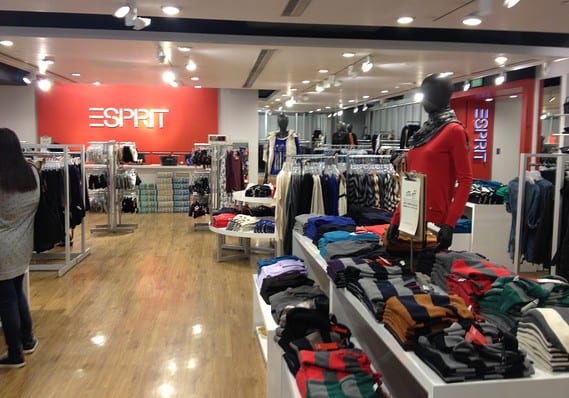
    Covid-19 Fashion impact may threaten Esprit’s future

    As the world faces this pandemic in unified isolation, we at Fashion Revolution are focusing on how the unfolding situation is affecting the people who make our clothes. Retailers are shutting their doors around the world, encouraging their customers to shop online instead. Yet the reality is that as we are forced to stay in our homes many of us are financially burdened by layoffs or new childcare responsibilities, and the desire to buy new clothes feels like a distant dream.

    For Fashion Revolutionaries, this unique set of circumstances can hopefully bring about the #LovedClothesLast movement that we have been pushing for many years. Given the level of clothing overproduction that preceded this crisis, we hope that our days indoors can bring about revolutions in caring for our clothes better, mending and making clothing, and adopting a mindset of longevity when it comes to our wardrobes.

    While we have been encouraging an end to overconsumption for many years, we also know that in the face of this unexpected halt in manufacturing, it is the most vulnerable, lowest paid people in the fashion supply chain that feel the worst effects. IndustriALL, the global trade union which works to give workers around the world a voice, says that millions of garment makers have already lost their jobs as a result of the virus and have no access to social or financial safety nets to help them weather this storm. Bangladeshi garment manufacturer Mostafiz Uddin reminds us, “Poverty is a killer too, and many more people die from poverty than from COVID-19”.

    In the global fashion industry, brands typically pay their suppliers weeks or even months after delivery, rather than upon order. This means that suppliers usually pay upfront for the materials or fibres used to make the brand of the product buy from them. In response to the pandemic, many major fashion brands and retailers are canceling orders and stopping payments for orders already placed, even when the work has already been done, taking no responsibility for the impact this has on the people working in their supply chains. Factories are left with little choice but to destroy or keep hold of unwanted goods already made and lay off their workers in droves.

    About 1,089 garment factories in Bangladesh have had orders canceled worth roughly $1.5 billion due to the coronavirus outbreak. The AWAJ Foundation says that many factories in Bangladesh have been shut down indefinitely. Some workers were given less than a month’s salary as severance and many others have received nothing at all. Nazma Akter the executive director of AWAJ explains, “These workers now don’t know how they will take care of their families in the coming days – how they will manage costs for food, rent and other necessities. They can’t even imagine what they’ll do if they or a family member needs medical treatment for COVID-19. The meager income these workers earned was barely enough to cover their living costs, and as a result, they have little to no savings set aside to deal with a crisis such as this.” Meanwhile, Labour Behind the Label estimates that 10% of factories in Yangon, Myanmar are now closed.

    On the other side of the world a similar situation is unfolding. The Garment Worker Center describes how garment makers in Los Angeles are often not eligible for unemployment benefits. This is partly because the underground nature of the industry, such as “off the books” work, makes applying for paid family leave or disability insurance uniquely challenging in the face of the pandemic.IndustriALL reports that while many fashion brands are offering compensation packages for retail and office workers who face layoffs due to this crisis, they are failing to protect the workers in their supply chains who are also suffering from the loss of income. Furthermore, the Solidarity Center believes that the inability to meet together in-person will inhibit workers’ abilities to unionise and collectively bargain for their rights.

    Of course, fashion isn’t just created in factories. Fashion is craft, artisanship and things that are often made by hand in informal environments. According to the Artisan Alliance, artisanal craft is the second largest source of employment across the so-called developing world. WIEGO estimates there are around two billion informal workers around the world that lack basic labour, social and health protections. As a result of COVID-19 threatening global trade flows, workers cooperatives, artisan groups, local crafts-based communities, home-based workers, agricultural workers and farmers face desperate economic circumstances.
    At Fashion Revolution, we have always tried to be honest with our community about the  problems that persist within the global fashion industry. Having formed in response to major human catastrophe – the Rana Plaza collapse in 2013 – we are no strangers to exploitation or disparity within the industry. But we have been, and will continue to be, focussed on solutions and dedicated to finding ways for citizens around the world to make a positive difference. We’ve already seen several visionaries within the fashion industry pose the question: what kind of world do we want to see emerge after this crisis is over? For us, the answer lies in our Manifesto for a Fashion Revolution, and we’ll be spending the next months (and years) mobilising our community to take action to build this future of fashion.

    Meanwhile, in this current crisis, we believe that our capacity for empathy is strengthened by our shared global experience. While we may be stuck indoors, using social media our voices can still be amplified, especially when we speak up together. That’s why we’re asking our global community to be louder than ever. To ask #WhoMadeMyClothes? and demand that fashion brands protect the workers in their supply chain just as they would their own employees, especially during this unprecedented global health and economic crisis.

    If we do nothing, the fashion industry will simply return to business as usual when this is all over. Instead, let’s come together as a revolution and build a new system that values the wellbeing of people and planet over profit. This means that right now we should stand together to protect and support the people who make our clothes.

    As Wangari Maathai said in her famous 2004 Nobel Peace Prize acceptance speech,

  • 10 Tips To Play Live Roulette To Maximize Your Winnings

    10 Tips To Play Live Roulette To Maximize Your Winnings

    Although roulette began as a game of pure chance, you can maximize your winnings by following some simple rules. These include the so-called ‘gambler’s’ strategy, which involves placing chips at both even- and odd-numbered positions on the live roulette wheel, as well as the Martingale system, in which you double your wager after every loss.

    1. Avoid pursuing “hot streaks”

    These are generally the result of some combination of luck and skill, not an indication of a long run of good luck. These are very common among newbie players and are usually the sign that they have been playing for a while since streaks inevitably come to an end. The best way to play the casino games you love is to embrace the thrill of playing them and remember that the odds are still in your favor. Betting is meant to be fun, and when you’re having fun, you’re naturally more relaxed, which speeds decision-making.

    1. Read the casino rules

    As with any gambling, the rules of the game can be complex and will be different depending on the line of roulette casino you’re at. Once you know the rules, you can tailor your game to your strategy and the stakes you’re willing to bet. Check the rules before you enter. They will be different at different casinos and may also differ between tables.

    Use a headset, as most casinos like Cloudbet, for example, will have you listen to a live commentary to remind you about the rules and adjust your betting accordingly. You can also check the live roulette odds using the Instant Replay feature on the casino’s website.

    1. Make a bet amount that is in line with your bankroll

    How much do you have to bet to start the game? While many gamblers make a deposit into a gambling account that is equivalent to the minimum bet required to win, this way of making a deposit is subject to the same risk as making a $100 or $50 bet. Instead of just committing to the lowest possible minimum bet amount, you should opt to take a larger bankroll than you are comfortable with.

    Make the bet that will have the best chance of providing you with a positive return, rather than the lowest. Stay with the game until the number on the live roulette wheel stops moving. Spending a long time watching the ball on the live dealer roulette wheel is not generally a good idea. Keep in mind that you will be competing with other players in the live roulette casino for time and attention.

    1. Know the house edge on the different bets

    Like all casino games, the house edge (also known as the vigorish, in the case of a roulette wheel) is the estimated profit to a gambler once the rake has been taken into account. On any single bet, the house edge is around 0.65 percent. Therefore, when you start playing on a live speed roulette table, you should not place any bet unless you know the house edge.

    1. Keep a bankroll that is big enough to last your playing session

    Live dealer roulette requires a substantial bankroll for it to be enjoyable. You need money that can buy you at least 10-15 chances to win with a turn of the wheel, and probably more. It’s very easy to reach for your wallet to take out a few $20s or $50s when you get the jackpot in the roulette wheel, but that will probably never be enough to make the game worthwhile.

    Instead of using a single wallet with a wad of cash, place it in several stacks of five or six bills, making sure to keep a stash of extra money that you can rollover at the end of a session. The rule of thumb is that you should be able to walk out of a casino with more than enough money for lunch and then make a few more bets and head to the nearest ATM for a few more for good measure.

    1. Betting through chips

    This method is thought to be more profitable than placing wagers by using coins or cards, as most players feel it is more satisfying to take part in the live roulette game itself. It involves placing your bets in the hope of winning additional bets from the dealer. The first bet costs you 10 chips, and you must bet again at each of the next five spins, so if your chips run out, you have to start from scratch.

    1. Betting through money

    The betting rules for the casino games you love actually depend on how much you want to wager and what skill you’re after. For instance, you might only want to bet $100 when playing blackjack, but if you’re going to maximize your winning, you should go all-in on your bet. In this case, you should increase your bet to $200, and then you should bet the $200 again on every subsequent hand, doubling your total bet on each hand.

    1. Martingale system

    In this system, you double your bets after every loss, allowing for a loss of any value equal to the cost of doubling your bet. Thus, if you lose five chips, your next bet will cost you five more chips. Your winnings will be limited to what you initially bet, and the casino keeps a fraction of the remaining stakes.

    1. Bet on your lucky numbers

    The casinos love betting on specific numbers, so much so that some are now offering a game called Lucky Number. This is where the lucky streaks play an important role and, if you have a lucky number, you should pick it and bet on it. In blackjack, for example, the lucky number for a player is 23.

    1. Carefully choose a roulette table

    Playing live roulette on a desktop computer or laptop is by far the most popular way to play the casino game. The console versions are often less popular since you’re not in your living room or at a convenient location for the dealer. A lot of people prefer to sit at a table where you can interact with the dealer.

    Alternatively, you can use one of the immersive roulette table simulator programs that give you a sense of the feel of the casino and have many features such as a leaderboard, chat and virtual money. Choosing a table is one of the most important decisions you’ll make when playing live roulette. Roulette is made up of four “black” and “white” squares, and the number of black chips you have is the equivalent of the number of red and black chips on the roulette table.

    Conclusion

    In today’s world of money, where every item seems to have its own opinion, anyone can get caught up in the many ways you can lose money. However, the key is to find a way to be happy despite the casino or casino game loss. Even a win can feel extra sweet, especially if it is in a game like live roulette that many of you love.


  • Shopee’s rise sends rivals scrambling in Southeast Asian internet battle

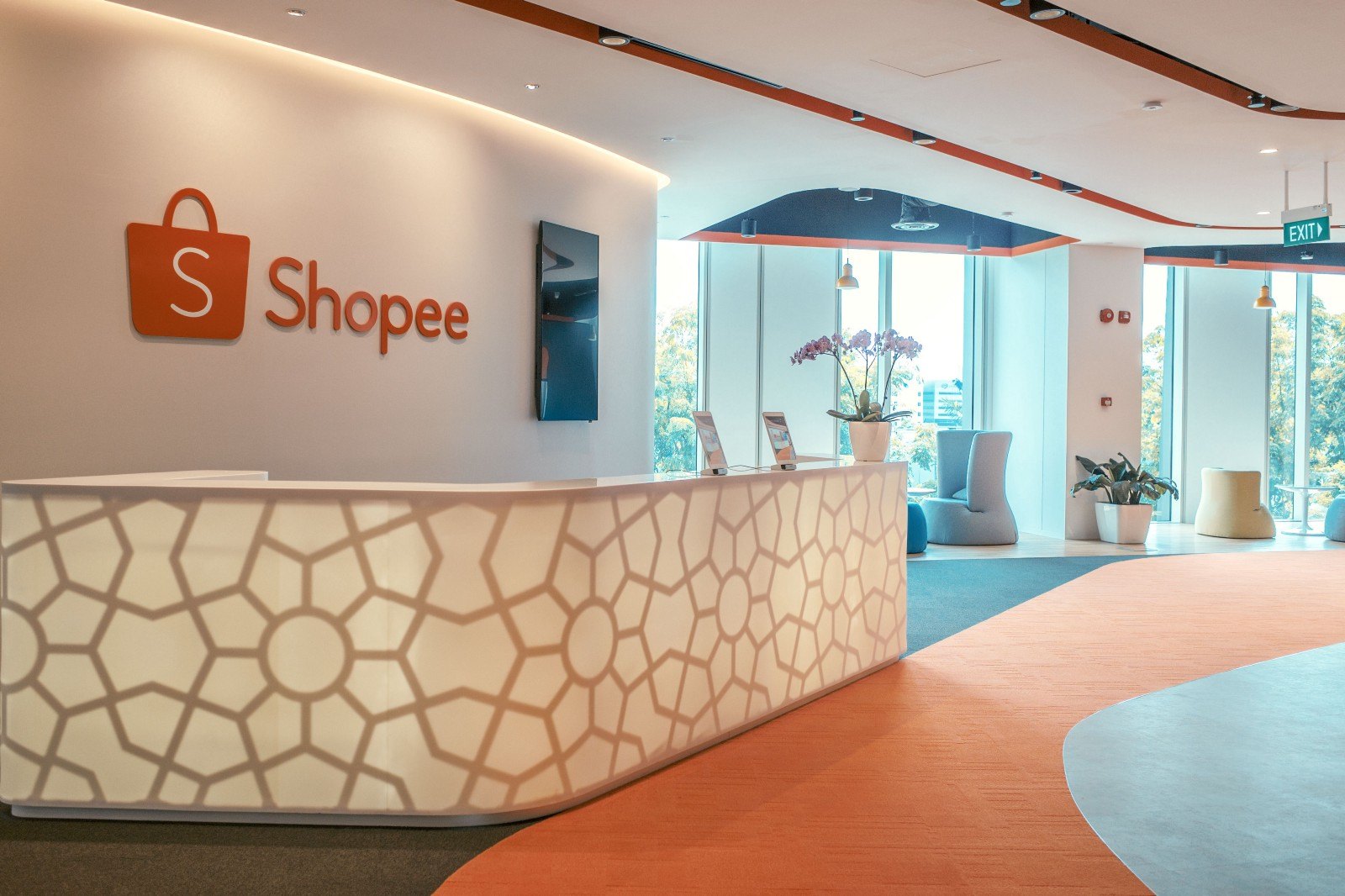
    Shopee’s rise sends rivals scrambling in Southeast Asian internet battle

    In front of an open-air Jakarta restaurant, delivery drivers clad in the orange colours of Southeast Asia tech group Sea Ltd wait for orders next to the green-jacketed riders of market leaders Gojek and Grab, in what has become the latest battleground for tech supremacy in Southeast Asia.

    The humble noodles eatery signed up for Sea’s nascent ShopeeFood service a month ago, but “immediately, there were orders everyday,” said manager M.A Rasyid.

    Riding on the success of a cash-generating gaming business, U.S.-listed Sea has invested heavily in its Shopee e-commerce brand and successfully taken on Alibaba’s Lazada and other rivals in recent years. Its share price has risen five-fold over the past year, giving Singapore-based Sea a market value of $111 billion.

    Now it is muscling into food delivery and financial services in Indonesia, the world’s fourth-most-populous country, posing a new threat to regional rivals including ride-hailing and delivery unicorns Grab and GoJek.

    At stake is a slice of the more than 400 million internet users in Southeast Asia’s digital economy, which is estimated to triple to $309 billion by 2025, according to a study by Google, Temasek and Bain & Company.

    Tech behemoths, including Tencent, a major investor in Sea, Alibaba, Google and Softbank Group Corp, are big backers of regional champions.

    Sources say Sea’s aggressive expansion is one driver of merger discussions between Gojek and e-commerce platform Tokopedia. The Indonesian firms aim to create an $18 billion powerhouse to fight off Sea and regional giant Grab.

    Meanwhile, Grab and others, including travel app Traveloka and Indonesian e-commerce unicorn Bukalapak, are rushing for public listings, hoping to ride the coattails of Sea’s stock rally while defending their turf, according to Reuters interviews with over a dozen people.

    “Sea is like Thanos, massive and powerful, and able to take down half of the world, or in this case half the startups,” Willson Cuaca, co-founder of East Ventures and an early backer of Tokopedia, joked as he compared Sea to the powerful villain in the Marvel film series.

    “Like the Avengers, companies need to band together if they want to ensure their survival and to win the war.”

    Sea’s stock rally reflects a scarcity of options for investors seeking exposure to the booming Southeast Asia internet sector. It went public in 2017 and has raised some $7 billion in share and debt sales, with early investor Tencent now holding a stake of about 20%.

    That investor appetite, combined with a need to raise cash to match Sea’s muscle, is forcing rivals to seek listings as quickly as they can, bankers and executives familiar with the matter say.

    Sources say the Gojek-Tokopedia merger, which is likely to be finalised within weeks, will be followed by a Jakarta listing in the second half of 2021, then a mega IPO in the United States targeted for 2022.

    Grab and Traveloka, for their part, aim to accelerate the process by merging with special purpose acquisition companies, sources said. Bukalapak is planning the same, after a 2021 Jakarta IPO.

  • Indian lingerie model, age 52, hopes to inspire inclusivity

    Indian lingerie model, age 52, hopes to inspire inclusivity

    A 52-year-old Indian lingerie model is pushing e-commerce firms to hire older women for their advertising campaigns, challenging what she says are the ageist norms practiced by many companies.

    Geeta J, a former teacher who took to modeling when she turned 50, says she wants innerwear companies in India to be more inclusive and avoid featuring only younger women in their promotion drives.

    “Are women no more fit to become a lingerie model past a certain age?,” Geeta has said in an online petition on Change.org, captioned with the hashtags ‘#AgenotCage’ and ‘#LingerieHasNoAge’, which she started this year.

    Her job is bold and unusual in the largely conservative Indian society where religious and cultural norms limit women’s freedom to dress the way they want.

    Such norms are even more restrictive for women over the age of 40, Geeta told Reuters in an interview.

    More than 11,000 people have signed up to support her petition, which is addressed to the chief executive of the popular innerwear company Zivame.

    “This will lead to a change in the mindset of people in our country who think that after 40, women should dress and behave in a certain way,” Geeta said in the petition, adding that she hoped it would lead to more companies following suit.

    Geeta began her career after winning a runners-up prize in a beauty pageant for older women. While her family and friends had been supportive of her switch in careers at 50, however, she said she was aware many Indian women her age would find it hard to do so.

    “I want to tell this to all women that they should care about the dreams of their husbands and loved ones and support them, but they should never think that their own life is not important or their wishes are not important,” Geeta said.

  • Shinsegae seeks to buy Starbucks US’ stake in Korean business

    Shinsegae seeks to buy Starbucks US’ stake in Korean business

    South Korea’s retail giant Shinsegae is reviewing ways to double its stake in Starbucks Korea from 50% to 100%, according to an industry source on Mar. 19. Shinsegae’s affiliate E-mart currently owns 50% of Starbucks Korea, while Starbucks Corporation headquartered in the US owns the other 50%.

    If the deal is successful, Starbucks Korea would become a wholly owned subsidiary of E-mart, which will receive double the dividends from the company. Starbucks Korea paid out annual dividends of 30 billion won ($26.6 million) each to E-mart and Starbucks Corporation last year.

    “While we are having thorough reviews on the topic internally, nothing has yet been confirmed,” said a Shinsegae spokesman.

    Starbucks Korea will still have to pay royalties at the current rate of 5% to Starbucks headquarters even if E-mart owns a 100% stake in the company.

    South Korea’s retail and franchise industry has been speculating for years regarding Starbucks Korea’s next steps.

    Many had projected that Starbucks headquarters would want to purchase E-mart’s shares to operate independently, as it did in China and Japan in the last five years.

    In case of a successful deal between Shinsegae and Starbucks Corporation, South Korea will mark the first country in Asia where Starbucks is 100%-owned by a local operator.

    Starbucks Korea was established as a 50:50 joint venture between E-mart and Starbucks Corporation in 1997, opened its first branch in 1999 and expanded to 1,503 branches as of December last year.

    Starbucks Korea’s revenue now exceeds 10% of Starbucks’ total revenue generated globally, but its operating margin falls behind the global average.

    Starbucks currently holds the highest coffee franchise market share in Korea, surpassing 1 trillion won ($885 million) revenue in 2016 and maintaining more than 20% year-over-year growth rates from 2017 to 2019, at 26%, 20.5% and 22.8%, respectively.

    Last year, Starbucks Korea generated 1.92 trillion won ($1.7 billion) in revenue, just 80 billion short of 2 trillion won ($1.77 billion).

  • Hyundai And Shell Expand Collaborations On Clean Energy Solutions

    Hyundai And Shell Expand Collaborations On Clean Energy Solutions

    Hyundai Motor Company has signed a new five-year Global Business Cooperation Agreement with Shell. The signing ceremony was held online at Hyundai Motorstudio Goyang, Korea. The agreement, which runs through 2026, marks the fourth extension of the partnership, but this time with a new focus on clean energy and carbon reduction in proactive response to market changes.

    The partnership will undertake cooperative projects that reflect this new direction, including a plan to establish new type of service channels specialized for mobility service providers, primarily in Asia. Both companies will also discuss cooperation schemes for energy supply business, such as EV and FCEV charging services.

    Un Soo Kim, Senior Vice President and Head of Global Operations Division of Hyundai Motor Company, said, “With Shell, we will be securing our competitiveness within the automotive industry, continuing our transition as a smart mobility solution provider.”

    The global cooperation agreement also maintains Hyundai’s recommendation for Shell lubricants across its global aftermarket network. The two companies run joint R&D programs including for the first-fill lubricants to meet Hyundai’s specific engine requirements, which could extend for collaboration on e-Fluids development for EVs.