Author: Mei Ling Tan

  • Thai Airways disputes $7.4bn of aircraft lessor claims

    Thai Airways disputes $7.4bn of aircraft lessor claims

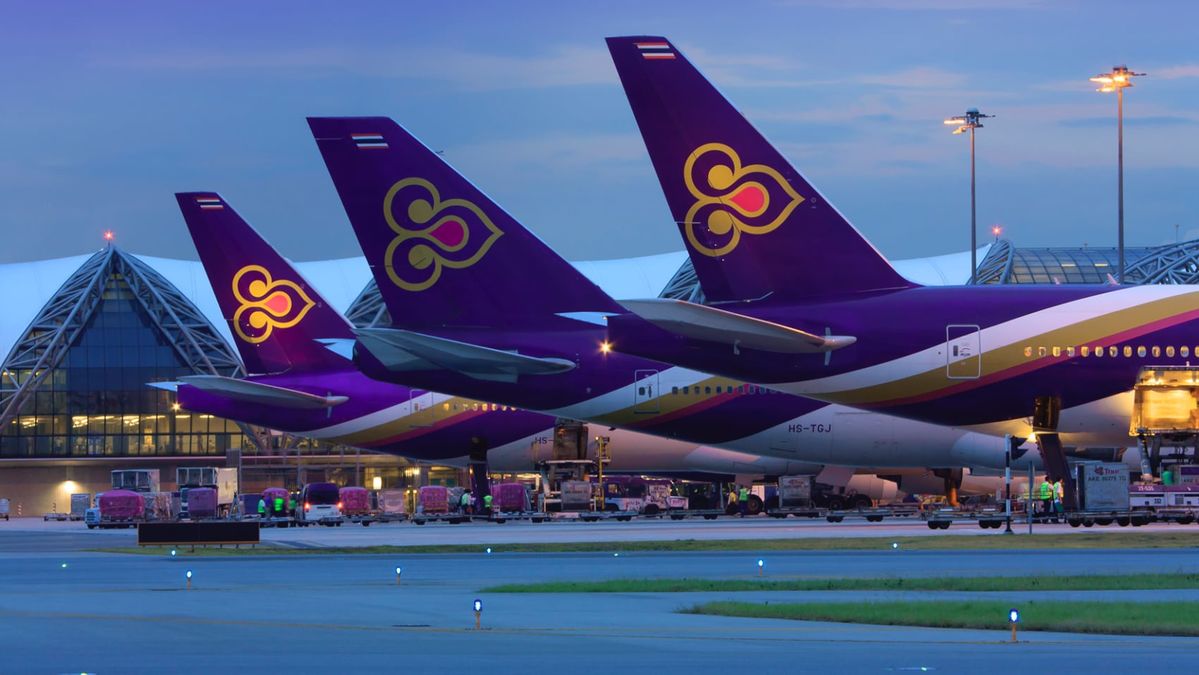
    Thai Airways International Plc is challenging some US$7.4 billion in claims from dozens of aircraft lessors and engine service provider Rolls-Royce Holdings Plc, saying it is not liable for the monies because they concern future expenses and were incurred after the airline received bankruptcy protection from a Bangkok court.

    Thailand’s flag carrier, which is undergoing a court-supervised restructuring to trim debt and return to profit by raising fresh capital, is disputing around 192 billion baht ($6.3 billion) claimed by 48 lessors including BOC Aviation Ltd and SMBC Aviation Capital Ltd, and another 33 billion baht that Rolls-Royce says it is owed for maintenance services, according to a copy of the debt rehabilitation plan seen by Bloomberg.

    A spokesperson for Thai Airways declined to comment. Representatives from BOC Aviation, and Rolls-Royce and SMBC Aviation in Europe also declined to comment.

    The disputed amount is more than half of Thai Airways’ total liabilities of 410 billion baht. Yet an amicable settlement with creditors is key for the airline to stave off bankruptcy.

  • Nokia deploys first 5G standalone RAN in Southeast Asia to M1-Starhub JV in Singapore

    Nokia deploys first 5G standalone RAN in Southeast Asia to M1-Starhub JV in Singapore

    Nokia announced the first 5G standalone (“SA”) Radio Access Network (“RAN”) Sharing network in South East Asia. The company has been selected by Antina Pte. Ltd. (“Antina”), a joint venture formed by mobile network operators M1 and StarHub, following a competitive tender process, to deploy 5G SA networks across Singapore. The commercial deployment of a 5G SA network will introduce compelling new use cases and cater for the growing data demand in the country, putting Singapore at the forefront of 5G standalone technology in the region.

    The partnership will enable Antina’s customers – M1, StarHub and other mobile service providers on wholesale arrangements – to benefit from a game-changing ultra-high speed, low-latency and highly secure 5G SA network that will reduce complexity and increase cost efficiencies. It will also enable new use cases across entertainment, cloud gaming, transportation, education and healthcare.

    Nokia will provide equipment from its comprehensive AirScale portfolio and CloudRAN solution to build the Radio Access Network (RAN) for the 5G SA infrastructure, utilizing the 3.5GHz spectrum band. Nokia will supply 5G base stations and its small cells solution for indoor coverage, as well as other radio access products. Nokia’s 5G SA technology will provide Singaporean enterprises with the opportunity to explore multiple new use cases due to the network’s higher bandwidth, higher uplink speeds and lower-latency.

    Nokia CloudRAN solution is designed to enable Antina to build a more agile business, meet new traffic demands, make better use of spectrum as well as optimize performance and mitigate costs. Nokia’s CloudRAN technology is expected to provide Antina with the flexibility to meet customer demands in the evolving 5G era. Nokia’s NetAct network management, CloudBand Application Manager and CloudBand Infrastructure Software will streamline operations and securely manage Antina’s networks.

    The commercial launch of this 5G SA network in Singapore will underpin the infrastructure for a vibrant 5G ecosystem.

    Tommi Uitto, President of Mobile Networks, Nokia, said: “This is an important win for Nokia that demonstrates our leadership in commercial-grade Cloud RAN as well as mobile operators’ trust in our capabilities for rapidly transitioning to 5G standalone networks. We look forward to supporting Antina in the deployment of a successful rollout of the 5G SA network in Singapore which aligns with the country’s vision of creating a world-class 5G infrastructure. We hope other global markets considering making the move to 5G SA will take note of Antina’s success.”

  • Don Don Donki opens first Jonetz concept store in Malaysia

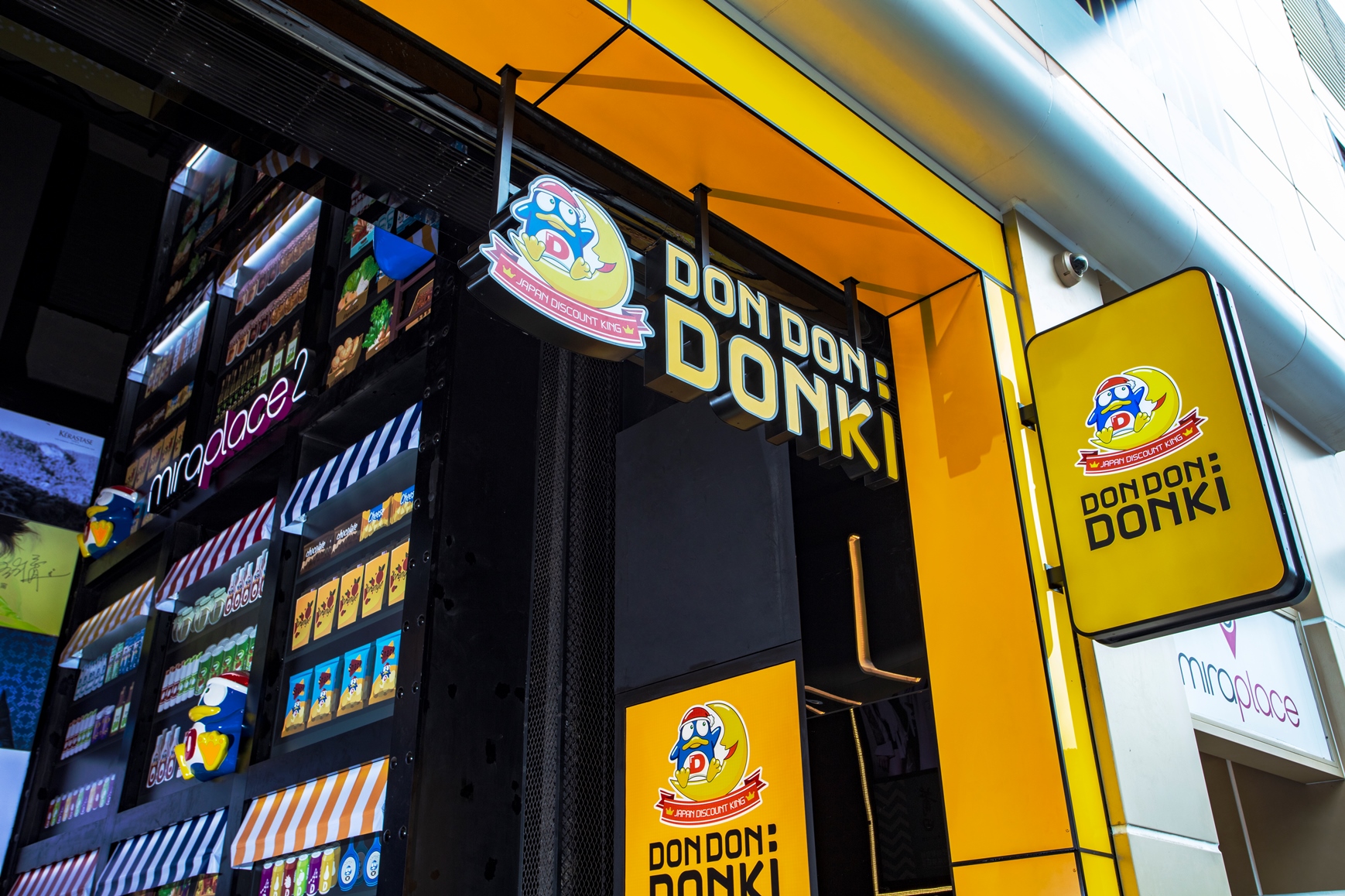
    Don Don Donki opens first Jonetz concept store in Malaysia

    The government is keen to work with Japanese retailer Don Don Donki, which has vast international network, to promote Malaysian Made products internationally particularly in Japan.

    Domestic Trade and Consumer Affairs Minister Datuk Seri Alexander Nanta Linggi said Tokyo 2020 Olympic Games hosted by Japan this year would be a good opportunity to promote and showcase quality Malaysian-made products, especially halal products.

    “Hopefully, this collaboration between Don Don Donki and the ministry can materialise very soon,” he said in his speech at the launch of Jonetz by Don Don Donki here last week.

    The first Jonetz by Don Don Donki outlet in Malaysia opened its doors to the public on March 19.

    Don Don Donki, a Japanese discount chain store,  is commonly found in the Asia Pacific region.

    It has over 160 locations throughout Japan as well as Singapore, Hong Kong, Hawaii, Bangkok, Taiwan and Malaysia.

    The Malaysian store occupies 23,476 sq m of space in Lot 10, across three floors in Bukit Bintang.

    Alexander said the brand new retail outlet by Don Don Donki was evidently a sign of continuous confidence by foreign investors in the Malaysian economy during these challenging times, especially in the retail sector.

    He said as many other developed nations, retail sector in was fast becoming one of the main contributors to the nation’s gross domestic product.

    “In 2019, Malaysia received RM60.46 billion worth of foreign investment in distributive trade sectors mainly from retail. This amount of foreign investment created 392,634 new job opportunities for Malaysians.

    “In 2020, despite the Covid-19 pandemic and implementation of the Movement Control Order (MCO), the retail sales contributed RM511 billion to national GDP,” he said.

    Pan Pacific International Holdings Corp (PPIH), the parent company Don Don Donki, is expanding its business to Asia Pacific region with the introduction of the specialty store concept, selling Japan-made or made for Japan merchandise.

    Pan Pacific Malaysia president Satoshi Machida said the group planned to open up 11 stores in the region in five years between 2021 and 2024.

    The store in Lot 10 sells Japanese snacks and groceries, including a variety of halal-certified Wagyu beef platters and barbecued meat.

    It also offers ready-to-eat meals and desserts, such as sushi platters along with Japanese cakes and treats, and cooking equipment and other electronics items as well as skincare, beauty products and other lifestyle items.

  • Rakuten to boost mobile activities with $2.2 billion capital injection

    Rakuten to boost mobile activities with $2.2 billion capital injection

    Japanese e-commerce and tech company Rakuten has sold a 13% share amounting to $2.2 billion to Japan Post, Tencent and Walmart. Japan Post will invest $1.4 billion into Rakuten, thereby owning 8.3% of the company’s total share to become its fourth-largest investor. Tencent will invest $0.6 billion to own 3.6% of the company’s total share, while Walmart will invest $0.15 billion to own a 0.9% share.

    Japan Post’s investment in Rakuten is aimed at strengthening ties between the two Groups and maximizing synergies by leveraging the resources and expertise of both Groups. The alliance will branch into mobile, logistics and digital transformation, with consideration to enter into financial services and e-commerce together.

    There are plans to create shared logistics centers, seeking new collaborations and initiatives between the pair to expand usage of Rakuten Fulfillment Centers and Japan Post’s “Yu-Pack” parcels.

    For the mobile sector, Rakuten will tap onto Japan Post’s nationwide chain of post offices to create customer counters to accept new signup applications for Rakuten Mobile’s marketing campaigns. Meanwhile, Rakuten Group will dispatch specialists to Japan Post to bolster its digital transformation plans.

    Last week, Rakuten Mobile announced that the total number of applications for its UN-LIMIT service plan launched on 8 April 2020 has surpassed 3 million. This week, Rakuten Mobile announced the signing of a Memorandum of Understanding with Airspan Networks for the latter to offer its complete vRAN hardware and software platform OpenRANGE on the Rakuten Communications Platform (RCP).

  • Malaysian online grocery player Jocom lists in Singapore

    Malaysian online grocery player Jocom lists in Singapore

    Singapore’s first regulated private securities exchange and a member of leading integrated private market ecosystem CapBridge Financial, today announced the direct listing of Jocom International Holdings, operator of leading Malaysia-based M-commerce platform JOCOM. The JOCOM mobile app connects over 500 vendors providing over 15,000 products with about 3 million customers across the whole of Malaysia.

    About 26.7% of JOCOM total shares outstanding were listed on 1X at an aggregate value of S$5.6m. The 1X listing process was conducted entirely online and facilitated by the CapBridge platform.

    Mr Joshua Sew, CEO of JOCOM, said, “In the past year, the demand for our integrated M-commerce solution has grown exponentially across both consumers as well as merchants and vendors.

    JOCOM has enabled traditional businesses to tap on the power of digital technology to engage existing and new customers, connecting many rural farmers and traders with affluent consumers seeking quality products in a convenient way. With this listing on Singapore’s 1Exchange, we look forward to going further to serve our shareholders, customers, and partners with even more innovative mobile commerce solutions.

    Mr Choo Haiping, CEO of 1X, said, “We are pleased to welcome JOCOM, Malaysia’s fastest-growing mobile commerce platform. For many customers, JOCOM’s specialist mobile app has been a reliable, convenient, and efficient one-stop-shop for their groceries and lifestyle needs. JOCOM has also contributed greatly to the digital transformation of many traditional businesses in Malaysia, through its accessible mobile commerce solutions. JOCOM can count on the 1X platform as it continues on its growth journey.”

    Based in the global financial hub of Singapore, 1X is the first regulated private securities exchange with a Recognised Market Operator license granted by the Monetary Authority of Singapore (“MAS”). 1X is part of CapBridge Financial, backed by Singapore Exchange (“SGX”), SGInnovate, South Korea’s Hanwha Investment and Securities Co, Hong Kong’s Cyberport Macro Fund, and AMTD Digital.

    Mr Mohamed Nasser Ismail, Senior Vice President and Global Head Equity Capital Markets, SGX, witnessed the listing and added, “As a strategic partner and shareholder of 1X, SGX is pleased to witness the continued interest by many growth companies to seek a listing on the private exchange. I am heartened at the listing of JOCOM, which adds to the vibrancy of the broader capital markets and provides shareholders and other interested investors a market for tradeable private equities. We look forward to supporting JOCOM and other such companies to prepare for an eventual public listing when they are ready.

    The direct listing on 1X was marked by a virtual gong-striking ceremony this morning, attended by representatives from JOCOM, placement agent CapBridge Pte Ltd, trust administrator Equiom Singapore, as well as a strategic partner and shareholder SGX.

    On 1X, private companies and funds have the flexibility to list a portion of their shares in the form of tradeable private equities. A direct listing on 1X enables companies to simply convert their existing shares to tradeable shares, in a cost-effective and efficient manner. This regulated asset class traded on 1X provides investors additional portfolio diversification with higher-than-market returns potential while giving shareholders options for exits.

  • Pomelo expands its online presence with localised Philippines store

    Pomelo expands its online presence with localised Philippines store

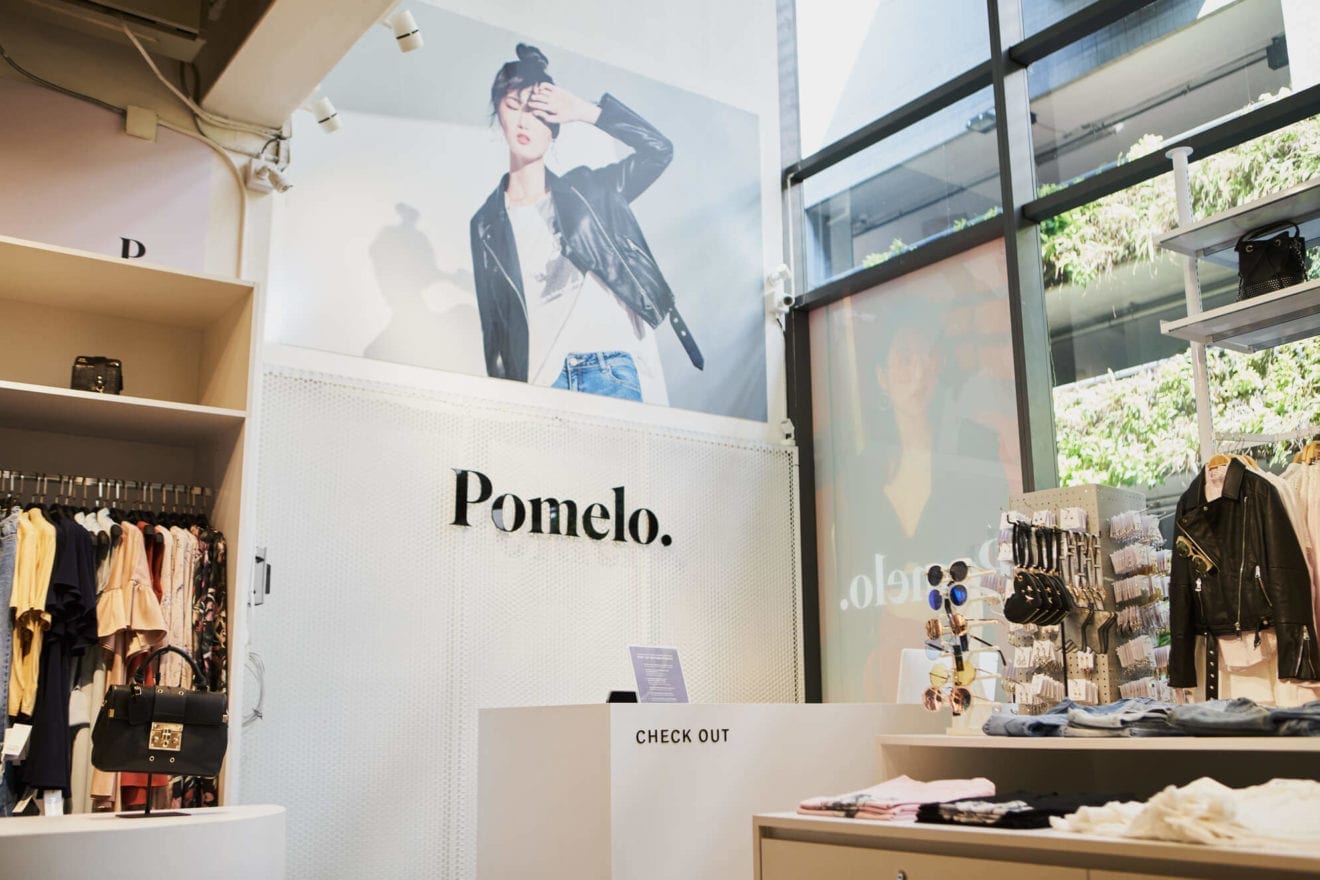
    The omnichannel fashion platform has launched a localized online store in the Philippines as part of its digital expansion across Southeast Asia.

    According to Pomelo, monthly orders from the Philippines currently account for around 10 percent of Pomelo’s total orders. Coinciding with the brand’s eight-year anniversary, the launch will help the brand strengthen their presence in Southeast Asia and increase its market share in the Philippines. Currently, the brand’s listing on Zalora Philippines has amassed more than 100,000 unique orders from locals.

    The Philippines’ online store will house Pomelo’s exclusive collaborations and fashion-forward apparel, including the brand’s new Spring/Summer 2021 Collection. The store will also feature the brand’s cashback reward and loyalty program, ‘Pomelo Perks.’

    This year in particular has seen the brand’s efforts to expand across the region increase with new stores launched in Singapore and Indonesia. The brand will also launch a flagship store in Malaysia this May.

  • Vietnam pilots Mobile Money project for cashless payments

    Vietnam pilots Mobile Money project for cashless payments

    Vietnam’s Prime Minister Nguyen Xuan Phuc has given the green light for the Mobile Money pilot project, thereby allowing mobile phone subscribers to use their telecommunications accounts to make money transfers and payments up to a limited value for products and services strictly in Vietnam.

    This pilot project came into effect on 9 March 2021 and will be conducted over two years. It will be implemented nationwide, particularly in rural areas to improve access to financial services and encourage cashless payment via mobile devices.

    Businesses require licenses to provide intermediary mobile money services, as well as licenses for public mobile terrestrial telecommunications networks to tap on telecommunications network and data. Customers are required to register their mobile accounts with an identity card, citizen identification or passport and use mobile services for at least three consecutive months.

    This pilot project was first submitted to the Prime Minister for approval in May 2020, prompting Vietnam’s major telecommunications services providers like Viettel, VNPT and MobiFone to add payment as a line of business.

    Vietnam has a population of 129.5 million mobile subscribers, of which 43.7 million owns smartphones. This pilot will serve as a basis for the relevant authorities to develop legal regulations around the service in the country.

  • New Levi’s store in Indonesia is its largest in SEA

    New Levi’s store in Indonesia is its largest in SEA

    The store represents the brand’s largest store yet in Southeast Asia, and features the brand’s new ‘Next Gen’ design concept.

    The new store is located in Grand Indonesia East Mall and features a range of technology features including Levi’s first associate ordering system, which is part of a broader omni-channel shopping experience. The new store also features a Tailor Shop where customers are able to customize their own items; options available include embroidery, hemming and alterations. Customers can also create their own t-shirt at the store’s print bar.

    Sameer Koul, Country Manager at Levi Strauss Indonesia, commented: “We are focused on bringing a highly personalized shopping experience to consumers and in a large format. This store can embody a bold brand image and vision for Indonesia. Levi’s Next Gen Store offers the most diverse products and brings our brand story to life with the feeling of being in a theatre.”

  • Hong Kong e-commerce scene ready for growth in 2021

    Hong Kong e-commerce scene ready for growth in 2021

    E-commerce businesses in Hong Kong are set to recapture their growth hit by the COVID-19 pandemic, with supply chain and logistics issues and a decline in sales, Paypal’s new study showed.

    Despite the obstacles brought by COVID-19, two-thirds (61%) of businesses surveyed are anticipating a recovery at the end of 2020, along with the measures to address the financial pressure and customer relationship challenges.

    The study also found 86% of respondents believing to improve their e-commerce experience for consumers to boost their competitiveness in this time.

    The PayPal Hong Kong Merchant Survey was conducted in August to understand the impact of the pandemic on e-commerce businesses and their thoughts on recovery. 86% of respondents seek capitalization on the opportunity of improving online shopping experiences to boost competitiveness.

    While online shopping amplified, 27% of respondents reported tough challenges amidst the pandemic – mainly growing concerned on their sustainability.

    Since January 2020, 86% of businesses claimed to have supply chain and logistics problems, while 52% reported decrease in sales as their main challenge. Such are creating dual pressure on businesses in addition to the increasing operational costs.

    These issues are also causing failing customer relationships in Hong Kong businesses, including rising complaints, damaged company reputation, and loss of regular customers.

  • National Pharmacies Improves Patient Privacy and Customer Experience with the SOTI ONE Platform

    National Pharmacies Improves Patient Privacy and Customer Experience with the SOTI ONE Platform

    National Pharmacies, one of Australia’s most progressive pharmacy and optical groups, has adopted the SOTI ONE Platform across its retail network to enhance mobile operations, reduce IT costs and increase data security to protect patient privacy.

    Founded in 1911, National Pharmacies previously relied on manual and desktop IT infrastructure to address customer transactions, enquiries and to manage stock through its retail supply chain.

    To overcome business challenges associated with manual and fixed in-store processes, National Pharmacies required a solution that empowered staff, enabled mobility, and improved the customer experience. As a result, National Pharmacies moved from fixed terminals to help automate the stock replenishment process, assist with customer queries, and improve member engagement, through in-house mobile apps.

    A Cure for Greater Functionality and User Support

    With more mobile devices being used within the business, remote functionality became a critical feature. National Pharmacies needed to deploy mobile apps remotely and previously struggled with a lack of visibility into their devices in the field.

    “Our pharmacies continue to keep pace with emerging mobile technologies, and we are always looking to improve the patient care experience,” said Joe Polisena, Chief Technology Officer at National Pharmacies. “Mobile technologies are considered part of our critical infrastructure in delivering health solutions and SOTI MobiControl provides us with the right tools for the job; verifying each device has the right software updates, right permissions and comprehensive logging to ensure privacy is respected for each patient.”

    SOTI MobiControl Protects Patient Data and Delivers IT Cost Savings

    “Mobility and the growth of the Internet of Things (IoT) are having a tremendous impact on the pharmacy and healthcare sectors. The challenge, however, is that more devices and more connected things increases security risks and the potential of leaking confidential patient data. In order to provide the high level of data security necessary to protect patients, National Pharmacies is trusting the SOTI MobiControl to secure and manage the vast numbers of endpoints they are deploying to keep patient data secure and private,” said Michael Dyson, VP of Sales, APAC at SOTI.

    Since working with SOTI, National Pharmacies has experienced IT cost savings and seen a double-digit reduction in the number of help desk tickets logged for mobile devices, resulting in improved user and customer satisfaction.

    “SOTI was able to provide a full, no cost proof of concept for National Pharmacies on their devices, in their environment, and assist them with all the challenges encountered throughout their deployment with ease,” said Michael. “Since implementing SOTI MobiControl, National Pharmacies has seen an immediate impact, with a 10X ROI saving both time and money across their operations.”

    For more information on how National Pharmacies is using the SOTI ONE Platform to improve their mobile operations, read our latest case study.

    About SOTI

    SOTI is the world’s most trusted provider of mobile and IoT management solutions, with more than 17,000 enterprise customers and millions of devices managed worldwide. SOTI’s innovative portfolio of solutions and services provide the tools organisations need to truly mobilise their operations and optimise their mobility investments. SOTI extends secure mobility management to provide an integrated solution to manage and secure all mobile devices and connected peripherals in an organisation.

     

  • Deliveroo announces IPO Price Range

    Deliveroo announces IPO Price Range

    Deliveroo is providing an update on trading for the 2 month period January and February 2021 versus the comparable period in 2020.

    GTV – the total amount of transactions it processes on its platform – has grown +121% year on year at the group level in January and February 2021. GTV in the UK and Ireland has grown +130% year on year and GTV in the Group’s other markets has grown +112% year-on-year.

    This follows the Company’s Registration Document, published on 8 March 2021, which showed GTV grew64% in 2020. Fourth quarter 2020 run-rate GTV amounts to over £5 billion. In 2020, underlying gross profit margin as a percentage of GTV grew from 5.8% in 2018 to 8.8%, demonstrating fast growth underpinned by strong unit economics.

    IPO Offer Highlights

    • The price range for the Offer has been set at £3.90 to £4.60 per Share, implying an estimated market capitalisation at Admission of between £7.6 billion and £8.8 billion (excluding any over-allotment shares).
    • We will apply for admission of shares on the standard listing segment of the Official List of the FCA and to trading on the main market of the London Stock Exchange.
    • The Offer will comprise of new Shares to be issued by Deliveroo (expecting to raise gross proceeds of approximately £1 billion) (“New Shares”) and existing Shares to be sold by certain existing shareholders.

    o    Bringing the food category online represents an enormous market opportunity. The way we think about it is simple: there are 21 meal occasions in a week – breakfast, lunch, and dinner – seven days a week. Right now, less than one of those 21 transactions takes place online. We are working to change that.

    o    We have executed well, from a growth, expansion, and profitability perspective, but we are just truly starting our journey.

    o    We will continue to invest in the innovations that we believe will further enhance our core marketplace for consumers, restaurants and grocers, and riders, while also continuing to further develop our growth businesses, in particular, Editions, Plus and Signature.

    Will Shu, Founder and CEO of Deliveroo, said: 

    “We are proud to be listing in London, the city where Deliveroo started. Becoming a public company will enable us to continue to invest in innovation, developing new tech tools to support restaurants and grocers, providing riders with more work and extending choice for consumers, bringing them the food they love from more restaurants than ever before. This will help us in our mission to become the definitive food company. We have enjoyed a strong start to 2021 and we are only at the start of an exciting j

  • AirAsia adds new unlimited flight pass offering to super app

    AirAsia adds new unlimited flight pass offering to super app

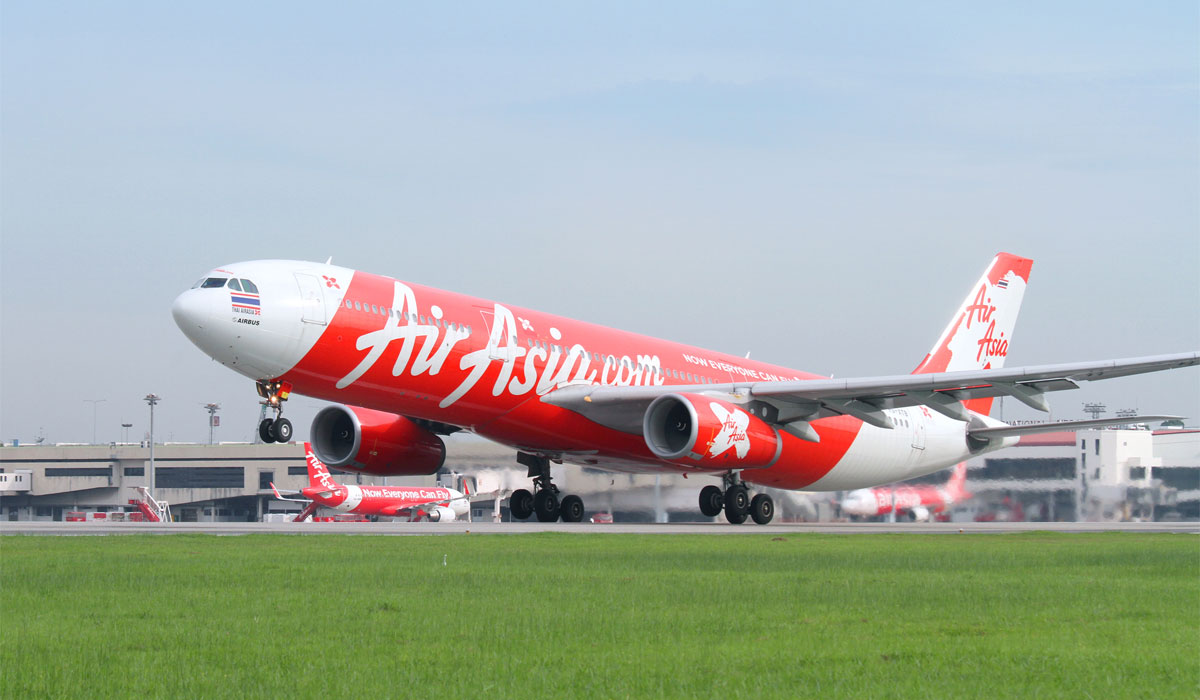
    AirAsia has introduced a new unlimited flight pass, which provides access to its international and domestic flights as well as e-commerce delivery services on its Asean super app.

    The new Asean Unlimited offer allows pass-holders to redeem unlimited flights both domestically within Malaysia and internationally across Asean for future travel from 17 March 2021 up to 26 March 2022.

    Pass-holders will also have unlimited access to free delivery services across AirAsia shop, AirAsia food, and AirAsia fresh.

    Delivery is currently available within the Klang Valley with upcoming expansion into more cities across Malaysia.

    Tony Fernandes, CEO, AirAsia Group: “As part of our preparations to welcome the recovery of air travel in the region and to further stimulate the local economy, we hope that this product can also serve as a catalyst as the Asean tourism industry gears itself for a post-COVID revival.”

    Priced at RM599 (USD150), the pass is available to all Malaysia-based AirAsia BIG Members to purchase from 3 to 7 March 2021. BigPay users can also enjoy RM50 (USD12) off their purchase when they pay with BigPay until 5 March 2021.

    Tony Fernandes, CEO, AirAsia Group, said: “We’ve always been a disruptor and this time we are taking another unprecedented step to launch Asean Unlimited. AirAsia has expanded into a super app, offering much more than just travel products and now include e-commerce and fintech products. We have received so many positive responses and support for our new offerings, and we want to continue providing value to our customers.”

    The initiative builds on recent news of COVID-19 vaccines being rolled out across Malaysia. Fernandes added: “As part of our preparations to welcome the recovery of air travel in the region and to further stimulate the local economy, we hope that this product can also serve as a catalyst as the Asean tourism industry gears itself for a post-COVID revival.”

  • Google has a plan to make app updates feel faster on Android

    Google has a plan to make app updates feel faster on Android

    Google would like Android users to have their apps installed faster on their Android devices. We discovererd something new in the Google Play Store called “App install optimization” that would use crowdsourced information to make this happen. As Google explains, “When you turn on App install optimization, Google can tell which parts of an app you use the first time you open it after installation. When enough people do this, Google can optimize the app to install, open, and run faster for everyone.” And even though crowdsourcing is used to make this work, no personal data such as your name and email address is shared.

    The crowdsourced feature also “doesn’t look at anything outside of the app, such as other apps or content on your device. It also doesn’t collect information about content uploaded or downloaded in the app, such as images in a social feed, or rankings on a leaderboard.” What Google does is combine your data with data from other users in order to “find trends and identify which parts of the app are most important to everyone.” This information, Google says, will speed up the time it takes to install apps from Google Play, lower the amount of time it takes to open and run a particular app, and reduce the strain on your device’s CPU, battery, and storage.

    Let’s look at an example, shall we? Let’s say that after installing Instagram on your phone, you spend the first ten minutes creating your profile and finding friends. If Google discovers that most people follow the same routine when installing the app from the Play Store, Google will make sure that the first parts of Instagram that get installed from the Play Store deal with profile creation and finding friends. The story viewer and the files needed to post on the app will remain uninstalled until you try to use them or your signal gets stronger. And instead of opening the entire app into RAM at once, Your phone might load only those parts of the app you use the most lowering the amount of RAM being used while reducing the stress on your phone’s processor.

    Android users not happy with App install optimization will be able to opt-out of the feature although this will simply stop your data from being used in the crowdsourcing. You will still benefit from the faster install times created when other Android users’ data is collected by Google. Version 25.5.13 of the Google Play Store makes a reference to the feature which means that we could see it hit the Google Play Store soon.

  • An “Instagram for Kids” is in the making

    An “Instagram for Kids” is in the making

    Facebook, Instagram’s parent company, have taken it upon themselves to begin development for a children’s version of the app.  It is widely known the regular Instagram app is hardly an ideal environment for young children. The minimum age to create an account is 13 years old, but kids are shrewd when it comes to figuring out how to sidestep this restriction, exposing themselves to possible dangers.

    Adam Mosseri, head of Instagram, spoke out about the difficulty of verifying users’ age, as “most people don’t get identification documents until they are in their mid-to-late teens.” Mosseri will be overseeing the development of the new app dedicated to providing a kid-friendly Instagram experience, which is still in its infancy stage, along with Pavni Diwanji (previously in charge of Google’s YouTube Kids and other kid-focused projects).

    I’m excited to announce that going forward, we have identified youth work as a priority for Instagram. We are accelerating our integrity and privacy work to ensure the safest possible experience for teens and building a version of Instagram that allows people under the age of 13 to safely use Instagram for the first time.

    It isn’t difficult to imagine the perils and pitfalls pre-teens could encounter while using the regular Instagram app, and mingling with all sorts of strangers. Because the app caters to teenagers and adults, its restrictions are minimal to accommodate to that age group. The fact that it allows nudity (albeit for artistic or body-positive purposes), and other explicit content, is the least of it.

    There, children are vulnerable and exposed to both predators who lurk on the platform, and other negative influences such as unrealistic body standards, shady chat groups with 18+ content, as well as abuse and bullying. Neither is the merciless bombardment from advertisers and product-pushing influencers appropriate for the many children on Instagram, whose minds are too easily influenced and too young to think critically and make conscious decisions.
    A lot of children, either by choice or by accident, migrate [from YouTube Kids] onto the broader YouTube platform. Just because you have a platform for kids, it doesn’t mean the kids are going to stay there. —Kumar

    Researcher Priya Kumar has spoken up to make the case that a kid-friendly Instagram in no way guarantees that children won’t find themselves on the main app sooner or later. Moreover, it will only serve to reel them in and get them hooked onto social media at an earlier age than ever, as well as tread the moral fence of monetizing their interactions on the platform to boot.

    Buzzfeed adds that after Facebook developed Messenger Kids in 2017 (boasting strict safety measures and parental controls), in 2019, a bug was discovered in the app which allowed children to join chats with complete strangers.

  • Chinese manufacturer will reportedly use Huawei’s ecosystem in case it too loses access to Google

    Chinese manufacturer will reportedly use Huawei’s ecosystem in case it too loses access to Google

    In May 2019, the U.S. placed Huawei on the Entity List. Not only did this ban Huawei from accessing its U.S. supply chain, it also banned Huawei from using Google’s Android apps on Huawei handsets. Not that this really mattered since many of these apps such as YouTube, Search, Google Maps, Drive, and others were already banned from the Chinese versions of Huawei’s phones by the government. Google’s apps were allowed on the international versions of Huawei’s phones.

    Huawei’s Entity List placement means that Google Mobile Services is not allowed on Huawei handsets and had to be replaced. Huawei developed its own ecosystem called Huawei Mobile Service (HMS). As of last December, HMS covered 500 million monthly active users in over 170 countries; the buzz around the water cooler is that a non-Huawei handset will soon be available with HMS pre-installed (more on this below).

    Huawei also had to replace the Google-licensed version of Android with the open-source version of Android and will now switch to its homegrown HarmonyOS. The company’s first 2021 flagship, the camera-centric Huawei P50 series, could be the first smartphones to run HarmonyOS. According to Huawei staff member Akiba Ziluo, Chinese smartphone manufacturer Meizu will have the first non-Huawei handset to support HMS Core through the Huawei Mobile Service. According to Huawei, “HMS Core offers a rich array of open device and cloud capabilities, which facilitate efficient development, fast growth, and flexible monetization. This enables global developers to pursue groundbreaking innovation, deliver next-level user experiences, and make premium content and services broadly accessible.”

    Each Chinese phone manufacturer has a secret fear; they worry about becoming the next Huawei and ending up in a similar predicament. That is why many of them are looking for Chinese technology that could be used in a jiff to replace American software in case they are banned from using U.S. technology like Huawei is.