Author: Mei Ling Tan

  • Japan Car Makers Scramble To Assess Impact Of Renesas Auto Chip-Plant Fire

    Japan Car Makers Scramble To Assess Impact Of Renesas Auto Chip-Plant Fire

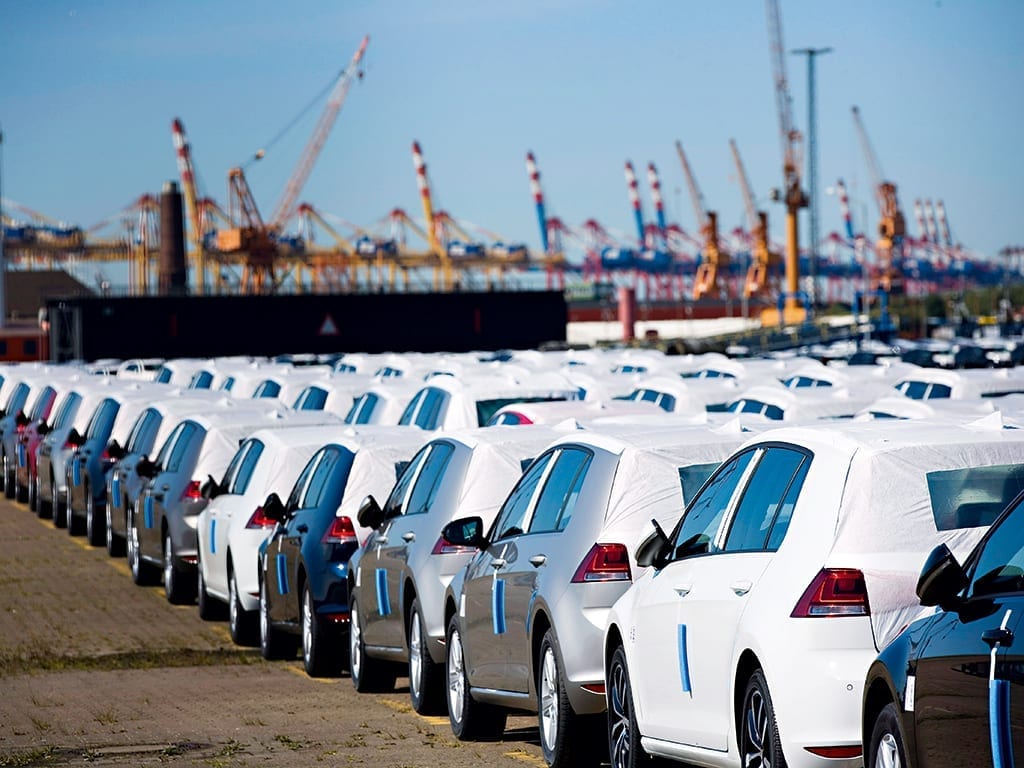
    Toyota, Nissan, Honda and other Japanese automakers scrambled on Monday to assess the production impact of a fire at a Renesas Electronics automotive chip plant that could aggravate a global semiconductor shortage. “We are gathering information and trying to see if this will affect us or not,” a Honda spokesman said. Other car makers including Toyota and Nissan said they too were assessing the situation. The effect on car makers could spread beyond Japan to other auto companies in Europe and the United States because Renesas has around a 30% global share of micro control unit chips used in cars.

    Renesas said it will take at least a month to restart production on a 300mm wafer line at its Naka plant in northeast Japan after an electrical fault caused machinery to catch fire on Friday and poured smoke into the sensitive clean room.

    Two-thirds of production at the affected line is automotive chips. The company also has a 200mm wafer line at the Naka plant, which has not been affected. Concerns on the impact of the fire on production sent auto shares sliding in Tokyo on Monday, with the big three, Toyota, Honda and Nissan, down more than 2% by the midday break. Renesas shares tumbled as much as 5.5% and were down 3.9% midday. The benchmark Topix index shed 1.1%.

    “It will probably take more than a month to return to normal supply. Given that, even Toyota will face very unstable production in April and May,” said Seiji Sugiura, senior analyst at Tokai Tokyo Research Institute. “I think Honda, Nissan and other makers will also be facing a difficult situation.”

    Semiconductors such as those made by Renesas are used extensively in cars, including to monitor engine performance, manage steering or automatic windows, and in sensors used in parking and entertainment systems.

    Nissan and Honda had already been forced to scale back production plans because of the chip shortage resulting from burgeoning demand from consumer electronic makers and an unexpected rebound in car sales from a slump during the early months of the coronavirus pandemic. Toyota, which ensured parts suppliers had enough stocks of chips, has fared better so far.

    “It could take three months or even half a year for a full recovery,” said Akira Minamikawa, analyst at technology research company Omdia. “This has happened when chip stockpiles are low, so the impact is going to be significant,” he added.

    Renesas said it customers, which are mostly automotive parts makers rather than the car companies, will begin to see chip shipments fall in around a month. The company declined to say which machine caught fire because of the electrical fault or which company made it. The Japanese government promised help for the auto industry.

    “We will firmly try to help the Naka factory achieve swift restoration by helping it quickly acquire alternative manufacturing equipment,” Chief Cabinet Secretary Katsunobu Kato told a regular news conference on Monday.

    The latest incident at the Naka facility comes after an earthquake last month shut down production for three days and forced Renesas to further deplete chip stocks to keep up with orders. The plant was closed for three months in 2011 following the deadly earthquake that devastated Japan’s northeast coast.

  • First Neobank Launches in the Philippines

    First Neobank Launches in the Philippines

    The opportunity is ripe for the digital-only bank in the country, which has a population of over 100 million – 70 percent of whom is currently unbanked – spread across a vast territory of 7,600 islands.

    Tonik has rolled out its long-awaited deposit, payment, and card products to consumers in the Philippines, where it hopes to disrupt the traditional retail banking sector.

    The digital-only bank intends to boost financial inclusion, as previously unbanked customers can have accounts set up within five minutes through its mobile app, which come with a virtual MasterCard debit card. Accounts can be topped up via interbank transfer, debit card, or in cash at close to 10,000 retail agents across the country.

    Tonik said its use of technology will dramatically cut operating costs, and allows it to offer «game-changing» interest rates and not to charge unfair fees to customers. It plans to expand its offer to include a physical debit card and to allow customers to take out an all-digital consumer loan.

    We expect our proposition for the #NeoNormal to resonate particularly strongly with the “digital natives” in the Philippines, who constitute most of the population,» Long Pineda, president of Tonik Digital Bank, said in an announcement on Friday.

    Tonik is headquartered in Singapore, and is backed by venture capital funds including Sequoia India and Point72.

  • Targeting Tesla, China’s Geely To Launch New Premium EV Brand

    Targeting Tesla, China’s Geely To Launch New Premium EV Brand

    China’s Geely plans to roll out electric vehicles under a new marque with different branding and sales strategies, people familiar with the matter said, as the Volvo owner looks to take on its main EV rival Tesla with higher-end vehicles. The brand, positioned in the premium segment and named “Zeekr”, will be housed under Geely’s to-be-launched EV entity Lingling Technologies, according to three people, who declined to be named as the plan is not yet public. Reuters reported the plans for Lingling last month.

    Geely, the owner of Volvo Cars and 9.7% of Daimler AG, will roll out models under the new marque based on its open-source EV chassis, announced in September and called Sustainable Experience Architecture (SEA), the sources said.

    It will be a new attempt to go up-market by Geely, and backs founder and Chairman Li Shufu’s long-held ambition to make premium cars “like Mercedes-Benz” in a bid to take on EV leader Tesla Inc.

    Geely will open showrooms, or “hubs”, in city centres to sell cars at a fixed price, departing from traditions to sell cars through dealerships – marketing tactics pioneered by Tesla, which last year saw sales expand quickly in China, the world’s biggest car market.

    The plan follows a flurry of tie-ups by Geely earlier this year as the automaker pursues its goal of becoming a leading EV contract manufacturer and engineering service provider.

    “Traditional gasoline cars and electric vehicles are two race tracks of business. Geely does not have a clear advantage in electric vehicles at the moment so it appears that it wants to complete its own innovation by creating a new brand,” said Alan Kang, analyst at auto consultancy LMC Automotive.

    China’s automakers largely compete with entry-level and mass-market manufacturers including Volkswagen and Toyota, but EV maker Nio Inc sells cars with higher prices and counts BMW as a rival.

    Hangzhou-based Geely also plans a broad array of sales and marketing strategies to seek deeper relationships with the EV buyers. It will open lifestyle lines for clothing and accessories and launch a car owner’s club, tactics used by Nio, sources said.

    Zeekr is also considering rolling out a share ownership plan that allows customers to become shareholders of Lingling, which management hopes will boost sales and the relationship between brand and customers.

    Geely declined to comment. Shares of its Hong Kong-listed company Geely Automobile fell 3% on Friday as Chinese equities dropped after a rise in global bond yields prompted selling in high-priced consumer and material stocks.

    Many conventional automakers have used a new brand to launch their EV units. Geely’s rivals including Great Wall, and SAIC Motor have rolled out their respective new standalone EV brands.

    China’s government has heavily promoted new energy vehicles (NEVs) – such as battery-powered, plug-in petrol-electric hybrid and hydrogen fuel cell cars – in response to chronic air pollution and a warming climate, spurring interest from technology companies and investors alike. China forecasts NEVs will make up 20% of its annual auto sales by 2025 from around 5% in 2020.

  • HSBC Reopens Hong Kong Headquarters

    HSBC Reopens Hong Kong Headquarters

    HSBC has reopened its main Hong Kong office but is only advising critical staff to come in for work, according to an internal memo.

    Precautionary measures – such as wearing masks, pre-entry temperature screening, hand sanitizers, spaced queuing and portable acrylic screens at open banking counters – will continue to be in place, according to a statement from the bank, adding that it conducted deep cleaning and disinfection last week.

    The bank closed the office last week following a recent outbreak in a local gym popularly frequented by expatriates. Visitors who stayed within the building for over two hours between March 3 and 16 were required to undergo coronavirus tests.

    The gym-linked cluster has resulted in nearly 150 cases and has prompted other financial firms, including Goldman Sachs and UBS, to encourage more work-from-home measures.

  • UK and EU regulatory agencies confirm COVID-19 Vaccine AstraZeneca is safe and effective

    UK and EU regulatory agencies confirm COVID-19 Vaccine AstraZeneca is safe and effective

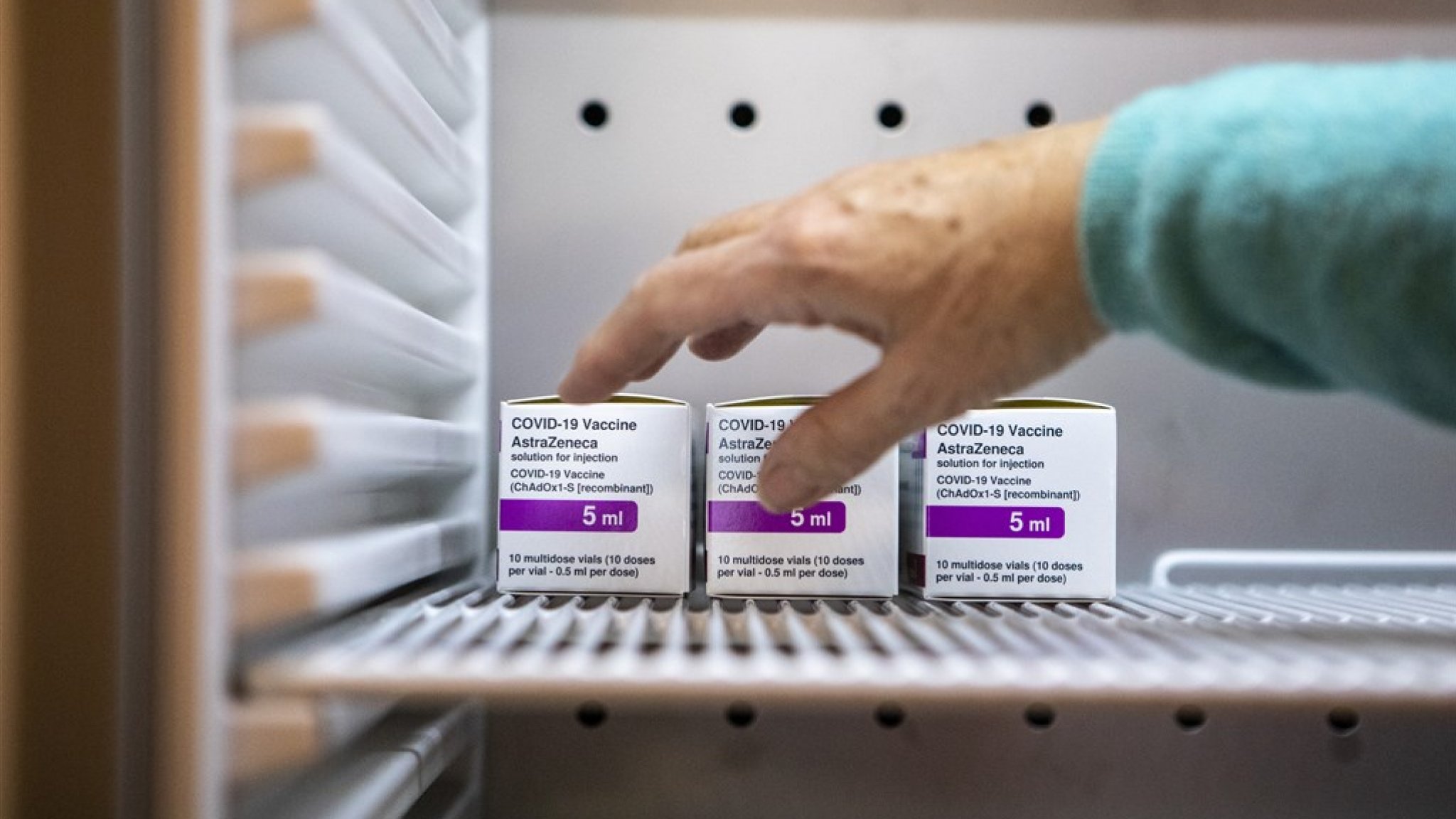
    On March 18, the Medicines Health Regulatory Authority (MHRA) and European Medicines Agency (EMA) reaffirmed the benefits of COVID-19 Vaccine AstraZeneca continue to far outweigh the risks.

    Earlier today, the MHRA announced their review of the small number of thromboembolic events in over 11 million people who received COVID-19 Vaccine AstraZeneca in the UK. The UK regulator confirmed that the benefits of the vaccine in preventing COVID-19 far outweigh the risks, and people should continue to get vaccinated when asked to do so. Following the rigorous scientific review, the MHRA concluded there is no evidence that blood clots in veins are occurring more than would be expected in the absence of vaccination. A detailed review of five UK reports of a very rare and specific type of blood clot in the cerebral veins (sinus vein thrombosis) occurring together with lowered platelets (thrombocytopenia) is ongoing. This has been reported in fewer than one in a million people vaccinated so far in the UK, and can also occur naturally – a causal association with the vaccine has not been established.

    Subsequently, the EMA’s Pharmacovigilance Risk Assessment Committee (PRAC) concluded there was no increase in the overall risk of blood clots (thromboembolic events) with COVID-19 Vaccine AstraZeneca. However, the PRAC also concluded that, for very rare cases of serious thromboembolic events with thrombocytopenia, a causal link with the vaccine is not proven, but is possible and deserves further analysis. Furthermore, there was no evidence of a problem related to specific batches of the vaccine or to particular manufacturing sites.

    AstraZeneca will continue to work closely with health authorities to ensure the appropriate use of COVID-19 Vaccine AstraZeneca. The Company recognises and will implement the recommendations of the PRAC, including the update of the product information, whilst continuing to understand the nature and relevance of these events to ensure the safe delivery of the vaccine continues during this public health crisis. Analysis of AstraZeneca’s safety database on tens of millions of records for COVID-19 Vaccine AstraZeneca did not show that these events occurred any more commonly than would be expected in millions of people.

    Ann Taylor, Chief Medical Officer, said: “Vaccine safety is paramount and we welcome the regulators’ decisions which affirm the overwhelming benefit of our vaccine in stopping the pandemic. We trust that, after the regulators’ careful decisions, vaccinations can once again resume across Europe.”

    Patient safety remains AstraZeneca’s highest priority and the Company has robust processes in place for the collection, analysis and reporting of adverse events and these are shared with regulatory authorities around the world.

  • Honda Temporarily Cutting Production At All U.S., Canada Plants

    Honda Temporarily Cutting Production At All U.S., Canada Plants

    Honda Motor Co said late Tuesday supply chain issues will force a halt to production at a majority of U.S. and Canadian auto plants for a week. The Japanese automaker added the issue will result in some production cuts next week at all U.S. and Canadian plants, citing “the impact from COVID-19, congestion at various ports, the microchip shortage and severe winter weather over the past several weeks.”

    “In some way, all of our auto plants in the U.S. and Canada will be impacted,” Honda said.

    Some U.S. and Canadian plants are expected to have smaller production cuts next week, but a spokesman for Honda added “the timing and length of production adjustments could change.”

    The company declined to specify the volume of vehicles impacted but said “purchasing and production teams are working to limit the impact of this situation.”

    The company added when production is suspended Honda workers “will continue to have the opportunity to work at the impacted plants.” Honda workers were notified of the production cuts Monday.

    Sam Fiorani, vice president of global vehicle forecasting at AutoForecast Solutions, said Honda typically produces about 30,000 vehicles a week in the United States and Canada.

    The production issues are hitting Honda plants in Ontario, Ohio, Alabama, and Indiana. Honda said its Mexico operations have not announced any production cuts.

    The chip shortage, which has hit most of the global automakers, stems from a confluence of factors as carmakers, which shut plants for two months during the COVID-19 pandemic last year, compete with the sprawling consumer electronics industry for chip supplies.

    General Motors Co has cut production at many plants and warned it could shave up to $2 billion from this year’s earnings.

    GM’s U.S. rival Ford Motor Co previously said the shortage could hurt 2021 profit by up to $2.5 billion and said it had curtailed production of its flagship F-150 pickup.

  • Jabra Launches Evolve2 30 to Keep You Productive

    Jabra Launches Evolve2 30 to Keep You Productive

    Jabra today announces the launch of the Jabra Evolve2 30, the latest product to join the Evolve2 range. This next generation of the Evolve range is Jabra’s best-selling and market leading Unified Communications (UC) headset to enhance productivity whether working from the office or working from home.

    UC are professional grade products that provide a consistent unified user interface and user experience across multiple devices and media types. A typical UC platform is Microsoft Teams which operates as a hub for team collaboration, integrating the people, content, and tools the team needs to be more engaged and effective – the Evolve2 30 is one such tool.

    The headset is built with the modern-day desk worker in mind, engineered for collaboration, concentration and comfortable productivity all day long – all at an affordable price starting at only RM480.

    The new normal has created the need for a hybrid approach to work, where flexibility between remote working and being office-based is a key priority. Virtual collaboration has grown from 14 percent in 2019, to 77 percent in 2020. Meanwhile, productivity is still a big challenge for businesses, as the complexity of work increases exponentially, but average productivity rates diminish by the day. Headsets are playing a crucial role in the flexible revolution of the workplace and Jabra’s Evolve2 30 fulfils this with an affordable yet premium quality headset.

    Seamless collaboration and instant concentration 

    The Jabra Evolve2 30 is perfectly suited for the modern flexible worker – users who spend the majority of their day at their desk, in a noisy office setting or at home. Collaboration and concentration continue to be the two key pillars of effective office work – no matter where that may be.

    The 2-microphone call technology can clearly capture your voice so you can participate in calls and online meetings from anywhere. With 28mm speakers and an advanced digital chipset, you can enjoy great audio

    quality too, for both calls and media playback. The Evolve2 30 is also available in a Microsoft Teams certified variant, which comes with a dedicated Microsoft Teams button so you can jump in and out of virtual meetings with just one touch, while the boom arm allows you to easily mute and unmute yourself in an instant.

    Taking collaboration one step further, the Jabra Evolve2 30 meets the Microsoft Open Office requirements – which is a strict test of how effective a headset microphone is at suppressing surrounding noise and office talk – making sure that the device is suited for any environment. The easy plug-and-play feature means users are able to seamlessly connect to all devices through the USB A or C plug, for maximum collaboration.

    When it comes to concentration, the Evolve2 30 does not disappoint. The Evolve2 30 is specifically engineered to deliver portable concentration anywhere. The oval ear cushions of the headset and the angled earcup design are developed to block out any noise and disturbances in the surrounding. The single-sided busylight within turns on automatically when you’re on a call and can also be turned on manually to signal “do-not-disturb” to those around you, so you can stay undisturbed in your concentration zone.

    Reliable all-day comfort 

    The discomfort from prolonged headset wearing can be a huge hindrance to productivity. The Jabra Evolve2 30 is ergonomically designed to support prolonged wear, and to exert evenly distributed pressure. It’s built with premium soft memory foam ear cushions that mold to your ear’s natural contours and ease the weight of the headset on users’ heads, offering ideal comfort all day long.

    The super lightweight Evolve2 30 is built to be as durable as it is comfortable. Both the headband and slider of the Evolve2 30 are assembled with stainless steel, with a much higher degree of durability and flexibility compared to its predecessor, the Evolve 30. Hundreds of drop tests and boom-arm strength tests have been conducted to ensure the headset is able to stand the test of time even when used for long periods.

    “Raising productivity levels is an ongoing uphill battle for every organization,” said Gladys Kong, Country Manager, Enterprise, Malaysia & Brunei at Jabra. “We are excited to be rolling out our latest product aimed at battling productivity distractions for those in the office, but also the flexible workers. We’ve designed the Jabra Evolve2 30 to be at an affordable price-point so every user can enjoy the benefits of experiencing premium collaboration, concentration and comfort while working. The Jabra Evolve2 30 truly embodies the motto that work is no longer somewhere you go, but something you do.”

  • OCBC Deploys Facial Recognition ATMs

    OCBC Deploys Facial Recognition ATMs

    The technology taps on Singapore’s National Digital Identity (NDI) platform and biometric database to enable verification.

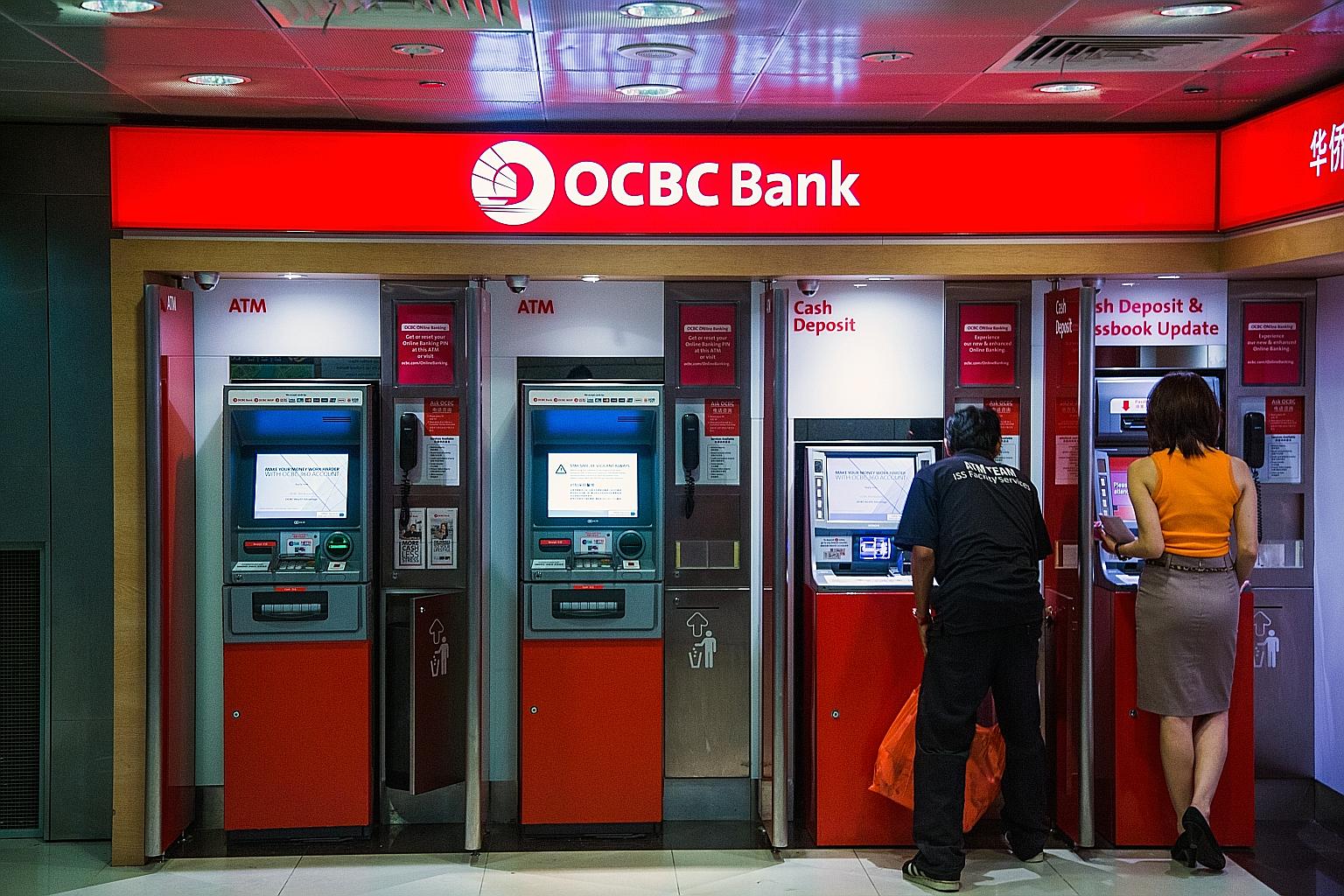
    OCBC wants to eliminate the need for customers to carry around an ATM card by introducing facial biometrics at its teller machines.

    The bank is launching facial recognition at eight of its ATMs tomorrow, which will allow customers to check their account balances. This service will then progressively roll out to OCBC’s entire ATM network of 550 machines for cash withdrawals from June 2021, it said in an announcement on Thursday.

    Singapore consumers are keen digital adopters – even the elderly. While cash is still a key mode of payment in Singapore, the digital overlay to get cash is very welcomed by consumers, Sunny Quek, OCBC Bank’s head of consumer financial services, said.

    According to the bank, ATM usage remains high with more than 2 million cash withdrawals monthly. At the same time, digital adoption among its customers has grown year-on-year in 2020 with more than 40 percent more customers signed up on PayNow, and PayNow transactions doubling, compared to 2019. QR code cash withdrawals at ATMs grew 88 percent year-on-year in 2020.

  • Hoolah Joins Visa in Supporting Local Businesses Through  Where You Shop Matters Initiative in Malaysia

    Hoolah Joins Visa in Supporting Local Businesses Through Where You Shop Matters Initiative in Malaysia

    hoolah, Asia’s leading omni-channel Buy Now Pay Later company today announced that they will be joining Visa’s Where You Shop Matters campaign. Through the partnership, hoolah will work together with Visa to support local small and micro businesses (SMBs) in growing their online presence through social commerce, as well as enabling Malaysians to support homegrown brands by providing consumers with its Buy Now Pay Later (BNPL) payment option.

    With Malaysia’s economy seeing a projected contraction of 5.8% in 2020[1] due to the pandemic, private consumption has also taken a hit as purchasing power shrunk throughout 2020. Recognising this, hoolah is further accelerating its efforts in this partnership with Visa to help retailers recover quickly. In line with the Malaysian government’s efforts to accelerate nationwide digitisation and widen digital payments adoption among Malaysian consumers and merchants, hoolah aims to aid retailers and encourage consumers to spend responsibly for a speedy economic recovery.

    hoolah solves merchants’ biggest challenges of driving conversion, basket increase, customer traffic, and loyalty with a sustainable omnichannel BNPL solution that operates seamlessly, and in the most cost-effective way. Furthermore, the onboarding process is completely fuss-free for them as it is entirely digital, allowing them to deploy hoolah on their physical and online stores contact-free and with ease.

    To support the local businesses in succeeding in a post-pandemic recovery world, hoolah will be waiving transaction fees for the first 100 orders paid with hoolah through a Visa card, when merchants sign up for hoolah through Visa’s Where You Shop Matters initiative.

    By helping newly onboarded merchants save on merchant transaction fees, they are able to pass on these savings through exclusive discount codes to customers who complete their purchase through hoolah with a Visa card.

    Arvin Singh, COO and Co-Founder of hoolah said, “We are excited to be embarking on this meaningful partnership with Visa, as it further solidifies our dedication in building meaningful engagements in our hoolah ecosystem between our partners, merchants and consumers. We’re delighted to be able to support local SMBs in Malaysia and grow their businesses with our omnichannel BNPL solution, as we push forward together in this time of recovery and growth.”

    Ng Kong Boon, Visa Country Manager for Malaysia said, “With the enforcement of yet another round of movement control order and the declaration of a nationwide state of emergency, we believe that where Malaysians choose to shop can have a big impact. Frequenting local retailers not only helps businesses to survive and even thrive, but it also helps spur the nation’s economy which benefits the society. With these newly formed partnerships, we look forward to seeing more new and existing merchants joining the Where You Shop Matters program. Through this, we hope to be able to bridge Malaysians’ needs with our merchants’ myriad of offerings.”


  • BMW Expects At Least Half Of Sales To Be Electric Cars By 2030

    BMW Expects At Least Half Of Sales To Be Electric Cars By 2030

    BMW expects at least half of its sales to be zero-emission vehicles by 2030, setting a more conservative target than some rivals in the race to embrace cleaner driving. In the short term, the German carmaker forecast on Wednesday a big rise in pretax profit for this year, with a strong performance in all areas – from MINIS through its upmarket BMW brand to top-of-the-range Rolls-Royces. Its shares rose as much as 4.9% to a 2-1/2 year high of 84.42 euros, buoyed by its forecast for a strong recovery from a pandemic-hit 2020.

    BMW said around 90% of its market categories would have fully-electric models available by 2023 and the electric BMW i4 would be launched three months ahead of schedule this year.

    Bernstein analyst Arndt Ellinghorst said BMW had entered 2021 “very confidently.” “In terms of electromobility, BMW is making good progress and is taking significantly fewer risks than VW,” he said.

    Volkswagen has said it expects 70% of European sales at its core VW brand to be electric by 2030 and this week unveiled ambitious plans to expand in electric driving – including building half a dozen battery cell plants in Europe – sending its shares sharply higher.

    BMW said around 90% of its market categories would have fully-electric models available by 2023 and the electric BMW i4 would be launched three months ahead of schedule this year. The carmaker said its MINI brand would be fully electric “by the early 2030s” and electric models would account for at least 50% of group deliveries by 2030.

    When asked if BMW could set a date for ending sales of internal combustion engines, as some rivals have, Chief Technology Officer Frank Weber said: “it’s not us who decides on the end of the internal combustion engine, but it’s the markets.”

    In an industry chasing electric carmaker Tesla and facing tightening CO2 emissions standards in Europe and China, some automakers have promised a faster shift in technology, despite the huge costs and manufacturing changes involved.

    Sweden’s Volvo said this month its lineup would be fully electric by 2030, and Ford said in February its lineup in Europe would be too. Sales of electric and plug-in hybrid cars in the European Union almost trebled to over 1 million vehicles in 2020 and accounted for more than 10% of overall sales, taking zero-emission models from niche products into the mainstream.

    Chief Executive Oliver Zipse told a news conference that BMW could accelerate its plans if consumers embraced electric models more quickly than expected.

    “Should demand in certain markets shift completely to fully electric vehicles in the coming years – we can deliver,” he said.

    Last week, BMW said 2021 had started well after its profit recovered in the second half of 2020 from pandemic shutdowns, thanks largely to strong sales in China.

  • Singapore’s Fintech and Remittance Associations Ink MOU

    Singapore’s Fintech and Remittance Associations Ink MOU

    The Singapore FinTech Association (SFA) and Remittance Association (Singapore) have signed an agreement to strengthen the money remittance segment.

    The two associations will jointly launch the new SFA Remittance Sub-Committee, which aims to promote the adoption of technologies to strengthen the capabilities, efficiencies and governance of Singapore’s money remittance industry, and catalyse its members’ digital transformation and internationalization efforts.

    The burgeoning number of fintech companies working in remittance and cross-border payments signals an opportune time for both associations to work together and work collaboratively with various stakeholders, the two sides said in a joint announcement on Thursday.

    In Singapore, a lot of existing licensees have to step up to compete as consumers become more technology savvy. It is, therefore, crucial for remittance licensees to explore and adopt technology as the current business landscape evolves, Barakath Ali, Remittance Association (Singapore) chairman, said.

    The sub-committee is chaired by neobanking and digital payments expert Ho Chee Wai, who is the country head for Singapore at cross-border fund transfer startup Nium.

    Among the issues the subcommittee hopes to work on are engagement between the remittance and fintech segments, nurturing the development of the cross-border payment ecosystem, engaging with regulators, and talent development.

  • Kuo reveals how Apple might keep real life from intruding on VR

    Kuo reveals how Apple might keep real life from intruding on VR

    On Friday, TF International’s crystal ball-wielding analyst Ming-Chi Kuo said that Apple’s AR headset will use eye tracking to detect eye movements, blinks, and other physical movements that will be used to for user input replacing the need for handheld controllers. Kuo’s note to clients on Friday said, “Currently, users primarily operate the Head Mounted Display (HMD), most of which are VR devices, using handheld controllers,” Kuo adds that “The biggest challenge with this type of operation is that it does not provide a smooth user experience. We believe that if the HMD uses an eye-tracking system, there will be several advantages.” The eye movement data can be used to allow images and onscreen content to move in sync with a user’s eayes.

    With eye-tracking, a user could obtain more information about an object by staring at it for a long period of time. Menus might be activated by blinking. And by tracking the position of a user’s eyes, the headset’s resolution could drop in areas that are not in focus thus reducing the demand for processing power where it is not needed. Kuo also said that iris recognition could be used to verify and authenticate the identities of users. The feature could also be used to complete a transaction paid for using Apple Pay.

    Apple has filed for several patents dealing with eye-tracking technology. These could be used on the mixed reality device that Kuo expects Apple to unveil next year for approximately $1,000. The VR component uses 3D and other visual tricks to make it appear that the user is somewhere else and in a situation that feels and sounds realistic. He could be behind the wheel of a race car at a world-famous race track, or in the batter’s box at Yankee Stadium facing a 100 MPH fastball from Marlins’ prospect Sixto Sanchez. With AR, data and information is placed over a real-world image. A user could follow arrows to walk from point “A” to point “B” with the real world view of the sidewalk on the screen. A box could show the time and temperature while a stock ticker could show real-time quotes on the display.

    After next year’s mixed-reality device, we could see the Apple Glass introduced in 2025 with AR contact lenses possibly being developed for a 2030 release. Earlier this month, Kuo said that the mixed reality device will be equipped with 15 cameras along with “innovative biometrics,” He also said that the mixed reality headset will employ Sony’s Micro-OLED displays and optical modules to deliver a “see-through AR experience,” and also provide the user with “a VR experience.” The “immersive experience” on the mixed reality device will be better than those offered by rival headsets at a price equivalent to the cost of a high-priced iPhone model.

    Just Thursday, Apple discussed a patent application that discusses a method that would prevent Apple Headset users from having an accidental impact with real-world objects while VR puts them in a made-up world. In the patent application, Apple writes, “”For example, the user may be fully immersed in VR corresponding to a pre-historic world populated with dinosaurs,” says Apple. “While that virtual pre-historic world may be deficient in living room furniture, the living room in which the user is located continues to include a coffee table.”

    Apple’s previous solution was to tell the user to remover his headset when the reality is about to intrude with the virtual image. But users might not be able to do this fast enough.  “However, as experiences become increasingly immersive, the user may be unable to sense such undesirable interactions fast enough to avoid them,” it says. “Moreover, abruptly removing the electronic device during an experience detracts from that experience. As such, it is desirable to address the concerns related to these undesirable interactions while also minimizing any negative impacts on the experience.”

    Apple’s new solution calls for a picture-in-picture effect to take place. Where the “Apple Glass” wearer is in the era of the dinosaur, using picture-in-picture would allow the user to see a live view of their real-life surroundings. Apple’s goal is to keep the user in the AR experience until he must be alerted to his real-life surroundings.

  • UBS Loses China Private Banker

    UBS Loses China Private Banker

    A private banker covering the China market has left UBS Global Wealth Management.

    Payling Lee, market team head for China international, has left UBS Global Wealth Management.

    When contacted, a spokesperson for the bank declined to comment.

    Lee rejoined UBS in 2017 after serving a four-year stint between 2003 and 2007 in its investment banking arm where she was focused on the fixed income and derivative sales business in Taiwan. Previously, she also spent a decade with Barclays.

  • Mobile World eyes 60 pct market share

    Mobile World eyes 60 pct market share

    Leading electronics retailer Mobile World is eyeing a 16 percentage point increase to obtain a market share of 60 percent by 2022.

    The company also wants to raise its smartphone share from 48 percent last year to 55 percent by 2022, according to a recent report put out by brokerage SSI Securities Corporation after its analysts met with Mobile World representatives.

    It plans to achieve these targets by opening 600 new Dien May Xanh Supermini outlets this year, aiming to reach buyers in rural areas.

    After launching this new type of outlet last July, the company has built a network of more than 300 outlets already. These outlets are small, under 150 square meters, and can be operated by four staff. It sells smartphones and household electronic items.

    SSI analysts said that retail chains like Nguyen Kim and FPT Digital Retail will have difficulty competing with this type of outlet since they have limited logistics resources and lack the ability to manage such large number of stores.

    Mobile World is also planning to increase its number of grocery stores by 281 this year to 2,000 and considering the establishment of an e-commerce platform.

    February was a challenging month for Mobile World, having had to temporarily shut down 100 outlets amid the latest Covid-19 outbreak.

    In the first two months, its revenues rose 5 percent year-on-year to VND21.5 trillion ($938 million), compared to a growth rate of 18 percent in the same period last year.

    SSI analysts estimate Mobile World’s revenues will rise 16 percent to VND126 trillion this year, with post-tax profits rising 30 percent to VND5.1 trillion.

    Last year, Mobile World had over 4,000 outlets in Vietnam and 37 in Cambodia. It opened nearly three new outlets a day on average. The company plans to become the top retailer in Southeast Asia by 2030.

  • BNP Paribas Wealth Management Names China Market Head

    BNP Paribas Wealth Management Names China Market Head

    BNP Paribas nets an ex-Citi private banker to become its new market head for China less than two years after its last reshuffle.

    Kevin King has joined BNP Paribas Wealth Management, sources said, succeeding Philip Wong as the new China market head for the bank. Wong is believed to be retiring from the role after being named as its sole head upon the exit of fellow co-head Andrew Wong in August 2019.

    When contacted, a spokesperson for the bank confirmed the appointment.

    King was most recently with Citi Private Bank as its global market manager for southern mainland China. He previously also worked with UBS and J. Safra Sarasin.