Author: Mei Ling Tan

  • Japan’s first gourmet restaurant delivery app lifts off

    Japan’s first gourmet restaurant delivery app lifts off

    Starting today, Tokyo foodies will no longer have to compromise when they order food for delivery. Japan’s first gourmet restaurant delivery app, Food-e, launches today in central Tokyo. With a curated collection of Tokyo’s best restaurants, exclusively available on Food-e, such as Nobu Tokyo, Elio Locanda, Oak Door, Shunbou and Chinaroom, consumers and companies can order great food, professionally delivered to their homes, offices or other locations of their choice.

    Users can access the app at www.food-e.jp from a browser on their smartphones, tablets or PCs and make their selections from menus of mouth-watering professional photos. The food will be delivered in high-quality packaging, with hot and cold items separated to control temperature. Food-e’s drivers are uniformed and insured, full-time professionals, expert in Tokyo’s roads, who will delicately handle the food to your door. Food-e is also the first delivery app offering bilingual customer service to both restaurants and users.

    For restaurants owners, Food-e has changed the traditional business model of delivery apps by charging users a fair fee for delivery and significantly lowering the commissions paid by restaurants. This allows restaurants to make a fair profit on delivery orders while gaining new customers for in-store dining.

    For users, Food-e offers a choice of great restaurants, most of which have never been available for delivery before, at prices generally the same as in-store dining. All of Food-e’s restaurants are not available on any other delivery app.

    Initially, Food-e’s delivery area is a 5km radius from Nishi Azabu, which includes parts of Minato, Chuo, Chiyoda, Shibuya, Meguro and Shinjuku wards. In the near future, Food-e will expand to other parts of Tokyo and eventually to other major cities in Japan.

    Following the official launch today, Food-e will regularly add new restaurants, offering users high quality and an increasing variety of cuisines.

  • Manhattan Associates rolls out new eCommerce solution for global clothing company during COVID-19 lockdown

    Manhattan Associates rolls out new eCommerce solution for global clothing company during COVID-19 lockdown

    As COVID-19 swept its way across the globe, and many countries were forced into lockdown, businesses that were undergoing large-scale projects were subject to the challenge of no longer being able to operate under usual conditions. However, despite being caught in the grips of a global pandemic, Manhattan Associates’ was able to deliver its (WMS) remotely under COVID-19 lockdown to a global clothing designer and manufacturer.

    Many retailers across the Asia-Pacific region have experienced a huge spike in online orders during the COVID-19 period, which has stretched processes, technologies, and people. This has led to an increased focus on how to better manage eCommerce orders and the need for solutions to support the smooth flow of online goods to customers.

    Retailers today need warehouse systems that have the flexibility and agility necessary to adapt and grow alongside their business. However, the added challenge of how to deploy such solutions in a time when the movement and availability of technical experts is limited due to COVID-19 travel restrictions and lockdowns, is significant.

    In lieu of the usual in person deployment processes, Manhattan Associates can successfully design, implement, and deploy Warehouse Management System’s (WMS) remotely.

    “The ever-changing nature of eCommerce and consumer demands means that businesses can’t wait to improve their processes. Businesses need to constantly innovate to meet customer demands and COVID-19 lockdowns won’t stop this. Retailers must have agility and scalability built into their systems in order to seize new opportunities while still maintaining operational efficiencies. This is something our WMS works to achieve by being designed to meet consumer demands now and into the future,” said Richard Wright, Managing Director, SEA, at Manhattan Associates.

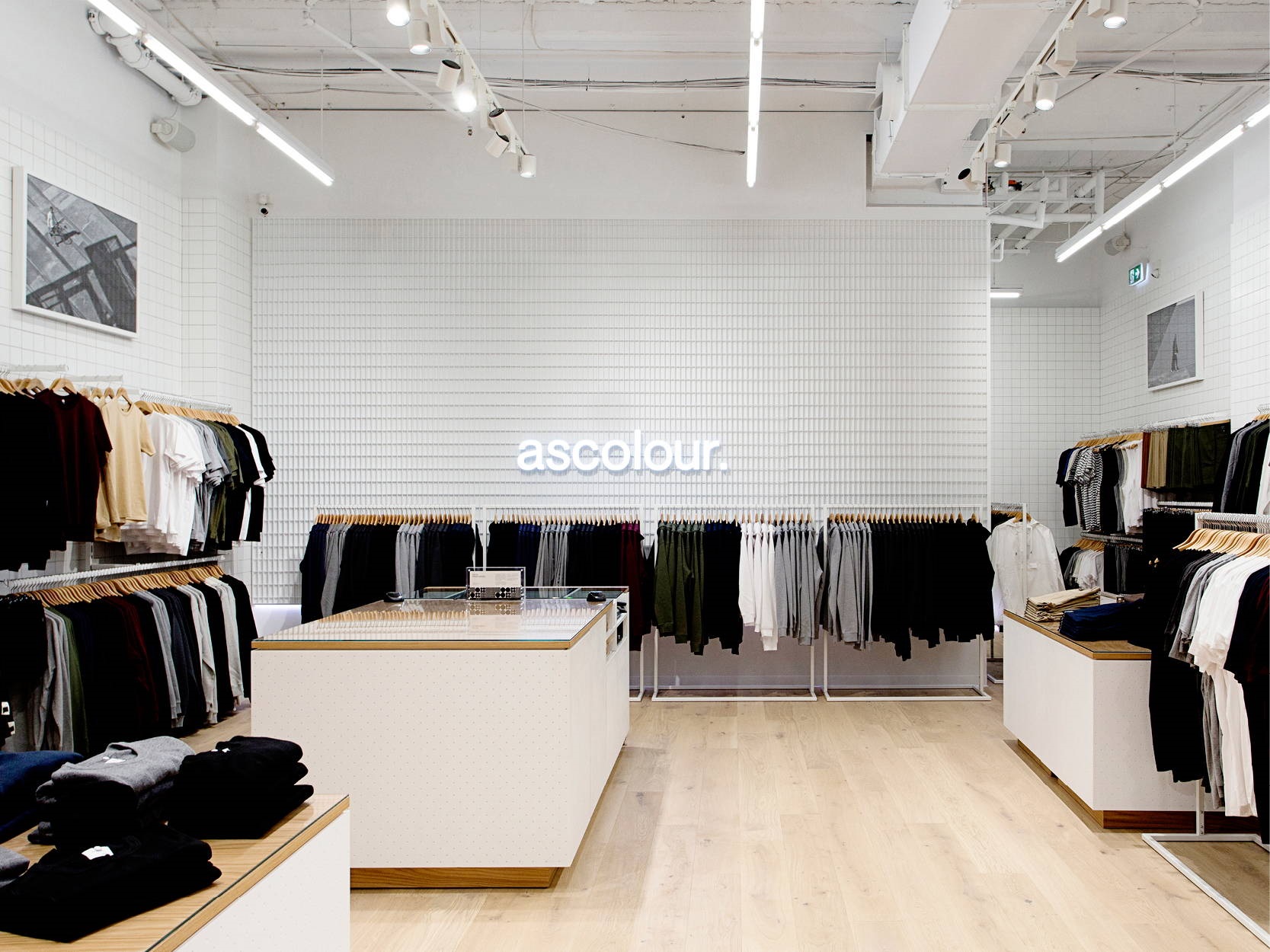
    Lawrence Railton, Managing Director and Founder of global clothing brand, AS Colour, found that after the company was forced into COVID-19 lockdown, more people were heading for the eCommerce space to buy goods, which increased the need to improve their warehouse operations, even if having a technical expert on-the-ground to deploy new technology was not possible.

    “With many lines of distribution brought to a halt in New Zealand, we saw an overflow of orders once restrictions eased, which put a lot of pressure on our DC to catch up,” said Lawrence. “This fluctuation in eCommerce demand is exactly the type of situation that drew us to implement Manhattan’s WMS technology in the first place, as it would prepare us for any future shifts in the market.”

    “When rolling out the new system, we really had to use remote working to our advantage, which in the end allowed us to launch the new system two weeks ahead of schedule and save plenty of money on travel and overheads in the process. Even under remote conditions, Manhattan’s expertise, motivation, and ongoing support ensured that the project was running smoothly, and that any issues were resolved quickly and efficiently,” added Lawrence.

    To hear more, Manhattan Associates will be hosting an APAC Virtual Summit from October 27-30. To register, go to: Manhattan Associates APAC Virtual Summit.


  • Carmaker Hyundai launches fashion collection from up-cycled waste

    Carmaker Hyundai launches fashion collection from up-cycled waste

    Hyundai Motor has announced the launch of its sustainable fashion collection – Re:Style 2020 – created by upcycling discarded automotive waste materials from manufacturing and scrapping processes.

    The company says it has taken a creative approach to sustainable fashion by converting auto waste into marketable products in collaboration with artists – Alighieri, E.L.V. DENIM, Public School, pushBUTTON, Richard Quinn, and Rosie Assoulin.

    The eco-friendly fashion collection features a variety of products such as jewelry, jumpsuits, working vests, bags, and various other clothing. For example, Alighieri created a collection of necklaces, chokers, and bracelets with repurposed car seatbelts, car glass, and foam materials. A work vest with pockets has been made using airbag materials by pushBUTTON. The collection also includes a tote bag made of seatbelt webbings, carpet fabrics, and foam, designed by Rosie Assoulin.

    The idea behind Hyundai’s ‘Re:Style 2020’ has been to make use of waste materials from the auto scrapping process that ultimately ends up in landfills. Though materials such as iron and nonferrous metals are currently recycled as part of the scrapping process, some other materials such as leather, glass, and airbags cannot be. It was these leftovers that were sent to the collaborative partners of the fashion collection.

    The sales of sustainable fashion products will begin on October 13 at London’s Selfridges pop-up store and Selfridges online store. Proceeds from the sales will go towards the British Fashion Council’s Institute of Positive Fashion.

    Hyundai says that by demonstrating that discarded resources can be reimagined into valuable products, the company aims to encourage other industries to see waste as a recreative opportunity. “(And) work collaboratively toward an environmentally accountable and economically efficient future,” says Wonhong Cho, Executive Vice President and Global Chief Marketing Officer of Hyundai Motor Company.

  • StanChart Eyes Mainland Brokerage Business

    StanChart Eyes Mainland Brokerage Business

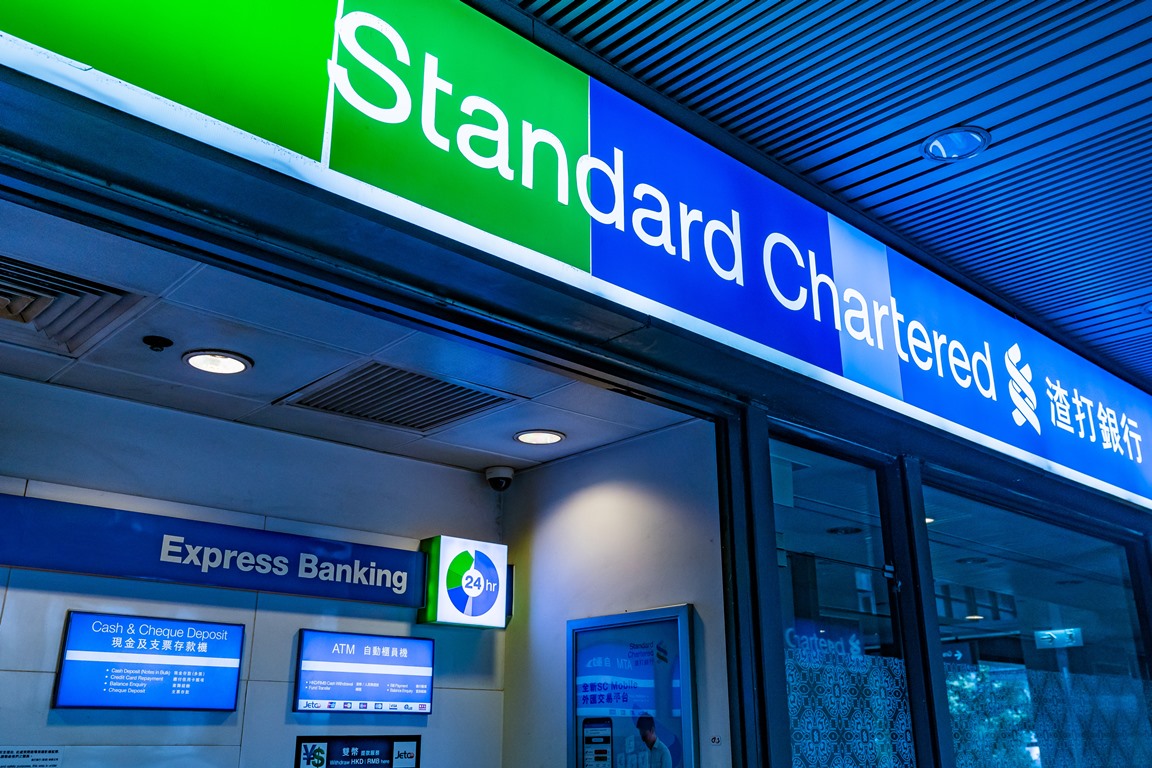
    Standard Chartered is reportedly applying for a brokerage license in China, joining its peers in the wave of foreign entry into the mainland market.

    Mainland’s securities watchdog, the China Securities Regulatory Commission (CSRC), has accepted an application from Standard Chartered Hong Kong on October 10 to set up a securities firm in the market, according to a report from state-owned media Xinhua.

    According to Standard Chartered, the bank was looking to further develop onshore business through acquiring new licenses.

    Since Beijing made good on a trade deal signed with the U.S. to scrap foreign ownership caps on securities and mutual fund firms, foreign financial institutions from the U.S., Europe, Japan and Singapore have been rapidly seeking to establish a presence to capitalize on new opportunities. Within brokerage, Japan’s SBI was the most recent to express greater interest in the mainland’s sub-sector due in part to growing political instability in Hong Kong.

  • Largest solar plant in Southeast Asia begins operating in Vietnam

    Largest solar plant in Southeast Asia begins operating in Vietnam

    The largest solar farm in Southeast Asia has been commissioned in Vietnam’s central province of Ninh Thuan.

    The 450 megawatt Trung Nam Thuan Nam Solar Power Plant, which spreads over an area of nearly 560 hectares in Thuan Nam District, went on stream on Monday evening, 102 days after construction began in mid-May.

    Built by Ho Chi Minh City-based energy firm Trungnam Group at a cost of VND12 trillion ($518 million), it has a plant that can produce over one billion kilowatt-hours of electricity a year and a 17-kilometer transmission line to connect it with the grid.

    This is the first time a private company has been allowed to install a transmission line, a preserve thus far of state-owned utility Vietnam Electricity (EVN).

    Laying transmission lines has become a critical task since the rising number of renewable energy plants is overloading existing ones.

    Trungnam has added a total of 1,064 megawatts capacity to the national grid comprising of hydropower and solar and wind power. It plans to have a renewable output of nearly 10,000 MW by 2027.

    There are over 100 solar power plants operating in the country with a total capacity of over 6,300 MWp.

    The Ministry of Industry and Trade is drafting a national power development plan for the next decade with a 80 GW addition to the generation capacity of which 37.5 percent will come from wind and solar power.

    Vietnam needs over $133 billion over the next decade for building new power plants and expanding the grid to fully meet its surging demand for electricity.

  • Samsung Galaxy S20 FE owners are reporting touchscreen issues

    Samsung Galaxy S20 FE owners are reporting touchscreen issues

    Samsung recently launched the Galaxy S20 FE – a watered-down version of the Galaxy S20.  The phone sports a 6.5-inch display with a 120Hz refresh rate and it is powered by the Snapdragon 865. It features a triple camera system with a 12MP primary sensor, a 12MP ultrawide unit, and an 8MP telephoto module, and packs a 4,500mAh battery. The handset starts at $699, which makes it much more attractive than the Galaxy S20 which costs $999 in its entry-level configuration. Unfortunately, it seems to have a glaring flaw.

    Many Galaxy S20 FE owners have taken to Reddit and Samsung’s Community Forums to report issues related to the display. The problems differ from person to person but the common theme is that the touch responsiveness is glitchy, as a result of which sometimes the phone takes too long to recognize inputs or it responds to them erroneously. Other times, it ignores touches and swipes altogether or registers ghost touches.

    It is currently not known how widespread the problem is and whether it’s related to the hardware or software, although the latter seems more likely as a factory reset and software update resolved the issue for some people.

    Either way, it’s not a good look for Samsung. The Galaxy S20 FE was launched as a response to lower-than-expected sales of the Galaxy S20 series. It was released only recently and opened mostly to great reviews.

  • Google shuts down Play Music Store, users advised to transition to YouTube Music

    Google shuts down Play Music Store, users advised to transition to YouTube Music

    Despite repeatedly announcing the upcoming closure of Google Play Music, there are probably a lot of people who are still using the music streaming service. Google has been adamant that regardless of whether or not YouTube Music will reach the parity of Play Music feature-wise, those using the latter will eventually have to switch to the former.

    Today, Google took one important step toward the deprecation of Play Music. The search giant announced that the Music store on Google Play is no longer available. If you’re one of the many music lovers who are still using Google Play Music, you have three choices as of today.

    First off, if you wish to continue listening to your Play Music library, discover new music with personalized recommendations, you must transfer your library to YouTube Music. Secondly, if you don’t want to transition to YouTube Music, you can keep your purchased music via Google Takeout. This option allows you to download previously purchased music from Google Play Uploaded tracks, your music wishlist and reviews, a list of the tracks, playlists, and radio stations in your library.

    Finally, there’s also the option to delete your Play Music library and recommendations history from the Google Play Music account settings. No matter which of the three options you choose, you must act by the end of the year, since that’s when the Google Play Music app will no longer be accessible and all data will be lost.

  • Hong Kong jewellery veterans receive top JNA honours

    Hong Kong jewellery veterans receive top JNA honours

    Lawrence Ma and Kent Wong, longstanding pillars of the global jewelry industry, are the Recipients of JNA Awards 2020’s highest accolade – the Lifetime Achievement Award.

    Recognized for helping shape and transform not only Hong Kong’s jewelry industry but that of the global jewelry community, Ma and Wong dedicated their lives to finding new ways to create a richer, more sustainable, and forward-thinking jewelry sector. Their bold ambitions and vision went beyond simple profit-making; they endeavored to affect positive change within their organizations and the communities they serve through leadership and action.

    The JNA Awards’ spotlight will shine on Ma, Chief Executive Officer of Lee Heng Diamond Group, and Wong, Managing Director of Chow Tai Fook Jewellery Group, during the much-anticipated virtual awards ceremony, which will be broadcast live at 8pm (Hong Kong time) on 27 October — the first day of the first edition of the three-day B2B virtual event, Jewellery & Gem Digital World (J&G Digital World).

    “Lawrence and Kent are both legendary figures who have thrived through the many ups and downs of the jewelry industry in the last four decades. They have undoubtedly achieved commercial success for their respective organizations, but what makes them truly stand out are their tremendous contributions to the growth and prosperity of Hong Kong’s jewelry industry, all of which have had a massive impact and influence on jewelry hubs around the world. It is indeed a great honor and privilege to celebrate their lifetime achievements by conferring them the highest accolade of the JNA Awards,” said Letitia Chow, Chairperson & Founder of JNA Awards at Informa Markets – Jewellery.

    Lawrence Ma

    Starting his career in the jewelry industry four decades ago, Ma founded MaBelle Jewelry in the early 1990s, a diamond jewelry brand that speaks to a broader market comprising largely of aspirational consumers. This initiative also marked a turning point in the long-term vibrancy of Hong Kong’s diamond jewelry retailing industry.

    A founding president and current chairman of the Diamond Federation of Hong Kong (DFHK), Ma was instrumental in the promotion and implementation of ground-breaking initiatives that fortified Hong Kong’s unique position as a global diamond and jewellery trading centre. He also led the charge in creating a culture of integrity and excellence in the city’s jewelry market, which to this day, remains the operational guidepost for every jewelry retailer in Hong Kong.

    Commenting on the award, Ma said, “I am overwhelmed and excited to receive the Lifetime Achievement Award from the JNA Awards this year. I have been very blessed and privileged to be surrounded by loving family members, brilliant mentors, capable and loyal colleagues, and partners, as well as genuine and caring friends. I appreciate the great contributions and achievements of all previous recipients of this honor and I am delighted to be one of them. I promise to keep on doing what I believe is vital in my life journey: To bring the best out of myself and of all the incredible people around me.”

    Kent Wong

    Wong has devoted himself to the industry and company for over four decades, joined Chow Tai Fook in 1977 as an apprentice, and promoted to Managing Director in 2011. As the key advocator, he drives the evolution into an exciting, innovative, diversified, and trend-setting Group. Under his leadership, Chow Tai Fook being the first Hong Kong -based Jewellery group to open the first store in Mainland China in 1998 and further expanded its global presence, he successfully turned the business from a homegrown brand to a modern and progressive enterprise, now, with over 4,000 points of sale around the world.

    Indeed, his bold leadership style and open-minded tone not only made the Group’s transformation possible, also broke new and innovative grounds that benefited the industry and customer as a whole. In the 2000s, as an industry first, the Group is spearheading the digital revolution of the industry by enlisting patented Smart Tray with RFID, blockchain technology diamond grading report that serves as brilliant examples to win the customers’ trust.

    Wong is a courageous trailblazer who dedicated most of his life to the advancement of the jewelry industry. He serves as chairman of the Hong Kong Jewellers’ & Goldsmiths’ Association, chairman of the supervising committee of the Hong Kong & Kowloon Jewellers’ & Goldsmiths’ Employees’ Association Ltd, a permanent honorable president of the Kowloon Gold Silver and Jewel Merchants’ Staff Association and a board member of the World Diamond Council.

    “I am very honored and grateful to be the recipient of this year’s Lifetime Achievement Award. Thank you JNA Awards for this prestigious tribute. Having spent 43 years in an industry that I love, I am immensely proud and humbled to have not only witnessed the incredible developments within our industry but also to have worked alongside so many inspiring individuals in our community. Let us all continue to shine on and share the exquisite beauty and joy of jewelry to the world,” Wong said.

    The prestigious JNA Awards was launched by Informa Markets Jewellery in 2012. Serving as a benchmark of excellence, innovation, and best business practices in the jewelry industry, the Awards celebrates the achievements of exceptional individuals and companies whose actions have a far-reaching and positive impact on the global jewelry trade and society, regardless of their scale of operations, areas they serve and fields of expertise.

    JNA Awards 2020 is supported by Headline Partners Chow Tai Fook Jewellery Group, Shanghai Diamond Exchange, and DANAT, alongside Honoured Partners KGK Group and Guangdong Land (Shenzhen) Limited.
  • MyNews to open 500 CU convenience stores across Malaysia

    MyNews to open 500 CU convenience stores across Malaysia

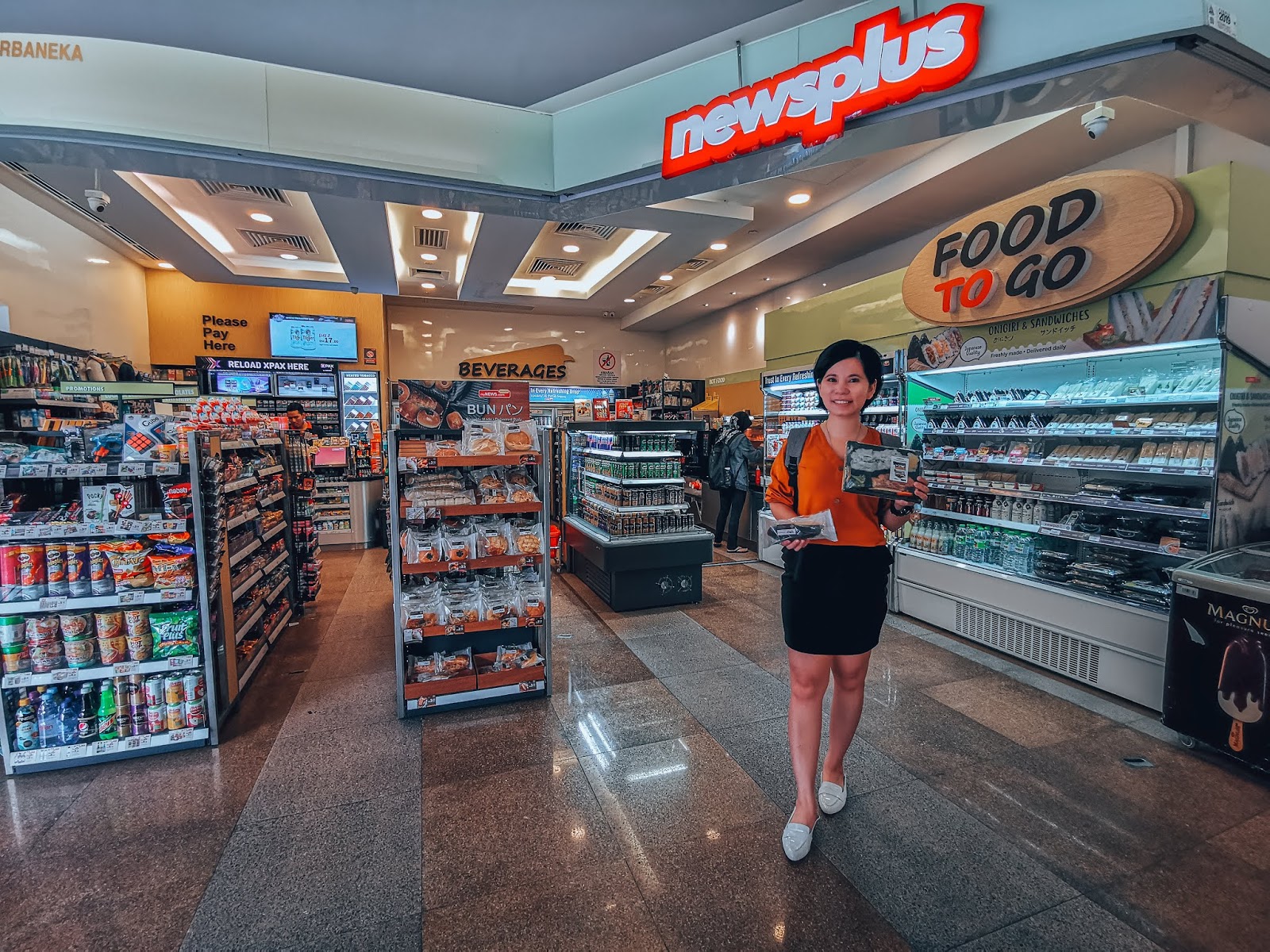
    Home-grown MyNews Holdings Bhd, which already operates some 570 stores, is bringing a South Korean convenient store brand to the Malaysian market.

    At its headquarters in Kota Damansara, the convenience store operator announced that its wholly-owned subsidiary MYCU Retail Sdn Bhd had signed a licensing agreement with BGF Retail Co Ltd, which runs the CU line of convenience stores in South Korea.

    There are some 15,000 CU stores in the republic.

    MyNews chief executive officer (CEO)-cum-founder Dang Tai Luk said the group will open 500 CU stores in five years’ time, with the first set of stores set to be open in Malaysia by early 2021.

    When asked about the geographical location spread of the new stores, Dang said the group will look at launching the stores in bigger cities first.

    “The Klang Valley is where we would start our CU journey,” he said, noting that onboarding the CU stores is part of the group’s expansion strategy.

    In the first year, Dang said, the group will be looking at opening 30 to 50 CU stores first to monitor how they perform.

    He noted that CU will be using MyNews’ food processing center (FPC) and, as a result of this, the center’s utilization rate will be increased to around 70%, partly aided by CU products at end-2021, from 35% currently.

    The group expects the CU stores to break even in two to three years’ time, with MyNews spending RM30 million to RM40 million in capital expenditure (capex) on the stores.

    In terms of earnings contribution, he noted that group will see higher revenue as a result of the new stores that are expected to achieve better gross margins when compared to the MyNews stores, whose margins tend to be 30% to 40% currently.

    He noted that there is a gestational period for the CU stores and that initially the MyNews outlets will continue to be the group’s main earnings contributors, but opined that as the CU stores grow, they will contribute more to the bottom line.

    Dang was not concerned about oversaturation in the convenience store market, noting that the market in Malaysia is still young and growing with the penetration rate still low.

    The licensing agreement will last for 10 years, with an option to renew for another 10 years.

    There are currently 570 MyNews stores at the moment. When queried about whether it will slow the launch of MyNews stores in favor of the CU stores, Dang noted that the group will monitor the situation and adjust its portfolios accordingly.

    MyNews was last traded at 67 sen, with a market capitalization of RM457.04 million.

  • Deliveroo Singapore launches on-demand grocery delivery service, increasing convenience for Singaporeans through access to thousands of grocery products

    Deliveroo Singapore launches on-demand grocery delivery service, increasing convenience for Singaporeans through access to thousands of grocery products

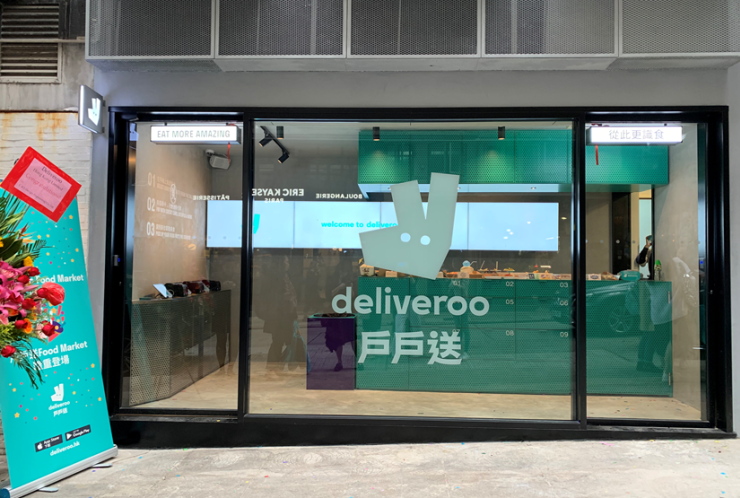
    Deliveroo Singapore today announced the launch of its first ever on-demand grocery delivery service, aimed at providing customers with greater access to a plethora of grocery products, especially important amidst the ongoing COVID-19 pandemic. Following an earlier soft launch on the platform with The Providore and Shell Select, Deliveroo will partner with British retailer Marks & Spencer to offer over 800 grocery products, underscoring the brand’s commitment to delivering amazing food to customers whenever and wherever they want it. This will be followed by further partnerships with specialty store favourites serving different areas of Singapore, including Blu Kouzina Mart, Ryan’s Grocer, Kuriya Japanese Market and Asia Pacific Breweries, all set to launch on the platform in mid-October.

    The new on-demand grocery delivery service will provide consumers with easier access to household essentials such as fruit and vegetables, meat and seafood, eggs, milk and dairy, snacks and sweets, alcoholic and non-alcoholic beverages, as well as store cupboard essentials. With a fleet of over 7,000 riders in Singapore, Deliveroo is committed to delivering essential grocery items to people within as little as 30 minutes, ensuring that great food is never far away.

    “As Singaporeans continue to work from home, Deliveroo’s new on-demand grocery delivery service will make convenience even more convenient for busy Singaporeans, giving people access to the food they want and need within a few clicks. Whether it’s household items from some of Singapore’s most loved grocery brands, or dine-in dishes from local restaurant favourites, Deliveroo continues to raise a smile amongst our customers who now more than ever look for amazing food to be delivered directly to their doors,” said Sarah Tan, General Manager, Deliveroo Singapore.

    Providing Deliveroo customers more food options through Marks & Spencer partnership 

    From today, customers will be able to order an assortment of grocery products on-demand via the Deliveroo platform, including top selling wines, biscuits, baked goods, fruits and vegetables, ready meals and cupboard essentials. Customers will be able to order a plethora of grocery items from Marks & Spencer stores in the Central Business District, Orchard and Eastern areas.

    To help families and communities during these uncertain times, Marks & Spencer food items will be priced at the same price as those in store, giving customers easy access to everyday essentials. Delivery fees will be fixed at S$5.49, with Deliveroo Plus subscribers continuing to enjoy free delivery.

    In celebration of the launch, the first 3,000 customers to shop on Marks & Spencer on the Deliveroo platform will be able to enjoy $5 off when they spend $40 on each of their first two orders with a unique promo code.

    Deliveroo partners with speciality stores to increase on-demand grocery availability across the island

    To make groceries even more accessible to consumers, in addition to Marks & Spencer, Deliveroo is also partnering with a selection of Singapore’s most popular specialty grocery stores. The new line-up will provide on-demand essential grocery delivery coverage across the island, including to the Little Red Dots heartland areas.

    Deliveroo has exclusively onboarded speciality grocer Blu Kouzina Mart, a new venture from the creators of Greek restaurant Blu Kouzina, enabling customers to order Mediterranean favourites such as breads, dips and fresh produce. Customers with a sweet tooth have previously been able to order sweet bakes from deli specialist The Providore, and now fans of the beloved brand also have access to premium grocery items such as La Maison de la Truffe Truffle Brie and Fior di Cotto cheeses, Pat and Stick’s vegan ice cream sandwiches, and a wide variety of premium wines. Blu Kouzina Mart and The Providore are both available on-demand on the Deliveroo platform ow.

    Boutique grocer and butcher Ryan’s Grocery will exclusively join the platform with two stores, while premium fish, seafood and sushi supplier Kuriya Japanese Market, under leading regional food service company RE&S, will join the platform with 11 stores. Deliveroo customers can also look forward to ordering alcoholic beverages to their doorsteps on-demand from Asia Pacific Breweries, Singapore’s only brewery producing world-acclaimed beers such as Tiger, Heineken, Guinness, and more. Ryan’s Grocery will launch their grocery offering on the Deliveroo platform by mid-October, while Kuriya Japanese Market and Asia Pacifc Breweries will both launch by end-October.

    To increase convenience for last minute grocery saves, Deliveroo customers also currently have access to snacks, ready-to-eat meals drinks, party supplies, healthcare and household products through the platform’s current partnership with Shell Select.

  • Lancome opens smart store at Lotte Duty Free

    Lancome opens smart store at Lotte Duty Free

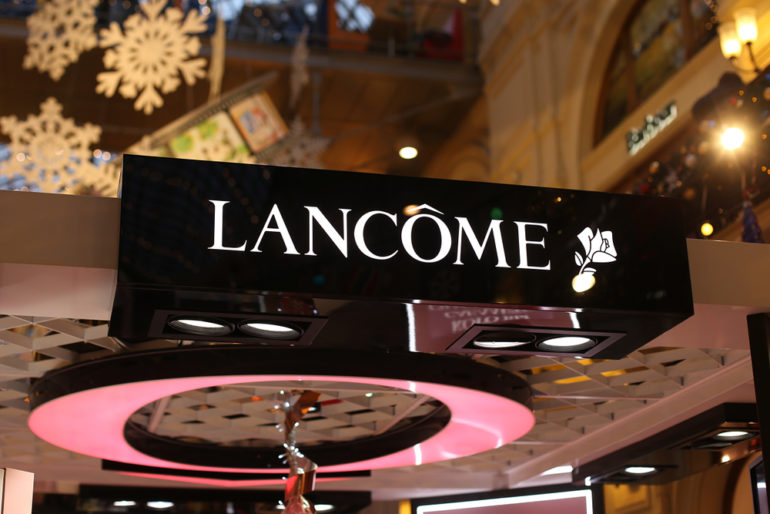
    Lancome has introduced a smart store in partnership with Lotte Duty-Free, occupying a 520sqm space and featuring contactless digital experiences with AR and AI.

    The smart store also houses a selection of skincare and makeup products, including the Advanced Genifique serum.

    The Lancome x Lotte Duty-Free Smart Store in Seoul is a co-creation of a fully integrated physical and digital experience, and a re-imagination of the brand’s relationship with travelers through dynamic, beauty tech innovations, according to Emmanuel Goulin, MD at L’Oreal Travel Retail Asia Pacific.

    Lancome has introduced its first augmented-reality makeup service Modiface, allowing customers to try on beauty products via a virtual mirror from an iPad or by scanning QR codes. The store also houses a giant Advanced Genifique serum LED bottle, featuring personalized engraving service.

    “Lotte’s partnership with Lancome Travel Retail Asia Pacific was a natural one,” said Kap Lee, CEO at Lotte Duty Free. “Both organisations saw technology’s potential to offer the travel retail industry a solution for recovery and growth –– all while offering consumers exciting digital innovations as part of a reinvented travel retail experience.”

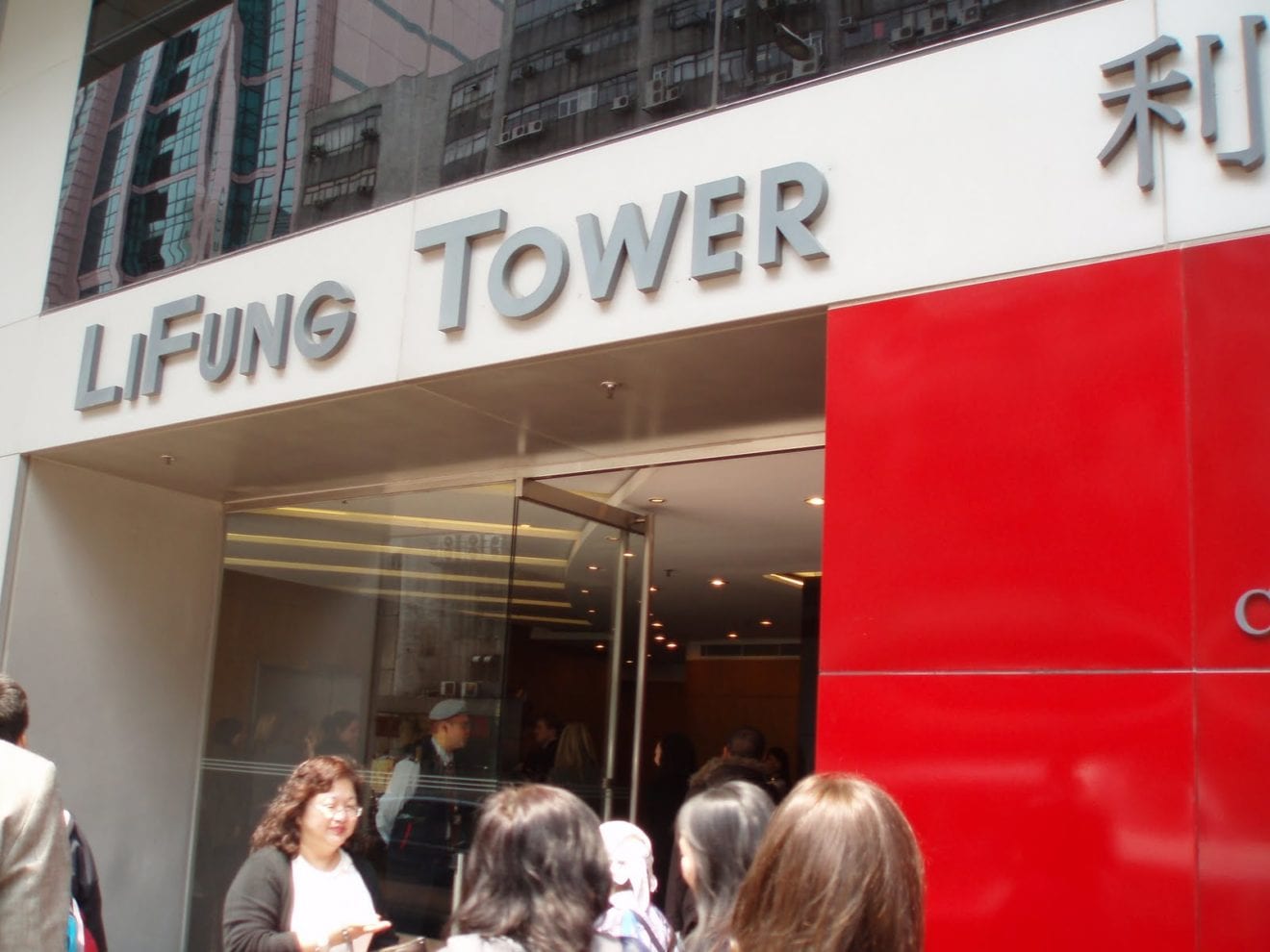
  • New management take the helm at Li & Fung

    New management take the helm at Li & Fung

    Li & Fung has appointed a new group CEO and executive chairman following its recent privatization.

    The group has named its group president Joseph Phi as Group CEO and Spencer Fung succeeds William Fung as executive chairman.

    Joining Li & Fung in 1999, Joseph Phi held the group president role since last year before being appointed to the new position. According to the company, he worked as executive director of Integrated Distribution Services Group Limited from 2004 until its acquisition by Li & Fung in 2010.

    “Joseph has a strong track record at the company, having organically grown its logistics business successfully over the past decade,” said William Fung, group chairman. “He was appointed group president, Li & Fung last year to bring his strong execution focus to our Supply Chain Solutions business and has since then expanded his responsibilities to our Sourcing and Production Platform across 50-plus economies.”

    With the new role, Spencer Fung will oversee all of Li & Fung’s businesses, working closely with the company’s new partners GLP and JD.

    Appointed as CEO in 2014, Spencer Fung joined the group as the fourth generation of the Fung family.

    “Spencer has a clear view and great ambition for the future of Li & Fung and what needs to be done to succeed in today’s ever-changing environment,” said William Fung.

  • Nissan Says China Sales Rose 5.1 Per Cent In September

    Nissan Says China Sales Rose 5.1 Per Cent In September

    Japanese automaker Nissan Motor said on Sunday its sales in China rose 5.1% in September from a year earlier, to 141,595 vehicles.

    China’s auto market, the world’s biggest, is a key focus for the embattled carmaker as it struggles to fix problems stemming from ousted leader Carlos Ghosn’s aggressive expansion drive.

  • Convenience stores are emerging as new centres of day to day life

    Convenience stores are emerging as new centres of day to day life

    In 2018, Nielsen had reported that FMCG sales growth in Southeast Asian convenience stores reached 8.3% and Mintel published that sales through Chinese convenience stores hit US$19.78billion with a CAGR of 24% over the past 5 years.

    These gains made by such retail channels reflect changing consumer lifestyles influenced by the constant and rapid urbanization of Asia’s developed and developing cities. Urbanization across the globe has caused people’s lifestyles to evolve to be more mobile and time-constrained. Concomitantly, these changes lead people to seek new communal spaces and a shift toward having smaller households and families. As such, convenience stores are beginning to adapt to these changes to become more integral to people’s daily lives. This also means emerging opportunities for producers of FMCG and F&B brands to tap into.

    To become an essential part of people’s every day, convenience stores have, and are, taking on new roles through innovation and experimentation in space management and retail strategy. The busy and hectic lifestyles of consumers today have given rise to convenience stores providing one-stop service solutions. These solutions range from bill payment, banking, postal and travel services, online purchase collection points, and even laundry drop off points.

    For instance, e-commerce giants Zalora and Lazada in Hong Kong and Singapore have paired up with 7-11 stores across the city that provide easily accessible and trusted locations to pick up their parcels if they had missed their home deliveries. Here, there is tremendous potential for e-commerce brands to expand their access through convenience stores in more remote or inaccessible areas. Accessibility of convenience stores also presents partnership opportunities for brands and companies offering these services to grow ever closer to consumers. Convenience stores are also starting to provide an extended selection of easy-to-eat meals that have moved beyond mere ‘quick fixes’. Easy-to-eat meals on offer in stores overlap convenience with attributes of quality, authenticity, and health to cater to consumer’s busy schedules without forgoing trends, taste, and dietary preferences. Stores also offer air-conditioned seating areas to take their meals in an affordable and comfortable space. Hence, convenience retail channels are turning into alternative third spaces – new places for social engagement – as lifestyles and social interactions grow more and more fluid and mobile.

    With a wide range of food and beverage options coupled with free wifi and air-conditioned seating areas, convenience stores are being redesigned to attract and retain consumers on-site.

    Furthermore, it is not entirely uncommon these days to see stores such as 7-11 hosting events or musical performances, becoming sites and spaces of entertainment consumption. This presents partnership opportunities for brands to co-host events and invent both novel and practicable product formats for consumers spending more time in the store.

    Thus, convenience stores are no longer just a space to buy basic and practical necessities. It has turned into an experiential place where customers can enjoy and discover things they like. Convenience stores today function as ideal discovery centers for both brands and consumers to experiment with new products in smaller low-risk formats. Brands can use these stores as introductory and experimental test-grounds for new products and packages for consumers to try before full conversion.

    Apart from product testing and brand discovery, convenience stores today also provide novel and experiential consumer retail experiences through creating or testing seamless purchase journeys. In this sense, cashless payments and unmanned kiosks open up opportunities for detailed consumer analytics. Brands can take advantage of this and partner with convenience stores to use data to create personalized marketing campaigns and build stronger customer engagements.

    Tapping into the future of convenience retailing

    The ongoing diversification of consumers’ needs overtime has made convenient stores more than just a convenient space to shop. Convenience is being redefined as this particular channel grows to become more of a cornerstone in people’s daily lives. To grow closer to customers, brands need to adapt to these changes in consumers’ lifestyles and make use of convenience retail channels in varied ways to:

    1) provide access to services and products
    2) provide a wide range of food and beverage options to satisfy different dietary preferences
    3) partner with such channels to host events
    4) use these channels as a testbed for novel and innovative product formats
    5) create personalized marketing campaigns from consumer-generated data

    In order to capitalize on the growth and opportunities convenience stores present, FMCG, and food & beverage brands need to map out areas of play in convenience retail channels to achieve success. This includes an understanding of formats and the market in CVS, along with a thorough comprehension of new developments and trends through general retail and category deep dives, as well as ensuring a design strategy exists for product categories to meet customers’ lifestyle needs.

  • VinSmart produces smartphones for US mobile service provider

    VinSmart produces smartphones for US mobile service provider

    VinSmart, a subsidiary of Vietnam’s largest listed company Vingroup, has received a contract manufacturing order for two million smartphones from a major U.S. carrier.

    Le Thi Thu Thuy, general director of VinSmart, without identifying the U.S. company, said Thursday at a press conference that the first consignment was sent a month ago. The phones carry the American service provider’s logo.

    “This is an important step in understanding the U.S. market… before taking Vsmart phones there in future,” Thuy said.

    The U.S. company has such stringent standards that despite having a team in Vietnam to supervise the VinSmart factory 24/7, it still thoroughly inspects the phones once they reach the U.S.

    The contract is for four models, all of them supporting 4G.

    A confidentiality agreement prohibits VinSmart from disclosing the name of its partner.

    VinSmart has a plant for manufacturing 125 million phones, IoT devices, and other smart devices per year at the Hoa Lac Hi-Tech Park in Hanoi.

    The brand is currently sold in three countries, Russia, Myanmar, and Spain, but the company expects to sell its Aris 5G in the U.S. by next year.

    VinSmart had a 16.7 percent market share in the first quarter and surpassed Apple to become the third-largest smartphone brand in Vietnam behind Samsung and China’s Oppo.