Author: Mei Ling Tan

  • Tesla Co-Founder Straubel Aims To Build World’s Top Battery Recycler

    Tesla Co-Founder Straubel Aims To Build World’s Top Battery Recycler

    Tesla co-founder J.B. Straubel wants to build his startup Redwood Materials into the world’s top battery recycling company and one of the largest battery materials companies, he said at a technology conference Wednesday. Straubel aims to leverage two partnerships, one with Panasonic Corp, the Japanese battery manufacturer that is teamed with Tesla at the Nevada gigafactory, and one announced weeks ago with e-commerce giant Amazon.

    With production of electric vehicles and batteries about to explode, Straubel says his ultimate goal is to “make a material impact on sustainability, at an industrial scale.”

    Established in early 2017, Redwood this year will recycle more than 1 gigawatt-hours’ worth of battery scrap materials from the gigafactory — enough to power more than 100 Tesla cars.

    That is a fraction of the half-million vehicles Tesla expects to build this year. At the company’s Battery Day in late September, Chief Executive Elon Musk said he was looking at recycling batteries to supplement the supply of raw materials from mining as Tesla escalates vehicle production.

    Redwood’s partnership with Panasonic started late last year with a pilot operation to recover materials at Redwood’s recycling facilities in nearby Carson City, according to Celina Mikolajczak, vice president of battery technology at Panasonic Energy of North America.

    Mikolajczak, who spent six years at Tesla as a battery technology leader, said: “People underestimate what recycling can do for the electric vehicles industry. This could have a huge impact on raw material prices and output in the future.”

    Straubel’s broader plan is to dramatically reduce mining of raw materials such as nickel, copper and cobalt over several decades by building out a circular or “closed loop” supply chain that recycles and recirculates materials retrieved from end-of-life vehicle and grid storage batteries and from cells scrapped during manufacturing.

    In September, Redwood said it received funding from Amazon’s Climate Pledge Fund, following an investment by Breakthrough Energy Ventures, backed by Amazon CEO Jeff Bezos and Microsoft founder Bill Gates.

    “I’m excited about the work we can do together,” Straubel said of Amazon. “They have batteries in many devices,” from consumer electronics to data centers, as well as future electric delivery vehicles and drones.

  • Cebu Pacific to raise $500 million in fresh capital

    Cebu Pacific to raise $500 million in fresh capital

    Cebu Pacific announced plans to raise up to $500 million in additional capital — by selling preferred shares and bonds — as it undertakes a restructuring exercise that sees it cut its fleet and network to cope with reduced travel demand.

    The Philippine low-cost carrier discloses that it will raise up to $250 million in new convertible preferred shares and another $250 million in a private placement of convertible bonds.

    Proceeds from the recapitalization exercise, subject to shareholder approval by November, will help strengthen the carrier’s balance sheet, it adds.

    It also comes as part of a wider business transformation exercise that the carrier is undertaking.

    Like many carriers in and around the region, Cebu Pacific has acutely felt the impact of the coronavirus outbreak, which has seen travel restrictions crimp demand.

    It notes that it is only operating about 15% of pre-pandemic capacity. For the first six months of the year, Cebu Pacific reported a 61% year-on-year decline in revenue, at Ps17.3 billion ($357 million).

    It also reported an operating loss of Ps6.29 billion for the quarter ended 30 June, widening the Ps693 million loss incurred in 2020’s first quarter.

    “Due to this exceptional change in market conditions and industry dynamics, [Cebu Pacific] saw the urgent need to fast track its transformation. It is currently implementing a business transformation exercise that involves the right-sizing of network and fleet to meet new demand, and improvement of operations efficiency through process and policy enhancements and digitalization, among others,” the carrier discloses.

    Cebu Pacific adds that since the start of the pandemic, it has been accelerating efforts in digitalization, “resulting in a significantly reduced unit cost, allowing the carrier to continue offering affordable air travel”.

    “This capital raising exercise will provide the airline with the needed runway to withstand the financial challenges it faces as it slowly goes back to pre-Covid business levels and settles into the ‘new normal’,” it states.

  • US$1bil loan offer for AirAsia data

    US$1bil loan offer for AirAsia data

    An American lender is willing to loan AirAsia US$1bil for the data of its customers it has accumulated from its business over the years. AirAsia Group Bhd CEO Tan Sri Tony Fernandes did not reveal the name of the potential US lender but spoke on how its data-driven new “super app” would become an equal contributor to group profit with its airline business in five years.

    “The airline has created this amazing business, ” he said, adding that post-Covid, the app has seen 50 million unique visitors every month.

    “We didn’t rush into the digital age as we started this journey two years before the Covid-19 outbreak, ” he told the media.

    The contribution forecast is based on AirAsia flying 300 aircraft in five years.

    He said there was a cash-raising potential to be done at the airasia.com and airline levels.

    “The first lot of financing will be announced by the end of this month, ” he said.

    Fernandes said that all pillars of the airasia.com app have already broken even except the fintech segment of the digital business because of the interchange fees it has to pay credit card companies. However, it has secured a money lending license from the Housing and Local Government Ministry to add another element towards the app’s fintech business.

    In a statement yesterday, AirAsia said it’s airasia.com Asean super app provides over 15 types of products and services under three main pillars, which are travel, e-commerce, and fintech.

    Fernandes believes the app can be a competitor to some of the established apps in Asean like Grab and Gojek and will provide competition in a fierce segment like food delivery.

    In the lucrative food delivery business, restaurants would not have to pay a commission to airasia.com like they do for other food delivery apps, but pay instead to the food deliverer, which translates to a commission rate of between 3% and 9% per delivery.

    “Now, everyone can travel, experience, shop, eat, enjoy rewards, and more with the new airasia.com super app. From travel needs to everyday lifestyle essentials, there is something for everyone, ” said airasia.com CEO Karen Chan.

    Fernandes said AirAsia would not be taking delivery of new planes as there is a lot of excess aircraft within the industry.

    “No one is going to fly the same size of fleets they did pre-Covid-19 for a couple of years, I imagine.

    “My guess is that we would be able to fly 180 planes by end-2021 for the entire group.

    “It depends on when the borders re-open for all our markets, ” he said. AirAsia has 245 planes currently.

    In fact, Fernandes said the airline would be returning 22 planes this year to its lessors.

    “I don’t see us getting to a position where we want to buy planes for a number of years.

    “Even when you want to buy planes, there will be cheaper second-hand planes out there, ” he said.

    As for travel, Fernandes said leisure travel would likely bounce back ahead of business travel.

    “Leisure, budget, short-haul business travel will bounce back to pre-Covid-19 level and we are already seeing it.

    “In Thailand, we are 95% of the capacity of pre-Covid-19. In fact, by Q4 we will be 10% ahead of where we were.

    “When the borders re-open, (the business) will bounce back really fast, ” he said.

  • Apple TV+ free trials are being extended through February 2021

    Apple TV+ free trials are being extended through February 2021

    Buyers of the iPhone, iPad, Mac, and Apple TV have been entitled to a free year of Apple TV+ since September 2019. The service itself launched in early November, so those trials are now weeks away from ending.

    However, in an unexpected move, Apple has offered an extension to early adopters.

    Apple has announced that it will be extending early Apple TV+ trials through February 2021. If the trial period starting between November 1, 2019 and January 31, 2020 customers will be receiving the extension.

    Users of the service that were paid during those initial months, on the other hand, will be credited for the same amount. That credit is attached to each person’s Apple ID and can be used to pay for Apple services, in the App Stores, or in the iTunes Store.

    Those of you planning to sign up to the Apple One services bundle later this year won’t have to worry either as the credit will still be issued. Again, it can be used to pay for Apple services or other items.

    These account credits will be applied automatically, meaning customers won’t have to do anything. Apple should send out emails to eligible customers over the coming days notifying them of the change.

    Unfortunately, anybody that signed up for Apple TV+ after February 2020 won’t be entitled to an extension of any kind.

  • Miniso eyes US expansion

    Miniso eyes US expansion

    Miniso, is not, as has been reported, a Chinese dollar store. It is not a Japanese dollar store. In fact, it is not a dollar store.

    But it may give Canadian dollar stores a run for their money.

    When the first GTA Miniso opened in October at Pickering Town Centre in a slip of a space — 1,500 square feet — shoppers lined up to buy the retailer’s whimsically designed plushies, cosmetics and homewares and electronics, ranging in price from $2.99 to $34.99.

    “It’s fun, it’s fresh, it’s new,” said Pickering Town Centre general manager Diane Camelford, explaining the appeal.

    “Our philosophy is high-quality goods at an affordable price. So if people call us a dollar store, that’s fine with us, but we’re more of a variety-retail, lifestyle store at a very reasonable price,” said Sherman Leung, district manager, Miniso Canada Investments.

    Miniso, launched in 2013, is the result of a collaboration between a Japanese designer and a Chinese entrepreneur. It is headquartered in China, where it has more than 1,000 stores and is a mainstay in malls and at transit stops, Leung said. The company also has stores in the U.S., Mexico, Australia, Europe and the United Arab Emirates.

    It opened its first Canadian store in the spring in Vancouver and expects to have about 18 in operation in B.C., Ontario and Alberta by 2018, including locations at Oshawa Centre, Hillcrest Mall and Upper Canada Mall.

    It’s aiming for 100 stores in Canada by the end of next year and 500 in three years, which is still less than half as many locations as Canada’s most successful dollar-store operator, Montreal-based Dollarama, with 1,135 locations.

    The other dollar store chains in Canada together operate fewer than 500 locations: Dollar Tree has 226 stores; Dollar Store with More has 125, Great Canadian Dollar Store has 99 and Buck or Two has 47.

    And Dollarama is still expanding, at a current rate of about 60 to 70 new stores per year, with each averaging 10,099 square feet and stocking an estimated 4,400 items. Party supplies and seasonal items are a big draw at Dollarama.

    Miniso stores vary in size, but the largest in Canada to date is at Bramalea City Centre, at 4,300 square feet, selling 2,500 items, just 500 more than the small store at Pickering Town Centre. Plushies are the biggest seller, according to Leung — a hit with the store’s millennial target market.

    Mall managers like the chain because although Miniso’s target market is 18 to 35, the stores hold appeal for shoppers in all demographics.

    “I think it’s for every shopper, to be honest,” said Hillcrest Mall general manager Brian Marentette.

    The Miniso expansion comes at a time when analysts have been questioning the value underpinning Dollarama’s soaring stock price and whether the sector is ripe for change.

    Dollar stores began expanding rapidly after the 2008 financial crisis and the sector is ready for innovation, according to Doug Stephens, founder, Retail Prophet, a Toronto-based retail advisory.

    “I think there’s an opportunity for someone to come in and say: We know you want inexpensive stuff, but that doesn’t mean that you can’t have nice design at the same time — kind of like what Ikea did for furniture,” Stephens said. “If Miniso gets it right . . . I think they could take a chunk out of Dollarama.”

    Dollarama shares, which hit a high of $166.62 on Nov. 28, suffered a setback after third-quarter earnings released on Dec. 6 failed to meet some performance targets set by analysts.

    Same-store sales growth was 4.6 percent, below forecasts of 5 percent and higher, driving share prices to a close of $149.73 for the day.

    BMO Capital Markets analyst Peter Sklar called the initial adverse reaction “overdone.” Desjardins Capital Markets analyst Keith Howlett, meanwhile, kept a buy rating on the stock, calling Dollarama “the best organic growth story within our coverage universe,” with a target of $165.

    Dollarama company executives seem so far unfazed by the threat presented by Miniso.

    “We consider all retailers to be our competition, of course, and as far as Miniso goes, we consider them a pure China-based, Chinese import dollar store,” said Neil Rossy, Dollarama president and chief executive officer, on the company’s earnings call.

    “They do a very nice job in stores about a quarter to a third the size of ours, but their merchandise is focused on a very different customer base than ours. It’s very much design-oriented non-essentials. We’ll continue to watch them, as we do all other retailers in Canada and abroad, and we have been watching them well before they came to Canada, and we will consider them as competition, as we consider all the other retailers in Canada as competition, but there’s nothing for us to react to at this time.”

    Whether Miniso can catch up to Dollarama remains to be seen — for now, analysts aren’t exactly betting on it.

    Retail expert Farla Efros, president, HRC Advisory, believes the future for Dollarama lies in moving the price point as high as $5 to $6 over time, pointing to Five Below in the U.S., founded in 2002 and expanding rapidly across that country, with more than 600 stores in 32 states. The chain sells everything for $5 and under.

    “Like everybody else, quarter-to-quarter Dollarama will go up and down, but I think they still have a good opportunity in the market,” said Efros.

    Alex Arifuzzaman, founder of InterStratics Consultants Inc., says Dollarama is not in mortal peril yet. “It would take a while to ramp up to the number of stores needed to affect Dollarama,” he said.


  • H&M India sales face first profit decline ever

    H&M India sales face first profit decline ever

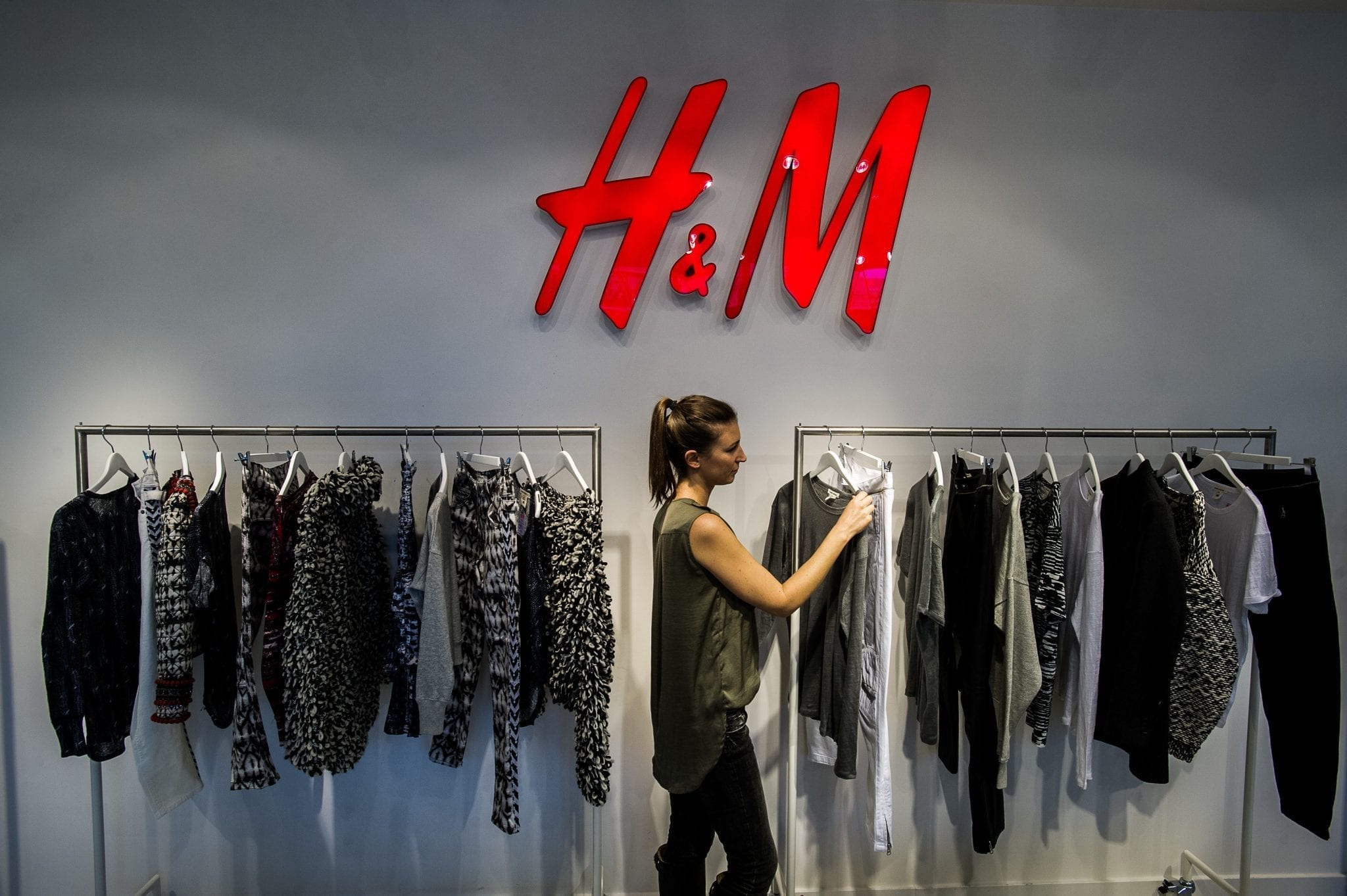
    Though H&M reported lower sales during the nine-month from December 2019-August 2020 loss, it returned to profitability in September as sales recovered in many of its markets. The brand’s sales decline narrowed to 5 percent year-on-year in September. Currently, 166 of its stores are closed, although a large number of stores have opened with local restrictions and limited opening hours.

    From June-August, net sales of the Swedish fashion retail giant fell by 16 percent in local currencies to SEK50.87 billion. Its gross profit for the quarter dropped to SEK24.85 billion from SEK31.81 billion in the prior year’s Q3it. This corresponds to a gross margin of 48.9 percent.

    Profit after financial items was SEK 2.36 billion. Excluding IFRS 16, profit after financial items plunged to SEK2.26 billion from SEK5 billion. The brand’s sales during the nine-month period were significantly affected by the COVID-19 situation. Its net sales fell to SEK134.48 billion from SEK171 billion a year ago as Q2 included the height of the pandemic.

    The company made a loss of SEK1.613 billion during the nine months and a net loss of SEK1.24 billion. Excluding IFRS 16, its loss was SEK1.847 billion, much worse that the profit of SEK11.98 billion a year earlier.

    The firm is on a recovery trajectory even though it’s far from business-as-usual as fashion sales remain challenged globally.

  • China retail is rapidly changing, brands need to adopt

    China retail is rapidly changing, brands need to adopt

    China is ahead of the curve in its recovery from the recent COVID-19 outbreak, with many provinces slowly returning to normal levels of activity. Factories are restarting production and consumers are beginning to spend again. However, the crisis has had a dramatic and lingering impact on the nation’s shopping habits, with implications for brands in China and globally.

    McKinsey worked with MIYA, a leading mobile payment solutions provider, to analyze point-of-sale (POS) data from 31,000 stores and 500 million+ transactions, covering 150+ cities, including Wuhan and Hubei, and 100 million+ shoppers. The data reveals four key shifts that are persisting even as the peak impact of the virus abates.

    1. Offline shopping is slowly recovering, but discretionary spend, nighttime shopping, and epicenter spend are lagging

    Offline consumption is slowly recovering, after falling to around 39 percent of normal levels during the peak period of the outbreak. Many local authorities loosened restrictions in the first week of March, giving shops an opportunity to welcome customers who had been isolated in their homes for as long as six weeks. Over the following days, activity picked up to around 79 percent of pre-crisis levels.

    Despite the partial rebound, there were significant variations, amid continuing pressure on discretionary categories. Supermarkets, convenience stores, and drugstores saw a spike in activity during the crisis, as consumers stocked up on essentials and cooked at home. However, after the peak there was a divergence. Supermarket volumes fell, while convenience stores and drugstores continued to see positive momentum, driven by demand for medicines and a desire among many people to shop near their homes. Discretionary categories, such as foodservice outlets, apparel stores, and department stores were hit hard during the crisis and their recovery has been slow.

    A notable trend across categories during the outbreak was increased basket sizes in non-discretionary categories, reflecting consumer aversion to shopping trips and willingness to spend more per visit to reduce travel frequency. Convenience store basket sizes rose 120 percent during the crisis, and remained 45 percent higher as the crisis abated. Discretionary categories, such as department and apparel stores, on the other hand, saw smaller basket sizes. Department store basket sizes were 54 percent smaller during the crisis, and have recovered only slightly in recent weeks, to a level that is around 33 percent smaller than before the crisis. Again, this may be a reflection of people’s reluctance to spend too long in crowded environments.

    Absolute traffic levels fell dramatically in all categories except drug stores during the crisis (30 percent lower for supermarkets and 88 percent lower for apparel outlets), and continued to be lighter than normal after the peak. Some 80 percent of apparel stores have reopened, but footfall in discretionary categories is still 40-50 percent below pre-COVID-19 levels. In non-discretionary categories, it is around 30 percent lower.

    The impact of the crisis on shopping habits was revealed through the times of day at which people ventured out. In normal times, weekends and evenings are peak shopping times in China—weekend traffic is generally 30 percent higher than weekday traffic, and evening traffic is 50 percent higher than day traffic. The traffic curves were much flatter during the height of the outbreak, with weekend traffic just 10 percent higher than weekday traffic and evening peak hours about 15 percent higher than daytime peaks. Again, the pace of recovery has been slow, with shopping patterns continuing to echo those at the height of the crisis. Daily transaction volumes have recovered by around 50 percent from the trough.

    Tier 1 cities such as Beijing, Shanghai, and Shenzhen are the busiest in China, and these normally crowded environments have been slower to recover than lower-tier cities. Most channels have continued to see much lower spending, in the region of 25 to 60 percent. Cities at the epicenter of the outbreak (in Hubei province) have also seen sluggish recoveries. There has, however, been some variation across channels.

    2. Channel shift to online, offline convenience, and drugstores

    A trend that emerged from the crisis is the accelerating growth of the online channel, which benefited from the lockdown, store closures, and the continued reluctance of consumers to engage in-person with sales and service staff. In the grocery category, there was a spike in online shopping during the peak, with consumers spending more time and money online. Some 74 percent of consumers bought additional groceries online at the peak and 21 percent spent more. Chinese consumers were ahead of consumers in other countries in respect to the frequency of online shopping, including South Korea (51 percent increased frequency) and India (40 percent). In recent weeks, online activity in China has moderated, but visits are still running at 15 percent above pre-crisis levels.

    Another emerging dynamic is that convenience stores have performed well in the wake of the outbreak (as they did at the peak), with tier 1 cities seeing the biggest uplifts. CVS daily consumption in tier 1 cities has run at around 36 percent above pre-crisis levels. Again, this is likely the result of continuing caution in respect of traveling and mixing in large groups. Some cities at the epicenter have seen the strongest rebounds in the hypermarket/supermarket channel, recording a 64 percent rise in volumes compared with December. This has been driven by relatively tighter restrictions on movement than in the rest of the country, and limited alternative sources of food. Drugstores have fared particularly well in provincial capitals, but have seen a drop-off in tier 1 cities as the impacts of the outbreak have diminished.

    3. Health and fitness is here to stay

    COVID-19 has emphasized the importance of staying fit and healthy, and changing attitudes are reflected in shopping behaviors that have persisted in recent weeks. Demand for dairy, vegetables, and eggs was 25-30 percent higher during the initial recovery phase than it was before the crisis. Supermarket and convenience store data shows that, aside from fresh food, popular items during and after the peak of the crisis included grains, ready-to-cook meals, packaged food, and snacks. This reflected a degree of “stocking up” and, again, travel aversion. Demand for these has softened of late but is still running above pre-crisis levels. There was a reduction in demand for personal care products and cosmetics in January and February, and these categories are only recovering slowly.

    As shoppers have gravitated toward local stores, they have expanded the range of items they buy, adding more grains and fresh foods to their baskets. If the trend continues, suppliers in these categories may need to plan for a less centralized distribution model, in which individual CVS stores are likely to carry fewer brands in any single type of product.

    4. Shock to loyalty offline, partly offset by online engagement

    Given the physical constraints of the crisis, Chinese customers have been more willing to try new stores and new brands. After the peak, around 14 percent do not plan to revert to their precrisis store choices and about 6 percent do not plan to return to their previous brands. To engage with these dynamics, hard-hit categories such as apparel have ramped up their digital activities. One premium fashion retailer, for example, invested in online channels such as Tmall, store applications, and social media. Its offline sales fell by about 50 percent in March, but its online sales grew by 60 percent. A large grocery retailer saw a 300 percent spike in demand for its home delivery service and has launched a major effort to triple its online business in 2020.

    In aggregate, the data shows that COVID-19 has had a profound and persistent impact on the nation’s shopping habits. The implications for brands in China, and other countries that may follow China’s path to recovery, can be summarized under four strategic pillars:

    1. Continue to protect customers and employees. COVID-19 is likely to have a lingering effect on consumer attitudes and sentiment. Assuming the virus is not eliminated in the near future, companies should redesign their protocols and operating models to reflect the new reality. This, for example, would include setting out exactly what should happen if a person catches the virus.
    2. Drive triple digital transformation. Digital has been one of the few real beneficiaries of the crisis. We see three ways in which companies can respond:
      • Manage your business in real time and digitally. The POS data has shown that the outbreak has had a significant impact on geographies, channels, and categories. Businesses now operate at a very different cadence, with decision making required at much higher levels of granularity and shorter intervals to reflect increased uncertainty. This requires a digital-first approach and agile organizational capabilities. Many companies set up war rooms during the crisis, but had very limited access to information. In future, it will be critical to have a real-time view on inventory and a strategy for deployment across regions. Data and analytics will be important tools.
      • Don’t just sell online; engage your customers digitally end-to-end. Chinese consumers increasingly demand an omnichannel experience, meaning they want more than to be sold to online. One premium apparel retailer has deployed a range of solutions, including enabling sales reps to use WeChat groups to reach out to VIP customers with individualized products (supported by a CRM system), launching social media shows with with Key Opinion Leaders (KOLs), and ramping up content marketing. The bottom line is that companies must engage the entire organization to prepare for an omnichannel world. This requires a digital network architecture, backed by a dedicated operational setup, KPIs, and objectives and key results (OKR) frameworks that can help the organization define goals and track outcomes.
      • Transform your business model. To increase operating efficiency and effectiveness, companies should aim to incorporate technology across the business. Before COVID-19, retailers were already deploying digital use cases, including seamless checkout, pricing, promotions, assortment optimization, and robotic process automation in the back office. However, few retailers managed to scale across the value chain, typically because of factors including a lack of top-down ownership and ambition, insufficient capabilities, siloed ways of working, outsourced IT functions, and legacy systems. COVID-19 has shown the need to transform the business model to be more tech-enabled, which will both help the company operate under the constraints of pandemics and meet customer safety needs. The business case is there: tech can improve efficiency by 2-5 percent of sales and, depending on starting position, drive sales and make or break market share during a crisis. Retailers need to pursue a triple transformation of people (new capabilities and ways of working), technology (modularizing core tech and deploying software-as-a-service across the value chain) and business (delivering value for the customer).
    3. Align with consumer trends: healthy, local, and delivering value. The data shows that the trend toward healthier lifestyles accelerated during the COVID-19 outbreak. People also shopped local, both in terms of location and products. For companies with strong cash positions, there is an opportunity to respond, leveraging M&A and hiring to expand into adjacencies such as food services, or acquiring smaller brands that may be struggling.
    4. Transform your supply chain to be agile and resilient. Supply chains attracted a lot of attention during COVID-19 and we expect they will continue to sit high on executive agendas. During a crisis, it can be dangerous to have a large amount of working capital locked up in inventory and facing potential write-off (or sale at a deep discount). The acceleration of omnichannel also creates a real challenge for many consumer packaged goods brands and retailers, because of the prohibitive cost: growth in online does not imply growth in profits. Companies should use the coming period to transform their supply chains, accelerating decision making to become more efficient, agile, and resilient.

    As executives consider their options, these strategies may help them support resilience and lay the foundations for the “next normal” in the months ahead. Retailers and consumer brands have been challenged in recent months, but those that can act decisively on all four fronts are likely to emerge ahead of their peers once the crisis is over.

  • Google makes Gmail Go available to all Android users

    Google makes Gmail Go available to all Android users

    Just like many other popular mobile apps, Gmail has its own lighter version, which is mostly recommended for those using low-end smartphones. Gmail Go has been available to a certain category of Android users in select regions for quite a while, but that’s about to change starting today.

    Google released Gmail Go in the Play Store so that anyone can download and use it. Gmail Go offers the same email experience as the full-fledged app, it’s just that it does away with some visual elements.

    For starters, it doesn’t have the “Meet” button at the bottom of the screen. Also, the overall aspect of the app is slightly “cleaner” in the sense that it doesn’t make use of shadows. Truth be told Gmail users can set up their app’s UI so that the Meet button won’t appear at all, but that’s another discussion.

    The bottom line is if you want to try out a lighter version of Gmail, supposedly optimized to work on devices with less RAM, you should be able to download Gmail Go via the Google Play Store right now.

  • Google Assistant now supports third-party apps shortcuts

    Google Assistant now supports third-party apps shortcuts

    Google Assistant is now smarter and more useful than ever. Google revealed that its personal digital assistant now supports shortcuts for third-party apps. Basically, Android users will be able to use Assistant voice commands within some of the most popular apps not made by Google.

    For example, if you’re looking for something specific within an app, you can say, “Hey Google, open Taylor Swift on Snapchat.” But that’s not all! The new functionality allows Android users to play music, start a run, post on social media, order food, make payments, hail a ride, and much more – all with just their voice.

    To make things even more convenient, Google Assistant now lets users create custom shortcut phrases for their favorite apps. For example, you could create a shortcut to just say, “Hey Google, lace it,” instead of saying the longer version, “Hey Google, tighten my shoes with Nike Adapt.” To start making shortcuts simply say, “Hey Google, show my shortcuts,” and you’ll be taken to the setting screen.

    There are dozens of third-party apps that now support shortcuts, including Yahoo! Mail, Nike Adapt, Nike Run Club, Spotify, Best Buy, Instagram, Google Maps, YouTube, Instagram, Uber, PayPal, Discord, Walmart, Snapchat, and many more.

  • BNP Paribas Nabs Lombard Odier’s Head of Asian Equities

    BNP Paribas Nabs Lombard Odier’s Head of Asian Equities

    BNP Paribas Asset Management hired a trio from Lombard Odier, including a new Hong Kong-based head of Asian equities.

    The French asset manager appointed Zhikai Chen as head of Asia equities, according to a statement, replacing Arthur Kwong who will leave the firm to pursue other opportunities. Chen will report to Guy Davies, global CIO for fundamental actives equities.

    Chen is a 20-year veteran in the financial industry with a wide range of experience including the Monetary Authority of Singapore. He was most recently with Lombard Odier where he was its head of Asia ex-Japan equities since 2012.

    Asian equities is an important asset class for our clients in the region, said Steven Billiet, APAC head of BNP Paribas Asset Management. We will also continue to focus on bringing our Asian equities capabilities to our international client base which is eager to leverage on the growth dynamic of Asia.

    Joining Chen from Lombard Odier are two portfolio managers, Jinwen Ouyang and Roxy Wong.

    Ouyang has 13 years of industry experience and was a portfolio manager for Asia at Lombard Odier. Previously, she had also worked with Value Partners and Société Générale.

    Wong has 20 years of markets and technology experience and was most recently a senior portfolio manager for Asia at Lombard Odier. Previously, she held various tech research roles with Mirae Asset, RCM and Bear Stearns.

  • Aeon sales down due to Covid-19, but now up again

    Aeon sales down due to Covid-19, but now up again

    Aeon logged a consolidated net loss of ¥53.9 billion in the March to May period, it’s the largest loss since the retail giant began releasing quarterly net balance information in the fiscal year to February 2005.

    The company was in the red in its first-quarter net balance for the second straight year, according to its earnings report released on Wednesday.

    The massive red ink reflected the impact of the COVID-19 epidemic on Aeon’s mainstay general merchandise retail business, with temporary closures of Aeon shopping malls amid the virus crisis also weighing on the retail group’s earnings.

    People’s efforts to stay home to avoid infections that started to spread in March led to plunges in sales of all goods excluding food items at Aeon’s general merchandise outlets, and the drops accelerated after the government’s declaration of a state of emergency over the novel coronavirus that causes the disease in April.

    The retail group’s real estate development business, for shopping malls and other commercial facilities, also struggled as the pandemic caused temporary closures of half of its Chinese facilities in February and all of its domestic facilities in April, leading to a large cut in rental income from tenants.

    Meanwhile, food sales grew as more people stocked up food items for consumption at home. The brisk food sales led to an improvement of some ¥20 billion in the company’s operating income for the category.

    The health and wellness business also boomed on the back of robust sales at drugstores.

    Aeon did not revise its earnings forecasts for the full fiscal year ending next February, saying that, while businesses are recovering faster than expected, the company is not yet in a state that would require estimate revisions.

  • Vingroup app to digitise 300,000 vietnamese mom-and-pop shops

    Vingroup app to digitise 300,000 vietnamese mom-and-pop shops

    Vietnam’s biggest conglomerate, Vingroup, has recently launched a mobile app for mom and pop retail stores, helping to digitize a traditional business that has been upended by modern convenience stores such as 7-Eleven.

    Vingroup announced Monday that its VinShop app is used by 20,000 small shops in Hanoi and Ho Chi Minh City. Those stores, called tap hoa, are typically family-run and sell sundries. Shopkeepers use the app to order hundreds of items from suppliers, eliminating the need to contact them individually. They also use it to connect to another Vingroup app, VinID, used by 10 million retail shoppers to make payments.

    VinShop began building its retail network in July, aiming to connect manufacturers and shops through the app, which includes purchase and distribution functions. “VinShop’s revenue will be based on a targeted advertising platform, financial services offerings and market development for suppliers,” Truong Quynh Phuong, business director at Vingroup’s logistics arm, One Mount Group, said last Wednesday.

    Tiny brick-and-mortar shops have long underpinned Vietnam’s “sachet economy,” an allusion to the common practice of selling single-use packets of many daily consumables, such as shampoo and coffee.

    Small shops face growing competition from 7-Eleven, Ministop, B’s Mart, and even Vinmart+, the chain of convenience stores launched by Vingroup now run by local consumer goods giant Masan following a merger in December. Sales at the major chains reached $170 million in 2019, about four times as much money as traditional shops took in, according to a July report from Deloitte, a consultancy.

    The VinShop app is the latest addition to the suite of Vingroup brands, from VinFast cars to VinSmart phones, as the company founded by Vietnam’s richest man, Pham Nhat Vuong, turns its focus to technology and manufacturing.

    Vingroup says its app will raise the income of small shops, which it calls grocery stores, by $432 a month on average by making their operations more efficient and cutting costs.

    “This solution is expected to improve the efficiency of the entire supply chain, and help overcome the current weaknesses in the distribution of products from manufacturers to grocery stores,” the company says.

    National and international convenience store chains have become hangouts for young Vietnamese, who gather to sip juice and slurp instant noodles. Traditional shops, by contrast tend to be windowless rooms that are often attached to owners’ homes, and piled high with things like chips, bottled water and laundry detergent.

    “For many rural consumers and lower-income urban consumer segments, who need to budget daily for food and make purchases in small quantities, traditional grocery retailers, such as local markets and mom and pop shops, are a convenient and affordable alternative to modern trade outlets,” according to the Deloitte report.

    Consumption has dropped across the board during the novel coronavirus pandemic, which has left Vietnamese reluctant to go out, said Infocus Mekong Research. In its July survey of shoppers, 36% said they would visit convenience stores less often, even after the pandemic ends, versus 22% who said they would shop more often.

    Similar efforts to modernize traditional shops through technology are taking off elsewhere in Southeast Asia. In Indonesia, startups BukuWarung and BukuKas have raised millions of dollars for similar smartphone apps.

  • iPad Pro 2020 to Become More Pro Sooner Than Expected 

    Since the launch of iPad Pro in 201X, it has fast become a viable alternative to a laptop, impressing professionals across many industries as well as casual consumers. The quality of display, processing power, cameras, audio capabilities and all round performance marks a massive step forward for the tablet technology, and the innovative user interface adds to the experience.

    While Apple gave it a refresh in March of this year, they look set to roll out another new version, seeking to further push the envelope for what is possible with a mobile device. But the last time they issued two updates within the space of a year (with the third and fourth generation coming back to back in 2012), the criticism was fierce enough for them not to have attempted anything similar since.

    So, what is the reason for the update, and is it justifiable? Let’s take a closer look at the iPad Pro and the new features rumoured to be coming soon – sooner than anyone expected.

    Current specs

    The iPad Pro that hit the shelves in March 2020 was seen as a step up from previous models. It introduced a new, faster A12Z bionic chip, more responsive than before.

    It features two cameras: a 12 megapixel wide angle and a 10 megapixel ultra wide angle – these feature Smart HDR, Quad-LED True Tone Flash, wide color, and 4K video recording at up to 60fps. A new LiDAR depth scanner uses reflected light to measure the distance of objects in nano-seconds, and combined with the camera data provides an enhanced augmented reality experience.

    Apple launched the Magic Keyboard for iPad at the same time, which differs from the Mac version as it has an inbuilt trackpad. It also features backlit keys, and a charger socket that powers the iPad simultaneously. The Apple Pencil is also supported.

    When it comes to the size, the iPad pro is available in two formats, 11 inches and 12.9 inches, and like its predecessors features Face ID, 10 hour battery life and storage options which range from 128GB up to a massive 1TB.

    Who uses the iPad Pro?

    Marketed as a ‘tablet-computer’ rather than a mobile device, the iPad Pro is aimed at users who require a responsive experience as well as graphical excellence.

    Designers

    The incredibly powerful performance as well as the colour accurate display make the iPad Pro an amazing tool for designers. The larger size is probably preferable, but with True Tone support, a speedy refresh rate and seamless integration into a designer’s workflow, the device is becoming the go-to.

    The Apple Pencil, with its updated stylus is a remarkable tool for design. It feels like drawing with a real pencil, and now Apple have introduced a double-tap feature which eradicates the need to scroll through menus to change brush sizes etc.

    Being able to bring such a powerful tool – essentially your entire studio – with you wherever you go makes the iPad Pro indispensable for designers.

    Gamers

    The standard for mobile gaming has improved drastically over the last few years. Console and arcade favourites have made the migration to iPad, alongside games specifically designed for the format.

    The iPad Pro now supports the Xbox One external controller, negating a criticism that had long been levelled at tablet gaming. Aside from favourites like Call of Duty, Fortnite and Minecraft, Apple has launched their Arcade series, bringing classics to the format that will provide much entertainment on the go.

    Another area of gaming that is benefiting from the improved graphics and faster speeds are gambling games. With cutting-edge iPad slots, or evergreen table games from baccarat to poker and craps, websites such as vegasslotsonline.com will help you step into the realm of fun and learn how to get started playing iPad casino games, where iPad Pro 2020 version comes as the icing on the cake giving an ultimate experience to its players.

    Students

    The iPad Pro is proving popular with students – it basically provides everything that you’ll need for college in one compact, convenient package.

    https://www.youtube.com/watch?v=nnZeDt2c8Yo

    Much lighter than a laptop (and without the need to search for a power socket everywhere you go) and with dedicated apps available to help with such cutting edge pursuits as 3D modelling, graphic design, music production and video editing. The iPad Pro outperforms most laptops in a similar price range, so it seems like the best choice for budget conscious students – though it is far from the cheapest tablet on the market. And the use of iCloud also ensures you’ll never misplace an essay again.

    So what’s new?

    The new iPad Pro still features much of the same spec, but the display is going to be Mini LED, enabling different brightness levels across the display, and with deeper dark shades and even better colour accuracy. A new A14X chip should provide an even faster, more responsive user experience. The Apple Pencil is rumoured to be in for an update as well, which will be of interest to designers and artists. And 5G implementation is very likely!

    Two iPad Pro launches in a year? It’s always exciting when Apple unveils a new product, but we’ll have to wait a while to see if this update was absolutely essential.


  • Netflix and Zoom support coming to Facebook Portal

    Netflix and Zoom support coming to Facebook Portal

    The Portal products are getting another update that’s actually useful to those who own one of Facebook’s devices. The most important change is the addition to Zoom support. Although late to the party, Facebook’s Portal smart display joins that plethora of similar devices that offer Zoom support.

    Those who own a Portal Mini, Portal, or Portal+ in any of the countries where Portal is sold, will now be able to host video calls with up to 25 people on screen. On top of that, Facebook announced that it’s expanding the Story Time library with a new collection of stories.

    In addition, AR support is now available for four Dr. Seuss classics: Hop on Pop, Mr. Brown Can Moo! Can You?, The Foot Book, and There’s a Wocket in my Pocket! Keep in mind that these stories are not yet available, but they will be released on Portal sometime this fall.

    The ability to control AR Effects in Photo Booth with your voice via the “Hey Portal” command has been added too. You’ll also be able to take photos and videos with AR effects to share with friends and family via Messenger.

    For those who own a Portal TV, Facebook has finally added Netflix support, although you’ll still need a streaming subscription to watch the shows. Netflix joins other video streaming services already available on Portal TV, including Amazon Prime Video, SHOWTIME, and SLING TV.

    Finally, Facebook revealed that a new remote is now available for Portal TV owners, which features touch buttons for Prime Video, Facebook Watch, and Netflix. The new remote is shipping with Portal TV starting today and will arrive in brick and mortar stores in the coming weeks.

  • Hong Kong retail rents slip

    Hong Kong retail rents slip

    The world’s most expensive retail strip is likely to endure another six months of industry slump as shop owners struggle to replace premium tenants amid Hong Kong’s deepening recession.

    Global brands from Prada to Rolex and Victoria’s Secret have in the past year vacated their space near or along Russell Street in Causeway Bay – whose rents exceeded those in New York, London, or Paris at the peak of the cycle – as the economy suffered from political upheavals and public health crisis.

    “The market has not seen the bottom yet. I think the worst will only come at year-end,” said Edwin Lee, founder, and chief executive of Bridgeway Prime Shop Fund Management, which owns 18 street shops across the city. “People expect the Covid-19 vaccine to be ready and available by early or the middle of next year when confidence is expected to recover.”

    Those vacant shops could end up being absorbed by mass-market fashion stores or supermarket chains, potentially devaluing rent premiums, he added. The pandemic and dwindling tourist arrivals have been a major blow and local consumers alone could no longer support big brands, he added.

    Hong Kong’s economy has contracted in the past four straight quarters, marking its worst recession on record. The Covid-19 pandemic since January, as well as months of social unrest last year, have choked tourism and undermined the government’s efforts to revive activity.

    Without the power of tourist dollars, Hong Kong has recorded steep declines in retail sales for 18 straight months, according to official statistics. They amounted to HK$187 billion (US$24 billion) this year through July, or HK$26.7 billion a month, compared with an average of HK$36 billion a month in 2019.”>“Now that the big brands have left the scene, it is quite difficult to find new tenants,” said Tony Lo, director of shops at Midland IC&I. They are unlikely to be leased out this year as the pandemic has not been resolved, he added. “I’m not very optimistic. Many of the shops in Causeway Bay cater to individual travelers mostly from mainland China.”

    Hong Kong retailers should create experiences for local shoppers to survive with ‘zero tourists’

    Emperor International, one of the bigger landlords on Russell Street, said some of its units “are for lease now,” according to WhatsApp reply to questions from the Post. The firm has “been in touch with different tenants,” it added.

    Shop vacancy rate in Causeway Bay has risen to 11.6 percent in August, according to data compiled by Centaline Commercial, more than triple the level in January. The rate in Central has surged to 20.4 percent from 8.1 percent over the same period, and to 16.5 percent from 10.5 percent in Tsim Sha Tsui.

    “Causeway Bay has almost zero tourists and people are reducing their outings,” said Raiky Wong, director of shops at Centaline Commercial. “The streets seem deserted these days.”

    Hong Kong is not alone in bearing the brunt of the Covid-19 pandemic. Twenty out of 22 Asia-Pacific cities tracked by Knight Frank reported a drop in valuations and forecasts of prime retail property in the first half of this year.

    The bleak outlook suggests rents will weaken in the coming months, said Lee of Bridgeway Prime Shop Fund Management, who regularly buys and sells shop lots in the city.

    Rents along Russell Street have fallen by two-thirds from around HK$3,000 (US$387) per sq ft in 2013 to HK$1,000 currently, Lee said. They could bottom out at HK$500 per sq ft by year-end before some signs of recovery after the Lunar New Year in February, he added.

    Shop owners may be pressured to accept offers even if the rents are lower to generate cash flow, according to Lo of Midland. Some have offered to take up short-term leases this year as many businesses have low visibility on the recovery prospects.

    New tenants that decide to take over the vacant space will be banking on neighborhood spending to survive, said Lee of Bridgeway. These would include mass-market fashion retailers or high-end supermarkets selling imported foods like Japanese wagyu beef, he added.

    For Russell Street’s big brands, retailers can no longer sustain their businesses without tourist spending power. “They definitely cannot sustain by just relying on local consumption,” Lee said.