Author: Mei Ling Tan

  • Flipper’s pancake chain opening in Singapore

    Flipper’s pancake chain opening in Singapore

    Traveling to Japan for Flipper’s famous souffle pancakes isn’t an option right now but foodies can just head down to Orchard Road for their fluffy fix really soon.

    Flipper’s first outlet in Singapore will be opening at Takashimaya Shopping Centre in Ngee Ann City in November. It also has outlets in Seoul, Taiwan, Hong Kong, and New York.

    Best known for its “miracle” (or “kiseki” in Japanese) souffle pancakes that’s super soft you’ll need to use two forks to tackle it, the Japanese chain was founded in 2014 in Tokyo.

    Its Singapore outlet will be offering savory and sweet options – you’ll have a choice of having fruits with it or something more hardcore such as salmon, eggs, and bacon.

  • Korean firm invests in Vietnam car-wash chain

    Korean firm invests in Vietnam car-wash chain

    South Korean oil refiner GS Caltex Corp has bought an 11.56 percent stake in car-wash startup Vietwash for $1.7 million. Nguyen Thanh Duong, founder of Vietwash, said the money would be used to double the number of outlets to over 100 in the next few years.

    It now offers car and motorbike wash services at 51 locations in Ho Chi Minh City and central Da Nang City.

    Hur Joon-hong, GS Caltex executive vice president, said his company would help Vietwash develop an automatic car maintenance system and expand.

    Vietwash, which began operations in 2014, claims to be the first car-wash chain in Vietnam and serves 1.3 million customers a year.

    In 2016 it received an investment of $1 million from private-equity firm Vietnam Investments Group. GS Caltex has been selling vehicle lubricants in Vietnam since 2017.

  • Google adds new “high visibility” security alerts

    Google adds new “high visibility” security alerts

    Google published a blog on Wednesday explaining how the company plans on using a new process to alert Google Account subscribers when a serious security issue pops up. Back in 2015, Android alerts were used to notify people when they had a security issue with their Google Account. This notification would appear if someone’s account was, for example, hacked. With the new notifications, Google saw a 20-fold increase in the number of users who responded to them within an hour of their receipt compared to those who received word of a security issue via email.

    Soon, Google says that it will release a new security alert that will surface on whichever Google app that the user has open and it will help him address a problem. These new alerts cannot be spoofed so if one shows up on a Google app, the user can be sure that it is genuine. This feature will be rolling out on a limited basis over the next few weeks with a broader distribution expected to begin early in 2021.

    Google also announced today that it has added a new Guest mode for Google Assistant. With Guest mode, you can use a simple voice command to save your Assistant interactions somewhere else instead of on your device. You can also turn off Guest mode at any time to get the full personalized version of Google Assistant back again. You can also use your voice to delete what you just said to Google Assistant. And the latter will now instantly answer more questions about privacy and security.

    Google says, “To make it easier to control your privacy, you’ll soon be able to directly edit your Location History data in Timeline by adding or editing places you’ve visited with just a few taps, and because Search is the starting point for so many questions, starting today we’ll display your personal security and privacy settings when you ask things like “Is my Google Account secure?”

    Google claims to block over 100 million phishing attempts a day; the Google Play Project scans over 100 million apps daily looking for malware and other problems.

  • Musk Says Tesla To Use New Batteries

    Musk Says Tesla To Use New Batteries

    Tesla Chief Executive Elon Musk said on Wednesday the company will produce Model Y with a new structural battery design and technology at its Berlin factory next year and that could result in a “significant production risk”.

    The U.S. electric carmaker plans to manufacture a new version of its Model Y crossover vehicle, and possibly even battery cells at the site. Last month, Musk said that Tesla will use its Germany-based plant to demonstrate a radical overhaul of how its cars are built.

    The company plans to start the production of Model Y at Gigafactory Berlin during the second half of 2021.

    Tesla’s new battery cell – a larger cylindrical format called 4680 that can store more energy and is easier to make – is key to achieving the goal of cutting battery costs in half and ramping up battery production nearly 100-fold by 2030.

    The company’s new structural battery pack requires the new 4680 battery cells in order to work.

    Musk said on Wednesday that it will take about two years for Tesla factories in Fremont and Shanghai to embrace the new technology.

    “Fremont and Shanghai will transition in 2 years when new tech is proven,” Musk said in a tweet.

    The company said last week that it delivered 139,300 vehicles in the third quarter, a quarterly record for the electric carmaker.

    Tesla’s delivery push has been supported by its new Shanghai factory, the only plant currently producing vehicles outside California, as it is also building a new vehicle and battery manufacturing facility near Berlin.

  • Shinsegae, Taubman Asia open Starfield Anseong

    Shinsegae, Taubman Asia open Starfield Anseong

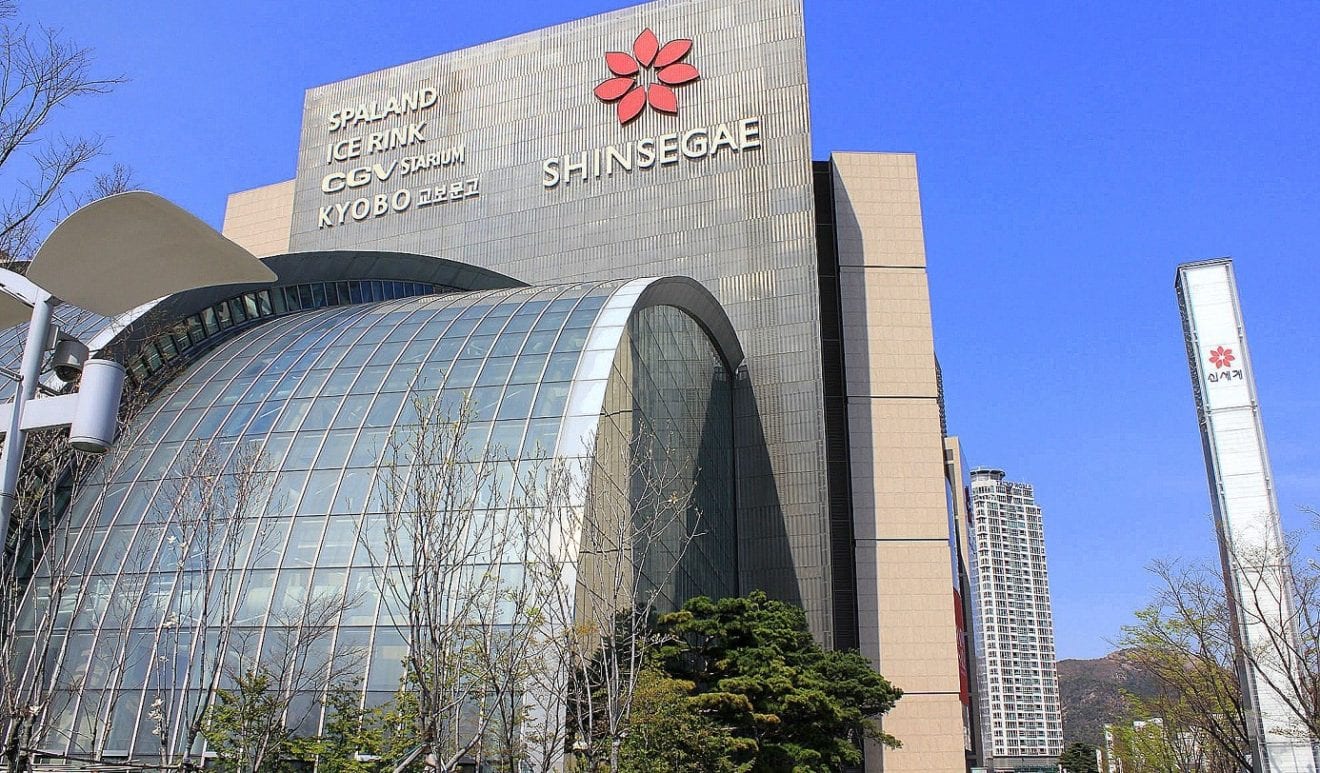
    The new Starfield Anseong, the second joint venture between Taubman Asia and Shinsegae Property, opened today in Anseong, Gyeonggi Province, South Korea. The one million square foot, modern shopping, entertainment, and dining destination is Taubman Asia’s fourth successful development project. It will serve as the primary mall for Anseong, one of the fastest-growing areas of South Korea. This press release features multimedia.

    The new Starfield Anseong mall in Anseong, Gyeonggi Province, South Korea Starfield Anseong is nearly 100 percent leased, with over 90 percent of tenants open, and is expected to be fully occupied by year-end. The mall is anchored by Shinsegae Factory Store, E-Mart, Toy Kingdom, and successful entertainment concepts, including Aquafield, Sports Monster, and Megabox, an upscale cinema. Starfield Anseong also offers 280 of the most in-demand fashion, dining, and entertainment concepts. In response to the global pandemic, the mall has implemented a wide variety of enhanced safety protocols in accordance with legal requirements.

    “Starfield Anseong represents the best of the collective expertise of Shinsegae Property and Taubman Asia,” said Paul Wright, president, Taubman Asia. “We are pleased to offer this impressive assortment of retail, dining, and entertainment experiences to customers in Gyeonggi.” “Starfield Anseong will serve customers in the southern region of Gyeonggi and will meet the high expectations of the local residents following the successful opening of Starfield Hanam and Starfield Goyang,” said Young-rok Lim, president, Shinsegae Property.

    “With a high priority on customer safety, we are certain our customers will experience a true shopping theme park previously unseen anywhere in the region. Starfield Anseong’s diverse offerings such as children’s education, entertainment, and food and beverage facilities, which have proven popular in other Starfield facilities, have been strengthened and together with other popular brands making their regional debuts, are all gathered in one place.” Shopping & Dining Starfield Anseong’s wide variety of prominent international brands includes Zara, Nike, Uniqlo, H&M, Vans, COS, Guess, Adidas, BMW, Patagonia, Camper, Polo Ralph Lauren, Lacoste, West Elm, and Under Armour.

    Popular national brands such as SPAO, Genesis, Beanpole, Studio Tomboy, Jaju, Casamia, Wonder Place, and Hanssem are also featured. Approximately 100 of the mall’s brands are the first store of the kind in this region of Greater Seoul. The mall has dedicated 113,000 square feet to dining options, including Gourmet Street’s eight restaurants and the Eatopia food court featuring 21 unique food kiosks, optional outdoor seating, and views of the neighborhood park. City Market, anchored by No Brand Supermarket, offers 15 additional casual dining options, a deli, and nine specialty food concepts that include a wine shop, a butcher, and a bakery.

    Other dining destinations include Sanghaeru, Tokkijung, Lobster Bar, No Brand Burger, and Mansukjang. Entertainment & Experiences Starfield Anseong offers many entertainment options and experiences, including a 48,000 square foot Megabox cinema with seven screens, a 28,000 square foot Sports Monster sportsplex with everything from rock climbing to basketball, and a 98,000 square foot Aquafield indoor/outdoor water park and spa. Concepts focused on children’s entertainment includes Champion 1250X and Sang Sang Sketch Play.

  • Tse Sui Luen warns of loss due to Covid-19 outbreak

    Tse Sui Luen warns of loss due to Covid-19 outbreak

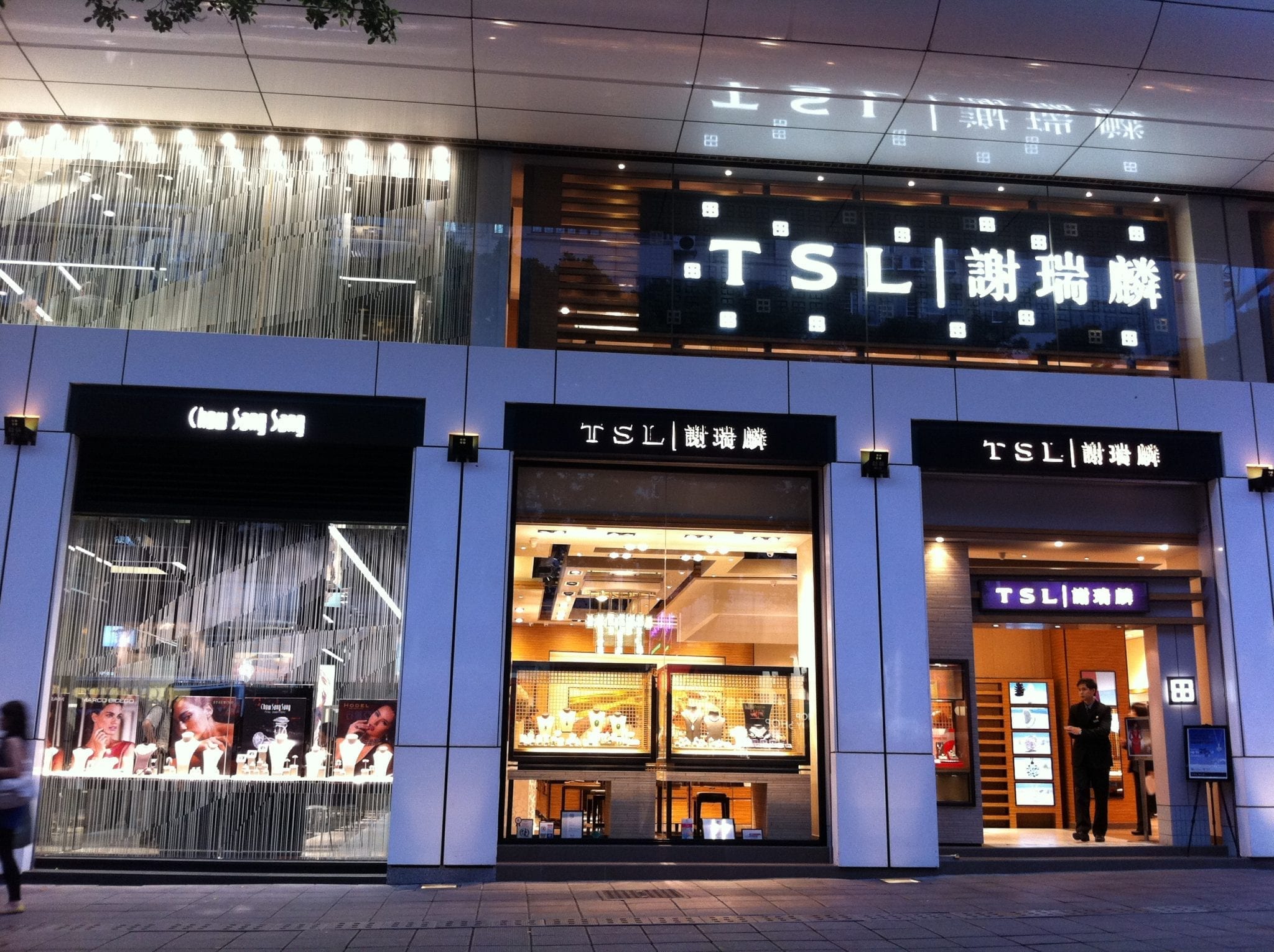
    Tse Sui Luen (TSL) has warned it will report a loss for the fiscal year, with sales hampered by a sluggish retail environment in greater China.

    The Hong Kong-based jeweler expects a loss of at least HKD 80 million ($10.3 million) for the year ending March 31, it said last week. That compares with a profit of HKD 54 million ($7 million) the previous year. The company based the projection on its performance during the first 11 months of the fiscal year.

    The slowdown, which began in July, is the result of a number of factors including the US-China trade war and prolonged social unrest in Hong Kong, TSL said. The COVID-19 outbreak has also impacted sales.

    “The coronavirus outbreak in January 2020 has taken a heavy toll on the retail industry, dealing a severe blow to the Hong Kong and mainland China economies,” the company noted. “The group’s turnover was [affected] further by the weakest overall sales in February 2020, the traditional peak season of the retail industry…which is expected to drop by approximately 88% year on year.”

    In an effort to cut costs, TSL has negotiated rent reductions with landlords, and plans to close some of its stores, it added.

    The company will publish its full-year results by the end of June.

  • Singtel launches Singapore’s first 5G standalone trial network for enterprises

    Singtel launches Singapore’s first 5G standalone trial network for enterprises

    Singtel has deployed the nation’s first 5G standalone (SA) trial network at its 5G Garage testing facility. The network, which utilizes 3.5GHz spectrum and Ericsson’s advanced Massive MIMO (Multiple-input multiple-output) technology to deliver ultra-fast speeds and low-latency or response times, provides enterprises with early access to 5G to develop and trial 5G solutions.

    Mr Bill Chang, Chief Executive Officer of Group Enterprise at Singtel said, “COVID-19 has brought a new urgency to digital transformation for many sectors. Having unveiled our first 5G use case with our 24/7 unmanned pop-up retail store in September, our 5G SA trial network offers enterprises from across industries the opportunity to develop and test applications to accelerate automation and digitalization. With 5G’s low latency and scalability, enterprises can not only drive efficiencies and make better and more cost-effective decisions but also deliver richer customer experiences. The launch of this 5G SA trial network is also an important step as we get ready for commercial 5G SA. We welcome enterprises to harness the power of 5G to future-proof their businesses and catalyze their digital transformation at 5G Garage.”

    Global cloud gaming provider, Ubitus, is the first enterprise to use Singtel’s 5G SA network for a 5G cloud gaming trial. The trial demonstrated a 5G cloud gaming experience that consistently delivered 85% lower latency of between 8 to 11 milliseconds compared to cloud gaming on 4G. It was conducted on Singtel’s multi-access edge computing (MEC) platform which integrates 5G’s ultra-low latency and high bandwidth capabilities with powerful cloud computing performance. This allows rich graphics to be processed on dedicated servers and transferred directly to devices, significantly cutting lag times, which is critical to the gaming experience.

    “We are very excited about the potential of Singtel’s 5G SA and MEC to push the envelope on cloud gaming. The trials will inform our designs for exciting games which will test gamers’ reflexes and instincts. We will leverage the ultra-low latency of 5G and MEC to offer immersive, hyper-realistic gaming experience,” said Mr Wesley Kuo, Ubitus’ Chief Executive Officer.

    5G and MEC’s ability to integrate with technologies such as Internet of Things, analytics, robotics, artificial intelligence and augmented, virtual or mixed reality enables enterprises across industries to leverage the low latency in applications requiring little or no lag times. These include remote surgery, smart manufacturing, autonomous driving, remote robotic repair and maintenance and virtual reality-enabled live concerts. By removing the need for data to be sent all the way to public clouds to be processed and sent back, MEC is not only able to better serve mission-critical data connectivity, it also enables enterprises to optimize their total cost of ownership for hosting, dedicated link provisioning and data transfer.

    Since the launch of 5G Garage with Ericsson and Singapore Polytechnic in January 2019, Singtel has successfully developed ten 5G use cases together with more than 20 start-ups and enterprises in areas such as robotics, virtual reality, artificial intelligence and drones. Singtel has also collaborated with PSA to trial maritime 5G use cases to optimize port operations at the future Tuas Port. In addition, Singtel is working with the Agency for Science, Technology and Research’s Advanced Remanufacturing and Technology Centre, and JTC to enable enterprises to develop and test advanced 5G-powered manufacturing solutions.

    Singtel’s 5G SA cloud gaming trial follows the recent unveiling of UNBOXED, its 5G-powered unmanned pop-up retail store, and the launch of Singtel’s 5G NSA network trial that offers consumer and enterprise customers an early taste of ultra-fast 5G mobile speeds.

  • Visa expands acceptance of B2B payments using Stripe Connect

    Visa expands acceptance of B2B payments using Stripe Connect

    Visa, the world’s leading digital payments technology company, has teamed up with Stripe, a technology company that builds the economic infrastructure for the internet, to introduce a new set of solutions to help businesses pay and be paid on time.

    The new solutions will be on the Visa Payables Automation platform, which allows buyers to enroll, manage and pay suppliers digitally with a Visa commercial card. This new feature, which is powered by Stripe Connect, the technology company’s solution for multi-sided marketplaces and platforms, enables buyers on Visa Payables Automation to pay suppliers who are unable to accept digital payments easily and securely through the use of a virtual Visa card. This helps bring suppliers who are not plugged into the traditional banking infrastructure into the digital economy.

    “When a buyer needs to pay a supplier, the enhanced Visa Payables Automation platform allows seamless digital payments experience. The supplier will be prompted to register with Stripe Connect, provide a bank account number, and start accepting payments,” said Chavi Jafa, Head of Business Solutions, Asia Pacific, Visa. “Migrating to digital payments benefits both buyers and suppliers, as it eliminates manual processing and enhances reconciliation. This improves productivity while reducing errors and fraud. It also allows buyers and suppliers to better manage their working capital, utilizing a Visa Commercial Card.”

    “We’re excited to see Visa leverage the power of Stripe Connect to facilitate complex payments flows,” said Noah Pepper, Stripe’s Business Lead for APAC. “Less than 10 percent of commerce is online today, and that number is much lower in the B2B space. And when you consider the web has been around for over a quarter of a century, it’s clear that we’ve barely scratched the surface! We are always excited to work with forward-thinking companies in developing better tooling for businesses wanting to accelerate their shift to online.”

    Citi client, Jebhealth is the first user of the integrated Visa Payables and Stripe Connect solution.

    As an online marketplace for healthcare services, Jebhealth uses the solution to facilitate payments for its clients to healthcare service providers on its platform. By using the solution, health service providers are onboarded, just once, via Stripe Connect to become card-accepting merchants. This novel solution is now rolled out in phases and will benefit individuals, corporates and healthcare providers, and ecosystem partners in a virtual integrated pay-out network

    “The Jebhealth team believes strongly in value creation, innovation, and social good. In the backdrop of COVID-19 pandemic, the whole solution was conceptualized, developed, and launched with the help of Citi, Visa, and Stripe, while working from home,” said Jimmy Boey, Founder & CEO, Jebhealth. “With this integrated digital payment method, employees, students, and domestic helpers no longer need to bring a medical chit or cash to pay at the clinic desk whenever they visit the clinics for check-ups. This ensures every clinic visit is shorter and smoother and less exposure from the community.”

    When Jebhealth initiates a payment, a single-use virtual Citi-Visa commercial card is generated. The virtual card is then sent to the receiving healthcare service provider, after which the provider ‘charges’ the virtual card to accept and complete payment through their Stripe Connect account.

    By using a Citi-Visa virtual card, in addition to enabling digital payments, the solution ensures added safety and security. Jebhealth is able to set transaction limits on the virtual cards, including permitted current and merchant types.

    This new service is now available in 30 markets around the world.

    Tarun Minglani, Asia Pacific Head of Commercial Cards, Treasury and Trade Solutions, Citi, said, “Citi is committed to offering our clients innovative B2B payment solutions, enabling them to operate more efficiently in an increasingly digitized business environment. Our Commercial Cards business is active across 14 markets in Asia Pacific. Underpinned by digital solutions and tools, we offer our clients best-in-class products and services through our proprietary solutions as well as through our partnerships in the region. The Visa Payables Automation platform optimizes the payments process while reducing points of friction that are traditionally associated with B2B payments.”

    In 2019, Visa’s commercial card solutions generated more than US$1 trillion in payment volume, making Visa the largest card payment network for B2B payments in the world[1]. As payments migrate away from traditional plastic cards, Visa is working with its partners around the world to enable new experiences that are based on virtual cards and extending its network to collaborate with new players.


  • Mondelēz International Invests in Global Center for Sustainable Cocoa Farming Solutions

    Mondelēz International Invests in Global Center for Sustainable Cocoa Farming Solutions

    Mondelēz International opened its state-of-the-art cocoa crop science technical center in Pasuruan, Indonesia. The center enables Mondelēz International to develop and promote better cocoa farming practices, continuing its work with farming communities, suppliers and partners around the world. It represents an important step in the company’s mission to lead the future of snacking by securing a sustainable future for high-quality cocoa, so consumers can enjoy the right snack, for the right moment, made the right way.

    As one of the world’s largest buyers of cocoa for chocolate, the sustainability of the cocoa farming industry is key to Mondelēz International’s long-term growth in Asia and around the world. “Cocoa is at the heart of chocolate, and demand is growing, with Asia set to become the second-largest consumer of cocoa ingredients. Mondelēz International is determined to meet that demand in the right way by creating a thriving cocoa sector,” said Maurizio Brusadelli, Executive Vice President and President, Asia, Middle East and Africa for Mondelēz International. “Consumers also expect more from their favourite brands like Cadbury Dairy Milk and Milka chocolate. People want delicious snacks they feel good about eating, know where ingredients come from and produced in ways that are better for the environment and communities. We need to secure a sustainable future for high-quality cocoa and other raw materials we use to create the snacks our consumers love.”

    The investment in the Pasuruan Cocoa Technical Center focuses on cocoa crop science research and development. It supports sustainable, scalable cocoa farming practices and will work in partnership Mondelēz International’s global cocoa sustainability program, Cocoa Life. By the end of 2019, Cocoa Life had reached 175,017 cocoa farmers globally: 43,000 of these are Indonesian cocoa farmers.

    “We’re on a mission to drive positive change by creating a future of sustainable snacking and that includes using our global scale to create meaningful, lasting impact.,” said Rob Hargrove, Executive Vice President, Research, Development and Quality for Mondelēz International. “The Pasuruan Cocoa Technical Center is our global home for cocoa crop science initiatives. It brings local and international cocoa crop science experts together with farmers and suppliers in the cocoa growing areas of Sulawesi, Sumatra, and East Java. Our scientists can go from the labs at the center to field sites where we have research collaborations and on-farm activities through Cocoa Life.”

    The center’s focus on cocoa crop science and technical solutions that support high-yielding, sustainable and resilient farming practices is a clear commitment to the company’s 2025 goal of sourcing 100 percent of cocoa for chocolate through Cocoa Life. The company is on track to meet that target with 63 percent of cocoa for its chocolate brands currently sourced through Cocoa Life.

    The 2019 Snacking Made Right Report provides a comprehensive update on the company’s 2025 sustainable and mindful snacking goals and its progress towards achieving these goals.

  • Goldman Sachs Keeps Partner Headcount Flat with 2020 Cap

    Goldman Sachs Keeps Partner Headcount Flat with 2020 Cap

    Goldman Sachs is reportedly adding no more than 60 partners in 2020 as part of a new drive to reduce the size and exclusivity of the top ranks. The cap is set to create the smallest class of partners since the mid-1990s, according to a report citing unnamed sources.

    Partners, which are appointed biennially, are considered the elite employees of the bank and receive various benefits including a small stake in the firm and access to exclusive investment opportunities alongside a $1 million salary.

    Any time one of the top 450 people at Goldman moves its gets written about, said Goldman CEO David Solomon, at a Credit Suisse forum in February this year, adding that top-10 executives exiting other banks would receive no such publicity.

    When appointed to the top role in late 2018, Solomon inherited a bank with around 500 partners. Although the total partner count doubled from 221 in 1999 when Goldman first went public, the 69 added that year was the lowest since. And in the two years after Solmon joined, at least 54 partners have left either by exiting Goldman or renouncing membership but remaining with the bank.

    At 60 or below, 2020 is set to become the new smallest class of partners for Goldman Sachs.

    In addition to a smaller class, Goldman is also offering partners «carried interest» or a share of future profits in its private investment funds which can be accessed investments as little as $10,000.

  • Uniqlo joins Zara, H&M in tackling waste problem

    Uniqlo joins Zara, H&M in tackling waste problem

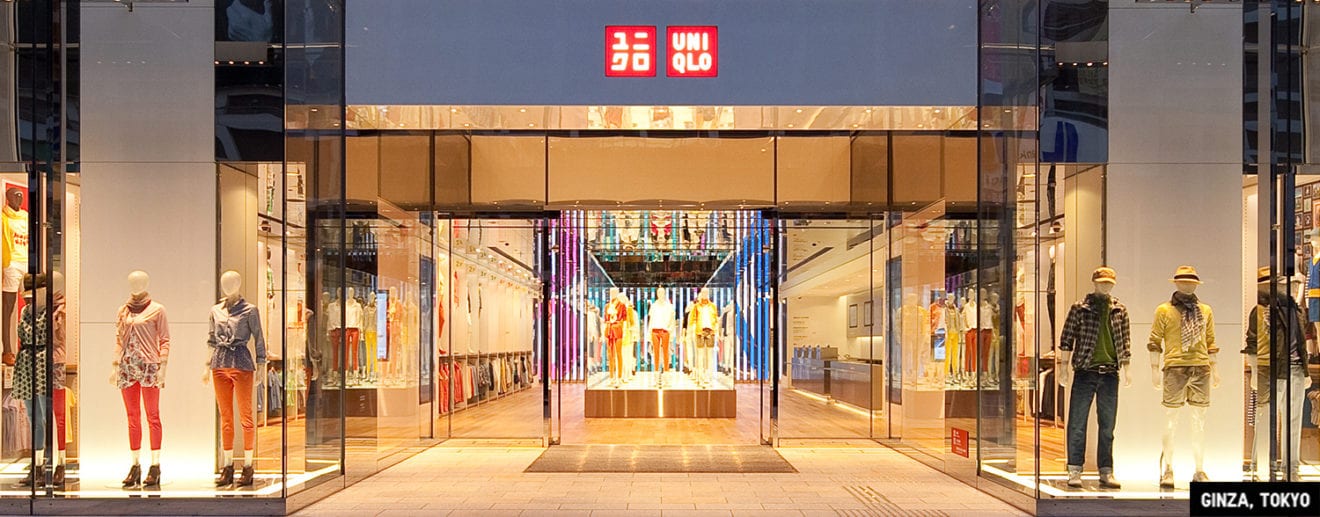
    In an effort to help the homeless restart their lives, UNIQLO Malaysia recently launched a clothing corner at Kuala Lumpur’s Homeless Transit Centre (Pusat Transit Gelandangan KL), a government initiative to help those on the streets get back on their feet. With the help of the centre, those who seek jobs can access proper attire as they embark on their new lives

    The clothes include casual wear, sports attire, and workwear – all of which are donated by UNIQLO’s customers.

    Many praised the company for its initiative in restoring hope for those in need

    UNIQLO’s All-Product Recycling Initiative encourages customers to donate old clothing, which is then recycled into new products

    If the clothes are wearable, they will be donated to refugees, disaster victims, and the underprivileged.

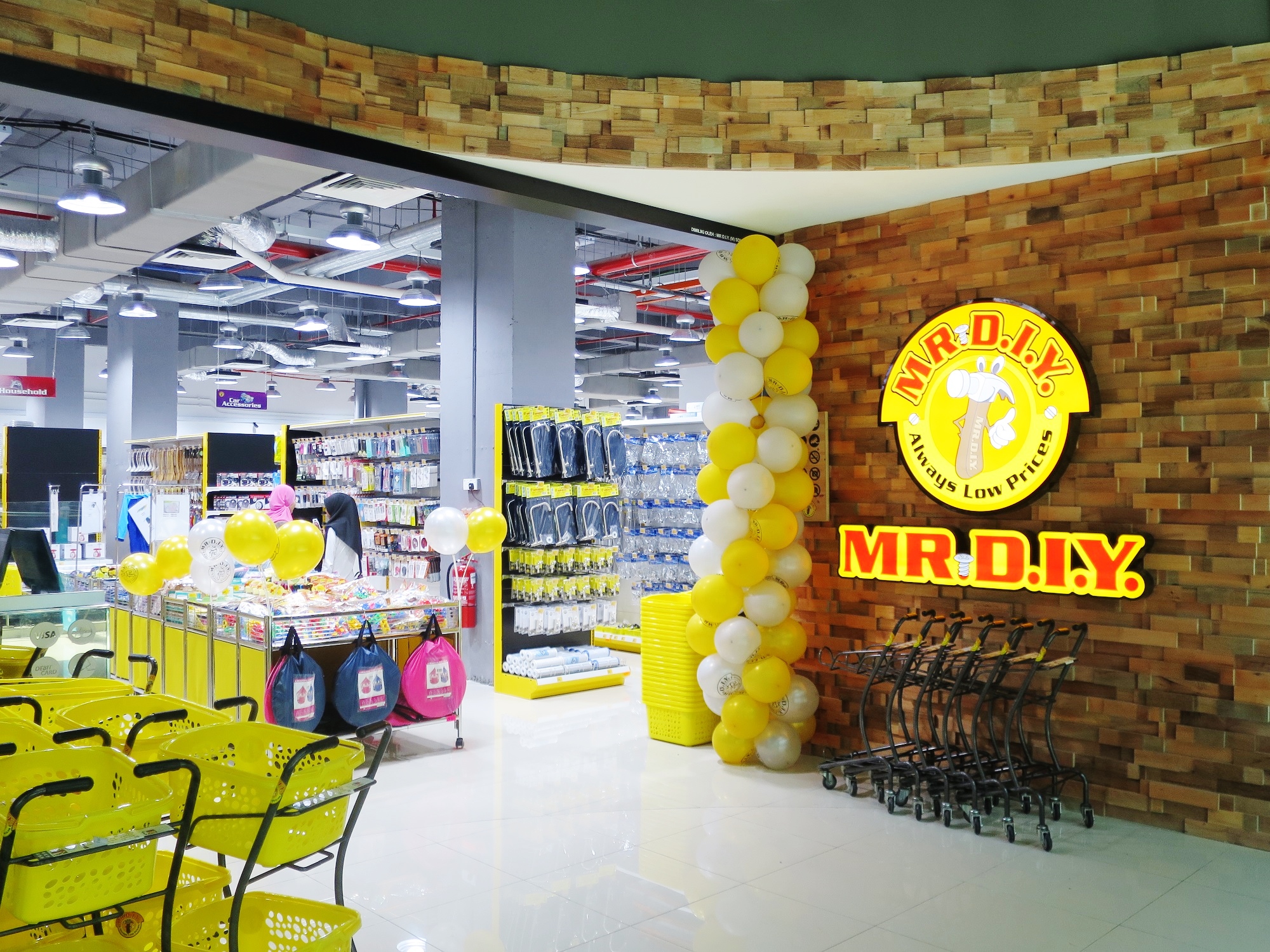
  • Malaysia’s Mr DIY seeks to raise US$360 million

    Malaysia’s Mr DIY seeks to raise US$360 million

    Malaysian home improvement retailer MR DIY Group opened the books for its 1.5 billion ringgit ($361.71 million) initial public offering (IPO) on Tuesday, the country’s largest listing in three years.

    The company fixed the offer price at 1.60 ringgit per share, giving it an estimated market capitalization of 10 billion ringgit. The bookbuild period will last seven working days, before pricing on Oct. 14 and listing on Oct. 26.

    MR DIY joins a number of other Southeast Asian companies planning IPOs this year, including Thailand’s Siam Cement Group Packaging and Philippines’ Converge ICT Solutions Inc, a trend that signals an uptick in fundraising activity in underperforming markets.

    The MR DIY listing is on track to be the largest in Malaysia since Lotte Chemical Titan raised 3.77 billion ringgit in July 2017.

    Offering up to 941.5 million shares, representing around 15% of its enlarged issued share capital, MR DIY said it planned to use the IPO proceeds primarily to repay bank borrowings.

  • Alibaba setting up joint venture with Swiss duty-free giant Dufry

    Alibaba setting up joint venture with Swiss duty-free giant Dufry

    Chinese tech giant Alibaba has agreed to form a joint venture (JV) with Swiss duty-free group Dufry, as Chinese shoppers’ appetite for overseas luxury goods seemed unfettered by the pandemic.

    It also announced that it would acquire an up to 9.99 percent stake in the duty-free operator in a statement released last Monday.

    Alibaba Group will have 51 percent controlling shares to Dufry’s 49 percent. The joint venture combines Alibaba’s established network and digital capabilities with Dufry’s China travel retail business and operational skills, the statement said.

    “We expect this collaboration to drive growth in Asia and with Chinese customers worldwide with the support of new digital technologies,” said Dufry Chief Executive Julian Diaz on Monday.

    As the coronavirus pandemic halts global travel, Dufry’s revenue fell by 62 percent to 1.59 billion Swiss francs ($1.74 billion) in the first half of 2020. It is an increasing presence in China’s travel retail markets as effective containment of the outbreak allowed the country to travel again.

    With 14,941 flights booked during the country’s eight-day National Day holiday that started on October 1, total air travel booking is comparable with the same period last year. Bookings for domestic flights have increased by 10.5 percent, data from China’s aviation authority showed.

    Dufry is proposing a capital increase that will raise up to 700 million Swiss francs, which Alibaba is to subscribe to up to 250 million Swiss francs of shares.

    China currently taxes imported consumer goods, such as garments and beauty products, an average of 6.9 percent and high-end cosmetics by 15 percent. But tariffs for many luxury products, such as perfumes and watches, exceed 30 percent.

    South China’s island province of Hainan has offered greater visa-free access and duty-free shopping for tourists since July 1. Meanwhile, the annual quota for individuals making duty-free purchases on the island tripled to 100,000 yuan, and the duty-free product catalog increased from 38 to 45 items with some electronic products and wines newly added to the duty-free list.

    China’s duty-free retail giant China Duty-Free Group owns all four offshore duty-free shops in Hainan. Its parent company China Tourism Group Duty-Free generated 19.3 million yuan in revenue in the first half of 2020, beating Dufry as the world’s largest duty-free retailer.

    Its sales in Hainan were the primary driver for China Tourism Group Duty-Free’s revenue boost, contributing 47 percent in the first half of the year. Hainan recorded 8.61 billion yuan in visitor duty-free spending from July 1 to September 30, a surge of 227.5 percent year on year, the local customs data showed.

  • Hong Kong’s Peak Galleria offers rooftop pet park

    Hong Kong’s Peak Galleria offers rooftop pet park

    Following its much-acclaimed facelift last year, Hang Lung Properties”” Peak Galleria has brought in plenty of pet-friendly amenities long desired by pet parents and their furry babies. This iconic landmark of Hong Kong is also introducing the Peaknic combo, allowing pet owners to enjoy a picnic with their four-legged friends on its new rooftop lawn by the Observation Deck on level three. With a world-class view of the Victoria Harbour and Hong Kong Island, Peak Galleria promises an unparalleled leisure experience for all!

    Customers could enjoy a picnic with their pets on the new rooftop lawn by the Observation Deck, against a backdrop of the scenic Pokfulam Reservoir and Hong Kong Island. 

    At Peak Galleria — the hottest pet-friendly shopping mall in town, not only is Fido allowed in most of the areas, they can also use a dedicated elevator to access the Observation Deck on level three, where they can roam freely and play. By late October, Peak Galleria will be setting up an Insta-station for pet lovers to snap away at — or with — their furry friends in a giant pet bowl installation, capturing the most beautiful memories with their pampered companions.

    Customer service is the hallmark of the Peak Galleria shopping experience. As such, Peak Galleria has set up designated dog parking areas where Fido can rest while their owners go shopping or dining. In addition, complimentary pet strollers are available for loan from the Concierge for up to three hours with a deposit of HK$500. (Note: In all mall areas, all pets must be muzzled and on leash not exceeding 1.5 meters in length.)

    Starting today, Pawfect Barber Shop, a pet salon-themed photoshoot station, will open on level one of Peak Galleria. A rich collection of props and backdrops will be available at the station, where owners can play stylist for their beloved pets for a fun-filled photo session. What”s more, a selection of items will be available for sale at PANDORA, Gift at Races, and Build-A-Bear Workshop. Meanwhile, patrons accompanied by their pets will be entitled to limited-time offers at the merchants below:

    From now on through December 31, over weekends and on public holidays, Peak Galleria will host the PetMart at the atrium, featuring pop-up stalls by multiple chich labels, including PRIVATE i PETS, KOLs Jerry. C @Jm9 and Kenji@ Ondogdog, PETCORE VET and WELLNESS, PETS 101, and Dreamcatcher Holiday Market. Discover a vast array of curated pet foods, pet supplements, handcrafted toys, and many more at PetMart, which is deemed to bring an exceptional shopping experience to pet owners and their furry friends!

    From now on, customers who order takeaway from participating restaurants or purchase a designated picnic set by Mina House or JinYaJu Noodle Bar of over HK$600 will receive a free picnic mat and a merchant cash coupon worth HK$100. Customers can also loan an exquisite picnic basket at no costs — a picnic essential for snapshots on the new rooftop lawn by the Observation Deck, against a backdrop of the scenic Pokfulam Reservoir and Hong Kong Island. The signature picnic sets at Mina House and JinYaJu Noodle Bar are available only at the Peak Galleria. The former specializes in crispy snacks, while the latter has a wide range of savory dishes, including the popular JinYaJu Noodle, chef-picked appetizers and specialty beverages. Menus for two and for four are available to meet the varied needs of avid picnic goers and paws.

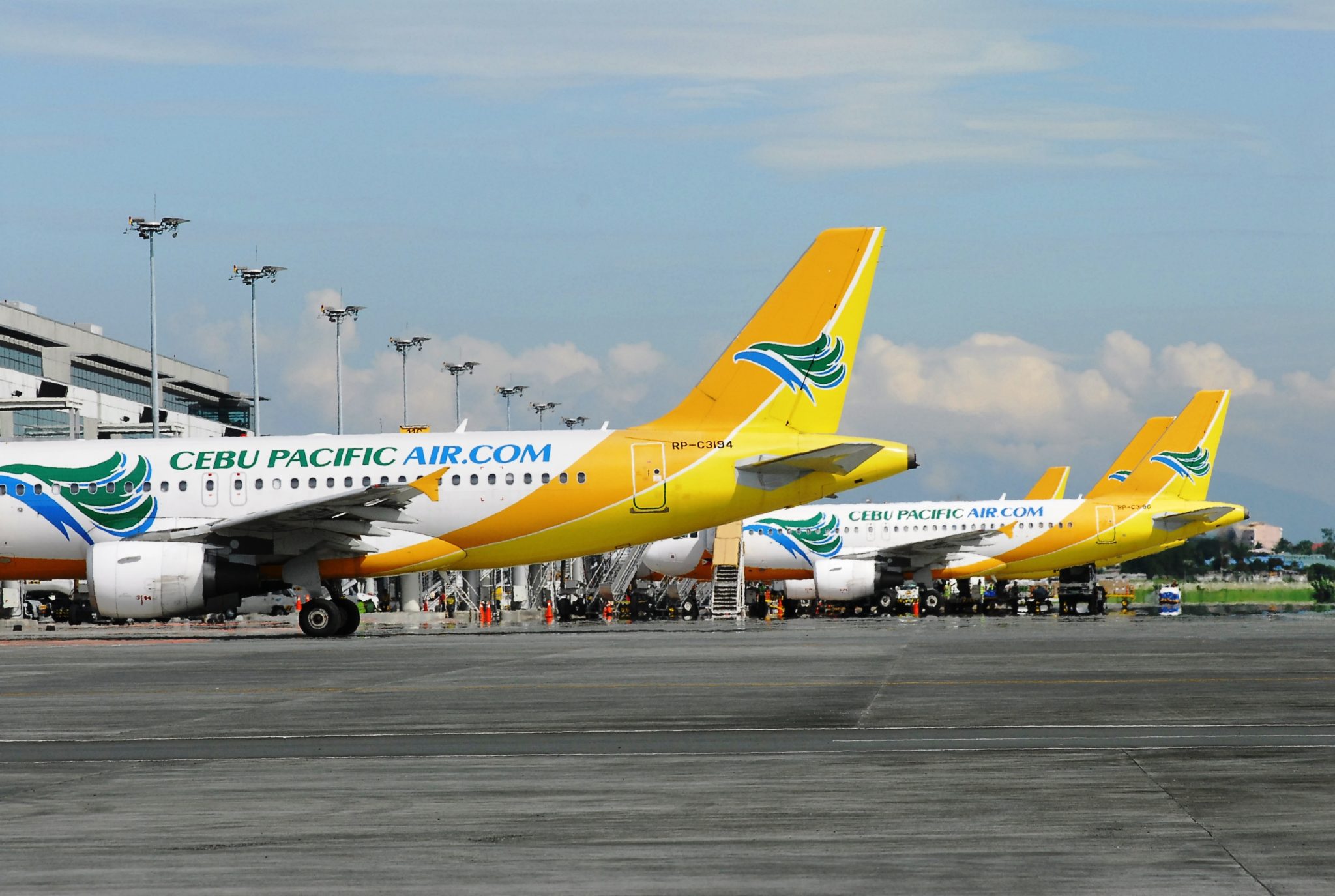
  • Cebu Pacific promotes Philippine tourism with ‘Juan Love’ campaign

    Cebu Pacific promotes Philippine tourism with ‘Juan Love’ campaign

    The resilience of the country’s tourism sector was put to the test as local businesses and industries had to deal with the immense challenges brought about by the Covid-19 pandemic. Yet, it also brought out the Filipinos’ spirit of Bayanihan, sparking hope for the nation as everyJuan extended support to one another.

    As an airline that strongly believes #EveryJuanWillFlyAgain, the Philippines’ leading carrier, Cebu Pacific, further encourages everyJuan to come together and support the country as it gradually recovers, through its newest campaign “Juan Love — One love for the Philippines.” At a time when borders are slowly reopening, this online campaign aims to inspire everyJuan to travel again — to see the places they’ve missed, and experience the local culture and cuisine unique to every destination.

    The Juan Love campaign will not only highlight the beauty and wonders of the Philippines’ local destinations but will also show how flying supports the people behind the tourism industry — each flight, each tourist, will help people sustain livelihoods — everyJuan for everyone. As this campaign showcases the scenic spots, thrilling activities, and native delicacies each destination is known for, Juan Love will also shed light on all the local businesses and fellow Filipinos making all these possible.

    “We are delighted that Cebu Pacific came up with this heartfelt initiative. More than rekindling the desire of Filipinos to travel once again, the Juan Love campaign also puts a spotlight on the people whose jobs and livelihoods depend on the inclusive growth brought about by tourism. We are always grateful for the support, and rest assured that we will continuously collaborate with the aviation sector so we may all help our industries, and our economy, recover,” expressed Berna Romulo-Puyat, secretary of Department of Tourism.

    “We have been continuously working hand-in-hand with our partners in the government to help ensure the nation bounces back from this crisis. We believe as more destinations open up for tourist travel, we are able to support the small businesses and communities,” said Candice Iyog, Cebu Pacific vice president for Marketing and Customer Experience. “With the launch of our Juan Love campaign, we hope everyJuan joins us in showing one love for the Philippines.”

    Staying true to its commitment to provide safe, affordable, and fun-filled air travels for everyJuan, Cebu Pacific celebrates local tourism with a series of exciting Juan Love Seat Sales! A total of one million seats to domestic destinations will be up for grabs all throughout the “Ber” months.