Author: Mei Ling Tan

  • Japan retail sales remain lacklustre last month

    Japan retail sales remain lacklustre last month

    Japan’s retail recovery continued to proceed slowly during August following the largest recorded single-quarter sales decline in the nation’s history.

    According to the country’s Cabinet Office, the national real gross domestic product for April to June fell by 28.1 percent year on year, performing worse than at the depths of the global financial crisis in 2009.

    WWD reported a poll of major retailers in the market, finding sales performance between the firms generally low. Uniqlo operator Fast Retailing was an exception, seeing a 29.8-pera-cent increase in same-store sales growth during August, with summer products selling fast in the midst of the current Japanese heatwave. About 90 Uniqlo stores are still operating below peak hours, however, two have been permanently shuttered and six remain closed due to the Coronavirus pandemic.

    In contrast, Isetan Mitsukoshi saw sales drop by 29.1 percent under last year’s results, especially hard hit at its Mitsukoshi store in an area traditionally popular with foreign travelers, where sales fell 47.8 percent. Takashimaya’s sales dropped 18.8 percent against August figures for last year across 13 department stores.

    “In addition to a drastic decline in tax-free sales, the effects of a heatwave and the continuing trend of people refraining from going out resulted in not being able to meet the sales levels of last year,” Takashimaya was quoted by WWD. “On the other hand, we did see the movement of items meant to make people’s time spent at home more comfortable, as well as of luxury brand goods.”

    Hankyu and Hanshin department store chains operator H2O Retailing saw a sales decline of 15 percent, with same-store sales down 26.9 percent. J. Front Retailing was hit with a sales drop of 29.4 percent year on year in August, commenting “Sales of volume fashions and food products in particular suffered”.

  • Singapore Watchdog Fines Ride-Hailing App Grabcar $10000 For Data Privacy Violation

    Singapore Watchdog Fines Ride-Hailing App Grabcar $10000 For Data Privacy Violation

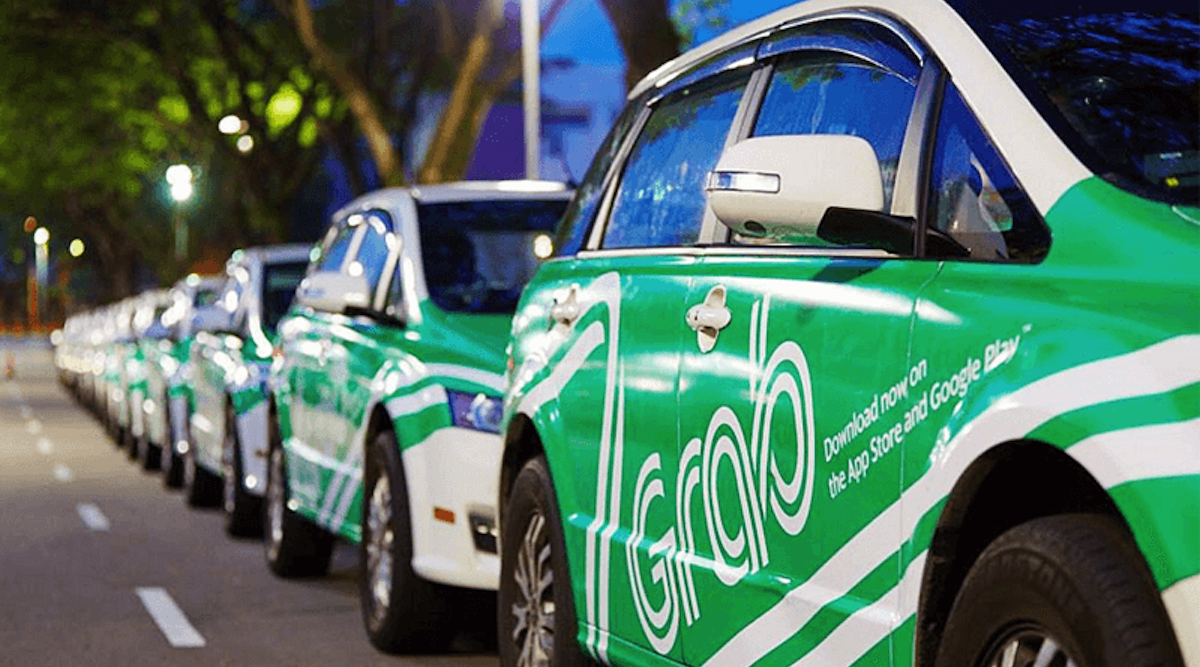
    Singapore’s privacy watchdog fined ride-hailing app Grabcar S$10,000 ($7,310), saying a 2019 update put the data of some users at risk of unauthorized access in what the watchdog said was the fourth breach of data privacy regulations and “a significant cause for concern”. In a filing published on Sept. 10, the Personal Data Protection Commission (PDPC) said the update risked the personal data of 21,541 drivers and passengers, including profile pictures, names and vehicle plate numbers, related to carpooling service GrabHitch.

    Grabcar, a unit of Southeast Asia’s largest startup Grab Holdings, rolled back the app to the previous version within about 40 minutes and took other remedial action, the PDPC said.

    “Given that the organization’s business involves processing large volumes of personal data on a daily basis, this is a significant cause for concern,” the PDPC said.

    The regulator also directed Grab to put in place data protection by design policy, where data protection measures are considered and built into tech systems as they are being developed.

    In a statement, Grab said: “To prevent a recurrence, we have since introduced more robust processes, especially pertaining to our IT environment testing, along with updated governance procedures and an architecture review of our legacy application and source codes.”

  • Moleskine’s new CEO discusses creativity and the brand’s plans for Asia

    Moleskine’s new CEO discusses creativity and the brand’s plans for Asia

    Premium brand Moleskine is setting its eyes on Asia as a major potential growth market, planning expansion both online and offline and integrating more smart technology into its product range.

    In an interview with Inside Retail Asia, recently appointed CEO Daniela Riccardi says one of the core priorities of a five-year plan she has drafted for Moleskine globally will be to create greater brand awareness among Asian consumers.

    “We want to share with them the Moleskine heritage and values in order to develop brand presence and overall business throughout this very important region.”

    Moleskine was founded 23 years ago in Milan, Italy. It began with a little black notebook with rounded corners and ivory-hued pages inspired by those used by great writers and artists of the past – prodigious note-takers who would inspire generations with their creative genius. Since then, it has evolved into a whole ecosystem of notebooks, diaries, bags and accessories, and smart tools and services.

    The conspicuous quality and style of Moleskine products notwithstanding, these kinds of items have become rather commoditized in many parts of Asia. Riccardi believes the brand is up for the challenge of building a premium brand in such a context.

    “I believe that what has made Moleskine so unique is that what Maria Sebregondi and the founders of the brand created was more than a bundle of pages within two covers: what was created was a tool for the creative community,” Riccardi explains.

    “Every detail of the notebook was carefully looked at when it was designed: the quality of the paper, the “in case of loss” label, the pocket on the back cover to hold bits and bobs, the rounded corners that allow it to slip effortlessly into a pocket, the elastic band closure. It was first distributed in bookstores and labeled “the book yet to be written”, because a Moleskine notebook becomes meaningful once our customers start filling its pages. It is quite simply more than a notebook and our ever-growing community embraces that.”

    Overcoming the Covid-19 era

    While the onset of the Covid-19 pandemic has disrupted business throughout the world, Ricccardi is confident Moleskine will ride out the storm and remains committed to its growth agenda.

    “Clearly Covid has been difficult for all businesses worldwide and Moleskine has also inevitably suffered, but I am working alongside all the people in the company to implement a long-term plan that will ensure that Moleskine will ride this extraordinarily difficult wave and overcome what I am certain is a moment.”

    The five-year plan she created soon after taking office on April 1 is based on the belief that a brand can never rest on its laurels.

    “Any evolving company needs to constantly look at itself in order to renew and continue to grow, which is why building this plan was my first order of business.”

    The plan includes equal focus both on- and off-line in order to optimize the customer experience for all of its customers.

    We have also partnered with some of the most significant institutions and brands worldwide and will continue to do so with a focus on bigger strategic partnerships with cultural institutions such as universities and museums. Partners with whom we share a like-minded ethos. Learn more about Moleskine’s co-branding project.

    The shift to digital 

    As the world moves increasingly to digital – with less reliance on paper and physical (rather than virtual) note taking – Moleskine is mindful of adjusting its business model to adapt.

    “Moleskine has grown alongside the internet and when our founders created the brand, the importance and the relevance of the digital world was very clear in their minds. We create objects that live together with the digital world, that complement each other. The Smart Writing System is a perfect example of this: it is composed of a smartpen and centers around a specially created paper that when written or drawn on recognizes pen strokes. The system allows for all notes and thoughts to appear in real-time on digital devices as they are written on this almost “magical” paper,” says Riccardi.

    “We have always embraced technology as it is an essential part of everyone’s lives.”

    Alongside its digital foray, Moleskine continues to work on new products and designs to remain relevant to today’s consumers.

    “We have a small in-house team that has worked on creating new ideas and designs. This is one of the areas I intend to better develop going forward. The Moleskine aesthetic is very clear and staying true to those values is what makes the brand so authentic and appreciated by our customers.”

    Such a focus will help the brand build greater market share in existing markets as well as expanding into relatively new frontiers like Asia and Africa.

    “In terms of product categories, I believe that we have a great richness in our original and iconic notebook from where it all started. It is a small but great tool that we hope contributes to the development of creativity, culture, and knowledge and I would like to see a return to our origins as the first step to future growth.”

    Taking the reins

    Taking over the helm of Moleskine in a world where borders were closed was a surreal experience for Riccardi, an executive with previous management experience in companies including Procter & Gamble and fashion brand Diesel in 2010, where she was CEO, before taking over as CEO of 250-year-old French crystal maker Baccarat in 2013.

    “Taking over the helm of a company without meeting the team in person was an extraordinary experience to say the least. Not being able to travel to see the markets myself was initially a challenge. But as the saying goes, where there is a will there’s away, and I am confident that together with the team we will overcome this difficult time and move forward as a stronger company and brand.”

    Riccardi’s greatest achievement in business to date, she tells Inside Retail Asia, is building gender diversity within the companies she has led.

    “Gender diversity has always been important to me and throughout my career, I have sought to inspire and empower women, particularly in circumstances where age or social or religious factors can be a challenge.”

    At Moleskine she wants her legacy to have grown the brand to greater heights and recognition than when she took over this year.

    “I am very careful about the projects I decide to undertake and the brands I decide to work with. It is important to me that I have the utter conviction of the strength of a brand and its unique values. Moleskine has these qualities in spades, and I see in it untapped opportunities that are the cornerstone of my work for developing a framework for growth in the years to come.”

    Based in her native Italy, Riccardi has several directorships in addition to her Moleskine role. She is on the board of French luxury-goods powerhouse Kering, of Comité Colbert, an association of French Luxury Brands and cultural institutions, and the world’s largest communications and advertising company, London-based WPP.

    If there is a common element to the companies which Riccardi commits her time to it has to be style and creativity – not to mention heritage – a group into which Moleskine fits perfectly.

    “Moleskine at its core celebrates the power of creativity and has a unique connection to paper where human genius has always given its best. We provide tools for empowerment and spaces for ideas to grow, with the idea of unleashing the limitless human potential,” reflects Riccardi.

    “After all creativity is universal and timeless and will always be relevant to the world.”

  • Vinpearl loss triples as pandemic hits tourism

    Vinpearl loss triples as pandemic hits tourism

    Vinpearl Jsc, the hospitality and entertainment arm of conglomerate Vingroup, saw first-half losses triple year-on-year due to the impacts of the coronavirus pandemic.

    The operator of premium resorts and theme parks recorded a loss of nearly VND5.1 trillion ($220 million), up from VND1.69 trillion.

    Its debt to equity ratio rose to 22.57 at the end of H1 from 2.2 a year earlier.

    The rising loss and debts were the result of the pandemic crippling the tourism and hospitality industries in Vietnam since the first quarter.

    In March Vinpearl shut down some of its resorts and golf courses amid travel restrictions and dwindling demand.

    The company recently raised VND865 billion through three-year bonds. In 2018 and 2019 it had issued a total of VND14.3 trillion worth of bonds.

    The company operates 43 resorts and hotels nationwide with over 17,000 rooms, golf courses, theme parks, and a safari park.

  • Lotte seeks to carve TGI Friday’s out as part of restructuring excercise

    Lotte seeks to carve TGI Friday’s out as part of restructuring excercise

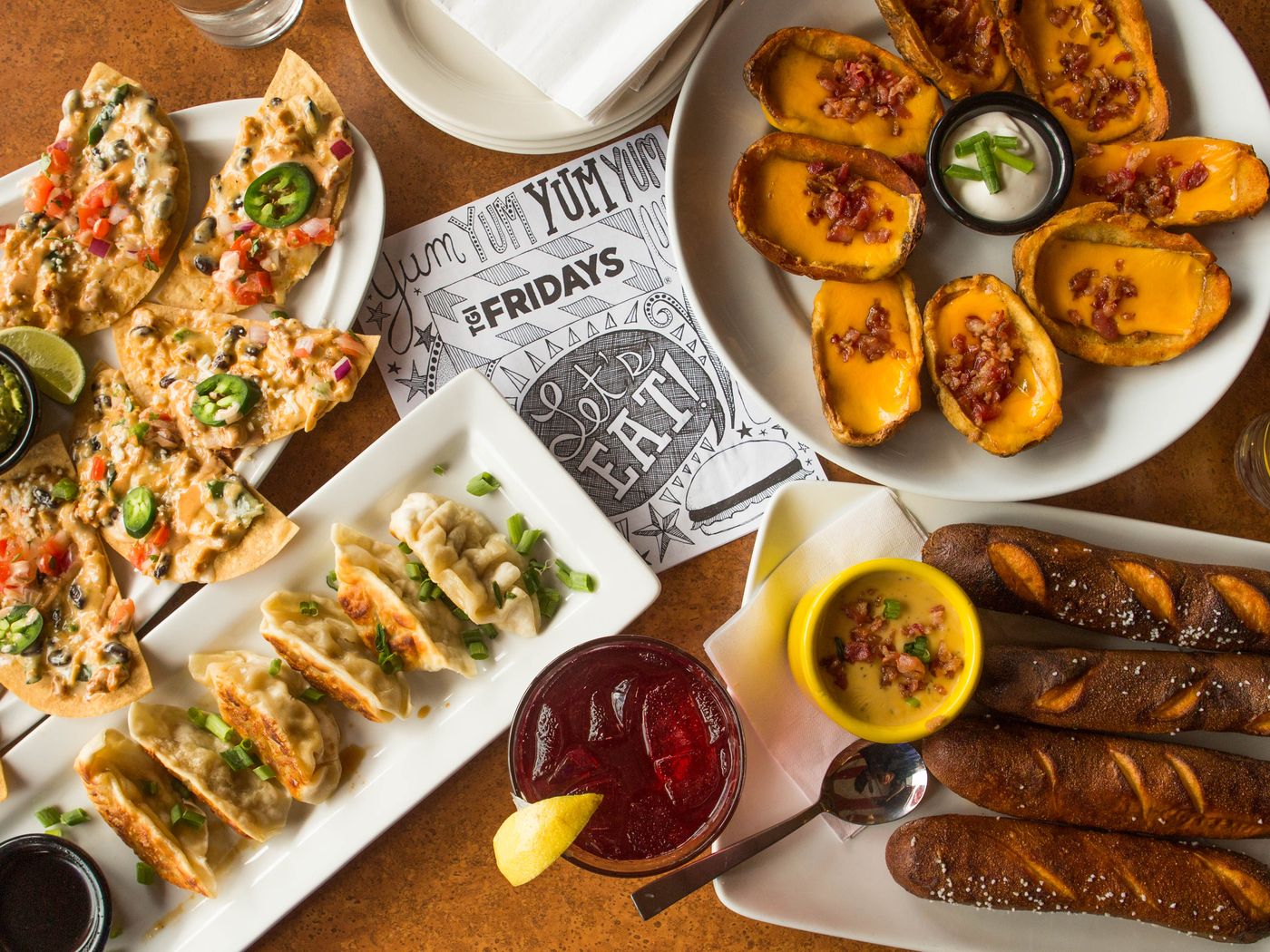
    Lotte is moving to divest its TGI Friday’s restaurant chain rights in South Korea as it restructures its business portfolio. Lotte will split the business and sell off shares to new investors, having already spun off the chain’s assets and debts. The group has been badly affected by the Covid-19 pandemic, with a sales drop equivalent to US$140.4 million during this year’s second financial quarter, 18.2 percent down from last year’s results. Of all Lotte GRS chains, only Lotteria seems to be making profits, according to observers in the industry.

    The groups’ flagship Lotte Shopping will close up to 120 physical outlets under various brands this year during its retail business restructure, while its online business continues to expand.

    “It is time for a self-scrutiny on our business practices so far, and CEOs must aware that the priority is streamlining their current business processes,” said Lotte Chairman Shin Dong-bin. “While doing so, companies should make greater efforts to make innovations in a long-term perspective.”

    Lotte has operated TGI Friday’s within the territory since 2002, opening venues within the group’s shopping malls. There are currently 21 outlets in operation, less than half that were running at the peak of its popularity back in 2013.

  • TikTok picks Oracle over Microsoft as possible candidate

    TikTok picks Oracle over Microsoft as possible candidate

    With Tuesday’s deadline forcing TikTok parent company ByteDance to divest itself of the short-form app’s U.S. operations or get banned in the states, Reuters reports that a group led by U.S. tech firm Oracle has been chosen by TikTok to buy the U.S. version of the very popular app for an undisclosed amount. Just before Oracle was announced as the winner of the contest, Microsoft said that it had been informed by ByteDance that TikTok would not be sold to the software giant. The company was originally the front runner in a deal that was estimated to be valued at $20 billion dollars and up.

    Walmart was also expected to be part of the Microsoft bid and it is unclear whether the retailer still has an interest in TikTok. In a statement announcing that it is bowing out of the battle for the U.S. operations of TikTok, Microsoft said, “We are confident our proposal would have been good for TikTok’s users while protecting national security interests. To do this, we would have made significant changes to ensure the service met the highest standards for security, privacy, online safety, and combatting disinformation, and we made these principles clear in our August statement. We look forward to seeing how the service evolves in these important areas.”

    TikTok, with over 2 billion installs worldwide, has 100 million monthly users in the states, up from 11 million in early 2018. The app, which has a large community of teenage users, shows community created videos of 15 or 60 seconds in length. Content includes lip-syncing, pranks, dancing, and more. During the pandemic, when teens and others were locked up in their homes, TikTok becomes even more popular than ever. And that popularity got the Trump administration worries that the Communist Chinese government could obtain personal information from TikTok users and send it to Beijing. ByteDance says that the U.S.operations of TikTok have only two servers in operation with one in the states and the other in Singapore. The next step requires the Committee on Foreign Investment in the U.S. (CFIUS) and the White House to get approval for the deal. People familiar with the transaction say that it should satisfy fears that some participants had about the security of data obtained by TikTok in the U.S.

    China almost threw a last-second issue into the deal when the Chinese government added new export restrictions that banned the U.S. from receiving certain information created by artificial intelligence. These algorithms are used to determine which videos TikTok users get to see and are considered the app’s “secret sauce’” they were believed to be part of the negotiations of the deal. President Trump announced an executive order back on August 6th, giving ByteDance 45 days to divest TikTok before demanding that its U.S. operations be banned. The White House considers the app to be a national security threat.

    Microsoft, as we mentioned earlier, was originally the front runner and had decided to take on Walmart as a partner. The original plan called for both to acquire TikTok’s operations in the U.S. along with those in Australia, Canada, and New Zealand. For the deal to close, ByteDance will need to get approval from both the U.S. and Chinese governments.

    This isn’t the first time that the U.S. government has gotten itself involved in a messy takeover battle involving China. In March 2018, the president blocked Singapore chipmaker Broadcom from purchasing Snapdragon chip designer Qualcomm for $117 billion. The U.S. was reportedly concerned that the deal would weaken Qualcomm thus giving power to the Chinese. A few months later, Qualcomm’s bid to acquire Dutch company NXP Semiconductors NV was blocked by Chinese antitrust regulators.

  • Don Don Donki lifting off in Taiwan

    Don Don Donki lifting off in Taiwan

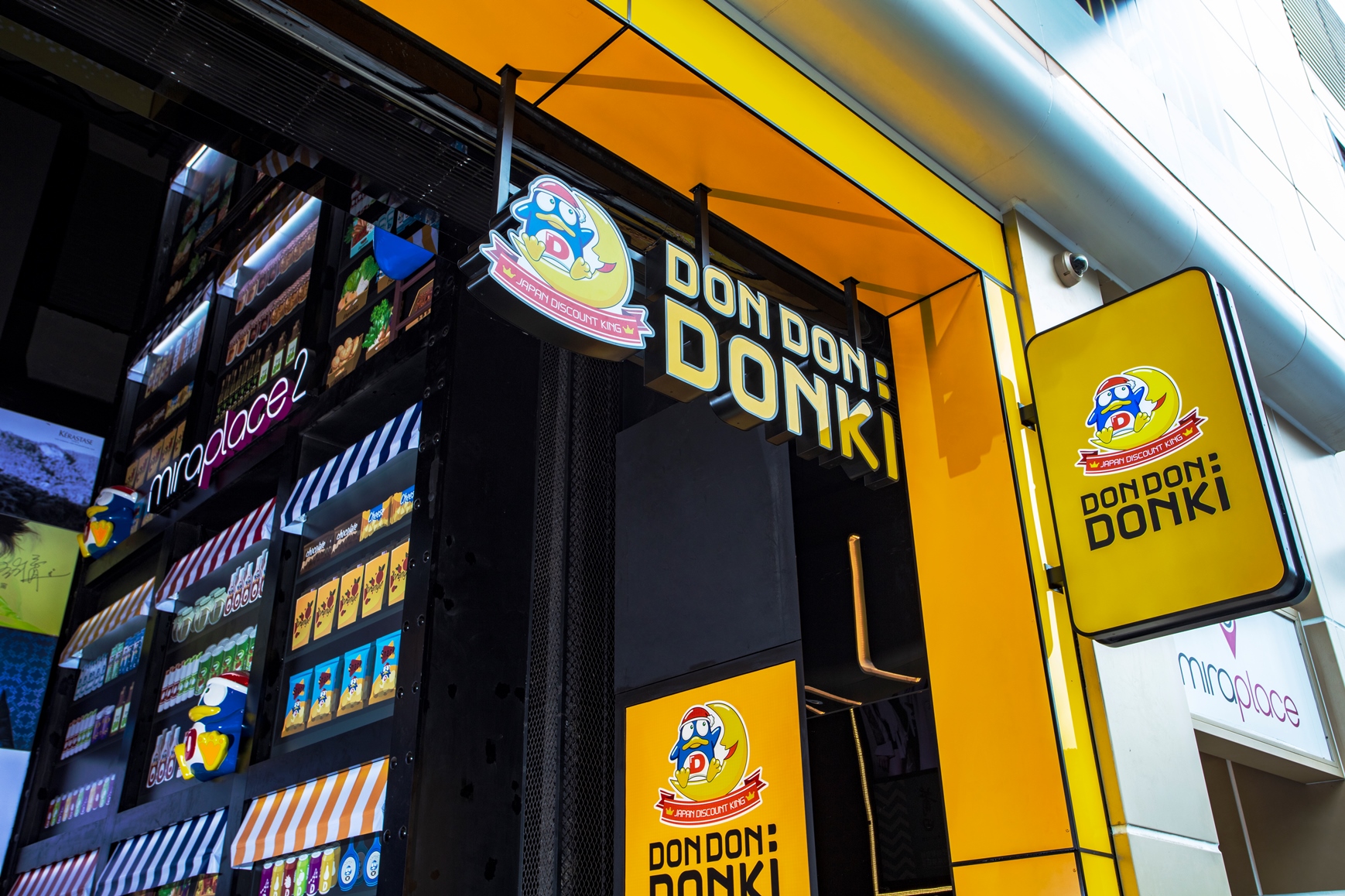
    Japanese discount retailer Don Don Donki is set to make its debut in Taipei. As yet, the company has not revealed any details regarding the location or opening date, however, various sources have confirmed the store will trade 24-seven in the popular shopping destination of Ximendeng.

    New of the company’s Taiwanese debut spread quickly after advertising was spotted to recruit around 400 employees.

    With over 160 branches in Japan, Hong Kong, Singapore, Thailand, and Hawaii, this will be Don Don Donki’s first venture in Taiwan.

    Don Don Donki is a favorite destination for Taiwanese visitors to Japan. The discounter had previously launched a free international shipping promotion on its e-commerce platform last year, proving the brand’s appeal to Taiwanese fans.

    Meanwhile, Don Don Donki’s fifth Hong Kong outlet of the year is expected to open in Central next month in October. Its owner, Japanese group Pan Pacific, has been aggressively expanding within the Asian region in the past year, from Thailand to Malaysia.

  • Auto sales down with 25 percent

    Auto sales down with 25 percent

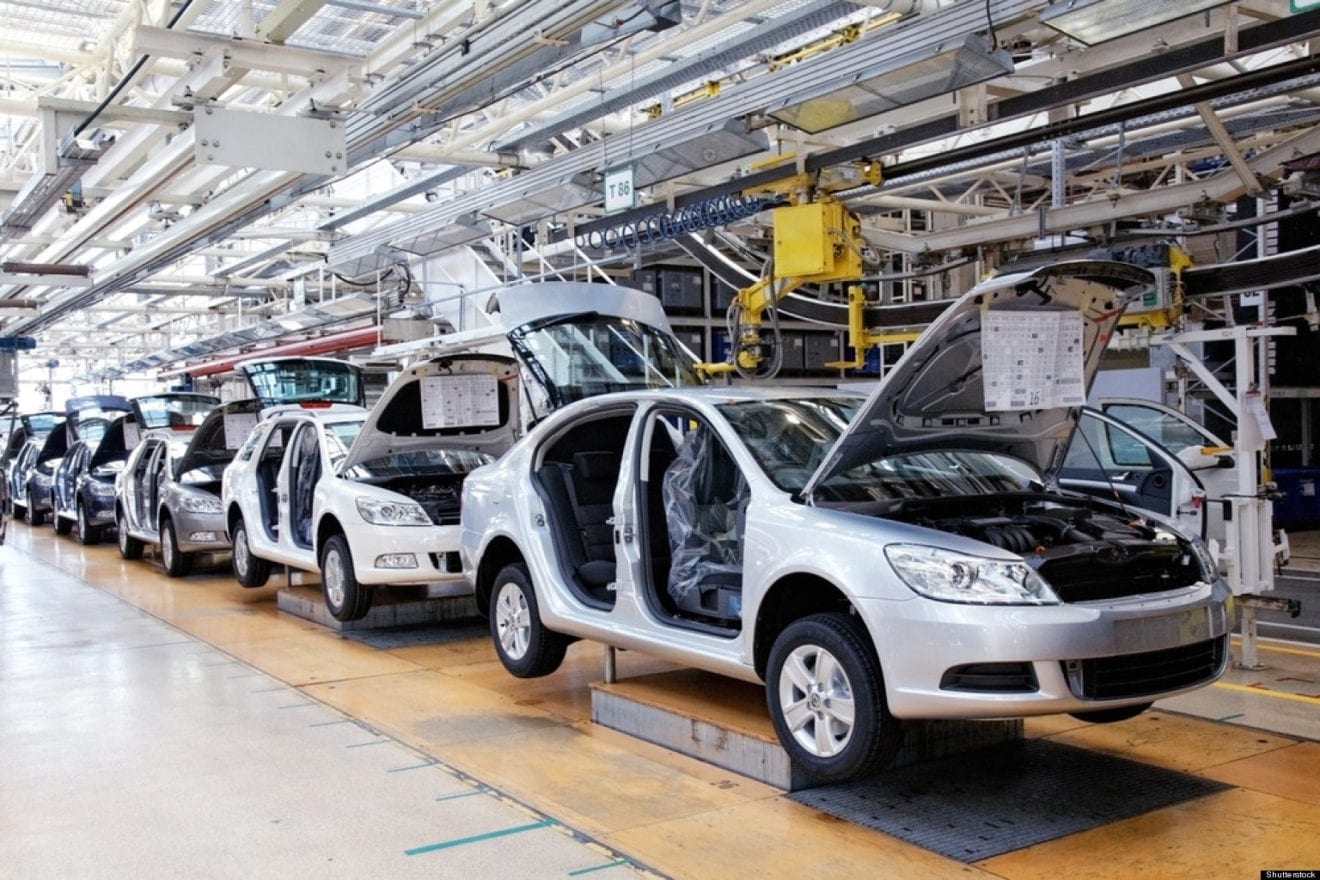
    Auto sales fell 25 percent year-on-year in the first eight months to 151,903 units due to the continuing impacts of the Covid-19 pandemic. Passenger cars accounted for 109,694 units, followed by commercial vehicles and special-purpose vehicles, according to the Vietnam Automobile Manufacturers Association (VAMA).

    Sales in August, when Vietnam saw a fresh eruption of Covid-19 linked to central Da Nang City, fell 14 percent from July to 20,655 vehicles. This ended a rise in sales for three consecutive months from May. April sales had plummeted after the government imposed social distancing.

    Local brand Truong Hai Auto (Thaco) retained the top spot even as its year-to-date sales fell 16 percent to 49,940 units for a 34.3 percent market share.

    It was followed by Toyota with 34,743 units and Honda with 14,850 units, both down nearly 30 percent. Mitsubishi and Ford rounded off the top five. On June 28 the government cut first-time registration fees by half for locally made vehicles to foster sales amid the pandemic. The reduction will last through this year before returning to old levels on January 1, 2021. Auto sales had risen 11.7 percent year-on-year to 322,322 units last year.

  • YouTube Music introduces assistive playlists on Android and iOS

    YouTube Music introduces assistive playlists on Android and iOS

    YouTube Music has added a lot of new features and improvements in the last couple of months, but the most recent one is quite useful for those who’d like to listen to similar songs that made it their favorite playlists.

    As the title says, YouTube Music now features so-called “assistive playlists,” an easy way to provide users with suggestions of relevant songs based on playlist name, existing songs in the playlists, and listening history.

    Google’s algorithm will now know what music you like and suggests songs that are not on your playlists but you might like. The new feature offers up to seven suggestions when editing playlists, but you can add even more when you hit the Refresh button.

    If you missed any of the previous new features introduced by YouTube Music in recent months, here is a quick rundown of the most important ones. First off, we have collaborative playlists that let you create and modify playlists with other YouTube Music users.

    Then, there are the profile page playlists that allow you to browse other listener’s public music playlists and uploaded music videos from their profile page on the music streaming service.

    With the new “Mixed for You” section in the YouTube Music home feed, users can easily find playlists created by Google including Discover mix, New release mix, Your mix, and Liked songs playlists.

    Last but not least, YouTube Music has been improved with programmed mood and genre playlists for those who want to listen to specific tunes. All the new YouTube Music features are now available worldwide on Android and iOS devices.

  • Previous Starbucks executive taking over as Sephora CEO

    Previous Starbucks executive taking over as Sephora CEO

    LVMH has appointed ex Starbuck executive Martin Brok as president and CEO of Sephora. Brok will start his new role on Monday, succeeding Chris de la Puente. Chris will remain a member of the LVMH executive committee and “take on additional responsibilities at a later date.”

    Under Chris’ leadership, Sephora wholesales have tripled and achieved a strong omnichannel presence, according to the company.

    “The appointment of Martin Brok marks a new era for the company as a period of transformation begins for the beauty retail industry, in particular with the rise of online sales.”

    Brok had worked at Starbucks Corporation as president of Europe, the Middle East and Africa since 2016, after holding general management roles at Nike.

  • Burberry launches global Animal Kingdom popups

    Burberry launches global Animal Kingdom popups

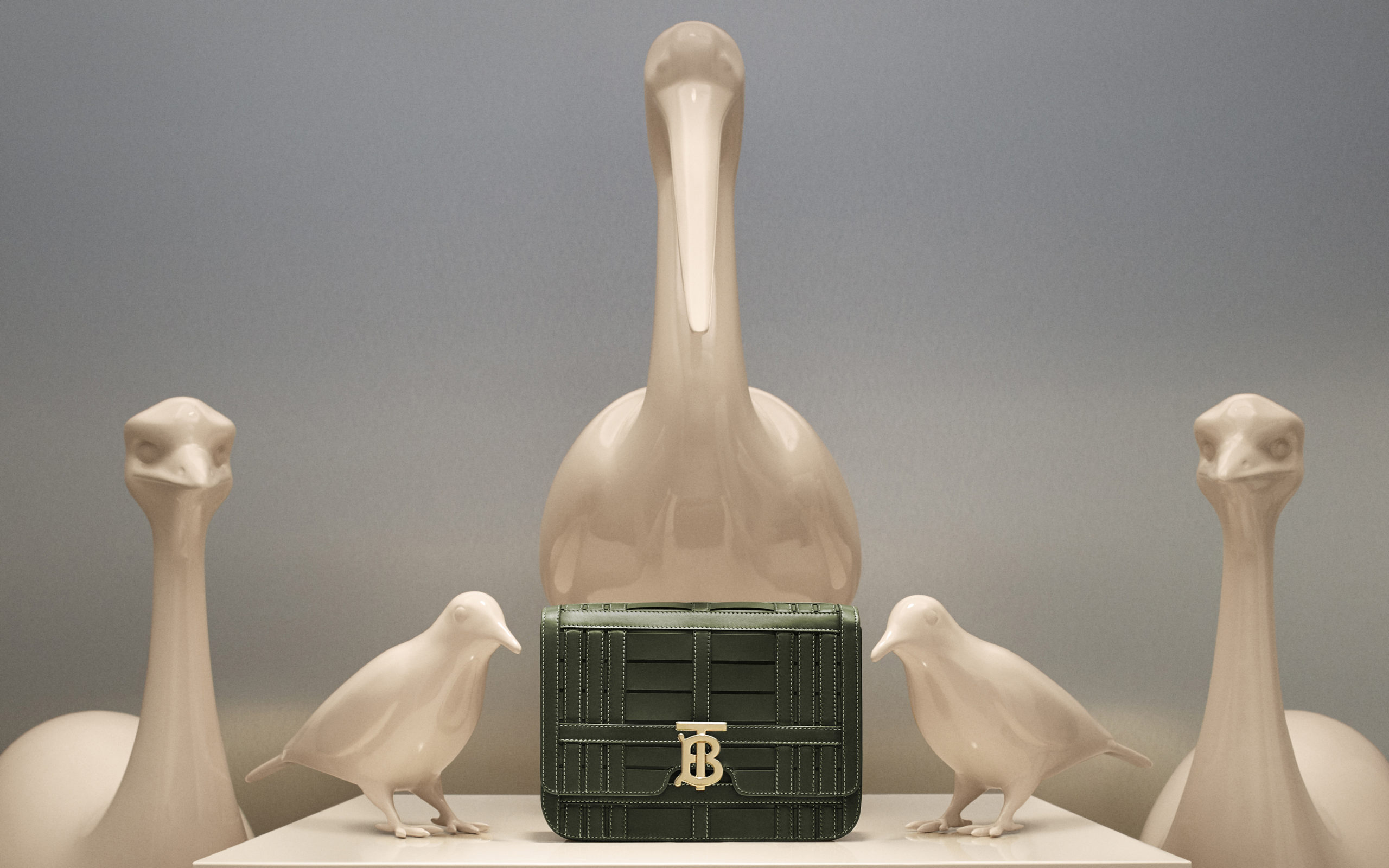
    Luxury fashion house Burberry is launching Animal Kingdom popups globally to celebrate its signature bags and accessories.

    The pop-ups will feature large-scale sculptures of monkeys, gorillas, and birds of paradise inspired by “the power and symbolism of animals” according to the label’s chief creative officer Riccardo Tisci.

    The product range features exclusive editions of signature Burberry leather goods, including the Pocket Bag and the TB Bag with a distinctive clasp featuring his initials. The exclusive pieces also include silk scarves, card cases, and jewelry.

    To celebrate the launch, Burberry has teamed with Snapchat to introduce an in-store gamified experience. Users will experience Burberry’s Animal Kingdom world by scanning the Snapcodes embedded in the pop-ups.

    Burberry has also partnered with Wildlife Works to make the pop-ups carbon neutral.

    “Aligned with UN Sustainable Development Goals, the initiative focuses on agroforestry, sustainable farming, and conservation techniques to relieve deforestation,” the company said in a statement.

  • Tesla Launches Fast Electric Car Charging In Berlin

    Tesla Launches Fast Electric Car Charging In Berlin

    Managers at electric carmaker Tesla Inc on Thursday demonstrated new supercharger equipment on a Berlin research campus, saying they were looking at more target cities to attract potential buyers worried about access to charging.

    “Now, as part of our commitment to make Tesla ownership easy and convenient for everyone including those without immediate access to home or workplace charging, we are expanding out supercharging network into city centers,” said Jeroen van Tilburg, manager Europe of charging infrastructure at Tesla.

    A company spokesman told reporters Tesla would open at least one more inner-city fast-charging site in Germany in 2020, possibly more.

    He stressed that Tesla still believed in the slow workplace and residential charging as the main way to charge vehicles but wanted to offer a quicker option.

    The so-called V3 charger allows Tesla Model 3 cars to charge within five minutes enough to travel 120 kilometers (75 miles). Older Tesla models would receive relevant software upgrades. German policymakers aim to boost the demand for electric cars to cut emissions.

    “We have a lot to make up for in terms of charging infrastructure,” said Germany’s Economy Minister Peter Altmaier at the event.

    He reiterated pledges to speed the roll-out of public charging points and permits for private charging which had hampered sales in the past.

    The latest legislation for a green-led recovery after the coronavirus crisis offers buyers incentives and helps bump up power grids.

    Tesla has chosen a site near Berlin for a new factory due to start operating next year.

    Separately to the event, the Frankfurter Allgemeine Zeitung newspaper said on Thursday the factory had the potential to create 40,000 jobs, citing the economy minister of Brandenburg state.

  • Vietnamese publisher sues Lazada for allowing sales of pirated books

    Vietnamese publisher sues Lazada for allowing sales of pirated books

    Publisher First News has sued the e-commerce platform Lazada, charging it with repeatedly abetting the sales of pirated books and ignoring its warnings. The Ho Chi Minh City-based company announced on Wednesday that it had filed a suit in the District 1 People’s Court against the e-commerce company for allowing merchants to sell fake copies of its bestsellers.

    Its CEO, Nguyen Van Phuoc, said the issue had been raised with Lazada for the last 12 months by sending it documents and evidence of counterfeiting. But the subsidiary of the Chinese e-commerce giant Alibaba did not make any effort to stop the selling of the pirated books, and the issue had in fact worsened, he said.

    The fakes sold on Lazada cost half the original prices, and his company has received hundreds of complaint letters from customers about them, he said. Some of the fake titles include the self-help classic “How to Win Friends and Influence People” by American writer Dale Carnegie and the “Chicken Soup for the Soul” series.

    First News allows customers to trade their fake books for originals, but “we cannot keep doing that forever,” Phuoc said.

    Lazada Vietnam said in a statement on Wednesday that all merchants on its platform are required to comply with local laws and piracy would be punished according to the law. But it did not make any reference to First News’ allegations. In the suit, the publisher has demanded that Lazada remove all fake books and stop allowing their sale in the future.

    First News said last year 686 of its titles were counterfeited and sold on e-commerce platforms. It had organized two public events last year just to furnish evidence against book piracy. It has not revealed its losses due to piracy, but Phuoc said without it the company’s revenues could have been dozens of times higher in the last 15 years.

    First News was established in 1994, and has published or distributed over 2,000 titles so far. Vietnamese publishers have in recent years been grappling with widespread illegal reproduction of books. HCMC-based Tre Publishing House last year discovered a pirated version of its book, “Japanese For Everyone,” being sold on Tiki, a Vietnamese e-commerce platform. The website later suspended the account of the fake bookseller.

    Publishers lament that e-commerce platforms often deny their involvement in the selling of pirated books, claiming they are merely intermediaries who provide trading space and do not store the goods themselves. The Ministry of Industry and Trade requires e-commerce sites to remove all information related to counterfeit goods if they receive complaints backed by evidence.

  • Starbucks China opens first coffee outlet made of containers

    Starbucks China opens first coffee outlet made of containers

    Starbucks has just unveiled a new concept store in China created inside six repurposed shipping containers.

    An identical concept, created by Japanese architect Kengo Kuma, first appeared in Taiwan. As the 800th store in Shanghai, the Starbucks container store helped set a new record for the city – it has more Starbucks stores than any other city in the world.

    The cafe is located at Shanghai’s Wisdom Bay Science Innovation Park, on space which was formerly home to warehouses and container storage yards.

    Today, the area has been gentrified, converting abandoned cargo containers into office spaces as well has housed the nation’s first museum of 3D printing.

    Elements of the Silicon Valley-esque structure have also been replicated inside the store to create ‘cultural coffee experiences’, an art gallery and a wall installation art piece created by a 3D printer.

  • Apple’s patent application could fix a major problem with Siri

    Apple’s patent application could fix a major problem with Siri

    Some Apple iPhone users find themselves struggling with Siri. Besides some of the usual things that we’ve brought up in the past, such as Siri’s inability to understand the questions we’ve asked her, or the incorrect answers that she comes up with (especially when they are related to an inquiry about Apple devices-a category that she should know about), Siri also has a habit of activating accidentally. Last year, we told you that these accidental activations were more likely to occur on the Apple Watch and the HomePod smart speaker.

    According to a new patent application that Apple filed with the U.S. Patent and Trademark Office, the company is working on technology that will keep accidental Siri activations to a minimum. The patent application, titled “Attention Aware Virtual Assistant Dismissal,” uses criteria to determine how interested you are in receiving a response from the digital assistant. To do this, Siri could use cameras to check your gaze when calling out for the digital assistant.

    For example, if you’re looking exactly at your iPhone when calling out for Siri, the iPhone will realize that you did indeed mean to activate the digital assistant by using the “Hey Siri” hotword. At the same time, it increases the odds that you did mean to say “Hey Siri” and not “Tom and Jerry,” or “Very Hairy.” Some claim that the sound of a zipper opening causes Siri to accidentally open, but we’re not sure that the technology expressed in the patent application can determine the motive of a zipper.

    Besides staring at the phone when activating Siri, the length of the stare also plays a part in determining whether an iPhone user really wants help from Siri. For example, let’s say that you’re staring at your phone, execute the “Hey Siri” hotword, and then get distracted by someone before you give Siri a question or task to do. If the iPhone can determine that your intention was indeed to give your digital assistant a task, Siri could be told by the system not to deactivate so that you can give the assistant the task you want her to handle.

    Besides being annoying, accidental Siri activations can also negatively affect the battery running an iPhone. Siri will be more efficient if it deactivates when the user is not engaged with it, if it doesn’t deactivate while being used, or if a task has to be repeated because Siri was accidentally deactivated. Apple notes that by using Siri more quickly and efficiently, power usage is reduced and battery life is improved.

    Apple expressed this in the patent by saying, “Determining, based on data obtained using one or more sensors of the electronic device, whether one or more criteria representing expressed user disinterest are satisfied (and/or whether one or more criteria representing expressed user engagement are satisfied) allows determination of whether a user is engaged with a virtual assistant session. Knowing whether a user is engaged allows intelligent decision making about whether to deactivate the virtual assistant session.

    For example, if the user is not engaged, a device can deactivate the virtual assistant session to save battery and processing power. As another example, if the user is engaged, the device can forgo deactivating the virtual assistant session so the user can continue interacting with the virtual assistant session (and so the virtual assistant session does not deactivate while the user is still interacting with it). In this manner, the user-device interface is made more efficient which additionally, reduces power usage and improves the battery life of the device by enabling the user to use the device more quickly and efficiently.”

    Some will say that Siri has many more issues to work on. In iOS 14, Siri will take up much less of the screen when employed by a user and the assistant will be able to send voice messages. If the patent is approved, at least one annoying and inefficient tendency of Safari could be ended.