Author: Mei Ling Tan

  • Costa sliming down Chinese cafe network

    Costa sliming down Chinese cafe network

    British coffee franchise Costa will pull back further from the China market by early next year.

    In response to a dip in consumer demand, the Coca-Cola-owned firm reduced its physical stores within the territory by around 10 percent last month, half of which were located in the capital, Beijing. It has also shuttered its entire network in the coastal city of Qingdao.

    The brand’s long-standing aspirations for China have been frustrated during the Covid-19 pandemic, caused by rising unemployment and other economic factors hit by the outbreak. The firm’s operations have also been strongly impacted by the virus within its home market, with 1650 staff dropped off the payroll in the UK

    Costa has had significant difficulties facing the competitive Chinese coffee shop market, having launched just a sixth of its 2500-store target network since opening in 2006. Despite this, recent statements by the firm reaffirm its commitment to the market.

  • Vietnam currency to remain stable throughout the year

    Vietnam currency to remain stable throughout the year

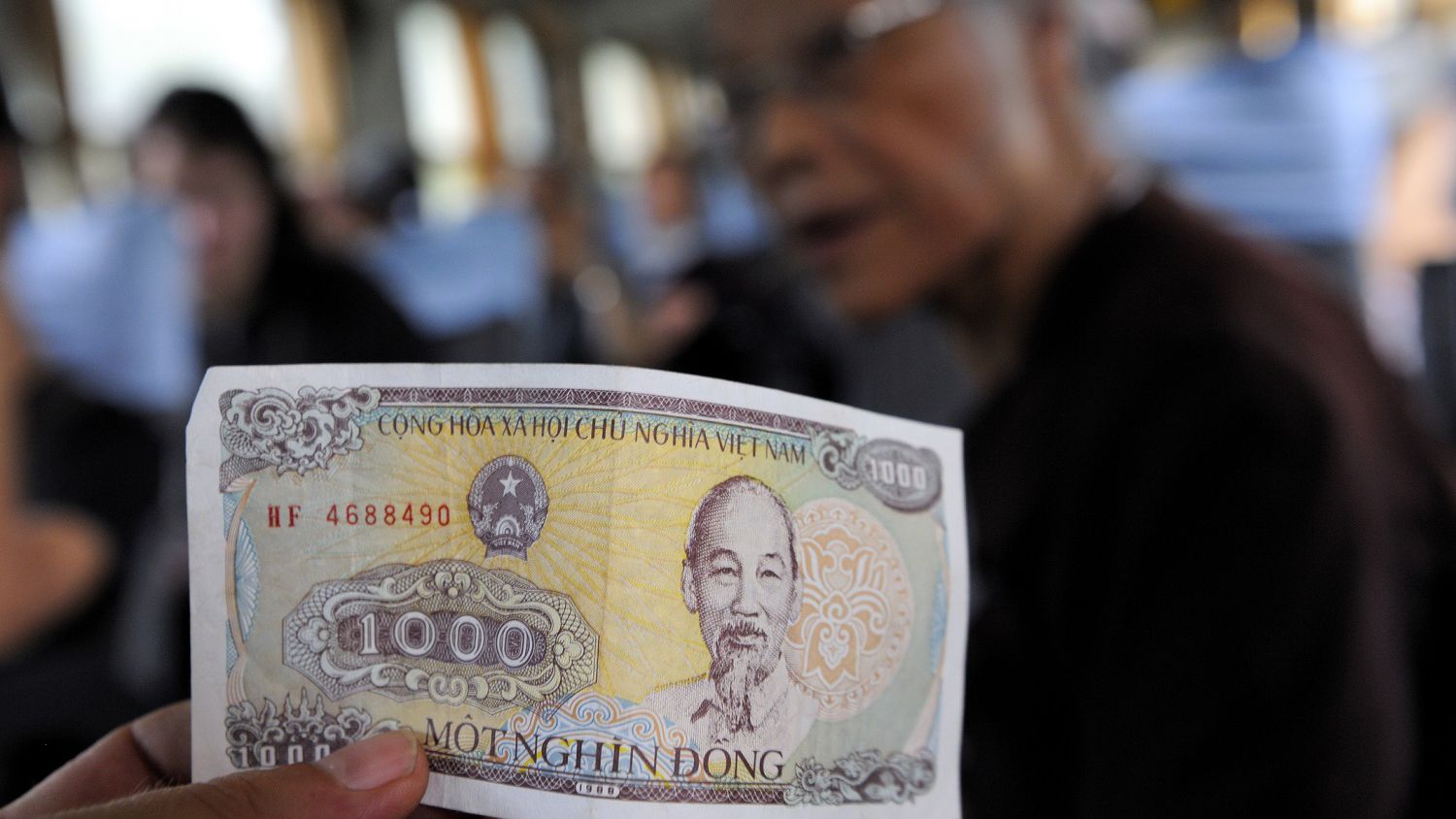
    Vietnam’s currency will likely remain stable this year as the greenback weakens and foreign exchange reserves rise, experts say. The reference rate set by the State Bank of Vietnam (SBV) has remained mostly stable this year and was at VND23,205 Tuesday.

    Rates at commercial banks for the last two months have also been stable. Vietcombank was selling the dollar for VND23,270 Tuesday morning. Ngo Dang Khoa, head of global markets at HSBC Vietnam, said that the VND/USD exchange rate will remain stable for the last four months thanks to a weakened dollar, Vietnam’s record-high trade surplus in the first eight months, and the record-high currency exchange reserves of the SBV.

    A poll of 75 foreign exchange strategists showed that 45 of them, or 60 percent, said the dollar would weaken slightly over the coming year. Analysts said the U.S. Federal Reserve’s policies have been the main reason for the dollar weakening sharply over the last four or five months. The Fed announced last week that it would tolerate periods of higher inflation and focus on employment.

    “So they’ve basically slashed rates to zero, that yield differential in America over the rest of the world is compressed and that obviously helped keep the dollar at such strong levels in previous years, which is no longer the case,”  quoted currency economist Lee Hardman as saying.

    Vietnam’s trade surplus climbed to a new peak of $11.9 billion in the first eight months as imports declined due to the fallout of the novel coronavirus pandemic, according to the General Statistics Office. A trade surplus increases the country’s supply of foreign currency.

    Prime Minister Nguyen Xuan Phuc on September 4 said that Vietnam’s foreign exchange reserves were at nearly $92 billion and could reach $100 billion by the end of the year.

    However, analysts from brokerage Bao Viet Securities said the SBV could slightly weaken the dong in the upcoming months amid the U.S. watching several countries, including Vietnam, for currency manipulation, or the use of unfair currency practices to gain trade advantages.

    A Vietnamese currency expert who asked not to be identified said that although Vietnam’s currency reserves have been increasing, it was still lower than other countries.

    The government has also been working closely with American authorities to prove that Vietnam is not intentionally using currency as a tool to boost exports, he added.

    Vietnamese authorities have repeatedly affirmed that the country does not use monetary policies to unfairly compete with trading partners.

  • StanChart Fined for 2007 Takeover Blunder in India

    StanChart Fined for 2007 Takeover Blunder in India

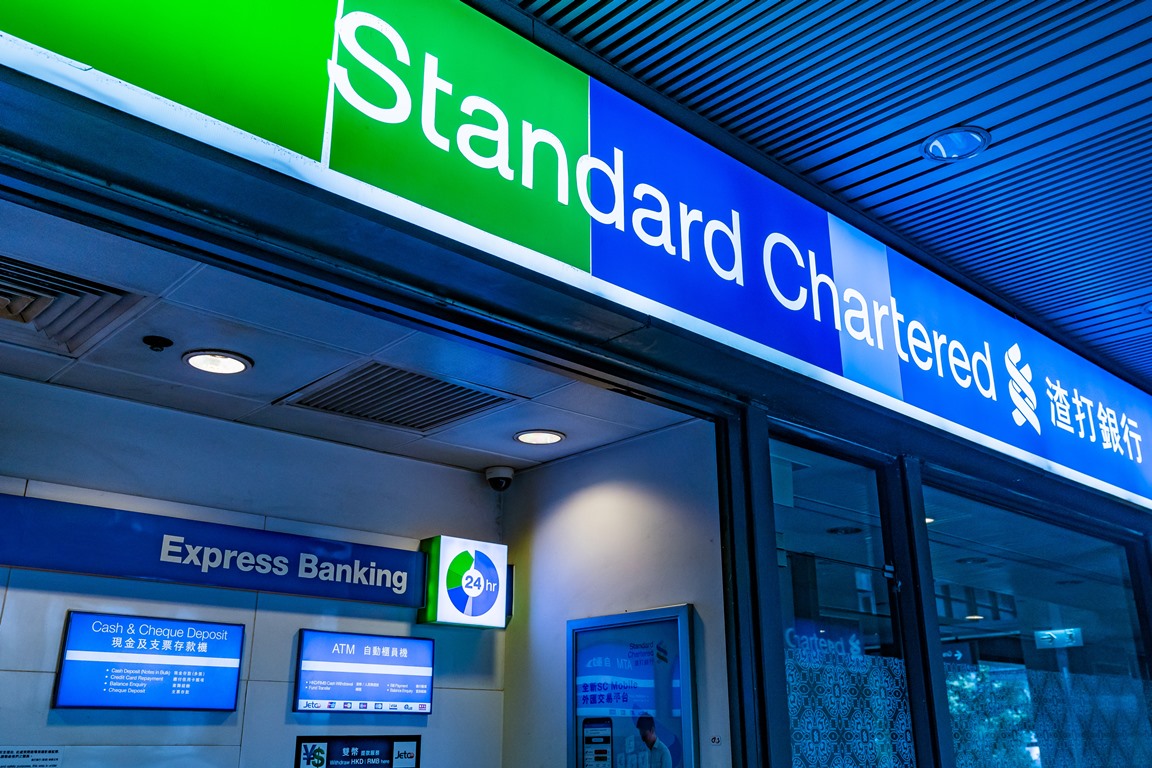
    India’s regulator fined Standard Chartered one billion rupees over violation of foreign exchange rules during a takeover of a local bank in 2007. India’s anti-money laundering agency slapped one of the country’s largest fines on a foreign bank in history following an 8-year probe that found it in violation of the foreign exchange management act which monitors offshore financial transactions.

    According to a report citing an order from India’s enforcement agency, Standard Chartered – the country’s largest foreign bank by branches – acted as a dealmaker and custodian for the transferal of Tamilnad Mercantile Bank (TMB) shares to a group of overseas investors 13 years ago without seeking permission from the local central bank.

    Senior officials at Standard Chartered saw an investment in TMB shares as an opportunity that might ripen into eventually larger ownership for the bank,» Sushil Kumar, the enforcement agency’s special director, said in the order.

    46,862 shares were transferred to foreign investors including GHI, Swiss Re Investors, FI Investments, Cuna Group and Sub-Continental Equities, an affiliate of Standard Chartered in April 2008. The transfers were made through escrow accounts with Standard Chartered, which acted as both a transaction agent and a lender to one of the investors on the deal.

    Standard Chartered through its affiliate Subcontinental was a proposed and eventually an actual investor in TMB shares to be purchased through the escrow agreement arrangements, Kumar added.

    Separately, TMB was fined almost 170 million rupees ($2.3 million) for similar charges.

  • AS Watson Group entering Middle East in partnership with Al-Futtaim

    AS Watson Group entering Middle East in partnership with Al-Futtaim

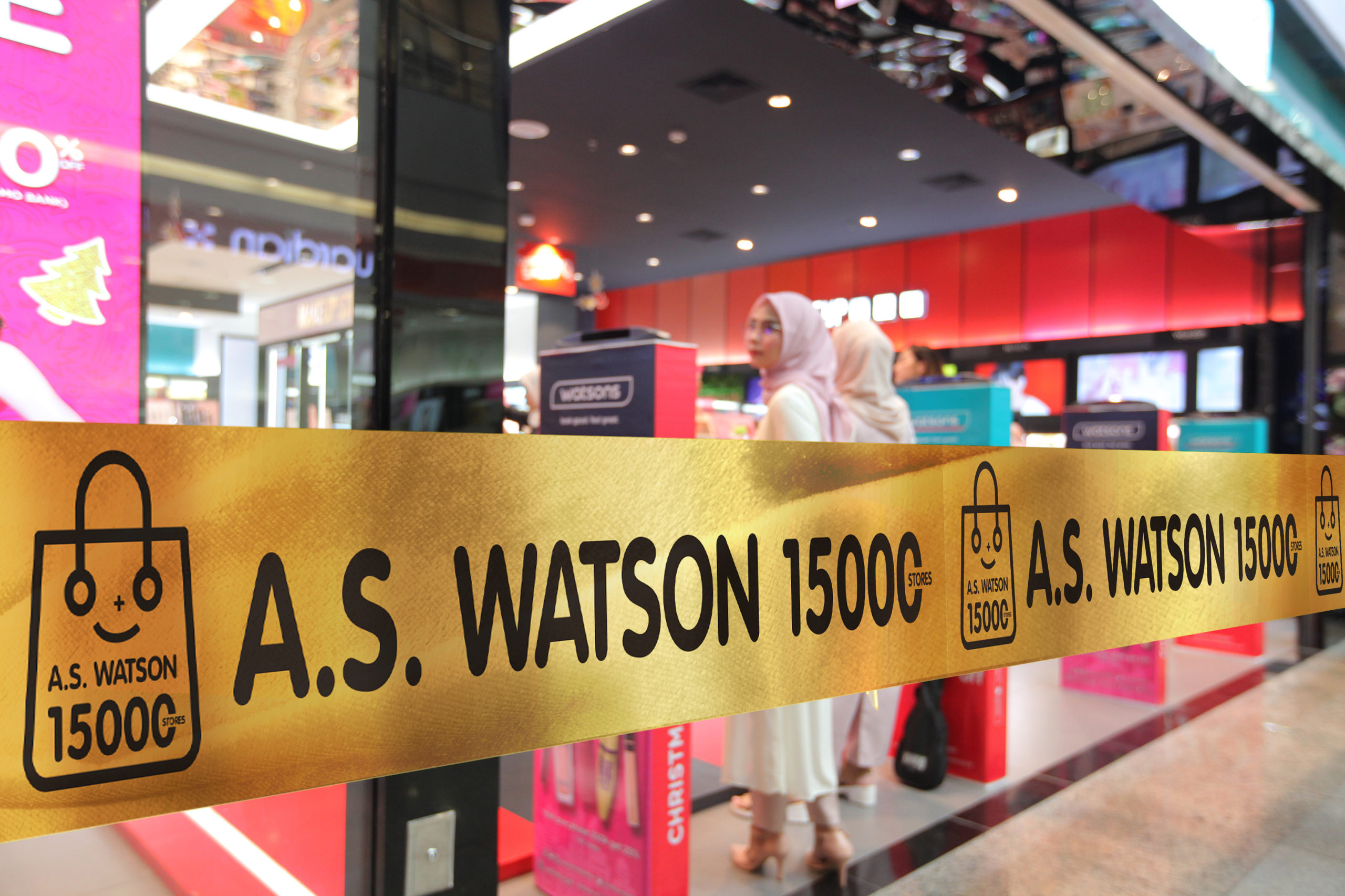
    Middle Eastern retail conglomerate Al-Futtaim is bringing Asian beauty retail brand Watsons to the Gulf in a partnership with AS Watson Group.

    The partnership marks AS Watson Group’s first franchise agreement in its almost 180-year of history and its first venture into the Middle East.

    The first Watsons flagship will launch in Dubai Mall on October 1 together with its e-commerce store and mobile app. Al-Futtaim said it plans to open 100 stores by the end of 2025.

    “As a local business operating across the globe, it is our duty to support and contribute to the economic growth of the region we belong to while bringing quality and customer-oriented brands to our retail network,” said Omar Al Futtaim, vice chairman at Al-Futtaim Group.

    “Our partnership with A.S. Watson Group is another milestone in our journey to further enhance both the UAE and the Middle East’s position in the world’s top retail destinations map,” he said

    Al-Futtaim will roll out two more Watsons outlets in Dubai Festival City Center and The Mall of the Emirates by the end of this year. The beauty retailer will make its debut in the Kingdom of Saudi Arabia next year.

    “Al-Futtaim has impressed us with its proven experience and track record in quality management of retail brands,” said Dominic Lai, MD at AS Watson Group.

    “We are excited to partner with them to bring new offline and online beauty experiences as well as numerous trendy brands to customers in the region.”

  • Samsung’s Galaxy Z Fold 2 5G is proving even more popular than expected

    Samsung’s Galaxy Z Fold 2 5G is proving even more popular than expected

    Priced at $2,000 in the US, the 5G-enabled Galaxy Z Fold 2 is not what we’d call widely accessible to the masses. But even though 2020 has been a tough year for high-end, high-priced smartphones in general and Samsung flagships in particular, this foldable beaut is sure shaping up to be a smash hit, at least by early foldable market standards.

    Forecasted ahead of its official announcement to rack up around 500,000 unit sales by the end of 2020 and tipped to cross 800,000 units manufactured in that same timeframe just last week, the Galaxy Z Fold 2 5G is today estimated to reach an “initial volume” of 10,000 copies or so in South Korea.

    That may not sound like an impressive number by itself, not to mention when you compare it to the other two figures above, but apparently, it’s triple the initial regional volume of the original Galaxy Fold last year. It’s also important to keep in mind that while Samsung cares a lot about its domestic market, this is only one of many major countries where the Galaxy Z Fold 2 5G could sell like hotcakes compared to its predecessor.

    In other markets, starting with the US, show a similarly “positive reaction” as the one reported in the tech giant’s homeland, the foldable device may well exceed 500,000 or even 800,000 shipments this year. More importantly, Samsung is proving by allotting three times as many second-gen Z Folds than OG Galaxy Folds to major South Korean carriers and independent stores that it can produce a significantly higher number of foldable smartphones during these challenging times for the mobile industry, contrary to rampant speculation from a few months back.

    At least for now, there are no reasons to expect substantial delays or particularly long shipping times for early adopters. That is, as long as you’re not looking to buy the luxury Thom Browne Edition.

    Believe it or not, around 230,000 people in Samsung’s homeland applied for a bank-breaking purchase in just two days, which means a lot of potential buyers will end up feeling terribly disappointed at missing their chance to spend the rough equivalent of $3,330 on, well, a phone.

    There are only 5,000 copies of this thing prepared to be distributed worldwide, mind you, including a measly 1,000 in South Korea. The Galaxy Z Fold 2 Thom Browne Edition is not up for grabs stateside yet, but as far as the standard version is concerned, you still have until September 18 to pre-order your copy in a Mystic Black or Mystic Bronze color.

  • Online platform ready to recover lost Malaysia Airports retail earnings

    Online platform ready to recover lost Malaysia Airports retail earnings

    Malaysia Airports Holdings has launched a travel retail e-commerce platform shopMYairports, aiming to recover some US$67 million from sales lost through its airport network due to passenger volumes plummeting.

    Still smarting from the loss of $671 million in revenues from retail in the year prior to the advent of Covid-19, the airport operator is hoping for significant potential growth from the initiative, which is part of a broader Airports 4.0 plan for digital transformation to enhance passenger retail experiences and support the recovery of its airport retail tenants.

    The move serves to allow consumers to buy travel-exclusive and duty-absorbed products online, having purchases delivered directly to their homes.

    “The launch of shopMYairports is an important step in our journey to make our airports future-ready,” said group CEO Datuk Mohd Shukrie Mohd Salleh.

    “As Malaysia’s main airport operator, we have to ensure that we remain agile and relevant while navigating within a fast-changing consumer landscape.”

    Future services available on the platform are expected to include click-and-collect services, allowing travelers to pick up purchases at designated airport counters, and concierge services to deliver products to passengers’ boarding gate or aircraft seat.

  • Thai government bans online liquor purchase

    Thai government bans online liquor purchase

    Thailand is to ban the sale of alcohol online because the government says it is too difficult to ensure broader liquor sales are being respected.

    The decision has been signed off by Thai Prime Minister Prayut Chan-o-cha, who said that alcoholic drinks have become a popular item traded via e-commerce, creating difficulties in oversight.

    Thailand’s Alcoholic Beverage Control Act BE 2551 sets legal limits for the sale of alcohol that have proved impossible to adequately enforce on digital trading, which has presented problems in controlling the date, time, venue, and target groups buying alcohol.

    Thai law prohibits the sale of alcohol in retail stores before 11 am, between 2 pm and 5 pm and after midnight. The kingdom also has numerous full-day bans throughout the year including Buddhist holidays and days in which elections are scheduled.

    According to the Prime Minister’s announcement, prohibited activities include the direct sale of alcohol online, as well as persuasion, introducing alcoholic products or related services via electronic channels that allow for retail transactions for alcohol to occur without physically meeting.

    It does not include in-person electronic transactions such as purchases made by digital means in restaurants and stores.

    The ban will be put into place within 90 days of being published in the Royal Gazette.

  • Vietnamese, Argentinian designers top latest Redress Design Awards

    Vietnamese, Argentinian designers top latest Redress Design Awards

    Circular fashion environmental charity Redress has awarded two designers with collaboration prizes for their entries in the Redress Design Awards for 2020. The Redress Design Award 2020 Grand Final saw awards presented to menswear designer Le Ngoc Ha Thu from Vietnam and womenswear designer Juliana Garcia Bello of Argentina, who won design collaboration prizes with VF Corporation’s Timberland and upcycling brand The R Collective, respectively.

    A runner-up award was given to Sri Lankan designer Ruth Weerasinghe. The award for the best Hong Kong designer went to Grace Lant. The competition cycle, sponsored by local government body Create Hong Kong, has served to draw attention to the issue of waste in the fashion industry that has intensified under the impact of the coronavirus pandemic.

    “Fashion’s waste crisis can’t be swept under the carpet any longer,” said Redress and The R Collective founder Christina Dean. “Covid-19’s retail and supply chain disruptions have stranded materials in warehouses, factories and stores globally. Now is the time to catalyze the circular economy – and this is Redress’ focus. The Redress Design Award has for 10 years educated designers about circular design. The industry must not waste the opportunities that Covid-19’s crisis is offering.”

    “The Redress Design Award has established as a recognized brand in the sustainable fashion design community over the past years by educating emerging fashion designers in order to drive growth towards a circular fashion system”, said Create Hong Kong head Victor Tsang.

    Over the past fortnight, 10 finalists in the competition were subjected to a tough series of virtual design and business challenges focused on real-life sustainability business cases.

    VF’s executive VP & group president Asia Pacific region and emerging brands Kevin Bailey, one of the judges, said the company’s collaboration with Redress over the past two years has connected it with talented, emerging designers “who are passionate about creating fashionable, compelling designs with environmental responsibility in mind”.

    “We are constantly inspired by their commitment to circular design and creativity. These are the future leaders who are going to help drive lasting and positive change throughout our global industry and we are proud to be part of their journey.”

  • Maison Kitsune makes Thai debut at Bangkok’s EmQuartier

    Maison Kitsune makes Thai debut at Bangkok’s EmQuartier

    Maison Kitsune has opened Thailand’s first Kitsune boutique and cafe at EmQuartier shopping center in Bangkok. The boutique and cafe occupy a 145sqm area with two entrances. The store design is a fusion of Japanese and Parisian style.

    The boutique’s facade features three white arches, “creating an impression of the endless sky”. The brand’s latest collection is displayed behind the glass windows. Located in the middle of the entrance is the brand’s signature Fox.

    The store interior features brass frames and wooden elements in contrast with white walls and marble floors. Meanwhile, the Kitsune cafe wall features “ Japanese-inspired panels in varnished bamboo stalks, a nod to Thai traditional craftsmanship”. The cafe houses an outdoor area with four tables set up in front of the store.

    The cafe offers a variety of drinks to pair with sweet and savory treats. The Cafe Kitsune collection of tableware, ready-to-wear and accessories is also available to bring home.

    Maison Kitsune is a French-Japanese electronic music record label and fashion brand created in 2002 by Gildas Loaec, Masaya Kuroki and London-based company Abake.

  • Ikea Hong Kong launches mooncakes for Mid-Autumn Festival

    Ikea Hong Kong launches mooncakes for Mid-Autumn Festival

    Swedish furniture retailer Ikea has yet again stepped out of its aisle, expanding its food range with localized mooncakes for the Hong Kong market.

    Launching four fruit-flavored ‘snowy’ mooncakes (with non-baked glutinous rice flour as a shell), the mooncakes feature Hongkongers’ favorite mango and chocolate flavors, along with elderflower with kumquat and lingonberry with cream cheese – an homage to its signature meatball jam.

    Priced at HKD$49 (US$6.30) per box of four, the relatively affordable mooncakes will be available across all four Ikea branches in the territory.

    The retailer has also been expanding outside of furniture and working on building its offer of food along with designer homewares and even clothing recently. Last month it launched a range designed in partnership with fashion label and cafe operator Greyhound in Thailand.

  • Designer-bag rental platform Style Theory makes great Hong Kong start

    Designer-bag rental platform Style Theory makes great Hong Kong start

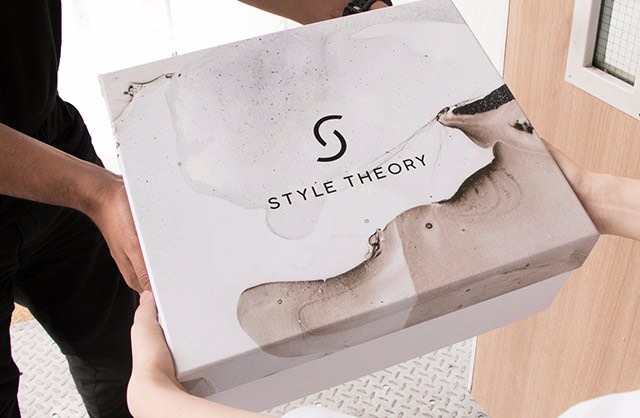
    Online circular fashion platform Style Theory has expanded its network to Hong Kong, its first market outside Southeast Asia.

    Style Theory Hong Kong members now can have access to more than 2000 designer bags from luxury brands, including Hermes, Celine, Chanel, Dior and Saint Laurent, with a rental subscription starting at HK$899 (US$116 per month).

    “Hong Kong was a natural fit in our regional growth plans to lead the circular fashion revolution in Southeast Asia,” said Raena Lim, co-founder of Style Theory. “Hongkongers can be more empowered to access fashion without the guilt of trying new styles or worrying about storage and maintenance.”

    Style Theory Hong Kong will focus on rental subscription and resale services for designer bags before considering other categories.

    Founded in Singapore by Raena Lim and Chris Halim, Style Theory started as an apparel rental subscription service before expanding into luxury bags.

    Style Theory is one of Southeast Asia’s largest online circular fashion platforms with offices in Singapore and Jakarta. The brand launched its flagship brick-and-mortar store in the heart of Orchard Road, Singapore last November.

  • Bamboo Airways eyes direct route to Australia

    Bamboo Airways eyes direct route to Australia

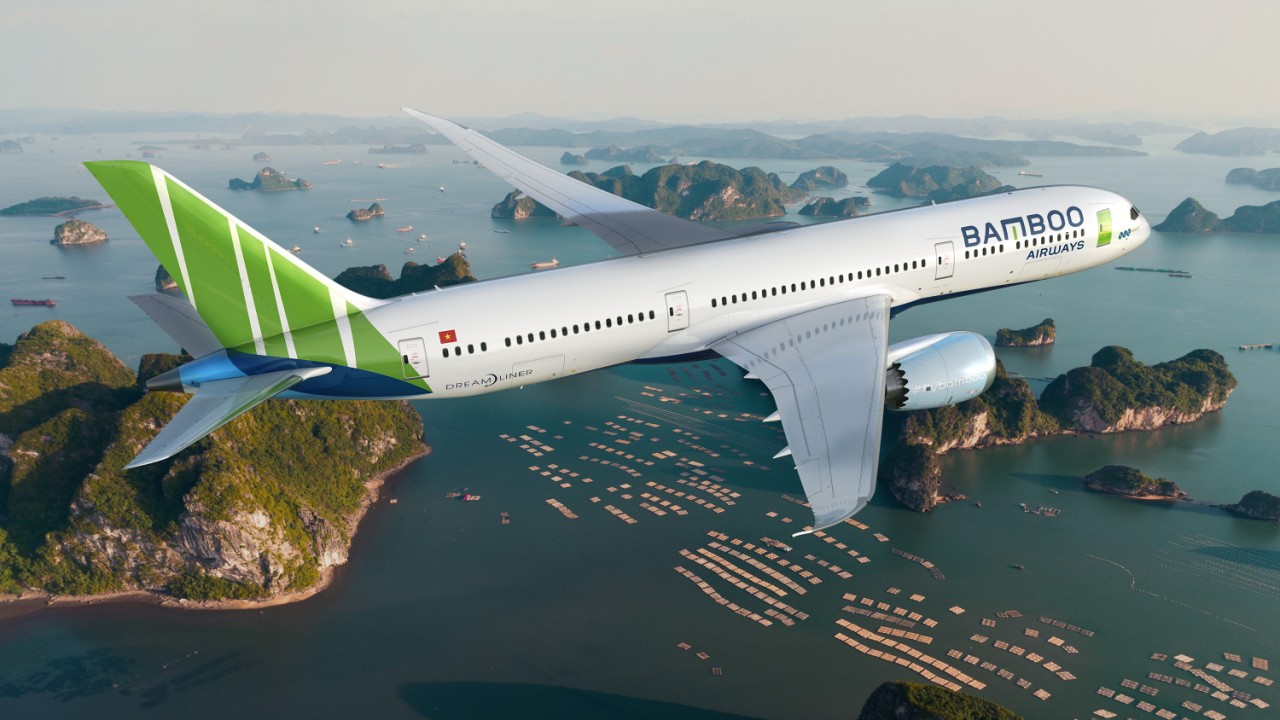
    Bamboo Airways plans to open a direct regular route between Hanoi and Melbourne early next year using the wide-body aircraft Boeing 787-9 Dreamliner.

    The airline made this announcement after conducting its first flight to Australia last Sunday to carry nearly 300 Vietnamese workers and students home. Nguyen Ngoc Trong, the deputy CEO of Bamboo Airways, said in a statement that Australia was one of the most important aviation markets for Vietnam.

    The airline is preparing to operate international flights once the Covid-19 situation has been contained globally. It is eyeing in particular flights connecting Vietnam with destinations in Oceania, Southeast Asia, and Asia.

    For the remaining months of this year, Bamboo Airways will continue to operate charter flights to international destinations like South Korea, Australia, Malaysia, Singapore, Taiwan, mainland China, Prague, and the U.S., Trong said.

    The airline was launched in January last year and was operating 40 domestic and international routes before the pandemic struck Vietnam this January.

    It conducted 2,040 flights last month, up 21 percent year-on-year, according to the Civil Aviation Authority of Vietnam (CAAV).

  • Google Maps continues to stay a step ahead of the crowd

    Google Maps continues to stay a step ahead of the crowd

    Google uses historical traffic data with Google Maps to help it produce an estimated time of arrival (ETA). This allows a user to see what time he should arrive at his destination. The ETA can also be shared with friends or family so that the user won’t have to pick up his phone while driving to pass along the information. But we don’t have to tell you that there have been changes in traffic patterns over the last few months because of the pandemic which led many cities to shutdown. When cities starting closing earlier this year, worldwide traffic declined by as much as 50%.

    The lockdowns led to a situation where data from Google Maps could not be relied upon, forcing Google to revise traffic patterns.  To account for the effects of COVID-19 on Google Maps, the apps prioritize more recent traffic patterns from the last two to four weeks while deprioritizing patterns from any time before that.

    Last week, Google published a blog post that discusses how the company computes traffic and routing on the Maps app. Location data is aggregated and used as a tool to determine what the traffic is like on roads around the world. As Google points out, this information is great at determining current driving conditions but doesn’t explain what will happen to traffic “10, 20, or even 50 minutes into your journey.”

    To guess what will happen in the future, Google Maps analyses traffic patterns on specific roads. For example, one pattern shows that the 280 freeway in Northern California typically has vehicles traveling at 65mph between 6-7 am, but only at 15-20mph during the late afternoon. Google combines the data from historical traffic patterns with the data from live traffic conditions. Using machine learning on both sets of data, Google generates an estimate of an estimated time of arrival.

    Google says that on 97% of trips using the Maps app, its predictions have been accurate. Partnering with parent company Alphabet’s DeepMind AI research lab, Google can reduce the number of inaccurate ETA’s through the use of Graph Neural Networks. Available in places like Berlin, Jakarta, São Paulo, Sydney, Tokyo, and Washington D.C., the technology allows Maps to predict whether you will be caught in a slowdown that hasn’t even started yet.

    To help the app pick the route that you should take, different factors are looked at including the amount of traffic along the way; less traffic is preferred of course. Road quality is also important; is the road paved or is it a gravel-covered road that is hard to drive on. Other drivers can report things like the weather (snowstorm, torrential showers, etc.), accidents, construction, and police activity that can slow things down.

    Have you ever used Google Maps to get directions to a place that you’ve been to many times before, but noticed that the app is taking you a different way? That’s because Google will find a new route if the usual one includes delays. Google describes what happens: “Say you’re heading to a doctor’s appointment across town, driving down the road you typically take to get there.

    When you leave the house, traffic is flowing freely, with zero indication of any disruptions along the way. With Google Maps’ traffic predictions combined with live traffic conditions, we let you know that if you continue down your current route, there’s a good chance you’ll get stuck in unexpected gridlock traffic about 30 minutes into your ride—which would mean missing your appointment. As a result, Google Maps automatically reroutes you using its knowledge about nearby road conditions and incidents—helping you avoid the jam altogether and get to your appointment on time.”

  • Apple Singapore’s floating store opens this week

    Apple Singapore’s floating store opens this week

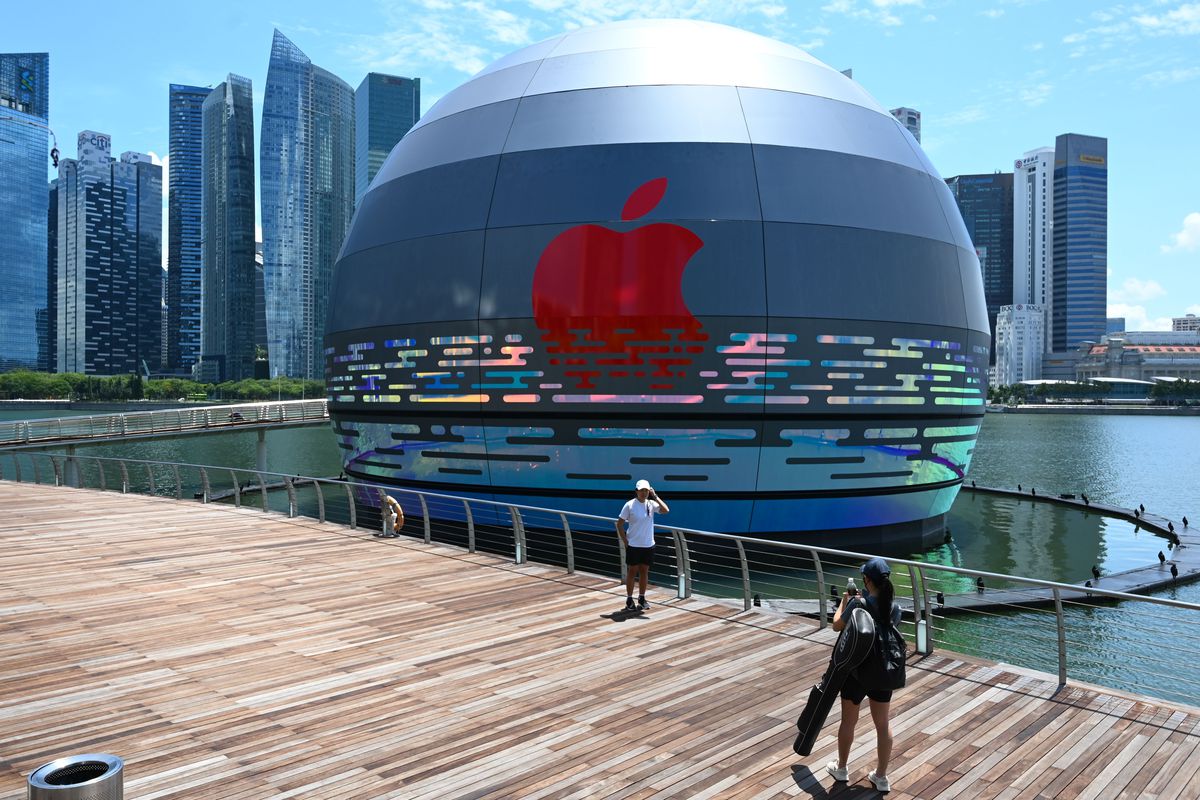
    Apple’s most ambitious store project yet will open its doors to the public this Thursday, a round structure that appears to float on Singapore’s harbor.

    The spherical shaped store features an all-glass dome structure above the waterline, with 114 panes of glass, affording 360-degree panoramic views of the city.

    Inspired by the Pantheon in Rome, an oculus is built at the apex of the dome, letting a ray of light flood the interior. Custom baffles, which are uniquely shaped, helps counter sun angles and create a nighttime lighting effect, according to Apple.

    Indoor trees are placed in a circular line, “providing additional shading and soft shadows through the foliage”.

    “We couldn’t be more excited to open the breathtaking Apple Marina Bay Sands in Singapore, building on our commitment to this special place that began more than 40 years ago,” said Deirdre O’Brien, senior VP of Retail + People at Apple.

    “Our passionate and talented team is ready to welcome this community to our new store and deliver the care and support that our customers around the world love.”

    Apple Marina Bay Sands houses The Forum meeting pace and a giant video wall, where Today at Apple sessions featuring Singapore’s artists and creators will be held. Apple’s first underground ‘Boardroom’ located on the lower level beneath the waterline is where entrepreneurs and developers can receive training and advice from the Apple team.

    On the opening date, store capacity will be limited and access will be by appointment only. Temperature checks will be taken, masks required and social distancing enforced.

  • Singapore government issues retail pricing transparency guidelines

    Singapore government issues retail pricing transparency guidelines

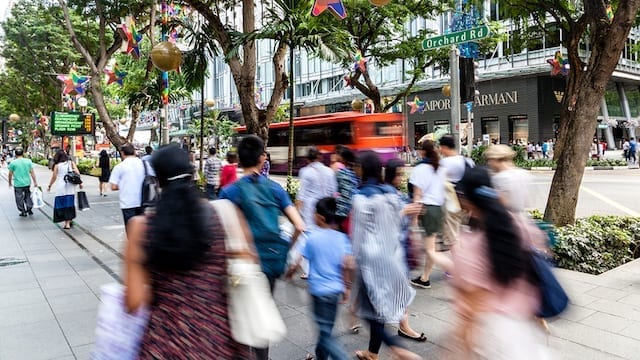
    Singapore retailers are on notice: tough new rules have been released covering drip pricing, price comparisons, discounts, and the improper use of the term “free” in a bid to eliminate misleading pricing practices.

    The state’s regulatory body, the Competition and Consumer Commission of Singapore, has issued a set of guidelines designed to educate retailers on pricing behavior. They take effect on November 1.

    The guidelines clarify how the commission will apply the Consumer Protection (Fair Trading) Act, to mandate price transparency.

    Under the guidelines, suppliers should ensure all charges (including taxes, surcharges, service fees, etc) are disclosed in total headline prices and institute an “opt-in” approach to any purchase add-ons that carry a charge. They must also take care that price comparisons with competing suppliers are accurate, based on genuine research, and not misleading – regardless of any offer of a refund.

    Discount prices must be genuine and reflect an actual drop from a demonstrably higher previous price and should be provided on a valid basis, with any time limits openly stated.

    “Free” items must represent a price of SG$0, and any qualifying terms clearly represented. Suppliers are encouraged to notify consumers before the end of any free-trial period, providing clear information on any subsequent fees as well as the cancellation procedure.

    “These guidelines aim to give suppliers greater clarity on how to comply with the CPFTA,” said CCCS CEO Sia Aik Kor. “Suppliers should ensure that their prices are represented accurately and communicated clearly and prominently so that consumers can make informed choices and shop confidently.

    “Suppliers also stand to gain as fair-trading practices can go a long way in building a solid reputation as a trusted trader. In short, the guidelines help to build a credible marketplace.”