Author: Mei Ling Tan

  • 7-Eleven Japan to start home delivery from stores

    7-Eleven Japan to start home delivery from stores

    Japanese convenience-store operator 7-Eleven is launching a home-delivery service from its outlets to meet continued demand sparked by the Covid-19 outbreak.

    The service will commence this year initially with 100 Tokyo stores, to be expanded to 1000 from next year. The service will take on other e-commerce operators in the territory such as Amazon with a 30-minutes target delivery time and by accepting late-night ordering, partnering with Seino Group to handle logistics.

    Tests of the service are already being conducted at 39 stores in the Tokyo area within a limited delivery radius. Observers say a full rollout of the service may depend on 7-Eleven’s ability to secure the necessary workforce at a time of labor shortage in the market.

    The news comes as the firm deals with what may be a growth ceiling on its 50,000-store network, while e-commerce continues to blossom in Japan.

  • Gambling Development and the Best Land Based Casinos in Singapore

    Gambling Development and the Best Land Based Casinos in Singapore

    Gambling is popular all over Asia, with Macau being the traditional centre for glamorous casinos and high stakes rollers. But Singapore has risen in popularity as a casino destination as well. Singapore is famous for having stringent laws affecting such things as chewing gum and e-cigarettes – possession of either of these things will land you a hefty fine, and possible jail time. So it comes as no surprise that gambling is heavily regulated – in fact it has only been legal for a few years. The authorities have realised that regulated gambling is safer gambling, and also a lucrative, taxable part of the industry. Singapore may only have two active, licensed casinos – Resort World Casino and Marina Bay Sands – but it turns over multiple billions every year.

    History of gambling in Singapore

    Singapore’s rank as the second-largest Asian gambling zone after Macau may seem a little unlikely, especially when you consider that the Casino Regulatory Authority of Singapore was only set up in 2008, and casinos -just two of them- only opened in 2010. But of course, legal or otherwise, gambling has always been a popular pursuit in the city-state. In the early 1800s, the British rulers of Singapore banned cockfights and outlawed gambling dens, bringing in a system of regulation by 1820. In the 20th century, a series of legislative measures were introduced, including the Private Lotteries Act of 1952 and the Common Gaming House Act of 1961. Common gaming houses are illegal operations under Singaporean law. In 2006 the Casino Control Act was passed, lifting a 40-year ban on gambling, and allowing the city to grant special licenses for legal gambling venues. There are only two casinos in Singapore, but they are both enormous and among the two most expensive built in the world.

    Legal status

    There are only two licensed land-based casinos in Singapore. It is illegal to place bets in any other land-based establishment, and as these places are unregulated they put punters at risk. Online casinos were outlawed by the Remote Gambling Bill of 2014, but two companies were given an exemption to operate. A shakeup next year looks likely to define the rules more clearly. Currently, online casinos operating out of other countries are not technically illegal in Singapore. But it makes sense to do some research and find casinos that don’t have restrictions for Singaporeans making withdrawals and accessing special prizes.

    Resort World Casino

    The world looked on in shock as the Resort World Casino opened in 2010. First, the Singaporean government had allowed dancing in bars. Then they had a Formula One Grand Prix. And now a casino! Famously averse to vice, the moralistic government seems to want to limit the revelry to foreigners – admission price for Singaporeans is an eye-watering $100. Built on Sentosa Island, a mere ten minutes journey from the central business district, Resort World is a vast place, featuring more than just a casino. There are restaurants serving food from all over the globe, but with emphasis on the unique culinary makeup of Singapore itself – Indian flavours mingling with Chinese and Malay influences. There is a beautiful aquarium and an amazing waterpark. But the casino itself is something to behold – 15,000 square metres of glamour and glitz, with no expense spared. Featuring thousands of cutting edge slot machines, with various themes lifted from all facets of popular culture, card tables offering baccarat, blackjack and poker, and roulette wheels aplenty, there is something for everyone in the casino. It cost a massive $4.5 billion to build this gambling colossus, and the results speak for themselves.

    Marina Bay Sands

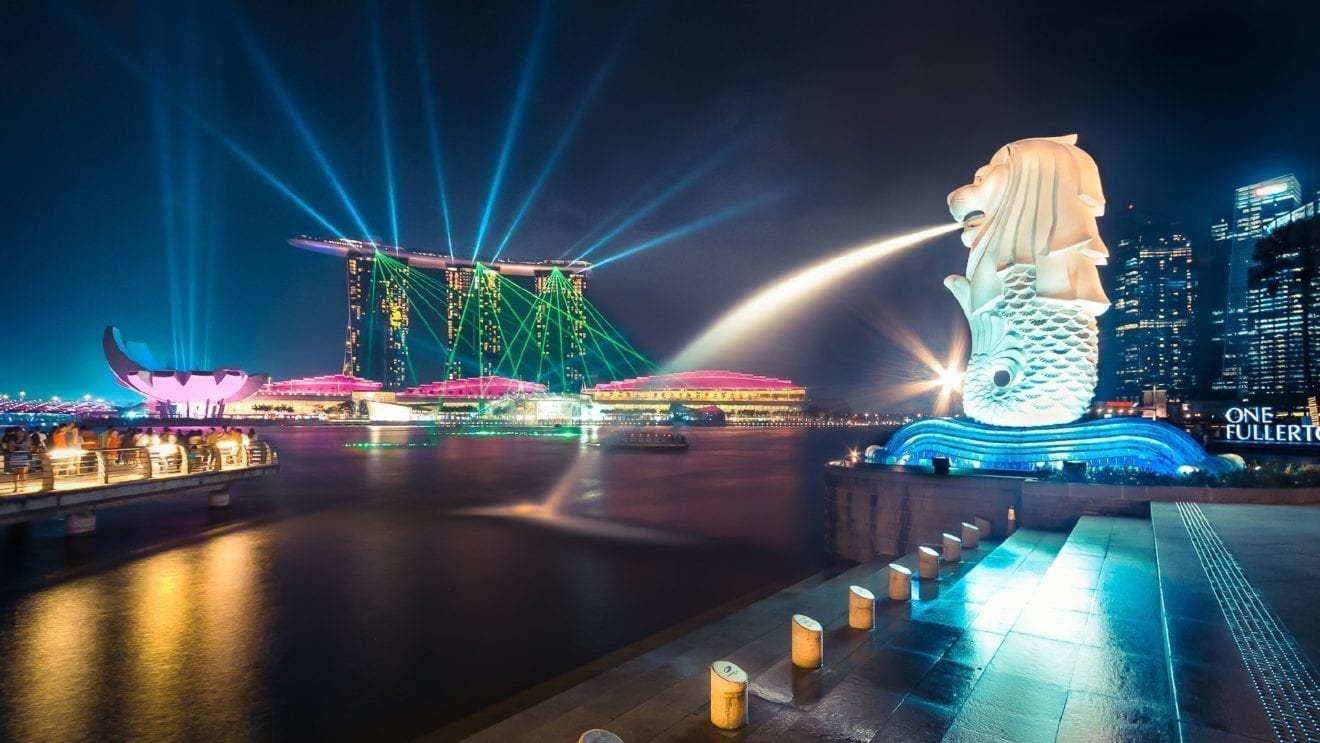
    Opened mere months after Resort World Casino, Marina Bay Sands will be recognised by all Formula One fans, imposing itself magnificently on the Singapore skyline. Three vast towers, linked together by the iconic ‘Skypark’ – a rooftop deck 200 metres above the marina below. As well as the casino and hotel complex, Marina Bay Sands offers a vast array of other distractions, including the ArtScience museum featuring major exhibitions that blend art, science, culture and technology – recently with an emphasis on conservation and sustainability. Cinemas are dotted about the complex, there is an extensive retail space, and plenty of places to eat. And don’t forget about the famous infinity pool on the deck! As for the casino, well, it is even more monied than its nearby rival, costing $5.5 billion to build. Set over four floors, punters can enjoy the usual range of card games, slot machines, crap tables and roulette wheels, with variants and tournaments available. The casino boasts 2,400 state of the art slot machines, VIP table areas for celebrities and high-rollers, and three noodle bars in case your poker makes you peckish. Free (soft) drinks are available throughout.

    Singapore’s gambling industry adds another feather in its cap as far as tourism goes. But it has also cemented itself as a serious destination for jet-setting casino players, and may usurp Macau in revenue (and appeal) in the years to come.


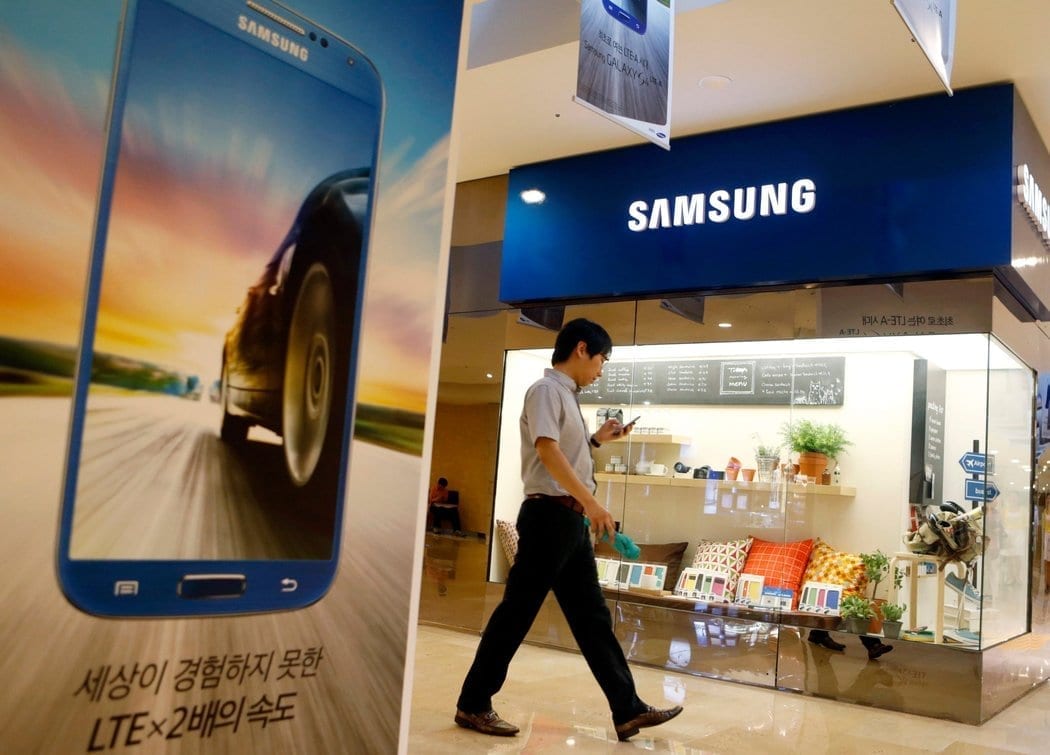
  • HCMC requests tax incentives for Samsung subsidiary

    HCMC requests tax incentives for Samsung subsidiary

    HCMC has proposed that a subsidiary of Samsung be defined as an export processing enterprise to enjoy zero import and export duties.

    The city said in a recent proposal to Prime Minister Nguyen Xuan Phuc that switching the label of TV screen producer Samsung Electronics HCMC CE Complex (SEHC) from a manufacturing enterprise to an export processing one will fulfill the city’s commitment to creating a favorable investment environment for the South Korean conglomerate.

    This will place Vietnam as an export base for Samsung to the global market and in turn benefit local suppliers to the South Korean giant, it said.

    Vietnam allows export processing enterprises to enjoy zero import and export duties and other tax incentives, but a company needs to have 90 percent of its revenue coming from exports to be able to achieve this status.

    SEHC forecasts its revenue from exports to reach $4.4 billion this year out of the total $4.9 billion, a ratio of 90 percent.

    In 2018, the management board of the Saigon Hi-Tech Park in District 9, where SEHC is based, had made the same proposal. However, this was denied by the Ministry of Finance because the export revenue ratio of SEHC between January 2016 and June 2018 was 75 percent.

    Another reason for the rejection was that SEHC operated in a hi-tech industrial park, not an export processing zone or an industrial or economic zone.

    SEHC, which began operations in June 2016, produces and assembles smart TVs and LED screens.

    Samsung is a major foreign direct investment company in Vietnam. About half of its smartphones are produced in the country, where it has invested over $17 billion so far. Its first plant in the country was built in 2008.

  • UOB’s Private Equity Arm Achieves Impact Milestone

    UOB’s Private Equity Arm Achieves Impact Milestone

    The firm has also obtained verification from Ernst & Young for its Asia Impact Investment Fund’s alignment with the World Bank’s impact investing principles.

    UOB Venture Management (UOBVM) has issued its disclosure statement on the Operating Principles for Impact Management, becoming the first signatory of the Impact Principles in Southeast Asia to do so, the bank announced in a statement on Tuesday.

    UOBVM’s disclosure statement demonstrates how it upholds the Impact Principles through its impact investing strategy and approach, in particular for its Asia Impact Investment Fund (AIIF), ensuring that impact considerations are purposefully integrated into key stages of the investment process.

    Launched in 2015 together with Credit Suisse, the $55-million fund invests in high-growth companies from the education, healthcare, and agriculture sectors in Southeast Asia and China. It also focuses on investments that will help to improve financial inclusion, affordable housing, sanitation, clean energy, and water for the region’s low-income communities.

    The Impact Principles provide a clear market standard for investors looking to achieve social, economic or environmental impact alongside financial returns. With this disclosure statement and independent verification, UOBVM enters a new era of transparency for the benefit of impact investors, Nicolas Marquier, Singapore country manager of IFC, said.

    UOB has also opened its second impact fund for subscriptions. The fund has a target fund size range of $100 million and is expected to make equity investments of about $1 million to $15 million each, the announcement said.

    The need for impact investments is even more pressing now with the COVID-19 pandemic disproportionately impacting low-income communities in Asia and pushing more people below the poverty line, Seah Kian Wee, chief executive officer of UOBVM, said.

  • Vietnam electronics tycoon sets up new investment group

    Vietnam electronics tycoon sets up new investment group

    Pham Van Tam, the founder of electronics firm Asanzo, has set up the Winsan Group, a $43 million enterprise to invest in electronics, dental, and food ventures.

    Tam recently announced a new role as chairman of the Winsan Group Investment Joint Stock Company, which will function as a financial investment company for small and medium enterprises (SMEs).

    Winsan is like a ‘power pump’ for businesses that have great potential for scaling but lack financial resources and management experience, he said.

    Unlike the model launched by Asanzo last year with a focus on electronics and hardware startups, Winsan expands the portfolio to other areas including dentistry, consumables, and food and beverages.

    In addition to funding, the group will also support SMEs to recruit talented employees and leading experts for senior positions, facilitating breakthroughs and reducing the failure rate in a competitive market.

    Tam said that Winsan was a step towards expanding the ecosystem out of household electronics. The name Winsan is inspired by the term win-win concept in modern business, hoping to bring victory for both sides when cooperating, he explained.

    The company’s initial capital is estimated at VND1 trillion ($43 million), 70 percent of which will be invested in technology – electronics businesses.

    In the first phase, we will select SMEs with products serving the majority of average consumers, low-income employees. This tight criterion will help optimize capital investments, Tam said.

    Industrial real estate and logistics are also important investment portfolios that Winsan will promote in the near future, he added.

    E-commerce presents great opportunities amid the ongoing Covid-19 pandemic, creating added momentum for industrial real estate and logistics to meet the need to lease factories and warehouses. The shift by multinationals to produce in Vietnam is another positive sign, he said.

    The Asanzo founder said that he’d been covering the investment group model for about three years as he witnessed the increase in business efficiency when empowering young directors to manage production.

    Many of these people are trained abroad in the corporate governance of developed industries with the capacity to formulate medium and long-term strategies. In addition to capable personnel, market data analysis helps accurately forecast business situations, reduce inventory lines, and cut costs while ensuring a proactive supply of goods corresponding to market demand.

    At first traditional distributors complained about challenging import regulations when applying new quality and processes. But after a while, they found that these adjustments bring positive effects. The goods are shipped quickly and meet customers’ taste, creating satisfaction on both sides, Tam said.

    Tam also appreciated young talents when interacting with them through start-up projects, like the Startup Viet competition organized by VnExpress, which urged him to establish this investment model instead of concentrating on just one enterprise.

    Tam also aims to draw in foreign partners who have worked with Asanzo for several years, thereby creating a large-scale investment fund, accessing and supporting a variety of business models.

    With a strong capital base, we will enhance the search for suitable products with local elements, understanding local consumers, then create new brands that make a real mark on the market.
  • Crypto Finance Opens Singapore Branch

    Crypto Finance Opens Singapore Branch

    Swiss digital investment specialist Crypto Finance has opened a branch in the Lion City. The company sees itself as a provider of services to the banking industry.

    Crypto Finance’s representative office in Singapore opens this month and will be led by the head of Asia, Alisher Tashpulatov, according to a media release on Wednesday.

    Tashpulatov previously worked in the crypto fund business of the firm and was involved in getting a license from the Swiss regulator as a crypto wealth manager. He then opened its Hong Kong office. He is being backed up by the crypto finance team, which has several team members with Asian experience, for instance, CEO and founder Jan Brzezek.

    The Zurich-based group will serve the demand for digital asset products and services, and attempt to bridge the gap between traditional banks and the crypto market.

    I believe that the Singaporean and Swiss business environment and orientation share many characteristics, including respect for diverse cultures and a work ethic that values merit, excellence, self-reliance, and hard work. The two countries share a great rapport, and it is almost intuitive for us as a Swiss business to establish ourselves in a like-minded and innovative country like Singapore, Tashpulatov said.

    Having spent years conquering new frontiers and climbing new peaks within the Swiss market, I am now happy to make a transition into a new, yet familiar, land, he added.

    Crypto Finance’s current activities in Singapore are focused on the areas of business that do not require regulatory supervision, and the firm plans to launch best-fit models of its offering in other Asian business hubs in the near future.

  • Citi Promotes APAC Head of Private Banking Ops

    Citi Promotes APAC Head of Private Banking Ops

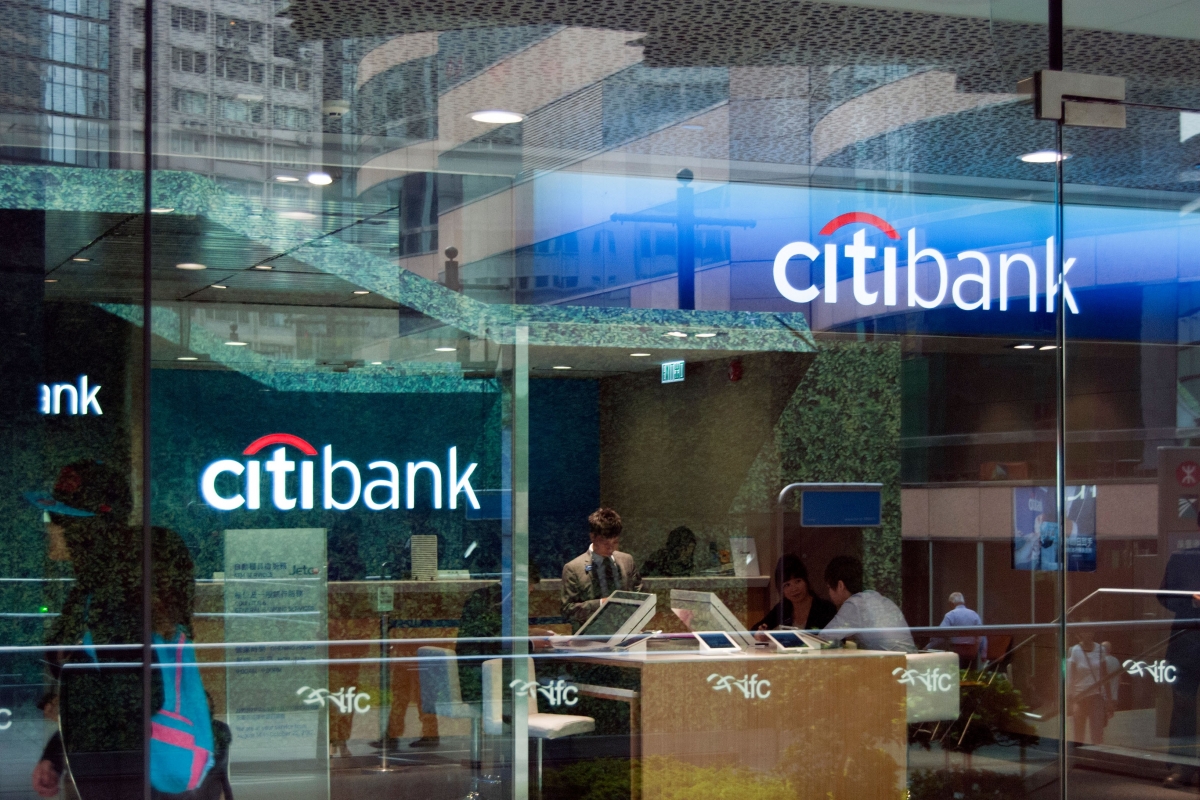
    Citi has promoted its private banking head of operations and technology in Asia Pacific to an even larger role covering the same area for the broader group.

    Stacey N. Lacy has been named as APAC head of operations and technology for Citi, effective immediately, according to a statement from the bank. In her new Singapore-based role, Lacy reports to Mike Whitaker, Citi’s global head of enterprise infrastructure, operations, and technology as well as Peter Babej, APAC chief executive.

    Her responsibilities include «delivery of client-focused initiatives, operations, and technology and shared services deployment» for the bank across the institutional clients’ group and global consumer banking businesses in the region.

    Citi’s shared service centers in the region are located in India, Singapore, Malaysia, and China.

    Lacy joined Citi in Hong Kong as a global consumer bank management associate over 23 years ago in 1996 and has since then has taken on various ops and tech roles within the bank. She was previously Citi’s ASEAN head of ops and tech for four years and China head of ops and tech and shared services for another four years.

    In her most recent role as Citi Private Bank’s head of ops and tech, she as credited with «expanding the business’ transaction capabilities, driving digital adoption by clients and revamping key operations processes and products».

    Banking accomplishments aside, the statement also highlighted Lacy’s role as a «champion» for diversity and inclusion initiatives such as active mentorship and development of global female talent internally.

  • TikTok in talks to avoid a full sale of its U.S. operations

    TikTok in talks to avoid a full sale of its U.S. operations

    TikTok parent ByteDance has to divest itself of the app’s U.S. operations by September 15th or else the popular short-form video app will be banned in the states. The U.S. is concerned that because of perceived ties to the Communist Chinese government, TikTok users could have their personal information obtained by the Chinese. Thus, President Donald Trump issued an executive order forcing TikTok’s parent to get rid of the app. Still, ByteDance denies that the security of American TikTok users is at risk. In fact, ByteDance says that the only servers used by TikTok for its U.S. subscribers are in the U.S. and Singapore.

    Over two billion times TikTok has been installed from the App Store and the Google Play Store. 100 million users in the states and 800 million globally use the app to create 15 to 60-second videos featuring lip-syncing, pranks, dancing, DIY clips, and more. Microsoft was one of the leading candidates to buy TikTok and other possible buyers include Twitter, Oracle, and Walmart. As recently as two weeks ago, ByteDance said that a deal was close to being announced and Kevin Mayer gave up his position as CEO. Mayer came to TikTok from Disney where he worked on the Disney+ streaming service. At the time, the move was seen as an attempt by ByteDance to inject some Americana into the app.

    But things have apparently changed and the U.S. government and ByteDance are having discussions about an alternative that would allow ByteDance to avoid a full divesture of TikTok’s U.S. operations. The U.S. had to rethink its demands after China put restrictions on the export of its AI technology; this could have a negative impact on the sale of the app because it might not allow TikTok to include its important algorithms in any deal with a U.S. firm. If the algorithms are not included, the purchase of TikTok becomes less attractive.

    ByteDance has been trying to convince President Trump that he would be taking a huge political risk if the app is shut down. That’s because TikTok users-surprisingly-are more conservative than thought. Thus, forcing the app to shut down could be upsetting to voters that the president is counting on. But that view of TikTok seems out of touch with reality. After all, a large number of teenage subscribers ordered tickets to the president’s rally in Tulsa, Oklahoma, and didn’t show up in an effort to embarrass him with a plethora of empty seats.

    Regardless of which political party favors TikTok, time is running out. The bottom line is that if no deal can be salvaged in less than five days, the president might be forced to accept a deal that would be a far cry short of what he was hoping for. For example, one option could be a restructuring of TikTok that would have it take on an American partner to keep its data secure and to take a minority stake in the company. Still, the president doesn’t back down easily and with his current hatred of China because of the coronavirus, Trump might still hold out for a divestiture of the app. His base would surely see a partial victory as a critical victory against China nonetheless.

    For now, the Treasury Department “is focused solely at this time on discussions associated with the sale of TikTok in accordance with the August 14 divestiture order signed by the President.”

  • Google Maps returns to the Apple Watch

    Google Maps returns to the Apple Watch

    Back in 2017, Google Maps no longer worked with the Apple Watch. The reason why Google pulled it from the Apple Watch reportedly had something to do with the app’s limited capabilities on the watch compared to the iPhone app. At the time that Google made this announcement, it promised that Maps would return to the Apple Watch. And that apparently is what is happening. After a new update, Google Maps is once again available for Apple Watch wearers providing them with directions and the estimated time of arrival.

    Users cannot input a new destination directly on the watch and Google directs wearers to enter a location using the phone app and then moving to Apple Watch. Using Google Maps on Apple Watch will allow those walking, driving, taking public transportation, or riding a bicycle from point “A” to point “B” to receive step-by-step directions and show the Estimated Time of Arrival. The primary screen on the Apple Watch shows the user’s current trip with travel times to other destinations such as work and home. Icons show when a turn needs to be made and also identify the current mode of transportation being used. Haptics help users know when they need to make a turn and there is a complication on the Apple Watch that shows the Google Maps icon and opens the app.

    Live Google Maps are not available on the Apple Watch (although live Apple Maps are). Version 5.5.2 of Google Maps is available for the Apple Watch through the App Store.

  • Companies Carmaker VinFast posts $284 mln loss

    Companies Carmaker VinFast posts $284 mln loss

    Vietnamese automaker VinFast posted a loss of nearly VND6.6 trillion ($284 million) in the first half, up four times year-on-year.

    The subsidiary of Vietnam’s largest private conglomerate Vingroup saw owner’s equity rising 10.8 percent year-on-year to VND28.1 trillion ($1.2 billion) by the end of June. Its asset value by the same date was over VND100 trillion.

    Pham Nhat Vuong, chairman of Vingroup, had earlier said that losses were expected for both automaker VinFast and smartphone producer VinSmart over the next three to five years as they work to increase their market share.

    Vingroup recorded H1 revenues of VND6.58 trillion from cars, electric bikes and smartphone sales, triple that of last year.

    VinFast has recently entered the luxury market with its new SUV, VinFast President. The company sold over 5,100 cars in the first quarter to rank fifth among auto brands in Vietnam.

  • Bamboo Airways announces first ever Hanoi-Con Dao Island direct service

    Bamboo Airways announces first ever Hanoi-Con Dao Island direct service

    Bamboo Airways will launch the first-ever direct flight from Hanoi to Con Dao Island, a tourism hotspot off the southern Ba Ria-Vung Tau Province, on September 29. There will be two round trips daily.

    The airline will also begin daily flights to Con Dao from the northern port city of Hai Phong and central Vinh Town from September 29. It will use twin-engine Embraer jets with 120 seats on all three routes.

    Nguyen Ngoc Trong, deputy director of Bamboo Airways, said the airline would carry a maximum of 100 passengers on a flight to ensure safety amid the Covid-19 pandemic.

    Vietnam Air Services Company, commonly known as VASCO, a subsidiary of Vietnam Airlines, is the only airline currently operating regular flights to the island, flying from Ho Chi Minh City and the southern city of Can Tho.

    Con Dao has a 3C classification, meaning it can only receive ATR 72 and other similar aircraft. It closes at night since it lacks a runway lighting system.

    Property developer FLC, the parent company of Bamboo Airways, has sought to invest in a lighting system so that the airport could operate at night.

    Con Dao received 400,000 visitors last year.

  • LVMH whitdrawing Tiffany deal

    LVMH whitdrawing Tiffany deal

    French luxury-goods group LVMH has dropped its plan to take over Tiffany & Co, prompting the  New York jeweler to announce it will file a lawsuit to enforce the deal.

    The US$16.2 billion takeovers was agreed to before the advent of the Covid-19 pandemic and the jeweler’s share price had dropped well below the price LVMH had agreed to pay.

    However, LVMH’s board is using geopolitical and taxation factors to defend its position with the board issuing a brief statement late Wednesday Asian time after a board meeting confirming it would “not be able to complete the acquisition of Tiffany & Co”.

    The statement referred to a letter from the French European and Foreign Affairs Minister which directed LVMH to “differ” (sic) – thought to mean defer – the acquisition until after January 6 next year in “reaction to the threat of taxes on French products by the US”.

    Tiffany & Co had earlier requested LVMH to extend the closing date for the deal from the current expiry date of November 24 to December 31.

    LVMH’s board, having taken legal advice from advisors to its teams, said it resolved to comply with the merger agreement signed by the two companies in November last year, which stipulated the November 2020 closing date.

    “As it stands, the Group LVMH will therefore not be able to complete the acquisition of Tiffany & Co.”

    Tiffany & Co meanwhile, is alleging that LVMH has deliberately stalled the takeover to force a renegotiation of the price.

    The company will file a lawsuit with the Delaware Court of Chancery Wednesday US time seeking to force LVMH to close the transaction by the November deadline.

    “Tiffany alleges that LVMH has delayed the EU regulatory process to avoid closing before a mandated deadline, and threatened to walk away from the takeover unless the price tag is reduced,” the FT reported, citing “people briefed about the matter”.

    The Tiffany & Co sale has been the subject of considerable ongoing speculation since the impact of Covid-19 on luxury retailing and international travel.

    At one point, analysts were speculating that LVMH might begin acquiring shares on the open market at a price lower than the company had agreed to pay under the merger agreement. However, after a board meeting in June, LVMH issued a statement reiterating it would not buy shares on the market and was sticking to the deal.

    Reuters reported back then, however, that LVMH CEO Bernard Arnault was exploring ways to reopen negotiations in an attempt to reduce the price.

    “While Arnault now has concerns about overpaying for Tiffany, he still believes in the deal’s strategic rationale, according to the sources,” reported Reuters. “Tiffany will give LVMH a bigger share of the lucrative US market and expand its offerings in jewelry, the fastest-growing sector in the luxury goods industry.”

  • Social distancing sparks flurry of in-car accessory sales

    Social distancing sparks flurry of in-car accessory sales

    Car accessory sales are increasing in South Korea as the coronavirus pandemic continues to rage on and people spend more time in their vehicles to avoid physical contact.

    Online shopping giant 11St reported that over the past two weeks, sales of laptop/book stands for cars and multipurpose seat pockets jumped by 27 percent following the spike in confirmed coronavirus infections between August 18 and 30.

    Cup-holder sales jumped by 19 percent over the same period. Do-it-yourself car wash kits also gained popularity among consumers and car shampoo sales jumped by 53 percent, while washing tools and towels sales increased by 16 percent and 27 percent, respectively.

    Sales of other indoor car-cleaning tools jumped as well: portable vacuum cleaners by 24 percent, air purifiers for cars by 38 percent and car air fresheners by 21 percent.

    The majority of the increase in car accessory sales appears to be via online platforms.

  • Hermes re-opens renovated and extended retail space in Sendai

    Hermes re-opens renovated and extended retail space in Sendai

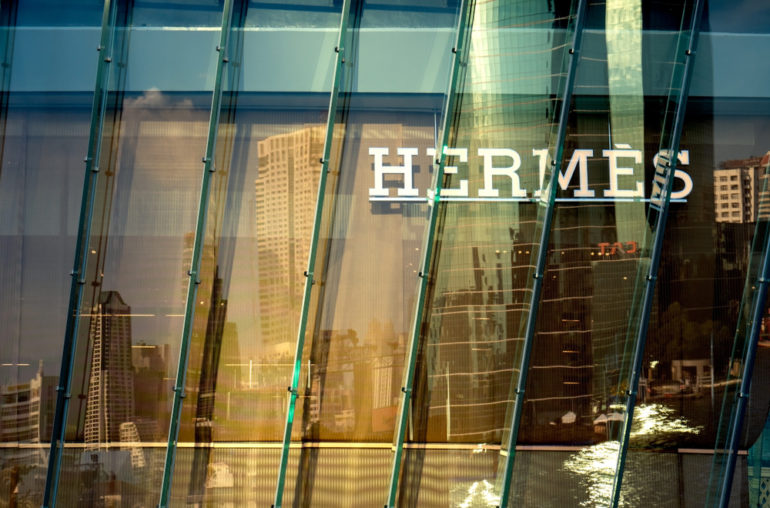
    Luxury Maison Hermes has unveiled its refurbished store in the Fujisaki Department Store in Sendai, Japan.

    “This reopening marks a new chapter for Hermes in this Northern city of Japan, where it has been present since 2004,” the company said in a statement.

    The store’s new design is inspired by Sendai’s natural environment – the city is known as “The City of Trees” – and the floor space has been expanded to 144sqm.

    The store’s facade features floor-to-ceiling glass windows and copper-colored steel, offering a clear view of the interior from the outside.

    Designed by Parisian architecture agency RDAI, the interior was divided into two open-plan spaces. At the entrance, the floor features mosaic tiles “in subdued Havana-and chocolate-brown hues, complete with iridescent cabochons”.

    Hermes Fujisaki offers a wide selection of products, including silk collections, fragrances, and fashion accessories. The collections for the home, featuring homeware and tableware, including the new Hermes Passifolia service, complete the displays in this initial area. The store also houses a VIP lounge for “enhanced privacy”.

    “While the entrance area is characterized by mineral, airy and bright accents, the second section creates a more muted atmosphere with carefully selected fabrics and carpets,” the company said.

    “This renovated address showcases the house’s craftsmanship and freedom of creation through its exceptional objects and the enhanced experience it offers its customers and new visitors

  • AirAsia Seeks Up to $600 Million Cash Injection to whitstand Crisis

    AirAsia Seeks Up to $600 Million Cash Injection to whitstand Crisis

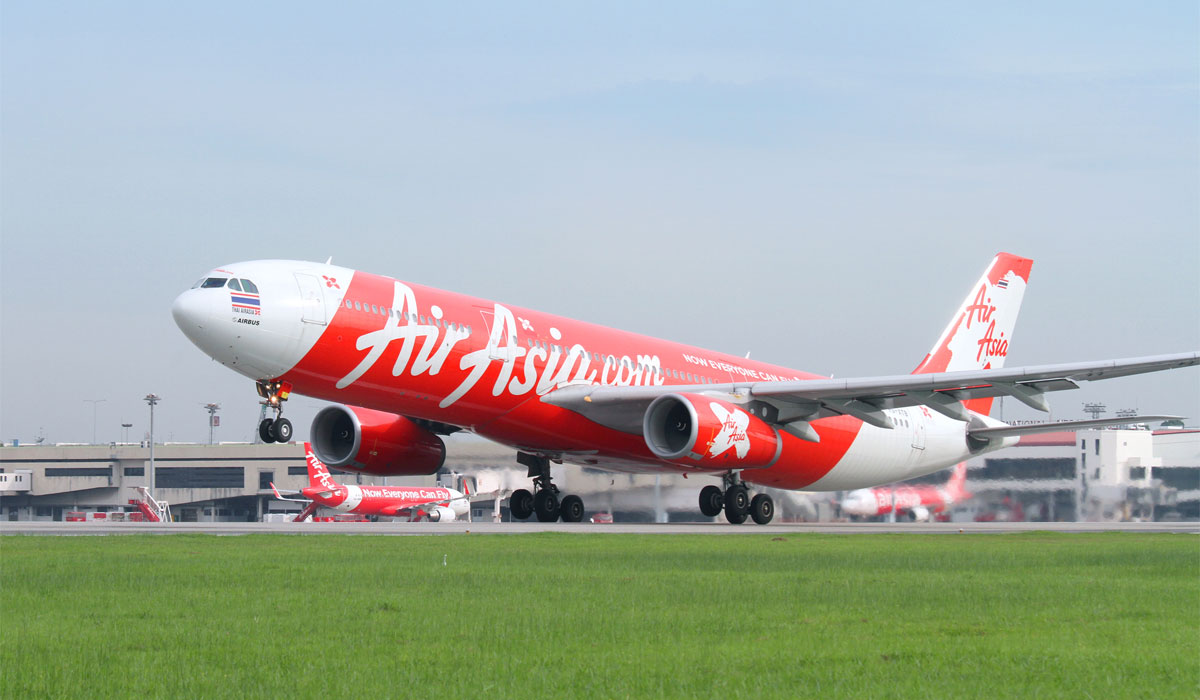
    AirAsia Group is seeking to raise as much as 2.5 billion ringgit ($600 million) by the end of the year as it tries to survive a business slump exacerbated by the coronavirus pandemic.

    The Subang, Malaysia-based budget carrier may borrow up to 1.5 billion ringgit from banks and another 1 billion ringgit from investors, a spokeswoman said Tuesday. AirAsia is also in talks with local and foreign investors including private equity firms, strategic partners, and conglomerates, she said, confirming an earlier report that cited Group Chief Executive Officer Tony Fernandes.

    Airlines around the world are losing money after grounding thousands of planes as countries shut borders and restrict people’s movements. AirAsia, which last month posted its largest quarterly loss on record, resumed domestic operations in late April but its long-haul unit, AirAsia X Bhd., still isn’t flying. Auditor Ernst & Young said in July their ability to continue as going concerns may be in “significant doubt.”

    South Korea’s SK Group said in June that it was in talks to buy a small stake in AirAsia, without providing further details. AirAsia has also cut the salaries of management, trimmed jobs, and deferred plane deliveries in an attempt to shave costs by 30% this year.

    AirAsia is also evaluating its operations in Japan and will make a decision very soon, the company’s spokeswoman said Tuesday. Its India venture remains as is, she said without elaborating. The airline is looking to consolidate and strengthen its business in Southeast Asia, even if that means exiting Japan and India, Reuters reported earlier.

    AirAsia said last month that it needs to reach agreements with major creditors to restructure outstanding debt because it faces “severe liquidity constraints” that threaten its ability to resume flying and continue as a going concern.

    The long-haul budget unit and its AAX Leasing Two Ltd. have received a claim from BOC Aviation Ltd. regarding $23 million of outstanding amounts due under lease agreements, according to an exchange filing Friday. AirAsia X, which said it is seeking legal advice, leases four aircraft from BOC.

    AirAsia is one of Airbus SE’s major customers for A320s while AirAsia X is the world’s biggest customer of Airbus A330neo planes. AirAsia X has 78 of the aircraft on order, according to Airbus’s website, and has already deferred the delivery of some A330neos.