Author: Mei Ling Tan

  • International flights resumption fails to enthuse Vietnam tourism firms

    International flights resumption fails to enthuse Vietnam tourism firms

    Vietnamese tourism companies are not enthused about the possibility of flight resumption to six Asian destinations because they don’t expect large numbers of tourists to board these flights.

    Nguyen Cong Hoan, deputy CEO of Hanoi Redtours, said that flights to these destinations will mostly serve businesspeople, workers and students and not tourists.

    “Although this shows that the Vietnamese government is opening up the doors to other countries, tourism will not see immediate benefits because the mandatory 14-day quarantine policy will discourage tourists,” he said.

    Hoan was commenting on a plan by Vietnam aviation authorities to resume commercial flights to Guangzhou (mainland China), Seoul (South Korea), Tokyo (Japan), Taipei (Taiwan), and Cambodia and Laos as early as later this month.

    The Civil Aviation Authority of Vietnam (CAAV) said this plan, if approved, will bring in about 5,000 passengers a week to Ho Chi Minh City, Hanoi and Can Tho City.

    Phan Dinh Hue, CEO of Ho Chi Minh City-based tourism firm VietCircle, said people only travel when they feel safe, and amid the ongoing pandemic, not many are willing to take the risk contracting the virus on a flight.

    People also do not want to be “trapped” in a destination if it is locked down, as happened to many last month when there was an outbreak in Da Nang City, he added.

    What tourism companies want now is a chance to reboot domestic travel. Nguyen Quoc Ky, chairman of leading tourism company Vietravel, said authorities need to establish a map of safe travel destinations in the country to boost demand and help tourism companies survive.

    Hoan of Hanoi Redtours proposed that authorities in each locality assess the Covid-19 situation in their area and make appropriate decisions.

    If there were no Covid-19 cases recorded in a locality, tourism and entertainment activities should be allowed, he said.

    He added that in the long run, if the resumption of international flights does not result in a surge of community transmissions of the novel coronavirus, the government could remove the 14-day quarantine policy. Only then would tourism companies be able resume their international operations.

    The Covid-19 pandemic has seriously damaged Vietnam’s tourism sector. Tourism revenues in the first eight months fell over 54 percent year-on-year to VND13.1 trillion ($569 million), according to the General Statistics Office.

    Foreign arrivals fell 67 percent to 3.77 million in the period.

    Last year, Vietnam welcomed 18 million foreign tourists, up 16.2 percent year-on-year.

  • Uniqlo piping up to open Macau’s largest store ever

    Uniqlo piping up to open Macau’s largest store ever

    Japanese clothing retailer Uniqlo is to open its biggest Macau outlet this month.

    Located at ‘Yellow House’ commercial building near the Ruins of St Paul’s, it is the first store in Macau to feature the UTme! design-your-own T-shirt service. The brand will collaborate with local artists to launch UTme! designs that feature local elements.

    According to the company, the new Macau store will occupy a 1772sqm area and span five stories. The store also houses an exhibition area where community events will take place.

    The Uniqlo Yellow House store is the second store in the city after the Uniqlo The Venetian store in Cotai. The new shop is scheduled to launch on September 30 after the opening was previously postponed due to the Covid-19 pandemic.

  • H&M’s Cos launches online reseller marketplace

    H&M’s Cos launches online reseller marketplace

    H&M’s subsidiary Cos has launched a pre-owned fashion platform called Resell.

    Resell allows the brand’s customers to buy and sell their used Cos pieces, “re-inventing their wardrobe in a considered and sustainable way,” according to a statement from H&M.

    The launch is part of the brand’s program of developing circular fashion and renewable solution strategies.

    “Resell reinforces Cos’ ambition and journey to becoming fully circular and renewable, developing innovative ways to continue the brand’s commitment to quality and longevity by re-imaging the lifecycle of each pre-loved piece,” the company said.

    Resell will charge a 10-per-cent commission to cover “operational costs” for every item sold on the platform. The digital platform is now available in the UK and Germany and will go global this Autumn.

    “By extending the life cycle of your Cos item, we believe we can work together to make better environmental choices,” the company said.

  • Deliveroo Supports Riders With New Riders Forum, a First-of-its-Kind Initiative for Any Hong Kong Food Delivery App

    Deliveroo Supports Riders With New Riders Forum, a First-of-its-Kind Initiative for Any Hong Kong Food Delivery App

    Dedicated to listening to rider feedback, and providing a collaborative working environment to deliver more to its riders, Deliveroo today announced the launch of it’s first-ever Hong Kong Riders Forum, an initiative set to take place quarterly with Hong Kong General Manager and the operation Team.

    Since the outbreak of COVID-19, many Hong Kongers have had to cope with job losses across the city, with the current unemployment rate hitting over 6% since April this year. As many struggle to find new ways to make an income, Deliveroo is hard at work to make room amongst its fleet and help offset the rising numbers of unemployed Hong Kongers. Deliveroo has received over 35,000 rider applications in the first half of 2020 – up more than 100% from application numbers in H1 2019. As COVID-19 continues to impact businesses and day-to-day life in the city, rider applications have continued to grow. Deliveroo’s rider onboarding strategy is designed to match estimated growth in demand to rider numbers, to ensure protection of riders’ earnings. Since January, Deliveroo has added over 3,000 riders taking the firm’s total rider fleet from 4,000 in December 2019 to more than 7,000 today.

    With the increase in rider fleet, Deliveroo is dedicated to exploring new ways of listening and communicating with their riders. Being held for the first time in late August, the 2 hour-long Riders Forum was held virtually due to COVID-19, and focused on providing Deliveroo Riders with a space to voice their opinions directly. Throughout the session, riders asked questions about the company and their concerns on their overall delivery experience, provided feedback, as well as the general sentiments of the fleet as they see it, to the company. Issues discussed include orders assignment, restaurant wait time, support given by rider operations and the customer service team, and Deliveroo expansion plan in Hong Kong. Deliveroo’s Rider Forum is the first of its kind among the city’s food delivery apps, a testament to Deliveroo’s commitment to actively engaging with riders and providing a progressive working environment.

    To ensure diversity among the participants in The Riders Forum, Deliveroo has chosen 15 riders who expressed interest in participating in the event. Gathering input from a broad scope of riders and walkers across a range of districts, whether they drive a motorcycle, ride a bike or walk to deliver meals, Deliveroo is committed to hearing from a vast amount of voices. Participants will have the opportunity to discuss issues currently facing the fleet, how to foster stronger communication, and how the overall delivery experience can be improved. After each forum is completed, the discussion notes will then be communicated to the wider fleet of Deliveroo riders. According to the latest monthly rider survey, over 70% of Deliveroo riders are satisfied with how they are able to choose where and when to work with Deliveroo. Deliveroo will continue to make an effort to understand riders’ needs and concerns.

    The Riders Forum initiative is part of Deliveroo’s ongoing commitment to providing new enriching programs that provide support for its riders, which have included first aid training from the Red Cross, and with over 60 riders to be trained later this year. Additionally, Deliveroo has provided its riders with a further fuel discount of ~20%  in partnership with Shell, at all Hong Kong gas stations (aside from Hong Kong Airport), as well as offering special medical benefits to riders and their families through the virtual insurer Bowtie. Earlier this year, Deliveroo launched the Deliveroo Rider Academy, a virtual online learning space with over 700 courses to help upskill riders and their family members.

    Brian Lo, General Manager of Deliveroo Hong Kong, said, “The purpose of the Deliveroo Riders Forum is to allow our riders to share their ideas and experiences directly with me, and the rest of our Deliveroo team, and make appropriate strategic and technical adjustments based on what we hear from our riders. That’s why we’ve taken the steps to introduce an initiative that is the first of its kind in Hong Kong’s food delivery industry. We’re proud to offer some buffers for those who have lost their jobs and are in need of earnings to make a living during their transition period, and to hear from both them and our veteran riders.

    We are always looking for new ways to improve our riders’ engagement, and so, we felt that the best way to do so was to provide them with an engaging and open space. The Deliveroo Riders Forum has been set up to be a place where riders’ voices are not only heard but also empowered. We want our riders to know that we support them and that everyone’s voice counts. I’m looking forward to being a part of this new initiative to regularly meet our rider partners and finding practical ways to incorporate rider feedback into our overarching strategy.”

    Jacky Yan, a Deliveroo cyclist who joined in late February this year and attended the first Riders Forum, said, “I lost my previous job as a buyer for a UK supermarket chain because of COVID-19, but I was able to apply Deliveroo to be a walker (and then became a cyclist later) and earn a living. When Deliveroo informed us that they’d be launching The Rider’s Forum, I was pretty eager to participate in the programme, as I felt it’d be a great opportunity to have my voice heard. While working on your own may come with perks, such as more independence and a flexible schedule, it can also be nice to connect with the management to bounce ideas off each other. The conversation during the first session was very useful covering off the questions we have in mind about the platform’s operations and future plan. I have just started a new full time job last week but I will still be a cyclist delivering Deliveroo orders during weekends or evening time if my schedule allows.”


  • Dh200 airfare to fly Dubai-Manila with Cebu Pacific in September offer

    Dh200 airfare to fly Dubai-Manila with Cebu Pacific in September offer

    At a base fare of Dh200 from Dubai to Manila, the Philippines’ no-frills carrier Cebu Pacific has unveiled a week-long airfare discount blitz on Tuesday (September 1, 2020).

    The move is aimed to boost demand and post-COVID-19 confidence among flyers, especially overseas Filipino workers and their families in the UAE.

    The quoted discounted fare is valid for one-way travel only, inclusive of base fare. It also does not include taxes and fees, “web administration fee”, and fuel surcharge.

    The carrier is known for its “Piso” fare (1-peso, $0.021) offers. But, with the lingering threat from COVID-19, it remains to be seen whether such price-drops would indeed translate to a post-recovery spike in travel demand.

    The airline has also stated that promo fares offered are limited and are non-refundable — but rebookable subject to fees and charges.

    Flight changes, availing of prepaid baggage allowance for check-in baggage and web check-in service can also be done up to 4 hours before scheduled flight. International fare is on a book and buy basis, according to the airline.

    The Philippine economy, like the rest of the world, is reeling from the coronavirus pandemic. Up to 3,000 companies reportedly went bust in the last seven months.

    Quarantine measures remain in place for travelers as the Philippines reported 224,000 COVID-19 infections, with 158,000 recoveries and 3,597 deaths as of September 1, 2020.

  • Alternative payments move mainstream in India

    Alternative payments move mainstream in India

    Alternative payments have moved mainstream in India amid Covid-19, according to GlobalData.

    Payment platforms such as mobile and digital wallets have gained popularity among online shoppers, gradually replacing traditional payments during the pandemic.

    “The adoption of alternative payments has been on the rise since demonetization in 2016,” said Ravi Sharma, lead banking and payments analyst at GlobalData. “The recent Covid-19 outbreak has further accelerated the usage of alternative payments as consumers are increasingly using electronic payments to avoid exposing themselves to disease vectors while merchants are also insisting on the digital mode of payments.”

    GlobalData’s 2020 Banking & Payments Survey found that the share of alternative payments in online transactions in India stands at 54 percent this year, followed by payment cards and cash, which accounted for 30.1 percent and 8.1 percent, respectively.

    Google Pay has been one of the beneficiaries with 9.3 percent share in the e-commerce payments, a significant surge from 3.5 percent share last year.

    “While alternative payment tools were initially available for online payments, they are now being used for in-store payments as well,” Sharma said.

    “With merchants increasingly opting for QR code-based payments due to their cost-effectiveness, alternative payments will disrupt the country’s overall consumer payments space in a big way.”

  • Net New Money Surges at DBS Private Bank

    Net New Money Surges at DBS Private Bank

    DBS’s private banking arm saw net new money inflows surge in the first half of 2020 driven by a diversified range of client segments.

    Net new money inflows surged by 170 percent in the first half for DBS Private Bank which saw assets under management (AUM) climb 9 percent in the same period, according to a report.

    Our business has really gone up to higher than pre-Covid times, said Joseph Poon, group head of the private bank, noting that it was on course to register 7-8 percent AUM growth this year. The rebound has been very strong. We hope we’ll see this growth maintained all the way to the end of the year.

    Although DBS does not break down absolute figures, its private banking business is part of its broader wealth management unit which saw AUMs rise 7 percent year-on-year to S$251 billion ($184 billion).

    The bank has benefited from its traditional markets in the ASEAN or Greater China region and is eyeing further expansion specifically in the Philippines and Thailand where wealthy families are keen on diversification. In the latter market, Poon noted that the bank was on track to double AUM to reach $5.86 billion by 2023.

    Outside of Asia, DBS Private Bank also saw inflows from western markets, especially from family offices looking to establish a presence in Singapore.

    European and U.S. family offices see Singapore as a lighthouse from which they can see the rest of Asia, whether for financial market investments or actual businesses they may want to invest in or partner with, Poon said.

    On investments, the bank is currently advising clients take a barbell approach to focus on growth and income. The «DBS CIO Barbell Portfolio» strategy covers over 50 securities and the bank is also offering a structured note tracking its performance which has delivered net returns of 11 percent, outperforming its benchmark by around 6 percent.

    Also gaining traction at DBS is sustainable investing where the bank has adopted MSCI ESG ratings for the portfolios of its wealth management clients. The bank also created a structured product to provide exposure to the theme and the ESG MSCI Asia Outperformance Note has generated an average alpha of 12.2 percent since its inception in 2018.

    And should Asian investors seek to add exposure to such themes, ample cash holdings await them as DBS saw clients boost allocations to 40 percent during the crisis, up from the traditional 30 percent allocation.

    According to Poon, clients are increasingly cash allocations not only in anticipation of distressed asset opportunities but also to boost liquidity in case of urgent business needs, especially given the high share of entrepreneurs amongst the region’s high net worth individuals.

  • New feature for Google Assistant borrows heavily from Siri

    New feature for Google Assistant borrows heavily from Siri

    Siri Shortcuts is a feature that allows you to create a shortcut to activate certain actions with specific apps.. Here’s a good example. Let’s say that you are totally frustrated with Siri. What you can do is download the Google Assistant app for iOS, found in the App Store. However, if you’ve moved from an Android phone to an iPhone, you might be appalled to discover that you can’t activate Google Assistant by saying a hotword unless you use Siri Shortcut.

    For example, you can set up Siri Shortcut to activate Google Assistant by stating “Hey Siri, O.K. Google.” Sure, it sounds crazy and someone overhearing the command might try to have you committed to Bellevue. But when you break it down, you’re simply activating Siri and then giving Siri the “O.K. Google” verbal shortcut that opens up Google Assistant. Now, Google is said to be working on its own shortcuts feature for Google Assistant that is very similar to Siri Shortcuts.

    For example, if you have Twitter installed on your Android phone you can go into Shortcuts and create a shortcut. When you’re ready to create a new Tweet, say “O.K. Google, new tweet” to start composing. Similarly, you’ll be able to say, “O.K. Google, new Gmail” to create a new email in the Gmail app. Shortcuts also appear in your Assistant Routines menu where you can edit them using a different UI.

    For Android users to take advantage of Assistant Shortcuts, developers will have to improve the functionality of their apps. For example, Shortcuts currently cannot be chained together and they can only get you to a specific screen on an app. Neowin points out that while you can’t open a specific keyword on Instagram, you can open the Explore Tab on the app.

    The new Assistant Shortcuts is rolling out as a server-side update. You can see if you have it on your phone by going to Assistant Settings. There, you can find the aforementioned Assistant Routines menu where Shortcuts can also be found.

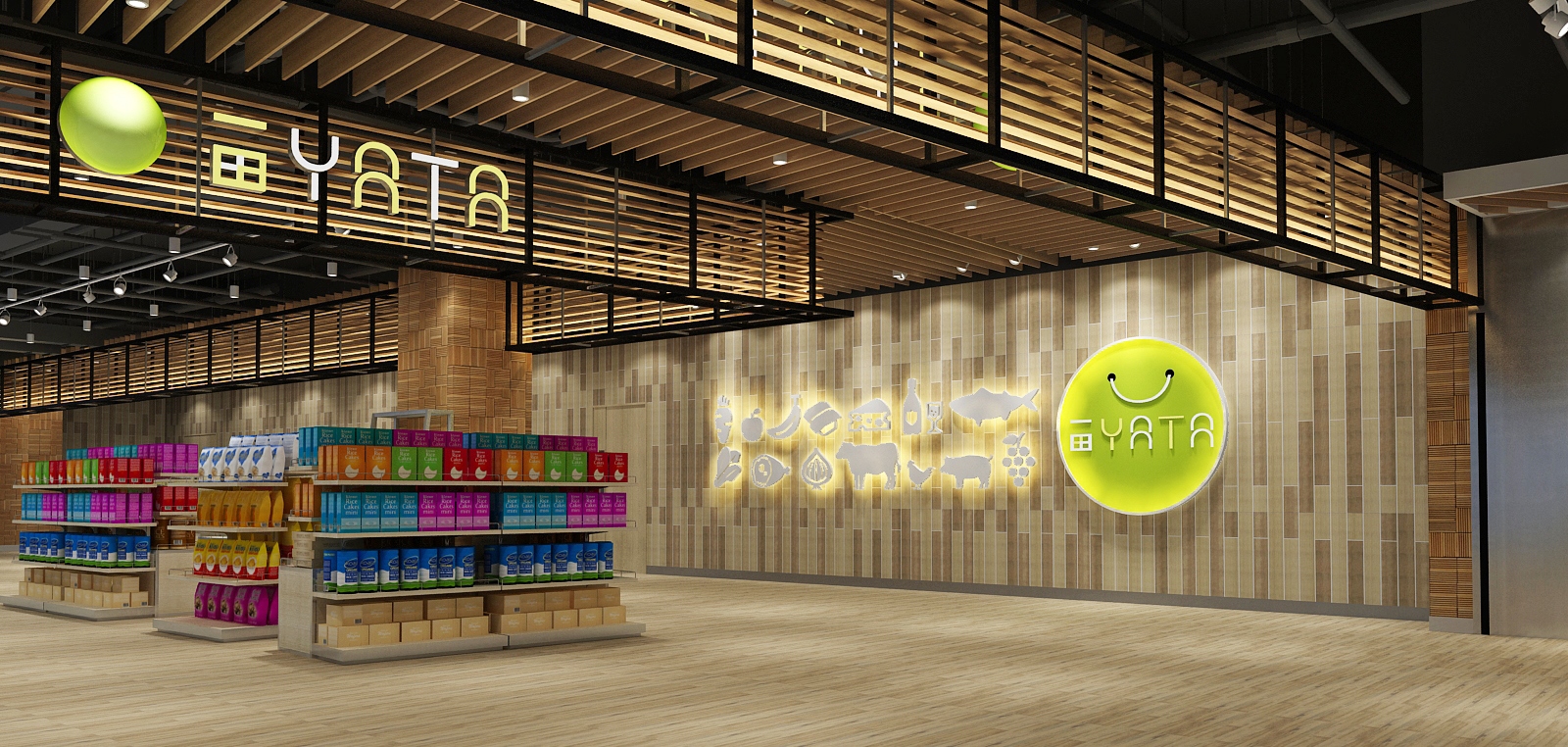
  • Yata to launch convenience-store concept in Hong Kong

    Yata to launch convenience-store concept in Hong Kong

    Japanese-themed Hong Kong department store and supermarket chain Yata is set to unveil its first-ever convenience store format in Hong Kong.

    Dubbed the ‘Konbin by Yata’’ (also Japanese for convenience store), the new format will be smaller than its usual department store standing at 3777sqft.

    Located within Sha Tin’s Hotel Sav, the store will be styled on a ‘quick’ shop, a cook-and-eat concept with an array of Japanese merchandise, self-checkouts, and instant dining spaces for the time-pressed Hongkongers.

    Yata has also formed an exclusive arrangement with Hokkaido convenience store Seicomart to stock more than 70 SKUs of its private-label range.

    Yata’s parent group (historically known as Seiyu Department Store until 2008), is known to have invested US$774,000 into the new concept.

    Yata has reported strong performance in recent times with its sales up 16 percent year on year. Its grocery arm has experienced a 39-per-cent surge during the Covid-19 crisis.

    With restaurant bans and the third wave of coronavirus infection keeping consumers at home, there has been a natural surge and uplift in grocery sales from cooking at home.

    Yata CEO Susanna Wong believes the convenience store will break new even in three years and is predicting an average basket spend of between $6-10.

  • Fintech Partners Plan Cybersecurity Platform

    Fintech Partners Plan Cybersecurity Platform

    the @-WISE Cybersecurity Centre of Excellence in Singapore aims to grow and groom cybersecurity talents.

    Plans for the cybersecurity platform were announced by partners Hong Kong-headquartered financial services group AMTD, the University of Waterloo, iQ4 and the Singapore FinTech Association (SFA) at a virtual signing ceremony on Thursday.

    The @-WISE Cybersecurity Centre of Excellence aims to raise the awareness of the importance of cybersecurity among digital platforms, fintechs, financial institutions, and other sectors in Singapore, the announcement said.

    As part of the partnership, the platform will also grow and groom cybersecurity talents, as well as build a cybersecurity ecosystem in response to the escalating cybersecurity threats, ultimately helping to shape a cyber talent strategy that will contribute to Singapore’s Smart Nation vision.

    AMTD and SFA previously announced a strategic agreement to promote entrepreneurship and innovation in Singapore’s fintech community, which builds on the two sides’ work under the MAS-SFA-AMTD Solidarity Grant.

  • Siam Piwat opens Ecotopia, Asia’s first eco-lifestyle destination

    Siam Piwat opens Ecotopia, Asia’s first eco-lifestyle destination

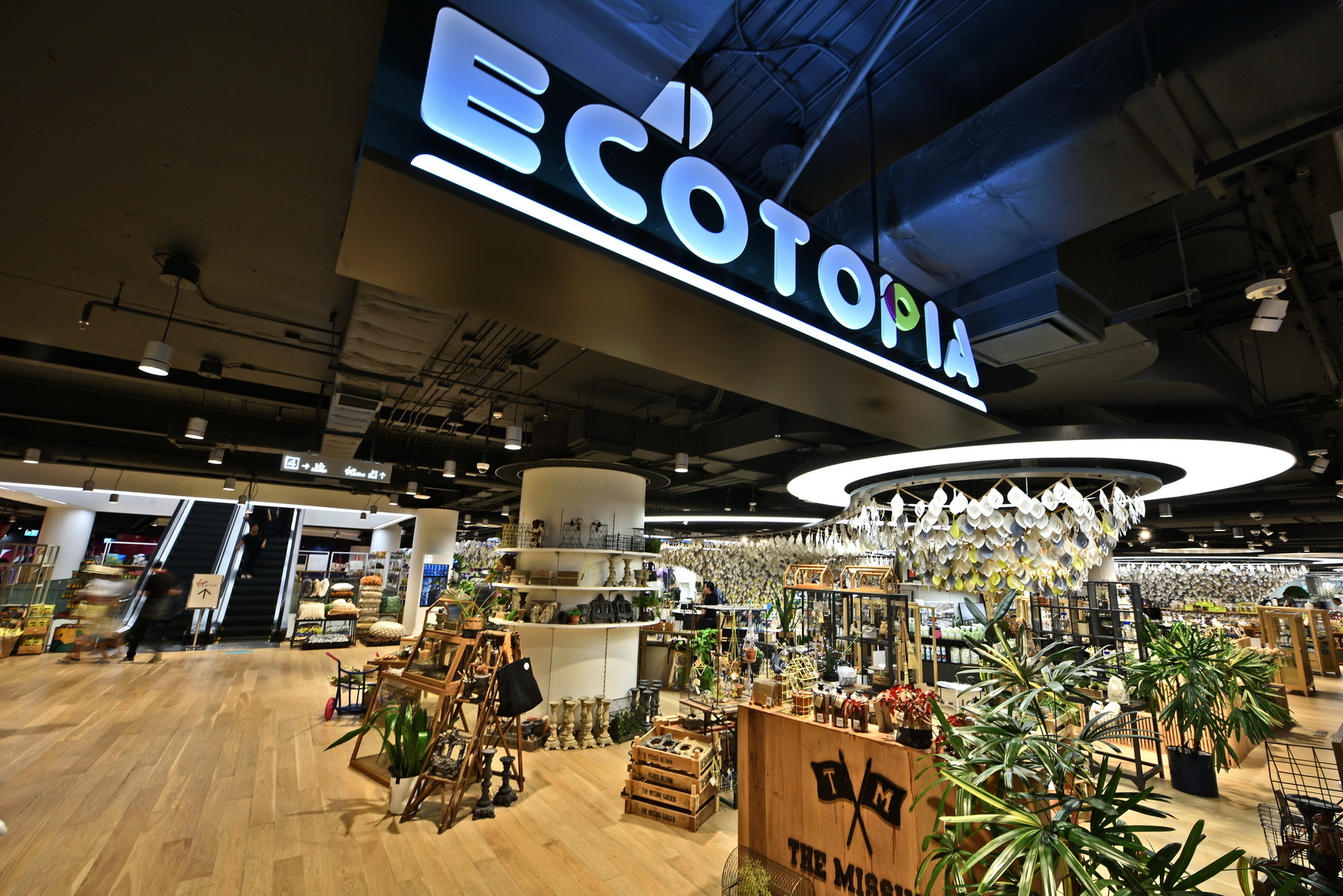
    Siam Piwat has unveiled Ecotopia in Bangkok, which it claims to be Asia’s first eco-lifestyle destination.

    Located at Siam Discovery, the store occupies 2000sqm and features more than 300 brands of eco-friendly and health-oriented products. Ecotopia houses eight different zones.

    A Hygienic zone offers a selection of household products made from natural and biodegradable materials, while the Zero Waste zone is a refiller where customers can take their own containers to refill everyday products or food items.

    Air-purifying plants and gardening tools can be found in a Green zone, while a Healthy zone offers organic food and a Beautiful zone a selection of chemical-free skincare and personal-care products.

    The Up-cycled zone displays products with renewed value through recycling, while a Stylish Zone features fashion items made from organic cotton and fabric scraps, and a clothing swap corner where pre-owned clothes can be exchanged for new garments.

    Finally, a Kind Zone highlights local handicrafts made from natural materials that help generate incomes for local communities.

    At Ecotopia, visitors can join regular eco-friendly workshops to learn how to turn waste into creative art or develop organic gardening skills.

  • CJ Corp unveils plans to open Olive Young up for public investment

    CJ Corp unveils plans to open Olive Young up for public investment

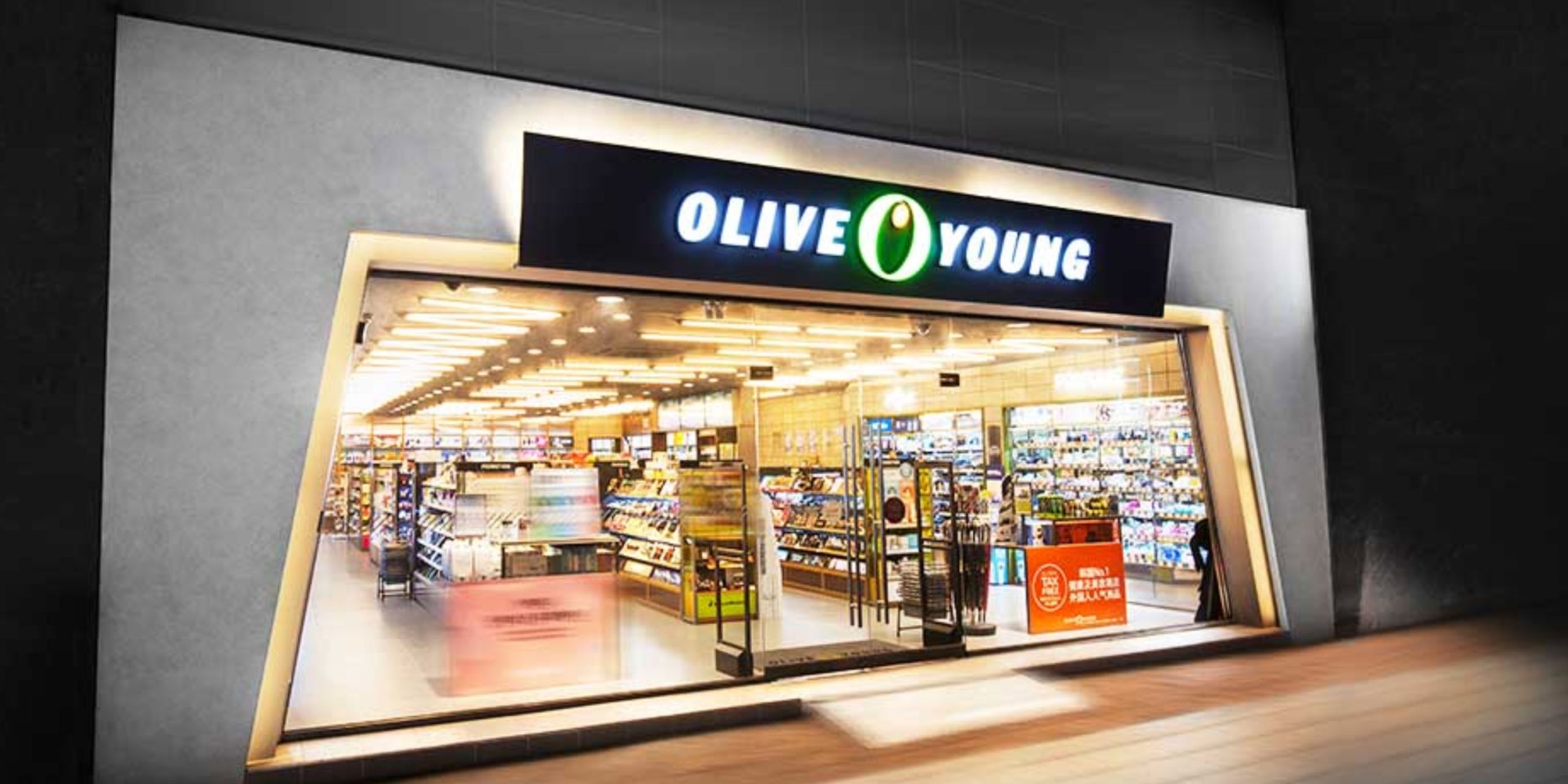
    South Korean health-and-beauty business Olive Young is gearing up for an IPO next year, with the aim to list on the stock market in 2022.

    The business owner CJ Corp is currently recruiting for pre-IPO funders and is looking to sell around 20 to 30 percent of the owner’s family’s stake before it goes public, although CJ Group will not sell any of the 55 percent stakes it holds.

    Olive Young CEO Koo Chang-geun said the pre-IPO sale would not impact CJ Group’s management rights, and that the move would allow the business to pursue growth opportunities into the future.

    Shinhan Investment and Credit Suisse have been listed as joint advisors to the sale, and while there is some chatter that the business could be sold off as a whole, it is more likely that the IPO will be used to secure further funding to boost enterprise value.

    The business has long been one of South Korea’s largest beauty firms, seeing operating income grow 81 percent to US$74 million after $1.65 billion in sales last year.

  • 3 Tips for Starting Your Business at Home

    3 Tips for Starting Your Business at Home

    There’s never been a better time to be a freelancer. While the regular evolution of technology means that every year more and more people integrate the internet into all parts of their lives, that has been especially true in recent months.

    There are new opportunities forming for digital sales, and especially marketing, every day. For example, an uptick in Asian shoppers’ website visits could mean huge returns on an optimized website. What does that mean for you? More clients willing to pay for graphic design, web development, and copywriting.

    Despite what kind of business you hope to run from your home, this guide will break down three essential tips to help you set your enterprise up for success.

    #1 Cover Your Basic Essentials

    The first thing you’ll need to do to start a business from your home is actually begin the process of forming an official company. While this can be intimidating for many people, the process is simpler than you might imagine.

    While the specific steps you need to take may vary according to the kind of business you’re starting—as well as the state you’re located in—the general process looks like this:

    • Choosing a structure

      This step is all about research. You need to choose what business organizational structure works best for you. Common choices for people starting out and working from their home office include:

    • Limited Liability Company (LLC)
    • Sole proprietorship
    • Partnership
    • Registering the business

      Here’s where you make your business official. This step requires you to register at the federal and state levels, acquiring:

    • An Employee Identification Number (EIN) for taxes and banking
    • Any required licenses and permits, as well as business insurance
    • All other required documentation at the state level
    • Establishing finances

      Here’s where you’ll utilize the EIN you had to file for. This step includes:

    • Setting up a banking account
    • Getting an amazing business credit card
    • Securing any business loans you may need

    Other steps that are important but not strictly required include setting up a great website and digital presence. With some creative web design and a fantastic user interface, you’ll attract clients or customers. Your digital storefront is extremely important. Make sure it’s optimized, easy to use, and accessible.

    Once your business is all set up, it’s time to move on to perfecting the location where you’ll be doing business—in this case, your home.

    #2 Designate a Professional Working Space

    This step involves making your home the perfect office or headquarters for your new enterprise. Working from home is nothing new, but it’s never been as common as it is today. That means that many people’s homes aren’t already optimized for working out of.

    But they should be: working from home is the future, both for employees and entrepreneurs.

    To run a successful business, you need to create an office (or workable office space) inside your home to keep your personal and business lives separate.

    The first thing you’ll need to do is lock down any particular hardware you need to do your work. For most people, that means a computer and some basic office accessories. If you’re selling a physical product, this might mean materials, tools, and packaging.

    For your laptop or desktop computer, consider optimizing all of the following:

    • Desk and chair
    • Keyboard and mouse
    • Speakers and/or headphones
    • All relevant productivity software
    • Printer, scanner, and/or fax machine

    Be sure you have a comfortable desk chair, the right tools, and whatever else you need to operate. This is now your actual office. You need to treat it as such.

    #3 Maintain Physical and Mental Wellness

    Finally, this tip is all about making sure that you, the business owner, are ready for what it takes to run a business from your home. That means, primarily, staying on top of your health.

    You’ll want to make sure that you eat a healthy, balanced diet and exercise regularly. But health isn’t just about your body. It’s also about your energy, mood, and emotions—your mind. One of the best ways to ease anxiety, stay focused, and enhance your well-being is through safe, potent CBD vape pens.

    Additionally, as we mentioned above, you’re going to need a desk. But you don’t necessarily need a chair. One of the best and easiest ways to stay in shape while also increasing your productivity? Get yourself a handy adjustable standing desk that allows you to avoid a sedentary lifestyle. This will keep your body active as you work.

    Set Your Business Up for Success

    There you have it: these three tips are the most essential parts of a successful launch to your new business—all from the comfort of your home! As a recap, make sure that you:

    • Register and launch the business itself
    • Perfect your home office or workspace
    • Keep the CEO (you!) healthy and well


    Following these tips, you’ll have a successful business up and running in no time!

  • How to Trade Online

    How to Trade Online

    Learn to Trade Online- It’s an Intricate Affair

    Trading online may not be as easy as you think. Also, it is riskier than many perceive it to be, especially if you are involved in guess work, and haven’t done your homework. Many of us have capitalized on online money making opportunities, leaving no stone unturned. For those who are net savvy or perhaps just more entrepreneurial, taking a step into trading online requires sound trading skills. You may be privy to some of this information, or be using a renowned company for the same. Either way, it is not a trade for the weak at heart as there will be grave losses without informed decisions.

    Take Courses on Online Trading 

    Before we get to the nitty-gritty on how to trade online and go about perfecting this art (if at all that’s possible), let’s examine the options available to you

    Foreign Exchange Trading

    This is the first type of trading amateurs look at to make a buck. If you are not familiar with online trading at all, this may be the perfect starting point for you. It involves buying and selling popularly used and traded currencies. Making a profit is easy once you learn when to buy and/or sell

    Trading in Shares

    This is what you ordinarily come across when you catch a glimpse of NYSE or NASDAQ on CNN. It is buying and selling of company shares and usually attracts the richest investors. Take ample time to learn this trade prior to considering putting any money in

    Traders Buy and Sell Shares on the Stock Exchange

    Binaries

    Are you a gambler by any chance?  Ever placed an all-or-nothing bet? It’s basically going all out and expecting to either win, or end up broke. Based on predictions of how a certain event will pan-out, it is quite simple and only requires some insight, or instincts regarding an event.

    How Can One Prepare for Online Trading?

    Financial (market) literacy

    For starters, you will not be gambling a few pennies to the dollar, nor will you be gauging weak odds for marginal profit-making. This form of trading revolves around buying and selling financial securities. That being the case, you need to invest A LOT into learning about commodities, equities and currency indices. You may need to read on more than you planned to- it is essential because trading transcends different market sectors and may require knowledge from your college diploma. Read literature on how to win on Wall Street, analyzing financial markets, and of course, how trading online can help you earn a living. 

    Many of these learnings can be achieved for pennies on the dollar (unlike trading online). You should make use of online shows and television programs oriented toward financial markets. Yahoo Finance, CBS Market Watch and the like all cater for novice, as well as professional traders. For those seeking top notch insight from the comfort of their living rooms, Bloomberg and The Wall Street Journal will not disappoint.

     Market Literacy is Important

    Seminars on Trading

    Find professionals, no matter how much they cost, to guide you along the way. Most people (unfortunately) take their first trading steps with money allotted for something else. This, by the way, is not recommended nor endorsed by any of us. However, seeing as we have no control over which funds are spent for this endeavor, we can only recommend that you find specialists in the same. Also, while in the process of attending seminars, it would be beneficial to find a mentor- specifically, someone who has worlds of experience trading. They should also be trading in the field YOU want to participate in, otherwise their insight may be superficial.

    Practice makes perfect

    There are online games that get you heading in the right direction. These simulations may allow you to play with a little bit of cash, which is a great way to ensure you are not spending thriftily and losing embarrassingly. This paper trading removes the psychological effect of losing money. Once you move on to trading with your own cash, the emotions will kick in, but it helps a great deal if you have some foresight as to what may/ may not happen.

    To finalize your lessons and find your footing in the trading world, use credible and renowned firms to engage with. Forums can help you find the right ones, or if you have a mentor, they will undoubtedly link to one- or two worth checking out. If you are up for it, and your trading game is witnessing growth, take on a diverse portfolio. The more options you have to trade with, the more you can spread your risk and reduce your losses. 


  • Ikea proposes one-third price cut by boosting local sourcing

    Ikea proposes one-third price cut by boosting local sourcing

    Ikea India is proposing an economical solution by sourcing materials from the local market to cut down the budget, according to The Economic Times.

    The company said it is talking to the government and other players in the market to form furniture hubs. By sourcing wood locally, including Sheesham and bamboo, Ikea expects to cut prices by a third.

    The home-furnishing giant has been using wood imported from Europe.

    “We have had to accelerate our work to new categories and have had good success with metal, plastic and comfort categories, such as mattresses and sofas,” Kavitha Rao, country commercial manager of India, told The Economic Times.

    As part of its strategy to boost affordability in the India market, the brand has lowered product prices in certain categories, including chairs, toys, sofas, and bookshelves.

    “Local sourcing remains a key driver of affordability and over a third of the products under new lower prices are made in India,” he said.

    Entering India in 2018, Ikea India has increased its local sourcing from single digits to 20-25 percent. Local sourcing is a condition for many multinational companies to gain approval to open retail stores in India.