Author: Mei Ling Tan
-

Cebu Pacific enhances Manage Booking portal
The Philippines’ largest national flag carrier, Cebu Pacific (CEB), has enhanced its Manage Booking portal to allow passengers to easily update their contact information after booking has been finalized. This is available for both passengers who booked online or through a travel agency.“Now more than ever, we have seen how important it is for airlines to have the accurate passenger contact information – not only to keep passengers updated on any flight changes but also to support contact tracing efforts if needed,” said Candice Iyog, CEB Vice President for Marketing & Customer Experience.The improved Manage Booking portal also aims to provide support to local government units in the Philippines who require passenger details prior to the flight.“We believe that with this multi-layered approach to safety and convenience, we will be able to restore trust and confidence in air travel for everyone,” she added.Beginning today, passengers may conveniently update their contact information anytime, from post-booking until check-in, through CEB’s Manage Booking portal on the website.Cebu Pacific increased its number of flights between Dubai and Manila to twice weekly beginning August 13. Dubai-Manila flights are scheduled every Monday and Friday, while the Manila-Dubai route operates every Sunday and Thursday. -

Daphne closing all physical retail stores
Hong Kong-listed women’s footwear label Daphne International is withdrawing its physical retail stores from Mainland China and Taiwan in the face of steep losses.
The brand’s most recent interim financial report shows an 85-per-cent drop in turnover to US$27.35 million and a loss of $18.2 million. The loss reflects the firm’s continuing strategy of closing Daphne and Shoebox-branded sales points, as well as the impact of the coronavirus pandemic.
The firm has had longstanding issues with its sales performance and had already shuttered 900 stores by March last year.
Daphne reported 2208 physical stores in June last year, which had dropped to 293 by the same time this year.
-

UBS to Double Software Engineering Speed
Slowly but surely isn’t good enough principle for the development of software in times of rapid technological progress. UBS, therefore, found a partner that will help it double the speed of development by using a dedicated cloud solution.
Switzerland’s No. 1 bank has signed an agreement with Gitlab, an open-source platform, to help it achieve a faster pace in innovations. The deal with the San Francisco-based company spans several years, according to a statement released on Thursday.
UBS will receive access to the so-called DevOps software. At UBS, Agile and DevOps are crucial for constantly developing, testing, and deploying digital solutions, with speed and while they are running, the bank said.
The collaboration with GitLab is at the heart of DevCloud, which enhances UBS’s ability to cover the entire development process with just one DevOps platform and will advance UBS on its journey to a modernized cloud-based and service-oriented software development lifecycle.
The goal of the collaboration with GitLab is to enable UBS’s engineers to develop in the cloud and to fully realize the benefits of DevOps and an agile software development approach. This is expected to increase quality and decrease time-to-market significantly: UBS expects to more than double the speed of software engineering by the end of 2021.
-

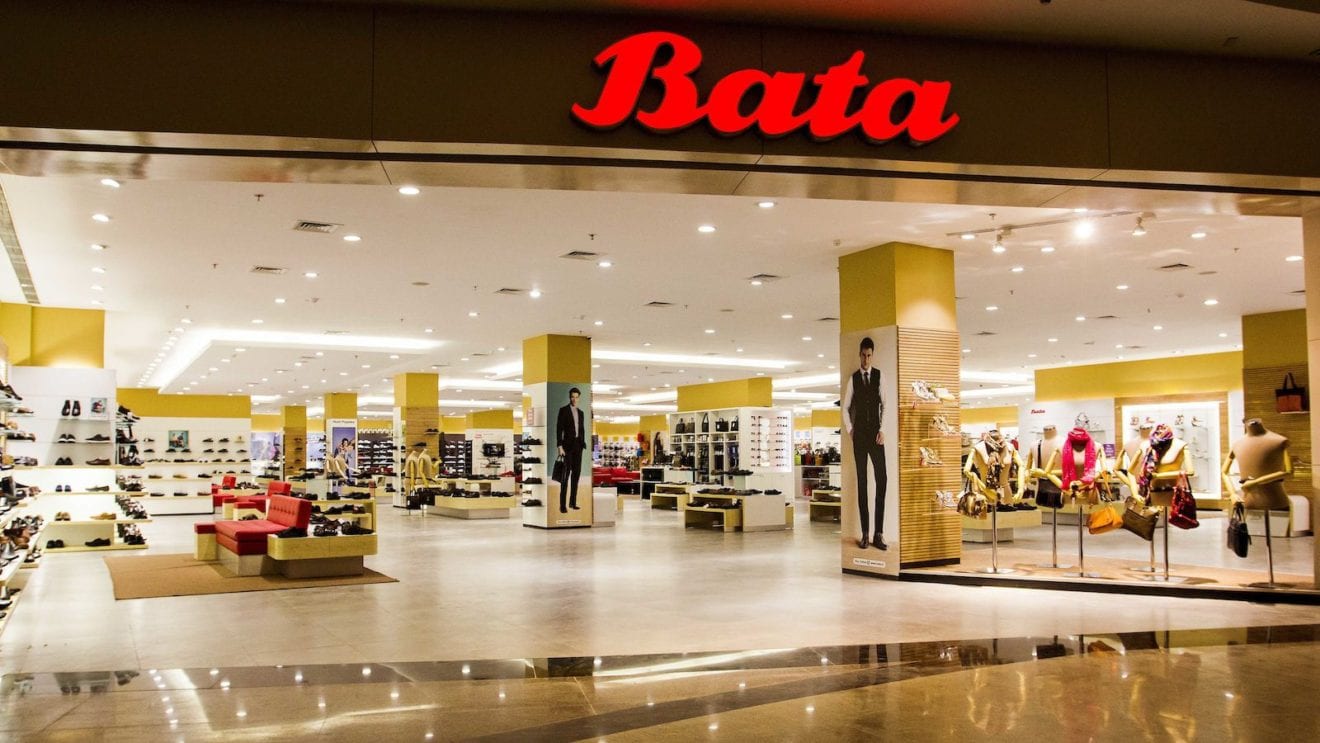
Bata plans hundreds more stores within the next three years
Footwear brand Bata in planning to launch 100 new stores in India against the backdrop of the coronavirus pandemic.
The openings are part of the firm’s plans to have 500 more outlets operating by 2023 in the territory above its current 1500 stores. The move is expected to improve Bata’s market penetration in semi-urban and rural areas.
“We will open around 100 stores this year,” said Bata India chairman Ashwani Windlass, “and 80 percent of these outlets will be opened through a franchise model in tier-II and tier-III cities.”
Stores will be selectively opened in areas that performed comparatively well economically despite the impact of the pandemic. More urban customers may be targeted with mobile shops driving into more remote regions and setting up temporarily in residential complexes.
The firm is also boosting its efforts in e-commerce, making deliveries in more than 1300 cities. Bata management currently estimates that online sales make up 5 or 6 percent of total sales.
-

JD teams with brands to launch an organic alliance
JD’s online supermarket JD Super has formed an organic alliance with brands trading on its platform.
More than 10 companies, including domestic and international ones, have joined the alliance, including Milk Deluxe, Bellamy’s, Abbott, Anchor, and Gerber.
Under the alliance, JD Super and other members will work together with government bodies, channel merchants, and inspection institutes to collectively build an “organic traceability” mechanism, which records information about product life cycles, according to JD.
“JD hopes to establish an organic industry ecosystem through the optimization of industry standards for organic products as well a wide range of support for organic brands to grow their appeal among Chinese consumers,” the company said in a statement.
JD Super will also support the organic alliance’s members with organic labeling and to develop the platform.
-

Japan’s 2nd Street to launch in Taiwan
Japanese pre-owned fashion retailer 2nd Street is launching in Taiwan with its first outlet set to open in Taipei. Located in the Ximen neighborhood, the store offers some 7000 items, including clothing, handbags, shoes, and accessories from Japanese designer brands such as Comme des Garcons and Under Cover as well as luxury brands like Louis Vuitton and Chanel.
The brand plans to open three 2nd Street shops in Taiwan by next March.
The 2nd Street Taiwan store’s layout and service will follow that of the stores in Japan. Prior to the launch, 2nd Street opened a pop-up store in Breeze Nan Shan mall to test the potential of the brand in the country.
“Our aim is to expand the fan base for 2nd Street with a combination of the experience developed in Japan for the re-use business and the retail management skills beloved by the people of Taiwan,” said Sadaharu Deguchi, chairman, and GM at 2nd Street.
“I sincerely hope that 2nd Street Ximen Taipei will become an attractive location for many customers,” Deguchi said.
Launched in 2018, 2nd Street handles the sales of pre-owned products, including clothing, furniture, and appliances.
-

7-Eleven Malaysia keeps profit levels as before Covid-19 outbreak
Convenience-store chain 7-Eleven Malaysia has maintained its profitability despite the impact of the coronavirus pandemic.
Profit for the first half of the current financial year from the brand’s convenience-store and pharmaceutical businesses hit US$5.8 million and $1.4 million respectively. The group’s consolidated profit after tax for the half-year was $3.35 million.
The business remained healthy despite the Covid-19 restrictions that enforced restricted hours and the temporary closure of some stores. Stores are still unable to trade 24 hours.
While the business remained profitable, most product categories recorded lower revenues, with the exception of tobacco, which grew 22.7 percent during the reporting period.
The group expects to explore further opportunities for growth in the second half of its financial year as trading conditions gradually recover.
-

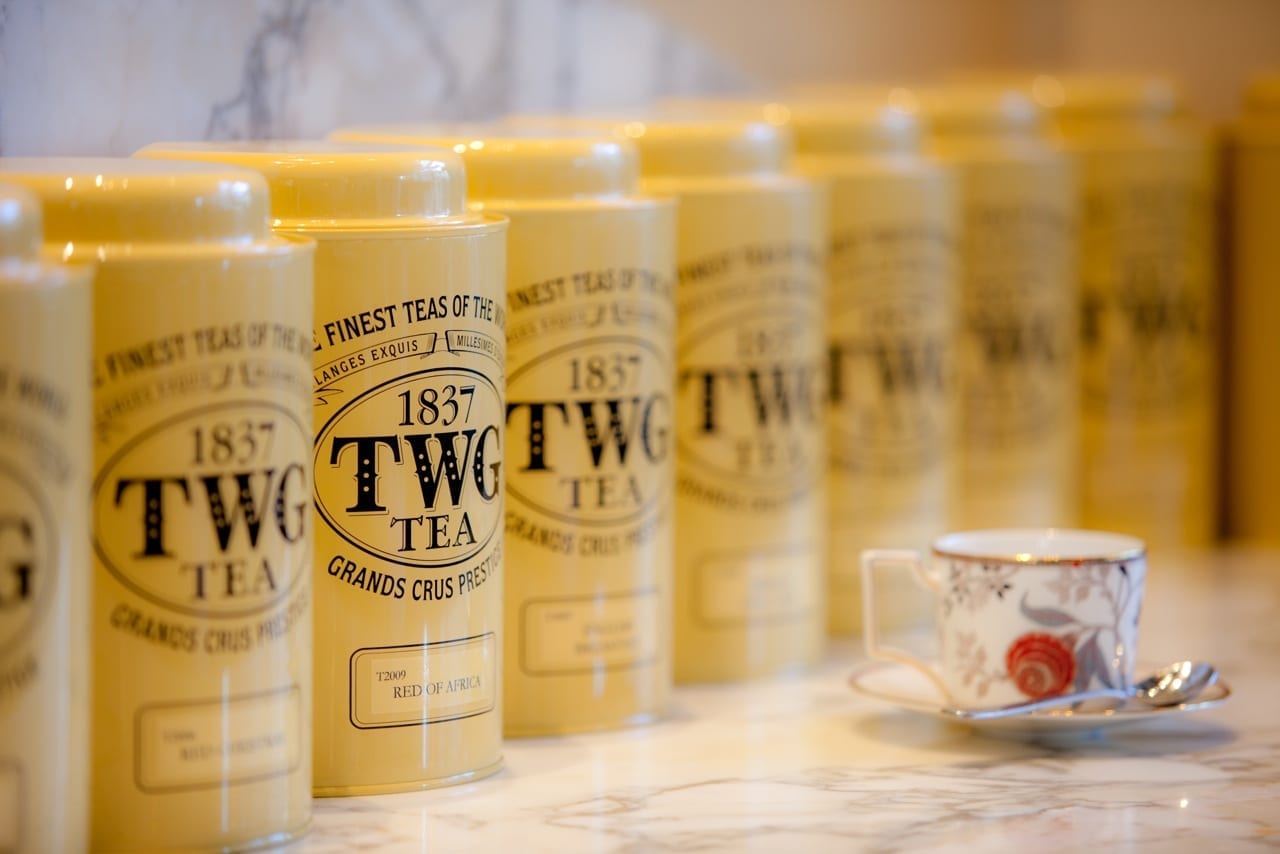
TWG Tea plans opening 20 online stores this year
TWG Tea is expanding its digital footprint with more than 20 new online stores scheduled to open this year.
TWG Tea’s online stores will be rolled out across Asia Pacific, North America, and Europe on third-party marketplaces, including Amazon, Zalora, and Lazada. The company said more products will be exclusively launched online, including its Autumn Haute Couture Tea blends, New World Tea and Destiny Tea.
“We know that even during this pandemic, demand for TWG Tea is high,” said Maranda Barnes, co-founder of TWG Tea. “With this in mind, we went the extra mile to reach out to consumers through some of their preferred third-party online platforms in each of our markets.”
“Rather than solely concentrating on expansion through brick-and-mortar locations, these new digital shopfronts are now quickly becoming an integral part of our global expansion strategy and are allowing us to provide an integrated luxury e-retail experience to customers around the world,” she said.
TWG Tea operates 68 ‘Tea Salons’ and boutiques in 19 countries and has nine online ‘flagship stores’.
-

Cebu Pacific strengthens contact info database
The Philippines’ leading carrier, Cebu Pacific has enhanced its Manage Booking portal to allow passengers to easily update their contact information after booking has been finalized. This is available for both passengers who booked online or through a travel agency.
“Now more than ever, we have seen how important it is for airlines to have the accurate passenger contact information – not only to keep passengers updated on flight changes but also to support contact tracing efforts,” said Candice Iyog, CEB VP for Marketing & Customer Experience.
This enhancement will provide support to local government units who require passenger details prior to the flight.
“We believe with this multi-layer approach to safety and convenience, we will be able to restore trust and confidence in air travel for everyone”, added Iyog.
Beginning today, passengers may already conveniently update their contact information anytime, from post-booking until check-in, through CEB’s Manage Booking portal on the website.
Fill out necessary details on the manage booking page, then select which flight you’d want to modify. Click on “Update Guest Details” and click continue until done.
-

Ebetsu Tsutaya Books: A community space that’s more than just a public building
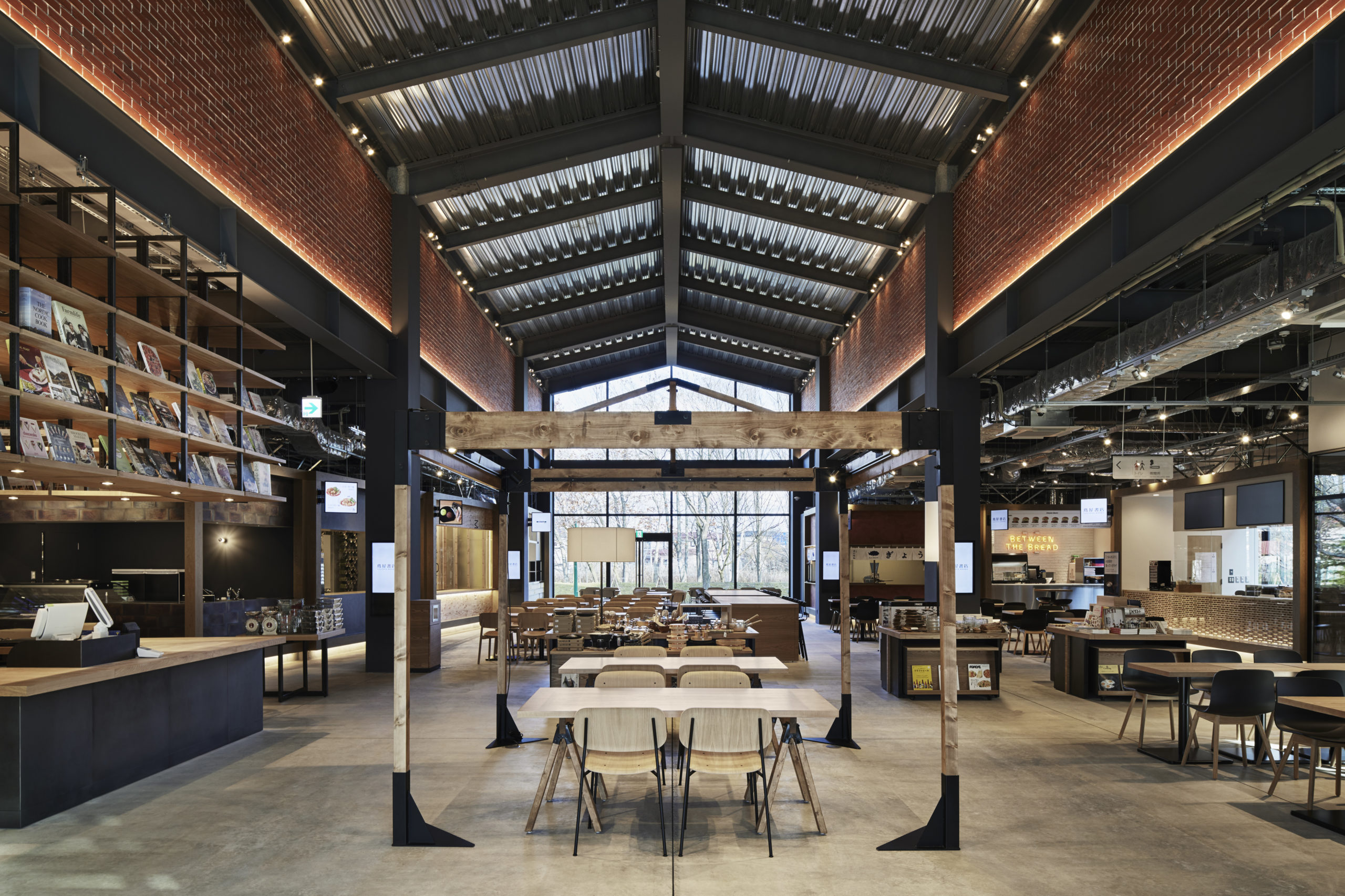
Tsutaya Books commissioned Hikohito Konishi / HIKOKONISHI ARCHITECTURE Inc. to design the company’s twentieth store since its restructuring, located in the city of Ebetsu, Hokkaido. The site is adjacent to Ebetsu’s Four Seasons Promenade, a landscaped walking path, and faces a wooded area with many large trees. With a store concept of “a slow-life library in the woods,” our focus was on creating a comfortable space for customers to enjoy.
In order to reduce the volume of the 140-meter-long structure, we divided it into three blocks and five zones with a staggered layout. The blocks form a cohesive cluster of buildings whose trimmed-back scale is effective in attracting more people. The exterior is finished with bricks from three local companies, creating a strong contrast with the surrounding greenery. We expect the bricks to age beautifully, along with the extruded cement panels on the sides of the buildings.
The three blocks are assigned the respective themes of Mind, Life, and Food, and their interiors are configured to offer framed views of the forest as well as a sense of unity. The locally produced bricks, concrete floors, exposed steel frames, and wood-and-steel furniture all contribute to the tranquil atmosphere inside, as does the lighting design.
The store hosts nearly 50 events every month and over 500 throughout the year, playing a role in the community that goes far beyond that of a typical public building. It is not only a commercial facility selling books, DVDs, and more, but also a place that strives to create and nurture local culture. This resonates with the commitment of the company’s founder to create places where people gather—and with our concept of a “slow life” bookstore in Hokkaido.
-

Juwai IQI, Southeast Asia’s Largest Proptech Group, Expands into Singapore
Singapore’s third-largest real estate company, with more than 4,300 agents, OrangeTee & Tie Pte Ltd (“OTT”), has entered into a strategic partnership with Juwai IQI, Southeast Asia’s largest proptech group and operator of real estate super-brands, Juwai and IQI Global. By joining forces, Juwai IQI and OTT will open up new opportunities for their combined force of more than 15,000 property agents across Asia, Australia, Canada, and the Middle East to better serve buyers, sellers and developers.
Juwai IQI’s operations currently comprise Juwai.com, China’s largest online marketplace for overseas properties; Juwai.asia, the sole global property portal for Asia-based buyers and IQI Global, owner of Southeast Asia’s largest real estate network even prior to the partnership.
OTT is currently marketing more than 70 developer projects in Singapore. The tie-up with Juwai IQI will provide Singapore developers with a single, end-to-end solution for marketing and selling their new homes to buyers locally and around the world. The combined network will also ensure that Singaporean buyers of overseas properties have access to more than 2.8 million property listings in 91 countries, as well as dedicated after-sales service by local agents in the countries of investment.
With the COVID-19 pandemic having accelerated the industry’s rate of technological change, another key benefit of the partnership is the opportunity to combine both companies’ technological infrastructure to better support the combined network of agents and clients.
Steven Tan, Managing Director of OTT, said, “At the heart of our culture is collaboration and innovation and we are delighted that Juwai IQI shares the same values and prioritizes the use of technology to leverage growth and improve client service. Both are technology companies as much as real estate companies. Integrating our platforms and working jointly to build new capabilities will increase delivery speed and allow new features to be rolled out at a faster pace. The fact that Juwai IQI is the leading player in real estate technology is the icing on the cake for us.
“OTT’s position as a strategic partner of Juwai IQI will serve to connect overseas-based property buyers with Singapore’s real estate offerings and vice versa.”
Daniel Ho, Group Managing Director of IQI Global, said, “We are tremendously pleased to welcome the OrangeTee & Tie team to Juwai IQI. Steven Tan is one of the stars of Singapore’s real estate industry.
“This tie-up will allow our agents to help Singapore-based buyers purchase real estate in any of the 91 countries from which we market the property. On the other hand, the expansion also makes it easier for us to help investors from other countries who want to own real estate in Singapore, which is one of the most popular destination markets in the region.
“Now with our combined force of more than 15,000 agents, we can look forward to many joint-collaborations to empower agents to better assist their buyers in landing their dream property, locally and globally.”
Kashif Ansari, IQI Global Group CEO, said, “We are pleased to announce that IQI is now in Singapore. Buyers from China, Malaysia, India, and South East Asia are leading investors in Singapore, and we have a very strong presence and network in each of these locations. Together, we will be able to cater to buyers investing in Singapore as well as take Singapore to the world.”
Juwai IQI Executive Chairman Georg Chmiel said, “With Steven Tan and everyone at OrangeTee & Tie, our IQI agent network has the benefit of one of Singapore’s very best teams.
“One key to success during the pandemic has been the rapid adoption of new technology. We have deployed technologies that improve agent productivity, enable remote property marketing and relationship building and give developers an end-to-end solution in advertising and selling their listings. We are now well-positioned to help both buyers and developers in Singapore to discover new markets, just like we already do across Asia.”

-

DBS Issues First SORA-Based Loan for Agribusiness Industry
This is the industry’s first SORA loan coupled with an interest rate swap, which provides certainty of interest rates.
DBS has issued a $200 million ($146.4 million) loan to agribusiness group Wilmar International – the agribusiness industry’s first corporate loan agreement pegged to the Singapore Overnight Rate Average (SORA), the bank announced on Thursday.
The loan facility’s interest rate, which references SORA, comprises a compounded daily SORA rate calculated in arrears and an applicable margin.
Charles Loo, Wilmar chief financial officer, said the loan will put the company in good stead to ride the wave of interest rate reforms and drive better understanding and greater adoption of risk-free rates in general, which is more stable and robust.
SORA is a transaction-based interest rate benchmark underpinned by the SGD overnight interbank funding market. To determine the interest rate of a SORA-based loan facility, the daily SORA rates are compounded in arrears and the interest rate is determined by the end of the relevant interest period.
Singapore plans to shift away from the SGD Singapore Interbank Offered Rates (SIBOR) in three to four years and adopt SORA as the new interest rate benchmark for the Singapore Dollar cash and derivatives market, saying this will bring more transparent loan market pricing for borrowers and more efficient risk management for lenders.
The SORA IRS demonstrates DBS’ commitment to increase liquidity in SORA-derivatives, Andrew Ng, DBS group head, Treasury & Markets, said. This will allow clients like Wilmar to continue to hedge their loan exposures and facilitate a smoother transition into the new benchmark.
-

R&B Tea expanding in the Philippines
Singapore-based Koufu Group is taking R&B Tea to the Philippines with Shakey’s Pizza.
Under the franchise agreement, Shakey’s will sell selected R&B Tea drinks in Shakey’s and Peri Peri stores in the first year of business, and subsequently open at least five stand-alone R&B Tea outlets in the Philippines.
“This marks our second milestone this year, following the acquisition of Deli Asia Group, despite the challenging market conditions from the impact of the Covid-19 pandemic,” said Pang Lim, executive chairman, and CEO at Koufu.
“We have carefully considered the market trends and found the conditions in the Philippines to be favorable, with a growing receptiveness towards the bubble-tea culture in recent years.”
R&B Tea is one of Asia’s most popular bubble-milk tea brands, operating more than 1000 outlets across China, the US, Singapore, Cambodia, Vietnam, Malaysia and Indonesia.
“This co-branding initiative is likewise in line with our renewed focus on out-of-store consumption, enhancing sales through these channels with minimal additional investment and maximizing the use of our existing assets,” said Vicente Gregorio, president and CEO of Shakey’s.
Gregorio is confident the bubble-tea sector can create a third pillar of growth for Shakey’s.
Shakey’s is the Philippines’ largest casual dining restaurant brand