Author: Mei Ling Tan

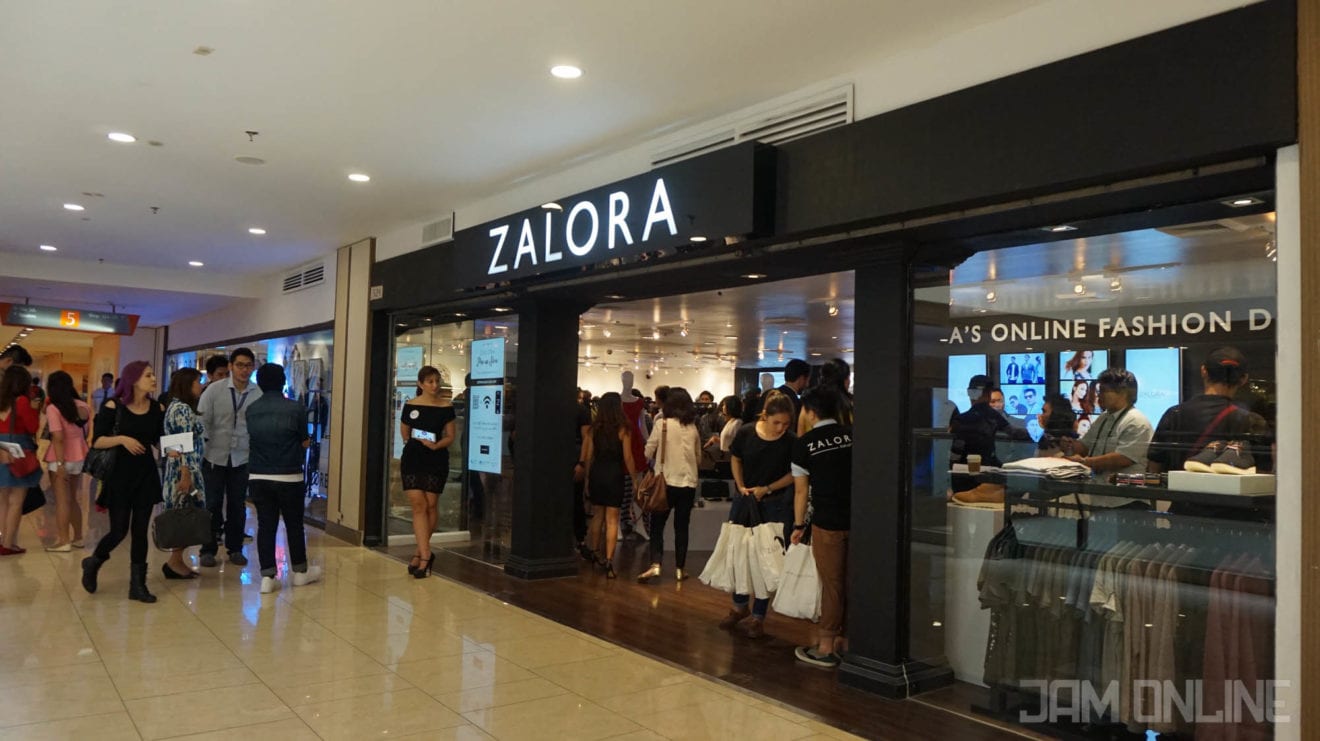
  • Zalora selects regional chief people officer

    Zalora selects regional chief people officer

    Online fashion platform Zalora has appointed Louise Pender as chief people officer, essentially a head of HR role.

    With the new role, Pender will oversee “the people and culture teams” across all markets, the online retailer said in a statement. She will also be responsible for human resources functions, including talent acquisition, talent development, workforce planning and strategic business partnering.

    “Louise is a leader with a record of building and empowering high performing teams,” said Gunjan Soni, CEO of Zalora. “Her career has centered around her passion for helping organizations and individuals reach their full potential. Since joining Zalora in March 2016, Louise has championed a number of People initiatives, including diversity and inclusion.”

    She will concurrently head the Legal and Sustainability team, in her existing role as Zalora’s General Counsel, according to the company.

    Prior to Zalora, Louise worked in senior roles at United Group Services and Siemens in Australia, Gate Group Holdings in Switzerland, and Gate Gourmet Inc in the USA. She has more than 20 years of experience in legal and business advice after graduating with a law degree in her native New Zealand.

  • Destination Group launching Boom Boom Burger

    Destination Group launching Boom Boom Burger

    Destination Group is to introduce a new burger joint Boom Boom Burger, as part of a broader expansion plan in Thailand. Located at Sukhumvit Bangkok, the first Boom Boom Burger store is scheduled to open on Tuesday (September 1).

    Besides the burger, Destination Group also has plans to launch a pizza chain soon. Earlier this year, Destination brought the US burger brand Big Boy into Thailand, the brand’s first destination in Southeast Asia. Launching with a delivery service only, it will roll out food trucks and kiosks in Bangkok from October.

    The group aims to open Thailand’s first full-scale Big Boy outlet early next year and then expand to 20 to 25 branches during the next three years, Gary Murray, founder, and CEO of Destination told the Bangkok Post newspaper.

    The expansion plan in Asia will cost Destination about US$25 million, according to the company.

    Destination said it is also finalizing a licensing agreement with a Mexican casual-dining brand.

  • Kerry Logistics Network scores repeat wins at the Frost & Sullivan Asia Pacific Best Practices

    Kerry Logistics Network scores repeat wins at the Frost & Sullivan Asia Pacific Best Practices

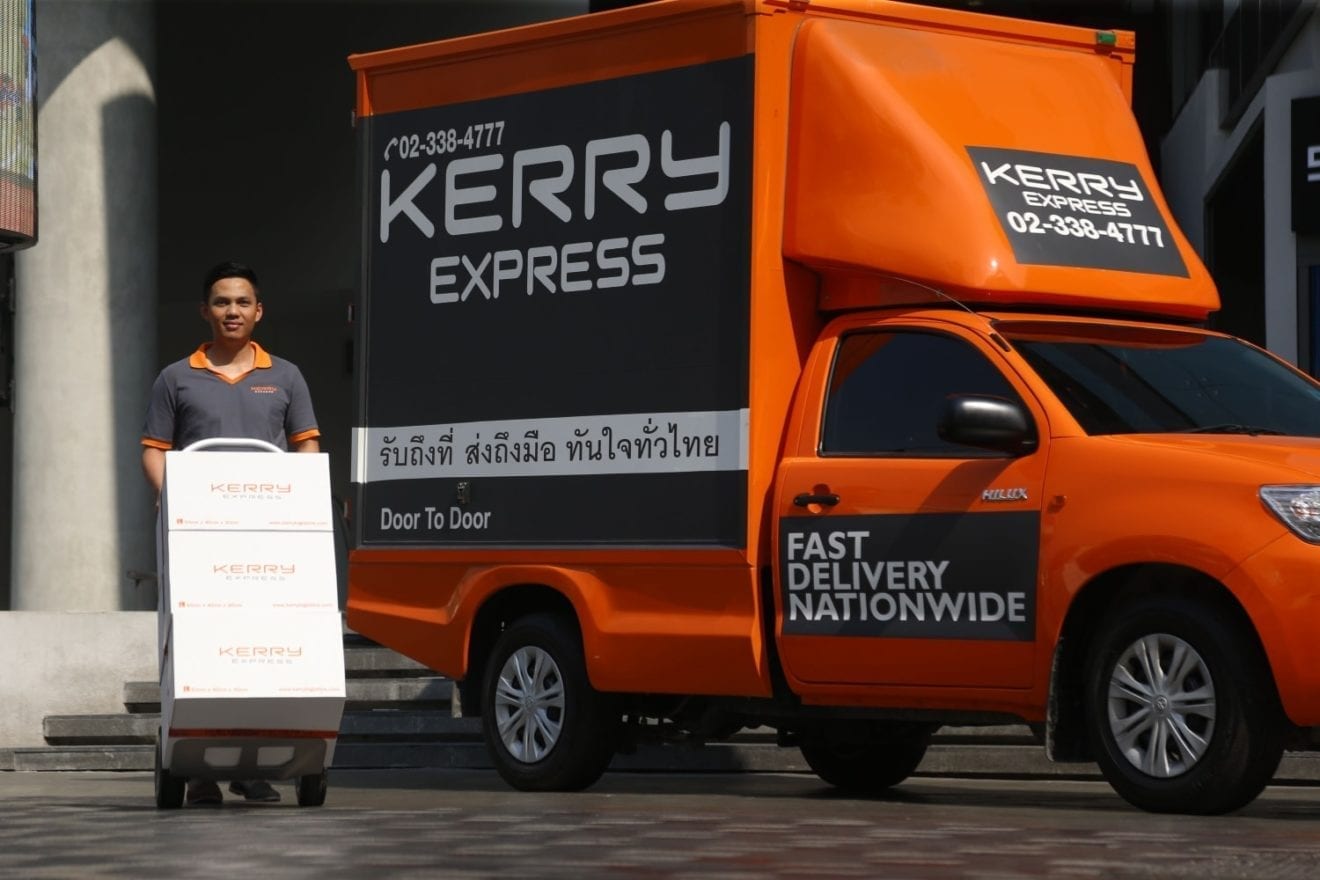
    Kerry Logistics Network Limited has been conferred the titles of the Frost & Sullivan Asia Pacific Best Practices Awards (the ‘Awards’) for the fourth consecutive year, winning the “2020 Asia-Pacific Logistics Services Provider of the Year Award” and the “2020 Asia-Pacific Road Transportation Services Provider of the Year Award”. The Awards were presented last night in a virtual ceremony.

    Organized annually by global business consulting firm Frost & Sullivan, the Awards recognize outstanding achievements in the Asia Pacific covering various sectors. The recipients are selected through a rigorous measurement-based methodology that encompasses industry trends analysis and research interviews, according to parameters including revenue growth, market share in specific category and growth in market share, demonstrated leadership in new product introduction and innovation, breadth of products and solutions, major customer acquisitions, subscribers and growth in subscriber base and business/market strategy.

    William Ma, Group Managing Director of Kerry Logistics, said, “We are thankful to the organizer for recognizing our dedication and achievements over the years. The accolades are a testament to our commitment to industry best practices and our strengths as one of the very few Asia-based global logistics companies. While the global economic outlook is overcast by uncertainties, we are confident that we will leverage our extensive geographical coverage, solid presence in various markets, and diversified business segments to continue serving our customers well.”

  • Singtel and Great Eastern partner to offer general insurance products with telco-centric benefits

    Singtel and Great Eastern partner to offer general insurance products with telco-centric benefits

    Singtel and Great Eastern today announced their partnership to launch a range of general insurance products spanning home, motor and travel, jointly developed by both companies. These innovative insurance offerings, underwritten by Great Eastern, seek to address customer needs arising from their increasingly digital lifestyles, featuring telco-centric benefits that are industry firsts. This collaboration expands Singtel’s foray into insurance, tapping its wide customer base to reach more than 60% of all households in Singapore, and valuable customer insights that help tailor insurance products to customers’ lifestyle needs.

    To start, Singtel and Great Eastern will be introducing Singtel Home Protect, a home insurance first that provides coverage for both telco bills and home contents. The plan reimburses Singtel broadband expenses besides covering renovation, furniture, appliances, valuables and personal effects, which most home owners do not insure today. Insurance that bundles both home contents and broadband is synergistic, as home owners typically sign up for or re-contract their broadband services when they shift or renovate their homes.

    Mr Yuen Kuan Moon, CEO of Consumer Singapore at Singtel said, “With the shift to work from home since the onset of COVID-19, many people have made home improvements to create a more conducive environment. This makes protecting their homes with Singtel Home Protect more important than ever. On top of better coverage for home belongings, we want to give our customers additional peace of mind by providing extra protection for their telco bills. We’ve worked closely with Great Eastern to enhance traditional insurance with the kind of telco benefits that speak to our reliance on technology and this will also be extended to motor and travel insurance.”

    In the coming weeks, Singtel and Great Eastern will also be offering car owners motor insurance. For travellers keen to tour the world once more travel restrictions lift, Singtel will be introducing travel insurance with mobile-related benefits. This is another first in Singapore as it includes unique benefits such as reimbursement of Singtel mobile bill during hospitalization due to an accident, and of additional Singtel mobile data expenses incurred due to delays in travel, as well as repair or replacement of mobile phone in case of loss.

    Mr Ryan Cheong, Managing Director of Digital for Business, Great Eastern, said, “The partnership with a trusted telco like Singtel is yet another milestone in our digital affinity strategy and expansion into new customer segments as a leading regional insurer. To provide value-added protection to augment Singtel’s existing customer offer, we leveraged data insights to develop affordable, relevant general insurance solutions with unique benefits to help protect their everyday needs. Through continuous engagement and a seamless consumer purchase journey, we are making customized protection solutions easily accessible to Singtel customers to LifeProof their assets through home, and later motor and travel insurance.”

    Singtel Home Protect is offered to Singtel broadband customers at launch and will be made available to all Singtel customers later. For as low as S$6.50 a month, they can sign up for the plan on the Singtel website or through My Singtel app. The plan covers reimbursement of Singtel bills of S$280 per month for up to three months, and up to S$80,000 for home contents and renovation in the event of a disruption to services due to a fire or other types of damage to the home. Available for S$84 for 12 months of coverage, or S$156 for 24 months of coverage, customers can enjoy 10% off Home Protect from now until 18 September 2020. For more details, visit singtel.com/homeprotect.

    The launch of these general insurance products adds to Singtel’s expanding range of insurance offerings for its customers. Singtel first made its foray into the local insurance market last July, when it launched free personal insurance cover for its prepaid customers as part of mobile data plans. Earlier in the year, Singtel extended free 30-day COVID-19 insurance coverage to prepaid and Dash customers. Singtel also introduced an insurance savings plan for Dash customers who wish to start saving regularly for the future.

  • Fintech Lightnet Partners Swiss Crypto Bank

    Fintech Lightnet Partners Swiss Crypto Bank

    The Singapore joint venture will serve both retail and institutional investors from the globe with a more transparent and secure settlement solution.

    Bangkok-based fintech Lightnet’s partnership with SEBA will strengthen its remittance settlement capabilities and provide a seamless, secure and accessible bridge between digital and traditional assets, as it sets its sights on the region’s remittance market.

    Under the memorandum of understanding signed by both parties, SEBA will serve as the banking counterparty for the Lightnet Group, enabling settlements, correspondences and remittances in both fiat and digital currencies, an announcement on Tuesday said. Zug-based SEBA will also act as an alternative settlement banking network, account and custodian as well as the settlement bank for money transfer operators (MTOs) in digital currencies.

    Asia is a promising market not only because of its size but especially because of the affinity of the people towards digital services and digital assets, Matthew Alexander, head of asset tokenization of Seba Bank, said about the partnership.

    Lightnet said it will use a blockchain financial protocol developed by Velo Labs, a decentralized credit and settlement network in Asia, to transform remittance services for the millions of unbanked migrant workers across Southeast Asia, which is currently characterized by high transaction fees, fragmentation and unreliable payment routes.

    The company said it also plans to introduce multi-currency virtual accounts to address the inefficiencies of global trade finance.

    Lightnet was co-founded in 2018 by Chatchaval Jiaravanon – a family member of the Charoen Pokphand group in Thailand – and tech entrepreneur and former investment banker Tridbodi Arunanondchai. Earlier this year, the startup raised $31.2 million in a Series A funding round led by UOB Venture Management, the private equity unit of UOB Bank.

  • Thai retailers downsizing, refocusing e-commerce

    Thai retailers downsizing, refocusing e-commerce

    Thai F&B and experiential retailers are likely to open fewer stores or downsize in scale for the remainder of the year following an unprecedented hit to the industry brought on by the coronavirus pandemic.

    The sobering view of Thai retail’s prospects for the remaining months of this year came out of a new CBRE research report conducted in May, finding a high degree of uncertainty for the foreseeable future.

    “What we have been seeing in the past three months are brand-new challenges that took everyone by surprise,” said CBRE Thailand head of advisory & transaction services – retail Jariya Thumtrongkitkul.

    “For around two years, we have been saying that those who cannot adapt quickly enough to the shifting retail landscape will not survive, but this is on another level. Retailers have to change their business operations not only to match the drastic drop in footfall but to accommodate a new way of shopping.”

    According to the Bank of Thailand, figures from the May retail sales index show a year on year drop of 34 percent, much of which is attributable to a decline in the sale of vehicles and fuel. While final figures are as yet unavailable, a general drop is expected in the sales number for both food and non-food retailers in the territory for the period in question.

    Adaptive strategies from both landlords and retailers have attempted to restore a healthy business outlook, including flexible rental terms and various sales and marketing strategies such as longer grand sales events and frequent mall activities.

    The CBRE report suggests that eventually, resizing existing rental space will emerge as an increasingly important approach for tenants to become more cost-effective. It expects that e-commerce penetration will no longer be optional but a must for Thai businesses to survive.

  • Men’s swimwear label Debayn kicks off in Hong Kong

    Men’s swimwear label Debayn kicks off in Hong Kong

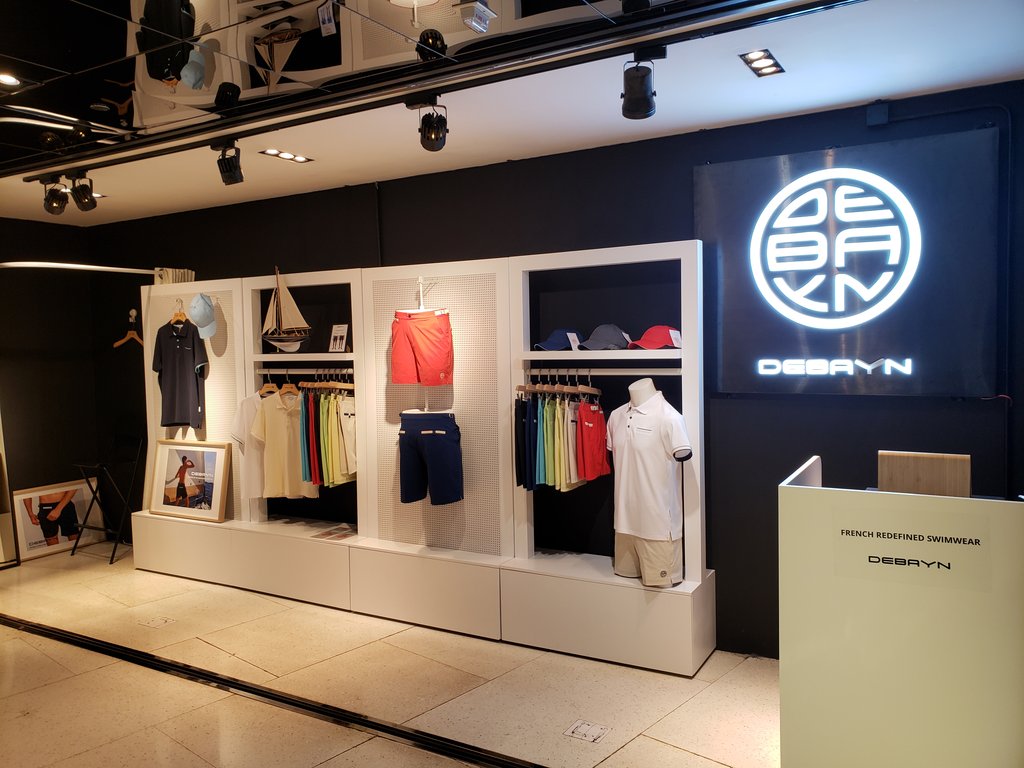
    French swimwear brand Debayn has launched in Hong Kong with a five-month pop-up store.

    Located on the walkway between Pacific Place and Admiralty Centre into the Lab Concept, the pop-up store offers Debayn’s full collection and new products, including tailored polo shirts featuring the label’s distinctive color strips, and caps named after a village in French Riviera.

    “True sea lovers at heart, and thirsty to find daily functional swimwear edits that are for both sea and land… our pop-up is the right place to visit,” said the company’s CEO Eric Delplanque. “We’ve limited our color palette to ensure the mix and match of our products and essentially, to provide a long-term degree of comfort.”

    The Debayn Hong Kong pop up will remain open until November 25.

    At the same time as it builds a consumer profile through a single-brand retail space in Hong Kong, the company is also working with independent retailers, 5-star hotels, and clubs in both Hong Kong and Macau.

    “Our main target this year is retail as it brings more exposure than hotels and clubs,” Delplanque told Inside Retail Asia. “Moreover, having our own store or popup is part of our strategy.”

    Debayn’s founder also created Albatros CX, a global customer-experience agency for premium and luxury brands, specializing in capturing and analyzing experience feedback. That pedigree has helped attract investors into the brand which will provide a significant budget to fund brand awareness.

    Delplanque says the company plans to open its first European brick-and-mortar store in St Tropez village in France next year. It is also expanding its product range to include items such as shirts, t-shirts, kids swimwear and rash guards.

    Founded in France in 2017, Debayn focuses on ‘Slow Fashion’, a sustainable approach entailing better-quality materials that will last longer.

  • Stablecoins Boost Capital Flight From China

    Stablecoins Boost Capital Flight From China

    Amid an escalating trade war with the U.S., Chinese citizens moved $50 billion worth of cryptocurrency out of the country over the past 12 months, with stablecoin Tether mainly used to facilitate the outflows.

    Over the last twelve months, with China’s economy suffering due to trade wars and devaluation of the yuan at different points, we’ve seen over $50 billion worth of cryptocurrency move from China-based addresses to overseas addresses, blockchain analysis company Chainalysis said in a report.

    In comparison, Western Europe, the next largest cryptocurrency market, saw $38 billion of outflows. We believe that at least some of this activity represents capital flight from China, the report, published Thursday, said.

    The Chinese government allows its citizens to move up to $50,000 out of the country each year. Foreign investments in real estate and other assets have allowed wealthy individuals to skirt these rules, but cryptocurrency assets may be picking up the slack amid a crackdown by authorities on these practices.

    The use of stablecoins, which are digital currencies backed by other assets like cryptocurrency, exchange-traded commodities or fiat money to reduce volatility, is particularly high in East Asia, making up 33 percent of all value transacted on-chain, due to China’s ban of direct exchanges of yuan for cryptocurrency, the report noted.

    Stablecoins are particularly useful for capital flight, as their fiat currency-pegged value means users selling off large amounts in exchange for their fiat currency of choice can rest assured that it’s unlikely to lose its value as they seek a buyer,» the report said, noting that Tether, which is pegged to the U.S. dollar, is disproportionately popular in East Asia – accounting for 93 percent of transactions – compared to other regions.

    In total, over $18 billion worth of Tether moved from East Asia addresses to those based in other regions over the last 12 month, Chainalysis said.

  • BreadTalk launches cafe chain concept, Butter Bean

    BreadTalk launches cafe chain concept, Butter Bean

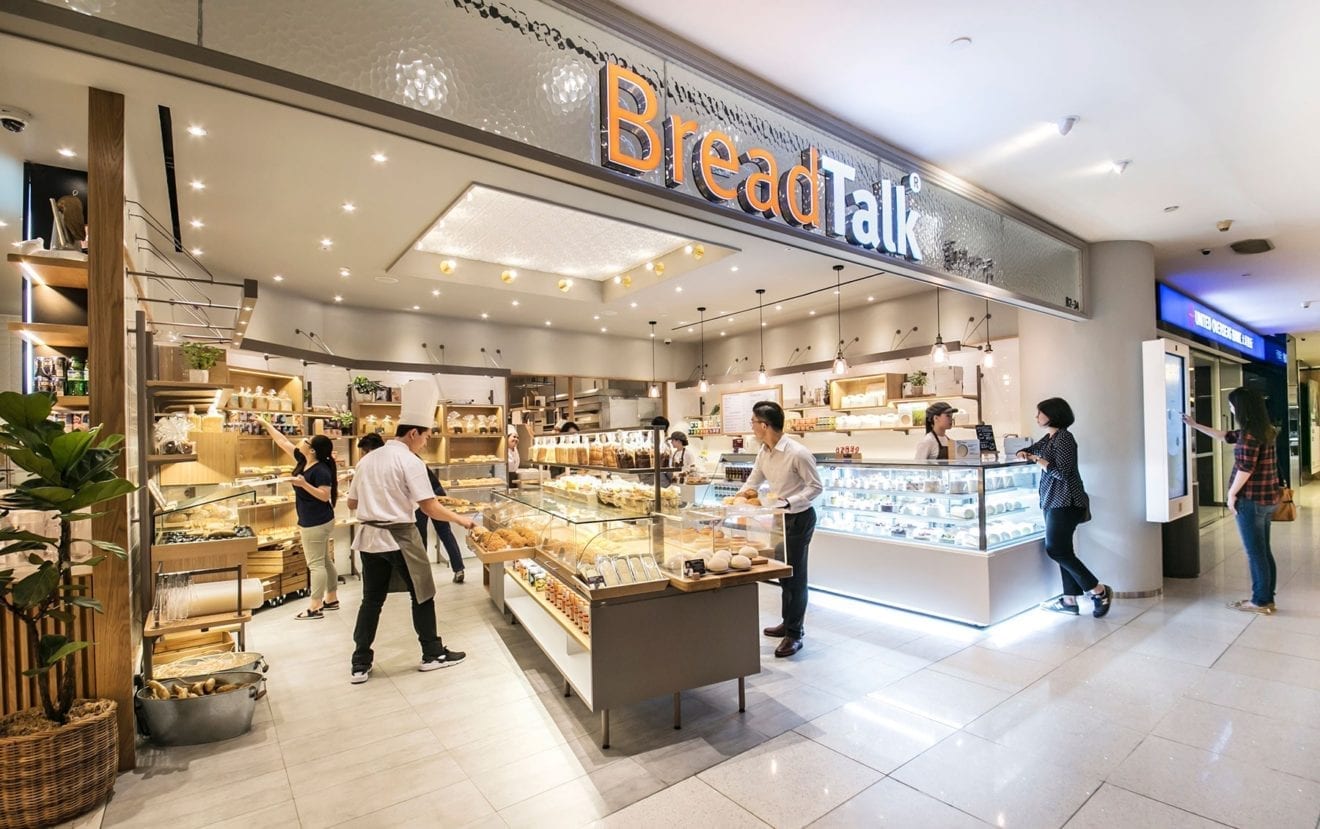
    BreadTalk is launching a cafe chain concept called Butter Bean in Singapore, with the first outlet opening at Funan Mall.

    Centred around the traditional Singaporean Nanyang coffee concept, Butter Bean offers a menu of coffee-based beverages and reimagined Singaporean dishes made without pork or lard, including toasts, baked goods, mains, and sandwiches.

    “We aim to present traditional Nanyang Coffee in an engaging manner that appeals to the younger generation’s evolving lifestyle,” said Vincent Lim, regional GM at BreadTalk Group. “Our outlets are also designed as a social space centered on good vibes, conversations and connection.”

    The Butter Bean at Funan Mall houses 45 seats and features yellow and marble interiors together with a ‘Cherry to Cup’ wall mural designed by 8EyedSpud. The store also offers contactless service where customers can order and pay by scanning a QR code.

    The first new Butter Bean opens this Friday (August 28), followed by a second store at Vivo City next month.

    According to Singapore blog Hook Coffee, Nanyang coffee, usually served at Kopitiams, is traditionally viewed as a cheaper variety of coffee beans because when the coffee scene took off, not everyone had money to buy ‘the good stuff’. People would add palm oil, butter, margarine and/or sugar into the coffee to enhance the flavor.

  • Rolls-Royce Announces New Brand Identity

    Rolls-Royce Announces New Brand Identity

    Rolls-Royce has announced its new brand identity and this new identity continues Rolls-Royce’s journey from automotive manufacturer to a house of luxury. In recent years, Rolls-Royce has experienced change at a quicker rate, and with the portfolio of cars now expanded to five models, the company is looking at a diverse and discerning crowd. It is no surprise, therefore, that the age and demographic of the marque’s clients have decreased significantly to an average of just 43.

    Torsten Müller-Ötvös, Chief Executive, Rolls-Royce, said, “As the marque’s digital presence increases, there has never been a more important time for the visual language of the company to reflect our standing as the leading luxury brand in the world. We have embarked on a fascinating journey of modernizing our brand identity to echo those changes seen in our portfolio, our client demographic, their lifestyle, and the luxury world that surrounds them.”

    Rolls-Royce appointed Marina Willer, partner at Pentagram to create a new brand identity that could move beyond the mechanics of being the ‘Best Car in the World’, and also define the very pillars of luxury the company is known for. Pentagram embarked upon a deep exploration of Rolls-Royce, including its products – both new and old, its design ethos, its designers, clients, and a lot more.

    Willer was able to approach the re-design from a completely fresh perspective and the new look celebrates the luxuriousness of the brand while providing it with the means to visually communicate with Rolls-Royce’s younger, increasingly diversified audiences.

    The Spirit of Ecstasy, which has graced the prow of Rolls-Royce Motor Cars since 1911, will now gain increased prominence in the marque’s brand identity. The original figurine was drawn and sculpted by British artist Charles Sykes. In homage to this historical commission, Chris Mitchell, a leading illustrator of brand and identity icons, was called upon by Pentagram to envisage the distilled form of the iconic statuette. Working closely with Pentagram’s direction, Chris, paid close attention to her proportions which embrace strength and power that cannot be deemed fragile or meek. When depicted in two-dimensional form, her direction has changed from left to right, boldly facing the future, reflective of the marque itself.

    When choosing a color palette for the new identity, Pentagram’s design team initially turned its attention to the company’s products. It was drawn to purple hues, specifically those with a deep and majestic tone. Historically rare in nature and with roots in mythology, art, piety and royalty, purple has always signified wealth and power. A metallic Rose Gold is chosen to complement this color.

    The badge, representing Rolls and Royce, the marque’s founding fathers, is known worldwide as a symbol of engineering excellence and the very best of human endeavor. It is no surprise, therefore, that this famed signifier remains unchanged. The Badge of Honour will reside on the marque’s products alone – reserved solely for the precious creations born at the Home of Rolls-Royce in Goodwood, West Sussex.

  • Apple Korea makes US$84 million offer to ease anti-competitive concerns

    Apple Korea makes US$84 million offer to ease anti-competitive concerns

    Apple’s South Korean unit has offered 100 billion won (US$84 million) worth of programs for consumers and mobile phone carriers, in an effort to address concerns about the company’s alleged violation of competition law.

    Apple Korea has been under probe by the Korea Fair Trade Commission (KFTC) over allegations that it had required the country’s three mobile operators — SK Telecom Co, KT Corp and LG Uplus Corp — to pay the cost of television advertisements and warranty service for its iPhones.

    The KFTC has said Apple Korea holds a clear advantage over local mobile carriers and that handing over the cost of advertisements is only another means to squeeze their profits.

    Under the programs, Apple Korea promised to spend $33.7 million to build a research-and-development center for local small and medium-sized firms in the smartphone-manufacturing sector.

    Another $21 million will be spent to give consumers 10-per-cent discounts on repairs and a smartphone insurance service, the KFTC said.

    Apple Korea will spend another $21 million to set up an education center to train professionals in the sector of information, communication, and technology, the KFTC said, and give mobile carriers more say in sharing their advertising costs and approving their ads.

    Song Sang-min, director-general handling the issue at the KFTC, said such measures are expected to help reduce the advertising burden on mobile carriers.

    Apple Korea had unilaterally ordered mobile carriers to set ad costs, but the measure will help Apple Korea and mobile carriers discuss how to share such costs, Song said.

    The KFTC said relevant parties will discuss whether to accept Apple Korea’s proposal by October 3.

    If relevant parties decide to accept the measures by Apple Korea, the KFTC will finally endorse them.

    South Korean law allows a company accused of anti-competitive practices to state a correction scheme without deliberating whether those practices violate the country’s competition law.

    In a statement, Apple pledged to step up cooperation with its business partners and consumers in South Korea.

    “We are looking forward to deepening our relationships in Korea by enhancing support for education, small businesses and facilitating future generations with new skill sets,” the statement said.

  • Shiseido selects transgender Hunter Schafer as global ambassador

    Shiseido selects transgender Hunter Schafer as global ambassador

    Japanese beauty label Shiseido has appointed Hunter Schafer as its global brand ambassador, a move aimed at broadening its appeal to new, younger generations of customers.

    The 21-year-old transgender actress made her acting debut last year in HBO American drama Euphoria. Besides acting career, Hunter has also modeled for fashion houses, including Dior, Miu Miu, Calvin Klein, and Versus Versace.

    In a statement, Shiseido described Schafer as “a multifaceted Generation Z” who “inspires, ignites change and transcends boundaries by celebrating individuality on and off the screen”.

    “Hunter Schafer really represents the current zeitgeist of beauty in that there are no rules, no boundaries, and no restrictions,” said James Boehmer, global artistic director for Shiseido Makeup.

    “Similar to Shiseido, she is both modern and timeless, continues to write her own narrative, which is what we encourage people to do with makeup.”

    With Schafer as a global brand ambassador, the brand aims to empower customers by helping them push their own unique beauty further, according to Yoshiaki Okabe, chief brand officer at Shiseido.

    “Nobody embodies this concept better than American actress and artist Hunter Schafer,” the company said in a statement.

  • Malaysian Starbucks operator posts loss due to Covid virus outbreak

    Malaysian Starbucks operator posts loss due to Covid virus outbreak

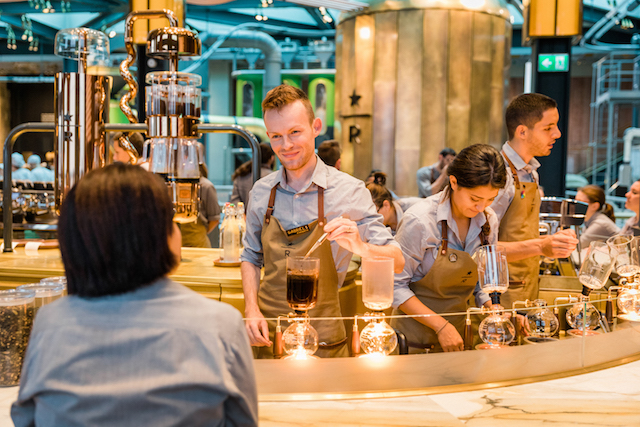
    Malaysian F&B franchise operator Berjaya Food Berhad, which operates Starbucks, Kenny Rogers Roasters, and Jollibean in the territory, has reported a loss of US$1.82 million for the last financial year.

    The firm’s Malaysian stock-exchange filing attributes its losses to the impact of the coronavirus pandemic, which saw movement control orders in effect within the country between March and June.

    “Even though the group’s sales were recovering at a fast pace when Malaysia entered into the Recovery Movement Control Order (RMCO) phase which started on 10 June 2020, the group still recorded a much lower sales in the current quarter under review,” the company reported in the filing.

    The period hardest hit corresponds with a contraction of 17.1 percent of Malaysia’s total GDP, the worst since 1998.

  • Tmall seeks to boost engagement with Chinese Gen Z luxury consumers

    Tmall seeks to boost engagement with Chinese Gen Z luxury consumers

    High-end Chinese e-commerce platform Tmall Luxury has implemented new features to boost its brands’ appeal for Gen Z consumers in the region.

    The three new features include a daily live streaming service on luxury topics, a content-rich magazine channel featuring fashion news, and an upgraded membership program offering personalized services. The features are a response to the strong spending power for luxury items exhibited by consumers within the Gen Z age group, spending on average US$3600 annually on high-end goods.

    Data collected by Tmall Luxury shows that four-fifths of its user base are below the age of 35, with the number of luxury consumers aged 18–25 age group more than doubling between July 2018 and June last year. The emerging consumer dynamic has attracted top brands in the category such as Valentino and Balenciaga to collaborate with the platform.

    “By providing Tmall’s unparalleled analytics and insights on luxury consumption in China, we empower luxury brands with a deeper and more accurate understanding of local consumer preferences,” said Alibaba VP and GM of Tmall luxury, fashion, and FMCG Mike Hu. “These insights allow luxury brands to precisely tailor their communications to Chinese young audiences while staying true to their brand identities.”

    Almost 200 brands have opened flagship stores on the Tmall Luxury platform.

  • Southeast Asia’s largest used car platform unveils experience centre

    Southeast Asia’s largest used car platform unveils experience centre

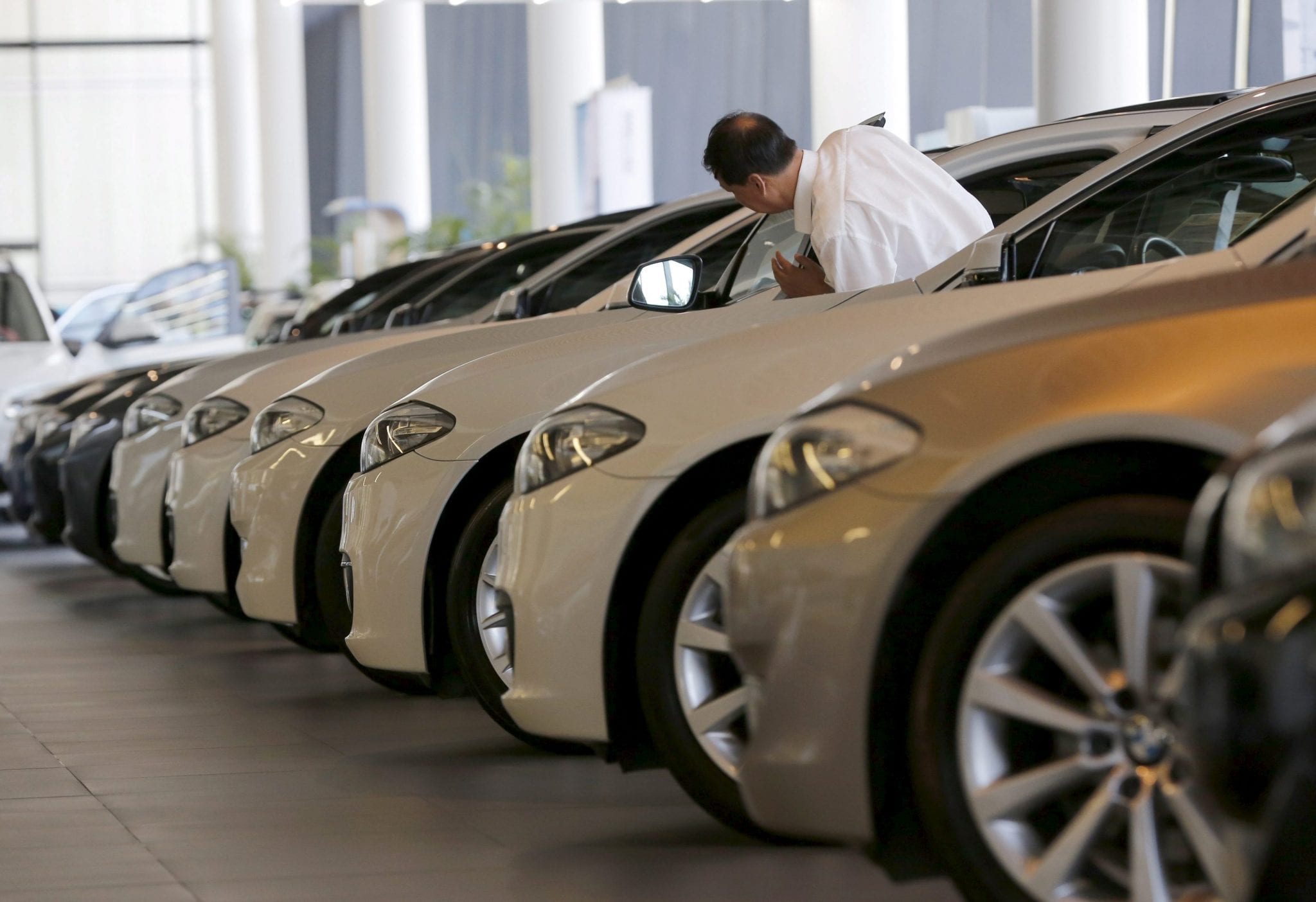
    Southeast Asian online used car trading platform Carsome has launched its new Carsome Experience Centre in Kuala Lumpur.

    The move signals the opening of the firm’s B2C segment, introducing a highly digitized and transparent car-purchasing process, aimed at addressing consumer distrust when buying second-hand cars. The firm works to enhance trust and assurance throughout the industry’s supply chain in the areas of sourcing, financing, retailing, and after-sales services.

    “We want to create an end-to-end trusted experience for consumers when it comes to buying used cars,” said Carsome co-founder and CEO Eric Cheng.

    “Our Car Purchase Preference Survey showed that 70 percent of car buyers want detailed information on car condition; 60 percent appreciate an extended warranty; and 40 percent value test drive experience and money-back guarantee.”

    The firm offers a one-year warranty and five-day money-back guarantee on selected vehicles. The service also features a home-delivery option. Test drives take place in a controlled setting from the Experience Centre.

    “Carsome’s B2B business has solved a persistent issue for used-car dealers when it comes to sourcing inventory,” said Cheng. “With the launch of our B2C segment, we are now creating a new customer-acquisition channel for our partner dealers to remarket and sell more cars through our extensive marketing reach. This is an exclusive, value-added service to our partner dealers, who can now list their cars on Carsome website for free.”