Author: Mei Ling Tan

  • Christian Louboutin opens doors in Macau

    Christian Louboutin opens doors in Macau

    Christian Louboutin has opened its first boutique in Macau, at the Shoppes at Four Seasons.

    Located on the second floor of the shopping center, the Christian Louboutin Macau boutique’s design was inspired by the founder’s neoclassical apartment in Paris.

    The boutique “looks like a living room where women do not feel like they are in a store but in the home of a friend who loves them and knows them well,” says Louboutin.

    The store’s facade features red ceramic tiles and a Christian Louboutin neon sign, reflecting Parisian architecture style, and carpet in the brand’s signature red.

    When entering the store, customers are welcomed by flower-painted walls designed by French artist Alexandre Poulaillon. A marble table stands in the center of the room, displaying the sneaker range.

    The second room houses two sofas specially designed by French artisan Jean-Roger, using eye-catching fabric and ceramic scones. Gold-textured brass around the arched mirrors contributes to the feel of a cozy boutique.

    The store’s “study” displays the men’s collection with a “made-to-measure ethical canvas” by French Manufacture Le Manach

    The Christian LouboutinMacau store offers a wide range of men’s and women’s footwear and accessories collections, including its latest Fall Winter 2020 Collection.

  • All eyes on AirAsia X’s 1Q2020 results

    All eyes on AirAsia X’s 1Q2020 results

    Airasia’sfinancial performance in the first quarter of the year was below expectations, owing to the double whammy of the Covid-19 pandemic and low oil prices, which led to fuel hedge losses.

    As analysts predict more pain ahead for Asia’s largest budget airline, many anticipate losses at its long-haul affiliate AirAsia X Bhd to be worse and for AAX to be in greater need of a cash injection to stay afloat.

    AAX is due to release its first-quarter 2020 earnings results by this month after it was granted an extension of time by Bursa Malaysia. Until then, two analysts The Edge spoke to say they are not revising their full-year revenue and earnings per share (EPS) estimates given the volatile and uncertain market environment.

    In February, analysts raised concerns over AAX’s balance sheet. It had a cash balance of only RM358 million as at Dec 31, 2019, and borrowings of RM6.32 billion.

    With only RM224 million in shareholders’ equity and a market capitalization of RM394.07 million at last Thursday’s close, there is an urgent need for fresh capital injection, they say, adding that AirAsia may need to step in to provide support to AAX.

    “AAX can leverage on AirAsia Group’s balance sheet. AirAsia is still in a net cash position, giving it more room to maneuver. However, AAX focuses on long-haul flights and its flights remain grounded as the nation’s borders remain closed to overseas visitors and even then, people may not be prepared to fly long haul anytime soon,” an analyst from a foreign house tells The Edge.

    According to an investment banker, AirAsia is “still bankable”. The narrative is, however, different from AAX as its long-haul, low-cost airline model remains questionable, he adds.

    AAX’s net loss increased 62% year on year to RM489.48 million in the financial year ended Dec 31, 2019 (FY2019), owing mainly to lower-than-expected revenue. Revenue declined 4% y-o-y to RM4.39 billion in FY2019, owing to fewer passengers carried because of lower demand from 1QFY2019 to 3QFY2019.

    Since AAX’s listing on Bursa in 2013, only two of its financial years (FY2016 and FY2017) have been profitable.

    Year to date, the stock has declined 41%, closing at 9.5 sen last Thursday.

  • More people used Snapchat last quarter although more red ink was spilled

    More people used Snapchat last quarter although more red ink was spilled

    The parent company of social-media app Snapchat, Snap, reported its second-quarter results after the market closed today at 4 pm EDT. During the three months including April, May, and June, Snap reported a 17% hike in revenue year-over-year to $454 million. However, the net loss increased from $255 million during last year’s second quarter to $326 million during the same quarter this year. Snap’s red ink rose 28% from 19 cents per share during the second quarter of 2019 to a loss of 23 cents per share for this year’s second quarter.

    Snapchat had 238 million Daily Active Users during the second quarter, 35 million or 17% more than the 203 million DAUs it reported during the same quarter last year. In North America, Europe, and the Rest of the World, DAUs increased both year-over-year and sequentially during Q2. The number of daily active users also rose year-over-year and sequentially on both the iOS and Android platforms. During the quarter, Snapchat users opened the app nearly 30 times per day on average.

    CEO Evan Spiegel says, “We continued to grow our community and business in a challenging and uncertain environment. I am proud of our team for innovating on new experiences for our community and driving value for our partners, demonstrating the importance of our service in people’s lives. We are grateful that the resilience of our business has allowed us to remain focused on our future growth and opportunity.”

    Some of the Q2 results released by Snap seem promising as the daily average number of users watching Shows rose 40% year-over-year. The daily average of Snapchat users over the age of 35 who were viewing the app’s Discover news feed rose 40% on an annual basis during the second quarter. And Snap also announced expanded multi-year content partnerships with Disney, ESPN, NBC, ViacomCBS, the NBA, and the NFL.

    Snapchat has sure come a long way since it was known as the app that automatically deleted photos in 10 seconds leaving no trace of the X-rated material that was just disseminated. A rumor that circulated in 2013 claimed that Facebook offered $1 billion for Snapchat proving that sometimes the best deals you make are the ones that never get done. On the other hand, Facebook made an amazing deal when it purchased Instagram for $1 billion in 2012. At the time, the latter was known for its camera filters and had about 30 million users. In 2016, Instagram stole Stories from Snapchat; these are visual messages that stay on the app for 24 hours. Instagram now has over 1 billion users and a valuation in excess of $100 billion.

    Snap CFO Derek Anderson said that the early bounce that Snapchat received when the pandemic forced people to stay at home has ended. Anderson also pointed out that things have yet to return to normal making it hard to forecast what the current quarter’s results might be. He stated that “At the onset of widespread shelter in place orders, as people sought to stay connected and entertained from home, we observed an increase in daily active users that informed our initial estimate. This initial lift dissipated faster than we anticipated as shelter in place conditions persisted.

    Advertising demand in Q3 has historically been bolstered by factors that appear unlikely to materialize in the same way they have in prior years, including the back to school season, film release schedules, and the operations of various sports leagues. At this point in time, it is difficult to predict how these factors may impact advertising demand in the remainder of Q3.” The company said that so far in Q3, revenue is up 32% from the previous year, but it expects that growth to slow down through the rest of the quarter, ending up with an increase of 20% in advertising revenue for Q3.

    Investors aren’t grasping the future potential of Snapchat based on the larger flow of red ink. After hours when the report was released, the shares dropped over 6% to $23.20 a share.

  • Lamborghini Celebrates New Production Milestone With 10,000th Urus SUV

    Lamborghini Celebrates New Production Milestone With 10,000th Urus SUV

    Automobili Lamborghini has recently rolled out the 10,000th Urus SUV from its manufacturing plant in Sant’Agata Bolognese. The milestone car with chassis number 10,000 is destined for Russia and it comes in the new Nero Noctis Matt Black color. This particular Lamborghini Urus also comes with the carbon fiber package and two-tone Ad Personam interiors in black and orange, complemented by more carbon fiber components for the cabin.

    The Lamborghini Urus made its global debut in December 2017 and it has been the top-selling model for the Italian marque, globally, as well as in India. In fact, in 2019, the first full year that the Urus was present in the market, Lamborghini sold 4,962 units worldwide, out of which close to 50 units were sold in India. The same year, driven by Urus’ sales, the company’s total volume increased by a massive 43 percent, to 8,205 units, as against the 5,750 Lamborghini vehicles sold during the 2018 calendar year.

    Interestingly, it appears as though Lamborghini had anticipated the massive demand the Urus will garner and was prepared for it. Before the launch of the SUV, the company has expanded its facility from 80,000 square-meter to 160,000 square-meter, and dedicated an entire assembly line, Manifattura Lamborghini, for the Urus. The assembly line itself is based on the so-called Factory 4.0 model, which integrates new production technologies to support workers throughout the assembly operations.

    As for the car itself, the Lamborghini Urus recently received a new exterior color package called the Urus Pearl Capsule range, which includes new two-tone color options combined with glossy black roof, rear diffuser, spoiler lip, and other details. Customers can choose from three base colors – Verde Mantis (green), Arancio Borealis (orange), and Giallo Inti (yellow). The new range is for MY2021 Urus. The SUV is powered by a 4.0-litre Twin Turbo V8 engine, which is tuned to produce 641 bhp and 850 Nm of peak torque. The SUV can go from 0-100 kmph in 3.6 seconds and reach 200 kmph in 12.8 seconds, before reaching the electronically limited top speed of 306 kmph.

  • Luk Fook to close five Hong Kong stores as sales continue to fall

    Luk Fook to close five Hong Kong stores as sales continue to fall

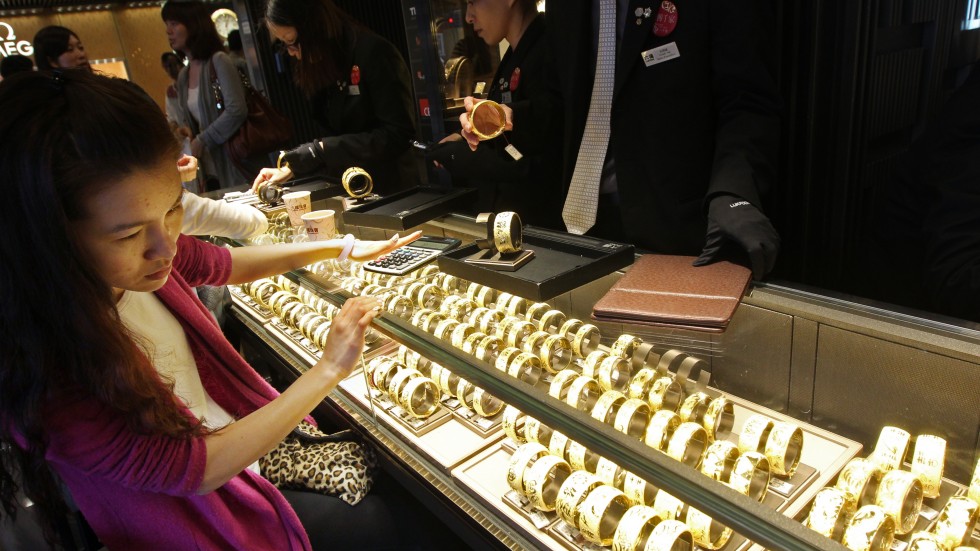
    Luk Fook Holdings has reported a 71-per-cent plunge in first-quarter same-store sales due to the impact of Covid-19 on tourist numbers traveling to Hong Kong.

    However, the company said that entering June, as retail sentiment in Hong Kong and on the mainland gradually improved, the overall same-store sales decline of the company’s self-operated shops narrowed from 76 percent in April and May to 58 percent in June.

    With little likelihood of a quick return of mainland Chinese shoppers into Hong Kong, Luk Fook says it will close about five stores in the territory by the end of this year, which would leave it with 44. However, it plans to open two more in Macau and remains on target to open 150 more on the mainland.

    “The sales decline in the mainland market was lower than the Hong Kong and Macau market as most of the shops in Mainland resumed operations during the quarter and the consumer sentiments recovered gradually,” the company said in a stock-exchange filing.

    Same-store sales at self-operated Lukfook stores on the mainland slumped by 43 percent in April and May but by a lesser 32 percent in June.

    Licensed Lukfook shops, which account for around 95 percent of the company’s mainland network, recorded a lower same-store sales decline of 19 percent compared to that of the self-operated shops, which were mostly located in Northern China and Central China which were more severely impacted by the pandemic during the quarter.

  • Volvo Cars On Recovery Path But Merger With Geely On Hold For Now

    Volvo Cars On Recovery Path But Merger With Geely On Hold For Now

    Volvo Cars said it expects its business to recover in the second half of the year after reporting on Tuesday an operating loss for the first six months as coronavirus lockdowns strained supply chains and forced plant closures.

    The Swedish-based carmaker also said that its planned merger with Geely Automobile Holdings Ltd had been temporarily put on hold due to Geely Auto’s plans to list in China. The companies will resume talks in the autumn.

    “If the market recovers as we expect, we anticipate sales volumes to return to the levels we saw in the second half of 2019 and it is also our ambition to return to similar profit levels and cash flow,” CEO Hakan Samuelsson said in a statement.

    Market recovery has allowed the company to resume production in all factories, except the Charleston plant in Ridgeville, South Carolina, Volvo said.

    Volvo Cars, which was bought by China’s Zhejiang Geely Holding Group Co Ltd from Ford Motor Co in 2010, plans to merge with Geely Automobile and list in Hong Kong and possibly Stockholm – as well as on a stock market in mainland China.

    Luxury EV brand Polestar is gearing up to take on Tesla in China, while Alibaba-backed Xpeng also has its sights set on the U.S. brand.

    Geely Automobile said last month that its board had approved a preliminary proposal to list new renminbi shares on Shanghai’s Nasdaq-like STAR board.

    “In connection with this (the Shanghai listing) Geely Auto cannot discuss a potential combination of the companies,” a Volvo Cars spokeswoman said about the merger. Talks would resume as soon as Geely Auto had “ended its activities related to that”, she said.

    The Gothenburg-based carmaker reported an operating loss of 989 million Swedish crowns ($110 million) for January-June, versus a 5.52 billion profit in the first half of last year, as revenues fell 14% to 111.8 billion crowns.

    Volvo had warned in March that sales, earnings and cash flow in the first half of 2020 would decline from a year ago as the coronavirus pandemic weighed on its business. In April it announced plans to make 1,300 white-collar workers in Sweden redundant.

  • Sandwich chain Isaac Toast opens in Hong Kong

    Sandwich chain Isaac Toast opens in Hong Kong

    Renowned for being ‘the breakfast staple of Koreans’, sandwich chain Isaac Toast has just opened its second store in Hong Kong – seven months since its debut at Sha Tin’s New Town Plaza.

    The new store is located inside Langham Place shopping center in Hong Kong’s Mongkok district.

    Isaac Toast has been on the radar for many Hongkongers thanks to the Korean culture wave and was met with much anticipation during its launch with long queues. However, customers were vocal with their disappointment on restaurant guide platform OpenRice for long waits and quality inconsistencies.

    Despite that, Isaac Toast looks set to continue to expand in Hong Kong now it has a second outlet trading. The brand currently has more than 800 stores in its home market and has also expanded abroad into Macau, Taiwan, the Philippines, Singapore and Malaysia, to name a few.

    Meanwhile, South Korean coffee chain Tom n Toms went into liquidation in Hong Kong, shuttering all five its stores at the start of the year after succumbing to the depressed Hong Kong retail market.

  • Toyota Sees Further Recovery In Global Car Production In August

    Toyota Sees Further Recovery In Global Car Production In August

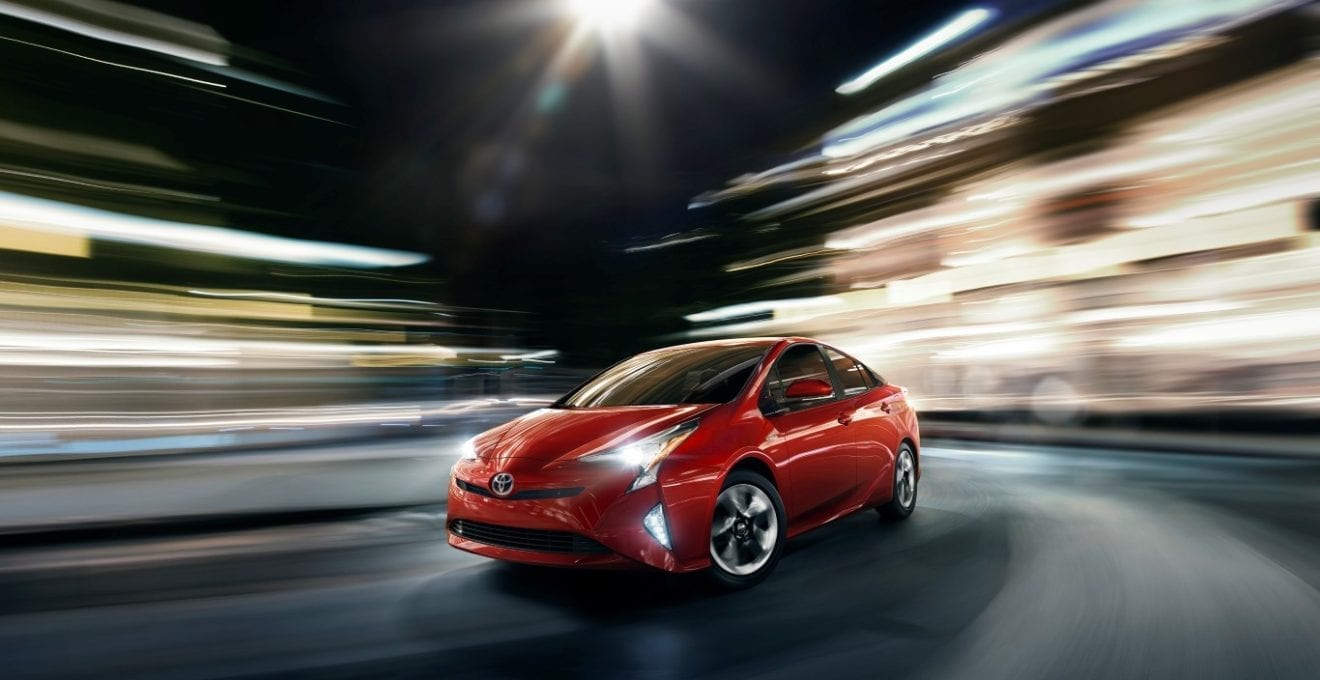
    Toyota Motor will make 2% fewer vehicles globally in August than originally planned, the Japanese automaker said on Tuesday, as output recovers gradually from a steep drop because of the coronavirus pandemic.

    The company said it aimed to make 15,000 fewer vehicles than its initial plan, which was around 750,000, according to Reuters’ calculations. August’s reduction is smaller than the cut of 10% seen in July, and June’s 40% reduction.

    As Japan fears a second wave of infections spreading from the capital, one Toyota employee working at its headquarters has tested positive for coronavirus since developing symptoms earlier this month, the company said on Tuesday. Toyota added it disinfected the affected work sites on July 17 and restarted operation shortly afterward.

    Toyota Motor, Japan’s biggest automaker, said on Tuesday it expects its lowest annual operating profit in nine years, down over 4 billion US dollars, or 80%, from the previous year.

    In the midst of the pandemic, the company also plans to skip media briefings for its fiscal first and third quarterly results, but only release filings, a company spokeswoman told Reuters.

    Global automakers are slowly getting vehicle production back on track after the closure this year of many plants to curb the spread of the virus, although many still anticipate that output and sales will be lower than last year.

    The updated production plan represents an output cut of 9% from a year ago.

    Toyota said it would produce 6,000 fewer vehicles at home, and 9,000 less overseas.

  • Asia outperforms for Groupe L’Occitane as pandemic decimates European sales

    Asia outperforms for Groupe L’Occitane as pandemic decimates European sales

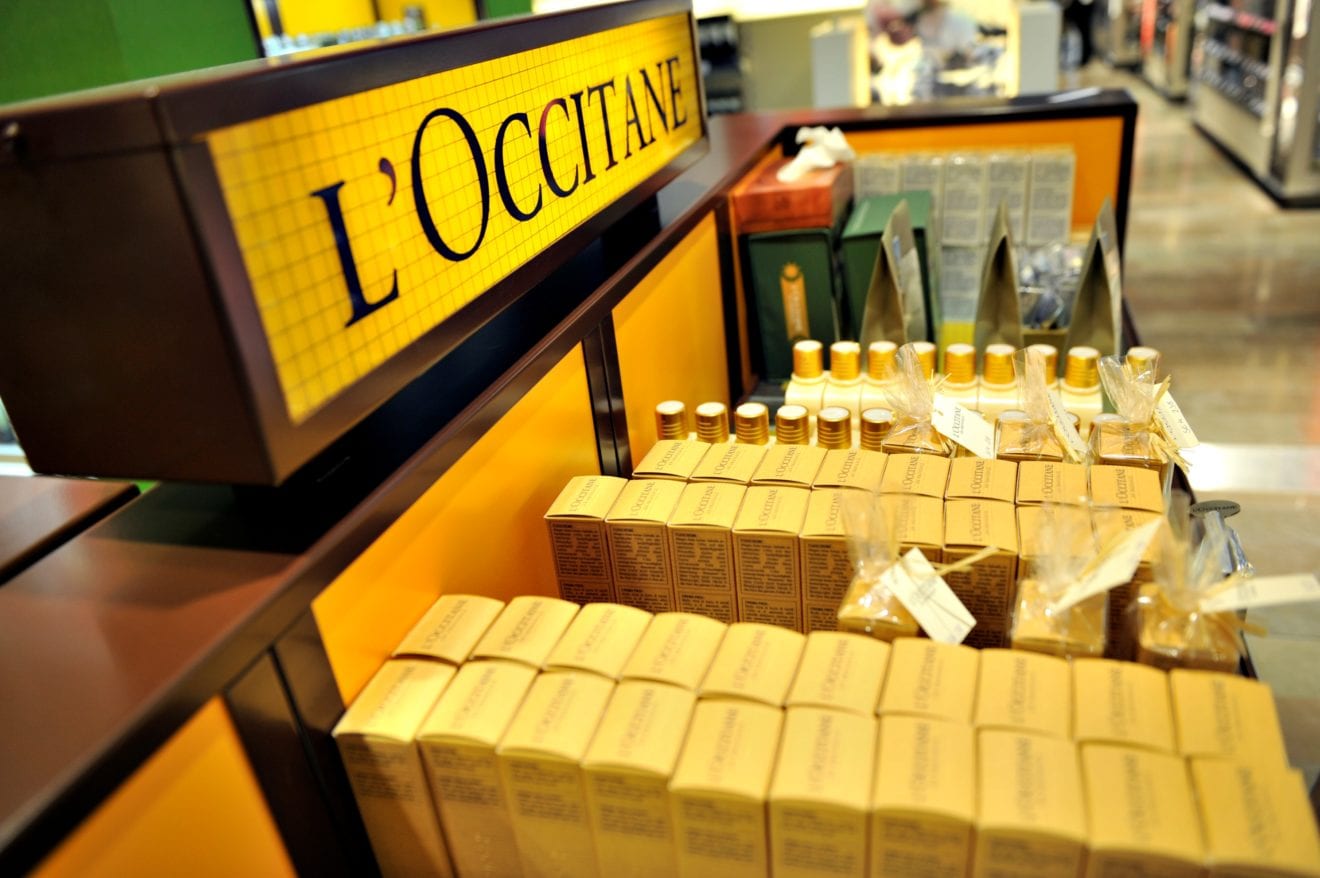
    Strong sales across Asia and rapid online growth helped beauty-products retailer Groupe L’Occitane contain its sales decline during the June quarter to a comparatively respectable 22 percent.

    The Hong Kong-listed company singled out China, South Korea, and Taiwan as its strongest-performing markets, which “bounced back rapidly” after lockdowns, recording year-on-year sales growth of 24.9 percent, 27.4 percent, and 11.5 percent respectively.

    That helped compensate for huge reductions in turnover in Japan, Europe, and the Americas which were impacted by store closures and lockdowns resulting from the pandemic.

    Online sales – including the group’s own sites, marketplaces, and digital direct-selling – soared by 95.8 percent and accounted for 52.6 percent of the group’s total sales of €274.2 million for the quarter.

    Groupe L’Occitane chairman Reinold Geiger said all of the company’s brands, except for LimeLife, were heavily impacted by travel bans and lockdowns, posting sales decreases ranging from 25 percent to 35 percent.

    “LimeLife, however, posted strong growth of 51.6 percent at constant exchange rates, thanks to its resilient online-only business model, as well as successful new product launches, a flash sale and initiatives to recruit beauty guides.”

    The company permanently closed 52 stores during the quarter, mainly due to the closure of underperforming kiosks run by its Brazilian subsidiary L’Occitane au Brésil.

  • Craze for Starbucks Korea’s reward items appears unstoppable

    Craze for Starbucks Korea’s reward items appears unstoppable

    Amid the hype for Starbucks Korea’s small suitcases offered under its reward program, customers’ competition to get camping chairs, another promotional item, ran high this week ahead of an end to the seasonal event.

    On May 21, Starbucks kicked off a summer promotional event that finished today, giving away limited editions of goods to customers under its “e-frequency” rewards program.

    To secure one of two “summer-ready bags” or one of three foldable “summer chairs,” a person needed to drink 17 beverages, including three seasonal ones.

    It’s a seasonal event, but this year, the craze to secure pink or green summer-ready bags was high enough to see the formation of long queues in front of Starbucks outlets nationwide at dawn.

    As stockpiles for the suitcases recently ran out, customers’ last-minute race to get camping chairs heated up early yesterday morning.

    People’s repeated search for the number of remaining chairs with the Starbucks app caused the application’s functions to freeze at one point, according to the company.

    “Since I got a summer chair in early June, I’ve made several attempts to receive a green bag. But I gave up after seeing some 50 people waiting in front of me when I arrived 30 minutes earlier than the opening hour,” said a 39-year-old office worker surnamed Jung.

    Indeed, demand for the summer-ready bags, in particular the pink ones, ran high, riding on the popularity of products targeting “home camping clans” during the new coronavirus outbreak.

    In late May, one customer purchased 300 cups of coffee at once at a Starbucks branch in Seoul’s financial district of Yeouido. Snatching 17 summer bags, the person reportedly took just one cup and left the rest behind in the store.

    The move caused an uproar as the remaining 299 cups were said to go down the drain.

    The Starbucks gift items and stamp-like e-frequency rewards are being traded on local secondhand marketplace applications, including Danggeun Market.

    To collect 17 e-frequency stamps costs less than about US$75 when a customer buys 17 drinks including 14 tall-sized Americanos.

    Someone posted a pink suitcase for sale on the online Danggeun Market yesterday for $100.

    “I sold 10 e-frequency stamps that I’ve collected for $3 within three minutes of putting them up for sale,” said a 29-year-old office worker surnamed Lee.

    “I got two Starbucks chairs earlier this month, but it’s hard to explain why people, including me, have been so into the craze.”

  • Bata Malaysia donates 60,000 pairs of shoes

    Bata Malaysia donates 60,000 pairs of shoes

    As a global leader in shoes, Bata feels a special responsibility towards all its stakeholders including the communities in which it operates across countries and regions. This is why Bata commits to donate 1 million pairs of shoes to frontliners and their families globally; the front-liners fighting the Covid-19 with admirable courage and dedication every day. The donation will impact a number of countries, in Europe, Latin America, Africa, Asia-Pacific and India.

    In Malaysia, Bata has committed to donate 60,000 pairs of Bata shoes to Polis DiRaja Malaysia in appreciation of their services to the country in facing this pandemic. The Malaysian police forces have been one of the pivotal services in combating the Covid19 pandemic in Malaysia. During the lockdown period from March 18th till May 4th, the police forces had been working in high gear in rain and shine to ensure that we, the general public adhere to the Movement Control order. It is their sacrifice that contributed to the containment of the spread of the Covid19 virus in Malaysia at large.

    Bata Malaysia is giving away 7,500 pairs of men’s shoes, 16,500 pairs of ladies shoes, 11,000 pairs of sports shoes, 14,000 pairs of children shoes and 11,000 pairs of school shoes in total with an estimated value of RM 3.6million (total 60,000pairs) to Polis Diraja Malaysia. “We are extremely grateful for their contribution to the nation, and now in return we hope that our donation of shoes will bring cheer to the police personnel and their families” said Ajay Ramachandran, Managing Director of Bata Malaysia.

    Receiving the Bata shoes on behalf of PDRM was The Inspector-General of Police Malaysia YDH KPN Tan Sri Dato’ Seri Panglima Abdul Hamid bin Bador, and The Deputy Inspector-General of Police Malaysia Yang Berbahagia Dato’ Pahlawan Mazlan Mansor.

  • First Deliveroo-owned Virtual Brand “Wing It” Launches in Hong Kong as virtual brands boom

    First Deliveroo-owned Virtual Brand “Wing It” Launches in Hong Kong as virtual brands boom

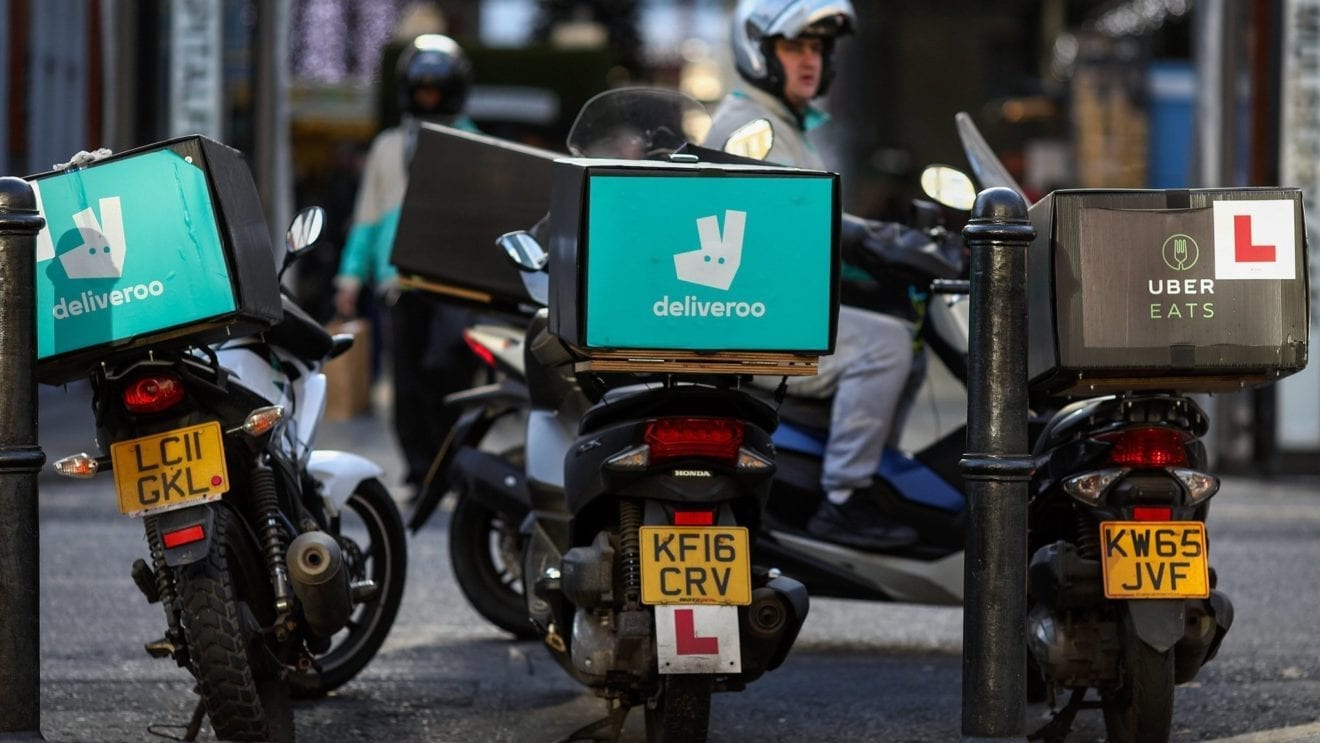
    Deliveroo, Hong Kong‘s leading food-delivery company, has today announced the arrival of “Wing It,” a virtual chicken wings brand developed and tested by the Deliveroo team in London. Renowned for bringing unique F&B concepts to the local market, Deliveroo selected Hong Kong to be the first place outside the UK to experience the Wing It brand. Wing It is licensed by Deliveroo to Cali-Mex Bar & Grill. Already eager to add wings to their menu offerings, Cali-Mex was impressed by Deliveroo’s concept and excited to launch the virtual brand from eight outlets as well as a specially designed catering menu.

    Wing It is the latest non-brick-and-mortar food brand to be offered by Deliveroo, which is now home to over 300 virtual brands – bringing even more variety and delectable choice to hungry people in Hong Kong.

    Always the trendsetter, Deliveroo is bringing Wing It to Hong Kong after two years of tremendous success in the UK. Beginning its operations in London, the menu, ingredients and recipes for Wing It were all developed by the Deliveroo central team, who then launched the brand inside six of Deliveroo’s UK Editions sites in September 2018. Due to the immense popularity and growing demand for new options, Deliveroo then helped Wing It develop and open five separate restaurant sites outside of Editions just six months later, in April 2019. Now, already a smash hit in Hong Kong, Wing It has sold over 15,000 wings, following 1,000+ orders across its eight Hong Kong outlets since soft launch in May.

    Deliveroo is dedicated to working with partners to build and develop their own unique virtual brands, as well as nurturing new business opportunities by hosting Deliveroo’s own virtual brands.

    When Deliveroo helps a partner to develop a Virtual Brand, it does so from scratch, developing everything from its name to recipes for its menu items. For partners, the company will provide:

    • Exact recipes for specific items
    • Ingredients to use for specific menu items and how to source them locally
    • A training package for restaurants to run the brand and help in scoping out how the brand can be run from a specific kitchen
    • Stress testing the product once launched to test food quality and the delivery service
    • Branding and marketing support
    • Identifying cuisine gaps in a specific area based on the company’s data insights, as well as advising on price points for specific items

    Virtual kitchens are developed to provide Deliveroo’s high-value partners with a turn-key solution to grow revenue streams from their kitchens, with brands that have been proven and tested by Deliveroo’s experts, within the delivery-only brand development team.

    Brian Lo, General Manager of Deliveroo Hong Kong, said, “There has never been a more important time in Hong Kong to support our restaurant partners and introduce innovative new concepts to the city, as we overcome the recent challenges together. Collaborating with Cali-Mex was a no brainer for us – our new partner has inspired us with their drive to deliver high-quality dishes in Hong Kong. We’re proud to work alongside them for this exciting new venture. As a life-long Hong Konger, I know first-hand the city’s love affair with well-prepared and delicious chicken wings, so this was certainly an exciting project to be a part of!”

    Jeff Moss, CEO of Cali-Mex Bar & Grill, said, “While Cali-Mex has offered Hong Kongers an expanded menu for some years now, we’re always eager to grow and whip up new offerings that we believe will match the taste palates of our customers. The past few months have forced us to rethink how we can offer an even more varied and delicious dining experience, so when Deliveroo approached us to partner with them for a virtual brand, we were sold almost immediately. We believe that no matter what the occasion is, wings always seem to be the answer! We are impressed by the initial results since the soft launch in May and we’re excited for the upcoming marketing and promotion campaigns as well as the catering offering to bring us to the next level.”

    Already reaching sales numbers of over 15,000 chicken wings, Deliveroo expects to see an ongoing surge of orders in coming weeks, as the food delivery leader works alongside Cali-Mex to develop an exciting array of promotional and marketing strategies. Wing It is the latest among 100 different virtual brands to launch this year on Deliveroo’s app, adding to the existing 200 virtual brands on offer.
  • New Chrome feature being tested for Android can save battery life and data

    New Chrome feature being tested for Android can save battery life and data

    Google is testing a new feature for the Chrome browser app on Android. A “download later” feature will allow Chrome users to schedule downloads on the mobile browser. All the user needs to do is select the time and date when he wants the browser to start downloading. This feature can also be set to start a download from the browser when a Wi-Fi connection is detected.

    The “Download later” feature is being tested on version 86 of the Chrome Canary app. This is a very unstable version of Chrome that can be installed from the Google Play Store. You can enable the feature by downloading the Canary app on your Android phone. Then you need to enable a flag by following these directions: Open Chrome Canary and type in chrome://flags. Search for “Enable download later.” You will see three options from a drop-down menu; select “Enabled” and restart the Chrome Canary app. Once this has occurred, whenever you try to download a webpage from Chrome you will see the options to “Choose when to download” with Now, over Wi-Fi, and “Pick date and time” as options.

    We don’t know when this new feature will be made available to a stable version of Chrome and it is likely that Google will tweak it several times before “Download later” is ready for prime time. The advantage of offering this feature is that if you want to download content from the Chrome browser, you can do so without using up your data or battery life by arranging for the downloading process to take place at a certain time or over Wi-Fi.

  • ‘Starbucks Now’ starting with four Alibaba apps

    ‘Starbucks Now’ starting with four Alibaba apps

    Starbucks Coffee is introducing its own mobile order and payment system in the Mainland Chinese market as a feature on Alibaba platforms Taobao, Amap, Koubei, and Alipay.

    The Starbucks Now (“Fei Kuai”) service can be used by Starbucks customers to pre-order and pay for their beverages and food online before in-person pick-up at local stores, providing a measure of convenience whether at home or traveling.

    The feature was previously only available in Starbucks China’s own mobile app. The extension of service into the Alibaba digital economy via its cross-functional Alibaba Business Operation System (ABOS) gives Starbucks a channel into the online giant’s user base of close to a billion customers.

    “The Covid-19 pandemic highlights the importance of digitalization, which is the cornerstone for any successful brand in China,” said Alibaba Group VP Toby Xu. “Alibaba is committed to bolstering businesses’ digital firepower through ABOS

    “Through this partnership, we will continue to support Starbucks in expanding its digital service offerings across China to meet ever-evolving customer preferences and create long-term value.”

    Starbucks has collaborated with Alibaba since 2018, leveraging the firm’s Ele.me service to deliver Starbucks beverages to users’ homes.

  • Royal Enfield To Compete In American Flat Track Series

    Royal Enfield To Compete In American Flat Track Series

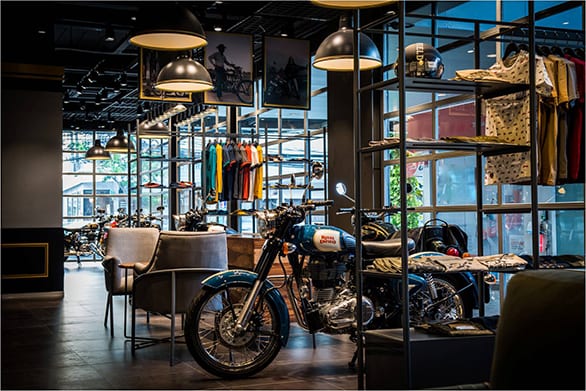
    Royal Enfield has announced that the brand will be competing in the American Flat Track (AFT) starting August 2020. Royal Enfield will be fielding specially-prepared versions of their production bikes. For the Production Twins class, meant for motorcycles with twin-cylinder engines, Royal Enfield will be entering a specially-made model called the FT Concept, based on the Royal Enfield Interceptor 650. The FT Concept has been built in collaboration with chassis specialists, Harris Performance, also owned by Royal Enfield’s parent company, Eicher Motors Limited.

    The new machine is going to be based on the bike built as a design exercise between Royal Enfield and Harris Performance. The bike’s frame is a classy looking brazed steel tube, with an adjustable steering head angle to customize the bike’s handling according to individual riders. The frame, 41 mm front forks featuring Ohlins internals, as well as the Ohlins TTX rear shock, as well as the 19-inch wheels machined from forged billet Aluminium, are all made specifically for the bike. Johnny Lewis, Royal Enfield Slide School Instructor in the US, and AFT racer will be piloting the bike on August 28 and August 29.

    “The Royal Enfield FT Concept has already shown promise so far. We’re already seeing great results from the motorcycle. The team at Harris Performance and Royal Enfield have done a great job with the chassis, and we’ve already begun working through small adjustments based on my feedback. With the way the schedule is shaping out with small tracks, we could surprise many people,” said Lewis.

    Royal Enfield already has a FT411 based on the Royal Enfield Himalayan, to be used for Slide School flat track lessons, both in India and in the US. Later in 2020, four lady builders of the ‘Build Train Race’ program will also hit the track along with Lewis with their modified Interceptor 650 motorcycles alongside Lewis. The events for the all-women flat tracker are scheduled for October 2-3 at the Dixie Speedway event and at the Daytona Beach on October 15-16.

    While Royal Enfield has made tremendous progress in product development and engineering, starting with the 650 Twin platform as well as the Royal Enfield Himalayan which has been increasingly gaining acceptance worldwide, the future will surely be focussed on more models, new engines and platforms. We have consistently maintained that Royal Enfield has already entered a new era in technology and product development, and the next few years will only show more evidence of shaking off an image, at least in the domestic market, of having motorcycles with technology which critics consider ancient. With the push to events like the American Flat Track series, Royal Enfield seems to have set its sights on cementing its position in the international market, and also following the old adage – “Race on Sunday, sell on Monday.”