Author: Mei Ling Tan

  • Yamaha Dealerships Restart Operations In Select States Of India

    Yamaha Dealerships Restart Operations In Select States Of India

    Like other two-wheeler manufacturers, Yamaha Motor India is slowly making its way towards the ‘new normal’ with its dealerships restarting operations in certain states of India. The company has a list of states and cities in which Yamaha dealerships have begun operations after the government relaxed rules and regulations for businesses in Orange and Green zones depending on COVID-19 spread. The company will be opening its dealerships in a phased manner and in compliance with lockdown 4.0 regulations. Plus, Yamaha insists on customers making a prior appointment with dealerships so as to maintain social distancing and hygiene guidelines issued by the government.

    Yamaha has also prepared a detailed action plan and guidelines for restarting operations in factories and area offices across the country. Yamaha will be prioritizing on fulfilling the existing orders of domestic and export customers as these were on hold since the beginning of the lockdown. India Yamaha Motor has a total installed production capacity of 17.5 lakh units, with the Surajpur plant in Greater Noida having capacity of 8.5 lakh unit production and the Chennai plant having a capacity of 9 lakh units per annum.

    Yamaha Motor India Group announced that its employees have joined the fight against the novel Coronavirus Pandemic by voluntarily donating a day’s salary from the month of April. The Yamaha Motor India Group employees donated a sum of ₹ 61.5 lakh. The employees include both white-collar and blue-collar and some trainees based at the three facilities in Tamil Nadu, Uttar Pradesh & Haryana along with the corporate office in Chennai and area offices across the country.

  • Steelcase launches its first online store in Hong Kong and Singapore

    Steelcase launches its first online store in Hong Kong and Singapore

    US office furniture company Steelcase has launched online stores in Hong Kong and Singapore.

    The Steelcase online stores offer a wide range of office chairs, desks and accessories to help people working remotely adapt their homes for work, such as personal tables that slide in over a sofa to add a work surface.

    As many workers have to work from home during the Covid-19 pandemic, the demand for improving their working space has significantly increased. “As we worked to equip their remote teams, we saw an opportunity to make some of our products available to individuals, to improve their work-from-home experience,” said Samantha Giam, director of product marketing at Steelcase Asia Pacific.

    “We wanted to provide a simple way for our customers to access the most ergonomic products and will explore opportunities for further online stores in other cities across the region”, said Maria Bourke, communications director at Steelcase Asia Pacific.

    Founded in 1912, the US-based furniture company is globally accessible through a network of channels, including more than 800 retail dealer locations.

  • Puma explores sustainable technologies with Central St Martins students

    Puma explores sustainable technologies with Central St Martins students

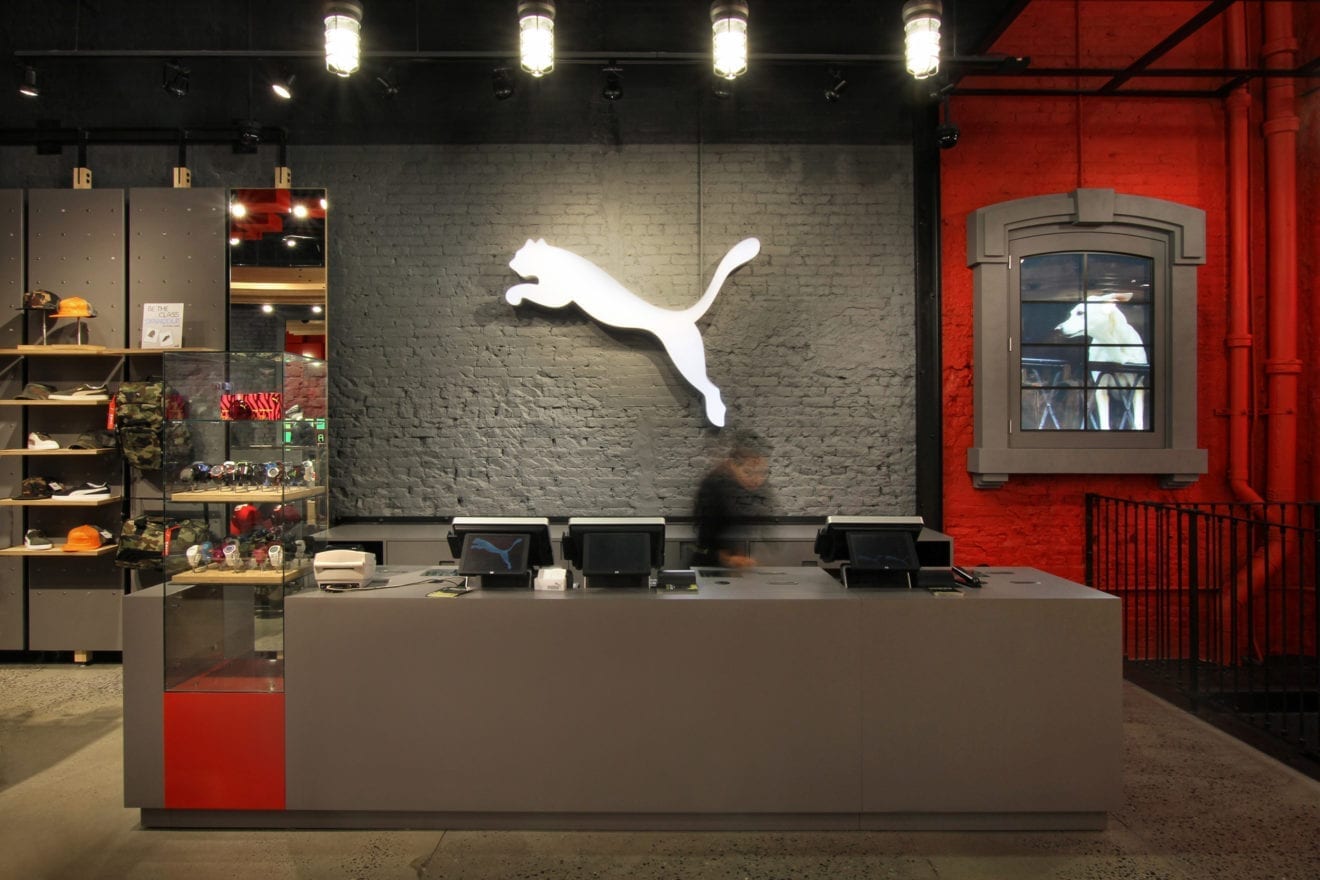
    Puma has partnered with London design school Central St Martins to launch a new collection using sustainable technologies.

    The Puma x CSM Collection uses new dyeing technologies including “Dope Dye”, which is a process using less energy, water, and chemicals than conventional wet processing, and digital printing technology which reduces waste and chemicals.

    With these technologies, Puma is able to reduce water consumption during making the clothing by up to 17.4 percent. These technologies will be rolled out in other sectors of Puma’s product range after being tested in this collection.

    “Reducing waste goes beyond the production cycle, which is why Puma also delved into new ways to make its marketing more sustainable,” the company said in a statement.

    The Puma x CSM collection, which includes footwear, apparel and accessories for both men and women, is available on Puma’s website and in selected stores.

  • DFS Group starts winding down Changi Airport liquor business

    DFS Group starts winding down Changi Airport liquor business

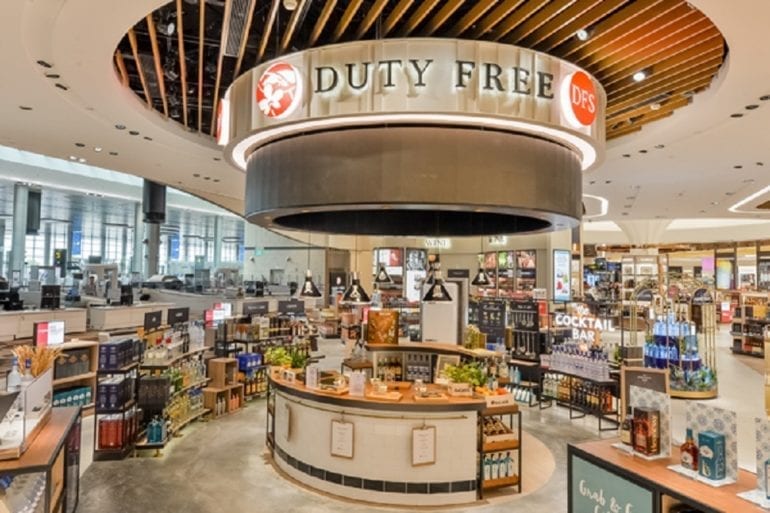
    DFS Group will close all of its stores at Changi Airport on June 8 as its 35-year tenure as wine and spirits concessionaire comes to an end.

    With two of Changi Airport’s four terminals now mothballed in the wake of the Covid-19 crisis, and the number of travelers passing through the remaining ones at a record low, DFS Group has taken to selling more than 200 wines and spirits online at iShopChangiWines.com, offering discounts of up to 70 percent off regular price. The company says it will absorb taxes and duties for customers, who do not have to travel to receive the discount.

    From now until May 22, daily flash deals will run on the site as well.

    “As one of DFS’ most esteemed allies for the last 35 years, we thank Changi Airport Group for their ongoing support and partnership,” said Aymeric Lacroix, DFS Group MD Asia South.

    “We will continue to serve our customers with the same passion for excellence that has distinguished us at Changi Airport until our official exit in June.”

    DFS Group opted not to bid to renew its concession at Changi Airport because it did not believe it could continue to trade there viably.

    “Our decision not to bid was based on our unique understanding of the business environment as the current operator of this concession at Changi,” chairman and CEO Ed Brennan said in a statement last August.

    The LVMH-owned group withdrew from Hong Kong International Airport as well, several years ago. At Changi, DFS Group will be replaced by South Korea’s Lotte Duty-Free.

    DFS Group’s Changi exit applies only to its high-profile liquor concession. The company will continue to operate its multi-label “Fashion Avenue” at Terminal 3 and various brand boutiques across all operating terminals.

    Since winning the Liquor and Tobacco concession in 1985, DFS Wines and Spirits opened numerous stores across Singapore Changi Airport, including in Terminal 2 (1990), the first of its kind Duplex store at Terminal 3 including the Raffles Long Bar (2015), the second Wines & Spirits Duplex store at Terminal 2 (2016) and the first ‘walkthrough’ retail concept store at Terminal 4 (2017).

    “For 35 years and over 300 thousand hours, DFS has been in operation at Changi Airport. Over three wonderful decades of memories and friendships later, it has become an iconic go-to stop for passengers leaving and arriving in Singapore, carrying more than 700 different wines and spirits brands, and selling more than 200 million bottles,” said Lacroix.

  • Lego boosts its China cred with first locally inspired theme Monkie Kid

    Lego boosts its China cred with first locally inspired theme Monkie Kid

    Danish toy brand Lego has launched Lego Monkie Kid, its first Chinese-inspired theme to boost its engagement with Asian customers.

    Inspired by the famous Monkey King from the 500-year-old Chinese novel ‘Journey to the West’, Lego’s Monkie Kid is the brand’s first theme to embrace Chinese stories known by many families across Asia.

    Lego Monkie Kid, the untold chapter of the Monkey King, includes eight sets with multiple characters, vehicles and hidden features.

    “I have been touched and inspired by China’s rich history and culture, the passion and pride of the people and the incredible creativity of China,” said Simon Lucas, senior design director at Lego.

    “It has been an honor and privilege to be able to immerse me in China’s culture of storytelling, in particular – Journey to the West and the Monkey King. The epic stories and incredible characters have been a huge inspiration to the Lego design team and me.”

    The Lego Monkie Kid launch is a part of the company’s plan to boost its China presence as the company has seen the potential of this market. In the last three months, Lego has opened stores in Mainland China and Hong Kong despite the unstable situation of Covid-19 pandemic.

  • JC Penney collapses into Chapter 11

    JC Penney collapses into Chapter 11

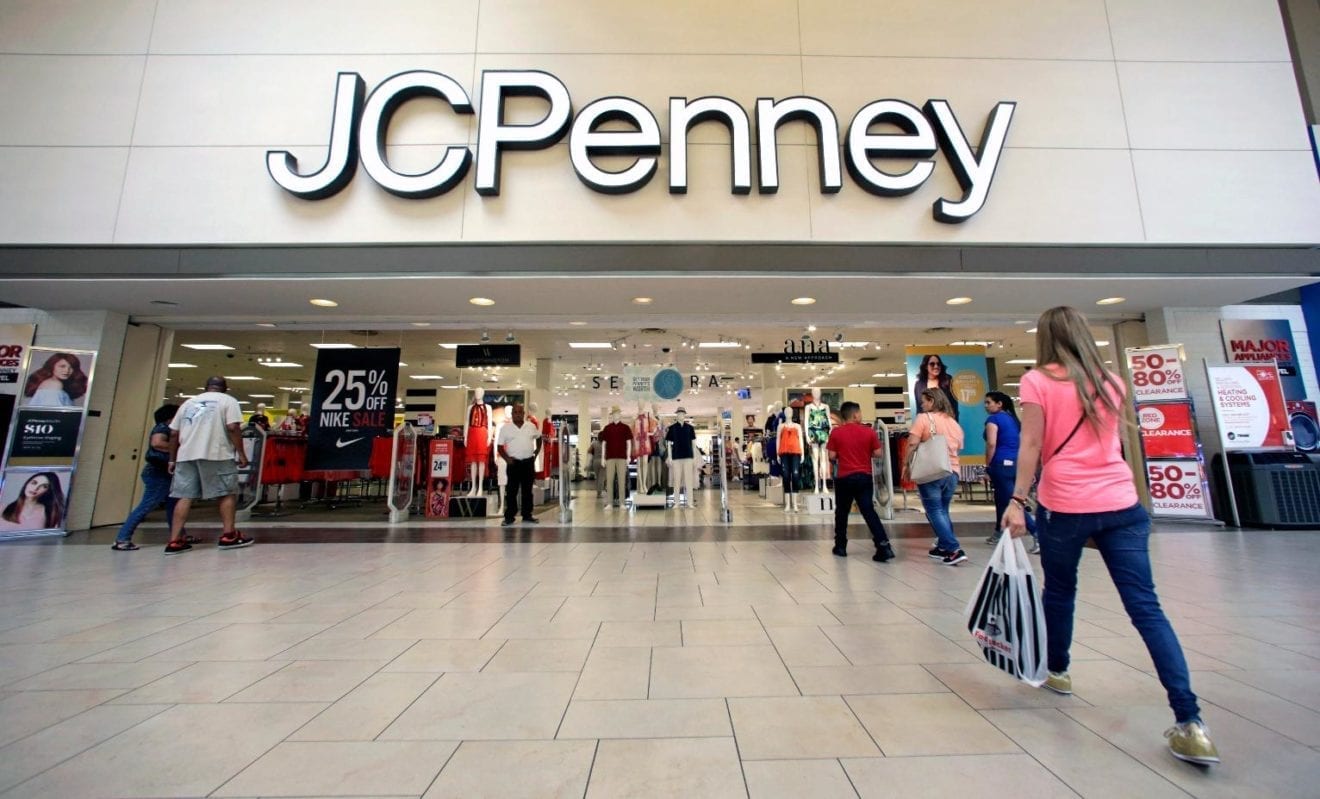
    US department-store giant JC Penney filed for Chapter 11 bankruptcy protection on Friday night. But while the company may have cited Covid-19 pandemic as the main reason, the company has been in dire straits for years.

    The company, which operates about 850 stores anchoring shopping malls all over the US, has the support of 70 percent of its priority creditors for a reorganization plan which includes securing $900 million of financing to enable it to continue trading.

    Neil Saunders, MD of GlobalData Retail, described the Chapter 11 move as “inevitable”.

    “Even before the pandemic, JC Penney’s road to reinvention was the equivalent of climbing a steep mountain with nothing other than the burden of an enormous pile of debt. The coronavirus crisis effectively broke the retailer’s limbs making further progress all but impossible.”

    In a statement announcing the bankruptcy, JC Penney said it would reduce its store network but has not indicated by what scale. Most observers seem to believe heavy cuts are essential.

    Saunders says the closure of underperforming stores should be an immediate priority.

    “JC Penney is exposed to a high number of weak malls and locations and it needs to quickly cut its losses. It will emerge a much smaller company, but this makes the process of reinvention much easier and will allow capital investments to flow to locations where they can generate the best return.”

    Australian retail property consultant Michael Baker, one-time head of research with the US-based International Council of Shopping Centers, says JC Penney’s collapse will have a huge impact on US mall operators.

    “It anchors literally hundreds of mid-end US malls. Mall owners have welcomed getting back department store real estate because it can be redeveloped into restaurant and entertainment space, often with alfresco elements. But now, with coronavirus, there is probably going to be a question mark over that strategy.”

    The challenge ahead for JC Penney is to restructure into a format and scale which is viable in a very different retail era to that when it flourished. Founded in 1902, until 1966 most of its stores were located in downtown high-street locations. Then the company locked its future into the shopping mall boom which saw thousands of centers opening all across the US, typically anchored by department stores, often by several. While in recent years JC Penney has opened some standalone stores and even experimented with a compact-store format, the company’s fortunes have become inextricably linked to the viability of shopping malls.

    ‘It’s a dead retailer walking’

    Michael Baker does not believe the company’s assurances it will emerge from bankruptcy reorganization as a ‘stronger retailer’.

    “It will certainly close a lot more stores and when it does reemerge it will face the same old format obsolescence problems,” he told Inside Retail Asia. “It’s a dead retailer walking.”

    Saunders is equally skeptical, although he does have some confidence in recently appointed CEO Jill Soltau.

    “Bankruptcy provides a narrow path forward. It gives JC Penney the financial means to weather the current downturn in demand and the scope to restructure its operations as the retail economy starts to normalize. But the process of reinventing the firm will not be easy. While management claims that significant progress had been made before the pandemic, we do not share this view. While some advancements were made, these were partial and completely insufficient to ensure a viable future for the company.”

    Saunders says the reality is that JC Penney needs a complete overhaul in terms of its assortments, store designs, ways of marketing and connecting with shoppers, and its brand image.

    “In other words, a wholesale makeover is required to restore the company’s fortunes. In normal times, that process of reinvention would be challenging; accomplishing it in the midst and aftermath of a pandemic is more than a tall order.”

    Saunders says while Soltau’s team might have made slow progress to date, the direction she has taken so far – which has focused on customers and their needs – has been correct. “Developments like the reimagined store format in Hurst, Texas showed some good forward-thinking. However, no one should underestimate the challenges of moving these ideas forward to the entire chain.

    Bankruptcy has only bought JC Penney time; it is a drug that is providing life support during a time of dire distress. Recovering is the difficult part, and it is still by no means certain that JC Penney will pull through or get back to full health.”


  • Japanese clothing firm Renown collapses

    Japanese clothing firm Renown collapses

    Heritage Japanese clothing firm Renown has filed for bankruptcy. The company is best known for its D’Urban and Arnold Palmer brands, although business has been in decline since its heyday in the 1990s due to increasing competition and the rise of e-commerce. It was once one of the largest apparel manufacturers on the globe.

    According to a report in Nikkei, the 118-year-old firm – now under the majority ownership of Chinese textiles and clothing firm Shandong Ruyi – has become Japan’s first such victim of the Covid-19 pandemic, cauterized from its revenue stream by the closures of department stores and regular retailers.

    The bankruptcy was approved on Friday, the same day it was filed with the Tokyo District Court, listing ¥13.9 billion (US$130 million) in liabilities. Renown had previously posted a net loss of ¥6.7 billion ($62.55 million) in the last financial year. Shares in the firm are now likely to be delisted from the first section of Tokyo’s stock exchange.

    Analysts expect the clothing firm Renown to take about a month before the company identifies a turnaround partner to enable it to resume business.

  • Don Don Donki accelerates Hong Kong expansion

    Don Don Donki accelerates Hong Kong expansion

    Japanese discount retailer Don Don Donki is to open up to three more stores in Hong Kong imminently, including a flagship in Causeway Bay.

    Don Don Donki will take over the site of the former HMV flagship store at Pearl City Mansion, spanning four floors, offering plenty of space for its unique dine-in Japanese food court concept which has proved hugely popular in its Singapore stores.

    The new flagship will have a footprint estimated at 50,000sqft, considerably larger than its debut store in Hong Kong at Mira Place in Tsim Tsa Tsui, Kowloon.

    The giant store is tentatively scheduled to open this summer.

    Meanwhile another pending store opening at Tseung Kwan O has been confirmed at Monterey Place – part of the O’South retail portfolio – owned by Phoenix Property Investors. The outlet, the chain’s fourth in the city, will be 25,000sqft in space leased for HK$500,000 (US$64,500) monthly. It is expected to open during the last quarter of the year.

    There is also widespread speculation that Don Don Donki has chosen a site in Central on Hong Kong Island where it will open a fifth outlet. However, the location has yet to be revealed.

    Don Don Donki trades as Don Quijote in its home market of Japan but chose a different name in offshore markets where other entities had already registered businesses trading under the Spanish fictional character.

    The company sells a full range of discount merchandise, mostly sourced from Japan, including groceries, health-and-beauty products ready-to-eat meals, snacks, and liquor, as well as fresh produce.

    Regional operator Pan Pacific International Holdings, which has four stores in Singapore and two in Thailand. Don Quijote operates about 40 stores in the US and has begun construction of another in Guam.

    Don Don Donki’s second store opened at OP Mall in Tsuen Wan.

  • Nissan India Introduces New Finance Schemes And Pick-Up & Drop Service

    Nissan India Introduces New Finance Schemes And Pick-Up & Drop Service

    Nissan India has introduced a new car finance schemes and pick-up & drop service to ensure customers don’t need to come to visit dealerships and workshops and avoid physical contact. The Japanese carmaker has partnered with various financial institutions and is now offering a range of schemes offering paperless payment of car loans, special offers for women car loan applicants and professional based products for salaried, self-employed, Government & Public Sector Units (PSU) employees, police and the agriculture sector.

    Rakesh Srivastava, Managing Director- Nissan Motor India, said, “With innovative financial schemes and initiatives including ease of financing and convenience in getting their car serviced, Nissan India will enrich the customer experience at each step, which is especially important in such challenging times.”

    The first of its kind finance and insurance scheme also include job Loss Protection’ on EMI’s covering loss of job and medical emergencies including Coronavirus, optional payment from January 2021 on select products and zero-mile car product has been introduced looking at the opportunities in the used car business. Nissan India also announced the launch of its new pick-up & drop service. It is offering an end-to-end hygienic pick-up & drop solution including a standard sanitization process for all frequent touchpoints in the vehicle such as door handles and gear lever. Drivers delivering the vehicles will also follow full hygiene regulations between the customer location and Nissan workshop. The complimentary pick-up & drop service is available in all major cities while customers in other locations can also avail of this service at a minimal charge.

  • AirAsia studying possibility of increasing airfares

    AirAsia studying possibility of increasing airfares

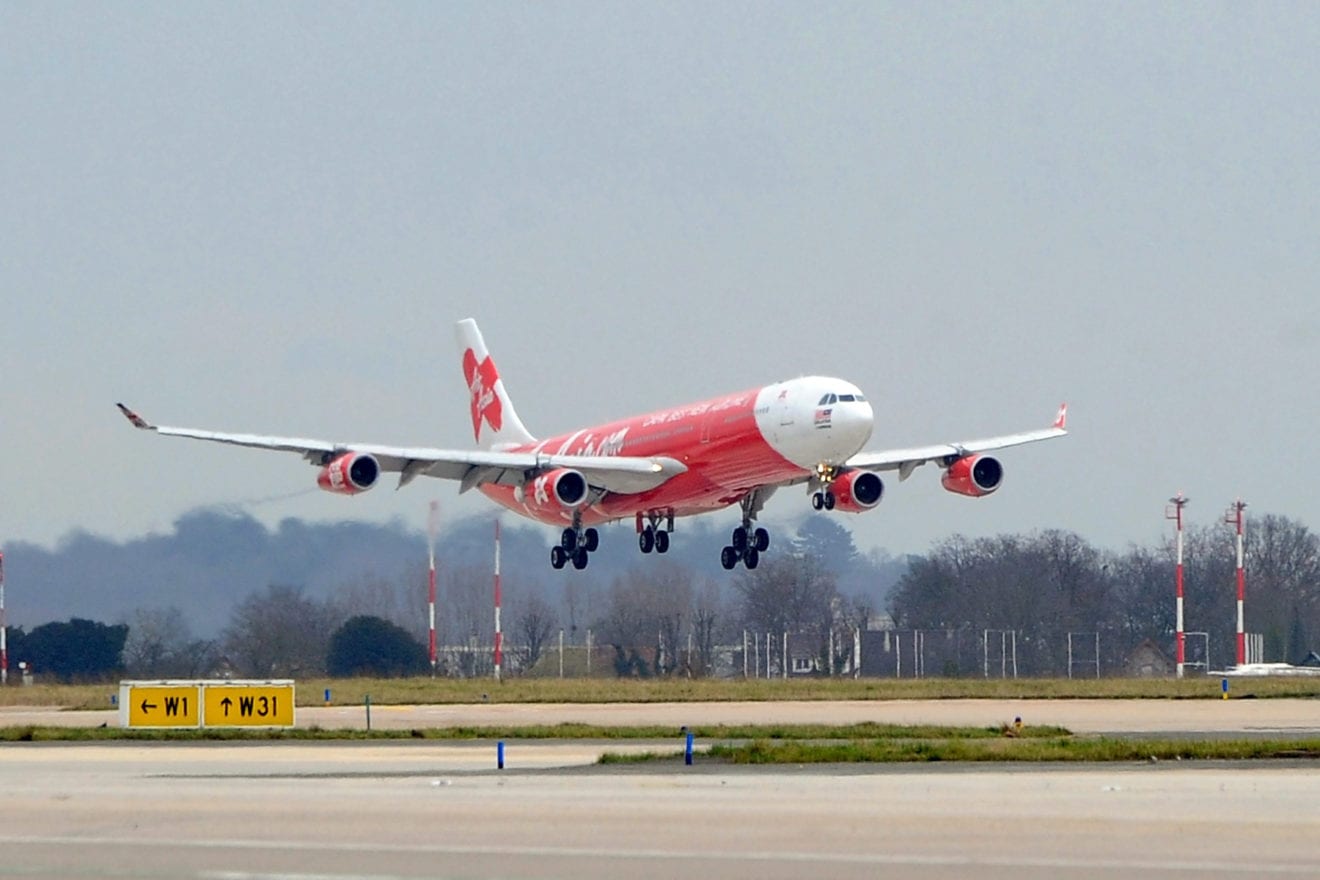
    Low-cost airline AirAsia Bhd is studying the possibility of increasing its airfares in the future, following the implementation of the Conditional Movement Control Order (CMCO). Executive chairman Datuk Kamarudin Meranun said discussions are ongoing to decide if there is an urgent need for AirAsia to increase its airfares in the future.

    “Even if there is an increase, it will not be significant.

    “At the moment, we do not know exactly how much the increase would be (if any) as we do not know the total number of AirAsia aircraft that would be allowed to operate during the CMCO,” he told reporters after the launch of the group’s charity campaign, “Derma Dengan Ikhlas” here today.

    On Tuesday, some local carriers warned that passengers will likely have to pay over 50% or more for airfares if social distancing is implemented onboard aircraft, as proposed by the International Air Transport Association (IATA) in view of the Covid-19.

    Malaysia Airlines Bhd and Malindo Air said the need for social distancing among passengers would result in a spike in airfares by up to 54%.

    Malaysia Airlines said this was seen in Thailand after its government-regulated empty seating between passengers, which resulted in domestic fares increasing by over 50%.

    “We will continue to drive dynamic pricing based on capacity and demand. Promotions will surely be ascertained periodically as and when it is feasible.

    “We expect customers to be more concern about safety and security,” it said in a news report yesterday.

    Kamarudin said the increase of fares would be subject to costs and AirAsia would try as much as possible not to increase its fares so as not to burden passengers.

    “Our intention is resuming flight (operations) is to ensure that operations can continue and not because we are aiming for profit, as, in the current challenging situation, it is difficult for airline companies to make a profit.

    “As long as we can pay for management costs such as maintenance and so on, it is sufficient,” he said.

    He said the operation of airline companies is subjected to government directives, hence, all plans will have to comply with the government’s decision, especially during the CMCO.

    “So, when we made a plan and when the announcement by the government is not in line with our plans, we have to change it,” he said.

    Meanwhile, Kamarudin said AirAsia has used RM50,000 from its contribution fund to purchase essential goods from ST Rosyam Mart supermarket to be distributed to more than 1,000 families and various communities, including single mothers, non-governmental organizations, mosques and welfare organizations.

    “So far, we have provided assistance to more than 50 locations and we realized that there are more communities that are in need of such assistance,” he said.

    The airline had launched a public digital donation drive on April 5 and has managed to raise RM911,000 to date.

  • YouTube was briefly down across the globe

    YouTube was briefly down across the globe

    Millions of users felt their hearts skipping a beat yesterday as YouTube experienced a major blackout. A glance at downdetector.com shows the problem was global and lasted for about an hour for some users.

    Reports started piling up on Twitter yesterday at around 8 p.m. CDT, complaining of disappearing videos and YouTube showing only ads. Most people lost the connection to YouTube servers altogether. The outage affected YouTube Premium users, too.

    There’s no official statement from YouTube regarding the issue, so the reasons behind the outage remain a mystery. At the moment, the service seems to be fully operational. Were you affected by the temporary outage?

  • Global apparel spending to slump by $300 billion in 2020

    Global apparel spending to slump by $300 billion in 2020

    Global apparel spending is predicted to decline by 15.2 percent this year – equivalent to US$297 billion – as a direct result of the coronavirus pandemic.

    According to research by GlobalData, the worldwide apparel market will not return to the level of last year’s value until at least 2022.

    “The 10 worst impacted markets, in terms of value, will represent the vast majority of this total loss with mature regions suffering the hardest,” said GlobalData principal analyst Honor Strachan. “The US will account for more than 40 percent of all lost spend, which will contribute to more major chains filing for Chapter 11 over the next few months.”

    Evidence collected by the firm shows that even markets released from lockdown restrictions are performing with dramatic variance depending on consumer confidence, the respective country’s reliance on tourism, the state of economy and unemployment, and the level pent-up demand among potential consumers. The impact of Covid-19 on global apparel spending is thus calculated to reflect an average across all markets.

    “Some brands across China, for instance, are seeing store sales reach back up to 80–100 percent of pre-Covid-19 trading levels, while apparel retailers in parts of Germany are also experiencing a better bounce back than forecast,” said Strachan.

    He said that contrasted with markets heavily reliant on tourism spending – such as Hong Kong – which are experiencing far tougher trading conditions.

  • Spar China expands footprint during Covid-19 virus outbreak

    Spar China expands footprint during Covid-19 virus outbreak

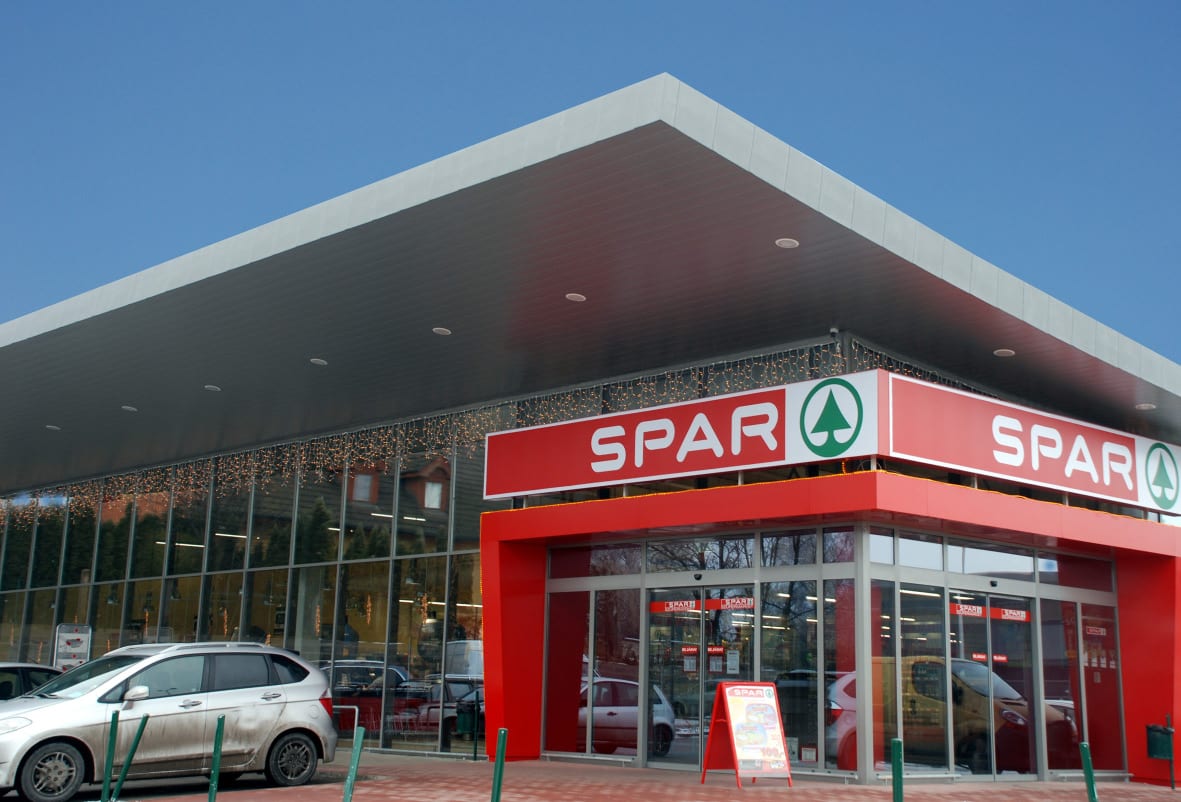
    Dutch multinational retail-grocery franchise system Spar has launched six new locations in China in the midst of the coronavirus lockdown.

    The firm benefitted from the scale and duration of China’s lockdown being briefer than initially feared – with an early easing of restrictions during April – as it opened six new supermarkets in Beijing, Guangdong, and Shandong.

    The new stores offer local and essential goods with online and home delivery options.

    Observations in Retail Insight Network suggested the new stores may serve to relieve pressure from the retailer’s delivery platforms in redistributing demand more equally, as well as support vulnerable communities that may not have access to online platforms with its focus on daily essentials and groceries

    About 73 percent of Chinese consumers are still significantly concerned about a reemergence of the coronavirus within the territory, which may impact consumer engagement with Spar’s new venues. The firm has implemented a range of health and safety measures within all stores to assuage customer concerns.

  • Indonesia’s Bank Rakyat Receives Bids for Life Insurance Unit

    Indonesia’s Bank Rakyat Receives Bids for Life Insurance Unit

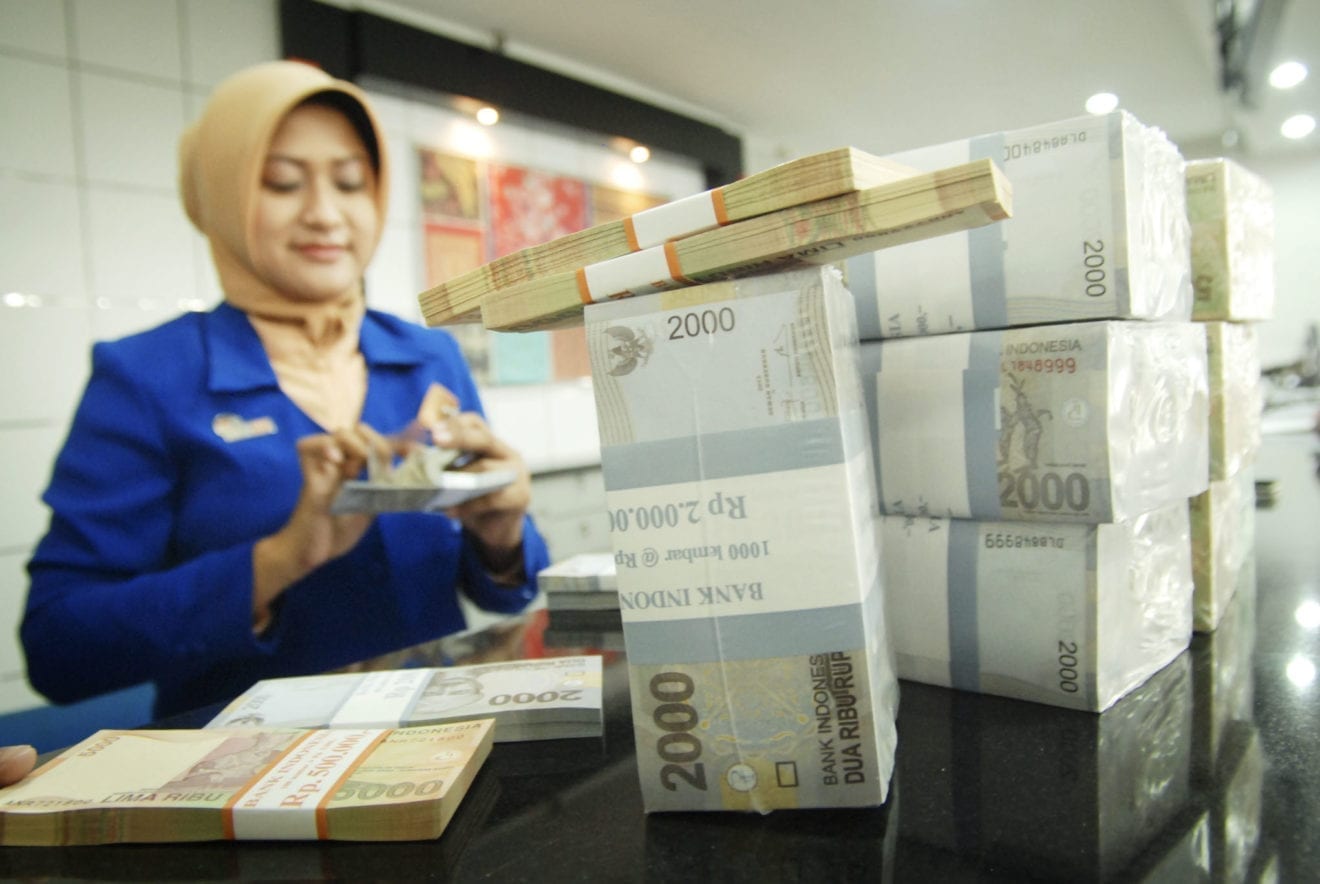
    Talk are ongoing and an agreement could be made in the next few weeks. The insurance arm of the French bank BNP Paribas and Hong Kong insurance group FWD are said to be among the parties that have bid on a significant minority stake in Asuransi BRI Life, the life insurance arm of Indonesia’s Bank Raykat, Bloomberg reported on Thursday.

    BNP Paribas Cardif has reportedly submitted the highest bid, according to people familiar with the matter, the report said.

    According to the publication, this is at least the third attempt by the bank, Indonesia’s oldest lender, to sell a stake in the unit.

    FWD and BNP Paribas Cardif were already among interested parties when Bank Rakyat tried to sell 40 percent of the unit in 2015. It revived the plan in 2018, hiring Morgan Stanley to advise on the process, though it was put on hold. It revived the plan to sell a $500 million stake in March this year.

  • Comprehensive new report highlights the pretty terrible state of US 5G networks

    Comprehensive new report highlights the pretty terrible state of US 5G networks

    We were warned well in advance of the world’s first 5G rollouts not to expect the game-changing wireless technology to, well, instantly change the game in terms of widespread download speeds, but obviously, some progress was made over the last year or so pretty much everywhere around the globe.

    Because not all 5G mobile networks are created equal and many countries haven’t even started the transition from 4G LTE, you shouldn’t be surprised to find out there are major geographical differences to report as far as everything from raw speeds to video experience and the availability of the “outdated” aforementioned cellular standard is concerned.

    While it’s clearly not easy to collect enough data to get a full and accurate picture of the way everyday smartphone users regularly connect to 4G LTE and 5G networks worldwide, especially during a pandemic, OpenSignal impressively managed to perform more than 87 billion measurements on over 43 million devices between January 1 and March 30, 2020.

    After comparing all that information with similar data gathered in the first three months of last year, the mobile analytics company released an in-depth report full of interesting findings and detailed examinations of regional differences. Here are just a few of the conclusions that captured our attention:

    While all 20 “leading” 5G countries assessed by OpenSignal for its latest report saw their download speed “experience” index grow between Q1 2019 and Q1 2020, said growth was far from impressive in places like Kuwait, Romania, the UK, Spain, and… the US.

    Due to T-Mobile’s initial nationwide focus on low-band 5G technology, which is barely faster than 4G LTE across many areas, and the modest footprint covered by Verizon’s blazing fast mmWave 5G network, it’s hardly surprising to see the US ranked below Germany, Sweden, Finland, Qatar, UAE, Denmark, Switzerland, Australia, Norway, Japan, and South Korea in this key metric.

    Believe it or not, US users are getting less than half the average 5G download speeds of their South Korea-based counterparts, although for what it’s worth, the 26.7 Mbps score is 25 percent higher than the regional speed result from the same period last year.

    If you thought ranking 12th out of the aforementioned 20 leading 5G countries for download speed experience was bad, wait until you see where the US is positioned in OpenSignal’s latest 5G video experience chart. With 56 points (on a scale to 100), the “land of the free” managed to edge out Puerto Rico and finish the global competition second to last.

    Although the 56 score does technically put the US in the “Good” category, 5G users in seven countries enjoyed an “excellent” average mobile video experience during the first quarter of 2020, while another 11 countries earned a “very good” rating.

    Adding other countries into the equation paints an even more embarrassing picture for the US wireless industry, as the nation sits in the 73rd spot of the overall top 100 charts for mobile video experience, making far too little year-on-year progress to raise any hopes for short-term future improvement.

    Canada doesn’t need widespread 5G connectivity to rule the general download speed hierarchy, incredibly jumping from 42.5 to 59.6 Mbps in the space of 12 months and totally crushing the 26.7 Mbps US score, which saw a modest surge from 21.3 Mbps a year ago.

    If it makes you feel any better, the US did manage to defeat two G7 countries (Italy and the UK) in download speeds while ranking dead last in the group as far as the video experience is concerned. Overall, the US sits in the 25th spot out of 100 countries in the download speed experience chart, which is a little better than the nation’s abysmal video performance.

    On the other hand, the US continues to shine when it comes to 4G availability (which is not the same as coverage, mind you), with a remarkable 96.1 percent score that’s only surpassed by Japan and South Korea. At least in theory, that should allow the nation’s largest wireless service providers to deploy a 5G signal faster than carriers in many other countries. Unfortunately, that’s not enough to also guarantee remarkable nationwide speeds… yet.