Author: Mei Ling Tan

  • World’s first cloud-native, versionless retail WMS launched

    World’s first cloud-native, versionless retail WMS launched

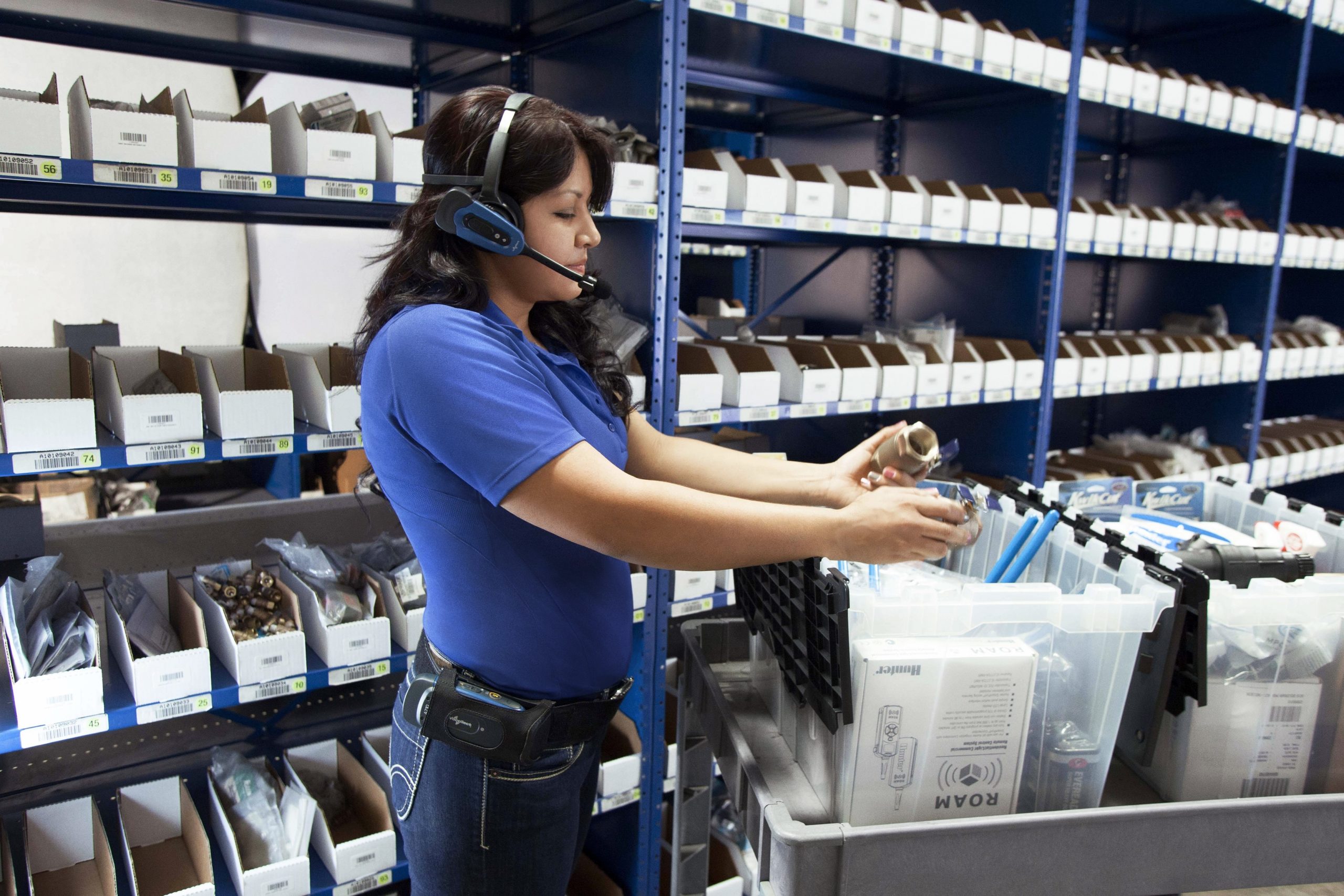
    A new cloud-native enterprise-class Warehouse Management Solution (WMS) has been succesfully launched in Asia. The all new Manhattan Active®  WMS is the world’s first versionless WMS that never needs upgrading. 

    The new Manhattan Active WM provides an almost limitless ability to automatically scale up to meet fluctuations in demand, delivering new levels of speed and unifiying every aspect of retail distribution.

    Adapt to meet demand

    Across Asia, online order levels grew to record highs following COVID-19 stay at home government directives and many retailers were simply unable to keep up with demand and struggled to find the right inventory to fulfil new orders. The common cause for these issues is that the retailers’ own WMSs were telling them that they had stock to sell, but because of the massive volumes going through their distribution centre (DC), often by the time that orders were ready to pick-and-ship, the inventory was no longer available. This false record of inventory arises when an older WMS is in place that does not update inventory levels in real-time.

    Retailers in Asia need to upgrade to a versionless WMS that models demand and instantaneously updates inventory details to ensure an accurate picture of stock on hand for sale and shipment every time.

    “With today’s fast changing market, we needed a warehouse management solution with more frequent and easier access to updates and new features. We also needed a solution that could help us better respond to unexpected peaks in demand, like we’ve been experiencing recently. Frankly, we wanted to ensure our IT investments are focused on delivering innovation to our customers and our team members,” said Miles Tedder, chief operating officer of Pet Supplies Plus.

    Never need to upgrade

    “Manhattan Active Warehouse Management will give us a distribution solution that adapts as quickly as our customers’ needs, with frequent and easy access to the latest technologies and new features,” said Miles. “This solution takes care of all of the system and software maintenance, allowing us to focus all our energies on serving our customers.”

    Manhattan Active WM includes completely redesigned user experiences, allowing management team members to quickly visualise, diagnose and take action anywhere in the retail supply chain.

    “We’re delivering a WMS that is always current and never needs to be upgraded, yet is still fully extensible. We’re delivering all new modern mobile experiences for every user who logs in. And, we’re delivering an architecture that expands automatically as volumes ramp up, and that embeds machine learning right into the core of the application,” said Brian Kinsella, Manhattan’s senior vice president of Product Management.

    Unify your supply chain

    With Manhattan Active WM, all functions, including labour management and slotting optimisation, have been streamlined and re-engineered to create a single, unified distribution application. Manhattan Active Warehouse Management uses machine learning to orchestrate DC automation and the human workforce. The solution’s embedded warehouse execution system (WES) also coordinates the work between any combination of automation, robotics and labour.

    “The new Cloud architecture, new user interface, and significant advancements in optimisation and employee engagement are wonderful. Any one of these improvements would have been impressive. Incorporating all of these enhancements in the new release is astonishing for a product of this scope,” said Steve Banker, vice president of Supply Chain Management for ARC Advisory Group.



  • All AirAsia Credit Accounts extended to 2 years automatically

    All AirAsia Credit Accounts extended to 2 years automatically

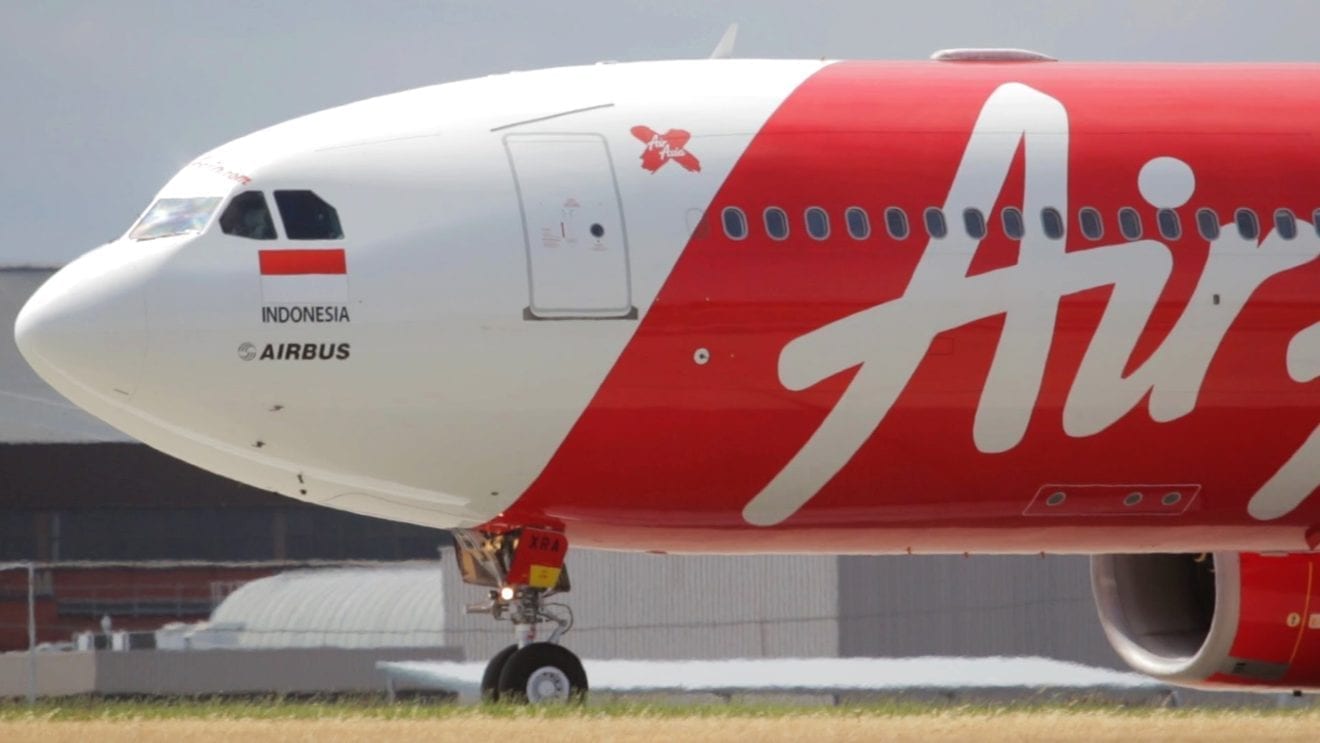
    With the ongoing COVID-19 pandemic, most people will have to put their travel plans on hold. AirAsia has recently announced that they are giving all customers the option to retain the value of their flight booking with a Credit Account which can be redeemed within 730 calendar days (2 years) from the issuance date.

    For those that have redeemed their credit account earlier, it appears that the low-cost-carrier is extending the validity automatically for all guests that are affected by the COVID-19 travel restrictions. In the initial announcement, guests that have received their credit earlier were required to request for an extension but now we are told by a reliable source that no further action is required.

    If you have an upcoming flight and if you haven’t done anything yet, you would still need to request for credit via the AVA chatbot. Your booking reference code and BIG ID number will be required. If you’ve received the credit in May 2020, it will be valid until May 2022. Since AirAsia typically opens up most of its seats for booking a year in advance, you could possibly use it for trips in 2023.

    During the early phase of the outbreak, AirAsia had initially offered 365-days validity for account credit. Earlier this month, the airline has doubled the validity period to 730 days to provide greater flexibility to its guests. Cash refunds are not available which is similar to Malindo, Malaysia Airlines and Firefly.

    AirAsia’s 2-year credit validity is longer than most airlines in the industry. Most airlines are offering travel vouchers or credit that are valid until 31st December 2020 or up to 1-year.

    Apart from requesting for credit, AirAsia is also offering all guests the option to make unlimited flight changes. This is applicable for any new travel date on the same route before 31st October and you can change unlimited times without additional costs subject to seat availability.

    These options are available for guests that book via AirAsia’s online channels. For those that have made group bookings via travel agents are urged to contact their respective agents for further assistance.

    For those that have purchased the limited RM499 unlimited pass, AirAsia has also extended its travel validity to 30 Junxte 2021.

  • Kia Motors Resumes Production At Anantapur Facility

    Kia Motors Resumes Production At Anantapur Facility

    Kia Motors India has announced the resumption of production at its Anantapur manufacturing facility in Andhra Pradesh. The company is operating in a single shift at present and will resume full operations once the Coronavirus pandemic subsides. The Anantapur plant resumed operations on May 8, 2020 and has been catering to both domestic and export demand with the production of the Seltos and Carnival models. The automaker had temporarily suspended production on March 23, 2020, following the government’s decision to impose the nationwide lockdown. The company has received the necessary permissions from the Anantapur local municipal corporation.

    Commenting on restarting production, Kookhyun Shim, MD & CEO, Kia Motors India said, “These are unprecedented conditions and we are committed to adapting to the new norms of the world while we work towards normalcy. Our initial focus is to keep our employees motivated, retain a positive outlook, and deliver on our promises to our customers. Kia Motors India priorities are to clear pending orders for the best-selling Seltos and luxurious Carnival, and also to prepare the line for the eagerly anticipated compact SUV, Sonet. Our stakeholders, including suppliers and logistics partners, are all in-line with the current production and have assured us support in case we have to increase production volumes over the coming days.”

    Kia India is maintaining high health and hygiene standards. The company is conducting sanitization drives by spraying disinfectants on common computers, biometric systems, and in common areas. Social distancing is being followed in the canteen, team meeting areas, walkways, washrooms, meeting rooms, and more. The automaker is distributing masks and has made it mandatory to wear the same, while regular temperature checks and medical check-ups are being done before entering the facility. Kia is also following social distancing in company-run buses, while interstate and inter-district employees are not being called at the plant.

    Keeping up with the times during the lockdown, Kia India has commenced the online sale of its cars, while dealerships are following a detailed guideline with regards to the hygiene and distancing protocols. The South Korean auto giant has also announced several support initiatives for its dealer partners including improved cash flow and distribution of 50,000 masks. The automaker more recently also started the delivery of its vehicles at select locations.

  • Chaos, privacy fears as Bangkok malls reopen doors

    Chaos, privacy fears as Bangkok malls reopen doors

    As Bangkok malls reopened in line with relaxed lockdown rules, Thais are being forced to download a tracking app to enter properties, sparking privacy concerns.

    Consumers rushed to return to shopping as usual from Sunday following two months of restricted movement, with most venues requiring the use of hand disinfectant and fask masks as a condition of entry as well as instituting temperature checks on all mall-goers. In some malls, consumers were photographed and registered before being allowed entry, and in other cases entry to individual stores was controlled by a QR code scanning system.

    Customers and retailers were asked to concede to restrictions on the number of shoppers allowed in retail spaces and an alcohol ban on in restaurants. Robots measuring customer temperatures were seen roving around some crowded food courts, as tables were divided by plastic and cardboard barriers to enforce social distancing.

    Disposable plastic gloves were provided to customers while shopping at some malls, with UV machines being used for the sanitation of shopping bags.

    “We are pleased to see Thailand’s success in handling this crisis which enables us to resume operations,” said The Mall Group CEO of The Emporium and Executive Committee Kriengsak Tantiphipop, “but, for us as for our clients, this comes with a strong sense of responsibility and a need to adapt to the new normal.”

    The nationwide mall reopening saw lengthy queues outside popular venues in Bangkok and in the provinces even before opening hours, with overcrowding forcing some businesses to temporarily close, overwhelmed by the number of shoppers. The Ikea store in Bang Na closed its doors as a means to control high shopper traffic, while Future Park Rangsit monitored consumer numbers based on scans of a QR code upon entry.

    Major mall operator Central Pattana reopened all 33 branches of its shopping centers nationwide under tight density control measures, limiting crowds to one person per five sqm. The owners of Bangkok malls reopened are continuing to offer rental discount rates to tenant stores over the next three to six months, with customer traffic in the early phase of the reopening expected to be just 25–40 percent of normal.

    According to a report in the Bangkok Post, some customers faced difficulties registering their details on an app designed to boost safety by reporting on store congestion. An average of 4635 people were using the app per minute. The app, named “Thai Chana” (“Thailand Wins”) is designed to be used by the Thai government to trace social contacts in case of a new outbreak of the coronavirus. The government will send messages via the app if a coronavirus case is discovered in a specific venue.

    One foreign consumer described the app to Inside Retail Asia as “shocking” reflecting widespread concern about the tracking feature of the app. However, government authorities rushed to assure consumers the app would only be used to identify people who potentially came into contact with a Covid-19 infected person if a patient was identified as having been in a store.

    Bangkok malls reopened following a slowing down of Thailand’s outbreak, with only three new cases announced on Sunday, and total cases just cresting 3000. The impact of the virus and subsequent lockdown is expected to see the Thai economy contract by more than six percent.

  • OCBC Expects Branch Closures

    OCBC Expects Branch Closures

    The bank said branch closures during the Covid-19 «circuit breaker» has diverted traffic from physical branches.

    A surge in the adoption of digital baking services is prompting OCBC to rethink its branch network strategy while providing an impetus for the bank to continue its investment in technology and digitalization, said Samuel Tsien.

    The bank is expecting a higher net operating profit in the longer term as a result of reduced manpower costs and fewer physical branches and offices being open in the future, the bank’s chief executive officer said during its virtual annual general meeting on Monday.

    We do expect that the cost increase will be managed and the cost-income ratio of the bank would continue to improve,» Tsien said, noting that despite branch closures, the bank has not made overhead cost savings as its network of ATMs remains operational and continues to pay its branch staff in full.

    The bank closed 22 of its 46 branches in early April as part of Singapore’s stricter social distancing measures to contain the spread of Covid-19. OCBC Securities, its wholly-owned brokerage subsidiary, temporarily closed its Investors Hub and encouraged customers to use digital, email, and telephone channels as far as possible and minimize face-to-face interactions.

    According to OCBC Bank, there has been a huge acceleration in the take up of digital services, from new account opening to day-to-day transactions to investments.

    In the first quarter of the year, OCBC opened three times the number of SME accounts digitally compared to the year before and saw a sevenfold increase in the number of PayNow Corporate transactions. The share of SME loans applied digitally has also grown to 49 percent, up from 30 percent in 2019.

  • AirAsia Indonesia extends flight operation suspension until May 31

    AirAsia Indonesia extends flight operation suspension until May 31

    Low-cost carrier AirAsia Indonesia has extended the suspension of flight operations in Indonesia until May 31. Previously, the airline had announced it would suspend flight operations within the country until May 7.

    Following the latest decision on the suspension of operations due to the COVID-19 pandemic, which was announced on Friday, earlier plans to resume limited flight operations from Surabaya in East Java to two Malaysian cities, namely Kuala Lumpur and Johor Bahru, on May 18 have been shelved.

    According to a statement, the company will gradually begin QZ-coded scheduled flights on selected international and domestic routes starting on June 1, in response to the extension of large-scale social restrictions (PSBB) in several regions.

    Passengers affected by the suspension are advised to look for the latest information on airasia.com or the carrier’s app.

    All AirAsia Indonesia passengers will be required to wear face masks throughout their flight, from check-in to baggage collection at their destination airport. The company also urged them to bring a spare face mask and hand sanitizer.

  • HBO Now waves goodbye to older Apple TVs

    HBO Now waves goodbye to older Apple TVs

    The HBO Now app waves goodbye to 2nd- and 3rd-gen Apple TVs. The company has removed the app from the devices above after extending the deadline for two additional weeks. Initially, the deadline was set for the end of April, but after complaints from users, the date was pushed back to May 15.

    Third-gen Apple TVs launched eight years ago, and HBO thinks it’s time for an upgrade. However, people don’t buy set boxes as frequently as other gadgets (mobile phones, for example), and many of them are still using these older Apple TV models. The timing is not perfect either – there are rumors of a tvOS hardware refresh later this year, so don’t rush to the stores yet.

    HBO Go will have to go, too – it will be available for a couple more months and then follow HBO Now’s fate. The upcoming HBO Max streaming service will also be supported on the 4th-gen and later Apple TVs. All in all, everything points toward an upgrade, but if new hardware is in the pipeline, a little patience can be a wiser choice.

  • Cashed-up Chinese consumers are buying more local brand names

    Cashed-up Chinese consumers are buying more local brand names

    Wealthy Chinese consumers are spending up large on domestic brands sold online, according to new data from local e-commerce giant JD.

    The data shows that 490 out of 572 high-performing brands which surpassed RMB100 million (US$14 million) in transaction volume from January to April this year were domestic. Out of 230 brands surpassing a transaction volume of RMB 300 million ($42.2 million) during the period, 79 were domestic brands – and 125 out of 151 brands surpassing RMB500 million ($70.3 million) were also domestic.

    Key insights from JD’s data suggested that domestic brands are gradually becoming the top choice of Chinese consumers as quality improves, with the proportion of domestic brand consumption increasing year-by-year in 1st-tier cities as more well-educated and well-paid consumers buy more. Female consumers aged below 25 pay more for domestic brands and pay more attention to them, and in general, domestic brands are attracting more high-income consumers.

    Furthermore, almost all consumers of domestic brands throughout last year were shown to be sensitive to product reviews, indicating an emphasis on product quality and the general pursuit of high-quality consumption.

    Last year, growth rates of domestic brands in terms of the quantities of products, brands, and orders were all more than 20 percent higher than those of international brands year on year. That growth gap further expanded to 30 percent in the first quarter this year following the coronavirus outbreak.

    In terms of transaction volume for domestic versus international brands for the whole of last year, the proportion of domestic brands in categories including maternal and baby, sports and personal care increased rapidly. In particular, facial cleansing products, female care products and other categories exceeded more than 150 percent on average. Imported products grew the most in categories such as toys and musical instruments, cleaning, and paper products.

    E-commerce channels helped domestic brands reach lower-tier markets throughout last year, with 5th and 6th tier cities remaining the primary driving force of consumption of domestic brands. Even so, the situation is evolving in 1st tier cities, which are slowly turning to embrace more domestic brands.

  • Malaysia’s Sunway Pyramid launches online portal for Hari Raya

    Malaysia’s Sunway Pyramid launches online portal for Hari Raya

    Malaysia’s Sunway Pyramid mall has launched an online platform to help customers purchase safely during Hari Raya celebrations this year.

    Sunway Pyramid’s online store offers more than 100 brands ranging from beauty, home decor, healthcare, footwear to digital lifestyle. Several online campaigns will be organized including exclusive promotions and interactive content for the Hari Raya celebrations and a three-day flash sale at the end of this month.

    “The past two months have definitely been a challenging period for us all, and we wanted to give our retailers the opportunity to reach their customers within a few clicks,” said Kevin Tan, COO of Sunway Malls. “Not all retailers have the capability to establish an online presence and so, we hope this will help strengthen their business operations for greater survivability post-MCO,” he said referring to Malaysia’s Movement Control Order introduced to fight the spread of Covid-19.

    According to Tan, the online launch is the group’s latest attempt at digital transformation to “provide shoppers with added convenience and help bolster retailers’ businesses”.

    For shoppers’ safety during the festive season, Malaysia’s Sunway Pyramid mall, together with the rest of the Sunway malls have put strict measures including scanning a QR code and registering when entering the mall.

  • Vestiaire Collective kicking off on Zalora

    Vestiaire Collective kicking off on Zalora

    Fashion e-tailer Zalora has partnered with global pre-owned fashion platform Vestiaire Collective.

    Zalora’s Hong Kong customers can now access more than 5000 authenticated Vestiaire items across womens’ and mens’ categories via the firm’s website and app. Plans are currently in place to extend the offering to other Zalora markets.

    The partnership is an effort to promote circular fashion, intending to inspire consumers to be more conscious of their consumption habits. All Vestiaire products listed on Zalora undergo two rounds of checks to ensure authenticity and quality. All orders are fulfilled by Zalora’s own delivery network.

    “Zalora is committed to promoting sustainability in the region and is determined to shape a sustainable fashion ecosystem,” said Zalora CEO Gunjan Soni. “Companies now need to work together to evolve from just reducing the impact to making a positive impact.

    “Our partnership with Vestiaire Collective effectively expands our pre-loved category, offering more choices to our Zalora shoppers and giving them a chance to partake in joining the circular fashion movement.”

    “Vestiaire Collective is excited to partner with Zalora to further increase our local footprint of circular fashion within Asia,” said Vestiaire’s APAC chief regional officer Pierre Everling. “Sustainability is one of the founding pillars of our business and we’re thrilled to open the doors of pre-loved fashion to more users in new markets, allowing more people to embrace circularity in their daily lives.”

  • General Motors Instructs Mexican Suppliers To Prepare To Resume Operations

    General Motors Instructs Mexican Suppliers To Prepare To Resume Operations

    The president of General Motors Co’s Mexican unit advised suppliers to prepare to resume operations after the Mexican government said the automotive industry could exit the coronavirus lockdown before June 1 with adequate safety measures.

    “We are now beginning a new phase given the Mexican government’s official announcement earlier this week to consider the transportation manufacturing industry as essential for the country’s economy,” Francisco Garza, president of General Motors de Mexico, wrote in an email to suppliers dated on Friday that was viewed by Reuters.

    Noting the Mexican government is due to publish final safety rules on Monday, Garza added: “Once those final guidelines are known, we will be in a position to move swiftly to comply.”

    GM is tentatively planning to restart operations at its auto assembly plant in the Mexican city of Silao on Wednesday, according to a message to workers seen by Reuters on Sunday.

    Hundreds of workers at General Motors and other auto companies have gone back to work to make face shields, surgical masks and ventilators in a wartime-like effort to stem shortages of protective gear and equipment.

    Workers at the plant in the central state of Guanajuato that has been idled for weeks due to the coronavirus outbreak had previously been told to plan to return to work on Monday.

    GM did not immediately respond to a request for comment.

    The Mexican government’s announcement, made on Friday, means that automakers from as early as this week can begin reconnecting supply chains between Mexico and the rest of North America, which depends heavily on parts made south of the U.S. border.

    Senior U.S. politicians and auto companies had pressed the Mexican government to reopen factories.

    Some politicians are wary, however, of opening too fast. Mexico registered its first case of the coronavirus weeks after the United States and Canada and the toll of daily infections and deaths in the country reached new peaks over the past few days.

    Mexico has registered 49,219 cases of the coronavirus and 5,177 deaths.

  • Subaru Says Full-Year Profit Rose 16%

    Subaru Says Full-Year Profit Rose 16%

    Subaru Corp on Monday posted a 15.7% rise in annual operating profit in the year that ended in March as it recovered from production delays and product recalls last year, but warned of uncertainties from the coronavirus outbreak this year.

    Profit was 210.3 billion yen ($1.96 billion) for the year just ended, up from 181.7 billion yen a year earlier under international financial reporting standards. It exceeded a consensus estimate of 204.7 billion yen profit drawn from 17 analysts polled by Refinitiv.

    Subaru declined to give an earnings forecast for the current business year, citing uncertainties about the longer-term impact of the coronavirus outbreak on its operations and sales.

    It saw a 3% rise in global vehicle sales in the year to March to 1.03 million units, bouncing back from last year, when a defective steering component and measures to improve inspection tests had stopped output for two weeks at its sole assembly plant in Japan.

    The issue stems from faulty airbags made by Japanese automotive parts company Takata.

    The automaker managed to grow sales for the year despite a 40% drop in global sales in March, when vehicle plants and car showrooms around the world began to close due to coronavirus lockdown measures ordered in many countries.

    The automaker resumed limited vehicle production at its plants in Japan and the United States on May 11 after weeks of closure.

    Though global automakers have begun to restart vehicle plants, anemic demand, supply chain disruptions and social distancing measures at factories are expected to limit output in the coming months.

    Some analysts believe industry-wide global auto sales could slump by a third this year and that any recovery will be slow and patchy as job losses and reduced incomes weigh on consumer spending.

  • Facebook buys GIPHY for $400 million

    Facebook buys GIPHY for $400 million

    Facebook announced yesterday that it is acquiring GIPHY. The latter started in February 2013 as a search engine for GIFs and it was apparent that co-founders Alex Chung and Jace Cooke were on to something after they attracted one million users during GIPHY’s first week. Soon, GIPHY was allowing users to post, embed, and share GIFs on Facebook.

    Half of GIPHY’s traffic comes from Facebook-owned apps with Instagram making up 50% of that figure. The other apps include WhatsApp, Messenger, and the Facebook app. After the transaction closes, people will still be able to upload GIFs, and developers and partners will still have access to GIPHY’s APIs. More importantly, GIPHY’s creative community will still be able to create the usual “great content.”

    While Facebook didn’t announce the price of the transaction, Axios says that GIPHY cost Facebook $400 million. In 2014, Facebook closed on its purchase of messaging app WhatsApp; that purchase was paid for in Facebook stock and was originally valued at $19 billion. By the time the deal closed, a rally in Facebook’s shares brought the price of the transaction to a stunning $21 billion. A couple of years before, Facebook purchased Instagram for $1 billion in what turned out to be one of the biggest steals in the history of technology.

    Facebook says, “By bringing Instagram and GIPHY together, we can make it easier for people to find the perfect GIFs and stickers in Stories and Direct. Both our services are big supporters of the creator and artist community, and that will continue. Together, we can make it easier for anyone to create and share their work with the world…GIFs and stickers give people meaningful and creative ways to express themselves. We see the positivity in how people use GIPHY in our products today, and we know that bringing the GIPHY team’s creativity and talent together with ours will only accelerate how people use visual communication to connect with each other.”

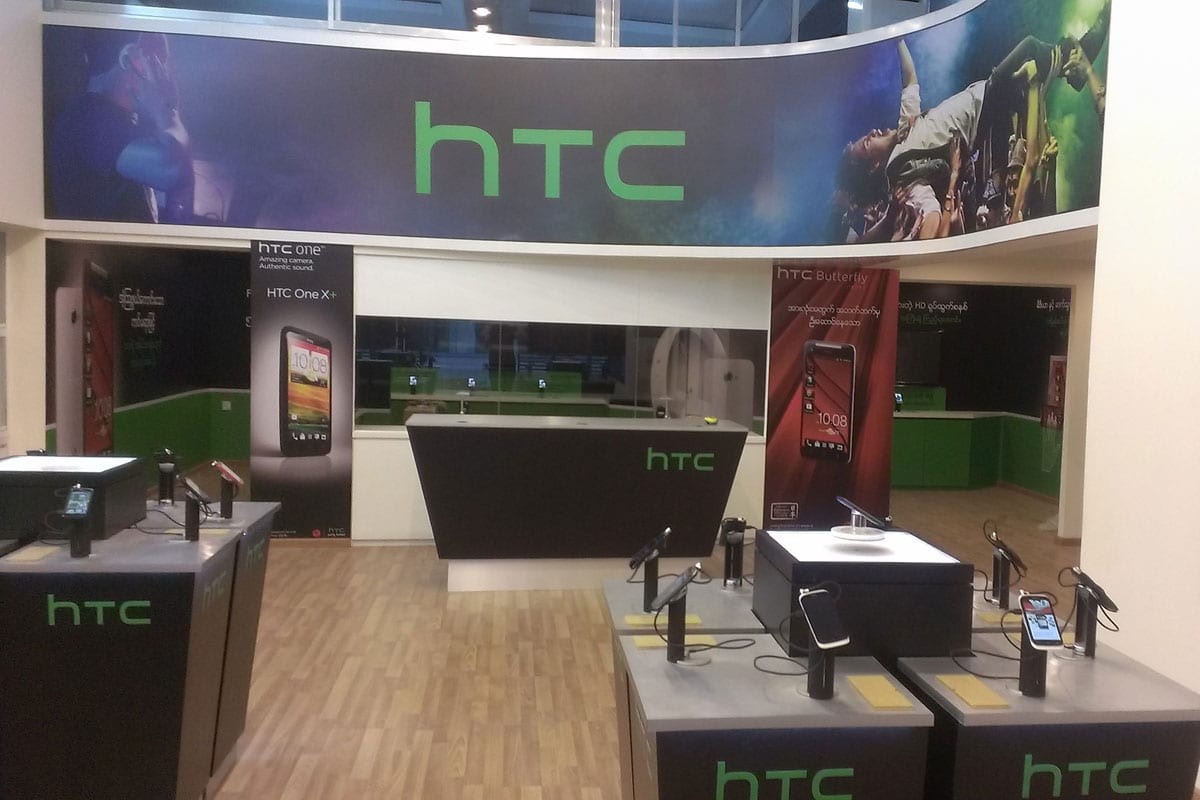
  • HTC U Ear true wireless earbuds seen on FCC’s website

    HTC U Ear true wireless earbuds seen on FCC’s website

    HTC is gearing up to join the insanely competitive wireless earbuds market. The company’s debut wireless hearables, the HTC U Ear have been spotted on FCC, implying that they could be here anytime.

    In addition to revealing the name of the wireless earphones, the listing also contains images that give us a good look at them. Design-wise, they bear a lot of resemblance to the Apple AirPods. They have a glossy black finish and come in a cube-shaped box. Although the USB-C charging port can be seen in the images, we don’t know if wireless charging will also be supported. It also looks like they will ship with a USB A-to-C cable.
    The true wireless headsets market is currently dominated by Apple. However, just cloning AirPods wouldn’t necessarily work for HTC. Back in 2010, HTC acquired a major stake in Beats Electronics to help with smartphone sales. However, nothing much came out of the deal, and by 2013, the company had sold back its stake.
    Later on, Apple bought Beats, and the acquisition totally paid off. In fact, it’s believed that the takeover helped Apple gain an insight into the Bluetooth headphones market trends, which ultimately resulted in the birth of the AirPods and the jack-less iPhone.
    The success of AirPods has led rivals to create similar products of their own. Google, Amazon, and Microsoft have all jumped the bandwagon, and OnePlus is also expected to follow suit.
    Microsoft, Apple, and Google also use their software to their advantage. For instance, the Surface Earbuds offer Office 365 integration, and the Pixel Buds 2 provide hands-free activation of Google Assistant and live language translation. Amazon’s Echo buds feature always-on Alexa and are priced aggressively.
    Thus, unless the HTC U Earbuds offer something that makes them stand out and are priced competitively, they will be just another pair of wireless earbuds.
  • Apple to reopen 25 U.S. Apple Stores this coming week

    Apple to reopen 25 U.S. Apple Stores this coming week

    Deirdre O’Brien, Apple’s Senior VP of Retail + People, published an open letter today on Apple’s website. In the letter, O’Brien notes that nearly 100 Apple Stores around the world have reopened. First, let’s have a little recap. The company was one of the first insides of China to take action right away, and by using social distancing Apple was able to slow the spread of the virus. Apple has continued to develop a set of rules that it has stuck within China and elsewhere, and this has allowed it to safely keep its stores open for months. It plans on bringing over these rules to the U.S.

    On March 13th, Apple reopened its retail stores in China, and on April 18th it opened its one location in South Korea. Last Monday, an Apple Store in Idaho became the first in the states to turn the lights back on again and as of today, there are 99 brick and mortar Apple Stores open for business. In the coming week, there will be 25 more U.S. stores re-opening along with 12 in Canada and 10 in Italy.

    O’Brien says, “Our commitment is to only move forward with a reopening once we’re confident we can safely return to serving customers from our stores. We look at every available piece of data — including local cases, near and long‑term trends, and guidance from national and local health officials. These are not decisions we rush into — and a store opening in no way means that we won’t take the preventative step of closing it again should local conditions warrant.

    You can check the status of any Apple Store by going to this website and typing in the store’s zip code. Each reopened store will limit the occupancy and make sure that everyone has sufficient room. The Genius Bar will focus on one-to-one personalized service. Team members and customers will be required to wear face masks and those without a mask will be provided one by Apple. Customers will have their temperatures taken at the door and posted health questions will screen for those with a fever or a cough, or who had recent exposure to someone affected. During the day Apple will allow the stores to be deep cleaned with “special emphasis on all surfaces, display products, and highly trafficked areas.” And many Apple Stores will provide curbside pick-up and drop off. Online orders can be picked up from an Apple Store or shipped to a home address. As O’Brien wrote, “you can continue to find the same excellent standard of customer service and support online and over the phone to help you with any questions you might have.”

    The executive in charge of the Apple Store, Deirde goes on to add, “The response to COVID‑19 is still ongoing, and we recognize that the road back will have its twists and turns. But whatever challenges lie ahead, COVID‑19 has only reinforced our faith in people — in our teams, in our customers, in our communities. Down the road, when we reflect on COVID‑19, we should always remember how so many people around the world put the well‑being of others at the center of their daily lives. At Apple, we plan to carry those values forward, and we will always put the health and safety of our customers and teams above all else.

    Thank you for all you’re doing to support the COVID‑19 response — whether that’s volunteering, donating, sharing gratitude for our medical workers, or maintaining social distance to protect the health of our communities.”

    Apple has 510 Apple Stores worldwide with 271 of them located in the United States.