Author: Mei Ling Tan

  • Hong Kong retailers host 93,000 applications for Covid-19 support

    Hong Kong retailers host 93,000 applications for Covid-19 support

    The Hong Kong government has nearly completed vetting Covid-19 support applications under its Retail Sector Subsidy Scheme, which drew around 93,000 applications.

    Applicants are being gradually notified of results, with about 66,000 having already been contacted, two-thirds of which were successful. The remaining applications are currently under processing with around 10,000 required to submit further information or documents to determine whether they are eligible for the scheme.

    The scheme has thus far approved roughly HKD3.5 billion (US$451.5 million) in Covid-19 support for eligible retailers. The majority of unsuccessful cases involved businesses not explicitly engaged in retail, while some applications were duplicates.

    The government anticipates that more than 60,000 applications will eventually be approved under the scheme, broadly in line with the number of establishments in the retail sector as estimated by its Census and Statistics Department.

  • 7-Eleven and Nike to launch co-branded sneakers and other footwear

    7-Eleven and Nike to launch co-branded sneakers and other footwear

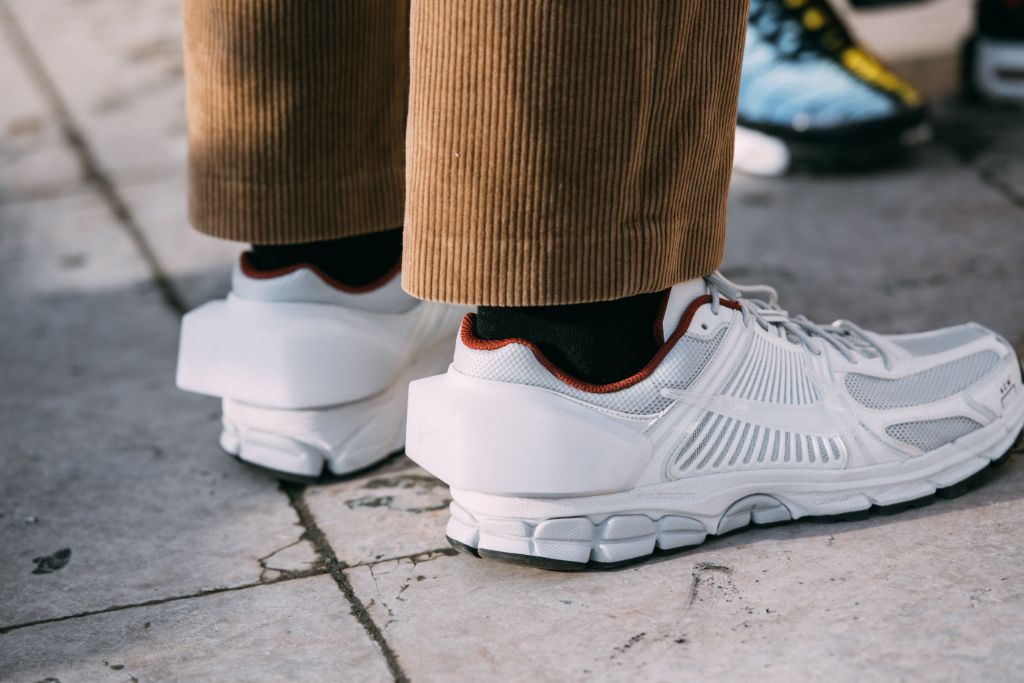
    7-Eleven and Nike will collaborate to create a new sneaker featuring the convenience-store chain’s distinctive logo colors, but the shoes will most likely be released only in Japan.

    According to multiple blogs covering sneaker news, the new 7-Eleven and Nike SB Dunk Lows will feature a color-blocking design in orange, green, and red and will come with a three-pack of extra laces to match, each with stripes in the three logo colors at the tips. Nike’s own logo will be displayed on the sides of the shoe with 7-Eleven’s logo seen embroidered onto the lateral heel.

    The midsole uses Nike Air technology to ensure consistent optimal cushioning.

    While initial reports suggest that the shoes may only be available in the Japanese market, some sneakerheads suspect the launch may this time be a little more widespread given 7-Eleven’s rapid spread across new markets, especially in Asia.

    This is Nike’s second collaboration with the chain since its Christmas SB Dunk High Pro sneakers were released in 2008.

  • Ant Financial Capitalizes on Open Banking Amid Pandemic

    Ant Financial Capitalizes on Open Banking Amid Pandemic

    Alibaba-backed Ant Financial grew its client base of mainland Chinese lenders by 175 percent in just two months through April this year, as the nation grappled with the ongoing pandemic.

    Paying customers from the banking sector grew to over 200 (out of around 4,500 nationwide) during the period which also saw collaboration-related inquiries surge 400 percent.

    Ant Financial, formerly known as Alipay, was able to capitalize on open banking opportunities in a timely fashion as more than 800 branches were permanently shuttered, according to Chinese regulators, which placed pressure on brick-and-mortar lenders to seek income elsewhere. This was especially the case for players that lacked scale for in-house development.

    The bigger banks might want to build their own private cloud, but we’re targeting the smaller lenders who might not have the budget to build their entire online infrastructure from scratch,» said Liu Xin, who oversees the fintech giant’s cloud unit, in a Bloomberg report.

    One successful user of Ant’s open banking solutions was Shenzhen Rural Commercial Bank Co. which was able to cater to significantly increased traffic and heightened digital demands. It managed to cut loading time on its app by four-fold to less than half a second to meet the various needs of its 15 million retail customers.

    According to the bank, nearly all of its transactions during the height of the outbreak were executed online.

    While we’ve always prioritized mobile development, the growing demands from our customers made us realize our existing infrastructure wasn’t enough,» said Zhan Bin, head of the network finance department at Shenzhen Rural Commercial Bank.

  • Harley-Davidson India Introduces Home Delivery Of Motorcycles

    Harley-Davidson India Introduces Home Delivery Of Motorcycles

    Harley-Davidson India has introduced home delivery of motorcycles during the months of April and May, along with extended service warranties and a completely online version of what the brand calls, the Harley-Davidson Passport To Freedom, the experience of riding a new Harley-Davidson motorcycle. Members of the Harley Owners Group (H.O.G.) from across India have also shot and made a film, which has been published online to share the spirit of camaraderie and stand strong with the extended Harley-Davidson family. Bikes whose product warranties are expiring during the lockdown will also get extended.

    “For an experiential brand like ours, it is critical to stay engaged with customers and enthusiasts continuously, keeping them hooked to the brand. We have introduced a number of initiatives to keep them motivated and look forward to riding,” said Sajeev Rajasekharan, Managing Director – Asia Emerging Markets and India, Harley-Davidson.

    Harley-Davidson India is also offering an extension of warranty on its motorcycles

    The Harley-Davidson Home Delivery Program will help customers explore the range of Harley-Davidson models on the Harley-Davidson website, and then directly contact a dealer expert via the dealer locator to discuss the purchase and payment opportunities. Home deliveries of the motorcycles are free for a distance of up to 40 km from the dealership and chargeable for every extra kilometer.

    Harley owners whose product warranties are expiring during the lockdown period will get a 30-day extension. The brand will also provide a 60-day extension to customers who fall under the HDFS (Harley-Davidson Financial Services) planned maintenance program. The H-D contact center and Road-Side Assistance will continue to provide support services to all customers. Harley-Davidson India has also rolled out a completely online avatar of its popular program- ‘Passport to Freedom Online series’ in partnership with some notable names in motorcycling to talk about motorcycling at large and some of their Harley experiences. Harley-Davidson India has also pledged its support to PM Cares fund for fight against COVID-19.

  • Li Ning founder bids to acquire Bossini

    Li Ning founder bids to acquire Bossini

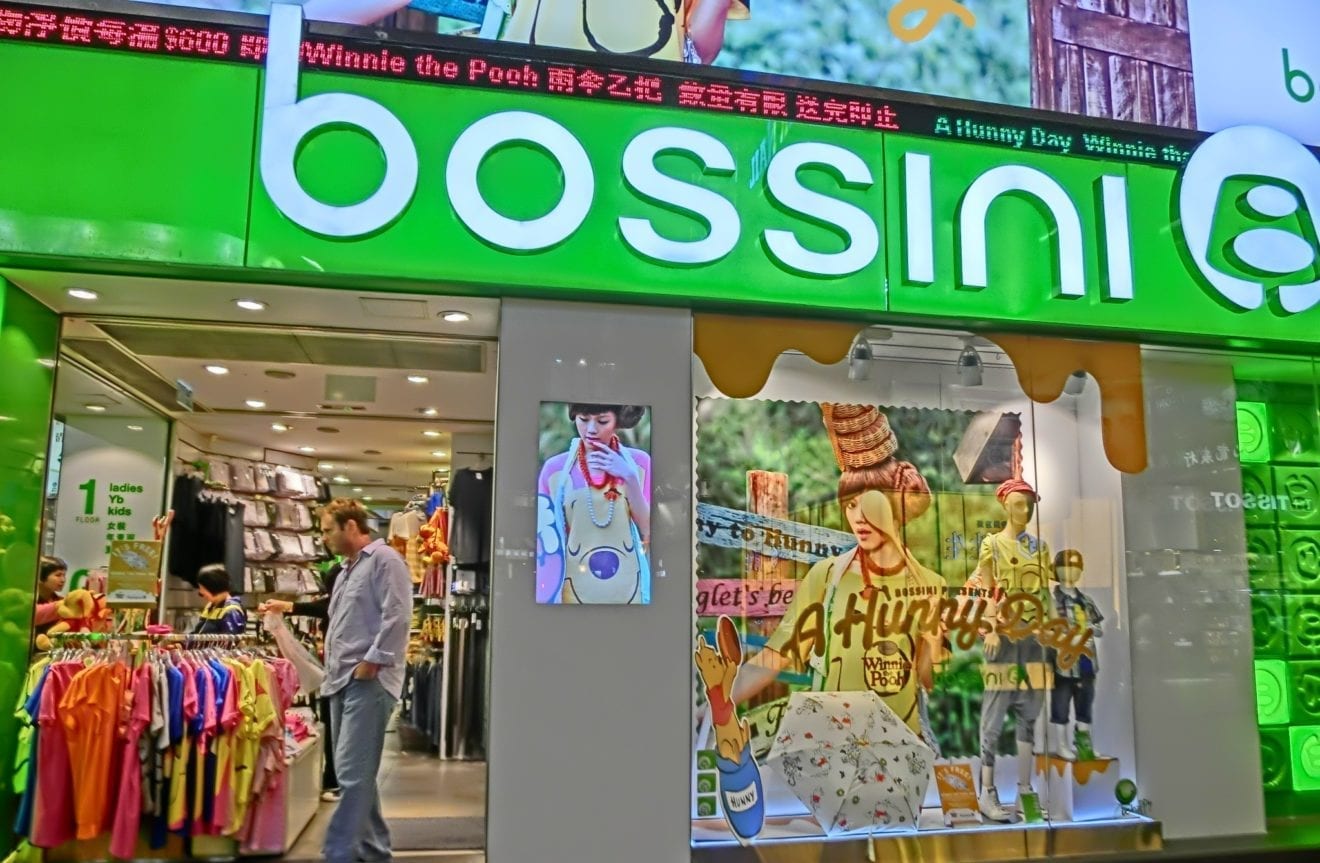
    A Chinese company controlled by Li Ning plans to buy a controlling stake in Hong Kong-listed apparel group Bossini, with plans to expand the business in Mainland China.

    A venture called Viva China will buy 1.09 billion shares in Bossini, paying just HK$46.6 million (US$6 million) for 66.6 percent of Bossini’s issued capital, effectively buying out the family interests of Bossini’s founder Law Ting-pong. After that deal is concluded, the buyer is required under Hong Kong stock exchange rules to offer to buy out the remaining shareholders, which would lead to the company’s privatization. However, in a stock-exchange filing, Viva China said it intends to maintain the company’s listing.

    The offer for Bossini’s shares represents a discount of 71 percent to the 14.8 cents Bossini shares last traded at and an 87.39-per-cent discount to its December net asset value of $560.2 million. The offer reflects “the deteriorating financial performance of Bossini Group and its widening loss in the latest financial years (2018 net loss of $29 million; 2019 net loss of $139.1 million),” according to the filing. A further loss is expected in the current trading year, with the company recording a $93 million deficit in the first half.

    Viva China Group is principally engaged in sports competition, event production and facilities

    management, esports, sports-talent management and last year expanded into the development, design, and sale of sports, health, and leisure consumables. As part of that plan, the company has been actively seeking investment in an apparel brand.

    Viva currently owns about 13.42 percent of Li Ning Company, the sports apparel retail brand established by its namesake, a former Chinese Olympiad. Li Ning facilitated an introduction between Bossini and Viva China and is effectively underwriting the purchase through companies he controls.

    Keystar, the other partner in the entity bidding for Bossini’s shares, is owned by Boso Law, a nephew of the Bossini founder, who is CEO of Laws Fashion Group.

    Viva believes there is strong potential to expand Bossini’s existing network of 180 stores in Mainland China, now largely based in Guangdong province, across the county.

    “The Viva China board will work together with the existing management of the Bossini Group to

    rejuvenate the brand of Bossini with a younger image to appeal to younger generation in the PRC. It will also renovate the stores of Bossini to enhance its layout so as to create a more immersive retail experience to the customers and capture the minds of the young generation,” the company said in the filing.

  • Puma searching sustainable technologies with Central St Martins students

    Puma searching sustainable technologies with Central St Martins students

    Puma has partnered with London design school Central St Martins to launch a new collection using sustainable technologies.

    The Puma x CSM Collection uses new dyeing technologies including “Dope Dye”, which is a process using less energy, water, and chemicals than conventional wet processing, and digital printing technology which reduces waste and chemicals.

    With these technologies, Puma is able to reduce water consumption during making the clothing by up to 17.4 percent. These technologies will be rolled out in other sectors of Puma’s product range after being tested in this collection.

    “Reducing waste goes beyond the production cycle, which is why Puma also delved into new ways to make its marketing more sustainable,” the company said in a statement.

    The Puma x CSM collection, which includes footwear, apparel, and accessories for both men and women, is available on Puma’s website and in selected stores.

  • Samsonite sales down with 80 percent as travel all but halts

    Samsonite sales down with 80 percent as travel all but halts

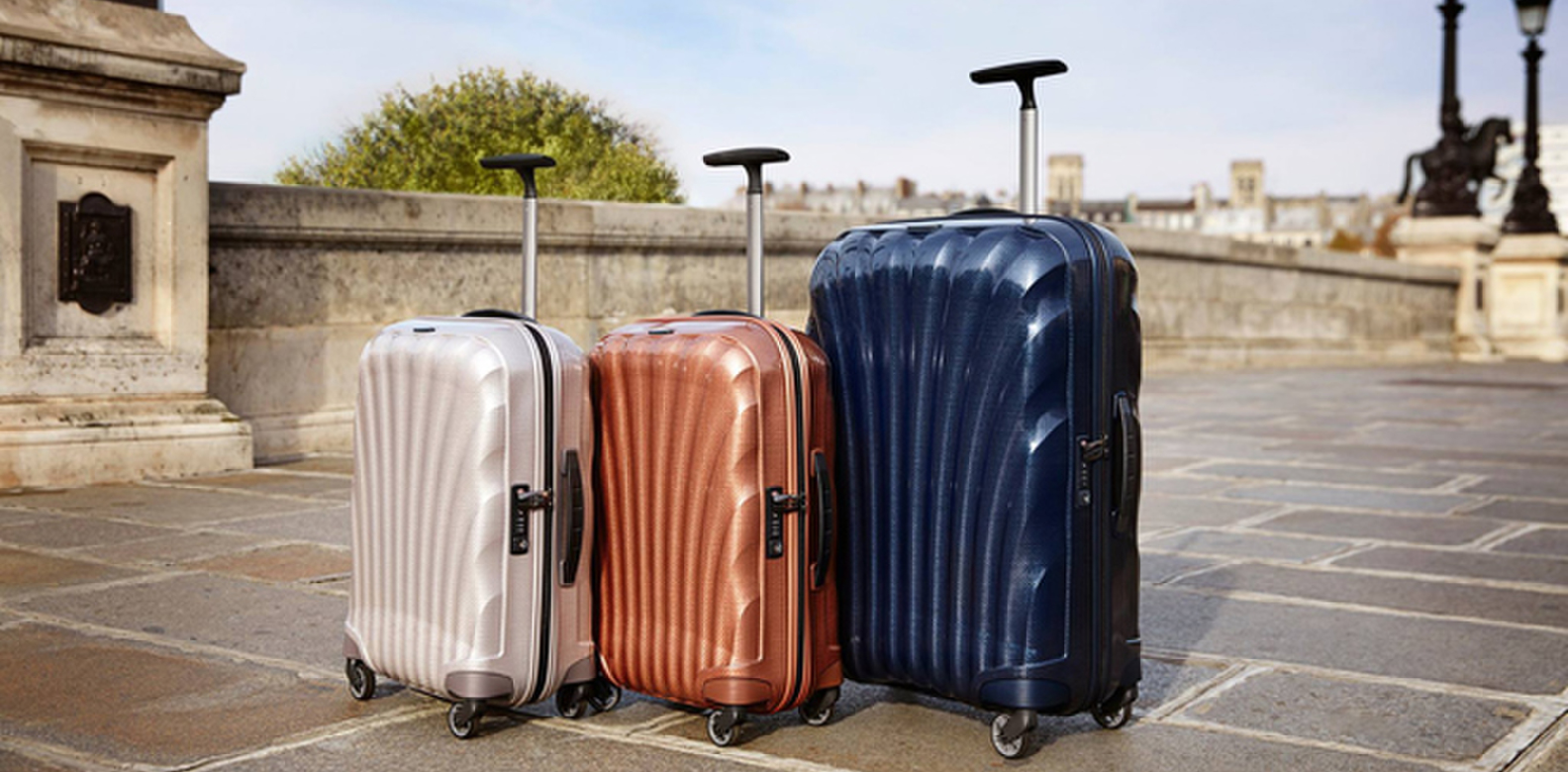
    With global travel now all but shut down, luggage-retailing goliath Samsonite is facing unprecedented challenges, with net global sales plunging by 80 percent last month.

    But its CEO Kyle Gendreau remains resolutely positive about its future fortunes when the impact of Covid-19 lessens.

    The group recorded year-on-year net sales decreases of 8.2 percent, 14.9 percent, and 55 percent respectively in January, February, and March as all around the world airlines grounded fleets and countries closed their borders to contain the spread of the coronavirus. Then came April’s 80-per-cent fall.

    The company has secured a US$600 million term loan this month, which it expects when added to its existing cash reserves of $1.2 billion, will help it ride out the “near-complete halt in travel and tourism worldwide,” said Gendreau.

    “This substantial liquidity position, along with the aggressive cost-reduction initiatives as well as other actions to preserve cash that we have implemented and will continue to pursue, will provide us with sufficient capacity to navigate the current headwinds from the Covid-19 pandemic as well as a prolonged downturn,” said Gendreau.

    “While our company-operated retail stores in certain markets in Asia and throughout Europe, North America and Latin America remain temporarily closed, daily activities have begun to slowly return to normal in some markets, most notably China, and we are hopeful that other markets will follow in the coming months.”

    Samsonite sales globally decreased by US$230.8 million, or 26.1 percent year-on-year during the first three months of this calendar year, to US$601.2 million. Sales across Asia fell by 32.7 percent. But the impact worsened substantially in April, the first month of the group’s final reporting quarter.

    While distribution costs fell along with falling sales, the company has been forced to lay off staff and is also seeking rent reductions from landlords.

    “We have aggressively implemented cost-reduction initiatives across all regions and all levels of our business, including headcount reductions, salary reductions and furloughs, temporary and permanent store closures, elimination of discretionary spending, and significant reductions in capital expenditures and marketing spend,” he said.

    “Historically, travel and tourism have recovered quickly from past downturns, and with people around the world placing a high value on life experiences, we are optimistic about the long-term growth prospects for travel and tourism and by extension the bags and luggage industry.

    “We are confident Samsonite will emerge from the current challenges in a strong position to capitalize on future growth opportunities, as we continue our journey to become the most sustainable lifestyle bag and travel luggage company in the world.”

  • Cebu Pacific, Cebgo, AirAsia flights still canceled until May 31

    Cebu Pacific, Cebgo, AirAsia flights still canceled until May 31

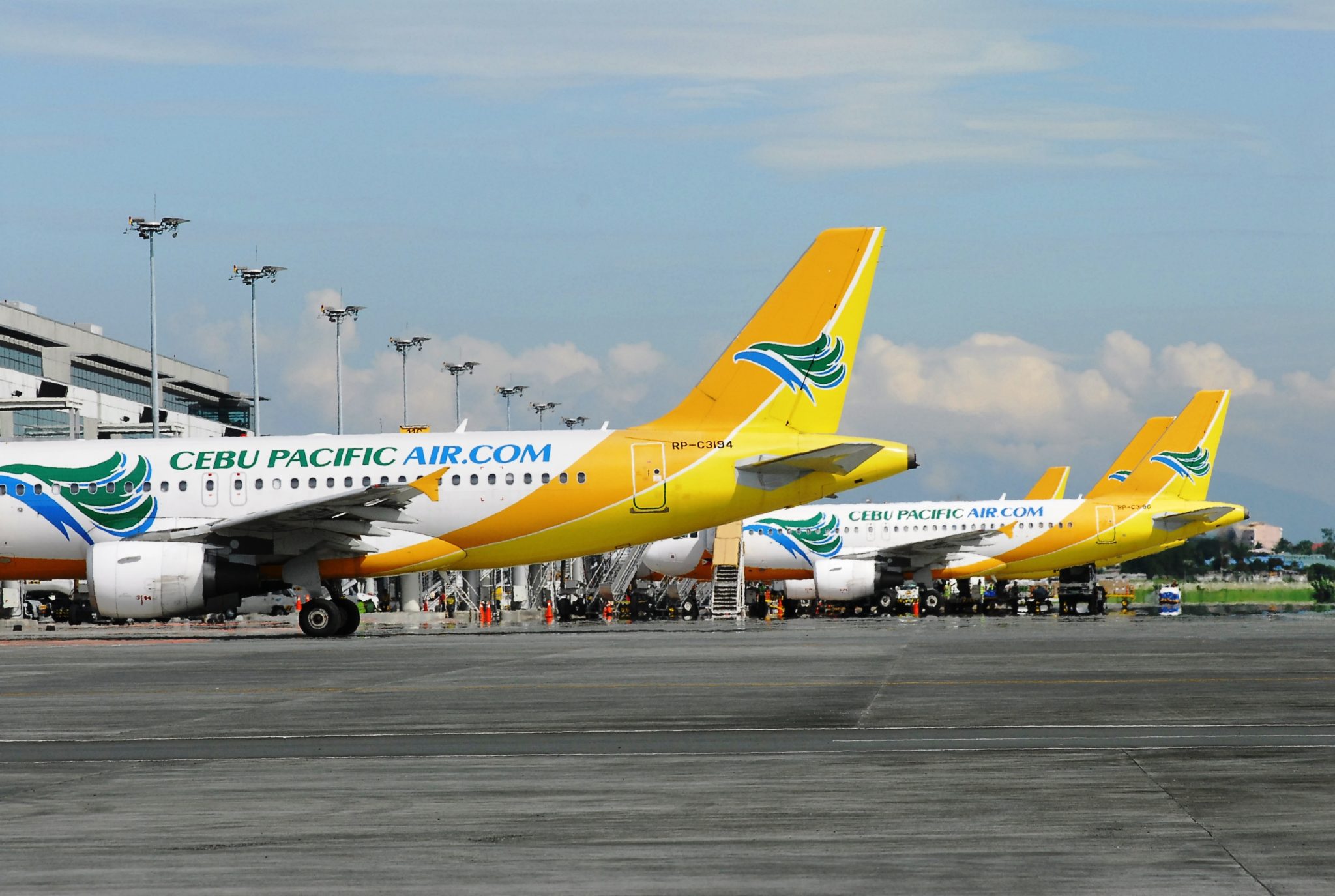
    All domestic and international flights of the Cebu Pacific, Cebgo, and AirAsia airlines remain canceled until May 31, 2020 in line with the implementation of the modified enhanced community quarantine in Metro Manila.

    “We encourage passengers on canceled flights to manage their bookings online via the website, before their scheduled travel dates,” Cebu Pacific said in an advisory on Wednesday.

    When rescheduling, passengers may select from either free rebooking or full travel fund.

    Under free rebooking, passengers may rebook to any travel date within three months. Change rebooking fees and fare difference are waived, according to Cebu

    For a full travel fund, passengers may place the full cost of the ticket in a travel fund valid for one year. This fund can then be used within one year either to book a flight up to one-year ahead or pay for add-ons like baggage allowance and seat selection.

    If the travel fund is not used within one year, passengers can also apply for a full refund, said Cebu Pacific.

    Processing of refunds will start after the community quarantine is lifted and regular work schedules resume.

    “However, due to the unprecedented volume of requests for refunds, the process will take as long as three to four billing cycles,” the airlines company said.

    Passengers with booked flights from June 1 to September 30, 2020 who want to change travel plans have the option to rebook to any other travel date within one year or place the full cost of the ticket in a travel fund valid for one year.

    Meanwhile, AirAsia also said it is offering provisions for passengers affected by flight cancellations following the government directive.

    “Guests with existing flight bookings made on or before 12 May 2020 with a departure date between 23 March and 31 July 2020 will now be able to select from a range of extended flexibility options for future travel,” the airlines said in a separate advisory.

    AirAsia said one of these options is unlimited flight change or changing to a new travel date before October 31 on the same route for unlimited number of times and without any additional cost subject to seat availability. The other option is a credit account or retaining the value of the flight booking for future travel with AirAsia to be redeemed within 730 calendar days from the issuance date.

  • Malaysia’s Mygroser looks to expand as Covid-19 boosts sales

    Malaysia’s Mygroser looks to expand as Covid-19 boosts sales

    Malaysian digital grocer Mygroser is raising its first public funding round as it enhances its delivery capacities in the midst of the continuing coronavirus pandemic.

    The business is targeting profitability within 12 months followed by expansion within the territory. Funding is expected to be used to meet incoming customer demand as the brand extends its grocery delivery services in Malaysia’s US$20 billion grocery and supermarket space. The firm has continuously operated throughout the country’s Movement Control Order (MCO) period.

    “We have seen the demand for grocery delivery locally grow by over 1000 per cent during the first part of this year, and have seen our own revenues and number of deliveries made daily grow ten times during just the past two months,” said Mygroser CEO Stephen P Francis.

    “On the back of this, we are accelerating our expansion plans to better meet the demand for convenient, fresh and affordable produce, everyday essentials and groceries that we are seeing from our consumer and business customers.”

    Working through the MCO, the online-only grocery service has deployed various technology enhancements – as well as daily delivery slot increases – across its cloud-store powered premium grocery service model. Investments in machine learning-based supply chain management, new product offerings, an enhanced grocery list and new membership offerings are currently in planning stages as the firm targets regional coverage within three years.

  • Organic food trends during Covid virus outbreak

    Organic food trends during Covid virus outbreak

    Australia has the world’s largest organic-certified area of land, so it comes as no surprise that 70 percent of Australians buy some form of organic food, contributing to the nation’s organic industry worth A$2.6 billion (US$1.67 billion).

    Half of Australians claim this motivation is based on personal health, being free from pesticides and OGM. The organic trend touches numerous categories from fresh fruit and vegetables as well as meat/poultry all the way to snacking and wine.

    Organic accounts for just over 5 percent of total packaged food and beverages in the grocery channel. Even though there is a lot of discussion around organic, it only accounts for a small portion of the market despite being widely spread.  The substantial price differential in most categories might be to blame.

    Even though 75 percent of the IRI shopper panellists state that they purchase locally grown over imported goods and over half are trying to purchase environmentally friendly products. Only 21 percent are actually willing to pay more for organic food.

    As we find ourselves currently in a period of heightened price sensitivity due to many Australians’ temporary unemployment as a result of Covid-19, it is interesting to turn towards trends, such as organic, that fulfill a need beyond the basics.

    Covid-19 heightened our focus on meeting our basic Maslow’s needs. Even though many shoppers claim to buy organic foods for health reasons, we also know that buying organic can be a status-seeking behavior and hence comply with individualistic needs. Due to the current financial uncertainty, many consumers report a stronger focus on finding the best deal at a time when over one-third of households report experiencing grocery affordability challenges and only 36 percent of households report maintaining regular spending.

    The poultry category has a substantial price differential with organic costing twice as much as non-organic. Knowing that only two in 10 shoppers are willing to spend more money for organic could explain the downward trend of organic poultry in the past year. Organic picked up some positive growth momentum since Covid-19 but is far behind overall poultry. This recent shift could be driven by out of stocks in the fresh poultry department as we know that 43 percent of shoppers experienced out of stocks for fresh meat since the beginning of March.

    Organic pasta sauces have been in decline prior to Covid-19 but have seen double-digit growth since. The price differential is only 30 cents per liter, which is more manageable than poultry, and despite the price gap has widened since February vs the prior MAT (from 20 cents per unit to 40), organic might have picked up some of the sales due to the widespread out of stocks in the category. Will shoppers continue buying organic sauces post Covid-19 as increased flavor, one of the claims of organic, might have won them over long-term?

    Covid-19 impacted retail liquor sales positively due to the temporary closure of pubs and restaurants. Despite only a few organic wine brands available, these have seen a slight increase in sales, however, the major growth came from the remaining category as an additional $4 on average per bottle doesn’t seem to be in line with the increased financial strain some Australians or possible the organic health credentials may not translate into a taste for Australian wine drinkers. It also highlights that organic is a choice that is made when a higher disposable income is available.

    Even though everyday routines have been impacted for more than 95 percent of Australian households, as the home has become the epicenter of life, and the catalyst for heightened self-care, organic food does not seem to fall into the consideration set for increased self-care. However, could there be an opportunity for the organic products purchased out of necessity to become included in the ongoing purchase repertoire?

  • Kopi Kenangan eyes fast expansion after US$109 million investment

    Kopi Kenangan eyes fast expansion after US$109 million investment

    Southeast Asian non-franchise grab-and-go beverage retailer Kopi Kenangan has raised US$109 million in Series B funding led by the firm’s existing investor, Sequoia Capital.

    The funds will help Kopi Kenangan strengthen its operations in Indonesia, launch new products, invest in technology enhancements and protect employees during the ongoing coronavirus pandemic. The company has also revealed plans to offer a wider range of food and beverage products from local merchants as well as its cloud kitchens.

    Horizons Ventures, B Capital, Verlinvest, Kunlun, Alpha JWC Ventures and Sofina also participated in the round as new investors

    The firm serves locally sourced coffee priced for the mid-market and available at kiosks throughout the territory or via online delivery. It was an early responder to the Covid-19 threat and provides protective medical gear, donations, and free coffee for frontline healthcare workers within Indonesia.

    “The hospitality industry is facing the biggest existential crisis of our generation,” said Kopi Kenangan co-founder and CEO Edward Tirtanata. “It’s hard to tell when the sector will return to normal but when it does, it will look very different. As a growing startup, we are adapting quickly to the challenge through contactless commerce and uncompromising hygiene standards throughout our stores. The well-being of our employees is a big priority and we are investing in their safety, along with enhanced health benefits and additional training to help them cope with this massive change.”

    The firm’s current target is to have 500 outlets in operation by the end of the year over its current 324 stores, which already employ 3000 staff. It is then looking to expand into Thailand, the Philippines, and Malaysia following the resolution of the coronavirus crisis.

    Kopi Kenangan recently hired Facebook co-founder Eduardo Saverin to its board of directors.

  • Menswear retailer TM Lewin sold to PE investor

    Menswear retailer TM Lewin sold to PE investor

    British menswear retailer TM Lewin has been sold by Bain Capital to private-equity company SCP through its new subsidiary Torque Brands. The deal, announced today, ends speculation over the brand’s future, with rival UK menswear retailer Charles Tyrwhitt tipped to be preparing a bid as recently as last week.

    In Asia, TM Lewin has stores in Singapore, Malaysia, the Philippines.

    Bain Capital bought the 122-year-old business in partnership with the company’s management in 2015, for a reputed £100 million, and sought expressions of interest a month ago.

    TM Lewin is the first business to be bought by Torque Brands which plans to create a portfolio of contemporary British brands which – according to company documentation – will “share a centralized services platform”.

    The company is “actively acquiring heritage homegrown talent which we see having a long and successful future,” said SCP managing partner James Cox.

    “We wholeheartedly believe that specialist vertical-specific British brands, such as TM Lewin, will continue to hold a premier position in the eyes of the global consumer, and look forward to the challenge of helping the company adapt to the rapidly changing retail landscape.”

    TM Lewin operates 66 stores in the UK, all of which are currently closed due to the Covid-19-related lockdown. About 90 other stores are located outside the UK, including in Europe, Ireland, the US, Australia and Asia, but it is not clear how many of these are company-owned as opposed to operating under licensing agreements.

    While TM Lewin was founded as a specialist shirt maker, it has since expanded into suits, outerwear, knitwear, chinos, jackets, ties and accessories. In the year to March the company achieved sales of more than £120 million.

    Brad Palmer, MD at Bain Capital, said that – notwithstanding the challenges facing the retail sector, most recently from Covid-19 – the business has become a truly multi-channel retailer in the UK under Bain’s ownership.

    He said the brand has “a large and loyal customer base and an even stronger brand proposition”.

  • Aston Martin Posts Deep Loss As Coronavirus Outbreak Hits Sales

    Aston Martin Posts Deep Loss As Coronavirus Outbreak Hits Sales

    Aston Martin posted a first-quarter pretax loss of 119 million pounds ($146 million) after sales dropped by nearly a third due to the impact of the coronavirus outbreak and the destocking of dealers, the carmaker said on Wednesday.

    “COVID-19 and the resulting global economic shutdown has had a material impact on our performance this quarter,” said Chief Executive Andy Palmer.

    The carmaker, which has seen core retail sales slump by an annual 31%, has furloughed staff, introduced additional safety measures and cut the pay of its senior management as part of measures to handle the crisis caused by the pandemic.

    Canadian billionaire Lawrence Stroll, who leads a consortium which took a stake in the company earlier this year, hopes to pursue a turnaround partly by sharing Formula One technology with the firm’s range of road cars.

    But the firm said on Wednesday the pandemic meant it could no longer provide full-year guidance.

    “Given the ongoing uncertainties, as is prudent, the company continues to review all future funding and refinancing options to increase liquidity,” it said.

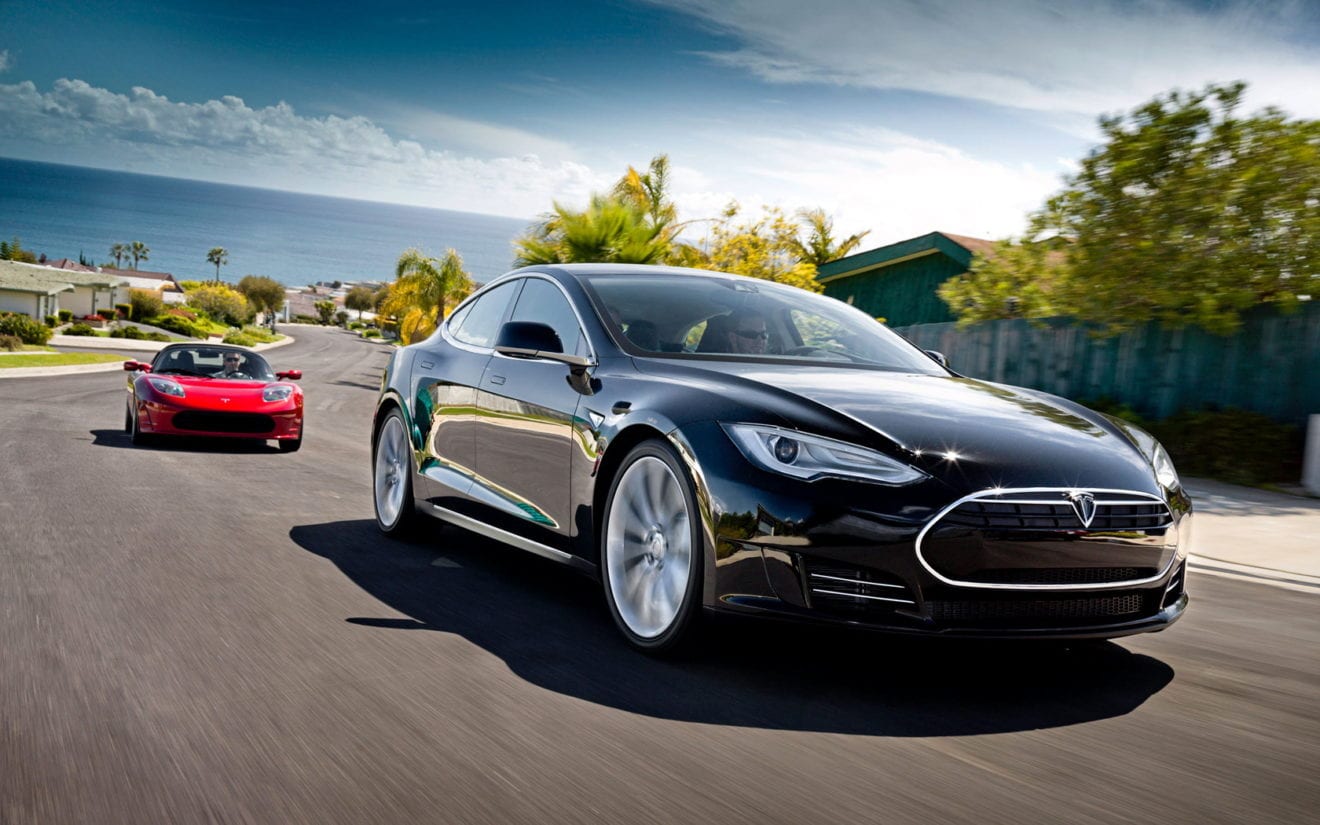
  • Tesla, California County Reach Deal To Reopen U.S. Plant Next Week

    Tesla, California County Reach Deal To Reopen U.S. Plant Next Week

    Tesla Inc and officials in California have resolved their acrimonious clash over safety procedures at the automaker’s sole U.S. assembly plant with a deal that allows production to resume as early as Monday, county officials said.

    The county said the automaker could take additional steps ahead of next week after Chief Executive Elon Musk had vowed to defy authorities, saying Monday he was resuming production despite the prohibition. On Tuesday, he also won the backing of President Donald Trump.

    In a tweet, Alameda County said that following talks with Tesla it agreed that the electric carmaker can take steps “in preparation for possible reopening as soon as next week.”

    Tesla did not immediately comment Wednesday but around the same time the county issued its statement, Musk tweeted: “Life should be lived.”

    Tesla’s sole U.S. electric vehicle assembly plant is in Fremont, California, which is in Alameda County.

    The county said it would work with the police in Fremont “to verify Tesla is adhering to physical distancing and that agreed-upon health and safety measures are in place for the safety of their workers as they prepare for full production.”

    Tesla and officials in California have resolved their acrimonious clash over safety procedures at the automaker’s sole U.S. assembly plant with a deal that allows production to resume as early as Monday, county officials said. This report produced by Yahaira Jacquez.

    On Monday, Musk said production was resuming in Fremont, defying an order to stay closed and saying if anyone had to be arrested, it should be him.

    On Tuesday, Musk won Trump’s backing. “California should let Tesla & @elonmusk open the plant, NOW. It can be done Fast & Safely!” Trump wrote on Twitter. The White House did not immediately comment on the announcement.

    Tesla fell 3.3% in afternoon trading to $782.43.

    California Attorney General Xavier Becerra told CNBC that “conversation is going on between Tesla and the county. But at the state level, we’re ready to enforce if we find that anyone is violating the state orders issued by the governor.”

    On Tuesday, employee parking lots at Tesla’s factory in Fremont, California, were packed with cars. Trucks could be seen driving in and out of the factory grounds.

    At the Fremont factory’s outbound logistics parking lot, where only a dozen Tesla cars were parked last week, hundreds of Tesla vehicles were seen on Tuesday.

    The company had sued Alameda County challenging its decision that the plant should stay closed.

    A county health official on Friday said the county had asked all manufacturers, including Tesla, to delay operations by at least another week to monitor infection and hospitalization rates.

    Tesla on Saturday released a plan to keep workers returning to the factory safe.

    The measures, which include temperature screenings, the installation of barriers to separate work areas and protective equipment for workers, are similar to those set up by Detroit-based automakers General Motors, Ford and Fiat Chrysler. Those automakers are set to resume at most U.S. auto plants starting Monday.

    Trump is eager for the U.S. economy to reopen and for Americans to return to work.

    Musk over the weekend threatened to leave California for Texas or Nevada over his factory’s closure. His move has highlighted the competition for jobs and ignited a rush to woo the billionaire executive by states that have reopened their economies more quickly in response to encouragement from Trump.

    Last month, Musk was on a call with Trump and other chief executives to discuss the reopening of the U.S. economy in which Musk said he wanted to be able to resume production by May 1 or earlier, a person briefed on the call confirmed. Details of the call were reported earlier by the Washington Post.

    Musk’s fight with local authorities has gotten the attention of those who scout sites for new factories and corporate offices, as well as economic development officials hungry for more jobs.

    Since the disagreement between Tesla and Alameda County gained national attention, officials from such states as Texas, Nevada, Georgia, Utah and Oklahoma have pitched Musk about considering their state. Analysts estimate it would take Tesla 12 to 18 months to move production.

    The Fremont factory employs more than 10,000 people, according to the automaker.

  • Shinsegae profit all but evaporates as the virus outbreak hits sales

    Shinsegae profit all but evaporates as the virus outbreak hits sales

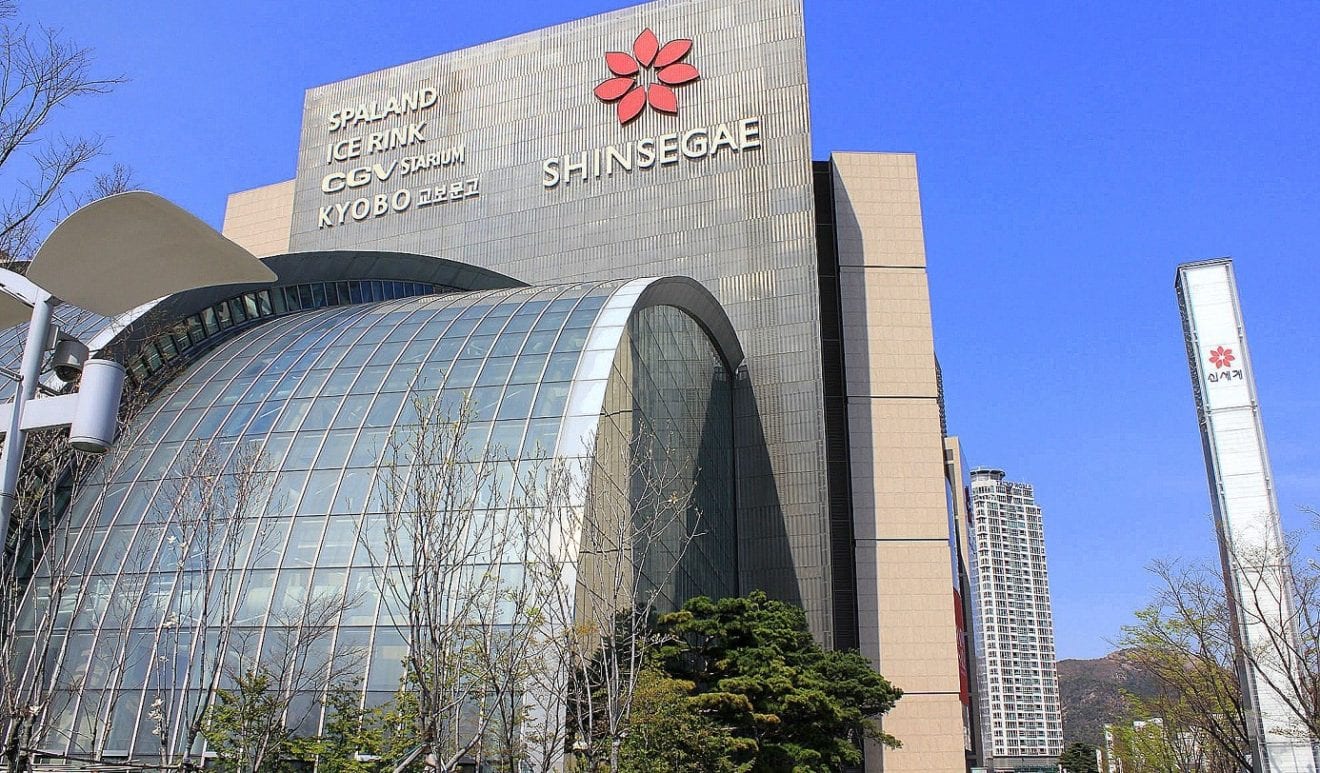
    Shinsegae, one of South Korea’s largest retail groups, has reported its net profit fell 99.8 percent year on year as the Covid-19 crisis effectively shut down the nation’s tourism industry and caused local consumers to stay home.

    The conglomerate, whose subsidiaries include E-mart big-box stores, convenience stores, homewares, fashion, beauty and a duty-free retail division, reported a March quarter net income of 1.6 billion won (US$1.3 million) on sales of 1.2 trillion won ($976 million).

    With a ban on inbound visitors from Mainland China during part of the period, Shinsegae’s duty-free business was hardest hit by Covid-19. Sales fell 30.5 percent to 488.9 billion won ($398 million) and the division lost 32.4 billion won ($26.4 million). Sales through airport duty-free outlets slumped by 40 percent and of downtown duty-free stores by 21 percent year on year.

    The E-mart business, which is also listed and releases its own financial results, had earlier reported an operating profit of 48.4 billion won ($39.4 million) in the March quarter, reversing a loss of 100 million won ($81,000) in the preceding three months. The company said its sales had benefited from consumers moving online and increased grocery demand while people cooked or ate at home instead of dining out.

    Sales of 5.2 trillion won ($4.2 billion) were up 13.6 percent year on year.

    Shinsegae’s department-store business saw sales fall 11.7 percent. The company’s furniture and homewares chain Casamia saw sales rise 23.8 percent due to network expansion, but additional costs contributed to a more than doubling of its loss to 2.7 billion won ($2.2 million).

    Sales at fashion and cosmetics group Shinsegae International fell 11.6 percent, but the division turned an operating profit of 12 billion won ($9.8 million).