Author: Mei Ling Tan

  • Second Starbucks community outlet opens doors in South Korea

    Second Starbucks community outlet opens doors in South Korea

    A second Starbucks community store has opened in South Korea.

    The new venue, located in Seongsudong, Seoul, is described by the company as a “hub for young people and prospective startups to share information about networking and starting their own businesses”.

    The store is located near a sizable startup and social-venture community and a major metro station.

    Starbucks will host a series of startup workshops for young people at the store via its new Starbucks Youth Startup Entrepreneurship Programme, which is funded by a portion of sales from the store, coordinating with other stores across the market to offer the program to youth in other parts of the country.

    The community space within the store features movable walls and furniture as well as regular cafe seating.

  • Cebu Pacific slips into first-quarter loss

    Cebu Pacific slips into first-quarter loss

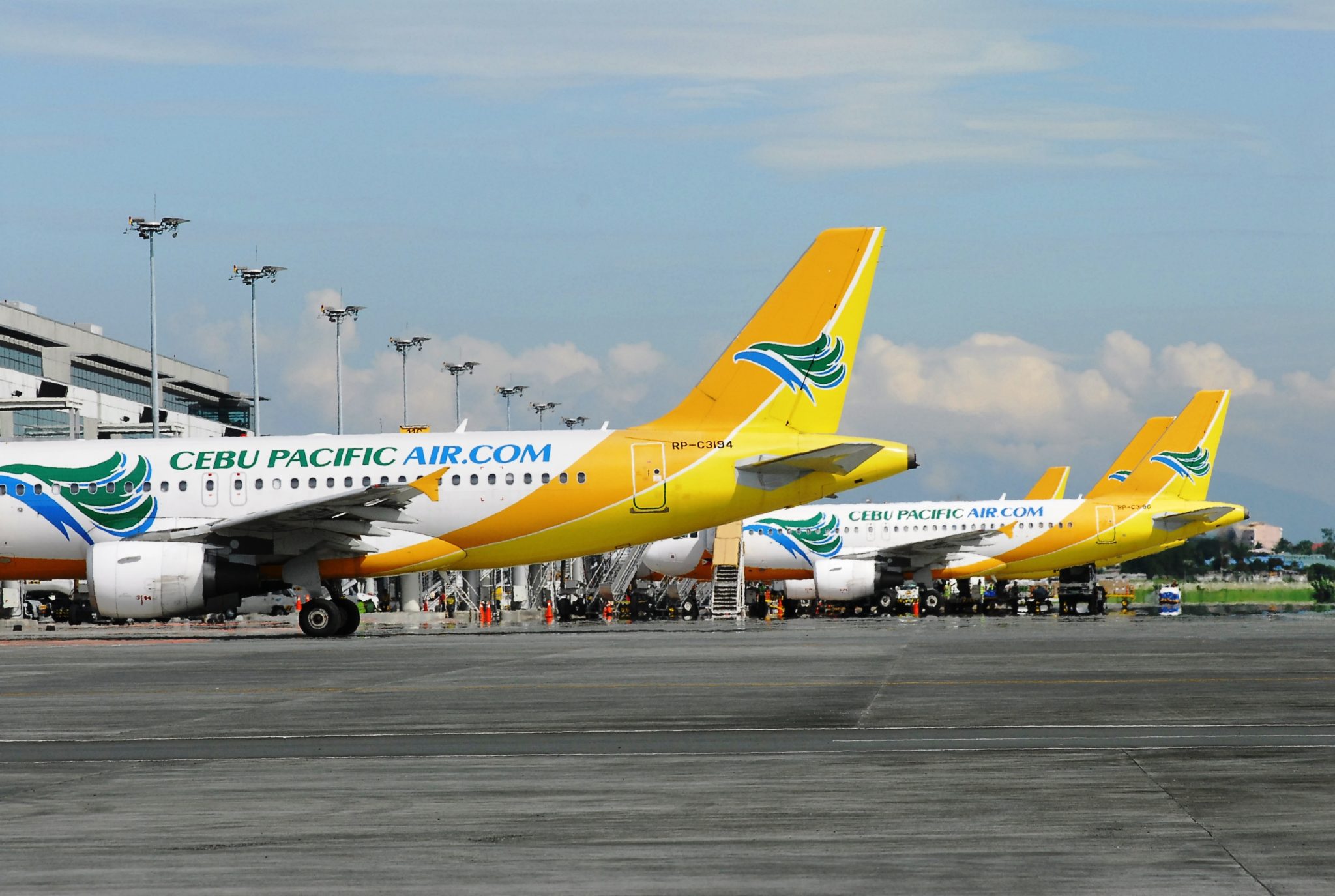
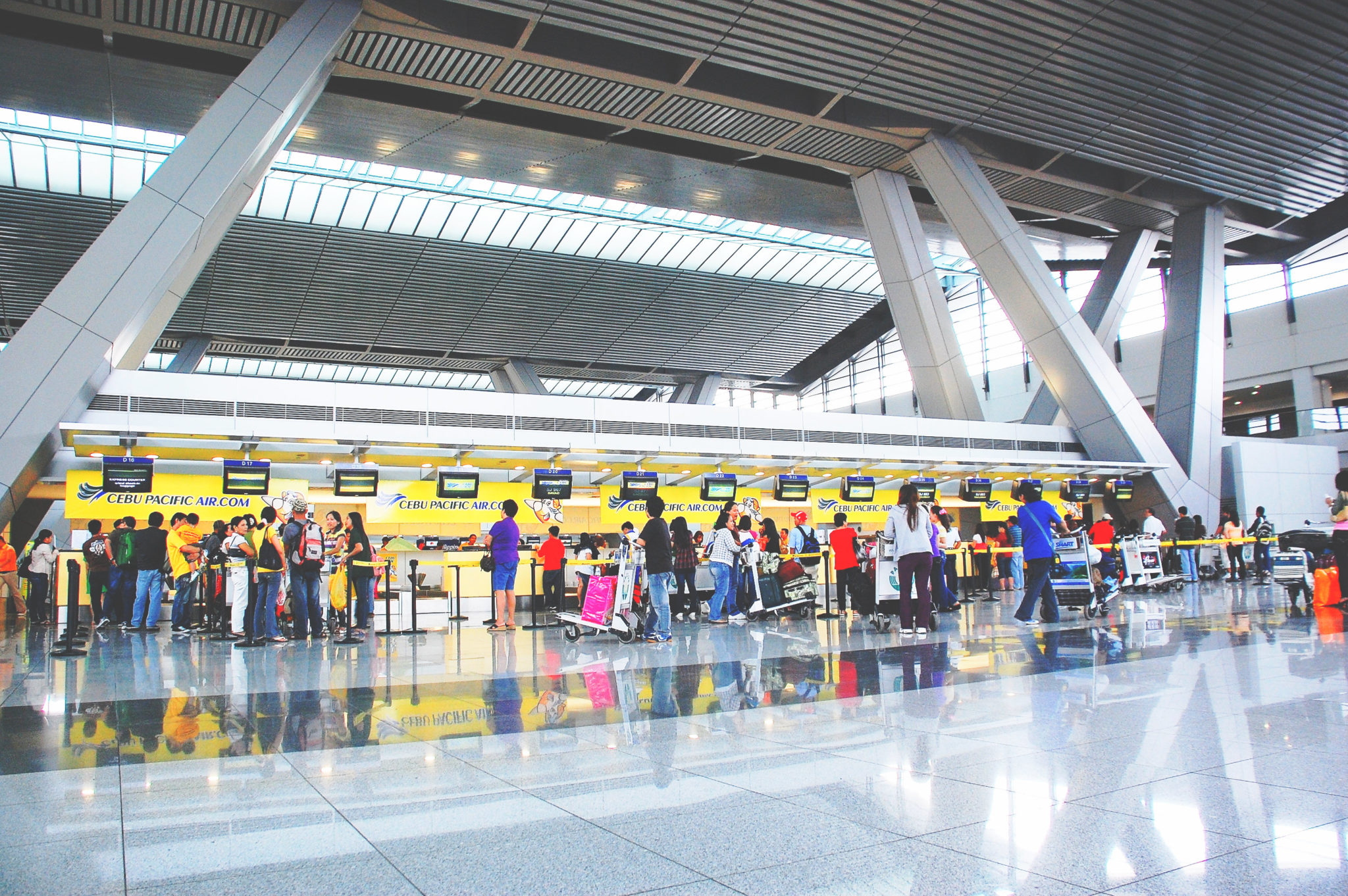
    Cebu Pacific posted an operating loss of Ps693 million ($13.7 million) in the first quarter of 2020, reversing the Ps3.85 billion operating profit made in the same period last year.

    Total revenue for the quarter ended 31 March fell 24.9% to Ps15.9 billion, as revenue from passenger, cargo, and ancillary segments fell across the board.

    The low-cost carrier’s expenses declined 4.2% to Ps16.6 billion, due to a sharp fall in costs associated with reduced flying operations, as well as reservation and sales. On the other hand, costs from depreciation and amortization, and aircraft maintenance costs were all higher.

    Cebu Pacific thus slipped into a net loss of Ps1.18 billion, down from a net profit of Ps4 billion last year. Factors contributing to the net loss include losses from hedging and foreign exchange.

    Cash and cash equivalent stood at Ps17.5 billion as of 31 March, down from the Ps22.5 billion a year before.

    During the quarter, Cebu Pacific grew its fleet from 75 to 76 aircraft, having added one Airbus A320neo.

  • Ikea Singapore plans opening new concept store at Jem mall

    Ikea Singapore plans opening new concept store at Jem mall

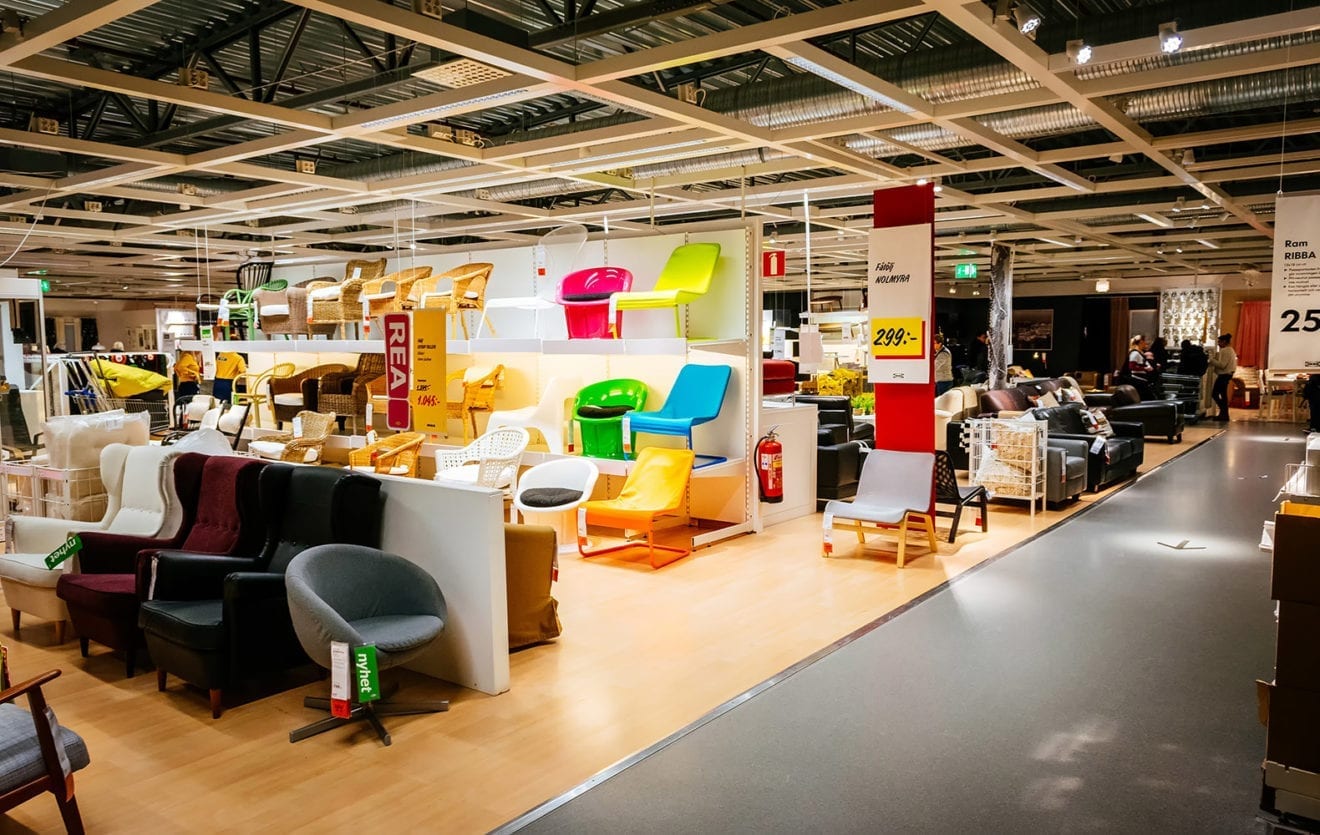
    Ikea Singapore is to open Southeast Asia’s first ‘small-store’ concept at Jem mall in the city’s west.

    The announcement today follows news last week that local department store Robinsons was vacating the space. The change of anchor is a perfect example of how consumer shopping preferences – and thus the balance of mall tenancies – is reshaping the modern retail market.

    The new Ikea Singapore store will open next year, taking up about 6500sqm across three floors of Jem, which is managed by Lendlease. It will be the Swedish furniture and home decor chain’s third shop in the city.

    “This store will bring us closer to millions of customers,” said Jaap Doornbos, Ikea retail director for Singapore & Vietnam. “This will be the first time we are establishing a smaller Ikea store format as a tenant within a shopping center in this region.”

    The ‘small-store’ concept is still relatively new globally. Unlike the giant standalone stores Ikea is known for, with their winding pathway layout, the Jem outlet will combine the full Ikea product range into one department. It will not feature a children’s playground, but will include an Ikea restaurant serving Swedish meatballs and fried chicken wings, among other items.

    “We see a bright future ahead for our store at Jem,” said Sebastian Hylving, property & expansion director at Ikea Southeast Asia & Mexico.

    “Jem is one of four malls connected to the Jurong Gateway, linked to public transport. At Jem, Lendlease has curated a combination of great F&B offer with fashion, groceries and entertainment to create an everyday meeting place for the many people.”

    Hylving says the two Ikea big-box stores, located at Tampines and Alexandra, attract almost 7 million visits each year.

    Ikea is reaping the benefits of renewed consumer interest in making homes more comfortable during the Covid-19 era, and the need for furniture and supplies needed for working from home.

    Ng Hsueh Ling, Lendlease Singapore MD and chief investment officer for Asia, said the company looked forward to bringing a first-to-market lifestyle concept to its mall.

    “We are continually rejuvenating our tenancy mix and bringing new experiences to them.”

  • Thailand’s CP wins 7-Eleven rights to operate in Cambodia

    Thailand’s CP wins 7-Eleven rights to operate in Cambodia

    Thailand’s CP Group will launch 7 Eleven Cambodia next year after winning the franchise rights for the country.

    CP Group, which operates 7-Eleven in Thailand, will run the business via its local subsidiary. The first outlet is expected to open in Phnom Penh.

    According to reporting in Nikkei, CP will be responsible for all business strategy and distribution activities of 7-Eleven Cambodia, and will bear the right to use the brand logo and signage.

    The operation will also include grocery sales along with some banking and delivery services.

    With 12,000 outlets, Thailand is the second-largest market for 7-Eleven after Japan.

    Founded in 1927 in Dallas, Texas, 7-Eleven is now owned by Japanese retail group Seven & I Holdings.

  • Covid-19 cuts US$420 billion from China’s retail market

    Covid-19 cuts US$420 billion from China’s retail market

    The Covid-19 pandemic has erased US$420 billion from China’s retail market this year – but an analyst predicts a rebound in the second half.

    Vijay Bhupathiraju, a retail analyst at GlobalData says before the coronavirus came along, Mainland China was on track to achieve 7.7 percent retail growth this year. But the resulting lockdowns from the pandemic wiped RMB3 trillion (US$420 billion) off total retail sales.

    The lockdown was eased progressively from March 18 and in the epicenter, Wuhan city, was completely lifted on April 8, at which point malls, restaurants and retail stores rushed to reopen and recover some of their losses. By April 3, according to Chinese government data, some 80 percent of restaurants and 90 percent of commercial facilities had resumed operations.

    But cautious consumers have remained confined to their homes, worried about the potential to be infected, meaning footfall at stores and restaurants reopened has been insufficient to ensure profitability for many companies in China’s retail market.

    “Despite easing lockdowns, immediate increase in consumer sentiment is unlikely in the second quarter of this year, particularly for discretionary goods, as consumers remain cautious about visiting busy locations such as shopping malls,” said Bhupathiraju.

    “A rebound in consumer sentiment can be expected from the second half, which will be translated into a faster sales pick up in the country. In fact, the rebound will be more positive than those we forecast for mature western countries such as Italy, Spain, the UK and the US, where consumer willingness to spend and financial stability will be weaker.”

    By year-end, GlobalData projects China’s retail sales will be down by 1.8 percent – a far cry from the 7.7 percent growth expected, but if the estimate proves correct, it should be significantly better than many western retail markets can expect.

    Next year, GlobalData predicts China’s retail market will bounce back, with sales growth of 8.3 percent against this year.

    Examples of the weak footfall in the post-lockdown era include Walmart in Shanghai, which reported less than half the usual levels on March 28, and H&M, which recorded a 23-per-cent sales decline for the week commencing March 26 against the same week a year ago, despite 99 percent of its stores reopened. And customer footfall at Suning’s physical stores was running at less than half normal.

    Meanwhile, a senior executive of e-commerce giant JD is predicting “unprecedented challenges” to the supply chain in the wake of the Covid-19 crisis as consumer behavior reshapes China’s retail market.

    Bing Fu, logistics head of strategy says new consumption demands are constantly emerging, and product life cycles are shortening.

    “Increased uncertainties caused by emergencies like natural disasters and pandemics lead to supply chain disruptions.”

    During the coronavirus, customers bought products in any way available, turning to online solutions immediately if they could not get what they wanted offline.

    “While Covid-19 is not welcomed, it promotes digitization of consumption, which concurrently drives supply-chain upgrade,” he said. “Only by shortening and digitizing the fulfillment process can we increase efficiency and access customers faster with increased precision.”

    In recent years, he argues, the line between online and offline has become increasingly blurred. “In fact, many new channels such as WeChat’s mini-programs can’t be considered exclusively online or offline; omnichannel is the future trend.”

    Fu says to adapt to the new environment, companies must take an integrated inventory approach to manage all sales channels, integrate supply-chain planning and optimization, use consumption data to design a more efficient supply chain to deliver goods to consumers more quickly, use big data and algorithms to optimize supply-chain performance and use a transparent parcel-tracking system.

  • Cebu Pacific offers flexible options for travelers

    Cebu Pacific offers flexible options for travelers

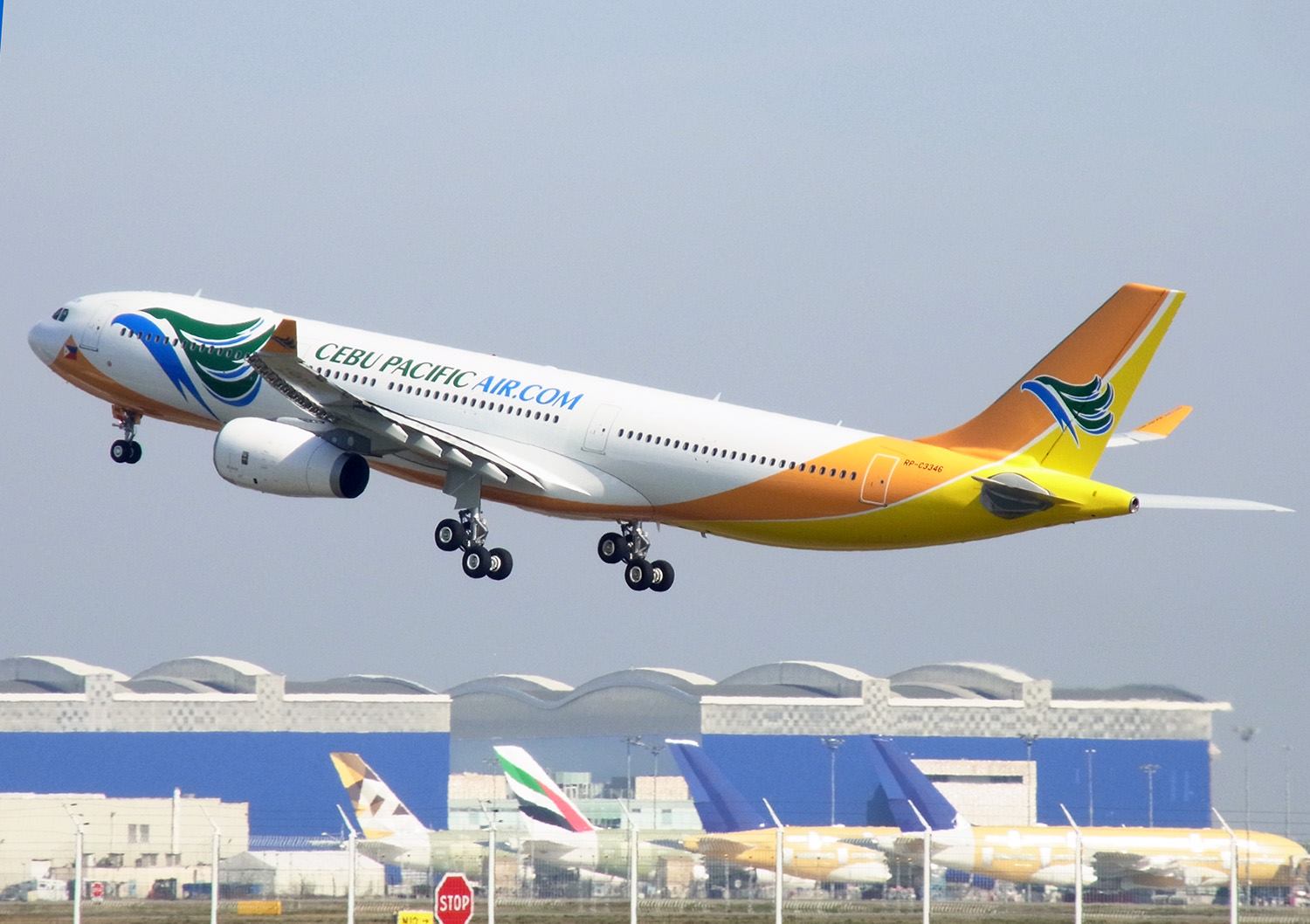
    In light of the World Tourism Organization’s #TravelTomorrow campaign, Cebu Pacific Airline encourages travelers to be responsible and stay at home amid the current health crisis as it offers flexible options for passengers whose flights have been canceled.

    Among the self-service options that can be done conveniently online are free rebooking, full travel funds, and a full refund. Free Rebooking By availing of this option, guests can rebook their canceled flights to any other travel date within three months from the original date, with no additional charges—both change (rebooking) fees and fare difference are waived. Who must avail of this: This is perfect for those just waiting for the skies to clear, and still need to travel at the soonest time possible.

    Full Travel FundThose who opt for the full travel fund, the full cost of their ticket will be stored in a virtual wallet—said amount can be used to either book a flight up to one year ahead or pay for add-ons such as baggage allowance and seat selection. If the travel fund is not used within a year, passengers can instead apply for a full refund. Who must avail of this: This can come in handy for those still waiting things out or those who are re-assessing their existing travel plans.

    Passengers who prefer to receive a full refund, processing of requests will begin on May 18 should the ECQ be lifted and regular work schedules resume. However, due to the unprecedented volume of requests for refunds, Cebu Pacific appeals for kind understanding as the process will take as long as three to four billing cycles (a cycle typically lasts 20-45 days).

    Who must avail of this: This is suited for those who might need the cash for other purposes, and are putting their travel plans on hold. For added flexibility, passengers with booked flights from May 16 to Sept. 30, 2020 who wish to voluntarily change their travel plans have the following options, all free of charge: – Rebook to any other travel date within one year from original date of departure, with change (rebooking) fees waived, but fare difference may apply;- Convert full cost of the ticket to a Travel Fund, which is now valid for one year. This allows passengers to decide and book their trips within a year for flights as far as one year ahead.

    Flights can be easily managed online via the “Manage Booking” portal on the Cebu Pacific website. Customers who booked through a travel agent should contact their agent for assistance.

  • Uniqlo Japan same-store sales down in April

    Uniqlo Japan same-store sales down in April

    Uniqlo Japan same-store sales, including online, plunged 56.5 percent in April as the Covid-19 crisis led to restricted store opening times.

    According to data released by parent Fast Retailing, total sales, including those of new stores, decreased by 57.7 percent.

    The company said customer visits to stores “dropped sharply”. Sales were “adversely impacted by the temporary closure or reduction in operating hours at more of our stores, and consumers deciding to stay at home to combat Covid-19,” the company said.

    During the month of April, 311 stores were temporarily closed due to the advent of the coronavirus, and 299 operated on reduced trading hours.

    Fast Retailing said the monthly data was calculated without excluding stores that were either open for fewer hours or closed temporarily from the total number of same stores or own stores.

    While Uniqlo Japan same-store sales data has been released, the company has not as yet shared data on its international operations.

  • China’s April Passenger Car Retail Sales Down 5.6%

    China’s April Passenger Car Retail Sales Down 5.6%

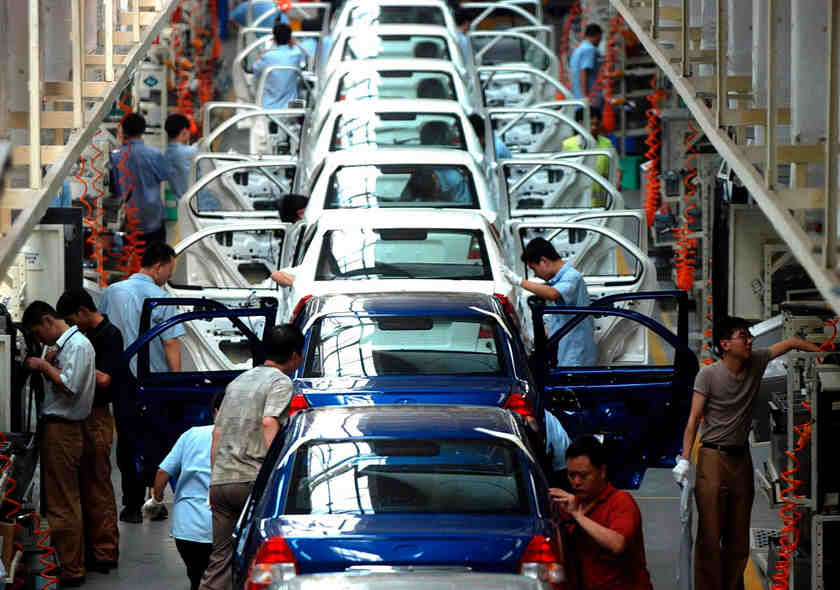
    China’s passenger car retail sales in April fell 5.6% from a year earlier to 1.43 million, the China Passenger Car Association said on Monday, as the country gradually recovers from the coronavirus.

    China on Wednesday reported 52 new coronavirus deaths, the lowest figure in more than three weeks. The number of fresh coronavirus cases has declined in China, with multiple provinces reporting zero new infections in recent days.

    The association said during an online briefing that the overall passenger car sales trend is showing a quick recovery from the virus-induced low.

  • Cebu Pacific to introduce Contactless Flights as “new normal”

    Cebu Pacific to introduce Contactless Flights as “new normal”

    Cebu Pacific will introduce contactless flights in the future when people are ready to fly again. The low-cost airline put safety as its topmost priority in the age of “new normal” as the Philippines will start to ease its quarantine restrictions come May 16. Here are some of our new guidelines for Cebu Pacific Contactless Flights within the Philippines:

    Guests are required to keep masks on, from airport entrance until arrival. Bag drop counters will close one hour before flights, to allow enough time for staggered boarding procedures. Physical distancing markers must be followed.

    Hand sanitizers will be provided for guest and staff use, at the airport and inside the aircraft. CEB passenger areas such as kiosks, bag drop counters, shuttle buses, and aircraft lavatories and seats will also be frequently sanitized for everyone’s safety.

    Guests are highly encouraged to check-in online to minimize proximity to our check-in agents. Those with no bags can head straight to gate. Once the row is called, have boarding passes ready for scanning by our boarding gate agents.

    Meanwhile, operations teams have these world-class Preventive Measures in place:

    CEB pilots and cabin crew will undergo rapid antibody tests before their assigned flights, as part of our commitment to flattening the curve. The operating crew cleared for flights will also don personal protective equipment. They are also trained to assist and isolate guests onboard, as needed.

    Our daily disinfection program includes the misting of the aircraft cabin, using an Airbus-approved disinfectant effective in eradicating viruses including the Coronavirus. This process is aligned with the International Air Transport Association (IATA) guidelines and ensures that all surfaces (such as passenger seats, overhead bins and cargo compartments) are covered and sanitized. Lavatories will also be sanitized every 30 minutes.

    The air inside the cabin is changed every three minutes, using High-Efficiency Particulate Air (HEPA) filters installed in our Airbus aircraft. HEPA filters can filter out viruses with 99.99% efficiency, which is why it’s also used in hospital operating rooms.

    Cebu Pacific said that it will continue to work with government authorities and use guidelines from the World Health Organization and the International Civil Aviation Organization. They will keep refining their procedures, so people can travel with peace of mind.

  • DHL Express names Best Workplace in Asia for second consecutive year

    DHL Express names Best Workplace in Asia for second consecutive year

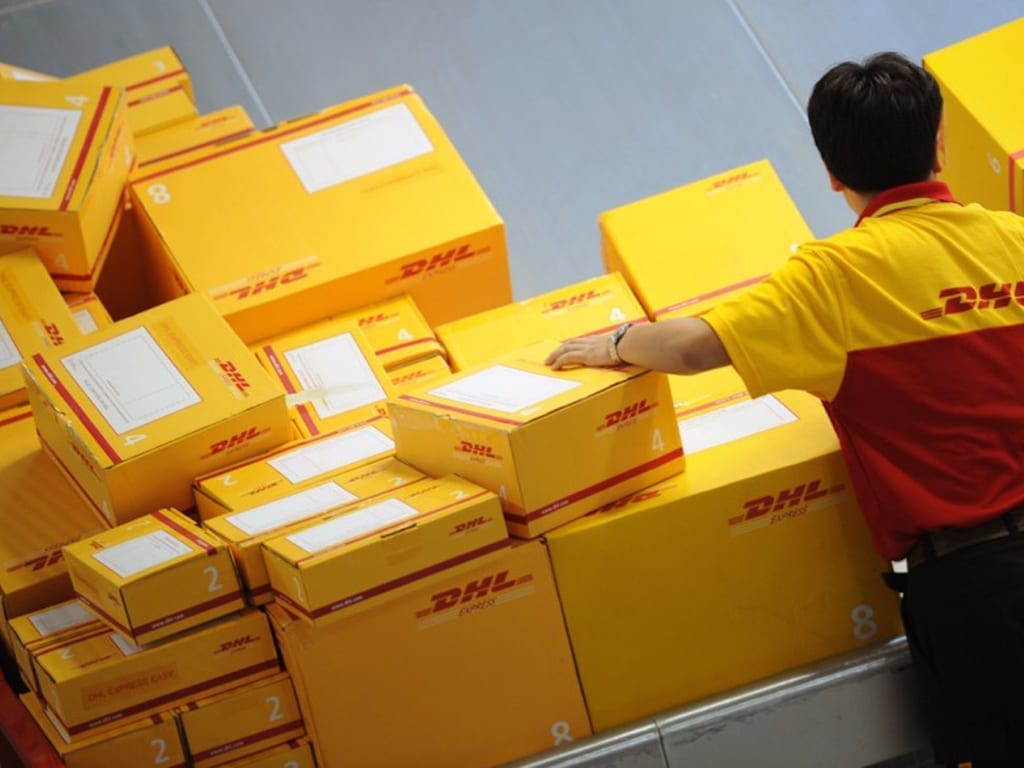
    Global people analytics and consulting firm Great Place to Work has named DHL Express as the Best Workplace in Asia for the second consecutive year. Great Place to Work identifies the top organizations that create great workplaces through its annual Best Workplaces in Asia list. For the 2020 award, more than 2.2 million employees participated in the survey in 8 Asian countries where Great Place to Work is represented.

    Ken Lee, CEO of DHL Express, Asia-Pacific, said, “We are honored to be recognized as the Best Workplace in Asia for the second consecutive year. At DHL Express, we are committed to creating an environment where all employees can thrive and reach their full potential. Whether it is through our annual Employee Opinion Survey, our award-winning Certified training programs, or our push for greater diversity, we want to make sure our employees have their Best Day, Every Day at work.”

    For the 2020 award, DHL Express was recognized for its continuous investment in leadership development and talent growth, including its Certified International Specialist (CIS) and Certified International Manager (CIM) programs that have provided more than 320,000 training sessions to employees in Asia-Pacific. This series of training is meant to create a powerful sense of community that enables employees to combine best-in-class product quality with incomparable service excellence, according to DHL Express.

    Since 2014, DHL Express Asia-Pacific has received 245 awards for its workplace and corporate culture, and in 2019 alone, the company received a total of 53 awards. In February, DHL Express was named 2020 Top Employer for Asia-Pacific, as well as nine countries and territories in the region, by the Top Employers Institute.

    Mateen Thiruselvaam, senior vice-president, Human Resources, DHL Express Asia-Pacific, said, “With tens of thousands of employees across one of the most diverse regions in the world, it is imperative that we have a robust set of employee engagement and development initiatives to keep the entire DHL network operating as one. To be ranked as the Best Workplace in Asia again is a fantastic recognition of our efforts and the dedication of our people to deliver great service quality for our customers.”

  • AirAsia will not take jet deliveries this year

    AirAsia will not take jet deliveries this year

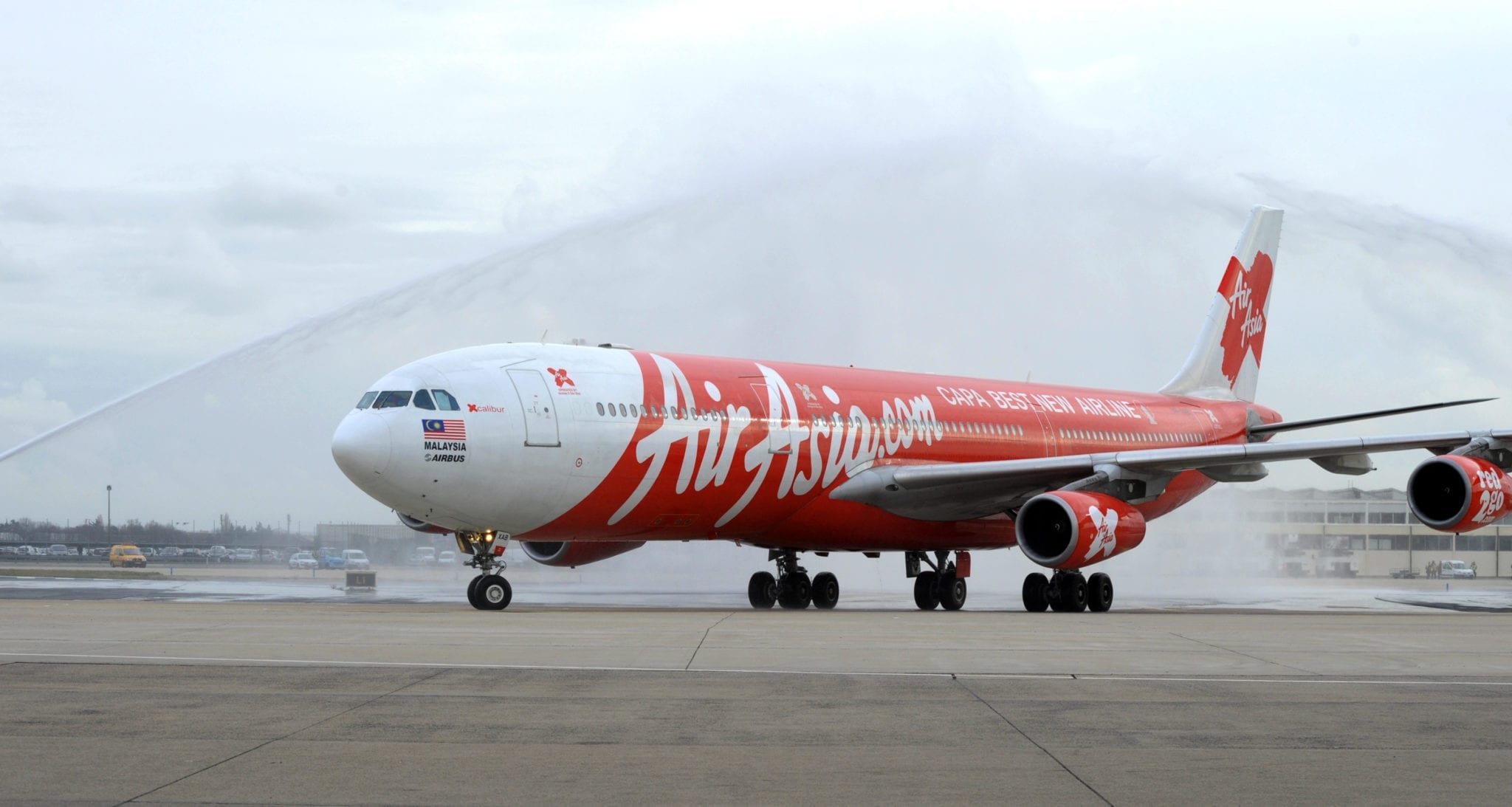
    Malaysia’s AirAsia Group said on Wednesday it did not intend to take any new aircraft deliveries this year because of the sharp fall in demand from the coronavirus crisis, and was revisiting its order book with Airbus SE.

    Reuters last week reported Airbus had put six jets up for sale after giving up on AirAsia taking delivery of them, according to sources familiar with the matter.

    The Asian budget carrier is one of the European manufacturer’s largest customers, with 349 A321neos and 13 A320neos on the order that has yet to be delivered, according to the Airbus order book.

    AirAsia expects to end 2020 with 242 aircraft in its fleet, down one from last year, Executive Chairman Kamarudin Meranun said in a statement.

    AirAsia said it had resumed domestic flights in Malaysia on Wednesday and hoped to do so in Thailand, the Philippines and Indonesia in May, subject to approval from authorities.

    The airline said that it had restructured most of its fuel hedges, struck when oil prices were higher, and that it was cutting employee costs, renegotiating contracts and cutting back on non-essential spending to lower costs by at least 30% this year.

    Airbus on Wednesday posted a 49% slump in first-quarter adjusted operating profit to 281 million euros ($304.7 million) as revenue dropped 15% to 10.631 billion euros amid the “gravest crisis the aerospace industry has ever known”.

  • Tesla Threatens To Move Operations Out Of California

    Tesla Threatens To Move Operations Out Of California

    Electric vehicle maker, Tesla, has threatened that it will move its operations out of the state of California, where 20,000 of its employees work. This has been a result of local health officials refusing permission to Tesla Motors to re-start operations amid the Coronavirus pandemic. Tesla CEO Elon Musk said on Twitter that the company will file a lawsuit against the Alameda county immediately and will also move its headquarters and future programs out of California. Currently, Tesla is the only remaining car maker still having manufacturing operations in California

    In a series of Tweets Musk said,”Tesla is filing a lawsuit against Alameda County immediately. The unelected & ignorant “Interim Health Officer” of Alameda is acting contrary to the Governor, the President, our Constitutional freedoms & just plain common sense!”

    In a related tweet he mentioned how the US states of Nevada and Texas could be chosen places for Tesla to shift operations. He said,”Frankly, this is the final straw. Tesla will now move its HQ and future programs to Texas/Nevada immediately. If we even retain Fremont manufacturing activity at all, it will be dependent on how Tesla is treated in the future. Tesla is the last carmaker left in CA.

    In a blog post put up on the official website Tesla said,”Given the Governor’s recent guidance, which is supported by science and credible health data, the state and federal government’s classification of vehicle manufacturing as national critical infrastructure, and our robust safety plan, Tesla has started the process of resuming operations.” The statement also said that Alameda County is still insisting operations should not be resumed. “Unfortunately, the County Public Health Officer who is making these decisions has not returned our calls or emails.”, the statement added.

  • Microsoft plans to add mouse and trackpad support to Office app on iPads

    Microsoft plans to add mouse and trackpad support to Office app on iPads

    Microsoft has decided to unify its Office apps on Android and iOS last year, so they’re now functioning under a single, smaller app. A couple of months ago, Apple revealed something that took many by surprise: cursor support for iPadOS.

    Now Microsoft wants to add a similar feature to its Office app for iPad. According to TechCrunch, Microsoft is already working to bring cursor support to Office for iPad, which the media outlet claims it’s “expected to ship in Office for iPad this fall.”

    However, a new report coming from The Verge mentions that Microsoft might add cursor support by the fall, which means it should arrive earlier than the original report claims. Unfortunately, beyond the new timeframe, Microsoft did not share other details about cursor support for Office on iPad.

    Since Microsoft will keep individual Office app like Word, Excel, and PowerPoint, in addition to the unified app, there’s a high chance that cursor support will come to each of these apps as well once the main Office app gets it.

  • Alibaba launches Luxury Soho

    Alibaba launches Luxury Soho

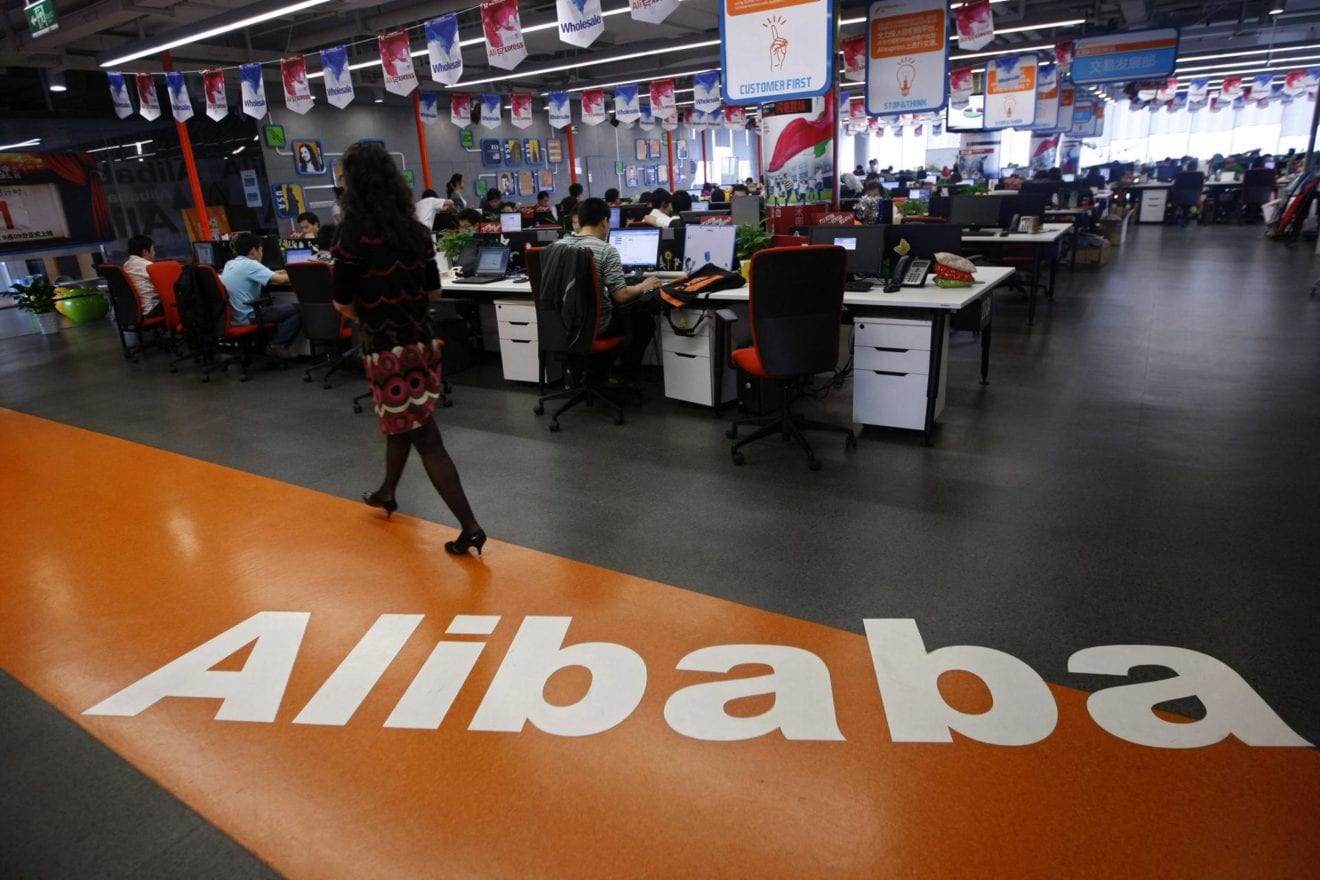
    Luxury Soho targets value-conscious consumers and helps brands quit surplus stock. Alibaba has launched a new platform Luxury Soho, targeting value-conscious aspirational shoppers, and helping high-end brands quit surplus inventory. Accessible via Mobile Taobao and the online flagship stores of partner brands, Luxury Soho is positioned as an online gathering place for young consumers – as well as those new to luxury purchasing – to discover designer brands and potentially make their first luxury purchase.

    The new service is also “a response to the need in the fashion industry for brands to be able to efficiently manage their inventory and stock – an issue that’s been compounded by the Covid-19 outbreak,” said Tmall’s head of fashion and luxury in Europe Christina Fontana.

    “Restricted movements led to reduced foot traffic in brick-and-mortar stores – including from Chinese tourists who were not able to travel to brands’ boutiques and outlets in Western countries like they used to. So brands are now sitting on a worldwide abundance of stock and are also needing to find ways to reach new consumers,” she said.

    “With Luxury Soho, brands can now move select products and collections onto an online outlet store and bring them in front of a specific audience that is waiting to discover new products and brands.”

    Alibaba’s Tmall Luxury Pavilion was designed to serve as a second website for brands in China, focused on branding and aimed at a more affluent class of consumers. By contrast, Luxury Soho targets younger, newer luxury consumers – such as those from China’s lower-tier cities or Gen Z shoppers who are just entering the world of luxury.

    “Luxury Soho also plays into brands’ existing outlet strategies,” added Fontana. “It can empower them to diversify their strategies in China to handle excessive inventories with more flexibility. As a platform, we offer the tools for brands to run their own stores with full control over their pricing, product selection, strategy and look and feel. They can engage consumers in new ways using innovative features, from live streaming, augmented reality and 3D interactive technologies to virtual icons and flexible payment solutions. Brands can even tap their offline store associates to engage with consumers online to showcase certain products and answer questions,” said Fontana.

    “In the past, luxury brands might have operated multiple stores across China to be able to reach more consumers. But the coronavirus outbreak has exposed some underlying vulnerabilities in this model and accelerated changes in consumer behavior, including the shift from shopping in-store to shopping at home. To build resilience and meet consumers where they are at, more luxury brands will think about how to move their in-store experiences online.”

    She says brands impacted by the Covid-19 crisis need to consider how to turn their focus towards China’s domestic market and explore new ways to market to consumers there.

  • UBS Hires Former Mainland Regulator for China Integration

    UBS Hires Former Mainland Regulator for China Integration

    UBS will look to integrate its China business units in a rapidly changing regulatory environment under the leadership of an ex-official from the mainland banking regulator.

    Alan Wang (or Wang Wei), a former senior official with the China Banking and Insurance Regulatory Commission, joins the bank as a managing director and China integration lead, according to a report citing an internal memo.

    The bank will look to leverage Wang’s experience to integrate its various mainland business units in accordance to the local regulatory environment. In the Hong Kong-based role, Wang will work closely with UBS’s China country head David Chin and report to APAC president Edmund Koh.

    I am confident that his expertise in regulation and knowledge of the onshore market and network will be a great asset to foster long-term strategic development in the region, Koh added.

    UBS’s ambitions in mainland China are no secret with a nearly comprehensive set of businesses including wholly-owned units in wealth management, asset management, futures alongside a fund management joint venture called UBS SDIC Fund Management.

    Ownership aside, the bank has also been rapidly expanding these business units and had reportedly hit its hiring target ahead of time to double headcount from 600 in 2016 to 1,200.