Author: Mei Ling Tan

  • How to write an essay introduction

    How to write an essay introduction

    Want to be a professional essay writer? Or want to write a good essay for graduation? Regardless of your style, format, subject and purpose, you need to start with a good introduction. This part of your work will serve as a map for your target audience, because it will give them an essential background and an overview of the topic you will be discussing, while providing your personal opinion on it, in addition to answering the basic questions like:

    – What is the main idea of ​​your essay?

    – What makes you think the way you think?

    – How will you prove your opinion?

    – Why is your article useful to read?

    At first glance, this part of the essay may seem very difficult to complete, taking into account its specificities. But in reality, it is just a matter of following a series of guidelines, which represent the methodology of writing an introduction. In this article, you will find all the necessary information that will be useful to you when dealing with this type of writing. Keep reading carefully and writing an essay introduction will no longer seem like such a difficult business for you.

    To create a concise and effective introduction, you can start by providing an example. It would be helpful because a good example can easily guide your reader to the specific information you will provide at the end of your presentation. The point is that a good introduction should start with an overview of the general information provided in the rest of your work. So, if you are going to write a literature review, for example, or a critical analysis essay, you can start by providing an example directly from the literature work you are discussing in your article.

    Another way to start an effective introduction is by using a hook. Depending on the style of your paper, its purpose, and format, you can use different hooks. A good hook should attract your potential reader, get their attention, and make you curious about your essay so that they would like to read it further. Like a hook, you can provide a good anecdote, a funny joke, an unexpected fact that would surprise your reader, a quote from a primary source, or a provocative statement. As a provocative statement, you can use your personal opinion regarding the topic discussed that the reader would not expect to hear and that would provoke you to certain actions or thoughts. A hook can consist of one or two sentences, not more since it should just present your point of view to the reader and make him want to read more, not tell his story to the end.

    Having said that, it would be appropriate to give a little context to your introduction to make the information more understandable and clear. You can provide information that is not discussed in the article, but it can be useful in understanding the topic. For example, you can include some historical background or some fascinating facts about the issue of your discussion. In addition, you need to inform your reader about the structure of your work. This is the reason why some authors prefer to write the introduction part after the rest of their work is already written. However, if you have prepared a detailed outline, it is not necessary to wait until everything is ready. In fact, there is no need to provide a detailed preview of each section of your work at once, but at the same time, you are expected to provide a general standard of what your essay will be.

  • Sa Sa International tips record loss of up to HK$600 million

    Sa Sa International tips record loss of up to HK$600 million

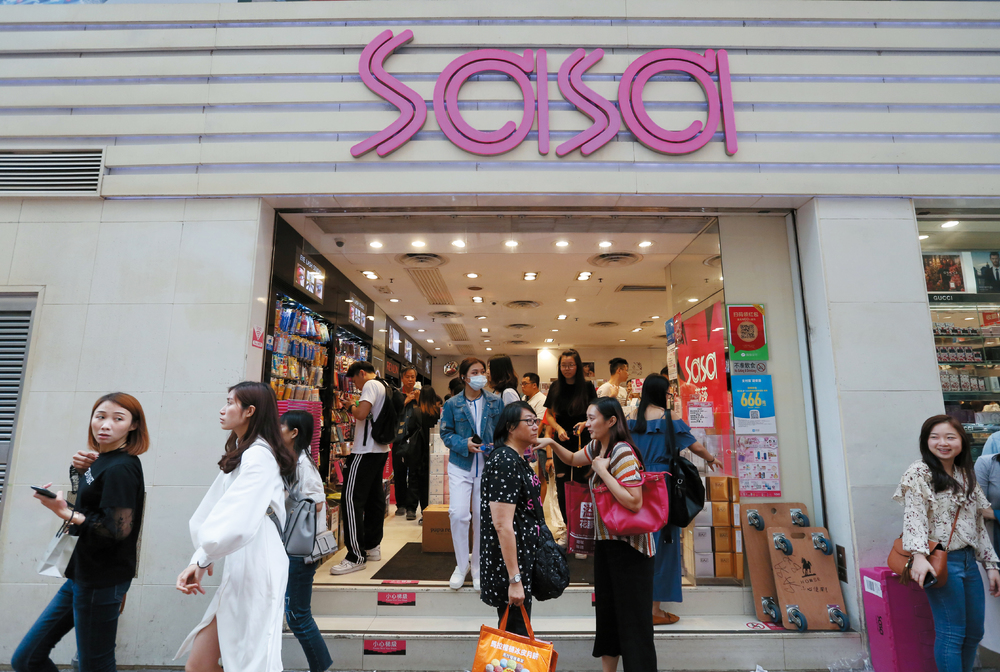
    Beauty-products retailer Sa Sa International says it expects to post a record loss as high as HK$600 million (US$77.4 million) for the March year due to the collapse of Hong Kong’s tourism market in the wake of the Covid-19 crisis.

    In a profit warning, chairman Simon Kwok said the figure – which contrasts with a $471 million profit for the prior year – includes a $40 million loss resulting from terminating leases when it exited the Singapore market, and trading deficits in other markets adding up to between $220 million and $260 million. The rest of the potential loss, which the company expects will be between $500 million and $600 million, is the result of impairments, including on property, plant and equipment.

    Kwok said sales through its retail store network has been in “drastic decline” amid the Covid-19 outbreak.

    “The provision for the impairment losses is a non-cash accounting treatment, as such, it has no impact on the group’s cash position for the financial year.”

    He said the group has no borrowing currently, has adequate cash to meet its current business needs and expects to recover about $20 million from the closure of Sa Sa Singapore.

    The ranks of mainland Chinese visitors has been in decline since July 1, following the outbreak of social unrest in Hong Kong. But numbers fell to near zero when the border was effectively closed in the wake of the pandemic at the beginning of this year. Local consumer sentiment has also dampened.

    “The Covid-19 epidemic also caused the foot traffic and retail sales to fall significantly at our stores outside of Hong Kong SAR, including the Macau SAR and Mainland China,” said Kwok. “The group’s e-commerce business was also affected as logistics services were disrupted by the epidemic.”

    As previously reported, Sa Sa’s fourth-quarter sales plunged by 62 percent in Hong Kong and Macau and sales to mainlanders in Hong Kong and Macau slumped by 80.8 percent.

    Even in Malaysia, a market that has always been profitable for Sa Sa International, Covid-19 has been impacted by the epidemic since February.

    The company has been trimming its store network in Hong Kong as leases come up for renewal and the company will continue to pursue rent relief from landlords. It is also taking steps to reduce costs and streamline operations to work through the slump in sales.

    Sa Sa International will publish its audited results prior to June 30.

  • India’s Reliance Industries set to buy into online pharmacy Netmeds

    India’s Reliance Industries set to buy into online pharmacy Netmeds

    Indian conglomerate Reliance Industries is holding talks to purchase a controlling share in e-commerce pharmacy business Netmeds.

    The talks, which according to the Economic Times are in advanced stages, could see a Reliance subsidiary pay US$130–150 million for the shares and fund a potential expansion of operations.

    The deal, if it goes ahead, will be Reliance’s second major investment in the pharmaceutical industry since acquiring 82 percent of C-Square Info Solutions last year, a producer of pharmaceutical software.

    “The deal is happening at a slight premium to their last funding round valuation,” a source said, which also shared that conversations between Reliance and Netmeds began before the coronavirus pandemic.

    The firms involved have not issued public statements about the prospective dea

  • Maruti Suzuki To Resume Operations At Its Manesar Plant From May 12

    Maruti Suzuki To Resume Operations At Its Manesar Plant From May 12

    In a notification to the Bombay Stock Exchange (BSE), Maruti Suzuki, India’s largest car manufacturer by volumes has said that it will resume operations at its Manesar plant from May 12, 2020. The same will be carried out with the necessary standards of hygiene and social distancing. There is no clarity on when operations at the company’s plants in Gurugram, Haryana and Hansalpur, Gujarat will be resumed. Maruti has already begun working on getting things back to normal as it issued a set of comprehensive safety guidelines for its dealerships to restart operations.

    The SOP says that social distancing will be maintained in the best possible manner and employees are instructed to avoid physical contact as much as possible. Customers will be entertained one at a time and they will be given prior appointments. All people entering the showroom will be screened at entry gates for temperature. As far as test drives are concerned, that shall be provided only if customers ask for it and the vehicle will be sanitized after every round of a test drive.

    The dealerships will especially sanitize the surfaces that are frequently touched like the steering wheel, gear knob, hand brake lever, switches, touchscreen and stereo system among others. The seats will also be covered with disposable covers which will have to be replaced after every test drive. All dealerships employees and their health will be monitored via an app, which works in conjunction with the Aarogya Setu app.

  • Volkswagen Passenger Cars India Appoints Abbey Thomas As Head of Marketin

    Volkswagen Passenger Cars India Appoints Abbey Thomas As Head of Marketin

    Volkswagen Passenger Cars India has announced the appointment of Abbey Thomas as Head of Marketing effective immediately. He will spearhead the company’s marketing strategy in India. Abbey Thomas replaces Bishwajeet Samal, who embarks on a new assignment at Volkswagen’s headquarters in Germany. Abbey has over 25 years of automotive industry experience and has previously worked with Audi India as Head of Planning (Product & Sales).

    He joined the Group in 2011 and has ranked up by leading various Marketing and Product functions. Steffen Knapp, Director, Volkswagen Passenger Cars India said, “At Volkswagen, our philosophy is to nurture our in-house talent and create a growth journey for our employees within the Group. We are extremely delighted to have Abbey on-board with us, whose extensive experience will strengthen our brand salience across our stakeholders in the automotive ecosystem.”

    Abbey Thomas will be reported to Steffen Knapp in his new role as Head of Marketing. Volkswagen India has already charted its course in the country by focusing on SUVs for the market and now with the ‘SUVW’ strategy in place, there’s a lot to look forward to in terms of cars. While we already know that the company’s next launch is the Taigun next year, the Tiguan AllSpace and the T-Roc are already in the market and we wait to see how the cars will do in terms of sales.

  • Shopee Malaysia starts selling Covid-19 test kits

    Shopee Malaysia starts selling Covid-19 test kits

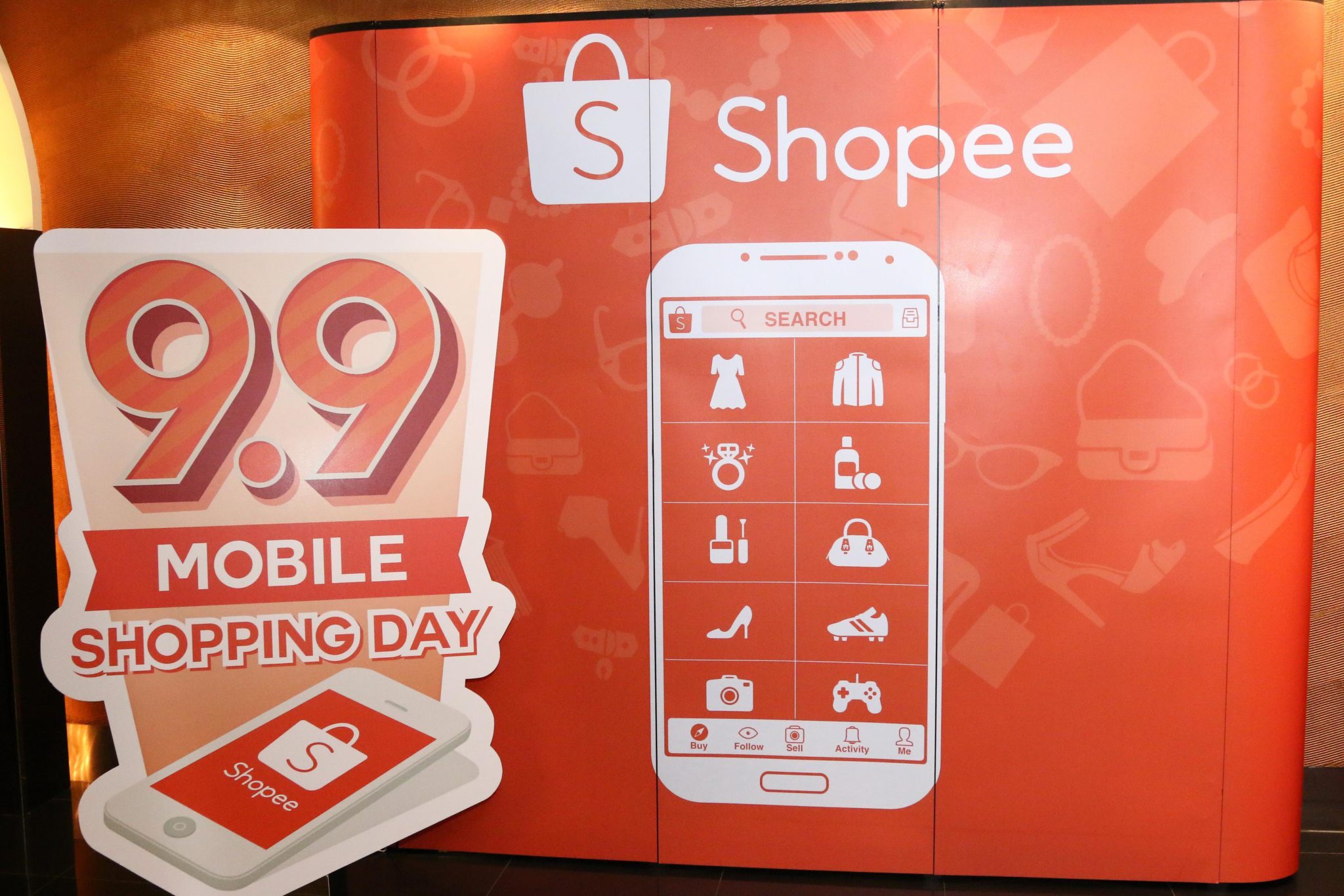
    Malaysian online medical service DoctorOnCall has entered into a partnership with Shopee Malaysia to sell Covid-19 tests online.

    The rRT-PCR tests will be available for purchase at Shopee’s DoctorOnCall store, where customers will also be able to buy vouchers for home-delivered medication. In the coming months, Shopee will work with DoctorOnCall to extend usage of the vouchers to book online consultations.

    The partners will inaugurate the service with a health education and awareness series on the platform’s in-app live streaming feature Shopee Live, beginning tomorrow with a talk on Covid-19 and the various testing options by Qualitas Medical Group, including a home-visit screening program designed by Qualitas in collaboration with DoctorOnCall.

    “DoctorOnCall’s decision to expand its digital reach and offer more Malaysians the accessibility to healthcare services especially during this difficult time is commendable,” said Shopee’s regional MD Ian Ho.

    “At the same time, by leveraging our technology and marketing tools such as Shopee Live, DoctorOnCall is able to bring curated content to viewers at home, educating and creating awareness on the importance of hygiene as well as ideas on having a healthy Ramadan. This is what people need right now.”

    “We believe that DoctorOnCall is the first medical platform to collaborate with a digital marketplace and allow access for Shopee Malaysia’s extensive customer base to digital health seamlessly,” said DoctorOnCall’s COO Chiak Tang.

    “In conjunction with this collaboration, we will also initiate a health education series specifically for Shopee users. We pride ourselves as the leading provider of health-related content in Malaysia and are pleased to work with Shopee and our partners, on this educational initiative to reach a greater audience.”

  • StanChart Defends Climate Change Credentials

    StanChart Defends Climate Change Credentials

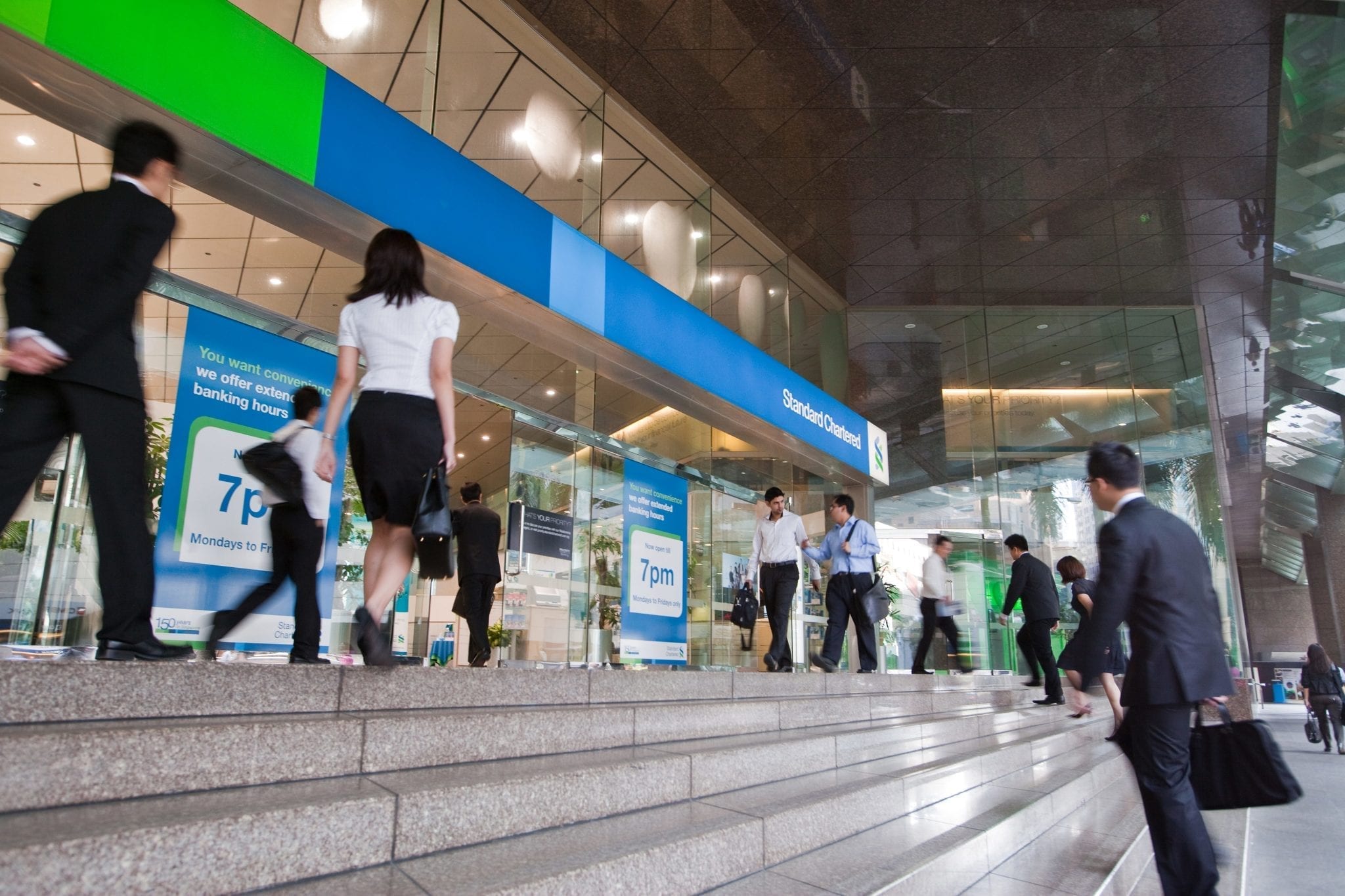
    Standard Chartered defended its pro-environmental credentials after facing fresh attacks from activist group Urgewald.

    German environmental and human rights organization Urgewald called out Standard Chartered for being the largest British financier of coal expansion since the Paris Agreement. According to Urgewald, the bank has provided $8.5 billion in funding to coal plant developers, mainly in India alongside Indonesia and the Philippines.

    One day later, Standard Chartered chairman Jose Vinals defended the bank, reiterating its target to help clients transition to less than 10 percent revenue generation from coal and net-zero carbon emissions from its own operations by 2030.

    We have been pushing capital from here it is now to where it is most needed, Vinals said.

    Standard Chartered faced similar issues last year when another activist group, Market Forces, lambasted the bank’s leadership position in Equator Principles, a pro-environment initiative, likening the situation to putting the fox in charge of the hen house.

    This was due to the concurrent coal projects in Vietnam that the bank was financing from which they subsequently withdrew.

  • Record slump in Hong Kong restaurant sales

    Record slump in Hong Kong restaurant sales

    Hong Kong restaurant sales plunged 31.2 percent in the first quarter of this year – the largest decline on record – as consumers practiced social distancing and the government restricted occupancy.

    Significant growth in home deliveries of restaurant meals was insufficient to stem the dramatic fall in patronage.

    According to the Census and Statistics Department, Hong Kong restaurant sales were down by 10.8 percent in January, at the time the coronavirus began to affect inbound visitors from Mainland China. Sales in February plunged 42.1 percent and in March by 41.7 percent.

    Full-quarter restaurant receipts were estimated at HK$21.7 billion (US$2.8 billion), while purchases by restaurants fell 29.1 percent to $7 billion.

    Chinese restaurants appear to have been hit hardest, perhaps reflecting the disappearance of mainland tourists. Sales for the quarter fell by 39.6 percent in value and 40.9 percent in volume.

    Turnover at non-Chinese restaurants were down by 29 percent in value and 29.9 percent in volume, while fast-food shops experienced a decline of 17.1 percent in value and 18.2 percent in volume.

    Bars – worst affected by social-distancing measures – saw receipts down by 37.5 percent in value and 40.8 percent in volume.

    A government spokesman said that while there have been some signs of relative improvement in Hong Kong restaurant sales recently from the very austere situation earlier, the business environment of the food and beverage sector will remain difficult in the near term amid the economic recession.

  • Marks & Spencer Food teams with Foodpanda in three markets

    Marks & Spencer Food teams with Foodpanda in three markets

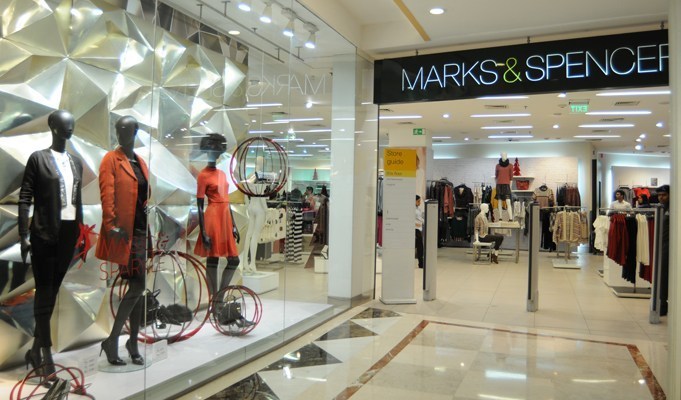
    Marks & Spencer Food is now available through the Foodpanda food-delivery app in three Asian markets: Hong Kong, Singapore, and Malaysia.

    The two companies are promising orders of packaged foods, along with wine, in under 30 minutes – although delivery is restricted to areas near existing Marks & Spencer Food stores.

    The partnership follows Foodpanda’s development of a grocery delivery service, Pandamart which has been incorporated into its existing restaurant meal-delivery app.

    Marks & Spencer Food also recently partnered with HKTV Mall, the homegrown Hong Kong online marketplace.

    Via Foodpanda, consumers will be able to order up to 300 food and drink SKUs in Hong Kong and Singapore immediately, with the Malaysian service launching at the end of this month. The product range available may differ between markets.

    “We know our customers across Asia are passionate about Marks & Spencer Food, which is why we’ve partnered with Foodpanda to help get them the products they need as well as supporting those who currently aren’t able to visit stores easily,” said Christine Choi, CEO of Marks & Spencer Asia.

    Pandamart will deliver orders free on minimum purchases of HK$40 in Hong Kong, SG$5 in Singapore, and RM5 in Malaysia.

    In Singapore, ordering via Foodpanda is currently available only at locations near Wheelock Place, VivoCity, Parkway Parade, and One Raffles Place.

    The launch date in Malaysia remains subject to Malaysia Control Movement order.

  • Asia Most Popular Sports Bookies

    Asia Most Popular Sports Bookies

    Asian gaming companies have always been at the forefront of sports betting for ages. Local and regional sporting events take place all over the world every day. And not everyone previously had access to the results of these games unless they were registered with a sports bookie.

    The digital age has now made streaming of games in real-time possible no matter which parts of the globe you are in. The rise in popularity of online betting is reflected in changing regulations and policies worldwide. This has opened up various new avenues for sports gamblers and sports bookies alike.

    Sports betting is now considered a legitimate activity within various international jurisdictions. And this has led to a rampant increase in the number of new providers entering into this very profitable industry.

    Why Is It Important To Choose The Right Sports Bookies?

    Finding a bookie that offers sports gambling services is quite easy nowadays. The internet is filled with hundreds of virtual platforms that facilitate the wagering of bets on popular international sporting events. Anyone with internet connectivity and a functional bank account is eligible to sign up for these services at any time.

    However, very few of these sports bookies are licensed and verified by the appropriate gaming authorities. Bettors must ensure that they do background research before selecting a legitimate and reliable provider. This is so that their bankroll and future prospects are protected. In order to choose the right provider, you must:

    • Ensure that your sports bookie has multiple and authentic deposit options. Make sure that the games they offer are verified and unbiased.
    • Double-check if they offer a good selection of games and tournaments and leagues to follow that are in alignment with your interests and preferences. Keep in mind that you could choose to pick a sports bookie that focuses on one field of sport or even sign up with a high variance bookie that follows several international and regional sporting fields from around the world.
    • Keep in mind that you will find vastly different betting odds, bonuses, promotions, and withdrawal options across different platforms. So make sure you pick a provider that you can take advantage of and who plays to your strengths.

    Best Sports Bookies In Asia

    With one of the largest populations, it’s no surprise that Asia has the largest sports betting market in the world. It is home to one of the most advanced and diverse online gambling services that are renowned internationally.

    The legality of sports betting in some regions of Asia varies drastically from country to country. Thus, often making online gambling an extremely trendy, easy, and profitable solution for gambling on sports.

    Here’s a list of the most popular Asian Sports Bookies in the market:

    1. Maxbet Sports Bookie

    Maxbet was originally known as IBCBet. They’ve been in the industry long enough to have established themselves as the leading gambling provider in Asia. The platform’s diverse service offerings include a very lucrative sports betting category as well as an online casino that features live games and tables from all around the globe.

    Maxbet prides itself on the smooth integrations of its web and mobile platforms making the website compatible with both ios and android. Maxbet has remained the first choice of sports lovers when it comes to online sports betting due to its 24/7 broadcast of live scores, tables, and odds. All from a variety of international sporting tournaments such as football, motorsports, soccer, tennis, e-sports, horse racing, and so much more. Another advantage of this versatile platform is that it also features coverage on several local and minor leagues as well.

    Maxbet also features an intuitively designed and authentic live casino category on the website. Log on to the platform at any time to avail live card games such as baccarat, blackjack, roulette, and poker. Users can engage with fellow players and community members through the live chat option which enhances the player’s casino experience.

    Daily users of the casino services are even rewarded with loyalty points and free spins on their virtual slots. This is likely to increase a user’s chances of winning cash. If you value a large selection of games and odds along with the freedom to switch between gambling trades according to preference, then Maxbet is your ideal betting solution.


    2. SBOBet Sports Bookie

    SBOBet is one of the most well-known providers for its unique Asian Handicap betting services. SBOBet has been awarded with several accolades over the years for providing exceptional services in the Asian handicap betting market.  In reference to this space, SBOBet also has the absolute lowest margin on bets, making it a suitable option for players on a strict budget.

    In particular, SBOBet has gained popularity for its wide coverage of pre-match and in-play betting odds around the world. Due to popular demand, soccer is now the main attraction and focus of the site. However, the platform also features odds on about 500 other sports events weekly as well. That being said, coverage of events outside of the Asian handicap is somewhat limited compared to the site’s primary offerings. Live-streams and live betting options are mainly optimized for Asian handicaps.

    The soccer betting segment of SBOBet is well-known among Asian bettors for offering very high betting limits. Although high betting limits are perceived to be riskier, it is what makes them an ideal choice for professional bettors. Currently, the maximum bet limit on the site is at £100,000 making it an extremely popular service among high rollers that are chasing those big payouts.

    The SBOBet community comprises experienced individuals that are willing to raise the stakes by betting large values on their predictions. This happens so frequently that SBOBet users invariably end up deciding the change in betting odds across various matches around the world.

    SBOBet has also received recognition for its unparalleled customer support service, available 24/7 through telephone, email, live chat, and even skype. If you are an experienced professional, with conviction in your sports knowledge and a thirst to take your betting skillset to the next level, then SBOBet is the platform for you.

  • AirAsia Malaysia starts flying again, passengers need to bring own masks

    AirAsia Malaysia starts flying again, passengers need to bring own masks

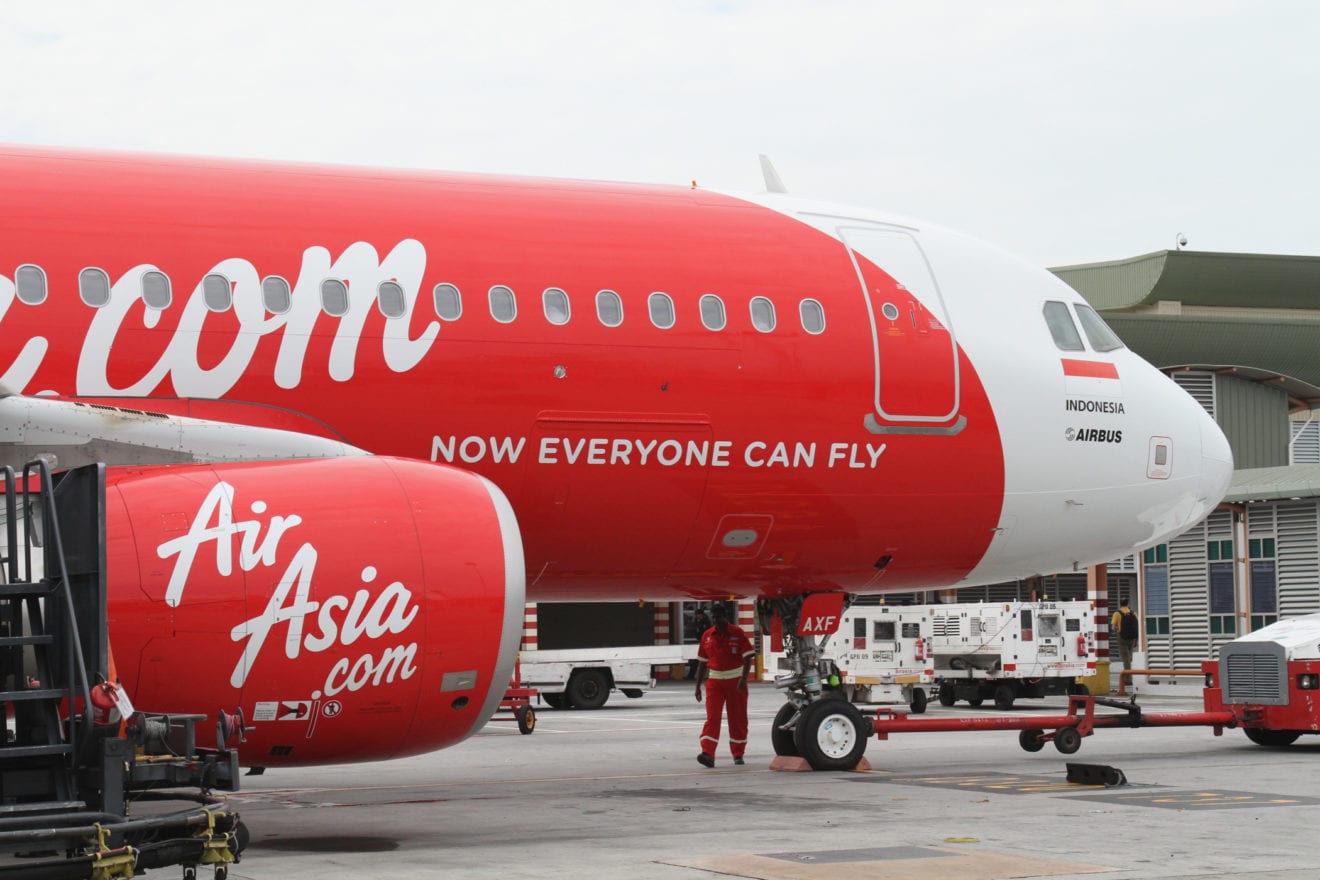
    AirAsia returns to the skies with domestic flights in Malaysia starting today (April 29), but passengers will need to follow Covid-19 safety measures.

    Each passenger will need to bring their own mask and wear it properly before, during and after the flight, including during check-in and bag collection. Any guest without a mask will be denied boarding.

    AirAsia chief safety officer Captain Ling Liong Tien said the carrier is stepping up all precautionary measures to ensure a safe journey.

    “First and foremost, it is your responsibility to ensure that you are eligible to travel, be it international or domestic, before booking a flight.

    “We kindly ask that you observe the universally recommended protective precautionary measures, including practicing high personal hygiene, ” he said in a statement.

    Other Covid-19 safety measures include a baggage allowance of only one piece (instead of the usual two), not exceeding 7kg, and earlier arrival at the airport – at least three hours – before departure.

    AirAsia Group president (Airlines) Bo Lingam said the carrier has undertaken a thorough review of guest handling procedures both on the ground and onboard in light of the Covid-19 pandemic.

    “We have been working closely with the airport authorities to ensure that all relevant precautionary measures are in place to ensure a safe, pleasant and comfortable journey for everyone,” he said in a statement.

    Bo added that AirAsia will adhere to guidance from the World Health Organisation (WHO) and International Civil Aviation Organisation (ICAO) to ensure “the highest standards of compliance and conformance”.

    The resumption of services will initially be for key selected domestic routes, which will increase gradually to include international destinations around the network, once the situation improves and governments lift borders and travel restrictions.

    AirAsia also recently made news when reports surfaced of the carrier introducing a new personal protective equipment (PPE) for its cabin crew.

    When contacted, an AirAsia spokesperson said the matter is still being reviewed.

    “AirAsia Philippines initiated a trial run of a customised PPE design. It was first used in a recent recovery flight and a further assessment of the design is underway.

    “The customised PPE is still being reviewed,” the spokesperson said.

  • Fiat Chrysler Plunges To Loss

    Fiat Chrysler Plunges To Loss

    Fiat Chrysler Automobiles (FCA) plunged to a first-quarter loss of $1.8 billion and warned of a “significant” loss this quarter, even as it prepares to reopen its most profitable North American truck plants on May 18 as coronavirus lockdowns ease.

    The Italian-American company, which has struck a binding merger deal with France’s PSA Group to create the world’s fourth-largest carmaker, said on Tuesday that work on the tie-up was “progressing incredibly well.”

    On a conference call, Chief Executive Michael Manley said “the terms of the deal have not changed” and FCA remained “committed to completing the transaction by the end of this year or early 2021.”

    Car sales across the world have slumped as measures to contain the coronavirus pandemic forced production lines to shut and showrooms to close, leaving manufacturers scrambling to try to conserve cash.

    Manley said a planned 1.1 billion euro ($1.2 billion) dividend was under review, as part of FCA’s efforts. The company also scrapped its full-year earnings forecast.

    FCA has begun reopening plants in China and Europe, and said most of its North American ones were expected to reopen on May 18.

    In the United States, UAW president Rory Gamble responded to the planned restart by saying automakers must “implement and follow the guidelines” for worker safety that the union had worked out with them. The union had objected to automakers’ original plans to reopen in early May.

    Peugeot-maker PSA is braced for a slump in demand but says it has the funds to cope without government help.

    Much of FCA’s revenue and profit come from North America, where quarterly sales of its Ram truck brand were up 7% from the previous year and its share of the full-size pickup market rose to 24%.

    Capital expenditure (capex) was up in the quarter, driven by spending on the new Jeep Wagoneer and Grand Wagoneer, and redesigned Jeep Grand Cherokee models. But executives said full-year capex estimates would be trimmed by 1 billion euros as key program launches had been delayed by an average three months.

    FCA said it made a net loss from continuing operations of 1.69 billion euros ($1.83 billion) in the quarter. That compared with a 508 million euro net profit a year earlier.

    “The pandemic has had, and continues to have, a significant impact on our operations,” the company said in a statement.

    However, FCA still made an operating profit, albeit 95% lower than a year earlier. Adjusted earnings before interest and tax (EBIT) amounted to 52 million euros.

    FCA’s Milan-listed shares extended their gains after the results were released and were up 2.2% at 1355 GMT.

    The automaker said that due to the continued uncertainty related to the pandemic, it had withdrawn its full-year guidance and would update it when it had better visibility of the overall impact of the crisis.

    In February, the group guided for an increase in adjusted EBIT to more than 7 billion euros this year and industrial free cash flow of over 2 billion euros.

    In the first quarter, industrial free cash flow was around minus 5 billion euros. But FCA said it had available liquidity of 18.6 billion euros as of March 31, including a 6.25 billion revolving credit facility which was fully drawn down in April.

    Liquidity was further strengthened last month with a new 3.5 billion euro incremental bridge credit facility, which remains fully undrawn.

    “We continue to assess all funding options,” FCA said.

  • Thailand’s Central Group commits space to communities

    Thailand’s Central Group commits space to communities

    Thai retail conglomerate Central Group is reducing and pegging the price of more than 3000 essential consumer products, as well as reducing prices at 87 foodcourts by 20 percent to help citizens impacted by the Covid-19 pandemic.

    The move is in response to government-led initiatives to assist national economic recovery in establishing and implementing a broad-ranging social responsibility plan.

    Central Group has also committed to measures to assist 74,000 staff across its various business units, pledging to maintain their employment terms and to provide them with Covid-19 insurance.

    The firm has also inaugurated new projects this year aimed at stimulating local economies and generating income by donating 90,000sqm of rent-free space to small local traders and growers in 100 shopping malls across 44 provinces; buying produce directly from growers and community enterprises; and promoting product development and local tourism.

    The group says its existing social-responsibility project is being rapidly expanded to create occupations by means such as giving knowledge on agriculture and product development, reducing social inequality by supporting the creation of occupations for people with disabilities, and developing communities as tourist attractions. It is also creating a crowdfunding platform for entrepreneurs starting a new business but lacking capital, as well as supporting students, schools, hospitals and research work, with the target of raising more than THB100 million (US$3 million).

    Thailand’s Central Group aims to boost health by creating new standards for safe business to prevent the spread of infection – including implementing measures of hygiene and safety in tenants’ stores – and donate medical equipment for staff fighting Covid-19 at 30 hospitals nationwide through the Thai Medical Association.

  • Vietnam retail sales down since January

    Vietnam retail sales down since January

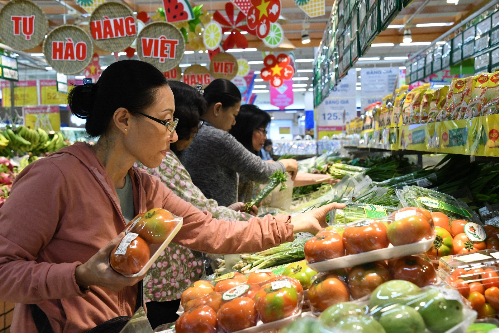
    Vietnam retail sales fell 9.6 percent year on year over the first four months of this year, according to the General Statistics Office.

    However, sales of consumer goods across the country increased by 0.4 percent, reflecting increasing demand for groceries and online shopping during the Covid-19 outbreak.

    Sales in the restaurant and accommodation sector plunged 23.6 percent year on year as consumers were banned from eating on-premises and due to travel restrictions.

    Meanwhile, retail sales in Ho Chi Minh City, the country’s commercial capital with a population of 9 million, surged in both supermarkets and traditional markets ahead of the country’s four-day holiday which began on April 30, as myriad promotions were offered.

    According to the Vietnam News Agency, discount promotions at Co.opmart and Co.opXtra supermarkets during the holiday saw sales rise by more than 30 percent compared to normal days.

    The most popular items include local seafood, poultry, fruit and vegetables, soft drinks, masks and kitchenware.

  • India’s Reliance Retail opens over thousand new stores

    India’s Reliance Retail opens over thousand new stores

    India’s Reliance Retail opened 1533 new stores last fiscal year, taking its network to 11,784 as it boosts its strength across the food, fashion, and digital sectors.

    In results published this week the company says pre-tax earnings grew 55.7 percent to Rs 9654 crore (US$12.75 million) on sales up 24.8 percent to Rs 1.63 lakh crore. Fourth-quarter revenue rose by 4.2 percent as lockdowns across the nation restricted customer footfall in stores.

    However, grocery store sales reached record levels in March due to the advent of Covid-19 restrictions, but despite supply-chain challenges.

    During the lockdown period, daily orders quadrupled, with the company’s Smart and Reliance Fresh chains leading the growth.

    “In a response to the lockdown situation, all grocery stores were kept open for extended hours to provide access and availability of essential products to customers in these trying times,” Reliance Retail said in a results release.

    Including the company’s fashion and lifestyle business, the year saw solid growth for the business, despite the “tepid” March, the company said.