Author: Mei Ling Tan

  • Telegram has now been downloaded over 500 million times on Google Play

    Telegram has now been downloaded over 500 million times on Google Play

    Messaging app Telegram now boasts over 500 million downloads on the Google Play store. Sure, this pales in comparison to alternatives like WhatsApp and Facebook Messenger, which have racked billions of installs, but the important distinction here is that Telegram doesn’t come pre-installed on any device.

    Moreover, the app had around 300 million users until last year, so the growth is pretty impressive. If you also count the other client called Telegram X, the tally reaches around 510 million. This version of Telegram has a slightly different interface and features smoother animations.

    Last month, Telegram reached 400 million users. The developers of the app also revealed that 1.5 million new customers sign up every day. Telegram developers say that the services offered by the app facilitate remote work and study, and this has helped with popularity during the quarantine.

    Cross-platform support is also available, allowing users to seamlessly switch between different devices. Telegram is also free and does not contain any ads.

    The messaging app is also joining the likes of Facebook and Google to give some competition to Zoom. It has revealed plans to roll out secure group video calls this year.

    The developers also threw shade at Zoom, which has come under fire for its lax security measures, by saying that video calls today are either secure or usable and it would like to fix that.

  • Suning opens ‘smart-retail experience centre’ in Nanjing

    Suning opens ‘smart-retail experience centre’ in Nanjing

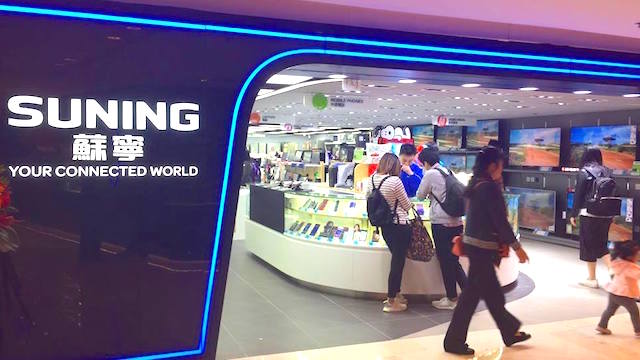
    Chinese retail giant Suning has launched a smart-retail experience centre in Nanjing.

    The venue is the first of its kind for the brand, opening in Suning.com Plaza as an upgrade of the Suning.com flagship store and what it describes as a new benchmark for its strategic retail development. Offline shopping is “considered optional” in the store, and product experience is core to differentiating the concept from traditional shopping outlets.

    The new flagship achieved a gross merchandise volume of RMB10 million (US$1.4 million) within 58 seconds of opening for trading and hit RMB100 million ($14 million) in just 13 hours.

    According to a statement from the company, the store is conceived as a way to “accelerate the promotion of consumption, optimize consumption structure, and improve the quality of economic development”.

    The new store will allow 24-hour sampling across all categories and consumers will be able to purchase products from a smart screen “virtual shelf”, providing an O2O channel that allows shopping experiences via internet tools such as applets, communities, and live streaming.

    The store’s hi-tech showroom features a 400sqm L-shaped interactive LED screen, mainly reserved for product launches and PR events.

  • HSBC Becomes Wholly-Owned Insurer in China

    HSBC Becomes Wholly-Owned Insurer in China

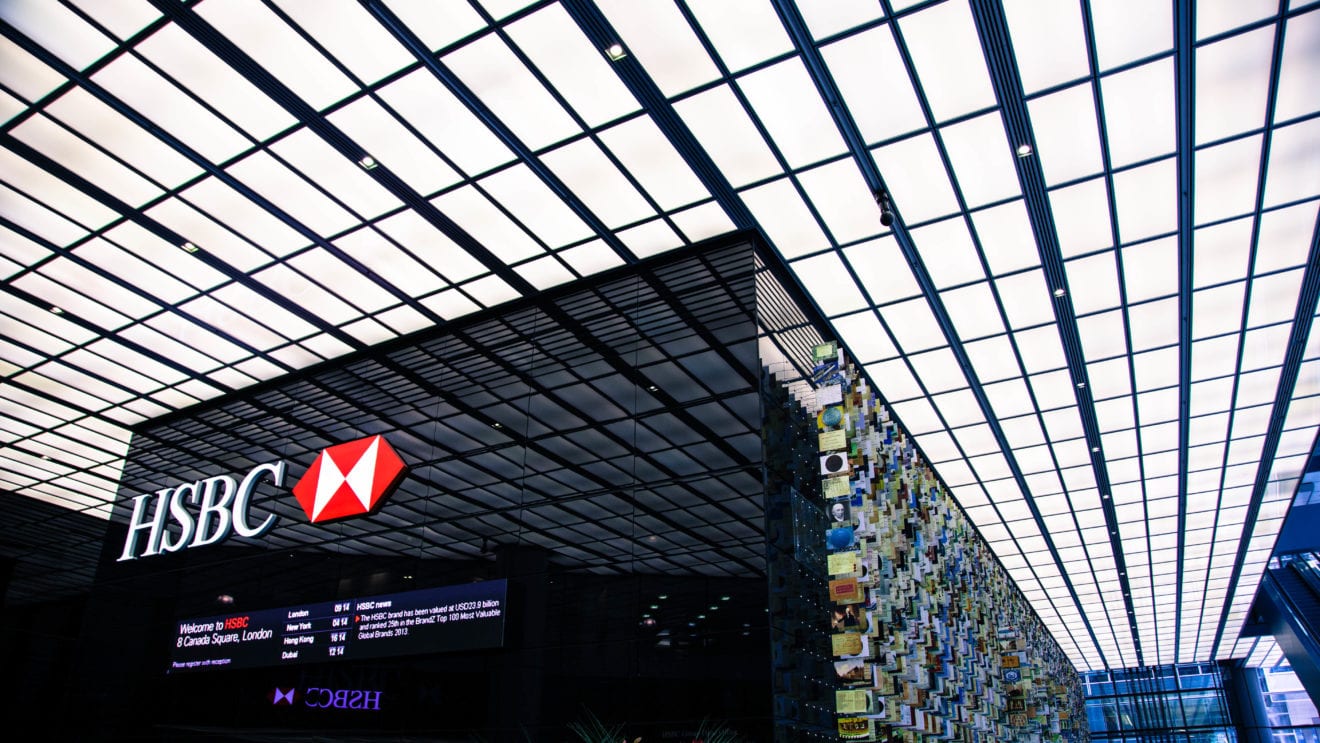
    HSBC agreed to buy out the other 50 percent of shares from its life insurance joint venture in mainland China in yet another milestone for foreign entry into finance on the mainland.

    HSBC will become the sole owner of HSBC Life China after acquiring the shares from its Beijing-based partner National Trust for an undisclosed sum, subject to regulatory approvals including from the China Banking and Insurance Regulatory Commission.

    The HSBC Life China JV was formed in 2009 and currently has a presence in nine mainland cities including Beijing, Guangzhou, Shanghai and Shenzhen. As of December 31 last year, the insurer had 1.03 billion yuan ($146 million) in registered capital.

    According to Swiss Re, China’s insurance market ranks third behind the U.S. and Japan at an estimated $318 billion in premiums. But despite the sizeable scale and the relatively long presence of some foreign players, insurers from abroad hold less than 10 percent market share due to ownership restrictions and limited geographical presence.

    With the recent reforms, which also included lifted ownership caps in the securities, futures and asset management industry, HSBC joins the likes of AXA and Allianz as foreign wholly-owned insurers in mainland China.

    «Despite the current difficult environment engendered by the Covid-19 pandemic, we continue to take steps to implement our growth strategy,» said HSBC chief executive Noel Quinn in a statement. «This transaction supports our ambition to accelerate growth within our Asian franchise, particularly in the dynamic and fast-growing Greater Bay Area, where we fully intend to expand in all lines of businesses.»

  • Skoda Auto Braces For Second-Quarter Hit After Earnings Drop Globally

    Skoda Auto Braces For Second-Quarter Hit After Earnings Drop Globally

    Czech carmaker Skoda Auto, part of the Volkswagen Group, reported a 25% drop in first-quarter operating profit on Monday, but said the biggest hit from the coronavirus outbreak would come in the second quarter.

    Skoda, the Czech Republic’s largest exporter which counts China as its biggest individual market, started feeling the impact of the coronavirus crisis during the first three months of the year as its global sales fell by a quarter and it shut its domestic factories for 39 days beginning in March.

    However, the company said the biggest impact from the pandemic was still to come and it had started measures to reduce costs and spending in the short term.

    “We expect the greatest impact of the current crisis to be in the second quarter, followed by a gradual recovery in the third quarter and a possible return to the previous year’s level in the fourth quarter,” board member Klaus-Dieter Schurmann said.

    Hyundai Creta Bookings, Skoda Karoq Details, Datsun redi-Go

    The top automotive stories of the day – Hyundai Creta receives 20,000 bookings. Skoda Karoq details out. Datsun redi-GO photos leaked.

    First-quarter revenue fell 1.4% to 4.85 billion euros, while worldwide deliveries tumbled 24% to 232,900 vehicles. Not including China, deliveries fell 16%.

    Skoda has boosted annual deliveries above 1 million in recent years but like other carmakers has been hit hard the virus outbreak, which started in China around the turn of the year before hitting Europe in force in March.

    Skoda relaunched production at a reduced pace on April 27 and the entire car sector in the central European country faces a shaky restart, with officials expecting the sector to run below capacity this year.

    Skoda Chief Executive Bernhard Maier said the shutdown meant a loss in the production of 100,000 cars. He said it was still difficult to forecast global car sales in the coming months but that the company was well-positioned.

    “We are fighting for every car, because our order backlog is still high,” he said, adding Skoda was sticking to its medium and long-term development plans.

  • Fintech Startup GoBear Adds Digital Lending via Acquisition

    Fintech Startup GoBear Adds Digital Lending via Acquisition

    Financial product comparison platform GoBear acquired AsiaKredit in a bid cover Asia’s alluring unbanked segment.

    Singapore-based AsiaKredit was acquired at an undisclosed amount following an announcement by GoBear in May last year that it raised around $80 million to date from two Dutch companies – asset manager Aegon and VC firm Wallis Participaties.

    AsiaKredit provides financial products to the underserved in the Philippines with a mobile app – pera247 – that boasts over 1 million loan applications. GoBear will look to leverage AsiaKredit’s risk management and automation capabilities in data-driven underwriting and collections to establish «end-to-end lending».

    Credit access to consumers is due for increased importance in 2020 developing countries faced significant growth slowdowns, the firm said.

    The fintech promise for the unbanked is to provide and manage sound lending to those that aren’t linked to the formal banking system – a market Bain & Company estimates has 296 million people in Southeast Asia alone. The region is home to most of GoBear’s businesses which have operations in Singapore, Hong Kong, Indonesia, Malaysia, the Philippines, Thailand and Vietnam.

    Through its latest acquisition, GoBear will look to provide connect consumers to its over 100-strong banking network which includes the likes of HSBC, Standard Chartered and Citi.

    The establishment of industry-leading lending business is a critical component of GoBear’s strategy to support our banking partners in providing loans to the many underserved consumers in Asia,» reiterated GoBear CEO Adrian Chng.

  • Outlook’s anti-spam feature available on Android finally arrives on iOS

    Outlook’s anti-spam feature available on Android finally arrives on iOS

    It’s not unusual for developers to launch apps on multiple platforms with a different set of features. Microsoft is no exception, as many of its Android apps aren’t as well-developed as their iOS counterparts and vice-versa.

    For example, Outlook offers a feature called “Ignore Conversation” on just about every compatible platform except iOS. Ignore Conversation lets Outlook users avoid getting those spam or annoying emails that they don’t want in their inboxes.

    When used on an email that you received, Ignore Conversation will automatically reroute all emails to the deleted items folder instead of inbox. It will not delete the emails completely, but you’ll be able to focus on what’s important to you.

    The good news is Ignore Conversation is finally making its way to Outlook users on iPhones and iPads. The latest update for Outlook is now available for download on the Apple App Store. You can even check out the official changelog to learn more about the updated app.

  • Ferrari Slowed By Coronavirus, But Not Driven Off Course

    Ferrari Slowed By Coronavirus, But Not Driven Off Course

    Luxury sports car maker Ferrari still expects to make more than $1 billion in core profit this year, providing a relative beacon of stability in an auto industry ravaged by the coronavirus crisis.

    The company, known for its red Formula One racing cars and its prancing horse logo, cut its 2020 core earnings forecast on Monday, blaming a hit to motorsport revenues among other pressures, and warning of an extremely tough second quarter.

    But the Italian firm said it still expected to generate free cash flow this year, and its guidance contrasted with others in the industry – including U.S. electric carmaker Tesla, Germany’s Daimler and Porsche-owner Volkswagen – which have all suspended forecasting.

    “This extraordinary level of stability in an economic crisis takes top place at the podium,” Morgan Stanley analysts said.

    Ferrari shares closed up 1.5% at 154.50 euros, having fallen over 5% immediately after news of the downgrade. By contrast, Europe’s auto index closed down 4.4%.

    Car sales across the world have slumped as measures to contain the virus pandemic forced production lines to shut and showrooms to close. Data on Monday showed the biggest ever drop in business morale in Germany’s auto sector.

    Ferrari, which on Monday restarted operations at its plants in Maranello and Modena, predicted a “harsh” reduction of revenues linked to Formula One, where races have been suspended, as well as reduced turnover from brand projects and lower engine shipments to Maserati.

    “Second quarter will be very weak,” Chief Executive Louis Camilleri told analysts, as the company said it now expected adjusted earnings before interest, tax, depreciation and amortization (EBITDA) this year to edge down from 2019 levels to 1.05-1.20 billion euros ($1.15-$1.31 billion).

    In February, Ferrari had projected an increase in 2020 EBITDA to 1.38-1.43 billion euros.

    “While the Formula One hit to revenues and earnings is not an easy matter to digest, the good news is that the significant losses incurred should be short-lived and contained to 2020,” Camilleri said.

    The CEO said projections relied on Ferrari’s ability to retain a “very strong” order book, adding that as of now it had not received any “abnormal or untoward” cancellations.

    Ferrari reveals new F8 Spider in South Africa

    Ferrari has unveiled the F8 Spider at a private preview held at the newly renovated Ferrari showroom in Bryanston, South Africa.

    Ferrari, whose origins date back to 1929, said it now expected industrial free cash flow of 100-200 million euros this year, compared with 400 million euros or more previously.

    The company, which like its former parent Fiat Chrysler is controlled by the Exor holding company of the Agnelli family, cautioned its new guidance did not include a potential second wave of COVID-19 infections.

    In the first quarter of this year, adjusted EBITDA rose 1.9% to 317 million euros, broadly in line with a 322 million euro forecast in an analyst poll compiled by Reuters.

    Ferrari’s two plants, both located in Italy’s northern Emilia Romagna region, had been closed since mid March.

    Volumes rose despite delivery suspensions due to the virus outbreak, driven by 488 Pista and 488 Pista Spider models, along with the ramp up of the F8 Tributo, the company said.

    The margin on adjusted EBITDA came in at 34% in the first quarter, up from 33.1% a year earlier.

    Ferrari said its total available liquidity at the end of March was 1.23 billion euros. Last month, it secured additional committed credit lines worth 350 million euros, with maturities up to 24 months, taking total committed, available and undrawn credit lines to 700 million euros, it said.

  • Volvo Cars India Launches Contactless Program For Sales And Service Bookings

    Volvo Cars India Launches Contactless Program For Sales And Service Bookings

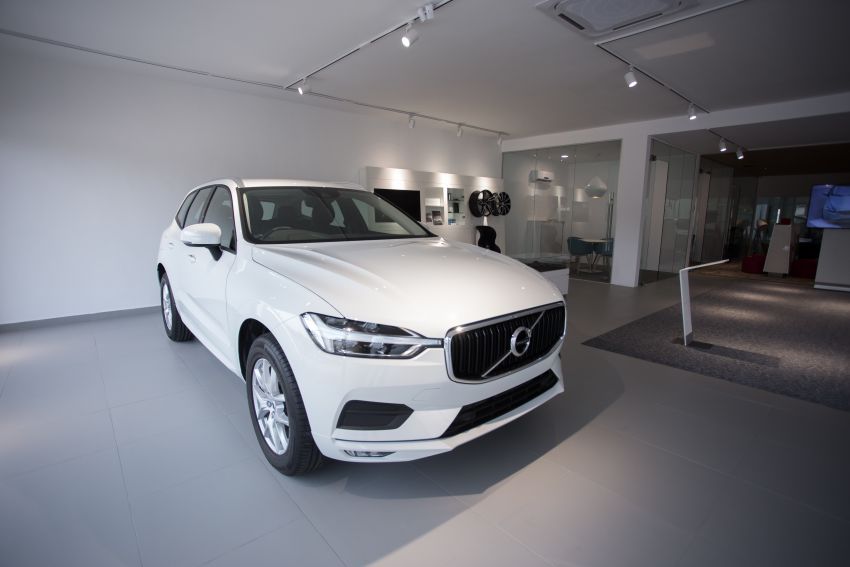
    Following the footsteps of many of its rivals in India, Swedish luxury carmaker, Volvo, has introduced an online program for selling its cars as well as for service bookings. The company that has always been known to come out with path-breaking safety innovations has introduced the ‘Volvo Contactless Program’ for its customers and also for prospective buyers. This new initiative enables Volvo owners to book their car services online with their nearest dealership location and also provides an interactive online buying process to an interested buyer.

    The company is promising a safe and secure test drive process (post relaxation of norms), digitized finance offers, online documentation & finally an online channel to buy the car and get a contactless delivery. Charles Frump, MD, Volvo Cars India said “I am confident that the Indian economy will spring back to its pace very soon with the measures taken by authorities. Our Volvo Contactless Program emphasizes the need for businesses to adapt to the current environment with an assurance of safety.”

    As part of another initiative called #SafestPlaceToBe, all Volvo dealer facilities are being disinfected and personnel working at the nationwide dealerships are provided with PPEs and sanitizers. Cars at dealerships as well as the demonstration cars are being disinfected in partnership with 3M which is using expert solutions for the safety of all stakeholders. This includes the Interior GermKleen which eliminates 99% microbes in a car from interior surfaces including plastics and upholstery. AC Vent disinfectants and Air Refresher are also being used to reduce microbial infections by 99%.

  • Panerai opens world-first watch accessories room in Hong Kong

    Panerai opens world-first watch accessories room in Hong Kong

    Luxury watchmaker Panerai has launched a world-first watch accessories room in Hong Kong.

    Located in its Canton Road flagship boutique, the room offers a collection of 670 straps and bracelets, a full range of buckles and an interactive trap-display design.

    The watch accessories room’s design features a distinctive concept incorporating oak and burnished brass aimed at creating a contemporary yet cozy ambiance. A torpedo displayed at the center of the room is, according to the company, “a reminder of the world of the sea and the glorious past of the brand whose roots are embedded in the history of the Italian Navy”.

    Founded in 1860 as a workshop, Panerai now sells watches around the world through exclusive distributors and the brand’s own boutiques.

  • Charles & Keith Hong Kong expands footprint further

    Charles & Keith Hong Kong expands footprint further

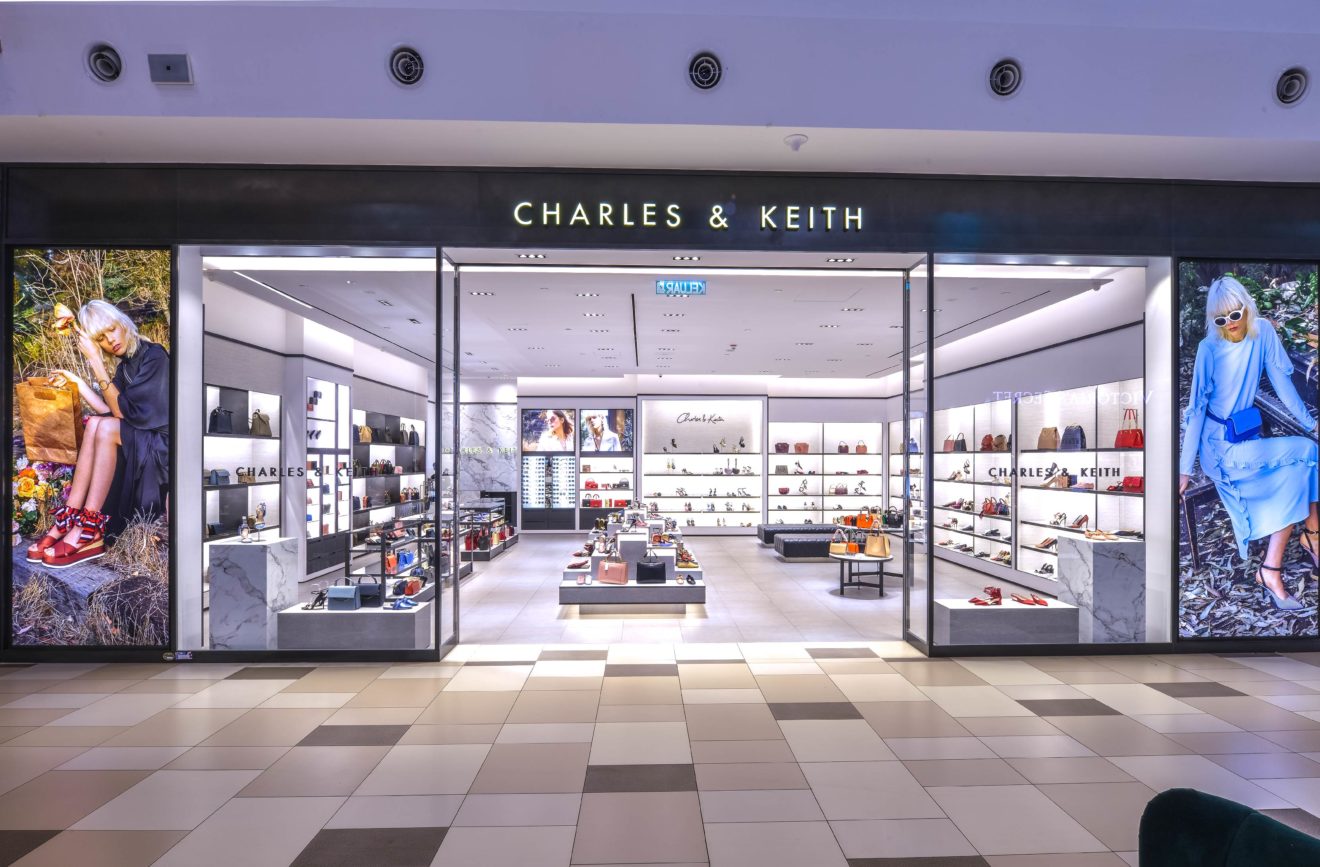
    Charles & Keith Hong Kong is opening a new store at Harbour City, its seventh in the territory.

    Apparently undeterred by the Covid-19 pandemic, the Singapore-headquartered retailer of footwear and accessories, is continuing its rapid rollout in the territory after opening three stores over the summer holidays – at APM mall, DFS T Galleria Sun Plaza Canton Road and Langham Place, Mongkok. It made its debut in the territory in October 2018.

    The seventh Charles & Keith Hong Kong store to open, it is the first to introduce mobile point-of-sale devices, offering customers the convenience of being able to make payments anywhere in the shop. That enables faster checkouts and better sustainability practice by reducing the use of paper receipts.

    The store’s aesthetics feature limestone fixtures and dark grey powder furnishing, aimed at creating a “sophisticated simplicity” to complement the style of the brand’s trend-focused collections.

    Each section of the store communicates the different “stories of the season”, from footwear and bags to lifestyle accessories, including the brand’s Little Collection for kids.

  • J Crew enters bankruptcy, weighed down by US$2 billion of debt

    J Crew enters bankruptcy, weighed down by US$2 billion of debt

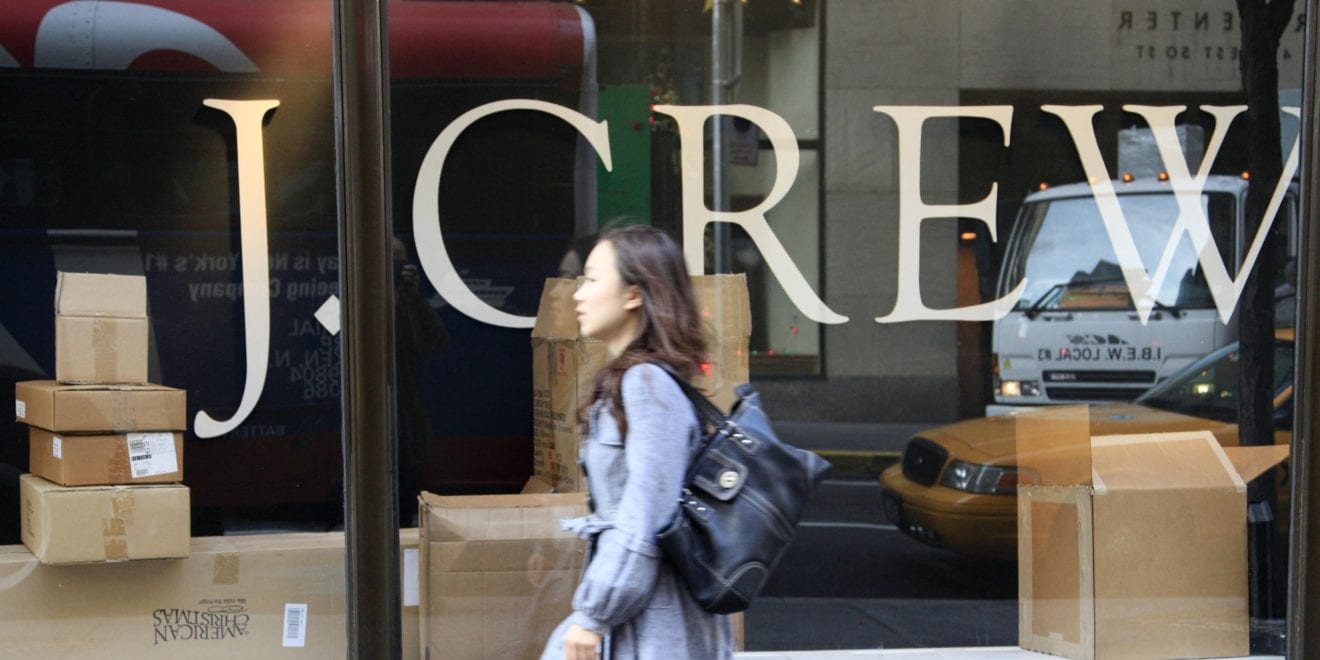
    US fashion-retailing icon J Crew has collapsed under the weight of US$2 billion of debt and with all 492 stores closed due to the Covid-19 epidemic.

    The company, founded in 1947, entered Chapter 11 bankruptcy protection this week allowing it to restructure its debt and business operations to survive in the post-Covid-19 era.

    In a letter to customers, the company reassured it was business as usual during the bankruptcy process with e-commerce sites of its namesake brand and its denim label Madewell continuing to operate.

    “We are there for our customers and fully operational throughout this restructuring process. We will continue operating under the Covid response measures currently in place and look forward to reopening our stores in accordance with CDC (US Centers for Disease Control) guidance as quickly and safely as possible.”

    Much of J Crew’s crippling debt relates to the company’s acquisition by private-equity investment companies TPG Capital and Leonard Green & Partners back in 2011. Under the Chapter 11 process, $1.65 billion of the company’s debt will be converted into equity

    “This agreement with our lenders represents a critical milestone in the ongoing process to transform our business with the goal of driving long-term, sustainable growth for J. Crew and further enhancing Madewell’s growth momentum,” said CEO Jan Singer.

    Neil Saunders, MD at GlobalData Retail, said that although J Crew had been making progress in reducing its losses, the company still ended its last fiscal year $78.8 million in the red.

    “The primary source of this financial woe is the $1.7 billion of long-term debt that sits on the company’s balance sheet like a millstone around its neck. Quite simply this is crippling the business which, at an operating level, is profitable.”

    Saunders described the move into Chapter 11 as “prudent” suggesting it should have been done years ago.

    “The coronavirus crisis has forced the situation to a head. It has also given J Crew some justification to ask lenders to make the unpalatable choice of having their debt converted into equity. In the current trading environment, the alternative would have been defaulted, putting J Crew on the path to liquidation.”

    However, Saunders warns that when J Crew emerges from Chapter 11 – and the pandemic – it has other challenges to overcome.

    “The J Crew brand still isn’t resonating with consumers – especially across the full-price part of the business. J Crew’s products are not terrible in either quality or design. However, ranges are samey and lack the embellishments and twists of more contemporary brands that would allow them to stand out. The consequence of this is that a growing number of shoppers see J Crew as both boring and bad value for money and refuse to pay full price for garments.”

    Madewell, he says, is performing better, with sales up strongly, driven by a growing loyal base of shoppers.

    “While the brand is smaller than J Crew it is an important driver of the company’s overall value. As such, it is not surprising that it will now remain a part of the group and not be spun off via an IPO.

    “Before Chapter 11, J Crew was on a slow march to ruin. This process gives the company a chance to survive. However, that survival is not just dependent on reduced debt; it requires a reinvention of the J Crew brand. Given the apparel market will be highly subdued, extremely promotional, and intensely competitive as the coronavirus crisis abates, the reinvigoration of the ailing label will be an order of the tallest magnitude.”

  • AirAsia sets up special recovery flights in the Philippines

    AirAsia sets up special recovery flights in the Philippines

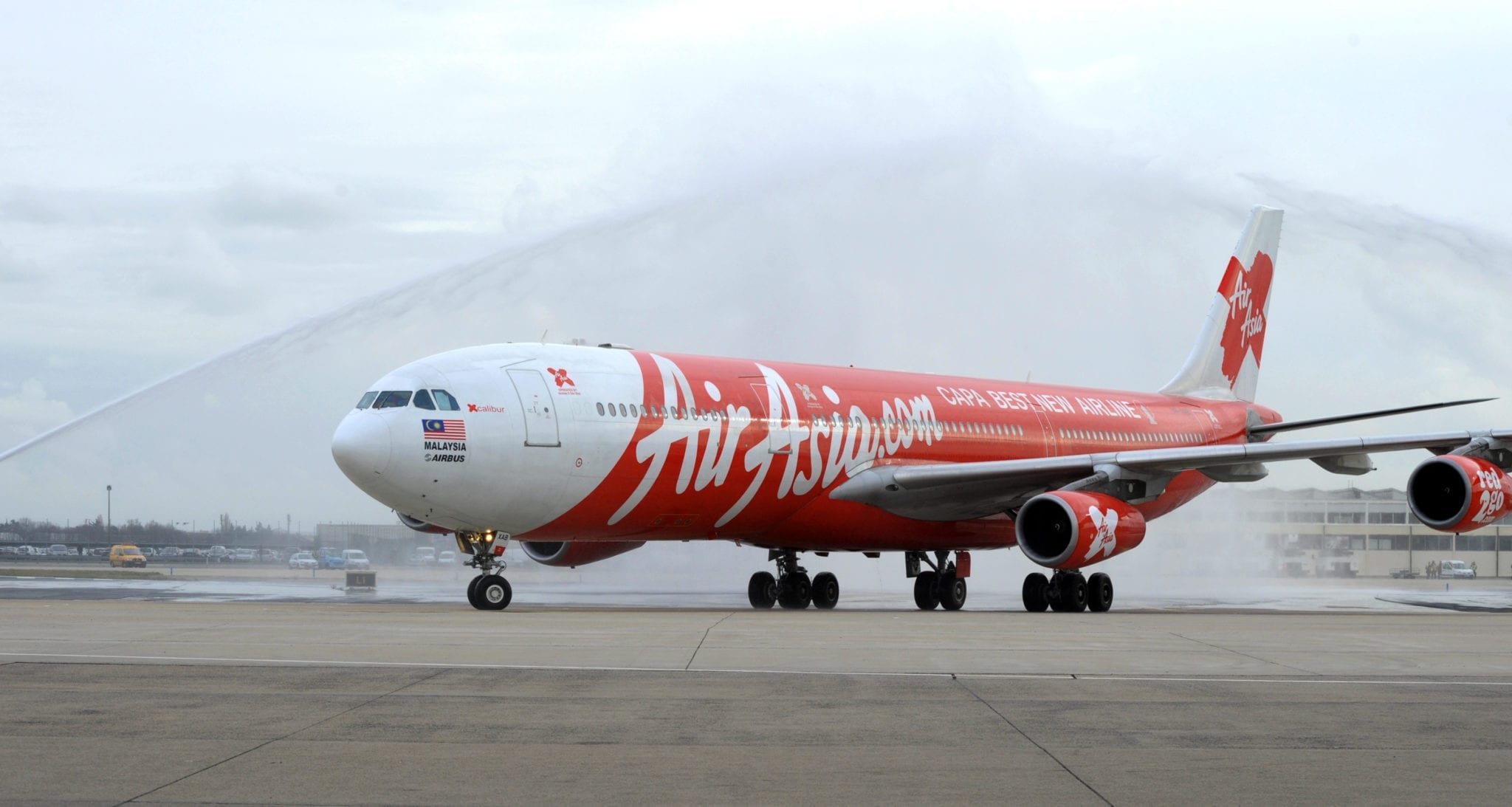
    AirAsia released a schedule of special recovery flights in the Philippines for those who are affected by the lockdown or enhanced community quarantine in parts of Luzon and in different areas of the country.

    The flights are in response to requests from various organizations, including local and international government agencies.

    Those who intend to book these flights must get in touch with the relevant government agency.

    The airline is arranging more flights as required.

    AirAsia added that flight schedules may change at short notice, as new regulations may have to be met in response to the COVID-19 pandemic.

    “AirAsia assures that the safety and wellbeing of our guests and Allstars is our top priority. AirAsia is complying with advice and regulations from the local government, civil aviation authorities, global and local health agencies, including the World Health Organization,” it said.

    It added, “AirAsia is closely monitoring this situation and reserves the right to announce further policies according to the latest developments.”

  • Tesla Applies To Become UK’s Electricity Provider

    Tesla Applies To Become UK’s Electricity Provider

    U.S. electric carmaker Tesla Inc has applied for a license to supply the electricity in the United Kingdom, The Telegraph reported on Saturday.

    The purpose of the license from the energy regulator may be to introduce the company’s Autobidder platform, the report said, citing a company source. The application did not make clear why Tesla has applied for the license, The Telegraph reported.

    Autobidder is a platform for automated energy trading and is currently being operated at Tesla’s Hornsdale Power Reserve in South Australia.

    Shares of Tesla tumbled on Friday (May 1) after Chief Executive Officer Elon Musk tweeted that the electric carmaker’s high-flying stock was overly expensive. This report produced by Chris Dignam.

    Having built a significant battery business in recent years, the carmaker is now preparing to enter the British market with its technology, the paper said, citing industry sources.

    The company did not immediately respond to a request for comment.

    In 2017, the carmaker built world’s largest lithium-ion battery to help keep the lights on in South Australia.

    Shares of Tesla fell 9% on Friday after Chief Executive Officer Elon Musk tweeted that the electric carmaker’s high-flying stock was overly expensive. “Tesla stock price is too high,” Musk said on Twitter.

  • Muji Japan moves online as Covid-19 crisis closes stores

    Muji Japan moves online as Covid-19 crisis closes stores

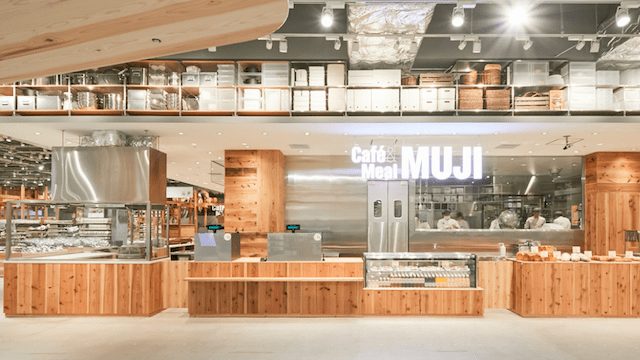
    Muji Japan has launched an online store on Amazon, strengthening its e-commerce presence as the Covid-19 crisis closes stores.

    According to the Nikkei Asian Review, the new Muji Japan online store will feature 250 items, mostly beauty products, storage containers, and cooking utensils.

    It is the first time Japan’s Ryohin Keikaku has sold Muji products via an online platform outside its own e-commerce store. With Amazon’s extensive user base, the company hopes to attract more potential customers.

    The launch with Amazon follows the closure of 280 physical stores across Japan and many others having to trade for reduced hours due to social-distancing requirements in the wake of the Covid-19 pandemic.

  • Chinese tea chain Heytea leaving Hong Kong

    Chinese tea chain Heytea leaving Hong Kong

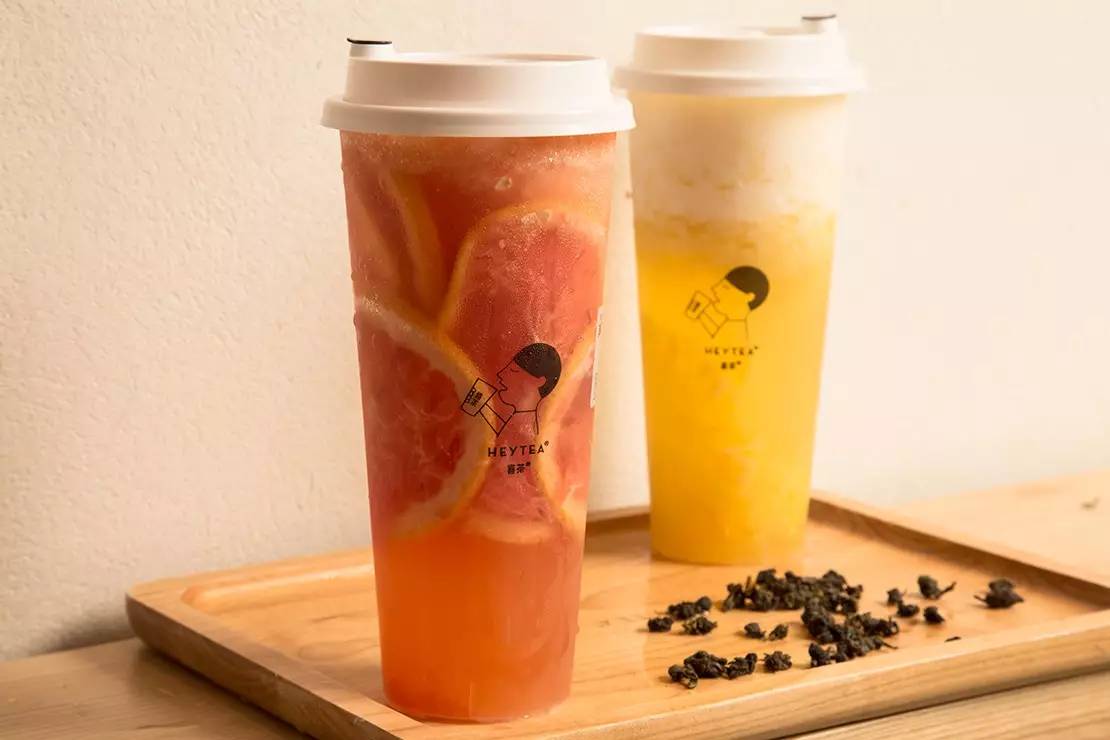
    Chinese tea chain Heytea has closed three-quarters of its Hong Kong network, leaving just two stores operating, at Causeway Bay’s Times Square and Sha Tin’s New Town Plaza.

    Three of Heytea’s outlets in Tsim Tsa Tsui – at The Sun Arcade and New World Development’s two K11 malls – have been boarded up. A K11 representative shared with Apple Daily that Heytea had rescinded its tenancy at the end of April. The tea chain had entered K11 Art Mall and K11 Musea in March and September last year, respectively. The K11 Musea flagship dubbed the ‘Heytea Lab’ spanned 4000sqft, offering patrons views overlooking Victoria Harbor and featuring the brand’s first tea-cocktail bar. It lasted less than one year.

    Heytea entered Hong Kong in late 2018, with customers queueing for up to four hours at the opening of the inaugural store at New Town Plaza. However, since the protests from June last year, many pro-democratic locals had boycotted the once-hyped tea brand due to its mainland Chinese origins.

    With Hong Kong now divided along political lines, locals initiated their own ‘Hong Kong 5.1 Golden Week’ protest action over the recent long weekend, a reference to the “Five Demands, Not One Less” slogan at the core of last year’s protests. The protest actively supported ‘yellow economy’ businesses that openly support Hong Kong protestors.

    More than 300 Heytea stores continue to operate in Mainland China and the brand made its first international foray into Singapore in 2018. The company sourced its initial funding from He Boquan, an angel investor from IDG Capital, and has just completed another round of financing led by Hillhouse Capital and Coatue Management, valuing the business at RMB16 billion (US$2.3 billion) post-investment.