Author: Mei Ling Tan

  • BMW Cuts Margin Outlook For Cars Division

    BMW Cuts Margin Outlook For Cars Division

    BMW on Tuesday lowered the outlook for the profitability of its automotive and motorcycles divisions, citing worse-than-expected demand which has been hit by measures to contain the coronavirus.

    BMW said it expects the earnings before interest and taxes (EBIT) margin for the automotive segment to fall within a range between 0% and 3% this year, adjusting its outlook from a previously expected margin range of between 2% and 4%.

    “The decisive factor for the adjustment is that the measures to contain the coronavirus pandemic are lasting longer in several markets and are thus leading to a broader negative impact than was foreseeable in mid-March,” BMW said.

    Delivery volumes in these markets will not rebound within a few weeks as BMW had assumed, with the highest negative impact now expected in the second quarter of 2020, the carmaker said, cautioning that matters could still get worse.

    The third-generation BMW S 1000 RR has been launched in India. It was always one of the best liter-class sportbikes one could ever buy. Here’s everything you need to know about the 2019 BMW S 1000 RR.

    “The updated guidance does not, in particular, include, a longer and deeper recession in major markets, a more severe economic slowdown in China as a result of recessions in other parts of the world,” BMW added.

    Further margin pressure could come from market distortions caused by an even stronger competitive environment or from the second wave of infections and associated containment measures.

    The Munich-based group further said it now expects deliveries of motorcycles to be down significantly from 2019 levels.

    The EBIT margin in the motorcycles segment will now be within a range of between 3% and 5%, rather than 6% and 8%, BMW said.

    Last month BMW warned it was expecting a further decline in global demand even after a 20.6% drop in first-quarter sales to 477,111 vehicles.

    BMW said in March that its pre-tax profit and vehicle deliveries would drop significantly this year as the coronavirus spreads, and that this – combined with higher research and development spending – would lower the profit margin in its automotive segment.

    BMW is due to publish first-quarter earnings on May 6.

  • Honda Retrofits 10 Minivans To Transport Detroiters For Virus Tests

    Honda Retrofits 10 Minivans To Transport Detroiters For Virus Tests

    Honda Motor Co said on Tuesday it has delivered 10 modified Odyssey minivans to the city of Detroit to safely transport healthcare workers and people potentially infected with COVID-19 for testing in one of the U.S. cities that has been hardest hit by the coronavirus pandemic.

    The minivans have been retrofitted with a plastic barrier behind the front seating area and a modified ventilation system to maintain an air pressure differential between the front and rear seating areas to reduce the risk of coronavirus transmission.

    Detroit has been especially hard hit by the outbreak, reporting 9,394 cases to date and 1,097 deaths through Monday, or 26% of all COVID-19 fatalities in Michigan.

    The Japanese automaker in April said it had remodeled 50 minivans to transport COVID-19 patients to hospitals and quarantine facilities in Japan, sealing off the rear section of the vehicles to keep drivers safe from infection.

    From the newly launched Hyundai Creta to the soon to be launched new-gen Honda City, here are 5 car we are eager to get our hands on as soon as the lockdown ends.

    After reading news reports, officials from the state of Michigan and city of Detroit approached Honda about the possibility of acquiring similar vehicles.

    A team of volunteers at Honda’s R&D center in Ohio conceived and designed a method to quickly modify the U.S. Odyssey. The minivans have a sealed clear polycarbonate panel between the front seat compartment and rear two-row seating area, while the ventilation system software was rewritten to ensure different pressure levels between the front and rear compartments.

    Detroit Mayor Mike Duggan noted the city has tested over 20,000 residents and employees for COVID-19. Many people in the city lack access to personal transportation.

    “Transportation is a critical component of ensuring every Detroiter has access to a test. We are very appreciative of Honda for choosing Detroit to deploy these newly modified vehicles,” Duggan said in a statement.

    Honda engineers and other employees in Ohio took the project from the initial concept to completion in less than two weeks.

    “We’re very proud of the efforts made by Honda engineers in Ohio to quickly devise a plan and modify a small fleet of Honda Odyssey minivans to support the people of Detroit in the face of this unprecedented global pandemic,” said Rick Schostek, executive vice president of American Honda Motor Co.

  • UOB Earnings Hit By Declining Interest Rates

    UOB Earnings Hit By Declining Interest Rates

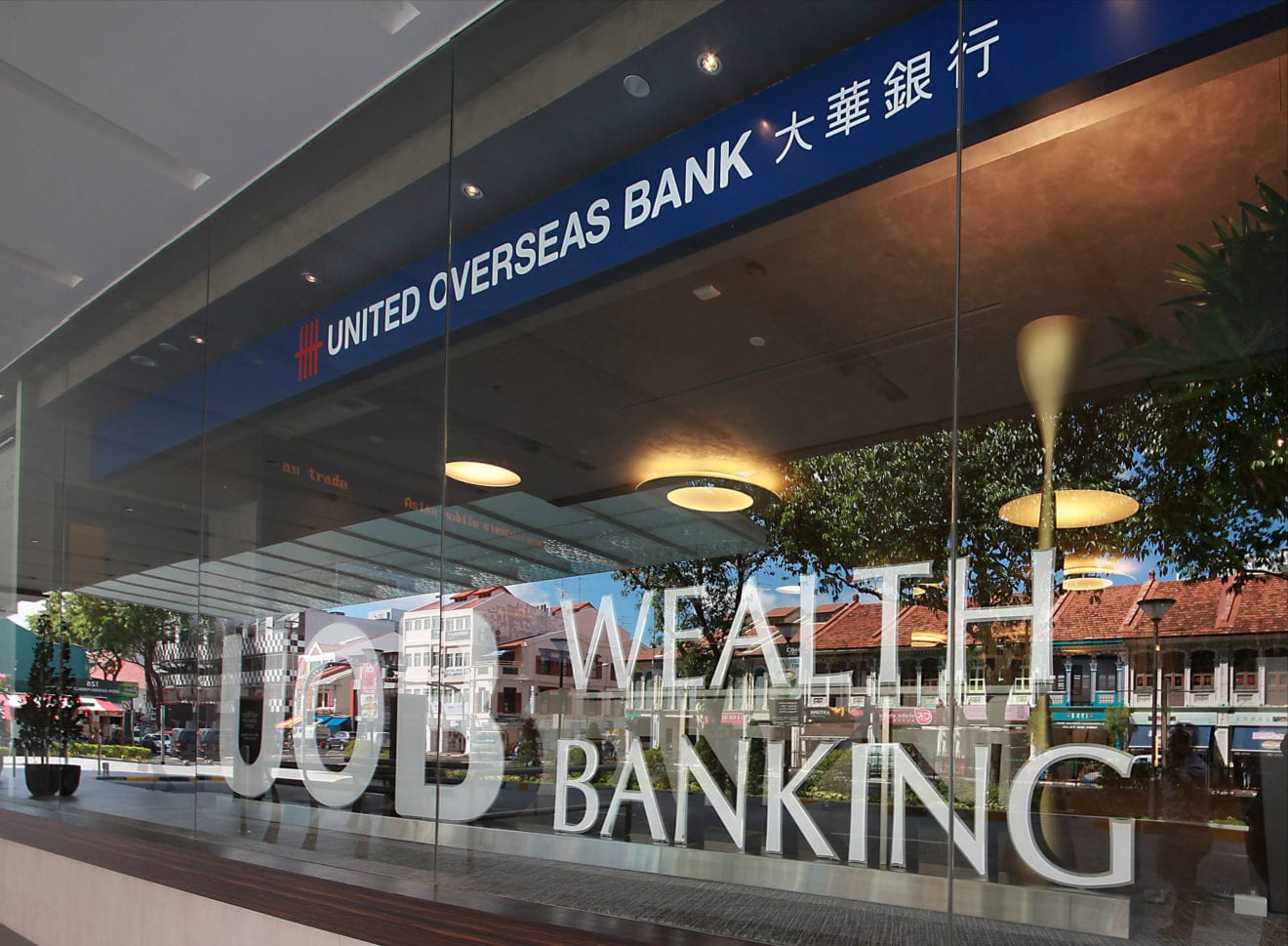
    UOB’s Q1 2020 net earnings are down 15 percent on-quarter and down 19 percent on-year, hit by declining margins and higher credit costs.

    UOB reported a quarterly profit of S$855 million, down from $1.05 billion a year before, and total income of S$2.41 billion, down 1 percent on-quarter and flat on-year despite a lower interest rate environment and slowing business momentum towards the end of the quarter resulting from the Covid-19 pandemic, according to its earnings release on Wednesday.

    Compared to Q4 2019, net interest income fell 3 percent to S$1.59 billion, despite loan growth of 4 percent, due to lower interest rates. Non-interest income grew 2 percent to S$813 million, boosted by growth in loan-related and wealth management fees. Treasury and investment income was relatively flat, and total operating expenses decreased by 3 percent.

    However, the bank increased total impairment charges to S$286 million as a result of the challenging macro environment, up from $93 million a year before.

    UOB said it is maintaining a strong balance sheet amid challenging economic conditions, with an additional allowance of S$546 million to strengthen coverage this quarter. Its Common Equity Tier 1 (CET1) ratio remained strong at 14.1 percent, 0.2 percentage points lower on-quarter.

    In times such as these, we ensure our balance sheet remains strong and our capital and liquidity positions robust, so we can continue to support our customers through the roughest of cycles and crises…we are confident that we will ride through these extraordinarily difficult times and emerge stronger, Wee Eee Cheong, deputy chairman and CEO, said in the announcement.

    Last month, Wee said in a statement that the bank, which employs over 24,000 people, is not planning any layoffs this year.

  • Hong Kong retail sales down in March

    Hong Kong retail sales down in March

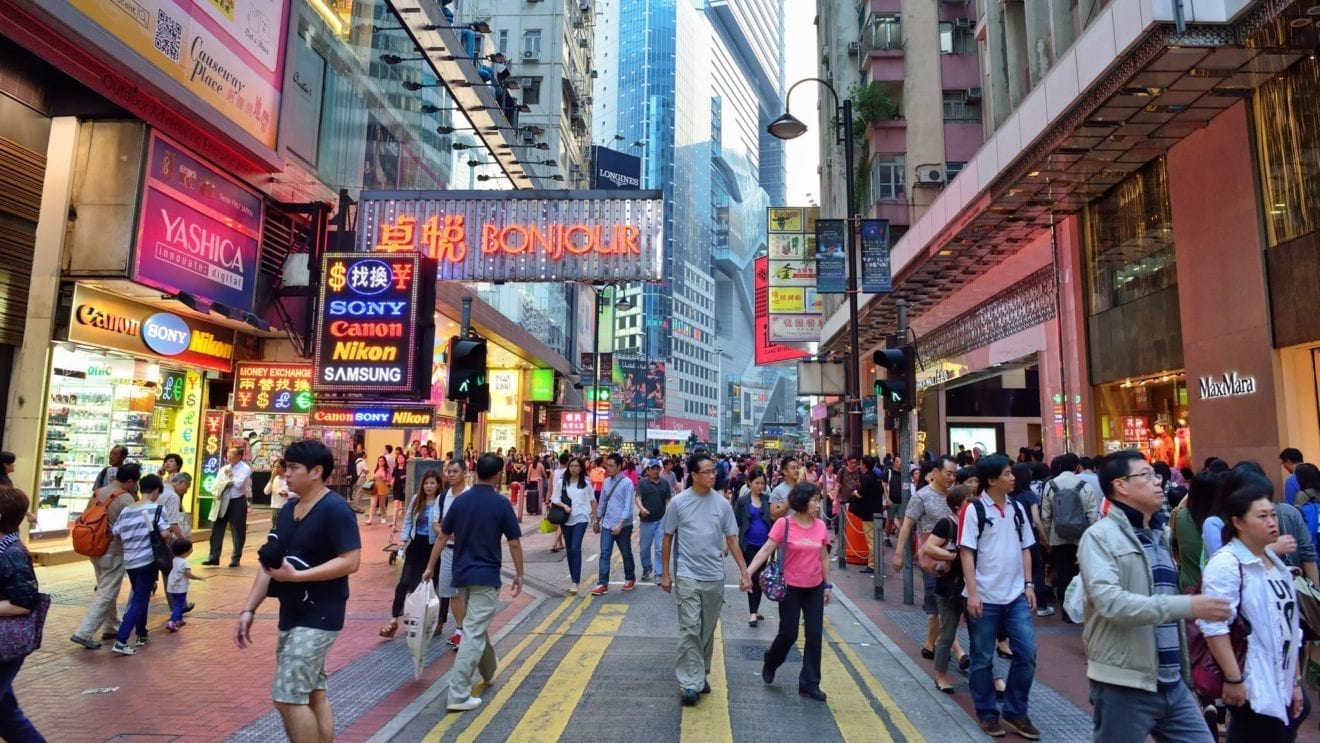
    March Hong Kong retail sales slumped by 42 percent year on year as the Covid-19 pandemic forced Mainland Chinese shoppers to stay at home.

    According to The Census and Statistics Department (C&SD) retail sales reached just HK$23 billion (US$2.97 billion) during the month.

    March’s fall was slightly less than the 44 percent decline of February. The revised combined January-February decline was 31.8 percent year on year, (a comparison which evens out any influence of the change in timing of the Lunar New Year holiday season from year to year).

    A government spokesman said the drop in March Hong Kong retail sales was a result of government measures to restrict the transmission of the virus, which brought inbound tourism to a standstill and “seriously disrupted local consumption-related activities”.

    For the March quarter, Hong Kong retail sales fell by 36.9 percent year-on-year – the single largest quarterly decline on record.

    “The business environment for the retail trade will remain very difficult in the near term amid the deep economic recession and a sharp deterioration in the labor market,” the spokesman said.

    In March, a 21.2-per-cent decline in sales of food, liquor and tobacco had the greatest impact on the overall figure, with a 42.7-per-cent fall in sales through department stores having the next greatest effect.

    Sales of jewelry, watches and luxury goods plunged by 75.2 percent, but in the bigger picture, this was less of a contribution to the bottom line than other categories, including electrical goods down by 39.6 percent and consumer goods not otherwise categorized, down by 29.1 percent.

    Sales of medicines and cosmetics fell by 63.8 percent, apparel by 67.2 percent and furniture and homewares by 14.4 percent.

    Books, newspapers and stationery dropped 48.4 percent, Chinese drugs and herbs by 51.7 percent, footwear and accessories by 60.6 percent, and sales through optical shops fell 46.6 percent.

    The only category to post growth was supermarkets, where sales surged 16.1 percent.

  • Victoria’s Secret sale cancelled due to spin off activity

    Victoria’s Secret sale cancelled due to spin off activity

    The ongoing saga of Victoria’s Secret’s survival took another significant turn overnight as parent L Brands confirmed the deal with private-equity company Sycamore Partners was canceled and it now plans to spin the business off.

    The two companies have announced a “mutual termination” of the deal – itself a twist after L Brands last month commenced legal action to force Sycamore to honor the sale.

    Sycamore had agreed to pay US$525 million for a 55 percent stake in L Brands back in February, a deal most analysts at the time considered a bargain. But the subsequent advent of the coronavirus pandemic which saw most of the company’s stores shuttered, decimating sales, has made L Brands less desirable, even at that price.

    Last month, Sycamore declared the purchase agreement was invalid, claiming that by closing stores during the Covid-19 pandemic, laying off staff and withholding rent, L Brands was in breach of the sale agreement under which the retailer was obliged to continue to conduct business ‘as usual’ ahead of settlement. L Brands disagreed.

    In a press statement confirming the mutual termination, Sycamore said neither company would be required to pay the other a termination fee or any other consideration in both canceling the deal and settling the litigation.

    L Brands’ board decided a protracted court battle worth neither the effort nor the expense.

    Furthermore, with L Brands to retain a 45-per-cent stake in the Victoria’s Secret business under the agreement, the two companies would have made uneasy bedfellows after a lengthy court fight with each other.

    L Brands says its new plan is to spin off Victoria’s Secret, but the details on how and when are far from clear. According to a statement overnight, L Brands will focus on building the profitable Bath & Body Works business as a pure-play public company, separating the Victoria’s Secret lingerie, beauty and Pink entity into a standalone company.

    It is hard to see this being done through an IPO given the underwhelming financial performance of the business and its tired retail format, let alone in an economic climate where there is little appetite for new investments.

    “Like all retailers, the company faces an extremely challenging business environment,” said Sarah Nash, who will next week assume chairmanship of the company.

    “We are implementing significant cost reduction actions and performance improvements at Victoria’s Secret while continuing to drive strong growth at Bath & Body Works. We will continue to make decisions and take actions with the best interests of all our stakeholders and the future of our company in mind.”

    Most of the changes which were planned after Sycamore’s investment will still proceed. At next week’s virtual board meeting Leslie Wexner will step down as CEO and chairman, but will remain a member of the board as ‘chairman emeritus’. Andrew Meslow, CEO of Bath & Body Works, will become CEO of L Brands and join the board. In addition, Stuart Burgdoerfer, currently CFO, will immediately assume the role of interim CEO of Victoria’s Secret while continuing to serve as CFO.

    Nash says L Brands will provide further details of its plans for restructuring during a scheduled earnings call on May 21.

    L Brands operates 2920 company-owned specialty stores in the US, Canada, Greater China and the UK as well as selling through more than 700 franchised locations worldwide.

  • Robinsons Jem mall store in Singapore about to close

    Robinsons Jem mall store in Singapore about to close

    Singapore department store Robinsons is to close its store in Jem mall in what it terms an “amicable exit” after negotiations with landlord, Lendlease.

    The Robinsons Jem store will close by the end of August, leaving the Al-Futtaim Group-owned retailer with just two remaining stores in the city-state, at The Heeren on Orchard Road and Raffles City.

    In a statement, Robinsons said it had been discussing its future at Jem since November and “the timing of the exit has been scheduled on a mutually agreed basis”.

    The company offered no further explanation or comment on the closure, although it did indicate it sees its future appealing to “a new generation of shoppers which includes customers both online and offline”.

    “Robinsons is an iconic brand, and the management is committed to ensuring viable and successful operations in Singapore. They are grateful for the ongoing support received from their Jem store customers over the years, and look forward to serving them at their other locations,” said the statement.

    The retailer plans to revamp its online presence, adding additional solutions for buying products and services and last month it opened a store on LazMall.

  • France says that Apple won’t allow the iPhone to work with its “StopCovid” app

    France says that Apple won’t allow the iPhone to work with its “StopCovid” app

    European countries have been upset at Apple for making it harder for them to get their own contact tracing platforms up and running on the iPhone. These countries want to use Bluetooth to keep track of the phones that pass by the vicinity of other devices. This way, smartphone users will know if they have been in close contact with someone who tested positive for COVID-19.
    The problem with using Bluetooth is that it would require Apple to change the settings on the iPhone. Currently, Apple blocks apps from using Bluetooth if the latter is running in the background and data from that particular app is going to be removed from the device. Since the Europeans want the data collected by contact tracing through Bluetooth to be sent to a centralized server, that would violate Apple’s rules. France, for example, wants Bluetooth to keep running in the background even though the data collected would be sent to a centralized server. For that to take place, Apple would have to change some iPhone settings which it is loathe to do. Allowing Bluetooth to run in the background for contact tracing will drain the battery on a user’s iPhone.
    France’s minister for digital technology, Cedric O, said during a television appearance, “Apple could have helped us make the application work even better on the iPhone. They have not wished to do so. I regret this, given that we are in a period where everyone is mobilized to fight against the epidemic, and given that a large company that is doing so well economically is not helping out a government in this crisis. We will remember that when time comes.” While O could not venture a guess about what could be behind Apple’s decision not to make the necessary changes, the minister added, “We consider that oversight of the healthcare system, fighting the coronavirus, is a matter for governments and not necessarily for big American companies.”
    The minister also stated that France’s “StopCovid” contact tracing app will be ready to go on June 2nd regardless of what Apple does. Testing will begin next Monday, May 11th. That happens to be the date when the country will officially start to reopen from its lockdown. In the country, Android is the leading mobile operating system with a 78.8% share. Apple’s iOS is next with 21.1%. Since Android phones don’t have the same restrictions, France feels confident to go ahead with its plans anyway.
    Still, Germany gave in to Apple and decided not to use a method of centralized storage called Pan-European Privacy-Preserving Proximity Tracing (PEPP-PT) for its COVID-19 contact tracing. Britain started testing its contact tracing app today and it has decided to go the centralized route like France is.
    Last month more than 300 professors from around the world signed an open letter that said while Bluetooth based contact tracing is strongly preferred, the centralized approach could lead to unprecedented government surveillance. In the letter, the professors wrote, “Some of the Bluetooth-based proposals respect the individual’s right to privacy, whilst others would enable (via mission creep)  a form of government or private sector surveillance that would catastrophically hamper trust in and acceptance of such an application by society at large. It is crucial that citizens trust the applications in order to produce sufficient uptake to make a difference in tackling the crisis. It is vital that, in coming out of the current crisis, we do not create a tool that enables large scale data collection on the population, either now or at a later time. Thus, solutions that allow reconstructing invasive information about the population should be rejected without further discussion. Such information can include the “social graph” of who someone has physically met over a period of time.”
  • Tinder’s next major update is all about video dating

    Tinder’s next major update is all about video dating

    As more people are leaning towards video dating and with the restrictions imposed by the coronavirus pandemic, developers and service providers are trying to find ways to keep these people connected while they’re self-isolated.

    Tinder, one of the most popular dating apps, is getting ready to provide its users with a video chat feature that will pave the way to video dating. The information was confirmed by Match Group, Tinder’s parent company, in its earnings release.

    The document also mentions that Tinder will be launching a one-to-one live video service late in Q2 2020, so if you’re waiting for that feature to come, you won’t have to wait too long. Of course, Tinder’s roadmap includes many other features that the company plans to implement throughout the remainder of the year, but they aren’t listed in the earnings release.

    However, since the global situation related to the COVID-19 pandemic might change, so will Tinder’s priorities, so we might see different features being instead of what’s been initially decided.

  • Institutional and retail investors: US vs China

    Institutional and retail investors: US vs China

    When being compared to the USA’s stock markets, China’s markets are fairly young. Even though the Shanghai Stock Exchange (SSE) dates back as early as the 1860s, it was in fact closed down in 1949, then reopened only in 1990, with the mission to create a reliable, efficient and transparent marketplace. The Hong Kong Stock Exchange was also founded in the late 1800s, it wasn’t until the mid-1990s that it started listing the largest Chinese state-owned enterprises.

    The USA’s stock market, in comparison, can be dated back to the late 1700s, meaning that it’s over 200 years old. The New York Stock Exchange (NYSE) originated on Wall Street in 1792 and since then, many more stock exchanges have derived in the US.

    The stock exchanges and their role on the economy

    The USA’s stock exchanges play a significant part in their economy, which isn’t the case as much in China, due to it being a lot younger. While companies in the US rely on equity financing, corporations in China often look to the likes of bank loans.

    Around 52% of the US population owe part of their wealth to equities, while in China it is roughly only 7%, with bigger proportions of their investments going into property and wealth management products, for example.

    With less people owning stocks in China, they aren’t as at risk of having to suffer from the ups and downs in the markets. However, it has been suggested that retail investors there do not put enough focus on their long-term investments, instead choosing to chance their wealth. If China strives to grow its stock markets and attract professional investors, it is going to have to change the opinions of those comparing it to a ‘crazy casino’.

    Coronavirus and the financial markets

    The ongoing pandemic has naturally had a dramatic impact on the global stock markets, disrupting worldwide economic activity. Since the outbreak, the markets have suffered huge losses: more than 30 million people in the US have filed for unemployment benefits, the Dow Jones Industrial Average has seen a significant fall and US oil prices turned negative for the first time. In China, retail sales plummeted 20.5% year on year in January and February, and with their factories being unable to run, they have also been heavily affected by a supply shock. Equity markets have fallen, and the drop in these prices has lowered household wealth in the US to a huge extent.

    With no confirmed end date to the pandemic, there is still some uncertainty when it comes to both the US and China’s economic future. Will the economy be able to snap back once the restrictions on activity have been lifted?

  • AirAsia to resume flights from Surabaya to two major Malaysian cities

    AirAsia to resume flights from Surabaya to two major Malaysian cities

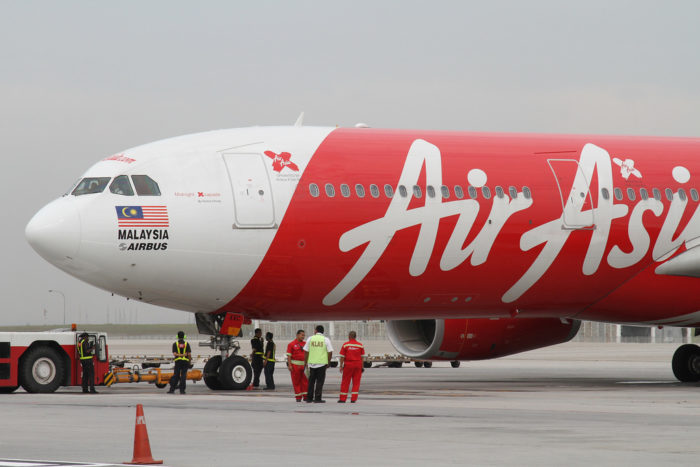
    Low-cost carrier AirAsia Indonesia will soon resume flights from Surabaya, East Java, to the Malaysian cities of Kuala Lumpur and Johor Baru after they were temporarily stopped on April 1 amid the rapid spread of COVID-19 in the two countries, an AirAsia official has said.

    AirAsia Indonesia decided to reopen the flights from Surabaya to the Malaysian cities on May 18, following a decline in the number of new COVID-19 cases in the neighboring country, the airline’s president director Veranita Yosephine said on Monday.

    “Kuala Lumpur has shown a positive trend regarding the spread of COVID-19, and therefore we decided to reopen our flights to Malaysia. However, we’ll continue to review our decision and maintain our health standards,” she said during a virtual press conference.

    AirAsia Indonesia has suspended all scheduled flights since April 1 due to a lack of passengers as the government appealed to the public to stay at home and avoid travel. The government officially prohibited flights on April 24 to and from the country’s major cities as part of the emergency measures implemented to halt the spread of COVID-19.

    To generate income, Indonesian airlines including AirAsia Indonesia have shifted to cargo and chartered flight services that are still permitted by the Transportation Ministry.

    “Currently, we are only utilizing 10 of our 28 airplanes. We’re partnering with AirAsia Group’s cargo business company Teleport to run the cargo operation,” she said.

    Although the airline has been able to shift its operation from passenger to cargo services, AirAsia, as with other airlines, is still struggling to maintain its cash flow.

    Indonesian airlines are struggling to survive amid the COVID-19 pandemic, having booked combined revenue losses of Rp 207 billion (US$13.4 million) as of April 15, according to Finance Ministry data.

    In order to keep the company afloat, Veranita said the company had taken a number of cost-cutting measures such as employee salary cuts and airplane lease renegotiations and was also seeking new sources of capital.

    “We’re currently still looking at which sources of capital we could explore. To do so, we also need permission from the shareholders,” she said.

    Veranita said AirAsia would fully comply with the Transportation Ministry’s regulation and the government-regulated health protocols for international flights, such as mandatory use of masks and a health document requirement.

    “We will implement the health protocols set by the government and will require health documents for passengers,” she said.

    She added that the airline would continue monitoring developments in the COVID-19 pandemic in both countries, and could shut down the flight routes if there was a spike in new cases.

    The number of confirmed COVID-19 cases in Indonesia has risen steadily with the latest Health Ministry data recording 395 new confirmed cases on Monday, an increase of 349 new cases from the previous day.

    In neighboring Malaysia, the trend in new COVID-19 cases has shown signs of plateauing, with the country’s Health Ministry reporting 55 new confirmed cases and no deaths on Monday, down from 122 new cases and two deaths on Sunday.

  • PAL, Cebu Pacific hope to resume regular operations soon

    PAL, Cebu Pacific hope to resume regular operations soon

    Philippine Airlines (PAL) is hoping it can resume international and domestic operations in limited capacity flights on May 16.

    “We are preparing and identifying routes for possible bookings, but we still need the go-signal from the government to operate our commercial flights,” said PAL spokesperson Cielo Villaluna. “We have complete sets of masks, gloves, goggles, and personal protective equipment (PPE) which our crew will wear during and every flight for the protection of everyone on board.”

    On the other hand, Cebu Pacific Corporate Communication Director Charo Lagamon said they have been coordinating with the Department of Tourism (DOT) and other organizations to mount sweeper and repatriation flights.

    “We have finalized sweeper flights with the DOT, starting May 1, between Manila and key domestic destinations to fly stranded passengers,” Lagamon said.

    Cebu Pacific continues to operate all-cargo flights to keep vital goods moving across the country during the enhanced community quarantine.

  • March retail sales in Singapore down

    March retail sales in Singapore down

    March retail sales in Singapore fell 9.7 percent year on year in March 2019, as tourist numbers fell and locals spent less on discretionary items in the wake of the coronavirus pandemic.

    The decline was the largest in a single month in 22 years.

    With motor vehicles included in the total figure, retail sales were down by 13.3 percent, according to Statistics Singapore. March retail sales in Singapore totaled S$3.3 billion (US$2.33 billion).

    Compared to February, however, there was little change in the vehicles-excluded figure, with sales down 1.6 percent in March. In February retail sales excluding motor vehicles fell by 10.2 percent, year on year.

    The impact of the Covid-19 crisis on consumer shopping behavior was evident: online sales accounted for 8.5 percent of total sales, the highest figure ever recorded in the city-state. It followed a 7.4-per-cent share in February.

    Year on year, March retail sales in Singapore of apparel and footwear, food & alcohol, in department stores and of watches & jewelry declined by between 34.4 percent and 41.6 percent – mainly due to the decline in tourists spending.

    However – reflecting the trend towards eating at home more to ensure social distancing during the onset of the pandemic, turnover through supermarkets & hypermarkets rose by 35.9 percent and through mini-marts & convenience stores by 4.7 percent.

    The pandemic’s impact was also highlighted by data from sales of food & beverages. Sales fell 23.7 percent in March, to an estimated $678 million. Of those, online purchases comprised about 15.6 percent.

  • South Koreans move from malls to markets in Covid-19’s wake

    South Koreans move from malls to markets in Covid-19’s wake

    Offline retailers in South Korea, once on the verge of a crisis after consumers flocked to e-commerce vendors following the coronavirus outbreak, are now seeing a chance to make a comeback.

    As people remain indoors for extended periods due to work-from-home policies and delays to the school year resumes, a growing number of South Koreans are going to local supermarkets and stores to do their shopping.

    Local discount retailers and large-sized malls saw sales increases of 1 to 5 percent after South Korea raised the public health alert to its highest level.

    After the World Health Organization declared Covid-19 a pandemic, local supermarket sales jumped by more than 14 percent between March 8 and 21, while large-sized malls and discount retailers saw their sales drop.

    “As the coronavirus outbreak dies down, more people are choosing to go to local supermarkets or convenience stores that are close by, rather than going to large malls that tend to be located further away,” said Hwang Hee-yeong, CEO of Opensurvey, a local pollster.

    In other words, South Korea has seen an initial surge in demand at large distributors fragment into demand for products offered at smaller distributors.

    Experts argue that this trend may continue even after the coronavirus outbreak is over.

    “As the coronavirus is expected to be around for a long time, people are choosing to go to local supermarkets instead of large-size malls and discount retailers. More people are also visiting local stores that sell side-dishes,” said Hwang.

    “The coronavirus outbreak has set up a basis for localized consumption, a trend commonly observed among advanced nations.”

  • SM Aura launches online shopping service during lockdown

    SM Aura launches online shopping service during lockdown

    Philippine shopping mall SM Aura Premier has launched an online shopping service for customers facing restrictions on movement during the coronavirus pandemic.

    The Aura Concierge system allows customers to select a method of receiving essential goods, including curbside and drive-through pick-up. Online users can connect to businesses via social media or directly to order products and arrange payment. It also features an automated chat facility providing details on product availability.

    The service also allows for home delivery via the mall’s bike ride-sharing partner and delivery platform Angkas, who will purchase and pick up items ordered by customers.

    Registered customers are designated a personal shopper who will complete orders and deliver items directly to the customers on the same day of purchase.

  • First European Apple Store to reopen on Tuesday

    First European Apple Store to reopen on Tuesday

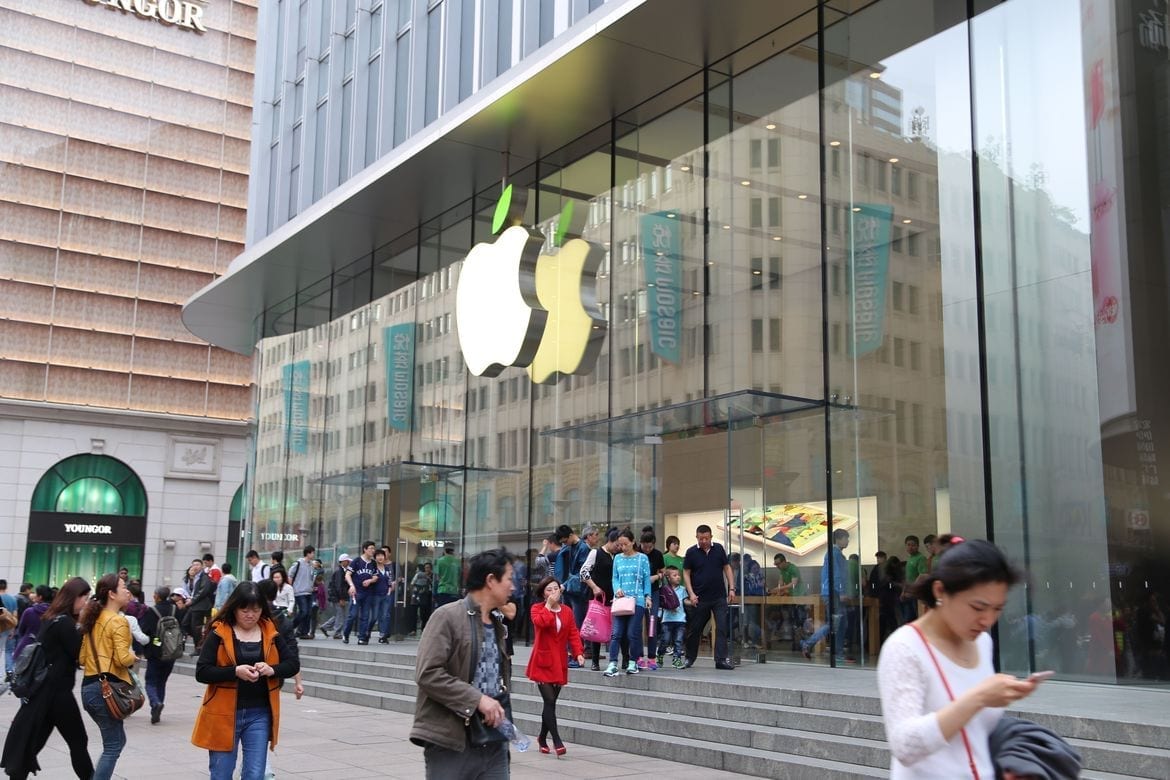
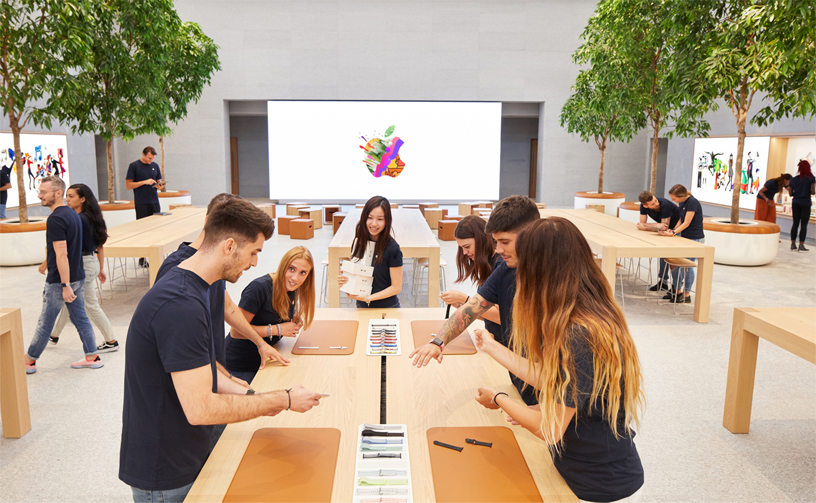
    Apple’s sole retail location in Vienna, Austria will resume operations on May 5. The company’s CEO Tim Cook had earlier indicated that the store would reopen by mid-May. Since infection rates have decreased, the country has started relaxing lockdown measures already. Per the German outlet Heute, the re-opening will be cautious, with many measures in place to ensure the wellbeing of consumers and employees.

    An Apple spokesperson has confirmed the news. The Apple Store in Austria will be the first one in Europe to resume activities after a weeks-long lockdown.

    The store will be operational for limited hours, from 11 am to 6 pm. It will remain closed on Sundays.

    Social distancing will also be practiced, which means that only a limited number of visitors will be allowed in at any given time. Others will have to queue up outside.

    The report also alleges that customers will be required to wear a mask and their fever will be checked at the entrance. Devices on display as well as the premises itself will be disinfected regularly.

    For now, the emphasis is on the provision of service and support for hardware owners experiencing problems. Consumers looking to make a purchase are advised to shop online.

    Outside of China, the Vienna Apple Store would be the first one to reopen after the company’s only store in South Korea.

    Cook has also said that a few stores in the US could reopen in the first half of May.