Author: Mei Ling Tan

  • Google tests cool new feature for the Play Store

    Google tests cool new feature for the Play Store

    In its never-ending battle to improve the Google Play Store, Google is testing a method to allow users to make comparisons between two or more apps. This comes after Hamburgers were removed from the Play Store menu earlier this month. No, Google wasn’t competing with Mickey D’s. The Hamburger menu was an icon consisting of three straight horizontal lines that looked like a Hamburger from the side (top bun, meat, and bottom bun) and when tapped, a menu list appeared.

    The Compare apps section appears near the bottom of a Play Store listing and at the moment it seems to be limited to a few side-by-side comparisons of media players under the heading of Compare apps. The apps are compared based on things like offline playback, visual quality, ease of use, controls, and whether or not a particular app will cast content. A major assumption is that Google is gathering the information it uses for comparisons directly from feedback from users who are prone to leave reviews.

    Remember that this is just a test right now and it has appeared in the Play Store when some users are running version 22.4.28 of the app. Being able to compare key elements of two or more similar apps listed in the Google Play Store is sure to improve the experience of using Google’s Android app storefront.

  • DHL Express to Create Gateway at Hartsfield-Jackson

    DHL Express to Create Gateway at Hartsfield-Jackson

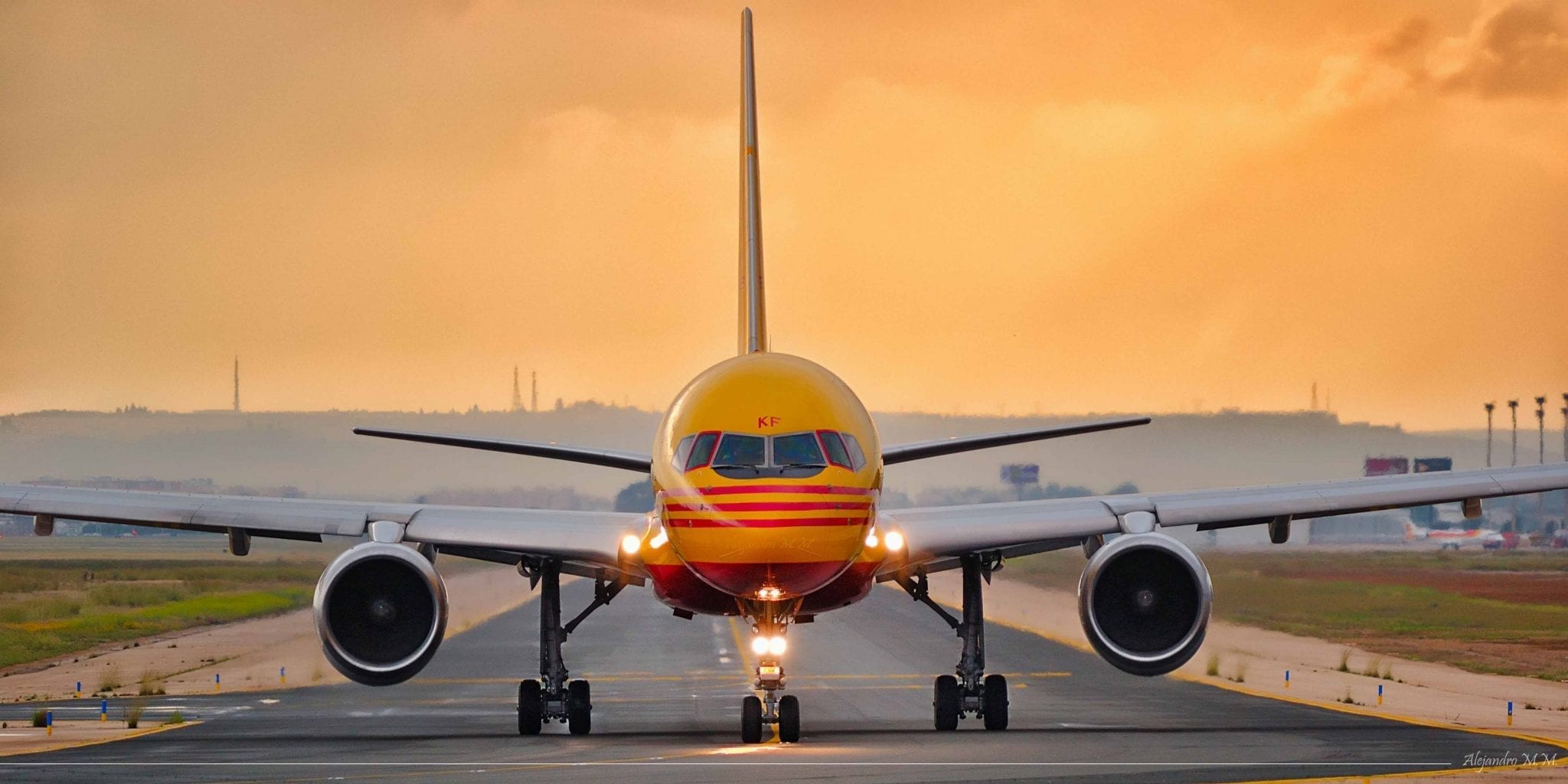
    DHL Express plans to move into a new cargo building at Hartsfield-Jackson International and create a “gateway to the Southeast” as it expands its presence in the region.

    DHL Express, which serves the U.S. market with only international shipments, saw a nearly 60% year-over-year increase in shipping volume in Atlanta for the March-July period as consumers increasingly shop online during the COVID-19 pandemic.

    “I think it’s fair to say that individuals’ buying behaviors for e-commerce has changed,” said DHL Express U.S. CEO Greg Hewitt. “We’re seeing huge amounts of flow as American buy items from Asia and Europe,” and as people overseas buy American goods.

    UPS and FedEx, the two biggest U.S. shipping companies, also have seen explosive growth in demand for shipments.

    Hewitt said DHL is growing its employee base in the Atlanta area by more than 29% and is starting to invest more in airport operations. “”We see Atlanta being really a growing market for us. We’re going to expand and create a gateway at Hartsfield- Jackson.” He called Atlanta “really our gateway for the Southeast.”

    DHL is moving from a smaller space on Toffie Terrace near Hartsfield- Jackson to the new Cargo Building C, and is adding the needed infrastructure for its operations there.

    “DHL’s expansion into Cargo Building C is welcome and will increase their footprint here, add jobs and lead to more cargo flights into ATL,” Hartsfield- Jackson director of air service development Elliott Paige said in a written statement.

    Hartsfield- Jackson’s 130,000-square-foot Cargo Building C has been in development since 2015. The $27.6 million construction project by JE Dunn was part of the airport’s long-envisioned plan to expand air cargo. It was originally expected to be operational in 2017, but leasing out the building took years. In September 2019, Atlanta City Council approved a 20-year lease with ground handler Worldwide Flight Services.

    DHL is subleasing space from Worldwide Flight Services, according to Hewitt.

    “We’ve wanted to have a bigger facility. Atlanta’s long been on our roadmap,” Hewitt said. He added that the company looked for airports where it could bring in goods from Asia and Europe, with “a good understanding” with Customs authorities.

    “All that moved us towards Atlanta,” he said. “We think it will be kind of a growth center for the next decade.”

    Eventually, the DHL plans to hire about 300 employees at the airport.

    That’s in addition to about 120 jobs for couriers and dockworkers for DHL’s other operations in the Atlanta area. The company has facilities in Norcross, where it is expanding, as well as in Atlanta and Smyrna.

    DHL has flights into Atlanta from its primary U.S. hub in Cincinnati, as well as from New York, and plans to add capacity for more shipping volume.

    ” Cincinnati is growing so fast and so big, we want to de-stress that by opening other gateways,” Hewitt said. ” Atlanta is an attractive airport because of the number of commercial flights that come in.”

    DHL is booking cargo space on Delta Air Lines planes for this holiday peak season.

    In addition to belly cargo space on its passenger planes, Atlanta-based Delta also has converted a Boeing 777-200 ER jet into a cargo-only freighter plane by removing the seats. Delta says it is operating more than 20 cargo-only flights a week.

    By the fourth quarter of next year, DHL will “be in a position to be operating our own cargo fleet direct in from Europe and Asia, rather than have that come down from Cincinnati,” Hewitt said.

    Some of the biggest areas of growth in goods coming from overseas are consumer electronics, clothing, medical equipment and personal protective equipment, he said.

    Hartsfield- Jackson also plans to add a new air cargo facility in the airport’s South cargo area.

  • Cebu Pacific promotes Philippine tourism with ‘Juan Love’ campaign

    Cebu Pacific promotes Philippine tourism with ‘Juan Love’ campaign

    The resilience of the country’s tourism sector was put to the test as local businesses and industries had to deal with the immense challenges brought about by the COVID-19 pandemic.

    However, it also brought out the Filipino spirit of Bayanihan, sparking hope for the nation as everyJuan provided support to one another.

    As an airline that strongly believes in #EveryJuanWillFlyAgain, Cebu Pacific further encourages everyJuan to step up and support the country as it gradually recovers.

    The country’s leading carrier has launched its newest campaign “Juan Love – One love for the Philippines.” At a time when borders are slowly reopening, this online campaign aims to inspire everyJuan to travel again – to see the places they have missed and experience the local culture and cuisine unique to every destination.

    The Juan Love campaign will not only highlight the beauty and wonders of Philippine destinations but will also capture how flying supports the people keeping the tourism industry afloat. Each flight, each tourist will help people sustain livelihoods – everyJuan for everyone.

    As this campaign showcases the scenic spots, thrilling activities, and native delicacies each destination is known for, Juan Love will also shed light on all the local businesses and fellow Filipinos making all these possible.

    “We are delighted that Cebu Pacific came up with this heartfelt initiative. More than rekindling the desire of Filipinos to travel once again, the Juan Love campaign also puts a spotlight on the people whose jobs and livelihoods depend on the inclusive growth brought about by tourism,” expressed Secretary Berna Romulo-Puyat of the Department of Tourism.

    “We are always grateful for the support, and rest assured that we will continuously collaborate with the aviation sector so we may all help our industries, and our economy, recover,” she also said.

    Staying true to its commitment to provide safe, affordable, and fun-filled air travels for everyJuan, Cebu Pacific celebrates local tourism with a series of exciting Juan Love Seat Sales!

    “We have been continuously working hand-in-hand with our partners in the government to help ensure the nation bounces back from this crisis. We believe as more destinations open up for tourist travel, we are able to support the small businesses and communities,” said Candice Iyog, Cebu Pacific Vice President for Marketing and Customer Experience.

    “With the launch of our Juan Love campaign, we hope everyJuan joins us in showing one love for the Philippines,” Iyog added.

    A total of one million seats to domestic destinations will be up for grabs throughout the ‘ber’ months for the Juan Love push.

  • My Volkswagen Connect App Launched

    My Volkswagen Connect App Launched

    Volkswagen India has joined the connected car bandwagon with the launch of the ‘My Volkswagen Connect’ mobile app. The new interactive sim-based app brings connected car technology to Volkswagen cars sold in the country and provides access to a host of features like vehicle telematics, geofencing, remote tracking and more. The app is available for both Android and iOS devices. The new Polo GT TSI and the Vento Highline Plus will get the new My Volkswagen Connect app as standard, the company has said in a statement.

    Commenting on the launch, Steffen Knapp, Director, Volkswagen Passenger Cars India said, “At Volkswagen India, we have relentlessly been working towards enhancing and providing our customers the best of technology and connected solutions. Today, we introduced the upgraded ‘My Volkswagen Connect’ app that offers customer convenience and safety at their fingertips. Customers will have access to real-time vehicle analysis and assistance that would make them aware of their vehicle condition, driving patterns, and enhance the overall fun-to-drive experience that a Volkswagen stands for.”The new Volkswagen connected car app essentially uses a dongle that’s plugged in the car’s on-board diagnostics (OBD) port that relays information on the mobile app. The app offers a range of data that includes the user’s driving style quantifying speed, braking behavior, coolant temperature, acceleration, and rpm. The app also enables users to locate the point of interest and also reach out to customer care or roadside assistance, in case of emergencies.

    The My Volkswagen Connect app also has the provision to scan and store vehicular documents for a paperless record. You can also use the app to set reminders for vehicle insurance renewal. Volkswagen India is offering the app with a three-year subscription for free and three years of warranty. Similarly, Honda Cars India also offers the Honda Connect app on its cars, while Nissan offers the Nissan Connect app on the same lines. It is noteworthy to mention that both companies among several others have been offering the technology for about a few years now.

  • I.T flags big loss as Covid-19 impacts shoppers’ enthusiasm

    I.T flags big loss as Covid-19 impacts shoppers’ enthusiasm

    Multibrand Hong Kong fashion retailer I.T Limited has warned shareholders it will likely post a loss of at least US$38.7 million for the six months to August, such has been the impact of the Covid-19 on sales.

    Chairman Sham Kar Wai said in a letter to shareholders that the Covid-19 pandemic had led to a decline in consumer-spending enthusiasm across the world. While it has offered extra discounts to boost sales volume amid “an incredibly difficult trading environment” sales were down substantially.

    This is the third profit warning the company has issued this calendar year, following earlier announcements in July and August. It is based on initial figures and subjects to change before final results are reported tomorrow, (October 29).

    “Although during the period ended 31 August, the group took rapid and decisive action to reduce costs considerably, the savings in operating costs were not sufficient to offset the decline in sales and gross margin,” he said.

    August’s likely half-year loss follows a deficit of $9.2 million in the same period last year.

    I.T Group operates its own brands, including Chocolate and 5cm, concept stores Izzue and Double-Park; international brands it has local licenses for including Kurt Geiger and Camper; and A Bathing Ape, which the company rescued from Japanese owners in 2011.

  • L’Occitane sales recover fast in APAC

    L’Occitane sales recover fast in APAC

    Beauty products brand L’Occitane saw sales momentum improve significantly in the September quarter as consumers resumed shopping in the wake of Covid-19 lockdowns in much of the world.

    The year-on-year decline in sales improved from 22.2 percent in the June quarter to a more modest 4.5 percent in the subsequent three months.

    Sales for the combined first half-year reached US$726.2 million, down 13.1 percent in the same period a year earlier. Growth in South Korea was the most spectacular – up 37.4 percent year on year, with China close behind, up by 30.5 percent, and Taiwan up by 15.3 percent.

    While foot traffic into physical stores began to recover, the company’s online channels outperformed brick and mortar shops, soaring 80.8 percent to account for 40.7 percent of total sales in the September quarter.

    L’Occitane chairman Reinold Geiger said all of the company’s brands saw significant improvements in sales momentum in the second quarter, compared to the first. L’Occitane en Provence was particularly resilient — its sales decline narrowing from 25.7 percent to 4.1 percent. The travel retail business also showed some improvements, particularly in Asia.

    The group recently commenced a reorganization process aiming to be more efficient and flexible, which will likely lead to the loss of about 300 jobs, primarily in corporate roles, from its global workforce of 9000.

  • HCMC serviced apartment rents hit five-year-low

    HCMC serviced apartment rents hit five-year-low

    The average rent for serviced apartments in HCMC has fallen to a five-year low as the Covid-19 pandemic stifles demand. The $23 per square meter per month price tag in the third quarter marks a 10 percent year-on-year fall, according to data compiled by real estate consultancy Savills.

    Occupancy fell 19 percentage points to 65 percent as there were few international flights entering the country. Foreign businesspeople and experts are the main tenants of serviced apartments.

    In the first nine months, registered foreign direct investment capital in HCMC dropped 28 percent year-on-year to over $3 billion.

    Owners of over 20 percent of Grade B projects are offering discounts of up to 30 percent for long-term tenants or other perks like free utilities.

    The supply of serviced apartments fell 7 percent year-on-year to 6,200 units, with one Grade B project withdrawing 164 units for renovation and a 31-unit Grade C project being converted into office space.

    Eleven projects are expected to boost supply by another 1,300 units in the next four years.

  • Mercedes-Benz To Increase Its Share In Aston Martin

    Mercedes-Benz To Increase Its Share In Aston Martin

    Aston Martin is a celebrated British car manufacturer and the company is not in great shape financially. But in order to make the going easier, Aston Martin has announced that Mercedes-Benz will increase its stake in the company to 20 percent. In return, Mercedes-Benz will grant Aston Martin access to its latest technologies. These also include Mercedes’ technology for plug-in hybrid and fully electric vehicles. What this essentially means is that Aston Martin will reduce the cost and risk of developing its own technology for electrified vehicles and will focus on investment in other areas and expand its model portfolio.

    Lawrence Stroll, Executive Chairman of Aston Martin Lagonda, said “Today, we take another major step forward as our long-term partnership with Mercedes-Benz AG moves to another level with them becoming one of the Company’s largest shareholders. Through this newly expanded agreement, we secure access to world-class technologies to support our long-term product expansion plans, including electric and hybrid powertrains and this partnership underpins our confidence in the future.”

    Mercedes-Benz will provide technology (including powertrain architecture for a conventional, plug-in hybrid, and electric vehicles) for all product launches through 2027. Aston Martin has plans to reach 10,000 unit sales per annum by 2024/25 although there is still a long way to go, with the British company delivering just 2,752 cars so far in 2020, which is a drop of 39 percent over 2019. But a part of that can be attributed to the global corona pandemic as well. Aston Martin’s operating losses for 2020 so far stands at £229m. The company aims to have a net income of £500m with interest, taxes, depreciation, and amortization added back by the mid part of the decade.

    In its recently released financial statement, Aston Martin says that the company has a plan to update its entire front-engined sports car line-up, introduce a new SUV model which will sit along-side the DBX, and launch a new range of mid-engine cars.

  • Tokyu department store leaves Thailand

    Tokyu department store leaves Thailand

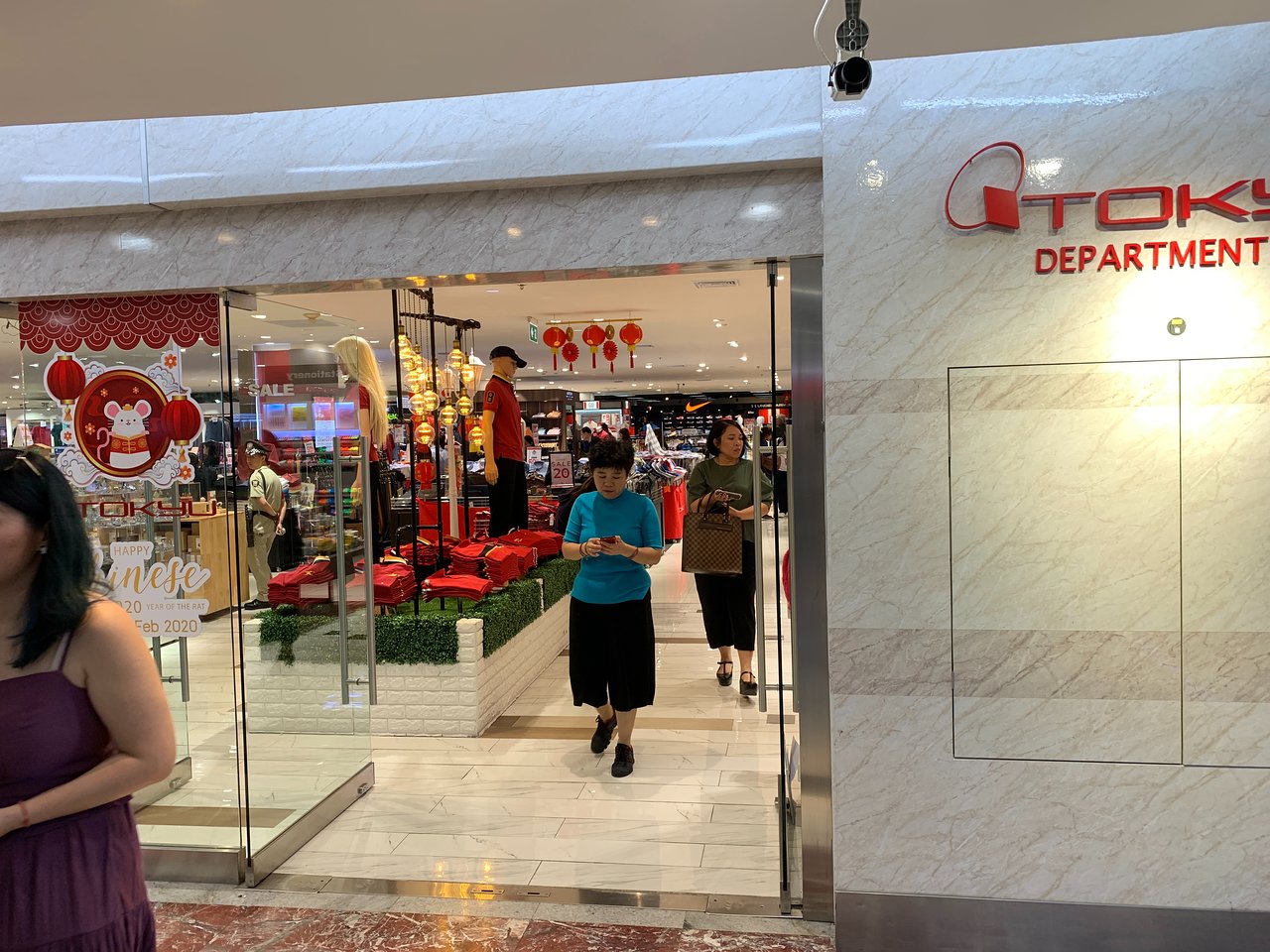
    Japanese department-store chain Tokyu is to exit Thailand, the third Japanese retailer to withdraw from the country this year.

    Tokyu aims to close its last store at Bangkok’s MBK shopping center next January, ending 35 years of trading in the city. The retailer closed its second, newer store at Paradise Park last year.

    The department store has been struggling in the shopping center competition due to the launch of a series of new developments in Bangkok. However, the tourism depression resulting from Covid-19 proved a fatal blow to the company, forcing it to retreat home.

    The closure came suddenly, with the management of MBK saying just two weeks ago that the store would undergo a renovation after the lease agreement was extended for another nine years.

    Tokyu’s withdrawal follows the departure of Japan’s upmarket department store Isetan in September. That company pulled out of Thailand after 28 years of trading there, saying it was unable to continue to compete with other retailers.

    With Tokyu leaving Thailand, Takashimaya will become the only Japanese department-store chain left in the country.

    Another Japanese retailer, FamilyMart effectively withdrew this year after selling its stake to local partner Central Retail, effectively becoming a franchisor.

  • Waymo And Daimler Are Partnering For Self Driving Trucks

    Waymo And Daimler Are Partnering For Self Driving Trucks

    Recently few reports emerged which said that Mercedes was scaling back from developing autonomous driving technology which was quickly buried by the company’s head of digital transformation. Now Alphabet-owned Waymo and Daimler have officially announced a partnership in which the German company will be teaming up with the pioneering self-driving company to sell autonomous trucks in the US. This partnership will see the Waymo One technology make its way to Daimler’s trucks – it is the same technology that Alphabet has deployed in Phoenix, Arizona which forms the world’s first self-driving ride-hailing service.

    “The autonomous Freightliner Cascadia truck, equipped with the Waymo Driver, will be available to customers in the U.S. in the coming years,” the two companies said in a statement. “Waymo and Daimler Trucks will investigate expansion to other markets and brands in the near future,” the statement added without outlining an actual timeline.

    The deal is particularly with Daimler North America ties in soundly with Waymo’s vision of graduating to larger vehicles like trucks. Daimler also has tested its own self-driving trucks in the past. Mercedes recently also introduced autonomous driving technology to the S-class and has also partnered with the airport in Stuttgart to provide a self droving car valet service in partnership with Bosch.

    “We have the highest regard for Daimler’s engineering skills and broad global truck product portfolio, and so we look forward to scaling the Waymo Driver, together with our new partner, to improve road safety and logistics efficiency on the worlds’ roadways,” said John Krafcik, Waymo’s CEO.

    Adding to this Martin Daum, chairman of the board of management of Daimler Truck AG and Member of the Board of Management of Daimler AG said, “As the leader of our industry, Daimler Trucks is the pioneer of automated trucking. In recent years, we have achieved significant progress on our global roadmap to bringing series-produced highly automated trucks to the road. With our strategic partnership with Waymo as the leader in autonomous driving, we are taking another important step towards that goal. This partnership complements Daimler Trucks’ dual strategy approach, of working with two strong partners to deliver autonomous L4 solutions that are seamlessly integrated with our best-in-class trucks, to our customers.”

    The Freightliner Cascadia truck will be the primary focus of this deal. It will be outfitted with the Waymo driver platform. It is a class 8 vehicle and comes with a hefty safety suite called the Detroit assurance 5.0 which includes active safety technology including active brake assistance, adaptive cruise control, lane departure warning and lane-keeping systems as options.

    The Waymo Driver platform will elevate the ADAS capability of this truck beyond level 4. They will be able to handle most driving conditions including heavy inclement weather. This comes with the credence of the Waymo driverless platform being able to handle alternative climates something Waymo has tested for more than half a decade as the pioneer of driverless technology ever since it graduated out of Google Skunkworks R&D unit called Google X and then was spun off into a separate company called Waymo.

  • Apple Music update brings some iOS 14 features to Android devices

    Apple Music update brings some iOS 14 features to Android devices

    Apple briefly tested some iOS 14 features for its Music app for Android devices last month, but they were only available for those able to access the beta version of the app. Starting this week, just about all the important changes that were spotted last month are now making it to the stable version of the Apple Music app.

    If you’re using Apple’s music streaming service on an Android phone, here is what you’ll get in the latest update. First off, the update adds Listen Now, a new section that replaces the For You tab, a brand-new search experience, which involves relocating the search icon to the bottom bar, and, finally, an enhanced playback experience.

    Under the “enhanced playback experience” tag, you can include important new features like Autoplay, Crossfade, as well as the possibility to share on Instagram, Facebook, and Snapchat Stories. All of these new features are now available to all Apple Music users on Android devices.

    Besides the most obvious stuff, Apple mentions that the update also improved the app’s performance, which means a lot of under-the-hood changes were made too. To get the most out of your Apple Music app, you can download the latest update right now via the Google Play Store.

  • BMW R 18 Classic Unveiled

    BMW R 18 Classic Unveiled

    BMW Motorrad has started introducing its 2021 range of motorcycles, and with the new range, has added a new variant to the BMW R 18 model line-up. The BMW R 18 Classic is based on the standard BMW R 18, but gets some additional equipment to make it more touring friendly, and a slightly different passenger seat. The obvious changes include a clear windshield, a pair of leather-finished saddlebags with traditional looking buckle stays, and all of these are removable, so the R 18 Classic can be turned back to something which is almost identical to the standard BMW R 18.

    On the R 18 Classic, there are also extra LED headlights, a smaller, and wider 16-inch front wheel, instead of the 19-inch front wheel on the base R 18, and also gets standard cruise control. The saddlebags come with 15.5 liters of storage space or 10 liters with the removable liners, and the buckles are cosmetic, just to give the traditional look. The fasteners are more conventional push-in units. The windscreen slots into the top of the forks and attaches to the bolt-on auxiliary light bracket with locking brackets, and can be removed or replaced very quickly and conveniently.

    The powerplant is the same as the R 18, so the 1,802 cc, air-cooled boxer twin puts out the same 91 bhp of power and 157 Nm of peak torque. The engine is mounted on a double-cradle steel frame and the hidden rear suspension system gives the look of a classic hardtail cruiser. There is a modern electronic system, with multiple riding modes, ABS, traction control, engine brake control, which can be monitored and set via a simple LCD unit on the analog speedometer console. There’s also the option of adding an electric reverse gear and hill start control.

    BMW also offers a wide range of extras for both models, the R 18 and the R 18 Classic, with wheel options ranging from 16-inch to 21-inches, different seats, footboards, screens, bars, luggage and cosmetic components, so the standard 345 kg kerb weight of the base R 18 becomes irrelevant with the addition of aftermarket components.

    With the additional components, the BMW R 18 Classic adds some weight too, pushing its kerb weight to 365 kg, compared to 345 kg of the base BMW R 18. The base R 18 is priced at ₹ 18.90 lakh (Ex-showroom) in India, and if BMW Motorrad India decides to introduce the R 18 Classic, expect prices to be around ₹ 21 lakh (Ex-showroom). The BMW R 18 Classic is expected to be offered on sale across BMW Motorrad dealerships by the second quarter of 2021.

  • DBS Mulls Crypto Exchange Launch

    DBS Mulls Crypto Exchange Launch

    DBS’ plans for a digital exchange are still work in process, and have not received regulatory approvals. Until such time as approvals are in place, no further announcements will be made. DBS is planning to launch a crypto exchange that will allow four digital currencies – Bitcoin, Bitcoin Cash, Etheerum, and Ripple – to trade against the Singapore dollar, Hong Kong dollar, Japanese yen or U.S. dollar, according to a report by digital asset media firm The Block. 

    Dubbed DBS Digital Exchange, the initiative was first unveiled through a website seen by The Block which cached the now removed website.

    Regulated by the Monetary Authority of Singapore, the crypt exchange will be made accessible to institutional investors, including financial institutions and market makers. Retail investors will have access via DBS entities like their securities or private banking arm.

    While most exchanges can execute orders at any time and any day, DBS will similarly follow the same trading hours as stock exchanges, allowing for less than seven hours per day, according to the report.

    In addition to standard trading, the bank will also provide institutional-grade custody solutions for safekeeping digital assets and, in due time, conduct security token offerings to help small and medium-sized firms raise funds.

    Digital assets are poised to be the future of tomorrow’s digital economy, the website originally read.

    With DBS Digital Exchange, a bank-backed digital exchange, companies, and investors can now leverage an integrated ecosystem of solutions to tap the vast potential of private markets and digital currencies.

  • Cebu Pacific and SIAEC dismantle maintenance joint ventures

    Cebu Pacific and SIAEC dismantle maintenance joint ventures

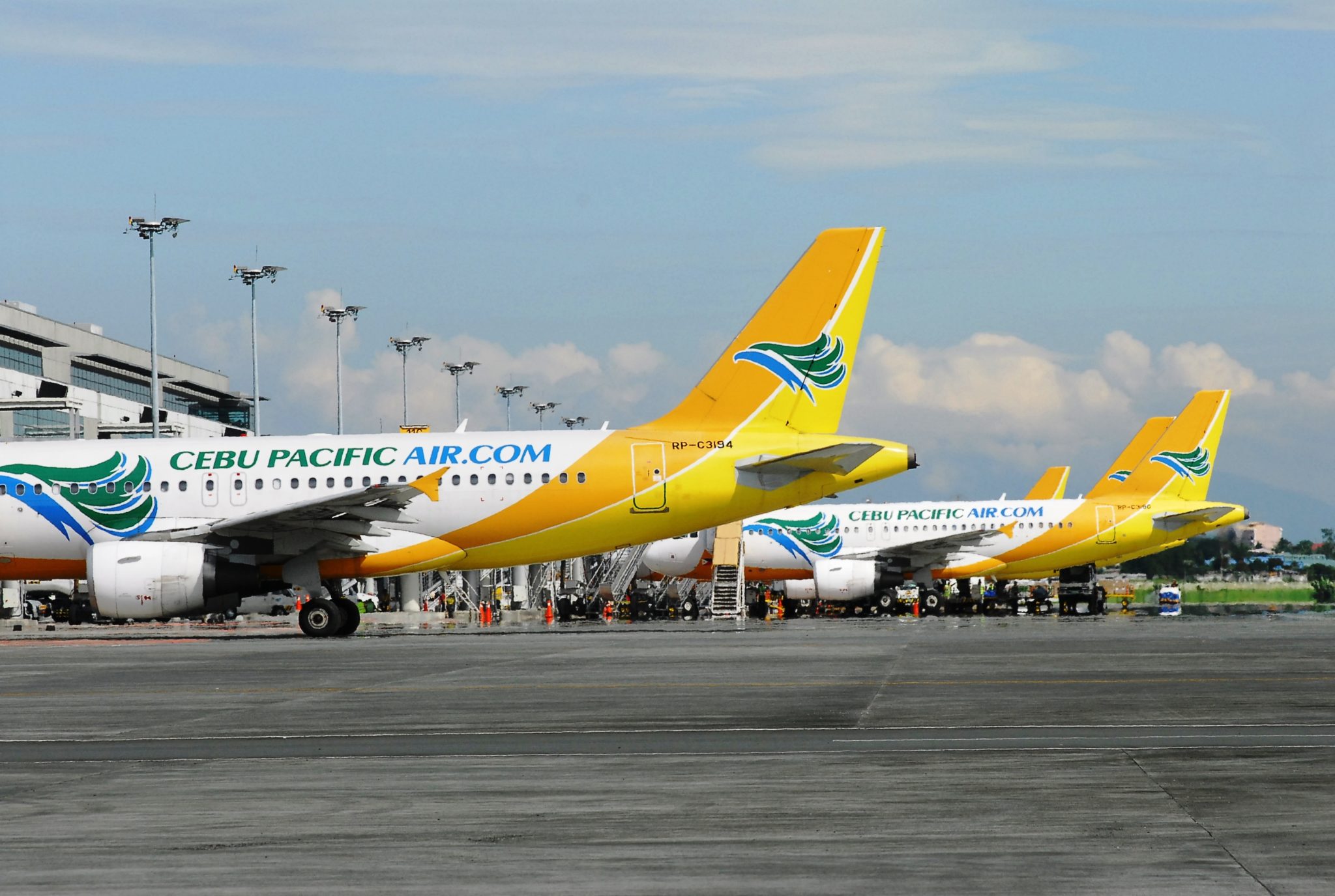
    Cebu Pacific Air (CEB) and SIA Engineering are unwinding their partnership in both their joint venture MRO companies based in the Philippines.

    These are Aviation Partnership (Philippines) Corporation (APPC), 51% owned by SIAEC and 49% by CEB, and SIA Engineering Philippines Corporation (SIAEP), 65% owned by SIAEC and 35% by CEB, established in 2005 and 2008, respectively. SIA Engineering Philippines is based in Clark.

    APPC is based in Manila and provides line maintenance, light aircraft checks, technical ramp handling, and other MRO services, at Manila, Cebu, Davao, and Clark, as well as other secondary airports in the Philippines.

    Clark-based SIAEP provides airframe maintenance, repair, de-lease checks, cabin retrofits, and overhaul services for Boeing 737, Airbus A320, and A330 aircraft, as well as line maintenance at Clark.

    CEB is acquiring SIAEC’s entire 51% stake in APPC for a cash consideration of nearly $5.61 million.

    SIAEC is acquiring CEB’s 35% stake in SIAEP for $7.74 million cash and states that this will be accounted for as an equity transaction.

    CEB and SIAEC signed on 26 October a share sale and purchase agreement for each entity. When completed, each joint venture company will become a wholly-owned subsidiary of the acquiring partner while the divesting partner will cease to hold any equity interest.

    The valuation for each transaction was arrived at after arm’s length negotiations on a willing-buyer, willing-seller basis, taking into account the net asset value and financial performance of each joint venture, among other factors.

    SIAEC states in a disclosure to the Singapore Exchange that based on each entity’s unaudited financial statements for the financial year ended 31 March, 51% of APPC’s net asset value was equivalent to $4.76 million and 35% of SIAEP’s net asset value was $9.32 million.

    According to CEB’s disclosures to the Philippine Stock Exchange, its financial statements for the quarter ended 30 June put its net carrying value of a 35% stake in SIAEP at $7.5 million while 51% of APPC’s net asset value works out to $4.5 million.

    CEB says that acquiring APPC is in line with its overall strategy to align line maintenance operations with its network and service requirements more closely, “for significant operational efficiencies and optimization of resources for an even stronger competitive advantage.”

    SIAEC says that the SIAEP acquisition fits its strategy to strengthen core competencies and enhance the entity’s status as the group’s center of excellence for narrowbody aircraft MRO offerings.

    It states: “The SIAEC Group is now in a stronger position to seize new opportunities, and provide customers with cost-competitive and integrated MRO solutions, from airframe to engines and components, for modern aircraft fleets of various sizes and composition.”

  • Korloff opens new store in Shanghai

    Korloff opens new store in Shanghai

    French jewelry house Korloff has opened its first flagship store in Shanghai.

    Located at Shanghai Avenue Mall, the store offers Korloff’s full range, including fine jewelry, bridal collection, watches, small accessories, and fragrances.

    The store’s facade features glass doors and windows highlighted with back frames. The interior uses beige and brown as its theme colors.

    The launch is part of the brand’s international expansion plan and its strategy to strengthen its presence across Asia. According to Korloff, the company aims to expand in more international markets in the coming months.