Author: Mei Ling Tan

  • General Motors Begins Production Of Ventilators For U.S. Government

    General Motors Begins Production Of Ventilators For U.S. Government

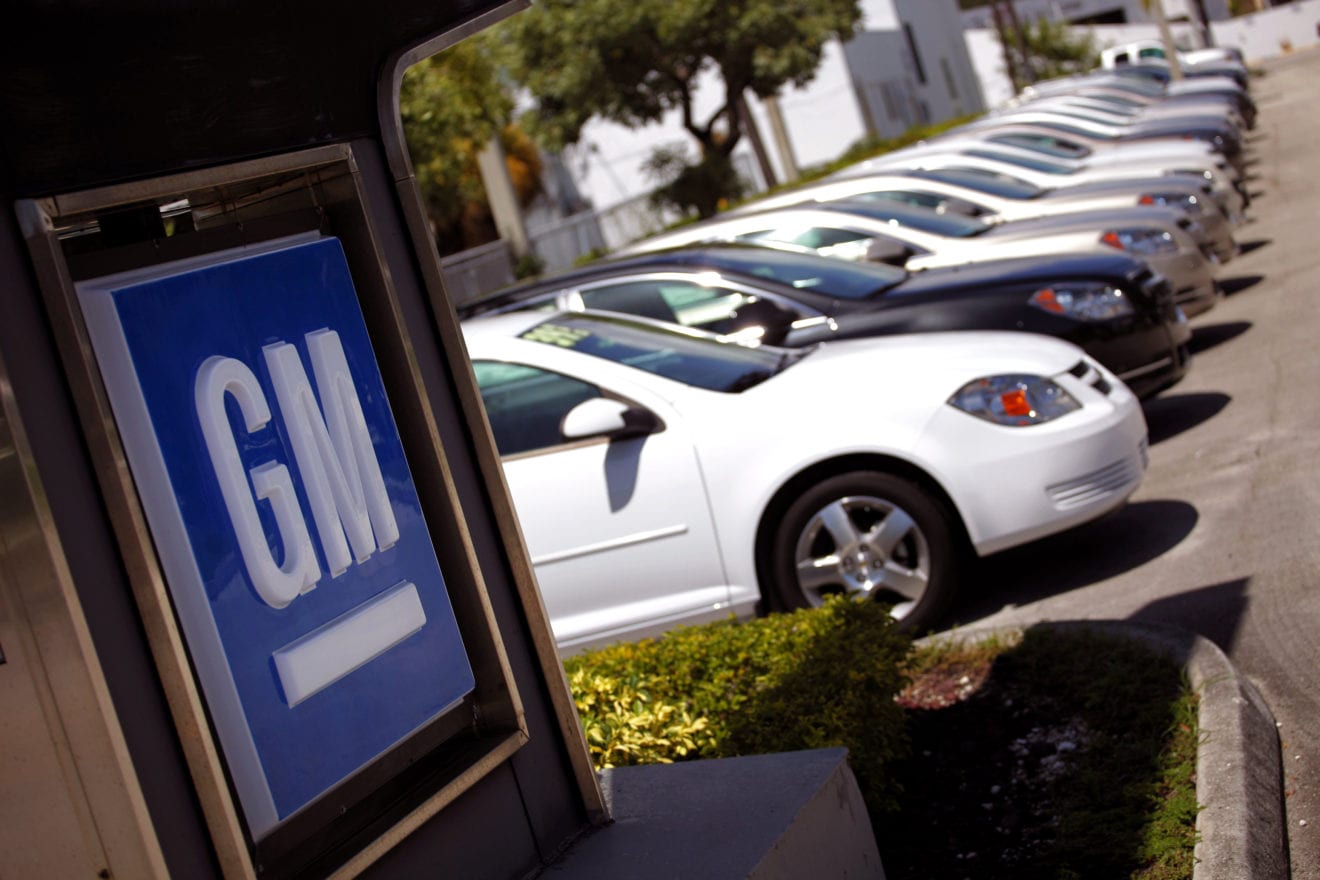
    General Motors said on Tuesday it had started producing ventilators in the volume needed to treat severely ill coronavirus patients and would deliver the first batch of the medical equipment to the U.S. government this month.

    The U.S. Department of Health and Human Services (HHS) has awarded nine contracts totaling nearly $2.6 billion to produce 137,000 ventilators by the end of 2020 for the U.S. Strategic National Stockpile, including a contract to GM worth $489.4 million for 30,000 ventilators by the end of August after President Donald Trump invoked the Defense Production Act.

    Other contracts announced by HHS in recent days include a $646.7 million contract to Dutch health technology company Philips and others to General Electric Co, Hill-Rom Holdings Inc, Medtronic Plc , ResMed Inc, Vyaire Medical Inc, Hamilton Medical AG and Zoll Medical Corp.

    The United States awarded General Motors a $489 million contract Wednesday to produce ventilators to treat severely sick coronavirus patients.

    Hamilton is receiving a $552 million contract for 14,115 ventilators, while Vyaire is receiving a $407.9 million contract for 22,000 ventilators produced by June 29 and Zoll is receiving a $350.1 million contract for 18,900 ventilators, HHS said on Monday.

    HHS Secretary Alex Azar said in a statement the contracts “will mean we have more capacity to respond to the pandemic as it evolves.”

    GM, which is working with ventilator firm Ventec Life Systems to produce the medical equipment, said it would ship more than 600 ventilators in April.

    It added that it expected to fill nearly half the order by the end of June and the full order by the end of August. The ventilators will be produced at a plant in Kokomo, Indiana.

    White House adviser Peter Navarro said that “as these lifesaving ventilators roll off GM’s assembly line as fast as tanks once did in an earlier World War, they will be rapidly deployed.”

    GM’s shares closed flat. The stock has fallen more than 37% this year, as coronavirus-related lockdowns weigh on automobile sales.


  • Singapore Banks Refuse Entry to Customers Without Masks

    Singapore Banks Refuse Entry to Customers Without Masks

    As the number of unlinked Covid-19 cases in Singapore continues to climb, ABS is advising customers of the additional measures taken by the banks to reduce the risk of transmission.

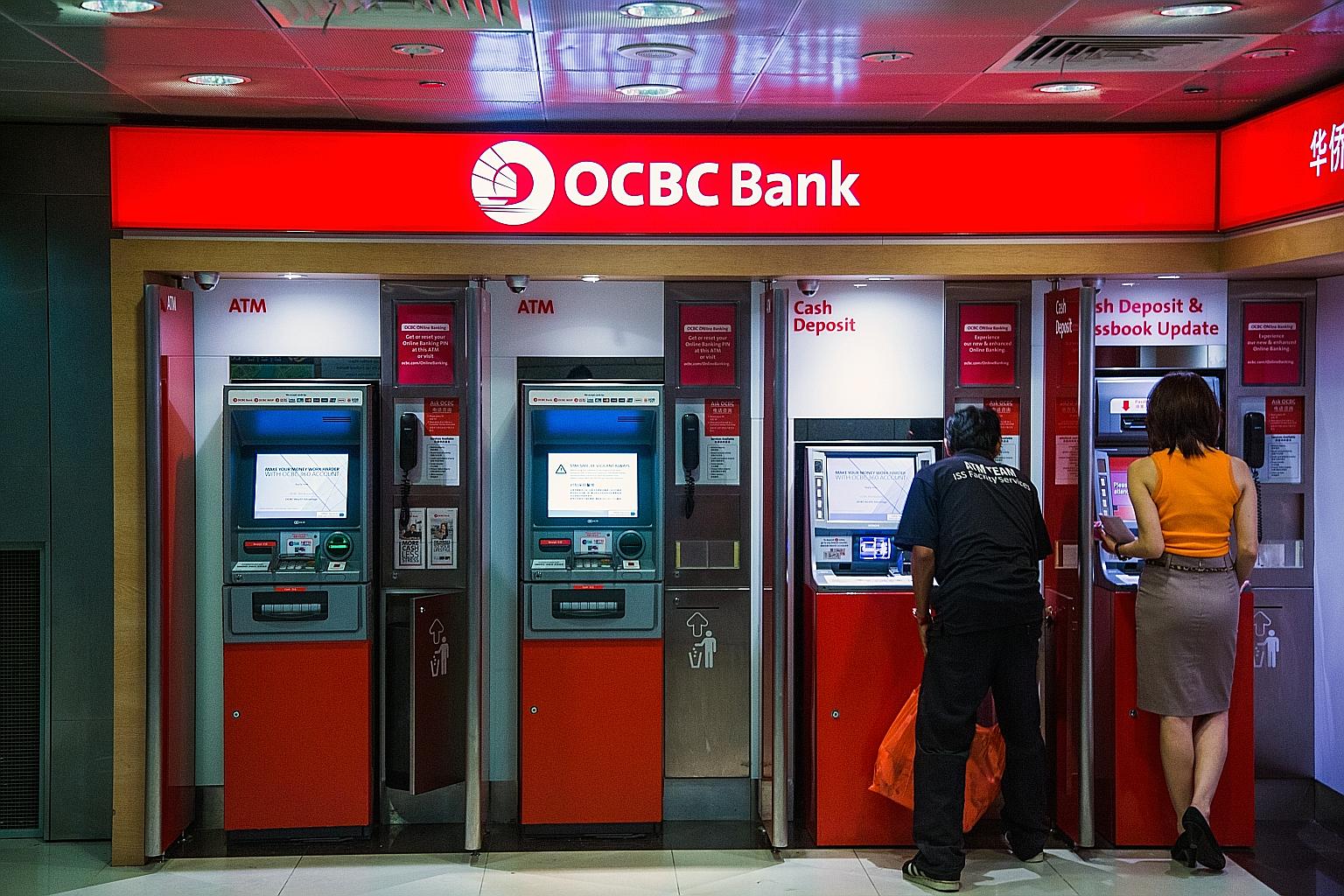
    The Association of Banks in Singapore (ABS) on Tuesday announced that all customers who do not wear face masks when visiting bank branches will be refused entry, and has advised customers to wear a face mask when lining up to use ATMs.

    These measures were adopted in light of the elevated safe distancing measures announced by the Ministry of Health. Banks have also put in place crowd management systems at their branches to ensure safe distancing between customers and staff, and have increased the frequency of cleaning and disinfection of their branches, ABS noted in a circular.

    The use of face masks was previously discouraged by the Singapore government, but its position on the matter changed with evidence that an asymptomatic person can still pass on the virus to others. Addressing the public on 3 April, Singapore Prime Minister Lee Hsien Loong to «keep your droplets to yourself.»

    Banks across Singapore have closed up to half of their branches due to the reduced traffic as a result of enhanced social distancing measures. Non-essential businesses have been ordered to close, and all companies have been instructed to transition to working from home.

    At the same time, the Monetary Authority of Singapore (MAS) affirmed that financial services would remain open and available to all customers and counterparties in Singapore and globally.

  • Apple could use powerful 5nm A14X Bionic chipset for 5G iPad Pro in 2020-2021

    Apple could use powerful 5nm A14X Bionic chipset for 5G iPad Pro in 2020-2021

    When Apple introduced the new 2020 iPad Pro tablets last month, we were surprised to find that instead of an A13X Bionic chipset, both the 11-inch and 12.9-inch models were equipped with the A12Z Bionic SoC. Apple quickly stated that the new slates deliver the “highest performance ever in an iPad.” And that may be true, but a tweet disseminated the other day by TechInsights states that the GPU architecture used on the A12Z Bionic is the same as the one used on the A12X Bionic found inside the 2018 iPad Pro units.

    The A12X Bionic and A12Z Bionic are both built with the same 7nm process node by TSMC and have the same octa-core configuration (four high-performance CPU cores and four energy efficient-cores) and memory. The only difference is that seven of the eight GPU cores on the A12X Bionic were activated while all eight are activated on the A12Z Bionic. Both chips have a maximum CPU clock speed of 2.49GHz.

    >Perhaps we will see an A13 Bionic chipset on a new iPad mini that might surface later this year. TF International’s Ming-Chi-Kuo says that in 2020, Apple will unveil a 7.9-inch iPad mini tablet sporting a mini-LED display. The latter will be used as Apple slowly transitions to micro-LED screens; mini-LED screens are similar to AMOLED displays in that they offer a wide color gamut and do not require the use of a backlight. This means that like OLED panels, the color black is created by turning off pixels in the appropriate area. Dark Mode reverses the look of the UI from black text on a white background to white text on a black background; this prevents the blinding white background from hurting and irritating eyes in a dark room or at night. Those using Dark Mode will see a slight improvement in the battery life of their tablet since pixels turned off do not draw on the device’s battery.

    If Apple decides to introduce a new iPad mini this fall, it would probably be equipped with the same A13 Bionic that currently powers the iPhone 11 family. After all, Apple equipped last year’s iPad mini with the A12 Bionic.

    There is speculation that Apple decided not to create an A13X Bionic for the new iPad Pro units because outside of adding the LiDar depth sensor and the improved camera setup on the back, nothing on the updated units require additional heavy lifting by the processor. It also gives Apple the chance to design its first chipsets for the iPad that will be produced using TSMC’s 5nm process node (the A14X Bionic).

    The 2020 iPhone 12 series will be powered by the 5nm A14 Bionic. With an 84% increase in transistor density, the A14 Bionic could contain as many as 15 billion transistors each compared to the 8.5 billion shoehorned into the A13 Bionic and the 10 billion transistors found in the A12X Bionic. While this much power would seem to be overkill for a new iPad mini, it would be perfect for the next variant of the iPad Pro. And the latter could be coming later this year if Apple decides to ship a 5G version of its top-of-the-line tablet. The A14X Bionic could make its debut on 5G versions of the 11-inch  and 12.9-inch iPad Pro tablets.

    While tablet sales have been struggling for years, the iPad had a couple of good quarters during the second half of fiscal 2019. And thanks to the coronavirus outbreak, game-playing teens, those taking classes or working from home, and people who enjoy viewing streamed content are now in the market to buy their first tablet or to upgrade an older model.

  • True Religion back in bankruptcy as Covid-19 cripples sales

    True Religion back in bankruptcy as Covid-19 cripples sales

    Denim apparel retailer True Religion has filed for bankruptcy for the second time within three years.

    The brand’s latest crisis was brought on by the coronavirus outbreak, which has seen more than 95 percent of the American market under lockdown. In a statement, True Religion said it had found itself unable to wait out the pause in trading.

    The firm’s foremost lenders ABL and Term Loan are investing in the brand’s reorganization efforts under Chapter 11 bankruptcy proceedings, according to CEO Michael Buckley. The firm registered US$100 million in assets against $500 million in liabilities in its court filing this week.

    The firm emerged with a streamlined store network and a stronger financial position after its last bankruptcy, which had the support of lenders and came with an exit strategy pre-mapped out.

    “In the near term, and until our stores open up, we will be continuing as we have,” said Buckley, “to run our e-commerce businesses in the same way we did prior to filing for Chapter 11”.

  • Toyota Plans Limited Operations In France

    Toyota Plans Limited Operations In France

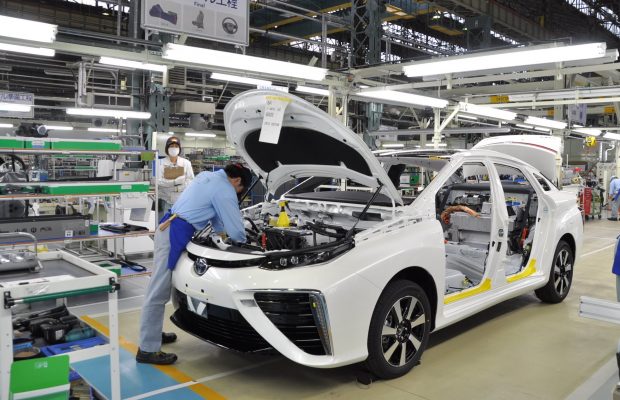
    Toyota Motor  on Monday said it plans to restart limited production at vehicle plants in France and Poland from April 22 after closing them due to the

    Automakers make a push to reopen plants. Global automakers reeling from the COVID-19 pandemic are accelerating efforts to restart factories from Wuhan to Maranello to Michigan, using safety protocols developed for China and U.S. ventilator production operations launched in recent weeks. Cia

    Most other plants in Europe, North America, Latin America, and Asia will remain closed for now, it said in a news release

  • Siam Commercial Bank Set to Launch Myanmar Unit

    Siam Commercial Bank Set to Launch Myanmar Unit

    Thailand’s third-largest lender has received preliminary approval to operate in the Southeast Asian nation of 54 million people.

    SCB will be allowed to open up to 10 branches in the business area with an initial focus on Thai clients with investments in the country, according to Reuters report citing chief executive Arthid Nanthawithaya, who said the bank already had over 100 existing business clients across consumer goods, energy and agricultural sectors.

    Nanthawithaya said the bank will aim to boost its loan assets to 7 billion baht ($210 million) by 2024. After 2021, SCB will also be able to enter the retail market in Myanmar, offering personal loans and wealth management services.

    Not unlike to its Thai banking rivals, SCB has been expanding to widen its regional network with a presence in six other markets including Laos, Shanghai and Singapore. The move to launch in Myanmar follows recent news of Bangkok Bank’s acquisition of a controlling stake in Indonesia’s PT Bank Permata for $2.7 billion in December last year.

  • Shopee Malaysia launching additional support package for Etailers

    Shopee Malaysia launching additional support package for Etailers

    Shopee Malaysia has announced an RM15 million (US$3.5 million) support package for sellers on its network.

    The online retail platform’s package aims to assist around 70,000 SMEs in the territory trading in a range of sectors and is an outcome of engagements between itself, retail associations, business owners and chambers of commerce.

    “These SMEs need assistance or a partner that can provide them a clear instruction set to ensure they succeed with online selling,” said Shopee’s regional MD Ian Ho, who expressed concern that smaller businesses lack knowledge critical to digitalization.

    Benefits in the package include discounts for sellers in promotional programs to help lower operating expenses for business owners.

    “Shopee has allocated RM6 million ($1.4 million) in the form of vouchers and free paid advertising credits,” said Ho. “Sellers stand to benefit from RM100,000 ($23,000) worth of dedicated campaign vouchers every week and receive up to RM400 ($92) each in free paid advertising credits to get more exposure for their products and stores.

    “Shopee wants to drive the digitalization of traditional businesses and bring them online,” he said.

    “The package will support all its sellers by creating sales and growth opportunities, reducing operational costs and facilitating sustainable development through funding, subsidies and education.”

  • OCBC Chief Executive Receives Pay Rise

    OCBC Chief Executive Receives Pay Rise

    His remuneration comprised a base salary of S$1.24 million, a bonus of $5.84 million, deferred shares worth S$3.89 million, and other benefits worth $102,000, but he donated more than half his base salary to charity.

    OCBC CEO Samuel Tsien’s pay for 2109 grew to S$11.1 million, up 3.5 percent from $10.7 million last year, according to the bank’s annual report, filed with Singapore Exchange on Tuesday.

    But not all of that is going to his pocket, with the chief of Singapore’s oldest bank donating S$650,600 from his 2019 base salary to support community and environmental causes under its #OCBCCares Program, without asking for tax deduction benefits, the bank said.

    For the full year of 2019, OCBC posted record net profits of S$4.87 billion ($3.48 billion), an 8-percent rise from the year before, driven by strong performances across its banking, wealth management and insurance businesses.

    With Covid-19 wrecking havoc on the global economy, the bank’s outlook for 2020 is more muted.

    Although we are hopeful that a gradual recovery of consumer confidence and sentiments will start to set in towards the end of 2020, a stronger and steady economic recovery will likely be a 2021 event,» Tsien and chairman Ooi Sang Kuang said in the opening message.

    In the opening message, Tsien noted the bank’s progress in contributing towards a more sustainable future, highlighting that the bank brought in almost half of its S$8 billion in sustainable finance assets in 2019 alone, including clean and renewable energy projects using solar and wind.

    The bank previously declared its intention to build a sustainable finance portfolio of S$10 billion by 2022

    While not receiving double-digit pay hikes as they did last year, the CEOs of Singapore’s «Big Three» still managed to grow their coffers on the back of record years at the banks.

    Despite his pay rise, Tsien still trails Piyush Gupta, Asia’s highest-paid banker, who received S$12.1 million in 2019 – about 2-percent more than 2018 – in his 10th year at the helm of DBS.

    United Overseas Bank (UOB) deputy chairman and CEO Wee Ee Cheong received S$10.75 million ($7.53 million) in 2019, a 1.8-percent increase from the year before.

  • YouTube Music gains new Explore tab in latest update

    YouTube Music gains new Explore tab in latest update

    YouTube Music is getting a new Explore tab on Android and iOS devices, Google announced earlier today. The new feature makes it easier for users to discover new music, including albums, singles, and videos, as well as browse through the service’s catalog of playlists via the Moods & Genre section.

    Those who’ve been using YouTube Music will notice that the new Explore tab replaces the Hotlist tab. Starting today, the new feature will be rolled out to Android and iOS devices, but the complete deployment may take several weeks.

    The Explore tab should be featured as the second tab in YouTube Music and, aside from enabling access to new releases, it will include a new section: Moods & Genres. The new section is meant to help YouTube Music users identify their favorite playlist or genre for different moments.

    Besides Android and iOS, YouTube Music plans to add the new Explore tab to the web player, although no ETA has been provided yet. Also, additional features and enhancements might be added as YouTube is looking for ways to make the new Explore tab the main source for music discovery in YouTube Music.

  • KFC Singapore launches contactless takeaway service

    KFC Singapore launches contactless takeaway service

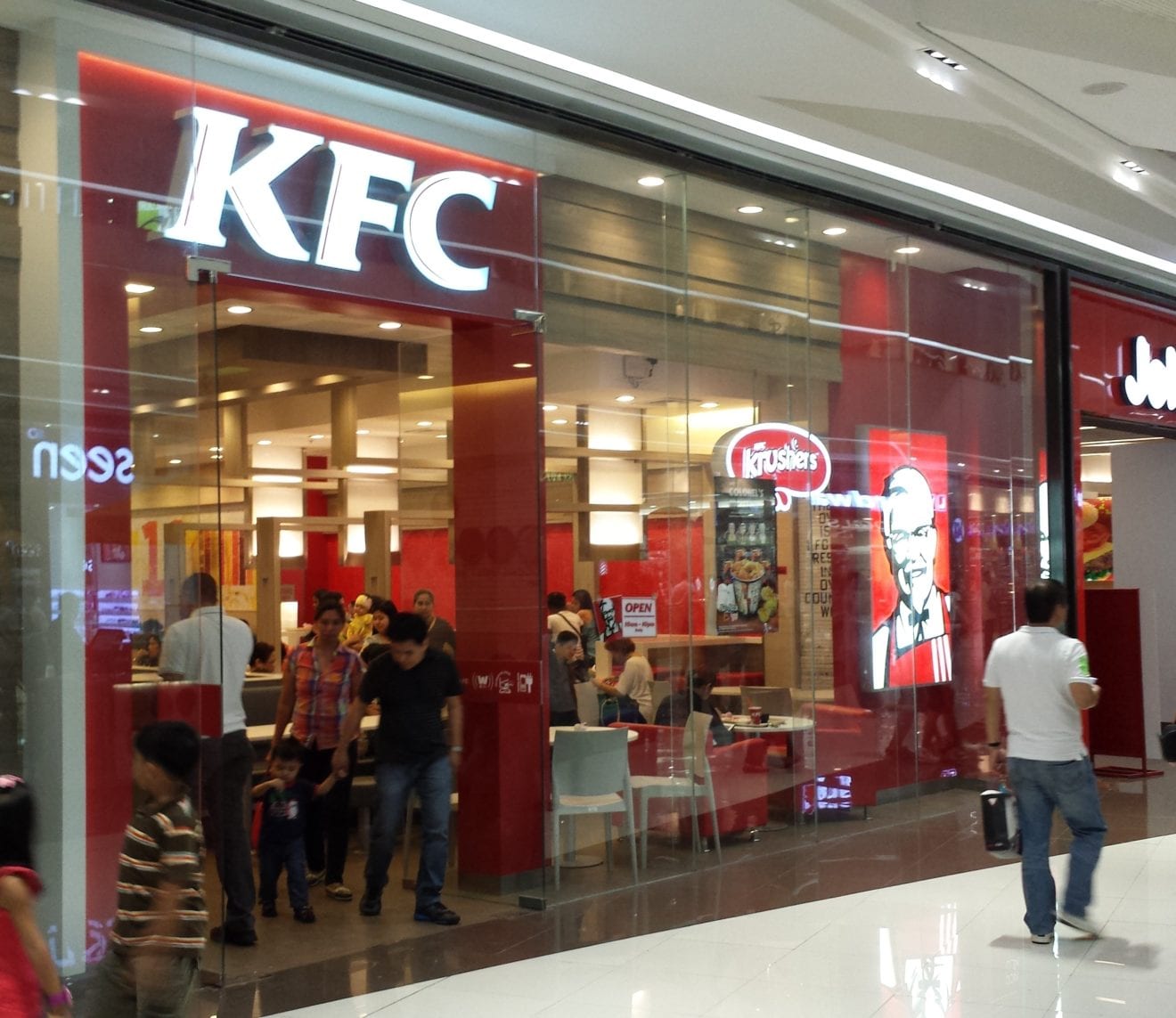
    KFC Singapore has launched a contactless takeaway service, allowing customers to purchase safely during the circuit breaker period in the city.

    According to KFC, it is the first fast-food restaurant brand in Singapore to launch such a service. With “Contactless Takeaway”, customers can place orders via KFC Singapore’s app or its website and pick up the food at contactless pick-up tables in the chosen store.

    These contactless pick-up tables will be sanitised after each order is completed, the company said in the statement.

    “With the ‘Contactless Takeaway’ and ‘Contactless Delivery’ options, we are doing our very best to ensure that our famous fried chicken will be as accessible as always even during these trying times,” said Lynette Lee, GM at KFC Singapore.

    The ‘Contactless Takeaway’ service follows the ‘Contactless Delivery” option launched early last month.

  • What Filipinos are craving for online

    What Filipinos are craving for online

    Meta-search website iPrice Group has released data insights on the online behavior of Filipino consumers during the coronavirus lockdown.

    The firm’s e-commerce aggregator compared impressions of products on its platform between November last year (a month before the outbreak) and this March, when sudden strict restrictions on physical mobility that went into effect on March 12 left Filipinos searching for alternative ways of shopping.

    Impressions on kids’ outdoor pools increased by about 518 percent during the period, as thousands of Filipinos searched for alternative ways to keep their kids active and under the sun during the quarantine.

    While an increase in the consumption of medical face masks is expected and ubiquitous worldwide, the demand for skin care face masks in the territory grew by 236 percent, suggesting Filipinos may be pampering themselves more at home during the lockdown.

    As consumers in the Philippines seek ways to keep active and fit at home, interest in bicycles increased by about 97 percent, and searches for gym dumbbells also increased by 80 percent.

    With internet access critical at this time, searches for ways to make internet connections faster, reachable, and more stable went up as impressions on wifi adapters grew about 597 percent while LAN cables grew about 150 percent in the Philippines market.

    Restrictions on movement have affected in-person shopping, resulting in search hits for alternative ways to purchase essential home goods. Impressions on canned food grew

    by 412 percent, with the most-searched-for brands being Delimondo, Purefoods, 555, and Century Tuna. Impression on biscuits increased by 310 percent as well.

    Many Filipinos conducted searches for disinfecting multipurpose cleaner Domex, with impressions on this product surging by 1097 percent. Impressions on disinfectant spray Lysol grew by 721 percent, while products with bleach, such as Clorox, Ariel, and Tide, grew by 172 percent.

    Searches for Covid-19 essentials such as medical face masks grew from zero to 100 percent during the affected period, during which time the average price rose by nearly 86 percent. Impressions on thermometers grew by 1295 percent, while vitamin searches grew by about 123 percent. Search impressions for hand sanitizers increased by 2207 percent, while those on hand soaps increased by 989 percent.

    Impressions on Corona beer grew immensely by 2084 percent – however, this is likely caused by searches on the coronavirus instead of the beer brand itself.

  • Coronavirus lockdown to slash Malaysian retail sales

    Coronavirus lockdown to slash Malaysian retail sales

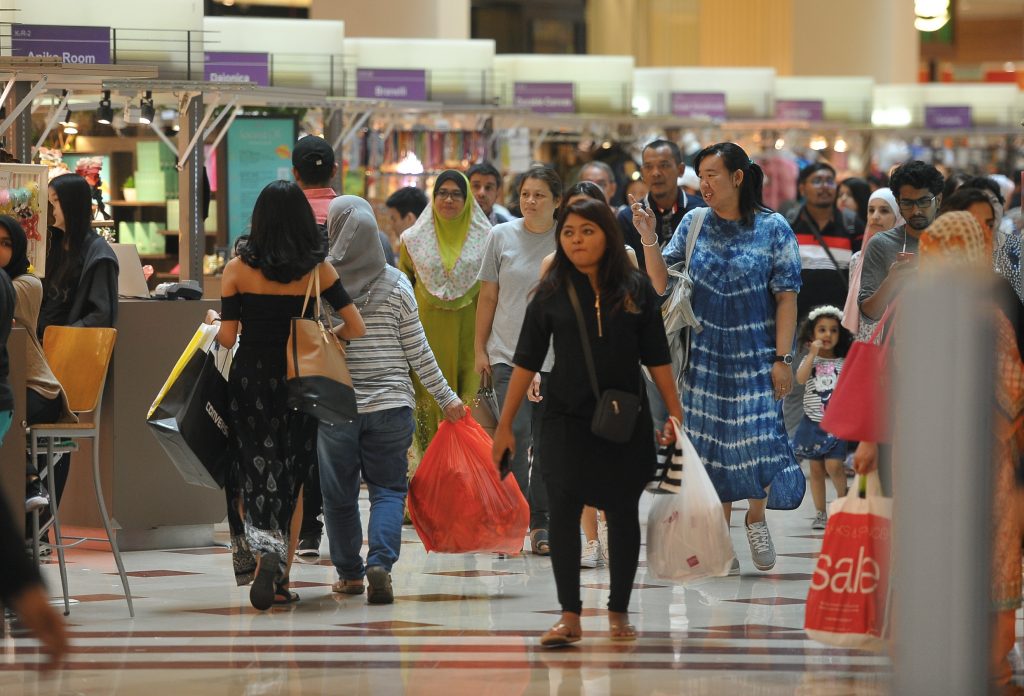
    The six-week-long coronavirus lockdown is expected to slash Malaysian retail sales by 60.7 percent this month as non-essential stores are forced to close.

    Retail Group Malaysia, which calculates data on behalf of the Malaysia Retailers Association, estimates that retail sales for the full year will drop by 5.5 percent, should the government’s Movement Control Order be lifted at the end of this month. It has already been extended from March 18 until April 28

    RGM’s MD Tan Hai Hsin told The Edge that the majority of the nation’s retailers are recording zero sales this month. “This has never happened before in history”.

    While online sales have surged in Malaysia since the coronavirus struck the nation, and consumers are spending more on food and groceries, categories like jewelry, furniture and luxury goods have been decimated.

    Last year, Malaysian retail sales grew by 3.7 percent to RM107.5 billion (US$24.8 billion), but RGM is now forecasting RM101.6 billion ($23.45 billion) for the full year, a figure which must take into account a rebound once the lockdown order is lifted.

    The MRA estimates 209,000 stores have been forced to close during the lockdown and 90 percent of stalls and markets have been affected, which previously accounted for 63 percent of the nation’s total retail sales. The remaining 126,000 stores classified as essential include supermarkets, hypermarkets, convenience stores and pharmacies.

    Meanwhile, RGM has estimated that operating costs, including staff and store overheads, are likely to reach RM20.48 billion (US$4.7 billion) during the lockdown which retailers will have to carry in the absence of sales.

    It is, as yet, unclear the volume of online sales during the period and whether these will help mitigate in part the sales decline of any non-essential retailers.

  • Walmart China to invest US$425 million in Wuhan

    Walmart China to invest US$425 million in Wuhan

    Walmart China is to invest US$425 million over the next five years to expand its presence in Wuhan, the origin of the coronavirus pandemic.

    The US-headquartered retail giant will open at least four Sam’s Club membership stores as well as 15 new malls in the territory within the period. It will also set up additional community stores around the provincial capital, to add to its existing 34 outlets and two distribution centers within Wuhan.

    “The framework marks a new milestone between the two parties and a new beginning for a win-win situation,” said Walmart China CEO Wern-Yuen Tan of the firm’s collaboration with Wuhan’s municipal government.

    Wuhan’s 76-day lockdown period was brought to a close last Wednesday with an official final death toll of around 2500 cases caused by the virus – although international observers have cast doubt on that figure.

    According to data released by the American Chamber of Commerce in China, 40 percent of polled companies planned to maintain current levels of investment in China this year, as opposed to 24 percent who were planning cuts, with the remainder saying it is still too early to judge.

  • Tesla’s China Car Registrations Surge In March As Shanghai Factory Back Up

    Tesla’s China Car Registrations Surge In March As Shanghai Factory Back Up

    U.S. electric vehicle maker Tesla Inc’s China car registrations jumped 450% in March, month on month, data from auto consultancy LMC Automotive showed.

    Tesla’s China registrations rose to 12,709 units in March from 2,314 in February.

    Overall auto sales in China plunged 43.4% in March, as a coronavirus pandemic continued to depress demand, industry data showed.

    Tesla told employees on Tuesday the company will furlough all non-essential workers and implement salary cuts as part of a continued shutdown of the company’s U.S. production facilities.

    Tesla, which started delivering cars from its Shanghai factory last year, said last week it has started China sales of two more Model 3 variants built at its Shanghai plant.

  • Gold Is Set to Jump

    Gold Is Set to Jump

    The monetary policy measures taken by the world’s main central banks in response to the outbreak of the coronavirus has paved the way for higher gold prices. Nevertheless, the precious metals’ business as a whole has come under severe stress recently.

    The price of an ounce of gold has shot past the $1,700 mark for the first time since 2012 – extending its ascent in sync with equity markets. Less than a month ago, gold stood at $1,450 per ounce. The increase is almost 20 percent for this short period of time.

    Now, the path is open for a valuation of $1,800 or more,» said Alberto Tocchio at Colombo Wealth in an interview. Gold reached a record of $1,920 per ounce in the fall of 2011.

    Gold is riding on a wave following the extremely expansive monetary policy of the U.S. Federal Reserve (Fed). With the liquidity that the Fed is pumping into markets, equities have risen and some investors will have decided to hedge against another crash by adding gold to their portfolio. Gold is a typical safe haven in times of crisis.

    The surge of the gold price will keep the precious metals business busy for some time, analysts said. Two of the Swiss gold refineries have resumed their production on Monday, starting at 30 to 40 percent of capacity.

    The refineries are concentrating on gold bars because that’s where demand is highest. The two companies have orders for dozens of tons of gold for delivery by the end of May, according to experts.

    The orders were placed by private gold trading firms, commercial banks, and central banks. The surge in demand for gold meant that these companies can’t produce any silver, platinum or palladium before June. This will cause further stress to the business, said Andreas Habluetzel, CEO of Degussa Goldhandel, a gold trader.

    Numerous mints around the globe have been closed for business – one of which being the Rand Refinery in South Africa. It makes the world-famous Krugerrand coins. «There’s some indication pointing to a longer-term closure because the Covid-19-crisis has yet to reach large areas of Africa and as the continent isn’t as well prepared for the problem as Europe,» Habluetzel said.

    A group of politicians and businessmen have joined hands to lead the fight against the virus in Africa – with ex-Credit Suisse boss Tidjane Thiam, former South African Finance Minister Trevor Manuel, and Donald Kaberuka, ex-president of the African Development Bank among them.

    The key indicator for the future development of the gold price will be inflation. Inflation is due to accelerate once the financial and monetary policy measures taken by governments and central banks take effect.

    That, in turn, is likely to give gold a boost, because the precious metal is known as a safe haven for investors that fear inflation. A price of as much as $3,500 for an ounce is theoretically on the table under these circumstances, according to Christian Kaemmerer, a technical analyst. He put his estimate, which he deemed conservative, on his online service platform TA4YOU on Tuesday.