Author: Mei Ling Tan

  • CapitaLand Malaysia Mall Trust hurt by Covid-19

    CapitaLand Malaysia Mall Trust hurt by Covid-19

    Shopping center operator CapitaLand Malaysia Mall Trust suffered a 17.2 percent hit to quarterly income, which was knocked down to $6.08 million for the third quarter.

    The fall was largely attributed to higher levels of vacancies and the rental relief granted to tenants under Malaysia’s Recovery Movement Control Order – an order that has been extended until the end of the year to slow the resurging transmission rates of Covid-19.

    “In light of the prevailing cautious business and consumer sentiments exacerbated by Covid-19, the operating environment for Malaysia’s retail industry continues to be challenging in the near-term,” CapitaLand Malaysia Mall REIT Management chairman David Wong said.

    “We will continue to keep a pulse on the evolving situation and closely engage with our tenants. In addition, we will focus our efforts on stabilizing the portfolio through proactive asset and lease management to build greater resilience in CMMT’s retail ecosystem.”

    And, with foot traffic recovering to around 58 percent of normal levels and tenant sales to 82 percent, the firm is keeping a cautious eye on the near-term market conditions.

    CMRM’s CEO Low Peck Chen said the business focus in the short term is in strengthening its operational efficiency and supporting its tenants in adapting to the new normal brought on by the Covid-19 pandemic.

    “Notwithstanding near-term challenges, we remain positive on CMMT’s long term prospects on the strength of our income- and geographically-diversified assets.”

  • China sales rebounds for Ralph Lauren, after Covid-19

    China sales rebounds for Ralph Lauren, after Covid-19

    Luxury retailer Ralph Lauren says sales growth on the Chinese mainland returned to pre-Covid-19 rates in the second quarter, increasing by more than 30 percent year on year.

    However sales across greater Asia decreased 7 percent to US$237 million on a reported basis, with same-store sales down by 11 percent, and a 12-per-cent decline in brick-and-mortar store sales partly offset by a 32-per-cent increase in digital commerce.

    Globally, net revenue fell by 30 percent to $1.2 billion, with declines in all regions due to the impact of Covid-19 on consumer shopping behavior.

    But the company achieved a net income of $107 million, down from $182 million in the same period last year.

    Ralph Lauren, executive chairman, and chief creative officer said despite the tough time the world is experiencing he is optimistic the company can “take the great learnings and creativity that have emerged from this time to become even stronger”.

    He said the results reflected the strength of Ralph Lauren’s timeless brand “and the values that have always been our touchstone” are continuing to anchor the business through a time of change and uncertainty”.

    “Looking across the first half of the fiscal year, we continued our elevation journey while fast-tracking connected retail and our company-wide digital transformation,” said president and CEO Patrice Louvet. “We also began the hard but necessary work of simplifying our organizational and cost structures to position the company for future growth.

    “Looking ahead, we will continue to work proactively to deliver an elevated experience that inspires consumers around the world and creates value for all of our stakeholders,” concluded Louvet.

  • Best Black Friday TV deals available now and coming up

    Best Black Friday TV deals available now and coming up

    The best time to upgrade your TV is less than a month away, Black Friday. If you’re in the market for a brand-new TV, we already have loads of new deals, as US retailers are gearing up for one of the biggest sales One of the main highlights of a Black Friday sale is the As we’re getting closer to Black Friday, many US retailers offer amazing deals that will probably not return on November 27.

    We’ve piled up a list of pre-Black Friday deals on TVs, but we’ll update the article with fresh new deals as we’re getting them. More importantly, be sure to return on Black Friday to find the best TV deals that you’ll be able to get this year.

    We’ve compiled a list of some of the best and most expensive smart TVs that are on sale right now at Best Buy and Walmart. If you wish to watch 4K content or play games in super high-definition, these are the TVs that you’ll want to get. Although some of these TVs are getting a discount of more than $500, they remain quite expensive.

  • Most citizens cannot afford ‘affordable housing’

    Most citizens cannot afford ‘affordable housing’

    Affordable housing in Hanoi and HCMC is out of reach for most citizens, mainly because of dwindling supply and rising prices. When he moved to Hanoi 13 years ago, Tran Thanh Ha nursed a common enough dream that he would one day own an apartment in the capital city.

    Today, he realizes this is next to impossible. The 33-year old graphic designer with a monthly income of around VND25 million ($1,080) has been able to save about VND700 million since his early twenties but is still 50 percent away from the cheapest apartment in his favorite project, which is in the eastern district of Long Bien.

    “With one child and another on the way, it is unlikely that my wife and I will be able to acquire the apartment for at least another 10 years. By that time the price will have surged to another absurd level.”

    Ha is one of many people in Vietnam’s major cities who are seeing their dream of homeownership slip away as prices increase every year and the supply of affordable housing has almost disappeared from the market. Affordable apartments are those that are priced under VND20 million per square meter, according to the Ministry of Construction.

    A recent report of the ministry says the demand for houses and apartments in the mid and high range only accounts for 20-30 percent, while the remaining 70-80 percent is for affordable housing.

    The ministry report says residential property prices are “bloated, volatile and out of reach of most people” due to the lack of funding for social housing programs. It also says there is no channel for mobilizing long-term investment for these programs.

    Data from real estate consultancy Savills shows that Hanoi apartment prices rose 10 percent year-on-year to $1,500 per square meter in the third quarter as new apartment supply fell to a five-year low.

    Do Thu Hang, director of advisory services at real estate consultancy firm Savills Hanoi, said that the capital city is witnessing high residential pricing that far exceeds the income of most people, especially the young.

    Data from the Ho Chi Minh City Real Estate Association (HoREA) shows that with a mid-priced apartment in Ho Chi Minh City costing around VND2.5 billion, it would take a family that can save VND100 million a year over two decades to acquire the unit.

    Le Hoang Chau, chairman of the association, said that a sharp decline in supply in the 2018-2020 period has made it more challenging for low-income people to afford a house.

    Other industry insiders say that most small apartments of 45-50 square meters are being sold for VND1.5-1.7 billion, 50-70 percent higher than five years ago.

    This means that an apartment under VND1 billion has now become a thing of the past.

    Nguyen Van Dinh, deputy chairman of VNREA, said that in the last two years, very few new apartment projects have been approved in Ho Chi Minh City, this has meant that the affordable segment barely exists in the market despite large demand.

    Obstacles in acquiring permits have been the main roadblock for real estate developers. From 106 housing projects approved in 2016, the figure fell to 16 last year and 12 in the first six months of this year, according to HoREA.

    There is a lack of transparency in the approval of projects that has left hundreds of projects struggling to acquire permits, it added.
    It also said that only 21.81 percent of new supply between 2016 and H1 2020 was in the affordable segment.

    At an October 30 meeting, Deputy Construction Minister Le Quang Hung said his ministry was working on policies to ensure that the majority of the nation’s workforce, in the middle-income group, have the opportunity to buy an apartment.
    The ministry has already proposed several measures to boost the supply of affordable apartments in Hanoi and HCMC. These include a 50 percent discount on land fees and preferential interest rates of 7-8 percent per annum for social housing projects.

    While apartments are currently required to have a minimum area of 45 square meters, the ministry is considering scrapping this requirement so smaller, cheaper apartments can be built.

    The HoREA, meanwhile, has proposed that the government provides credit support to first-time homebuyers as well as incentive tax policies for the development of affordable housing.

    As authorities try to find solutions to the housing problem, Ha and his wife are looking for another rented apartment in Hanoi to welcome a new baby, the only residential option for them in the increasingly crowded city.

    “Without an inheritance from parents, homeownership in Vietnam is near impossible for people like me.”


  • UOB Tie-Up to Nurture ESG Mindset Among Employees

    UOB Tie-Up to Nurture ESG Mindset Among Employees

    UOB will work with Dutch investment company Robeco to tap its expertise in environmental, social, and governance (ESG) matters and integrate sustainable thinking across its business and investment processes.

    The bank’s asset management arm is launching its Sustainability Academy in the fourth quarter of 2020, which offers development programs to deepen its employees’ understanding of sustainability principles and nurture an ESG mindset, UOB announced on Friday.

    The Robeco program comprises two modules, namely Sustainable Investing and Sustainable Development Goals (SDGs) Investing, and will cover key topics such as ESG integration, active ownership, and measuring the contribution of companies to the UN SDGs. Over 400 staff in both investment and non-investment roles across the region are expected to benefit from the training.

    The academy will launch a second training program in November 2020, to be offered by KPMG and supported by the Institute of Banking and Finance Singapore, covering topics such as sustainability reporting and regulatory expectations on ESG matters.

    The global emphasis on sustainable investing has grown tremendously in recent years, with ESG considerations now core to the investment philosophy of major asset managers around the world, Thio Boon Kiat, CEO of UOB Asset Management, said in the announcement.

    Earlier this week, UOB announced that it would integrate ESG considerations into its full suite of retail investment solutions as part of the bank’s commitment to driving growth sustainably.

    UOBAM previously worked with Robeco to launch the first bond fund focused on the UN SDGs – the United Sustainable Credit Income Fund (USCIF) – for retail investors in Singapore in March 2020. The two sides also jointly launched a

  • Singapore’s Robinsons store closing after 162 years

    Singapore’s Robinsons store closing after 162 years

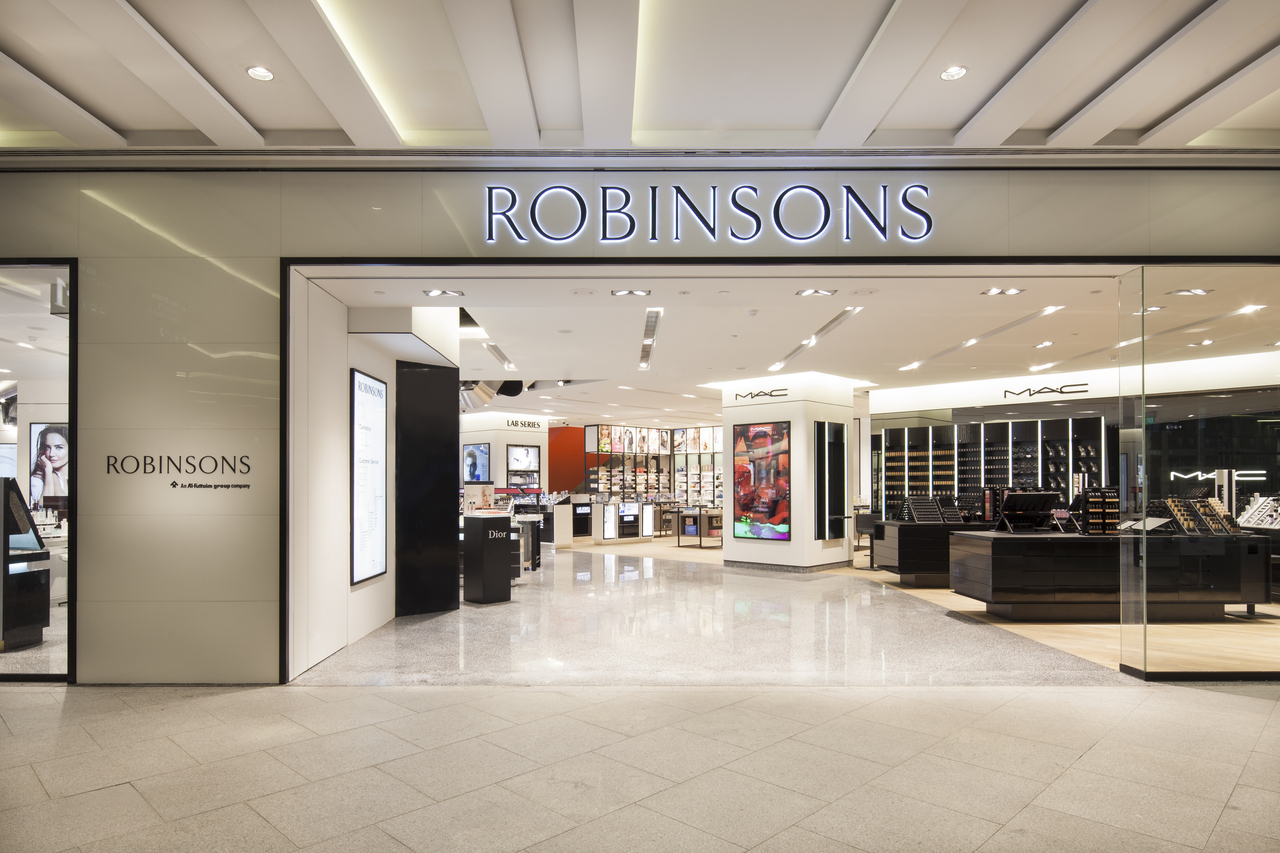
    Singapore’s department store Robinsons is closing its last two brick-and-mortar outlets, ending an era dating back 162 years. The business has been placed into liquidation effective today. Robinsons had already closed its Jem Mall store just a few months ago. Now the 186,000sqft, six-storey flagship at The Heeren which opened in 2013 and the other at Raffles City, opened in 2001, will follow.

    Robinsons is owned by UAE-based Al Futtaim Group which paid $600 million for the business back in 2008. Al Futtaim owns the rights to multiple fashion brands in Singapore, along with the Marks & Spencers business.

    In a statement released today, senior GM Danny Lim said the decision was made due to weak demand at department stores.

    “We regret this outcome today. Despite recent challenges in the industry, the Robinsons team continued to pursue the success of the brand. However, the changing consumer landscape makes it difficult for us to succeed over the long term and the Covid-19 pandemic has further exacerbated our challenges.

    “We have enjoyed success over the years, and it has been an honour for Robinsons to serve the Singapore market. I am grateful for the dedication of our team, and for the support shown by our customers over the years.”

    While Covid-19 has had an impact on footfall at every retailer in the city, it only exacerbated the trend towards consumers shopping online and at specialty stores, and shifting away from department stores.

    According to a report in the Business Times, Robinsons has been trading at a loss for the last six years as footfall and sales fell.

    In 2014, the business achieved sales of S$257.3 million, but by 2018, turnover had fallen to $153.8 million, resulting in a loss of $54.4 million.

    While the stores are being placed in liquidation, it is unclear if the company will continue to operate online, at least in the short term. The co-branded Robinsons OCBC credit card will be discontinued in April.

    Cameron Duncan and David Kim of corporate restructuring company KordaMentha have been appointed provisional liquidators. Their first task will be to assess the best course of action to maximise the return to creditors. It is not yet clear how long the stores will continue to trade, but the company said in its statement that it hopes they will remain open during the coming weeks to clear stock and “facilitate final sales for customers before they are shuttered”.

    Staff were told of the decision today and the company says it has confirmed with the liquidators that the next payment cycle will be honoured. Unions representing workers are in talks with the liquidators over settlements.

    Robinsons dates back to 1858 when Englishman Philip Robinson and business partner James Spicer, a former jailkeeper, opened Spicer & Robinson on a site which is now known as Raffles Place.

    The demise of Robinsons in Singapore comes in the sme week that Japanese department-store operator Tokyu announced it was exiting Bangkok, following on the heels of rival Isetan.

  • Viettel, MobiFone licensed to commercially test 5G

    Viettel, MobiFone licensed to commercially test 5G

    Telecom giants Viettel and Mobifone have received licenses to commercially test 5G broadcast in Vietnam’s two largest cities.

    Military-owned Viettel has been allowed to test in Hanoi with a maximum of 140 base transceiver stations while state company MobiFone can do so in Ho Chi Minh City with 50 stations.

    The tests will help the companies evaluate their technology and market size before beginning commercial operations.

    The companies need to follow cybersecurity safety and privacy regulations while running the tests, the ministry said.

    The first 5G phone call in the country was made on January 17 using equipment manufactured by Viettel, which has been conducting non-commercial tests and installing equipment since last year.

    The number of 5G subscriptions could hit 6.3 million by 2025 or 6 percent of total mobile subscriptions, technology conglomerate Cisco has forecast.

    5G is said to offer speeds 100 times faster than 4G and support new applications like remote medical procedures and autonomous driving.

  • Vietnam to close 2G services by 2022

    Vietnam to close 2G services by 2022

    Vietnam plans to bring the number of 2G subscribers to under 5 percent by 2022 so that it can stop this service and push the development of higher-technology cellular networks.

    There are 24 million 2G subscribers in the country or 18.5 percent of the total, and the Ministry of Information and Communications aims to bring the figure down to 5-7 million, or around 5 percent by early 2022 towards stopping the 2G service by then.

    Closing 2G will leave more bandwidth for 3G, 4G, and the upcoming 5G network and help accelerate the establishment of a digital economy, the ministry said.

    It is working to boost the sales of low-cost smartphones so more people will be familiar with 3G and higher networks, it added.

    Among 24 million 2G subscribers, 12.4 million are using feature phones. Hoang Minh Cuong, head of the telecommunications department under the ministry, said these are the users that telecom operators need to help transition to smartphones.

    The number of 2G subscribers has dropped by 6 million since last year, showing that the goal to bring the ratio to under 5 percent is possible, he added.

    The telecommunications department plans to lower the rates of regular phone calls, which will reduce their revenues to telecom operators and urge them to rely more on data calls.

    It also plans to require all smartphones produced or imported into Vietnam to support 3G network or higher.

    There are 630,000 2G subscribers age 70 or more, and some say this group of people lack the tech-savvy needed to use smartphones.

    However, Cuong said Vietnamese companies were capable of making 4G feature phones for around VND600,000, and these would serve this user group.

  • Vietjet posts $39.8 mln loss

    Vietjet posts $39.8 mln loss

    Budget airline Vietjet has recorded a loss of nearly VND925 billion ($39.83 million) in the first nine months due to pandemic-imposed flight restrictions. The second-largest airline in Vietnam in terms of market share saw Jan-Sept revenues fall 64 percent year-on-year to VND13.78 trillion, according to its Q3 financial statement.

    Vietjet served over three million passengers in the third quarter and opened eight new domestic routes, bringing the total number of routes to 52.

    However, the second Covid-19 outbreak in the last week of July and throughout August brought down travel demand again, resulted in Q3 revenues falling nearly 80 percent year-on-year to VND2.8 trillion. The total number of domestic flights plunged 35 percent to just over 15,000 in this period.

    The budget carrier has been increasing the number of cargo flights to make up for dwindling revenues from passenger flights and increase the application of the self-service system at the Noi Bai International Airport in Hanoi to lower costs.

    Last year Vietjet posted a pre-tax profit of VND5.01 trillion, down 14 percent from 2018.

  • Le Saunda roams from profit to loss

    Le Saunda roams from profit to loss

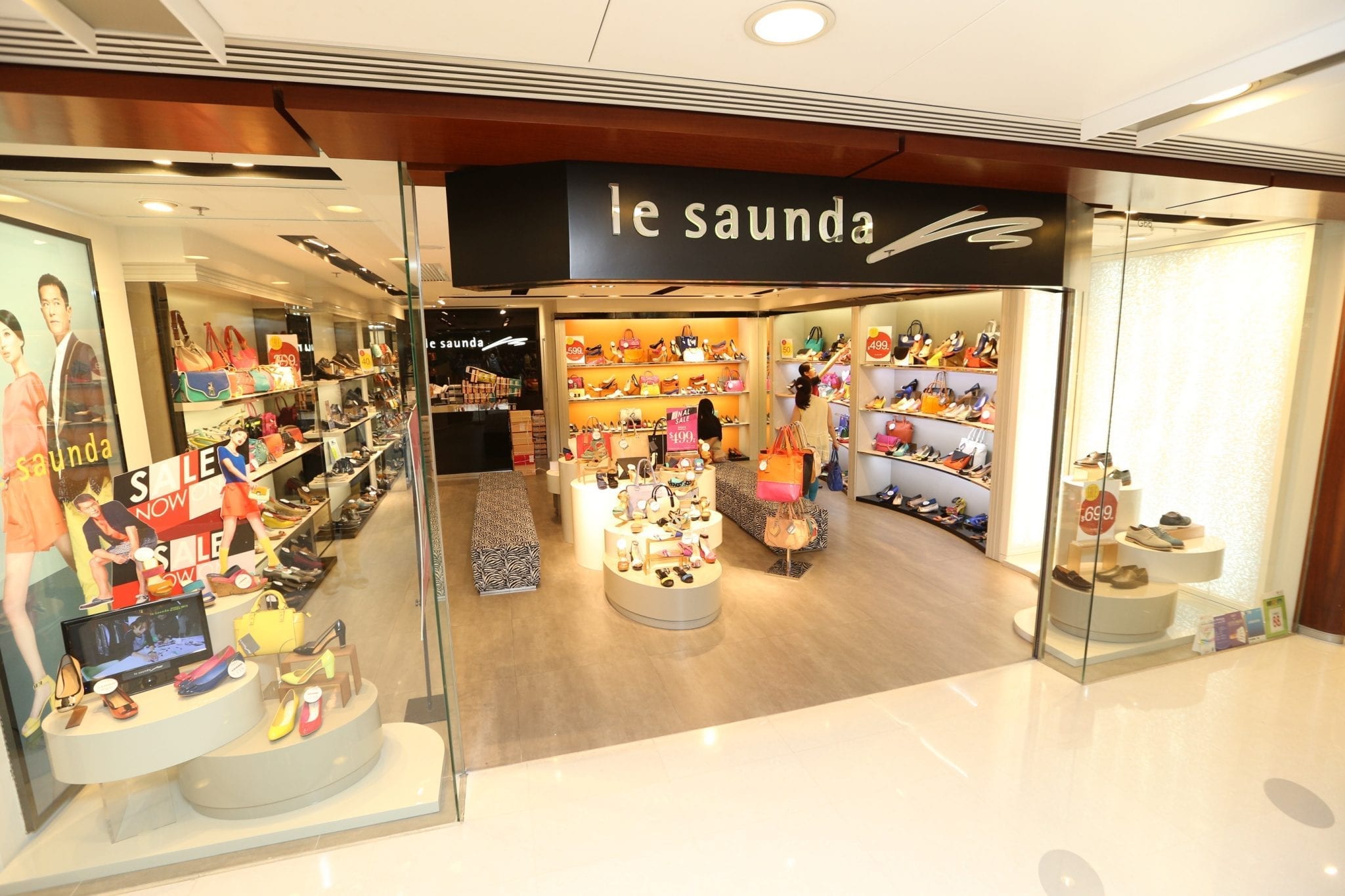
    Chinese footwear retailer Le Saunda saw revenue and profit fall by more than 30 percent in the last six months as the impact of the Covid-19 pandemic ravaged the fashion industry.

    Revenue for the six months to August 31 fell to US$38.7 million, 30.8-per-cent lower than the same period last year, while gross profit fell 32.1 percent to $24.24 million.

    The impact of Covid-19, which severely hit Le Saunda’s main markets of Hong Kong, Mainland China and Macau, led to a $4.4 million overall loss.

    “Overall, during the first half of the financial year, the group changed from profitable to loss-making,” the business said.

    “The group made timely adjustments to its strategy to reduce daily expenses, including a 25-per-cent pay cut for all directors for a period of six months from March and … tapped into emerging Mini Programs and social-media marketing platforms to expand its online sales channels.”

    However, the business’ e-commerce revenue also took a significant hit, down 15.7 percent during the six months.

    And now, with the worst of the virus seemingly behind it, Le Saunda is looking to learn from the “new normal” that has developed – investing in the development of goods in the athleisure space, as customers become more health-conscious, as well as sales and marketing on social media to better leverage social commerce and reach a younger consumer base.

  • ShopWorn opens its first Hong Kong office

    ShopWorn opens its first Hong Kong office

    Authentic luxury-goods platform ShopWorn has opened a satellite office in Hong Kong ahead of a planned expansion in Mainland China and Asia-Pacific.

    Unlike other online marketplaces, ShopWorn, launched in 2015, sells designer labels at discounts of 50 to 90 percent off the Manufacturer’s Suggested Retail Price (MSRP).

    From Carl F. Bucherer to Graham and more, past season’s luxury watches, jewelry, and other accessories sourced directly from brands and authorized retailers can be found on ShopWorn with authenticity guaranteed.

    The prices are kept low because items have never been worn by the consumer or pre-owned, but merely ‘shop worn’ – an industry term for merchandise that has been used in in-store displays.

    Typically, luxury retailers would either designate specific merchandise to be used in visual merchandising displays, or write-off items that have been lightly handled but are in an unsaleable condition, selling them to staff at a substantial discount or destroy them.

    ShopWorn also launched its first overseas virtual flagship on Tmall Global to target 800 million high-end Chinese consumers, joining other luxury labels from Dunhill to Marc Jacobs as of late – just in time for Singles Day.

    The platform aims to expand to Europe and other markets during the next five years, while a presence on other major Asian marketplaces such as Shopee, Lazada, and JD are already in the works.

  • AmorePacific opens first ‘refill store’

    AmorePacific opens first ‘refill store’

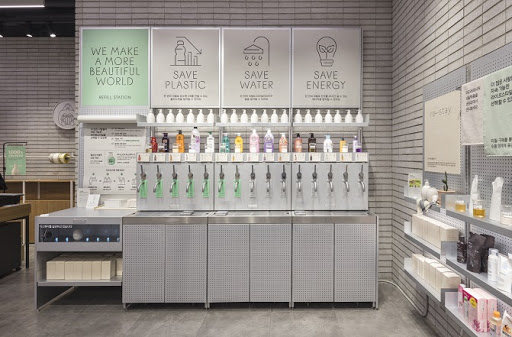
    South Korean cosmetics giant AmorePacific Corp has opened a so-called ‘refill station’ – a first for the nation’s cosmetics industry.

    The company opened the facility as a trial inside its new Gwanggyo store that opened last week in Suwon, Gyeonggi Province.

    Customers can take an empty container made of coconut shells from the store and fill it with the product of their choice, with 15 different kinds of shampoos and body washes on offer.

    After filling the container with the product of their choice and measuring the weight, they pay per gram.

    Although the price is different by product, customers can generally fill a container at savings of roughly 50 percent compared to pre-packaged cosmetics products.

    The contents for refill will be limited to those with a manufacturing date of less than 100 days prior. Returned empty containers will be sterilised before being released to be refilled.

    “We decided to run the refill station to better meet the demand of the times requiring a wider variety of sales methods and the promotion of refill products,” the company said.

  • Singapore’s BHG Bugis opens reimagined Beauty Hall

    Singapore’s BHG Bugis opens reimagined Beauty Hall

    BHG Bugis has launched a Beauty Hall, spanning more than 13,000sqft, featuring 27 beauty brands and 45 fragrance labels, 12 new beauty counters, a ‘Beauty Library’, and five spa concepts.

    According to the company, the launch is part three of BHG’s reinvention plan, following the launch of its e-commerce platform, and the introduction of in-house locally designed fashion labels.

    The concept space Beauty Library features nature-inspired beauty products, including local skincare brand Rooki and a selection of vegan makeup products from Makeup Store.

    The Beauty Hall offers several digital touchpoints, including Lift and Learn digital walls where customers can find information about products. Exclusive gamification and a social wall at HoneyWorld Counter allow customers to collect points they can exchange for HoneyWorld products.

    The precinct also houses SkinCeuticals’ largest departmental store counter, where customers are welcomed by an AI Robot Assistant.

    The Beauty Hall also features store-in-store cashiers, allowing customers to purchase within the brand area without having to go in search of a traditional cashier counter.

    BHG was originally opened as a joint venture between Japan’s Seiyu and Hong Kong’s Wing On in 1995. Seiyu took over Wing On’s share in 1998 and in 2005 the stores were bought out and renamed BHG.

  • Puma surfaces in third quarter as stores open again

    Puma surfaces in third quarter as stores open again

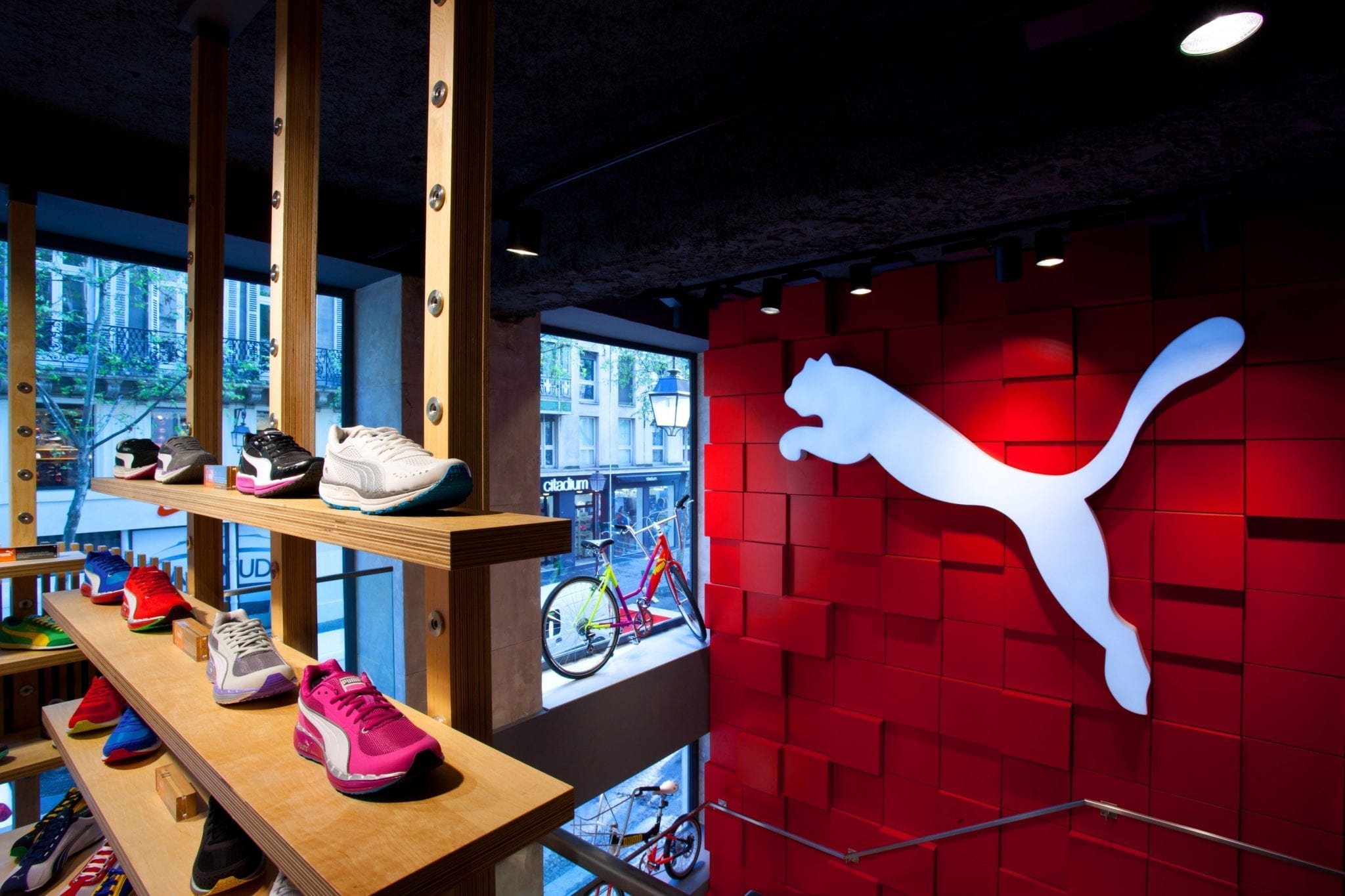
    Puma says its third-quarter sales rose 13.3 percent on a currency-adjusted basis to US$1.85 billion, leaving year-to-date sales down just 5.1 percent despite the impact of the pandemic.

    “The third quarter developed much better than I expected,” said Bjorn Gulden, Puma’s CEO.

    “Retail stores reopened, sports events resumed, consumer confidence improved and our sales increased week by week. I feel this strong performance confirms the strength of both PUMA as a brand and the sporting goods industry in general.”

    Puma’s gross profit margin decreased to 47 percent, largely due to negative currency impacts and increased promotional activity as the company adjusted to an unusual trading environment. However, operating expenses dropped by 3.3 percent allowing a pre-tax profit of $223 million.

    “Despite a very promotional market environment and currency developments that put pressure on our margins, we were even able to improve our EBIT compared to last year,” said Gulden.

    “This was achieved by continued strong cost control that we initiated in the extremely weak second quarter and through less but more efficient marketing activities.

    “October started well, but the recent development of Covid-19 and the number of infections we are seeing globally make us cautious for the rest of the year. We will continue to maneuver through this pandemic in the short-term without hindering Puma’s mid-term momentum.”

    Sales in Asia/Pacific declined by 1.9 percent, mainly due to slower growth in Greater China and a sales decline in India, Korea and Southeast Asian markets.

    For the first nine months of the year, including the time when lockdowns were in place across much of Asia, sales in the region fell 9.1 percent.

    Global net earnings for the nine months combined were down from $287 million last year to $63.7 million.

  • Profit up for Yum China despite Covid-19

    Profit up for Yum China despite Covid-19

    Yum China has reported a flat third quarter to September, with sales up 1 percent year on year to US$2.35 billion.

    The company said operations improved during the period, but sales were still impacted by reduced traffic at transportation and tourist locations, a delayed and shortened school-holiday season, and other lingering effects of the Covid-19 outbreak.

    “Dine-in volume has been recovering, while delivery and takeaway remained popular options,” the company said in a statement. “Our primary focus continues to be safety, efficiency, and driving traffic.”

    The fast-food company, which completed a secondary listing on the Hong Kong stock exchange during the quarter, said it has launched digital and membership campaigns offering strong value propositions to consumers to drive a recovery in sales post-pandemic.

    Yum China achieved productivity improvements and improved operating profits through trimming costs and improving productivity, however, the company now plans to increase staffing levels in the coming months to balance service and efficiency.

    Same-store sales declined 6 percent year on year, excluding foreign exchange, but the results included the consolidation of the Huang Ji Huang chain since April and a further 25 percent ownership of the Suzhou KFC operator since August.

    The company opened 312 new stores during the quarter taking its count to 10,150 at the end of September.

    Operating profit rose 86 percent from $300 million to $556 million (excluding foreign exchange impact), largely due to the gain from remeasuring the contribution of the Suzhou KFC business, of which Yum China now owns 72 percent. Net income increased 96 percent to $439 million.