Author: Mei Ling Tan

  • Sales of Galaxy S20 underwhelm amid pandemic

    Sales of Galaxy S20 underwhelm amid pandemic

    Sales of Samsung Electronics’ latest flagship series Galaxy S20 are hovering below those of its predecessor as the global new coronavirus pandemic has led to a slump in demand for consumer products, industry sources say.

    South Korean sales of the Galaxy S20 series, which comes in three models — the S20, S20 Plus and S20 Ultra — are estimated to have accounted for only 60 percent of the sales of the Galaxy S10 series so far, according to sources from local mobile carriers.

    The South Korean tech giant, which has not been providing official numbers, estimated the sales were roughly 80 percent of the Galaxy S10 5G series.

    The decrease apparently came as consumer sentiment was seriously impacted by the Covid-19 pandemic, which led to economic jitters around the globe.

    Reflecting the weaker-than-expected performance, Samsung is estimated to have posted an operating profit of around 2.5 trillion won (US$2 billion) or below for the first quarter from the IT & mobile communications division, which oversees the smartphone business.

    The company will report its finalized earnings later this month.

    Samsung’s operating profit from the sector reached 2.9 trillion won in the third quarter of 2019, which slipped to 2.5 trillion won a quarter later

    Industry tracker Strategy Analytics earlier said global shipments of smartphones are estimated to reach 1 billion units, revising down its previous estimate of 1.3 billion units.

  • Covid-19 is accelerating the use of automation

    Covid-19 is accelerating the use of automation

    Companies are rapidly turning to automation to keep business running during the coronavirus outbreak, according to new research by Bain & Company.

    The firm’s data shows that processes are being automated to manage payroll, diagnose customer experience issues while call centers are closed, and resolve IT service issues. It is based on survey responses from nearly 800 executives worldwide.

    “The ongoing crisis forced companies to move their operations remote within a matter of days, underscoring a greater need than ever for automation technology to help maintain business continuity,” said Bain & Company partner Michael Heric. “As companies adapt to new routines and prepare for a pending downturn, automation solutions that might have been years away a few months ago, are suddenly right around the corner.”

    Companies are reporting cost savings of roughly 20 percent over the past two years from the implementation of automation, while nearly 45 percent of respondents report that their automation projects have not delivered the expected savings.

    The report shows companies lacking a rigorous automation agenda risk falling behind in their respective industries.

    The firm estimates the number of companies scaling up automation technologies will double over the next two years as the Covid-19 crisis likely accelerates.

  • Expansion during pandemic: Apple’s services arrive in many new markets and regions

    Expansion during pandemic: Apple’s services arrive in many new markets and regions

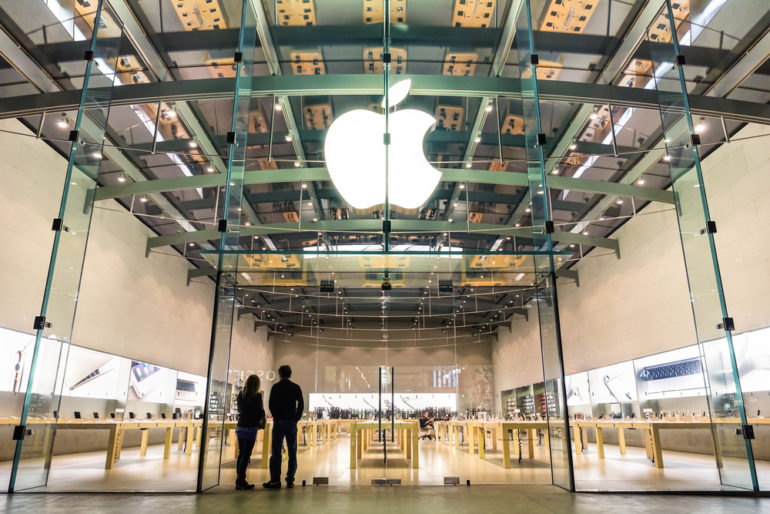
    Apple will be expanding Apple Music, the App Store, and other services to a whole trove of new markets in Africa, the Middle East, Oceania, and several nations across the Balkan peninsula in what could be perceived as the largest geographical expansion in nearly a decade. Back in 2012, more than a billion and a half people in India, Russia, and other countries gained access to Apple’s services.

    Cupertino is bringing the App Store to 20 new countries, 8 in Africa (Cameroon, Ivory Coast, Democratic Republic of Congo, Gabon, Libya, Morocco, Rwanda and Zambia) and a dozen others across the globe, bringing the grand total of supported countries to 179, but wait until you learn of the gains Apple Music is making. The music streaming answer to Spotify is now available in 52 new countries and regions across the world, bringing the toal tally to 167 countries. As a comparison, Spotify only operates in 79 countries. Arriving on most developing markets also commands a pretty important change for Apple Music’s terms and conditions: while the service costs $9.99 a month and offers a three-month free trial in the US and most developed markets, Apple Music will go for $4.99 a month and offer a six-month free trial in most of the new markets.

    The bid here is pretty clear – as global smartphone sales go down and consumers are less likely to upgrade their devices every second year, Apple has put the larger focus onto its services division, which is expected to become the next big revenue gainer for the world’s largest tech company. For the last fiscal year, the services division as accounted for 17.8% of its $260.1 billion in revenue.

    With a userbase of 1.5 billion active devices across the world, Apple surely has lots of potential for increasing the subscriber numbers of its Apple TV+, Apple News+, and Apple Music services. Indeed, Apple strives to have a grand total of 600 million subscribers by the end of 2020. Yet, the largest money pig for Apple is the App Store, as it grants Apple between 15 and 30% of all app sales and in-app purchases.

    How would this expansion of services affect a world economy vastly crippled by the COVID-19 pandemic and a userbase isolating itself at home? Logic suggests that Apple should see a steady increase of subscribers across the board, but the jury is still out on the data itself. Moreover, earlier reports suggested that Apple TV+ might not be a smash-hit-video-streaming service just yet, as it reportedly suffered heavy new subscriber losses from sworn rivals Netflix, HBO Now, and Disney+.

  • Peugeot Maker PSA Says Demand To Fall Sharply, Keeps Margin Goal

    Peugeot Maker PSA Says Demand To Fall Sharply, Keeps Margin Goal

    French automaker PSA on Tuesday warned of sharp falls in demand for the sector this year after posting a 15.6% drop in first-quarter sales but maintained its mid-term operating margin goal.

    The maker of Peugeot, Citroen, DS, Opel and Vauxhall is working through a merger with Italy’s Fiat Chrysler but like its peers has been forced to shutter plants due to the coronavirus outbreak.

    The group said revenue for the January-March quarter stood at 15.2 billion euros ($16.47 billion).

    It maintained its target for an average adjusted operating target of over 4.5% for its automotive division over the 2019 to 2021 period.

    “Having secured liquidity and drastically cut costs, the group is now fully focused on preparing for the rebound in a chaotic economic environment,” Financial Chief Philippe de Rovira said in a statement.

    Little relief for Europe’s carmakers Monday as BMW says sales have plunged and Peugeot-owner PSA says it’s raising new funds to help it see out the crisis.

    PSA said it now expects the auto sector to fall by 25% in Europe and Latin America this year, by 20% in Russia, and by 10% in China.

    Like French rival Renault, PSA has been in talks with unions to try and work out a schedule to reopen its factories in France with new sanitary protocols.

    Its British brand Vauxhall is looking at temperature checks and shift rescheduling to plan the reopening of its two UK factories.

    France and many other European countries are still under strict lockdowns, though China is now emerging from confinement.

  • HSBC Private Bank Managing Director to Depart

    HSBC Private Bank Managing Director to Depart

    He announced his departure on LinkedIn on Friday, saying he was «excited» to head to his next destination.

    Shang-Wei Chao, HSBC Private Banking’s Singapore and Malaysia market head, will be leaving the firm, he announced in a LinkedIn post, which was confirmed by a spokesperson at the bank.

    Chao joined HSBC in 2016, after 12 years at UBS, where he was a client advisor and desk head covering numerous Southeast Asian markets. The bank did not disclose plans for a replacement.

    Since joining HSBC Private Banking in 2016, I’ve felt that I was on an express train that didn’t need to stop to refuel, Chao said in the post.

    The bank has successfully transitioned to its strategy to get back to growth, and other transformation goals have made amazing headway, he said about his time at the firm.

  • McDonald’s, The Cheesecake Factory find the perfect recipe for staying relevant during crisis

    McDonald’s, The Cheesecake Factory find the perfect recipe for staying relevant during crisis

    With customers subjected to stay-at-home orders or lockdowns around the world, major brands are facing unprecedented challenges staying relevant and connected – especially fast-food retailers and theme parks.

    At the same time, the lockdowns have spurred an unprecedented demand for baking ingredients as consumers try their hand at creating food and snacks at home – either to kill time or save money.

    At least four international corporate giants have linked these two features of the Covid-19 pandemic into feel-good marketing initiatives that help consumers, subtly reinforce brand ‘feel-good factors’ and drive traffic to their social media accounts. McDonald’s, Disney, The Cheesecake Factory and hotel chain DoubleTree have each shared recipes for foods they serve to customers so they can make them at home.

    Fast-food giant McDonald’s in the UK, which closed all of its restaurants last month, released a recipe for its Sausage and Egg McMuffin for fans to recreate in their own kitchens. This was in response to viral tweets from internet users who had tried to make their own McMuffin breakfast sandwiches while unable to visit restaurants.

    The chain produced a recipe card (below) revealing the five ingredients and full cooking instructions in order to promote its brand while outlets are closed – and included a step-by-step guide on how to prepare its crispy hash browns.

    In the US, hotel chain DoubleTree has released the recipe for the popular chocolate chip cookies presented to travelers fresh from the oven upon arrival at the firm’s properties. More than 30 million of the cookies are baked and shared with customers each year, and the cookie carries the distinction of being the first food baked in orbit at the International Space Station.

    “We know this is an anxious time for everyone,” said DoubleTree by Hilton senior VP and global head Shawn McAteer. “A warm chocolate chip cookie can’t solve everything, but it can bring a moment of comfort and happiness … we look forward to welcoming all our guests with a warm DoubleTree cookie when travel resumes.”

    Disney Parks – the theme park division of the giant Disney entertainment empire – has similarly released a recipe inspired by the churro snacks available at all its parks worldwide, most of which are closed during the pandemic.

    “These past few weeks, we’ve seen many of you sharing Disney recipes and creating your very own magical moments right at home,” wrote Alex Dunlap, food & beverage communications coordinator at Disney Parks in a blog post for fans. “This has inspired us to share one of my favorite recipes so you can continue creating #DisneyMagicMoments.”

    The company also shared on a blog how to make the grilled three-cheese sandwich offered at Woody’s Lunch Box at Toy Story Land in Disney World, on the occasion of National Grilled Cheese Day.

    Restaurants and bakeries are joining the trend as well. US casual-dining chain The Cheesecake Factory has published recipes online for many of its dishes, including its lemon-ricotta pancakes, Tuscan chicken, (pictured above), almond-crusted salmon salad, California guacamole salad, and chicken Bellagio.

    Other chains to post recipes online include Pret-A-Manger in the UK and US bakery Panera Bread.

    Meanwhile, The Hustle is reporting how one US bakery supplying restaurants pivoted into creating home-baking kits for consumers, in order to keep its factory operating and staff employed.

    Aaron Caddel was forced to close his San Francisco and Los Angeles bakeries Mr. Holmes Bakehouse after all 60 of his wholesale customers canceled their orders within 72 hours, equivalent to about $3 million of business.

    “I had single mothers on staff begging me to keep their jobs,” he told The Hustle. “So I just had to turn to solution mode: How can I create an insurance policy against this economy?”

    His solution was to create an all-inclusive kit including yeast, flour and detailed instructions to help consumers bake their own Mr. Holmes loaves. He had no e-commerce experience, but he did have 121,000 followers on his Instagram account.

    “Caddel is one of many small business owners recalibrating to serve a rapidly growing class of housebound bakers,” wrote Zachary Crockett, senior writer at The Hustle. You can read his full feature here.

    The demand for information about baking at home has surged since lockdown orders were put in place. One overseas columnist described flour as “the new toilet paper” in terms of consumer demand, with stocks running low in supermarkets as demand outstripped usual supply volumes.

    This chart below shows the rate of Google searches for bread-making instructions since stay-at-home orders were put in place in parts of the US last month.

    It seems some global brands have found the perfect recipe to delight consumers they would otherwise have had little opportunity to connect with during the coronavirus pandemic…

  • Starbucks China launches plant-based menu with Beyond Meat, Oatly, Omnipork

    Starbucks China launches plant-based menu with Beyond Meat, Oatly, Omnipork

    Starbucks China is launching a plant-based menu in partnerships with Beyond Meat, Omnipork and dairy-substitute Oatly which will be available in most stores nationwide.

    From tomorrow (April 22) the coffee chain will launch two pasta dishes and a wrap featuring Beyond Beef, effectively launching the meat-substitute brand on the mainland.

    A Vietnamese-style noodle salad and mushroom-sauce grain bowl created with protein-based pork substitute Omnipork is also going on sale, along with oatmilk options on its beverage menu, created with Swedish brand Oatly.

    Leo Tsoi, senior VP, COO and president at Starbucks China Retail, says the new menu items make it easy and enjoyable for customers to explore new lifestyles.

    “Through our new plant-based platform, we seek to inspire new routines by inviting everyone to eat good, feel good and do good. Together, we can take a small, humble step to make a better world,” he said.

    Beyond Meat has worked with Starbucks as part of its market entry into the Chinese mainland. Ethan Brown, Beyond Meat founder and CEO says the launch marks an important milestone in the company’s goal of increasing accessibility to plant-based protein globally.

    “Starbucks is a trusted brand with a strong market presence and deep understanding of customers in China, and we’re pleased to partner with them on our market entry. We believe the new Beyond Beef menu items deliver on our promise of enabling consumers to Eat What You Love while also enjoying the nutritional and environmental benefits of plant-based protein,” he said.

    Meanwhile, oatmilk joins soy as a dairy alternative, which has been a feature of the Starbucks China menu for 13 years.

    “It’s a significant step for the growing plant-based movement that Starbucks customers in China can now enjoy their favorite beverage with Oatly,” said Toni Petersson, global CEO at Oatly.

    “Oatly pairs extremely well with espresso and creates a wonderfully dense and creamy foam for lattes.”

    Starbucks China has also launched a merchandise range made with recycled coffee grounds, including tumblers and notebooks. The grounds are processed and mixed with polypropene to form an industrial-grade material with more than 30-per-cent recycled coffee ground content. Th

  • The Global CBD Market: Will It Overtake THC?

    The Global CBD Market: Will It Overtake THC?

    CBD has come a long way since it was taken off the list of schedule 1 drugs a few years ago. It’s available online everywhere and in stores and dispensaries across the nation. It’s not only available in pharmacies like CVS and Walmart, but you can even buy it in stores like Abercrombie & Fitch and American Eagle Outfitters.

    There are also far fewer restrictions on growing and distributing CBD. Organically grown CBD from Oregon, for example, is becoming a widespread industry thanks to the integration of USDA regulations that help to monitor hemp growth and improve the final products. Colorado, Washington, Kentucky, and other states are also taking advantage of more lax industrial hemp laws to help turn the CBD market into a multi-billion-dollar industry.

    With the rapid growth and excitement around CBD, investors and fans alike are asking: Will CBD become more popular than THC?

    The answer to this question depends on who you’re talking to, but most of the evidence points to yes. CBD seems to be growing at an unstoppable rate, and the dollar signs just keep growing.

    2018 Began an Upward Swing for CBD Sales

    Market research shows that 2018 was the beginning of CBD sales as we know them now. The upward tick occurred even before the Farm Bill was passed at the end of the year, allowing more industrial hemp growth across the nation.

    During 2018, there was great political and media awareness of CBD, and that made consumers curious. When the FDA got involved and conducted a hearing on cannabis with more than 100 speakers sharing their opinions, that curiosity only grew. It increased sales just through simple curiosity.

    More than 10 percent of all dollars spent in a dispensary were spent on CBD in 2018, according to a BDS Analytics report. This was up 3 points from the previous year, a monumental growth in the industry.

    This was also the year that the creativity in the market started to explode. We went from having inhalable CBD and sublingual oil tinctures to having gummies, capsules, gel capsules, chocolates, coffees, and so much more.

    CBD to Be a $20 Billion+ Industry

    Multiple reports show that the CBD industry is slated to reach upwards of $20 billion within the next four years. BDS Analytics believes it will be worth $20 billion by 2024, which is 10 times what it was worth in 2018. Rolling Stone published a report recently stating that it would be a $22 billion industry, and other reports believe it will be worth even more

    Currently, the cannabis industry as a whole is worth about $52 billion with an anticipated growth rate of 18 percent. That means that CBD amounts to nearly half of all cannabis sales, and it could overtake current THC sales faster than you might think.

    Overall Consumers Seem to Prefer CBD

    When compared to the sales of CBD, THC seems to be far less popular than CBD. This could be because of the legal issues surrounding THC in certain states, but it’s more likely because CBD offers many of the benefits of marijuana without getting users high. For some, getting high is a nice perk, but for most, it’s very inconvenient to be high all the time in order to get the health benefits of the cannabis plant.

    CBD as an alternative form of medicine is very enticing to consumers. There are boundless claims to what CBD can do, and while we’re getting more research to play out the roles of CBD in human physical and mental health, the facts are still a little fuzzy on all CBD can do.But many consumers aren’t interested in the scientific facts about CBD. Rather, they like to hear what others are saying and how they feel with the substance in their systems. So far, the most common praises of the best CBD oil involve relief from the following ailments:

    • Anxiety
    • Pain
    • Inflammation
    • Depression
    • Epilepsy/seizures
    • Neuroprotection
    • Skin conditions
    • Overall health protection
    • Addiction recovery
    • Cancer symptoms treatment

    These claims are not groundless. We do have plenty of research on animals and some human trials that show positive results in these areas, and that’s enough for many consumers. They continuing buying CBD, whether or not it has a placebo or real effect on their systems. And these results are the reason why CBD has become so popular. Many people look for the best CBD balms, oils and other related products.

    The FDA’s Involvement Will Play a Large Roll

    Analytical reports on the state of CBD show that the FDA will be getting more involved in the future, and that could be a game changer for CBD. The FDA has been holding hearings and sponsoring research over the last couple of years to evaluate how best to get involved in the CBD market.

    The outcome of the FDA’s findings will be huge for the CBD market as a whole. If they deem CBD a useful medication and start regulating it like they do any other drug, the sales of CBD will skyrocket. Not only will consumers be more apt to purchase the products, but doctors will begin suggesting CBD to more patients.

    Big pharma will start buying up CBD and industrial hemp farms, laying out the groundwork for endless research on the product. They’ll develop medications and likely sell them at high price points, massively driving up the numbers for the CBD market. THC has played a role in pharmaceutical research, but the restrictions make it difficult for it to go mainstream, another way that CBD and THC markets differ.

    If the FDA determines that CBD should not be part of their federal regulations and that it’s more of a supplement, CBD sales will likely continue to grow at the same rate. Things will continue as usual.

    But if the government group decides that it’s harmful and starts marketing it as such, sales will no doubt plummet and CBD companies will be shut down all over the country. Thankfully for CBD users and those invested in the products, the chances of this occurring are very slim.

    This list of possibilities simply illustrates how the FDA has a great stake in the future of CBD. Any investors in the industry would do well to monitor the FDA’s stances on CBD during this coming year.

     

  • Outdoor lifestyle brand Giriox arrives with premium adventure gears and worldwide delivery

    Outdoor lifestyle brand Giriox arrives with premium adventure gears and worldwide delivery

    The current COVID-19 lockdown period has let us feel trapped and restless in our own homes only. No wonder many people, especially the outdoor enthusiasts, are chalking out adventure plans they will set out for once the lockdown ends. And a recently launched outdoor lifestyle brand, Giriox, is extending a comprehensive range of novel adventure gears to complement those upcoming adventures.

    Based in the USA, Giriox caters to the whole of the USA as well as the U.K., Canada, and Australia.

    “We are excited to bring to you our innovative outdoor lifestyle brand Giriox this month. We know we are passing through a testing phase of late in the wake of the worldwide pandemic of COVID-19. But amid the frustration of lockdown, there is still a positive aspect- we are getting plenty of time to plan and prepare for our upcoming adventure trips and reinvent our life. And this is when you have Giriox to help you with all the adventure gears and accessories you might need to make the most of your camping or hiking trips once this lockdown ends”, stated a leading spokesperson from Giriox.

    Claimed as the “outdoor lifestyle specialist” Giriox is bustling with a vast and versatile range of outdoor activity gears and accessories.

    The spokesperson mentioned about their unique collection of designer camp cookware sets that one can take along in his adventure trips in the woods. Some of the cookware or cutlery sets are also foldable to ensure a travel-friendly package. Customers can choose from utensils or cutleries made from stainless steel, titanium alloy and also eco-friendly bamboo. In regards to design, Giriox cutleries are a refreshing change from run-of-the-mill regular counterparts. From spoons and forks in unique wrench shapes to cutleries in trendy dual-toned pink & blue shades, customers will find many exotic options on Giriox website.

    “We have come up with high quality, rust-free, easily cleanable, durable and risk-free portable camping utensils and cutleries that will last for years. Our exquisite designs are another great reason why you would love to have a look at our camping tableware collections, says Sven.”

    Other than cookware or utensils, Giriox also houses different kinds of fire equipment like a butane torch, color flames powder, solar spike lighter and so on. Additionally, customers will find camping sleeping bags, camping mats & pillows as well as camping tents. The tents are available in various styles and sizes to choose from as per the size of one’s camping group.

    “We have got almost everything and anything you would need to make your outdoor trips safe and memorable. From fire equipment to sturdy weather-resistant tents, we have them all and many more. We promise you exceptional quality and smart designs too. Whether you are going out for casual hiking tours in nearby woods with family or are about to set out for solo camping in extreme conditions like dense jungles- you can always count on us your one-stop partner for best adventure gear. Giriox is the ‘outdoor lifestyle specialist’ that you have been waiting for all these years.”

    Giriox also offers expert consultation for camping and other adventures for the new outdoor enthusiasts or anybody who needs pro guidance in adventure trips.

    For more information, please visit www.giriox.com.

  • Resilient LVMH caps sales decline during coronavirus

    Resilient LVMH caps sales decline during coronavirus

    LVMH has reported a sales decline of 15 percent for the first quarter of this year, a staggering achievement given its most lucrative market, China, was shut down for most of the period.

    “Thanks to everyone’s commitment and the strength of its brands, the LVMH group maintains good resilience in the face of this worldwide challenge,” said Bernard Arnault, chairman and CEO.

    Nevertheless, the company has trimmed its previously announced dividend and Arnault and other executives will work for free during April and May as the company works through the next stage of the coronavirus crisis.

    “For several weeks, our teams have once again demonstrated that excellence, creativity, and responsiveness will allow us not only to overcome this crisis but, above all, to emerge even stronger when it fades,” he said.

    Group-wide revenue reached €10.6 billion for the quarter, with all divisions in the group recording sales declines.

    Worst hit were the watches and jewelry business and selective retailing (including Sephora and DFS) which both fell by 26 percent, largely linked to enforced store closures in Greater China.

    Bvlgari, Tag Heuer and Hublot were particularly hit by store closures in Asia and while all Sephora beauty stores were closed in China for a major part of the quarter, those located in Europe and the US have been closed since mid-March. However, online sales rose “significantly”  over the quarter and shopping in stores has gradually picked up in China since the end of the quarter, the company said.

    DFS experienced “a significant decline” in activity in most destinations as a result of the suspension of international travel.

    A positive currency effect and a policy of firm increases in prices partially offset a decline in volume sold, resulting in a 14-per-cent year-on-year decline in sales for the liquor business group. “The US market demonstrated its good resilience over the period, supported by advance orders from distributors,” the company said. Sales of Hennessy cognac slowed in China due to lower demand linked to the coronavirus pandemic, and the timing of Lunar New Year.

    Sales by LVMH’s perfumes & cosmetics division fell by 19 percent as retailers reduced their inventory levels, however, online sales grew rapidly.

    And the fashion & leather goods business group recorded a 10-per-cent decline in sales, again impacted by store closures, but mitigated in part by strong online growth.

    “LVMH has proven its ability to be resilient in an economic environment disrupted by a serious health crisis that has led to the closure of stores and manufacturing sites in most countries in recent weeks, as well as the suspension of international travel,” the company said in a statement.

    “In a very turbulent context, the group will maintain a strategy focused on preserving the value of its brands, based on the exceptional quality of its products and the responsiveness of its teams. In the current situation, the group will further strengthen its policy of controlling costs and being selective in its investments. The closures of the group’s manufacturing sites and stores in most of the world’s countries in the first half will have an impact on the annual revenue and results. This impact cannot be precisely evaluated at this stage without knowing the timetable for a return to normal business in the different areas where the group operates.

    “We can only hope that the recovery happens gradually from May or June after a second-quarter which will still be very affected by the crisis, in particular in Europe and the US.”

  • Porsche Sales Drop By 5 Per Cent In Q1 2020 Due To The Coronavirus Pandemic

    Porsche Sales Drop By 5 Per Cent In Q1 2020 Due To The Coronavirus Pandemic

    German performance carmaker Porsche AG announced its sales for the first quarter of 2020 and the manufacturer sold 53,125 cars between January and March this year. Sales for the automaker were down by five percent when compared to the same period a year ago. Porsche attributed the drop in numbers due to the Coronavirus pandemic that’s put the world under lockdown since March this year. That being said, the Porsche Cayenne SUV continues to be the most popular offering in the brand’s stable with 18,417 deliveries during Q1 2020. The Porsche Macan SUV stands second with 15,547 deliveries during the same period, while the iconic Porsche 911 remains a popular choice as well with 8482 units delivered in the last three months.

    Interestingly, Porsche’s popular offerings witnessed a sales growth of  16 percent year-on-year even as overall sales have seen a marginal slump. The company also delivered its all-new Taycan electric sports car in Q1 2020 with 1391 units handed over to customers.

    Speaking on the drop in volumes, Detlev von Platen, Member of the Executive Board for Sales and Marketing at Porsche AG, said, “We are not alone in clearly feeling the effects of the coronavirus pandemic on our deliveries. But our focus now is on standing together with our business partners worldwide. Working together, we are in a position to react quickly and appropriately to further developments. After this challenging first quarter, we are now actively preparing to restart production. Our top priority will always be the health of our employees, the employees of our retail partners and, of course, the health of our customers. We are confident that the outlook is positive, not least because we see a clear recovery in the Chinese market; almost all of our Porsche Centers there have already reopened.”

    The strongest markets for Porsche AG remained in China and the USA. The company delivered 14,098 units to customers in China in the first quarter, making it the brand’s largest market. However, the country saw a drop of 17 percent in year-on-year sales. The automaker sold 11,994 units in the US, making it the second-largest market for the brand, while it saw the biggest decline in volumed with a drop of 20 percent. The company’s home market, Germany saw the manufacturer retail 5214 cars between January and March 2020, witnessing a drop of six percent. Meanwhile, 16,787 cars were delivered across Europe with sales jumping a healthy 20 percent as compared to last year. The only market for Porsche to see positive growth in the last quarter. 22,031 units were sold in Asia-Pacific, Africa, and the Middle East, with a decline of eight percent, when compared to the same period during the previous year.

  • Service robots prove popular at height of pandemic

    Service robots prove popular at height of pandemic

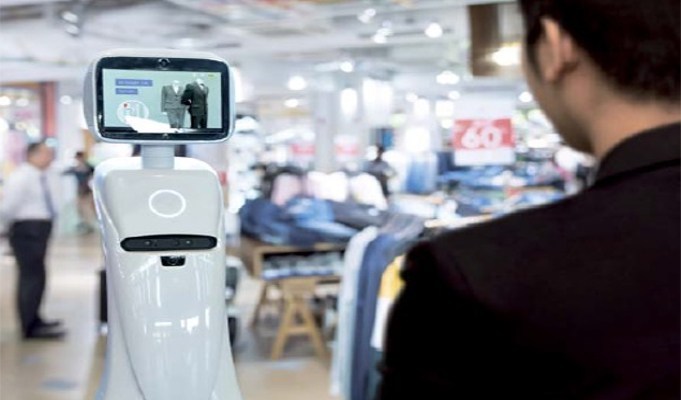
    With the coronavirus pandemic continuing to spread relentlessly around the globe, “untact,” or non-contact services are emerging as a new trend, and demand for service robots to replace humans is also growing.

    The state-run Korea Trade-Investment Promotion Agency (Kotra) says interest in service robots has soared since they were employed in public-sanitation and service businesses to limit the spread of Covid-19 in China.

    According to the China Academy of Information and Communications Technology, 54 percent of all voice robots introduced in China were used more than 1 million times per day during the Chinese COVID-19 quarantine period, which lasted until February 7.

    According to an analysis of some 500 cases collected by the coronavirus artificial intelligence (AI) quarantine support information platform, the most popular products were service robots, big data analysis systems and smart recognition (body temperature measurement) devices.

    Service robots are divided into “professional service robots” used at companies and in public places and “home and personal service robots” used in ordinary homes.

    Among them, the market for service robots stood at US$9.46 billion as of last year, up 14.1 percent from a year earlier. The average annual growth rate of service robots over the past five years also stands at 21.9 percent.

    China’s service robot market stood at US$2.2 billion last year, accounting for 25 percent of the global service robot market.

    It is a figure that grew 19.6 percent year on year, with an annual average growth rate of 28 percent over the past five years, exceeding the global average. Furthermore, it is expected to grow to $4 billion in 2021 as demand rises.

    Chinese service robots have been focused on housekeeping, guest reception, customer service (in retail stores, restaurants and banks) and education, led by start-up companies.

    However, with the outbreak of Covid-19, service robots have drawn more attention in areas such as delivery, quarantine disinfection and patrol.

    In particular, during the coronavirus quarantine process, multi-function products for disinfection, temperature measurement, and mask-wear monitoring, rather than products equipped with one function, were notable.

    “The market for service robots is expanding through rental services, easing the initial burden of introduction compared to directly selling hardware,” Kotra said.

  • Lockdown Cuts India’s Fuel Demand 50% In First Half Of April

    Lockdown Cuts India’s Fuel Demand 50% In First Half Of April

    Indian state retailers sold 50% less refined fuel in the first two weeks of April than the same time a year ago as a nationwide lockdown to stem the spread of the new coronavirus hit transportation and industrial activity, industry sources said. State companies – Indian Oil Corp, Hindustan Petroleum Corp and Bharat Petroleum – own about 90% of India’s retail fuel outlets. India’s gasoil sales by state retailers in the first 15 days of April dropped by 61% from a year earlier while petrol and jet fuel sales declined by 64% and 94%, provisional industry data provided by two sources, who asked not to be named, show.

    India’s overall refined fuel demand includes consumption of fuel oil, bitumen and liquefied petroleum gas (LPG). State-retailers sold 21% more LPG in the first fortnight of April from a year earlier. India is providing free cooking gas cylinders to the poor for three months to June to help them weather the impact of the lockdown.

    India has extended the overall lockdown until May 3, but has announced a roadmap to restart some industrial activity after April 20 in locations that are not coronavirus hotspots to try to revive the economy.

    The International Energy Agency (IEA) in its latest report said India’s annual fuel consumption – a proxy for oil demand – will decline 5.6% in 2020 compared with the growth of 2.4% forecast in its March report. It estimates India’s petrol demand will decline by 9%, while diesel will drop by 6.1%. The slump in fuel demand has already forced some refiners to halve crude processing and increase prompt exports of refined fuels.

  • Luxury brands thriving on JD during Covid-19

    Luxury brands thriving on JD during Covid-19

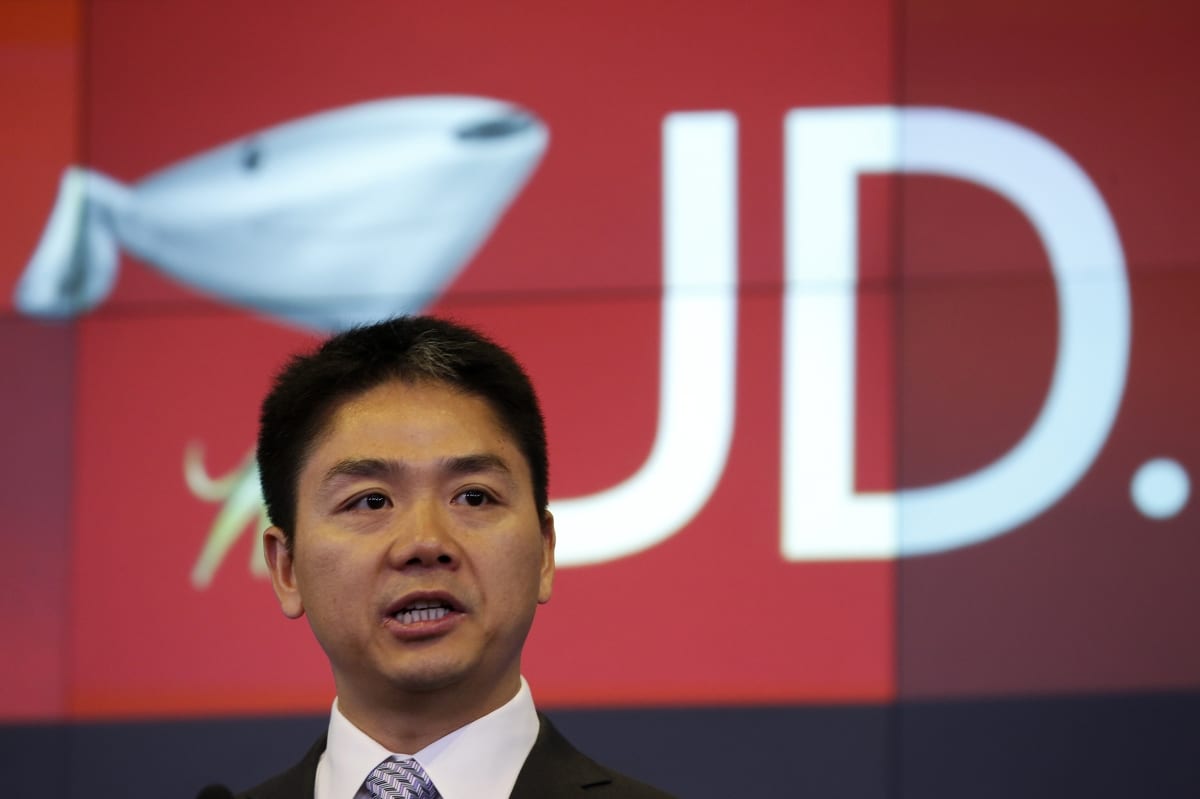
    Around 20 luxury brands have opened stores on Chinese e-commerce platform JD since the beginning of January, seeking new avenues for business against the backdrop of the global coronavirus pandemic.

    The onboarded brands include fine-leather goods house Delvaux, Chanel-owned jewelry brand Goossens, luxury cashmere specialist Barrie, British luxury leather brand Smythson, cashmere knitwear brand Pringle of Scotland, and international designer brands MSGM and Proenza Schouler.

    When Italian designer brand By Far launched its flagship on JD recently, 65 percent of its stock sold out after four days and about 90 percent of its products cleared after one month, according to figures released by JD.

    “The pandemic has affected many industries, and luxury is no exception. It has encouraged many luxury brands to attach greater importance to online,” said JD fashion-and-lifestyle president of international business Kevin Jiang.

    “JD’s supply chain advantages, and the support we provide, have attracted brands to deepen their partnerships with us. In the coming months, we plan to offer more innovative programs to help brands deal with the impact of the pandemic.”

    To date, more than 200 international luxury brands have established partnerships with JD.

  • How Covid-19 is impacting food-and drink-markets in Southeast Asia

    How Covid-19 is impacting food-and drink-markets in Southeast Asia

    The spread of Covid-19 is forcing Southeast Asian consumers to change their eating habits and embrace new shopping practices, says Mintel Apac food-and-drink analyst Tan Heng Hong.

    Given today’s consumer climate, food and drink categories with strong immunity claims can drive home the importance of immunity to protect wary consumers, he says.

    “Manufacturers of immunity-boosting food and drink products are actively promoting the importance of immunity to strengthen the body during the pandemic. These immunity-enhancing products include vitamin-fortified food and drinks, as well as spoonable yogurt, drinking/cultured yogurt, and nutritionally-complete drinks,” says Heng Hong.

    According to the Mintel Global New Products Database, growing-up milk (1–4 years) (16 percent), meal replacement drinks (6 percent), and drinking yogurt/liquid cultured milk (6 percent) make up the largest share of food and drink product launches in Southeast Asia that carried an immunity claim between March 2017 and February this year.

    The research also confirmed more and more consumers are turning to the convenience of ordering their groceries online as people choose to stay indoors to minimize their exposure to Covid-19. As a result, online grocery vendors have witnessed a surge in orders.

    This trend presents huge opportunities for grocery retailers to better engage with consumers through measures that bring added value and convenience, he says.

    “We’re also seeing growing interest in at-home cooking, which presents challenges and opportunities for brands looking to engage with those preparing and enjoying tasty meals at home.

    “Online grocery players can maximize the current situation and gain new users by showcasing the benefits of shopping for groceries online, including having sufficient stock of popular items during the pandemic, safe handling and delivery of parcels, free delivery, promotions, and use of e-payments.”

    There is evidence that consumers stuck at home are finding it challenging to prepare healthy meals that taste good. According to Mintel’s research, 72 percent of consumers in Vietnam cook meals from scratch all or most of the time, and 52 percent say it is difficult to prepare healthy food with great flavor.

    Heng Hong says as more consumers dine at home to avoid crowds, food manufacturers can step in to provide them with a more convenient, tasty and healthy meal solution.

    “Even after the current situation calms down, given the scale of the outbreak, and depending on the duration of lockdown measures, the pandemic is likely to leave an indelible mark on consumer lifestyles. Key behaviors such as vigilance around immunity and hygiene will stick around for the long term, as will dependence on online grocery shopping and, possibly, even the habit of at-home cooking.”