Author: Mei Ling Tan

  • Singapore Digital Payment Provider Expands Abroad

    Singapore Digital Payment Provider Expands Abroad

    Digital payment and digital banking solution provider Fomo Pay has opened an office in Kuala Lumpur, Malaysia and has partnered OCBC Bank on a cross-border funds collection service.

    Fomo Pay has made its first overseas foray into Malaysia, and has partnered OCBC Bank (Malaysia) to develop the country’s first merchant cross-border QR code collection service, the Singapore-based firm announced Tuesday on its blog.

    Under the partnership, Malaysia merchants can collect payments from Singapore customers on PayNow via direct QR code payments through OCBC OneCollect. Prior to this, QR code payments in Malaysia could only be done for local ringgit currency transactions.

    The collaboration «opens up opportunities to provide customer support in a larger territory, and signals continued rapid growth for the company in the region,» Fomo Pay said.

    Fomo’s decision to open an office in Kuala Lumpur ties in with the company’s expansion strategy to focus on Southeast Asia and other emerging economies, which are undergoing rapid digital transformation, it said.

    Fomo Pay allows merchants to accept a full suite of new payment methods including WeChat Pay, NETSPay, Grab Pay, SingTel Dash, EZLink Pay, mVISA and more.

    It was launched in 2015 and acquired 4,000 merchants within its first year. Its network now includes Changi Airport, Marina Bay Sands, StarHub, Jumbo, Club 21, Chanel, Singapore Press Holdings and more.

  • Social group e-commerce booms in China during Covid-19 crisis

    Social group e-commerce booms in China during Covid-19 crisis

    Social group e-commerce is booming, fuelled by the consequences of the coronavirus pandemic, reports Chinese online retail platform JD.

    The online retailing model has experienced a major boost as Chinese consumers under lockdown have recommended products to friends, customers and others in close proximity, with JD’s sales in the sector for the first quarter of this year exceeding that of the entirety of last year.

    An example of the boom is JD’s collaboration with China Youth Travel Service, offering tour guides part-time work as JD “shopping guides” via WeChat to recommend products to friends, customers and others nearby.

    JD’s broader social group e-commerce initiative on WeChat enables participants to act as shopping guides to recommend products in the digital community.

    “JD continues to recommend good products to Chinese consumers through innovative marketing models,” said social group e-commerce initiative head Jiarui Liu.

    “Sales representatives and tour guides from travel agencies have something in common with young moms and middle-aged women. Their customers are highly targeted and have a strong sense of trust, which is consistent with the trust that JD has established over the years. JD highly values working with people who have a strong connection with their customer groups, and it is also a good way to explore new business scenarios.”

    As part social group e-commerce initiative, JD’s cloud-stored solution is assisting offline stores to resume trading post-pandemic. After receiving training, shopping guides can use the solution to generate orders. Thus far, 54,000 shopping guides in the fashion and home industry have joined JD’s cloud storage solution.

  • Owners Agree Lower Sale Price for Bank Permata

    Owners Agree Lower Sale Price for Bank Permata

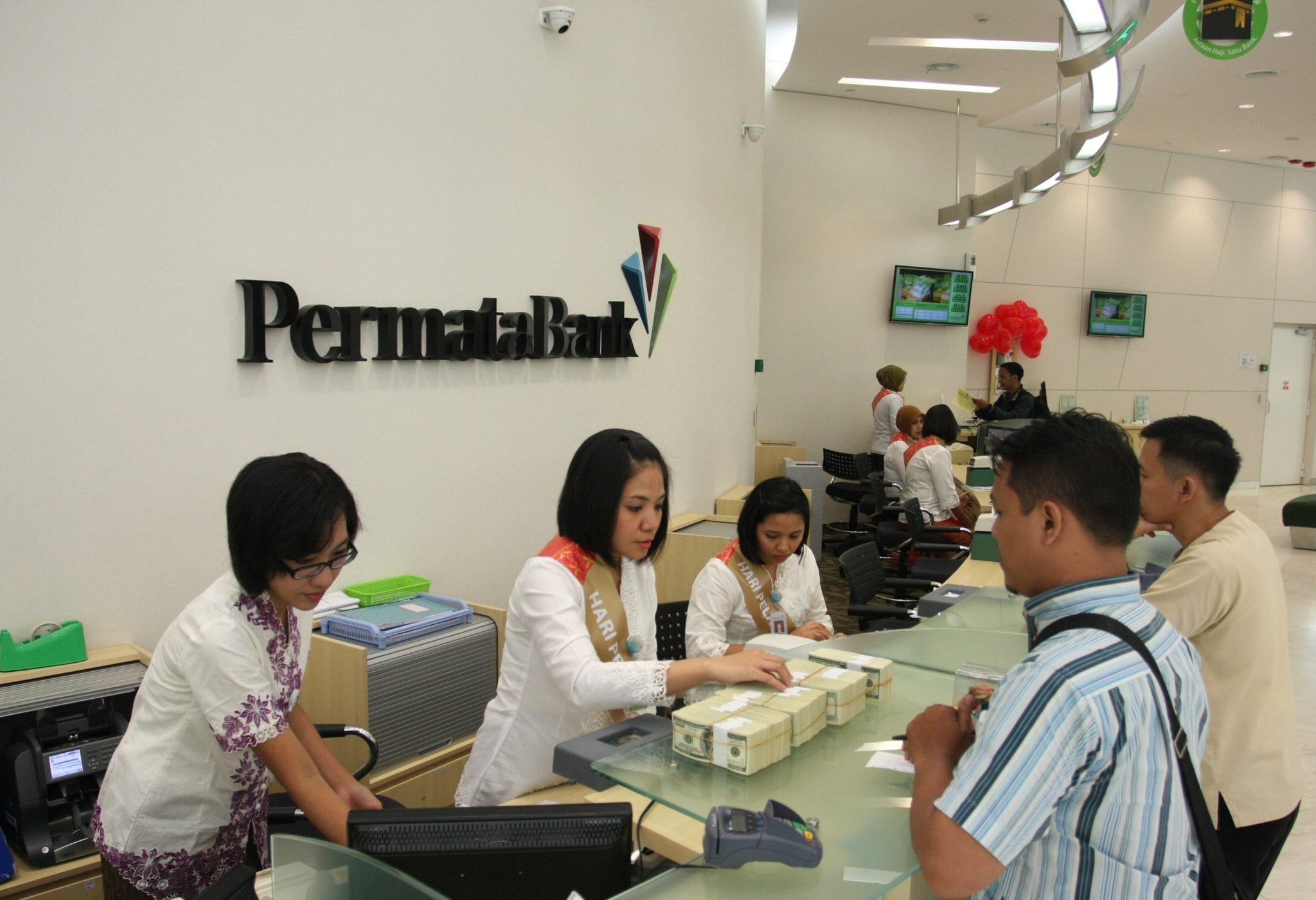
    The two partners will lower the purchase price of the Indonesian bank to 1.63 times Permata’s shareholders’ equity as at March, from 1.77 times the equity.

    Standard Chartered and partner Astra International have agreed to sell their stake combined 89.1 percent stake in Bank Permata to Bangkok Bank at a reduced price if the sale closes before the end of June, Standard Chartered said on Monday.

    This would bring the total amount payable to each stakeholder to 17 trillion Indonesian rupiah ($1.13 billion), based on 1.63 times book value as at December 31, 2019.

    In December, Standard Chartered said it was selling its 44.56 percent stake in the Jakarta-based lender for $1.3 billion, which would be used to fund some of its restructuring over the next three years. Bangkok Bank also acquired a stake of the same size from Astra, a 50.1-per cent subsidiary of Singapore-listed Jardine Cycle & Carriage.

    Permata operates about 330 branches across 62 cities in Indonesia, where it is the country’s 12th-largest lender by assets.

    Bangkok Bank said the acquisition would help it diversify and grow away from its maturing home market. Indonesia is also one of Asia’s fastest-growing economies and has favourable demographics at a time of growing economic integration in Southeast Asia, it said.

  • Brotzeit creates a virtual experience to promote new outlet during Covid-19 crisis

    Brotzeit creates a virtual experience to promote new outlet during Covid-19 crisis

    German-themed restaurant chain Brotzeit engaged a design firm to create a virtual walkthrough video of its new outlet to promote the venue during the coronavirus crisis.

    The 3D walkthrough video of Brotzeit’s new restaurant in Hong Kong was put together by 5 Star Plus Design, which says such technology helps brands strengthen their retail strategy.

    The video creates a virtual extension of the physical restaurant while also providing their guests with an immersive experience.

    Brotzeit engaged the design firm to enhance its existing interior design concept for its latest franchise unit in Hong Kong with modern touches, so as to make it more attractive to both younger guests as well as lunch and dinner customers.

    The videography is intended to align with Brotzeit’s brand strategy, enabling customers to observe the restaurant virtually.

    The Singapore-based German brand operates stores in seven countries across Asia Pacific.

  • Meitu lets retailers test online makeup service during Covid-19

    Meitu lets retailers test online makeup service during Covid-19

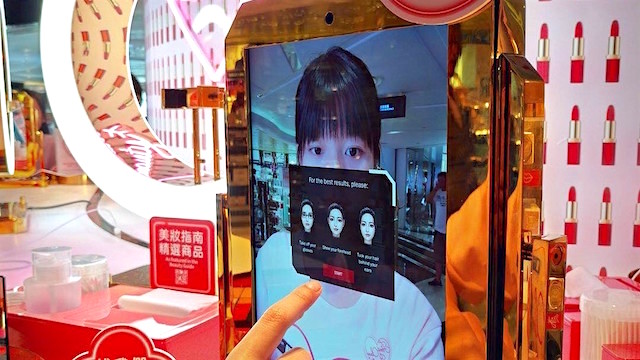
    Chinese imaging app Meitu has offered its AR online makeup trial system to global beauty enterprises and retailers for free to help them overcome difficulties caused by the coronavirus pandemic.

    The firm’s Beauty Industry Support Plan was extended from limited-time free use in specific regions to apply universally. The plan was rolled out as a three-month free trial service in the wake of the outbreak for 10,000 beauty enterprises and retailers, with a three-month extension given to existing users – including Givenchy, Shiseido, Clarins, Bausch + Lomb, DFS, and other partners.

    The software, called the Cosmetic Promotion Assistant, is based on Meitu’s facial-recognition and image-processing technologies and is. The system can also recommend suitable colors and styles based on the user’s facial features. It generates a virtual makeup effect within one minute, and also supports sharing and purchase functions, with multiple payment methods allowed.

    In providing free trials to potential customers, users of the service have seen increased sales of makeup products such as lip gloss, blush, eye shadow, and foundation.

    Enterprises and their beauty assistants are able to configure makeup effects on their own branded websites, which can then be shared to social platforms such as Facebook and Twitter. Purchase links provided on the trial page can redirect users to the vendor’s official website, or marketplaces like Amazon or eBay.

  • Food, gaming and business app downloads soar during crisis

    Food, gaming and business app downloads soar during crisis

    App downloads have soared during the coronavirus crisis, with the business, food & beverage and gaming categories showing the highest growth.

    SaaS company Adjust has published in its App Trends 2020 report, in which it compares app downloads data from the first quarter of this year with the same period in 2019.

    Adjust says business app sessions have undergone a huge rise (an increase of 105 percent over last year), with app downloads surging 70 percent. Revenue events have risen 75 percent, as users select premium app versions to assist the transition to work from home.

    With many restaurants forced to offer takeout-only meals, F&B apps also saw a major increase in sessions (up 73 percent on this time last year). Installs of these apps have gone up by 21 percent.

    But the fastest-growing category for app downloads was Gaming, with a 132-per-cent increase during the last week of March alone. There was a 47-per-cent year-on-year increase in gaming sessions and a 75 percent increase in installs in the first quarter of this year compared to last year.

    “Beyond these increases in installs and sessions, the report shows little evidence to suggest that there’s been a fundamental shift in user behavior post-install,” said Adjust co-founder and CTO Paul H. Muller.

    “Users are still taking the same actions in-app, such as averaging a little above two sessions a day, to churning at predictable points in the customer journey.”

  • Singapore locks down until June

    Singapore locks down until June

    The Singapore government has reduced the list of “essential services” as part of a tougher clampdown on social distancing as it tries to arrest the spread of Covid-19 in the city-state.

    The Ministry of Trade and Industry (MTI) on last night announced a trimmed list essential services applied during the “circuit breaker” period which has been extended for another four weeks and will likely not now end until June 1. Subsequently, more retailers including food and beverage outlets have to temporarily shut down its business – although this is initially going to be enforced only until May 4, subject to extension.

    Here are types of food and beverage retailers that must suspend their operations from today (April 22):

    • All food-and-beverage vending machines located in parks, regardless of what they sell, must be shut. Takeaway and delivery services located in parks are to close.
    • Stores predominantly selling beverages including bubble tea, fruit juice, alcoholic drinks and coffee.
    • Stores predominantly selling packaged snacks and loose snacks including nuts, potato chips, popcorn, bak kwa and cheese.
    • Stores predominantly selling desserts including ice cream, cakes, sweet pastries, grass jelly and red/green bean soup. However, these rules do not apply to hawker centres and food courts. Online retailing of these products is allowed, provided that they are from a licensed central kitchen, manufacturing facility or warehouse of the food-and-beverage company.
    • Optical shops can operate by appointment only, with walk-in customers banned.
    • Pet supplies stores and retail laundry services must close their physical stores, but are permitted to provide online sales and delivery.

    Other food-and-beverage outlets, including those selling hot or cooked snacks, bread or meals, are allowed to continue to sell, but only via takeaway or delivery services during the “circuit breaker” period. Dining-in is not permitted.

    However, the MTI contradicts itself in documentation explaining the new restrictions, possibly due to the rushed pace with which they were prepared. In an appendix, it says that “specialized stores and outlets that predominantly retail” coffee and tea must close. Immediately below that declaration, the MTI says “Only hawker centers, coffee shops and food courts are excluded”.

    So it remains unclear whether coffee chains such as Starbucks are allowed to continue to trade from today. Starbucks had not responded on its Singapore operations before deadline.

    Meanwhile, stores continue to serve hot meals (as well as coffee) may continue to trade – ostensibly selling coffee and meals, but not cakes or sweets (once existing stock runs out). But other media is reporting that stores will be classified by the predominant product they sell, which suggests coffee shops may not continue to trade, as they sell more coffee than meals.

    Inside Retail Asia is awaiting further clarification of this and other points and will update this story as further details come to light.

    Supermarkets and wet markets can continue trading as normal, however social-distancing practices must be observed.

  • Four ways the Covid-19 pandemic will reshape shopping behaviour in Asia

    Four ways the Covid-19 pandemic will reshape shopping behaviour in Asia

    Shopping behavior in Asia will be redefined by the Covid-19 crisis: here are four key trends to expect in the post-pandemic world.

    Retail solutions provider Tofugear has just published the Digital Consumer in Asia 2020 report, based on a survey of 6000 consumers across 12 markets in Asia in February, including markets where the coronavirus pandemic had already impacted retail.

    Due to the timing of the research, the report offers a fascinating glimpse of what online and offline shopping behavior might look like in the region once the recovery sets in. With that in mind, here are some key retail trends we predict will come to define the post-Covid-19 world.

    Shift in spending towards essentials and ‘affordable luxuries’

    Consumer confidence in Asia is currently at an all-time low, with only 27 percent of all shoppers having a positive view about their personal finances over the year ahead. Unsurprisingly, the majority of consumers intend to cut back on big-ticket items such as luxury fashion and furniture.

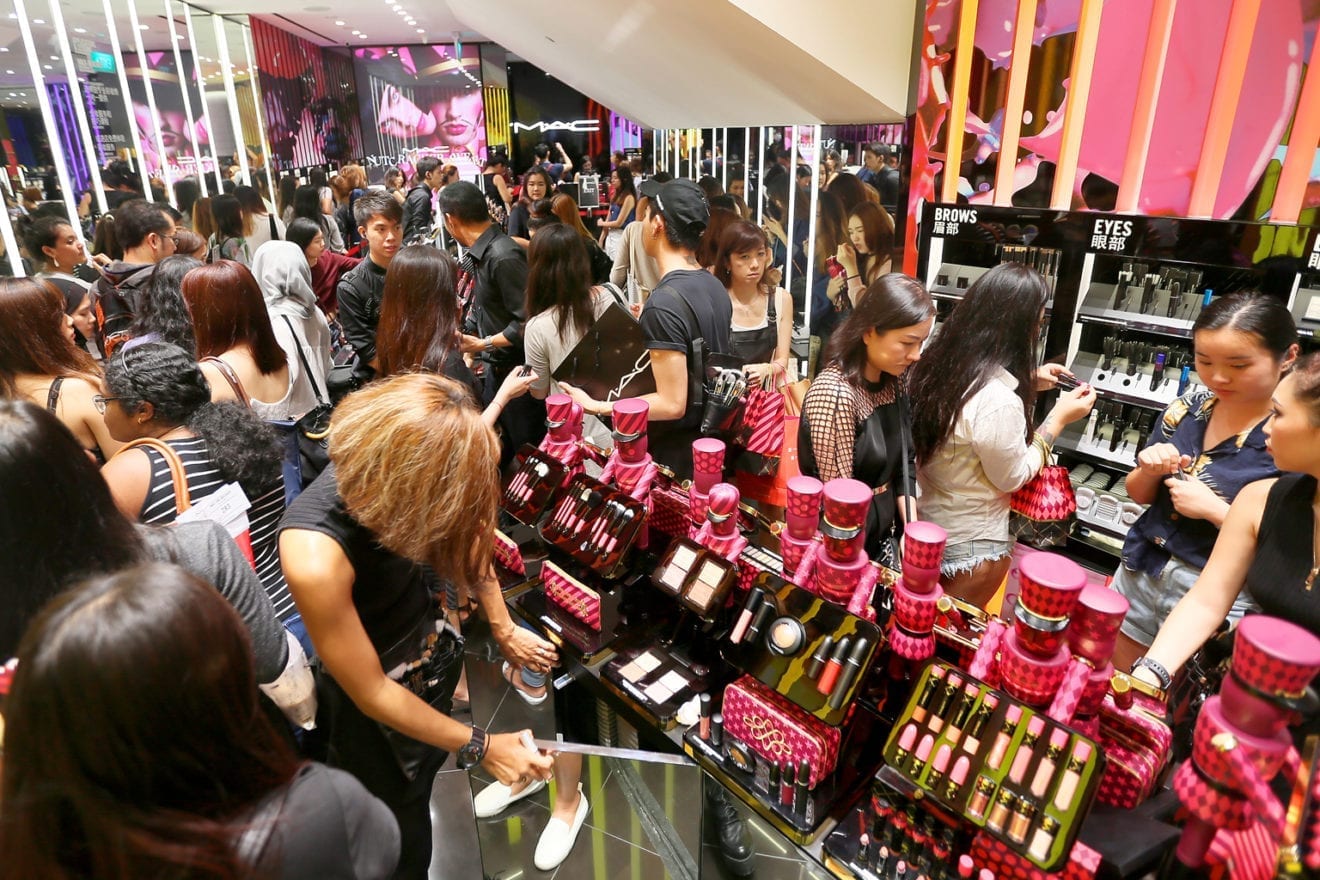
    While demand for essentials such as groceries and household goods will remain firm, four in five Asian consumers also state that they will not be cutting back their expenditure on beauty and personal care items. Many fashion retailers have expanded into the beauty space in recent years, but this is certainly an area that others might want to follow. During times of economic crisis, beauty and cosmetics are seen as affordable luxuries that provide a form of escape from the doom and gloom.

    It has been mentioned many times now, but the pandemic is indeed resulting in a surge in e-commerce activity. Nearly half of all shoppers in Asia intend to increase their online spending versus physical retail over the coming year, while 38 percent will keep it at the same level. With so much spending set to shift to digital commerce, retailers will need to stand out from the competition by sharpening their fulfillment proposition.

    While consumers in Asia value a free shipping service the most (86 percent), in terms of costs this might not be feasible for all retailers. However, offering transparency in the fulfillment process – such as being able to track deliveries (83 percent) and picking a delivery time slot (76 percent) – trumps speedy fulfillment services such as same-day deliveries and delivery within two hours.

    Broader acceptance of retail formats that support the circular economy

    The notion that Asia is behind the curve when it comes to supporting for sustainability initiatives can be put to rest. Two-thirds of all consumers in Asia state that they will consider a brand’s sustainability credentials when making a purchasing decision.

    At the same time, nearly half of all respondents say that they shop for pre-owned and second-hand merchandise – perhaps a noticeably high percentage given the stigma of ‘bad energy’ that surrounds second-hand goods in some markets such as China.

    The report also finds that the acceptance of rental services – such as those offered by Style Theory and Covetella – are gaining traction.  With personal finances expected to remain under pressure, demand for circular business models like these look set to increase further in the next year.

    Technologies that aid social distancing in a physical retail

    Once lockdowns are lifted across Asia, it stands to reason that there will be renewed enthusiasm for simply going out to visit the shops. However, retailers need to take note that the consumer psyche has changed and shoppers will naturally be more hesitant about physical contact in a store setting.

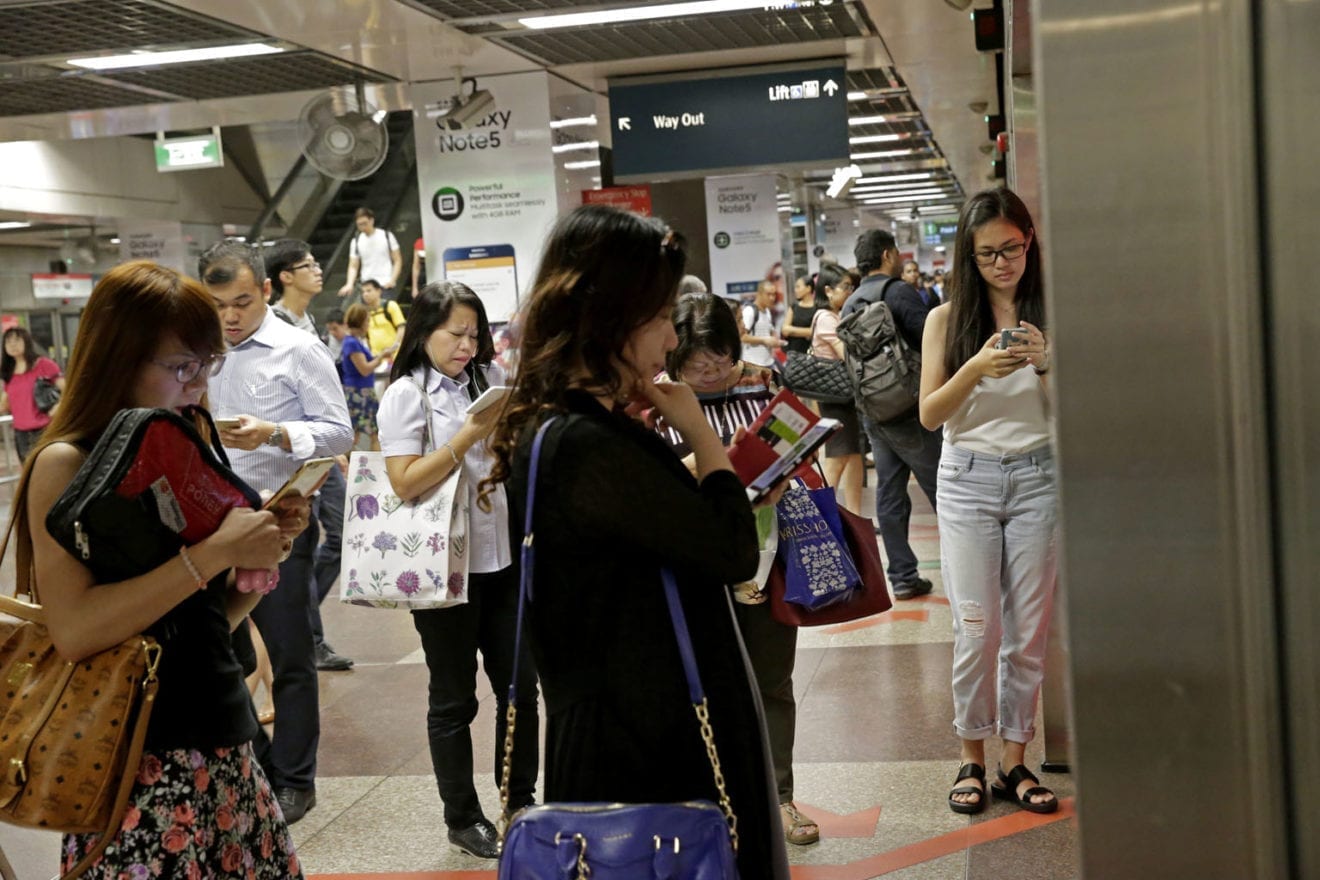
    Brick-and-mortar retailers need to latch on to this sentiment and invest in the appropriate technologies to make shoppers feel more comfortable. Scan-and-go technology, whereby consumers’ mobile phones are used to scan products and pay at the end, would be a great way to achieve this as four in five Asian shoppers (79 percent) state that they are open to using this technology if available. Similarly, 71 percent would make use of automated check-outs – such as those seen in unmanned retail concepts.
  • Zilingo trims staff, refocuses on Asia

    Zilingo trims staff, refocuses on Asia

    Online fashion platform Zilingo has axed about 45 staff, including 30 in its Singapore head office, as it refocuses on Asia in the wake of the coronavirus pandemic.

    The layoffs represent about 5 percent of the company’s global workforce of 900.

    “Zilingo has had to make several tough decisions in line with this approach and last week we announced internally company-wide restructuring measures that reflect this strategic direction,” a spokesperson for the company told DealStreetAsia.

    A year ago, Zilingo raised US$226 million in Series D funding saying at the time it wanted to invest in long-term value building across the supply chain, building new and deeper relationships with manufacturing partners in Vietnam, Cambodia, Sri Lanka and China, and expanding into new markets such as the Philippines, Indonesia, Australia and the US.

    Another $100 million was raised last September to fund growth in Europe, Australia and the Middle East.

    However, with fewer people buying fashion during the Covid-19 pandemic, the five-year-old company has decided to rein in its global reach, to concentrate on Asia and developing markets, shelving operations in the US and Europe.

    “As we continue with the internal reorganization and move forward, we seek the support and cooperation of our merchant partners, sellers and the Zilingo family at large in our combined efforts,” the spokesperson said.

    Zilingo has previously revealed its platform links 60,000 retail partners and 6000 factories spanning 17 countries.

  • Facebook invest $5.7 billion in Reliance Industries to capitalise on India’s booming tech sector

    Facebook invest $5.7 billion in Reliance Industries to capitalise on India’s booming tech sector

    Facebook has committed to a multi-billion investment in Mukesh Ambani’s Reliance Industries, ensuring that Facebook has an increased presence in India at a time when digital technology is booming. That investment takes the form of a US$5.7 billion outlay by Facebook to acquire a 9.99% stake in Jio Platforms, the digital technology branch of Reliance.

    This will give Mark Zuckerberg’s company access to Reliance Jio, the network that commands around 57% of the Indian broadband market, while providing a stronger platform to launch a new WhatsApp payment venture in a country where around 400 million people use the messaging service.

    This gives Facebook a foothold in India at a time when government regulations are making foreign investment increasingly difficult. This deal also benefits Reliance; Ambani may be India’s richest person, but the Facebook investment will deliver vital capital in his quest to eliminate all debt by March 2021.

    Possible effects of Facebook’s investment

    Amazon and Walmart have both cornered a significant share of India’s e-commerce trade, while Netflix committed to a $400 million investment on Indian content in 2019 and 2020. These companies have altered the retail and streaming landscapes respectively, with Facebook’s partnership with Reliance Industries likely to have a similar effect on technology and finance in India.

    https://www.facebook.com/Jio/posts/1949554658502959

    A rise in digital payments

    Financial digitization is something that the Indian government has striven for in recent years. One objective of the 2016 banknote demonetization was to reduce the prevalence of cash payments, although this strategy was poorly executed and poorly received. Facebook’s ability to integrate seamlessly into everyday consumer life may prove more successful than the government-driven push for digitization.

    Ambani has stated his intention for his commerce platform Jio Mart to combine with WhatsApp technology in order to assist with digital transactions for ‘mom and pop’ stores. The Reliance owner spoke of a desire to connect with 30 million of these shops to give them a platform to better cater to their clientele. Combining Facebook tech with the established interface of Jio will help small vendors to set up online stores with minimal fuss to facilitate deliveries and increase trade.

    More confidence with online financial services

    A corollary of digital payments becoming commonplace will be that an even larger proportion of the population will feel comfortable with using technology for financial purposes. This could manifest in a greater acceptance for a digital coin in India; this is something that the National Institute for Smart Government (NISG) proposed at the start of 2020, with a digital rupee driven by blockchain tech more likely to be accepted by consumers familiar with virtual payments.

    Online trading could also benefit alongside cryptocurrencies. Digitized payments destroy the notion that transactions have to incorporate money changing hands, illustrating the appeal of online foreign exchange platforms where users can purchase and sell currencies at the click of a button. With many of the best forex bonuses geared towards beginners, an indirect result of Facebook’s investment could be inspiring a new wave of traders to further explore the links between finance and technology.

    More connectivity

    With a population of 1.38 billion, India is a massive market that warrants significant investments from global brands. Over 1 billion of those people own a mobile device, while around 615 million people have access to broadband. India boasts the lowest mobile data costs in the world; 1GB of mobile data can be purchased for just $0.26, whereas the same acquisition can cost over $12 in the United States.

    Consultancy firm PwC estimates that there may be 800 million internet users in India by 2022, so Facebook are gaining access to the market at a timely moment. Facebook will not just be collaborating with Jio to take advantage of low data costs and high internet access, but the two will also seek to expand and enhance the ways that the country is connected.

    In a Facebook post, Zuckerberg stated his intention to deliver reliable digital tools to help India’s 60 million small business provide for their customers. Digital payments may become more popular thanks to the WhatsApp Pay service, while Facebook’s involvement will support the vast tech services that Jio is already providing.


  • Vestiaire Collective raises US$64 million in fresh funds

    Vestiaire Collective raises US$64 million in fresh funds

    Vestiaire Collective has raised US$64.1 million in its new funding, with new investors Korelya Capital backed by Korean technology giant Naver, operator of Line.

    Managed by Fidelity International, Vaultier7 and Cuir Invest, the funds will be used to accelerate Vestiaire Collective’s international business beyond the countries where the company’s community is already well established, the company said in a statement.

    With Korelya Capital as a new investor, which is backed by Korean conglomerate Naver, the company hopes to expand its network to Japan and Korea next year.

    “I am personally convinced that this unprecedented period of disruption will not only challenge where we shop but how we shop,” said Max Bittner, CEO of Vestiaire Collective. “Vestiaire Collective was built during the 2008 crisis, and proves today how it can help people in their daily life to make the most out of their belongings, but also to access fashion in a sustainable and conscious way.”

    The round will also be used to expand its direct-shipping service launch in the US this summer followed by Asia later this year, after its successful launch in Europe last year with the growing rate of more than 60 percent month on month.

    “As we all take a step back and contemplate the way we live, we believe consumption patterns are on the verge of a deep structural evolution, and C2C platforms have a strong role to play here,” said Paul Degueuse, general partner of Korelya Capital.

    During the Covid-19 pandemic, Vestiaire Collective launched coronavirus charity sales in the US, European and Asian countries, including Hong Kong and Singapore recently.

    Founded in Paris in 2009, Vestiaire Collective is an online platform offering pre-owned luxury fashion items with the ambition to change the fashion industry to a smarter and more circular system. Vestiaire Collective now has more than 9 million members from more than 90 countries across Europe, the US, Asia and Australia, with 60,000 new items submitted every week.

  • WhatsApp doubles the limit of participants in group audio and video calls

    WhatsApp doubles the limit of participants in group audio and video calls

    We told you less than a week ago that WhatsApp plans to increase the limit of participants in group audio and video calls, but we didn’t know by how many and when exactly it will happen. If you’re using the beta version of WhatsApp, we’re happy to tell you that group audio and video calls feature has been upgraded to accommodate more participants.

    As the title says, WhatsApp has decided to double the number of users who can participate in a group audio and video call. WABetaInfo reports that the latest beta version of WhatsApp increases the limit of participants to 8, whereas the app would only accept a maximum of 4 participants previously.

    To start using the new feature, all your contacts must use the same version of WhatsApp. Then, you must tap the New Group Call option in the Call tab and choose up to 7 more contacts from your list who you wish to invite in a group audio or video call.

    Apart from increasing the number of participants that can join audio and video call groups, WhatsApp implemented some other small, but helpful changes. For example, the call button that you use in groups will now allow users to directly start a call with group members if the group has 4 or fewer participants.

    If the group has more than 4 participants, you will be able to choose the contacts you want to add to the group call immediately after tapping the call button. Once again, these improvements are only available in the WhatsApp beta for Android (v.2.2.128), but we suspect they will be rolled out to the general public very soon.

  • Deliveroo cuts Pickup commission rate

    Deliveroo cuts Pickup commission rate

    Food delivery service Deliveroo is reducing its Pickup service commissions to 5 percent for its operations in Hong Kong.

    The move is expected to provide relief to restaurants struggling to generate revenue during the coronavirus outbreak with tough social distancing regulations in place throughout the territory.

    The new rate will apply to all Deliveroo partnering restaurants through to the end of June who accepts orders through the Deliveroo platform from customers who opt to collect their food directly from the restaurant.

    “At Deliveroo we know that every customer can make a world of difference to our restaurant partners at this critical time, and so we have consistently rolled out new measures to continue our support,” said Deliveroo Hong Kong GM Brian Lo.

    “Pickup offers a faster option for customers to order their food through Deliveroo in times of high demand, and also allows for people to order for collection from restaurants that may not provide delivery services or order products that may not be suitable for delivery. The service also benefits restaurants by opening up an additional revenue stream as Pickup gives people the option of ordering food-on-the-go – enabling restaurants to reach a new wave of customers.”

    Some 60–70 percent of the 1500 restaurants joining Deliveroo since January have opted into Deliveroo’s Pickup service. Deliveroo has seen 300-per-cent growth in both restaurants offering Pickup services and Pickup’s order volume during the first quarter.

    “It’s no surprise that the most recent measures by the government to reduce in-house restaurant services by 50 percent have been felt across the city and to our operations,” said Deliveroo restaurant partner Ootoya’s GM Hiroyasu Kageyama.

    “However, we’ve been able to make up for lost in-house sales with more proactive marketing for delivery and pick-up. This is largely in thanks to Deliveroo’s compassionate efforts to help us adapt and reach new customers online – with them as our partner, we’ve been able to stay optimistic and find new ways to innovate.”

    Pickup services from Deliveroo officially launched earlier this month to give hungry Hongkongers the chance to skip the delivery fee, and conveniently pick up their meals without standing in line at their desired restaurants. Once customers have selected the Pickup option, they will be shown the precise collection time and be kept up to date through app notifications, enabling them to drop in and grab their food immediately.

  • AirAsia counters most active after flight resumption announcement

    AirAsia counters most active after flight resumption announcement

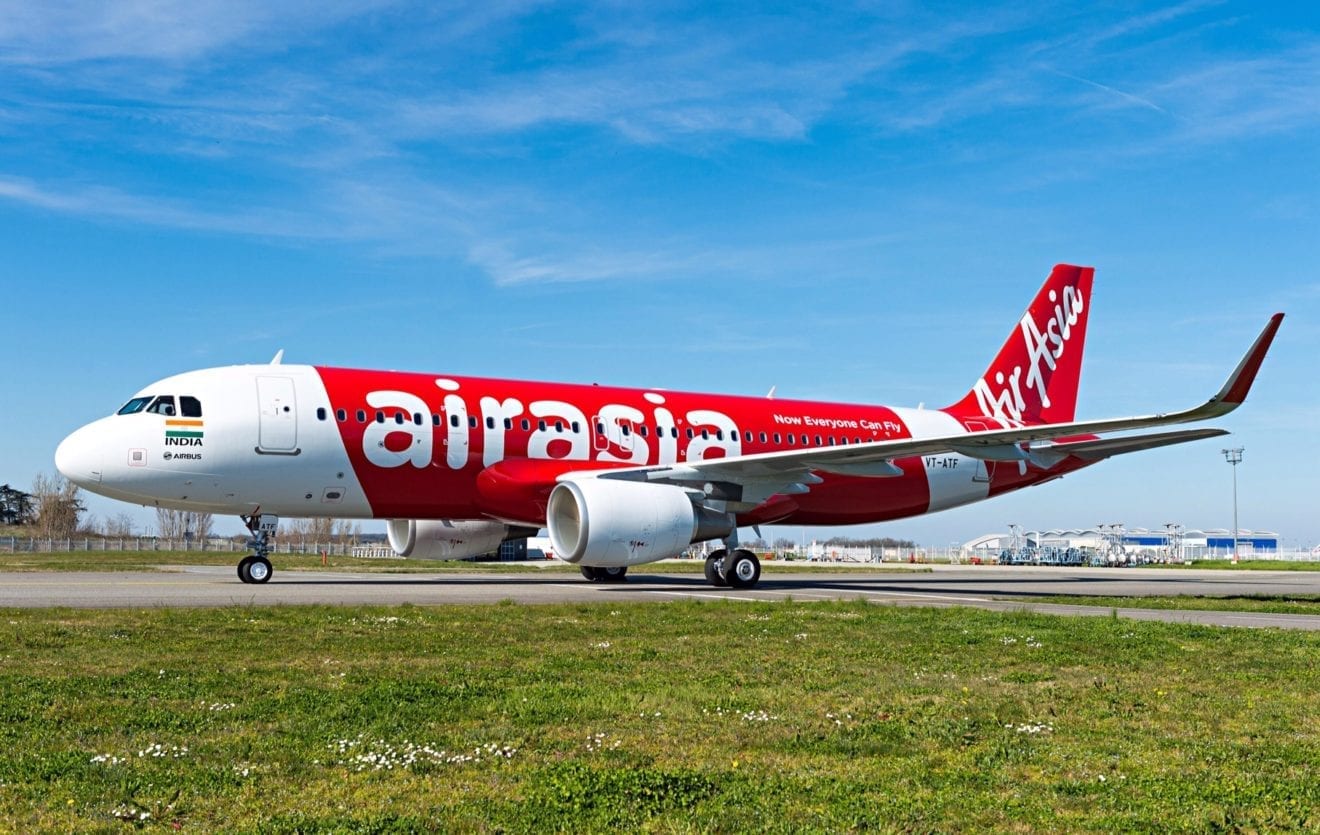
    AirAsia counters emerged as among the most active stocks on Bursa Malaysia today, after the low-cost carrier announced it will resume its scheduled domestic flights, beginning with Malaysia on April 29, 2020.

    As at 3.31 pm, AirAsia Group Bhd rose 8.5 sen to 87 sen with 151.61 million shares changing hands, while its long-haul arm, AirAsia X Bhd, increased by four sen to 12 sen with a sum of 440.99 million shares transacted.

    On Friday, AirAsia said beside Malaysia, the airline would also resume its domestic flight in Thailand and the Philippines on May 1, 2020, followed by India on May 4, 2020 and Indonesia on May 7, 2020, subject to approval from authorities.

    “The resumption of services will first be for key selected domestic routes, which will be increased gradually to include international destinations once the situation improves and governments lift borders and travel restrictions,” it said.

    AirAsia Group president (airlines) Bo Lingam said AirAsia has undertaken a thorough review of its guest handling procedures both on the ground and onboard in light of the COVID-19 pandemic.

    “We have been working closely with the airport authorities to ensure that all the relevant precautionary measures are in place to ensure a safe, pleasant and comfortable journey for everyone,” he said.

  • Zalora pursues sustainable fashion ecosystem in Southeast Asia

    Zalora pursues sustainable fashion ecosystem in Southeast Asia

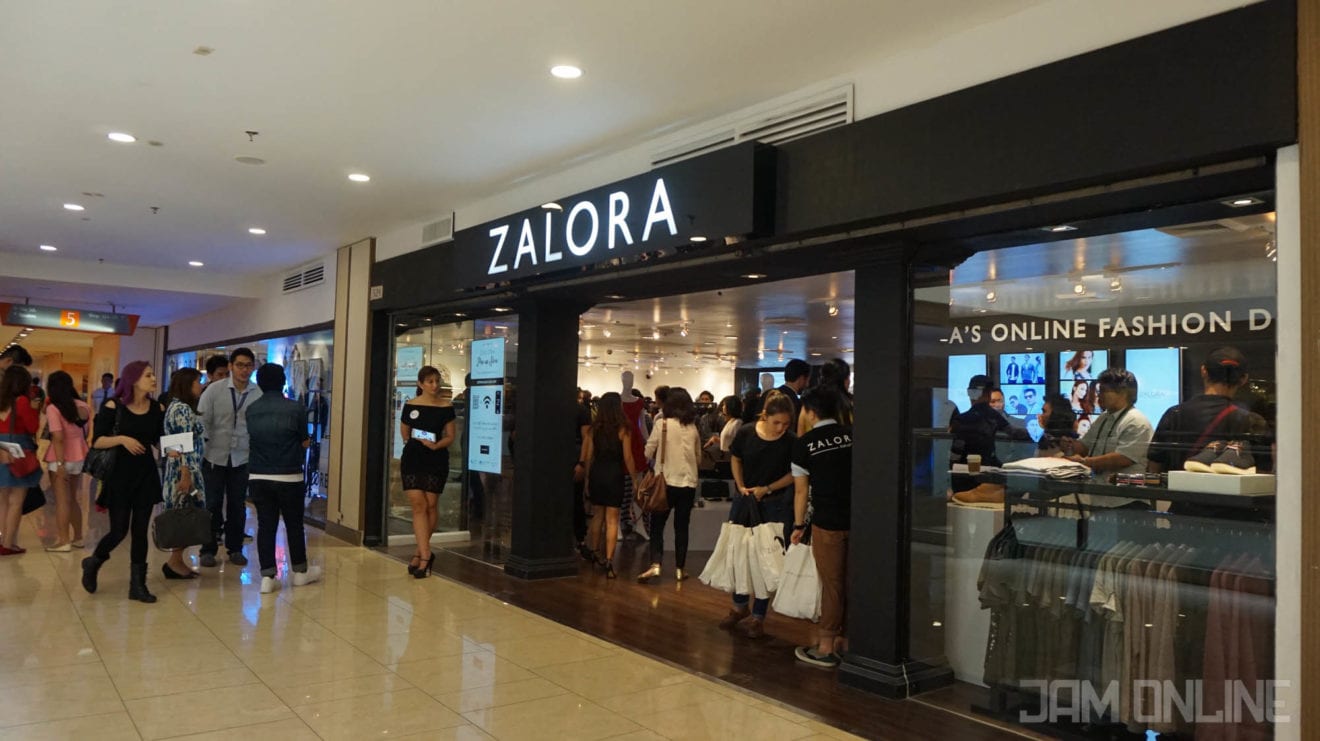
    Zalora is positioning itself as the first online fashion retailer in Southeast Asia to create a sustainable fashion ecosystem, achieving positive change in environmental impact, and inspiring customers to shop in a more conscious way.

    The firm’s new strategy aims to make commitments to customers, brands, vendors, and employees during 2022–2025 period.

    “As a leading fashion e-commerce player that serves millions of customers in the region, we recognize the impact we can have in creating a better future through a sustainable fashion ecosystem in Southeast Asia,” said Zalora CEO Gunjan Soni.

    “We want more consumers today to buy sustainable products and participate in the circular economy. We want to inspire our customers to contribute to these sustainable practices by making it easy for them and educating on benefits.”

    The firm is committing to reducing the impact of its packaging, warehouses, and transportation along its entire supply chain, ensuring that 100 percent of delivery and internal packaging incorporates sustainable materials within two years. It also plans to achieve complete carbon offset from its operations and transport by the end of 2025.

    Zalora is also aiming to help customers shift towards conscious shopping and extending the life cycle of fashion items, aiming for 50 percent of its products to meet its sustainability criteria, with 30 percent of active consumers participating in circular fashion initiatives within the period.

    Another feature of Zalora’s planned sustainable fashion ecosystem is a focus on enhancing supply chain ethical standards and transparency, including the launch of a private label capsule made from sustainable materials. Forty percent of its products will use sustainable materials by 2025.

    It is also asking Zalora employees to contribute to 20,000 community volunteering hours per year by the end of 2025.

    In December last year, the firm partnered with luxury marketplace reseller Style Tribute in Malaysia and Singapore, allowing consumers to purchase pre-loved fashion luxury items on Zalora’s website and mobile app.