Author: Mei Ling Tan

  • Victoria’s Secret deal may be off as L Brands

    Victoria’s Secret deal may be off as L Brands

    Sycamore Partners’ rescue plan for troubled lingerie retailer L Brands is all but off with the two companies headed to court after the private-equity company unilaterally canceled the bid.

    Sycamore agreed to pay US$525 million for a 55 percent stake in L Brands, the parent of Victoria’s Secret, back in February in a deal most analysts at the time considered a bargain. But the subsequent advent of the coronavirus pandemic which saw most of the company’s stores shuttered, decimating sales, has made L Brands even less desirable, even at that price.

    On Wednesday, Sycamore notified L Brands it was terminating the deal, a move the target company described as “invalid”.

    Sycamore is claiming that by closing stores, laying off staff and withholding rent, L Brands was in breach of the sale agreement under which the retailer was obliged to continue to conduct business ‘as usual’ ahead of settlement.

    In a statement, L Brands said it would “vigorously defend the lawsuit and pursue all legal remedies to enforce its contractual rights, including the right of specific performance”.

    L Brands’ share price took a 20-per-cent hit in the wake of Sycamore’s actions.

  • Kia Motors Europe Post Record Electrified Vehicles Sales In Q1

    Kia Motors Europe Post Record Electrified Vehicles Sales In Q1

    Electric and electrified vehicles are gradually picking up the pace in the global car market and carmakers that already have already ventured into that space have been gaining traction as well. Kia Motors has posted record sales of new hybrid and electric vehicles in the European market in the first quarter of 2020, despite a decline in total vehicle sales owing to the coronavirus crisis. Kia also captured its highest-ever share in the European market in the same period.

    Kia’s total sales in Europe declined by 14.5 percent at 1,13,026 units in the first quarter of 2020 compared to 1,32,174 units sold in the same period last year. However, the decline was lesser compared to last year helping Kia to achieve an all-time high market share of 3.7 percent. Sales of hybrid, plug-in hybrid, and electric vehicles grew by 20.8 percent to 21,340 units in the same period. Electrified models now account 18.9 percent sales in the European market, up from 13.4 percent.

    Emilio Herrera, Chief Operating Officer (COO)- Kia Motors Europe said, “The first three months of 2020 have been challenging for the whole industry due to social distancing and lockdown measures adopted across many European markets. However, we have seen growing sales for Kia’s range of hybrid and electric cars – every electrified model line we sell in Europe has seen sales growth this quarter. The arrival of new plug-in hybrid models, improved availability of EVs, and an expanded Ceed model family has also boosted our sales and market share this quarter.”

    In the first three months of 2020, Kia’s battery electric vehicles, the e-Niro and e-Soul, accounted for 32 percent of all electrified vehicle sales, up from 22 percent in 2019. Plug-in hybrid models, including new Plug-in Hybrid variants of the XCeed and Ceed Sportswagon, also grew in popularity, and now account for 30 percent of all electrified Kia sales.

  • Chinese Prestige Time Experience store opens in Hong Kong

    Chinese Prestige Time Experience store opens in Hong Kong

    Hong Kong’s first Chinese Prestige Time Experience store has launched in Yue Hwa.

    Opened by Sun International Concepts, the outlet serves as a platform to showcase multiple Chinese watch brands, aiming to promote Chinese watch culture against the backdrop of the coronavirus outbreak.

    As the first platform for Chinese watch brands in the territory, consumers can find long-established brands such as Seagull, Shanghai, Beijing and Peacock – all of which have a 60-year history – alongside modern brands.

    A “Lab Tourbillon” area within the store introduces a variety of designer watches highlighting and introducing advances in Chinese tourbillon craftsmanship to the Hong Kong market.

    The 80,000sqft Yue Hwa store has traded in fine Chinese products within Hong Kong since 1959.

  • Online retail the ‘silver lining’ in Singapore retail space

    Online retail the ‘silver lining’ in Singapore retail space

    The Singapore retail real estate market has weakened amidst the coronavirus pandemic, according to a quarterly market report released by Edmund Tie.

    Transactions fell across all real estate sectors despite significant support measures passed by the government under its Unity Budget, Resilience and Solidarity Packages.

    In retail, an industry already battling a recession throughout last year, with weak signs of recovery reversed by the outbreak, travel restrictions and social-distancing measures are thought to have largely contributed to a downturn in sales.

    Turnover by retailers in prominent Singapore retail districts such as Chinatown plummeted by as much as 80 percent. Sales at Jewel Changi Airport contracted by as much as 70 percent in the same month.

    “A silver lining in this otherwise gloomy scenario is that the demand for online shopping has surged, as people turned to e-commerce in lieu of physical stores,” said Edmund Tie’s paper. In February, online retail sales accounted for 7.4 percent of total retail transactions, up from 5.5 percent in January.

    “The pandemic will fast-track the adoption of technology, from omnichannel retailing to greater use of data analytics to better understand consumers and their preferences,” said Edmund Tie CEO Ong Choon Fah.

    “New and creative ideas will emerge when the situation stabilizes and we enter a new normal. The diversification of revenue streams arising from adopting an omnichannel approach will make retailers more resilient over the long term.

  • Central Pattana improves Covid-19 communication to reassure shoppers

    Central Pattana improves Covid-19 communication to reassure shoppers

    Thai shopping center operator Central Pattana is promoting new hygiene and preventive measures to reassure customers their centers are safe during the coronavirus pandemic.

    Central Pattana’s ‘Central’s Hygiene and Safety’ plan is designed to reassure customers that the highest standards of hygiene and safety are being observed in shopping centers should they need to visit for buying essential products.

    The new plan covers five key core ideas with more than 75 measures, including extra screening, social distancing, safety tracking, extra cleaning and a touchless experience.

    “Despite some uncertainty around the current Covid-19 situation, the company is deeply concerned and has been proactively pioneering a master plan … to implement in our shopping centers, stores and with employees to help curb the spread of the pandemic and to ensure everyone’s highest safety at our shopping centers,” said Central Pattana deputy CEO Wallaya Chirathivat.

    “In response to this ‘new normal’ of changing consumer behavior facing the pandemic, this master plan is open as a guideline for general use for the best interest of the nation to hereafter set a new retail and social norm.”

    Central Pattana’s properties include CentralWorld, CentralPlaza, CentralFestival, Central Phuket and Central Village malls.

    “Central Pattana has been fully cooperating with the government’s mandates as well as encouraging social distancing,” added Wallaya, “… in the midst of this uncertainty, the re-opening of our shopping centers will be strictly in compliance with government’s mandate.”

  • H&M tops fashion transparency

    H&M tops fashion transparency

    Fashion Revolution has crowned H&M the most transparent fashion business in the world in 2019, scoring 73 percent of a possible 250 points in its annual Fashion Transparency Index.

    The index ranks the world’s largest fashion brands according to how much they disclose about their social and environmental policies, practices and impacts across a number of topics, including animal welfare, forced labor, gender equality, living wages, waste and recycling, and more.

    Following H&M was C&A at 70 percent, and Adidas and Reebok at 69 percent each. The average overall score across the 198 brands reviewed landed at 25 percent, 3 percentage points higher than 2019.

    However, an ongoing issue remains that brands tend to disclose more about the policies in a vacuum, and not touch on how these policies are put into action and detailing outcomes, results, and progress.

    And the types of information that is used on brand websites and documents are generally repeated and slightly altered for each document or page, generally with no substantive difference in what is said.

    “Some brands use a large number of filler words and fluffy explanations and details that obscure what information or data is actually relevant and useful for external stakeholders. We’ve even found instances of conflicting facts and statistics,” Fashion Revolution wrote.

    “It can be counterproductive to transparency and accountability. Not everyone has the hours and days it can sometimes take to decipher what brands are actually disclosing and how to use this information in an effective way.”

    After ranking 220 of the biggest fashion brands in the world, Fashion Revolution laid out actions to be taken in the industry over the next 12 months to improve transparency further.

    Firstly, brands should publicly disclose their suppliers beginning with the first tier, but should continue all the way down to the raw material level.

    Secondly, honoring contracts and paying suppliers through the COVID-19 crisis will help keep supply chain workers employed and supported.

    There should also be more information published about brands’ environmental impacts, including the number of carbon emissions, water consumption, pollution and waste created, as well as what is being done to address these concerns.

    And, finally, Fashion Revolution urges brands to answer customer questions on social media or email with practical information, not just with policy information and brand principles. This way, customers can join brands on their sustainability journeys and help to hold them accountable.

    “Transparency is the first step towards a different culture, one where brands become open and accountable, and customers are ready to become vigilant and ask, ‘who made my clothes?’,” said Fashion Revolution co-founder Orsola de Castro.

  • UOB Offers Liquidity Boost to SMEs

    UOB Offers Liquidity Boost to SMEs

    Businesses that require urgent access to funding to stay afloat during the Covid-19 outbreak can take up pre-approved loans of up to S$200,000 ($140,000) and only service the interest until December 31.

    UOB has announced collateral-free loans to help small and medium enterprises, especially those from hard-hit sectors such as retail and food and beverage, gain access to much-needed funds quickly.

    According to a statement on Tuesday, this will be offered to customers with a good repayment track record and at least a 12-month borrowing relationship with the bank, and the funds will be available in two business days.

    UOB said that as a result of the Covid-19 outbreak, it has seen more customers who are seeking loans to provide their businesses with liquidity, citing a threefold increase in loan approvals from January to March this year.

    The reality is that small businesses already operate on tight cash flow and do not have the liquidity to withstand the prolonged economic shock that is expected from the Covid-19 pandemic. As such, they require urgent access to funding in order to stay afloat, said Lawrence Loh, head of group business banking, UOB.

  • Burger chain Eggslut set to open in Korea and Singapore

    Burger chain Eggslut set to open in Korea and Singapore

    SPC Group, operator of Shake Shack in South Korea, is bringing Eggslut, the California-based egg sandwich chain, to Seoul.

    The group has acquired the rights to exclusively operate in South Korea and Singapore. The first Korean Eggslut store will be launched at the Starfield Coex Mall in Seoul in June.

    Details of a Singapore launch have yet to be revealed.

    “We are pleased to show Korean guests the special taste of Eggslut, which means someone who loves eggs,” said Jeff Vales, co-founder of Eggslut.

    “SPC Samlip has the standout production and supply chain of eggs, meat processing, vegetables, sauces, etc. based on baking technology. Therefore SPC Samlip is the best partner to maintain the high quality of the Eggslut menus,” he added.

    Founded by chef Alvin Cailan in 2011, Eggslut is famous for its egg sandwich made with a brioche bun, coddled egg and sriracha mayo sauce. The chain now operates stores in four countries including the UK and Japan.

  • Cath Kidston to close UK stores and stronger focus on Asia

    Cath Kidston to close UK stores and stronger focus on Asia

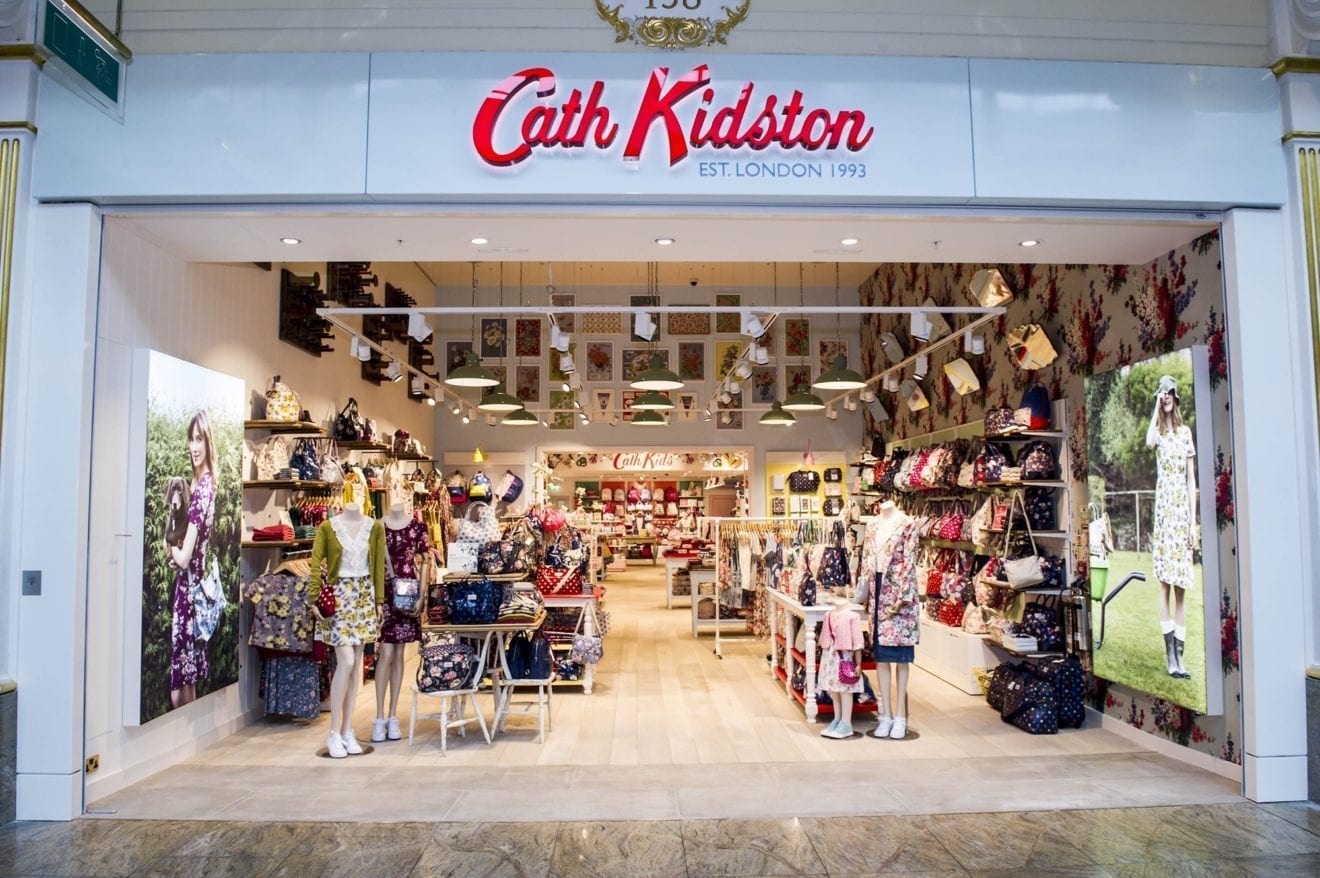
    British home-furnishings and apparel retailer Cath Kidston will permanently close all 60 of its stores in the UK, realigning itself as a wholesaler and online brand.

    The locations, currently shuttered due to the coronavirus lockdown, will not reopen once the crisis is over following its parent company Baring Private Equity Asia securing a pre-pack administration deal under which it bought back the brand and online operations.

    The firm’s stores in Asia, including Malaysia, will continue to trade as normal after lockdowns are lifted.

    The closure of physical stores in Britain has put 908 staff out of work, with only 32 positions spared.

    Measures to revive the flailing business were apparently working before the emergence of the coronavirus outbreak.

    “While we are pleased that the future of Cath Kidston has been secured, this is obviously an extremely difficult day as we say goodbye to many colleagues,” said Cath Kidston CEO Melinda Paraie. “Despite our very best efforts, against the backdrop of Covid-19, we were unable to secure a solvent sale of the business which would have allowed us to avoid administration and carry on trading in our current form.

    The brand will live on in the territory as a digital business.

    “Going forward we will continue to help the company grow through its e-commerce platform and international wholesale and franchise businesses,” said a spokesperson for Baring Private Equity Asia, adding that the firm’s management had established “a viable future for the business in the UK.”

  • Ex-Deutsche Banker Kicks Off Japanese Crypto Exchange

    Ex-Deutsche Banker Kicks Off Japanese Crypto Exchange

    Japan’s FXCoin will begin operations after more than two years of building its foundation led by founder and chief executive Tomoo Onishi – ironically an ex-FX sales manager with Deutsche Bank.

    The exchange has begun accepting applications to open accounts and will initially focus on Bitcoin, according to a report – a timely choice given its more than 40 percent surge since mid-March. FXcoin has plans to later expand into other cryptocurrencies like Ripple and Litecoin.

    The firm will also target to increase its headcount to 50 by year-end, from its current 36, and begin profiting by 2021-end with no quantitative earnings target.

    FXcoin, backed by Softbank subsidiary and financial conglomerate SBI, is amongst the 23 exchange operators registered with Japan’s regulator.

    Onishi expects digital currencies to benefit from the ongoing coronavirus pandemic, due to ample cash flooding the market from global stimulus measures. What’s more, he notes that there is evidence that the new asset class’ price movements are uncorrelated with conversational asset prices in the long-term – a key differentiator in a market rushing to find diversification into real alternatives in an increasingly correlated world.

    Despite his bullishness, Onishi still provides the standard investor warning, underlining that no asset is absolutely safe.

  • UBS Tops Broadridge’s China Rankings for Asset Managers

    UBS Tops Broadridge’s China Rankings for Asset Managers

    UBS Global Asset Management took the top of Broadridge’s ranking of global asset managers in China, based on a survey of 50 fund gatekeepers from the mainland market.

    The survey is based on six criteria: brand perception, China fund assets under management (AUM), global investment strength, local business operations and scope, and the firm’s strategic prioritization of the China market.

    The Swiss asset manager took the top spot again – the firmed first launched the rankings in October 2019 – followed by J.P. Morgan and Blackrock. By AUM size, Blackrock, UBS, DWS, Invesco and Fidelity all ranked in the top five.

    As with many other things in the mainland market, brand name matters and it often has stronger effects to distribution than other more mature markets that may use a portfolio of diverse instruments such as through discretionary mandates.

    The survey highlighted both J.P. Morgan and Fidelity for their strong efforts in this regard, with the former taking the top rank – it scored high across all 50 respondents – and the latter breaking the top 10 as a new entrant.

    Despite an ongoing global pandemic, global asset managers continue to capitalize on a historic opportunity to enter the mainland market with such deep levels of participation, sometimes at the wholly-owned level. J.P. Morgan will look to invest $1 billion to take full ownership of its joint venture partner China International Fund Management (CIFM). BlackRock and Singapore’s Temasek are in talks with China Construction Bank’s wealth unit to form a new asset management joint venture.

    Barring further COVID-19 related setbacks in the mainland, we see that global managers are well set to resume the rapid ramp-up of their onshore presence, said Yoon Ng, Broadridge’s senior director of APAC insights, adding that local authorities are expected to keep opening up the financial sector as planned.

  • Citi to Hand Job Offers to All Summer Interns

    Citi to Hand Job Offers to All Summer Interns

    Fears among graduates that virtual or shortened internship programs at banks amid the Covid-19 pandemic will make it more difficult for them to secure a job after completing the program have been alleviated, at least for Citi’s summer interns.

    The bank previously announced that its summer internship program would be delayed from June 1 to July 6, and shortened to five weeks, as a result of the escalation of the virus outbreak. In a statement on Tuesday, it promised the 76 students of its incoming batch a full-time analyst role if they meet the minimum requirements of the program.

    Citi’s offer also promises to pay the interns for the 10-12 weeks despite the truncated program, essentially giving them at least five weeks’ paid leave. Four out of five of this year’s batch of summer interns in Singapore are from local universities. They will be attached to one of the bank’s eight business or technology divisions.

    While these are trying times, we recognized that it is temporary and remain unwaveringly committed in our strategy to build a strong, diverse talent pipeline through key initiatives such as our summer internship program, Jorge Osorio, Head of Human Resources, Citi Singapore, said in a statement on Wednesday.

    Interns at banks usually have to compete for the openings available, and it is not unusual for only half the batch of interns at banks to receive job offers, according to jobs portal eFinancial Careers.

    Other banks have also made changes to their internship programs this year as a result of the ongoing pandemic: Credit Suisse has converted its EMEA spring internship into a virtual program, while Goldman Sachs previously announced that it would be halving the duration of its summer analyst program but will pay participants for the full 10 weeks.

  • FairPrice launches mobile supermarket in Singapore

    FairPrice launches mobile supermarket in Singapore

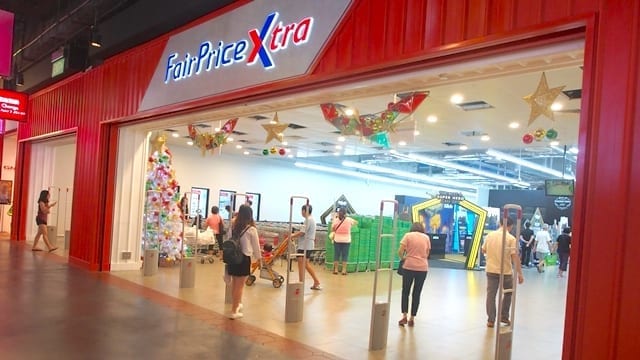
    Singapore supermarket chain FairPrice has launched a mobile grocery service dubbed ‘FairPrice on Wheels’, delivering essential groceries closer to customers’ homes.

    With FairPrice on Wheels, customers living far away from supermarkets can now buy products from FairPrice’s vans parked near their home. Essential products include rice, milk, eggs, canned products, vegetables and toiletries. FairPrice has imposed purchase limits on these products as per below:

    “While we encourage everyone to stay home during the circuit breaker period, we also understand that there may be people who do not have the option to have their groceries purchased on their behalf,” said FairPrice Group CEO Seah Kian Peng.

    “Therefore, we aim to bring daily essentials closer to their homes, especially for seniors, so that they do not have to spend too much time away from home.”

    FairPrice on Wheels is available in five locations: Commonwealth Link, Telok Blangah Crescent, Telok Blangah Rise, Kampong Glam Community Club and Jalan Kukoh. More locations will be added soon.

  • Facebook investing billions in India’s Jio Platforms

    Facebook investing billions in India’s Jio Platforms

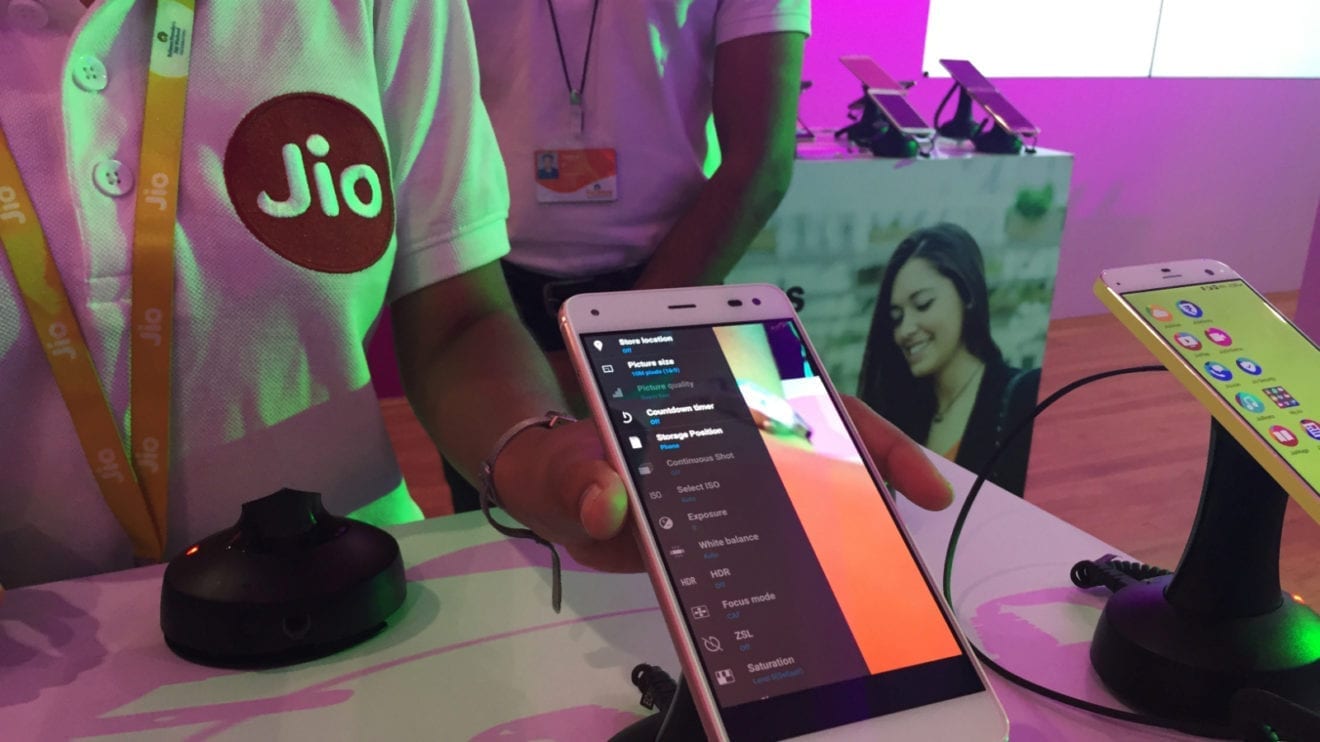
    Facebook has paid US$5.7 billion for a 9.99-per-cent stake in Indian telco and e-commerce enabler Jio Platforms, becoming the largest minority shareholder in the Reliance Industries-controlled company.

    The size of the investment is reportedly the largest yet by a foreign company into an Indian-controlled company, underlining that the transaction is far more significant than the percentage partnership might at first suggest.

    In a statement published online, Facebook chief revenue officer David Fischer and Facebook India VP and MD Ajit Mohan, said one focus of the US company’s collaboration with Jio will be to create new ways for people and businesses to operate more effectively in the world’s fastest-growing digital economy.

    “For instance, by bringing together JioMart, Jio’s small business initiative, with the power of WhatsApp, we can enable people to connect with businesses, shop, and ultimately purchase products in a seamless mobile experience.”

    In less than four years, Jio Platforms has helped nearly 400 million Indians move online, helping create new digital enterprises and connecting them through chat programs like Facebook’s WhatsApp. About 560 million people nationwide are now online out of a population of 1.387 billion.

    “This investment underscores our commitment to India, and our excitement for the dramatic transformation that Jio has spurred in the country,” the Facebook pair said.

    Aurojyoti Bose, lead analyst at GlobalData, described the deal, as “a well-devised approach offering a win-win situation for both the companies”.

    “India is a key market for Facebook with millions of users and its messaging app WhatsApp also has a huge user base. On the other hand, Jio is one of the largest telecom networks in India with around 370 million subscriber base and the deal can help Facebook in further enhancing its footprint in the country.”

    Bose says the deal has become even more crucial for Facebook at a time when WhatApp is preparing to launch a payments app in the country. Jio, as its local partner, will be pivotal in navigating the regulatory hurdles.

    “Moreover, encouraged by the growing popularity of TikTok, Facebook has plans to launch video app Lasso, which will benefit from Jio’s huge subscriber base in India.”

    Using the JioMart 0e-commerce platform, the two companies will now have a clear path to using WhatsApp as a conduit for online orders, especially important with the advent of the Covid-19 pandemic.

    “Jio will benefit from the technical expertise of Facebook,” adds Bose. “In addition, the deal is a step forward towards Jio’s strategy to … become debt-free by March next year.”

    The size of Facebook’s investment puts Jio Platforms’ valuation at $65.95 billion, making it the fifth-largest company in India in terms of market capitalization.

    Fischer and Mohan, meanwhile, say the rapid adoption of digital technologies by Indians marks  “one of the most dynamic social and economic transformations the world has ever seen”.

    “Our goal is to enable new opportunities for businesses of all sizes, but especially for the more than 60 million small businesses across India. They account for the majority of jobs in the country and form the heart and soul of rural and urban communities alike. In the face of the coronavirus, it is important that we both combat this global pandemic now, and lay the groundwork to help people and businesses in the years to come,” they said.

  • Alibaba Cloud Launches USD 30 Million Global SME Enablement Program

    Alibaba Cloud Launches USD 30 Million Global SME Enablement Program

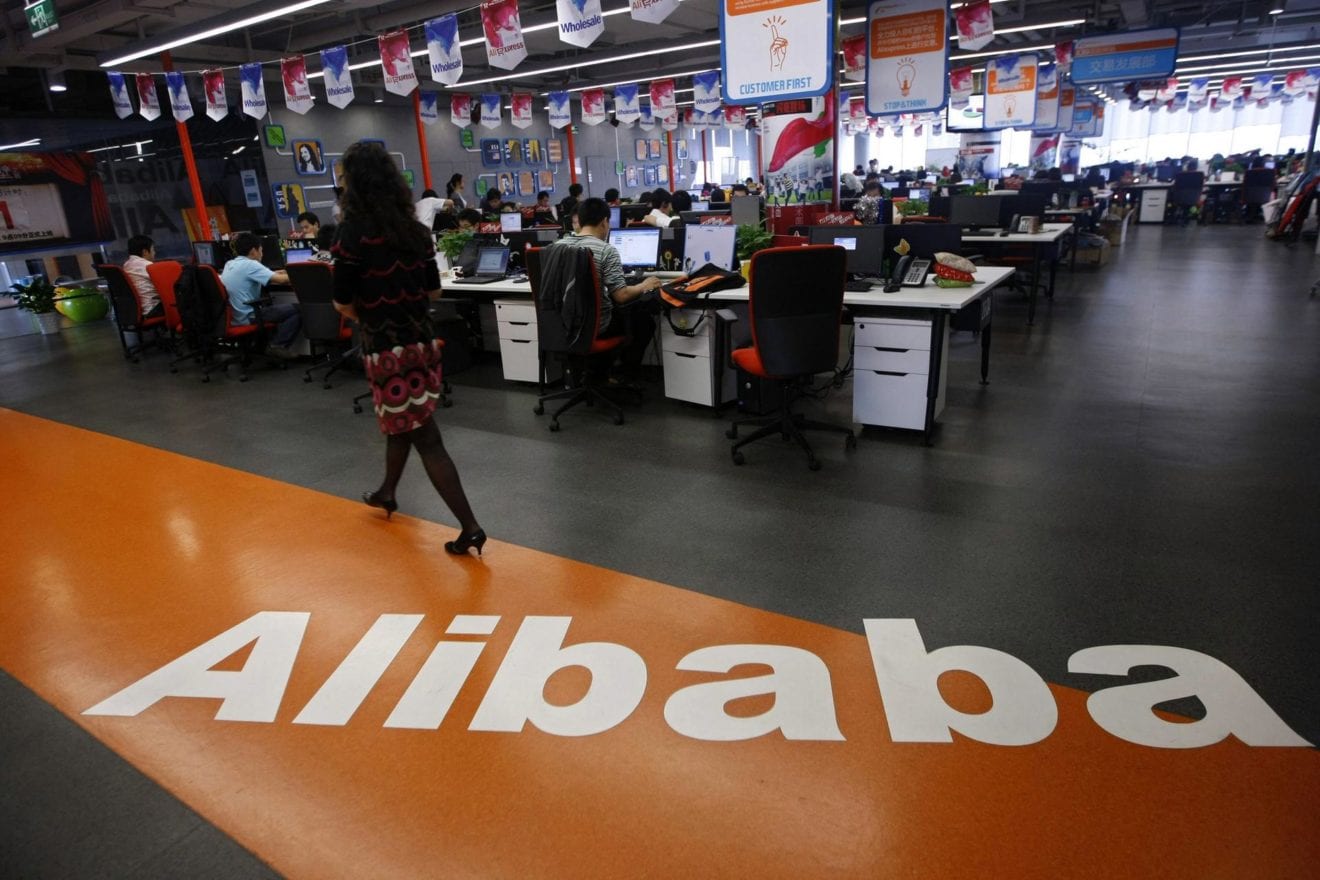
    Alibaba Cloud, the data intelligence backbone of Alibaba Group, today launched a Global SME Enablement Program to provide cloud technology relief worth more than USD 30 million to new and existing small and medium enterprise (SME) customers around the world and equip them with the solutions needed to maintain business continuity amid the COVID-19 pandemic.

    Under the program, new SME customers worldwide can apply for the relief between now and June 22 to start using a portfolio of proven solutions from Alibaba Cloud. The portfolio consists of a support package with 12 key products, including Elastic Compute Service (ECS), which powers cloud applications with low latency, and Object Storage Service (OSS), an encrypted service for data storage and backup in the cloud, as well as Alibaba Cloud Academy Courses.

    Existing customers can also apply for product coupons between now and June 22 to help them expand or upgrade their cloud applications. In addition, Alibaba Cloud will reach out to SME associations to help meet their members’ technology needs as they fight the pandemic.

    “COVID-19 has created unprecedented challenges and vulnerabilities to the global economy and especially to SMEs, who are often faced with financial constraints and limited access to technological support,” said Selina Yuan, President of International Business, Alibaba Cloud Intelligence. “Since its inception, Alibaba Cloud has always been committed to helping businesses of all sizes and making it easy to do business anywhere. The Alibaba Cloud Global SME Enablement Program aims to provide much needed and timely relief to SMEs so they can rapidly respond to the current crisis while speeding up their digital transformation and emerging from the current pandemic stronger and more resilient.”

    Alibaba Cloud announced the Global SME Enablement Program at its Digital Cloud Day. The interactive one-day online conference introduced Alibaba Cloud’s latest technologies and customer case studies; and in particular how Alibaba Cloud is applying cloud computing, data analytics, and artificial intelligence capabilities to help businesses and the wider communities better cope with COVID-19.