Author: Mei Ling Tan

  • Fake luxury goods seized at famous Vietnam markets

    Fake luxury goods seized at famous Vietnam markets

    Ho Chi Minh City authorities seized thousands of fake luxury goods at two famous local markets last week.

    According to Tuoi Tre News, market watchdog officers seized more than 1500 fake items worth US$6282 at Saigon Square and Ben Thanh Market, the latter one of Ho Chi Minh City’s most popular tourist attractions.

    All the products seized are copies of famous luxury brands including Prada, Montblanc, Gucci, and Rolex.

    Representatives of the General Department for Market Management said the unit will keep preventing vendors from selling counterfeit and pirated goods, focusing on hotspots where these items are commonly on show.

    Located in the city’s center, Saigon Square and Ben Thanh Market are renowned for selling fake luxury goods to tourists.

  • India’s Flipkart applies for food-retailing licence

    India’s Flipkart applies for food-retailing licence

    Indian e-commerce platform Flipkart has filed for approval from regulatory authorities to conduct food retail in the territory.

    According to a Times of India report, The Walmart-owned business has made the application with the Department for Promotion of Industry and Internal Trade with the expectation of a decision within three months.

    The firm registered an online grocery business in October last year under the brand name Flipkart FarmerMart. According to reported figures, the firm will make an investment of ₹2,500 crore (US$338,000) in the venture.

    Initial plans will see the firm delivering customer purchases via local “kirana” stores partnering with the Flipkart business.

    The firm will “focus on deep agri-supply chain investment, especially at the farm gate level and will encourage demand-driven sowing, which will help farmers produce right fruits and vegetables and get paid as per market price”.

    Flipkart competitor Amazon has held a food retail license in India since 2017.

  • Chat-to-checkout app lets shoppers interact real time

    Chat-to-checkout app lets shoppers interact real time

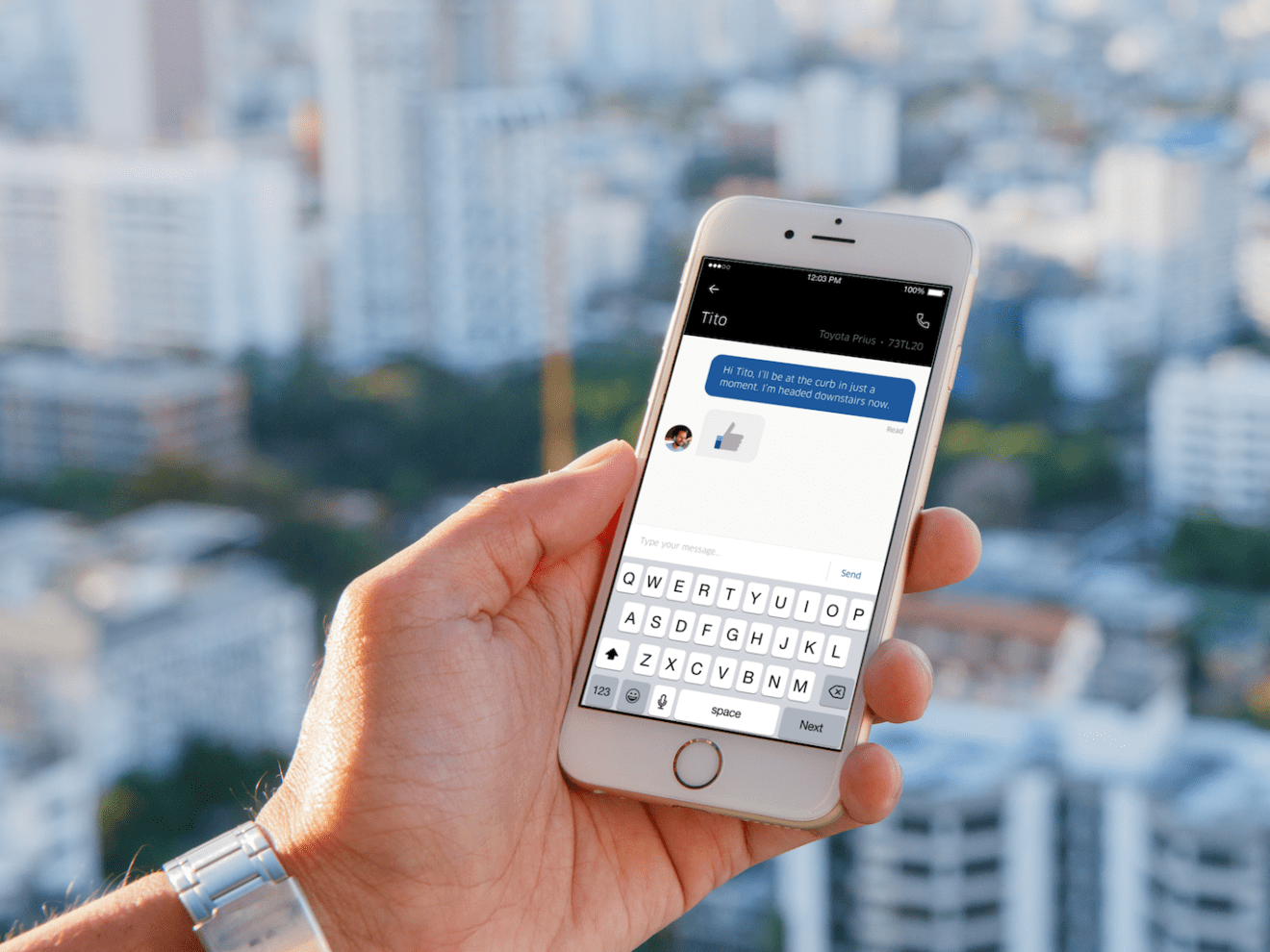
    Tech startup OneDash has unveiled a chat-to-checkout service which eliminates the need to quit a chat session to complete a purchase.

    The OneDash app also enables interactive video so shoppers can connect with retailers in real-time and interact personally.

    Oleksandr Matviishyn, CTO of OneDash, says one of the motivations behind creating the chat-to-checkout app was to address cart abandonment, a major problem for online retailers.

    “With the global growth of video content and the promotion of short videos by platforms such as Instagram and TikTok, we realized that the hidden costs are enormous. We were driven by the idea of making video more affordable and providing the ability for every business to create, distribute, and monetize their video content, while at the same time, improving the production speed of interactive video content,” he said.

    “During the implementation phase, we came up with a few additional ideas like advertising, Messenger commerce, and live streaming to make the platform even more robust.”

    Initially only available for Apple devices, OneDash will be released on the Android Play store in July.

    An early adopter of the app is Vanessa Martinelli Fine Jewellery, whose CEO Vanessa Martinelli, said she was looking for a new way to talk about her creative world and showcase her jewelry.

    “I tell my story through a video and the spectators can interact at the same moment,” she said. “In just one click they receive all the information on a specific featured product and they can purchase it right at that moment, without breaking the momentum.”

  • Citi Targets Doubling of Singapore WM Market Share

    Citi Targets Doubling of Singapore WM Market Share

    From its current 5 percent, Citibank Singapore plans to double its wealth management market share alongside the number of clients by 2025.

    The bank’s Singapore chief executive Brendan Carney believed that the retail and wealth management business could further accelerate growth after assets grew 11 percent in 2019, including 19 percent client asset growth from its wealth management segment.

    We think there’s another gear that we can shift into and go from double-digit growth to really strong double-digit growth, Carney said.

    As part of the growth plans, the bank made investments in the tens of millions in a new flagship wealth management center based in one of Singapore’s major shopping and luxury areas, Orchard Road. The 30,000 square foot wealth management center will occupy four storeys including two floors for 400 relationship managers and specialists as well as two floors for client meetings and events.

    Though the bank hopes to add at least one more flagship center, its broader plan in the city-state is to reduce its branch presence. By the end of 2020, it targets three from 14 branches to 11 – one wealth management center, seven branches and three instant banking centers for basic transactional services.

    Still, Carney noted that Citi is not a digital-only bank and has not aspirations to become one. In fact, Citi will look to grow its client-facing staff by 20-25 percent over the next three to five years and also boost training for its existing relationship managers.

  • Ferrari To Close Plants In Italy For Two Weeks In Coronavirus Response

    Ferrari To Close Plants In Italy For Two Weeks In Coronavirus Response

    Luxury carmaker Ferrari said on Saturday it closed its two plants until March 27 in a response to the coronavirus outbreak in Italy and an emerging shortage of parts.

    Ferrari adds to a string of Italian manufacturers that have closed plants or slowed production rates in response to the virus emergency, threatening to disrupt Europe’s struggling automotive industry.

    Ferrari said in a statement it had so far ensured production continuity, as it already implemented all the health measures decided by the Italian government at the two sites, located in hometown Maranello and in Modena, in the northern Emilia Romagna region.

    France, Spain on lockdown over coronavirus

    France and Spain will close most shops, restaurants, and entertainment facilities and are encouraging people to stay home as the countries combat the coronavirus epidemic in Europe. The sweeping changes come as U.S. President Trump on Saturday extended

    However, it added the company was “now experiencing the first serious supply chain issues, which no longer allow for continued production”.

    Premium brakes maker Brembo, whose clients include Ferrari, said on Friday it would temporarily close its four Italian plants next week.

    All non-manufacturing activity will continue regularly, through smart working, Ferrari said.

    A source close to the matter said the company will adopt further measures during the closures period, including sanitization of the sites’ areas and added that no contagion cases were recorded among Ferrari’s workers to date.

    Italy agreed a series of measures on Saturday to improve health controls in factories, offices and other workplaces that have been allowed to stay open during the country’s coronavirus lockdown.

    Ferrari’s workers will continue to receive their full salary and will not be requested to use their day-off allowance during the closure period, the source said.

    Chief Executive Louis Camilleri said Ferrari took the decision to close its plants out of respect for its workers, “for their peace of mind and those of their families”.

    Earlier this week carmaker Fiat Chrysler and industrial vehicle maker CNH Industrial said they were temporarily halting operations and slowing production rates at some of their Italian plants to comply with the government’s anti-coronavirus requirements.

    Tyremaker Pirelli said it was cutting production at its Settimo Torinese plant, near Turin, after a worker tested positive for the coronavirus.

    Ferrari said its Formula One team Scuderia Ferrari had also suspended its operational activities.
  • Singapore Banks Buy Back Shares

    Singapore Banks Buy Back Shares

    Singapore banks were among 32 primary-listed stocks conducting share buybacks over the five sessions ended 12 March 12, with a total consideration of S$169.6 million.

    DBS Group Holdings led the consideration tally, with 6.65 million shares bought back at an average price of S$21.272 per share, according to a report by the Singapore Stock Exchange (SGX).

    As of March 12, the lender had bought back 0.5492 percent of its issued shares (excluding treasury shares) as of the approval date of the current buyback mandate.

    For the five trading sessions spanning March 6 to 12, the Straits Times Index (STI) declined 11.3 percent with the Nikkei 225 Index, Hang Seng Index and S&P/ASX 200 Index averaging a 12.5 percent decline.

    In the same period, UOB and OCBC bought back 360,000 and 600,000 shares respectively, amounting to S$7.8 million and S$5.7 million respectively.

  • MCM Philippines opens first store, at SM Mall of Asia

    MCM Philippines opens first store, at SM Mall of Asia

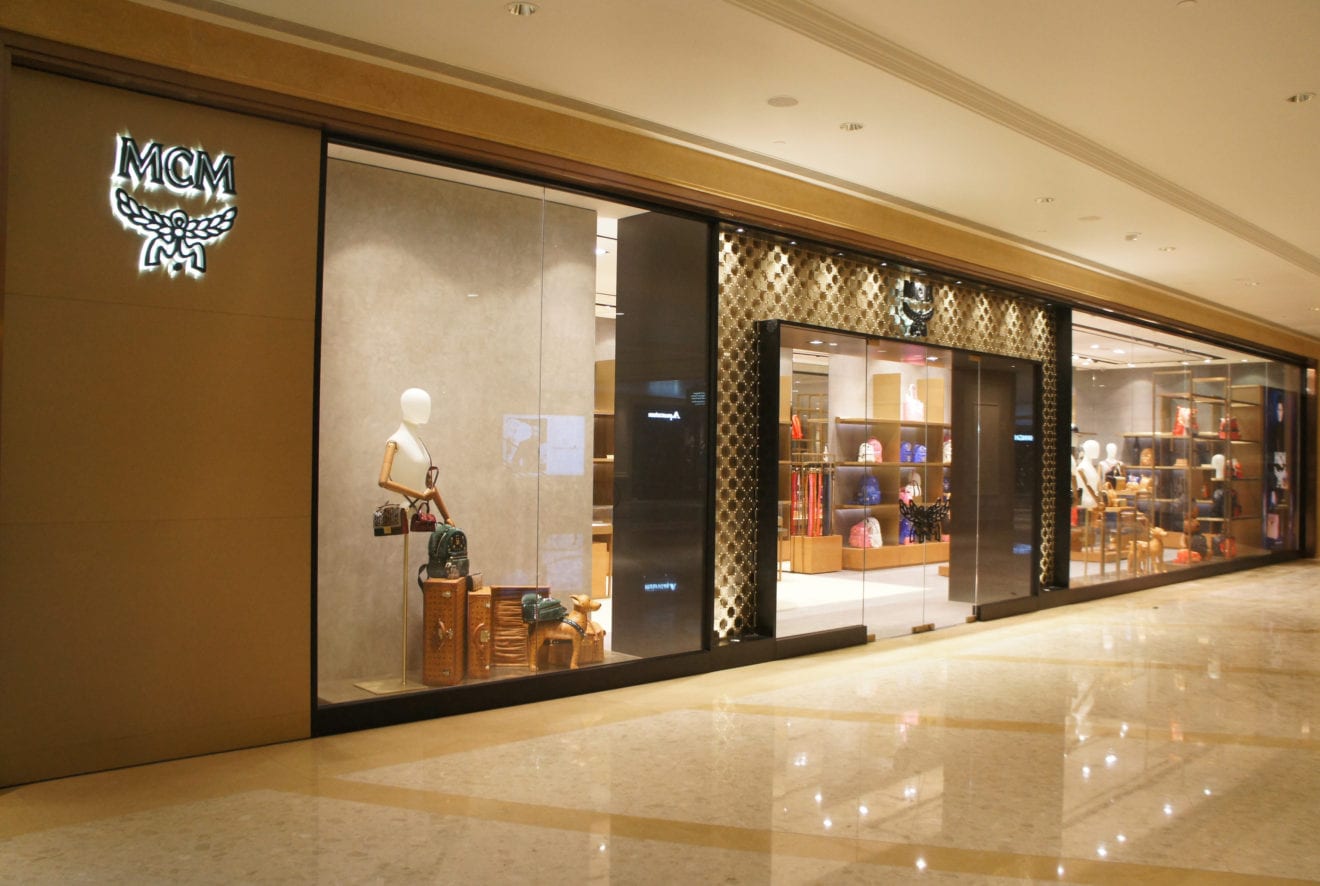
    The first MCM Philippines store has opened its doors, at the giant Mall of Asia complex in Metro Manila.

    The German luxury leather accessories brand MCM Worldwide store is located inside the Luxe Duty-Free precinct in the mall.

    The MCM Philippines boutique offers leather handbags, luggage and accessories and the store open featuring the Spring/Summer 2020 collection.

    Vicente Pelagio Angala , COO, Duty-Free Philippines Corp (DFPC) said the opening of MCM complements the DFPC’s aim to always be the first Philippine retail brand to bring new luxury labels to the market.

    MCM Worldwide is a leather luxury goods brand founded by Michael Cromer in 1976. The brand’s signature logo-printed material, called Cognac Visetos is being showcased on some of the products. It has a brass plate insignia that can be found on all the heritage collection bags and most of its products.

    In 2005, the company was acquired by Sungjoo Group, a South Korean retail business founded by Kim Sung-joo.

    Kim re-launched the brand in 2006 with a new store in Berlin and currently has 650 stores worldwide including in Hong Kong, New York, Toronto, Paris, London, Singapore, Tokyo, China and the Middle East.

  • Apple waives interest for Apple Card users amid COVID-19 pandemic

    Apple waives interest for Apple Card users amid COVID-19 pandemic

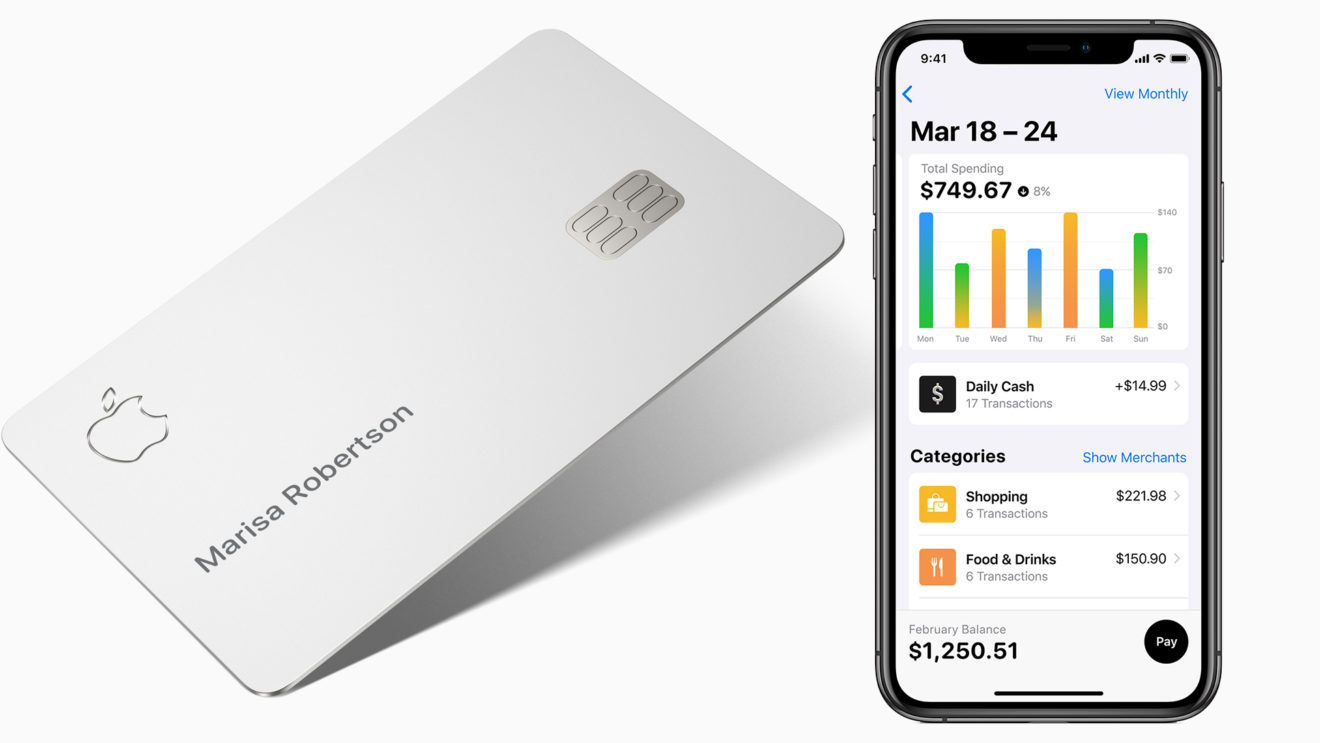
    Other than the very obvious health concerns caused by COVID-19, the ongoing pandemic is also causing much economic trouble. Apple introduced a customer assistance program for Apple Card users to help offset financial concerns.

    Many Apple Card users on Reddit have reportedly received an email about the new customer assistance program. Under this program, cardholders can skip their March payments without any additional interest.

    Apple hasn’t explicitly stated any eligibility requirements, so it looks like all Apple Card holders are eligible. They can enroll in this program in at least two ways: firstly, Apple evidently provides a direct link in their email announcing the program, which can be used to enroll.

    The other method is just as simple, with cardholders able to enroll through text by iMessaging the Apple Card Support line the following text: “I would like to enroll in the Customer Assistance Program”. The support number can be found in Apple’s support page for the credit card.

    Clearly, Apple is taking the COVID-19 outbreak very seriously, closing all Apple Stores outside of China for the time being as well as regulating App Store entries related to the virus. This latest offer is a kind gesture to its customers during a difficult time.

  • Ford To Shut Spanish Factory For One Week Due To Coronavirus Outbreak

    Ford To Shut Spanish Factory For One Week Due To Coronavirus Outbreak

    Ford said on Sunday it would shut its Spanish plant in the eastern region of Valencia for one week starting on Monday after three employees tested positive for coronavirus.

    “We have had three positive cases of COVID-19 in the Ford Valencia plant in the past 24 hours,” the company said, adding it was following protocol by isolating all employees that had contact with the infected workers.

    The Ford Endeavour recently underwent a substantial update. We get our hands on the updated SUV to find out if it still lives up to the benchmarks of the brand.

    The plant, one of Ford’s largest outside the United States, employs over 7,000 workers and produces over 400,000 vehicles a year including the Mondeo and Galaxy models.

  • Fintech Helps Boost Hong Kong’s Tech Hub Ranking

    Fintech Helps Boost Hong Kong’s Tech Hub Ranking

    Financial technology, alongside other developments, helped boost Hong Kong’s ranking as a tech innovation hub to tenth place worldwide in the latest KPMG survey.

    Hong Kong’s ranking improved from 12th place last year, according to the KPMG report which surveyed 800 global leaders from the tech industry from 12 countries, including 110 respondents from China. In addition to fintech, the outlook is bright for development in artificial intelligence, biotech, and smart cities especially due to opportunities to leverage synergies from closer integration with the mainland such as the Greater Bay Area strategy.

    The Hong Kong government is supporting and promoting an entrepreneur ecosystem, as well as leveraging the city’s mature international financial system and advanced logistics sector to drive a real difference, said Irene Chu, KPMG China’s partner and head of new economy & life sciences in Hong Kong, in a release.

    Although China is home to four top 20 tech hubs including Shanghai, Beijing, Shenzhen and Hong Kong, the country’s overall rating dropped. The country was ranked second by 13 percent of respondents, down from 17 percent last year and tied with India.

    In contrast, the 28 percent of respondents placed the U.S. in the top rank, up from 23 percent last year. And in order for China to close this gap moving forward, it must now spend more resources on its own domestic innovation ecosystem due to the current American policy stance on technology and intellectual property.

  • Apple closing all stores worldwide outside China

    Apple closing all stores worldwide outside China

    Apple has closed all its stores outside of Greater China in response to the coronavirus outbreak.

    According to a company statement, all of Apple’s retail stores outside China will be closed until March 27 however, its online store and “Apple store” app remain open.

    Apple CEO Tim Cook said the company’s experiences while trading in China earlier this year drove the decision.

    “One of those lessons is that the most effective way to minimize risk of the virus’s transmission is to reduce density and maximize social distance,” the company said in the statement.

    Apple said in all its offices outside Greater China, it is moving to a “flexible work arrangement”, which means team members will work remotely if their job allows. All hourly workers will continue to be paid “in alignment with business-as-usual operations”.

    Apple shut down all its stores in Mainland China in early February when the country was heavily affected by the outbreak. Recently, it has progressively reopened stores and all 42 outlets in Mainland China have now resumed normal business.

  • Isetan leaving Thailand

    Isetan leaving Thailand

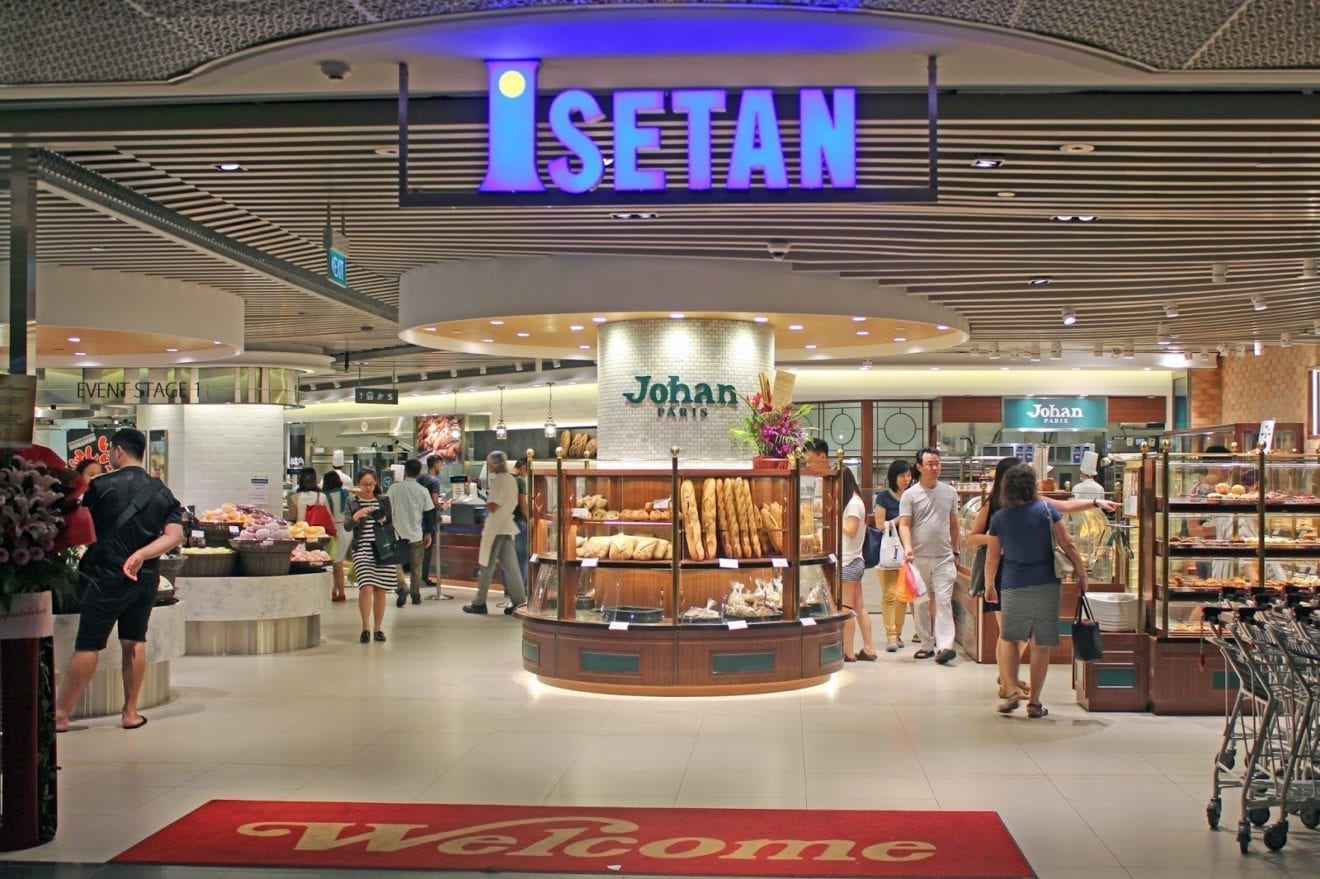
    Japanese department-store chain Isetan will quit Thailand later this year after 28 years operating in Bangkok.

    The company says it will not renew the lease of its space in the CentralWorld shopping center when it comes up for renewal in August.

    However, Isetan and CentralWorld’s owner Central Pattana may discuss a plan for the Japanese restaurant zone on the top floor, in which Isetan tenants operate effectively as concessions.

    The Isetan department store opened at CentralWorld back in 1992 when it was called the mall was called World Trade Center.

    The last major renovation of the space opened in December 2015, a food concept called Washoku Gallery.

    In keeping with the department store’s heritage, the gallery features food products imported from Japan. The company said at the time that Japanese food and culture is broadly liked by Thailand’s urban consumers and Isetan wanted to tap into that growing demand.

  • Once again, ZTE is in trouble with the U.S.

    Once again, ZTE is in trouble with the U.S.

    Before Huawei was banned from its U.S. supply chain last May, fellow Chinese manufacturer ZTE was blocked from its state-side supply chain in 2018. While Huawei was able to thrive despite its placement on the U.S. Commerce Department’s entity list, ZTE almost went out of business. Surprisingly, a tweet from President Donald Trump set the wheels in motion for a settlement that ultimately saved the company.
    But ZTE is once again in the Trump administration’s crosshairs. The smartphone and networking equipment manufacturer is being investigated for allegedly bribing foreign officials to help its global operations. The Justice Department has not revealed any information about the investigation. In 2016, the Commerce Department fined ZTE $1.19 billion for selling goods and services to Iran and North Korea despite U.S. trade sanctions against both countries.
    As part of the punishment, ZTE was banned from its U.S. supply chain for seven years; the Commerce Department suspended the ban as long as the manufacturer was following all of the penalties placed on it by the U.S. government. But once the Trump administration realized that ZTE was paying bonuses to some employees in violation of that agreement, the supply chain ban was initiated in April 2018 running through March 2025.
    Unlike Huawei, which rode a wave of Chinese patriotism and still managed to deliver approximately 240 million handsets last year (second behind Samsung and ahead of Apple), ZTE does not design its own chips and did not prepare for a ban as Huawei had done by stockpiling chips. ZTE, which was the fourth-largest smartphone manufacturer in the U.S. prior to the 2018 ban, was running into trouble. But out of nowhere, President Trump disseminated a tweet expressing concern for the jobs being lost in China because of the supply chain ban. Trump wrote that he had instructed the Commerce Department to reach a deal with ZTE. Weeks later, a deal was made. ZTE paid the U.S. $1 billion and put $400 million into an escrow account in case it committed any illegal acts in the future (like the new charges). The Chinese manufacturer also agreed to overhaul its Board of Directors and replace its executive team. A compliance team from the U.S. was placed inside the company.
    ZTE was never able to regain its position as a top smartphone vendor in the states. Motorola took over its spot as the fourth most popular brand in the U.S. and that continues. The U.S. still considers ZTE to be a national security threat. Back in November, the FCC voted to block the Universal Service Fund (USF) from purchasing networking equipment from ZTE and Huawei. The $8.5 billion fund is managed by the regulatory agency and is funded through a fee tacked on to consumers’ wireless bills. The USF is charged with helping rural carriers provide internet service to rural Americans. Many of these operators used Huawei and ZTE gear for their 3G and 4G networks.
    The FCC and the U.S. government want these rural operators to remove any Huawei and ZTE equipment that is embedded in their networks. The FCC has already estimated that this will cost nearly $2 billion to accomplish over a two-year period. Congress has approved a resolution offering rural carriers $1 billion to remove this gear from their networks. Both Huawei and ZTE are considered national security threats because of their ties to the communist Chinese government. U.S. lawmakers are concerned that the two companies place backdoors in their equipment that gather intelligence and send it to Beijing. ZTE and Huawei have repeatedly denied these allegations.
  • HSBC Simplifies SME Green Financing

    HSBC Simplifies SME Green Financing

    HSBC makes an industry-first move to launch a green loan program with a simplified process aimed to boost small to medium-sized enterprise participation.

    A minimum limit of $350,000 will apply based on a newly simplified process that accepts green loan applications from potential borrowers holding industry certifications approved by HSBC.

    The certifications include: Singapore Environment Council’s Singapore Green Labelling Scheme (SGLS) and eco-certification schemes; Building and Construction Authority’s Green & Gracious Award, and Green Mark Scheme (GoldPLUS and Platinum); Singapore Green Building Council’s product and services certification schemes; and Green-e’s Renewable Energy Certification. HSBC could look to expand its list of accepted certifications.

    In the current environment, corporates typically develop bespoke green frameworks before applying for green loans to demonstrate that their practices with regards to the proceeds are aligned with internationally recognized standards. This could incur human resource and capital costs that are relatively burdensome for SMEs compared to large corporates which can achieve scale in long-term funding from their frameworks.

    We hear a lot of interest from SME clients in green loans, but we see limited action – this is not for want of trying, but comes down to accessibility, said HSBC Singapore’s head of business banking Ng Li Lian, highlighting demand from clients with business in electric vehicles, engineering or manufacturing, clean water and recycling sectors.

    SMEs can’t afford the typical costs or time associated with green finance, with management teams already spread thin as they focus on the day-to-day running of the business.

  • Pomelo launched in-app livestream shopping with Davika Hoorne

    Pomelo launched in-app livestream shopping with Davika Hoorne

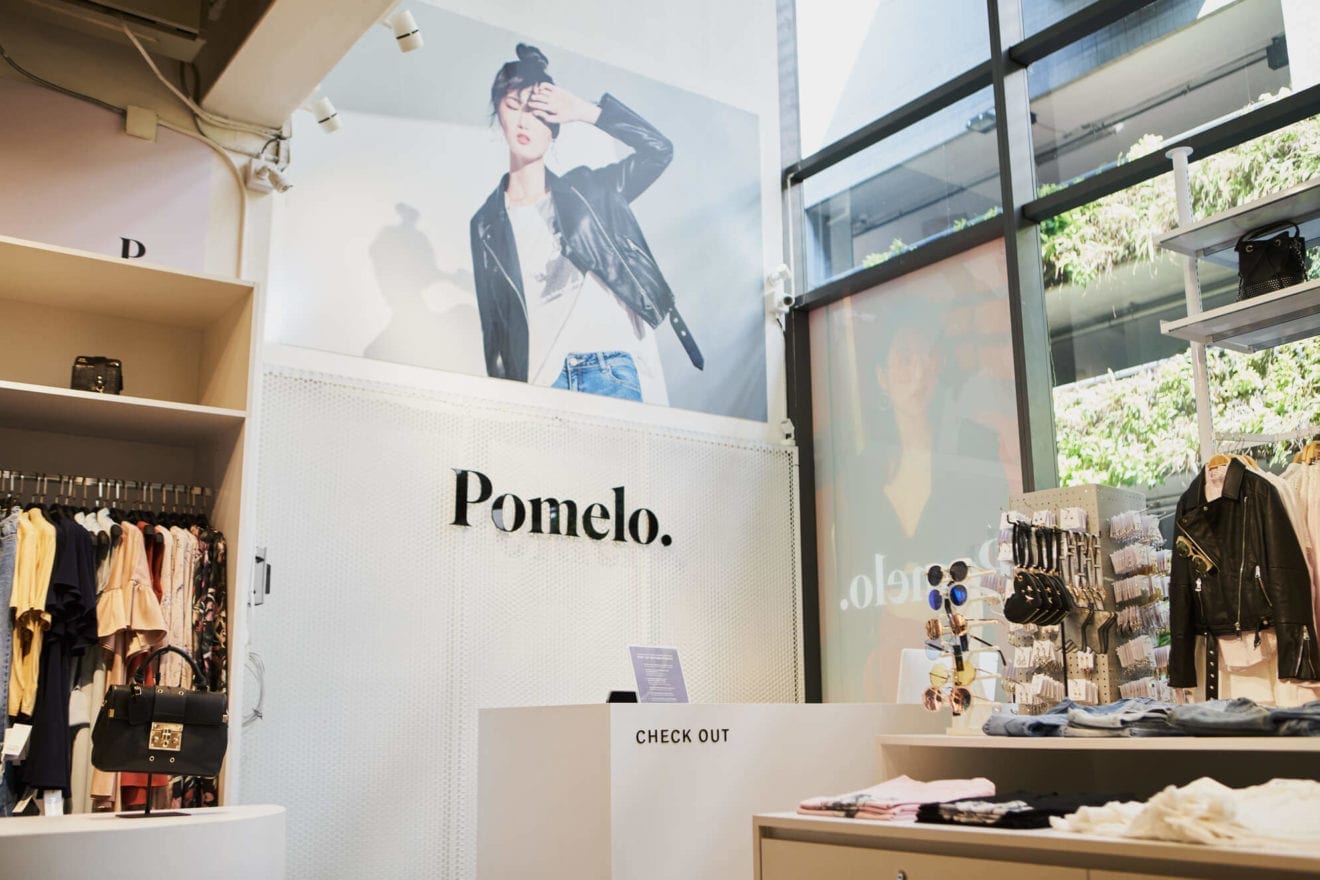
    Pomelo has launched in-app shoppable Livestream starring famous Thai actress Davika Hoorne.

    The new service is based on its in-app Livestream technology rolled out last month. With the new shoppable functionality, Pomelo offers its customers “an engaging and interactive dimension” of the digital retail experience, the company said in a statement.

    During the in-app Livestream, Pomelo’s customers will be able to interact with Davika Hoorne, receive the actress’ fashion opinions and purchase items immediately.

    Pomelo also hosts a weekly live show called ‘Live On Pomelo’, featuring the brand top picks and latest collections.

    Pomelo’s in-app shoppable livestream with Davika Hoorne will be available on March 18.