Author: Mei Ling Tan

  • First standalone M&S Food store in Singapore opens

    First standalone M&S Food store in Singapore opens

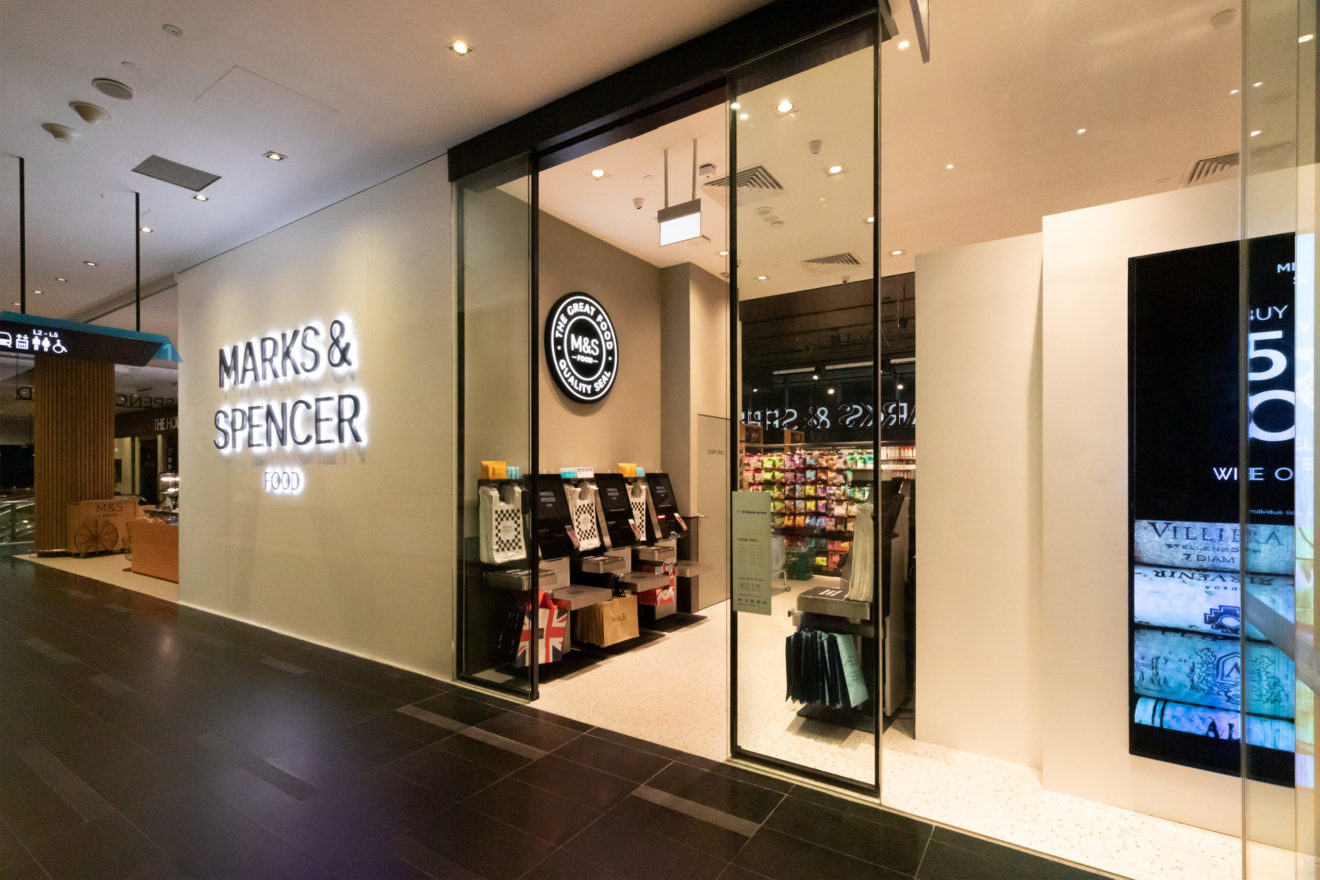
    Marks & Spencer has opened the first standalone M&S Food store in Singapore.

    Located in One Raffles Place, the store features take-away hot food, ice cream and coffee, besides M&S-branded groceries. The store also features self-checkout machines, digital ticketing and digital menus.

    There are more than 20 quick breakfast and lunch options for customers in a hurry such as bacon or sausage buns, traditional British sausage rolls or prepared meals such as Macaroni Cheese and Chicken Tikka Masala.

    “Our customers are passionate about M&S Food, and have often shared that they are eager to see more of M&S’s famous food lines here in Singapore,” said Christine Choi, CEO of M&S Asia. “We have taken this feedback on board and are very excited to unveil the very first standalone M&S Food store in Singapore.”

    Besides coffee made from M&S-roasted single-origin beans, the store also features an in-store bakery providing fresh bread daily and an ice cream machine serving “ice cream made from luxurious Jersey cream from British herds”.

    Choi added: “We know our customers are finding themselves busier than ever, which is why our One Raffles Place location will stock a wide range of top-quality, convenient options for people on the go. Alongside this, we will offer many of our classic food ranges for customers to shop, too.”

    M&S has also partnered with DBS Bank and Botty to introduce a chatbot solution that allows M&S customers to pre-order their coffee through M&S’s Facebook Messenger and pick it up at the store. Customers then pay via DBS PayLah! to complete their order.

    Operated by Marks & Spencer’s franchise partner Al-Futtaim Group in Singapore and Hong Kong, standalone M&S Food stores already trade in Hong Kong in a variety of different footprint sizes.

  • Employee Trace Tool Released to Manage Casual Workers Through COVID-19

    Employee Trace Tool Released to Manage Casual Workers Through COVID-19

    Humanforce, a Sydney based global provider of workforce management solutions, has released a free Employee Trace Tool to help all retail businesses manage and protect their casual employees and the community through the COVID-19 outbreak.

    The Employee Trace Tool provides retail employers with enhanced visibility over their casual workforce during any period where COVID-19 may be present in the community. The tool, which works in conjunction with any source of timesheet or roster data, enables businesses to quickly and easily ascertain which employees worked on what day and time, in what location, and with who.

    “Identifying the presence of COVID-19 and who has been exposed to a known carrier will be critical in helping limit the impact of the virus. Retail businesses have a duty of care to not only their patrons and customers, but also staff to ensure that they can rapidly notify personnel of any exposure so that they can take appropriate action, including self-isolating, if needed,” said  Bruce MacKenzie, Managing Director and Founder, Humanforce. “Our aim with this new Employee Trace Tool is to assist all businesses that employ casual workers to make informed decisions in these critical days, weeks and months ahead.”

    Ai Group found that in 2018 2.6 million people out of 12.5 million total people working in Australia were employed on a casual basis. And the nature of casual work means that an employee could come in to contact with a very high number of community members and co-workers during a shift, or across the course of a week.

    Humanforce’s Employee Trace Tool will make the difficult and onerous task of tracking down anyone who has had contact with an employee who has a positive diagnosis, or anyone who worked a shift where a member of the public was found to have COVID-19, much easier and quicker for retail employers.

    “Humanforce has made the Employee Trace Tool available for free to any business, anywhere in the world, to support responsible COVID-19 responses, keep casual employees and patrons safe, and minimise the business impacts of this crisis,” Bruce added. “As COVID-19 spreads, employers of casual workers need to have adaptable processes – facilitating flexible working and shift-swapping, to ensure that they are properly staffed no matter the circumstances.

    “Should casual workers find themselves in isolation, having to stay at home to look after school children or fall ill – this can have a significant impact on their employer. Businesses need to have systems in place that enable easy shift swapping to limit normal business disruption,” added Bruce. “The Humanforce App processes shift-swaps easily online, lessening the burden on employers to scramble to find cover when staff are unable to attend work.”

    Employers wanting to access the Employee Trace Tool can find out more at:  https://humanforce.com/news/universal-employee-trace-tool-protecting-employees-during-covid-19/

    About Humanforce

    Humanforce is a global provider of workforce management solutions for companies who need flexibility to manage complex workforces. Companies use Humanforce to manage everything from time and attendance, employee rostering, onboarding and availability. Humanforce has strong partnerships with industry leading payroll providers, with over 100 integrations and enable customer employees in over 9000 locations globally.

    Humanforce was founded in Sydney in 2002, and today has offices across Australia, New Zealand, Singapore and the UK. For more information: www.humanforce.com

    Media Contact:

    Corinne Nolte

    Mulberry Marketing Communications

    +613 9023 9110

    cnolte@mulberrymc.com
     

  • Vans releases range of footwear for those with autism

    Vans releases range of footwear for those with autism

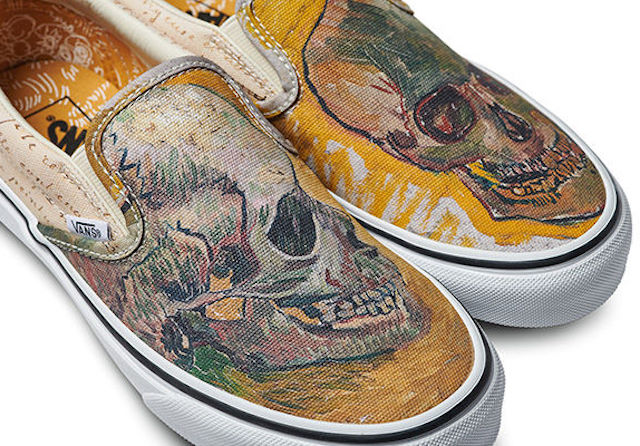
    Lifestyle fashion brand Vans has released a collection of shoes and apparel celebrating autism awareness.

    The range is designed for consumers with Autism Spectrum Disorder and comes in calming colors with features that focus on the senses.

    The collection includes slip-on shoes with squishy uppers and rubber toe caps, and an assortment of long- and short-sleeved tees. The firm collaborated with the International Board of Credentialing and Continuing Education Standards in crafting the designs.

    Part of the collection’s sales proceeds – a minimum of $100,000 – will be donated to the A.skate Foundation, which aims to help children with autism learn skateboarding. The charity provides grants to children with autism for skateboarding gear, teaching them how to participate in the sport and its inclusive culture.

    The autism footwear and apparel collection is available online and in Vans retail locations.

  • UBP Hires Singapore COO

    UBP Hires Singapore COO

    UBP hires a new chief operating officer for Singapore from a rival private bank in the city-state.

    Jérôme Thuillier joins UBP as its new Singapore COO, effective as of yesterday. Thuillier most recently with Bank of Singapore where he was a program director responsible for building an integrated wealth management tech platform. Pervasively, he had also held leadership roles with Barclay Wealth including COO of its global investment solutions arm.

    Thuillier’s predecessor, Michael Moncarz, was named the Singapore COO in February 2017.

    According to the release, Thuillier joins not only with most of his financial career in Asia but also some local language skills including «a good understanding of Mandarin and basic Japanese,» according to a release.

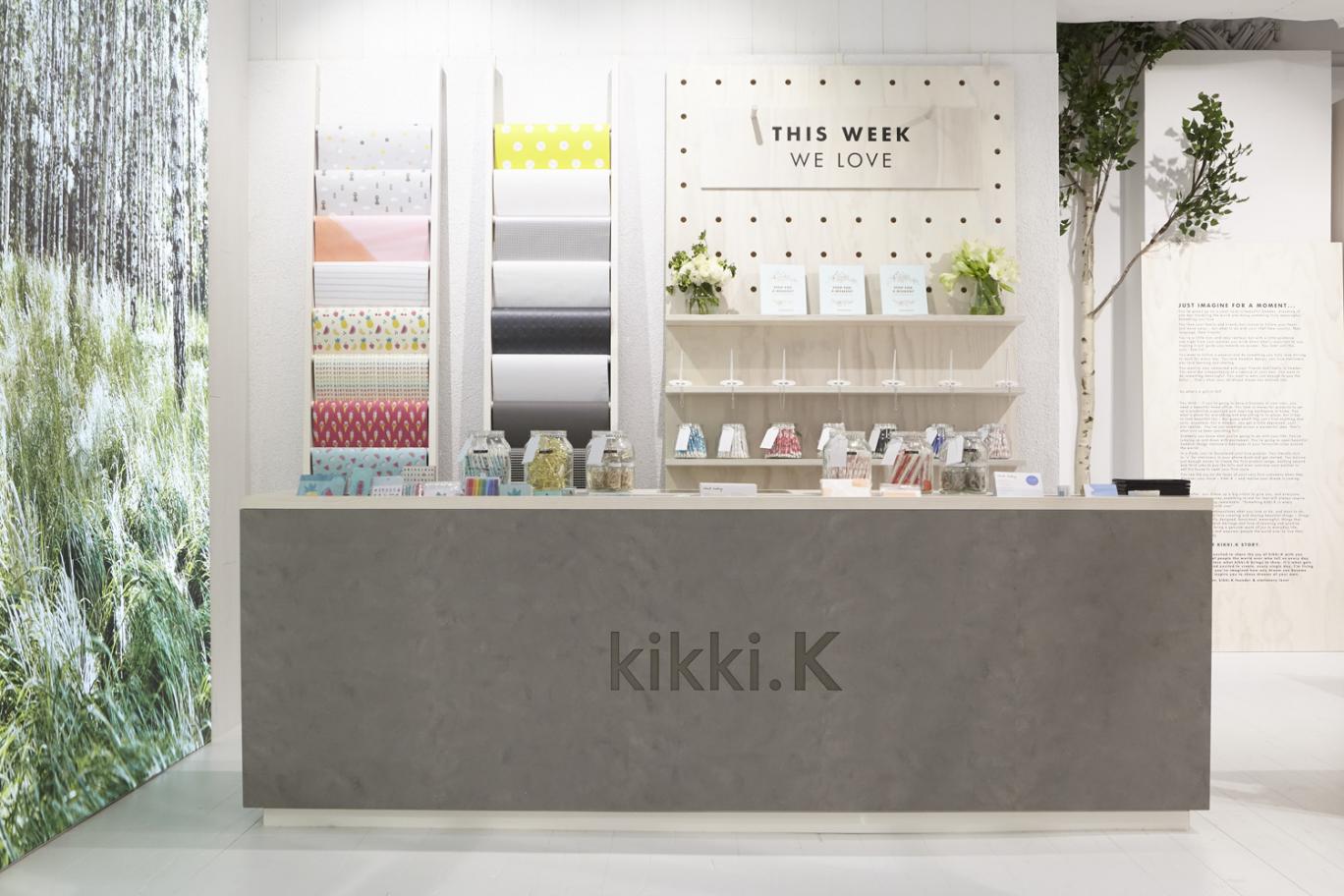
  • Kikki.K needs to be saved

    Kikki.K needs to be saved

    Twenty-four hours after it announced that it was going into voluntary administration, nine potential partners approached lifestyle and stationery brand Kikki.K last week, according to emails viewed.

    “We remain truly optimistic and excited re: one key partnership deal, in particular, we’ve been working on for over 12 months  – they’re beavering away full steam ahead,” wrote co-founder Paul Lacy in the email.

    According to a statement Kikki.K sent out early in the week, the brand got caught “in a perfect storm” of circumstances, from suffering the impact of Brexit during its UK store rollout to the Hong Kong protests, a subdued Christmas, the disastrous Australian bushfires and now, coronavirus.

    “There is still an amazing business opportunity with 3.7 million loyal customers on our database, over 20 million people a year visiting our physical and online stores and strong opportunities for growth into new product categories,” said founder Kristina Karlsson. “But obviously it requires a big re-set and a buyer who understands the opportunity.”

    Shortly after the announcement was made, Kikki.K’s head of retail Alana Hose said store sales went up 94 percent and according to the brand, a few days later, the week ended 50 percent above target Australia-wide. Online revenue rose by 470 percent at one stage.

    Kikki.K has 450 full-time equivalent employees and $70 million annual revenue with 65 stores in Australia, the UK, New Zealand, Singapore and Hong Kong.

  • Comonwealth Bank of Australia Admits Claims

    Comonwealth Bank of Australia Admits Claims

    Comonwealth Bank of Australia – one of the country’s «big four» lenders – will not contest two lawsuits from local regulatory alleging misconduct against clients.

    The Australian Securities and Investments Commission (ASIC) is seeking A$5 million ($3 million) in penalties from CBA for failing to provide certain benefits to buyers of the financial product AgriAdvantage Plus. According to ASIC, 8,659 customers were affected by misconduct on 131,542 occasions which resulted in gains by CBA totaling $5 million from incorrectly charged fees, loam interests and unpaid savings interests. The bank has since reportedly refunded approximately $4.9 million including interest.

    CBA intends to admit the allegations made in ASIC’s Concise Statements for both matters and does not intend to defend the proceedings, according to a report citing a bank.

    The second uncontested case involves a habitual gambler, David Harris, who was able to obtain multiple credit limit increases which reached $21,400 despite the bank’s knowledge of his self-admitted problem. I would max it out, pay off chunks, I would try and work overtime to help pay off chunks and I would wait until I had a big win or saved up a lump of money to pay it off and do it again, he said, according to a report.

    The bank did not do the right thing by this customer and we apologize,» said CBA chief executive Matt Comyn. In recent years we have implemented a number of changes to support our customers’ needs.

  • Ikea and Pizza Hut design table based on pizza box widget

    Ikea and Pizza Hut design table based on pizza box widget

    Swedish furniture chain Ikea and Pizza Hut Hong Kong have teamed up to create a full-sized pizza table shaped exactly like the tiny plastic table (the “sava”) included in pizza boxes.

    The product is part of a collaboration that has also resulted in a new pizza recipe using Ikea’s meatballs – and comes packed in a genuine pizza box for good measure.

    The collaboration has been advertised throughout Hong Kong in a campaign designed by Ogilvy.

    “We’ve been absolutely thrilled to see the launch of the new Ikea and Pizza Hut pizza with a fun, cheeky campaign that has proven to be quite popular with the fans already on the first day,” said Ogilvy Hong Kong executive creative director John Koay. “This is a great pizza, and this campaign really shows how collaborations can really benefit the fans – not just the brands.”

    “This campaign shows the playful side of Pizza Hut,” said Pizza Hut Hong Kong marketing director Wendy Leung, “and that our credentials can move beyond the kitchen into new and interesting collaborations with other brands.”

    The Ikea and Pizza Hut collaboration has already proven popular with 67 percent of units already sold.

  • Tag Heuer pop up opens in Shibuya, Tokyo

    Tag Heuer pop up opens in Shibuya, Tokyo

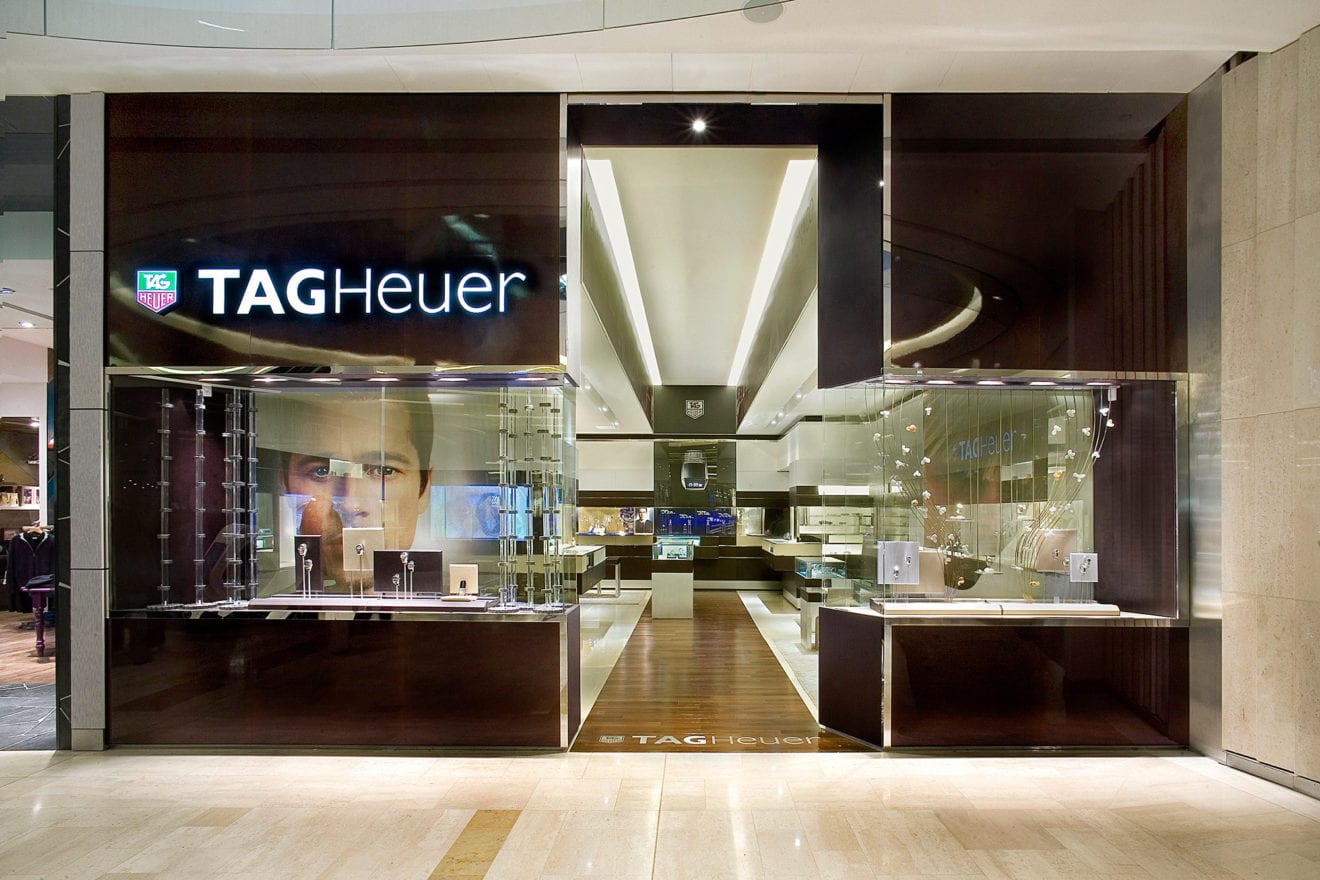
    Swiss luxury timepiece maker Tag Heuer has launched a pop-up at Shibuya Parco, Japan.

    The “Tag Heuer Connected” store delivers a futuristic ambiance in luxurious and stylistic tones featuring the colors of the brand against black. The store showcases Tag Heuer’s key technologies and celebrates the firm’s 160th anniversary.

    To mark the opening, the pop-up is conducting a promotional campaign called the Digital Tag Heuer Touch Rally, whereby visitors who scan a QR code from a Tag Heuer poster in the store and register as an official Line friend will receive an original branded Tag Heuer gift, while stocks last.

    Additionally, the story is holding a lottery for those who purchase the new Tag Heuer Connected watch.

    The pop-up will run through to April 12.

  • Bank Stocks Slide

    Bank Stocks Slide

    The share prices of UBS and Credit Suisse tumbled in line with their European counterparts. Investors fear the coronavirus will spark a wider recession – and banks will bear the brunt.

    Credit Suisse shed more than 13 percent in early trading on Monday, losing more than the wider European banking index, which slid 12 percent. Meanwhile, UBS’ stock fell more than 11 percent.

    The slides illustrate that investors don’t believe a massive, coordinated plan by central banks overnight will be adequate to stave off recession sparked by the coronavirus pandemic. European banks, which have long procrastinated shaping up following the 2008/09 crisis, are especially vulnerable to this.

    Overnight, the U.S. central bank released its big guns with its second cut in two weeks and other policy easing measures. Major U.S. banks including J.P. Morgan said they would suspend share buybacks – a method preferred by banks to return capital to shareholders because it typically boosts stock prices.

    Credit Suisse has previously expected to buy back as much as 1 billion Swiss francs ($1.1 billion) in its own stock by year-end, but this is subject to economic conditions that have now changed dramatically. UBS is in the middle of a 2 billion franc, three-year buyback.

  • Chopard Japan opens flagship boutique in Osaka

    Chopard Japan opens flagship boutique in Osaka

    A new Chopard Japan flagship store has opened in Osaka, its design upgraded to reflect the latest styles of the French jewelry brand’s European boutiques.

    Chopard Boutique Hankyu Umeda Honten “embodies the spirit of the Maison” according to a Chopard Japan statement.

    “A boutique that combines the warmth and comfort of an elegant yet homely atmosphere, a place where every visitor can feel at home – a relaxing space that feels like a private residence,” the company said describing the design.

    “We welcome customers with a wide range of products, from the maison’s icon collection, Happy Diamonds, to magnificent high jewelry, to full-fledged mechanical men’s watches that go through integrated production.”

    Reflecting the maison’s commitment to sustainability, since July 2018 Chopard has exclusively used 100-per-cent ethical gold for all watch and jewelry production.

    The Chopard Japan boutique is located on the sixth floor at 8-7 Kakudacho, Kita-ku, Osaka-shi.

  • Esprit warns of big loss as Europe shuts down

    Esprit warns of big loss as Europe shuts down

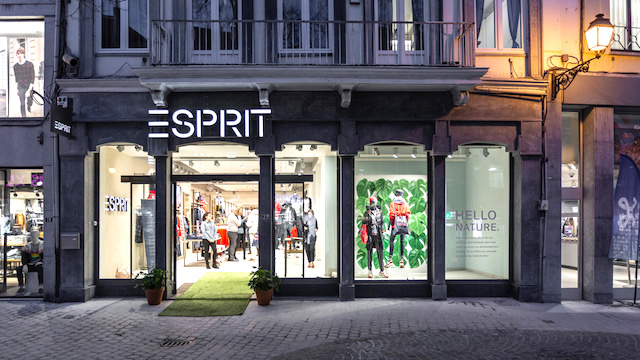
    Fast-fashion retailer Esprit says foot traffic into its stores worldwide have evaporated in the wake of the coronavirus pandemic and warned shareholders to expect a “considerable loss”.

    Public health initiatives enacted in many countries across the world aimed at slowing the spread of the pandemic have resulted in the closure of “a significant number of stores,” said Esprit company secretary Ophelia Lo.

    Public life has been locked down in France, Italy, Spain, Poland and Austria with other European countries most likely to follow, she said. All of those are important markets for Esprit which as part of a major restructuring plan is refocusing its business on Europe.

    “Obviously apparel retail sentiment is at its lowest level possible and store traffic in the group’s retail stores and its partners’ points of sale has subsided entirely,” said Lo.

    “In addition, the logistics of the supply chains of merchandise shipments are significantly affected.”

    Esprit expects the pandemic will “significantly adversely impact the sales of the group” in the second half of the current financial year, ending June 30.

    “As a result, management expects the group to incur a considerable loss in the second half,” said Lo.

    Right now, Esprit management cannot quantify the actual impact of the pandemic on the group’s business performance, given the inability to predict the speed and extent to which the pandemic will spread in markets in which the group and its suppliers operate in, and with no reliable estimation on when the pandemic may be over.

    “The company will continue to diligently assess the impact of the pandemic on the group’s business performance and will make appropriate announcements on updates as and when necessary,” she said.

    Meanwhile, the company will take “all practicable measures to cope with the challenges ahead,” including using working capital management and cost-control measures and exploring financial support provided by local governments.

  • Starbucks China to open Coffee Innovation Park

    Starbucks China to open Coffee Innovation Park

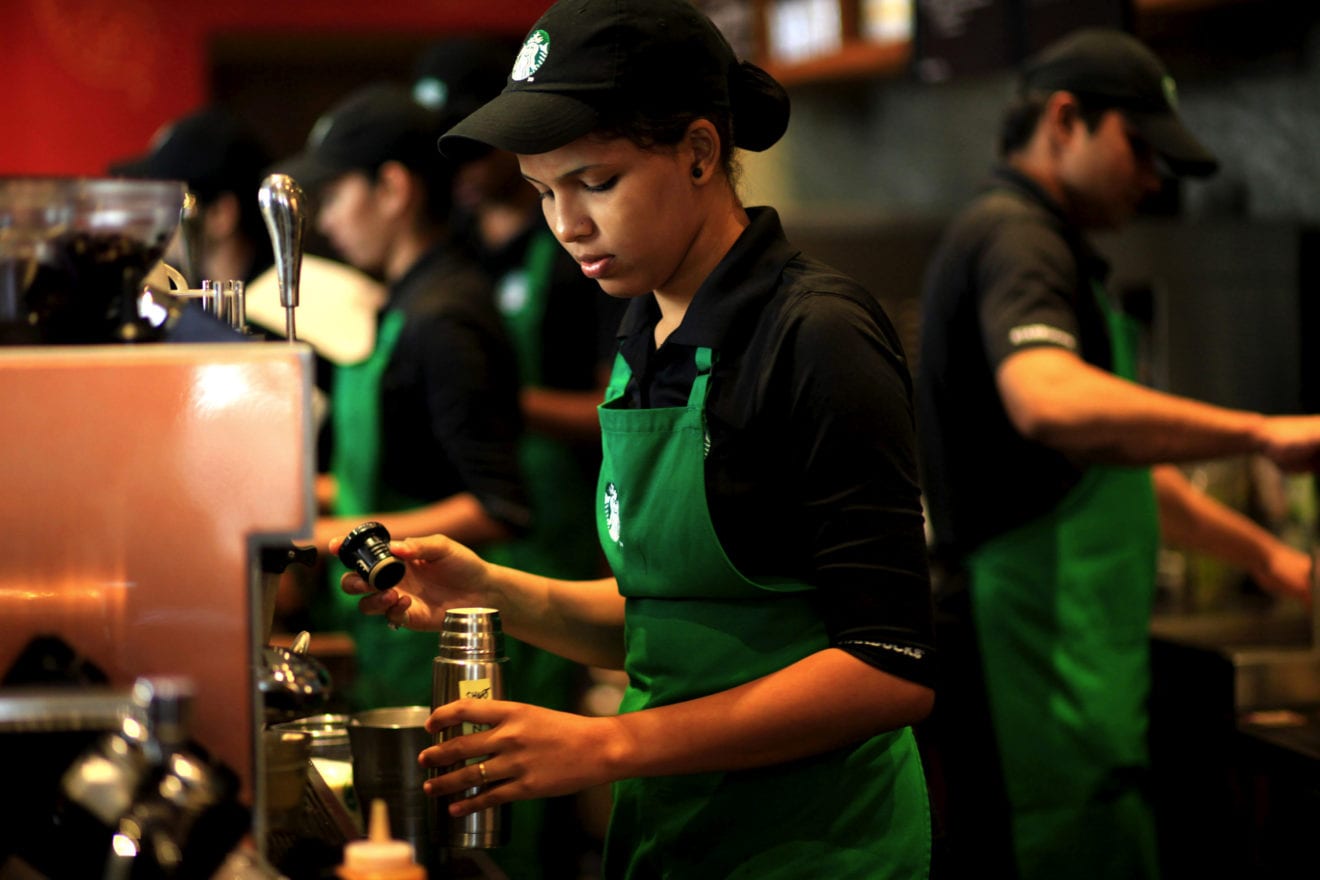
    Starbucks China will invest US$130 million in a new roasting facility in 2022 as part of its upcoming Coffee Innovation Park in Kunshan.
    The park will be Starbucks’ largest manufacturing investment outside of the US and its first in Asia, incorporating a roasting plant, warehouse and distribution centre. The firm has committed to strengthening the specialty coffee industry in China, aiming to operate 6000 stores in China within two years.

    “Starbucks has spent the past 20 years sharing its passion for coffee across China and helping to build a leading industry that makes us all proud,” said Starbucks China chairman and CEO Belinda Wong.

    “The roasting facilities at the Coffee Innovation Park will set a blueprint for the future of coffee roasting and supply chain management, and further elevate China’s coffee industry, while supporting Starbucks’ growth in China.”

    The Coffee Innovation Park will incorporate advancements in sustainable manufacturing, smart supply chain innovation, and technology to help deliver the most energy- and water-efficient roasting operations for Starbucks in the world, while minimizing waste.

    Starbucks opened its Yunnan Farmer Support Centre eight years ago to provide open-source agronomy resources to coffee farmers throughout the region. Its new Coffee Innovation Park will source coffees from China and around the world directly from the origin for processing, roasting, packaging and distribution, for the first time in China.

  • Laura Ashley may call in administrators

    Laura Ashley may call in administrators

    Malaysian-owned clothing and home furnishings retailer Laura Ashley may go into administration if it fails to secure £15 million (US$18.44 million) in loans from Hilco Capital.

    According to reporting in Retail Gazette, the firm is currently in talks with the Homebase garden center business owner for the emergency loan to avoid collapse by the end of this month. The business has said its operations have not been strongly affected by the coronavirus outbreak but has otherwise experienced a challenging year’s trading.

    The firm suffered a 166-per-cent loss in the December financial half-year, with a sales drop of 10.8 percent amidst poor market conditions and the spectre of Brexit. Last year, the business lost 60 percent of its share value.

    The firm currently operates 150 UK stores and around 2700 staff will be affected if the business fails.

  • Metro Manila malls close, with only supermarkets, pharmacies remaining open

    Metro Manila malls close, with only supermarkets, pharmacies remaining open

    After Philippine President Rodrigo Duterte announced an “enhanced community quarantine” yesterday across Luzon, Metro Manila malls and some stores were temporarily closed to comply with the government’s fight against Covid-19 (coronavirus).

    Shopping malls, especially in Metro Manila, announced their temporary closure until further notice. However, grocers and pharmacies in shopping malls will remain open.

    Customers queuing at cash registers have been told to maintain a 1-metre (3-foot) space apart.

    Ayala Malls, SM Supermalls, Robinsons Malls, Vista malls, Araneta City and Megaworld Lifestyle will be closed during the quarantine period which is set to continue until at least April 14, according to a directive issued by Department of Trade Secretary Ramon Lopez.

    In the government guidelines, only those private establishments providing basic necessities and such activities related to food and medicine production like public markets, supermarkets, groceries, convenience stores, hospitals, medical clinics, pharmacies and drug stores, food preparation and delivery services, water-refilling stations, manufacturing and processing plants of basic food products and medicines, banks, money-transfer services, power, energy, water and telecommunications supplies and facilities, shall remain open.

    Duterte has called on all the Philippines’ big enterprises to consider giving 13th month pay or even half of their salary as showing solidarity for Filipino for this critical time, or even food. He told the management of big companies to understand the plight of the workers who cannot work.

    Meanwhile, Jollibee and McDonald’s have reassured customers that measures were in place to ensure their safety as their stores remain open in Metro Manila during the community quarantine.

  • WhatsApp might launch self-destructing messages feature for individual accounts

    WhatsApp might launch self-destructing messages feature for individual accounts

    We already know that WhatsApp has been working on a self-destructing message feature. What we don’t know is when it will be made available to everyone and in what form. The self-destructing messages feature is quite common in apps like Snapchat and Telegram, but WhatsApp doesn’t yet include the functionality.

    However, we know that WhatsApp tested the feature since last October, but decided to limit it to groups chat. The good news is the latest version of WhatsApp beta reintroduces self-destruct messages for individual accounts.

    Unfortunately, since it’s still in the beta, WhatsApp might change its mind again and either limit its availability to a certain group of users or not release it at all. Well, the important thing WhatsApp has reconsidered its strategy and plans to bring it to all users, not just to some of them.

    Those of you who have access to WhatsApp beta for Android will find the new feature in the Settings menu of each chat. Make sure to tap Delete messages and choose how long new messages will last before they are deleted. You can select from several options: Off, 1 hour, 1 day, 1 week, 1 month, and 1 year.