Author: Mei Ling Tan

  • Burberry sales down in wake of coronavirus

    Burberry sales down in wake of coronavirus

    Burberry sales have declined by between 40 percent and 50 percent during the last six weeks as the coronavirus crisis takes its toll on retail.

    And in a statement released to the market, the company says it expects the figures to get even worse in the future, falling by up to 80 percent.

    “Since our February update, the material negative effect of COVID-19 on luxury demand has intensified and is now impacting the industry in all regions,” said Burberry CEO Marco Gobbetti. “Our primary concern is the global health emergency and we continue to take every precaution to help prevent the spread of the virus and ensure the safety and wellbeing of our employees, partners and customers. We are implementing mitigating actions to contain our costs and protect our financial position, underpinned by our strong balance sheet,” he said.

    “We remain confident in our strategy and the strength of our brand and I am exceptionally proud of our teams’ resilience and commitment.”

    The decline in Burberry sales in January was largely restricted to Asian markets, but since then, business in Mainland China has started to improve with most of the brand’s stores reopened, while sales in Europe, Middle East and Africa (EMEIA) have fallen materially.

    More than 60 percent of Burberry’s stores in EMEIA and 85 percent of stores in the Americas are currently closed.

    The firm now anticipates its fourth-quarter retail-store sales to be down by roughly 30 percent year on year.

  • UBS Disperses Calming Drops

    UBS Disperses Calming Drops

    The world’s largest wealth manager sought to soothe investor nerves amid market turmoil sparked by the coronavirus pandemic.

    Swiss-based UBS said it had observed «little to no» disruption in service to wealthy clients as trading volumes surged amid a stock and bond market rout. Worries that the coronavirus pandemic’s effect on the global economy is overshadowing broad policy moves meant to counter the fallout.

    The remarks address a pandemic expected to wreak economic havoc: Deutsche Bank on Wednesday predicted a global recession, with the demand to plunge in China this quarter and in Europe and the U.S. next. Rating agency Moody’s noted that global investment banks’ solid liquidity allows them to manage rising drawdown demands.

    Private banks like UBS are seeing volume surge as investors shift their portfolios and hunt for liquidity to meet margin calls. We have seen little to no disruptions in service to our clients and have successfully managed very high volumes across our businesses, particularly in our trading operations, finance chief Kirt Gardner said on Wednesday.

    He underscored UBS’ conservative capital cushion, its ample liquidity and funding, and successful stress tests. «While previous economic growth projections are clearly no longer valid, it is too early to forecast the impact» – and it depends on official responses from health, monetary, and other authorities, he noted.

  • Qualcomm partners with video enhancing company Imint for future smartphones’ superior video capabilities

    Qualcomm partners with video enhancing company Imint for future smartphones’ superior video capabilities

    These days consumer demand for higher quality videos grows exponentially and people expect more and more from upcoming smartphones. Now, Sweden-based software company Imint, a firm offering video enhancements and analysis, has announced that it will collaborate with chip manufacturer Qualcomm for better video capabilities in future Snapdragon-powered devices.

    Imint’s CEO, Andreas Lifvendahl, stated that the collaboration with Qualcomm will bring a great possibility for the software company to take advantage of the AI-powered chip core technology offered by Qualcomm, and therefore be able to develop a next-gen video enhancement software. The two have already collaborated, developing the Vidhance algorithm, which provides a selfie mode that ensures the user’s face stays in the frame when using the video capabilities of the phone (video calls, chats and recordings).

    Additionally, Lifvendahl believes that Qualcomm’s latest breakthroughs, given the fact that Qualcomm is a world leader in the chip manufacturing market, become a higher stepping-stone for Imint’s software. The two companies have even created a technology to help lower power consumption when processing videos with Vidhance algorithms. The aforementioned power-saving tech is available for devices equipped with Qualcomm’s Snapdragon 865 mobile platform.

  • Hong Kong government launches cash relief for retailers from Monday

    Hong Kong government launches cash relief for retailers from Monday

    The Hong Kong government will allocate US$271 million in aid for around 70,000 retailers affected by the coronavirus outbreak.

    The Retail Sector Subsidy Scheme will launch next Monday, with eligible stores set to receive an HK$80,000 (US$10,300) subsidy under the scheme to help alleviate their financial difficulties.

    Beneficiaries of the fund must be substantial retail businesses operating since at least January 1 this year, excluding restaurateurs, hawkers and stalls in department stores without a separate payment system. Mail order, internet and direct marketing businesses are also excluded from the scheme.

    Parent companies operating multiple locations can apply for up to HK$3 million ($386,200) in relief funding.

    The Hong Kong Trade Development Council will help implement the scheme with retailers instructed to apply online to speed up the application process and minimize the time required for vetting the eligibility of applications received. Applications for support will only be accepted from March 23 to April 12.

    A telephone hotline has opened (1836 111) and an email address (enquiry@retailsubsidy.hk) established for inquiries from retailers, which are operational now.

  • Malaysia Lockdown Hits Singapore Lenders

    Malaysia Lockdown Hits Singapore Lenders

    Singapore banks could face further headwinds after Malaysia announced a nationwide lockdown that will last till the end of March.

    High connectivity to Malaysia is expected to weigh in for Singapore banks, most notably UOB and OCBC which source 11 and 14 percent of pre-tax profits from the country, respectively. The two had already flagged earlier that credit costs could rise 25-30 basis points based on assumptions that the outbreak lasts till mid-2020.

    At UOB, credit costs could jump 80 basis points if the outbreak extends beyond mid-2020, according to a report citing CFO Lee Wai Fai though he said that it is a «highly unlikely» possibility. At OCBC, CFO Darren Tan said that revenue growth would be «relatively muted» but added that strong capital ratios, funding and liquidity would help the lender stay resilient in this period.

    Although DBS said the impact from Malaysia’s lockdown would be limited due to a smaller presence in the market, it is still expected to feel the broader effects of the outbreak. DBS’s chief executive Piyush Gupta recently announced a modest 1-2 percent revenue reduction which its institutional banking head Tan Su Shan called a moving target.

  • Rolls-Royce To Shut Production At Goodwood For 1 Month Over Coronavirus Pandemic

    Rolls-Royce To Shut Production At Goodwood For 1 Month Over Coronavirus Pandemic

    Britain’s Rolls-Royce Motor Cars has announced that the luxury automaker will suspend production at the Goodwood manufacturing facility in the UK for two weeks starting from March 23, 2020. Furthermore, the automaker will keep the facility closed for an additional two week period for the pre-planned Easter maintenance shutdown. The decision to close the plant arises due to the outbreak of the Coronavirus globally, which has affected the production and supply of components to automakers. Moreover, the virus is posing a major health risk, given its airborne nature. With the UK reporting over 2600 cases and about 71 deaths, the country has had to take strict measures to contain the virus.

    Torsten Muller-Otvos, Chief Executive Officer, Rolls-Royce Motor Cars, said, “This action has not been taken lightly, but the health and well-being of our exceptional workforce is first and foremost in our minds.  We are a tight-knit community at the Home of Rolls-Royce and I have no doubt that our resilience will shine through during this extraordinary time. As a deeply customer-focused company, we are aware that this decision to pause our production will possibly cause some discomfort or inconvenience to a few of our esteemed patrons, for which we apologize while seeking their understanding at this difficult time.”

    Rolls-Royce’s Goodwood plant employs about 2000 personnel with each of the cars hand-built

    Meanwhile, Rolls-Royce has said that day-to-day operations of the company will be assured by non-production employees who will remain at work at the company’s head office on the Goodwood Estate or who will work from home on a rotational basis. The company has engaged social distancing measures, it said in a statement.

    More recently, UK Prime Minister Boris Johnson asked automakers including Rolls-Royce, Ford and Honda to build medical equipment to tackle the COVID-19 pandemic. The UK government also said it will take support from the defense industry to build healthcare equipment to meet the increasing number of cases. Apart from Rolls-Royce, Nissan, BMW and Toyota among others have also announced plant closures in the UK, leaving Jaguar Land Rover and Honda with operational facilities. The closure will affect about 17,000 employees and production across the auto sector.

  • Luk Fook sales plummet by half in first two months of 2020

    Luk Fook sales plummet by half in first two months of 2020

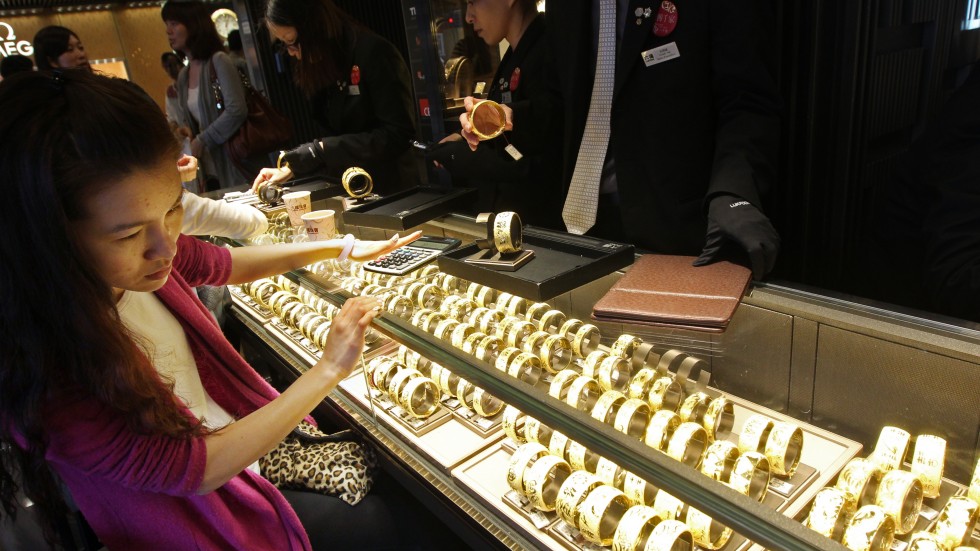
    Hong Kong jeweler Luk Fook says its sales halved during the first two months of this year as the coronavirus outbreak caused an extensive lockdown of mainland Chinese cities and visitors to Hong Kong and Macau fell sharply.

    While most mainland stores have reopened this month, customer footfall of the shops operating in Mainland China, Hong Kong and Macau was “still sparse” said chairman and CEO Sheung Wong in a profit warning. “It is expected to take some time for the business to resume normal.

    “Therefore … there will be an acute drop in revenue for the period from January to March. It is therefore highly likely that certain losses will be incurred in the fourth quarter. It may lead to a substantial decline in the group’s revenue and profit for the financial year ending March 31.”

    With Macau stores closed for most of February, sales in the combined Hong Kong and Macau market decreased by more than 50 percent.

    “Economic activities in Mainland China were almost halted due to the outbreak,” said Wong. “In the first two months of this year, industry, consumption and investment all hit record low with the double-digit decline, crashing the macro-economy severely.”

    Group-wide, same-store sales of gold products and gem-set jewelry products in Luk Fook’s own stores were down by 45 percent and 54.9 percent, respectively. In Hong Kong and Macau overall sales were down by 52.8 percent, with gold products down by 47.3 percent and gem-set jewelry products by 58 percent.

    On the mainland, where shops were closed in February, same-store sales fell by 37.1 percent. Gold sales were down by 38.6 percent and gem-set jewelry sales by 31.8 percent.

    Retail sales through licensed shops and self-operated shops of the group in Mainland China fell by half.

    During the pandemic, the company has not replaced staff leaving of their own accord and introduced leave without pay to reduce staffing costs. It has also negotiated rent reductions with landlords.

    Expansion plan on track

    Despite the huge impact of the coronavirus on sales, Luk Fook remains committed to its expansion plan which Wong said “has not been seriously affected”.

    “It is estimated that the net shop additions for the current financial year would only be a bit less than the target of 300 shops. In addition, the group’s unaudited revenue and profit for the period for the nine months ended December 31 were about 60 percent and 55 percent respectively ahead of those for the year ended March 31, last year.”

    He said fourth-quarter operational data will be released in mid-April.

  • WhatsApp, in collaboration with the World Health Organization

    WhatsApp, in collaboration with the World Health Organization

    As we all know, social media platforms have been filled with misinformation regarding the current public health situation, and tech giants are striving to bring the situation under control. Now, WhatsApp is also joining in in the efforts to protect the public from coronavirus-related fake news and posts.

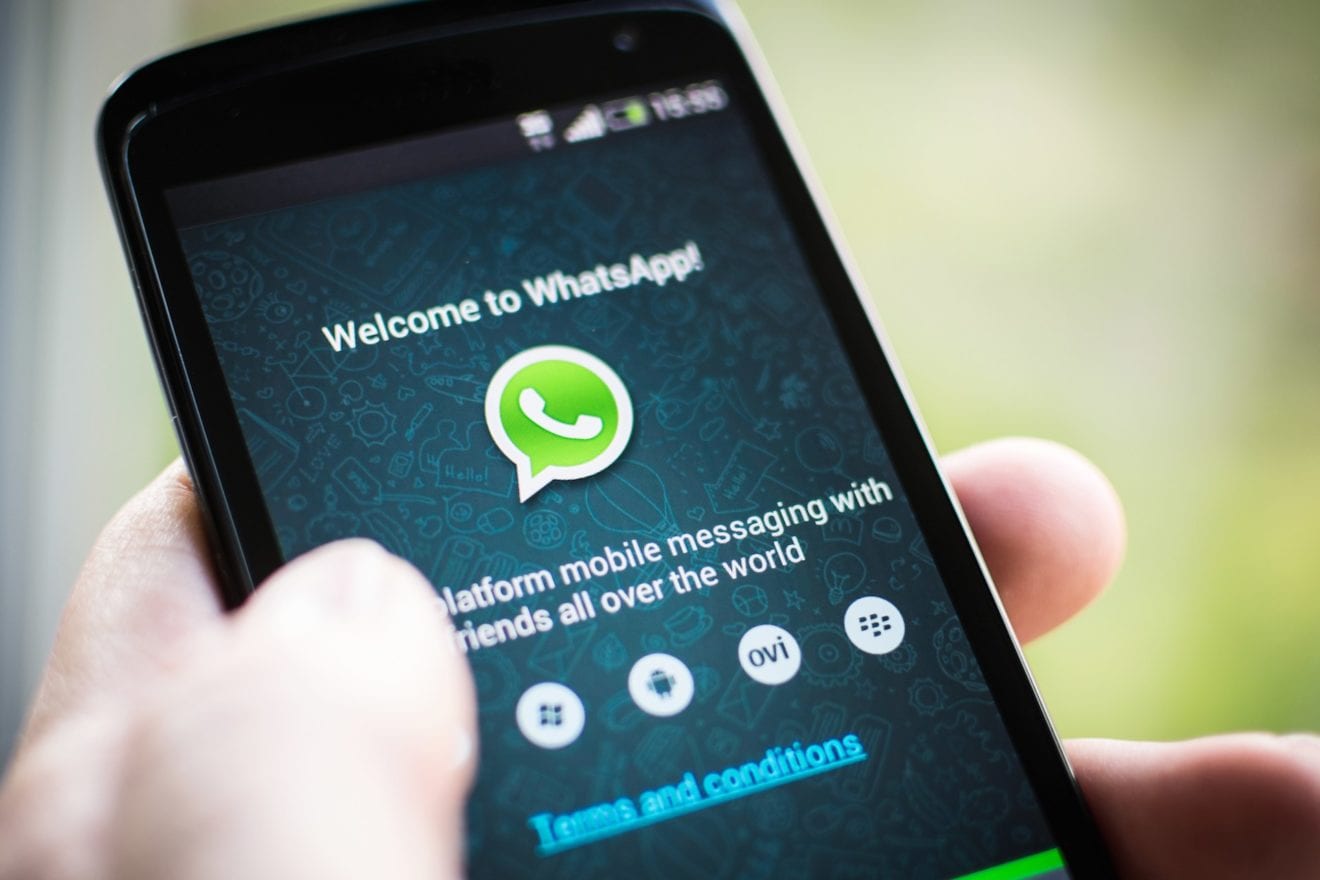
    WhatsApp announced that it is opening an information hub, in partnership with the WHO, UNICEF and UNDP. The platform offers guidance, general information and tips in order to fight the spread of misleading rumors and panic over the situation. Additionally, it will also provide messaging hotlines, where people can text and most likely get guidance.

    What’s more, the company has stated that they will be donating $1 million to the Poynter Institute’s International Fact-Checking Network (IFCN) in order to fight against misleading posts concerning the COVID-19. The company is urging people to ensure they are reading trusted knowledge sources and if they are unsure about something, not to forward it to help limit the spread of misinformation.

    Additionally, the Fact-Checking Network will work on determining ways that misinformation spreads in WhatsApp and developing tools to detect and better moderate it, stated IFCN’s director, Baybars Orsek.

  • Bookstore chain Popular exits Hong Kong, shuttering all 16 stores

    Bookstore chain Popular exits Hong Kong, shuttering all 16 stores

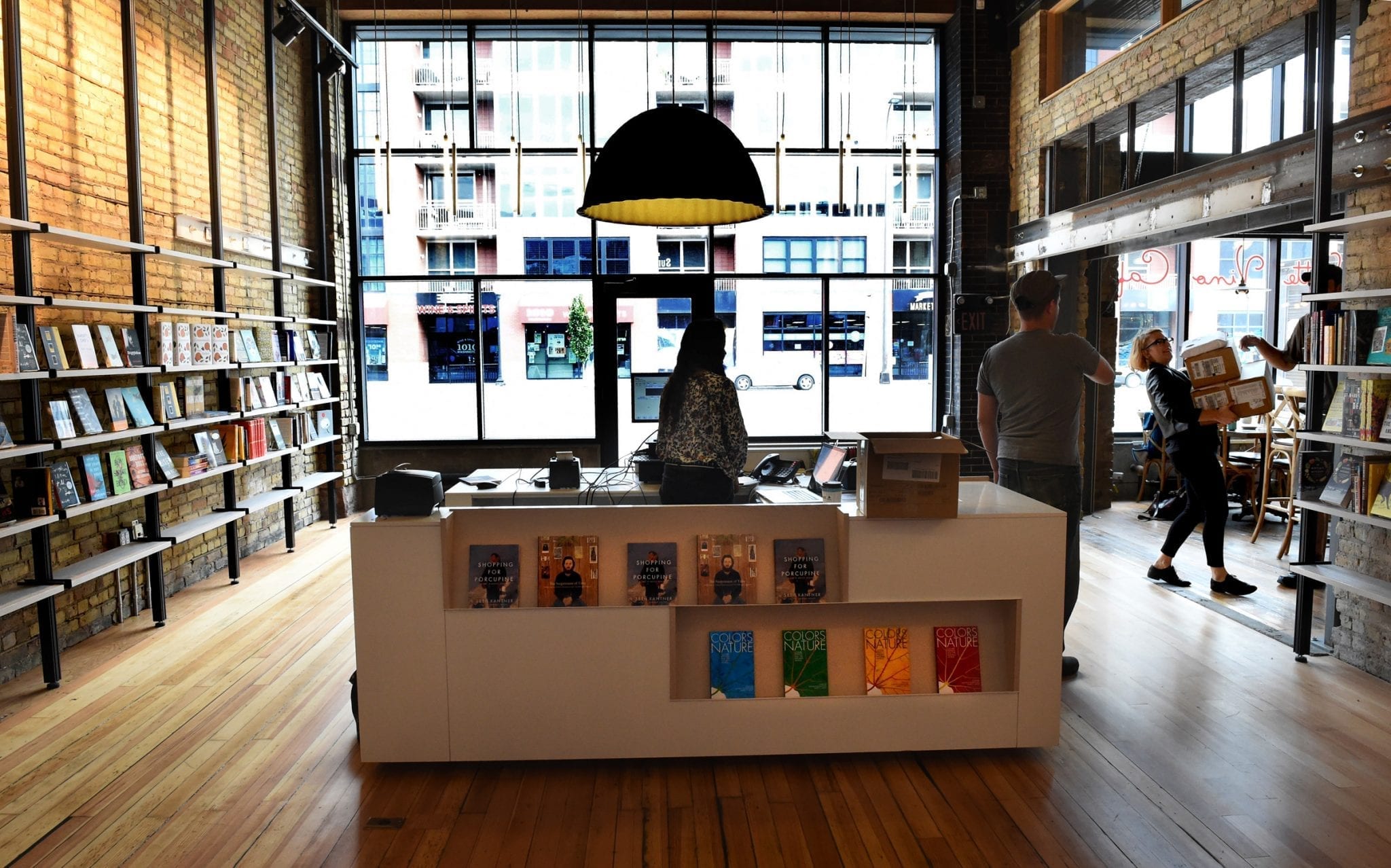
    Singapore-based bookstore-chain Popular has fallen victim to the coronavirus pandemic and shuttered all 16 stores in Hong Kong, effective immediately.

    However, Popular’s other non-retail businesses in publishing and distribution will continue to operate locally.

    The company was recently taken to court by Palliser Investments over unpaid rent for its Whampoa Gardens branch during the past two months, accumulating HK$520,000 in debt. As employees cleared out the stores, Popular’s Facebook and official website page has also been deactivated.

    A representative spoke to HK01 news explaining the group’s difficult decision: “The retail book industry in Hong Kong has been facing structural challenges in the market over the past decade. It has continued to deteriorate in the past 12 months, leading to a severe contraction in retail revenue”.

    The group will now divert its resources and focus on education publishing, e-learning and educational services instead of retailing, the spokesperson said.

    The bookstore-chain Popular Book Company will continue to operate in nine of its other international markets, including Singapore and Malaysia.

  • Samsung is looking into its own cloud service, likely to ditch its current provider

    Samsung is looking into its own cloud service, likely to ditch its current provider

    Samsung has decided upon self-reliance and is trying to substitute its cloud service provider. Samsung’s cloud currently relies 60% on Amazon Web Services, reports SamMobile, while the remaining 40% is outsourced to other providers. The cloud platform supports its smartphones, IoT devices and other products.

    Basically, Samsung is planning to first conduct several tests, bringing its cloud infrastructure to some of its departments in order to slowly limit its dependence on Amazon Web Services (AWS), and eventually stop using it altogether.

    So, why has Samsung decided to do this? First of all, of course, there are cost-related reasons. According to SamMobile, the company has been paying hundreds of millions of dollars every year for the service. Last year, more than $483 million, for Samsung Electronics alone, was paid to AWS. Additionally, as the number of users grows, the company has to pay even more for cloud computing solutions. If Samsung would rely on its own cloud, reportedly this could save a lot of money for the company.

    Secondly, there is the reason for security. The South-Korean-based firm wants to maintain its cloud by itself and thus ensure a secure environment, dependent on Samsung’s own efforts. However, it is not clear which organization will support Samsung’s cloud yet. It’s said that the company may choose Joyent, a cloud service that Samsung bought in 2016, as Amazon Web Services’ replacement.

  • Samsung expects 5G demand to drive chip sales higher in 2020

    Samsung expects 5G demand to drive chip sales higher in 2020

    Thanks to the coronavirus, most of the world’s tech manufacturers are facing a situation that they’ve never had to deal with before. Navigating a global economy that has been turned upside down because of the disease, Samsung Chief Executive Kim Ki-nam cited the pandemic and the U.S.-China trade dispute for continued weakness in the global smartphone market. While Kim is negative on the outlook for smartphones this year, he is positive about the company’s chip business; he expects a rebound in 2020 after weak global demand and the U.S.-China trade war ate into Sammy’s chip business last year. The unit accounts for half of the company’s operating profit.

    Koh Dong-jin, president of Samsung’s mobile and network business, told the annual general meeting in Seoul that “The global smartphone market was expected to turn to growth this year, but with virus showing signs of being prolonged, the smartphone market is contracting. But 5G smartphone demand is expected to rise.” Samsung just released its first-half flagship phones and the early word is that sales of the Galaxy S20 line are well below the pace seen after the release of previous Galaxy S models.

    The coronavirus surely has a lot to do with that and while the Space Zoom feature with a 100x hybrid zoom sounds enticing, the $1,400 price tag on the Galaxy S20 Ultra 5G is quite daunting in a world where a small bottle of hand sanitizer now costs over $100-if you can find one. For global consumers with no idea whether they will still have a job a few weeks from now, making the purchase of an expensive new phone seems unnecessary when the mortgage is due and the children need to be fed.

    Still, Samsung’s consumer electronics chief Kim Hyun-suk said that it is too early to figure out how COVID-19 will affect the company’s consumer business. Kim said, “We had expected the consumer electronics market to rise slightly this year, but with the coronavirus fast-spreading, uncertainties are growing faster than ever, and it is very difficult to predict the future.”

    But then it comes to chips, Samsung feels positive about 2020, unlike rival chipmakers who have been chipping away at their sales forecast. Samsung sees strong demand for chips used in 5G wireless networks, data centers, and automobiles. While demand for chips will rise, supply will shrink according to Kim as foundries (including Samsung’s) move to 5nm chip production instead of increasing capacity. At 5nm, Samsung’s chips will carry 127 million transistors per square mm making them more powerful and energy-efficient than current chips made using the 7nm node.

    The report helped Samsung’s shares rise .6% earlier today against a broader market decline in South Korea of .5%. The number of people attending Samsung’s stockholders’ meeting dropped from 1,000 last year to 400 this year because of the coronavirus outbreak. Those showing up at the gathering were scanned with a thermal camera and had their temperature taken when they first arrived at the venue. They also were seated two seats away from each other to help prevent attendees from spreading the virus. The company also instituted electronic voting for the meeting and suggested that stockholders vote online.

    It has been a busy first quarter for Samsung with the release of the Galaxy Z Flip foldable phone and the launch of the Galaxy S20, Galaxy S20+ and Galaxy S20 Ultra 5G. Later this year, we should see Samsung release the Galaxy Fold 2, and the Galaxy Note 20. Last year Samsung remained the largest smartphone manufacturer in the world followed by Huawei and Apple.

  • Asian sales hold up for Samsonite International

    Asian sales hold up for Samsonite International

    A soft North American market saw global sales for luggage maker and retailer Samsonite International slip 1.8 percent in the December year – but the company is expecting a tough first half with the advent of coronavirus.

    CEO Kyle Gendreau said the global health emergency has caused travel disruptions worldwide.

    “While the extent and duration of the COVID-19 outbreak remain uncertain, we are reassured by actions taken by governments and health authorities around the world. Nonetheless, the outbreak will have a negative impact on our performance in the first half of 2020.”

    But he said the company is well placed to withstand the upheaval, with more than US$1.2 billion in liquidity and “a strong record of managing through past travel disruptions”.

    Last year’s sales reached US$3.64 billion, with all areas outside North America – where sales fell 8 percent – achieving growth. Sales in Asia rose 1.5 percent, in Europe by 3.2 percent and in Latin America by 2.8 percent.

    “These encouraging results … were achieved notwithstanding headwinds in four key markets, including the US, which was affected by increased tariffs on products sourced from China, and lower foreign tourist traffic, the Hong Kong domestic market, South Korea and Chile.”

    In Asia, the group’s business was impacted by a planned reduction in B2B sales during the first half of the year in China, challenging market conditions in the Hong Kong domestic market and weak consumer sentiment in South Korea. Excluding these impacts, the Group’s net sales for the Asia region increased by 6.8 percent, year-on-year.

    Samsonite International’s adjusted pre-tax earnings fell by 16.9 percent, or $100.1 million, to $492.2 million, primarily due to the effect of lower net sales and a decrease in gross profit margin, which was in part due to the incremental tariffs imposed by the US on products sourced from China.

    Gendreau says the company made steady progress in repositioning Samsonite for sustained growth and improved profitability last year while navigating sales and margin pressures in some of its key markets.

    “We are pleased with the improvements we achieved in controlling costs, managing working capital, generating cash flow and deleveraging our balance sheet. These improvements, along with our dedicated teams, strong brands, global scale and diversified sourcing base and supply chain strengthen Samsonite’s resilience in the face of challenging headwinds and provide us with the capacity to continue investing in the business to deliver sustainable growth and long-term shareholder value,” he said.

  • HSBC cutting 35,000 Jobs in a Pandemic

    HSBC cutting 35,000 Jobs in a Pandemic

    Newly confirmed HSBC group chief executive Noel Quinn has barely enough time to celebrate as he grapples with how to cut 35,000 jobs in the midst of a coronavirus pandemic that has claimed nearly 9,000 lives.

    Cutting jobs in the middle of a global health crisis has more than just economic effects – there are also social and political ones. Depending on the location and segment, a mistimed axing – more so given that authorities are rushing to provide monetary and fiscal support sometimes targeting the working class – could result in varying levels of internal and external backlash.

    HSBC’s Quinn faces an uphill battle as the effects of the coronavirus pandemic threaten to slow down the British bank’s cost-cutting plans.

    One of the key elements of the revamp involves the reduction of physical branches with a focus on the U.S. and the U.K. where coronavirus cases are ramping up. In addition to the obvious social risks linked to a current wholesale layoff of branch employees, HSBC also faces logistical hurdles when unwinding branches.

    In the U.K. where the bank is looking to cut 27 more branches this year, it has already had to shut down two locations temporarily – Burnley and Northampton – due to confirmed cases of staff infection. And in the U.S., where HSBC said it would cut one-third or about 80 branches, competitors are already taking major precautions including JPMorgan Chase which will reportedly close around 20 percent of its branches.

    Interestingly, Quinn had previously said that the group considered a full exit from the U.S. retail market but opted, in the end, to keep the business as a key source of dollar liquidity and funding for the group.

    Layoffs in the broader workforce will also be more difficult to execute until the effects of the outbreak are better contained. In addition to temporarily closed branches, at least two staff at HSBC – one in London and one in Dubai – have already been diagnosed with Covid-19 and staff within the vicinity have been told to work from home to slow down any potential contagion.

    You can’t fire a trader in Europe over the phone when he is either working from home or taking care of a sick family member, said a report citing an unnamed HSBC source.

    Although not alone in facing job cut headwinds, HSBC accounts for a dominant share (46 percent) of the 75,700 job cuts disclosed by banks worldwide as of December 2019. But still, it remains confident about the longer-term prospects most notably in Asia where it is betting on China’s wealthy to boost profitability. HSBC’s Asia private banking head Tan Siew Meng recently earmarked a three-year timeline to triple its number of Greater China billionaire clients.

    We have a history of staying calm in difficult times, dealing with the issues at hand, and standing firm for our customers, said the newly appointed CEO Quinn in an internal e-mail. We must do the same again.

    A spokesperson for the bank said no changes had been made to its plans since the last announcement in February.

  • Citi Appoints Asia Chief Operating Officer

    Citi Appoints Asia Chief Operating Officer

    The senior executive takes on a new role, according to an internal memo shared after two decades with Citi’s equities and markets unit.

    Citi has appointed Andrea Fletcher as its chief operating officer for Asia.

    In the newly created role based in Hong Kong, Fletcher will help drive Citi’s efforts to grow the regional franchise. She will also join the Asia Operating Committee, the announcement said.

    The COO appointment follows the confirmation of Citi’s new chief for the region, Peter Babej, after the regional helm was held for six months by interim head Tim Monger, who will resume his sole chief financial officer role.

    According to her LinkedIn profile, Fletcher joined Citi in 1999 as director of equity and research sales, based in Sydney. Her 20-year career at the bank is split almost equally between Australia and Hong Kong, with her most recent role being managing director and global head of client strategy, equities and prime finance.

    She helped establish the Citi Women’s Network in Hong Kong and Australia, while also playing an active role in Citi’s diversity, recruiting, mentoring and leadership development efforts both internally and externally with the bank’s clients.

  • Robinsons may quit one Kuala Lumpur site

    Robinsons may quit one Kuala Lumpur site

    Singaporean department-store chain Robinsons may close one of its locations in Kuala Lumpur before its lease expires due to lackluster performance.

    The store launched a four-story 20,000sqft space in The Shoppes in Four Seasons Place less than two years ago, which has failed to live up to the firm’s expectations in terms of footfall. Its other outlet in the city has been operating since 2007.

    Robinsons has reportedly approached other department store operators in the territory to take over the space, including Parkson – which vacated its longstanding space in the neighboring Suria KLCC mall just last year.

    According to a report in The Edge, discussions between tenant and landlord are ongoing to determine the firm’s exact date of departure, which is likely to be in the third quarter this year. Robinson’s has filed widening financial losses in recent years.